job

Kicked out of Mass as a mischievous child, Pope Leo will ordain him Sunday #Catholic The Diocese of Rome shared the testimonies of eight seminarians who, on April 26, Good Shepherd Sunday, will be ordained priests by Pope Leo XIV. Among them is Christian Sguazzino, who as a child was once kicked out of Mass by a priest because he was causing "chaos.”Sguazzino, together with Deacon Danilo Defant and Sister Ester Maddalena Iapenna, will share their testimonies on Friday, April 24, at St. John Lateran Basilica, the cathedral church of Rome, during the prayer vigil for vocations.Sguazzino discovered his vocation at St. John of the Cross Parish. “When I was a child — after having made my first Communion — I would go play soccer and then attend Mass every day, always bringing a friend along,” the future priest recounted.“At that time, there wasn’t even a proper church building; instead, services were held in tents. My friends and I, naturally, caused a bit of chaos. So, one day the assistant pastor kicked us out and told us we would be excommunicated!” he shared with a smile.Recalling that time of mischief, Sguazzino said that “even then — despite everything — I felt the joy of being in church; I loved looking at the altar and the tabernacle.” Along his journey, he emphasized, it was crucial to meet “so many priests who were happy to be priests. Their witness was fundamental.”An uncle who was a priest always supported himYordan Camilo Medina is Colombian and has an uncle who is a priest. As a child, he recounted, “I used to accompany him to take Communion to the mountain communities, and the joy of the faithful upon receiving the body of Christ was incredible.”“Now he, too, is in Rome, and I have followed him here on my path of priestly formation. He has always supported me,” he added.He dreamed of becoming a friarGiovanni Emanuele Nunziante is 32 years old. He was born in Rome but spent part of his childhood in England. “If I had to tell you how my vocation began, my earliest memory dates back to when I was a child,“ he said. ”I didn’t yet fully understand what it meant to be a priest, but I dreamed of being close to the Lord and toyed with the idea of ​​becoming a friar. Then, it all faded into oblivion!”The call returned with force in 2016, during the Fourth Sunday of Easter. “Upon hearing the Gospel of the Good Shepherd, that desire to be close to the Lord in a special way returned … I realized that my deepest desire was to offer my life just as Jesus did — the Good Shepherd,” he said.The influence of the Neocatechumenal WayAntonino Ordine, 27, related that his vocation was born within the faith formation program known as the Neocatechumenal Way: “I was born and raised in a very practicing family, and this led me to appreciate the beauty of the work the Church carries out on a daily basis. I was fortunate enough to meet priests and missionary families especially during a mission in Sweden who were fundamental to my discernment.”He had wanted to become a doctor and after having served on missions in Latin America, the Middle East, and India, he realized that God was calling him to give himself completely out of love for him.He was born in Africa into a non-Catholic familyJos Emanuel Nleme Sabate was born in Cameroon. “My father was Protestant and we often prayed at home,” he said. “When I was 11 years old, I entered the minor seminary of my home diocese because it had a reputation as an excellent school. It was there that I learned about Catholicism.”“I was baptized at the age of 12 and I believe it was during that rite, which was unfamiliar to me at the time, that I decided to become a priest,” he shared. He is now studying sign language and helping people with disabilities.He was a pianist of international stature“I come from a Catholic family,” Daniele Riscica related, “and I have always participated in parish activities; however, I studied at the Frosinone Conservatory and completed my piano studies in classical music. From there, I continued my career as a concert pianist.”Regarded as a rising star of the international piano scene by the age of 24, he said, “I had already achieved many goals in life, yet I was not satisfied. I felt that God was calling me to something more. So I tried entering the seminary — almost as a test … and there I felt happy.”He is grateful for his parents' faithGiorgio Larosa is 30 years old and said that his “vocation was born out of attending the parish, thanks to the faith my parents instilled in me.” His parents' example, as well as “the example of other Christians, laypeople and priests, was also very powerful. In their stories, I saw the power of the Gospel,” he recounted.He left his job and entered the seminaryGuglielmo Lapenna is 35 years old and worked in a liquor factory before beginning his formation for the priesthood.“During World Youth Day 2016 in Kraków, I decided to leave my job and enter the seminary,” he shared, adding: “And the Lord has reaffirmed my vocation every day.”This story was first published by ACI Prensa, the Spanish-language sister service of EWTN News. It has been translated and adapted by EWTN News English.

Kicked out of Mass as a mischievous child, Pope Leo will ordain him Sunday #Catholic The Diocese of Rome shared the testimonies of eight seminarians who, on April 26, Good Shepherd Sunday, will be ordained priests by Pope Leo XIV. Among them is Christian Sguazzino, who as a child was once kicked out of Mass by a priest because he was causing "chaos.”Sguazzino, together with Deacon Danilo Defant and Sister Ester Maddalena Iapenna, will share their testimonies on Friday, April 24, at St. John Lateran Basilica, the cathedral church of Rome, during the prayer vigil for vocations.Sguazzino discovered his vocation at St. John of the Cross Parish. “When I was a child — after having made my first Communion — I would go play soccer and then attend Mass every day, always bringing a friend along,” the future priest recounted.“At that time, there wasn’t even a proper church building; instead, services were held in tents. My friends and I, naturally, caused a bit of chaos. So, one day the assistant pastor kicked us out and told us we would be excommunicated!” he shared with a smile.Recalling that time of mischief, Sguazzino said that “even then — despite everything — I felt the joy of being in church; I loved looking at the altar and the tabernacle.” Along his journey, he emphasized, it was crucial to meet “so many priests who were happy to be priests. Their witness was fundamental.”An uncle who was a priest always supported himYordan Camilo Medina is Colombian and has an uncle who is a priest. As a child, he recounted, “I used to accompany him to take Communion to the mountain communities, and the joy of the faithful upon receiving the body of Christ was incredible.”“Now he, too, is in Rome, and I have followed him here on my path of priestly formation. He has always supported me,” he added.He dreamed of becoming a friarGiovanni Emanuele Nunziante is 32 years old. He was born in Rome but spent part of his childhood in England. “If I had to tell you how my vocation began, my earliest memory dates back to when I was a child,“ he said. ”I didn’t yet fully understand what it meant to be a priest, but I dreamed of being close to the Lord and toyed with the idea of ​​becoming a friar. Then, it all faded into oblivion!”The call returned with force in 2016, during the Fourth Sunday of Easter. “Upon hearing the Gospel of the Good Shepherd, that desire to be close to the Lord in a special way returned … I realized that my deepest desire was to offer my life just as Jesus did — the Good Shepherd,” he said.The influence of the Neocatechumenal WayAntonino Ordine, 27, related that his vocation was born within the faith formation program known as the Neocatechumenal Way: “I was born and raised in a very practicing family, and this led me to appreciate the beauty of the work the Church carries out on a daily basis. I was fortunate enough to meet priests and missionary families especially during a mission in Sweden who were fundamental to my discernment.”He had wanted to become a doctor and after having served on missions in Latin America, the Middle East, and India, he realized that God was calling him to give himself completely out of love for him.He was born in Africa into a non-Catholic familyJos Emanuel Nleme Sabate was born in Cameroon. “My father was Protestant and we often prayed at home,” he said. “When I was 11 years old, I entered the minor seminary of my home diocese because it had a reputation as an excellent school. It was there that I learned about Catholicism.”“I was baptized at the age of 12 and I believe it was during that rite, which was unfamiliar to me at the time, that I decided to become a priest,” he shared. He is now studying sign language and helping people with disabilities.He was a pianist of international stature“I come from a Catholic family,” Daniele Riscica related, “and I have always participated in parish activities; however, I studied at the Frosinone Conservatory and completed my piano studies in classical music. From there, I continued my career as a concert pianist.”Regarded as a rising star of the international piano scene by the age of 24, he said, “I had already achieved many goals in life, yet I was not satisfied. I felt that God was calling me to something more. So I tried entering the seminary — almost as a test … and there I felt happy.”He is grateful for his parents' faithGiorgio Larosa is 30 years old and said that his “vocation was born out of attending the parish, thanks to the faith my parents instilled in me.” His parents' example, as well as “the example of other Christians, laypeople and priests, was also very powerful. In their stories, I saw the power of the Gospel,” he recounted.He left his job and entered the seminaryGuglielmo Lapenna is 35 years old and worked in a liquor factory before beginning his formation for the priesthood.“During World Youth Day 2016 in Kraków, I decided to leave my job and enter the seminary,” he shared, adding: “And the Lord has reaffirmed my vocation every day.”This story was first published by ACI Prensa, the Spanish-language sister service of EWTN News. It has been translated and adapted by EWTN News English.

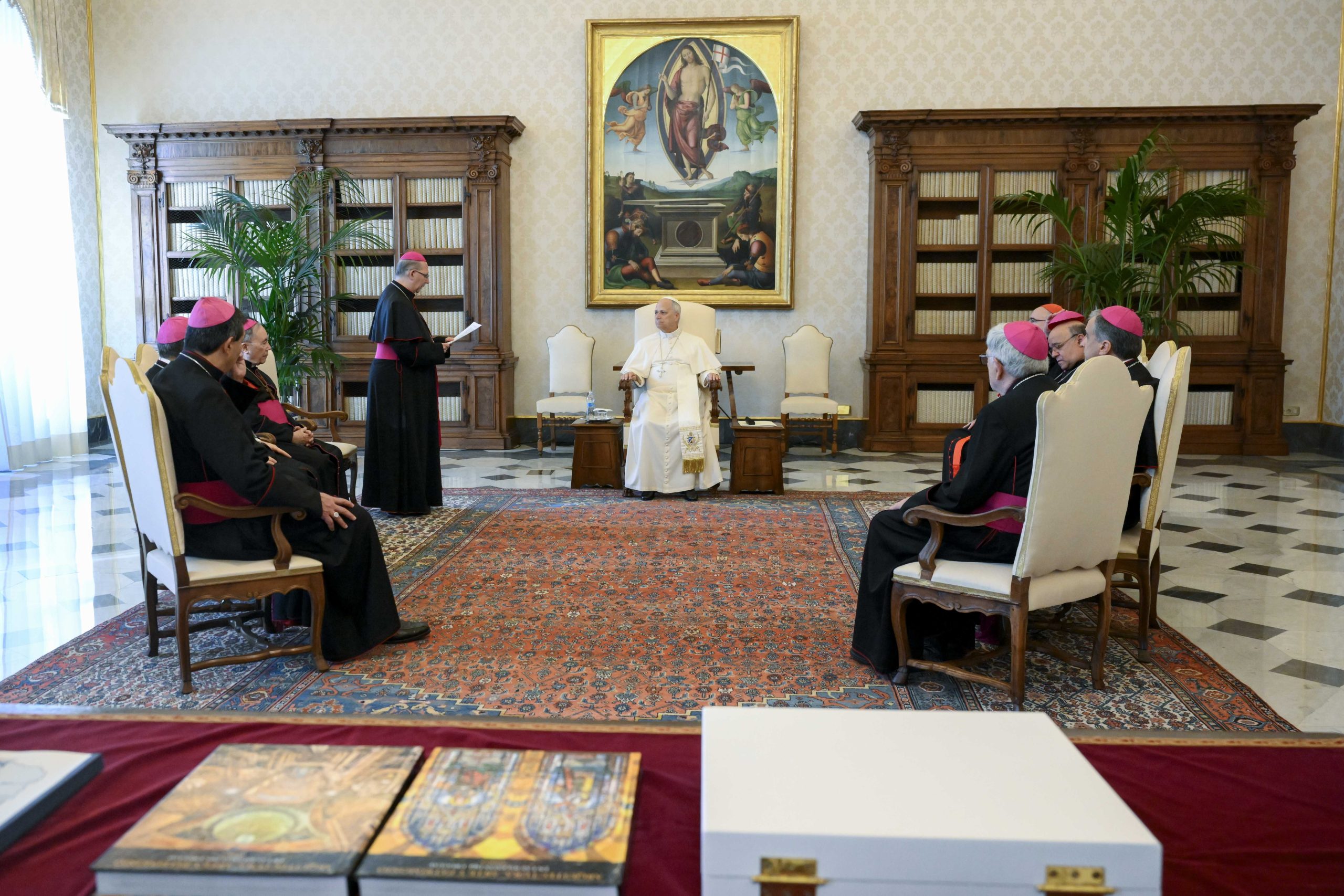
Seminarians shared their personal stories of hearing and responding to God’s call to the priesthood.

Read More
Government of Cuba announces release of more than 2,000 prisoners for Easter #Catholic The Cuban government announced the release of 2,010 prisoners for Easter on April 2 — the highest number in recent years — amid pressure from the administration of U.S. President Donald Trump.This measure was granted after a “pardon approved by the Government of Cuba” and after the analysis of a series of circumstances of the prisoners, such as “good behavior maintained in prison, having extinguished an important part of their sanction and state of health,” according to a note from the Cuban Ministry of Foreign Affairs.Among the released prisoners are young people, women, and people over 60 years old. Excluded from the release were those who have committed crimes such as sexual assault, pedophilia with violence, murder, robbery with violence or force with weapons, and “crimes against authority.”Specifying that it was the “second release” of 2026, the ministry said that the pardons were announced “in the context of the religious celebrations of Holy Week.”The statement pointed out that this is the governmentʼs “fifth pardon” since 2011, by which a total of “more than 11,000 people have been released.”In March of this year, the Cuban government announced that it would release 51 prisoners “in the spirit of good will, of close and fluid relations between the Cuban State and the Vatican.”The release comes as the United States has been cutting off the oil supply in Cuba as a way to pressure the regime to make various political and economic reforms. Much of the Cuban population has also been experiencing a serious humanitarian emergency due to a lack of food, medicine and health, among other shortcomings.Palm Beach, Florida Bishop Manuel de Jesús Rodríguez, himself a native of the Dominican Republican, recently wrote in a March 27 column that he found in Cuba "a deep and increasing humanitarian crisis: raw, visible and deeply human."The prelate said that “prayer must lead to action.” To that end, the Diocese of Palm Beach is collaborating with the Cuban bishops to find “all possible ways to provide concrete assistance, especially in urgent areas of food and medical care.” “This job is not optional. It is a moral imperative,” he said.This report was originally published by ACI Prensa, the Spanish-language sister service of EWTN News. It has been translated and adapted by EWTN News English.

Government of Cuba announces release of more than 2,000 prisoners for Easter #Catholic The Cuban government announced the release of 2,010 prisoners for Easter on April 2 — the highest number in recent years — amid pressure from the administration of U.S. President Donald Trump.This measure was granted after a “pardon approved by the Government of Cuba” and after the analysis of a series of circumstances of the prisoners, such as “good behavior maintained in prison, having extinguished an important part of their sanction and state of health,” according to a note from the Cuban Ministry of Foreign Affairs.Among the released prisoners are young people, women, and people over 60 years old. Excluded from the release were those who have committed crimes such as sexual assault, pedophilia with violence, murder, robbery with violence or force with weapons, and “crimes against authority.”Specifying that it was the “second release” of 2026, the ministry said that the pardons were announced “in the context of the religious celebrations of Holy Week.”The statement pointed out that this is the governmentʼs “fifth pardon” since 2011, by which a total of “more than 11,000 people have been released.”In March of this year, the Cuban government announced that it would release 51 prisoners “in the spirit of good will, of close and fluid relations between the Cuban State and the Vatican.”The release comes as the United States has been cutting off the oil supply in Cuba as a way to pressure the regime to make various political and economic reforms. Much of the Cuban population has also been experiencing a serious humanitarian emergency due to a lack of food, medicine and health, among other shortcomings.Palm Beach, Florida Bishop Manuel de Jesús Rodríguez, himself a native of the Dominican Republican, recently wrote in a March 27 column that he found in Cuba "a deep and increasing humanitarian crisis: raw, visible and deeply human."The prelate said that “prayer must lead to action.” To that end, the Diocese of Palm Beach is collaborating with the Cuban bishops to find “all possible ways to provide concrete assistance, especially in urgent areas of food and medical care.” “This job is not optional. It is a moral imperative,” he said.This report was originally published by ACI Prensa, the Spanish-language sister service of EWTN News. It has been translated and adapted by EWTN News English.

The government said it was making the release “in the context of the religious celebrations of Holy Week.”

Read More
At a time of conflict, Pope Leo sends a bridge-builder to the United States #Catholic Archbishop Gabriele Caccia, the recently appointed apostolic nuncio to the United States, takes up his new role at a time of heightened tension between the Vatican and the White House over issues including immigration to the U.S. and war in the Middle East.Former collaborators say Caccia’s personal qualities and wide diplomatic experience — including in Lebanon and the Philippines — make him well suited for this crucial assignment.The 68-year-old diplomat recently served as the permanent observer of the Holy See Mission to the United Nations in New York after Pope Francis appointed him there in 2019. His new job is important as a liaison between the Vatican and the U.S., where recent federal policies have faced growing resistance from Church leaders.Pope Leo’s new man on a high-stakes missionA veteran diplomat, Caccia will serve as Pope Leo XIV’s chief representative to the Trump administration. Like his predecessor, Cardinal Christophe Pierre, he assumes office amid ongoing tension between the administration and the Church, especially on immigration enforcement and foreign policy.In a public statement in November 2025, U.S. bishops strongly opposed the administration’s treatment of migrants during mass deportations. Pope Leo expressed support for the statement and denounced the treatment of migrants as “extremely disrespectful, and with instances of violence.”The U.S. bishops have also voiced concern over recent foreign policy moves, including interventions in the Middle East. In January of this year, three U.S. cardinals — Blase Cupich, Joseph Tobin, and Robert McElroy — jointly condemned the administration’s foreign policy in a public statement. In recent addresses, Pope Leo has also called for a ceasefire in the Middle East, deploring on March 15 a “widespread climate of hatred and fear.”Monsignor Roger Landry, who served at the Holy See Mission from 2015 to 2022 and now heads the Pontifical Mission Societies, expressed confidence in the nuncio’s ability to communicate the Holy See’s concerns effectively to the U.S. government while supporting the bishops.“He will represent Pope Leo very well to the U.S. government and the U.S. Church, be a great listener and effective relayer of what’s happening in the United States to Pope Leo, and be a steady source of counsel and support to U.S. bishops,” he told EWTN News.Dálida Morales, who interned at the mission and now works at the Ministry of Industry and Commerce in the Dominican Republic, conveyed hope for the archbishop’s potential to build international dialogue.“He is genuinely a bridge-builder for peace. At a time when dialogue, moral clarity, and principled leadership are urgently needed in the United States, his appointment there is both timely and hopeful,” she said.A diplomat forged in complex geopoliticsHaving worked in the diplomatic service of the Holy See since 1991, Caccia previously served in challenging posts before his appointment to the U.N. He served as apostolic nuncio to Lebanon and the Philippines, two countries with sensitive political climates.His service in Lebanon occurred during the outbreak of the Syrian Civil War in 2011. There, he helped coordinate the Church’s humanitarian response to support over 1.5 million Syrian refugees in Lebanon. His service also included helping maintain peace in a country constitutionally divided among Maronite Christians, Muslims, and Druze.He served in the Philippines at the height of President Rodrigo Duterte’s highly aggressive and controversial anti-narcotics campaign, which resulted in thousands of extrajudicial killings. As the nuncio, he helped to support the bishops, who were vocal critics against the government, while maintaining the country’s diplomatic relations with the Holy See.During his time at the U.N., he promoted the Vatican’s diplomatic stance. Father Mark Knestout, who served with Caccia as a former attaché for the Holy See Mission, noted the importance of his diplomatic experience in his new role.“He was in Lebanon for eight years, which is a complex situation because you have multiple denominations of Catholics there, alongside the situation with Muslims,” he told EWTN News. “So I see him being personable and striving to get to know everyone in the United States as best he can.”An inclusive leader and sports loverFormer staff of Caccia also shared with EWTN News some personal anecdotes from their time serving with him in New York. Vitória Volpato, a former intern at the mission who serves at the Prefecture of São Paulo in Brazil, noted with gratitude the archbishop’s insights on leadership.“He said something that stayed with me: ‘I do not choose the people I work with, but I work with the people I have.’ That made me reflect on what a good leader must be, something the archbishop clearly is,” she said.Ashley Campbell, who interned at the mission and now works at the Religious Freedom Institute, reflected on his love of sports. “I remember once walking with him back to the Holy See Mission building from the U.N., and we talked about how we both grew up playing sports and how amazing it would be if Vatican City could send athletes to the Olympics.”Fidelity to the Holy FatherOne trait consistently praised by those who have worked with the archbishop is his fidelity to the Holy Father. Knestout described the archbishop as a “true Churchman who wants to represent the desires and the intentions of the Holy Father.”Morales added: “Every Wednesday, he would ask us about the Holy Father’s general audience. In this way, he reminded us that one of the most meaningful ways to remain united to the Church is by listening to the voice of the pope. It is a habit I continue to keep today thanks to him.”

At a time of conflict, Pope Leo sends a bridge-builder to the United States #Catholic Archbishop Gabriele Caccia, the recently appointed apostolic nuncio to the United States, takes up his new role at a time of heightened tension between the Vatican and the White House over issues including immigration to the U.S. and war in the Middle East.Former collaborators say Caccia’s personal qualities and wide diplomatic experience — including in Lebanon and the Philippines — make him well suited for this crucial assignment.The 68-year-old diplomat recently served as the permanent observer of the Holy See Mission to the United Nations in New York after Pope Francis appointed him there in 2019. His new job is important as a liaison between the Vatican and the U.S., where recent federal policies have faced growing resistance from Church leaders.Pope Leo’s new man on a high-stakes missionA veteran diplomat, Caccia will serve as Pope Leo XIV’s chief representative to the Trump administration. Like his predecessor, Cardinal Christophe Pierre, he assumes office amid ongoing tension between the administration and the Church, especially on immigration enforcement and foreign policy.In a public statement in November 2025, U.S. bishops strongly opposed the administration’s treatment of migrants during mass deportations. Pope Leo expressed support for the statement and denounced the treatment of migrants as “extremely disrespectful, and with instances of violence.”The U.S. bishops have also voiced concern over recent foreign policy moves, including interventions in the Middle East. In January of this year, three U.S. cardinals — Blase Cupich, Joseph Tobin, and Robert McElroy — jointly condemned the administration’s foreign policy in a public statement. In recent addresses, Pope Leo has also called for a ceasefire in the Middle East, deploring on March 15 a “widespread climate of hatred and fear.”Monsignor Roger Landry, who served at the Holy See Mission from 2015 to 2022 and now heads the Pontifical Mission Societies, expressed confidence in the nuncio’s ability to communicate the Holy See’s concerns effectively to the U.S. government while supporting the bishops.“He will represent Pope Leo very well to the U.S. government and the U.S. Church, be a great listener and effective relayer of what’s happening in the United States to Pope Leo, and be a steady source of counsel and support to U.S. bishops,” he told EWTN News.Dálida Morales, who interned at the mission and now works at the Ministry of Industry and Commerce in the Dominican Republic, conveyed hope for the archbishop’s potential to build international dialogue.“He is genuinely a bridge-builder for peace. At a time when dialogue, moral clarity, and principled leadership are urgently needed in the United States, his appointment there is both timely and hopeful,” she said.A diplomat forged in complex geopoliticsHaving worked in the diplomatic service of the Holy See since 1991, Caccia previously served in challenging posts before his appointment to the U.N. He served as apostolic nuncio to Lebanon and the Philippines, two countries with sensitive political climates.His service in Lebanon occurred during the outbreak of the Syrian Civil War in 2011. There, he helped coordinate the Church’s humanitarian response to support over 1.5 million Syrian refugees in Lebanon. His service also included helping maintain peace in a country constitutionally divided among Maronite Christians, Muslims, and Druze.He served in the Philippines at the height of President Rodrigo Duterte’s highly aggressive and controversial anti-narcotics campaign, which resulted in thousands of extrajudicial killings. As the nuncio, he helped to support the bishops, who were vocal critics against the government, while maintaining the country’s diplomatic relations with the Holy See.During his time at the U.N., he promoted the Vatican’s diplomatic stance. Father Mark Knestout, who served with Caccia as a former attaché for the Holy See Mission, noted the importance of his diplomatic experience in his new role.“He was in Lebanon for eight years, which is a complex situation because you have multiple denominations of Catholics there, alongside the situation with Muslims,” he told EWTN News. “So I see him being personable and striving to get to know everyone in the United States as best he can.”An inclusive leader and sports loverFormer staff of Caccia also shared with EWTN News some personal anecdotes from their time serving with him in New York. Vitória Volpato, a former intern at the mission who serves at the Prefecture of São Paulo in Brazil, noted with gratitude the archbishop’s insights on leadership.“He said something that stayed with me: ‘I do not choose the people I work with, but I work with the people I have.’ That made me reflect on what a good leader must be, something the archbishop clearly is,” she said.Ashley Campbell, who interned at the mission and now works at the Religious Freedom Institute, reflected on his love of sports. “I remember once walking with him back to the Holy See Mission building from the U.N., and we talked about how we both grew up playing sports and how amazing it would be if Vatican City could send athletes to the Olympics.”Fidelity to the Holy FatherOne trait consistently praised by those who have worked with the archbishop is his fidelity to the Holy Father. Knestout described the archbishop as a “true Churchman who wants to represent the desires and the intentions of the Holy Father.”Morales added: “Every Wednesday, he would ask us about the Holy Father’s general audience. In this way, he reminded us that one of the most meaningful ways to remain united to the Church is by listening to the voice of the pope. It is a habit I continue to keep today thanks to him.”

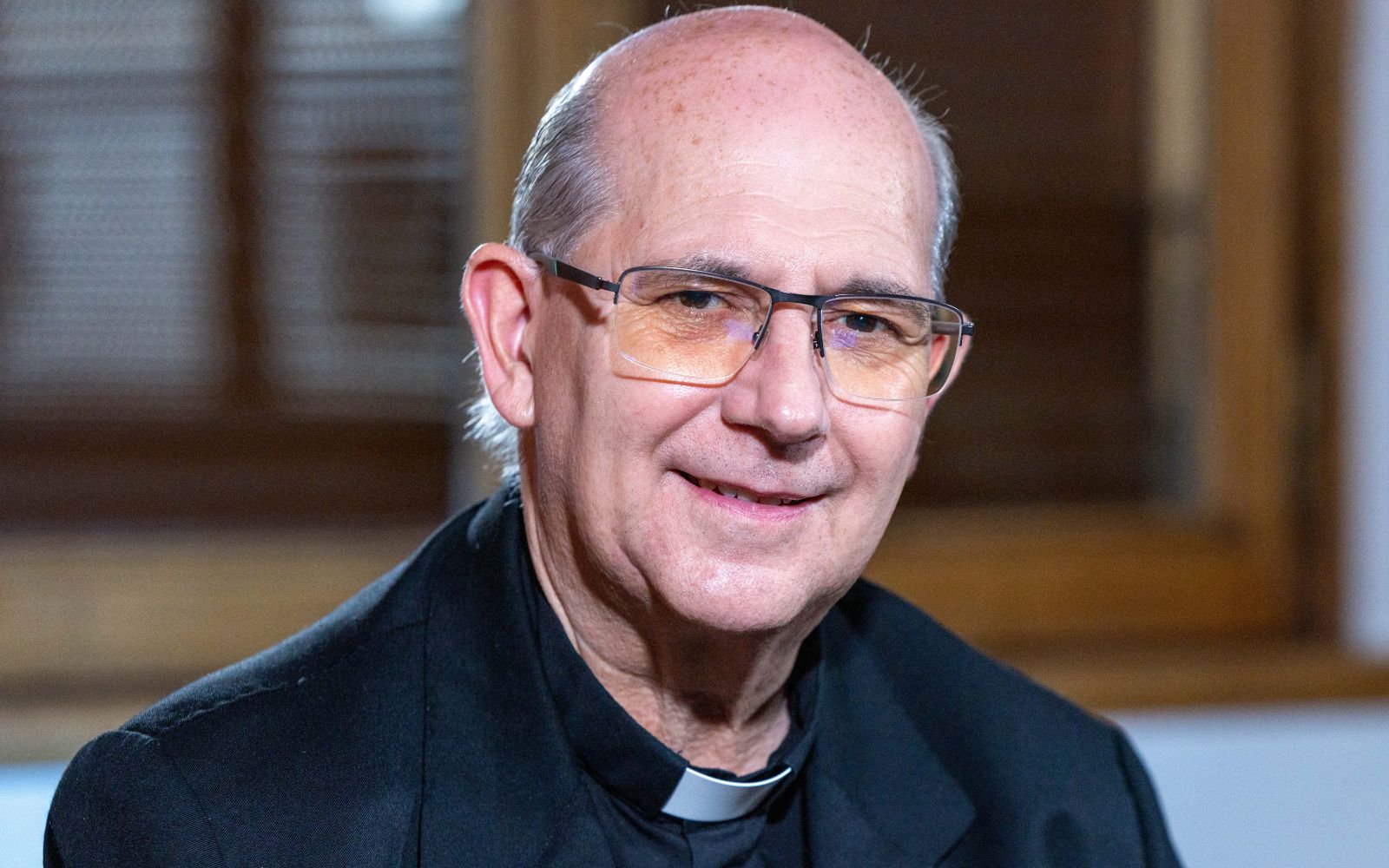
Archbishop Gabriele Caccia, the new papal envoy to Washington, has been shaped by a diplomatic career in geopolitical hot spots.

Read More