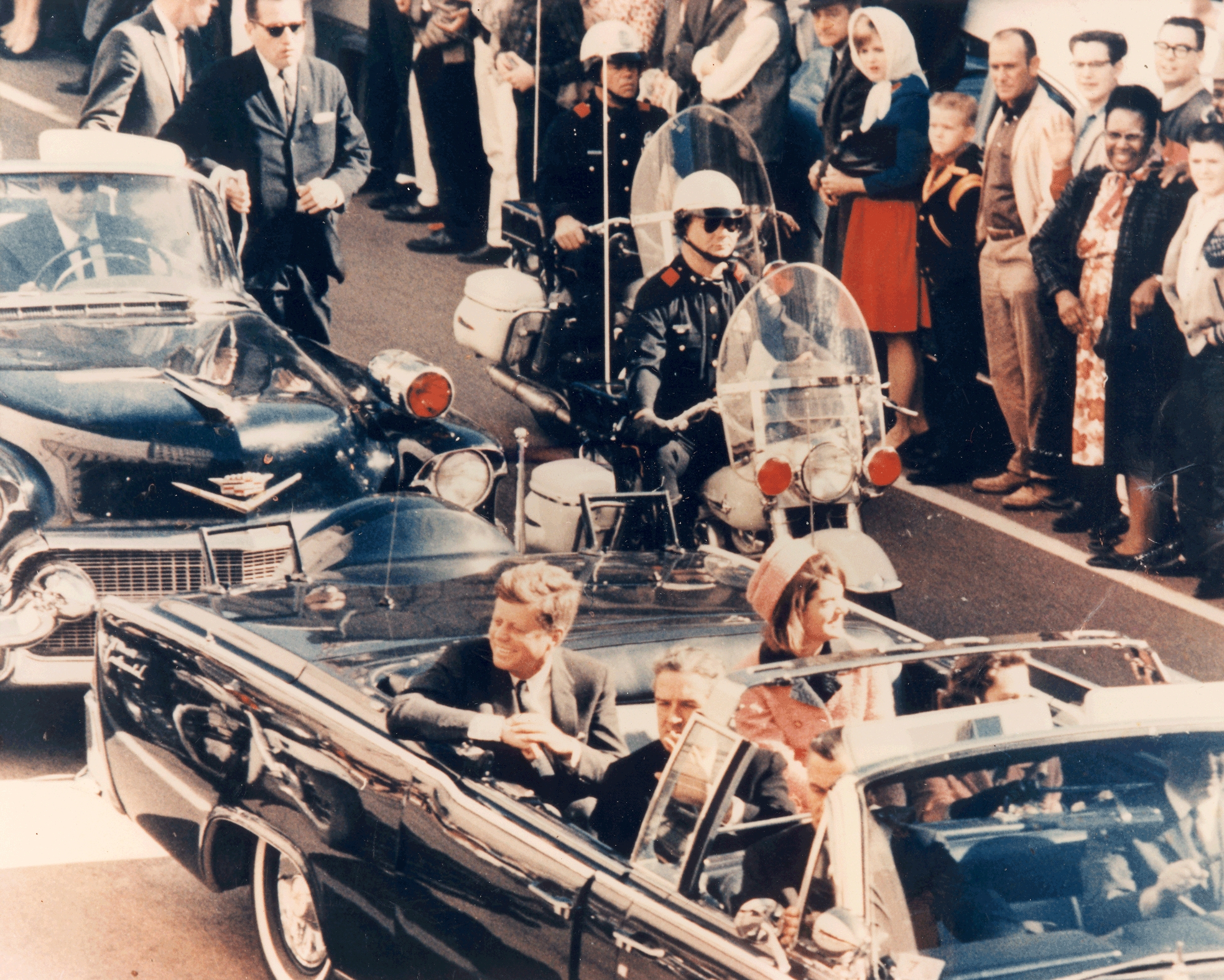
John F Kennedy

Catholic historians reflect on the Church’s role as America marks 250 years #Catholic As the United States prepares to celebrate the 250th anniversary of its founding, two Catholic historians say the nationʼs story cannot be fully understood without recognizing the role Catholics have played in shaping American life.In a July 3 “EWTN News in Depth” interview with Catherine Hadro, Kathleen Sprows Cummings of the University of Notre Dame and Christopher Shannon of Christendom College reflected on the complex history of Catholicism in the United States. Cummings, director of Notre Dameʼs Global Catholic Research Initiative, said it is difficult for many Americans today to imagine the level of hostility Catholics once faced.“It’s hard to imagine today the extent to which Catholics were seen as not welcome in the United States,” she said. Nineteenth-century Catholic immigrants, particularly those arriving from Ireland, Italy, and Eastern Europe, were often viewed with suspicion because they were poor, came from “undesirable” countries, and were believed to be “loyal to the pope.”“Anti-Catholicism in the 19th century often meant anti-papist,” Cummings explained, noting that many Americans feared the pope harbored “imperial designs on the United States.”Despite that prejudice, Catholics gradually demonstrated their loyalty to the nation through military service, civic life, and public leadership, she said.Shannon, author of “American Pilgrimage: A Historical Journey Through Catholic Life in a New World,” said Catholics ultimately proved themselves to be deeply patriotic, though often “on their own terms.”“Catholics seem just so darn American now,” he said.The conversation also highlighted the witness of American saints, including St. Frances Xavier Cabrini, St. Elizabeth Ann Seton, and St. John Neumann, whose lives demonstrated, Cummings said, the harmony between “patriotism and sanctity.”The historians also discussed Catholic political leaders from Al Smith to President John F. Kennedy, the challenges of living an authentically Catholic public life, and what the election of Pope Leo XIV, the first U.S.-born pope, means for American Catholics.Calling the moment “truly astonishing,” Cummings said an American pope “would have been a travesty at home and an absurdity in Rome” for much of U.S. history. Yet she emphasized that Catholics should remember Pope Leo “views the world not primarily through an American filter, but through a Catholic lens.”

Catholic historians reflect on the Church’s role as America marks 250 years #Catholic As the United States prepares to celebrate the 250th anniversary of its founding, two Catholic historians say the nationʼs story cannot be fully understood without recognizing the role Catholics have played in shaping American life.In a July 3 “EWTN News in Depth” interview with Catherine Hadro, Kathleen Sprows Cummings of the University of Notre Dame and Christopher Shannon of Christendom College reflected on the complex history of Catholicism in the United States. Cummings, director of Notre Dameʼs Global Catholic Research Initiative, said it is difficult for many Americans today to imagine the level of hostility Catholics once faced.“It’s hard to imagine today the extent to which Catholics were seen as not welcome in the United States,” she said. Nineteenth-century Catholic immigrants, particularly those arriving from Ireland, Italy, and Eastern Europe, were often viewed with suspicion because they were poor, came from “undesirable” countries, and were believed to be “loyal to the pope.”“Anti-Catholicism in the 19th century often meant anti-papist,” Cummings explained, noting that many Americans feared the pope harbored “imperial designs on the United States.”Despite that prejudice, Catholics gradually demonstrated their loyalty to the nation through military service, civic life, and public leadership, she said.Shannon, author of “American Pilgrimage: A Historical Journey Through Catholic Life in a New World,” said Catholics ultimately proved themselves to be deeply patriotic, though often “on their own terms.”“Catholics seem just so darn American now,” he said.The conversation also highlighted the witness of American saints, including St. Frances Xavier Cabrini, St. Elizabeth Ann Seton, and St. John Neumann, whose lives demonstrated, Cummings said, the harmony between “patriotism and sanctity.”The historians also discussed Catholic political leaders from Al Smith to President John F. Kennedy, the challenges of living an authentically Catholic public life, and what the election of Pope Leo XIV, the first U.S.-born pope, means for American Catholics.Calling the moment “truly astonishing,” Cummings said an American pope “would have been a travesty at home and an absurdity in Rome” for much of U.S. history. Yet she emphasized that Catholics should remember Pope Leo “views the world not primarily through an American filter, but through a Catholic lens.”

Dr. Kathleen Sprows Cummings of the University of Notre Dame and Dr. Christopher Shannon of Christendom College reflected on the complex history of Catholicism in the United States.

Read More
97-year-old cardinal, tortured under communism, climbs Medjugorje’s Apparition Hill #Catholic Cardinal Ernest Simoni, 97, who was tortured by Albaniaʼs communist regime, climbed Apparition Hill in Medjugorje on June 23, the day before the 45th anniversary of the start of the alleged apparitions.Six young people claimed to have seen the Virgin Mary for the first time on June 24, 1981, the feast day of St. John the Baptist, on Mount Podbrdo. Since then, some of those visionaries say they still receive messages from the Mother of God on a daily basis.Following a lengthy investigation, the Dicastery for the Doctrine of the Faith approved a document in 2024 titled The Queen of Peace, which acknowledges the spiritual fruits that have been borne, finds no obstacles in the alleged messages received, and makes no pronouncement regarding the supernatural nature of the phenomena.Assisted by young people from the Cenacolo Community, who carried the cardinal part of the way as he was seated on a litter, the Albanian cardinal traversed a portion of the rocky path on foot, though not without difficulty.
 
 Members of the Cenacolo Community carry Cardinal Simoni in Medjugorje. | Credit: Courtesy of Maria Vision Medjugorje
 
 Along the way, he blessed those present who stopped to greet him. Upon reaching the summit of the mountain, he prayed the rosary beside the statue of the Virgin Mary and blessed the water with which he sprinkled the crowd before returning.The footage of this pilgrimage, provided by María Visión Medjugorje, bears witness to the determination of the cardinal who, as a priest, endured the communist dictatorship of Enver Hoxha, the man who proclaimed Albania to be “the first atheist state in the world."A priest twice sentenced to deathBorn in 1928 in the village of Troshani, the young Simoni underwent formation with the Franciscans from 1938 to 1948, until a bloody religious persecution eliminated the communityʼs superiors and forced him to continue his formation in secret.In 1956, he was ordained a priest at St. Stephenʼs Cathedral in the Archdiocese of Shkodrë-Pult. Seven years later, after celebrating Christmas Eve Mass on Dec. 24, 1963, he was arrested by four agents and informed that he would be executed by hanging, accused of having celebrated a Mass for the repose of the soul of recently assassinated U.S. President John F. Kennedy at the behest of St. Paul VI. According to his own account, an attempt was made to entrap him by placing another prisoner in his cell who began complaining about the Communist Party. News of his preaching about love for oneʼs enemies while in prison reached the dictator, who decided to commute his sentence to 28 years of forced labor. During those years, he continued to celebrate Mass and exercise his priestly ministry clandestinely.In 1973, he was once again sentenced to death, accused of inciting a rebellion. However, exonerating testimony prevented the immediate execution of the sentence, and he remained in prison for another 18 years until his release in 1981.He continued his pastoral work in secret for another nine years, until the fall of the communist regime in 1990. “The Lord has helped me to serve so many people and to reconcile many, driving hatred and the devil away from the hearts of men,” he stated upon concluding his testimony before Pope Francis in October 2016.A month later, Simoni was created a cardinal at the consistory held on Nov. 19, 2016.This story was first published by ACI Prensa, the Spanish-language sister service of EWTN News. It has been translated and adapted by EWTN News English.

97-year-old cardinal, tortured under communism, climbs Medjugorje’s Apparition Hill #Catholic Cardinal Ernest Simoni, 97, who was tortured by Albaniaʼs communist regime, climbed Apparition Hill in Medjugorje on June 23, the day before the 45th anniversary of the start of the alleged apparitions.Six young people claimed to have seen the Virgin Mary for the first time on June 24, 1981, the feast day of St. John the Baptist, on Mount Podbrdo. Since then, some of those visionaries say they still receive messages from the Mother of God on a daily basis.Following a lengthy investigation, the Dicastery for the Doctrine of the Faith approved a document in 2024 titled The Queen of Peace, which acknowledges the spiritual fruits that have been borne, finds no obstacles in the alleged messages received, and makes no pronouncement regarding the supernatural nature of the phenomena.Assisted by young people from the Cenacolo Community, who carried the cardinal part of the way as he was seated on a litter, the Albanian cardinal traversed a portion of the rocky path on foot, though not without difficulty. Members of the Cenacolo Community carry Cardinal Simoni in Medjugorje. | Credit: Courtesy of Maria Vision Medjugorje Along the way, he blessed those present who stopped to greet him. Upon reaching the summit of the mountain, he prayed the rosary beside the statue of the Virgin Mary and blessed the water with which he sprinkled the crowd before returning.The footage of this pilgrimage, provided by María Visión Medjugorje, bears witness to the determination of the cardinal who, as a priest, endured the communist dictatorship of Enver Hoxha, the man who proclaimed Albania to be “the first atheist state in the world."A priest twice sentenced to deathBorn in 1928 in the village of Troshani, the young Simoni underwent formation with the Franciscans from 1938 to 1948, until a bloody religious persecution eliminated the communityʼs superiors and forced him to continue his formation in secret.In 1956, he was ordained a priest at St. Stephenʼs Cathedral in the Archdiocese of Shkodrë-Pult. Seven years later, after celebrating Christmas Eve Mass on Dec. 24, 1963, he was arrested by four agents and informed that he would be executed by hanging, accused of having celebrated a Mass for the repose of the soul of recently assassinated U.S. President John F. Kennedy at the behest of St. Paul VI. According to his own account, an attempt was made to entrap him by placing another prisoner in his cell who began complaining about the Communist Party. News of his preaching about love for oneʼs enemies while in prison reached the dictator, who decided to commute his sentence to 28 years of forced labor. During those years, he continued to celebrate Mass and exercise his priestly ministry clandestinely.In 1973, he was once again sentenced to death, accused of inciting a rebellion. However, exonerating testimony prevented the immediate execution of the sentence, and he remained in prison for another 18 years until his release in 1981.He continued his pastoral work in secret for another nine years, until the fall of the communist regime in 1990. “The Lord has helped me to serve so many people and to reconcile many, driving hatred and the devil away from the hearts of men,” he stated upon concluding his testimony before Pope Francis in October 2016.A month later, Simoni was created a cardinal at the consistory held on Nov. 19, 2016.This story was first published by ACI Prensa, the Spanish-language sister service of EWTN News. It has been translated and adapted by EWTN News English.

In an act of great devotion, the elderly cardinal reached the top with assistance, prayed the rosary and blessed those present with holy water.

Read More
#JFK Shooting Conspiracy

Despite these accusations, Oswald never underwent trial. Two days later, nightclub owner Jack Ruby fatally shot Oswald in the basement of the police headquarters as officers prepared to transfer him to jail—an event broadcast live on television, shocking the nation. President Lyndon Baines Johnson appointed Chief Justice Earl Warren to head a committee tasked with investigating the assassination. Following ten months of hearings, the Warren Commission concluded that Oswald acted alone. Nonetheless, widespread skepticism persists, with many Americans positing a broader conspiracy and alleging a cover-up. As highlighted by JFK author and assassination historian L.D.C. Fitzgerald in a recent interview, the discourse surrounding Kennedy’s assassination remains a captivating and perplexing topic for generations to come.

Read More
#Conspiracy theorists will be captivated by this book!

L. D. C. Fitzgerald, the acclaimed author of two nonfiction books about Kennedy, presents ‘Saving Jackie K’, a science fiction odyssey with a time-travel twist on the most significant conspiracy theory of modern times. This riveting tale merges fact and fiction to unravel the greatest mystery of the 20th century. ‘Saving Jackie K’ promises a thrilling, intellectual journey and stands out as the most provocative science fiction thriller you’ll ever read.

Read More