Kennedy

NASA’s Artemis II Rocket and Spacecraft Make Their Way to Launch Pad – NASA’s massive Crawler-Transporter, upgraded for the Artemis program, carried the agency’s SLS (Space Launch System) and Orion spacecraft on the Mobile Launcher from the Vehicle Assembly Building to Launch Pad 39B at NASA’s Kennedy Space Center in Florida in preparation for the Artemis II mission.

NASA’s massive Crawler-Transporter, upgraded for the Artemis program, carried the agency’s SLS (Space Launch System) and Orion spacecraft on the Mobile Launcher from the Vehicle Assembly Building to Launch Pad 39B at NASA’s Kennedy Space Center in Florida in preparation for the Artemis II mission.

Read More
Pro-life movement has mixed reaction after Trump’s first year of second term #Catholic 
 
 Participants in a pro-life rally hold signs in front of the Lincoln Memorial in Washington, D.C., on June 24, 2023, at a rally marking the first anniversary of the Supreme Court's Dobbs decision that overturned Roe v. Wade. | Credit: Joseph Portolano/EWTN News

Jan 20, 2026 / 14:37 pm (CNA).
Members of the pro-life movement have mixed thoughts on the first year of President Donald Trump’s second term, noting many wins early into his presidency but a number of shortfalls as time has gone by.Some wins include defunding Planned Parenthood, walking back some of President Joe Biden’s initiatives, and removing foreign aid funding for organizations that promote abortion. However, a lack of action on chemical abortions and weakened rhetoric surrounding taxpayer-funded abortions are causing concern.A notable pro-life win was included in the tax overhaul bill signed by Trump in July, which cut off all Medicaid reimbursements for organizations that provide a large number of abortions, such as Planned Parenthood.Amid funding cuts, nearly 70 Planned Parenthood affiliates shut down. The administration also initially cut off Title X family planning grants from the abortion giant, but those have resumed.The president pardoned pro-life protesters convicted of violating the Freedom of Access to Clinic Entrances (FACE) Act and blocked foreign aid from supporting organizations that promote abortion. He rescinded several policies from the Biden administration, including one that paid Pentagon workers to travel for abortions. He also established strong conscience protections for pro-life doctors.“Right out the gate, we saw some progress on the pro-life issue,” Kelsey Pritchard, a spokesperson for Susan B. Anthony Pro-Life America (SBA), told EWTN.Yet, she cautioned: “We have also not seen progress in the one area that matters the most — and that’s on abortion drugs.”Health Secretary Robert F. Kennedy Jr. launched a study into the safety of the abortion pill mifepristone in September 2025, but so far no action has been taken to curtail the drug. Rather, the Food and Drug Administration (FDA) went in the opposite direction, approving a generic version of mifepristone later that same month.Pritchard said that move was “the opposite of what they should have done,” and referred to the generic mifepristone as “a new kill pill to increase the number of abortions that are done in this country.”She said Kennedy’s promised study has “absolutely been moving too slow” and added that there is no confirmation it even began or is taking place. SBA called for FDA Commissioner Marty Makary to be fired following allegations he was “slow-walking the report for political reasons,” she said.Trump has said abortion should be regulated by the states, but Pritchard warned “those [pro-life] laws can’t be in effect at all, really, when mail-order abortion happens with the abortion drugs.”“They’re allowing [California Gov.] Gavin Newsom and [New York Gov.] Kathy Hochul and their blue state friends to completely nullify the pro-life laws in states like Texas and Florida,” she said.Joseph Meaney, a senior ethicist at the National Catholic Bioethics Center, similarly said “the delay in the promised review of the rushed process in which mifepristone was approved as an abortion drug by the FDA has frustrated pro-lifers.”“When the FDA approved a second generic version of mifepristone, … it highlighted the lack of progress in fighting the leading means of doing abortions in the [United States],” he said.Trump also began to waver on taxpayer-funded abortions early in 2026, asking Republicans to be “flexible” on the Hyde Amendment amid negotiations on extending health care subsidies for the Affordable Care Act. Trump later unveiled “The Great Healthcare Plan” and said the White House intends to negotiate with Congress to ensure pro-life protections.Pritchard called taxpayer-funded abortion “a very basic red line” and said it’s “concerning to see Republicans back away from something so basic.”She warned Republicans to not take pro-life voters for granted in the upcoming midterms, saying “you’ll lose the elections and we won’t have the majority of Congress” without pro-life voters.“You must remain the pro-life party or you will lose the midterms if you decide to bow to the pro-death Democrat agenda,” Pritchard said.Meaney said there is “a widespread feeling that the second Trump administration has seemed to deprioritize issues important to the pro-life community,” adding he has “seen calls for pro-life groups to ‘flex their muscles’ and show that they cannot be taken for granted.”However, he said the shortfalls “should not obscure the fact that the Trump administration has rolled back the Biden-era pro-abortion measures internationally and domestically.”“It even achieved a temporary defunding of Planned Parenthood domestically in legislation,” he said. “The federal government no longer funds research on fetal tissues and defends the conscience rights of health care professionals and others robustly.”Trump also signed an executive order that directed departments and agencies to boost access to and reduce the cost of in vitro fertilization (IVF). The Catholic Church opposes IVF, which results in the destruction of human embryos, ending human lives.

Pro-life movement has mixed reaction after Trump’s first year of second term #Catholic Participants in a pro-life rally hold signs in front of the Lincoln Memorial in Washington, D.C., on June 24, 2023, at a rally marking the first anniversary of the Supreme Court's Dobbs decision that overturned Roe v. Wade. | Credit: Joseph Portolano/EWTN News Jan 20, 2026 / 14:37 pm (CNA). Members of the pro-life movement have mixed thoughts on the first year of President Donald Trump’s second term, noting many wins early into his presidency but a number of shortfalls as time has gone by.Some wins include defunding Planned Parenthood, walking back some of President Joe Biden’s initiatives, and removing foreign aid funding for organizations that promote abortion. However, a lack of action on chemical abortions and weakened rhetoric surrounding taxpayer-funded abortions are causing concern.A notable pro-life win was included in the tax overhaul bill signed by Trump in July, which cut off all Medicaid reimbursements for organizations that provide a large number of abortions, such as Planned Parenthood.Amid funding cuts, nearly 70 Planned Parenthood affiliates shut down. The administration also initially cut off Title X family planning grants from the abortion giant, but those have resumed.The president pardoned pro-life protesters convicted of violating the Freedom of Access to Clinic Entrances (FACE) Act and blocked foreign aid from supporting organizations that promote abortion. He rescinded several policies from the Biden administration, including one that paid Pentagon workers to travel for abortions. He also established strong conscience protections for pro-life doctors.“Right out the gate, we saw some progress on the pro-life issue,” Kelsey Pritchard, a spokesperson for Susan B. Anthony Pro-Life America (SBA), told EWTN.Yet, she cautioned: “We have also not seen progress in the one area that matters the most — and that’s on abortion drugs.”Health Secretary Robert F. Kennedy Jr. launched a study into the safety of the abortion pill mifepristone in September 2025, but so far no action has been taken to curtail the drug. Rather, the Food and Drug Administration (FDA) went in the opposite direction, approving a generic version of mifepristone later that same month.Pritchard said that move was “the opposite of what they should have done,” and referred to the generic mifepristone as “a new kill pill to increase the number of abortions that are done in this country.”She said Kennedy’s promised study has “absolutely been moving too slow” and added that there is no confirmation it even began or is taking place. SBA called for FDA Commissioner Marty Makary to be fired following allegations he was “slow-walking the report for political reasons,” she said.Trump has said abortion should be regulated by the states, but Pritchard warned “those [pro-life] laws can’t be in effect at all, really, when mail-order abortion happens with the abortion drugs.”“They’re allowing [California Gov.] Gavin Newsom and [New York Gov.] Kathy Hochul and their blue state friends to completely nullify the pro-life laws in states like Texas and Florida,” she said.Joseph Meaney, a senior ethicist at the National Catholic Bioethics Center, similarly said “the delay in the promised review of the rushed process in which mifepristone was approved as an abortion drug by the FDA has frustrated pro-lifers.”“When the FDA approved a second generic version of mifepristone, … it highlighted the lack of progress in fighting the leading means of doing abortions in the [United States],” he said.Trump also began to waver on taxpayer-funded abortions early in 2026, asking Republicans to be “flexible” on the Hyde Amendment amid negotiations on extending health care subsidies for the Affordable Care Act. Trump later unveiled “The Great Healthcare Plan” and said the White House intends to negotiate with Congress to ensure pro-life protections.Pritchard called taxpayer-funded abortion “a very basic red line” and said it’s “concerning to see Republicans back away from something so basic.”She warned Republicans to not take pro-life voters for granted in the upcoming midterms, saying “you’ll lose the elections and we won’t have the majority of Congress” without pro-life voters.“You must remain the pro-life party or you will lose the midterms if you decide to bow to the pro-death Democrat agenda,” Pritchard said.Meaney said there is “a widespread feeling that the second Trump administration has seemed to deprioritize issues important to the pro-life community,” adding he has “seen calls for pro-life groups to ‘flex their muscles’ and show that they cannot be taken for granted.”However, he said the shortfalls “should not obscure the fact that the Trump administration has rolled back the Biden-era pro-abortion measures internationally and domestically.”“It even achieved a temporary defunding of Planned Parenthood domestically in legislation,” he said. “The federal government no longer funds research on fetal tissues and defends the conscience rights of health care professionals and others robustly.”Trump also signed an executive order that directed departments and agencies to boost access to and reduce the cost of in vitro fertilization (IVF). The Catholic Church opposes IVF, which results in the destruction of human embryos, ending human lives.


Participants in a pro-life rally hold signs in front of the Lincoln Memorial in Washington, D.C., on June 24, 2023, at a rally marking the first anniversary of the Supreme Court's Dobbs decision that overturned Roe v. Wade. | Credit: Joseph Portolano/EWTN News

Jan 20, 2026 / 14:37 pm (CNA).

Members of the pro-life movement have mixed thoughts on the first year of President Donald Trump’s second term, noting many wins early into his presidency but a number of shortfalls as time has gone by.

Some wins include defunding Planned Parenthood, walking back some of President Joe Biden’s initiatives, and removing foreign aid funding for organizations that promote abortion. However, a lack of action on chemical abortions and weakened rhetoric surrounding taxpayer-funded abortions are causing concern.

A notable pro-life win was included in the tax overhaul bill signed by Trump in July, which cut off all Medicaid reimbursements for organizations that provide a large number of abortions, such as Planned Parenthood.

Amid funding cuts, nearly 70 Planned Parenthood affiliates shut down. The administration also initially cut off Title X family planning grants from the abortion giant, but those have resumed.

The president pardoned pro-life protesters convicted of violating the Freedom of Access to Clinic Entrances (FACE) Act and blocked foreign aid from supporting organizations that promote abortion. He rescinded several policies from the Biden administration, including one that paid Pentagon workers to travel for abortions. He also established strong conscience protections for pro-life doctors.

“Right out the gate, we saw some progress on the pro-life issue,” Kelsey Pritchard, a spokesperson for Susan B. Anthony Pro-Life America (SBA), told EWTN.

Yet, she cautioned: “We have also not seen progress in the one area that matters the most — and that’s on abortion drugs.”

Health Secretary Robert F. Kennedy Jr. launched a study into the safety of the abortion pill mifepristone in September 2025, but so far no action has been taken to curtail the drug. Rather, the Food and Drug Administration (FDA) went in the opposite direction, approving a generic version of mifepristone later that same month.

Pritchard said that move was “the opposite of what they should have done,” and referred to the generic mifepristone as “a new kill pill to increase the number of abortions that are done in this country.”

She said Kennedy’s promised study has “absolutely been moving too slow” and added that there is no confirmation it even began or is taking place. SBA called for FDA Commissioner Marty Makary to be fired following allegations he was “slow-walking the report for political reasons,” she said.

Trump has said abortion should be regulated by the states, but Pritchard warned “those [pro-life] laws can’t be in effect at all, really, when mail-order abortion happens with the abortion drugs.”

“They’re allowing [California Gov.] Gavin Newsom and [New York Gov.] Kathy Hochul and their blue state friends to completely nullify the pro-life laws in states like Texas and Florida,” she said.

Joseph Meaney, a senior ethicist at the National Catholic Bioethics Center, similarly said “the delay in the promised review of the rushed process in which mifepristone was approved as an abortion drug by the FDA has frustrated pro-lifers.”

“When the FDA approved a second generic version of mifepristone, … it highlighted the lack of progress in fighting the leading means of doing abortions in the [United States],” he said.

Trump also began to waver on taxpayer-funded abortions early in 2026, asking Republicans to be “flexible” on the Hyde Amendment amid negotiations on extending health care subsidies for the Affordable Care Act. Trump later unveiled “The Great Healthcare Plan” and said the White House intends to negotiate with Congress to ensure pro-life protections.

Pritchard called taxpayer-funded abortion “a very basic red line” and said it’s “concerning to see Republicans back away from something so basic.”

She warned Republicans to not take pro-life voters for granted in the upcoming midterms, saying “you’ll lose the elections and we won’t have the majority of Congress” without pro-life voters.

“You must remain the pro-life party or you will lose the midterms if you decide to bow to the pro-death Democrat agenda,” Pritchard said.

Meaney said there is “a widespread feeling that the second Trump administration has seemed to deprioritize issues important to the pro-life community,” adding he has “seen calls for pro-life groups to ‘flex their muscles’ and show that they cannot be taken for granted.”

However, he said the shortfalls “should not obscure the fact that the Trump administration has rolled back the Biden-era pro-abortion measures internationally and domestically.”

“It even achieved a temporary defunding of Planned Parenthood domestically in legislation,” he said. “The federal government no longer funds research on fetal tissues and defends the conscience rights of health care professionals and others robustly.”

Trump also signed an executive order that directed departments and agencies to boost access to and reduce the cost of in vitro fertilization (IVF). The Catholic Church opposes IVF, which results in the destruction of human embryos, ending human lives.

Read More
NASA’s Crawler Preps for Artemis II Rollout – NASA’s crawler-transporter 2 moves toward the Vehicle Assembly Building at NASA’s Kennedy Space Center in Florida on Friday, Jan. 9, 2026. The crawler will transport NASA’s SLS (Space Launch System) rocket with the Orion spacecraft to Launch Complex 39B ahead of the Artemis II launch.

NASA’s crawler-transporter 2 moves toward the Vehicle Assembly Building at NASA’s Kennedy Space Center in Florida on Friday, Jan. 9, 2026. The crawler will transport NASA’s SLS (Space Launch System) rocket with the Orion spacecraft to Launch Complex 39B ahead of the Artemis II launch.

Read More
House Republican budget plan would permanently defund Planned Parenthood #Catholic 
 
 Republicans say they are crafting a bill to permanently defund Planned Parenthood Jan. 13, 2026. | Credit: usarmyband, CC BY 4.0, via Wikimedia Commons

Jan 14, 2026 / 16:19 pm (CNA).
House Republican lawmakers unveiled a framework that outlines their budget priorities for the upcoming fiscal year, which includes permanently defunding large abortion providers such as Planned Parenthood.The Republican Study Committee, which is the largest Republican-aligned caucus in the House, published the framework on Jan. 13. The document is a starting point for crafting the budget but does not include any of the specific language that will ultimately be included in the bill.According to the framework, House Republican leaders intend to “extend and make permanent” the temporary freeze on federal funds for abortion providers, which was included in the tax overhaul that President Donald Trump signed into law last July.That bill included a one-year freeze on Medicaid reimbursements for organizations that provide abortions on a large scale. Although existing law had already blocked direct taxpayer funds for elective abortions, the change in law expanded the ban to include non-abortive services that are offered by organizations that perform abortions on a large scale.If that provision is not extended or made permanent in the next fiscal year, Planned Parenthood would again be eligible for Medicaid reimbursements for its non-abortive services.Many Republicans had initially hoped to implement a more long-term freeze on reimbursements for Planned Parenthood in last year’s bill, but that effort failed. The original House proposal last year planned a 10-year freeze, but it was reduced to only one year following negotiations and compromise.A spokesperson for National Right to Life said the organization is “excited” by the framework, adding that “this proposal would benefit countless American families while also protecting unborn Americans by extending the current defunding of major abortion providers.”“Taxpayer dollars should not be used to subsidize abortion providers, and we are encouraged to see this principle reflected in the reconciliation framework,” the spokesperson said.The ongoing one-year freeze already had a major impact on Planned Parenthood. Nearly 70 Planned Parenthood facilities  closed last year, caused in part by the revenue stemming from those provisions in the tax overhaul.Republicans hold a narrow five-seat majority in the House and a six-seat majority in the Senate, which means a small number of Republicans defecting could ultimately sink certain provisions.The framework for the budget proposal also suggests an extension on the long-standing ban on direct federal funding for elective abortions, which has been included in federal budgets since 1976.It also extends a ban on funds for “gender transition/mutilation procedures,” which was included in the tax overhaul.According to the framework, both of these rules would apply to Medicaid reimbursements and tax credits provided through the Affordable Care Act, also known as Obamacare. According to the Republican Study Committee, the rules would save taxpayers about .9 billion in federal spending costs.The framework for the budget priorities comes about one week after President Donald Trump asked Republicans to be “flexible” on language related to taxpayer-funded abortion in relation to negotiations surrounding extensions to health care subsidies in the Affordable Care Act.Trump’s comments prompted criticism from some pro-life leaders, including Marjorie Dannenfelser, the president of Susan B. Anthony Pro-Life America.In an Oval Office press conference Jan. 14, Trump and Health and Human Services Secretary Robert F. Kennedy Jr. said they didn’t know anything about HHS funds being released to Planned Parenthood in December.

House Republican budget plan would permanently defund Planned Parenthood #Catholic Republicans say they are crafting a bill to permanently defund Planned Parenthood Jan. 13, 2026. | Credit: usarmyband, CC BY 4.0, via Wikimedia Commons Jan 14, 2026 / 16:19 pm (CNA). House Republican lawmakers unveiled a framework that outlines their budget priorities for the upcoming fiscal year, which includes permanently defunding large abortion providers such as Planned Parenthood.The Republican Study Committee, which is the largest Republican-aligned caucus in the House, published the framework on Jan. 13. The document is a starting point for crafting the budget but does not include any of the specific language that will ultimately be included in the bill.According to the framework, House Republican leaders intend to “extend and make permanent” the temporary freeze on federal funds for abortion providers, which was included in the tax overhaul that President Donald Trump signed into law last July.That bill included a one-year freeze on Medicaid reimbursements for organizations that provide abortions on a large scale. Although existing law had already blocked direct taxpayer funds for elective abortions, the change in law expanded the ban to include non-abortive services that are offered by organizations that perform abortions on a large scale.If that provision is not extended or made permanent in the next fiscal year, Planned Parenthood would again be eligible for Medicaid reimbursements for its non-abortive services.Many Republicans had initially hoped to implement a more long-term freeze on reimbursements for Planned Parenthood in last year’s bill, but that effort failed. The original House proposal last year planned a 10-year freeze, but it was reduced to only one year following negotiations and compromise.A spokesperson for National Right to Life said the organization is “excited” by the framework, adding that “this proposal would benefit countless American families while also protecting unborn Americans by extending the current defunding of major abortion providers.”“Taxpayer dollars should not be used to subsidize abortion providers, and we are encouraged to see this principle reflected in the reconciliation framework,” the spokesperson said.The ongoing one-year freeze already had a major impact on Planned Parenthood. Nearly 70 Planned Parenthood facilities closed last year, caused in part by the revenue stemming from those provisions in the tax overhaul.Republicans hold a narrow five-seat majority in the House and a six-seat majority in the Senate, which means a small number of Republicans defecting could ultimately sink certain provisions.The framework for the budget proposal also suggests an extension on the long-standing ban on direct federal funding for elective abortions, which has been included in federal budgets since 1976.It also extends a ban on funds for “gender transition/mutilation procedures,” which was included in the tax overhaul.According to the framework, both of these rules would apply to Medicaid reimbursements and tax credits provided through the Affordable Care Act, also known as Obamacare. According to the Republican Study Committee, the rules would save taxpayers about $2.9 billion in federal spending costs.The framework for the budget priorities comes about one week after President Donald Trump asked Republicans to be “flexible” on language related to taxpayer-funded abortion in relation to negotiations surrounding extensions to health care subsidies in the Affordable Care Act.Trump’s comments prompted criticism from some pro-life leaders, including Marjorie Dannenfelser, the president of Susan B. Anthony Pro-Life America.In an Oval Office press conference Jan. 14, Trump and Health and Human Services Secretary Robert F. Kennedy Jr. said they didn’t know anything about HHS funds being released to Planned Parenthood in December.


Republicans say they are crafting a bill to permanently defund Planned Parenthood Jan. 13, 2026. | Credit: usarmyband, CC BY 4.0, via Wikimedia Commons

Jan 14, 2026 / 16:19 pm (CNA).

House Republican lawmakers unveiled a framework that outlines their budget priorities for the upcoming fiscal year, which includes permanently defunding large abortion providers such as Planned Parenthood.

The Republican Study Committee, which is the largest Republican-aligned caucus in the House, published the framework on Jan. 13. The document is a starting point for crafting the budget but does not include any of the specific language that will ultimately be included in the bill.

According to the framework, House Republican leaders intend to “extend and make permanent” the temporary freeze on federal funds for abortion providers, which was included in the tax overhaul that President Donald Trump signed into law last July.

That bill included a one-year freeze on Medicaid reimbursements for organizations that provide abortions on a large scale. Although existing law had already blocked direct taxpayer funds for elective abortions, the change in law expanded the ban to include non-abortive services that are offered by organizations that perform abortions on a large scale.

If that provision is not extended or made permanent in the next fiscal year, Planned Parenthood would again be eligible for Medicaid reimbursements for its non-abortive services.

Many Republicans had initially hoped to implement a more long-term freeze on reimbursements for Planned Parenthood in last year’s bill, but that effort failed. The original House proposal last year planned a 10-year freeze, but it was reduced to only one year following negotiations and compromise.

A spokesperson for National Right to Life said the organization is “excited” by the framework, adding that “this proposal would benefit countless American families while also protecting unborn Americans by extending the current defunding of major abortion providers.”

“Taxpayer dollars should not be used to subsidize abortion providers, and we are encouraged to see this principle reflected in the reconciliation framework,” the spokesperson said.

The ongoing one-year freeze already had a major impact on Planned Parenthood. Nearly 70 Planned Parenthood facilities closed last year, caused in part by the revenue stemming from those provisions in the tax overhaul.

Republicans hold a narrow five-seat majority in the House and a six-seat majority in the Senate, which means a small number of Republicans defecting could ultimately sink certain provisions.

The framework for the budget proposal also suggests an extension on the long-standing ban on direct federal funding for elective abortions, which has been included in federal budgets since 1976.

It also extends a ban on funds for “gender transition/mutilation procedures,” which was included in the tax overhaul.

According to the framework, both of these rules would apply to Medicaid reimbursements and tax credits provided through the Affordable Care Act, also known as Obamacare. According to the Republican Study Committee, the rules would save taxpayers about $2.9 billion in federal spending costs.

The framework for the budget priorities comes about one week after President Donald Trump asked Republicans to be “flexible” on language related to taxpayer-funded abortion in relation to negotiations surrounding extensions to health care subsidies in the Affordable Care Act.

Trump’s comments prompted criticism from some pro-life leaders, including Marjorie Dannenfelser, the president of Susan B. Anthony Pro-Life America.

In an Oval Office press conference Jan. 14, Trump and Health and Human Services Secretary Robert F. Kennedy Jr. said they didn’t know anything about HHS funds being released to Planned Parenthood in December.

Read More
Trump urges Republican ‘flexibility’ on taxpayer-funded abortions #Catholic 
 
 President Donald Trump talks to Republicans about their stance on the Hyde Amendment on Jan. 6, 2026. | Credit: Mandel NGAN/AFP via Getty Images

Jan 6, 2026 / 18:10 pm (CNA).
President Donald Trump is asking congressional Republicans to be more flexible on taxpayer funding for abortions as lawmakers continue to negotiate an extension to health care subsidies related to the Affordable Care Act, also known as Obamacare.Some federal subsidies that lowered premiums for those enrolled in the Affordable Care Act expired in December. The Kaiser Family Foundation estimates that the average increase to premiums for people who lost the subsidies will be about 114%, from $888 in 2025 to $1,904 in 2026. The exact costs will be different, depending on specific plans.Trump has encouraged his party to work on extending those subsidies and is asking them to be “flexible” on a provision that could affect tax-funded abortion. Democrats have proposed ending the restrictions of the Hyde Amendment, which bans direct federal funding for abortions in most cases.“Let the money go directly to the people,” Trump said at the House Republican Conference retreat at the John F. Kennedy Center for the Performing Arts on Jan. 6.“Now you have to be a little flexible on Hyde,” the president said. “You know that you got to be a little flexible. You got to work something [out]. You got to use ingenuity. You got to work. We’re all big fans of everything, but you got to be flexible. You have to have flexibility.”The Hyde Amendment began as a bipartisan provision in funding bills that prohibited the use of federal funds for more than 45 years. Lawmakers have reauthorized the prohibition every year since it was first introduced in 1976.A study from the Charlotte Lozier Institute estimates that the Hyde Amendment has saved more than 2.6 million lives. According to a poll conducted by the Marist Institute for Public Opinion, which was commissioned by the Knights of Columbus, nearly 6 in 10 Americans oppose tax funding for abortions.However, in recent years, many Democratic politicians have tried to keep the rule out of spending bills. Former President Joe Biden abandoned the Hyde Amendment in budget proposals, but it was ultimately included in the final compromise versions that became law.Marjorie Dannenfelser, president of Susan B. Anthony Pro-Life America, criticized Trump for urging flexibility on the provision, calling its support “an unshakeable bedrock principle and a minimum standard in the Republican Party.”Dannenfelser said Republicans “are sure to lose this November” if they abandon Hyde: “The voters sent a [Republican] trifecta to Washington and they expect it to govern like one.”“Giving in to Democrat demands that our tax dollars are used to fund plans that cover abortion on demand until birth would be a massive betrayal,” she said.Dannenfelser also noted that, before these comments, Trump has consistently supported the Hyde Amendment. The president issued an executive order in January on enforcing the Hyde Amendment that accused Biden’s administration of disregarding this “commonsense policy.”“For nearly five decades, the Congress has annually enacted the Hyde Amendment and similar laws that prevent federal funding of elective abortion, reflecting a long-standing consensus that American taxpayers should not be forced to pay for that practice,” the executive order reads.“It is the policy of the United States, consistent with the Hyde Amendment, to end the forced use of federal taxpayer dollars to fund or promote elective abortion,” it adds.

Trump urges Republican ‘flexibility’ on taxpayer-funded abortions #Catholic President Donald Trump talks to Republicans about their stance on the Hyde Amendment on Jan. 6, 2026. | Credit: Mandel NGAN/AFP via Getty Images Jan 6, 2026 / 18:10 pm (CNA). President Donald Trump is asking congressional Republicans to be more flexible on taxpayer funding for abortions as lawmakers continue to negotiate an extension to health care subsidies related to the Affordable Care Act, also known as Obamacare.Some federal subsidies that lowered premiums for those enrolled in the Affordable Care Act expired in December. The Kaiser Family Foundation estimates that the average increase to premiums for people who lost the subsidies will be about 114%, from $888 in 2025 to $1,904 in 2026. The exact costs will be different, depending on specific plans.Trump has encouraged his party to work on extending those subsidies and is asking them to be “flexible” on a provision that could affect tax-funded abortion. Democrats have proposed ending the restrictions of the Hyde Amendment, which bans direct federal funding for abortions in most cases.“Let the money go directly to the people,” Trump said at the House Republican Conference retreat at the John F. Kennedy Center for the Performing Arts on Jan. 6.“Now you have to be a little flexible on Hyde,” the president said. “You know that you got to be a little flexible. You got to work something [out]. You got to use ingenuity. You got to work. We’re all big fans of everything, but you got to be flexible. You have to have flexibility.”The Hyde Amendment began as a bipartisan provision in funding bills that prohibited the use of federal funds for more than 45 years. Lawmakers have reauthorized the prohibition every year since it was first introduced in 1976.A study from the Charlotte Lozier Institute estimates that the Hyde Amendment has saved more than 2.6 million lives. According to a poll conducted by the Marist Institute for Public Opinion, which was commissioned by the Knights of Columbus, nearly 6 in 10 Americans oppose tax funding for abortions.However, in recent years, many Democratic politicians have tried to keep the rule out of spending bills. Former President Joe Biden abandoned the Hyde Amendment in budget proposals, but it was ultimately included in the final compromise versions that became law.Marjorie Dannenfelser, president of Susan B. Anthony Pro-Life America, criticized Trump for urging flexibility on the provision, calling its support “an unshakeable bedrock principle and a minimum standard in the Republican Party.”Dannenfelser said Republicans “are sure to lose this November” if they abandon Hyde: “The voters sent a [Republican] trifecta to Washington and they expect it to govern like one.”“Giving in to Democrat demands that our tax dollars are used to fund plans that cover abortion on demand until birth would be a massive betrayal,” she said.Dannenfelser also noted that, before these comments, Trump has consistently supported the Hyde Amendment. The president issued an executive order in January on enforcing the Hyde Amendment that accused Biden’s administration of disregarding this “commonsense policy.”“For nearly five decades, the Congress has annually enacted the Hyde Amendment and similar laws that prevent federal funding of elective abortion, reflecting a long-standing consensus that American taxpayers should not be forced to pay for that practice,” the executive order reads.“It is the policy of the United States, consistent with the Hyde Amendment, to end the forced use of federal taxpayer dollars to fund or promote elective abortion,” it adds.


President Donald Trump talks to Republicans about their stance on the Hyde Amendment on Jan. 6, 2026. | Credit: Mandel NGAN/AFP via Getty Images

Jan 6, 2026 / 18:10 pm (CNA).

President Donald Trump is asking congressional Republicans to be more flexible on taxpayer funding for abortions as lawmakers continue to negotiate an extension to health care subsidies related to the Affordable Care Act, also known as Obamacare.

Some federal subsidies that lowered premiums for those enrolled in the Affordable Care Act expired in December.

The Kaiser Family Foundation estimates that the average increase to premiums for people who lost the subsidies will be about 114%, from $888 in 2025 to $1,904 in 2026. The exact costs will be different, depending on specific plans.

Trump has encouraged his party to work on extending those subsidies and is asking them to be “flexible” on a provision that could affect tax-funded abortion. Democrats have proposed ending the restrictions of the Hyde Amendment, which bans direct federal funding for abortions in most cases.

“Let the money go directly to the people,” Trump said at the House Republican Conference retreat at the John F. Kennedy Center for the Performing Arts on Jan. 6.

“Now you have to be a little flexible on Hyde,” the president said. “You know that you got to be a little flexible. You got to work something [out]. You got to use ingenuity. You got to work. We’re all big fans of everything, but you got to be flexible. You have to have flexibility.”

The Hyde Amendment began as a bipartisan provision in funding bills that prohibited the use of federal funds for more than 45 years. Lawmakers have reauthorized the prohibition every year since it was first introduced in 1976.

A study from the Charlotte Lozier Institute estimates that the Hyde Amendment has saved more than 2.6 million lives. According to a poll conducted by the Marist Institute for Public Opinion, which was commissioned by the Knights of Columbus, nearly 6 in 10 Americans oppose tax funding for abortions.

However, in recent years, many Democratic politicians have tried to keep the rule out of spending bills. Former President Joe Biden abandoned the Hyde Amendment in budget proposals, but it was ultimately included in the final compromise versions that became law.

Marjorie Dannenfelser, president of Susan B. Anthony Pro-Life America, criticized Trump for urging flexibility on the provision, calling its support “an unshakeable bedrock principle and a minimum standard in the Republican Party.”

Dannenfelser said Republicans “are sure to lose this November” if they abandon Hyde: “The voters sent a [Republican] trifecta to Washington and they expect it to govern like one.”

“Giving in to Democrat demands that our tax dollars are used to fund plans that cover abortion on demand until birth would be a massive betrayal,” she said.

Dannenfelser also noted that, before these comments, Trump has consistently supported the Hyde Amendment. The president issued an executive order in January on enforcing the Hyde Amendment that accused Biden’s administration of disregarding this “commonsense policy.”

“For nearly five decades, the Congress has annually enacted the Hyde Amendment and similar laws that prevent federal funding of elective abortion, reflecting a long-standing consensus that American taxpayers should not be forced to pay for that practice,” the executive order reads.

“It is the policy of the United States, consistent with the Hyde Amendment, to end the forced use of federal taxpayer dollars to fund or promote elective abortion,” it adds.

Read More
Arthur Brooks at SEEK26: ‘Your job isn’t to win arguments, it’s to win a soul’ #Catholic 
 
 Arthur Brooks gives a keynote address at SEEK 2026 on Jan. 4, 2026, in Columbus, Ohio. | Credit: Madalaine Elhabbal/CNA

Jan 6, 2026 / 12:29 pm (CNA).
New York Times bestselling author and Harvard professor Arthur Brooks encouraged attendees at SEEK 2026 to resist the temptation as missionaries to “fight fire with fire.”In his Jan. 4 keynote speech in Columbus, Ohio, Brooks said the world “is not just a cold world” but “a world that attacks you.” In this context, he said, it can be challenging not to fight back.However, he said, “your job isn’t to win arguments, it’s to win a soul.”Brooks teaches at the Harvard Kennedy School and Harvard Business School and has written multiple books on finding happiness and meaning in life, including “From Strength to Strength” and “Build the Life You Want,” which he coauthored with Oprah Winfrey. He also writes a column for The Free Press.Some 26,000 attendees have gathered through Jan. 5 in Columbus, Denver, and Fort Worth, Texas, for the SEEK 2026 conference organized by FOCUS.“The spirit of the missionary will take you into the heart of a culture war,” Brooks said. “And in that culture war, you won’t win with violence … as you can win with love.” Brooks recounted his experience giving a talk in Manchester, New Hampshire, in 2014 for an audience he said was “a very ideologically oriented group.”According to Brooks, he was the only speaker out of the 15 present who was not a presidential candidate. He said that during his address, he told his audience: “You’ve been hearing from political candidates who want your vote. And what they’re telling you is that you’re right and the people who disagree with you are stupid people and hate America, but I want you to remember something. Those people, they’re your neighbors, and they’re your family … It’s not that they hate America, it’s that they disagree with you.”When acting as a missionary, he said, the goal is to persuade people. “If you want to persuade them, you can’t do that with hatred, because nobody has ever been insulted into agreement,” Brooks said.‘Entering mission territory’Brooks concluded by telling about a retreat center that he and his wife, Ester, visit when they give marriage preparation. Inside the chapel of the retreat center, he said, there is a sign over the door to exit the chapel that reads: “You are now entering mission territory.”“So as you leave this beautiful, beautiful gathering tomorrow, the signs on the door of your hotel or this conference facility, any place that you find yourself as you leave this city, and effectively for the last time tomorrow, is that you’re entering mission territory,” Brooks said. “Let’s set the world on fire together.”Katie Tangeman, a sophomore at Northwest Missouri State University, said she came away from Brooks’ talk motivated to “just take a step back whenever I’m feeling frustrated or annoyed with somebody, or if they’re attacking me, to just see them as a beloved son or daughter of God and approach them with love instead of the contempt and hate that [Brooks] was talking about.”“Because that’s not being a good Christian,” she added.“I want to say the biggest thing I took away from Arthur Brooks’ talk tonight, his keynote speech, [is] that you can change the trajectory of how a conversation goes by battling it with kindness in a way,” said Andrew Stuart, an agricultural business major, also at Northwest Missouri State.

Arthur Brooks at SEEK26: ‘Your job isn’t to win arguments, it’s to win a soul’ #Catholic Arthur Brooks gives a keynote address at SEEK 2026 on Jan. 4, 2026, in Columbus, Ohio. | Credit: Madalaine Elhabbal/CNA Jan 6, 2026 / 12:29 pm (CNA). New York Times bestselling author and Harvard professor Arthur Brooks encouraged attendees at SEEK 2026 to resist the temptation as missionaries to “fight fire with fire.”In his Jan. 4 keynote speech in Columbus, Ohio, Brooks said the world “is not just a cold world” but “a world that attacks you.” In this context, he said, it can be challenging not to fight back.However, he said, “your job isn’t to win arguments, it’s to win a soul.”Brooks teaches at the Harvard Kennedy School and Harvard Business School and has written multiple books on finding happiness and meaning in life, including “From Strength to Strength” and “Build the Life You Want,” which he coauthored with Oprah Winfrey. He also writes a column for The Free Press.Some 26,000 attendees have gathered through Jan. 5 in Columbus, Denver, and Fort Worth, Texas, for the SEEK 2026 conference organized by FOCUS.“The spirit of the missionary will take you into the heart of a culture war,” Brooks said. “And in that culture war, you won’t win with violence … as you can win with love.” Brooks recounted his experience giving a talk in Manchester, New Hampshire, in 2014 for an audience he said was “a very ideologically oriented group.”According to Brooks, he was the only speaker out of the 15 present who was not a presidential candidate. He said that during his address, he told his audience: “You’ve been hearing from political candidates who want your vote. And what they’re telling you is that you’re right and the people who disagree with you are stupid people and hate America, but I want you to remember something. Those people, they’re your neighbors, and they’re your family … It’s not that they hate America, it’s that they disagree with you.”When acting as a missionary, he said, the goal is to persuade people. “If you want to persuade them, you can’t do that with hatred, because nobody has ever been insulted into agreement,” Brooks said.‘Entering mission territory’Brooks concluded by telling about a retreat center that he and his wife, Ester, visit when they give marriage preparation. Inside the chapel of the retreat center, he said, there is a sign over the door to exit the chapel that reads: “You are now entering mission territory.”“So as you leave this beautiful, beautiful gathering tomorrow, the signs on the door of your hotel or this conference facility, any place that you find yourself as you leave this city, and effectively for the last time tomorrow, is that you’re entering mission territory,” Brooks said. “Let’s set the world on fire together.”Katie Tangeman, a sophomore at Northwest Missouri State University, said she came away from Brooks’ talk motivated to “just take a step back whenever I’m feeling frustrated or annoyed with somebody, or if they’re attacking me, to just see them as a beloved son or daughter of God and approach them with love instead of the contempt and hate that [Brooks] was talking about.”“Because that’s not being a good Christian,” she added.“I want to say the biggest thing I took away from Arthur Brooks’ talk tonight, his keynote speech, [is] that you can change the trajectory of how a conversation goes by battling it with kindness in a way,” said Andrew Stuart, an agricultural business major, also at Northwest Missouri State.


Arthur Brooks gives a keynote address at SEEK 2026 on Jan. 4, 2026, in Columbus, Ohio. | Credit: Madalaine Elhabbal/CNA

Jan 6, 2026 / 12:29 pm (CNA).

New York Times bestselling author and Harvard professor Arthur Brooks encouraged attendees at SEEK 2026 to resist the temptation as missionaries to “fight fire with fire.”

In his Jan. 4 keynote speech in Columbus, Ohio, Brooks said the world “is not just a cold world” but “a world that attacks you.” In this context, he said, it can be challenging not to fight back.

However, he said, “your job isn’t to win arguments, it’s to win a soul.”

Brooks teaches at the Harvard Kennedy School and Harvard Business School and has written multiple books on finding happiness and meaning in life, including “From Strength to Strength” and “Build the Life You Want,” which he coauthored with Oprah Winfrey. He also writes a column for The Free Press.

Some 26,000 attendees have gathered through Jan. 5 in Columbus, Denver, and Fort Worth, Texas, for the SEEK 2026 conference organized by FOCUS.

“The spirit of the missionary will take you into the heart of a culture war,” Brooks said. “And in that culture war, you won’t win with violence … as you can win with love.” Brooks recounted his experience giving a talk in Manchester, New Hampshire, in 2014 for an audience he said was “a very ideologically oriented group.”

According to Brooks, he was the only speaker out of the 15 present who was not a presidential candidate. He said that during his address, he told his audience: “You’ve been hearing from political candidates who want your vote. And what they’re telling you is that you’re right and the people who disagree with you are stupid people and hate America, but I want you to remember something. Those people, they’re your neighbors, and they’re your family … It’s not that they hate America, it’s that they disagree with you.”

When acting as a missionary, he said, the goal is to persuade people. “If you want to persuade them, you can’t do that with hatred, because nobody has ever been insulted into agreement,” Brooks said.

‘Entering mission territory’

Brooks concluded by telling about a retreat center that he and his wife, Ester, visit when they give marriage preparation. Inside the chapel of the retreat center, he said, there is a sign over the door to exit the chapel that reads: “You are now entering mission territory.”

“So as you leave this beautiful, beautiful gathering tomorrow, the signs on the door of your hotel or this conference facility, any place that you find yourself as you leave this city, and effectively for the last time tomorrow, is that you’re entering mission territory,” Brooks said. “Let’s set the world on fire together.”

Katie Tangeman, a sophomore at Northwest Missouri State University, said she came away from Brooks’ talk motivated to “just take a step back whenever I’m feeling frustrated or annoyed with somebody, or if they’re attacking me, to just see them as a beloved son or daughter of God and approach them with love instead of the contempt and hate that [Brooks] was talking about.”

“Because that’s not being a good Christian,” she added.

“I want to say the biggest thing I took away from Arthur Brooks’ talk tonight, his keynote speech, [is] that you can change the trajectory of how a conversation goes by battling it with kindness in a way,” said Andrew Stuart, an agricultural business major, also at Northwest Missouri State.

Read More
Santa Visits Artemis II Rocket – NASA engineer Guy Naylor poses for a photograph wearing a custom Santa Claus suit on the 19th level of High Bay 4 inside the Vehicle Assembly Building with NASA’s integrated Moon rocket behind him at the agency’s Kennedy Space Center in Florida on Thursday, Dec. 11, 2025.

NASA engineer Guy Naylor poses for a photograph wearing a custom Santa Claus suit on the 19th level of High Bay 4 inside the Vehicle Assembly Building with NASA’s integrated Moon rocket behind him at the agency’s Kennedy Space Center in Florida on Thursday, Dec. 11, 2025.

Read More
Artemis II Crew Launch Day Rehearsal – From left to right, CSA (Canadian Space Agency) astronaut Jeremy Hansen and NASA astronauts Christina Koch, Victor Glover, and Reid Wiseman are seen as they depart the Neil A. Armstrong Operations and Checkout Building to board their Orion spacecraft atop NASA’s Space Launch System rocket inside the Vehicle Assembly Building as part of the Artemis II countdown demonstration test, Saturday, Dec. 20, 2025, at NASA’s Kennedy Space Center in Florida.

From left to right, CSA (Canadian Space Agency) astronaut Jeremy Hansen and NASA astronauts Christina Koch, Victor Glover, and Reid Wiseman are seen as they depart the Neil A. Armstrong Operations and Checkout Building to board their Orion spacecraft atop NASA’s Space Launch System rocket inside the Vehicle Assembly Building as part of the Artemis II countdown demonstration test, Saturday, Dec. 20, 2025, at NASA’s Kennedy Space Center in Florida.

Read More


HHS announces actions to restrict ‘sex-rejecting procedures’ on minors #Catholic 
 
 President Donald J. Trump watches as Robert F. Kennedy Jr., Health and Human Services Secretary, speaks after being sworn in on Thursday, Feb. 13, 2025, in Washington, D.C. / Credit: Jabin Botsford/The Washington Post via Getty Images

Washington, D.C. Newsroom, Dec 18, 2025 / 13:31 pm (CNA).
The Department of Health and Human Services (HHS) proposed regulations today that would seek to end “sex-rejecting procedures” on anyone younger than 18 years old, which includes restrictions on hospitals and retailers.Under one proposal, the Centers for Medicare & Medicaid Services (CMS) would withhold all funding through Medicare and Medicaid to any hospital that offers surgeries or drugs to minors as a means to make them resemble the opposite sex. The proposed rules would prohibit federal Medicaid funding for “sex-rejecting procedures” on anyone under 18 and prohibit federal Children’s Health Insurance program (CHIP) funding for the procedures on anyone under 19.This includes surgical operations, such as the removal of healthy genitals to replace them with artificial genitals that resemble the opposite sex and chest procedures that remove the healthy breasts on girls or implant prosthetic breasts on boys.It also includes hormone treatments that attempt to masculinize girls with testosterone and feminize boys with estrogen and puberty blockers, which delay a child’s natural developments during puberty.HHS also announced that the Food and Drug Administration (FDA) is issuing warning letters to 12 manufacturers and retailers that they accuse of illegally marketing “breast binders” to girls under the age of 18 as a treatment for gender dysphoria. Breast binders compress breasts as a means to flatten them under their clothing.The news release said breast binders are Class 1 medical devices meant to help recover from cancer-related mastectomies, and the warning letters will “formally notify the companies of their significant regulatory violations and how they should take prompt corrective action.”Additionally, HHS is working to clarify the definition of a “disability” in civil rights regulations to exclude “gender dysphoria” that does not result from physical impairments. This ensures that discrimination laws are not interpreted in a way that would require “sex-rejecting procedures,” the statement said.HHS Secretary Robert F. Kennedy Jr. said in a news conference that “sex-rejecting procedures” on minors are “endangering the very lives that [doctors] are sworn to safeguard.”“So-called gender-affirming care has inflicted lasting physical and psychological damage on vulnerable young people,” he said. “This is not medicine — it is malpractice.” The proposals would conform HHS regulations to President Donald Trump’s Jan. 28 executive order to prohibit the “chemical and surgical mutilation” of children. The order instructed HHS to propose regulations to prevent these procedures on minors.In a news release, HHS repeatedly referred to the medical interventions as “sex-rejecting procedures” and warned they “cause irreversible damage, including infertility, impaired sexual function, diminished bone density, altered brain development, and other irreversible physiological effects.”HHS cited its own report from May, which found “deep uncertainty about the purported benefits of these interventions” for treating a minor with gender dysphoria. The report found that “these interventions carry risk of significant harms,” which can include infertility, sexual dysfunction, underdeveloped bone mass, cardiovascular disease, metabolic disorders, psychiatric disorders, and adverse cognitive impacts, among other complications.Stanley Goldfarb, chairman of Do No Harm, a medical advocacy group, said in a statement that the proposed regulation on hospitals is “another critical step to protect children from harmful gender ideology” and said he supports rules that ensure “American taxpayer dollars do not fund sex-change operations on minors.”“Many so-called gender clinics have already begun to close as the truth about the risks and long-term harms about these drugs and surgeries on minors have been exposed,” he said. “Now, hospitals that receive taxpayer funds from these federal programs must follow suit.”Mary Rice Hasson, director of the Person and Identity Project at the Ethics and Public Policy Center (EPPC), said she sees the proposed restriction on hospitals as “excellent.”“This proposed rule sends a powerful message to states and health care providers: It’s time to stop these unethical and dangerous procedures,” Hasson said. “Puberty is not a disease to be medicated away. All children have the right to grow and develop normally.”“Sex-rejecting procedures promise the impossible: that a child can escape the reality of being male or female,” she added. “In reality, these sex-rejecting procedures provide only the illusion of ‘changing sex’ by disabling healthy functions and altering the child’s healthy body through drugs and surgery that will cause lifelong harm.”In January, Bishop Robert Barron, chair of the United States Conference of Catholic Bishops’ (USCCB) Committee on Laity, Marriage, Family Life, and Youth, welcomed Trump’s executive action on these procedures, warning that they are “based on a false understanding of human nature, attempt to change a child’s sex.”“So many young people who have been victims of this ideological crusade have profound regrets over its life-altering consequences, such as infertility and lifelong dependence on costly hormone therapies that have significant side effects,” Barron said. “It is unacceptable that our children are encouraged to undergo destructive medical interventions instead of receiving access to authentic and bodily-unitive care.”

HHS announces actions to restrict ‘sex-rejecting procedures’ on minors #Catholic President Donald J. Trump watches as Robert F. Kennedy Jr., Health and Human Services Secretary, speaks after being sworn in on Thursday, Feb. 13, 2025, in Washington, D.C. / Credit: Jabin Botsford/The Washington Post via Getty Images Washington, D.C. Newsroom, Dec 18, 2025 / 13:31 pm (CNA). The Department of Health and Human Services (HHS) proposed regulations today that would seek to end “sex-rejecting procedures” on anyone younger than 18 years old, which includes restrictions on hospitals and retailers.Under one proposal, the Centers for Medicare & Medicaid Services (CMS) would withhold all funding through Medicare and Medicaid to any hospital that offers surgeries or drugs to minors as a means to make them resemble the opposite sex. The proposed rules would prohibit federal Medicaid funding for “sex-rejecting procedures” on anyone under 18 and prohibit federal Children’s Health Insurance program (CHIP) funding for the procedures on anyone under 19.This includes surgical operations, such as the removal of healthy genitals to replace them with artificial genitals that resemble the opposite sex and chest procedures that remove the healthy breasts on girls or implant prosthetic breasts on boys.It also includes hormone treatments that attempt to masculinize girls with testosterone and feminize boys with estrogen and puberty blockers, which delay a child’s natural developments during puberty.HHS also announced that the Food and Drug Administration (FDA) is issuing warning letters to 12 manufacturers and retailers that they accuse of illegally marketing “breast binders” to girls under the age of 18 as a treatment for gender dysphoria. Breast binders compress breasts as a means to flatten them under their clothing.The news release said breast binders are Class 1 medical devices meant to help recover from cancer-related mastectomies, and the warning letters will “formally notify the companies of their significant regulatory violations and how they should take prompt corrective action.”Additionally, HHS is working to clarify the definition of a “disability” in civil rights regulations to exclude “gender dysphoria” that does not result from physical impairments. This ensures that discrimination laws are not interpreted in a way that would require “sex-rejecting procedures,” the statement said.HHS Secretary Robert F. Kennedy Jr. said in a news conference that “sex-rejecting procedures” on minors are “endangering the very lives that [doctors] are sworn to safeguard.”“So-called gender-affirming care has inflicted lasting physical and psychological damage on vulnerable young people,” he said. “This is not medicine — it is malpractice.” The proposals would conform HHS regulations to President Donald Trump’s Jan. 28 executive order to prohibit the “chemical and surgical mutilation” of children. The order instructed HHS to propose regulations to prevent these procedures on minors.In a news release, HHS repeatedly referred to the medical interventions as “sex-rejecting procedures” and warned they “cause irreversible damage, including infertility, impaired sexual function, diminished bone density, altered brain development, and other irreversible physiological effects.”HHS cited its own report from May, which found “deep uncertainty about the purported benefits of these interventions” for treating a minor with gender dysphoria. The report found that “these interventions carry risk of significant harms,” which can include infertility, sexual dysfunction, underdeveloped bone mass, cardiovascular disease, metabolic disorders, psychiatric disorders, and adverse cognitive impacts, among other complications.Stanley Goldfarb, chairman of Do No Harm, a medical advocacy group, said in a statement that the proposed regulation on hospitals is “another critical step to protect children from harmful gender ideology” and said he supports rules that ensure “American taxpayer dollars do not fund sex-change operations on minors.”“Many so-called gender clinics have already begun to close as the truth about the risks and long-term harms about these drugs and surgeries on minors have been exposed,” he said. “Now, hospitals that receive taxpayer funds from these federal programs must follow suit.”Mary Rice Hasson, director of the Person and Identity Project at the Ethics and Public Policy Center (EPPC), said she sees the proposed restriction on hospitals as “excellent.”“This proposed rule sends a powerful message to states and health care providers: It’s time to stop these unethical and dangerous procedures,” Hasson said. “Puberty is not a disease to be medicated away. All children have the right to grow and develop normally.”“Sex-rejecting procedures promise the impossible: that a child can escape the reality of being male or female,” she added. “In reality, these sex-rejecting procedures provide only the illusion of ‘changing sex’ by disabling healthy functions and altering the child’s healthy body through drugs and surgery that will cause lifelong harm.”In January, Bishop Robert Barron, chair of the United States Conference of Catholic Bishops’ (USCCB) Committee on Laity, Marriage, Family Life, and Youth, welcomed Trump’s executive action on these procedures, warning that they are “based on a false understanding of human nature, attempt to change a child’s sex.”“So many young people who have been victims of this ideological crusade have profound regrets over its life-altering consequences, such as infertility and lifelong dependence on costly hormone therapies that have significant side effects,” Barron said. “It is unacceptable that our children are encouraged to undergo destructive medical interventions instead of receiving access to authentic and bodily-unitive care.”


President Donald J. Trump watches as Robert F. Kennedy Jr., Health and Human Services Secretary, speaks after being sworn in on Thursday, Feb. 13, 2025, in Washington, D.C. / Credit: Jabin Botsford/The Washington Post via Getty Images

Washington, D.C. Newsroom, Dec 18, 2025 / 13:31 pm (CNA).

The Department of Health and Human Services (HHS) proposed regulations today that would seek to end “sex-rejecting procedures” on anyone younger than 18 years old, which includes restrictions on hospitals and retailers.

Under one proposal, the Centers for Medicare & Medicaid Services (CMS) would withhold all funding through Medicare and Medicaid to any hospital that offers surgeries or drugs to minors as a means to make them resemble the opposite sex. The proposed rules would prohibit federal Medicaid funding for “sex-rejecting procedures” on anyone under 18 and prohibit federal Children’s Health Insurance program (CHIP) funding for the procedures on anyone under 19.

This includes surgical operations, such as the removal of healthy genitals to replace them with artificial genitals that resemble the opposite sex and chest procedures that remove the healthy breasts on girls or implant prosthetic breasts on boys.

It also includes hormone treatments that attempt to masculinize girls with testosterone and feminize boys with estrogen and puberty blockers, which delay a child’s natural developments during puberty.

HHS also announced that the Food and Drug Administration (FDA) is issuing warning letters to 12 manufacturers and retailers that they accuse of illegally marketing “breast binders” to girls under the age of 18 as a treatment for gender dysphoria. Breast binders compress breasts as a means to flatten them under their clothing.

The news release said breast binders are Class 1 medical devices meant to help recover from cancer-related mastectomies, and the warning letters will “formally notify the companies of their significant regulatory violations and how they should take prompt corrective action.”

Additionally, HHS is working to clarify the definition of a “disability” in civil rights regulations to exclude “gender dysphoria” that does not result from physical impairments. This ensures that discrimination laws are not interpreted in a way that would require “sex-rejecting procedures,” the statement said.

HHS Secretary Robert F. Kennedy Jr. said in a news conference that “sex-rejecting procedures” on minors are “endangering the very lives that [doctors] are sworn to safeguard.”

“So-called gender-affirming care has inflicted lasting physical and psychological damage on vulnerable young people,” he said. “This is not medicine — it is malpractice.” 

The proposals would conform HHS regulations to President Donald Trump’s Jan. 28 executive order to prohibit the “chemical and surgical mutilation” of children. The order instructed HHS to propose regulations to prevent these procedures on minors.

In a news release, HHS repeatedly referred to the medical interventions as “sex-rejecting procedures” and warned they “cause irreversible damage, including infertility, impaired sexual function, diminished bone density, altered brain development, and other irreversible physiological effects.”

HHS cited its own report from May, which found “deep uncertainty about the purported benefits of these interventions” for treating a minor with gender dysphoria. The report found that “these interventions carry risk of significant harms,” which can include infertility, sexual dysfunction, underdeveloped bone mass, cardiovascular disease, metabolic disorders, psychiatric disorders, and adverse cognitive impacts, among other complications.

Stanley Goldfarb, chairman of Do No Harm, a medical advocacy group, said in a statement that the proposed regulation on hospitals is “another critical step to protect children from harmful gender ideology” and said he supports rules that ensure “American taxpayer dollars do not fund sex-change operations on minors.”

“Many so-called gender clinics have already begun to close as the truth about the risks and long-term harms about these drugs and surgeries on minors have been exposed,” he said. “Now, hospitals that receive taxpayer funds from these federal programs must follow suit.”

Mary Rice Hasson, director of the Person and Identity Project at the Ethics and Public Policy Center (EPPC), said she sees the proposed restriction on hospitals as “excellent.”

“This proposed rule sends a powerful message to states and health care providers: It’s time to stop these unethical and dangerous procedures,” Hasson said. “Puberty is not a disease to be medicated away. All children have the right to grow and develop normally.”

“Sex-rejecting procedures promise the impossible: that a child can escape the reality of being male or female,” she added. “In reality, these sex-rejecting procedures provide only the illusion of ‘changing sex’ by disabling healthy functions and altering the child’s healthy body through drugs and surgery that will cause lifelong harm.”

In January, Bishop Robert Barron, chair of the United States Conference of Catholic Bishops’ (USCCB) Committee on Laity, Marriage, Family Life, and Youth, welcomed Trump’s executive action on these procedures, warning that they are “based on a false understanding of human nature, attempt to change a child’s sex.”

“So many young people who have been victims of this ideological crusade have profound regrets over its life-altering consequences, such as infertility and lifelong dependence on costly hormone therapies that have significant side effects,” Barron said. “It is unacceptable that our children are encouraged to undergo destructive medical interventions instead of receiving access to authentic and bodily-unitive care.”

Read More
Artemis II Orion Spacecraft Stacked – NASA’s Artemis II Orion spacecraft with its launch abort system is stacked atop the agency’s SLS (Space Launch System) rocket in High Bay 3 of the Vehicle Assembly Building at NASA’s Kennedy Space Center in Florida on Monday, Oct. 20, 2025. The spacecraft will carry NASA astronauts Reid Wiseman, Victor Glover, Christina Koch, and CSA (Canadian Space Agency) astronaut Jeremy Hansen on a 10-day mission around the Moon and back in early 2026.

NASA’s Artemis II Orion spacecraft with its launch abort system is stacked atop the agency’s SLS (Space Launch System) rocket in High Bay 3 of the Vehicle Assembly Building at NASA’s Kennedy Space Center in Florida on Monday, Oct. 20, 2025. The spacecraft will carry NASA astronauts Reid Wiseman, Victor Glover, Christina Koch, and CSA (Canadian Space Agency) astronaut Jeremy Hansen on a 10-day mission around the Moon and back in early 2026.

Read More
3-in-1 Launch

A SpaceX Falcon 9 rocket carrying NASA’s IMAP (Interstellar Mapping and Acceleration Probe), the agency’s Carruthers Geocorona Observatory, and National Oceanic and Atmospheric Administration’s (NOAA) Space Weather Follow On–Lagrange 1 (SWFO-L1) spacecraft lifts off from Launch Complex 39A at NASA’s Kennedy Space Center in Florida at 7:30 a.m. EDT Wednesday, Sept. 24, 2025. The missions will each focus on different effects of the solar wind — the continuous stream of particles emitted by the Sun — and space weather — the changing conditions in space driven by the Sun — from their origins at the Sun to their farthest reaches billions of miles away at the edge of our solar system.

Read More
Artemis II Crew Walks Out for Practice Scenarios

From left to right, NASA astronauts Victor Glover, Artemis II pilot; Reid Wiseman, Artemis II commander; CSA (Canadian Space Agency) astronaut Jeremy Hansen, Artemis II mission specialist, and NASA astronaut Christina Koch, Artemis II mission specialist, suit up and walk out of the Neil A. Armstrong Operations and Checkout Building at NASA’s Kennedy Space Center in Florida on Monday, Aug. 11, 2025. During a two-day operation, the Artemis II team practiced night-run demonstrations of different launch day scenarios for the Artemis II test flight.

Read More
Alligator Goes for a Swim

An alligator moves through a brackish waterway at NASA’s Kennedy Space Center in Florida. The center shares space with the Merritt Island National Wildlife Refuge. More than 330 native and migratory bird species, 25 mammals, 117 fishes and 65 amphibians and reptiles call NASA Kennedy and the wildlife refuge home.

Read More
NASA’s Artemis II Crew Trains in Orion

The Artemis II crew (from left to right) CSA (Canadian Space Agency) Jeremy Hansen, mission specialist; Christina Koch, mission specialist; Victor Glover, pilot; and Reid Wiseman, commander, don their Orion Crew Survival System Suits for a multi-day crew module training beginning Thursday, July 31, 2025, at NASA’s Kennedy Space Center in Florida. Behind the crew, wearing clean room apparel, are members of the Artemis II closeout crew.

Read More
Crew-11 Launches to International Space Station

A SpaceX Falcon 9 rocket carrying the company’s Dragon spacecraft is launched on NASA’s SpaceX Crew-11 mission to the International Space Station with NASA astronauts Zena Cardman, Mike Fincke, JAXA (Japan Aerospace Exploration Agency) astronaut Kimiya Yui, and Roscosmos cosmonaut Oleg Platonov aboard, Friday, Aug. 1, 2025, from NASA’s Kennedy Space Center in Florida.

Read More

Artemis II Core Stage Integration – Complete!

Teams with NASA’s Exploration Ground Systems and primary contractor Amentum integrate the SLS (Space Launch System) Moon rocket with the solid rocket boosters onto mobile launcher 1 inside High Bay 3 of the Vehicle Assembly Building at NASA’s Kennedy Space Center on Sunday, March 23, 2025. Artemis II is the first crewed test flight under NASA’s Artemis campaign and is another step toward missions on the lunar surface and helping the agency prepare for future human missions to Mars.

Read More
#JFK Assassination and Fidel Castro

In November, Kennedy countered in a speech delivered to the Inter-American Press Association in Miami, where he called Cuba a pawn of Russia: “It is the fact that a small band of conspirators has stripped the Cuban people of their freedom and handed over the independence and sovereignty of the Cuban nation to forces beyond the hemisphere.” And went on to offer support if the Cuban people revolted, “For once Cuban sovereignty has been restored, we will extend the hand of friendship and assistance to a Cuba whose political and economic institutions have been shaped by the will of the Cuban people.”

Less than a week later, Kennedy was dead.

Read More
NASA’s Spirit Rover Gets Looked Over

This plaque commemorating the STS-107 space shuttle Columbia crew looks over the Mars landscape after the Mars Exploration Rover, Spirit, landed and deployed onto the red planet on Jan. 4, 2004. The plaque, mounted on the high-gain antenna, is shown while the rover underwent final checkout March 28, 2003, in the Payload Hazardous Servicing Facility at NASA’s Kennedy Space Center in Florida.

Read More

#JFK Conspiracy and Fidel Castro

The tensions between Kennedy and Castro heightened, notably underscored by the failed Bay of Pigs Invasion in April 1961, where CIA-backed Cuban exiles attempted to overthrow Castro’s government. Castro’s decision to permit the Soviet Union to install nuclear launch pads in Cuba, uncovered during the Cuban Missile Crisis of 1962, further strained relations. His condemnation of US-led incursions into Cuban territory, combined with Kennedy’s portrayal of Cuba as a pawn of Russia, only exacerbated animosity between the two leaders. Less than a week after Kennedy’s address, he was tragically assassinated.

Read More
NASA’s SpaceX Crew-10 Launch

A SpaceX Falcon 9 rocket carrying the company’s Dragon spacecraft is launched on NASA’s SpaceX Crew-10 mission to the International Space Station with NASA astronauts Anne McClain and Nichole Ayers, JAXA (Japan Aerospace Exploration Agency) astronaut Takuya Onishi, and Roscosmos cosmonaut Kirill Peskov onboard, Friday, March 14, 2025, from NASA’s Kennedy Space Center in Florida. NASA’s SpaceX Crew-10 mission is the tenth crew rotation mission of the SpaceX Dragon spacecraft and Falcon 9 rocket to the International Space Station as part of the agency’s Commercial Crew Program. McClain, Ayers, Onishi, and Peskov launched at 7:03 p.m. EDT from Launch Complex 39A at NASA Kennedy to begin a six-month mission aboard the orbital outpost.

Read More
#JFK – Clint Hill, heroic attempt to shield the President and First Lady during the assassination

Clint Hill was a dedicated Secret Service agent best known for his assignment to protect First Lady Jacqueline Kennedy. on November 22, 1963, when President John F. Kennedy was assassinated in Dallas, Texas. In a courageous attempt to shield the First Lady from harm, Hill leaped onto the presidential limousine, a moment captured in iconic photographs that underscored his quick thinking and devotion.

Read More
Kennedy Conspiracy and Castro

The tension between Kennedy and Castro escalated, notably with the failed Bay of Pigs Invasion in April 1961, where CIA-backed Cuban exiles attempted to overthrow Castro’s government. Castro’s allowance of the Soviet Union to install nuclear launch pads in Cuba, discovered during the Cuban Missile Crisis of 1962, further strained relations. His denouncement of US-led raids on Cuban soil, coupled with Kennedy’s portrayal of Cuba as a pawn of Russia, intensified animosity between the two leaders. Less than a week after Kennedy’s speech, he was tragically assassinated.

Read More
Sun Rises on Crew-10 at Launch Pad

A SpaceX Falcon 9 rocket with the company’s Dragon spacecraft on top is seen during sunrise on the launch pad at Launch Complex 39A at NASA’s Kennedy Space Center in Florida on Tuesday, March 11, 2025, ahead of the agency’s SpaceX Crew-10 launch. Crew-10 is the 10th crew rotation mission with SpaceX to the International Space Station as part of the agency’s Commercial Crew Program. Liftoff is targeted for 7:48 p.m. EDT on Wednesday, March 12, 2025.

Read More
#Conspiracy theorists will be captivated by this book!

L. D. C. Fitzgerald, the acclaimed author of two nonfiction books about Kennedy, presents ‘Saving Jackie K’, a science fiction odyssey with a time-travel twist on the most significant conspiracy theory of modern times. This riveting tale merges fact and fiction to unravel the greatest mystery of the 20th century. ‘Saving Jackie K’ promises a thrilling, intellectual journey and stands out as the most provocative science fiction thriller you’ll ever read.

Read More
#JFKConspiracy and Castro

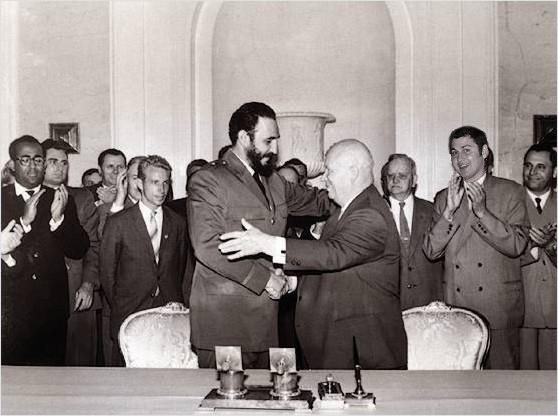
From the outset of his presidency, Kennedy had ambitions of overthrowing Castro’s regime. Adhering to the Domino Theory, Kennedy feared that the spread of communism in one country would inevitably lead to its expansion in neighboring nations. Moreover, Castro found solidarity with his communist ally, Nikita Khrushchev, the Premier of Russia.

Read More
Intuitive Machines-2 Lifts Off

Creating a golden streak in the night sky, a SpaceX Falcon 9 rocket carrying Intuitive Machines’ Nova-C lunar lander (IM-2) soars upward after liftoff from Launch Complex 39A at NASA’s Kennedy Space Center in Florida at 7:16 p.m. EST Wednesday, Feb. 26 as part of NASA’s CLPS (Commercial Lunar Payload Services) initiative. The IM-2 launch is carrying NASA science, technology demonstrations, and other commercial payloads to Mons Mouton, a lunar plateau to advance our understanding of the Moon and planetary processes, while paving the way for future crewed missions.

Read More