Kennedy

Catholic historians reflect on the Church’s role as America marks 250 years #Catholic As the United States prepares to celebrate the 250th anniversary of its founding, two Catholic historians say the nationʼs story cannot be fully understood without recognizing the role Catholics have played in shaping American life.In a July 3 “EWTN News in Depth” interview with Catherine Hadro, Kathleen Sprows Cummings of the University of Notre Dame and Christopher Shannon of Christendom College reflected on the complex history of Catholicism in the United States. Cummings, director of Notre Dameʼs Global Catholic Research Initiative, said it is difficult for many Americans today to imagine the level of hostility Catholics once faced.“It’s hard to imagine today the extent to which Catholics were seen as not welcome in the United States,” she said. Nineteenth-century Catholic immigrants, particularly those arriving from Ireland, Italy, and Eastern Europe, were often viewed with suspicion because they were poor, came from “undesirable” countries, and were believed to be “loyal to the pope.”“Anti-Catholicism in the 19th century often meant anti-papist,” Cummings explained, noting that many Americans feared the pope harbored “imperial designs on the United States.”Despite that prejudice, Catholics gradually demonstrated their loyalty to the nation through military service, civic life, and public leadership, she said.Shannon, author of “American Pilgrimage: A Historical Journey Through Catholic Life in a New World,” said Catholics ultimately proved themselves to be deeply patriotic, though often “on their own terms.”“Catholics seem just so darn American now,” he said.The conversation also highlighted the witness of American saints, including St. Frances Xavier Cabrini, St. Elizabeth Ann Seton, and St. John Neumann, whose lives demonstrated, Cummings said, the harmony between “patriotism and sanctity.”The historians also discussed Catholic political leaders from Al Smith to President John F. Kennedy, the challenges of living an authentically Catholic public life, and what the election of Pope Leo XIV, the first U.S.-born pope, means for American Catholics.Calling the moment “truly astonishing,” Cummings said an American pope “would have been a travesty at home and an absurdity in Rome” for much of U.S. history. Yet she emphasized that Catholics should remember Pope Leo “views the world not primarily through an American filter, but through a Catholic lens.”

Catholic historians reflect on the Church’s role as America marks 250 years #Catholic As the United States prepares to celebrate the 250th anniversary of its founding, two Catholic historians say the nationʼs story cannot be fully understood without recognizing the role Catholics have played in shaping American life.In a July 3 “EWTN News in Depth” interview with Catherine Hadro, Kathleen Sprows Cummings of the University of Notre Dame and Christopher Shannon of Christendom College reflected on the complex history of Catholicism in the United States. Cummings, director of Notre Dameʼs Global Catholic Research Initiative, said it is difficult for many Americans today to imagine the level of hostility Catholics once faced.“It’s hard to imagine today the extent to which Catholics were seen as not welcome in the United States,” she said. Nineteenth-century Catholic immigrants, particularly those arriving from Ireland, Italy, and Eastern Europe, were often viewed with suspicion because they were poor, came from “undesirable” countries, and were believed to be “loyal to the pope.”“Anti-Catholicism in the 19th century often meant anti-papist,” Cummings explained, noting that many Americans feared the pope harbored “imperial designs on the United States.”Despite that prejudice, Catholics gradually demonstrated their loyalty to the nation through military service, civic life, and public leadership, she said.Shannon, author of “American Pilgrimage: A Historical Journey Through Catholic Life in a New World,” said Catholics ultimately proved themselves to be deeply patriotic, though often “on their own terms.”“Catholics seem just so darn American now,” he said.The conversation also highlighted the witness of American saints, including St. Frances Xavier Cabrini, St. Elizabeth Ann Seton, and St. John Neumann, whose lives demonstrated, Cummings said, the harmony between “patriotism and sanctity.”The historians also discussed Catholic political leaders from Al Smith to President John F. Kennedy, the challenges of living an authentically Catholic public life, and what the election of Pope Leo XIV, the first U.S.-born pope, means for American Catholics.Calling the moment “truly astonishing,” Cummings said an American pope “would have been a travesty at home and an absurdity in Rome” for much of U.S. history. Yet she emphasized that Catholics should remember Pope Leo “views the world not primarily through an American filter, but through a Catholic lens.”

Dr. Kathleen Sprows Cummings of the University of Notre Dame and Dr. Christopher Shannon of Christendom College reflected on the complex history of Catholicism in the United States.

Read More
97-year-old cardinal, tortured under communism, climbs Medjugorje’s Apparition Hill #Catholic Cardinal Ernest Simoni, 97, who was tortured by Albaniaʼs communist regime, climbed Apparition Hill in Medjugorje on June 23, the day before the 45th anniversary of the start of the alleged apparitions.Six young people claimed to have seen the Virgin Mary for the first time on June 24, 1981, the feast day of St. John the Baptist, on Mount Podbrdo. Since then, some of those visionaries say they still receive messages from the Mother of God on a daily basis.Following a lengthy investigation, the Dicastery for the Doctrine of the Faith approved a document in 2024 titled The Queen of Peace, which acknowledges the spiritual fruits that have been borne, finds no obstacles in the alleged messages received, and makes no pronouncement regarding the supernatural nature of the phenomena.Assisted by young people from the Cenacolo Community, who carried the cardinal part of the way as he was seated on a litter, the Albanian cardinal traversed a portion of the rocky path on foot, though not without difficulty.
 
 Members of the Cenacolo Community carry Cardinal Simoni in Medjugorje. | Credit: Courtesy of Maria Vision Medjugorje
 
 Along the way, he blessed those present who stopped to greet him. Upon reaching the summit of the mountain, he prayed the rosary beside the statue of the Virgin Mary and blessed the water with which he sprinkled the crowd before returning.The footage of this pilgrimage, provided by María Visión Medjugorje, bears witness to the determination of the cardinal who, as a priest, endured the communist dictatorship of Enver Hoxha, the man who proclaimed Albania to be “the first atheist state in the world."A priest twice sentenced to deathBorn in 1928 in the village of Troshani, the young Simoni underwent formation with the Franciscans from 1938 to 1948, until a bloody religious persecution eliminated the communityʼs superiors and forced him to continue his formation in secret.In 1956, he was ordained a priest at St. Stephenʼs Cathedral in the Archdiocese of Shkodrë-Pult. Seven years later, after celebrating Christmas Eve Mass on Dec. 24, 1963, he was arrested by four agents and informed that he would be executed by hanging, accused of having celebrated a Mass for the repose of the soul of recently assassinated U.S. President John F. Kennedy at the behest of St. Paul VI. According to his own account, an attempt was made to entrap him by placing another prisoner in his cell who began complaining about the Communist Party. News of his preaching about love for oneʼs enemies while in prison reached the dictator, who decided to commute his sentence to 28 years of forced labor. During those years, he continued to celebrate Mass and exercise his priestly ministry clandestinely.In 1973, he was once again sentenced to death, accused of inciting a rebellion. However, exonerating testimony prevented the immediate execution of the sentence, and he remained in prison for another 18 years until his release in 1981.He continued his pastoral work in secret for another nine years, until the fall of the communist regime in 1990. “The Lord has helped me to serve so many people and to reconcile many, driving hatred and the devil away from the hearts of men,” he stated upon concluding his testimony before Pope Francis in October 2016.A month later, Simoni was created a cardinal at the consistory held on Nov. 19, 2016.This story was first published by ACI Prensa, the Spanish-language sister service of EWTN News. It has been translated and adapted by EWTN News English.

97-year-old cardinal, tortured under communism, climbs Medjugorje’s Apparition Hill #Catholic Cardinal Ernest Simoni, 97, who was tortured by Albaniaʼs communist regime, climbed Apparition Hill in Medjugorje on June 23, the day before the 45th anniversary of the start of the alleged apparitions.Six young people claimed to have seen the Virgin Mary for the first time on June 24, 1981, the feast day of St. John the Baptist, on Mount Podbrdo. Since then, some of those visionaries say they still receive messages from the Mother of God on a daily basis.Following a lengthy investigation, the Dicastery for the Doctrine of the Faith approved a document in 2024 titled The Queen of Peace, which acknowledges the spiritual fruits that have been borne, finds no obstacles in the alleged messages received, and makes no pronouncement regarding the supernatural nature of the phenomena.Assisted by young people from the Cenacolo Community, who carried the cardinal part of the way as he was seated on a litter, the Albanian cardinal traversed a portion of the rocky path on foot, though not without difficulty. Members of the Cenacolo Community carry Cardinal Simoni in Medjugorje. | Credit: Courtesy of Maria Vision Medjugorje Along the way, he blessed those present who stopped to greet him. Upon reaching the summit of the mountain, he prayed the rosary beside the statue of the Virgin Mary and blessed the water with which he sprinkled the crowd before returning.The footage of this pilgrimage, provided by María Visión Medjugorje, bears witness to the determination of the cardinal who, as a priest, endured the communist dictatorship of Enver Hoxha, the man who proclaimed Albania to be “the first atheist state in the world."A priest twice sentenced to deathBorn in 1928 in the village of Troshani, the young Simoni underwent formation with the Franciscans from 1938 to 1948, until a bloody religious persecution eliminated the communityʼs superiors and forced him to continue his formation in secret.In 1956, he was ordained a priest at St. Stephenʼs Cathedral in the Archdiocese of Shkodrë-Pult. Seven years later, after celebrating Christmas Eve Mass on Dec. 24, 1963, he was arrested by four agents and informed that he would be executed by hanging, accused of having celebrated a Mass for the repose of the soul of recently assassinated U.S. President John F. Kennedy at the behest of St. Paul VI. According to his own account, an attempt was made to entrap him by placing another prisoner in his cell who began complaining about the Communist Party. News of his preaching about love for oneʼs enemies while in prison reached the dictator, who decided to commute his sentence to 28 years of forced labor. During those years, he continued to celebrate Mass and exercise his priestly ministry clandestinely.In 1973, he was once again sentenced to death, accused of inciting a rebellion. However, exonerating testimony prevented the immediate execution of the sentence, and he remained in prison for another 18 years until his release in 1981.He continued his pastoral work in secret for another nine years, until the fall of the communist regime in 1990. “The Lord has helped me to serve so many people and to reconcile many, driving hatred and the devil away from the hearts of men,” he stated upon concluding his testimony before Pope Francis in October 2016.A month later, Simoni was created a cardinal at the consistory held on Nov. 19, 2016.This story was first published by ACI Prensa, the Spanish-language sister service of EWTN News. It has been translated and adapted by EWTN News English.

In an act of great devotion, the elderly cardinal reached the top with assistance, prayed the rosary and blessed those present with holy water.

Read More
Ukraine advocate says cathedral bombing reflects broader campaign against Christianity #Catholic Russia’s “true goal” is “a war on Christianity in Ukraine,” Steven Moore, founder of the Ukraine Freedom Project, told “EWTN News Nightly” after the bombing of the 11th-century Dormition Cathedral of Kyiv Pechersk Lavra.“This is certainly deliberate,” Moore said, noting that Russia has destroyed 750 churches in Ukraine and killed as many as 80 pastors and priests.The Dormition Cathedral of the Kyiv Pechersk Lavra, part of a UNESCO World Heritage site, caught fire June 14 after Russia launched 70 missiles and 611 drones into several Ukrainian cities, which killed four people and injured 28 others, according to Ukrainian President Volodymyr Zelenskyy.Tweet“This is one of Russia’s most serious crimes against Christian culture to date,” Ukraine’s leader said about the damaged to the Eastern Orthodox cathedral, historically tied to the monastic life of the Lavra.‘Putin is not making mistakes’Russia’s Ministry of Defense issued a statement on June 15 claiming that the cathedral “was hit by a missile from an American Patriotic air defense system” and that “one possible reason for the malfunction of this system could be that Western countries had supplied the Kyiv regime with missiles that had expired.”“The Armed Forces of the Russian Federation do not plan or conduct strikes against civilian infrastructure facilities,” the Kremlin said.“The Kremlin is talking about it being an accident,” Moore said. “But there’s a lot of accidents — every week there’s an accidental church bombing.”“Putin is not making mistakes,” Moore said.“Putin is not going to stop this until someone makes him stop,” Moore said, describing efforts to bring the war to an end as “a lot of talk.”Combating Russian propaganda Moore is visiting Washington, D.C., from Kyiv and said he has plans to advocate on Capitol Hill and launch several films, including one on Ukrainian children who have been trafficked into Russia. Moore is set to meet with Sen. John Kennedy, R-Louisiana, on June 16.Moore told EWTN News in a separate interview that he plans to “focus primarily on Republicans because Republicans are in charge, and the Russians spend  billion annually on propaganda worldwide. Much of that goes into the conservative ecosphere.”“The Russians target these conservative believers with misinformation,” he said, citing online figures such as Candace Owens and Tucker Carlson. “So weʼre trying to push back on that, and weʼre pushing back on Capitol Hill.”The role of the international communityForeign leaders took to social media to condemn the strikes, including French Foreign Minister Jean-Noël Barrot, who said the strike on the Dormition Cathedral is the equivalent of bombing Notre-Dame in Paris.Tweet“The French are really good at talking,” Moore said. “But I have yet to see a Leclerc tank in Donbas,” he said, speaking of French-made battle tanks.“On an average day in April, the French bought enough petroleum products, liquid natural gas, primarily from Russia, to pay for about 220 Shahed drones every day,” he said about Iranian-made munitions, noting that Russia sends about 600 drones every time they attack Ukraine.“A lot of this is paid for by European purchases of Russian fossil fuel,” Moore said. “So, you know, while I always like to hear what the French have to say, I would like to see them stop fueling the Russian war machine. And I would like to see them do more, send more aid to Ukraine.”Ultimately, Moore called for the international community to cut off all financial ties with Russia. “Nothing else works because Putin only understands strength.”

Ukraine advocate says cathedral bombing reflects broader campaign against Christianity #Catholic Russia’s “true goal” is “a war on Christianity in Ukraine,” Steven Moore, founder of the Ukraine Freedom Project, told “EWTN News Nightly” after the bombing of the 11th-century Dormition Cathedral of Kyiv Pechersk Lavra.“This is certainly deliberate,” Moore said, noting that Russia has destroyed 750 churches in Ukraine and killed as many as 80 pastors and priests.The Dormition Cathedral of the Kyiv Pechersk Lavra, part of a UNESCO World Heritage site, caught fire June 14 after Russia launched 70 missiles and 611 drones into several Ukrainian cities, which killed four people and injured 28 others, according to Ukrainian President Volodymyr Zelenskyy.Tweet“This is one of Russia’s most serious crimes against Christian culture to date,” Ukraine’s leader said about the damaged to the Eastern Orthodox cathedral, historically tied to the monastic life of the Lavra.‘Putin is not making mistakes’Russia’s Ministry of Defense issued a statement on June 15 claiming that the cathedral “was hit by a missile from an American Patriotic air defense system” and that “one possible reason for the malfunction of this system could be that Western countries had supplied the Kyiv regime with missiles that had expired.”“The Armed Forces of the Russian Federation do not plan or conduct strikes against civilian infrastructure facilities,” the Kremlin said.“The Kremlin is talking about it being an accident,” Moore said. “But there’s a lot of accidents — every week there’s an accidental church bombing.”“Putin is not making mistakes,” Moore said.“Putin is not going to stop this until someone makes him stop,” Moore said, describing efforts to bring the war to an end as “a lot of talk.”Combating Russian propaganda Moore is visiting Washington, D.C., from Kyiv and said he has plans to advocate on Capitol Hill and launch several films, including one on Ukrainian children who have been trafficked into Russia. Moore is set to meet with Sen. John Kennedy, R-Louisiana, on June 16.Moore told EWTN News in a separate interview that he plans to “focus primarily on Republicans because Republicans are in charge, and the Russians spend $2 billion annually on propaganda worldwide. Much of that goes into the conservative ecosphere.”“The Russians target these conservative believers with misinformation,” he said, citing online figures such as Candace Owens and Tucker Carlson. “So weʼre trying to push back on that, and weʼre pushing back on Capitol Hill.”The role of the international communityForeign leaders took to social media to condemn the strikes, including French Foreign Minister Jean-Noël Barrot, who said the strike on the Dormition Cathedral is the equivalent of bombing Notre-Dame in Paris.Tweet“The French are really good at talking,” Moore said. “But I have yet to see a Leclerc tank in Donbas,” he said, speaking of French-made battle tanks.“On an average day in April, the French bought enough petroleum products, liquid natural gas, primarily from Russia, to pay for about 220 Shahed drones every day,” he said about Iranian-made munitions, noting that Russia sends about 600 drones every time they attack Ukraine.“A lot of this is paid for by European purchases of Russian fossil fuel,” Moore said. “So, you know, while I always like to hear what the French have to say, I would like to see them stop fueling the Russian war machine. And I would like to see them do more, send more aid to Ukraine.”Ultimately, Moore called for the international community to cut off all financial ties with Russia. “Nothing else works because Putin only understands strength.”

“This is certainly deliberate,” Ukraine Freedom Project Founder Steven Moore said of the attack on the historic 11th-century Dormition Cathedral of Kyiv Pechersk Lavra.

Read More

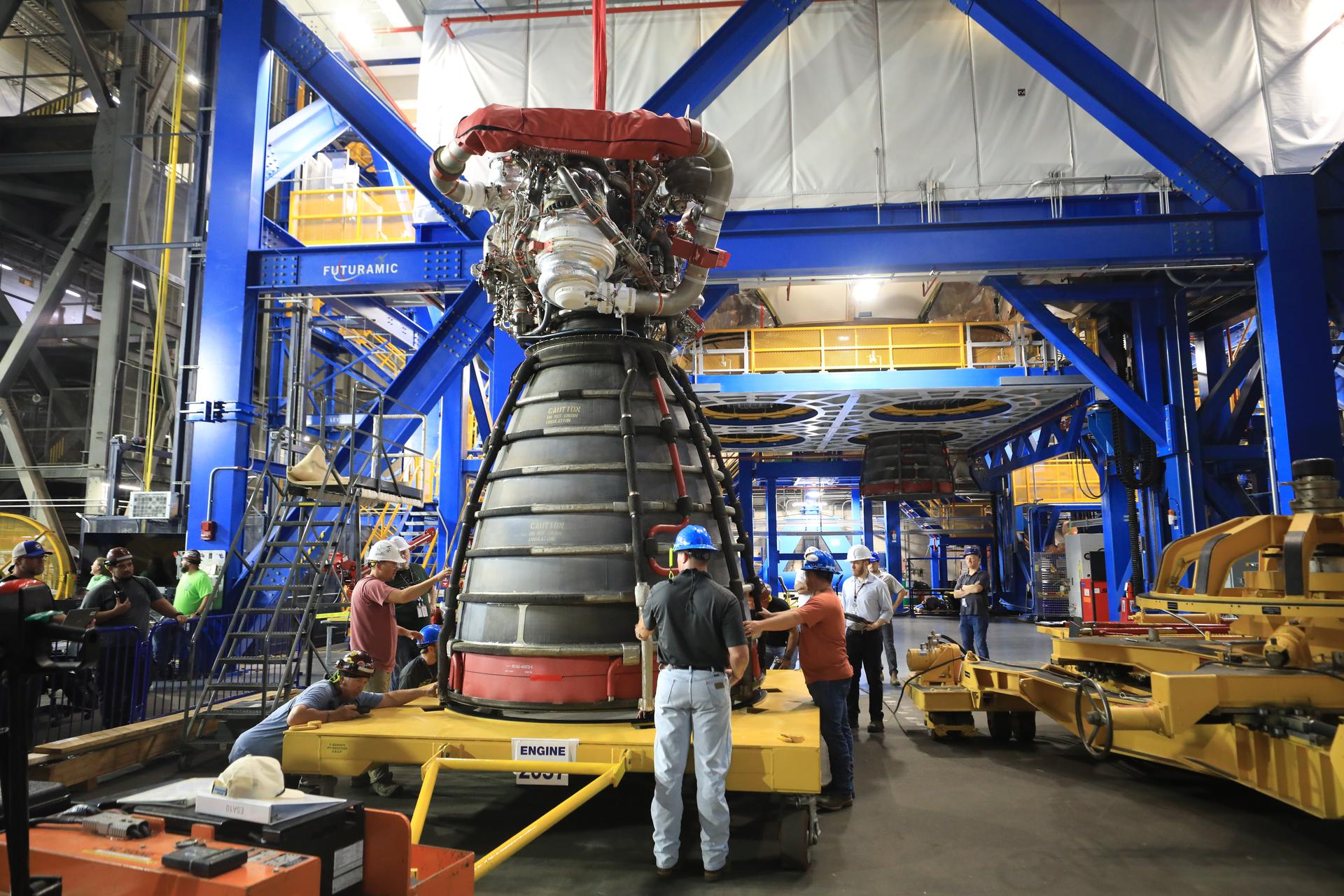
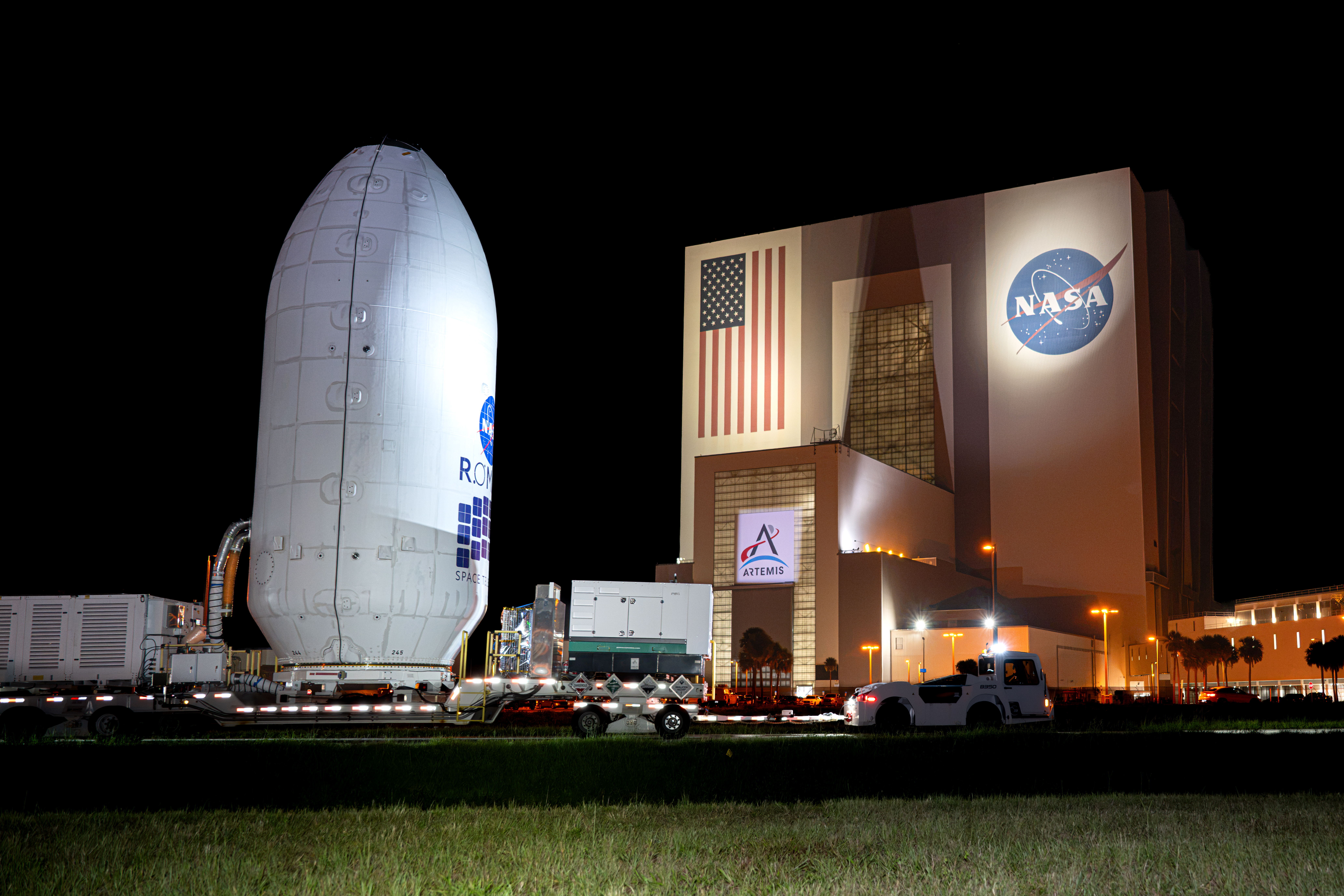
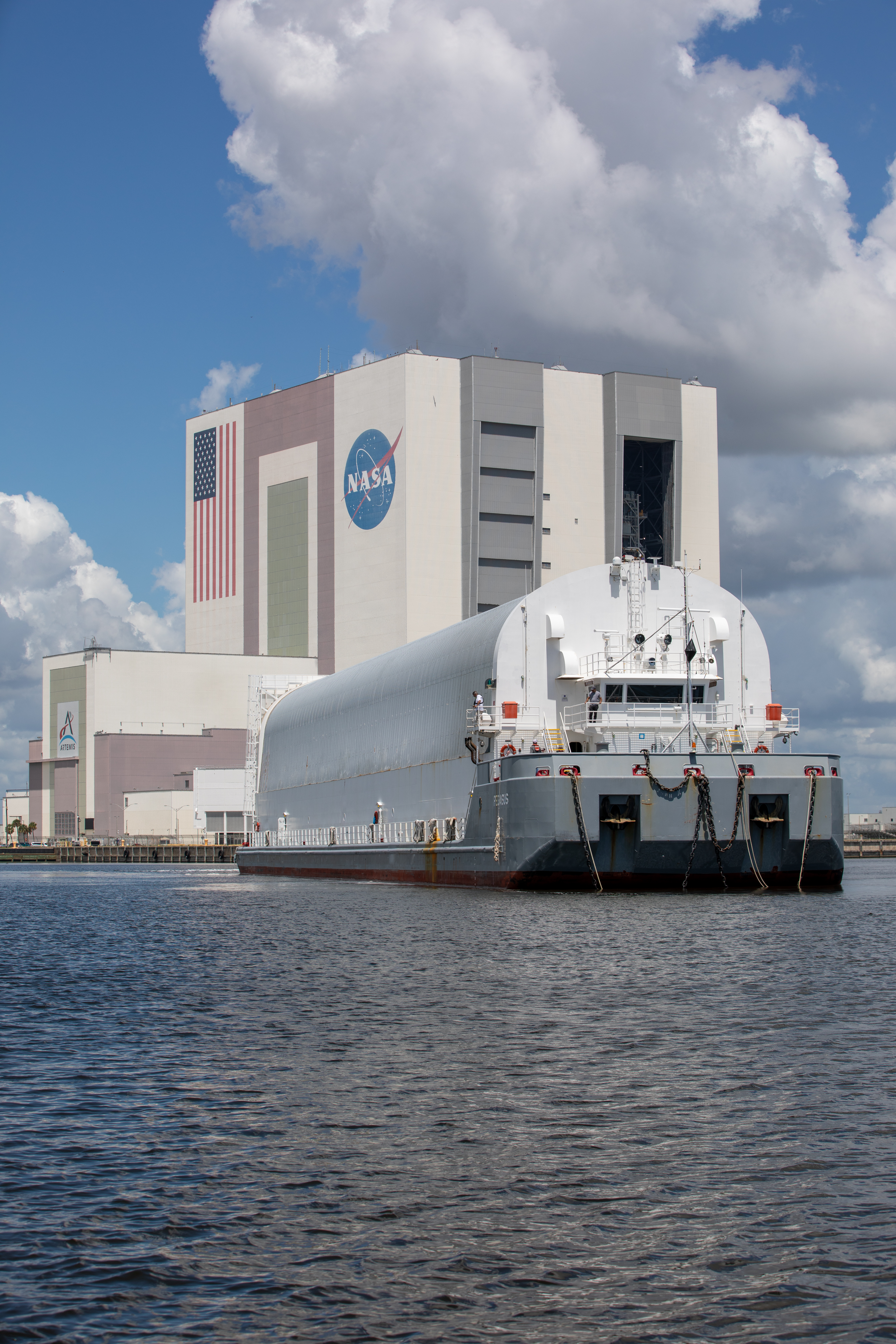
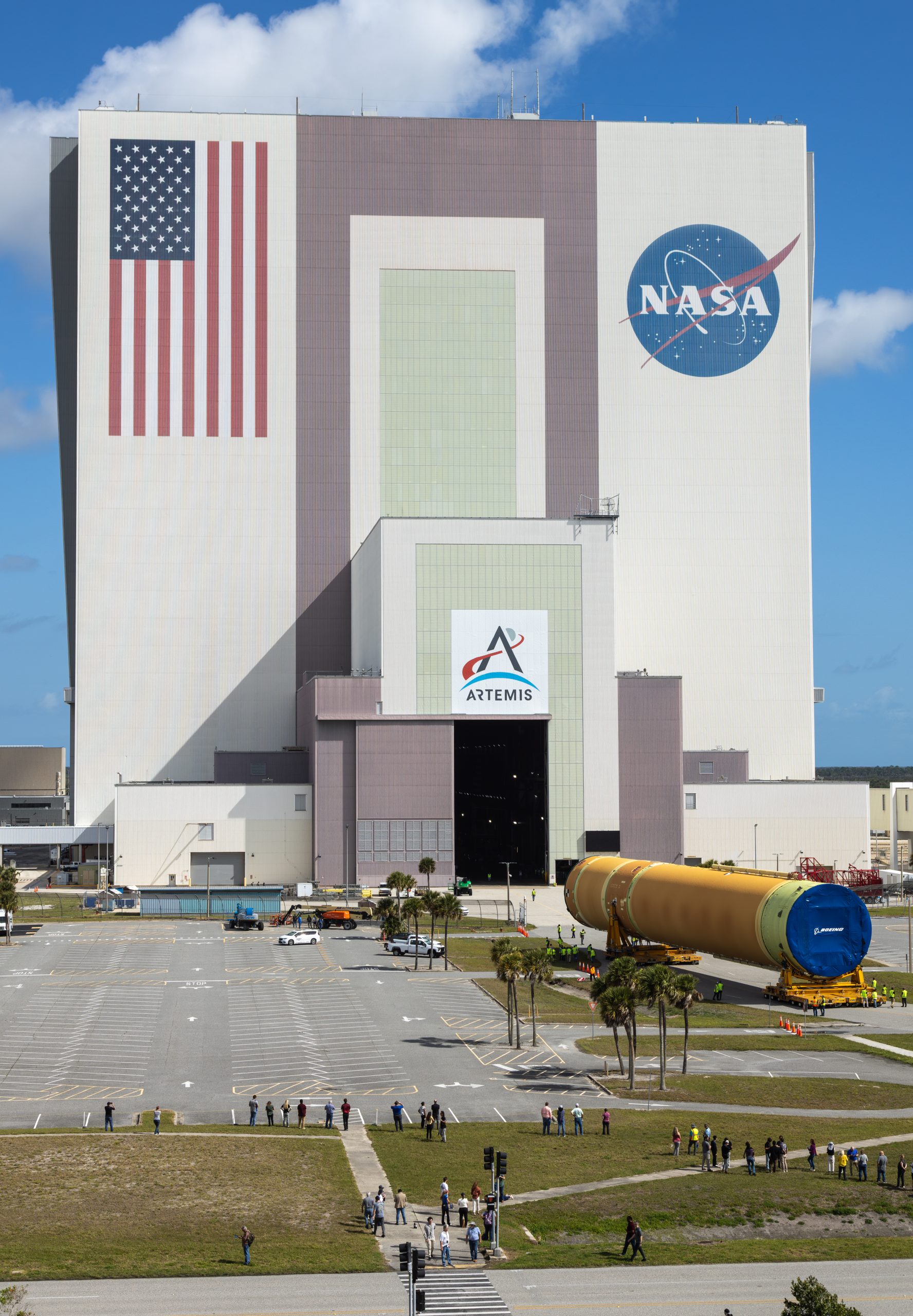
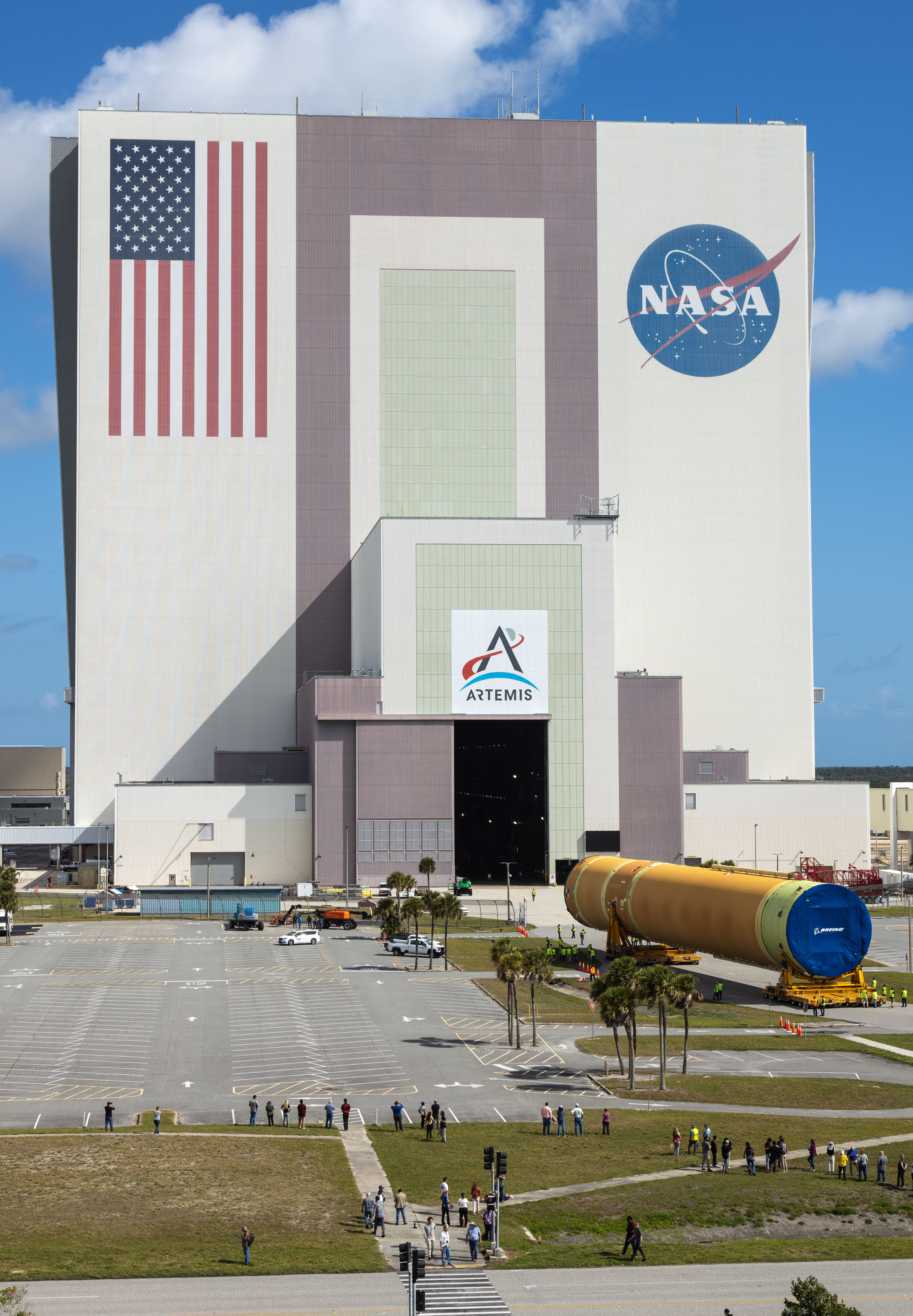
A train transports eight booster motor segments for the SLS (Space Launch System rocket) that will power NASA’s Artemis III mission from Northrop Grumman’s Railyard Shipping Facility in Corinne, Utah, June 2, to NASA’s Kennedy Space Center in Florida.

Read More
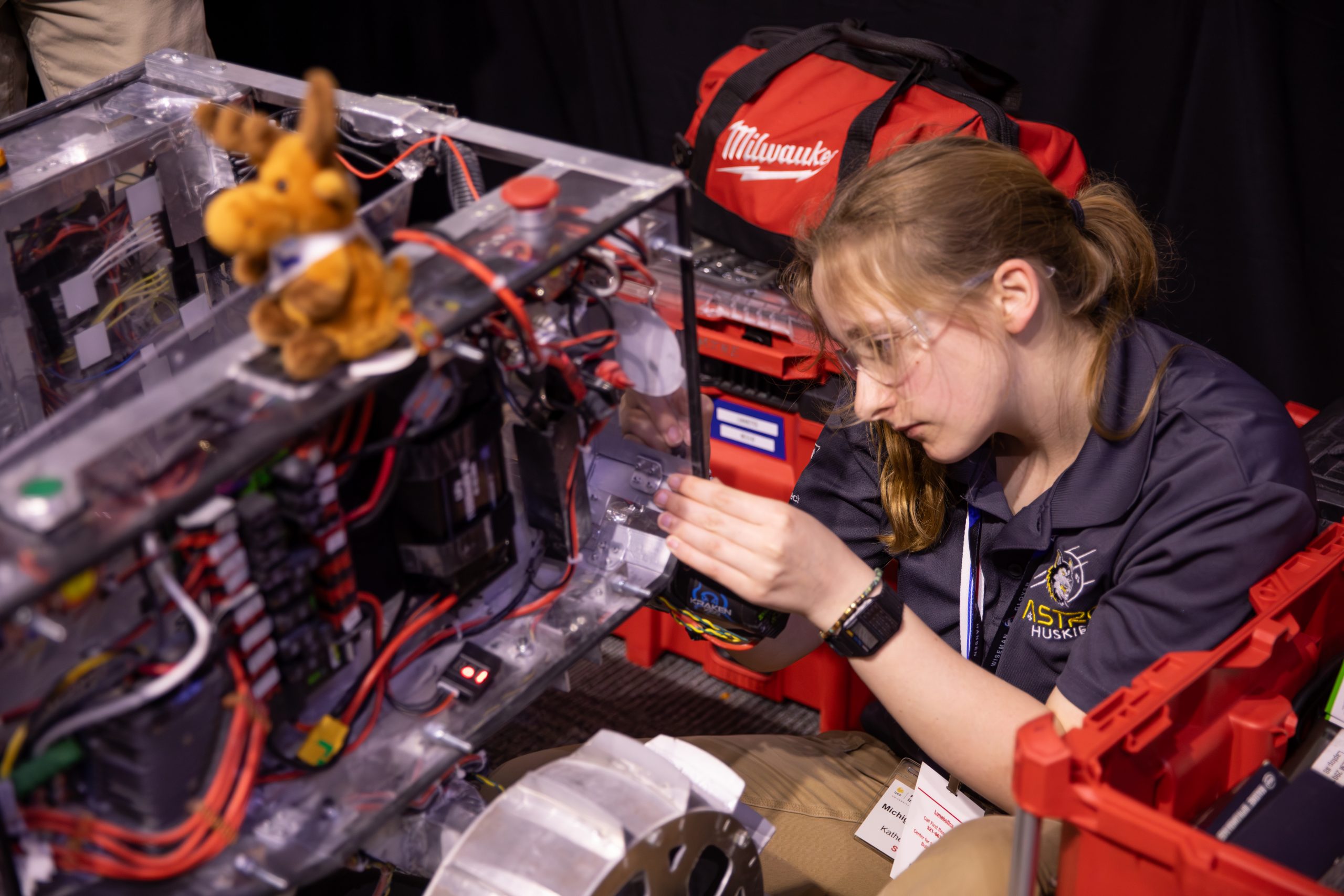
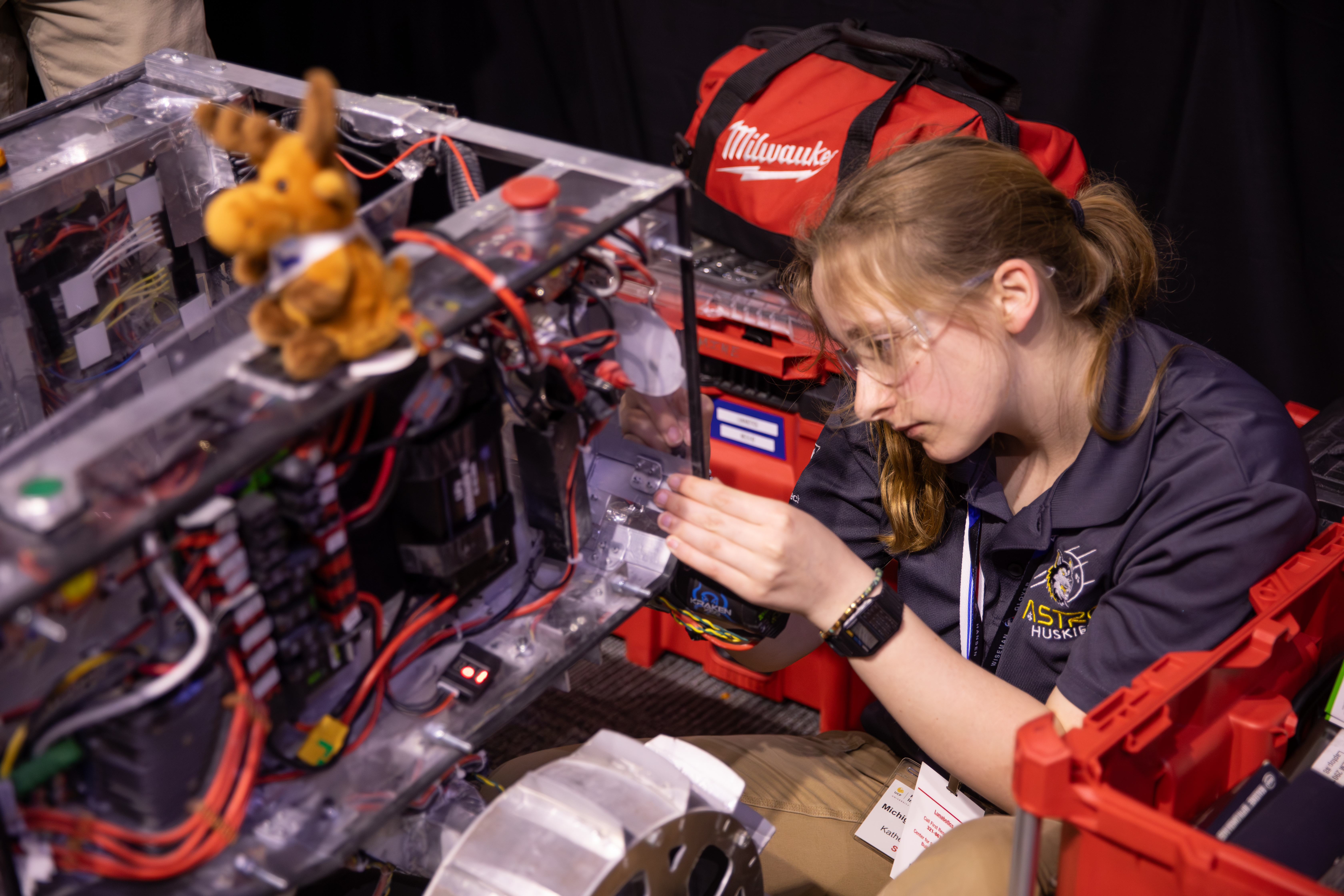
Students Build Moon Robots for NASA’s 2026 Lunabotics Challenge – Katherine Rauscher, of Michigan Technological University, prepares her team’s prototype lunar robot for its turn during the finals for NASA’s 2026 Lunabotics Challenge competition on Tuesday, May 19, 2026, inside the Astronauts Memorial Foundation’s Center for Space Education at the Kennedy Space Center Visitor Complex in Florida. Forty-seven teams from around the U.S. designed and built remote-controlled robots capable of traversing challenging lunar terrain while constructing regolith-based berm under conditions similar to those the agency will face as it returns to the lunar surface through Artemis.

Katherine Rauscher, of Michigan Technological University, prepares her team’s prototype lunar robot for its turn during the finals for NASA’s 2026 Lunabotics Challenge competition on Tuesday, May 19, 2026, inside the Astronauts Memorial Foundation’s Center for Space Education at the Kennedy Space Center Visitor Complex in Florida. Forty-seven teams from around the U.S. designed and built remote-controlled robots capable of traversing challenging lunar terrain while constructing regolith-based berm under conditions similar to those the agency will face as it returns to the lunar surface through Artemis.

Read More

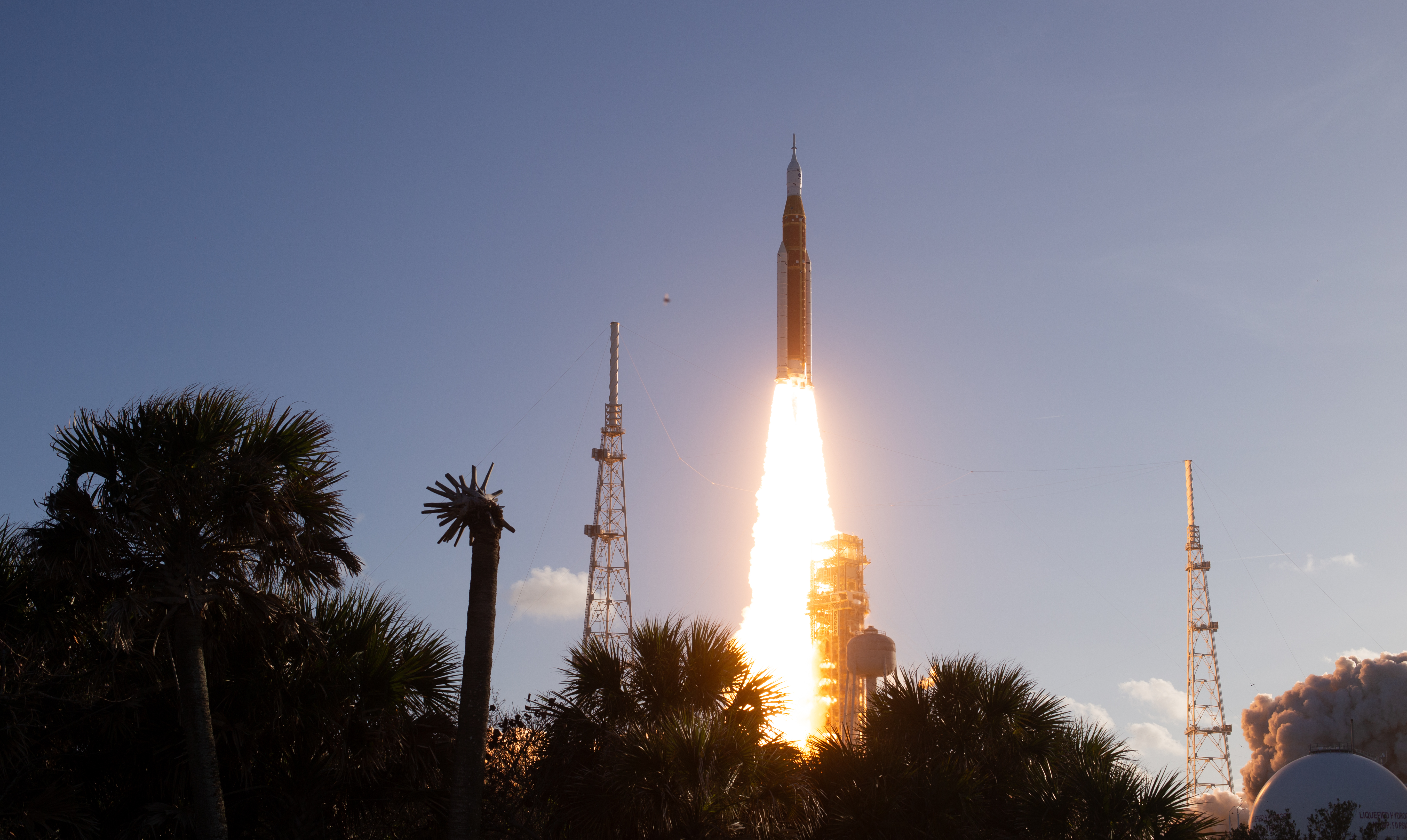
NASA’s Space Launch System rocket carrying the Orion spacecraft with NASA astronauts Reid Wiseman, commander; Victor Glover, pilot; Christina Koch, mission specialist; and CSA (Canadian Space Agency) astronaut Jeremy Hansen, mission specialist onboard launches on the Artemis II mission, Wednesday, April 1, 2026, from Launch Complex 39B at NASA’s Kennedy Space Center in Florida.

Read More

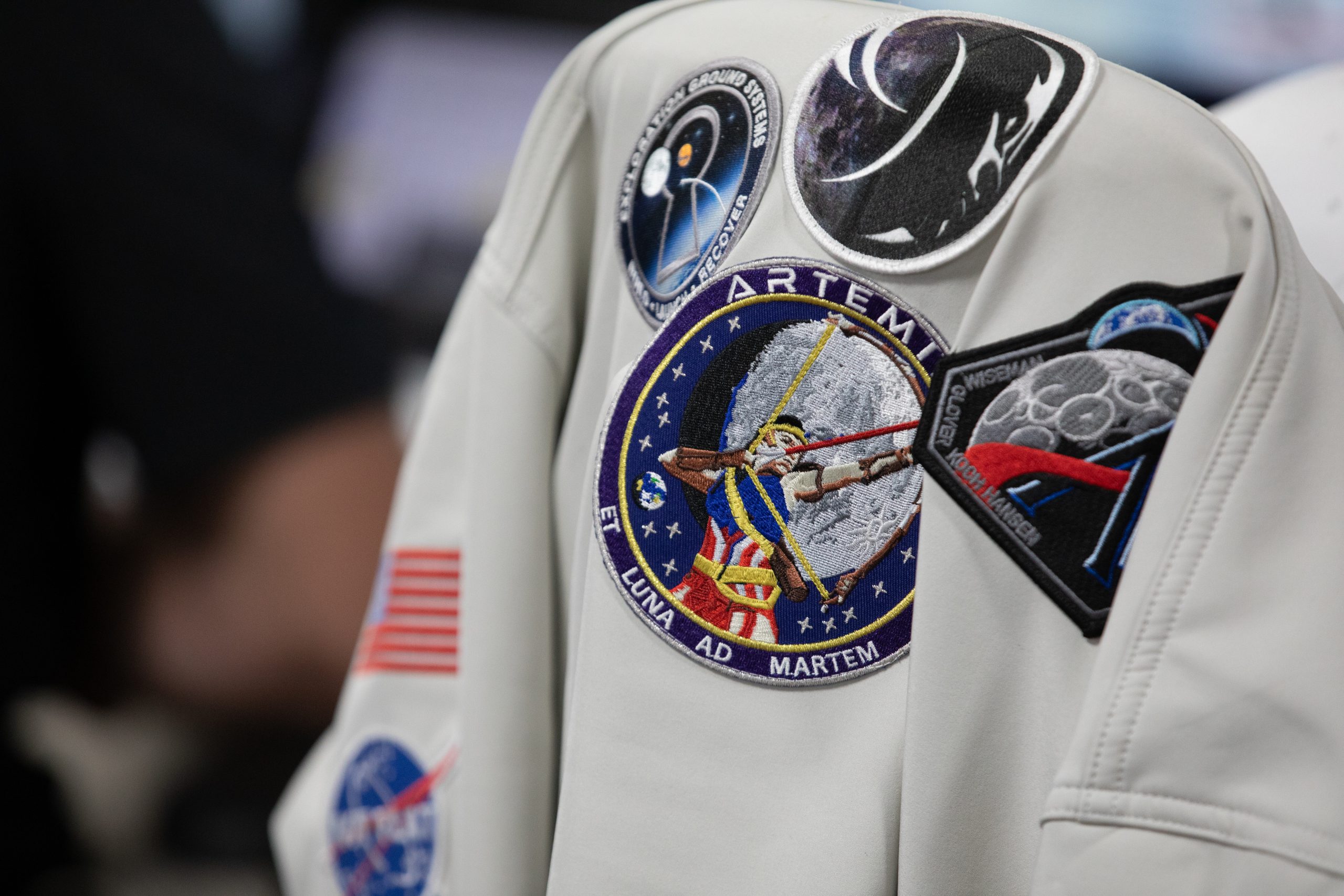
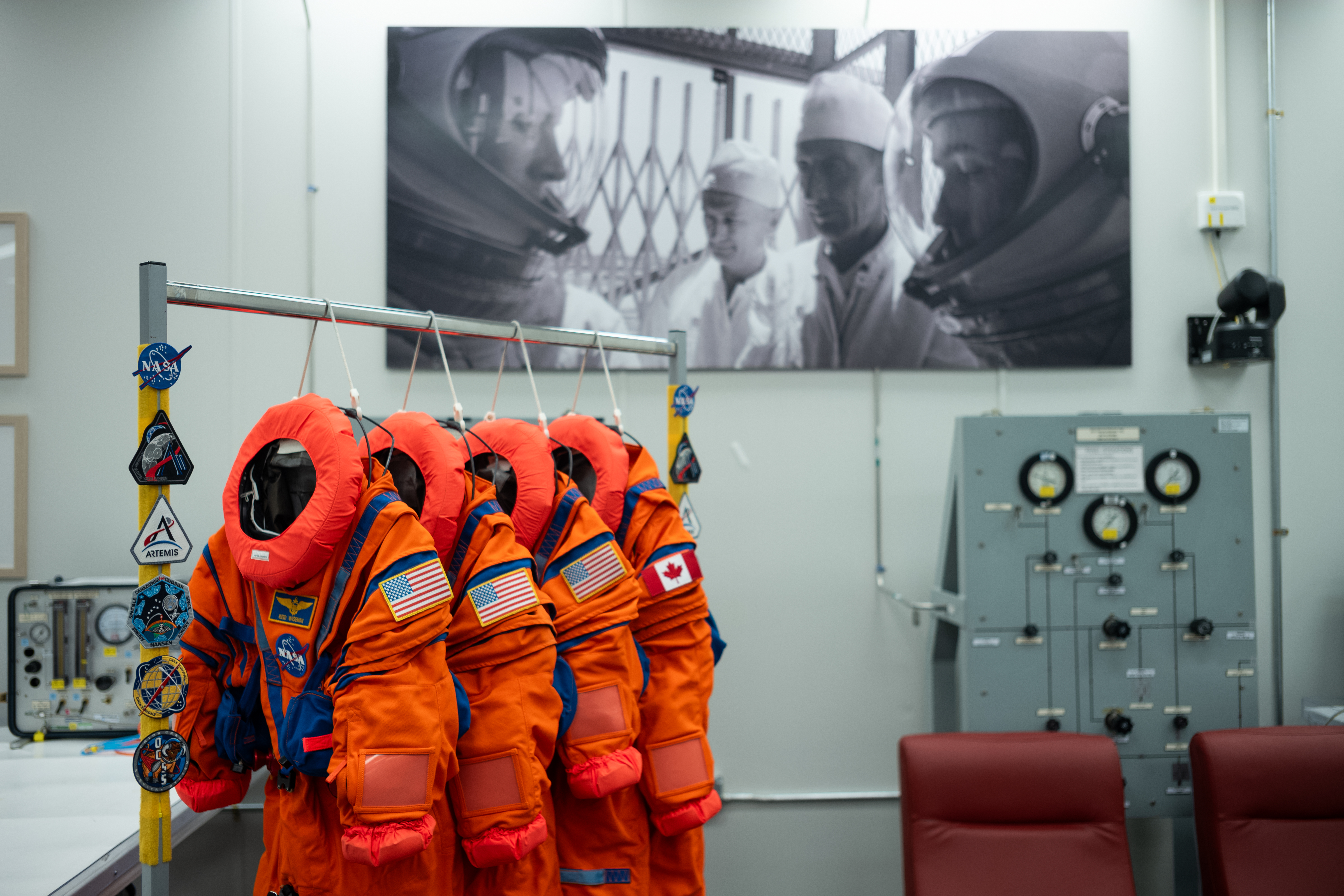
The Orion Crew Survival System suits that Commander Reid Wiseman, Pilot Victor Glover, and Mission Specialist Christina Koch from NASA, and Mission Specialist Jeremy Hansen from the CSA (Canadian Space Agency) will wear on the Artemis II test flight are seen in the suit-up room of the Neil A. Armstrong Operations and Checkout Building, Saturday, Jan. 17, 2026, at NASA’s Kennedy Space Center in Florida.

Read More
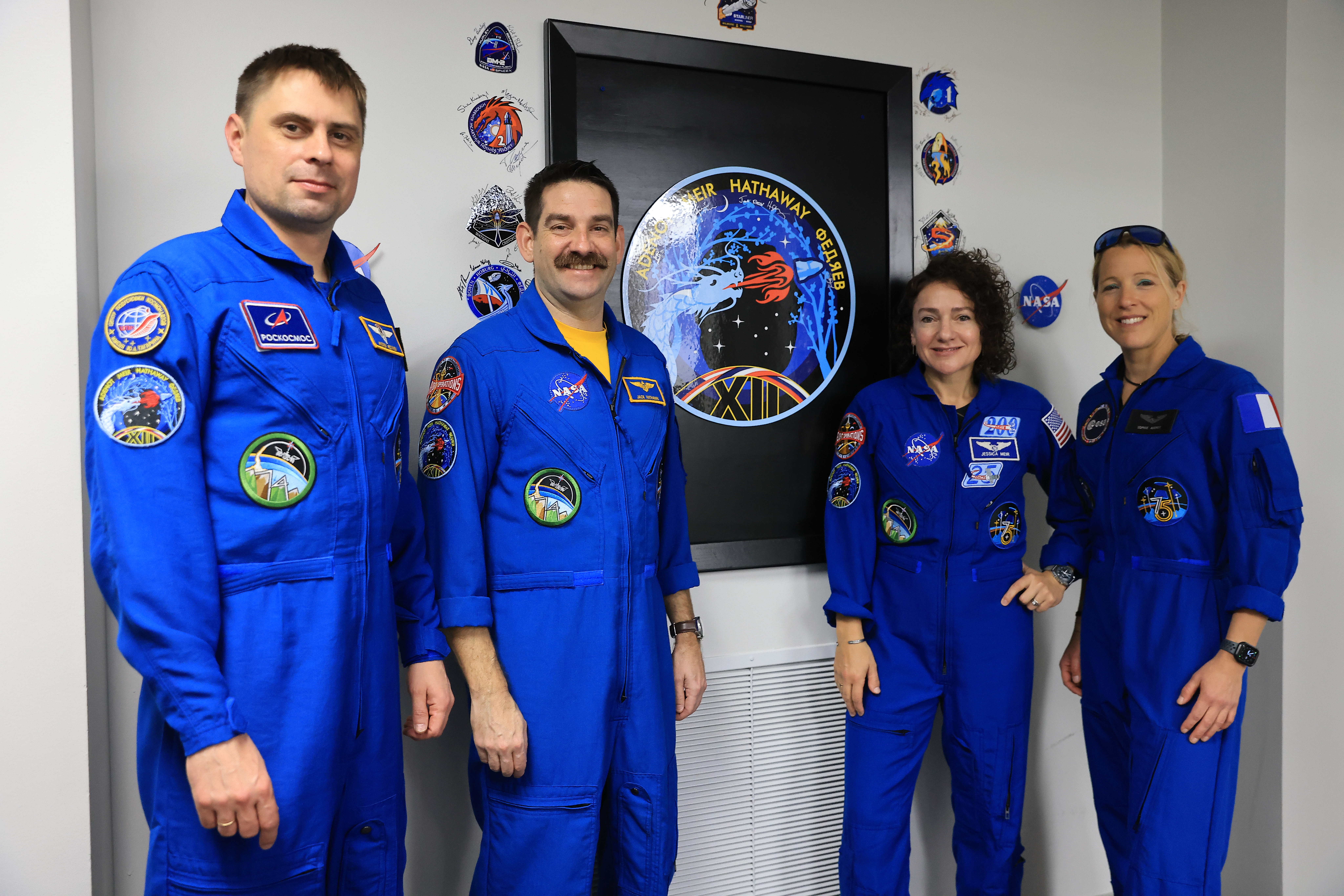
Crew-12 Members and Insignia – From left, NASA’s SpaceX Crew-12 crew members – Roscosmos cosmonaut Andrey Fedyaev, NASA astronauts Jack Hathaway and Jessica Meir, and ESA (European Space Agency) astronaut Sophie Adenot – pose next to their mission insignia inside the Astronaut Crew Quarters in the Neil A. Armstrong Operations and Checkout Building at NASA’s Kennedy Space Center in Florida on Monday, Feb. 9, 2026.

From left, NASA’s SpaceX Crew-12 crew members – Roscosmos cosmonaut Andrey Fedyaev, NASA astronauts Jack Hathaway and Jessica Meir, and ESA (European Space Agency) astronaut Sophie Adenot – pose next to their mission insignia inside the Astronaut Crew Quarters in the Neil A. Armstrong Operations and Checkout Building at NASA’s Kennedy Space Center in Florida on Monday, Feb. 9, 2026.

Read More
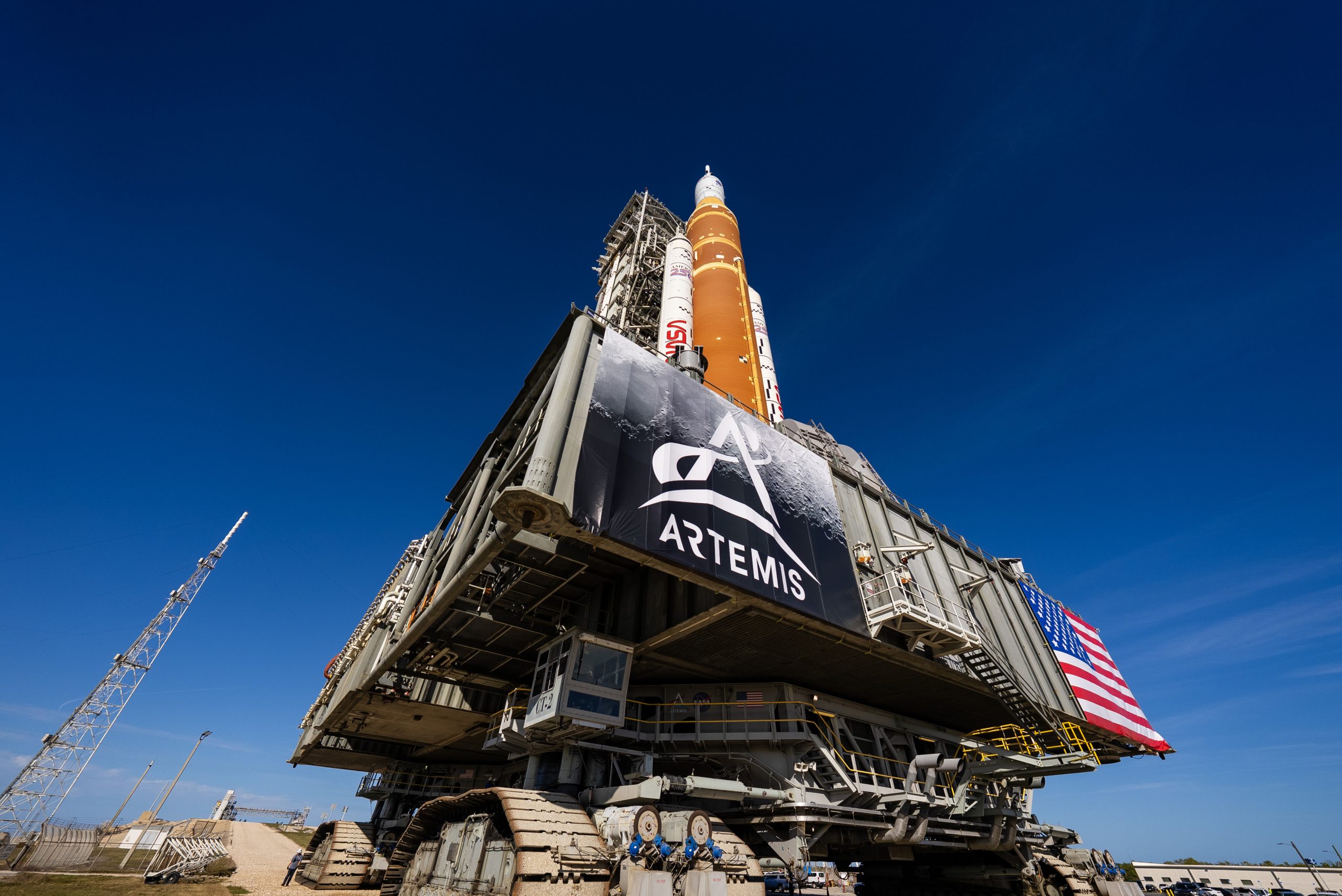
NASA’s Artemis II Rocket and Spacecraft Make Their Way to Launch Pad – NASA’s massive Crawler-Transporter, upgraded for the Artemis program, carried the agency’s SLS (Space Launch System) and Orion spacecraft on the Mobile Launcher from the Vehicle Assembly Building to Launch Pad 39B at NASA’s Kennedy Space Center in Florida in preparation for the Artemis II mission.

NASA’s massive Crawler-Transporter, upgraded for the Artemis program, carried the agency’s SLS (Space Launch System) and Orion spacecraft on the Mobile Launcher from the Vehicle Assembly Building to Launch Pad 39B at NASA’s Kennedy Space Center in Florida in preparation for the Artemis II mission.

Read More
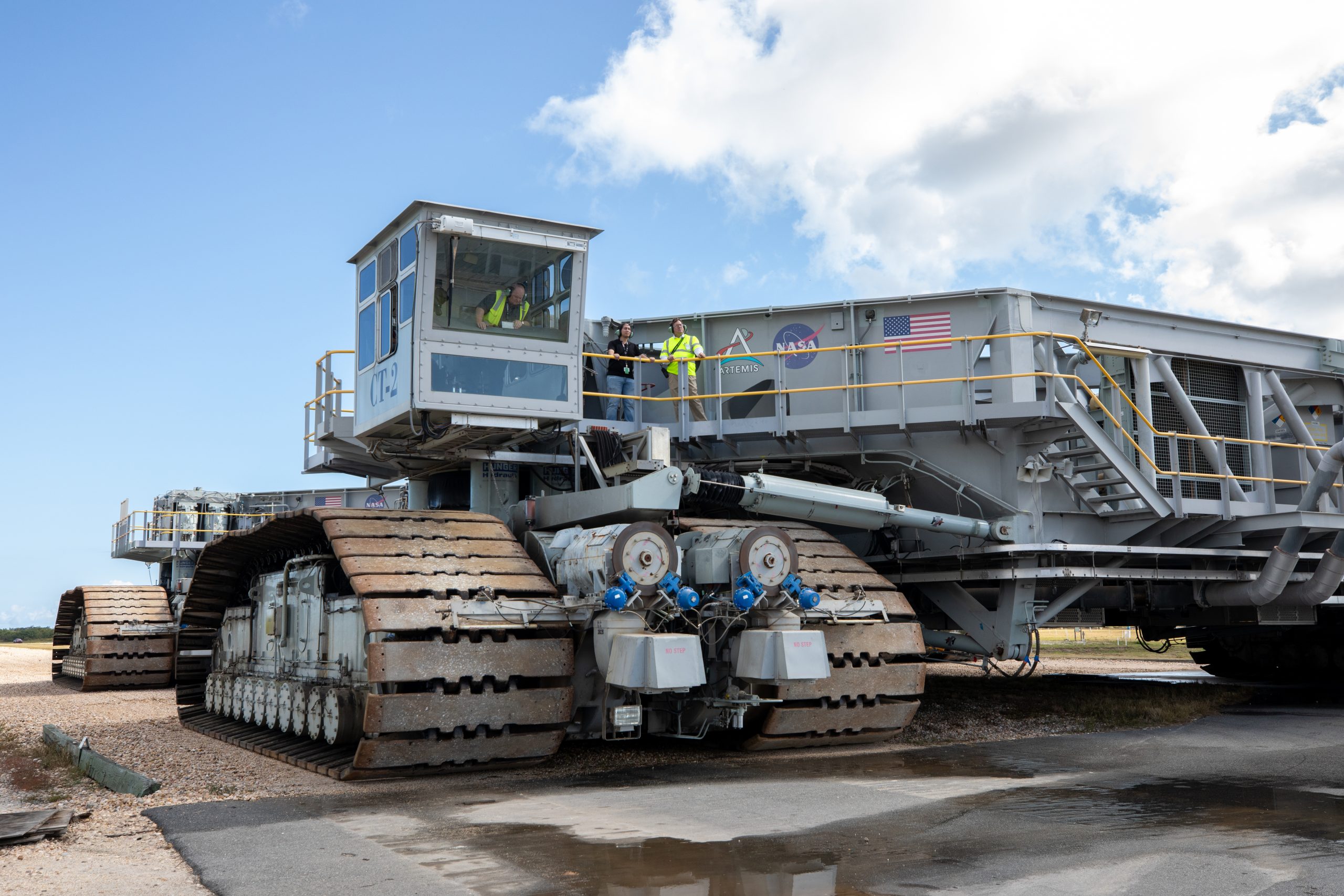
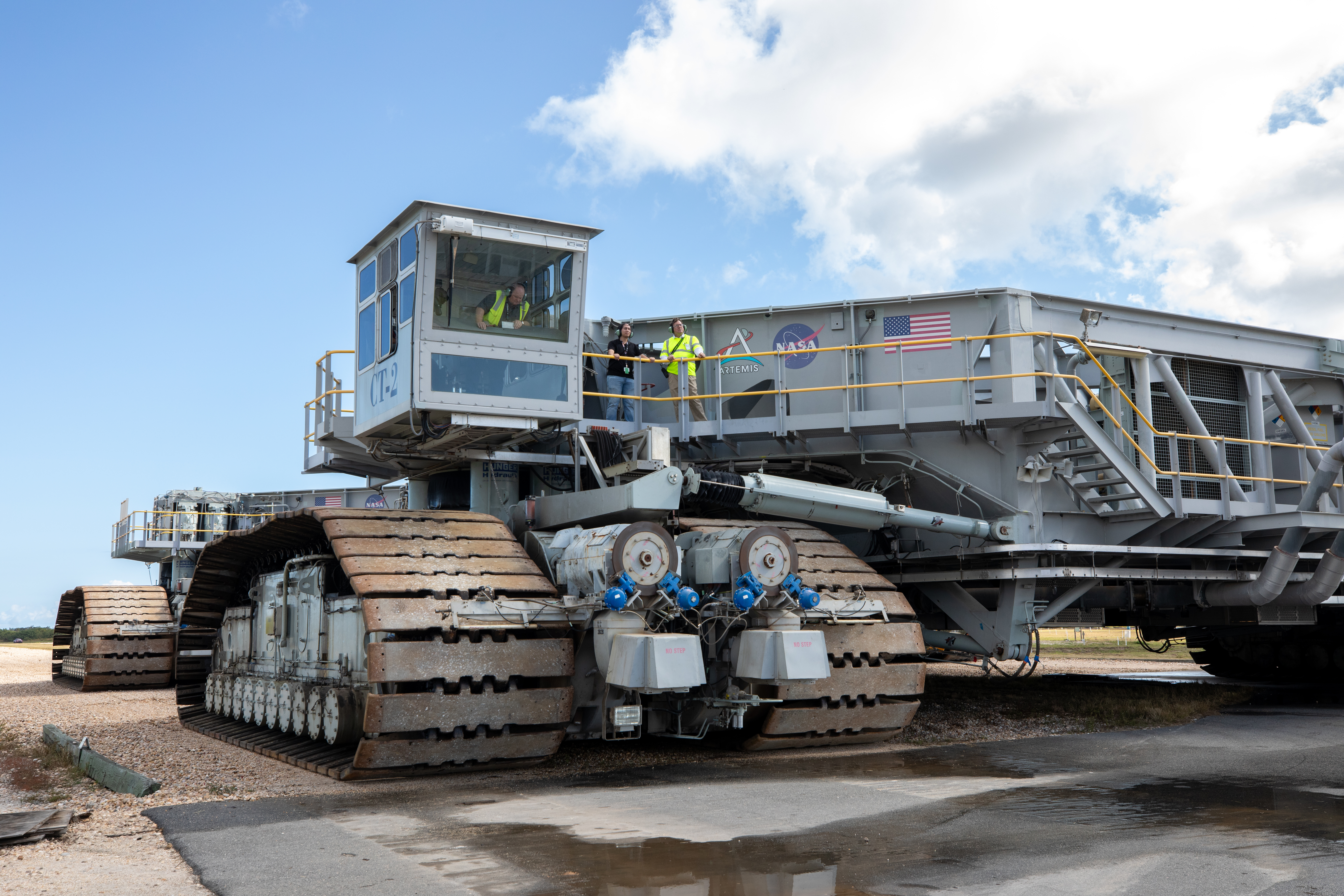
NASA’s Crawler Preps for Artemis II Rollout – NASA’s crawler-transporter 2 moves toward the Vehicle Assembly Building at NASA’s Kennedy Space Center in Florida on Friday, Jan. 9, 2026. The crawler will transport NASA’s SLS (Space Launch System) rocket with the Orion spacecraft to Launch Complex 39B ahead of the Artemis II launch.

NASA’s crawler-transporter 2 moves toward the Vehicle Assembly Building at NASA’s Kennedy Space Center in Florida on Friday, Jan. 9, 2026. The crawler will transport NASA’s SLS (Space Launch System) rocket with the Orion spacecraft to Launch Complex 39B ahead of the Artemis II launch.

Read More
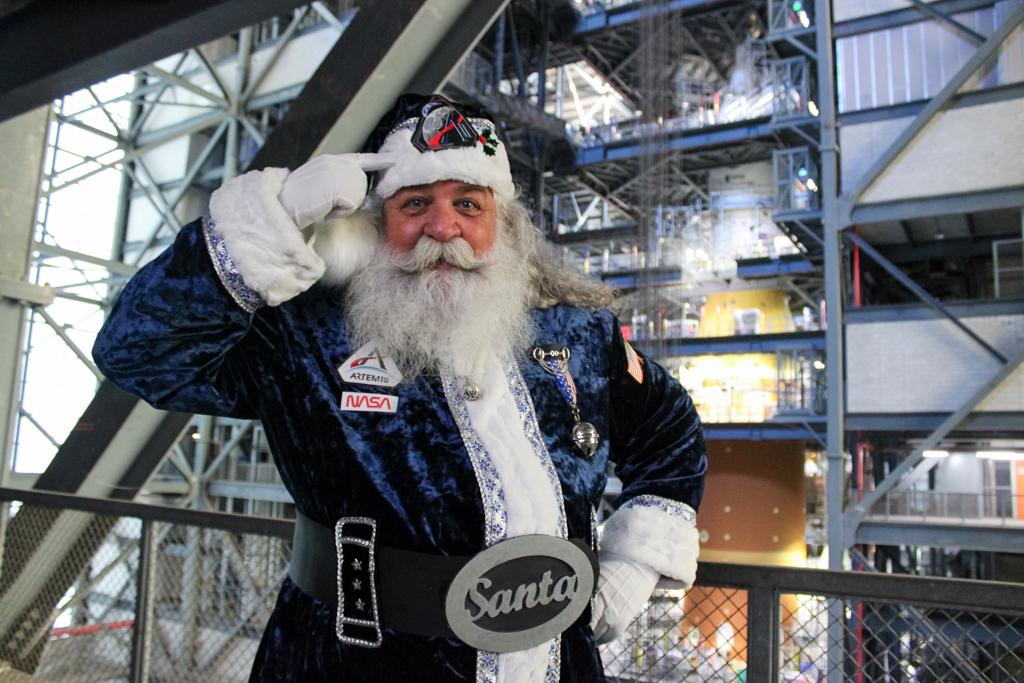
Santa Visits Artemis II Rocket – NASA engineer Guy Naylor poses for a photograph wearing a custom Santa Claus suit on the 19th level of High Bay 4 inside the Vehicle Assembly Building with NASA’s integrated Moon rocket behind him at the agency’s Kennedy Space Center in Florida on Thursday, Dec. 11, 2025.

NASA engineer Guy Naylor poses for a photograph wearing a custom Santa Claus suit on the 19th level of High Bay 4 inside the Vehicle Assembly Building with NASA’s integrated Moon rocket behind him at the agency’s Kennedy Space Center in Florida on Thursday, Dec. 11, 2025.

Read More
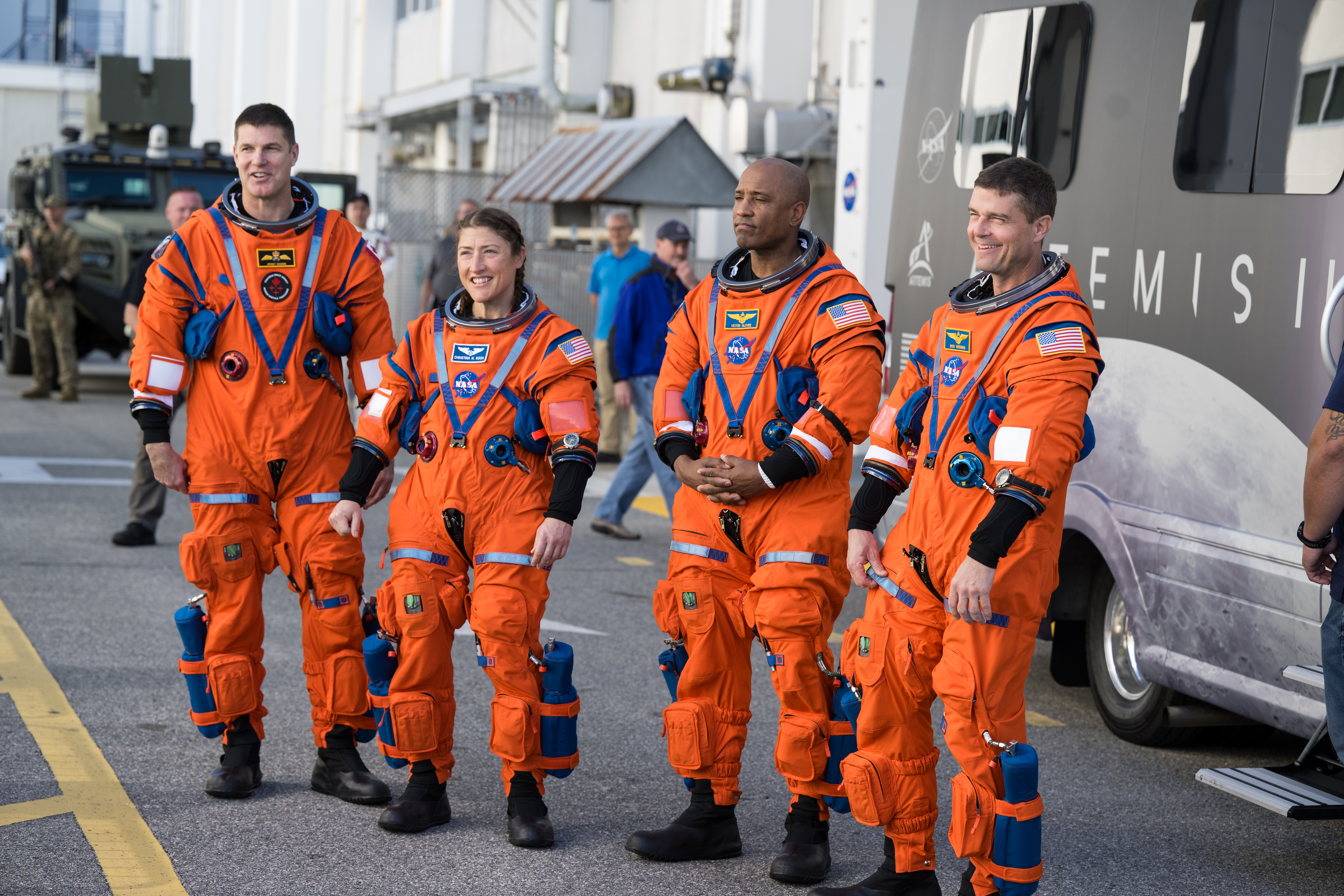
Artemis II Crew Launch Day Rehearsal – From left to right, CSA (Canadian Space Agency) astronaut Jeremy Hansen and NASA astronauts Christina Koch, Victor Glover, and Reid Wiseman are seen as they depart the Neil A. Armstrong Operations and Checkout Building to board their Orion spacecraft atop NASA’s Space Launch System rocket inside the Vehicle Assembly Building as part of the Artemis II countdown demonstration test, Saturday, Dec. 20, 2025, at NASA’s Kennedy Space Center in Florida.

From left to right, CSA (Canadian Space Agency) astronaut Jeremy Hansen and NASA astronauts Christina Koch, Victor Glover, and Reid Wiseman are seen as they depart the Neil A. Armstrong Operations and Checkout Building to board their Orion spacecraft atop NASA’s Space Launch System rocket inside the Vehicle Assembly Building as part of the Artemis II countdown demonstration test, Saturday, Dec. 20, 2025, at NASA’s Kennedy Space Center in Florida.

Read More
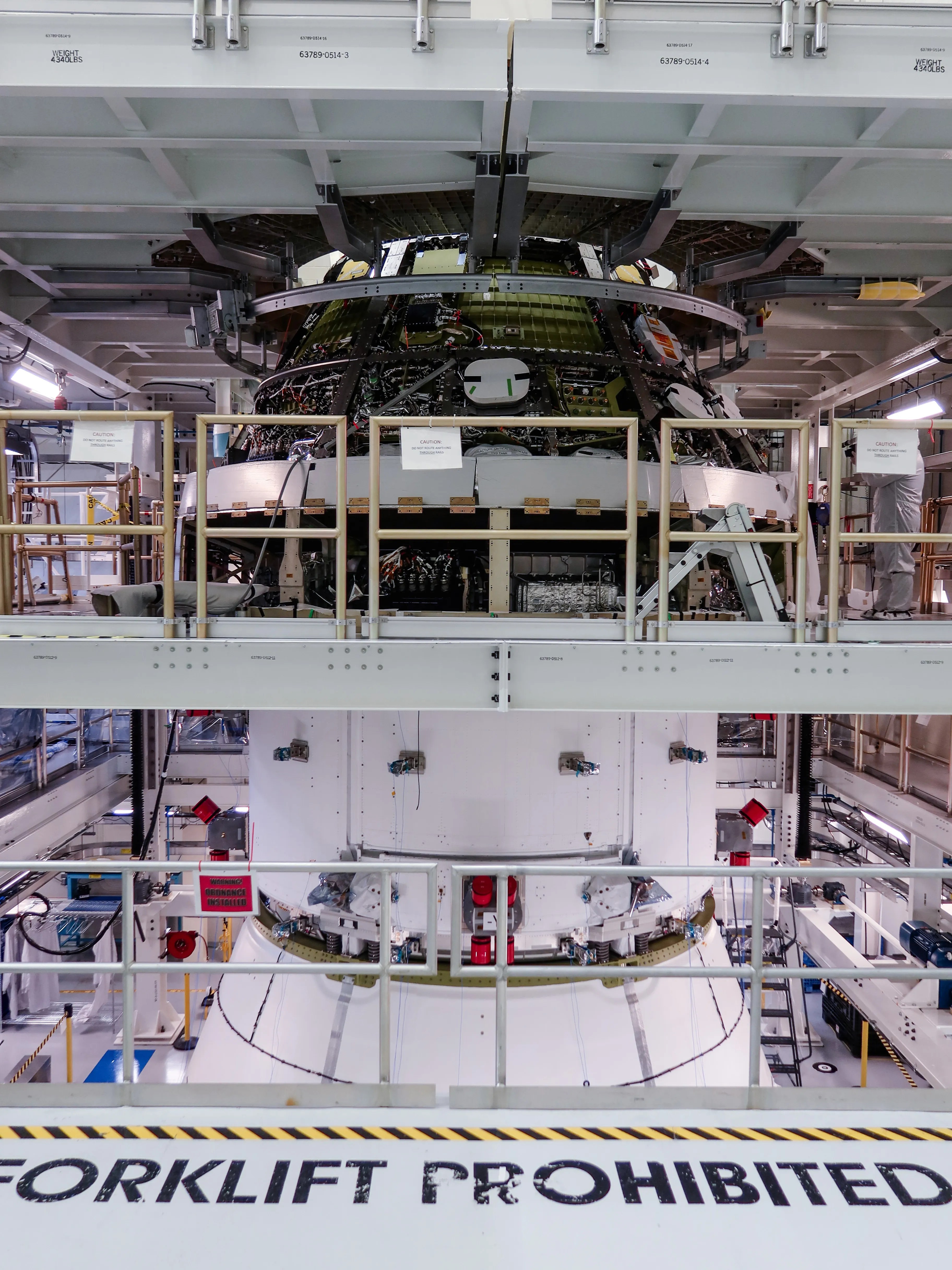
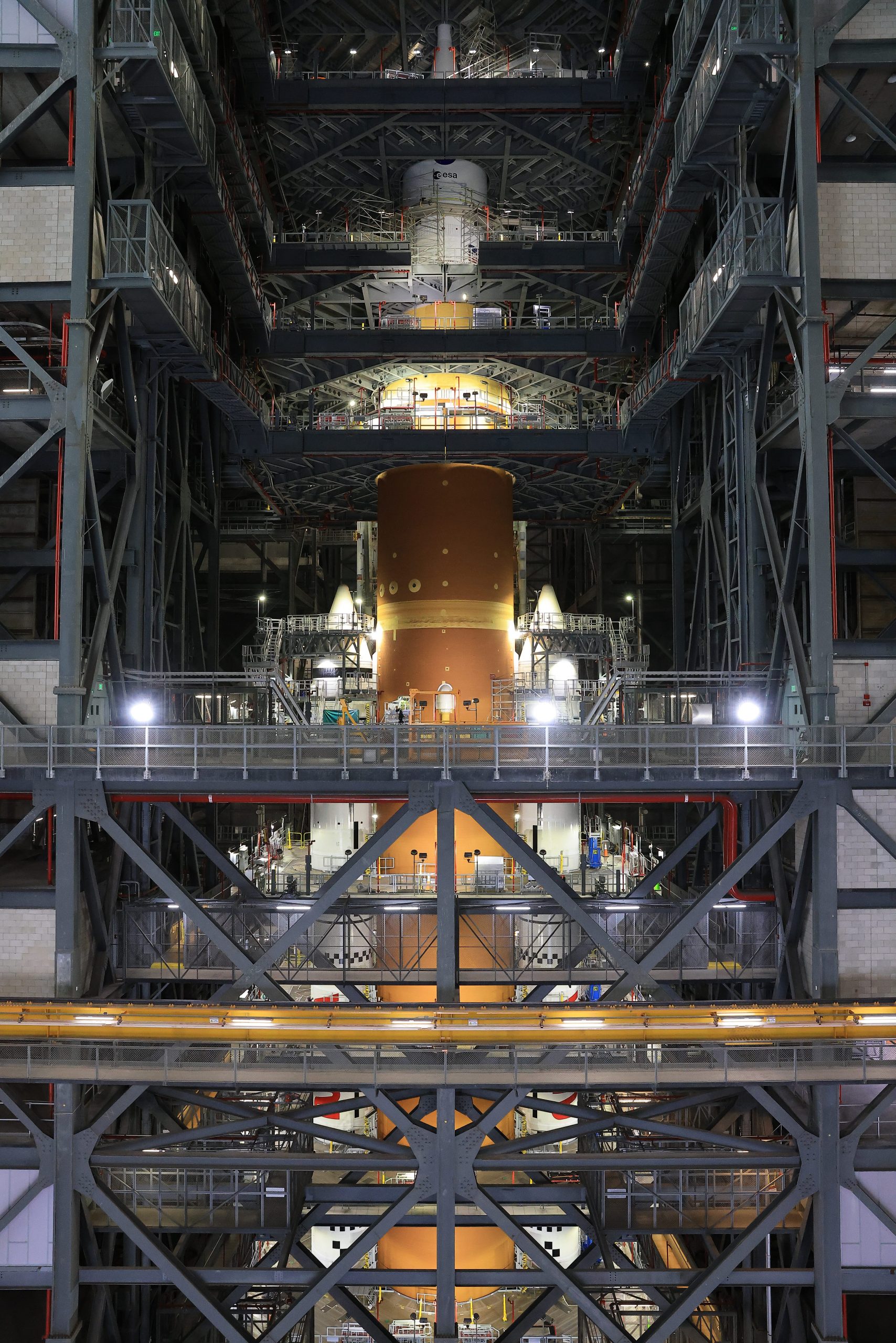
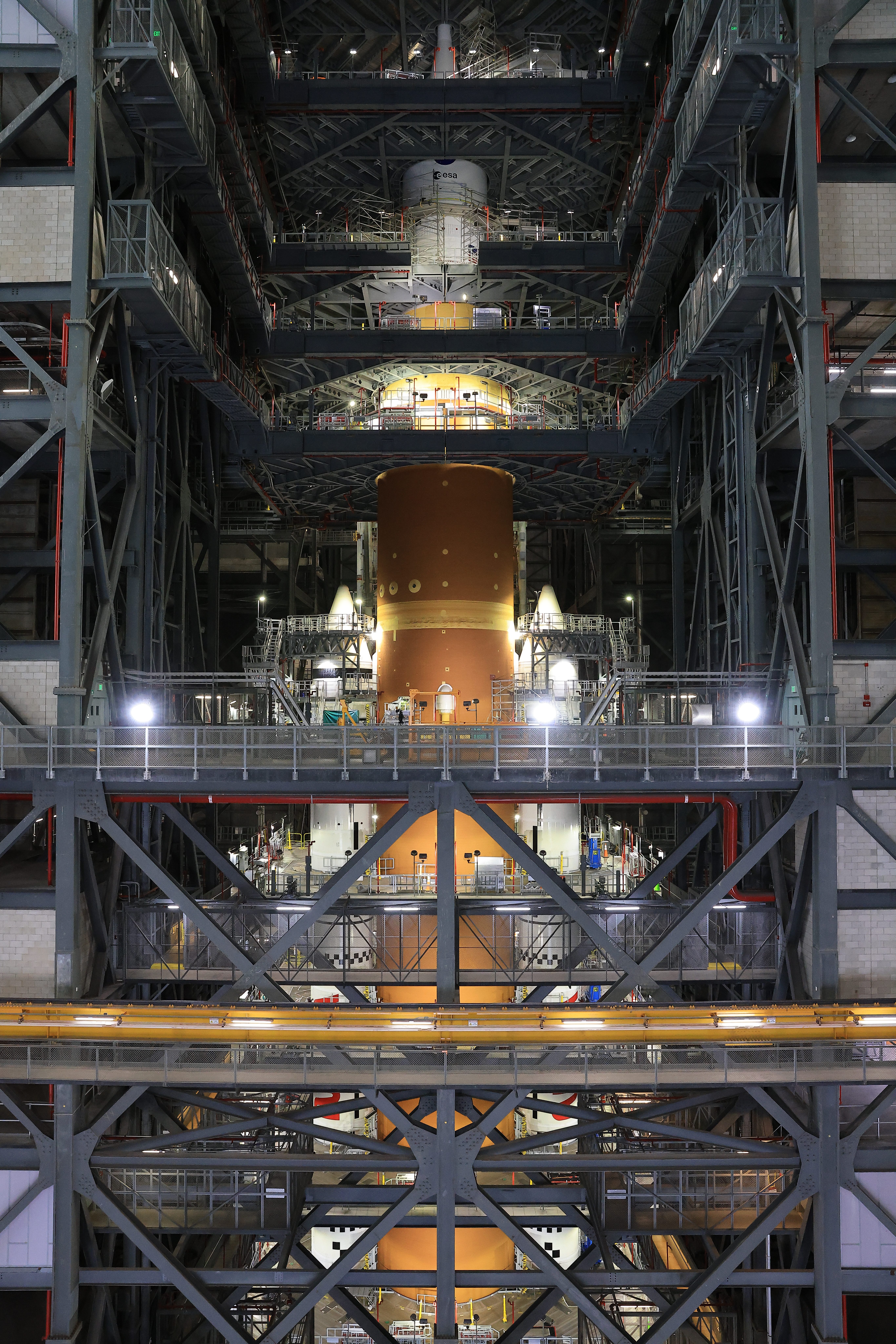
Artemis II Orion Spacecraft Stacked – NASA’s Artemis II Orion spacecraft with its launch abort system is stacked atop the agency’s SLS (Space Launch System) rocket in High Bay 3 of the Vehicle Assembly Building at NASA’s Kennedy Space Center in Florida on Monday, Oct. 20, 2025. The spacecraft will carry NASA astronauts Reid Wiseman, Victor Glover, Christina Koch, and CSA (Canadian Space Agency) astronaut Jeremy Hansen on a 10-day mission around the Moon and back in early 2026.

NASA’s Artemis II Orion spacecraft with its launch abort system is stacked atop the agency’s SLS (Space Launch System) rocket in High Bay 3 of the Vehicle Assembly Building at NASA’s Kennedy Space Center in Florida on Monday, Oct. 20, 2025. The spacecraft will carry NASA astronauts Reid Wiseman, Victor Glover, Christina Koch, and CSA (Canadian Space Agency) astronaut Jeremy Hansen on a 10-day mission around the Moon and back in early 2026.

Read More
3-in-1 Launch

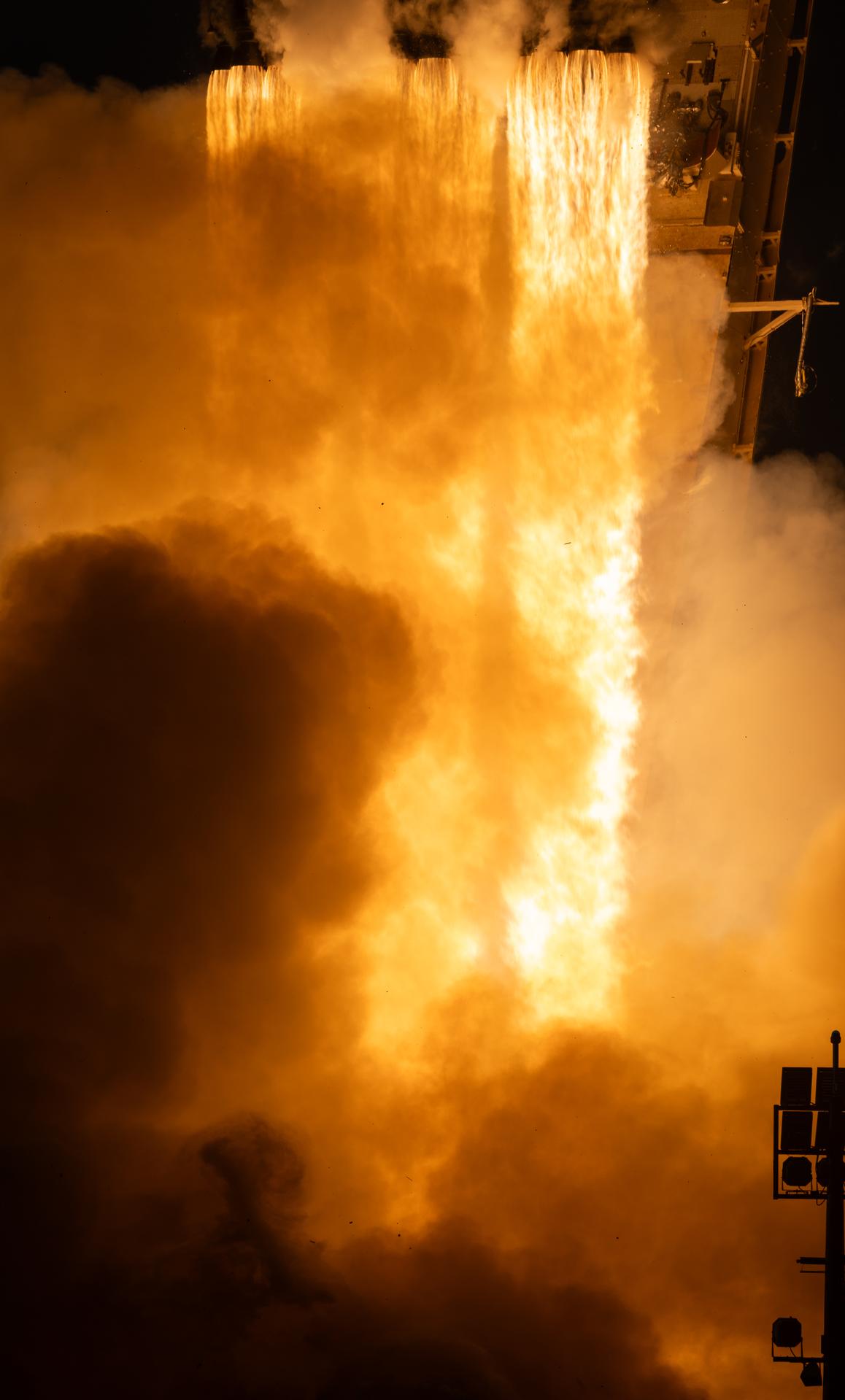
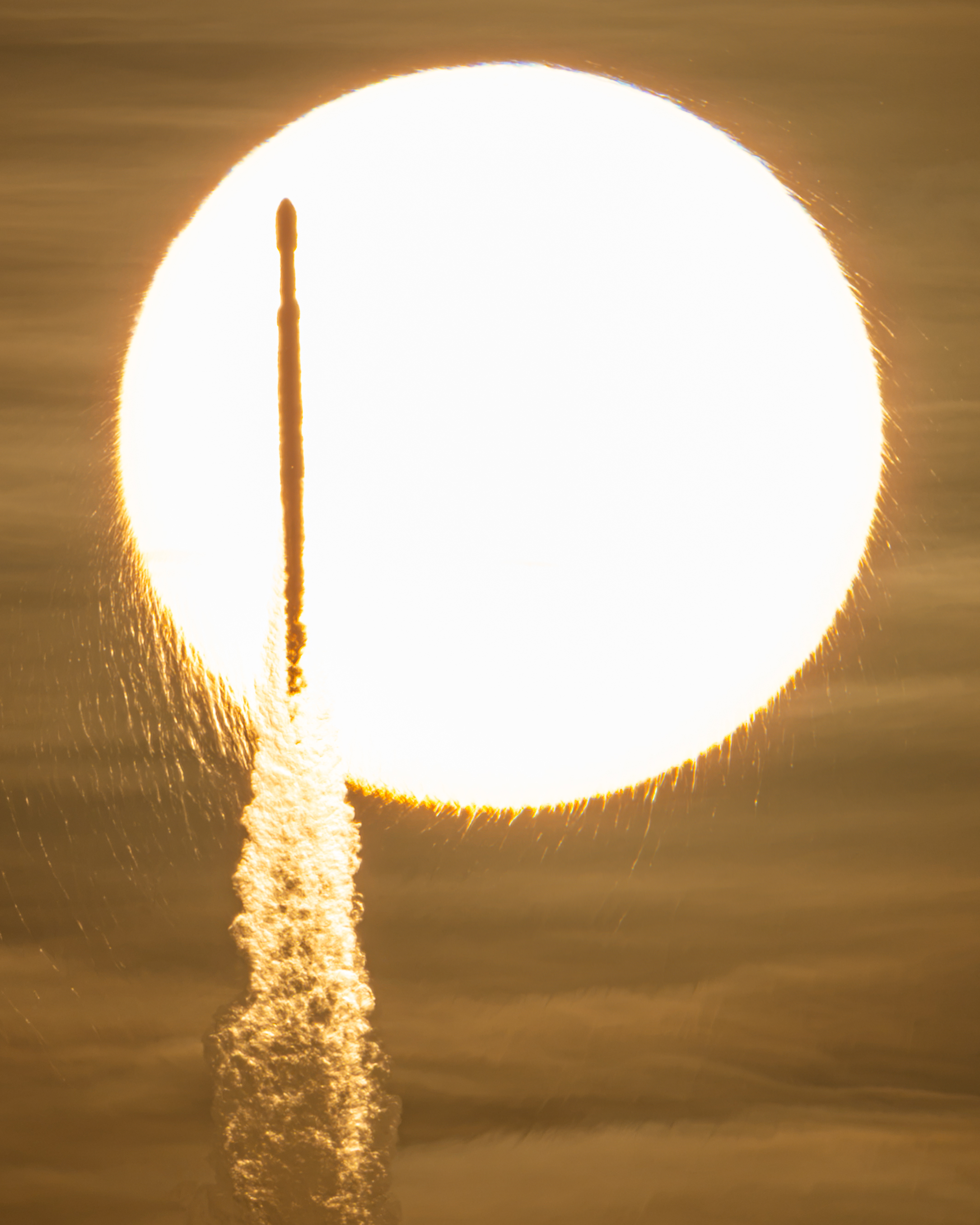
A SpaceX Falcon 9 rocket carrying NASA’s IMAP (Interstellar Mapping and Acceleration Probe), the agency’s Carruthers Geocorona Observatory, and National Oceanic and Atmospheric Administration’s (NOAA) Space Weather Follow On–Lagrange 1 (SWFO-L1) spacecraft lifts off from Launch Complex 39A at NASA’s Kennedy Space Center in Florida at 7:30 a.m. EDT Wednesday, Sept. 24, 2025. The missions will each focus on different effects of the solar wind — the continuous stream of particles emitted by the Sun — and space weather — the changing conditions in space driven by the Sun — from their origins at the Sun to their farthest reaches billions of miles away at the edge of our solar system.

Read More
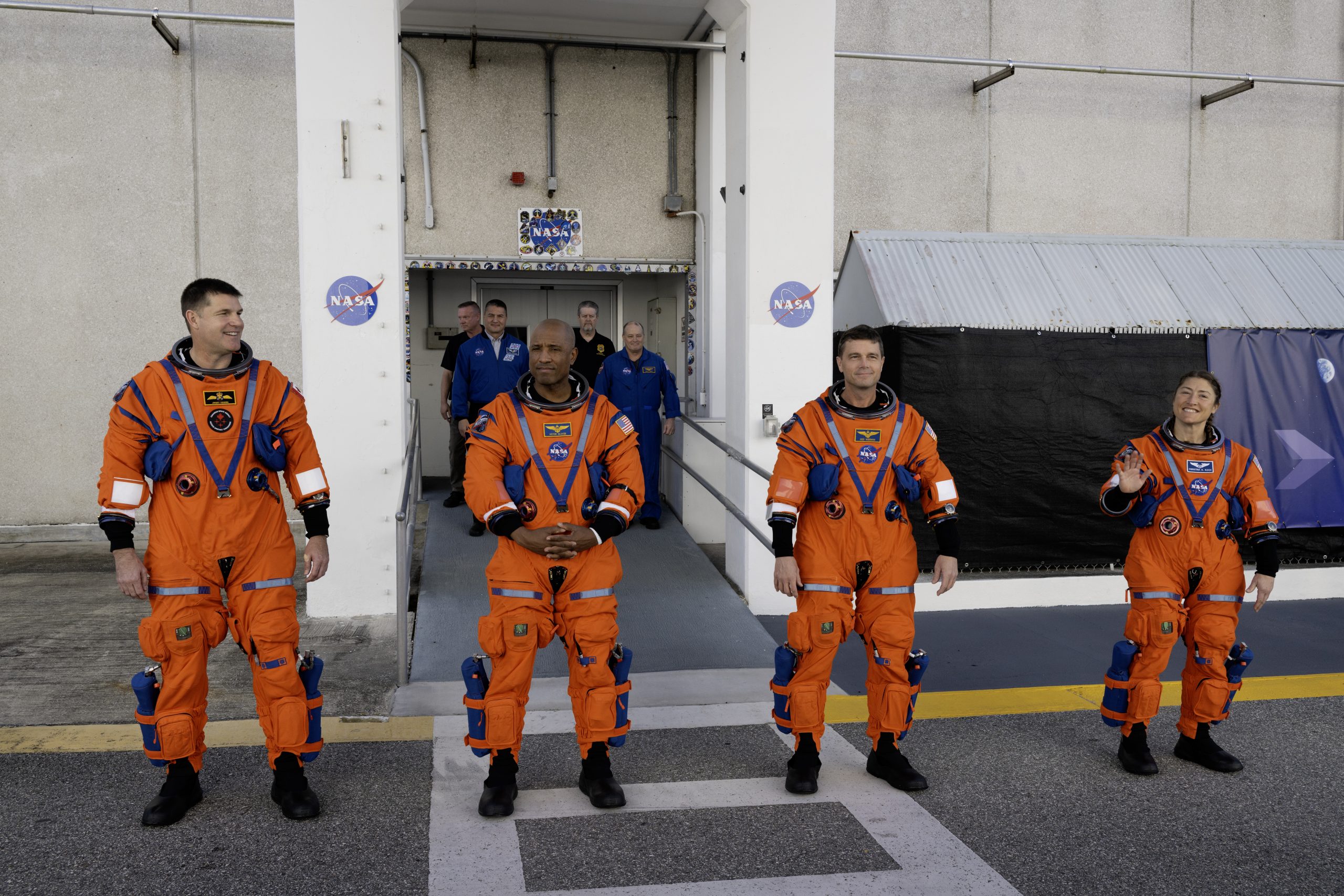
Artemis II Crew Walks Out for Practice Scenarios

From left to right, NASA astronauts Victor Glover, Artemis II pilot; Reid Wiseman, Artemis II commander; CSA (Canadian Space Agency) astronaut Jeremy Hansen, Artemis II mission specialist, and NASA astronaut Christina Koch, Artemis II mission specialist, suit up and walk out of the Neil A. Armstrong Operations and Checkout Building at NASA’s Kennedy Space Center in Florida on Monday, Aug. 11, 2025. During a two-day operation, the Artemis II team practiced night-run demonstrations of different launch day scenarios for the Artemis II test flight.

Read More
Alligator Goes for a Swim

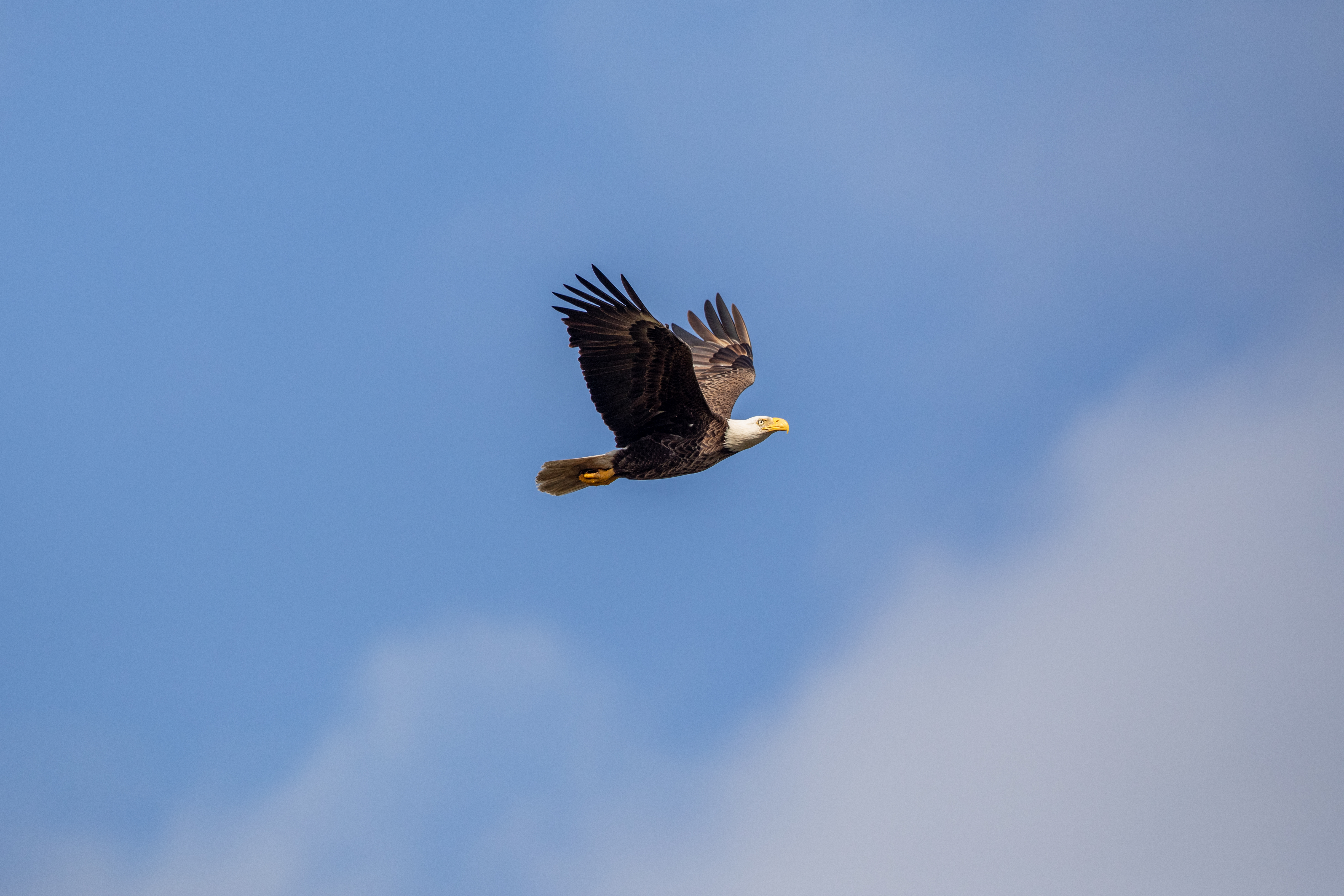
An alligator moves through a brackish waterway at NASA’s Kennedy Space Center in Florida. The center shares space with the Merritt Island National Wildlife Refuge. More than 330 native and migratory bird species, 25 mammals, 117 fishes and 65 amphibians and reptiles call NASA Kennedy and the wildlife refuge home.

Read More
NASA’s Artemis II Crew Trains in Orion

The Artemis II crew (from left to right) CSA (Canadian Space Agency) Jeremy Hansen, mission specialist; Christina Koch, mission specialist; Victor Glover, pilot; and Reid Wiseman, commander, don their Orion Crew Survival System Suits for a multi-day crew module training beginning Thursday, July 31, 2025, at NASA’s Kennedy Space Center in Florida. Behind the crew, wearing clean room apparel, are members of the Artemis II closeout crew.

Read More
Crew-11 Launches to International Space Station

A SpaceX Falcon 9 rocket carrying the company’s Dragon spacecraft is launched on NASA’s SpaceX Crew-11 mission to the International Space Station with NASA astronauts Zena Cardman, Mike Fincke, JAXA (Japan Aerospace Exploration Agency) astronaut Kimiya Yui, and Roscosmos cosmonaut Oleg Platonov aboard, Friday, Aug. 1, 2025, from NASA’s Kennedy Space Center in Florida.

Read More
#JFK Assassination and Fidel Castro

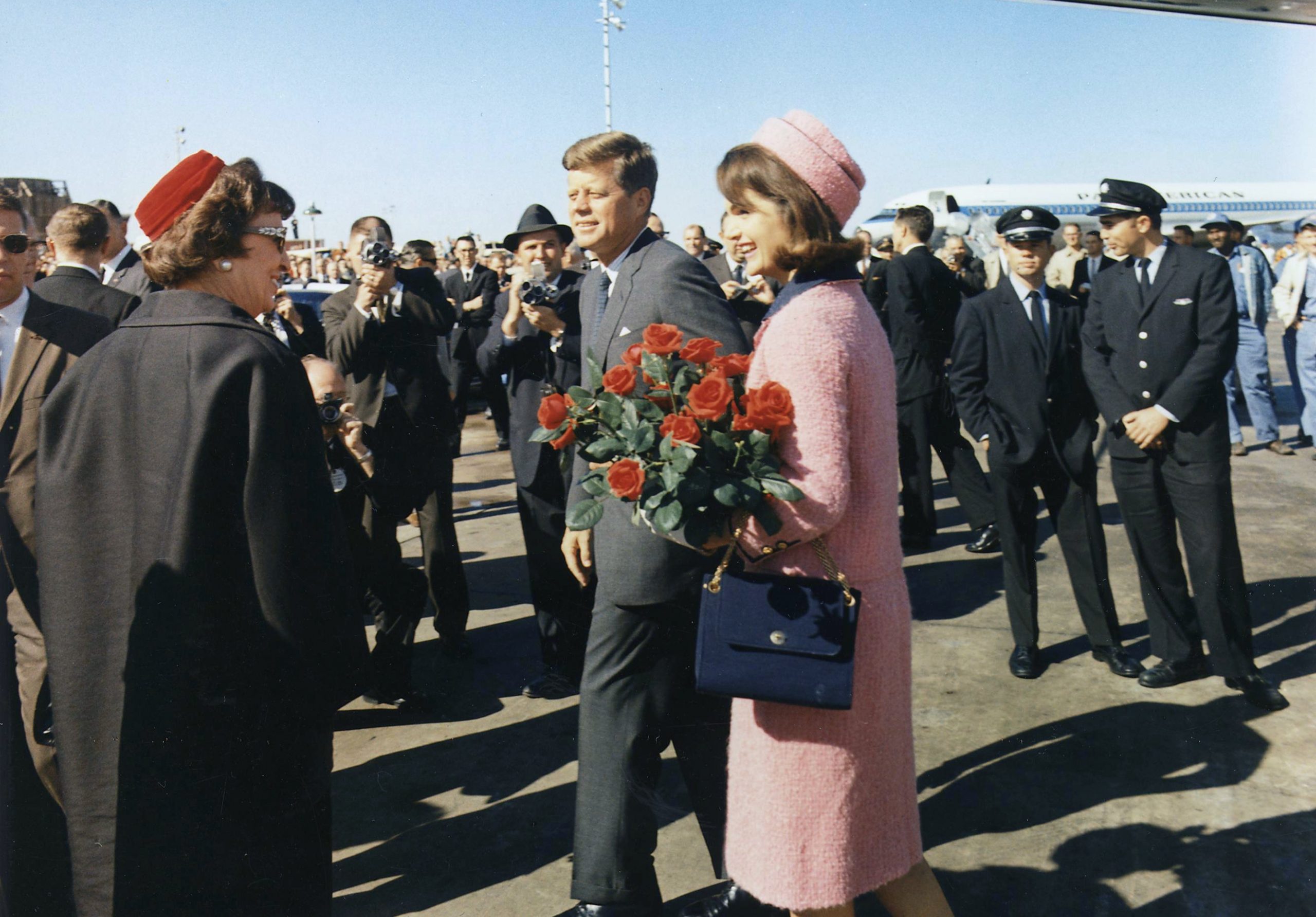
In November, Kennedy countered in a speech delivered to the Inter-American Press Association in Miami, where he called Cuba a pawn of Russia: “It is the fact that a small band of conspirators has stripped the Cuban people of their freedom and handed over the independence and sovereignty of the Cuban nation to forces beyond the hemisphere.” And went on to offer support if the Cuban people revolted, “For once Cuban sovereignty has been restored, we will extend the hand of friendship and assistance to a Cuba whose political and economic institutions have been shaped by the will of the Cuban people.”

Less than a week later, Kennedy was dead.

Read More
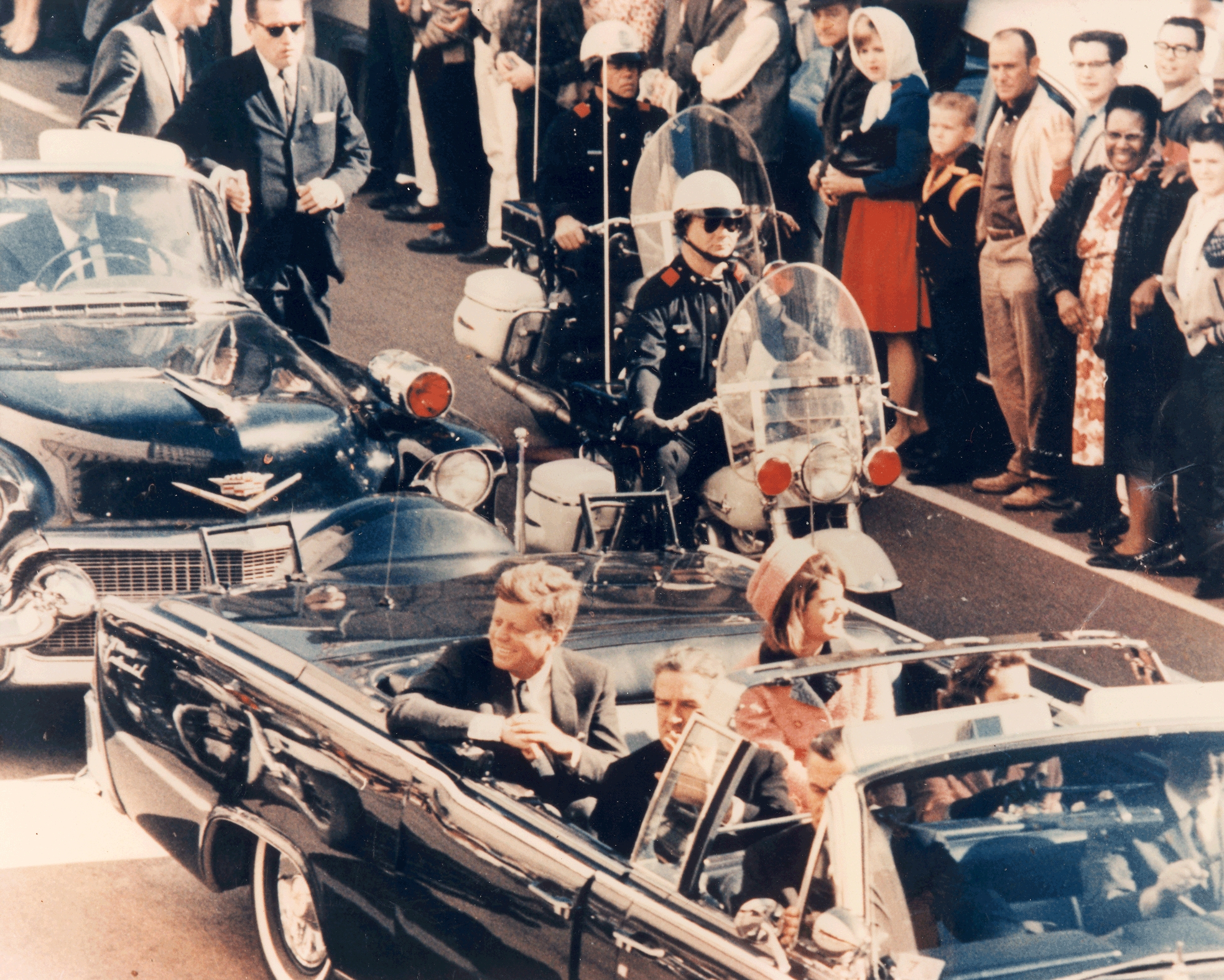
#JFK Conspiracy and Fidel Castro

The tensions between Kennedy and Castro heightened, notably underscored by the failed Bay of Pigs Invasion in April 1961, where CIA-backed Cuban exiles attempted to overthrow Castro’s government. Castro’s decision to permit the Soviet Union to install nuclear launch pads in Cuba, uncovered during the Cuban Missile Crisis of 1962, further strained relations. His condemnation of US-led incursions into Cuban territory, combined with Kennedy’s portrayal of Cuba as a pawn of Russia, only exacerbated animosity between the two leaders. Less than a week after Kennedy’s address, he was tragically assassinated.

Read More
#JFK – Clint Hill, heroic attempt to shield the President and First Lady during the assassination

Clint Hill was a dedicated Secret Service agent best known for his assignment to protect First Lady Jacqueline Kennedy. on November 22, 1963, when President John F. Kennedy was assassinated in Dallas, Texas. In a courageous attempt to shield the First Lady from harm, Hill leaped onto the presidential limousine, a moment captured in iconic photographs that underscored his quick thinking and devotion.

Read More
Kennedy Conspiracy and Castro

The tension between Kennedy and Castro escalated, notably with the failed Bay of Pigs Invasion in April 1961, where CIA-backed Cuban exiles attempted to overthrow Castro’s government. Castro’s allowance of the Soviet Union to install nuclear launch pads in Cuba, discovered during the Cuban Missile Crisis of 1962, further strained relations. His denouncement of US-led raids on Cuban soil, coupled with Kennedy’s portrayal of Cuba as a pawn of Russia, intensified animosity between the two leaders. Less than a week after Kennedy’s speech, he was tragically assassinated.

Read More
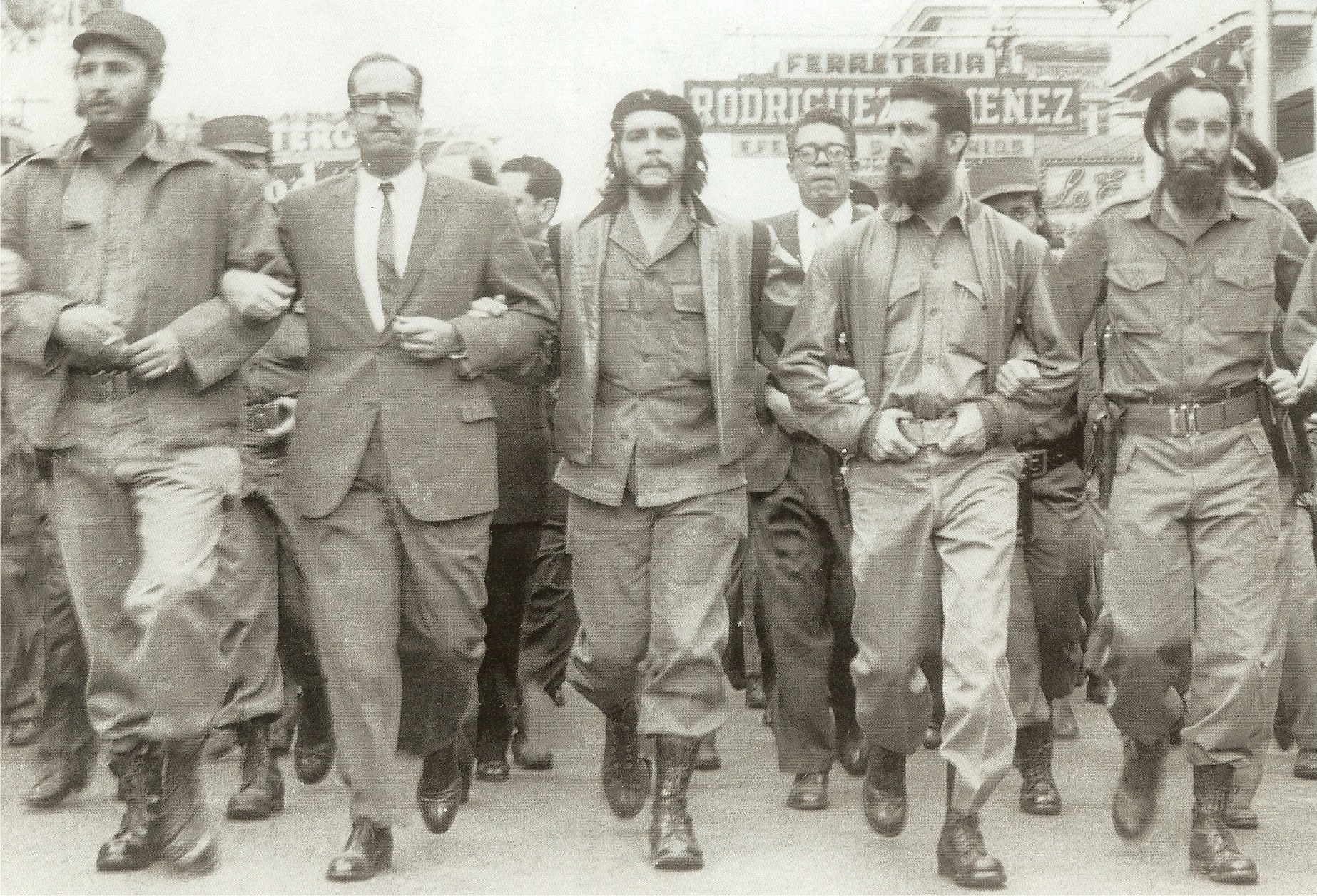
#Conspiracy theorists will be captivated by this book!

L. D. C. Fitzgerald, the acclaimed author of two nonfiction books about Kennedy, presents ‘Saving Jackie K’, a science fiction odyssey with a time-travel twist on the most significant conspiracy theory of modern times. This riveting tale merges fact and fiction to unravel the greatest mystery of the 20th century. ‘Saving Jackie K’ promises a thrilling, intellectual journey and stands out as the most provocative science fiction thriller you’ll ever read.

Read More
#JFKConspiracy and Castro

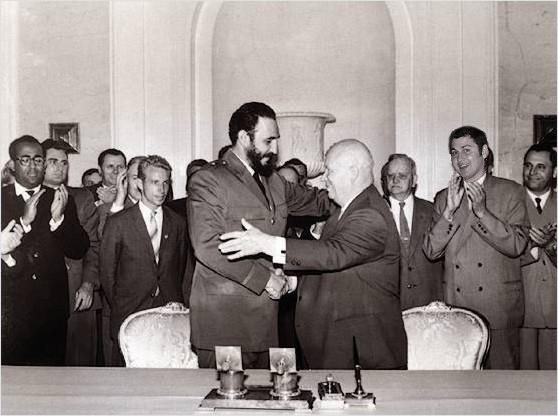
From the outset of his presidency, Kennedy had ambitions of overthrowing Castro’s regime. Adhering to the Domino Theory, Kennedy feared that the spread of communism in one country would inevitably lead to its expansion in neighboring nations. Moreover, Castro found solidarity with his communist ally, Nikita Khrushchev, the Premier of Russia.

Read More
The Kennedy Assassination Suspect Fidel Castro

The tensions between Kennedy and Castro intensified, notably highlighted by the failed Bay of Pigs Invasion in April 1961, where CIA-backed Cuban exiles attempted to overthrow Castro’s government. Castro’s agreement to allow the Soviet Union to install nuclear launch pads in Cuba, uncovered during the Cuban Missile Crisis of 1962, further strained relations. His condemnation of US-led intrusions into Cuban territory, coupled with Kennedy’s portrayal of Cuba as a pawn of Russia, only heightened animosity between the two leaders. Less than a week after Kennedy’s address, he was tragically assassinated.

Read More