knights

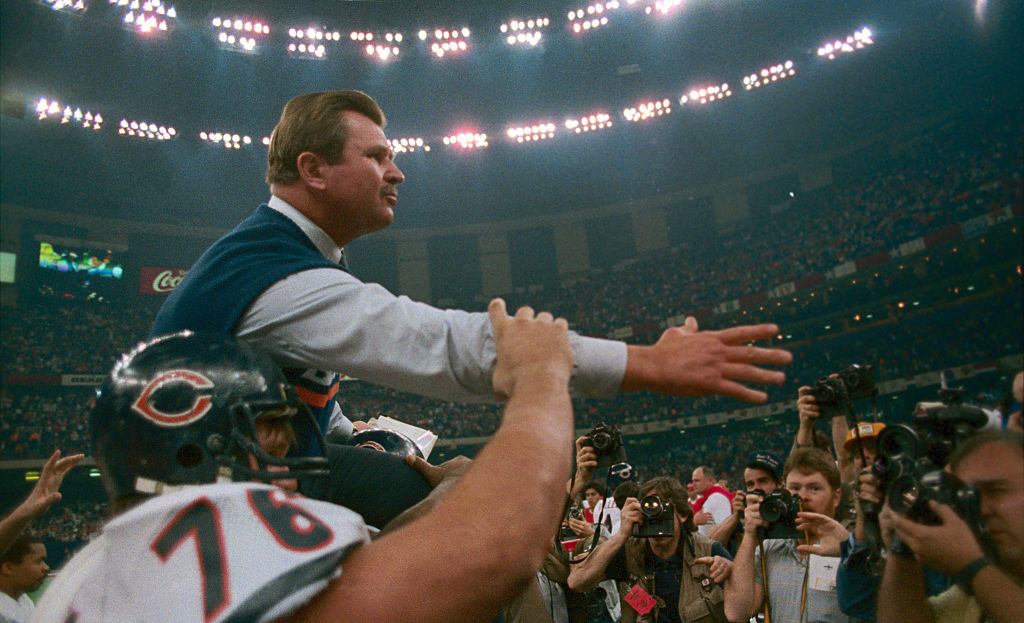
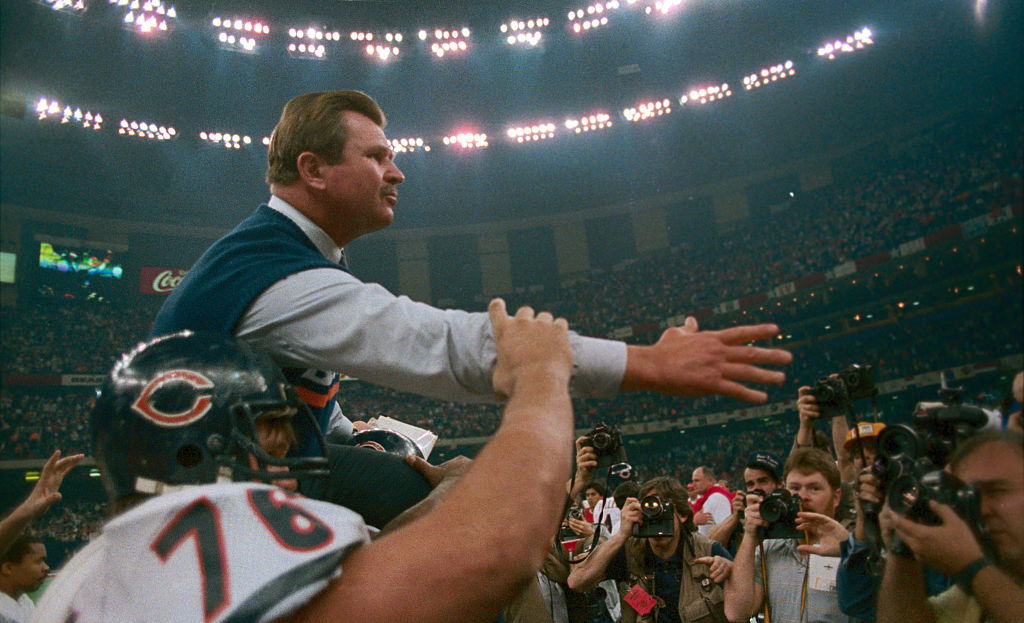
NFL legend Mike Ditka was a Catholic coach #Catholic Former professional football coach Mike Ditka, a practicing Catholic who occasionally served as lector at the 7 a.m. team Mass on game-day Sundays during his decade leading the Chicago Bears, died Friday. He was 86.“Iron Mike,” as Ditka was known, had a famously explosive temper, which often boiled over on the sidelines and in postgame press conferences. Ditka, who led the Bears to a Super Bowl XX victory in 1986, once broke his right hand after punching a hard object over frustration with the play of a rookie offensive lineman — then, before the next game, told his team to “win this one for Lefty.”Less well known was Ditka’s commitment to his Catholic faith, for which he credited his convert mother and the nuns of his parochial school in Aliquippa, Pennsylvania, where he was raised.“Growing up, the most important thing was the sacraments with my family,” Ditka told an interviewer with the Catholic website “One Peter Five” in August 2018. “We loved everything about the faith. Going to Catholic school and learning the faith, I wouldn’t trade that for anything.”“I don’t care how many times I got hit by a nun,” Ditka said, “it was good for me.”Football successBorn Michael Dyczko in 1939, Ditka was the son of a non-churchgoing Ukrainian and Polish steelworker father and an Irish and German mother who converted to Catholicism.He played tight end for the University of Pittsburgh and then in the NFL for the Chicago Bears, Philadelphia Eagles, and Dallas Cowboys. In 1988 Ditka was honored as the first tight end ever to be inducted into the Pro Football Hall of Fame.After retiring from playing, Ditka served as an assistant coach before getting his unlikely chance as the head coach of the Bears in 1982.His 1985 Bears went 15-1 during the regular season and stomped their way through the playoffs to a Super Bowl victory. So confident were the players of that dominant team that they recorded a rap song called “The Super Bowl Shuffle” during the regular season. (Ditka later said he didn’t know about it, but he didn’t criticize the players for doing it.)Ditka’s success, toughness, temper, and sense of humor made him a cultural phenomenon, inspiring a recurring skit (and guest appearances) on “Saturday Night Live” and launching a career as a motivational speaker.When the team’s fortunes plummeted, he was fired in 1992. He later coached the New Orleans Saints but was fired after three years.Off-field philanthropyDitka made millions as a pitchman for dozens of products after he left football, and he used some of that wealth to help others.“Ditka was very supportive of Misericordia and other charities that supported children with special needs and disabilities,” Mary FioRito, an attorney, lifelong Chicagoan, and Cardinal Francis George Fellow at the Ethics and Public Policy Center, told the National Catholic Register, the sister partner of EWTN News.And not just with checks.“He spoke at fundraisers, and surprised observers could catch him privately visiting with residents he knew by name,” reported the suburban Chicago Daily Herald.Ditka was also a member of the Knights of Columbus and participated in the organization’s charitable activities.‘Constant turmoil’In his 1986 autobiography “Ditka,” published at the peak of his success, Ditka admitted to having had “no spiritual life at all” during the 1970s, before two other coaches got him involved in a Bible study that reintroduced him to God.“I always had faith, but I never had understanding,” Ditka said. “I always knew what was going on in life. I was raised right. I did all the things you were supposed to do. But I never understood why I was supposed to do them, because I never had a total understanding of what was going on.”He also acknowledged what he called “constant turmoil inside,” and he compared himself unfavorably to longtime Dallas Cowboys coach Tom Landry (1924–2000), whom he admired for always keeping his cool on the sidelines and for his involvement in the Fellowship of Christian Athletes.“My priorities can get mixed up. I don’t think he ever gets his priorities mixed up,” Ditka said in the book.Ditka said he discovered that following his faith was hard work.“Sometimes you take for granted that your faith will always be there and everything will be fine. But without making the effort, that’s just not a fact. You have to make a real effort to live your faith daily,” Ditka said in the book.“Nobody is going to do it every day. Nobody is going to do it perfectly,” he continued. “But unless you make the effort you’ve got no chance at all.”Ditka married in 1961, got divorced in 1973, and then remarried in 1977. Both wives survive him, as do his four children, according to an obituary in the Daily Herald.“I’m far from perfect now, and I’m never going to be perfect,” Ditka said in his autobiography. “When I die, I’m going to be still trying to get better than I am.”This story was first published by the National Catholic Register, the sister partner of EWTN News, and has been adapted by EWTN News.

NFL legend Mike Ditka was a Catholic coach #Catholic Former professional football coach Mike Ditka, a practicing Catholic who occasionally served as lector at the 7 a.m. team Mass on game-day Sundays during his decade leading the Chicago Bears, died Friday. He was 86.“Iron Mike,” as Ditka was known, had a famously explosive temper, which often boiled over on the sidelines and in postgame press conferences. Ditka, who led the Bears to a Super Bowl XX victory in 1986, once broke his right hand after punching a hard object over frustration with the play of a rookie offensive lineman — then, before the next game, told his team to “win this one for Lefty.”Less well known was Ditka’s commitment to his Catholic faith, for which he credited his convert mother and the nuns of his parochial school in Aliquippa, Pennsylvania, where he was raised.“Growing up, the most important thing was the sacraments with my family,” Ditka told an interviewer with the Catholic website “One Peter Five” in August 2018. “We loved everything about the faith. Going to Catholic school and learning the faith, I wouldn’t trade that for anything.”“I don’t care how many times I got hit by a nun,” Ditka said, “it was good for me.”Football successBorn Michael Dyczko in 1939, Ditka was the son of a non-churchgoing Ukrainian and Polish steelworker father and an Irish and German mother who converted to Catholicism.He played tight end for the University of Pittsburgh and then in the NFL for the Chicago Bears, Philadelphia Eagles, and Dallas Cowboys. In 1988 Ditka was honored as the first tight end ever to be inducted into the Pro Football Hall of Fame.After retiring from playing, Ditka served as an assistant coach before getting his unlikely chance as the head coach of the Bears in 1982.His 1985 Bears went 15-1 during the regular season and stomped their way through the playoffs to a Super Bowl victory. So confident were the players of that dominant team that they recorded a rap song called “The Super Bowl Shuffle” during the regular season. (Ditka later said he didn’t know about it, but he didn’t criticize the players for doing it.)Ditka’s success, toughness, temper, and sense of humor made him a cultural phenomenon, inspiring a recurring skit (and guest appearances) on “Saturday Night Live” and launching a career as a motivational speaker.When the team’s fortunes plummeted, he was fired in 1992. He later coached the New Orleans Saints but was fired after three years.Off-field philanthropyDitka made millions as a pitchman for dozens of products after he left football, and he used some of that wealth to help others.“Ditka was very supportive of Misericordia and other charities that supported children with special needs and disabilities,” Mary FioRito, an attorney, lifelong Chicagoan, and Cardinal Francis George Fellow at the Ethics and Public Policy Center, told the National Catholic Register, the sister partner of EWTN News.And not just with checks.“He spoke at fundraisers, and surprised observers could catch him privately visiting with residents he knew by name,” reported the suburban Chicago Daily Herald.Ditka was also a member of the Knights of Columbus and participated in the organization’s charitable activities.‘Constant turmoil’In his 1986 autobiography “Ditka,” published at the peak of his success, Ditka admitted to having had “no spiritual life at all” during the 1970s, before two other coaches got him involved in a Bible study that reintroduced him to God.“I always had faith, but I never had understanding,” Ditka said. “I always knew what was going on in life. I was raised right. I did all the things you were supposed to do. But I never understood why I was supposed to do them, because I never had a total understanding of what was going on.”He also acknowledged what he called “constant turmoil inside,” and he compared himself unfavorably to longtime Dallas Cowboys coach Tom Landry (1924–2000), whom he admired for always keeping his cool on the sidelines and for his involvement in the Fellowship of Christian Athletes.“My priorities can get mixed up. I don’t think he ever gets his priorities mixed up,” Ditka said in the book.Ditka said he discovered that following his faith was hard work.“Sometimes you take for granted that your faith will always be there and everything will be fine. But without making the effort, that’s just not a fact. You have to make a real effort to live your faith daily,” Ditka said in the book.“Nobody is going to do it every day. Nobody is going to do it perfectly,” he continued. “But unless you make the effort you’ve got no chance at all.”Ditka married in 1961, got divorced in 1973, and then remarried in 1977. Both wives survive him, as do his four children, according to an obituary in the Daily Herald.“I’m far from perfect now, and I’m never going to be perfect,” Ditka said in his autobiography. “When I die, I’m going to be still trying to get better than I am.”This story was first published by the National Catholic Register, the sister partner of EWTN News, and has been adapted by EWTN News.

The Chicago Bears icon, who died on Friday, gave to charities, lectored at Mass, and belonged to the Knights of Columbus.
Read More
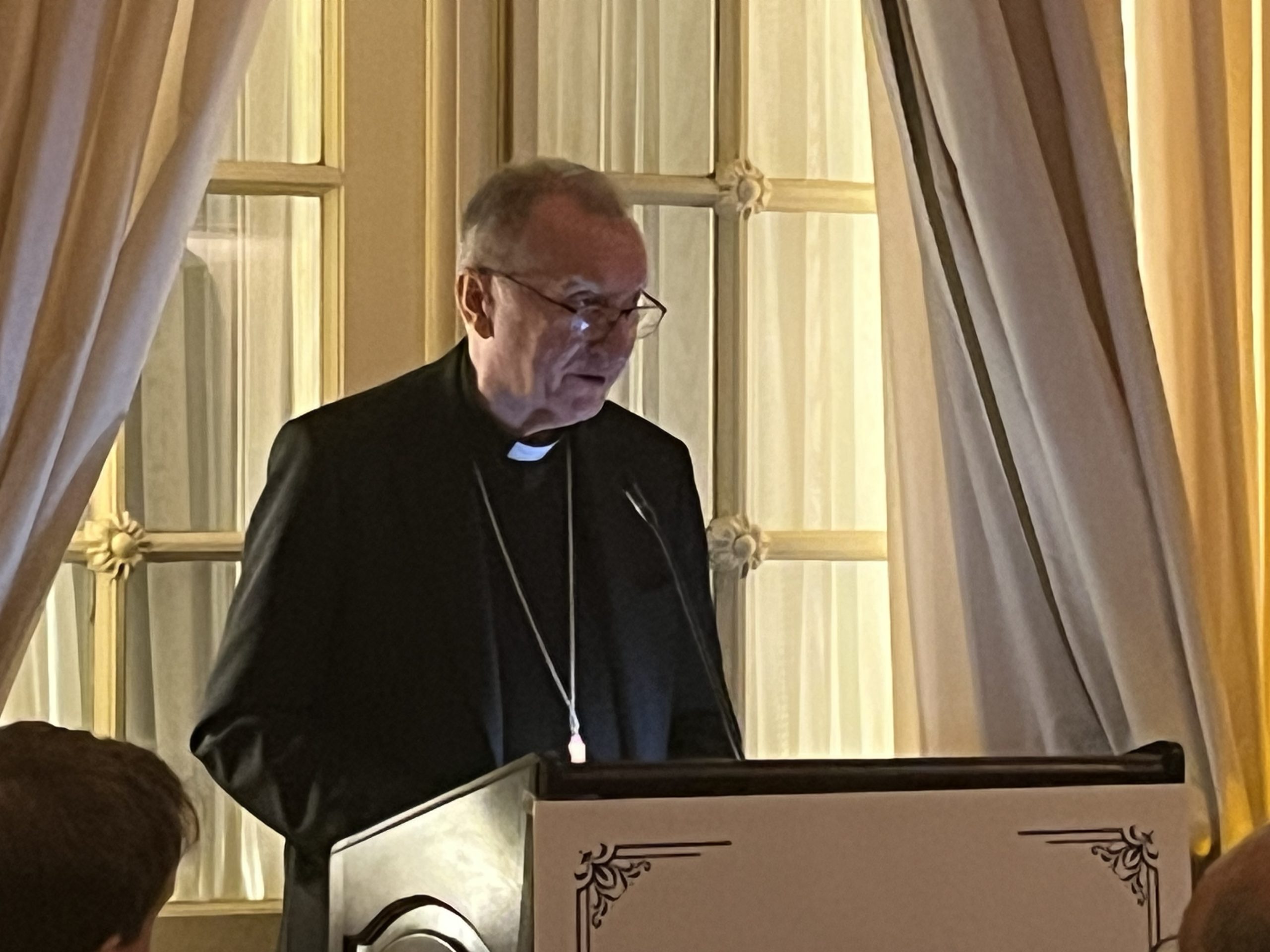
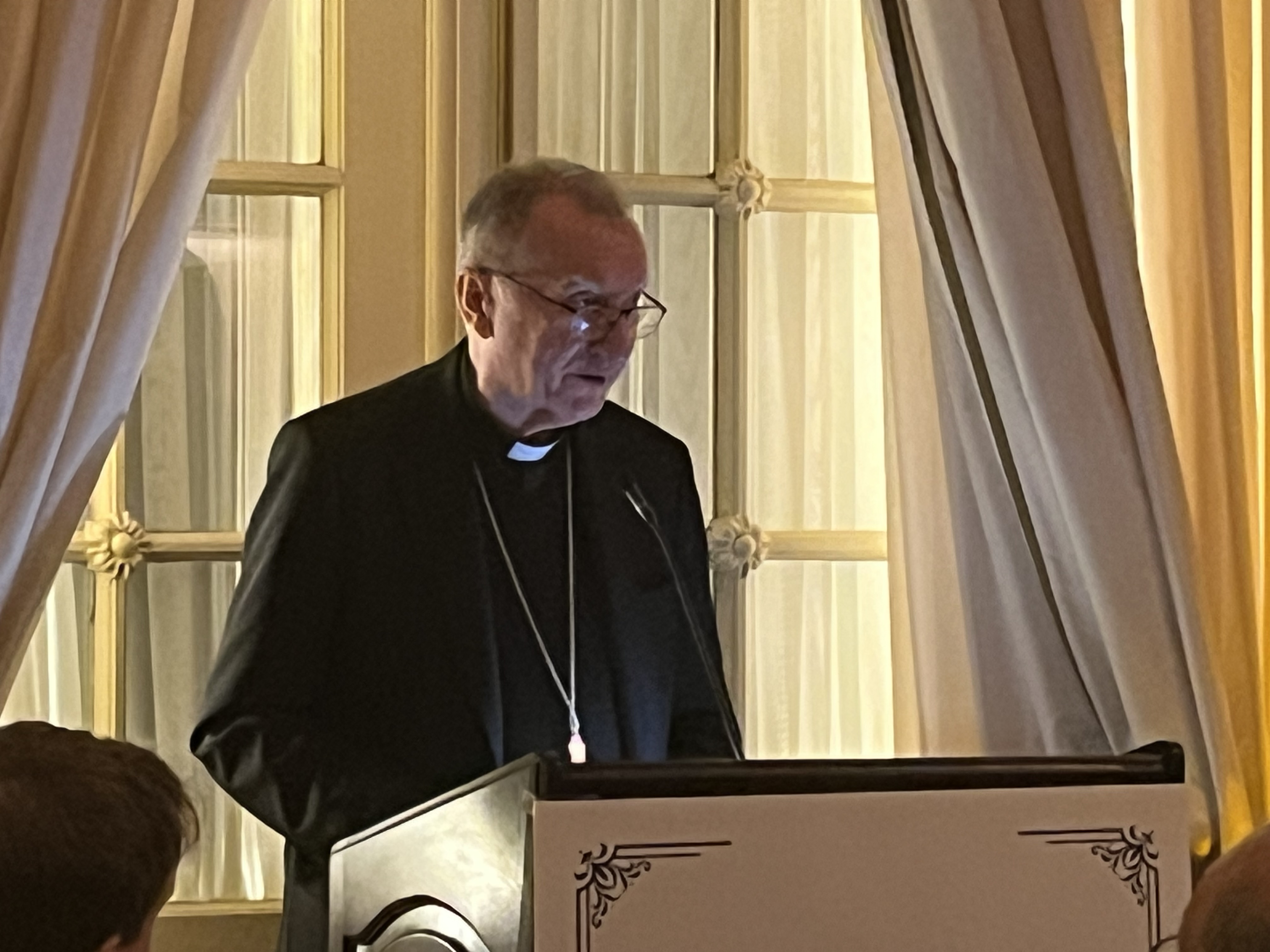
Vatican secretary of state says world’s fragmentation starts with forgetting what a human person is #Catholic NEW YORK — The root of today’s fragmented world is not technology, excess freedom, or diversity but the loss of a common understanding of who the human person is, Vatican Secretary of State Cardinal Pietro Parolin said at a New York dinner that took place during the United Nations General Assembly’s High-level Week.Parolin spoke Sept. 25 as an honoree of CAPP-USA, the U.S. arm of the Fondazione Centesimus Annus Pro Pontifice, a Vatican foundation that promotes Catholic social teaching and was established by St. John Paul II in 1993.Among those present at the event were the U.S. Ambassador to the United Nations (U.N.) Mike Waltz, Knights of Columbus Supreme Knight Patrick Kelly, and the Holy See’s permanent observer to the U.N., Archbishop Christophe-Zakhia El-Kassis, who delivered the evening’s benediction.Parolin said: “In the light of the Gospel, each generation must read the signs of its own times.”Citing Pope Leo XIV’s encyclical Magnifica Humanitas, Parolin said modern technology is not humanity’s enemy but that dignity belongs to people, not systems or algorithms. He also recalled Rerum Novarum, the encyclical Pope Leo XIII penned in 1891 as the Church’s response to the industrial revolution and which laid the foundation for Catholic social teaching.“In a world that builds towers, build places of encounter,” Parolin challenged his listeners. “In a world connected online and disconnected offline, be people of presence. In a world asking whether we can remain human, answer with the witness of your lives.”He told attendees the foundation matters because its members are meant to be “bridge builders between the encyclicals … and the decisions made in daily life.”Fragmentation and lonelinessParolin said people “are more connected than any generation in history, and yet many of us are lonelier than ever.” Exchanging information instantly but struggling to encounter one another as human beings has led to fragmentation, he said, and families, communities, and nations are “divided into camps that no longer even speak the same language.”He noted Pope Leo’s description of this moment in the opening lines of Magnifica Humanitas, saying: “We can either construct a new tower of Babel or build the city in which God and humanity dwell together.”‘A fragmented world is a searching world’Regarding the spiritual hunger many modern people are feeling, he said restlessness, especially among the young, is evidence that our hearts are made for God and cannot rest until we rest in him, citing St. Augustine.“A fragmented world is also a searching world,” he noted.“The human person is not self-made, but receives; he is a being created for relationship,” he said. “Leo expressed the hope that the world will come to recognize the human heart is the place where God desires to dwell.”The Church’s social doctrine is “itself an expression of the spiritual life,” Parolin said, and results in a faith that becomes real “concern for the worker, the family, the poor, and the seeking of the common good.”Freedom and pluralism not to blame, Parolin saysOn freedom and pluralism, he rejected blaming “too much freedom” or “too many voices.” The Church defends “freedom as a gift inseparable from human dignity,” he said, noting the Second Vatican Council’s teaching on “religious freedom as a right found in the very nature of the human person.” But, he said, “freedom detached from truth and responsibility for others turns against itself.” Freedom, in the Christian vision, “is not the capacity to choose anything whatsoever. It is the capacity to choose the good.”Authentic pluralism, he said, rests on dignity, the common good, solidarity, and subsidiarity. “We should respect the family, communities, and institutions through which people flourish,” he urged.The next day, Sept. 26, Parolin addressed the opening of the 81st U.N. General Assembly, whose theme is “Restoring Trust, Managing Transformation: A United Nations That Delivers for All.”

Vatican secretary of state says world’s fragmentation starts with forgetting what a human person is #Catholic NEW YORK — The root of today’s fragmented world is not technology, excess freedom, or diversity but the loss of a common understanding of who the human person is, Vatican Secretary of State Cardinal Pietro Parolin said at a New York dinner that took place during the United Nations General Assembly’s High-level Week.Parolin spoke Sept. 25 as an honoree of CAPP-USA, the U.S. arm of the Fondazione Centesimus Annus Pro Pontifice, a Vatican foundation that promotes Catholic social teaching and was established by St. John Paul II in 1993.Among those present at the event were the U.S. Ambassador to the United Nations (U.N.) Mike Waltz, Knights of Columbus Supreme Knight Patrick Kelly, and the Holy See’s permanent observer to the U.N., Archbishop Christophe-Zakhia El-Kassis, who delivered the evening’s benediction.Parolin said: “In the light of the Gospel, each generation must read the signs of its own times.”Citing Pope Leo XIV’s encyclical Magnifica Humanitas, Parolin said modern technology is not humanity’s enemy but that dignity belongs to people, not systems or algorithms. He also recalled Rerum Novarum, the encyclical Pope Leo XIII penned in 1891 as the Church’s response to the industrial revolution and which laid the foundation for Catholic social teaching.“In a world that builds towers, build places of encounter,” Parolin challenged his listeners. “In a world connected online and disconnected offline, be people of presence. In a world asking whether we can remain human, answer with the witness of your lives.”He told attendees the foundation matters because its members are meant to be “bridge builders between the encyclicals … and the decisions made in daily life.”Fragmentation and lonelinessParolin said people “are more connected than any generation in history, and yet many of us are lonelier than ever.” Exchanging information instantly but struggling to encounter one another as human beings has led to fragmentation, he said, and families, communities, and nations are “divided into camps that no longer even speak the same language.”He noted Pope Leo’s description of this moment in the opening lines of Magnifica Humanitas, saying: “We can either construct a new tower of Babel or build the city in which God and humanity dwell together.”‘A fragmented world is a searching world’Regarding the spiritual hunger many modern people are feeling, he said restlessness, especially among the young, is evidence that our hearts are made for God and cannot rest until we rest in him, citing St. Augustine.“A fragmented world is also a searching world,” he noted.“The human person is not self-made, but receives; he is a being created for relationship,” he said. “Leo expressed the hope that the world will come to recognize the human heart is the place where God desires to dwell.”The Church’s social doctrine is “itself an expression of the spiritual life,” Parolin said, and results in a faith that becomes real “concern for the worker, the family, the poor, and the seeking of the common good.”Freedom and pluralism not to blame, Parolin saysOn freedom and pluralism, he rejected blaming “too much freedom” or “too many voices.” The Church defends “freedom as a gift inseparable from human dignity,” he said, noting the Second Vatican Council’s teaching on “religious freedom as a right found in the very nature of the human person.” But, he said, “freedom detached from truth and responsibility for others turns against itself.” Freedom, in the Christian vision, “is not the capacity to choose anything whatsoever. It is the capacity to choose the good.”Authentic pluralism, he said, rests on dignity, the common good, solidarity, and subsidiarity. “We should respect the family, communities, and institutions through which people flourish,” he urged.The next day, Sept. 26, Parolin addressed the opening of the 81st U.N. General Assembly, whose theme is “Restoring Trust, Managing Transformation: A United Nations That Delivers for All.”

“In a world connected online and disconnected offline, be people of presence,” Cardinal Pietro Parolin said. “In a world asking whether we can remain human, answer with the witness of your lives.”
Read More
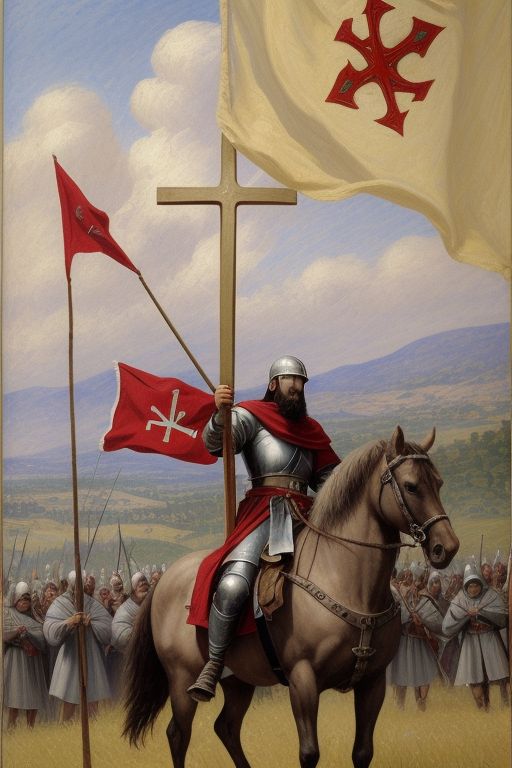
Crusader The Cross

The Cross: The most ubiquitous symbol of the Crusades is undoubtedly the Christian cross. Specifically, the Latin cross, with its distinct vertical and horizontal arms, symbolized the Christian faith and the Crusaders’ mission to reclaim the Holy Land. It adorned banners, shields, and clothing of Crusader knights – In the Style of Neo-Impressionism using Bold Color

Read More