michigan

Catholic scholar says classical learning can help renew America #Catholic ANN ARBOR, Michigan — Catholics should be proud of their contributions to the United States, especially for the intellectual tradition inherited from philosophers, theologians, and saints who contributed to the ideas leading to the Declaration of Independence and the Constitution, author and Hillsdale College Professor Matthew Mehan told EWTN News leading up to the 250th anniversary of the nation.Mehan is associate dean and professor of government studies at Hillsdale College’s Washington, D.C. campus. He holds a doctorate in literature from the University of Dallas and recently authored The American Book of Fables, a book for all ages that reflects Mehan’s desire to contribute to national renewal. The fables are set in the American landscape, framed by the Declaration of Independence, and accompanied by historical documents illustrating the country’s history, complexity, and geographical regions. In interviews with EWTN News, the author and scholar said the book grew out of his broader efforts to promote culture renewal through educational reform.“In a sense, it is an unsurprisingly Catholic endeavour of ‘fides et ratio,’” he said. “I wanted something like in church, where there is a papal flag and an American flag, representing faith, morals, love of country, and love of neighbor.” “I’ve always thought that way. I’ve also thought a lot about a combination of those things, with beautiful images and beautiful moral sentiments, and how those come together. So when the semiquinquicentennial was coming up, I thought it would be a great gift to the country.”. Mehan won the America 250 Innovation Prize from the Heritage Foundation for the work.The educator and father of eight said he shares the concerns of many teachers and parents dismayed by the current culture and how education has failed to cultivate virtue, civic pride and responsibility. He and his wife founded a school cooperative in Reston, Virginia that now has 38 participating families. He has also designed curricula for schools across the country. The role of educators is essential, Mehan said, while noting that doctorates are now the equivalent of 19th-century master’s degrees in terms of academic formation. “Catholic academics don’t know their own traditions very well,” he argued. “They know Greek philosophers, and the moderns who reject the Greco-Roman, Judeo-Christian, and Catholic vision of Western civilization and human nature, and may know the Summa Theologica and St. Augustine. But what they don’t know is the poetical and rhetorical tradition which moves people toward a common vision, which is an indispensable part of good letters and a healthy citizenry.” “And they don’t know the Romans,” he added. Drawing on the classical tradition, Mehan noted that Roman thinkers such as Cicero and Seneca prepared the “good soil,” the intellectual antecedents that inspired America’s founders. “Cicero, for instance, was taught in all seminaries until the 1900s,” while Seneca was praised by St. Jerome, he said. And ideas found in Cicero were the underpinnings of the theory of natural rights that informed later Catholic philosophers. Seneca’s De Clementia, for example, contributed to concepts of constitutional democracy and rights that shaped the American experiment in government. These classical authors, he argues, still have relevance and deserve renewed attention in universities and seminaries.
 
 Matthew Mehan is associate dean and professor of government studies at Hillsdale College’s Washington, D.C. campus. | Photo courtesy of Matthew Megan
 
 Asked about the future of Catholic education and how it can play a role in a national renewal, despite the closing of Catholic parishes and schools, Mehan said: “Catholic education is displaying a nascent energy.”“It’s very dynamic and full of people who have reoriented education towards what the Christian humanists of the Catholic tradition understood as their goal, which is to help students have a clean conscience and thus have the most joyful life possible in this life and the next,” he said.For Mehan, moral formation must take precedence over the mere transmission of information. He argues that Catholic education drifted from this mission in the 20th century as it increasingly followed secular models of education.Subjects such as calculus, computer coding, and the sciences are valuable, he said, but they should not be the primary focus of Catholic schools. “If you aim at them, ironically, you won’t get them. If you aim high, you’ll get the high and the low. If you aim for the low, you’ll get nothing. That is why education has collapsed except where the moral life is, ideally, centered around Christ.”Catholics holding doctorates who complain that tenured positions at colleges and universities are scarce should look to K-12 schools to make national renewal a reality, Mehan said.The renewal of Catholic education, and how it can contribute to national renewal, depends on placing Christ at the center and embracing the universal call to holiness emphasized by the Second Vatican Council, he argued. Movements such as Opus Dei and the Neo-catechumenal Way serve as “an enormous engine,” Mehan said, to plant holiness in students and encourage teachers themselves to be saints. It will change “how people teach, how they design curricula, and how they bring forward the richness of the Catholic faith and tradition.” “Actually, I’m very hopeful,” he said.To Catholics who may think of themselves as strangers in the United States, Mehan said, “No, brother, you built this too.” “Your people, your religious tradition, are at home here,” he said. “And you are meant for republican self-government. Augustine’s City of God laid the groundwork, St. Thomas Aquinas built the scaffolding, and St. Thomas More made it shine. American Catholics built this country with sweat, blood, and their arms.” “This is your patrimony too,” he said.

Catholic scholar says classical learning can help renew America #Catholic ANN ARBOR, Michigan — Catholics should be proud of their contributions to the United States, especially for the intellectual tradition inherited from philosophers, theologians, and saints who contributed to the ideas leading to the Declaration of Independence and the Constitution, author and Hillsdale College Professor Matthew Mehan told EWTN News leading up to the 250th anniversary of the nation.Mehan is associate dean and professor of government studies at Hillsdale College’s Washington, D.C. campus. He holds a doctorate in literature from the University of Dallas and recently authored The American Book of Fables, a book for all ages that reflects Mehan’s desire to contribute to national renewal. The fables are set in the American landscape, framed by the Declaration of Independence, and accompanied by historical documents illustrating the country’s history, complexity, and geographical regions. In interviews with EWTN News, the author and scholar said the book grew out of his broader efforts to promote culture renewal through educational reform.“In a sense, it is an unsurprisingly Catholic endeavour of ‘fides et ratio,’” he said. “I wanted something like in church, where there is a papal flag and an American flag, representing faith, morals, love of country, and love of neighbor.” “I’ve always thought that way. I’ve also thought a lot about a combination of those things, with beautiful images and beautiful moral sentiments, and how those come together. So when the semiquinquicentennial was coming up, I thought it would be a great gift to the country.”. Mehan won the America 250 Innovation Prize from the Heritage Foundation for the work.The educator and father of eight said he shares the concerns of many teachers and parents dismayed by the current culture and how education has failed to cultivate virtue, civic pride and responsibility. He and his wife founded a school cooperative in Reston, Virginia that now has 38 participating families. He has also designed curricula for schools across the country. The role of educators is essential, Mehan said, while noting that doctorates are now the equivalent of 19th-century master’s degrees in terms of academic formation. “Catholic academics don’t know their own traditions very well,” he argued. “They know Greek philosophers, and the moderns who reject the Greco-Roman, Judeo-Christian, and Catholic vision of Western civilization and human nature, and may know the Summa Theologica and St. Augustine. But what they don’t know is the poetical and rhetorical tradition which moves people toward a common vision, which is an indispensable part of good letters and a healthy citizenry.” “And they don’t know the Romans,” he added. Drawing on the classical tradition, Mehan noted that Roman thinkers such as Cicero and Seneca prepared the “good soil,” the intellectual antecedents that inspired America’s founders. “Cicero, for instance, was taught in all seminaries until the 1900s,” while Seneca was praised by St. Jerome, he said. And ideas found in Cicero were the underpinnings of the theory of natural rights that informed later Catholic philosophers. Seneca’s De Clementia, for example, contributed to concepts of constitutional democracy and rights that shaped the American experiment in government. These classical authors, he argues, still have relevance and deserve renewed attention in universities and seminaries. Matthew Mehan is associate dean and professor of government studies at Hillsdale College’s Washington, D.C. campus. | Photo courtesy of Matthew Megan Asked about the future of Catholic education and how it can play a role in a national renewal, despite the closing of Catholic parishes and schools, Mehan said: “Catholic education is displaying a nascent energy.”“It’s very dynamic and full of people who have reoriented education towards what the Christian humanists of the Catholic tradition understood as their goal, which is to help students have a clean conscience and thus have the most joyful life possible in this life and the next,” he said.For Mehan, moral formation must take precedence over the mere transmission of information. He argues that Catholic education drifted from this mission in the 20th century as it increasingly followed secular models of education.Subjects such as calculus, computer coding, and the sciences are valuable, he said, but they should not be the primary focus of Catholic schools. “If you aim at them, ironically, you won’t get them. If you aim high, you’ll get the high and the low. If you aim for the low, you’ll get nothing. That is why education has collapsed except where the moral life is, ideally, centered around Christ.”Catholics holding doctorates who complain that tenured positions at colleges and universities are scarce should look to K-12 schools to make national renewal a reality, Mehan said.The renewal of Catholic education, and how it can contribute to national renewal, depends on placing Christ at the center and embracing the universal call to holiness emphasized by the Second Vatican Council, he argued. Movements such as Opus Dei and the Neo-catechumenal Way serve as “an enormous engine,” Mehan said, to plant holiness in students and encourage teachers themselves to be saints. It will change “how people teach, how they design curricula, and how they bring forward the richness of the Catholic faith and tradition.” “Actually, I’m very hopeful,” he said.To Catholics who may think of themselves as strangers in the United States, Mehan said, “No, brother, you built this too.” “Your people, your religious tradition, are at home here,” he said. “And you are meant for republican self-government. Augustine’s City of God laid the groundwork, St. Thomas Aquinas built the scaffolding, and St. Thomas More made it shine. American Catholics built this country with sweat, blood, and their arms.” “This is your patrimony too,” he said.

Author and professor calls on Catholics to revive American culture through faith and classical learning.

Read More
Michigan diocese celebrates new priests after ordinations moved out of cathedral #Catholic ANN ARBOR, Michigan — Bishop Earl Boyea of Lansing, Michigan, ordained four men to the priesthood on June 6 at St. Thomas Aquinas Parish in East Lansing after the crowd was too big for St. Mary’s Cathedral, the mother church of the diocese. In the packed church, Boyea told the ordinands: “You have been spending years being with Jesus. He’s calling you as he called those 12 so many centuries ago. Today, as you are consecrated by the Church for a sacred ministry, consecrate yourselves to drink the cup which the Lord gives and take in the word which the Spirit is providing. Though weak vessels that we are, we will not let that prevent us from following the calling we have received.”Now 75 and due to retire from his duties in Lansing, Boyea has ordained 45 priests during his 18 years of leadership of the diocese in Michigan’s capital. The diocese, one of seven Latin-rite dioceses in Michigan, is currently sponsoring 29 seminarians, and last year’s ordination class was the largest in nearly 50 years.Fathers Joshua Bauer, Jacob Derry, Ryan Ferrigan, and Peter Randolph, ordained by Boyea, all attended Sacred Heart Major Seminary of the Detroit Archdiocese.
 
 Bishop Earl Boyea of Lansing, Michigan, washes the feet of one of the four men he ordained to the priesthood on June 6, 2026, at St. Thomas Aquinas Parish in East Lansing, Michigan. | Credit: Valerie Hendrickson
 
 Before their ordination, the men were interviewed on video, displaying the chalices they will use as priests.Ferrigan, 28, said his antique sacred vessel had been left behind at the now-shuttered St. Michael Parish church in Flint, Michigan, established more than 170 years ago. Inscribed on its base are the words of an anonymous donor: “In reparation from a friend of the Sacred Heart.”“You know, it’s a paradox because this chalice has a long history, and I don’t know who the priests are who used it in the past,” he said. “They offered the Holy Sacrifice using this vessel for over 100 years, and I get to continue faithfully offering the Mass and praying for the salvation of the world every day.”In his thanksgiving address to the congregation, Ferrigan said of his priesthood: “It’s all about the glory of God and the salvation of souls!”In an interview with EWTN News, the new priest said: “In being ordained, the palpable joy they could see in me was there because in ordination, I am seeing the purpose for which God created me coming to fruition. I have become what the Lord created me to be.”“The day of my ordination was the best day of my life. Lots of friends and family were there to support me. The Lord has blessed me and is very good to me. I’m still adjusting and realizing that I’m really a priest now and have the privilege of offering the Mass every day. This is my commission and what the Lord wants me to do for his praise and the salvation of the world. It is still sinking in,” he told EWTN News.
 
 From left to right: Fathers Peter Randolph, Ryan Ferrigan, Jacob Derry, and Joshua Bauer at their ordaination on June 6, 2026, in East Lansing, Michigan. | Credit: Valerie Hendrickson
 
 Ferrigan celebrated his first solo Mass that same day at St. Martha Parish in Okemos, near Lansing. He was able to distribute the Eucharist for the first time in both instances to his mother. He will serve at St. Thomas the Apostle Parish in Ann Arbor, which is close to the University of Michigan campus and known for its music and solemn liturgies.“I’m excited to be going there, and I expect to serve about three years at St. Thomas,” he said, adding: “I’m excited about learning to be a parish priest and diving into ministry. This is how the Lord wants me to feed his sheep.”Randolph, 27, reflected in the video about his journey to the altar, which has included profound loss. “The emphasis of this chalice upon the humanity of Christ and about receiving the chalice, and then living it out to the fullest extent, both in pain and suffering, and full self-abandonment and full self-emptying and glory, means a lot to me, because my [18-year-old] brother Xavier died less than a year ago. And the Lord has really promised me that he’s going to meet me in the place of my pain,” he said, adding: “He’s not going to leave me alone. But it’s going to come in my very broken humanity. In my humanity that is now broken in a particular way in grief.”
 
 Peter Randolph prepares for his ordination to the priesthood on June 6, 2026, in East Lansing, Michigan. | Credit: Valerie Hendrickson
 
 Randolph’s father and grandfather serve as deacons in the Lansing Diocese. At the July 2025 funeral for Xavier, hundreds of friends and parishioners of the close-knit Christ the King Parish in Ann Arbor were on hand to support the Randolph family with the same solidarity shown at Randolph’s ordination. He has been assigned to St. Patrick Parish in Brighton, Michigan, which is known for its healing services and charismatic liturgies.As Boyea consecrated Randolph, the newly ordained young man openly sobbed in the presence of his many friends and family members. “I want every day of my priesthood and every time that I offer Mass in this chalice, to be able to say, like, ‘Accipiam calicem,’ right, I accept the chalice,” Randolph vowed. Paraphrasing Matthew 26:42, Randolph said: “Father, I accept this chalice, and I will drink it to the dregs with your Son.”

Michigan diocese celebrates new priests after ordinations moved out of cathedral #Catholic ANN ARBOR, Michigan — Bishop Earl Boyea of Lansing, Michigan, ordained four men to the priesthood on June 6 at St. Thomas Aquinas Parish in East Lansing after the crowd was too big for St. Mary’s Cathedral, the mother church of the diocese. In the packed church, Boyea told the ordinands: “You have been spending years being with Jesus. He’s calling you as he called those 12 so many centuries ago. Today, as you are consecrated by the Church for a sacred ministry, consecrate yourselves to drink the cup which the Lord gives and take in the word which the Spirit is providing. Though weak vessels that we are, we will not let that prevent us from following the calling we have received.”Now 75 and due to retire from his duties in Lansing, Boyea has ordained 45 priests during his 18 years of leadership of the diocese in Michigan’s capital. The diocese, one of seven Latin-rite dioceses in Michigan, is currently sponsoring 29 seminarians, and last year’s ordination class was the largest in nearly 50 years.Fathers Joshua Bauer, Jacob Derry, Ryan Ferrigan, and Peter Randolph, ordained by Boyea, all attended Sacred Heart Major Seminary of the Detroit Archdiocese. Bishop Earl Boyea of Lansing, Michigan, washes the feet of one of the four men he ordained to the priesthood on June 6, 2026, at St. Thomas Aquinas Parish in East Lansing, Michigan. | Credit: Valerie Hendrickson Before their ordination, the men were interviewed on video, displaying the chalices they will use as priests.Ferrigan, 28, said his antique sacred vessel had been left behind at the now-shuttered St. Michael Parish church in Flint, Michigan, established more than 170 years ago. Inscribed on its base are the words of an anonymous donor: “In reparation from a friend of the Sacred Heart.”“You know, it’s a paradox because this chalice has a long history, and I don’t know who the priests are who used it in the past,” he said. “They offered the Holy Sacrifice using this vessel for over 100 years, and I get to continue faithfully offering the Mass and praying for the salvation of the world every day.”In his thanksgiving address to the congregation, Ferrigan said of his priesthood: “It’s all about the glory of God and the salvation of souls!”In an interview with EWTN News, the new priest said: “In being ordained, the palpable joy they could see in me was there because in ordination, I am seeing the purpose for which God created me coming to fruition. I have become what the Lord created me to be.”“The day of my ordination was the best day of my life. Lots of friends and family were there to support me. The Lord has blessed me and is very good to me. I’m still adjusting and realizing that I’m really a priest now and have the privilege of offering the Mass every day. This is my commission and what the Lord wants me to do for his praise and the salvation of the world. It is still sinking in,” he told EWTN News. From left to right: Fathers Peter Randolph, Ryan Ferrigan, Jacob Derry, and Joshua Bauer at their ordaination on June 6, 2026, in East Lansing, Michigan. | Credit: Valerie Hendrickson Ferrigan celebrated his first solo Mass that same day at St. Martha Parish in Okemos, near Lansing. He was able to distribute the Eucharist for the first time in both instances to his mother. He will serve at St. Thomas the Apostle Parish in Ann Arbor, which is close to the University of Michigan campus and known for its music and solemn liturgies.“I’m excited to be going there, and I expect to serve about three years at St. Thomas,” he said, adding: “I’m excited about learning to be a parish priest and diving into ministry. This is how the Lord wants me to feed his sheep.”Randolph, 27, reflected in the video about his journey to the altar, which has included profound loss. “The emphasis of this chalice upon the humanity of Christ and about receiving the chalice, and then living it out to the fullest extent, both in pain and suffering, and full self-abandonment and full self-emptying and glory, means a lot to me, because my [18-year-old] brother Xavier died less than a year ago. And the Lord has really promised me that he’s going to meet me in the place of my pain,” he said, adding: “He’s not going to leave me alone. But it’s going to come in my very broken humanity. In my humanity that is now broken in a particular way in grief.” Peter Randolph prepares for his ordination to the priesthood on June 6, 2026, in East Lansing, Michigan. | Credit: Valerie Hendrickson Randolph’s father and grandfather serve as deacons in the Lansing Diocese. At the July 2025 funeral for Xavier, hundreds of friends and parishioners of the close-knit Christ the King Parish in Ann Arbor were on hand to support the Randolph family with the same solidarity shown at Randolph’s ordination. He has been assigned to St. Patrick Parish in Brighton, Michigan, which is known for its healing services and charismatic liturgies.As Boyea consecrated Randolph, the newly ordained young man openly sobbed in the presence of his many friends and family members. “I want every day of my priesthood and every time that I offer Mass in this chalice, to be able to say, like, ‘Accipiam calicem,’ right, I accept the chalice,” Randolph vowed. Paraphrasing Matthew 26:42, Randolph said: “Father, I accept this chalice, and I will drink it to the dregs with your Son.”

Bishop Earl Boyea ordained four new priests at a local Lansing parish, urging them to “drink the cup which the Lord gives” as they begin their ministry.

Read More
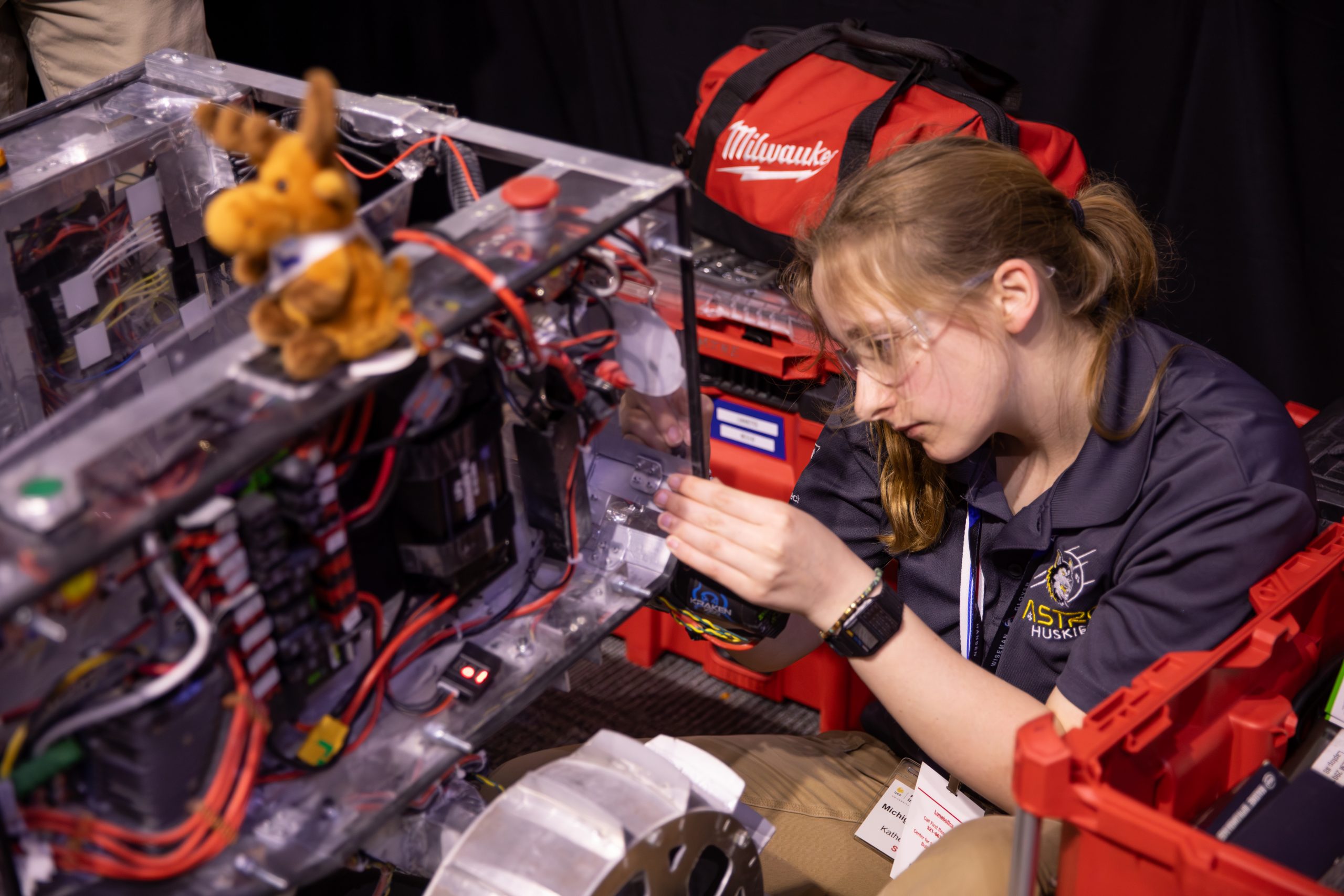
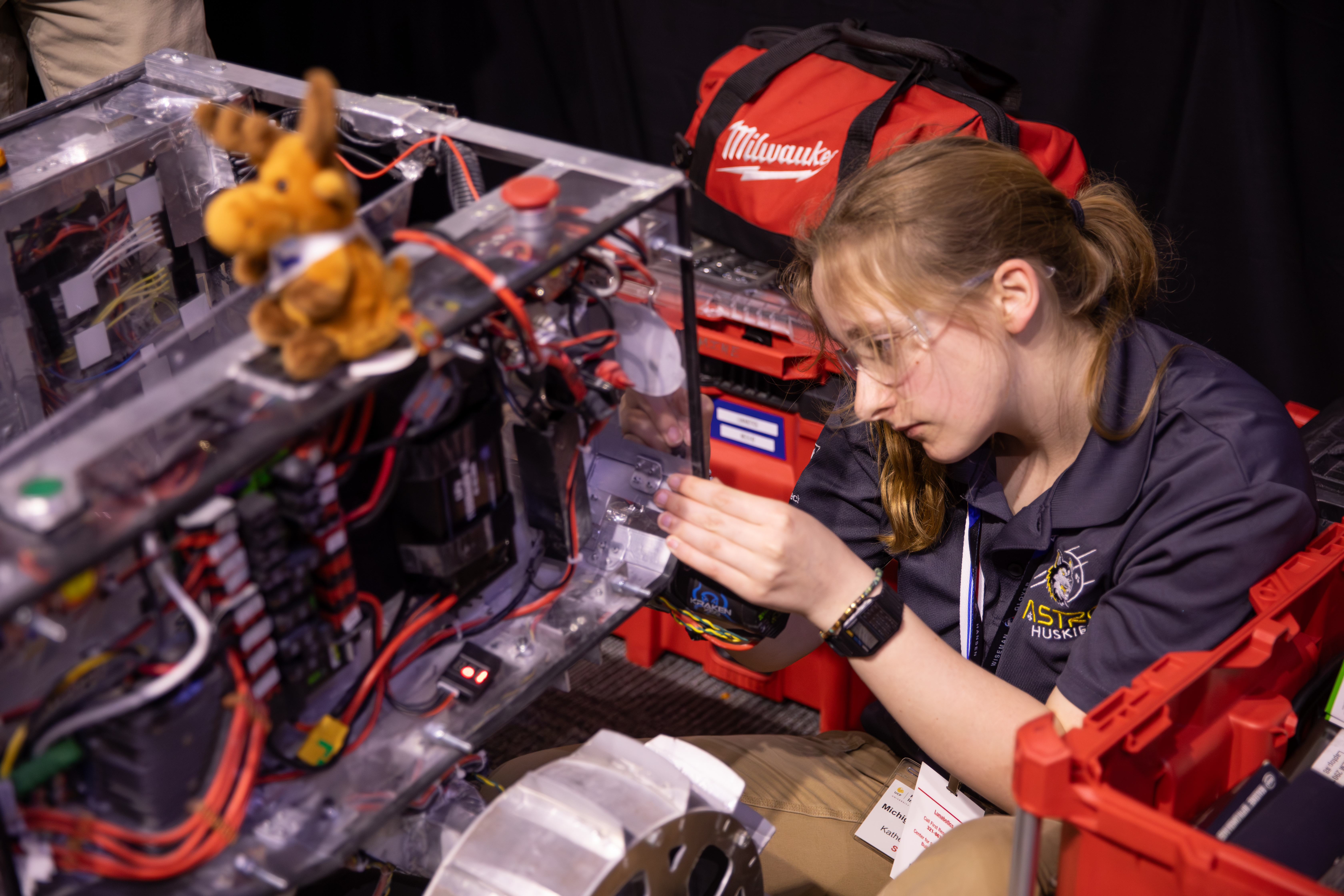
Students Build Moon Robots for NASA’s 2026 Lunabotics Challenge – Katherine Rauscher, of Michigan Technological University, prepares her team’s prototype lunar robot for its turn during the finals for NASA’s 2026 Lunabotics Challenge competition on Tuesday, May 19, 2026, inside the Astronauts Memorial Foundation’s Center for Space Education at the Kennedy Space Center Visitor Complex in Florida. Forty-seven teams from around the U.S. designed and built remote-controlled robots capable of traversing challenging lunar terrain while constructing regolith-based berm under conditions similar to those the agency will face as it returns to the lunar surface through Artemis.

Katherine Rauscher, of Michigan Technological University, prepares her team’s prototype lunar robot for its turn during the finals for NASA’s 2026 Lunabotics Challenge competition on Tuesday, May 19, 2026, inside the Astronauts Memorial Foundation’s Center for Space Education at the Kennedy Space Center Visitor Complex in Florida. Forty-seven teams from around the U.S. designed and built remote-controlled robots capable of traversing challenging lunar terrain while constructing regolith-based berm under conditions similar to those the agency will face as it returns to the lunar surface through Artemis.

Read More