Outcome

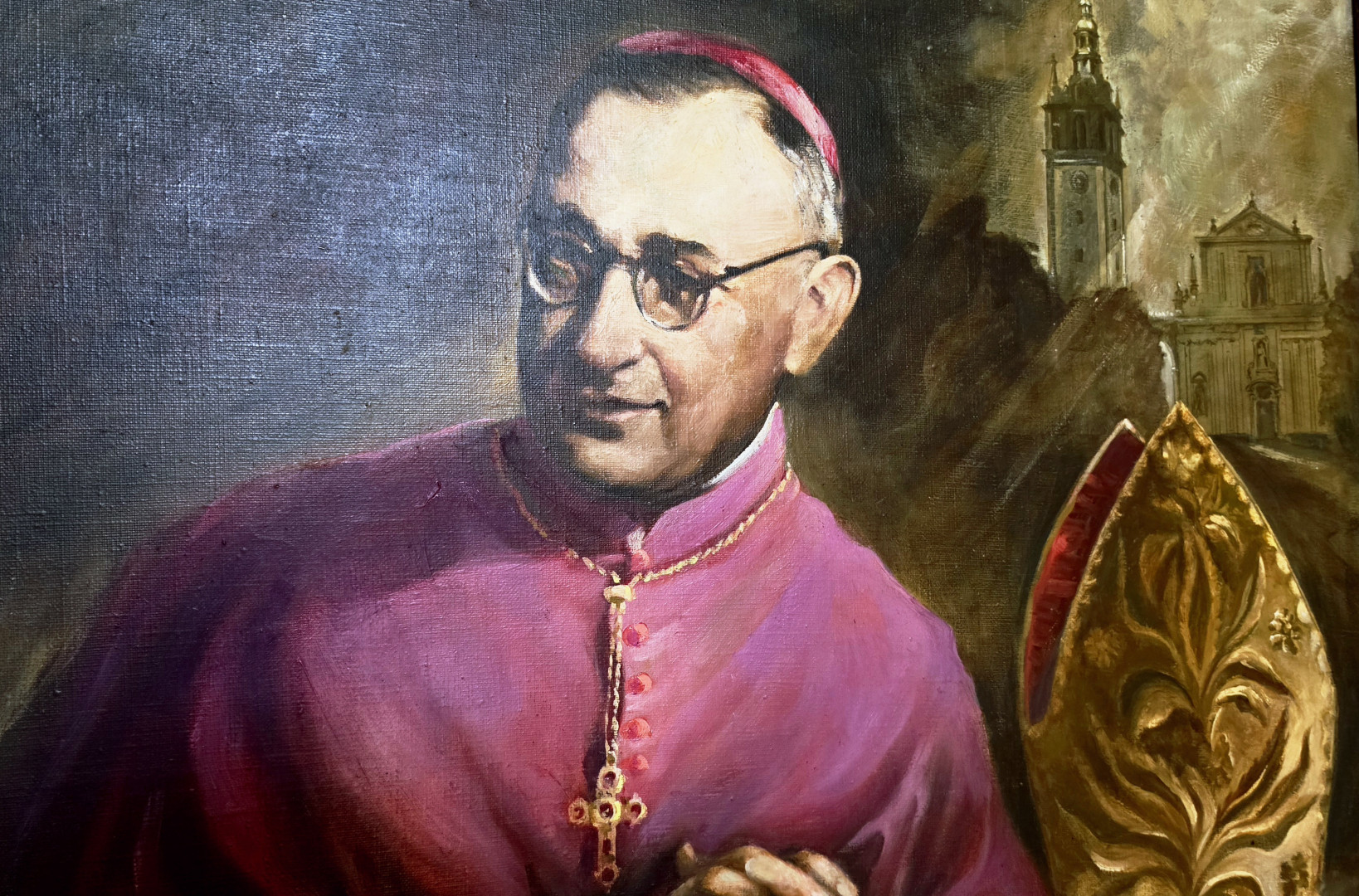
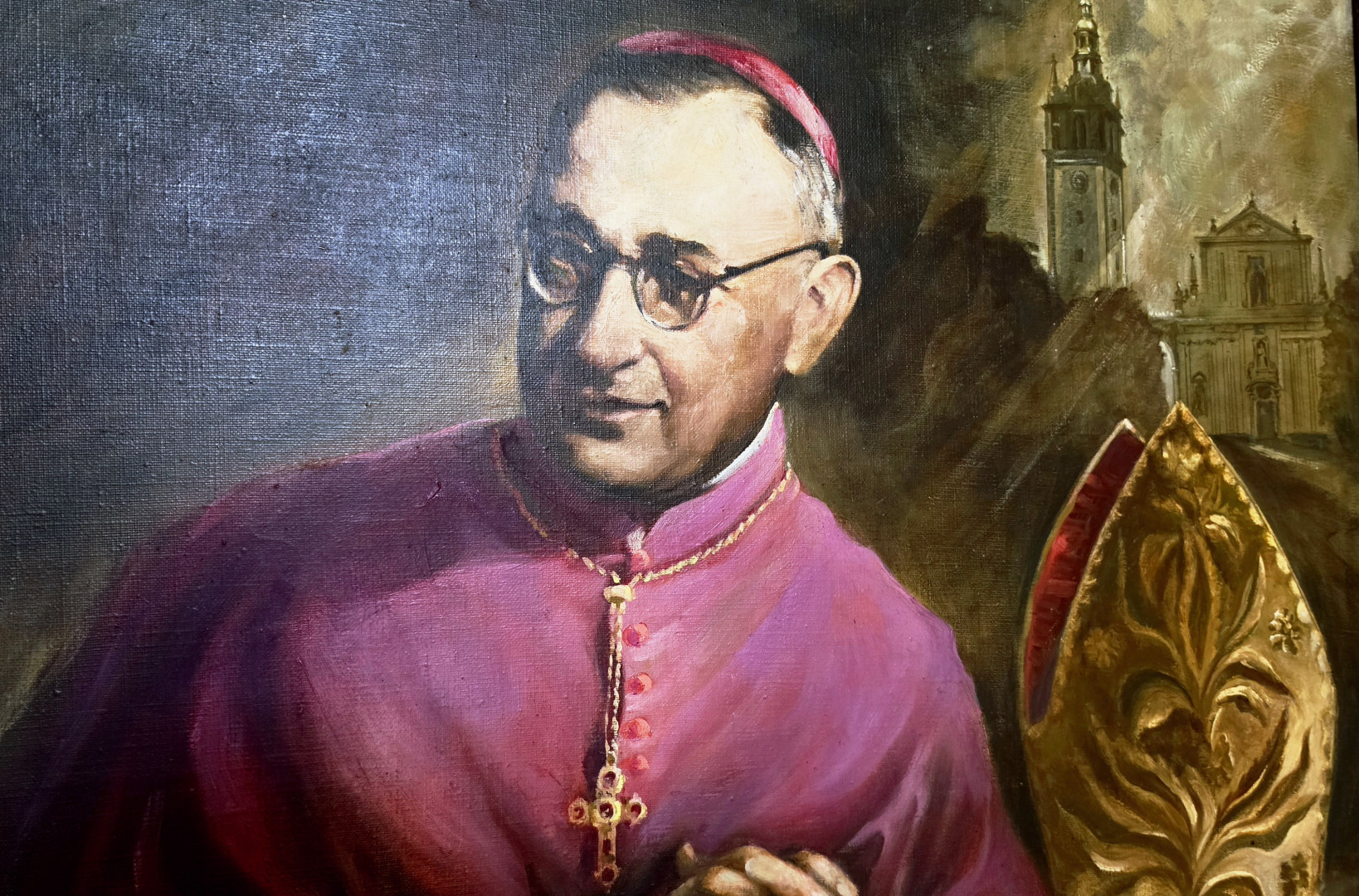
Czech court to weigh clearing cardinal jailed by communists #Catholic A second cardinal and a third senior churchman may be rehabilitated this year for mistreatment under the communist regime in Czechoslovakia. The District Court in Litoměřice, in what is now the Czech Republic, will consider a proposal for the rehabilitation of Cardinal Štěpán Trochta, the former bishop of Litoměřice, over his internment between 1950 and 1953.The public prosecutor asked the relevant authorities to carry out an investigation into the archives and, based on the outcome, found the initiative reasonable. He has already submitted a proposal for the judicial rehabilitation of Trochta over the illegal deprivation of his personal freedom. A date for consideration of the proposal has not yet been set.“I firmly believe that the name of Štěpán Trochta, my predecessor in Litoměřice, will be cleared through the courts,” said Archbishop Stanislav Přibyl of Prague, who is also apostolic administrator of Litoměřice.The verdict that sent Trochta to prison, handed down in a political trial for “treason and conspiracy,” was overturned in 1968, but the Czech courts have not dealt with his earlier illegal internment. The initiative for full rehabilitation came from Jan Kratochvil, director of the Museum of Czech, Slovak, and Ruthenian Exile of the 20th Century, and the lawyer Lubomír Müller.It is “important to clean his name in this way as well,” said Kratochvil, whose family was friends with the prelate.Salesian, prisoner, cardinalŠtěpán Trochta (1905–1974) was one of the first Czech members of the Society of St. Francis de Sales, the so-called Salesians. He studied in Turin, Italy, where he obtained a doctorate in theology. He returned to Czechoslovakia, and when Nazi Germany occupied the country, he was arrested for his contacts with and support for the resistance and was sent to several concentration camps.He was “ready to work, full of energy, enthusiasm, and willing to work hard.” Trochta was also a good organizer and a gifted speaker and writer who “enjoyed being among the boys, even though he gradually had to spend more time in administration,” according to “Life and Legacy,” a booklet published by the Salesians on the 50th anniversary of the prelate’s death.Shortly before the communists took over in Czechoslovakia, he was appointed bishop of Litoměřice. He became the spokesman for the episcopate of Czechoslovakia in difficult negotiations with the new government. In the end, the regime interned him in his residence and later imprisoned him. Although he was released sooner than expected, he was not allowed to continue as a bishop and had to work as a manual laborer.In 1969, when he was already back in the Diocese of Litoměřice, Pope Paul VI created him a cardinal “in pectore” — that is, secretly.When Trochta died five years later, the funeral was attended by many of the faithful, including cardinals from Berlin, Krakow, and Vienna. Archbishop Karol Wojtyła of Krakow, who later became Pope John Paul II, reportedly asked to concelebrate but was not permitted to do so. Wojtyła then defied the ban on foreign participants speaking, delivering a short address over the coffin in which he called the deceased prelate a martyr. The funeral Mass was celebrated by the Czech bishop and future Cardinal František Tomášek.A series of Czech rehabilitationsThe case may become one more in a recent series of rehabilitations in the Czech Republic.In February, the District Court of Prague recognized the unjust treatment of Cardinal Josef Beran, the former archbishop of Prague, who was interned in several locations. Last month, the District Court in Olomouc rehabilitated Archbishop Josef Karel Matocha of Olomouc, also over his internment.In 2024, the Regional Court in Hradec Králové rehabilitated Father Josef Toufar, who was illegally arrested and tortured to death.

Czech court to weigh clearing cardinal jailed by communists #Catholic A second cardinal and a third senior churchman may be rehabilitated this year for mistreatment under the communist regime in Czechoslovakia. The District Court in Litoměřice, in what is now the Czech Republic, will consider a proposal for the rehabilitation of Cardinal Štěpán Trochta, the former bishop of Litoměřice, over his internment between 1950 and 1953.The public prosecutor asked the relevant authorities to carry out an investigation into the archives and, based on the outcome, found the initiative reasonable. He has already submitted a proposal for the judicial rehabilitation of Trochta over the illegal deprivation of his personal freedom. A date for consideration of the proposal has not yet been set.“I firmly believe that the name of Štěpán Trochta, my predecessor in Litoměřice, will be cleared through the courts,” said Archbishop Stanislav Přibyl of Prague, who is also apostolic administrator of Litoměřice.The verdict that sent Trochta to prison, handed down in a political trial for “treason and conspiracy,” was overturned in 1968, but the Czech courts have not dealt with his earlier illegal internment. The initiative for full rehabilitation came from Jan Kratochvil, director of the Museum of Czech, Slovak, and Ruthenian Exile of the 20th Century, and the lawyer Lubomír Müller.It is “important to clean his name in this way as well,” said Kratochvil, whose family was friends with the prelate.Salesian, prisoner, cardinalŠtěpán Trochta (1905–1974) was one of the first Czech members of the Society of St. Francis de Sales, the so-called Salesians. He studied in Turin, Italy, where he obtained a doctorate in theology. He returned to Czechoslovakia, and when Nazi Germany occupied the country, he was arrested for his contacts with and support for the resistance and was sent to several concentration camps.He was “ready to work, full of energy, enthusiasm, and willing to work hard.” Trochta was also a good organizer and a gifted speaker and writer who “enjoyed being among the boys, even though he gradually had to spend more time in administration,” according to “Life and Legacy,” a booklet published by the Salesians on the 50th anniversary of the prelate’s death.Shortly before the communists took over in Czechoslovakia, he was appointed bishop of Litoměřice. He became the spokesman for the episcopate of Czechoslovakia in difficult negotiations with the new government. In the end, the regime interned him in his residence and later imprisoned him. Although he was released sooner than expected, he was not allowed to continue as a bishop and had to work as a manual laborer.In 1969, when he was already back in the Diocese of Litoměřice, Pope Paul VI created him a cardinal “in pectore” — that is, secretly.When Trochta died five years later, the funeral was attended by many of the faithful, including cardinals from Berlin, Krakow, and Vienna. Archbishop Karol Wojtyła of Krakow, who later became Pope John Paul II, reportedly asked to concelebrate but was not permitted to do so. Wojtyła then defied the ban on foreign participants speaking, delivering a short address over the coffin in which he called the deceased prelate a martyr. The funeral Mass was celebrated by the Czech bishop and future Cardinal František Tomášek.A series of Czech rehabilitationsThe case may become one more in a recent series of rehabilitations in the Czech Republic.In February, the District Court of Prague recognized the unjust treatment of Cardinal Josef Beran, the former archbishop of Prague, who was interned in several locations. Last month, the District Court in Olomouc rehabilitated Archbishop Josef Karel Matocha of Olomouc, also over his internment.In 2024, the Regional Court in Hradec Králové rehabilitated Father Josef Toufar, who was illegally arrested and tortured to death.

A district court will weigh whether Cardinal Štěpán Trochta, imprisoned by the Nazis and later by the communists, was unlawfully interned in the 1950s.
Read More
Philippine court dismisses case against bishop involved in mining dispute #Catholic A court in the northern Philippines has dismissed a forcible entry case against a Catholic bishop, a priest, and several community leaders involved in a dispute over a mining exploration project in Nueva Vizcaya province.Bishop Jose Elmer Mangalinao of Bayombong welcomed the June 24 ruling, which dismissed a complaint linked to barricades established by residents in Kasibu town against exploration activities by North Luzon Mineral Resources Corporation (NLMRC).“This outcome is not only a legal victory. It is a victory for truth, justice, and the collective efforts of communities who courageously stand to protect our land, water, and future generations,” Mangalinao said in a statement.The complaint named Mangalinao, Father Christian Dumangeng, and several community leaders allegedly involved in maintaining the barricades. The case drew national attention after a Catholic bishop and priest were included among the defendants.The dispute stems from opposition to a 4,456-hectare (11,011 acres) mining exploration project being undertaken by NLMRC in several villages in Kasibu, a municipality in Nueva Vizcaya, a mountainous province on the island of Luzon north of Manila.Residents, church groups, and some Indigenous leaders have raised concerns about the project’s potential effects on watersheds, local livelihoods, and nearby communities.Residents established barricades in May to block the movement of fuel, equipment, and mineral samples linked to NLMRC’s exploration activities, according to community groups.The complaint was filed by Rosario Camma, who identified himself as the overall chieftain of the Bugkalot-Ilongot Indigenous Cultural Communities. Some members of the Bugkalot-Ilongot Indigenous communities have joined opposition to the project, citing concerns about its possible effects on their communities and surrounding resources.In a nine-page decision obtained by EWTN News, the local court said the plaintiff failed to establish a clear legal right warranting injunctive relief and ruled that it lacked jurisdiction over the action. The court found that the relief sought was more consistent with an injunction case than a forcible entry action.The decision also cited a certification from the Philippine government’s Indigenous affairs agency stating that the exploration permit area falls outside officially recognized ancestral domain lands. Opponents of the project, however, have argued that the controversy extends beyond ancestral domain claims and includes concerns over environmental impacts and consultation requirements.The court further held that the complaint sought to stop activities related to the barricades rather than recover possession of property, a key element in forcible entry cases.Mangalinao has defended his involvement in the issue, saying his presence at the barricades was part of his pastoral responsibility. Earlier this week, he said he visited the communities to celebrate Mass and accompany residents concerned about the future of their land and water sources.“I went as their bishop to offer the Holy Mass, to pray with them, and to remind them that their concern for the land, the water, and their children’s future is one the Church shares and blesses,” he said.In his homily on June 21, the prelate said the dispute is an issue of environmental stewardship and concern for communities affected by development projects.“I could have chosen not to speak up, but if I do not speak up, my sin would be great before God,” he said.The bishop said the ruling would strengthen continuing efforts to defend the environment and communities affected by extractive projects.“Let this moment remind us that defending our watersheds, our environment, and our people’s livelihood is not a crime: it is a shared moral responsibility,” he said.“We believe, as the Church has always taught, that the earth is not ours to exhaust but ours to steward,” he added.

Philippine court dismisses case against bishop involved in mining dispute #Catholic A court in the northern Philippines has dismissed a forcible entry case against a Catholic bishop, a priest, and several community leaders involved in a dispute over a mining exploration project in Nueva Vizcaya province.Bishop Jose Elmer Mangalinao of Bayombong welcomed the June 24 ruling, which dismissed a complaint linked to barricades established by residents in Kasibu town against exploration activities by North Luzon Mineral Resources Corporation (NLMRC).“This outcome is not only a legal victory. It is a victory for truth, justice, and the collective efforts of communities who courageously stand to protect our land, water, and future generations,” Mangalinao said in a statement.The complaint named Mangalinao, Father Christian Dumangeng, and several community leaders allegedly involved in maintaining the barricades. The case drew national attention after a Catholic bishop and priest were included among the defendants.The dispute stems from opposition to a 4,456-hectare (11,011 acres) mining exploration project being undertaken by NLMRC in several villages in Kasibu, a municipality in Nueva Vizcaya, a mountainous province on the island of Luzon north of Manila.Residents, church groups, and some Indigenous leaders have raised concerns about the project’s potential effects on watersheds, local livelihoods, and nearby communities.Residents established barricades in May to block the movement of fuel, equipment, and mineral samples linked to NLMRC’s exploration activities, according to community groups.The complaint was filed by Rosario Camma, who identified himself as the overall chieftain of the Bugkalot-Ilongot Indigenous Cultural Communities. Some members of the Bugkalot-Ilongot Indigenous communities have joined opposition to the project, citing concerns about its possible effects on their communities and surrounding resources.In a nine-page decision obtained by EWTN News, the local court said the plaintiff failed to establish a clear legal right warranting injunctive relief and ruled that it lacked jurisdiction over the action. The court found that the relief sought was more consistent with an injunction case than a forcible entry action.The decision also cited a certification from the Philippine government’s Indigenous affairs agency stating that the exploration permit area falls outside officially recognized ancestral domain lands. Opponents of the project, however, have argued that the controversy extends beyond ancestral domain claims and includes concerns over environmental impacts and consultation requirements.The court further held that the complaint sought to stop activities related to the barricades rather than recover possession of property, a key element in forcible entry cases.Mangalinao has defended his involvement in the issue, saying his presence at the barricades was part of his pastoral responsibility. Earlier this week, he said he visited the communities to celebrate Mass and accompany residents concerned about the future of their land and water sources.“I went as their bishop to offer the Holy Mass, to pray with them, and to remind them that their concern for the land, the water, and their children’s future is one the Church shares and blesses,” he said.In his homily on June 21, the prelate said the dispute is an issue of environmental stewardship and concern for communities affected by development projects.“I could have chosen not to speak up, but if I do not speak up, my sin would be great before God,” he said.The bishop said the ruling would strengthen continuing efforts to defend the environment and communities affected by extractive projects.“Let this moment remind us that defending our watersheds, our environment, and our people’s livelihood is not a crime: it is a shared moral responsibility,” he said.“We believe, as the Church has always taught, that the earth is not ours to exhaust but ours to steward,” he added.

Bishop Jose Elmer Mangalinao of Bayombong welcomed the June 24 ruling, which dismissed a complaint against him, another priest, and community leaders related to a mining exploration project.

Read More