![Conference encourages Black Catholic men to lead families, parishes, and communities #Catholic Twenty-four years ago three priests from the Society of the Divine Word and founders of the Bowman Francis Ministry had the idea to bring Black Catholic men together for fellowship, workshops, discussions, and prayer — with the hope that the men would then take what they learned back to their communities and ministries. That dream eventually became an annual conference, and its 24th gathering just took place in Birmingham, Alabama, Oct. 15–18.The Fr. Chester P. Smith National Black Catholic Men’s Conference was created by Father Chester P. Smith, Father Charles Smith, and Father Kenneth Hamilton and invites Black Catholic men from across the United States for a weekend of faith, leadership, brotherhood, and cultural reflection.This year’s conference — hosted by the Bowman Francis Ministry, the Society of the Divine Word Missionaries, and the Office of Black Catholic Ministry of the Diocese of Birmingham — had the theme of “The Rock I Stand On,” which aimed to equip participants with the spiritual and life skills needed to take on their roles as protectors and providers.Attendees were able to experience a guided, firsthand look at Birmingham’s role in the Civil Rights movement and engage in meaningful dialogue that connects faith, justice, and social responsibility. The Civil Rights Immersion Tour also included a Harambe Town Hall, which featured notable Birmingham community leaders debating todayʼs social and political climate.Cameron Beatty serves as the conference’s program chair. For him, the conference holds a special place in his heart — Father Chester P. Smith was his godfather.
Participants at the Fr. Chester P. Smith National Black Catholic Men’s Conference, which took place Oct. 15–18, 2026, in Birmingham, Alabama. | Credit: Brent Patterson
Beatty told EWTN News in an interview that he has been attending the conferences since they first started 24 years ago.“I was in high school during the first one and I would be like a reader or an altar server … then I would start leading workshops or doing the youth workshops,” Beatty recalled. “Then it kind of evolved once he [Smith] passed away. [It was] like, ‘Hey, we need somebody to step up and take on some more leadership roles,’ because he would do a lot of the planning and the executing and thatʼs how I got involved in more of a leadership role once he passed.”He added: “We want to make sure that his legacy lives on and his commitment to the ministry lives on, and I am very busy but this is something that Iʼm committed to because I believe in it strongly.”Smith grew up in Chicago’s inner city and made history when he and his identical twin — Father Charles Smith — were ordained priests in 1988, becoming the first pair of African American twins to become priests in the United States. As a priest, he rose to become an international leader in African American ministry and youth outreach.He founded Ambassadors of the Word, a peer group ministry program that fosters youth rites of passage and cross-cultural experiences. And he and his brother developed Boyhood to Manhood, a parish-based program to help young Black men realize their value, get in touch with their spirituality, and train future Church leaders. And he was a co-founder of the Bowman Francis Ministry, which is an outreach organization that evangelizes and ministers to Black Catholics.Smith died on April 8, 2020, at the age of 60. Father Charles Smith is still alive.Beatty called his godfather “an amazing, amazing person.”“We would say they’re [the Smith brothers] the Ying and the Yang,” he shared. “Father Chester was the outgoing one, the boisterous one. He was the one that would go out and do revivals in Black Catholic communities, he would go out and do the Lent services. People from all over the country knew him because they would invite him to their parish as a guest priest or a guest homilist … Father Charles, heʼs a little — and Iʼll say this to his face — heʼs a little bit more reserved. He likes to keep to himself. He can still preach, he can still minister. But, them together were just a powerful force.”Beatty explained that Smith’s great contribution to the Black Catholic community was that he remained “unapologetic” about the cultural aspect found in the identity of being a Black Catholic.A couple of years before Smith passed away, Beatty recalled an instance where Smith gave a powerful message at the men’s conference. While Smith typically never chose to include himself in the list of speakers — he preferred remaining as the planner behind the scenes — that year he decided to preach.“He preached that year and I just had never — Iʼve grown up with him, Iʼve known him my entire life — and Iʼve just never seen him preach that way,” Beatty shared. “He talked about the Promised Land, what does it mean to get to the Promised Land, and you canʼt just show up at the Promised Land, you have to work to get there … You hear it all the time, you hear the Scripture, you hear the reading, but I just had never heard it framed that way so passionately that it just resonated with me.”He added: “I could see after he had preached, he was so drained and exhausted because he put everything, his whole body, his whole spirit, into that message. And I just had never felt that or seen that from him as many times as Iʼve seen him preach. And to me that was just transformative for me, and thatʼs why I commit to this and hope to see the conference go on for many, many years.”
Mass is celebrated during the Fr. Chester P. Smith National Black Catholic Men’s Conference, which took place Oct. 15–18, 2026, in Birmingham, Alabama. | Credit: Brent Patterson
Beatty said he believes a conference like the Fr. Chester P. Smith National Black Catholic Men’s Conference is needed “for folks to feel like they have a strong community.”“Sometimes folks might be going to an African-American parish in their respective city or sometimes theyʼre the only Black family in their parish, given on where they live or practice their Catholicism,” he explained. “So, I think a conference like this gives folks an opportunity to come together with like-minded men … and itʼs an opportunity to have conversations that sometimes they canʼt have in their respective parishes.”Beatty said he hopes that those who attended the conference took away “some energy to go back to their respective communities and still evangelize about what it means to be Catholic, about what it means to be Black and Catholic, about what it means to be a man that is Black and Catholic in terms of the leaders of their family, the leaders in their community, the leaders within their parishes, their churches, and take away some tools in order to enact those types of things of ministering to folks that might not have any idea of what it means to be Christian and to be Catholic.”](https://unitedyam.com/wp-content/uploads/2026/10/conference-encourages-black-catholic-men-to-lead-families-parishes-and-communities-catholic-twenty-four-years-ago-three-priests-from-the-society-of-the-divine-word-and-founders-of-the-bowman-franci.png "Conference encourages Black Catholic men to lead families, parishes, and communities #Catholic Twenty-four years ago three priests from the Society of the Divine Word and founders of the Bowman Francis Ministry had the idea to bring Black Catholic men together for fellowship, workshops, discussions, and prayer — with the hope that the men would then take what they learned back to their communities and ministries. That dream eventually became an annual conference, and its 24th gathering just took place in Birmingham, Alabama, Oct. 15–18.The Fr. Chester P. Smith National Black Catholic Men’s Conference was created by Father Chester P. Smith, Father Charles Smith, and Father Kenneth Hamilton and invites Black Catholic men from across the United States for a weekend of faith, leadership, brotherhood, and cultural reflection.This year’s conference — hosted by the Bowman Francis Ministry, the Society of the Divine Word Missionaries, and the Office of Black Catholic Ministry of the Diocese of Birmingham — had the theme of “The Rock I Stand On,” which aimed to equip participants with the spiritual and life skills needed to take on their roles as protectors and providers.Attendees were able to experience a guided, firsthand look at Birmingham’s role in the Civil Rights movement and engage in meaningful dialogue that connects faith, justice, and social responsibility. The Civil Rights Immersion Tour also included a Harambe Town Hall, which featured notable Birmingham community leaders debating todayʼs social and political climate.Cameron Beatty serves as the conference’s program chair. For him, the conference holds a special place in his heart — Father Chester P. Smith was his godfather.
Participants at the Fr. Chester P. Smith National Black Catholic Men’s Conference, which took place Oct. 15–18, 2026, in Birmingham, Alabama. | Credit: Brent Patterson
Beatty told EWTN News in an interview that he has been attending the conferences since they first started 24 years ago.“I was in high school during the first one and I would be like a reader or an altar server … then I would start leading workshops or doing the youth workshops,” Beatty recalled. “Then it kind of evolved once he [Smith] passed away. [It was] like, ‘Hey, we need somebody to step up and take on some more leadership roles,’ because he would do a lot of the planning and the executing and thatʼs how I got involved in more of a leadership role once he passed.”He added: “We want to make sure that his legacy lives on and his commitment to the ministry lives on, and I am very busy but this is something that Iʼm committed to because I believe in it strongly.”Smith grew up in Chicago’s inner city and made history when he and his identical twin — Father Charles Smith — were ordained priests in 1988, becoming the first pair of African American twins to become priests in the United States. As a priest, he rose to become an international leader in African American ministry and youth outreach.He founded Ambassadors of the Word, a peer group ministry program that fosters youth rites of passage and cross-cultural experiences. And he and his brother developed Boyhood to Manhood, a parish-based program to help young Black men realize their value, get in touch with their spirituality, and train future Church leaders. And he was a co-founder of the Bowman Francis Ministry, which is an outreach organization that evangelizes and ministers to Black Catholics.Smith died on April 8, 2020, at the age of 60. Father Charles Smith is still alive.Beatty called his godfather “an amazing, amazing person.”“We would say they’re [the Smith brothers] the Ying and the Yang,” he shared. “Father Chester was the outgoing one, the boisterous one. He was the one that would go out and do revivals in Black Catholic communities, he would go out and do the Lent services. People from all over the country knew him because they would invite him to their parish as a guest priest or a guest homilist … Father Charles, heʼs a little — and Iʼll say this to his face — heʼs a little bit more reserved. He likes to keep to himself. He can still preach, he can still minister. But, them together were just a powerful force.”Beatty explained that Smith’s great contribution to the Black Catholic community was that he remained “unapologetic” about the cultural aspect found in the identity of being a Black Catholic.A couple of years before Smith passed away, Beatty recalled an instance where Smith gave a powerful message at the men’s conference. While Smith typically never chose to include himself in the list of speakers — he preferred remaining as the planner behind the scenes — that year he decided to preach.“He preached that year and I just had never — Iʼve grown up with him, Iʼve known him my entire life — and Iʼve just never seen him preach that way,” Beatty shared. “He talked about the Promised Land, what does it mean to get to the Promised Land, and you canʼt just show up at the Promised Land, you have to work to get there … You hear it all the time, you hear the Scripture, you hear the reading, but I just had never heard it framed that way so passionately that it just resonated with me.”He added: “I could see after he had preached, he was so drained and exhausted because he put everything, his whole body, his whole spirit, into that message. And I just had never felt that or seen that from him as many times as Iʼve seen him preach. And to me that was just transformative for me, and thatʼs why I commit to this and hope to see the conference go on for many, many years.”
Mass is celebrated during the Fr. Chester P. Smith National Black Catholic Men’s Conference, which took place Oct. 15–18, 2026, in Birmingham, Alabama. | Credit: Brent Patterson
Beatty said he believes a conference like the Fr. Chester P. Smith National Black Catholic Men’s Conference is needed “for folks to feel like they have a strong community.”“Sometimes folks might be going to an African-American parish in their respective city or sometimes theyʼre the only Black family in their parish, given on where they live or practice their Catholicism,” he explained. “So, I think a conference like this gives folks an opportunity to come together with like-minded men … and itʼs an opportunity to have conversations that sometimes they canʼt have in their respective parishes.”Beatty said he hopes that those who attended the conference took away “some energy to go back to their respective communities and still evangelize about what it means to be Catholic, about what it means to be Black and Catholic, about what it means to be a man that is Black and Catholic in terms of the leaders of their family, the leaders in their community, the leaders within their parishes, their churches, and take away some tools in order to enact those types of things of ministering to folks that might not have any idea of what it means to be Christian and to be Catholic.”")

The national Black Catholic men’s conference took place in Birmingham, Alabama, Oct. 15–18, carrying on the legacy of Father Chester P. Smith.
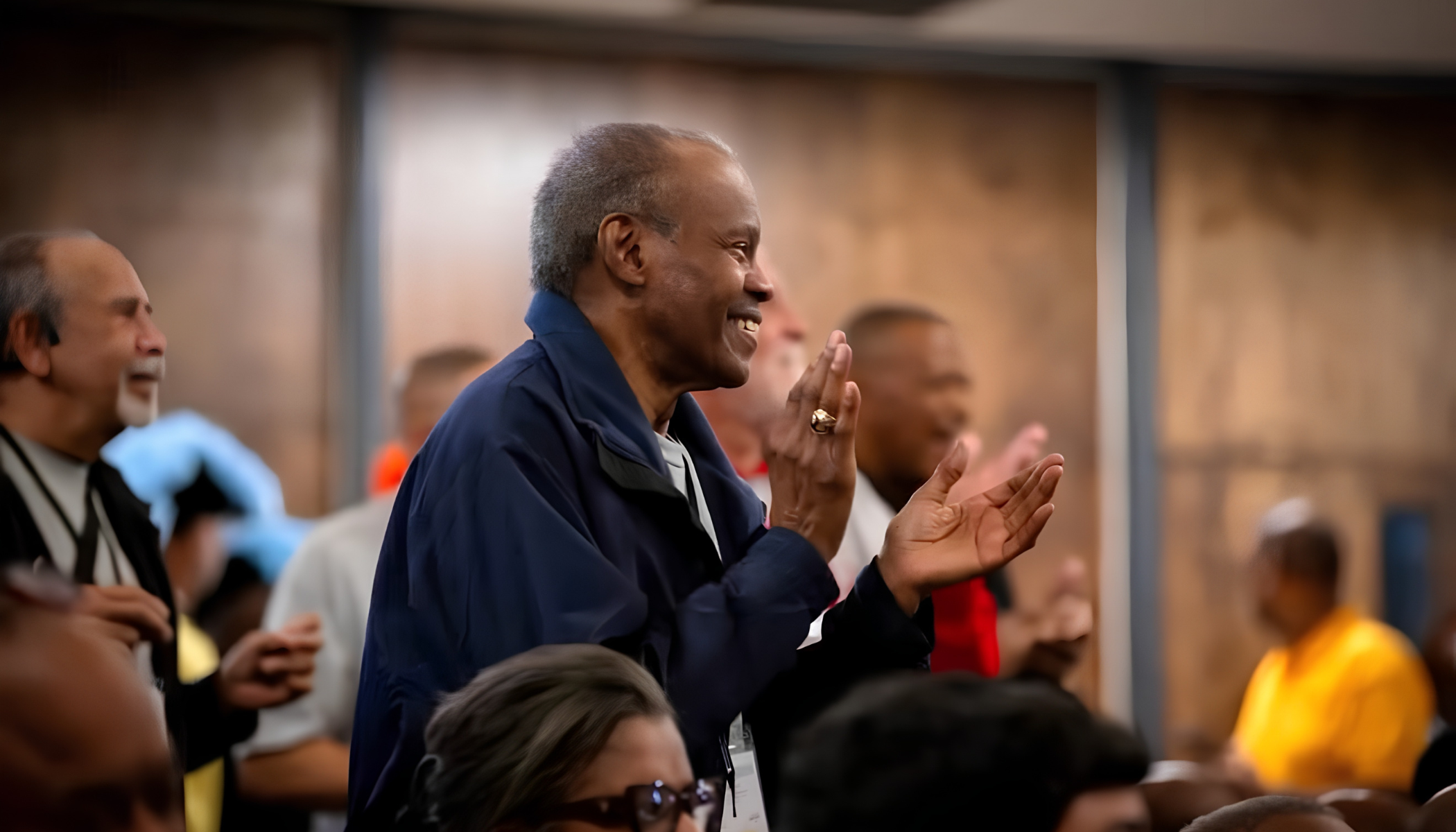
The national Black Catholic men’s conference took place in Birmingham, Alabama, Oct. 15–18, carrying on the legacy of Father Chester P. Smith.
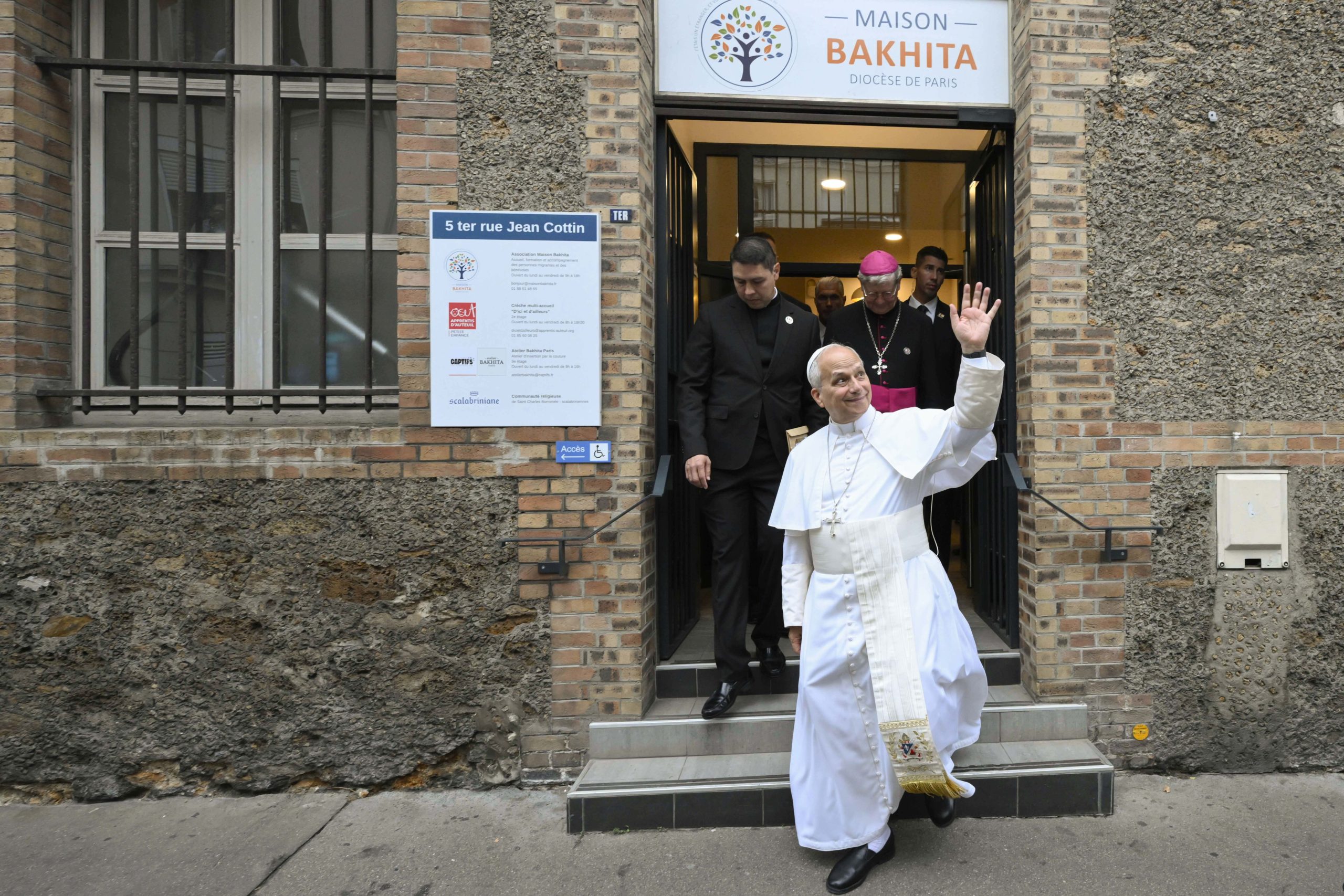
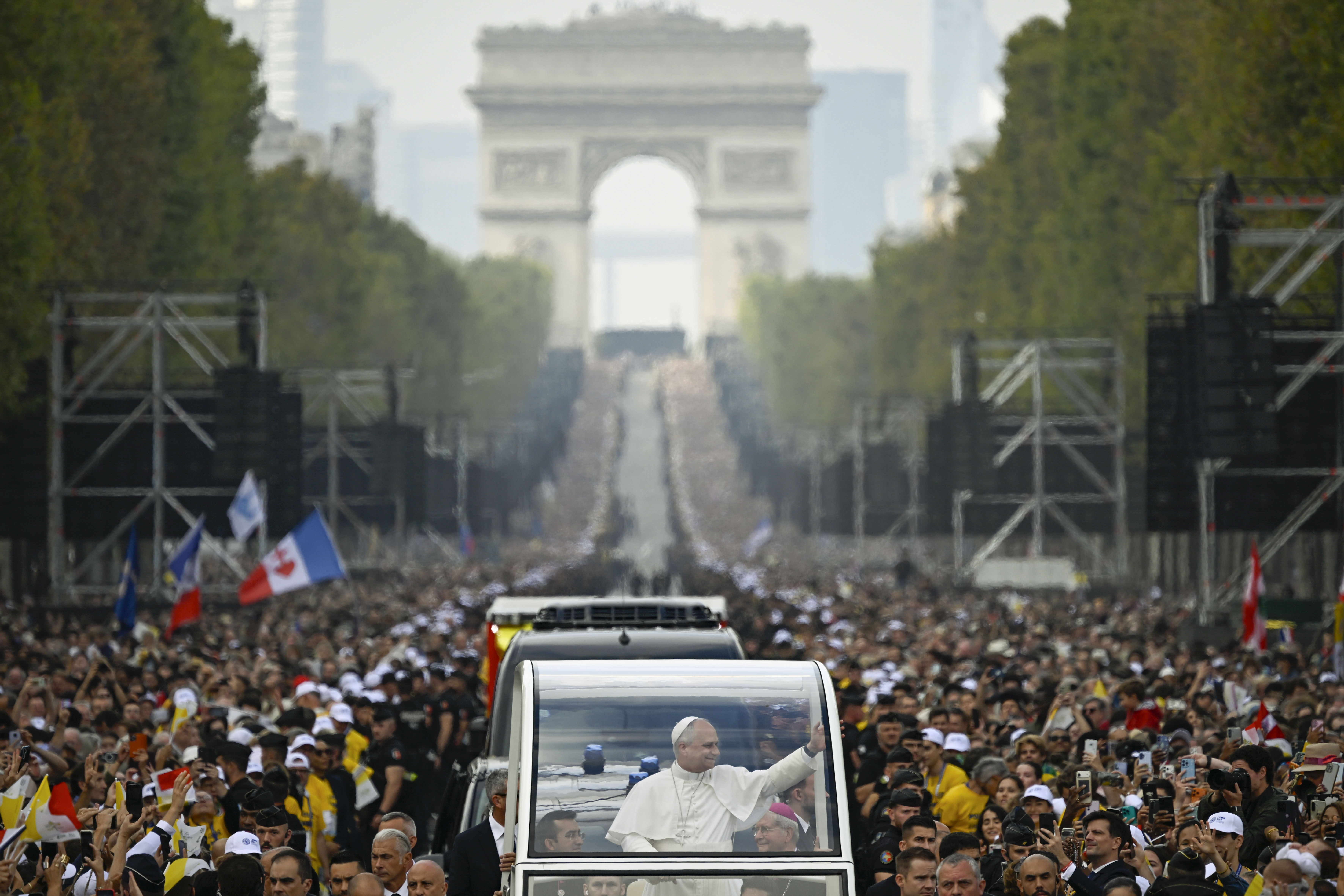
Pope Leo XIV visited the Maison Bakhita Center and celebrated an open-air Mass at Place de la Concorde in Paris before concluding his day at the Shrine of Our Lady of Lourdes.
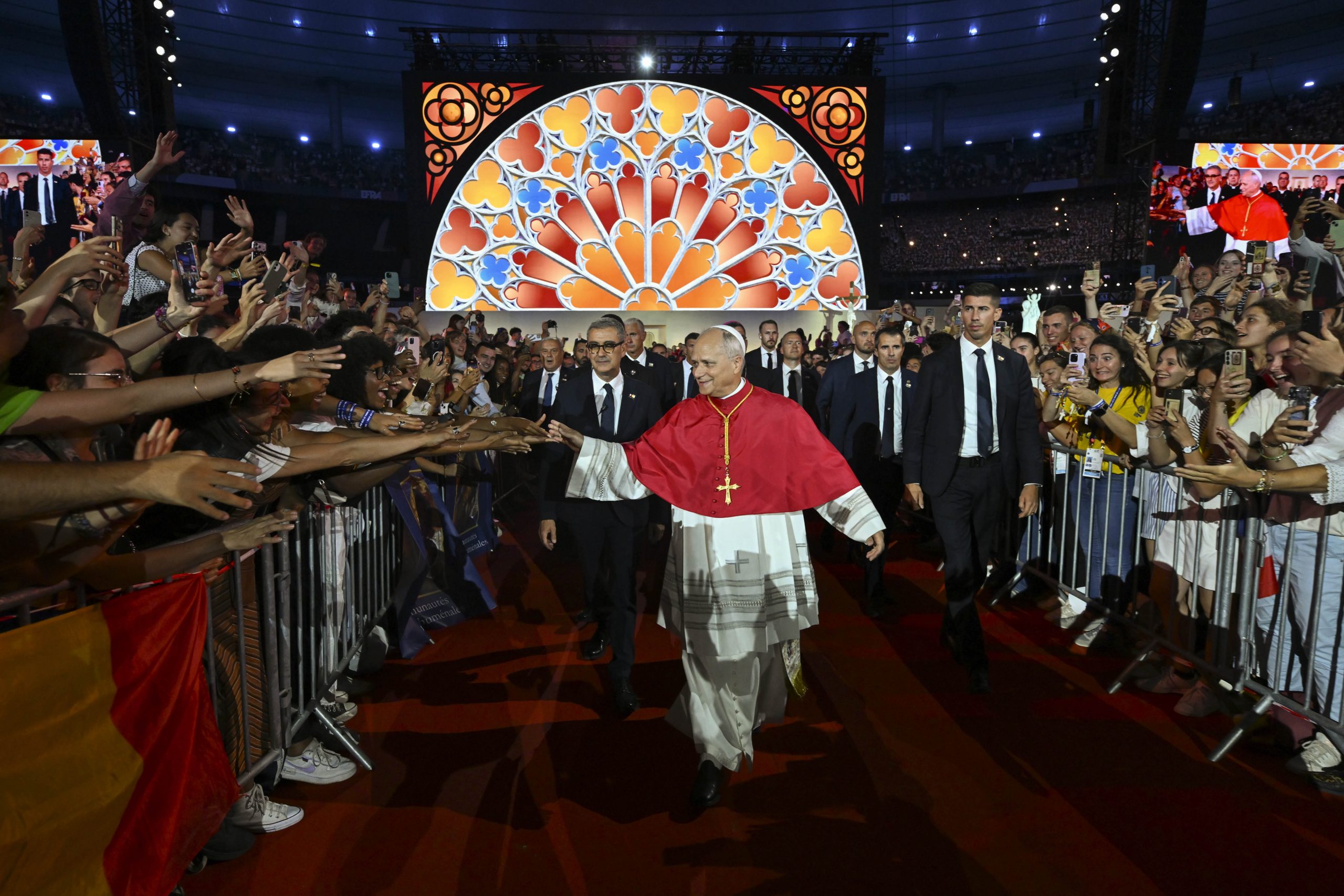
France’s Catholic culture and the energy of the country’s young people stole the show at a prayer vigil at the national stadium in Saint-Denis, France.


| Picture of the day |
|---|

|
|
Cape Burhan with Shamanka Rock. The rock formation is made of white marble, dolomite, limestone, with inclusions of garnet, quartz and graphite. Olkhon Island, Lake Baikal, Russia.
|

| Picture of the day |
|---|
_boven_Andiast._26-09-2025._(d.j.b.)_14.jpg)
|
|
Panixersee (Lag da Pigniu) above Andiast, Switzerland. Rock face above the reservoir.
|
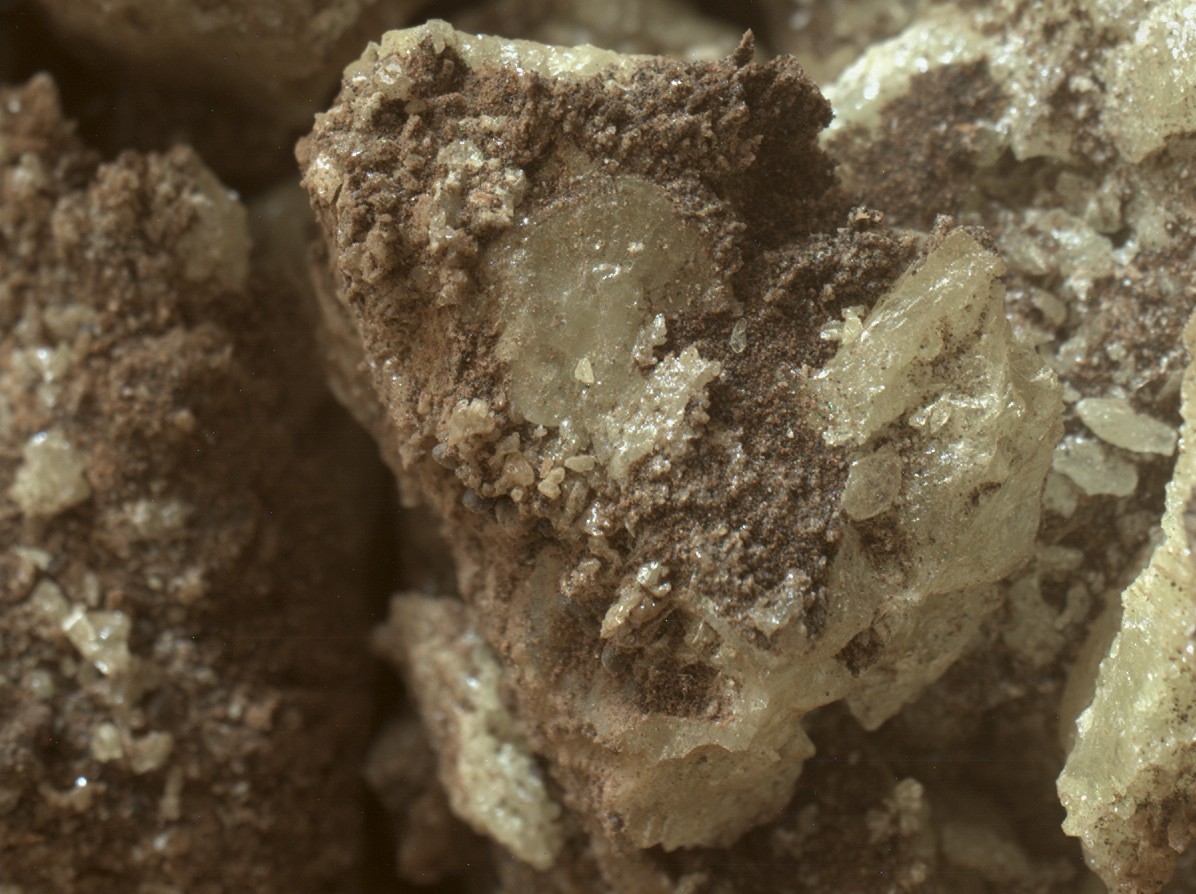
These sulfur crystals were found inside a rock after NASA’s Curiosity Mars rover happened to drive over it and crush it on May 30, 2024, the 4,200th Martian day, or sol, of the mission.
Read More

NASA’s Curiosity Mars rover used its Mast Camera, or Mastcam, to capture this view of a rock nicknamed “Atacama” on May 6, 2026, the 4,877th Martian day, or sol, of the mission. The rock had gotten stuck to the drill on the end of Curiosity’s robotic arm on April 25.
Read More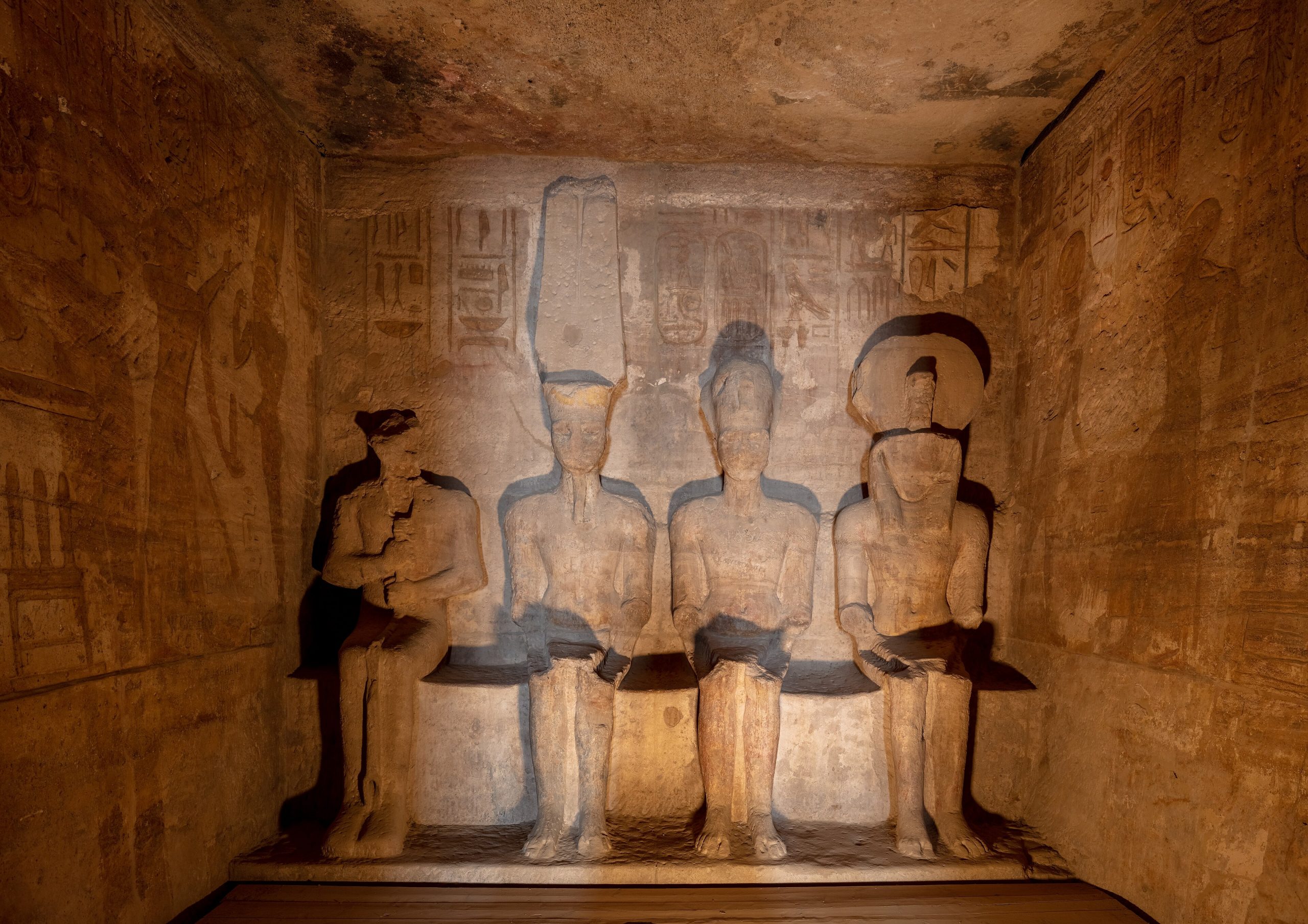
| Picture of the day |
|---|

|
|
Famous sanctuary of the temple of Ramses II, Abu Simbel, Egypt. The Great Temple at Abu Simbel, which took about twenty years to build, was completed around year 24 of the reign of Ramesses the Great (which corresponds to 1265 BC). It was dedicated to the gods Amun, Ra-Horakhty, and Ptah, as well as to the deified Ramesses himself. It is generally considered the grandest and most beautiful of the temples commissioned during the reign of Ramesses II, and one of the most beautiful in Egypt. In the sanctuary are rock cut sculptures of four seated figures: Ra-Horakhty, the deified king Ramesses, and the gods Amun Ra and Ptah, the main divinities in that period. It is believed that the axis of the temple was positioned by the ancient Egyptian architects in such a way that on October 22 and February 22 (allegedly the king’s birthday and coronation day, respectively), the rays of the sun would penetrate the sanctuary and illuminate the sculptures on the back wall, except for the statue of Ptah, a god connected with the realm of the dead, who always remained in the dark. People gather at Abu Simbel on these days to witness this.
|
| Picture of the day |
|---|

|
|
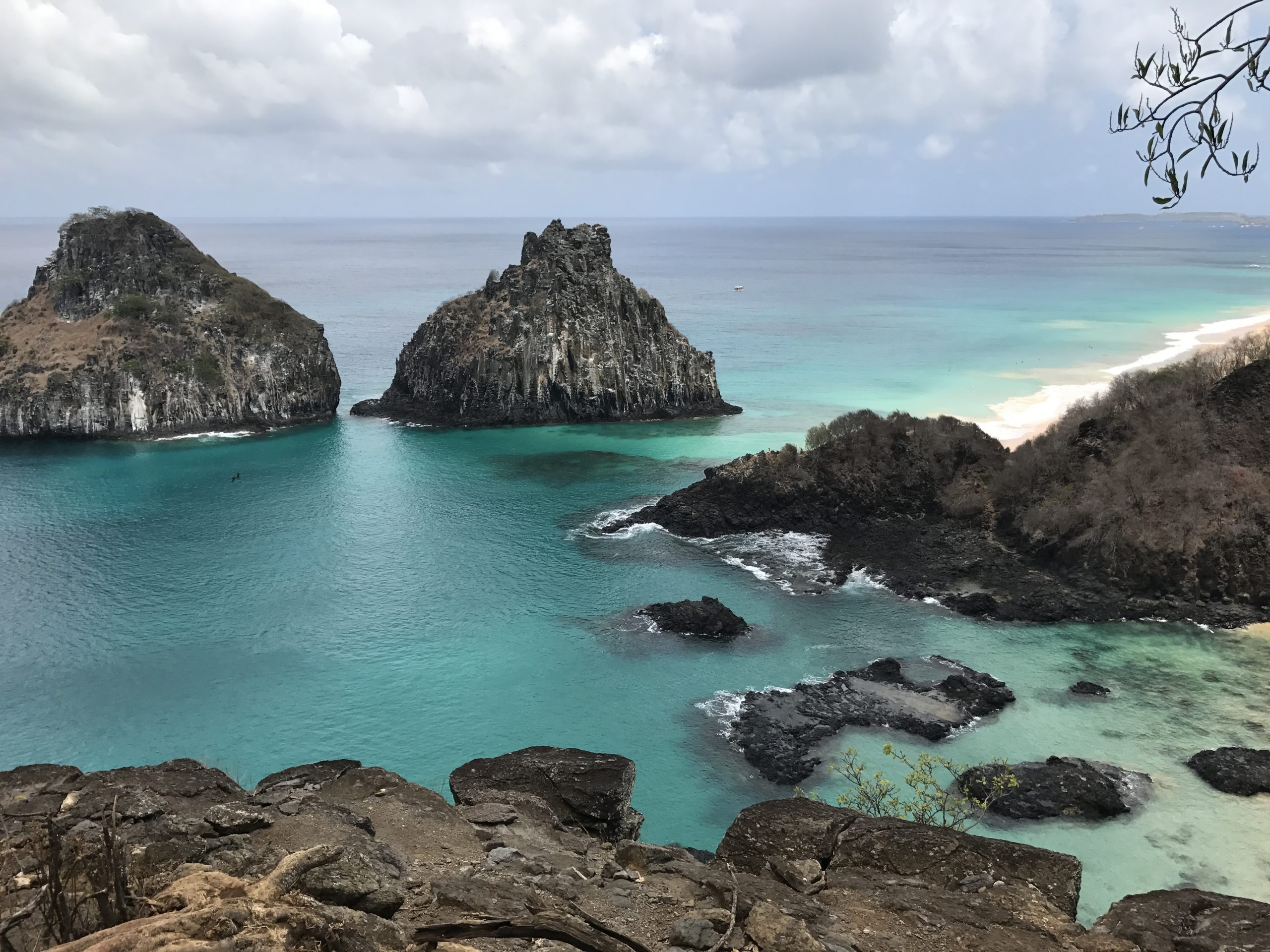
Coney (Cephalopholis fulva) camouflaged on a rock, Fernando de Noronha Marine National Park, Pernambuco, Brazil
|