Scripture

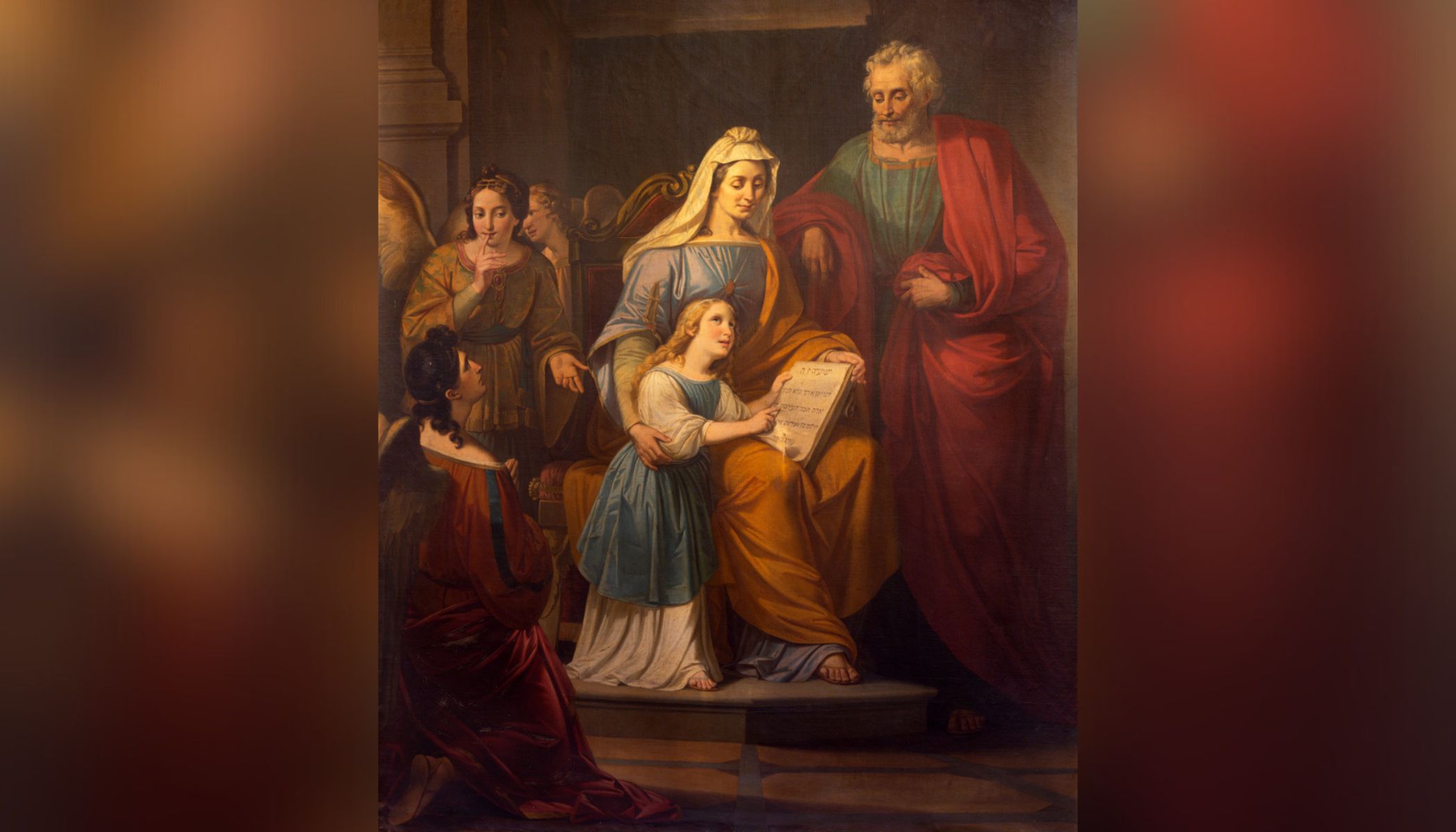
National Infertility Awareness Week: 4 Catholic ministries walking with couples #Catholic According to the World Health Organization, about 1 in 6 people globally experience infertility in their lifetime. In the United States, 1 in 8 couples deal with infertility.This year, National Infertility Awareness Week (NIAW) runs from April 19–25. Established in 1989 by RESOLVE: The National Infertility Association, NIAW is an annual initiative held each April that raises public awareness, promotes policy change — especially regarding insurance coverage — and fosters open conversations to support those struggling to build their families.RESOLVE: The National Infertility Association was founded in 1974 as a nonprofit dedicated to supporting individuals and couples facing infertility through education, advocacy, and community support.The Catholic Church offers couples struggling with infertility a wide range of resources that aim to address the root of the issue in a holistic manner and in a way that aligns with Church teaching.Here are four Catholic ministries that work with couples carrying the cross of infertility:Springs in the DesertSprings in the Desert is a Catholic infertility ministry founded in 2019 by Kimberly Henkel and Ann Koshute after they recognized how isolating infertility can be and how little pastoral support existed within the Church. The ministry exists to accompany women and couples spiritually and emotionally, helping them encounter God’s love and discover a broader understanding of fruitfulness beyond biological parenthood. Rooted deeply in Catholic teaching on marriage, human dignity, and reproductive ethics, it also works to educate clergy and lay leaders about the unique grief and needs associated with infertility.The ministry offers a wide range of resources, including retreats, small groups, blog reflections, a podcast, and virtual and in-person events designed to foster community and healing.For this year’s National Infertility Awareness Week, Springs in the Desert has partnered with Ascension to launch two free spiritual resources designed specifically for couples experiencing this hardship. They are a 15-part “Scripture and Saints” audio series featuring biblical figures such as Sarah and Abraham, Ruth and Naomi, Hannah and Elkanah, St. Joseph, Elizabeth and Zechariah, the woman with the hemorrhage, and St. Paul who connect the listener to the lived experience of infertility, and a novena inviting couples to pray with titles of Our Lady such as Our Lady of Sorrows and Queen of Families in order to invoke the Blessed Mother during times of grief and loss.Both resources will be available beginning April 19 in the Ascension app.The Fruitful HollowThe Fruitful Hollow is an online Catholic infertility ministry founded in 2021 by Lauren Allen after her own experience of infertility inspired her to create a space rooted in Church teaching and authentic support. The ministry focuses on helping women and couples live out their vocation with purpose during infertility, emphasizing that fruitfulness is not limited to having children but can be lived out in many spiritual and relational ways. It aims to address the lack of conversation and resources within Catholic circles and to guide people toward holiness in the midst of suffering.
 
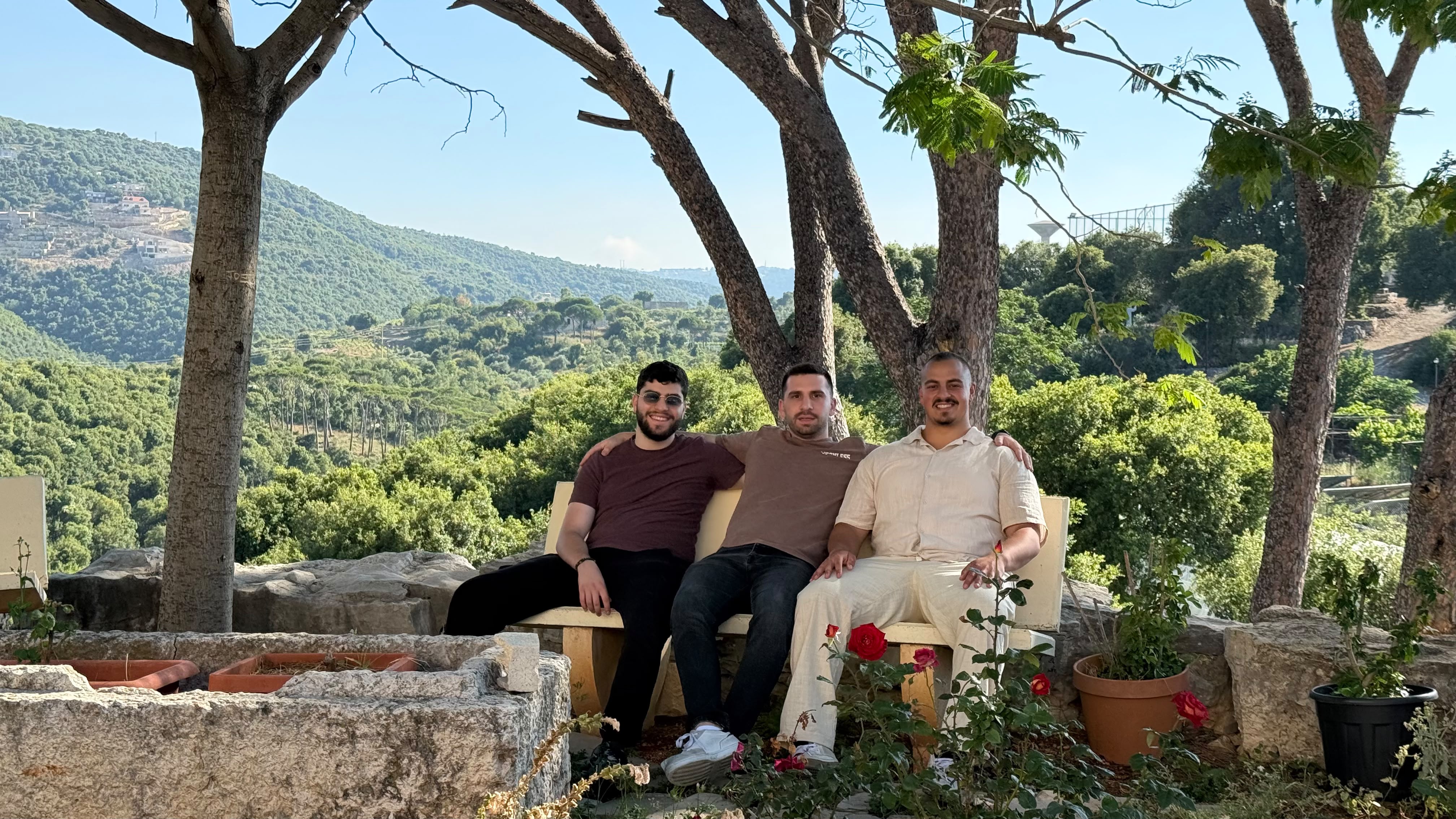
 Lauren Allen, the founder of the Catholic infertility ministry the Fruitful Hollow, with her husband. | Credit: Photo courtesy of Lauren Allen
 
 The ministry provides weekly blog reflections, a mentorship program titled “Sisters of Hannah,” and a wide range of downloadable resources that address grief, medical decisions, marriage, and spiritual growth. It also offers tools for prayer, education on ethical fertility treatments, and even a memorial space for those who have experienced loss.Lily of the ValleyLily of the Valley is a Catholic lay ministry founded in 2022 to support families facing infertility, pregnancy loss, and difficult prenatal or postnatal diagnoses. Rooted in Catholic teaching and devotion — especially to St. Gianna Molla — the ministry’s mission is to accompany those carrying the cross of early-life suffering with prayer, compassion, and spiritual solidarity.The ministry’s work focuses on providing both spiritual and community-based support, particularly through tangible and relational resources. One of its most distinctive offerings is personalized prayer care packages, which include sacramentals, prayer cards, and handwritten notes designed to bring comfort and encourage prayer during difficult times.In addition, Lily of the Valley offers online support groups, curated spiritual resources, and opportunities for prayer accompaniment, helping women and families feel less alone and more supported within a faith-filled community as they navigate infertility and related struggles.Elizabeth MinistryA parish-based Catholic outreach founded in 1991 in Wisconsin, Elizabeth Ministry is designed to support women and families during critical reproductive and family life experiences, including infertility, miscarriage, pregnancy, and adoption. The ministry is inspired by the Visitation of Mary to Elizabeth, emphasizing accompaniment, presence, and shared faith. Its mission is to affirm the dignity of life and provide emotional, spiritual, and practical care to women navigating difficult or unexpected journeys.The ministry operates primarily through local parish chapters, offering one-on-one mentoring, meal support, prayer networks, and companionship for women experiencing infertility or loss. It also provides training materials, spiritual reflections, and structured programs to help parishes build supportive communities.Elizabeth Ministry’s work is especially valuable for women seeking in-person, relational support within their local Catholic community rather than solely online resources.Several parishes and dioceses have their own programs for couples struggling with infertility. For example, the Archdiocese of Denver and the Diocese of Des Moines, Iowa, have a program called Behold Your Child, which offers spiritual and emotional support for those experiencing infertility and hosts memorial Masses for those who have lost a child due to miscarriage, stillbirth, or infant loss.

National Infertility Awareness Week: 4 Catholic ministries walking with couples #Catholic According to the World Health Organization, about 1 in 6 people globally experience infertility in their lifetime. In the United States, 1 in 8 couples deal with infertility.This year, National Infertility Awareness Week (NIAW) runs from April 19–25. Established in 1989 by RESOLVE: The National Infertility Association, NIAW is an annual initiative held each April that raises public awareness, promotes policy change — especially regarding insurance coverage — and fosters open conversations to support those struggling to build their families.RESOLVE: The National Infertility Association was founded in 1974 as a nonprofit dedicated to supporting individuals and couples facing infertility through education, advocacy, and community support.The Catholic Church offers couples struggling with infertility a wide range of resources that aim to address the root of the issue in a holistic manner and in a way that aligns with Church teaching.Here are four Catholic ministries that work with couples carrying the cross of infertility:Springs in the DesertSprings in the Desert is a Catholic infertility ministry founded in 2019 by Kimberly Henkel and Ann Koshute after they recognized how isolating infertility can be and how little pastoral support existed within the Church. The ministry exists to accompany women and couples spiritually and emotionally, helping them encounter God’s love and discover a broader understanding of fruitfulness beyond biological parenthood. Rooted deeply in Catholic teaching on marriage, human dignity, and reproductive ethics, it also works to educate clergy and lay leaders about the unique grief and needs associated with infertility.The ministry offers a wide range of resources, including retreats, small groups, blog reflections, a podcast, and virtual and in-person events designed to foster community and healing.For this year’s National Infertility Awareness Week, Springs in the Desert has partnered with Ascension to launch two free spiritual resources designed specifically for couples experiencing this hardship. They are a 15-part “Scripture and Saints” audio series featuring biblical figures such as Sarah and Abraham, Ruth and Naomi, Hannah and Elkanah, St. Joseph, Elizabeth and Zechariah, the woman with the hemorrhage, and St. Paul who connect the listener to the lived experience of infertility, and a novena inviting couples to pray with titles of Our Lady such as Our Lady of Sorrows and Queen of Families in order to invoke the Blessed Mother during times of grief and loss.Both resources will be available beginning April 19 in the Ascension app.The Fruitful HollowThe Fruitful Hollow is an online Catholic infertility ministry founded in 2021 by Lauren Allen after her own experience of infertility inspired her to create a space rooted in Church teaching and authentic support. The ministry focuses on helping women and couples live out their vocation with purpose during infertility, emphasizing that fruitfulness is not limited to having children but can be lived out in many spiritual and relational ways. It aims to address the lack of conversation and resources within Catholic circles and to guide people toward holiness in the midst of suffering. Lauren Allen, the founder of the Catholic infertility ministry the Fruitful Hollow, with her husband. | Credit: Photo courtesy of Lauren Allen The ministry provides weekly blog reflections, a mentorship program titled “Sisters of Hannah,” and a wide range of downloadable resources that address grief, medical decisions, marriage, and spiritual growth. It also offers tools for prayer, education on ethical fertility treatments, and even a memorial space for those who have experienced loss.Lily of the ValleyLily of the Valley is a Catholic lay ministry founded in 2022 to support families facing infertility, pregnancy loss, and difficult prenatal or postnatal diagnoses. Rooted in Catholic teaching and devotion — especially to St. Gianna Molla — the ministry’s mission is to accompany those carrying the cross of early-life suffering with prayer, compassion, and spiritual solidarity.The ministry’s work focuses on providing both spiritual and community-based support, particularly through tangible and relational resources. One of its most distinctive offerings is personalized prayer care packages, which include sacramentals, prayer cards, and handwritten notes designed to bring comfort and encourage prayer during difficult times.In addition, Lily of the Valley offers online support groups, curated spiritual resources, and opportunities for prayer accompaniment, helping women and families feel less alone and more supported within a faith-filled community as they navigate infertility and related struggles.Elizabeth MinistryA parish-based Catholic outreach founded in 1991 in Wisconsin, Elizabeth Ministry is designed to support women and families during critical reproductive and family life experiences, including infertility, miscarriage, pregnancy, and adoption. The ministry is inspired by the Visitation of Mary to Elizabeth, emphasizing accompaniment, presence, and shared faith. Its mission is to affirm the dignity of life and provide emotional, spiritual, and practical care to women navigating difficult or unexpected journeys.The ministry operates primarily through local parish chapters, offering one-on-one mentoring, meal support, prayer networks, and companionship for women experiencing infertility or loss. It also provides training materials, spiritual reflections, and structured programs to help parishes build supportive communities.Elizabeth Ministry’s work is especially valuable for women seeking in-person, relational support within their local Catholic community rather than solely online resources.Several parishes and dioceses have their own programs for couples struggling with infertility. For example, the Archdiocese of Denver and the Diocese of Des Moines, Iowa, have a program called Behold Your Child, which offers spiritual and emotional support for those experiencing infertility and hosts memorial Masses for those who have lost a child due to miscarriage, stillbirth, or infant loss.

In honor of National Infertility Awareness Week, here are four Catholic ministries helping couples carry the cross of infertility.

Read More
Catholic bishops in Africa release final report addressing pastoral challenge of polygamy #Catholic NAIROBI, Kenya — Catholic bishops in Africa have released a final report addressing the pastoral challenge of polygamy across Africa. The 25-page document responds directly to the mandate that the multiyear XVI Ordinary General Assembly of the Synod of Bishops, the Synod on Synodality, gave to members of the Symposium of Episcopal Conferences of Africa and Madagascar (SECAM) “to promote theological and pastoral discernment on the issue of polygamy.”Compiled by a SECAM commission made up of selected theologians and professionals from relevant ecclesiastical disciplines, the report presents a structured reflection on the phenomenon through what it describes as a process of “quadruple listening”: attentive engagement with African cultural realities, sacred Scripture, Church teaching on Christian marriage, and pastoral practices already operative within ecclesial communities across the continent.Polygamy within the context of the African familyThe report begins by situating polygamy within the broader cultural and religious context of the African family. According to the SECAM commission: “The African family is built on the covenant: an alliance between human groups, an alliance with ancestors, and an alliance with God.”Within this worldview, the birth of children is central. The commission members explained that “at the heart of this family, the child represents an inestimable treasure, a divine blessing. He perpetuates the name of the lineage while helping to consolidate the present life.”It is within this framework that members of the SECAM commission situated polygamy, defined as “a marital regime in which an individual is linked at the same time to several spouses.” They clarified that although the term technically includes both polyandry and polygyny, the latter — a man married to multiple women — remains by far the most common form in Africa.Historically, the practice emerged from specific social needs. In early agrarian and nomadic societies, large families provided economic stability and security, they noted, recalling: “Polygamous marriages were practiced not only for the sake of large families, but also for reasons of solidarity, alliances, and political objectives.”Marriage in traditional African societies also carried communal and spiritual dimensions that made divorce rare, they further noted, recalling that marriage ceremonies involved not only the spouses but entire families and even calling upon ancestors, reflecting a deeply communal understanding of family life.
 
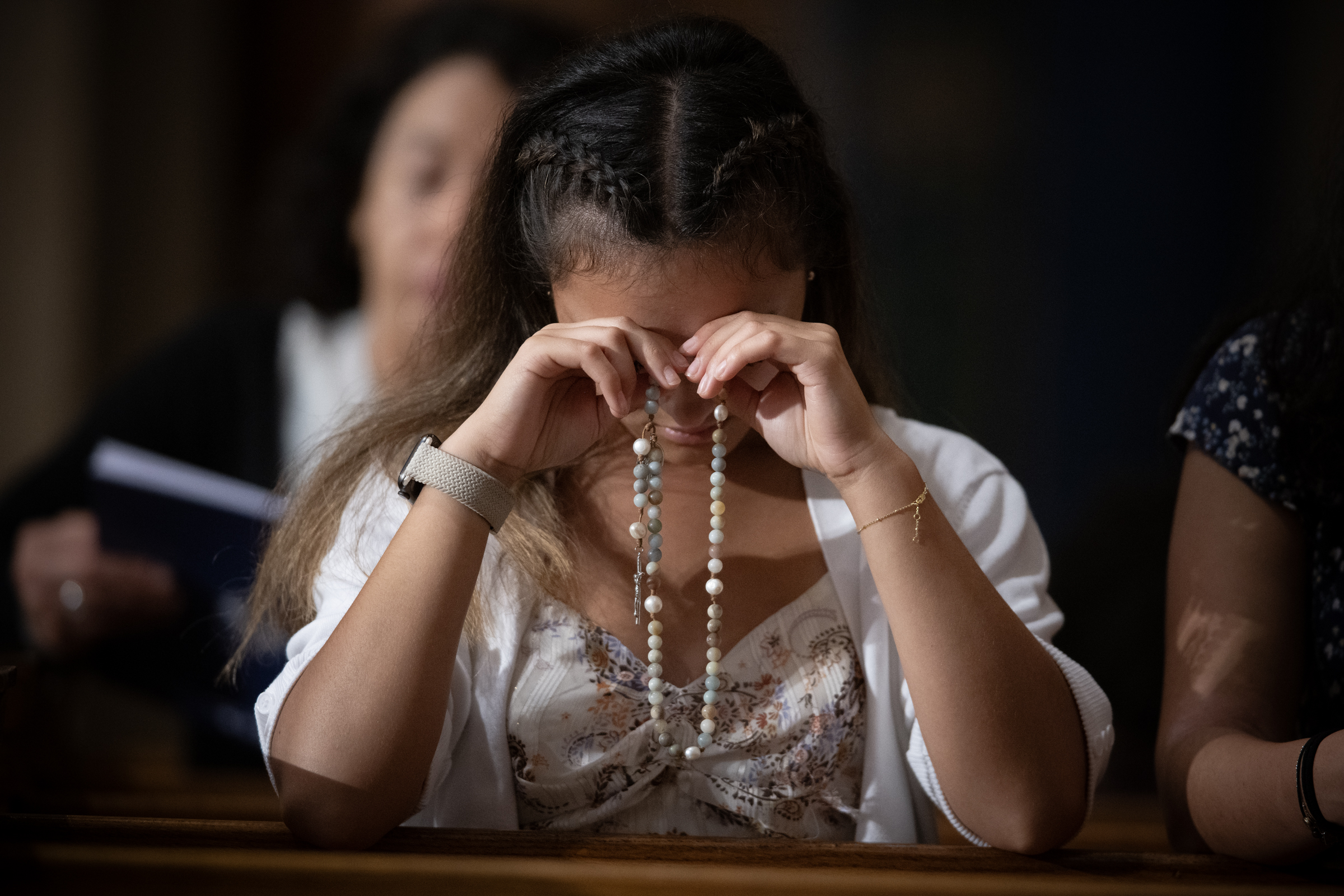
 SECAM president Cardinal Fridolin Ambongo (left) and secretary-general Father Rafael Simbine Junior (right). | Credit: ACI Africa
 
 Biblical discernmentTurning to Scripture, the SECAM commission members noted that the Bible itself reflects diverse marital practices. In the Old Testament world, “forms of marriage varied, from polygamy to monogamy,” and several biblical figures lived in polygamous unions.Nevertheless, the commission members stressed in the report that monogamy gradually emerged as the biblical ideal. They pointed to the Book of Tobit as a text that strongly “exalts monogamy,” describing families that are “strictly monogamous” and characterized by fidelity and religious devotion.The commission members interpreted this development as part of what they call a “divine pedagogy.” According to their report, God allowed polygamy historically but ultimately revealed the ideal of monogamous marriage through Christ.“In his Son, he shows that polygamy is not the ideal couple desired by God,” they said, emphasizing Jesus’ teaching that marriage is a union between “one man and one woman.”This biblical reflection also addressed one of the most common cultural motivations for polygamy — infertility. The commission insisted that biological impediments to fertility do not justify polygamy.They explained that biblical tradition broadens the understanding of motherhood and fatherhood beyond biological reproduction. True fruitfulness, the commission members wrote, can consist in fidelity to God and virtuous life rather than biological offspring alone.Ethical questions raised by polygamyThe report on the pastoral challenges of polygamy raised ethical questions about whether the core meaning of Christian marriage can be reconciled with polygamous unions. The commission highlighted the Christian understanding of marriage as a total mutual gift between two persons.“If marriage translates into ‘the gift of oneself to another,’ one might wonder how a man or woman can experience this ‘gift of self’ by giving themselves to several wives or husbands at the same time,” they observed.Commission members also raised questions about emotional and psychological dimensions, asking whether shared marital relationships risk undermining authentic communion between spouses.The Christian understanding of marriage, they noted, is further illuminated by the apostle Paul’s comparison of marriage with the relationship between Christ and the Church — a singular and exclusive covenant of love.Pastoral challenges: Baptism and sacramental lifeThe commission acknowledged that polygamy has long posed pastoral challenges for the Church in Africa, especially when individuals living in polygamous unions seek baptism or integration into Catholic communities.Historically, missionaries often approached the issue by requiring monogamy as a condition for baptism, they recalled, adding that “monogamous marriage was therefore a requirement for being or becoming a Christian.”Today, however, pastoral practice has evolved in many African dioceses, they said, identifying several pastoral approaches currently used within local churches.One approach requires a man seeking full sacramental participation to choose one spouse while continuing to provide for the other women and their children.Another response is the “permanent catechumenate,” in which a polygamous individual participates in catechetical formation and community life without receiving baptism or the other sacraments due to the continuing marital situation.A third practice involves baptizing the first wife when she has been placed in a polygamous relationship without her consent. In such cases, she may be fully integrated into the Christian community while remaining within her family environment.Position on baptism for polygamistsOne of the clearest conclusions of the SECAM commission concerned the sacrament of baptism. The commission argued that baptizing someone who intends to remain in a polygamous union risks undermining the theological meaning of baptism itself.“Baptizing a polygamist who will continue to remain so would give every appearance of legitimizing this irregularity and could distort or even devalue baptism of its substance,” they stated.For this reason, the commission recommended that baptism should normally follow a clear commitment to monogamous marriage.According to their report, polygamous catechumens should undergo thorough preparation and be ready to “accept the Gospel message, adhere to the Christian ideal, and commit to monogamous marriage before receiving baptism.”Implications for Catholics living in polygamous familiesAt the pastoral level, the members of the commission stressed accompaniment rather than exclusion. The Church, the report says, must practice “a pastoral approach of proximity, listening, and accompaniment.”This approach acknowledges that many polygamous families cannot easily dissolve existing marital bonds. In such cases, pastoral accompaniment may maintain the family structure while gradually introducing the Christian vision of marriage.The commission noted that some members of polygamous families — particularly the first wife and children — may meet the conditions for full sacramental participation, while others may live their faith “in a penitent manner and in the hope of full integration into the community of Jesus’ disciples.”Ultimately, the commission members framed the issue as part of a broader process of inculturation. The challenge for the Church in Africa, they concluded, is to present the Gospel within cultural realities while remaining faithful to the Christian understanding of marriage.This story was first published by ACI Africa, the sister service of EWTN News in Africa, and has been adapted by EWTN News.

Catholic bishops in Africa release final report addressing pastoral challenge of polygamy #Catholic NAIROBI, Kenya — Catholic bishops in Africa have released a final report addressing the pastoral challenge of polygamy across Africa. The 25-page document responds directly to the mandate that the multiyear XVI Ordinary General Assembly of the Synod of Bishops, the Synod on Synodality, gave to members of the Symposium of Episcopal Conferences of Africa and Madagascar (SECAM) “to promote theological and pastoral discernment on the issue of polygamy.”Compiled by a SECAM commission made up of selected theologians and professionals from relevant ecclesiastical disciplines, the report presents a structured reflection on the phenomenon through what it describes as a process of “quadruple listening”: attentive engagement with African cultural realities, sacred Scripture, Church teaching on Christian marriage, and pastoral practices already operative within ecclesial communities across the continent.Polygamy within the context of the African familyThe report begins by situating polygamy within the broader cultural and religious context of the African family. According to the SECAM commission: “The African family is built on the covenant: an alliance between human groups, an alliance with ancestors, and an alliance with God.”Within this worldview, the birth of children is central. The commission members explained that “at the heart of this family, the child represents an inestimable treasure, a divine blessing. He perpetuates the name of the lineage while helping to consolidate the present life.”It is within this framework that members of the SECAM commission situated polygamy, defined as “a marital regime in which an individual is linked at the same time to several spouses.” They clarified that although the term technically includes both polyandry and polygyny, the latter — a man married to multiple women — remains by far the most common form in Africa.Historically, the practice emerged from specific social needs. In early agrarian and nomadic societies, large families provided economic stability and security, they noted, recalling: “Polygamous marriages were practiced not only for the sake of large families, but also for reasons of solidarity, alliances, and political objectives.”Marriage in traditional African societies also carried communal and spiritual dimensions that made divorce rare, they further noted, recalling that marriage ceremonies involved not only the spouses but entire families and even calling upon ancestors, reflecting a deeply communal understanding of family life. SECAM president Cardinal Fridolin Ambongo (left) and secretary-general Father Rafael Simbine Junior (right). | Credit: ACI Africa Biblical discernmentTurning to Scripture, the SECAM commission members noted that the Bible itself reflects diverse marital practices. In the Old Testament world, “forms of marriage varied, from polygamy to monogamy,” and several biblical figures lived in polygamous unions.Nevertheless, the commission members stressed in the report that monogamy gradually emerged as the biblical ideal. They pointed to the Book of Tobit as a text that strongly “exalts monogamy,” describing families that are “strictly monogamous” and characterized by fidelity and religious devotion.The commission members interpreted this development as part of what they call a “divine pedagogy.” According to their report, God allowed polygamy historically but ultimately revealed the ideal of monogamous marriage through Christ.“In his Son, he shows that polygamy is not the ideal couple desired by God,” they said, emphasizing Jesus’ teaching that marriage is a union between “one man and one woman.”This biblical reflection also addressed one of the most common cultural motivations for polygamy — infertility. The commission insisted that biological impediments to fertility do not justify polygamy.They explained that biblical tradition broadens the understanding of motherhood and fatherhood beyond biological reproduction. True fruitfulness, the commission members wrote, can consist in fidelity to God and virtuous life rather than biological offspring alone.Ethical questions raised by polygamyThe report on the pastoral challenges of polygamy raised ethical questions about whether the core meaning of Christian marriage can be reconciled with polygamous unions. The commission highlighted the Christian understanding of marriage as a total mutual gift between two persons.“If marriage translates into ‘the gift of oneself to another,’ one might wonder how a man or woman can experience this ‘gift of self’ by giving themselves to several wives or husbands at the same time,” they observed.Commission members also raised questions about emotional and psychological dimensions, asking whether shared marital relationships risk undermining authentic communion between spouses.The Christian understanding of marriage, they noted, is further illuminated by the apostle Paul’s comparison of marriage with the relationship between Christ and the Church — a singular and exclusive covenant of love.Pastoral challenges: Baptism and sacramental lifeThe commission acknowledged that polygamy has long posed pastoral challenges for the Church in Africa, especially when individuals living in polygamous unions seek baptism or integration into Catholic communities.Historically, missionaries often approached the issue by requiring monogamy as a condition for baptism, they recalled, adding that “monogamous marriage was therefore a requirement for being or becoming a Christian.”Today, however, pastoral practice has evolved in many African dioceses, they said, identifying several pastoral approaches currently used within local churches.One approach requires a man seeking full sacramental participation to choose one spouse while continuing to provide for the other women and their children.Another response is the “permanent catechumenate,” in which a polygamous individual participates in catechetical formation and community life without receiving baptism or the other sacraments due to the continuing marital situation.A third practice involves baptizing the first wife when she has been placed in a polygamous relationship without her consent. In such cases, she may be fully integrated into the Christian community while remaining within her family environment.Position on baptism for polygamistsOne of the clearest conclusions of the SECAM commission concerned the sacrament of baptism. The commission argued that baptizing someone who intends to remain in a polygamous union risks undermining the theological meaning of baptism itself.“Baptizing a polygamist who will continue to remain so would give every appearance of legitimizing this irregularity and could distort or even devalue baptism of its substance,” they stated.For this reason, the commission recommended that baptism should normally follow a clear commitment to monogamous marriage.According to their report, polygamous catechumens should undergo thorough preparation and be ready to “accept the Gospel message, adhere to the Christian ideal, and commit to monogamous marriage before receiving baptism.”Implications for Catholics living in polygamous familiesAt the pastoral level, the members of the commission stressed accompaniment rather than exclusion. The Church, the report says, must practice “a pastoral approach of proximity, listening, and accompaniment.”This approach acknowledges that many polygamous families cannot easily dissolve existing marital bonds. In such cases, pastoral accompaniment may maintain the family structure while gradually introducing the Christian vision of marriage.The commission noted that some members of polygamous families — particularly the first wife and children — may meet the conditions for full sacramental participation, while others may live their faith “in a penitent manner and in the hope of full integration into the community of Jesus’ disciples.”Ultimately, the commission members framed the issue as part of a broader process of inculturation. The challenge for the Church in Africa, they concluded, is to present the Gospel within cultural realities while remaining faithful to the Christian understanding of marriage.This story was first published by ACI Africa, the sister service of EWTN News in Africa, and has been adapted by EWTN News.

SECAM has issued a 25-page final report addressing the pastoral challenge of polygamy across Africa, a direct response to a mandate given at the Synod on Synodality.

Read More
‘God wants to cover us in robes of grace,’ Catholic fashion writer says #Catholic According to Catholic author Mary Harper, the way we dress can be a way to express faith, human dignity, and personal identity.Harper, author of “The Liturgical Style Guide,” in which she explores how faith should influence how we dress, noted that the Bible shows the symbolic importance of clothing: “It’s actually pretty amazing how, throughout both the Old Testament and the New … clothing is mentioned over 100 times... The majority of times, it’s meant to be a sign of God’s mercy and providence.”This symbolism appears from the very beginning of the Bible, she said in a recent interview posted by the Archdiocese of Miami.
 
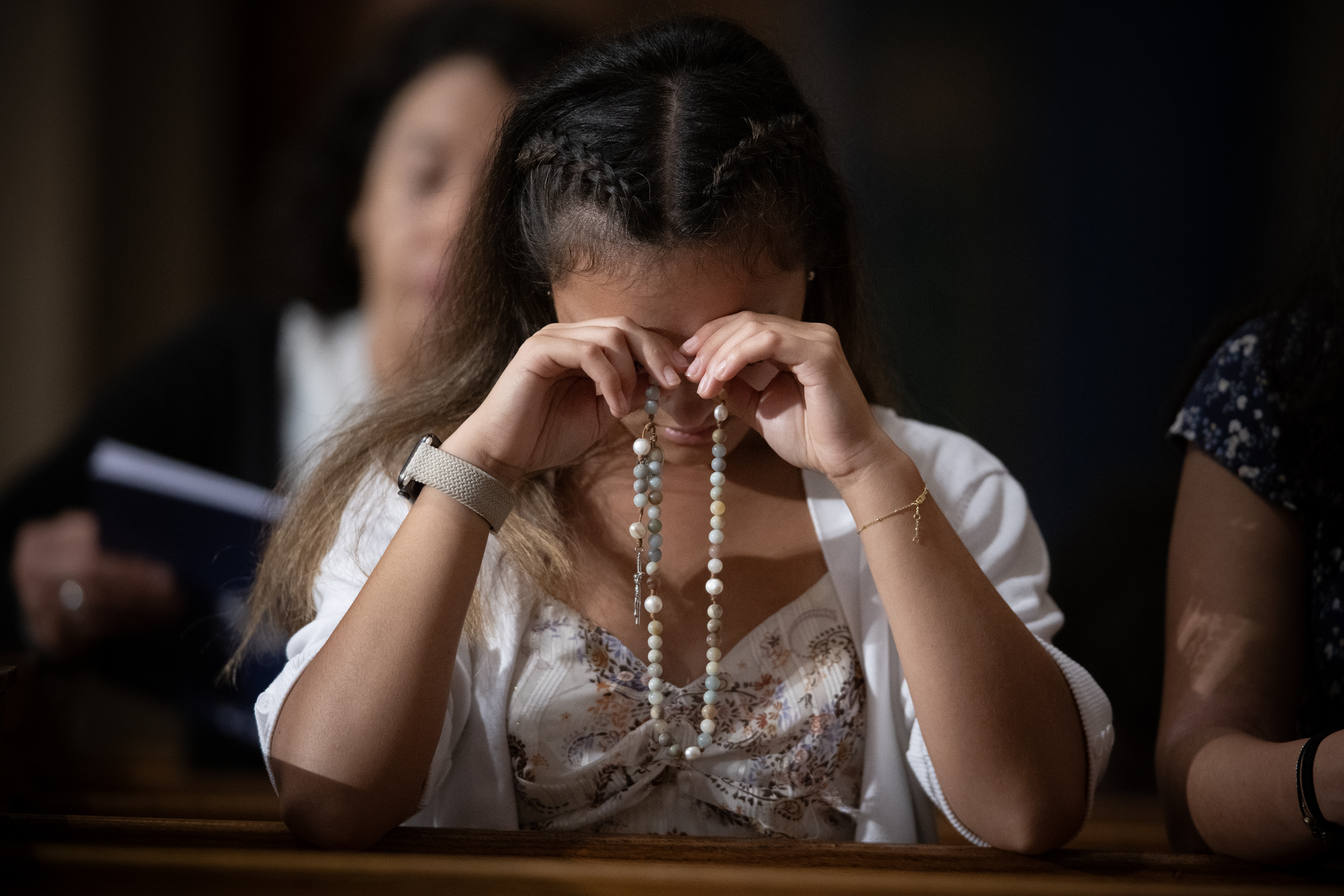
 Mary Harper, author of “The Liturgical Style Guide,” explores how faith can influence even everyday dress. | Credit: Archdiocese of Miami
 
 After original sin, Adam and Eve tried to cover themselves by sewing together fig leaves, which Harper called “flimsy.”“What does God do? He literally slaughters an animal, the first sacrifice in Scripture. He covers them in leather garments because he wants them to have something that’s worthy, something that’s good, something that’s actually going to protect them and be lasting,” she explained.According to Harper, this biblical image helps us understand human dignity. “God wants to cover us in robes of grace,” she said, also recalling the parable of the prodigal son, when the father “puts a robe on him and a ring on him, as a reminder of his goodness and his dignity and his identity.”That’s why even something as ordinary as getting dressed every day can have a spiritual dimension. “Even through something that we do every day — getting dressed for the day — the Lord is speaking his providence over you. He desires to lavish you in grace. Even getting dressed in the morning is a way to remember putting on Christ, putting on your baptismal garment again, remembering who you are and who you’re called to be in Christ,” she pointed out.Harper grew up Catholic in New Orleans. She earned her master’s and bachelor’s degrees in theology from Ave Maria University and is the founder of LiturgicalStyle.com, a project dedicated to reflecting on the theological significance of clothing based on the Bible, the stories of the saints, and the liturgical calendar.She also writes for litanynyc.com a Catholic made-to-measure clothing company that seeks to apply the Church’s social teaching in its production process.Clothing as a form of Christian witness“Whether I intend it or not, my clothing is going to communicate something. You wear a school uniform, it tells you what school you go to; priests put on vestments that tell you about the liturgical season. Well, there’s great power in that,” she said.From that perspective, she added, clothing can become a form of Christian witness. “I have the capacity to communicate the Gospel through my very garments, through intentionality, creativity, and beauty.”The author also cautioned that the Christian view of modesty avoids two extremes: absolute individualism and fear of the body.“One extreme is, I can wear whatever I want, I don’t care what anyone else thinks about it. At the same time, we don’t want to get to the point of, ‘I don’t know how to dress myself well, and I’m so scared of doing the wrong thing … [and] nothing can show because my body is bad,’” she explained.“The Church has never said that,” Harper added, noting that Christian teaching on the goodness of the human body is developed in depth in St. John Paul II’s theology of the body.More than strict rules, she argued, the key lies in discerning: “What is it that I want to communicate through what I’m wearing?” Harper also explained that modesty involves considering the context and the activity.“It is my responsibility to wear something that makes sense for the activity at hand, for the environment that I’m in, and that allows me to be fully present. That’s a service to everyone around me and to myself,” she stated, citing as an example the impracticality of wearing flip flops to hike in the Rocky Mountains.Drawing inspiration from the saintsHarper also proposed a creative idea for living out one’s faith in everyday life: finding inspiration in the saints when choosing what to wear.This does not mean, she clarified, that we imitate them literally. “I’m not telling you to go around wearing a Carmelite habit,” she joked.Rather, she suggested small symbolic gestures: “If you have Western boots, you can say you’re wearing them in honor of St. Teresa of the Andes,” who loved horseback riding. Or “when you wear jeans, you can think of her, because she just loved to be this great adventurer and going into the mountains” and “I’m going to ask her to pray for me."Creativity and freedom in the Christian lifeFor Harper, the relationship between faith and clothing should not become a source of scrupulosity or pressure.“Sometimes we can get so caught up saying, ‘If I’m a ‘real Catholic,’ then I’m going to dress in this particular way.’ I think it’s really easy to get kind of scrupulous when it comes to clothing,” she reflected.Instead, she recommended bringing the matter to prayer and discernment with trusted individuals. “If you have any concern about, ‘Am I dressing in a way that is good?’, talk to someone who knows your heart,” she advised.Finally, Harper encouraged living out Christian creativity in these everyday details as well: “The Holy Spirit is creative."“When you get dressed for the day, if you just say, ‘Come, Holy Spirit,’ he’s going to show up. It’s going to be awesome and joyful, and it’ll be more fun.”This story was first published by ACI Prensa, the Spanish-language sister service of EWTN News. It has been translated and adapted by EWTN News English.

‘God wants to cover us in robes of grace,’ Catholic fashion writer says #Catholic According to Catholic author Mary Harper, the way we dress can be a way to express faith, human dignity, and personal identity.Harper, author of “The Liturgical Style Guide,” in which she explores how faith should influence how we dress, noted that the Bible shows the symbolic importance of clothing: “It’s actually pretty amazing how, throughout both the Old Testament and the New … clothing is mentioned over 100 times… The majority of times, it’s meant to be a sign of God’s mercy and providence.”This symbolism appears from the very beginning of the Bible, she said in a recent interview posted by the Archdiocese of Miami. Mary Harper, author of “The Liturgical Style Guide,” explores how faith can influence even everyday dress. | Credit: Archdiocese of Miami After original sin, Adam and Eve tried to cover themselves by sewing together fig leaves, which Harper called “flimsy.”“What does God do? He literally slaughters an animal, the first sacrifice in Scripture. He covers them in leather garments because he wants them to have something that’s worthy, something that’s good, something that’s actually going to protect them and be lasting,” she explained.According to Harper, this biblical image helps us understand human dignity. “God wants to cover us in robes of grace,” she said, also recalling the parable of the prodigal son, when the father “puts a robe on him and a ring on him, as a reminder of his goodness and his dignity and his identity.”That’s why even something as ordinary as getting dressed every day can have a spiritual dimension. “Even through something that we do every day — getting dressed for the day — the Lord is speaking his providence over you. He desires to lavish you in grace. Even getting dressed in the morning is a way to remember putting on Christ, putting on your baptismal garment again, remembering who you are and who you’re called to be in Christ,” she pointed out.Harper grew up Catholic in New Orleans. She earned her master’s and bachelor’s degrees in theology from Ave Maria University and is the founder of LiturgicalStyle.com, a project dedicated to reflecting on the theological significance of clothing based on the Bible, the stories of the saints, and the liturgical calendar.She also writes for litanynyc.com a Catholic made-to-measure clothing company that seeks to apply the Church’s social teaching in its production process.Clothing as a form of Christian witness“Whether I intend it or not, my clothing is going to communicate something. You wear a school uniform, it tells you what school you go to; priests put on vestments that tell you about the liturgical season. Well, there’s great power in that,” she said.From that perspective, she added, clothing can become a form of Christian witness. “I have the capacity to communicate the Gospel through my very garments, through intentionality, creativity, and beauty.”The author also cautioned that the Christian view of modesty avoids two extremes: absolute individualism and fear of the body.“One extreme is, I can wear whatever I want, I don’t care what anyone else thinks about it. At the same time, we don’t want to get to the point of, ‘I don’t know how to dress myself well, and I’m so scared of doing the wrong thing … [and] nothing can show because my body is bad,’” she explained.“The Church has never said that,” Harper added, noting that Christian teaching on the goodness of the human body is developed in depth in St. John Paul II’s theology of the body.More than strict rules, she argued, the key lies in discerning: “What is it that I want to communicate through what I’m wearing?” Harper also explained that modesty involves considering the context and the activity.“It is my responsibility to wear something that makes sense for the activity at hand, for the environment that I’m in, and that allows me to be fully present. That’s a service to everyone around me and to myself,” she stated, citing as an example the impracticality of wearing flip flops to hike in the Rocky Mountains.Drawing inspiration from the saintsHarper also proposed a creative idea for living out one’s faith in everyday life: finding inspiration in the saints when choosing what to wear.This does not mean, she clarified, that we imitate them literally. “I’m not telling you to go around wearing a Carmelite habit,” she joked.Rather, she suggested small symbolic gestures: “If you have Western boots, you can say you’re wearing them in honor of St. Teresa of the Andes,” who loved horseback riding. Or “when you wear jeans, you can think of her, because she just loved to be this great adventurer and going into the mountains” and “I’m going to ask her to pray for me."Creativity and freedom in the Christian lifeFor Harper, the relationship between faith and clothing should not become a source of scrupulosity or pressure.“Sometimes we can get so caught up saying, ‘If I’m a ‘real Catholic,’ then I’m going to dress in this particular way.’ I think it’s really easy to get kind of scrupulous when it comes to clothing,” she reflected.Instead, she recommended bringing the matter to prayer and discernment with trusted individuals. “If you have any concern about, ‘Am I dressing in a way that is good?’, talk to someone who knows your heart,” she advised.Finally, Harper encouraged living out Christian creativity in these everyday details as well: “The Holy Spirit is creative."“When you get dressed for the day, if you just say, ‘Come, Holy Spirit,’ he’s going to show up. It’s going to be awesome and joyful, and it’ll be more fun.”This story was first published by ACI Prensa, the Spanish-language sister service of EWTN News. It has been translated and adapted by EWTN News English.

Mary Harper explains the positive dimension of choosing what to wear and what it can express, urging Catholics to invite the Holy Spirit into their fashion choices.

Read More