
The platform and name are new, but the mission is the same: report the truth and bring the faith to the Spanish-speaking world.

The platform and name are new, but the mission is the same: report the truth and bring the faith to the Spanish-speaking world.
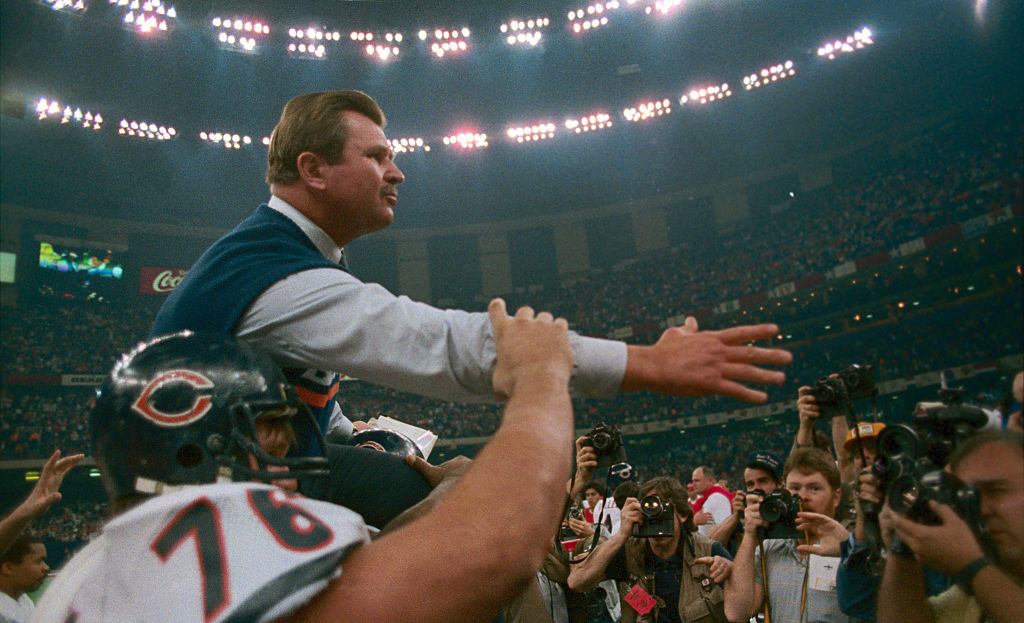
The Chicago Bears icon, who died on Friday, gave to charities, lectored at Mass, and belonged to the Knights of Columbus.
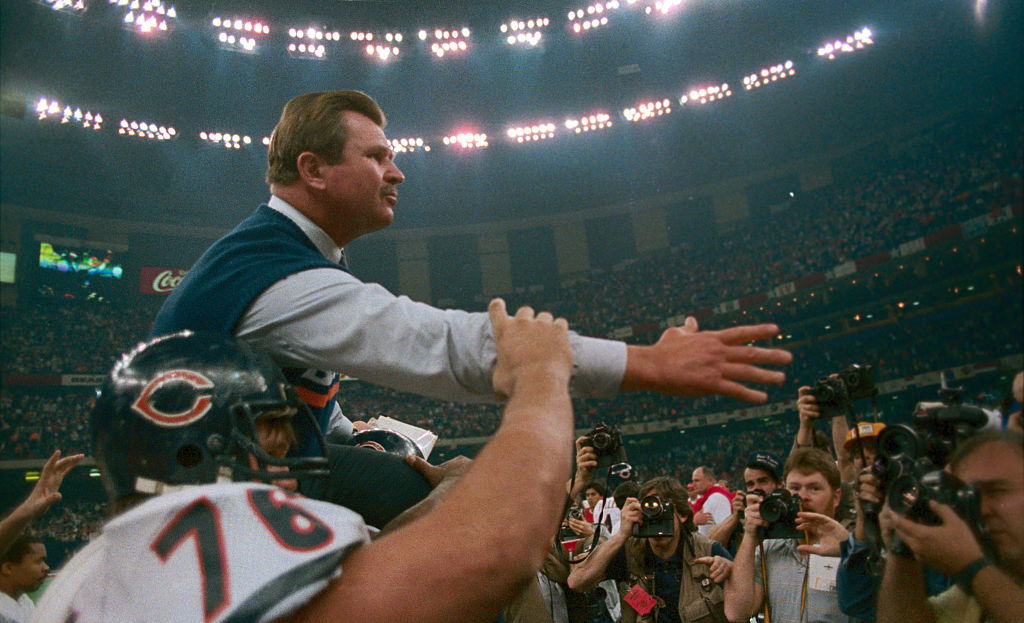
![Jimmy Lai’s family, advocates press for his release before Xi-Trump meeting #Catholic Family members and advocates of imprisoned Catholic pro-democracy activist Jimmy Lai offered urgent pleas for his release ahead of President Xi Jinping’s planned trip to the U.S. to meet with President Donald Trump.In anticipation of Xiʼs visit to Washington on Sept. 24, Sebastien Lai, Jimmy Lai’s son, met with leaders to advocate for his father. He joined a Sept. 16 congressional hearing led by Rep. Chris Smith, R-New Jersey.“Jimmy Lai is not being imprisoned because he committed any act of violence whatsoever,” Smith, co-chair of the Congressional-Executive Commission on China, said. “His son has emphasized that his father has never, never advocated violence. Rather, Jimmy Lai used his voice, his newspaper, and his public platform to support freedom and democracy,” he said. Smith said he introduced legislation Sept. 16 that would require the State Department to quickly assess any death in custody of a Hong Kong political prisoner and impose sanctions on officials found responsible. He titled the bill the “Jimmy Lai Hong Kong Political Prisoner Accountability Act of 2026.”At the hearing, Sebastien Lai offered testimony along with Steve Yates, a research fellow on China and national security policy, and Mark Clifford, president of the Committee for Freedom in Hong Kong Foundation.“I want to thank America, President Trump, who has been a true champion of my fatherʼs, his administration, and the senators and members of both parties whose support has never wavered and only gotten stronger. That is moral courage, and my family does not take it for granted,” Sebastien Lai said.“By the end of this year my father will have spent six years in a maximum-security prison in solitary. At 78, he is the oldest political prisoner in Hong Kong. With a 20-year sentence looming over him, if he’s not freed soon, he will most likely die in prison,” he said. “My sister Claire was to testify beside me today. A few weeks ago, she was diagnosed with cancer,” he said. “I was with her in London last week as she began chemotherapy. My father learned of his own daughterʼs diagnosis from a maximum-security prison. He cannot hold her hand. She wants nothing more than to have him with her for this fight,“ he said.
Claire Lai, daughter of imprisoned pro-democracy activist Jimmy Lai, discusses her father’s sentencing on “EWTN News Nightly” on Feb. 9, 2026. | Credit: “EWTN News Nightly”/Screenshot
“We hope the Chinese authorities will consider what compassionate release would mean for her, and for a 78-year-old man who has already suffered enough,” he said.“America understands, in its bones, that freedom dies with the last man willing to defend it and that the cost of not standing up for liberty is not felt until it is too late,“ he said.The appeal to Xi “is simple," Sebastien Lai said. “My father poses no threat. His imprisonment makes him a symbol of injustice; his death in prison would be a disgrace. Let Jimmy Lai come home to his family and let him sit beside his daughter in her hardest moment.”
America understands, in its bones, that freedom dies with the last man willing to defend it and that the cost of not standing up for liberty is not felt until it is too late.”
Sebastien LaiSon of imprisoned Hong Kong media publisher and democracy advocate Jimmy Lai
Clifford, of the Washington‑based advocacy group promoting human rights in Hong Kong, spoke on behalf of his friend Jimmy Lai and to remind “people that Jimmy is just one of hundreds of political prisoners being held in often appalling conditions.”“Iʼd like to emphasize the release of Jimmy Lai would be something President Trump, Republicans and Democrats, indeed, freedom-loving people around the world would applaud,” Clifford said. “It would be a unifying event at the time when the world really needs it.”Yates said Jimmy Lai’s case is “a test of character, of Xi Jinping’s leadership, of the president’s relationship with his counterpart, and of whether there remains any credible basis for the assumptions on which American policy toward Hong Kong was long constructed.”The case is “a litmus test of whether there remains any reason to believe there is a future in Xi Jinping’s China for the kind of man Jimmy Lai is: a child of God, a lover of the real China, and, it may fairly be said, one of China’s greatest entrepreneurs,” Yates said. Lai’s health ‘is going to get worse’At a subsequent event, Sebastien Lai spoke at a press conference at Georgetown University about his father.Trump has previously met with Xi about Jimmy Lai’s case, which did not end with his release, but Sebastian Lai said he does not believe “it is a lost cause.” He said he hopes Trump raises his father’s case “again and again.”Sebastian Lai detailed his father’s health, which “hasnʼt gotten any better” while in solitary confinement.“He now has heart issues. His nails fall off. His teeth are rotting. During the summer, he bleeds all over his body because [of] his rashes,” he said.His health was especially worrisome recently because “Hong Kong just had a record summer,” Sebastien Lai said. “The heat traps in there and essentially bakes in itself. So weʼre very, very worried.”Caoilfhionn Gallagher, human rights lawyer and leader of the international legal team representing Jimmy Lai, further laid out the urgency of the case.“It’s very clear that if someone is detained in solitary confinement for an extended period of time, there is a direct ramification for their mortality,” she said.“The risk to prisoners detained in solitary confinement is particularly heightened if they’re elderly or diabetic, and Jimmy Lai is both. So this couldn’t be a more urgent and timely discussion,” she said. Gallagher also noted the broader human rights issues and lack of democracy in Hong Kong.Hong Kong “has become a place where you can be thrown in prison for singing the wrong song, or not singing the right song, or wearing the wrong T-shirt, printing the wrong newspaper. And I think Jimmy Laiʼs case is hugely important in itself because of who he is,” Gallagher said.“Heʼs probably the worldʼs most famous political prisoner at the moment. His case is hugely important, but we think part of why theyʼve gone for Jimmy Lai is because by getting the biggest fish of all, it sends the message to the small fry across Hong Kong,” Gallagher said. "It makes very clear that their message is keep silent or youʼll be next,” Gallagher said. Xi’s visit to the U.S. offers “a particular opportunity to shine a light on this issue,” she said.](https://unitedyam.com/wp-content/uploads/2026/09/jimmy-lais-family-advocates-press-for-his-release-before-xi-trump-meeting-catholic-family-members-and-advocates-of-imprisoned-catholic-pro-democracy-activist-jimmy-lai-offered-urgent-pleas.jpg "Jimmy Lai’s family, advocates press for his release before Xi-Trump meeting #Catholic Family members and advocates of imprisoned Catholic pro-democracy activist Jimmy Lai offered urgent pleas for his release ahead of President Xi Jinping’s planned trip to the U.S. to meet with President Donald Trump.In anticipation of Xiʼs visit to Washington on Sept. 24, Sebastien Lai, Jimmy Lai’s son, met with leaders to advocate for his father. He joined a Sept. 16 congressional hearing led by Rep. Chris Smith, R-New Jersey.“Jimmy Lai is not being imprisoned because he committed any act of violence whatsoever,” Smith, co-chair of the Congressional-Executive Commission on China, said. “His son has emphasized that his father has never, never advocated violence. Rather, Jimmy Lai used his voice, his newspaper, and his public platform to support freedom and democracy,” he said. Smith said he introduced legislation Sept. 16 that would require the State Department to quickly assess any death in custody of a Hong Kong political prisoner and impose sanctions on officials found responsible. He titled the bill the “Jimmy Lai Hong Kong Political Prisoner Accountability Act of 2026.”At the hearing, Sebastien Lai offered testimony along with Steve Yates, a research fellow on China and national security policy, and Mark Clifford, president of the Committee for Freedom in Hong Kong Foundation.“I want to thank America, President Trump, who has been a true champion of my fatherʼs, his administration, and the senators and members of both parties whose support has never wavered and only gotten stronger. That is moral courage, and my family does not take it for granted,” Sebastien Lai said.“By the end of this year my father will have spent six years in a maximum-security prison in solitary. At 78, he is the oldest political prisoner in Hong Kong. With a 20-year sentence looming over him, if he’s not freed soon, he will most likely die in prison,” he said. “My sister Claire was to testify beside me today. A few weeks ago, she was diagnosed with cancer,” he said. “I was with her in London last week as she began chemotherapy. My father learned of his own daughterʼs diagnosis from a maximum-security prison. He cannot hold her hand. She wants nothing more than to have him with her for this fight,“ he said.
Claire Lai, daughter of imprisoned pro-democracy activist Jimmy Lai, discusses her father’s sentencing on “EWTN News Nightly” on Feb. 9, 2026. | Credit: “EWTN News Nightly”/Screenshot
“We hope the Chinese authorities will consider what compassionate release would mean for her, and for a 78-year-old man who has already suffered enough,” he said.“America understands, in its bones, that freedom dies with the last man willing to defend it and that the cost of not standing up for liberty is not felt until it is too late,“ he said.The appeal to Xi “is simple,\" Sebastien Lai said. “My father poses no threat. His imprisonment makes him a symbol of injustice; his death in prison would be a disgrace. Let Jimmy Lai come home to his family and let him sit beside his daughter in her hardest moment.”
America understands, in its bones, that freedom dies with the last man willing to defend it and that the cost of not standing up for liberty is not felt until it is too late.”
Sebastien LaiSon of imprisoned Hong Kong media publisher and democracy advocate Jimmy Lai
Clifford, of the Washington‑based advocacy group promoting human rights in Hong Kong, spoke on behalf of his friend Jimmy Lai and to remind “people that Jimmy is just one of hundreds of political prisoners being held in often appalling conditions.”“Iʼd like to emphasize the release of Jimmy Lai would be something President Trump, Republicans and Democrats, indeed, freedom-loving people around the world would applaud,” Clifford said. “It would be a unifying event at the time when the world really needs it.”Yates said Jimmy Lai’s case is “a test of character, of Xi Jinping’s leadership, of the president’s relationship with his counterpart, and of whether there remains any credible basis for the assumptions on which American policy toward Hong Kong was long constructed.”The case is “a litmus test of whether there remains any reason to believe there is a future in Xi Jinping’s China for the kind of man Jimmy Lai is: a child of God, a lover of the real China, and, it may fairly be said, one of China’s greatest entrepreneurs,” Yates said. Lai’s health ‘is going to get worse’At a subsequent event, Sebastien Lai spoke at a press conference at Georgetown University about his father.Trump has previously met with Xi about Jimmy Lai’s case, which did not end with his release, but Sebastian Lai said he does not believe “it is a lost cause.” He said he hopes Trump raises his father’s case “again and again.”Sebastian Lai detailed his father’s health, which “hasnʼt gotten any better” while in solitary confinement.“He now has heart issues. His nails fall off. His teeth are rotting. During the summer, he bleeds all over his body because [of] his rashes,” he said.His health was especially worrisome recently because “Hong Kong just had a record summer,” Sebastien Lai said. “The heat traps in there and essentially bakes in itself. So weʼre very, very worried.”Caoilfhionn Gallagher, human rights lawyer and leader of the international legal team representing Jimmy Lai, further laid out the urgency of the case.“It’s very clear that if someone is detained in solitary confinement for an extended period of time, there is a direct ramification for their mortality,” she said.“The risk to prisoners detained in solitary confinement is particularly heightened if they’re elderly or diabetic, and Jimmy Lai is both. So this couldn’t be a more urgent and timely discussion,” she said. Gallagher also noted the broader human rights issues and lack of democracy in Hong Kong.Hong Kong “has become a place where you can be thrown in prison for singing the wrong song, or not singing the right song, or wearing the wrong T-shirt, printing the wrong newspaper. And I think Jimmy Laiʼs case is hugely important in itself because of who he is,” Gallagher said.“Heʼs probably the worldʼs most famous political prisoner at the moment. His case is hugely important, but we think part of why theyʼve gone for Jimmy Lai is because by getting the biggest fish of all, it sends the message to the small fry across Hong Kong,” Gallagher said. \"It makes very clear that their message is keep silent or youʼll be next,” Gallagher said. Xi’s visit to the U.S. offers “a particular opportunity to shine a light on this issue,” she said.")
“America understands, in its bones, that freedom dies with the last man willing to defend it and that the cost of not standing up for liberty is not felt until it is too late,” Sebastien Lai said.
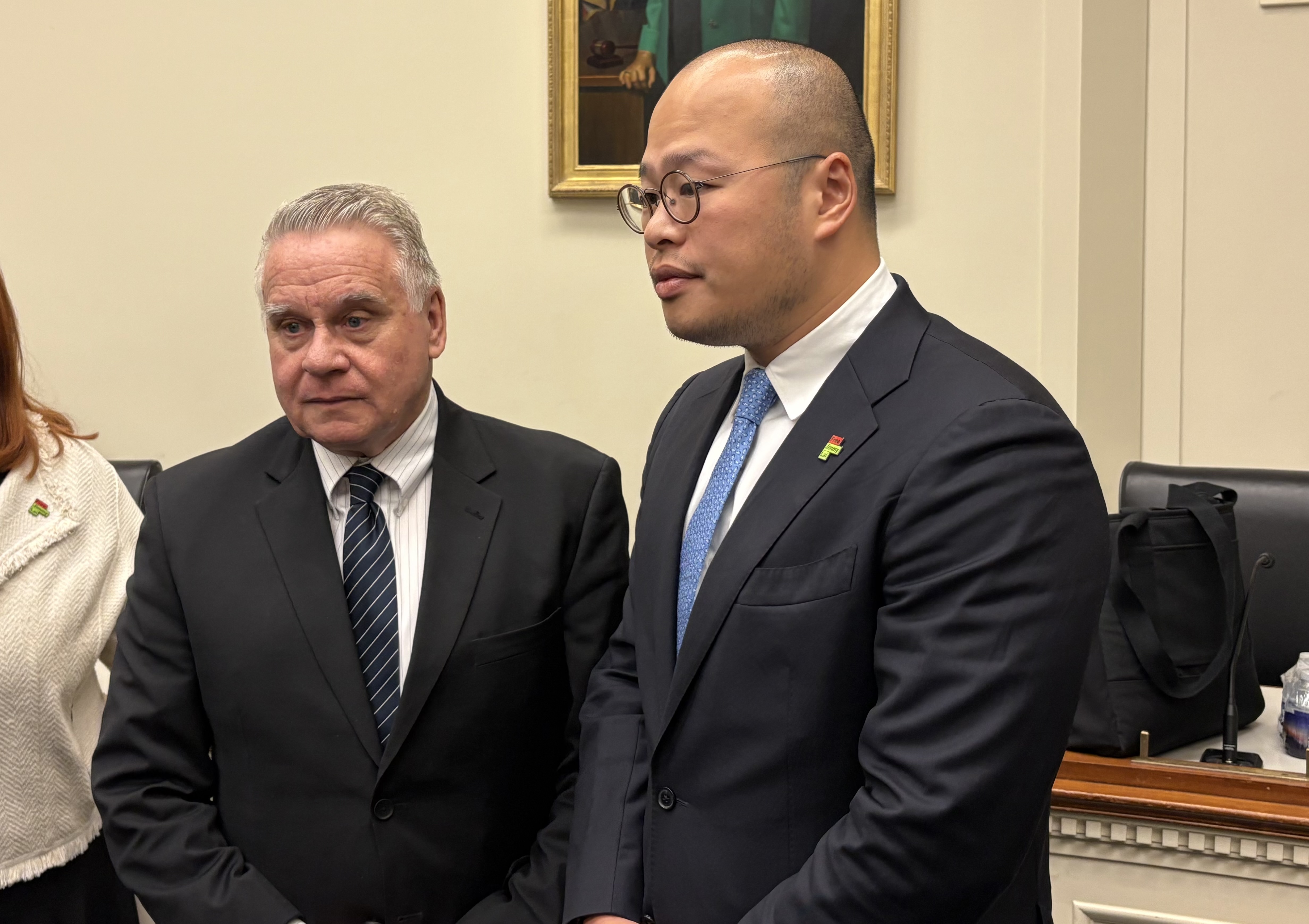
![Vatican vegetable garden goes 100% organic #Catholic A vegetable garden and orchard inside the Vatican walls, which historically provided food for the pope’s household, is now cultivated using exclusively organic farming techniques.The private garden covers almost a tenth of an acre of cultivable land inside the Mater Ecclesiae Monastery property, where Pope Benedict XVI lived during his retirement and now reside cloistered Benedictine nuns from the Abbey of St. Scholastica in Victoria, Argentina.Sometimes known as “the pope’s garden,” the vegetable plot “has always been a defining feature of the Vatican Gardens because, in fact, the Vatican Gardens were originally created primarily for that purpose — to provide sustenance for the [Apostolic] Palace,” Stefano Giampaolo, a forestry expert and head of the Gardens and Environment Service of the Vatican, told EWTN News.Giampaolo explained that now the plot is more accurately understood as the vegetable garden of the Vatican Gardens — an area that covers roughly half of Vatican City at 57 acres.
Mater Ecclesiae Monastery, built inside Vatican City in the 1990s to house nuns who support the ministry of the pope through prayer, has an adjoining vegetable garden and orchard. | Credit: Hannah Brockhaus/EWTN News
The Benedictine nuns at Mater Ecclesiae Monastery, who pray for the pope, eat the fruit and vegetables grown in the garden and use them to make jams and other food preserves. The excess produce is given to a Vatican soup kitchen run by the Missionaries of Charity.The move to biological farming techniques has been underway for several years, partly in response to Pope Francis’ 2015 encyclical Laudato Si’, Giampaolo said.The challenges of organicAccording to Gilberto Bianchi, the gardener responsible for the orchard and vegetable patch since 2008, the Vatican has a “desire to respect nature” in how it cares for the plants and trees on its land.But it’s far from easy.“Clearly, running a completely organic vegetable garden presents challenges, partly because insects are aggressive, and we use natural predators in the soil to control them,” Bianchi said. “No chemical fertilizers or insecticides are used.”He added that soil drainage and water conservation are also challenges.“This type of soil drains very well, so to conserve water, we add coconut fiber to retain moisture. And it’s watered with a drip irrigation system specifically to target the plants and avoid wasting water,” he said.Part of an organic agriculture also means respecting the seasons, he said. “Right now, the winter crops are being planted, while the summer crops are being harvested.”
The fresh produce grown in the vegetable garden and orchard in Vatican City feeds the Benedictine nuns living in the Mater Ecclesiae Monastery and supports the nearby Missionaries of Charity-run soup kitchen. | Credit: Governorate of Vatican City State
The end-of-summer harvest includes tomatoes, eggplants, green beans, zucchini, cucumbers, and peppers, while the fall and winter crop has broccoli, spinach, lettuce, and pumpkins.According to Vatican Media, the garden also includes garlic, basil, and a Peruvian variety of chili peppers known for its intensity. Kiwi plants were also added recently at the request of the Argentinian nuns.Next to the garden is a small orchard of around 15 citrus trees, some of which are 150 years old.“At this time, we’re planting savoy cabbage,” Bianchi said. “In short, whatever is in season. … So whatever is planted is because nature dictates it at that moment. The plants are grown from seed. We don’t use lab-grown plants.”A historic collection of gardensBianchi, who has worked for more than three decades in the Vatican Gardens, “is the one with the most expertise in this field, and he is now passing that knowledge on to a new gardener,” Giampaolo said.The expert gardener is part of a team of around 35 gardeners and administrators who oversee the Vatican’s green spaces and provide the flower arrangements for papal ceremonies.
Stefano Giampaolo, left, head of the Gardens and Environment Service of Vatican City, and expert gardener Gilberto Bianchi, right, the main caretaker of the orchard and vegetable garden commonly known as “the pope’s garden,” share their expertise with EWTN News in the Vatican Gardens on Sept. 9, 2026. | Credit: Hannah Brockhaus/EWTN News
“People expect to see a single garden, but in reality, as the name suggests, they are the Vatican Gardens — a collection of gardens,” Giampaolo said.The Gardens date to the mid-13th century, when Pope Nicolas III moved the papal residence from the Lateran Palace to the Vatican, had the city state’s walls built, and ordered the creation of a lawn, orchard, and “viridarium” — a Roman-style garden with flowerbeds and a fountain.Today, Giampaolo said, “there are countless different species, both trees and flowers. This is because, over time, the gardens have been enriched by donations and the search for specific botanical material, to the point of becoming a true botanical garden.”“Visitors are often struck by the diversity of the spaces — so many different gardens contained within this small area.”Ultimately, he said, the gardeners hope to one day eliminate all synthetic fertilizers and pesticides from their care of the entire Vatican territory.“It’s a process — the transformation of all the Gardens into organic ones,” he said.](https://unitedyam.com/wp-content/uploads/2026/09/vatican-vegetable-garden-goes-100-organic-catholic-a-vegetable-garden-and-orchard-inside-the-vatican-walls-which-historically-provided-food-for-the-popes-household-is-now-cultivated-using-scaled.jpg "Vatican vegetable garden goes 100% organic #Catholic A vegetable garden and orchard inside the Vatican walls, which historically provided food for the pope’s household, is now cultivated using exclusively organic farming techniques.The private garden covers almost a tenth of an acre of cultivable land inside the Mater Ecclesiae Monastery property, where Pope Benedict XVI lived during his retirement and now reside cloistered Benedictine nuns from the Abbey of St. Scholastica in Victoria, Argentina.Sometimes known as “the pope’s garden,” the vegetable plot “has always been a defining feature of the Vatican Gardens because, in fact, the Vatican Gardens were originally created primarily for that purpose — to provide sustenance for the [Apostolic] Palace,” Stefano Giampaolo, a forestry expert and head of the Gardens and Environment Service of the Vatican, told EWTN News.Giampaolo explained that now the plot is more accurately understood as the vegetable garden of the Vatican Gardens — an area that covers roughly half of Vatican City at 57 acres.
Mater Ecclesiae Monastery, built inside Vatican City in the 1990s to house nuns who support the ministry of the pope through prayer, has an adjoining vegetable garden and orchard. | Credit: Hannah Brockhaus/EWTN News
The Benedictine nuns at Mater Ecclesiae Monastery, who pray for the pope, eat the fruit and vegetables grown in the garden and use them to make jams and other food preserves. The excess produce is given to a Vatican soup kitchen run by the Missionaries of Charity.The move to biological farming techniques has been underway for several years, partly in response to Pope Francis’ 2015 encyclical Laudato Si’, Giampaolo said.The challenges of organicAccording to Gilberto Bianchi, the gardener responsible for the orchard and vegetable patch since 2008, the Vatican has a “desire to respect nature” in how it cares for the plants and trees on its land.But it’s far from easy.“Clearly, running a completely organic vegetable garden presents challenges, partly because insects are aggressive, and we use natural predators in the soil to control them,” Bianchi said. “No chemical fertilizers or insecticides are used.”He added that soil drainage and water conservation are also challenges.“This type of soil drains very well, so to conserve water, we add coconut fiber to retain moisture. And it’s watered with a drip irrigation system specifically to target the plants and avoid wasting water,” he said.Part of an organic agriculture also means respecting the seasons, he said. “Right now, the winter crops are being planted, while the summer crops are being harvested.”
The fresh produce grown in the vegetable garden and orchard in Vatican City feeds the Benedictine nuns living in the Mater Ecclesiae Monastery and supports the nearby Missionaries of Charity-run soup kitchen. | Credit: Governorate of Vatican City State
The end-of-summer harvest includes tomatoes, eggplants, green beans, zucchini, cucumbers, and peppers, while the fall and winter crop has broccoli, spinach, lettuce, and pumpkins.According to Vatican Media, the garden also includes garlic, basil, and a Peruvian variety of chili peppers known for its intensity. Kiwi plants were also added recently at the request of the Argentinian nuns.Next to the garden is a small orchard of around 15 citrus trees, some of which are 150 years old.“At this time, we’re planting savoy cabbage,” Bianchi said. “In short, whatever is in season. … So whatever is planted is because nature dictates it at that moment. The plants are grown from seed. We don’t use lab-grown plants.”A historic collection of gardensBianchi, who has worked for more than three decades in the Vatican Gardens, “is the one with the most expertise in this field, and he is now passing that knowledge on to a new gardener,” Giampaolo said.The expert gardener is part of a team of around 35 gardeners and administrators who oversee the Vatican’s green spaces and provide the flower arrangements for papal ceremonies.
Stefano Giampaolo, left, head of the Gardens and Environment Service of Vatican City, and expert gardener Gilberto Bianchi, right, the main caretaker of the orchard and vegetable garden commonly known as “the pope’s garden,” share their expertise with EWTN News in the Vatican Gardens on Sept. 9, 2026. | Credit: Hannah Brockhaus/EWTN News
“People expect to see a single garden, but in reality, as the name suggests, they are the Vatican Gardens — a collection of gardens,” Giampaolo said.The Gardens date to the mid-13th century, when Pope Nicolas III moved the papal residence from the Lateran Palace to the Vatican, had the city state’s walls built, and ordered the creation of a lawn, orchard, and “viridarium” — a Roman-style garden with flowerbeds and a fountain.Today, Giampaolo said, “there are countless different species, both trees and flowers. This is because, over time, the gardens have been enriched by donations and the search for specific botanical material, to the point of becoming a true botanical garden.”“Visitors are often struck by the diversity of the spaces — so many different gardens contained within this small area.”Ultimately, he said, the gardeners hope to one day eliminate all synthetic fertilizers and pesticides from their care of the entire Vatican territory.“It’s a process — the transformation of all the Gardens into organic ones,” he said.")
The move to biological farming techniques has been underway for several years in response to Pope Francis’ 2015 encyclical Laudato Si’.
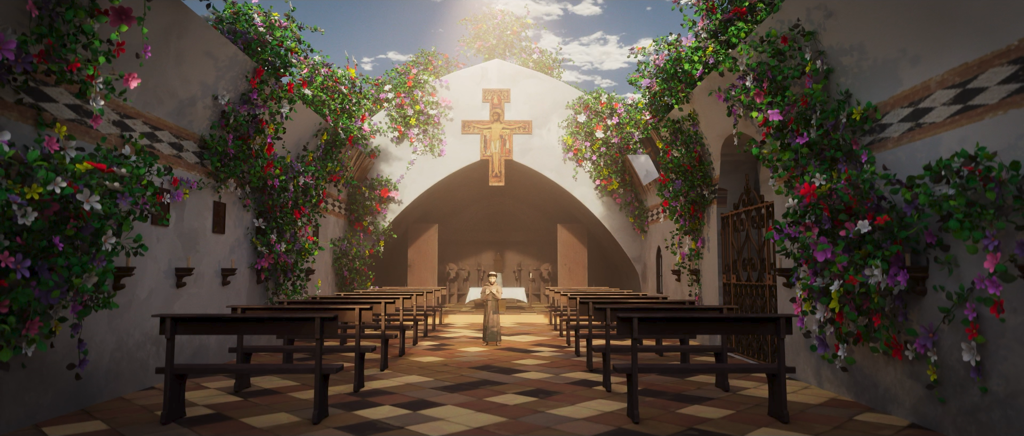
Director Benjamin Tanaka, executive producer Gabriel Patrick, and composer Ethan Hsu call the project “The Francis Chronicles.”


Using the James Webb Space Telescope, an international team of astronomers have discovered that dust and water can form and survive surprisingly close to the supermassive black hole at the center of our Milky Way galaxy.
Read More
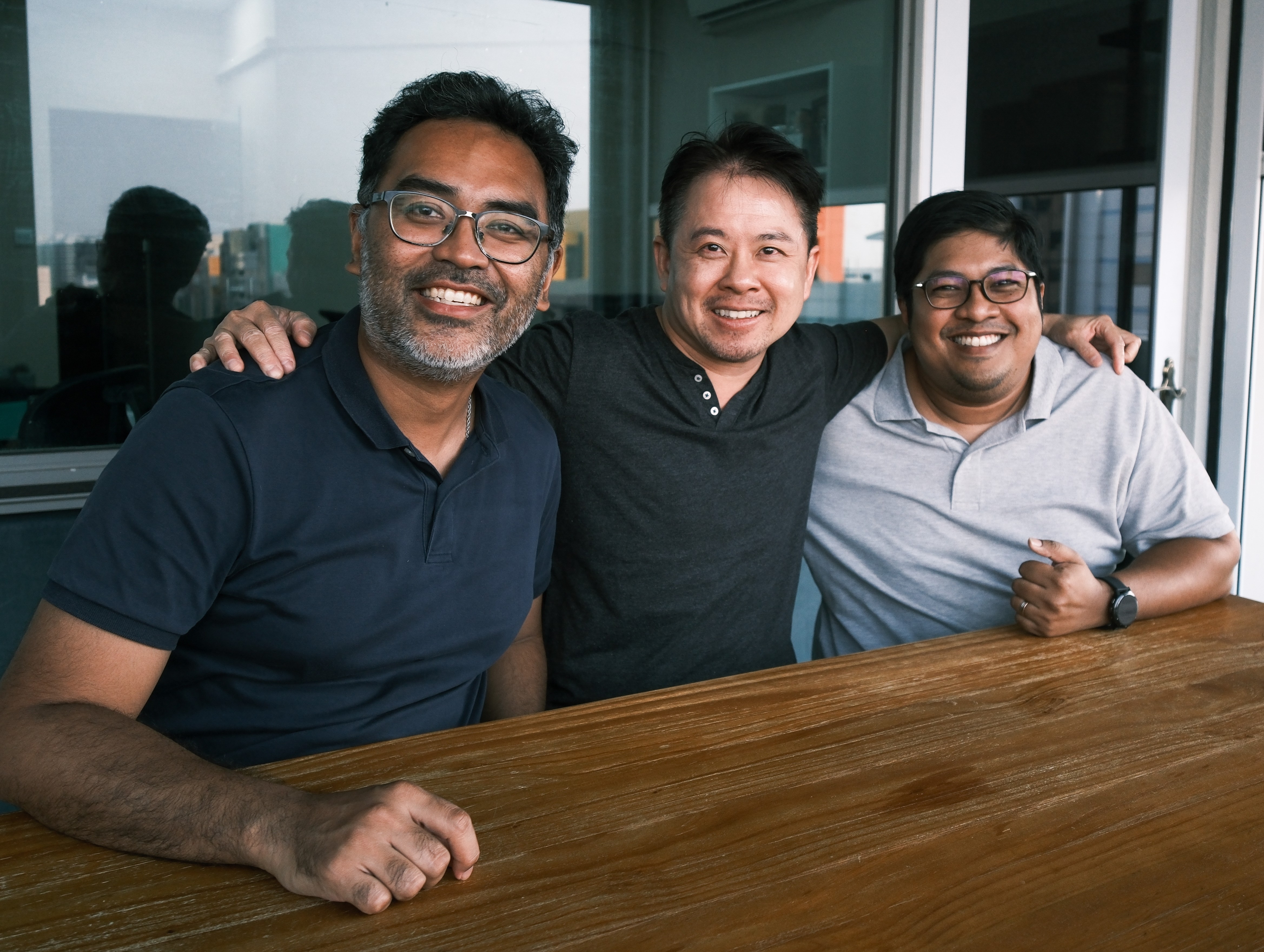
This past Sept. 7, the “Creed of the Ecclesial Base Communities” was included as part of a Mass marking Brazil’s annual “Cry of the Excluded” event.
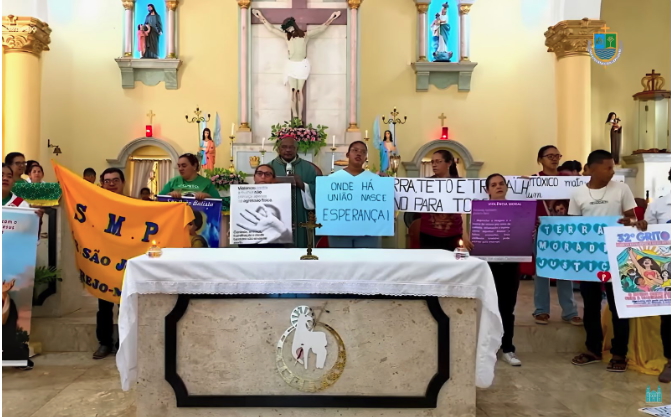

More than 3,000 people have joined a growing Catholic Bible study initiative in Lebanon as organizers launch more days and times throughout the country and beyond.
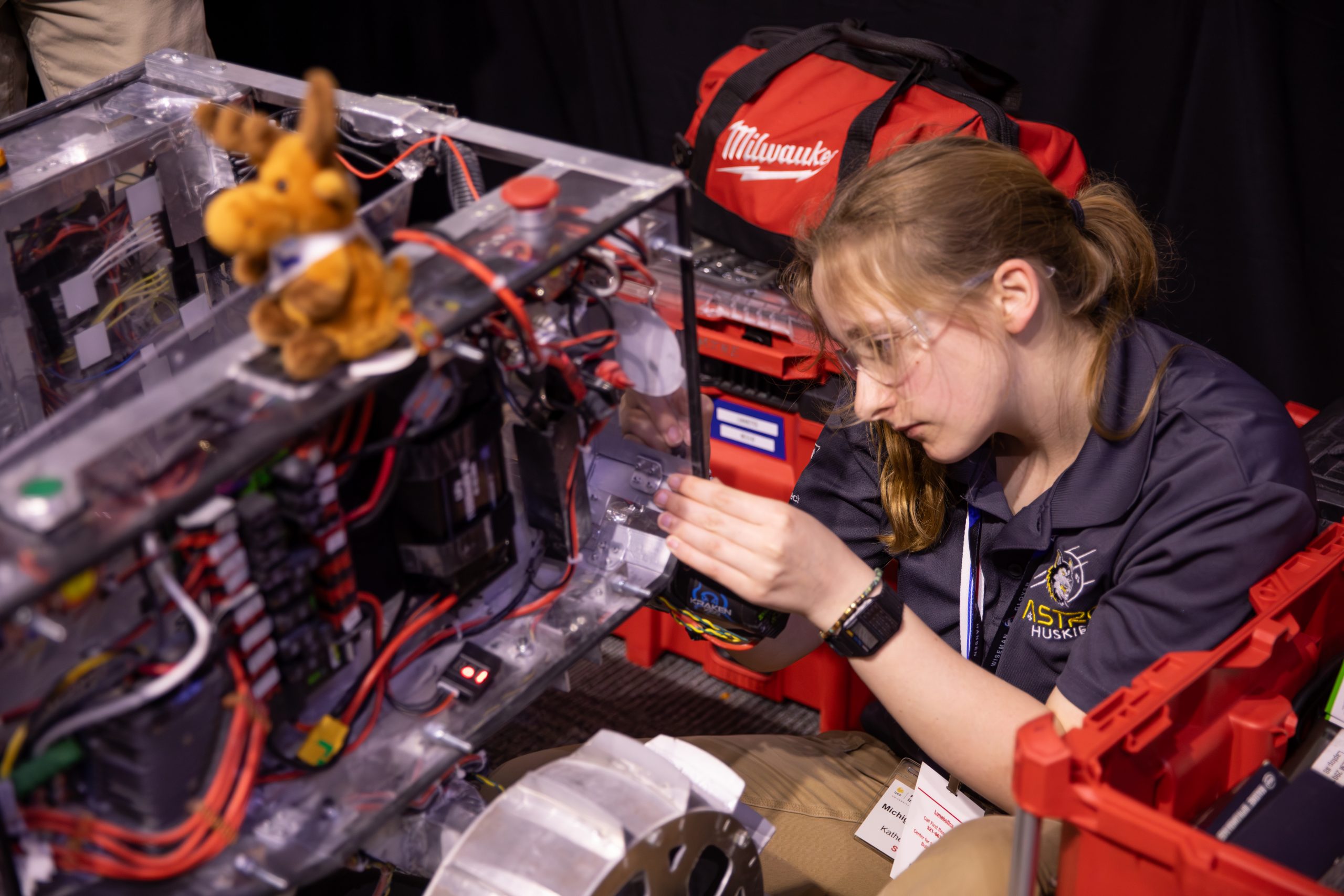
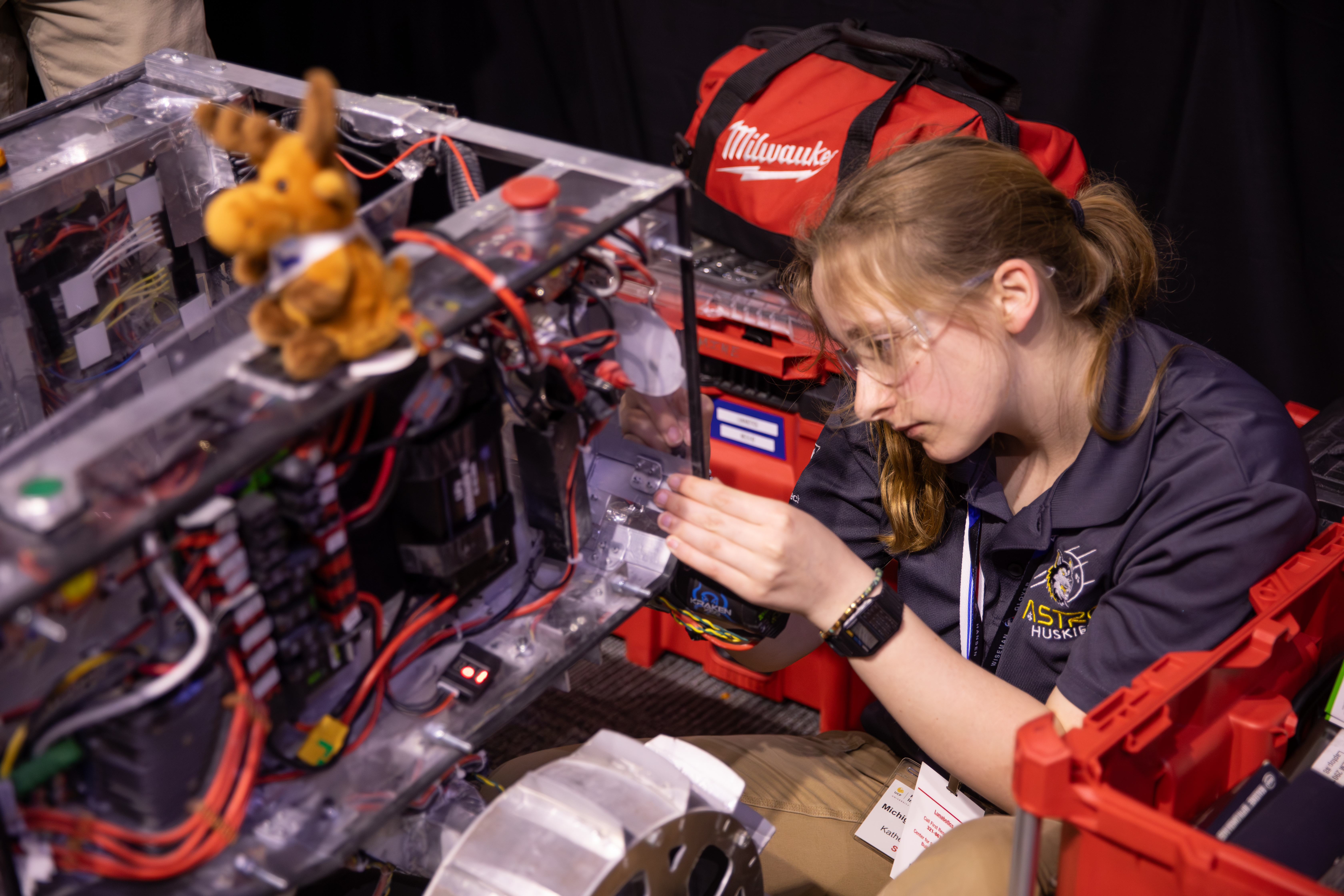
Katherine Rauscher, of Michigan Technological University, prepares her team’s prototype lunar robot for its turn during the finals for NASA’s 2026 Lunabotics Challenge competition on Tuesday, May 19, 2026, inside the Astronauts Memorial Foundation’s Center for Space Education at the Kennedy Space Center Visitor Complex in Florida. Forty-seven teams from around the U.S. designed and built remote-controlled robots capable of traversing challenging lunar terrain while constructing regolith-based berm under conditions similar to those the agency will face as it returns to the lunar surface through Artemis.
Read More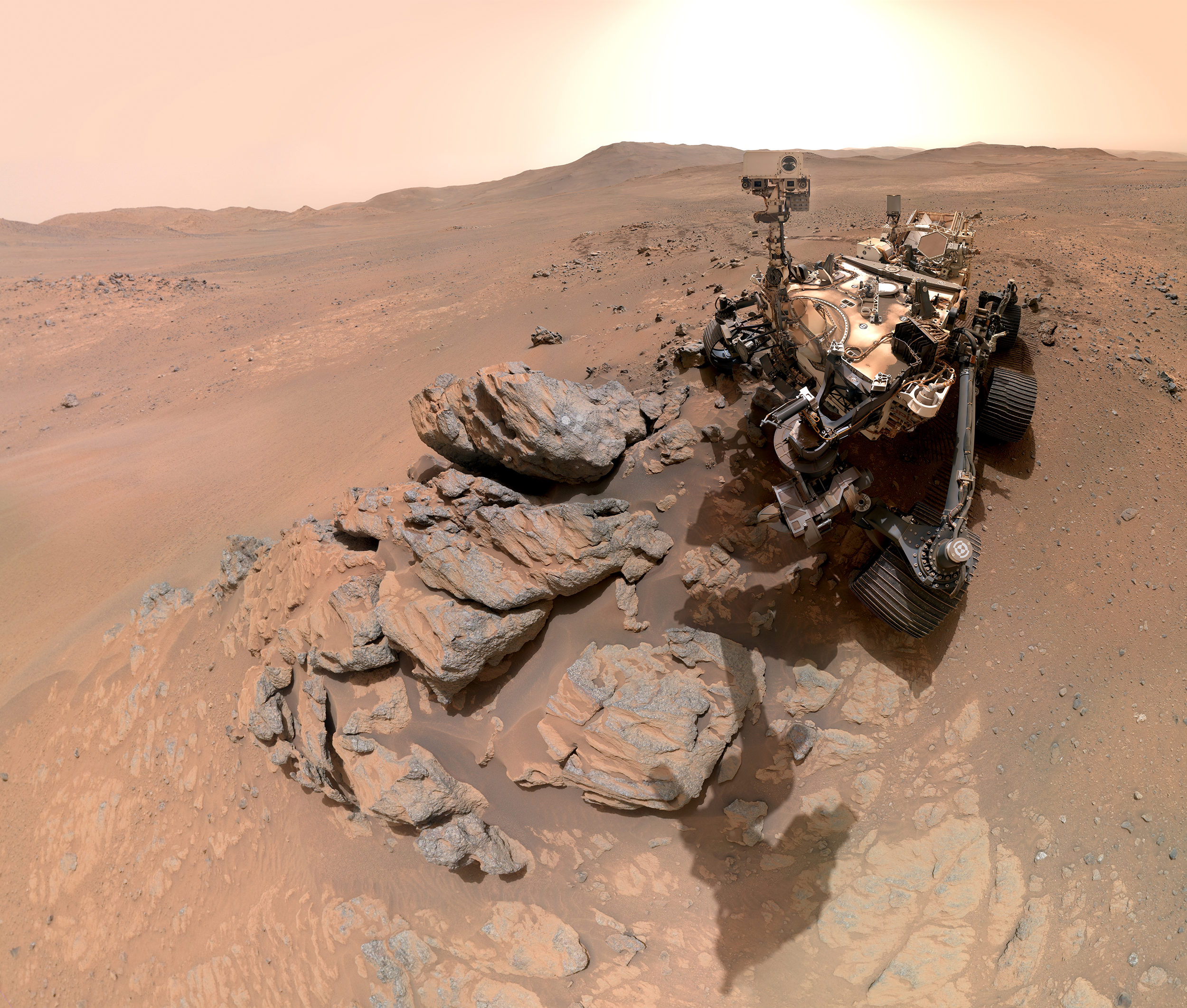
NASA’s Perseverance Mars rover recently took a self-portrait against a sweeping backdrop of ancient Martian terrain at a location the science team calls “Lac de Charmes.”
Read More| Picture of the day |
|---|

|
|
British Drift Championship driver Adam Simmons and his JZ-powered R33 visiting the Norfolk Arena Drift Team at Swaffham Raceway.
|
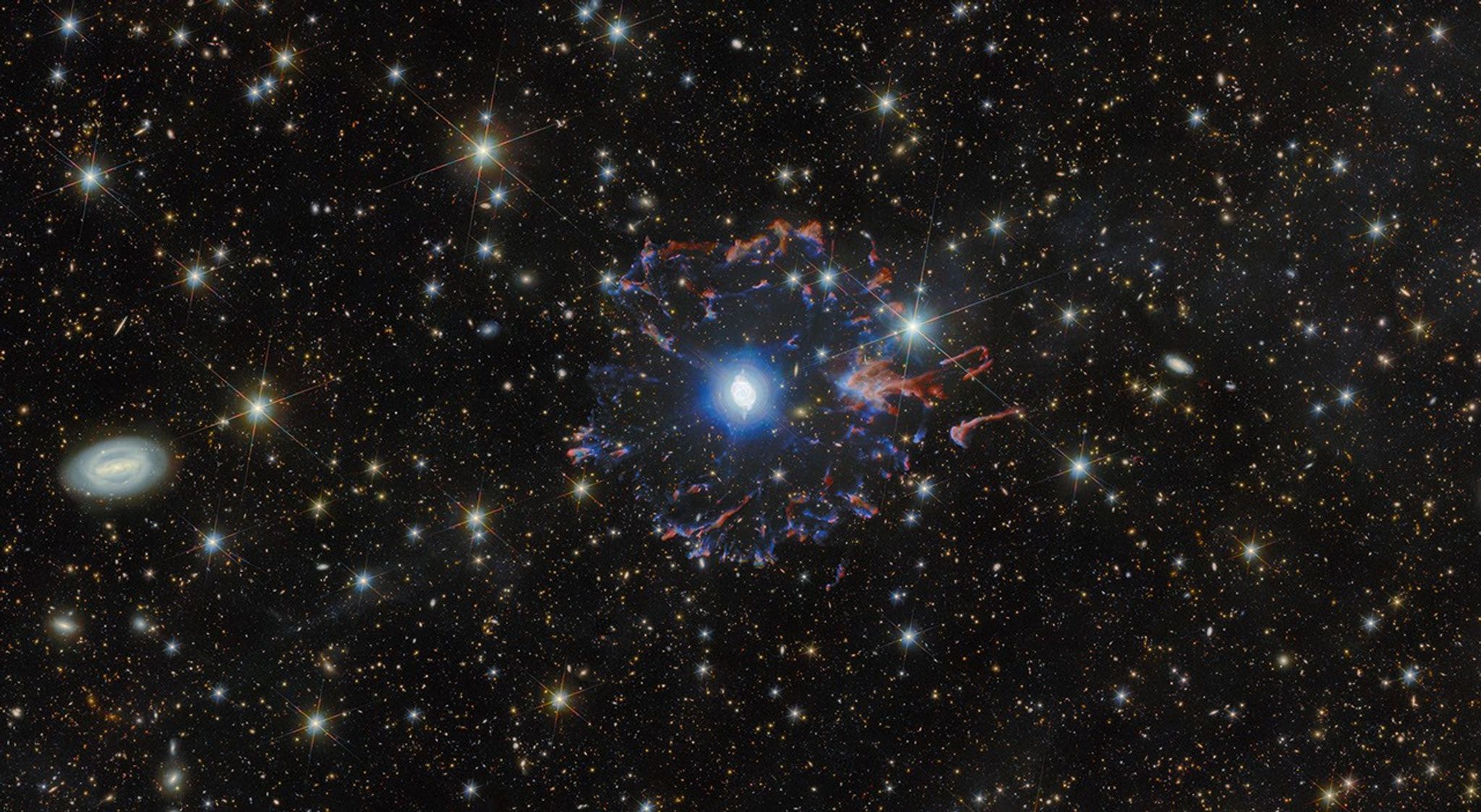
In Euclid’s wide, near-infrared, and visible light view, the arcs and filaments of the nebula’s bright central region are situated within a halo of colorful fragments of gas zooming away from the star. This ring was ejected from the star at an earlier stage, before the main nebula at the center formed. Hubble captures the very core of the billowing gas with high-resolution visible-light images, adding extra detail in the center of this image. The whole nebula stands out against a backdrop teeming with distant galaxies, demonstrating how local astrophysical beauty and the farthest reaches of the cosmos can be seen together in modern astronomical surveys. Together, these missions provide a rich and complementary view of NGC 6543 — revealing the delicate interplay between stellar end-of-life processes and the vast cosmic tapestry beyond.
Read More
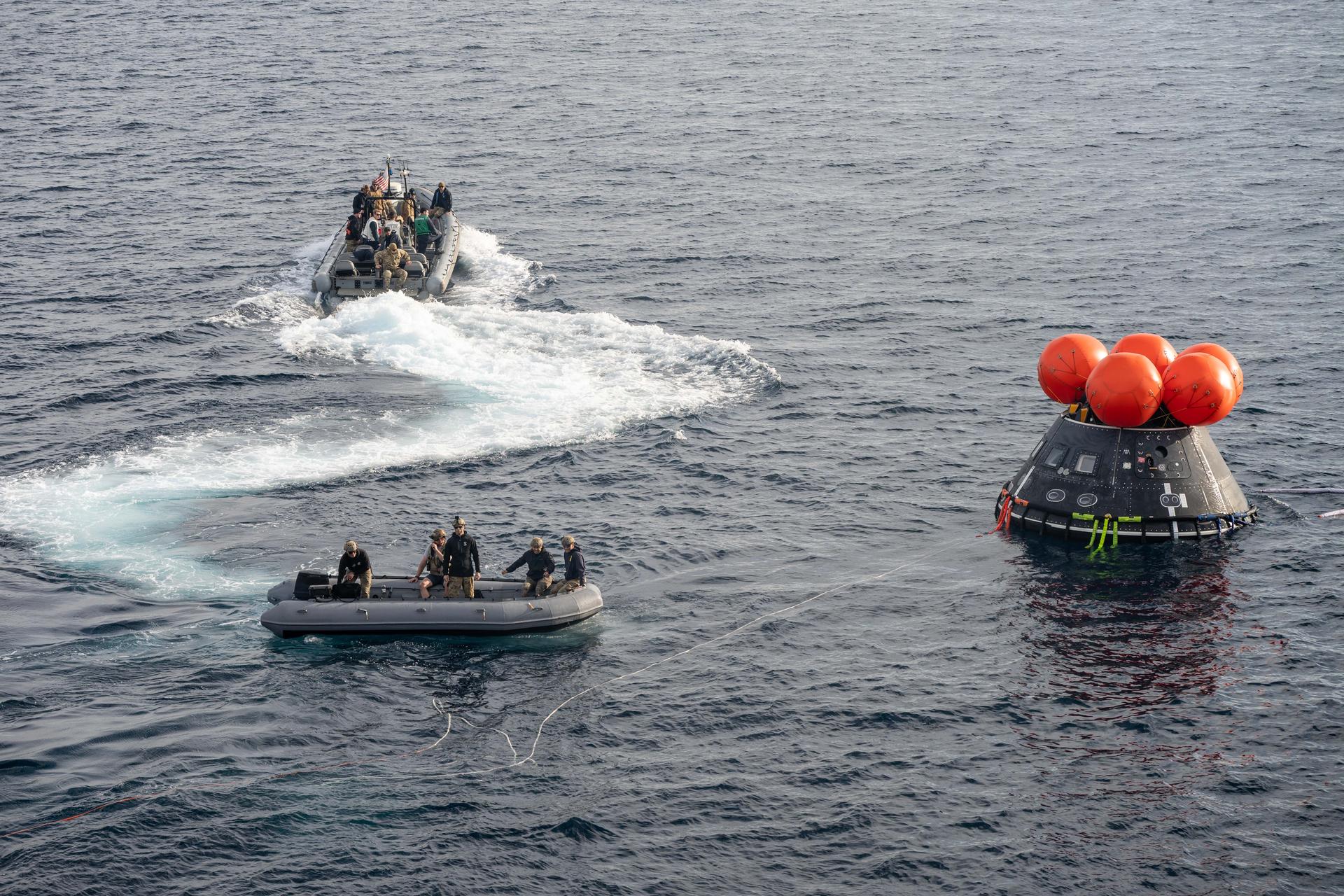
Off the coast of California, NASA’s Artemis Landing and Recovery team and the Department of War that will work together to retrieve the Artemis II crew and Orion spacecraft following their return to Earth and splashdown in the Pacific Ocean are performing a final simulation of their activities, called a just-in-time training, at sea on Tuesday, Jan. 27, 2026. During the training, teams use the Crew Module Test Article, a full-scale mockup of the Orion spacecraft, to simulate as close as possible the conditions they can expect to encounter during splashdown of the Artemis II mission.
Read More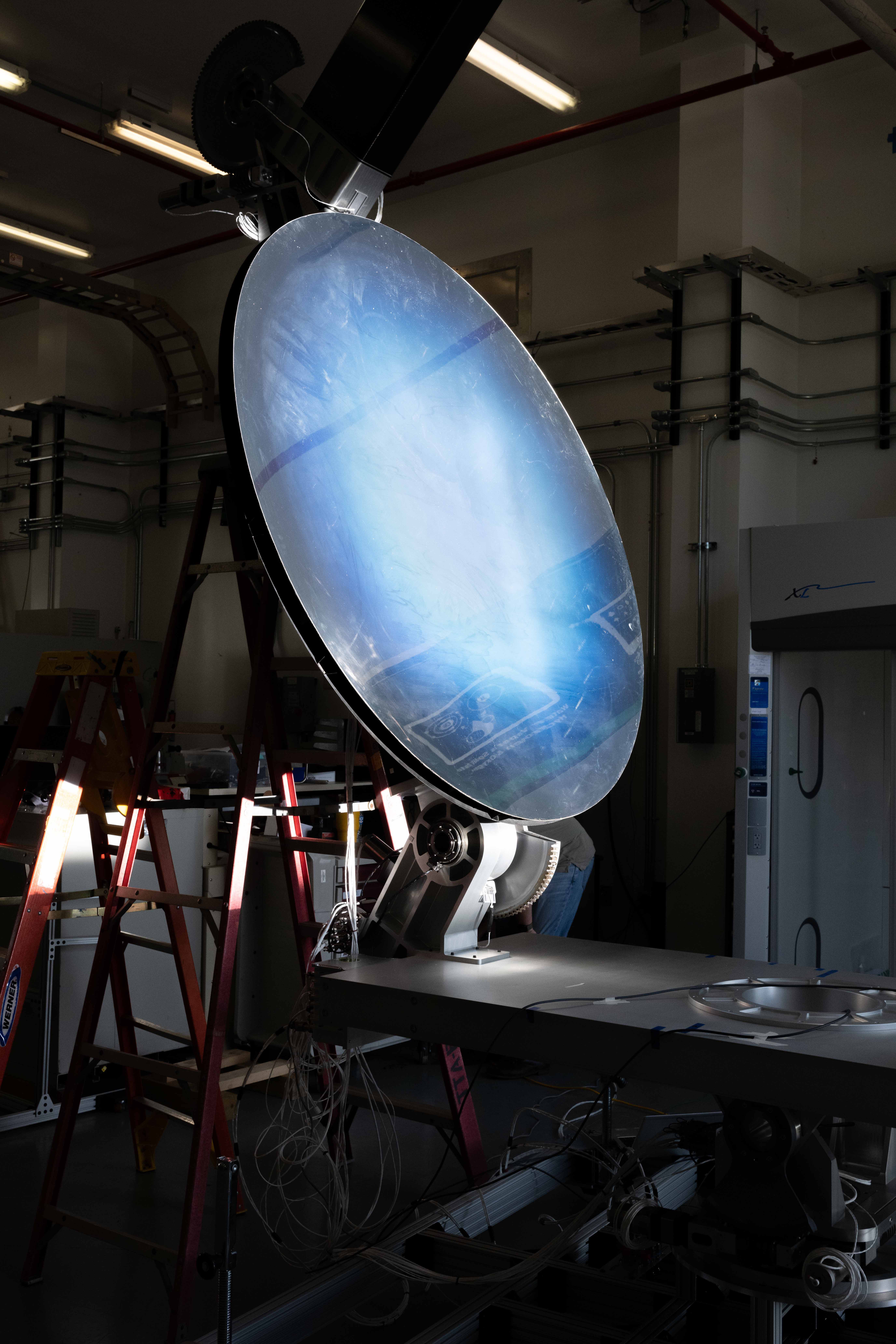
The Carbothermal Reduction Demonstration (CaRD) project aims to demonstrate the carbothermal reduction of lunar regolith to produce oxygen on the Moon’s South Pole. For this test, the team integrated the solar concentrator, mirrors, and software and confirmed the production of carbon monoxide.
Read More
For the first time, an international team of astronomers have mapped the vertical structure of Uranus’s upper atmosphere, uncovering how temperature and charged particles vary with height across the planet.
Read More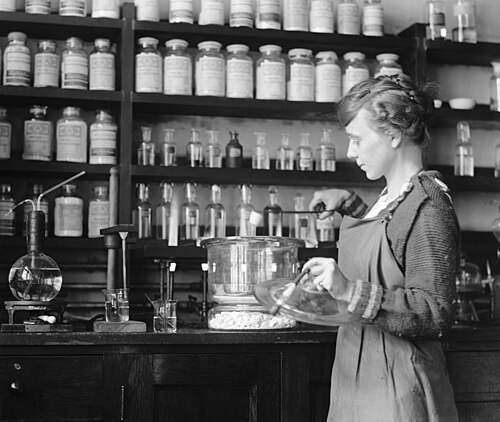
| Picture of the day |
|---|

|
|
Margaret D. Foster, seen in her lab. The original caption by the National Photo Company is “Miss Margaret D. Foster, Uncle Sam’s only woman chemist, Oct. 4/19” – that’s possibly a bit misleading, though she definitely was the first female chemist in the United States Geological Survey team.
|

| Picture of the day |
|---|

|
|
Explosive Ordnance Disposal 1st Class Christopher Courtney assigned to Explosive Ordnance Disposal Mobile Unit Six (EODMU-6), Det. 16 assists his team members during Special Purpose Insertion Extraction (SPIE) training from an SH-60 Seahawk helicopter. The Nimitz-class aircraft carrier USS Dwight D. Eisenhower (CVN-69) shown below the helicopter was launched on this day 50 years ago.
|