Video

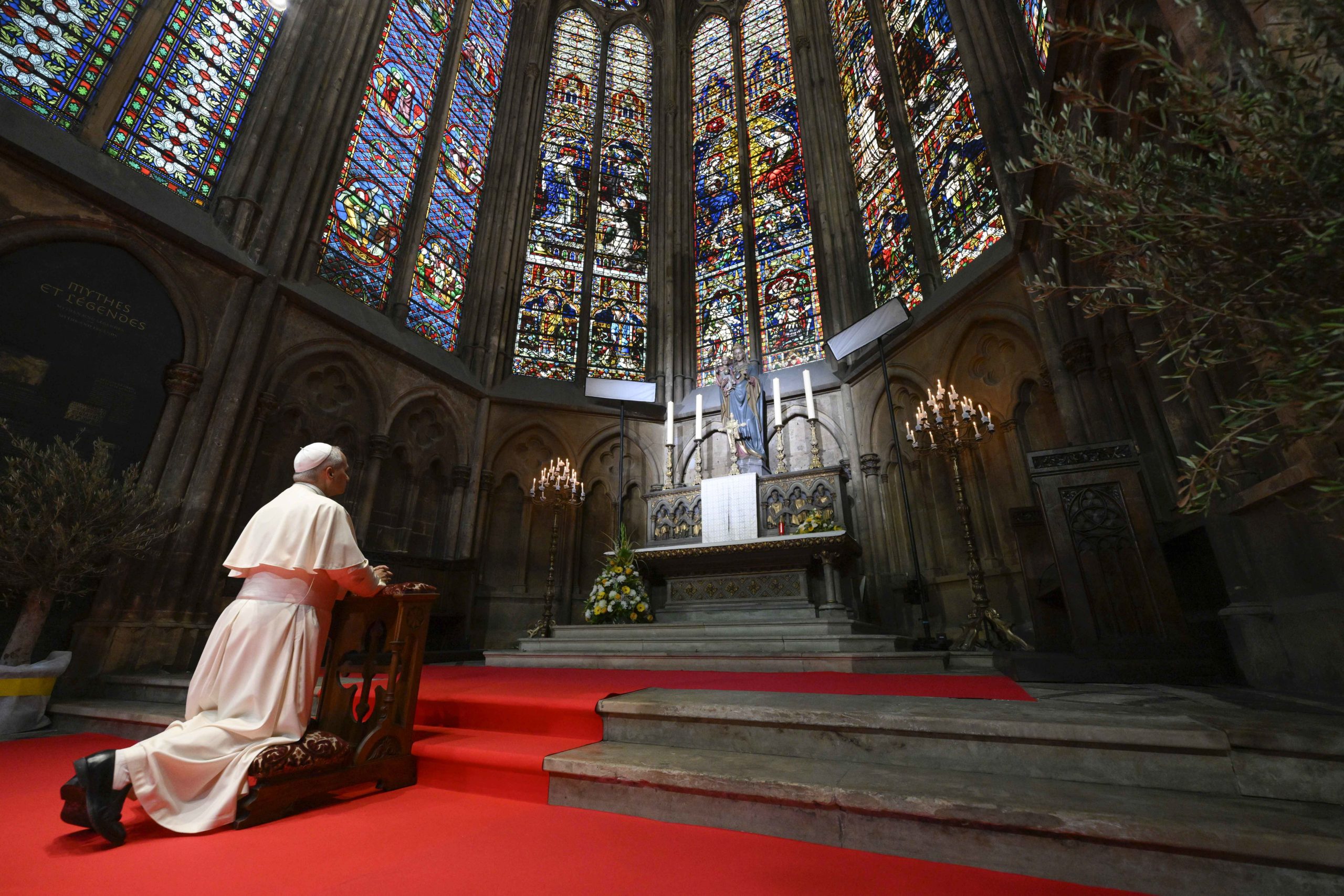
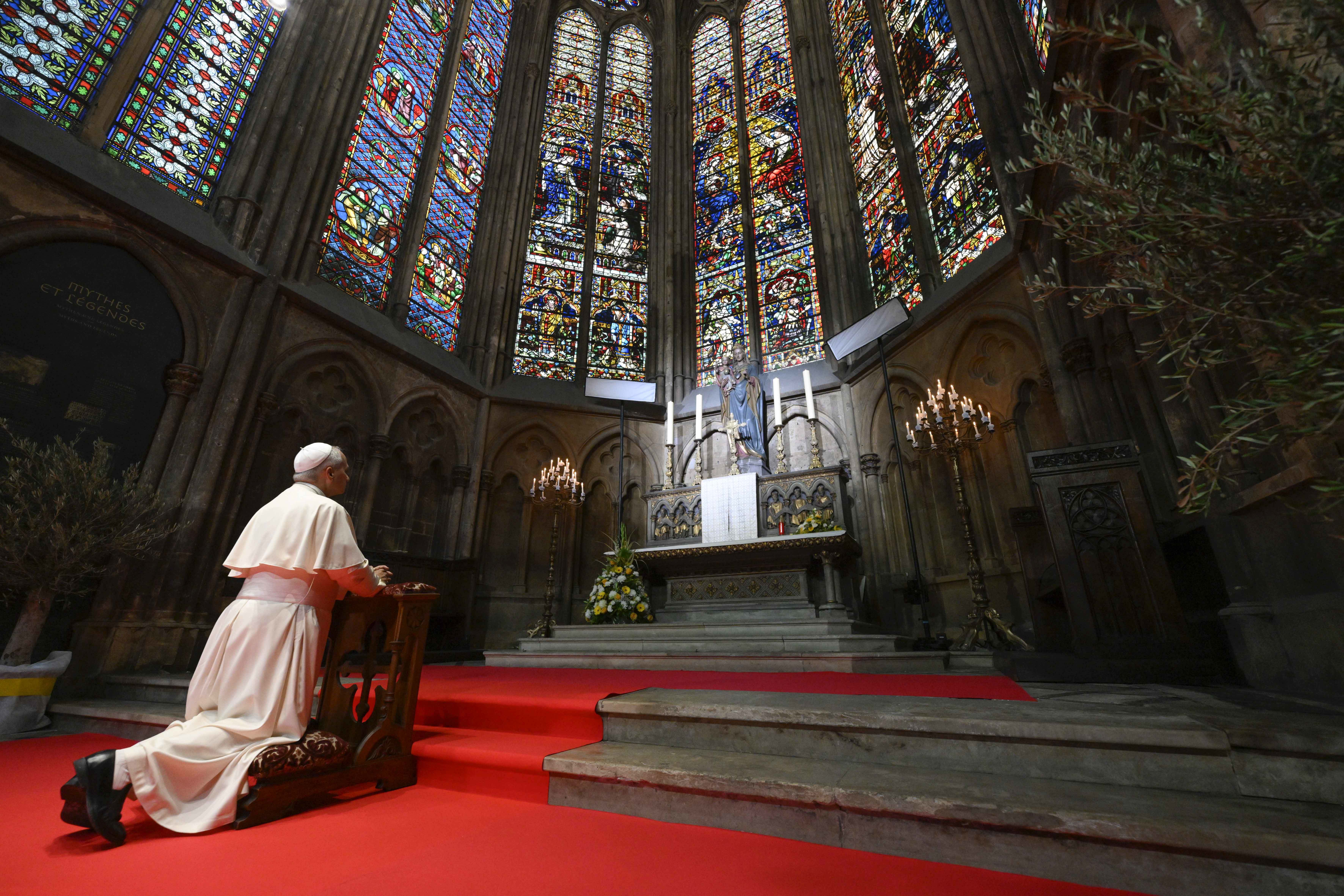
Pope Leo XIV praises U.S. Eucharistic pilgrims, highlights country’s ‘strong Eucharistic heritage’ #Catholic Pope Leo XIV on July 5 praised Eucharistic pilgrims in the U.S. for walking thousands of miles with Christ as part of a “great legacy of faith” amid the country’s 250th anniversary celebrations. The pilgrimage, which carried the theme “One Nation, Under God,” began in St. Augustine, Florida in May and went as far north as Portland, Maine, before turning south and finishing in Philadelphia.In a video message played at the concluding Mass at the Cathedral Basilica of Saints Peter and Paul, Leo XIV —  the first pope in Catholic Church history from the United States — said the pilgrimage, which traced a route through the original 13 colonies that rebelled against England in 1776, was “particularly appropriate” to commemorate the country’s 250th anniversary of its founding.The U.S., the pope said, “has been imbued with a sense of faith that recognizes God’s sovereignty even before its formal establishment.” The Holy Father cited a Mass of Thanksgiving held in 1583 in Saint Augustine, Florida, by Spanish explorers. “This historical event, accompanied by many others, attests to the strong, though largely unknown, Eucharistic heritage of the United States of America,” the pope said. “This heritage, far from being forgotten, must continue to serve as a source of both renewal and unity.”That history, the pope told the pilgrims, “has continued to bear fruit by leading new generations of American Catholics to Jesus Christ.” He also cited the examples of U.S. martyrs and U.S.-born saints, including St. Kateri Tekakwitha, St. Elizabeth Ann Seton, and St. Katharine Drexel.“The intense apostolic activity of these holy men and women, and others like them, would not have been possible without the strength they drew daily from moments of silent prayer before the tabernacle,” he said. The pope said the Eucharistic pilgrimage helps “carry on this great legacy of faith.” The Eucharist is “an invaluable gift,” he said, one that the Church in the U.S. will use to “find strength to carry on her charitable service to the wider society.” Leo urged the pilgrims to “place your lives under God’s loving providence as you return to your homes.” He also urged them to “cultivate a strong Eucharistic life among your families, friends, and communities.”After the U.S. pilgrimage began on Pentecost in St. Augustine — the site of the 1583 Thanksgiving Mass referenced by Pope Leo XIV — it worked its way up the Eastern Seaboard, stopping at multiple U.S. dioceses and holy sites.The route drew thousands of pilgrims in locations including Williamsburg, Virginia, Baltimore, and Boston. On June 6 the pilgrimage passed through the streets of Washington, D.C.Along the way the pilgrimage gave recognition to uniquely American aspects of Catholicism, such as the Georgia Martyrs, who are scheduled for beatification on Oct. 31.

Pope Leo XIV praises U.S. Eucharistic pilgrims, highlights country’s ‘strong Eucharistic heritage’ #Catholic Pope Leo XIV on July 5 praised Eucharistic pilgrims in the U.S. for walking thousands of miles with Christ as part of a “great legacy of faith” amid the country’s 250th anniversary celebrations. The pilgrimage, which carried the theme “One Nation, Under God,” began in St. Augustine, Florida in May and went as far north as Portland, Maine, before turning south and finishing in Philadelphia.In a video message played at the concluding Mass at the Cathedral Basilica of Saints Peter and Paul, Leo XIV —  the first pope in Catholic Church history from the United States — said the pilgrimage, which traced a route through the original 13 colonies that rebelled against England in 1776, was “particularly appropriate” to commemorate the country’s 250th anniversary of its founding.The U.S., the pope said, “has been imbued with a sense of faith that recognizes God’s sovereignty even before its formal establishment.” The Holy Father cited a Mass of Thanksgiving held in 1583 in Saint Augustine, Florida, by Spanish explorers. “This historical event, accompanied by many others, attests to the strong, though largely unknown, Eucharistic heritage of the United States of America,” the pope said. “This heritage, far from being forgotten, must continue to serve as a source of both renewal and unity.”That history, the pope told the pilgrims, “has continued to bear fruit by leading new generations of American Catholics to Jesus Christ.” He also cited the examples of U.S. martyrs and U.S.-born saints, including St. Kateri Tekakwitha, St. Elizabeth Ann Seton, and St. Katharine Drexel.“The intense apostolic activity of these holy men and women, and others like them, would not have been possible without the strength they drew daily from moments of silent prayer before the tabernacle,” he said. The pope said the Eucharistic pilgrimage helps “carry on this great legacy of faith.” The Eucharist is “an invaluable gift,” he said, one that the Church in the U.S. will use to “find strength to carry on her charitable service to the wider society.” Leo urged the pilgrims to “place your lives under God’s loving providence as you return to your homes.” He also urged them to “cultivate a strong Eucharistic life among your families, friends, and communities.”After the U.S. pilgrimage began on Pentecost in St. Augustine — the site of the 1583 Thanksgiving Mass referenced by Pope Leo XIV — it worked its way up the Eastern Seaboard, stopping at multiple U.S. dioceses and holy sites.The route drew thousands of pilgrims in locations including Williamsburg, Virginia, Baltimore, and Boston. On June 6 the pilgrimage passed through the streets of Washington, D.C.Along the way the pilgrimage gave recognition to uniquely American aspects of Catholicism, such as the Georgia Martyrs, who are scheduled for beatification on Oct. 31.

The Holy Father addressed pilgrims at the close of the 2026 National Eucharistic Pilgrimage, which concluded in Philadelphia on July 5.

Read More
Perpetual Eucharistic pilgrims reflect on ‘being with Christ 24/7’ as pilgrimage nears end #Catholic When John Paul Flynn, a rising junior at The Catholic University of America, decided to do mission work, he did not realize he would be doing it with Christ himself.Since May 24, Flynn has been part of a nine-person team taking the Blessed Sacrament across 18 dioceses as part of the National Eucharistic Pilgrimage, which will finish in Philadelphia on Sunday in celebration of the country’s 250th anniversary celebrations. Pope Leo XIV will deliver a video message prior to the closing Mass in the  Cathedral Basilica of Saints Peter and Paul. 
 
 Perpetual pilgrim John Paul Flynn. Photo credit: Simple Heart Photography in partnership with the National Eucharistic Congress.
 
 The 2026 pilgrimage is under the patronage of Saint Frances Xavier Cabrini, the first United States citizen to be canonized. During Pope Leo XIV’s visit to Pavia on June 20th, he venerated a relic of the heart of Saint Frances Xavier Cabrini brought from Codogno. The pope’s veneration of St. Frances’ relic occurred the same week that Flynn and his fellow perpetual pilgrims accompanied the Eucharist to a private retreat at the Mother Cabrini National Shrine in Manhattan, where the saint is buried.The procession crossed the Delaware River in homage to the route George Washington took during his iconic crossing there in 1776.Another highlight for Flynn was when the monstrance was lifted high in front of the Washington Monument. “I knew I wanted to do mission work. I saw an application, prayed about it, and applied to be a part of the team,” Flynn, a social media coordinator and photographer, told EWTN News. “I knew I wanted to use my talents for Christ. This is a special opportunity to be with Christ 24/7.”In this case, “24/7” means taking the Tabernacle by van in between pilgrimage stops and accompanying the Eucharist down city streets, country roads, even into retirement homes, and encountering people of “diverse communities,” he said. When Flynn and the team recently walked through Boston, including down the Freedom Trail, they were joined by some 3,000 fellow believers, the biggest showing on the pilgrimage yet.Pilgrim Raymond Martinez, II, a fourth-year seminarian at Conception Seminary College in Conception, Missouri, said the processions and the timing around the nation’s milestone made him reflect on the history of the Church in America, and how far Catholics had come from, being excluded from public office to being able to worship freely like they did this summer.
 
 Perpetual pilgrim Raymond Martinez. Photo credit: Simple Heart Photography in partnership with the National Eucharistic Congress.
 
 The closing events in Philadelphia on Independence Day weekend will draw pilgrims to two shrines that speak to the legacy of the Church in America: the tomb of St. Katharine Drexel, the first native-born United States citizen to be canonized, and the shrine of Saint John Neumann, the first canonized American bishop.Martinez and Flynn both said they encountered the occasional heckler as well as commuters annoyed by street closures, but overall, the reception in the processions was positive and conducive to evangelization. "If youʼve pulled off all these logistics, there must be divine help,“ they recalled an atheist telling them in Georgia.While Flynn managed social media, Martinez was tasked with missionary work from handing out prayer cards, t-shirts and food to homeless people watching from the sidelines to answering questions from curious bystanders who had never seen the Eucharist.Flynn and Martinez said that the response they received from non-Catholics — as well as those estranged from the Church — was worth the long days, many in extreme heat. One bystander told pilgrims he was Catholic but had never actually attended Mass. Another they encountered on a boardwalk explained he had been away from the Church for years but felt inspired to return.The pilgrimage will continue next year, with the goal of visiting all fifty states. The next National Eucharistic Congress will take place in 2029 and is still collecting prayer intentions from across the country and Holy Hour pledges as part of its goal of offering 250,000 Holy Hours in honor of the anniversary year.

Perpetual Eucharistic pilgrims reflect on ‘being with Christ 24/7’ as pilgrimage nears end #Catholic When John Paul Flynn, a rising junior at The Catholic University of America, decided to do mission work, he did not realize he would be doing it with Christ himself.Since May 24, Flynn has been part of a nine-person team taking the Blessed Sacrament across 18 dioceses as part of the National Eucharistic Pilgrimage, which will finish in Philadelphia on Sunday in celebration of the country’s 250th anniversary celebrations. Pope Leo XIV will deliver a video message prior to the closing Mass in the  Cathedral Basilica of Saints Peter and Paul. Perpetual pilgrim John Paul Flynn. Photo credit: Simple Heart Photography in partnership with the National Eucharistic Congress. The 2026 pilgrimage is under the patronage of Saint Frances Xavier Cabrini, the first United States citizen to be canonized. During Pope Leo XIV’s visit to Pavia on June 20th, he venerated a relic of the heart of Saint Frances Xavier Cabrini brought from Codogno. The pope’s veneration of St. Frances’ relic occurred the same week that Flynn and his fellow perpetual pilgrims accompanied the Eucharist to a private retreat at the Mother Cabrini National Shrine in Manhattan, where the saint is buried.The procession crossed the Delaware River in homage to the route George Washington took during his iconic crossing there in 1776.Another highlight for Flynn was when the monstrance was lifted high in front of the Washington Monument. “I knew I wanted to do mission work. I saw an application, prayed about it, and applied to be a part of the team,” Flynn, a social media coordinator and photographer, told EWTN News. “I knew I wanted to use my talents for Christ. This is a special opportunity to be with Christ 24/7.”In this case, “24/7” means taking the Tabernacle by van in between pilgrimage stops and accompanying the Eucharist down city streets, country roads, even into retirement homes, and encountering people of “diverse communities,” he said. When Flynn and the team recently walked through Boston, including down the Freedom Trail, they were joined by some 3,000 fellow believers, the biggest showing on the pilgrimage yet.Pilgrim Raymond Martinez, II, a fourth-year seminarian at Conception Seminary College in Conception, Missouri, said the processions and the timing around the nation’s milestone made him reflect on the history of the Church in America, and how far Catholics had come from, being excluded from public office to being able to worship freely like they did this summer. Perpetual pilgrim Raymond Martinez. Photo credit: Simple Heart Photography in partnership with the National Eucharistic Congress. The closing events in Philadelphia on Independence Day weekend will draw pilgrims to two shrines that speak to the legacy of the Church in America: the tomb of St. Katharine Drexel, the first native-born United States citizen to be canonized, and the shrine of Saint John Neumann, the first canonized American bishop.Martinez and Flynn both said they encountered the occasional heckler as well as commuters annoyed by street closures, but overall, the reception in the processions was positive and conducive to evangelization. "If youʼve pulled off all these logistics, there must be divine help,“ they recalled an atheist telling them in Georgia.While Flynn managed social media, Martinez was tasked with missionary work from handing out prayer cards, t-shirts and food to homeless people watching from the sidelines to answering questions from curious bystanders who had never seen the Eucharist.Flynn and Martinez said that the response they received from non-Catholics — as well as those estranged from the Church — was worth the long days, many in extreme heat. One bystander told pilgrims he was Catholic but had never actually attended Mass. Another they encountered on a boardwalk explained he had been away from the Church for years but felt inspired to return.The pilgrimage will continue next year, with the goal of visiting all fifty states. The next National Eucharistic Congress will take place in 2029 and is still collecting prayer intentions from across the country and Holy Hour pledges as part of its goal of offering 250,000 Holy Hours in honor of the anniversary year.

A nine-person team has taken the Blessed Sacrament across 18 dioceses as part of the National Eucharistic Pilgrimage, which will come to an end in Philadelphia on July 5.

Read More
Meet Fio: the Catholic alternative to Spotify aiming to bring faith to your playlists #Catholic For many Catholics, faith formation often competes with busy schedules and endless digital distractions. Fio, a Catholic audio streaming platform, hopes to change that by putting faith-filled content at listeners’ fingertips. Dubbed “the Catholic alternative to Spotify,” the platform offers a growing library of podcasts, audiobooks, and music, giving users a way to stay connected to their faith wherever life takes them.Currently, Fio is being used in over 100 countries, is host to over 100,000 hours of Catholic content, and has over 1,000 Catholic creators putting their work onto the platform. Will Hickl, co-founder of Fio, has been in the music industry for 15 years as a musician and founder of the Catholic record label Novum Records. During his career, he realized that secular platforms were not built for faith-based work — it was difficult to stand out, there was no fair compensation, and there was no community around it.With this in mind, Hickl, and co-founder Peter Buonincontro, launched Fio in 2023. The first version of the app hosted podcasts alone. The following year music was added, and the following year — thanks to a generous investor — the platform was able to host audiobooks and grow their collection of content. In an interview with EWTN News, Hickl shared that the platform’s “North Star” is the fact that he cares deeply about the artists and content creators.“We are a platform who, because we care, weʼre paying a penny per stream, which is already three to four times what Spotify pays,” he explained. “We want to offer better exposure and tooling. In fact, we already offer better exposure because a musician doesnʼt have to compete with 10 million other musicians. Thereʼs only maybe like 100, maybe 200 artists on the platform right now…thereʼs greater discoverability.”For creators, he hopes they would know that Fio “is the one that genuinely cares about them more than Apple or Spotify ever will.”
 
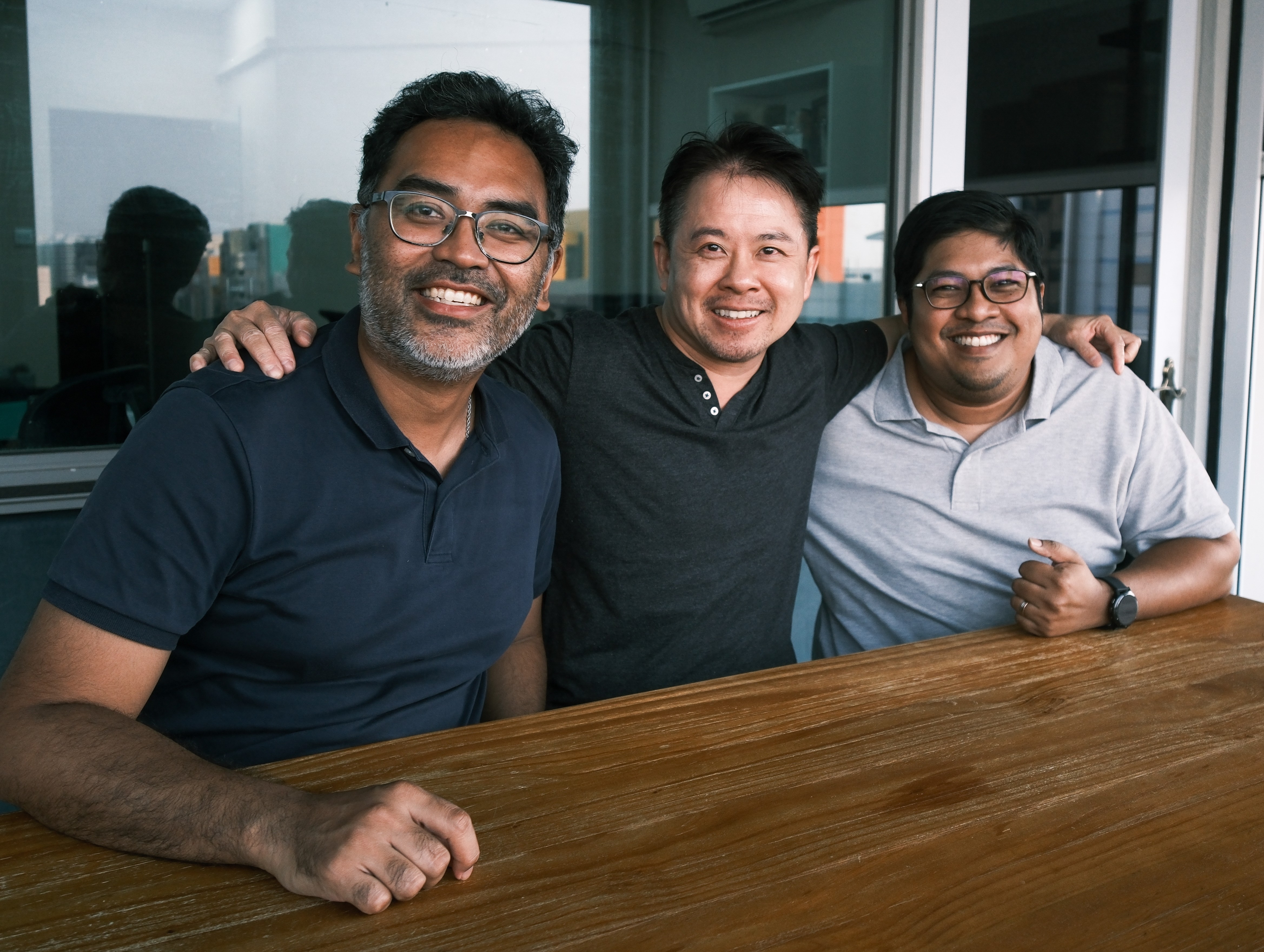
 From left to right: Will Hickl and Peter Buonincontro, founders of Fio. | Credit: Houston Dragna
 
 Currently, Fio offers three subscription levels for listeners — free, premium, and audiobooks +. While users who subscribe to the platform for free will have to listen to advertisements, Hickl pointed out that these ads “are reserved and curated for Catholic businesses, Catholic ministries, and then Catholic artists on the platform.”He also emphasized that these faith-based advertisements can also serve as a “cultural safeguard” so that parents who may be listening with children present don’t have to worry about inappropriate advertisements being played, as is the case with many secular platforms.Hickl explained that Fio aims to serve three different cohorts: Catholic creators, consumers, and businesses.“We are an artist first platform. We want to give you the best exposure, the best economics than any other platform,” he said. “For consumers, we want to give you greater choice, a better experience in terms of what you find, what your kids are exposed to. The third would be Catholic businesses who canʼt target based on religion on Facebook or Google or YouTube or anything like that. So weʼre offering a greater targeting mechanism, greater value in that regard.”For those seeking to have their content on Fio, they must go through a submission and review process. Before their content is accepted, creators must affirm that they are practicing Catholics who accept the teachings of the Church. They must also verify that their work was not primarily created by artificial intelligence. Lastly, each creator goes through a manual review process by the Fio team before their work is allowed to be on the platform.Looking to the future, the team at Fio is working on creating original content for the platform as well as being able to host video podcasts and music videos. Additionally, they are working to give Fio a more “liturgical feel.” For example, if there’s an important saint’s feast day, Fio would make suggestions to listeners of a podcast that talks about the saint or a song inspired by the saint.Hickl hopes that one day more artists will “be more excited about sharing their Fio link than the Spotify link.”He added that he hopes Catholics “would know I can trust this platform, it can and should be a part of my every day, because thereʼs so much treasure to discover.”“Thatʼs something I say a lot, which is that the Church has an immense amount of treasure and we just donʼt know about it. And so I want people to know the treasure is here and Fio is a place where itʼs aggregated,” he said.

Meet Fio: the Catholic alternative to Spotify aiming to bring faith to your playlists #Catholic For many Catholics, faith formation often competes with busy schedules and endless digital distractions. Fio, a Catholic audio streaming platform, hopes to change that by putting faith-filled content at listeners’ fingertips. Dubbed “the Catholic alternative to Spotify,” the platform offers a growing library of podcasts, audiobooks, and music, giving users a way to stay connected to their faith wherever life takes them.Currently, Fio is being used in over 100 countries, is host to over 100,000 hours of Catholic content, and has over 1,000 Catholic creators putting their work onto the platform. Will Hickl, co-founder of Fio, has been in the music industry for 15 years as a musician and founder of the Catholic record label Novum Records. During his career, he realized that secular platforms were not built for faith-based work — it was difficult to stand out, there was no fair compensation, and there was no community around it.With this in mind, Hickl, and co-founder Peter Buonincontro, launched Fio in 2023. The first version of the app hosted podcasts alone. The following year music was added, and the following year — thanks to a generous investor — the platform was able to host audiobooks and grow their collection of content. In an interview with EWTN News, Hickl shared that the platform’s “North Star” is the fact that he cares deeply about the artists and content creators.“We are a platform who, because we care, weʼre paying a penny per stream, which is already three to four times what Spotify pays,” he explained. “We want to offer better exposure and tooling. In fact, we already offer better exposure because a musician doesnʼt have to compete with 10 million other musicians. Thereʼs only maybe like 100, maybe 200 artists on the platform right now…thereʼs greater discoverability.”For creators, he hopes they would know that Fio “is the one that genuinely cares about them more than Apple or Spotify ever will.” From left to right: Will Hickl and Peter Buonincontro, founders of Fio. | Credit: Houston Dragna Currently, Fio offers three subscription levels for listeners — free, premium, and audiobooks +. While users who subscribe to the platform for free will have to listen to advertisements, Hickl pointed out that these ads “are reserved and curated for Catholic businesses, Catholic ministries, and then Catholic artists on the platform.”He also emphasized that these faith-based advertisements can also serve as a “cultural safeguard” so that parents who may be listening with children present don’t have to worry about inappropriate advertisements being played, as is the case with many secular platforms.Hickl explained that Fio aims to serve three different cohorts: Catholic creators, consumers, and businesses.“We are an artist first platform. We want to give you the best exposure, the best economics than any other platform,” he said. “For consumers, we want to give you greater choice, a better experience in terms of what you find, what your kids are exposed to. The third would be Catholic businesses who canʼt target based on religion on Facebook or Google or YouTube or anything like that. So weʼre offering a greater targeting mechanism, greater value in that regard.”For those seeking to have their content on Fio, they must go through a submission and review process. Before their content is accepted, creators must affirm that they are practicing Catholics who accept the teachings of the Church. They must also verify that their work was not primarily created by artificial intelligence. Lastly, each creator goes through a manual review process by the Fio team before their work is allowed to be on the platform.Looking to the future, the team at Fio is working on creating original content for the platform as well as being able to host video podcasts and music videos. Additionally, they are working to give Fio a more “liturgical feel.” For example, if there’s an important saint’s feast day, Fio would make suggestions to listeners of a podcast that talks about the saint or a song inspired by the saint.Hickl hopes that one day more artists will “be more excited about sharing their Fio link than the Spotify link.”He added that he hopes Catholics “would know I can trust this platform, it can and should be a part of my every day, because thereʼs so much treasure to discover.”“Thatʼs something I say a lot, which is that the Church has an immense amount of treasure and we just donʼt know about it. And so I want people to know the treasure is here and Fio is a place where itʼs aggregated,” he said.

Currently, Fio is being used in over 100 countries, is host to over 100,000 hours of Catholic content, and has over 1,000 Catholic creators putting their work on the platform.

Read More
Michigan diocese celebrates new priests after ordinations moved out of cathedral #Catholic ANN ARBOR, Michigan — Bishop Earl Boyea of Lansing, Michigan, ordained four men to the priesthood on June 6 at St. Thomas Aquinas Parish in East Lansing after the crowd was too big for St. Mary’s Cathedral, the mother church of the diocese. In the packed church, Boyea told the ordinands: “You have been spending years being with Jesus. He’s calling you as he called those 12 so many centuries ago. Today, as you are consecrated by the Church for a sacred ministry, consecrate yourselves to drink the cup which the Lord gives and take in the word which the Spirit is providing. Though weak vessels that we are, we will not let that prevent us from following the calling we have received.”Now 75 and due to retire from his duties in Lansing, Boyea has ordained 45 priests during his 18 years of leadership of the diocese in Michigan’s capital. The diocese, one of seven Latin-rite dioceses in Michigan, is currently sponsoring 29 seminarians, and last year’s ordination class was the largest in nearly 50 years.Fathers Joshua Bauer, Jacob Derry, Ryan Ferrigan, and Peter Randolph, ordained by Boyea, all attended Sacred Heart Major Seminary of the Detroit Archdiocese.
 
 Bishop Earl Boyea of Lansing, Michigan, washes the feet of one of the four men he ordained to the priesthood on June 6, 2026, at St. Thomas Aquinas Parish in East Lansing, Michigan. | Credit: Valerie Hendrickson
 
 Before their ordination, the men were interviewed on video, displaying the chalices they will use as priests.Ferrigan, 28, said his antique sacred vessel had been left behind at the now-shuttered St. Michael Parish church in Flint, Michigan, established more than 170 years ago. Inscribed on its base are the words of an anonymous donor: “In reparation from a friend of the Sacred Heart.”“You know, it’s a paradox because this chalice has a long history, and I don’t know who the priests are who used it in the past,” he said. “They offered the Holy Sacrifice using this vessel for over 100 years, and I get to continue faithfully offering the Mass and praying for the salvation of the world every day.”In his thanksgiving address to the congregation, Ferrigan said of his priesthood: “It’s all about the glory of God and the salvation of souls!”In an interview with EWTN News, the new priest said: “In being ordained, the palpable joy they could see in me was there because in ordination, I am seeing the purpose for which God created me coming to fruition. I have become what the Lord created me to be.”“The day of my ordination was the best day of my life. Lots of friends and family were there to support me. The Lord has blessed me and is very good to me. I’m still adjusting and realizing that I’m really a priest now and have the privilege of offering the Mass every day. This is my commission and what the Lord wants me to do for his praise and the salvation of the world. It is still sinking in,” he told EWTN News.
 
 From left to right: Fathers Peter Randolph, Ryan Ferrigan, Jacob Derry, and Joshua Bauer at their ordaination on June 6, 2026, in East Lansing, Michigan. | Credit: Valerie Hendrickson
 
 Ferrigan celebrated his first solo Mass that same day at St. Martha Parish in Okemos, near Lansing. He was able to distribute the Eucharist for the first time in both instances to his mother. He will serve at St. Thomas the Apostle Parish in Ann Arbor, which is close to the University of Michigan campus and known for its music and solemn liturgies.“I’m excited to be going there, and I expect to serve about three years at St. Thomas,” he said, adding: “I’m excited about learning to be a parish priest and diving into ministry. This is how the Lord wants me to feed his sheep.”Randolph, 27, reflected in the video about his journey to the altar, which has included profound loss. “The emphasis of this chalice upon the humanity of Christ and about receiving the chalice, and then living it out to the fullest extent, both in pain and suffering, and full self-abandonment and full self-emptying and glory, means a lot to me, because my [18-year-old] brother Xavier died less than a year ago. And the Lord has really promised me that he’s going to meet me in the place of my pain,” he said, adding: “He’s not going to leave me alone. But it’s going to come in my very broken humanity. In my humanity that is now broken in a particular way in grief.”
 
 Peter Randolph prepares for his ordination to the priesthood on June 6, 2026, in East Lansing, Michigan. | Credit: Valerie Hendrickson
 
 Randolph’s father and grandfather serve as deacons in the Lansing Diocese. At the July 2025 funeral for Xavier, hundreds of friends and parishioners of the close-knit Christ the King Parish in Ann Arbor were on hand to support the Randolph family with the same solidarity shown at Randolph’s ordination. He has been assigned to St. Patrick Parish in Brighton, Michigan, which is known for its healing services and charismatic liturgies.As Boyea consecrated Randolph, the newly ordained young man openly sobbed in the presence of his many friends and family members. “I want every day of my priesthood and every time that I offer Mass in this chalice, to be able to say, like, ‘Accipiam calicem,’ right, I accept the chalice,” Randolph vowed. Paraphrasing Matthew 26:42, Randolph said: “Father, I accept this chalice, and I will drink it to the dregs with your Son.”

Michigan diocese celebrates new priests after ordinations moved out of cathedral #Catholic ANN ARBOR, Michigan — Bishop Earl Boyea of Lansing, Michigan, ordained four men to the priesthood on June 6 at St. Thomas Aquinas Parish in East Lansing after the crowd was too big for St. Mary’s Cathedral, the mother church of the diocese. In the packed church, Boyea told the ordinands: “You have been spending years being with Jesus. He’s calling you as he called those 12 so many centuries ago. Today, as you are consecrated by the Church for a sacred ministry, consecrate yourselves to drink the cup which the Lord gives and take in the word which the Spirit is providing. Though weak vessels that we are, we will not let that prevent us from following the calling we have received.”Now 75 and due to retire from his duties in Lansing, Boyea has ordained 45 priests during his 18 years of leadership of the diocese in Michigan’s capital. The diocese, one of seven Latin-rite dioceses in Michigan, is currently sponsoring 29 seminarians, and last year’s ordination class was the largest in nearly 50 years.Fathers Joshua Bauer, Jacob Derry, Ryan Ferrigan, and Peter Randolph, ordained by Boyea, all attended Sacred Heart Major Seminary of the Detroit Archdiocese. Bishop Earl Boyea of Lansing, Michigan, washes the feet of one of the four men he ordained to the priesthood on June 6, 2026, at St. Thomas Aquinas Parish in East Lansing, Michigan. | Credit: Valerie Hendrickson Before their ordination, the men were interviewed on video, displaying the chalices they will use as priests.Ferrigan, 28, said his antique sacred vessel had been left behind at the now-shuttered St. Michael Parish church in Flint, Michigan, established more than 170 years ago. Inscribed on its base are the words of an anonymous donor: “In reparation from a friend of the Sacred Heart.”“You know, it’s a paradox because this chalice has a long history, and I don’t know who the priests are who used it in the past,” he said. “They offered the Holy Sacrifice using this vessel for over 100 years, and I get to continue faithfully offering the Mass and praying for the salvation of the world every day.”In his thanksgiving address to the congregation, Ferrigan said of his priesthood: “It’s all about the glory of God and the salvation of souls!”In an interview with EWTN News, the new priest said: “In being ordained, the palpable joy they could see in me was there because in ordination, I am seeing the purpose for which God created me coming to fruition. I have become what the Lord created me to be.”“The day of my ordination was the best day of my life. Lots of friends and family were there to support me. The Lord has blessed me and is very good to me. I’m still adjusting and realizing that I’m really a priest now and have the privilege of offering the Mass every day. This is my commission and what the Lord wants me to do for his praise and the salvation of the world. It is still sinking in,” he told EWTN News. From left to right: Fathers Peter Randolph, Ryan Ferrigan, Jacob Derry, and Joshua Bauer at their ordaination on June 6, 2026, in East Lansing, Michigan. | Credit: Valerie Hendrickson Ferrigan celebrated his first solo Mass that same day at St. Martha Parish in Okemos, near Lansing. He was able to distribute the Eucharist for the first time in both instances to his mother. He will serve at St. Thomas the Apostle Parish in Ann Arbor, which is close to the University of Michigan campus and known for its music and solemn liturgies.“I’m excited to be going there, and I expect to serve about three years at St. Thomas,” he said, adding: “I’m excited about learning to be a parish priest and diving into ministry. This is how the Lord wants me to feed his sheep.”Randolph, 27, reflected in the video about his journey to the altar, which has included profound loss. “The emphasis of this chalice upon the humanity of Christ and about receiving the chalice, and then living it out to the fullest extent, both in pain and suffering, and full self-abandonment and full self-emptying and glory, means a lot to me, because my [18-year-old] brother Xavier died less than a year ago. And the Lord has really promised me that he’s going to meet me in the place of my pain,” he said, adding: “He’s not going to leave me alone. But it’s going to come in my very broken humanity. In my humanity that is now broken in a particular way in grief.” Peter Randolph prepares for his ordination to the priesthood on June 6, 2026, in East Lansing, Michigan. | Credit: Valerie Hendrickson Randolph’s father and grandfather serve as deacons in the Lansing Diocese. At the July 2025 funeral for Xavier, hundreds of friends and parishioners of the close-knit Christ the King Parish in Ann Arbor were on hand to support the Randolph family with the same solidarity shown at Randolph’s ordination. He has been assigned to St. Patrick Parish in Brighton, Michigan, which is known for its healing services and charismatic liturgies.As Boyea consecrated Randolph, the newly ordained young man openly sobbed in the presence of his many friends and family members. “I want every day of my priesthood and every time that I offer Mass in this chalice, to be able to say, like, ‘Accipiam calicem,’ right, I accept the chalice,” Randolph vowed. Paraphrasing Matthew 26:42, Randolph said: “Father, I accept this chalice, and I will drink it to the dregs with your Son.”

Bishop Earl Boyea ordained four new priests at a local Lansing parish, urging them to “drink the cup which the Lord gives” as they begin their ministry.

Read More
Pope Leo XIV prayed with this young man’s rosary in Barcelona — and gave it back #Catholic Sergi, a young Catalan man, was surprised by an encounter with Pope Leo XIV in Spain on June 10 he will never forget.During the pope’s visit to the Shrine of Our Lady of Montserrat, an abbey northwest of Barcelona, Sergi handed Leo his rosary. The pontiff slipped it into his pocket before using it minutes later to pray.Unexpectedly, the story did not end there — after the event, Sergi managed to recover his prized sacramental, now prayed with by the pope.Sergi (who asked that his last name not be shared) told EWTN News he had not planned to go to the shrine on the day of the papal visit. He is from Terrassa, a city between Barcelona and Montserrat.The invitation to go to the popeʼs prayer came unexpectedly through a volunteer with the Missionaries of Charity, connected to his youth group, who encouraged both him and his girlfriend, María, to join the gathering. The night before, they attended the pope’s event at the Olympic Stadium in Barcelona and returned so tired that they almost decided not to go again.However, they felt they could not miss the chance to see Pope Leo during his visit to their homeland, and in order to attend they both had to take the day off from work. They never imagined what would happen or the gift they would receive.Sergi, María, and their friend secured a spot in the atrium of the basilica, and when the pope arrived, Sergi managed to get very close to the mini-popemobile as it passed by. At that moment he took out his rosary, hoping it would be blessed.“I just wanted him to bless it, that’s all, but he asked me, ‘Is it for me?’ And I’m not going to say no, so of course I said yes, and he kept it,” the young man said.Indeed, in a video recorded by EWTN News, the pope can be seen taking the rosary and putting it in his pocket. A few minutes later, to the young couple’s total surprise, they saw the pope praying with Sergi’s rosary in his hands.“When we saw it on the screen, we realized it was the same one he was using to pray!” Sergi said.
 
 Pope Leo XIV prays with a simple, wooden rosary during a prayer at the Abbey of Our Lady of Montserrat, northwest of Barcelona, Spain, on June 10, 2026. The rosary belongs to Sergi, a young Catalan man who gave it to the pope to be blessed. | Credit: Vatican Media.
 
 But the story did not end there. María had the idea of trying to get the rosary back, and when the event ended, they tried. However, the pope was already in the official car, and the security caravan would not allow anyone to approach.“We tried to tell him, but he just passed us by,” Sergi told EWTN News.At that moment, the run of his life began. Montserrat, as its name suggests, is set on a mountain range, so he had to run downhill.“I ran the whole way down until I said, ‘Well, let the pope keep it,’ and I gave up, but my girlfriend told me, ‘Keep trying.’”So Sergi started running again, sprinting and shouting to the pope to give it back. Knowing the caravan could not stop, he took an extreme measure: asking the pope to throw it to him.“At that moment I wasn’t thinking — I just knew I wanted to get the rosary back, knowing the pope had prayed with it. I was overwhelmed with excitement by the moment and the situation.”The pope granted his request, tossing the rosary from the car window as he drove by. Then, with the help of a police officer, Sergi recovered his rosary, now prayed with by the pope.“We went without expecting anything, and we came back with the greatest gift we could have received,” the young man said, still moved by the experience.This story was first published by ACI Prensa, EWTN News' Spanish sister service. It has been translated and adapted by EWTN News English.

Pope Leo XIV prayed with this young man’s rosary in Barcelona — and gave it back #Catholic Sergi, a young Catalan man, was surprised by an encounter with Pope Leo XIV in Spain on June 10 he will never forget.During the pope’s visit to the Shrine of Our Lady of Montserrat, an abbey northwest of Barcelona, Sergi handed Leo his rosary. The pontiff slipped it into his pocket before using it minutes later to pray.Unexpectedly, the story did not end there — after the event, Sergi managed to recover his prized sacramental, now prayed with by the pope.Sergi (who asked that his last name not be shared) told EWTN News he had not planned to go to the shrine on the day of the papal visit. He is from Terrassa, a city between Barcelona and Montserrat.The invitation to go to the popeʼs prayer came unexpectedly through a volunteer with the Missionaries of Charity, connected to his youth group, who encouraged both him and his girlfriend, María, to join the gathering. The night before, they attended the pope’s event at the Olympic Stadium in Barcelona and returned so tired that they almost decided not to go again.However, they felt they could not miss the chance to see Pope Leo during his visit to their homeland, and in order to attend they both had to take the day off from work. They never imagined what would happen or the gift they would receive.Sergi, María, and their friend secured a spot in the atrium of the basilica, and when the pope arrived, Sergi managed to get very close to the mini-popemobile as it passed by. At that moment he took out his rosary, hoping it would be blessed.“I just wanted him to bless it, that’s all, but he asked me, ‘Is it for me?’ And I’m not going to say no, so of course I said yes, and he kept it,” the young man said.Indeed, in a video recorded by EWTN News, the pope can be seen taking the rosary and putting it in his pocket. A few minutes later, to the young couple’s total surprise, they saw the pope praying with Sergi’s rosary in his hands.“When we saw it on the screen, we realized it was the same one he was using to pray!” Sergi said. Pope Leo XIV prays with a simple, wooden rosary during a prayer at the Abbey of Our Lady of Montserrat, northwest of Barcelona, Spain, on June 10, 2026. The rosary belongs to Sergi, a young Catalan man who gave it to the pope to be blessed. | Credit: Vatican Media. But the story did not end there. María had the idea of trying to get the rosary back, and when the event ended, they tried. However, the pope was already in the official car, and the security caravan would not allow anyone to approach.“We tried to tell him, but he just passed us by,” Sergi told EWTN News.At that moment, the run of his life began. Montserrat, as its name suggests, is set on a mountain range, so he had to run downhill.“I ran the whole way down until I said, ‘Well, let the pope keep it,’ and I gave up, but my girlfriend told me, ‘Keep trying.’”So Sergi started running again, sprinting and shouting to the pope to give it back. Knowing the caravan could not stop, he took an extreme measure: asking the pope to throw it to him.“At that moment I wasn’t thinking — I just knew I wanted to get the rosary back, knowing the pope had prayed with it. I was overwhelmed with excitement by the moment and the situation.”The pope granted his request, tossing the rosary from the car window as he drove by. Then, with the help of a police officer, Sergi recovered his rosary, now prayed with by the pope.“We went without expecting anything, and we came back with the greatest gift we could have received,” the young man said, still moved by the experience.This story was first published by ACI Prensa, EWTN News' Spanish sister service. It has been translated and adapted by EWTN News English.

“We went without expecting anything, and we came back with the greatest gift we could have received,” Sergi told EWTN News.

Read More
Vatican elevates Philippine Padre Pio shrine to international status #Catholic The Vatican has elevated the National Shrine and Parish of St. Padre Pio in Batangas, Philippines, to the rank of an international shrine, making it only the second shrine in the Philippines to receive the designation from the Holy See.The decree was issued by the Dicastery for Evangelization on May 25, coinciding with the 139th anniversary of the birth of St. Pio of Pietrelcina (also known as Padre Pio), the Capuchin saint whose spirituality continues to attract millions of devotees worldwide.The recognition places the shrine among a select group of Catholic pilgrimage sites acknowledged by the universal Church for their exceptional spiritual significance and their capacity to welcome pilgrims from around the world.Archbishop Gilbert Garcera of Lipa, president of the Catholic Bishops' Conference of the Philippines (CBCP), announced the news in a video message posted on the shrineʼs official social media page.The archbishop said he personally received the official communication from Archbishop Charles John Brown, apostolic nuncio to the Philippines.“This recognition marks a historic milestone not only for the shrine and the Archdiocese of Lipa but also for the Church in the Philippines, as it becomes a place of pilgrimage and devotion with international significance,” Garcera said in a separate statement.The elevation follows the unanimous approval by the CBCP during its plenary assembly in July 2024, when the bishops endorsed the shrineʼs application and recommended it to the Holy See for international recognition.For Father Oscar L. Andal, rector and parish priest of the shrine, the designation represents both an honor and a mission.“This distinguished recognition is both a blessing and a responsibility,” Andal told EWTN News. “As an international shrine, we are called to welcome pilgrims from every corner of the world and continue sharing Padre Pioʼs message of prayer, trust in God, and love for humanity. We receive this honor with gratitude and humility, recognizing that it strengthens our commitment to serve the faithful and bring them closer to Christ,” he said.The priest also noted that the recognition deepens the spiritual bond between the Batangas shrine and the Sanctuary of St. Pio of Pietrelcina in San Giovanni Rotondo, Italy, where the saint spent much of his priestly ministry.A historic moment for the Philippine ChurchFather Reynante Tolentino, president of the Association of Catholic Shrines and Pilgrimages of the Philippines, described the declaration as a historic milestone not only for the Church in the Philippines but also for the entire nation.“The declaration of the National Shrine of St. Padre Pio in Batangas as an international shrine is a historic and tremendous blessing,” Tolentino said.
 
 The interior of the National Shrine and Parish of St. Padre Pio in Santo Tomas, Batangas, Philippines. | Credit: Photo courtesy of Father Oscar Andal, National Shrine of St. Padre Pio
 
 He noted that the shrine becomes the second international shrine in the Philippines and Southeast Asia after the International Shrine of Our Lady of Peace and Good Voyage in Antipolo. Tolentino was the rector of the Cathedral and National Shrine of Our Lady of Peace and Good Voyage in Antipolo, Rizal province, when it became the first national shrine in the Philippines and Southeast Asia to be elevated to international shrine status.For Tolentino, the Holy Seeʼs decision affirms the enduring devotion of Filipinos to the saint known for bearing the stigmata and for his ministry of spiritual and physical healing.“This is a clear affirmation and validation of the strong devotion of Batangueños and Filipinos in general to Padre Pio,” he said.“People continue to come because everyone seeks healing — not only physical healing but spiritual healing as well.”He emphasized that while the shrineʼs administrators and devotees supported the initiative from the beginning, the formal recommendation to Rome came through the collective discernment and approval of the CBCP.Tolentino also expressed hope that all shrines in the country — whether diocesan, national, or international — would continue to serve as centers of evangelization and places of refuge for those in need.From local devotion to international pilgrimage destinationThe history of the shrine is closely linked to the rapid growth of devotion to Padre Pio following his canonization by St. John Paul II in 2002.What began as a small chapel in Santo Tomas in 2003 gradually developed into a major pilgrimage center. It was declared an archdiocesan shrine in 2008 and elevated to national shrine status in 2015.Today, the shrine welcomes hundreds of thousands of pilgrims annually who seek healing, spiritual renewal, and a deeper encounter with Christ through the intercession of Padre Pio.The shrine houses first-class relics of the saint and has become known for its vibrant sacramental life, particularly the celebration of the Eucharist, the sacrament of reconciliation, healing Masses, and devotional activities.Every 23rd day of the month, commemorating the saintʼs death on Sept. 23, thousands gather for healing Masses and pastoral activities.The shrineʼs ministry has also extended beyond Philippine shores through pilgrimages and devotional missions in Thailand, Hong Kong, and Malaysia.According to Andal, the growth of the shrine has been made possible through the dedication of clergy, religious communities, benefactors, volunteers, and countless devotees whose support has enabled the expansion of its ministries while remaining faithful to its spiritual mission.Occupying more than 17 hectares (about 42 acres), the shrine continues to implement a long-term development plan aimed at creating a more prayerful and pilgrim-centered environment.A recognition of universal significanceThe title of international shrine is reserved for a church or other sacred place that possesses particular importance for the life of the universal Church.The designation recognizes the Batangas shrine not only as a center of local devotion but also as a destination capable of serving pilgrims from across Asia and the wider world.Church leaders say the recognition highlights the universal appeal of Padre Pioʼs spirituality — a spirituality rooted in prayer, repentance, trust in divine providence, and devotion to Godʼs mercy.As an international shrine, the sanctuary is expected to strengthen its pilgrim programs, expand opportunities for spiritual formation, and foster greater collaboration with Catholic communities in promoting the life and teachings of the Capuchin saint.“As we celebrate this momentous recognition,” Andal said, “we entrust ourselves to the intercession of St. Padre Pio and renew our commitment to being a beacon of faith, hope, and charity.”“May all who visit this sacred space encounter Godʼs mercy, experience spiritual renewal, and find inspiration in the example of Padre Pioʼs holy life.”The formal declaration and presentation of the Holy Seeʼs decree will take place on Sept. 23, the liturgical memorial of St. Padre Pio, marking a new chapter in the history of one of the Philippines' most beloved pilgrimage destinations.

Vatican elevates Philippine Padre Pio shrine to international status #Catholic The Vatican has elevated the National Shrine and Parish of St. Padre Pio in Batangas, Philippines, to the rank of an international shrine, making it only the second shrine in the Philippines to receive the designation from the Holy See.The decree was issued by the Dicastery for Evangelization on May 25, coinciding with the 139th anniversary of the birth of St. Pio of Pietrelcina (also known as Padre Pio), the Capuchin saint whose spirituality continues to attract millions of devotees worldwide.The recognition places the shrine among a select group of Catholic pilgrimage sites acknowledged by the universal Church for their exceptional spiritual significance and their capacity to welcome pilgrims from around the world.Archbishop Gilbert Garcera of Lipa, president of the Catholic Bishops' Conference of the Philippines (CBCP), announced the news in a video message posted on the shrineʼs official social media page.The archbishop said he personally received the official communication from Archbishop Charles John Brown, apostolic nuncio to the Philippines.“This recognition marks a historic milestone not only for the shrine and the Archdiocese of Lipa but also for the Church in the Philippines, as it becomes a place of pilgrimage and devotion with international significance,” Garcera said in a separate statement.The elevation follows the unanimous approval by the CBCP during its plenary assembly in July 2024, when the bishops endorsed the shrineʼs application and recommended it to the Holy See for international recognition.For Father Oscar L. Andal, rector and parish priest of the shrine, the designation represents both an honor and a mission.“This distinguished recognition is both a blessing and a responsibility,” Andal told EWTN News. “As an international shrine, we are called to welcome pilgrims from every corner of the world and continue sharing Padre Pioʼs message of prayer, trust in God, and love for humanity. We receive this honor with gratitude and humility, recognizing that it strengthens our commitment to serve the faithful and bring them closer to Christ,” he said.The priest also noted that the recognition deepens the spiritual bond between the Batangas shrine and the Sanctuary of St. Pio of Pietrelcina in San Giovanni Rotondo, Italy, where the saint spent much of his priestly ministry.A historic moment for the Philippine ChurchFather Reynante Tolentino, president of the Association of Catholic Shrines and Pilgrimages of the Philippines, described the declaration as a historic milestone not only for the Church in the Philippines but also for the entire nation.“The declaration of the National Shrine of St. Padre Pio in Batangas as an international shrine is a historic and tremendous blessing,” Tolentino said. The interior of the National Shrine and Parish of St. Padre Pio in Santo Tomas, Batangas, Philippines. | Credit: Photo courtesy of Father Oscar Andal, National Shrine of St. Padre Pio He noted that the shrine becomes the second international shrine in the Philippines and Southeast Asia after the International Shrine of Our Lady of Peace and Good Voyage in Antipolo. Tolentino was the rector of the Cathedral and National Shrine of Our Lady of Peace and Good Voyage in Antipolo, Rizal province, when it became the first national shrine in the Philippines and Southeast Asia to be elevated to international shrine status.For Tolentino, the Holy Seeʼs decision affirms the enduring devotion of Filipinos to the saint known for bearing the stigmata and for his ministry of spiritual and physical healing.“This is a clear affirmation and validation of the strong devotion of Batangueños and Filipinos in general to Padre Pio,” he said.“People continue to come because everyone seeks healing — not only physical healing but spiritual healing as well.”He emphasized that while the shrineʼs administrators and devotees supported the initiative from the beginning, the formal recommendation to Rome came through the collective discernment and approval of the CBCP.Tolentino also expressed hope that all shrines in the country — whether diocesan, national, or international — would continue to serve as centers of evangelization and places of refuge for those in need.From local devotion to international pilgrimage destinationThe history of the shrine is closely linked to the rapid growth of devotion to Padre Pio following his canonization by St. John Paul II in 2002.What began as a small chapel in Santo Tomas in 2003 gradually developed into a major pilgrimage center. It was declared an archdiocesan shrine in 2008 and elevated to national shrine status in 2015.Today, the shrine welcomes hundreds of thousands of pilgrims annually who seek healing, spiritual renewal, and a deeper encounter with Christ through the intercession of Padre Pio.The shrine houses first-class relics of the saint and has become known for its vibrant sacramental life, particularly the celebration of the Eucharist, the sacrament of reconciliation, healing Masses, and devotional activities.Every 23rd day of the month, commemorating the saintʼs death on Sept. 23, thousands gather for healing Masses and pastoral activities.The shrineʼs ministry has also extended beyond Philippine shores through pilgrimages and devotional missions in Thailand, Hong Kong, and Malaysia.According to Andal, the growth of the shrine has been made possible through the dedication of clergy, religious communities, benefactors, volunteers, and countless devotees whose support has enabled the expansion of its ministries while remaining faithful to its spiritual mission.Occupying more than 17 hectares (about 42 acres), the shrine continues to implement a long-term development plan aimed at creating a more prayerful and pilgrim-centered environment.A recognition of universal significanceThe title of international shrine is reserved for a church or other sacred place that possesses particular importance for the life of the universal Church.The designation recognizes the Batangas shrine not only as a center of local devotion but also as a destination capable of serving pilgrims from across Asia and the wider world.Church leaders say the recognition highlights the universal appeal of Padre Pioʼs spirituality — a spirituality rooted in prayer, repentance, trust in divine providence, and devotion to Godʼs mercy.As an international shrine, the sanctuary is expected to strengthen its pilgrim programs, expand opportunities for spiritual formation, and foster greater collaboration with Catholic communities in promoting the life and teachings of the Capuchin saint.“As we celebrate this momentous recognition,” Andal said, “we entrust ourselves to the intercession of St. Padre Pio and renew our commitment to being a beacon of faith, hope, and charity.”“May all who visit this sacred space encounter Godʼs mercy, experience spiritual renewal, and find inspiration in the example of Padre Pioʼs holy life.”The formal declaration and presentation of the Holy Seeʼs decree will take place on Sept. 23, the liturgical memorial of St. Padre Pio, marking a new chapter in the history of one of the Philippines' most beloved pilgrimage destinations.

Only the second International Shrine in the Philippines, the Batangas sanctuary will mark its new status with a formal declaration on the saint’s Sept. 23 memorial.

Read More
This is Pope Leo XIV’s prayer intention for the month of June #Catholic Pope Leo XIV’s prayer intention for the month of June is for the value of sports.“In times of war and extreme polarization, sport is one of the few things that bring us closer together,” the pope said in a video released on X on June 2.He added: “Let us pray this June that sport may be an instrument of peace, encounter, and dialogue among cultures and nations, and that it may promote values such as respect, solidarity, and personal growth.”In the full video shared on the Pope’s Worldwide Prayer Network website, Pope Leo recites an original prayer written specifically for this month’s prayer intention:In the name of the Father, and of the Son, and of the Holy Spirit. Amen.Lord of life,we thank you for the gift of sport,for those who glorify God through the exercise of their bodies,for the friendships born on the fieldand the joy of playing as a team.You teach us that in life, as in the game,no one is saved alone.We need others to grow,to learn respect, to overcome our limits,and to celebrate together the victories we achieve.We ask that sport may always bea school of fraternity, not of empty rivalry,a space of encounter, not exclusion,a path of peace, not violence.May those who play, train, or cheerdiscover in sport a universal languagethat brings cultures together, unites peoples,and sows respect, solidarity, and personal growth.Lord Jesus,may every sport become a parable of life lived with you,working with joy and effort,living with humility in defeatand with gratitude in the victory you offer in your resurrection.May your Spirit never be lacking in us,making us one team, united with youto build communion and fraternity in history.Amen.“Pray with the Pope” is accessible on the Pope’s Worldwide Prayer Network website and its digital platforms.

This is Pope Leo XIV’s prayer intention for the month of June #Catholic Pope Leo XIV’s prayer intention for the month of June is for the value of sports.“In times of war and extreme polarization, sport is one of the few things that bring us closer together,” the pope said in a video released on X on June 2.He added: “Let us pray this June that sport may be an instrument of peace, encounter, and dialogue among cultures and nations, and that it may promote values such as respect, solidarity, and personal growth.”In the full video shared on the Pope’s Worldwide Prayer Network website, Pope Leo recites an original prayer written specifically for this month’s prayer intention:In the name of the Father, and of the Son, and of the Holy Spirit. Amen.Lord of life,we thank you for the gift of sport,for those who glorify God through the exercise of their bodies,for the friendships born on the fieldand the joy of playing as a team.You teach us that in life, as in the game,no one is saved alone.We need others to grow,to learn respect, to overcome our limits,and to celebrate together the victories we achieve.We ask that sport may always bea school of fraternity, not of empty rivalry,a space of encounter, not exclusion,a path of peace, not violence.May those who play, train, or cheerdiscover in sport a universal languagethat brings cultures together, unites peoples,and sows respect, solidarity, and personal growth.Lord Jesus,may every sport become a parable of life lived with you,working with joy and effort,living with humility in defeatand with gratitude in the victory you offer in your resurrection.May your Spirit never be lacking in us,making us one team, united with youto build communion and fraternity in history.Amen.“Pray with the Pope” is accessible on the Pope’s Worldwide Prayer Network website and its digital platforms.

“In times of war and extreme polarization, sport is one of the few things that bring us closer together,” the pope said in a video released on X on June 2.

Read More