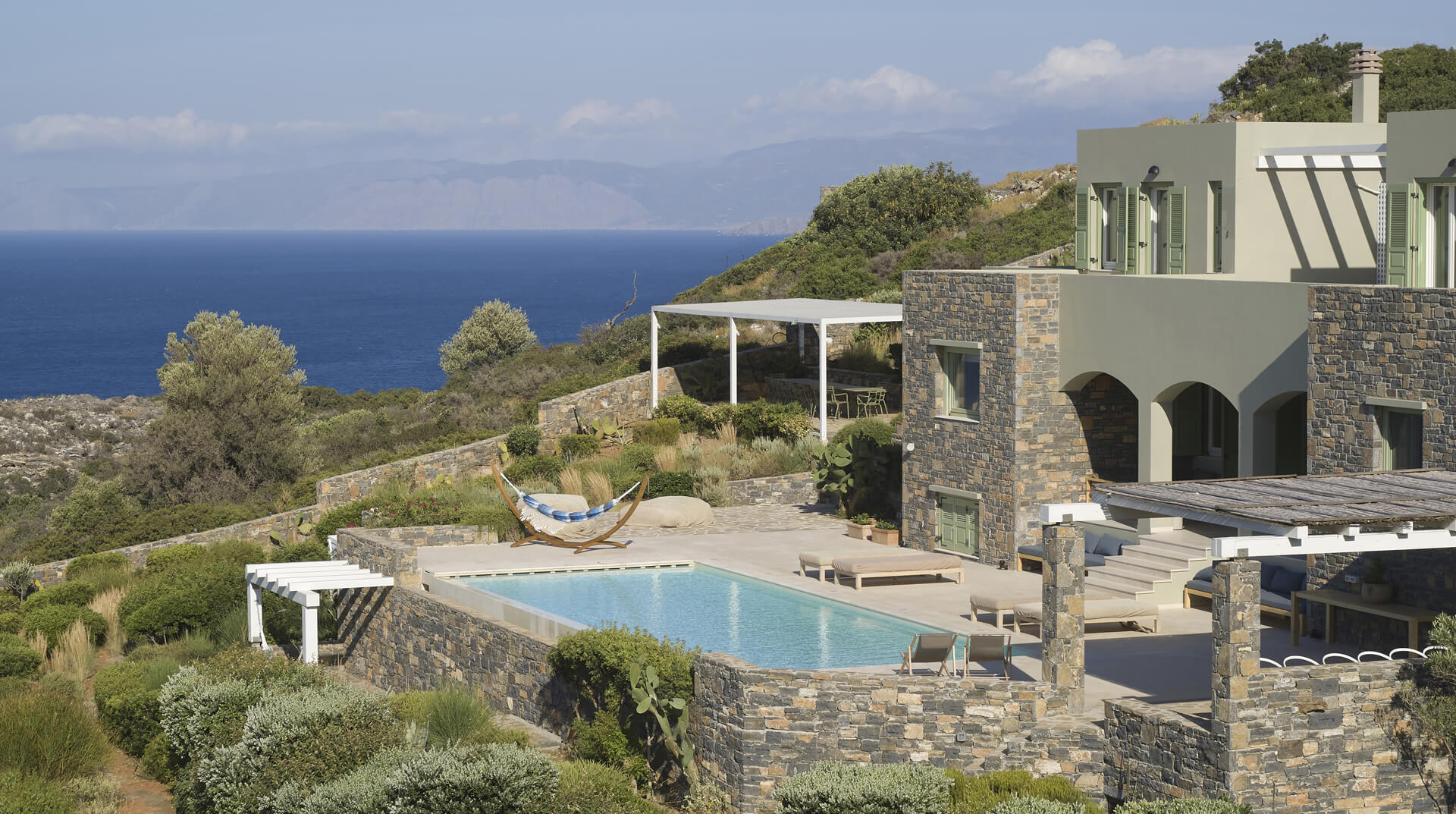
villa

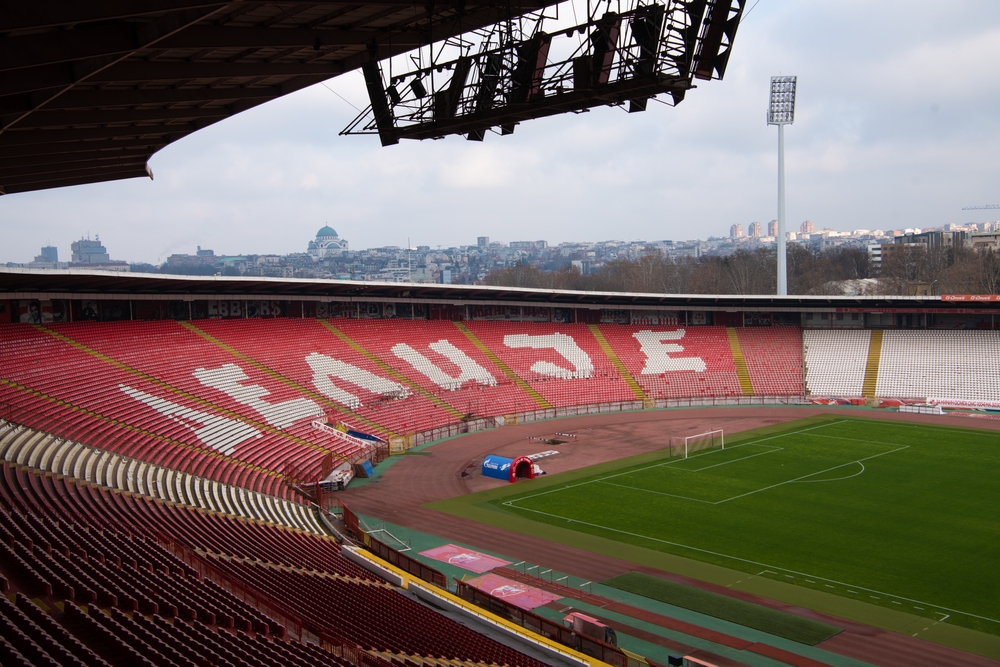
European soccer body says Red Star fine was for profanity, not Orthodox icon #Catholic BRUSSELS, Belgium — The Union of European Football Associations (UEFA) told EWTN News that a 40,000-euro (about ,000) fine on Serbian soccer club Red Star Belgrade was for a banner containing offensive language directed at the organization, not for a massive display featuring an Orthodox Christian icon, which drew international attention.The case follows a Europa League match between Red Star Belgrade and LOSC Lille (Lille Olympique Sporting Club) on Feb. 26, when UEFA’s Control, Ethics, and Disciplinary Body imposed multiple fines on the Serbian club totaling 95,500 euros (about 0,000). These included a 40,000-euro penalty for transmitting a message deemed not fit for a sports event and bringing the sport of football, and UEFA in particular, into disrepute.The sanction drew political attention after reports suggested it may have been connected to a stadium display featuring an Orthodox Christian icon alongside a religious message invoking faith and victory.In response to an inquiry from EWTN News, UEFA said the fine was linked to a banner containing the phrase “F*** UEFA” and not to the religious display. It added that there is no sanction related to the choreography itself.MEP raises concernsGreek member of European Parliament (MEP) Emmanouil Fragkos said the case raised broader concerns about the application of rules governing religious expression in European football.“UEFA and all UEFAs must learn to be accountable to the football fans and all the real people,” Fragkos told EWTN News, adding that he supports religion, tradition, and the right of people to speak freely. He also emphasized the need for greater awareness among supporters of their “collective power” in shaping how such decisions are received.In a letter to Glenn Micallef, the European commissioner for intergenerational fairness, youth, culture, and sport, Fragkos said the case “raises serious concerns” about UEFA’s approach, questioning how “a peaceful expression of faith and identity” could be deemed inappropriate and calling for “consistent and transparent application” of the rules governing messages displayed at matches.Christian symbolism debateReports had also pointed to a separate sanction involving LOSC Lille following its Europa League match against Aston Villa on March 12, where a banner depicting St. Joan of Arc was displayed. UEFA told EWTN News those claims were inaccurate, stating that any sanction in that case was related to insulting chants directed at an opposing goalkeeper and not to the imagery.The episode comes amid ongoing debates in Europe over the place of religious symbols in public life, including a case before the European Court of Human Rights, Union of Atheists v. Greece, concerning the display of Orthodox Christian icons in Greek courtrooms. The applicants argue that such imagery may affect perceptions of judicial neutrality and religious freedom.

European soccer body says Red Star fine was for profanity, not Orthodox icon #Catholic BRUSSELS, Belgium — The Union of European Football Associations (UEFA) told EWTN News that a 40,000-euro (about $46,000) fine on Serbian soccer club Red Star Belgrade was for a banner containing offensive language directed at the organization, not for a massive display featuring an Orthodox Christian icon, which drew international attention.The case follows a Europa League match between Red Star Belgrade and LOSC Lille (Lille Olympique Sporting Club) on Feb. 26, when UEFA’s Control, Ethics, and Disciplinary Body imposed multiple fines on the Serbian club totaling 95,500 euros (about $110,000). These included a 40,000-euro penalty for transmitting a message deemed not fit for a sports event and bringing the sport of football, and UEFA in particular, into disrepute.The sanction drew political attention after reports suggested it may have been connected to a stadium display featuring an Orthodox Christian icon alongside a religious message invoking faith and victory.In response to an inquiry from EWTN News, UEFA said the fine was linked to a banner containing the phrase “F*** UEFA” and not to the religious display. It added that there is no sanction related to the choreography itself.MEP raises concernsGreek member of European Parliament (MEP) Emmanouil Fragkos said the case raised broader concerns about the application of rules governing religious expression in European football.“UEFA and all UEFAs must learn to be accountable to the football fans and all the real people,” Fragkos told EWTN News, adding that he supports religion, tradition, and the right of people to speak freely. He also emphasized the need for greater awareness among supporters of their “collective power” in shaping how such decisions are received.In a letter to Glenn Micallef, the European commissioner for intergenerational fairness, youth, culture, and sport, Fragkos said the case “raises serious concerns” about UEFA’s approach, questioning how “a peaceful expression of faith and identity” could be deemed inappropriate and calling for “consistent and transparent application” of the rules governing messages displayed at matches.Christian symbolism debateReports had also pointed to a separate sanction involving LOSC Lille following its Europa League match against Aston Villa on March 12, where a banner depicting St. Joan of Arc was displayed. UEFA told EWTN News those claims were inaccurate, stating that any sanction in that case was related to insulting chants directed at an opposing goalkeeper and not to the imagery.The episode comes amid ongoing debates in Europe over the place of religious symbols in public life, including a case before the European Court of Human Rights, Union of Atheists v. Greece, concerning the display of Orthodox Christian icons in Greek courtrooms. The applicants argue that such imagery may affect perceptions of judicial neutrality and religious freedom.

UEFA told EWTN News its fine on a Serbian soccer club was for offensive language, not a massive Orthodox Christian display — contradicting widespread reports the sanction targeted religious imagery.
Read More
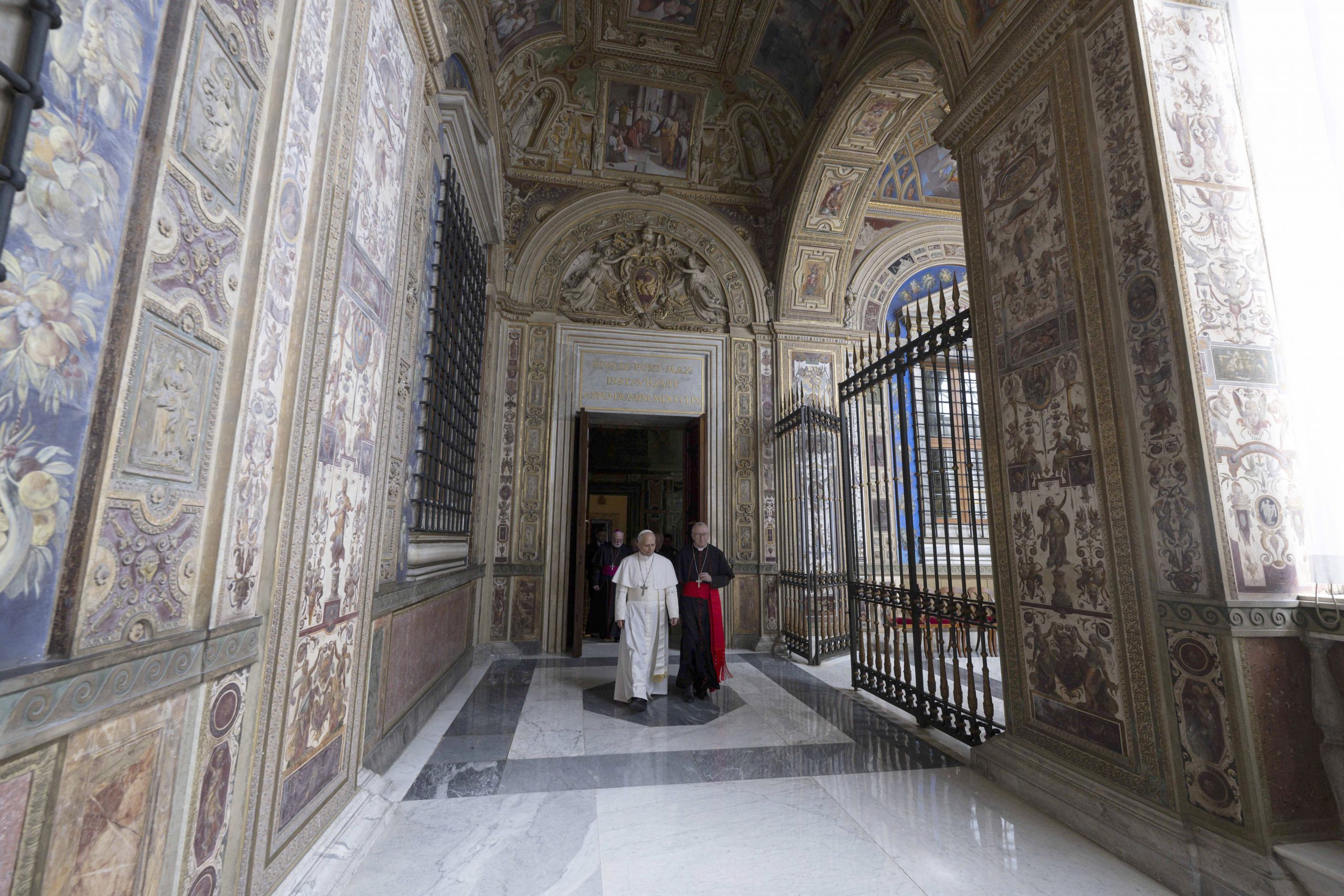
Pope Leo XIV to move into papal apartment of Apostolic Palace #Catholic Pope Leo XIV on March 14 took possession of the traditional papal apartment within the Apostolic Palace, moving into the quarters traditionally reserved for his predecessors. The move was announced on March 14 by the Holy See Press Office, more than ten months after Leoʼs election.The Holy Father had been staying at an apartment at the Palace of the Holy Office but will now reside in what has long served as the home of the reigning pontiff. The custom was discontinued in March of 2013 by Pope Francis, who chose to reside at Casa Santa Marta from the beginning of his pontificate.Pope Leo XIV has also reinstated the papal tradition of staying at the summer residence of Castel Gandolfo. In the summer of 2025 the pope stayed at Villa Barberini; subsequently, he decided to travel to Castel Gandolfo almost every week, staying from Monday evening until Tuesday evening.The papal apartment has undergone a lengthy and meticulous restoration, having remained unoccupied since the conclusion of Pope Benedict XVI’s pontificate on February 28, 2013. The previous renovation dated back to the spring of 2005, following the death of Pope John Paul II and prior to Benedict XVI taking up residence in the quarters.In addition to the bedrooms, the apartment comprises a private study for the pope — from the window of which he appears every Sunday to recite the Angelus — as well as a dining room and a private chapel, where pontiffs have traditionally celebrated Mass at the start of each day.Residing alongside Pope Leo XIV in the papal apartment within the Apostolic Palace will likely be his two secretaries, the Peruvian Monsignor Edgard Iván Rimaycuna Inga and the Italian Father Marco Billeri.This story was first published by ACI Stampa, the Italian-language sister service of EWTN News. It has been translated and adapted by EWTN News English.

Pope Leo XIV to move into papal apartment of Apostolic Palace #Catholic Pope Leo XIV on March 14 took possession of the traditional papal apartment within the Apostolic Palace, moving into the quarters traditionally reserved for his predecessors. The move was announced on March 14 by the Holy See Press Office, more than ten months after Leoʼs election.The Holy Father had been staying at an apartment at the Palace of the Holy Office but will now reside in what has long served as the home of the reigning pontiff. The custom was discontinued in March of 2013 by Pope Francis, who chose to reside at Casa Santa Marta from the beginning of his pontificate.Pope Leo XIV has also reinstated the papal tradition of staying at the summer residence of Castel Gandolfo. In the summer of 2025 the pope stayed at Villa Barberini; subsequently, he decided to travel to Castel Gandolfo almost every week, staying from Monday evening until Tuesday evening.The papal apartment has undergone a lengthy and meticulous restoration, having remained unoccupied since the conclusion of Pope Benedict XVI’s pontificate on February 28, 2013. The previous renovation dated back to the spring of 2005, following the death of Pope John Paul II and prior to Benedict XVI taking up residence in the quarters.In addition to the bedrooms, the apartment comprises a private study for the pope — from the window of which he appears every Sunday to recite the Angelus — as well as a dining room and a private chapel, where pontiffs have traditionally celebrated Mass at the start of each day.Residing alongside Pope Leo XIV in the papal apartment within the Apostolic Palace will likely be his two secretaries, the Peruvian Monsignor Edgard Iván Rimaycuna Inga and the Italian Father Marco Billeri.This story was first published by ACI Stampa, the Italian-language sister service of EWTN News. It has been translated and adapted by EWTN News English.

The move was announced on March 14 by the Holy See Press Office, more than ten months after Leo’s election.
Read More