![What impact has the Cristero War had on religious freedom in Mexico today? - #Catholic - The story of the Cristero War in Mexico reached theaters a little over a decade ago with “For Greater Glory,” a film titled “Cristiada” in Spanish. Alongside the film, an official book was published to delve deeper into the history of the war, a spontaneous uprising by Catholics in response to religious persecution in the first part of the 20th century.Available in Spanish and English, the book is authored by Rubén Quezada, a Catholic of Mexican origin living in California, and features a foreword by the archbishop of Los Angeles, José Gomez. Actor and producer Eduardo Verástegui wrote the introduction, and the book also contains an essay by Carl Anderson, who at the time of publication was the supreme knight of the Knights of Columbus.Although “For Greater Glory” tells the story of a historical event that marks its centenary this year, the anti-Catholic sentiment it portrays “still persists, in a certain way,” in present-day Mexico, Quezada shared in a telephone interview with ACI Prensa, the Spanish-language sister service of EWTN News.Quezada, 59, now a renowned international speaker, recalled that during his childhood in Mexico, the Cristero War was not included in the history curriculum in elementary school.
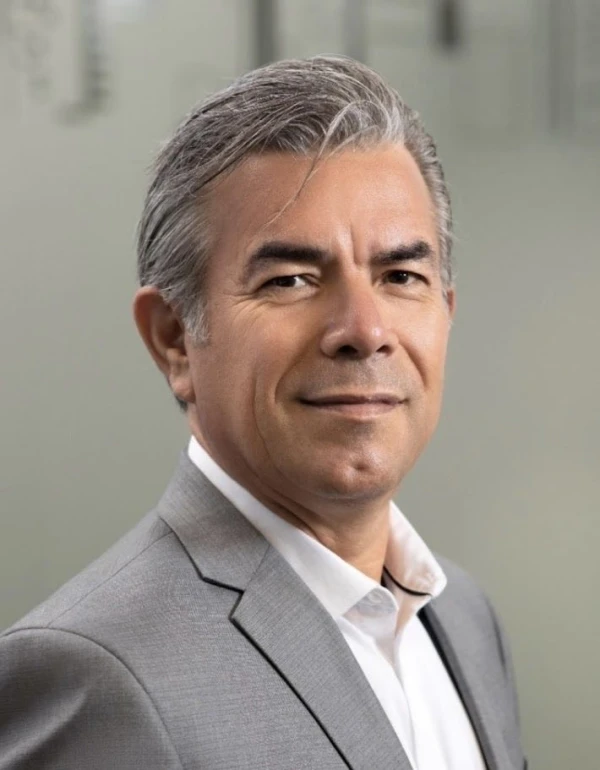
Rubén Quezada, author of the official book that accompanied the release of the film “For Greater Glory.” | Credit: Photo courtesy of Rubén Quezada
The author explained that this widespread ignorance was a consequence of a state policy that lasted for decades. Following the 1929 “arrangements” between the Church and the federal government, which formally ended the Cristero War, he recounted, there was “a government order that nothing could be published, nothing could be disseminated,” effectively making the Cristero War a taboo subject, while many Catholics avoided speaking about it for fear of being arrested.Thus many generations were unable to access information about the religious persecution of the early 20th century, he explained.It was not until later in life, when he immersed himself in the writing of the Franco-Mexican historian Jean Meyer — compiled in his three-volume work “La Cristiada” — that Quezada “began to study the Cristero War in greater depth.”The situation of enforced silence lasted until 1992, when relations between the Catholic Church and the Mexican state were officially restored. “We’re talking about [a diplomatic break that lasted] 60 years,” he emphasized.That same spirit of silence surrounding the history of the Cristero War was even present during the production of the film starring Andy García, he pointed out. Quezada noted that during the making of “For Greater Glory,” “many governors or mayors wouldn’t allow the movie to be filmed” in their locale and that once it was in theaters, it faced subtle boycotts: “We received reports from all over that they didn’t want to show the film in certain theaters.”“They would close the theater,” he added, and claim that tickets had sold out “when there weren’t many people” inside.Currently, he indicated, although “it cannot be said to be at that same level,” the sustained persecution of the Church in Mexico has put down “roots that remain within government platforms.”At the same time, he lamented, there is a “profound silence” in contemporary Mexican society regarding the Cristero War. In his travels throughout Mexico to participate in various events and conferences, the author said he has encountered many people who “prefer not to talk about that subject, or are unaware of it, or simply don’t care.”Given this situation, Quezada argued that the Catholic response must be active and informed participation in public life. “We have a responsibility to vote with a Catholic conscience,” he emphasized, noting that leaders should not be elected “simply based on personal preference or family tradition.”For the author, religious freedom hinges on the ability of the laity to place in positions of authority those who respect faith and human dignity. “We must carefully examine each candidate ... knowing that we are choosing what is best for humanity, for society, for the world,” he added, emphasizing that, ultimately, “we are the ones who put those elected officials in that position.”Finally, Quezada posed a challenge that draws the connection between the sacrifice of the Cristeros with contemporary Christian adherence to the faith. After years of studying figures like Blessed Miguel Agustín Pro — whose impact changed Quezada’s life when he was just a young man in California — the author posed a key question 100 years after the Cristero War: “Would we be willing today to rise up with that faith, with that heart that burned for the passion of Christ? Would we be willing today to act in such a way if we were ever confronted with something?”This story was first published by ACI Prensa, the Spanish-language sister service of EWTN News. It has been translated and adapted by EWTN News English.](https://unitedyam.com/wp-content/uploads/2026/02/what-impact-has-the-cristero-war-had-on-religious-freedom-in-mexico-today-catholic-the-story-of-the-cristero-war-in-mexico-reached-theaters-a-little-over-a-decade-ago-with-for-greater-g.webp)
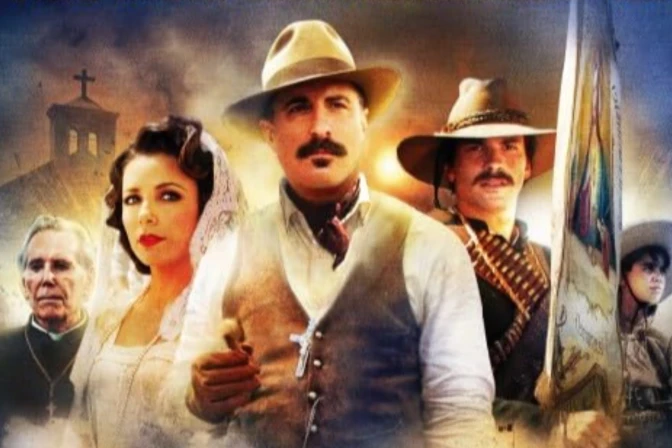
The story of the Cristero War in Mexico reached theaters a little over a decade ago with “For Greater Glory,” a film titled “Cristiada” in Spanish. Alongside the film, an official book was published to delve deeper into the history of the war, a spontaneous uprising by Catholics in response to religious persecution in the first part of the 20th century.
Available in Spanish and English, the book is authored by Rubén Quezada, a Catholic of Mexican origin living in California, and features a foreword by the archbishop of Los Angeles, José Gomez. Actor and producer Eduardo Verástegui wrote the introduction, and the book also contains an essay by Carl Anderson, who at the time of publication was the supreme knight of the Knights of Columbus.
Although “For Greater Glory” tells the story of a historical event that marks its centenary this year, the anti-Catholic sentiment it portrays “still persists, in a certain way,” in present-day Mexico, Quezada shared in a telephone interview with ACI Prensa, the Spanish-language sister service of EWTN News.
Quezada, 59, now a renowned international speaker, recalled that during his childhood in Mexico, the Cristero War was not included in the history curriculum in elementary school.
The author explained that this widespread ignorance was a consequence of a state policy that lasted for decades. Following the 1929 “arrangements” between the Church and the federal government, which formally ended the Cristero War, he recounted, there was “a government order that nothing could be published, nothing could be disseminated,” effectively making the Cristero War a taboo subject, while many Catholics avoided speaking about it for fear of being arrested.
Thus many generations were unable to access information about the religious persecution of the early 20th century, he explained.
It was not until later in life, when he immersed himself in the writing of the Franco-Mexican historian Jean Meyer — compiled in his three-volume work “La Cristiada” — that Quezada “began to study the Cristero War in greater depth.”
The situation of enforced silence lasted until 1992, when relations between the Catholic Church and the Mexican state were officially restored. “We’re talking about [a diplomatic break that lasted] 60 years,” he emphasized.
That same spirit of silence surrounding the history of the Cristero War was even present during the production of the film starring Andy García, he pointed out. Quezada noted that during the making of “For Greater Glory,” “many governors or mayors wouldn’t allow the movie to be filmed” in their locale and that once it was in theaters, it faced subtle boycotts: “We received reports from all over that they didn’t want to show the film in certain theaters.”
“They would close the theater,” he added, and claim that tickets had sold out “when there weren’t many people” inside.
Currently, he indicated, although “it cannot be said to be at that same level,” the sustained persecution of the Church in Mexico has put down “roots that remain within government platforms.”
At the same time, he lamented, there is a “profound silence” in contemporary Mexican society regarding the Cristero War. In his travels throughout Mexico to participate in various events and conferences, the author said he has encountered many people who “prefer not to talk about that subject, or are unaware of it, or simply don’t care.”
Given this situation, Quezada argued that the Catholic response must be active and informed participation in public life. “We have a responsibility to vote with a Catholic conscience,” he emphasized, noting that leaders should not be elected “simply based on personal preference or family tradition.”
For the author, religious freedom hinges on the ability of the laity to place in positions of authority those who respect faith and human dignity.
“We must carefully examine each candidate … knowing that we are choosing what is best for humanity, for society, for the world,” he added, emphasizing that, ultimately, “we are the ones who put those elected officials in that position.”
Finally, Quezada posed a challenge that draws the connection between the sacrifice of the Cristeros with contemporary Christian adherence to the faith.
After years of studying figures like Blessed Miguel Agustín Pro — whose impact changed Quezada’s life when he was just a young man in California — the author posed a key question 100 years after the Cristero War: “Would we be willing today to rise up with that faith, with that heart that burned for the passion of Christ? Would we be willing today to act in such a way if we were ever confronted with something?”
This story was first published by ACI Prensa, the Spanish-language sister service of EWTN News. It has been translated and adapted by EWTN News English.
What impact has the Cristero War had on religious freedom in Mexico today? – #Catholic –
The story of the Cristero War in Mexico reached theaters a little over a decade ago with “For Greater Glory,” a film titled “Cristiada” in Spanish. Alongside the film, an official book was published to delve deeper into the history of the war, a spontaneous uprising by Catholics in response to religious persecution in the first part of the 20th century.
Available in Spanish and English, the book is authored by Rubén Quezada, a Catholic of Mexican origin living in California, and features a foreword by the archbishop of Los Angeles, José Gomez. Actor and producer Eduardo Verástegui wrote the introduction, and the book also contains an essay by Carl Anderson, who at the time of publication was the supreme knight of the Knights of Columbus.
Although “For Greater Glory” tells the story of a historical event that marks its centenary this year, the anti-Catholic sentiment it portrays “still persists, in a certain way,” in present-day Mexico, Quezada shared in a telephone interview with ACI Prensa, the Spanish-language sister service of EWTN News.
Quezada, 59, now a renowned international speaker, recalled that during his childhood in Mexico, the Cristero War was not included in the history curriculum in elementary school.
The author explained that this widespread ignorance was a consequence of a state policy that lasted for decades. Following the 1929 “arrangements” between the Church and the federal government, which formally ended the Cristero War, he recounted, there was “a government order that nothing could be published, nothing could be disseminated,” effectively making the Cristero War a taboo subject, while many Catholics avoided speaking about it for fear of being arrested.
Thus many generations were unable to access information about the religious persecution of the early 20th century, he explained.
It was not until later in life, when he immersed himself in the writing of the Franco-Mexican historian Jean Meyer — compiled in his three-volume work “La Cristiada” — that Quezada “began to study the Cristero War in greater depth.”
The situation of enforced silence lasted until 1992, when relations between the Catholic Church and the Mexican state were officially restored. “We’re talking about [a diplomatic break that lasted] 60 years,” he emphasized.
That same spirit of silence surrounding the history of the Cristero War was even present during the production of the film starring Andy García, he pointed out. Quezada noted that during the making of “For Greater Glory,” “many governors or mayors wouldn’t allow the movie to be filmed” in their locale and that once it was in theaters, it faced subtle boycotts: “We received reports from all over that they didn’t want to show the film in certain theaters.”
“They would close the theater,” he added, and claim that tickets had sold out “when there weren’t many people” inside.
Currently, he indicated, although “it cannot be said to be at that same level,” the sustained persecution of the Church in Mexico has put down “roots that remain within government platforms.”
At the same time, he lamented, there is a “profound silence” in contemporary Mexican society regarding the Cristero War. In his travels throughout Mexico to participate in various events and conferences, the author said he has encountered many people who “prefer not to talk about that subject, or are unaware of it, or simply don’t care.”
Given this situation, Quezada argued that the Catholic response must be active and informed participation in public life. “We have a responsibility to vote with a Catholic conscience,” he emphasized, noting that leaders should not be elected “simply based on personal preference or family tradition.”
For the author, religious freedom hinges on the ability of the laity to place in positions of authority those who respect faith and human dignity.
“We must carefully examine each candidate … knowing that we are choosing what is best for humanity, for society, for the world,” he added, emphasizing that, ultimately, “we are the ones who put those elected officials in that position.”
Finally, Quezada posed a challenge that draws the connection between the sacrifice of the Cristeros with contemporary Christian adherence to the faith.
After years of studying figures like Blessed Miguel Agustín Pro — whose impact changed Quezada’s life when he was just a young man in California — the author posed a key question 100 years after the Cristero War: “Would we be willing today to rise up with that faith, with that heart that burned for the passion of Christ? Would we be willing today to act in such a way if we were ever confronted with something?”
This story was first published by ACI Prensa, the Spanish-language sister service of EWTN News. It has been translated and adapted by EWTN News English.
Rubén Quezada, author of the book “For Greater Glory,” released along with the film of the same name in 2012, assesses the impact of the Cristero War on religious freedom in Mexico today.