
Father of us all,
This meal is a sign of Your love for us:
Bless us and bless our food,
And help us to give you glory each day
Through Jesus Christ our Lord.
Amen!
Read MoreFather of us all,
This meal is a sign of Your love for us:
Bless us and bless our food,
And help us to give you glory each day
Through Jesus Christ our Lord.
Amen!
Read More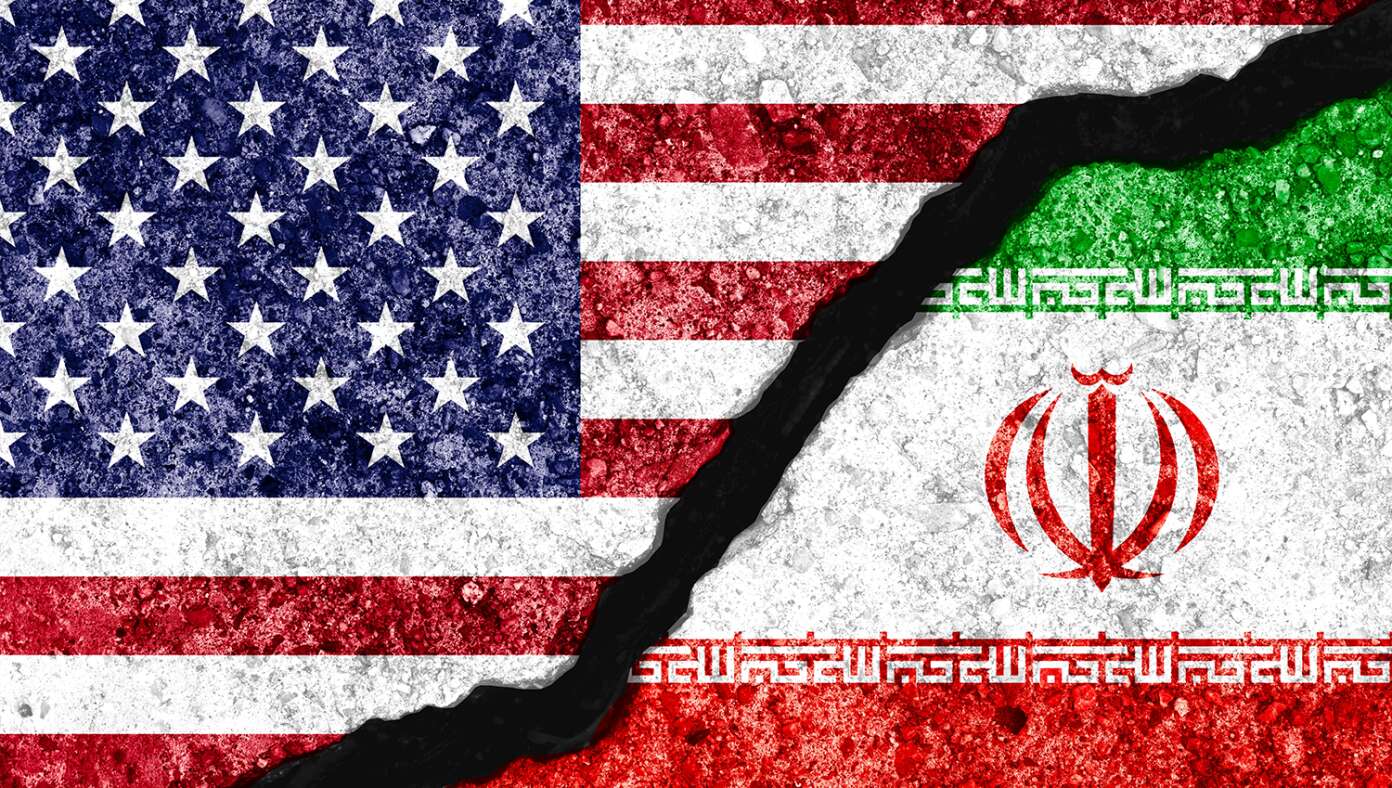
The United States launched a major military attack on Iran overnight, striking dozens of high-level targets across the nation. As the dust settles, everyone is asking the question: what happens next? Here is what’s about to go down:
Read More
LONDON — British citizens have politely asked if perhaps they could be next on the list for liberation from radical Islam.
Read More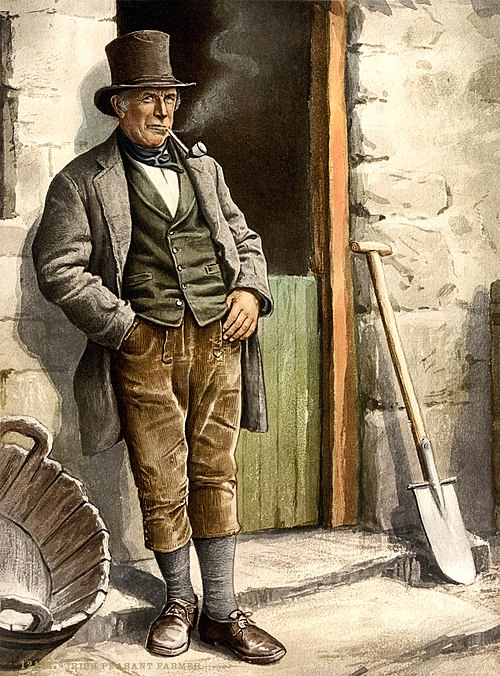
| Picture of the day |
|---|

|
|
This photochrom print depicts a male Irish peasant farmer standing in doorway while smoking a pipe. Today is International Pipe Smoking Day.
|
A reading from the Book of Genesis
12:1-4a
The LORD said to Abram:
“Go forth from the land of your kinsfolk
and from your father’s house to a land that I will show you.
“I will make of you a great nation,
and I will bless you;
I will make your name great,
so that you will be a blessing.
I will bless those who bless you
and curse those who curse you.
All the communities of the earth
shall find blessing in you.”
Abram went as the LORD directed him.
A reading from the Second Letter of St. Paul to Timothy
2, 1:8b-10
Beloved:
Bear your share of hardship for the gospel
with the strength that comes from God.
He saved us and called us to a holy life,
not according to our works
but according to his own design
and the grace bestowed on us in Christ Jesus before time began,
but now made manifest
through the appearance of our savior Christ Jesus,
who destroyed death and brought life and immortality
to light through the gospel.
From the Gospel according to Matthew
17:1-9
Jesus took Peter, James, and John his brother,
and led them up a high mountain by themselves.
And he was transfigured before them;
his face shone like the sun
and his clothes became white as light.
And behold, Moses and Elijah appeared to them,
conversing with him.
Then Peter said to Jesus in reply,
“Lord, it is good that we are here.
If you wish, I will make three tents here,
one for you, one for Moses, and one for Elijah.”
While he was still speaking, behold,
a bright cloud cast a shadow over them,
then from the cloud came a voice that said,
“This is my beloved Son, with whom I am well pleased;
listen to him.”
When the disciples heard this, they fell prostrate
and were very much afraid.
But Jesus came and touched them, saying,
“Rise, and do not be afraid.”
And when the disciples raised their eyes,
they saw no one else but Jesus alone.
As they were coming down from the mountain,
Jesus charged them,
“Do not tell the vision to anyone
until the Son of Man has been raised from the dead.”
The ‘brightness’ which characterises this extraordinary event symbolises its purpose: to enlighten the minds and hearts of the disciples so that they may clearly understand who their Teacher is. It is a flash of light which suddenly opens onto the mystery of Jesus and illuminates his whole person and his whole story. (…)
Transfigured on Mount Tabor, Jesus wanted to show his disciples his glory, not for them to circumvent the Cross, but to show where the Cross leads. Those who die with Jesus, shall rise again with Jesus. The Cross is the door to Resurrection. Whoever struggles alongside him will triumph with him. This is the message of hope contained in Jesus’ Cross, urging us to be strong in our existence. The Christian Cross is not the furnishings of a house or adornments to wear but rather, the Christian Cross is a call to the love with which Jesus sacrificed himself to save humanity from evil and sin. In this Lenten season, we contemplate with devotion the image of the Crucifix, Jesus on the Cross: this is the symbol of Christian Faith, the emblem of Jesus, who died and rose for us. Let us ensure that the Cross marks the stages of our Lenten journey in order to understand ever better the seriousness of sin and the value of the sacrifice by which the Saviour has saved us all. (Pope Francis, Angelus, 12 March 2017)
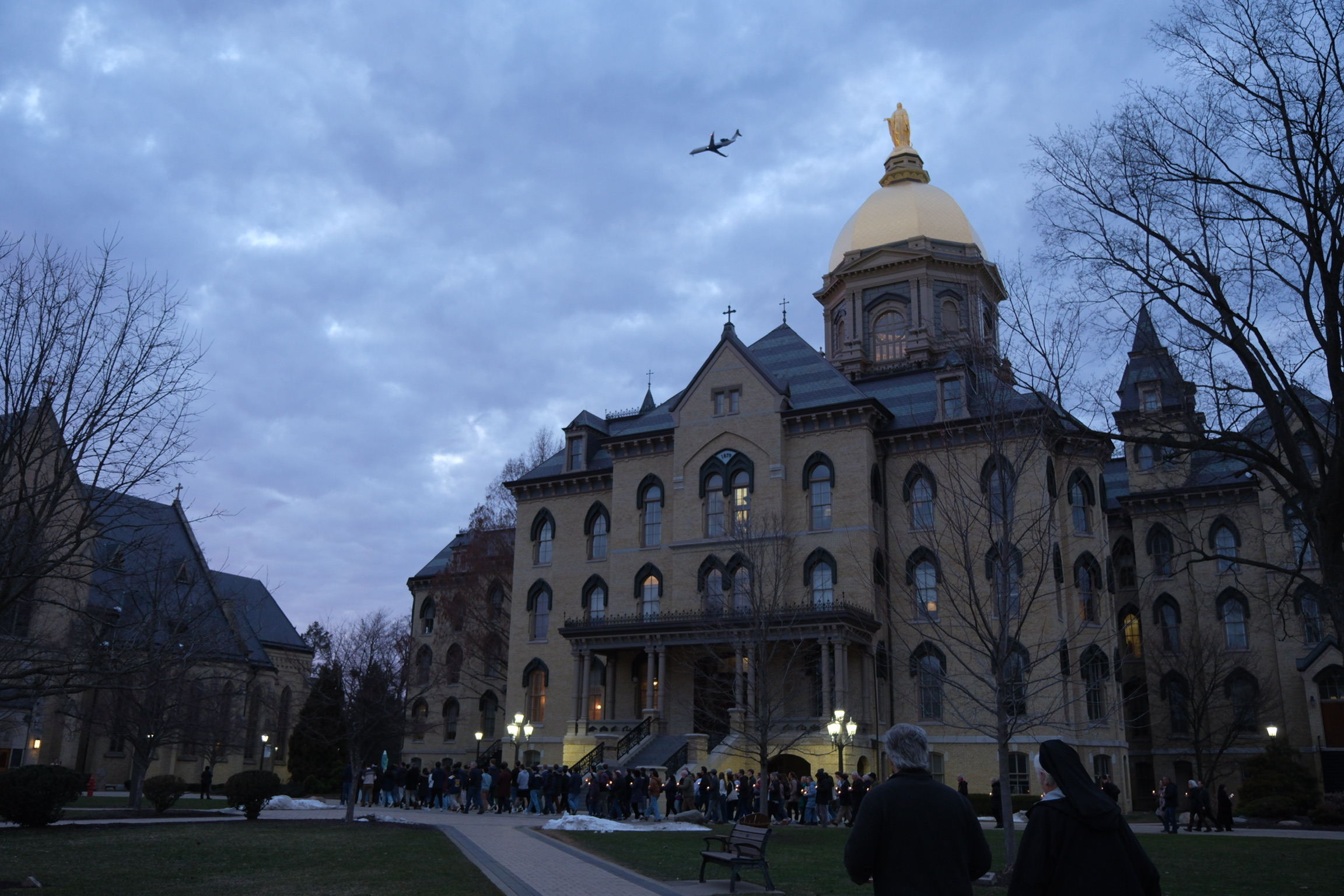
Read More![Students pray for Notre Dame’s Catholic identity after dispute over pro-abortion professor #Catholic Students at the University of Notre Dame gathered on Feb. 27 for a candlelit prayer service to offer thanksgiving for the university’s Catholic identity.The event was originally planned as a protest in response to the university’s appointment of abortion advocate Professor Susan Ostermann as the head of the Liu Institute for Asia and Asian Studies. After Ostermann withdrew from the position earlier this week, the student organizers turned the event into a prayer vigil offered “in thanksgiving and support for Notre Dame’s Catholic mission.”A group of about 150 students, community members, faculty and priests from the Congregation of Holy Cross met on the south quad of campus, where they were greeted by students Luke Woodyard and Gabe Ortner, the event’s organizers. After a blessing of candles, those present processed to the Grotto of Our Lady of Lourdes, where they prayed the Rosary.
Students gather to pray the Rosary at the Grotto of Our Lady of Lourdes at the University of Notre Dame, Friday, Feb. 27, 2026 | Credit: Notre Dame Right to Life
The event was co-sponsored by the major Catholic clubs on campus: Right to Life, Militia Immaculata, Children of Mary, the Knights of Columbus, and Students for Child-Oriented Policy.According to Woodyard, while a protest would have drawn a greater number of attendees, organizers agreed that changing the event to a prayer vigil would be a more appropriate response to the news of Ostermann’s withdrawal.“The big reason we changed the protest to a prayer vigil was because we won, we got Ostermann to not be appointed. And even though this was a victory in a battle, not the [larger] war, we can celebrate this victory now," Woodyard said.“If we came here with a bunch of protests, it would make us seem like we weren't grateful for the university listening to us," he added. "And we really are. We praise [President] Father [Robert] Dowd for any impact that he had on Ostermann withdrawing, and we pray for the future of Notre Dame.”Ostermann, whose appointment was announced in January, has publicly supported abortion on multiple occasions, calling it “freedom-enhancing” and “consistent with integral human development that emphasizes social justice and human dignity."She has also argued that the pro-life movement has its roots in “white supremacy and racism” and has described pregnancy resource centers “anti-abortion propaganda sites."Since the appointment was announced in January, the university has faced backlash from Catholics across the country, including students, alumni, faculty, and more than a dozen bishops. The university continued to defend Ostermann’s promotion amid the criticism, citing her expertise in Asian studies and her past research. When Ostermann withdrew from the position on Feb. 26, students were surprised at the unexpected reversal but grateful for the desired outcome.Maria Madigan, a sophomore who serves as the head of service for Notre Dame Right to Life, told EWTN News that the grateful and loving spirit of the prayer service was the same spirit in which the protest had been planned.“[The planned protest] was never filled with hate or any [kind of] malicious intent. …We love Notre Dame because of her Catholic mission and her identity," she said. "We wanted to protest the Ostermann appointment because we felt it that went against our mission. And then when Ostermann withdrew, the focus shifted, because… we want to think about having a positive vision going forward for Notre Dame.”Regarding Ostermann’s withdrawal, Woodyard said: “We don't know what happened behind the scenes — hopefully that will come out in the coming weeks — but what we do know is that she did withdraw, and so we're thankful for that, and that's why we're here, but at some point, we have to make sure this doesn't happen again.”Organizer Gabe Ortner emphasized that although the planned protest was turned into a prayer vigil, the defense of Notre Dame’s Catholic mission is far from over.“We have to recognize the work that Father Dowd has done in leading this university. He's clearly been working tirelessly on this with Bishop Rhoades, and I admire the direction that he seems to be taking Notre Dame in, and that gives me a lot of hope," Ortner said. "However, at the same time, there also seem to be particular members of the administration who do not entirely share the Catholic vision of Notre Dame," he said.“Ultimately, Notre Dame should be united in its Catholic identity among all of the members of administration, with no exception.”If the protest had gone forward, speakers would have included Anna Kelley, president of the school's Right to Life group; Lucy Spence, editor-in-chief of the Irish Rover student newspaper; and Theo Austin, vice president of Students for Child-Oriented Policy.Students have expressed concern that the appointment shows a willingness of university administration — particularly on the part of Provost John McGreevy, who approved the appointment — to deviate from the university’s Catholic mission.Max McNiff, a student who attended the prayer vigil, shared his hopes that the controversy that precipitated Ostermann’s withdrawal would send a clear signal to the university.“I think this sets a sets a good precedent for stuff like this in the future. I think that the administration is going to be very cautious, and hopefully nothing like this will happen again.”“I think this also sets a precedent that researchers who are considered maybe ‘elite’ by secular academic standards, but who very manifestly publicly contradict Catholic doctrine [on matters] such as abortion, should not expect to come into leadership positions at Notre Dame," he said. Ultimately, however, students expressed their gratitude at the reversal of Ostermann’s appointment, calling it a “victory” in the battle for Notre Dame’s Catholic identity.“Having the opportunity to gather together and to thank God for his faithfulness, and the faithfulness of the university, is really beautiful, and I think you can see it in the passion of the students," Madigan said. "Everyone here knew it wasn’t a protest anymore, but they were still coming.”“We're all here because we care and we love this university and we want to uphold its Catholic mission and its pro-life mission as much as possible," she said. "And at the end of the day, whether one person showed up, or whether 200 people showed up, this was a prayer service, and it was to God, and the words that were said here were to him." "And that's what I really want the focus of this whole event to be on, praise and thanksgiving to the Lord for his faithfulness and to Our Lady for protecting her university.”](https://unitedyam.com/wp-content/uploads/2026/02/students-pray-for-notre-dames-catholic-identity-after-dispute-over-pro-abortion-professor-catholic-students-at-the-university-of-notre-dame-gathered-on-feb-27-for-a-candlelit-prayer-service.jpg)
The event was originally planned as a protest in response to the university’s appointment of abortion advocate Professor Susan Ostermann as the head of the Liu Institute for Asia and Asian Studies.
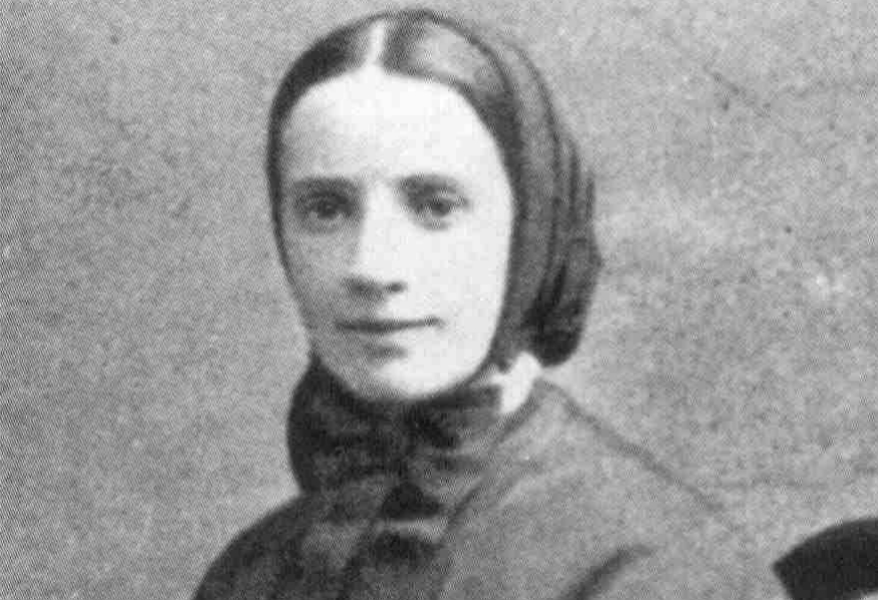
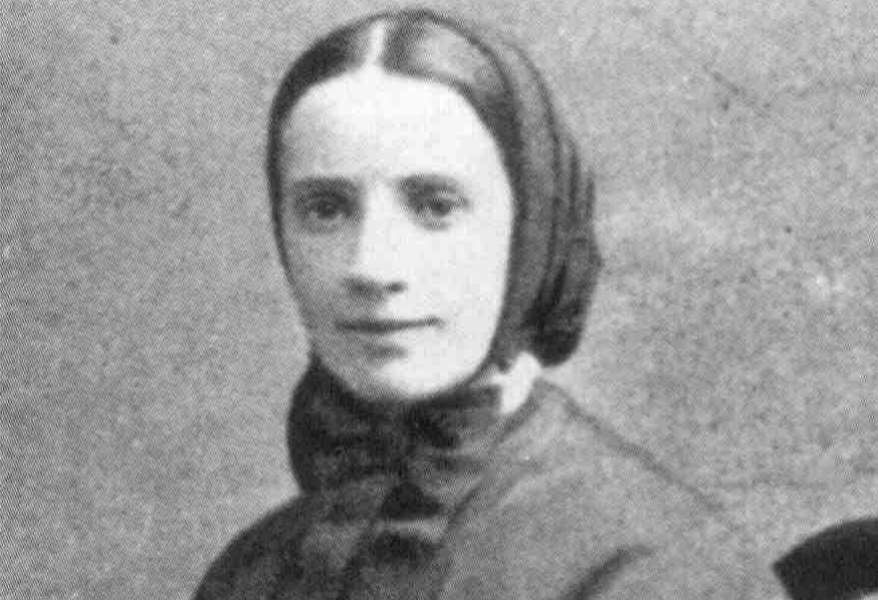
St. Frances Xavier Cabrini was the first American citizen to be canonized and is the patron saint of immigrants. A new statue of her will be erected in Chicago’s Little Italy.
On Feb. 28, 1997, the Gamma Ray Burst Monitor on the Italian-Dutch Satellite BeppoSAX detected GRB 970228. The gamma ray burst (GRB) lasted about 80 seconds. BeppoSAX’s rapid determination of its position allowed multiple other observatories to quickly begin campaigns in multiple wavelengths. On March 27, the Hubble Space Telescope began observing GRB 970228 and,Continue reading “Feb. 28, 1997: GRB 970228 bursts on the scene”
The post Feb. 28, 1997: GRB 970228 bursts on the scene appeared first on Astronomy Magazine.
Read More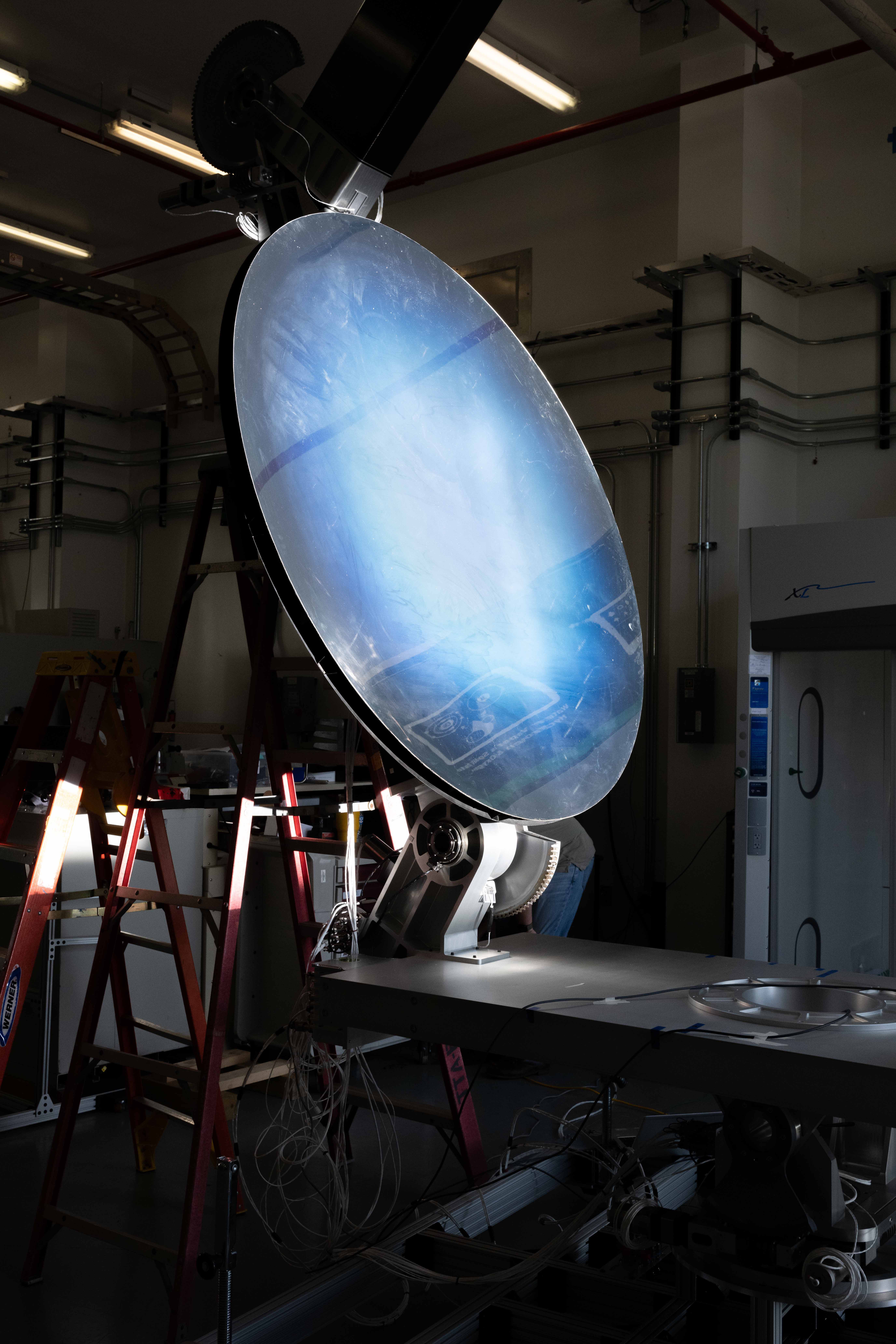
The Carbothermal Reduction Demonstration (CaRD) project aims to demonstrate the carbothermal reduction of lunar regolith to produce oxygen on the Moon’s South Pole. For this test, the team integrated the solar concentrator, mirrors, and software and confirmed the production of carbon monoxide.
Read MoreO Jesus, through the Immaculate Heart of Mary, I offer You my prayers, works, joys and sufferings, all that this day may bring, be they good or bad: for the love of God, for the conversion of sinners, and in reparation for all the sins committed against the Sacred Heart of Jesus and the Immaculate Heart of Mary.
Read MoreA reading from the Book of Deuteronomy
26:16-19
Moses spoke to the people, saying:
"This day the LORD, your God,
commands you to observe these statutes and decrees.
Be careful, then,
to observe them with all your heart and with all your soul.
Today you are making this agreement with the LORD:
he is to be your God and you are to walk in his ways
and observe his statutes, commandments and decrees,
and to hearken to his voice.
And today the LORD is making this agreement with you:
you are to be a people peculiarly his own, as he promised you;
and provided you keep all his commandments,
he will then raise you high in praise and renown and glory
above all other nations he has made,
and you will be a people sacred to the LORD, your God,
as he promised."
From the Gospel according to Matthew
5:43-48
Jesus said to his disciples:
"You have heard that it was said,
You shall love your neighbor and hate your enemy.
But I say to you, love your enemies,
and pray for those who persecute you,
that you may be children of your heavenly Father,
for he makes his sun rise on the bad and the good,
and causes rain to fall on the just and the unjust.
For if you love those who love you, what recompense will you have?
Do not the tax collectors do the same?
And if you greet your brothers and sisters only,
what is unusual about that?
Do not the pagans do the same?
So be perfect, just as your heavenly Father is perfect."
This Gospel passage is rightly considered the magna carta of Christian non-violence. It does not consist in succumbing to evil, as a false interpretation of "turning the other cheek" (cf. Lk 6: 29) claims, but in responding to evil with good (cf. Rom 12: 17-21) and thereby breaking the chain of injustice.
One then understands that for Christians, non-violence is not merely tactical behaviour but a person’s way of being, the attitude of one who is so convinced of God’s love and power that he is not afraid to tackle evil with the weapons of love and truth alone.
Love of one’s enemy constitutes the nucleus of the "Christian revolution", a revolution not based on strategies of economic, political or media power: the revolution of love, a love that does not rely ultimately on human resources but is a gift of God which is obtained by trusting solely and unreservedly in his merciful goodness. Here is the newness of the Gospel which silently changes the world! Here is the heroism of the "lowly" who believe in God’s love and spread it, even at the cost of their lives. (Pope Benedict XVI, Angelus, 18 February 2007)
Read More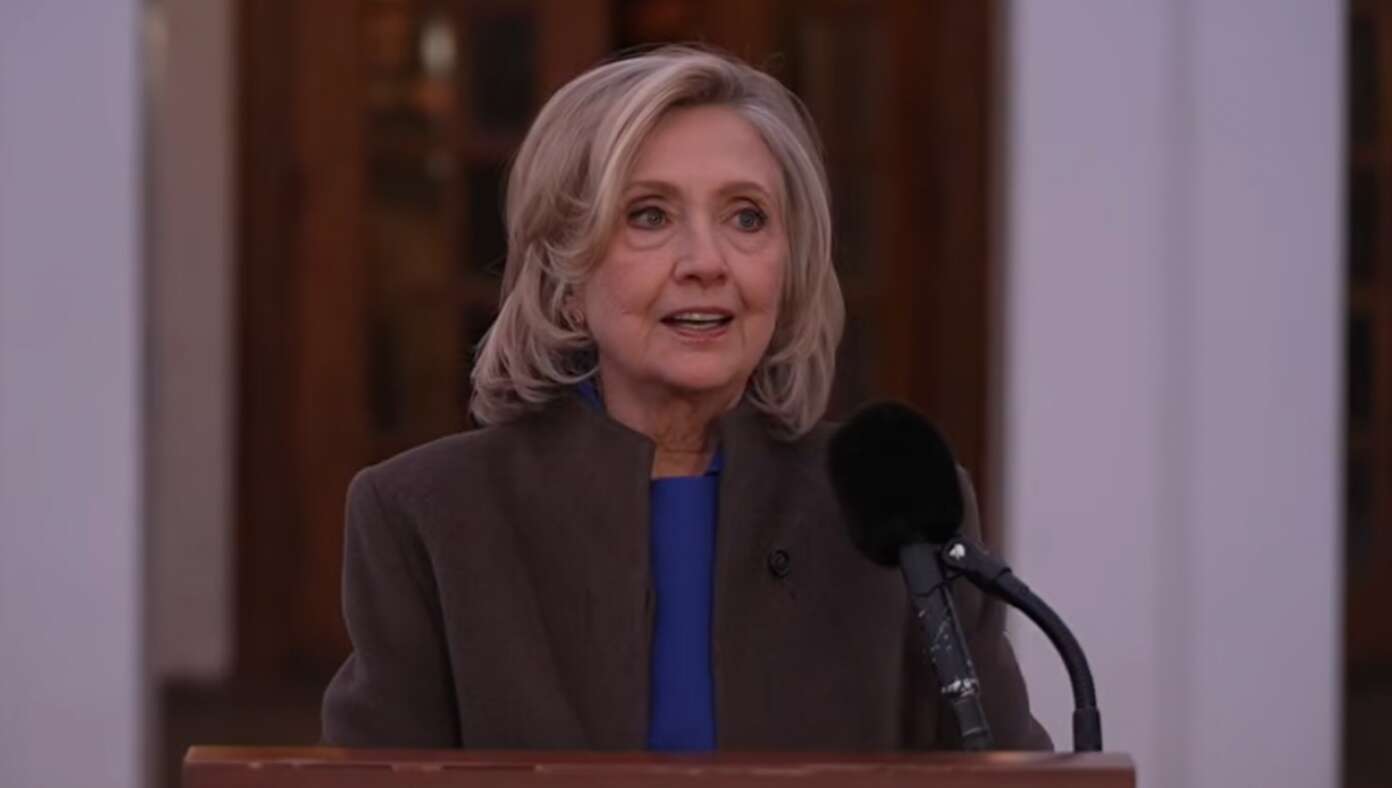
CHAPPAQUA, NY — While being questioned at the Chappaqua Performing Arts Center on Thursday, Hillary Clinton reportedly informed the House Committee on Oversight and Government Reform that she only recalled meeting Jeffrey Epstein that one time when she murdered him.
Read More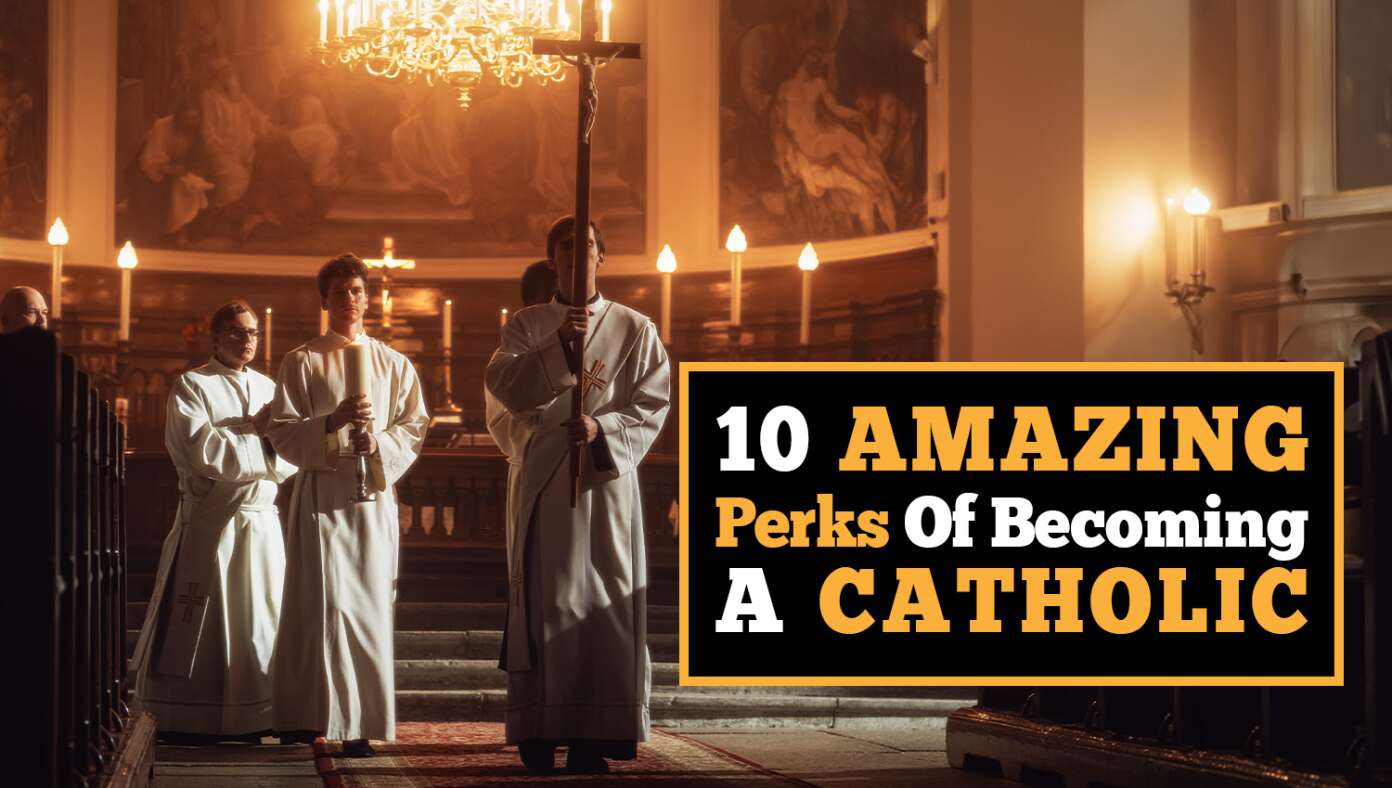
There may be a bias toward Protestantism here, but being Catholic has its perks, too (reportedly). A delegation from The Babylon Bee flew out to Rome to meet with the College of Cardinals to find out the best reasons to be Catholic.
Read MoreNASA is reshuffling the Artemis program’s mission architecture, adding an intermediate test flight in 2027 and committing to annual lunar landings starting in 2028 as the agency pushes to accelerate its return to the Moon. Artemis 2 is currently set to launch in April, assuming engineers can resolve a helium flow issue that cropped upContinue reading “NASA overhauls Artemis, adds second mission before first lunar landing”
The post NASA overhauls Artemis, adds second mission before first lunar landing appeared first on Astronomy Magazine.
Read More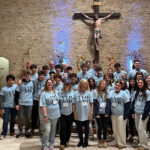
Confirmation candidates participate in Antioch weekend at Pompton Plains parish #Catholic – 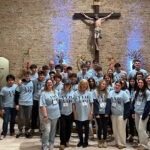
Confirmation candidates at Our Lady of Good Counsel Parish in Pompton Plains, N.J., participated in Antioch weekend on Saturday, Feb. 21. The candidates experienced witness talks, discussion groups, adoration of the Blessed Sacrament, recitation of the rosary, reconciliation and a closing Mass celebrated by Father Darwin Lastra, pastor.
– Confirmation candidates at Our Lady of Good Counsel Parish in Pompton Plains, N.J., participated in Antioch weekend on Saturday, Feb. 21. The candidates experienced witness talks, discussion groups, adoration of the Blessed Sacrament, recitation of the rosary, reconciliation and a closing Mass celebrated by Father Darwin Lastra, pastor. Click here to subscribe to our weekly newsletter.


NASA astronaut Kjell Lindgren takes a selfie with the people behind “Project Hail Mary” and the audience during a panel about the movie at NASA’s Jet Propulsion Laboratory on Feb. 25, 2026.
Read MoreAlmighty and Everlasting God,
You have given the human race
Jesus Christ our Savior as a model of humility.
He fulfilled Your Will by becoming Man
And giving His life on the Cross.
Help us to bear witness to You
By following His example of suffering
And make us worthy to share in His Resurrection.
We ask this through our Lord Jesus Christ, Your Son.
Amen.
Our Father…
MARY, Mother of Jesus,
you were Jesus’ gift for us from the Cross.
He gave you to …
A reading from the Book of Ezekiel
18:21-28
Thus says the Lord GOD:
If the wicked man turns away from all the sins he committed,
if he keeps all my statutes and does what is right and just,
he shall surely live, he shall not die.
None of the crimes he committed shall be remembered against him;
he shall live because of the virtue he has practiced.
Do I indeed derive any pleasure from the death of the wicked?
says the Lord GOD.
Do I not rather rejoice when he turns from his evil way
that he may live?
And if the virtuous man turns from the path of virtue to do evil,
the same kind of abominable things that the wicked man does,
can he do this and still live?
None of his virtuous deeds shall be remembered,
because he has broken faith and committed sin;
because of this, he shall die.
You say, "The LORD’s way is not fair!"
Hear now, house of Israel:
Is it my way that is unfair, or rather, are not your ways unfair?
When someone virtuous turns away from virtue to commit iniquity, and dies,
it is because of the iniquity he committed that he must die.
But if the wicked, turning from the wickedness he has committed,
does what is right and just,
he shall preserve his life;
since he has turned away from all the sins that he committed,
he shall surely live, he shall not die.
From the Gospel according to Matthew
5:20-26
Jesus said to his disciples:
"I tell you,
unless your righteousness surpasses that
of the scribes and Pharisees,
you will not enter into the Kingdom of heaven.
"You have heard that it was said to your ancestors,
You shall not kill; and whoever kills will be liable to judgment.
But I say to you, whoever is angry with his brother
will be liable to judgment,
and whoever says to his brother, Raqa,
will be answerable to the Sanhedrin,
and whoever says, ‘You fool,’ will be liable to fiery Gehenna.
Therefore, if you bring your gift to the altar,
and there recall that your brother
has anything against you,
leave your gift there at the altar,
go first and be reconciled with your brother,
and then come and offer your gift.
Settle with your opponent quickly while on the way to court.
Otherwise your opponent will hand you over to the judge,
and the judge will hand you over to the guard,
and you will be thrown into prison.
Amen, I say to you,
you will not be released until you have paid the last penny."
We think of Jesus’ words: "If you are offering your gift at the altar, and there remember that your brother has something against you, leave your gift there before the altar and go; first be reconciled to your brother, and then come and offer your gift" (Mt 5: 23ff.). God, knowing that we were unreconciled and seeing that we have something against him, rose up and came to meet us, even though he alone was in the right. He came to meet us even to the Cross, in order to reconcile us. This is what it means to give freely: a willingness to take the first step; to be the first to reach out to the other, to offer reconciliation, to accept the suffering entailed in giving up being in the right. To persevere in the desire for reconciliation: God gave us an example, and this is the way for us to become like him; it is an attitude constantly needed in our world. Today we must learn once more how to acknowledge guilt, we must shake off the illusion of being innocent. We must learn how to do penance, to let ourselves be transformed; to reach out to the other and to let God give us the courage and strength for this renewal. (Address ok Pope Benedict XVI to the members of the Roman Curia and Papal representatives for the traditional Exchange of Christmas greetings, 21 December 2009)
Read More
Bishop Kevin J. Sweeney’s Schedule: March, 2026 #Catholic – 
| 3/1 | Sun., 9 a.m. Vocation Discernment Retreat, Loyola, Morristown. |
| 3/2 | Mon., 11 a.m. Vocations Board Meeting – Chancery, Clifton. |
| 3/3 | Tue., 10:30 a.m. Mass – Saint Joseph’s Seminary in Yonkers. |
| 3/5 | Thu., 6:30 p.m. Mental Health Matters Conference on Mental Health – St. Mary Parish, Pompton Lakes. |
| 3/7 | Sat., 5:30 p.m. Mass – Assumption of the Blessed Virgin Mary Parish, Morristown, Pueri Cantores Festival Vigil Mass. |
| 3/8 | Sun., 10 a.m. Confirmation – Our Lady of Pompei Parish, Paterson; 1 p.m. Mass – Our Lady of Good Counsel Parish, Pompton Plains. |
| 3/10 | Tue., 12 noon Priest Lenten Day of Recollection – Loyola, Morristown. |
| 3/11 | Wed., 6:30 p.m. Stations of the Cross and Lenten Talk – Our Lady of the Mountain Parish, Long Valley. |
| 3/12 | Thu., 10 a.m. March for Meals – Catholic Charities. |
| 3/13 | Fri., 7 p.m. Confirmation – The Cathedral of St. John Baptist, Paterson. |
| 3/14 | Sat., 11 a.m. Confirmation – St. Jude Parish, Hardyston (Hamburg); 5 p.m. Confirmation – St. Mary Parish, Paterson. |
| 3/15 | Sun., 9:30 a.m. Mass – St. Patrick Parish, Chatham, in honor of St. Patrick; 12 noon Confirmation – St. Jude Parish, Budd Lake. |
| 3/16 | Mon., 1 p.m. Presbyteral Council – Chancery, Clifton; 5 p.m. Mass – Immaculate Conception Seminary, Seton Hall. |
| 3/17 | Tue., 8:30 a.m. St. Patrick’s Day Mass – St. Patrick’s Cathedral, NYC. |
| 3/18 | Wed., 6 p.m. Mass – St. Joseph Parish, West Milford, for the Vigil of the Feast Day. |
| 3/19 | Thu., 8:30 a.m. School Mass – Holy Spirit Parish, Pequannock; 6 p.m. Mass – St. Joseph, Passaic, for the feast of St. Joseph. |
| 3/20 | Fri., 5 p.m. Confirmation – St. Catherine of Siena Parish, Mountain Lakes. |
| 3/21 | Sat., 9 a.m. Mass – St. Catherine Parish, Ringwood, before the Ringwood St. Patrick’s Day Parade; 11 a.m. Confirmation – St. Matthew the Apostle Parish, Randolph; 5 p.m. Confirmation – Good Shepherd Parish, Andover. |
| 3/22 | Sun., 12 noon Confirmation – St. Francis de Sales Parish, McAfee; 3 p.m. Legion of Mary Annual Acies – Sacred Heart Parish, Clifton. |
| 3/23 | Mon., 1 p.m. Dean’s Meeting, Chancery, Clifton. |
| 3/24 | Tue., 11 a.m. Vocations Board Meeting – Chancery, Clifton. |
| 3/25 | Wed., 6:30 p.m. Mass – Christ the King Parish, New Vernon. |
| 3/26 | Thu., 10:30 a.m. Seton Hall Board of Regents Quarterly Meeting. |
| 3/27 | Fri., 7 p.m. Confirmation – Our Lady Star of the Sea Parish, Lake Hopatcong. |
| 3/28 | Sat., 11 a.m. Confirmation – Holy Family Parish, Florham Park; 6:30 p.m. Palm Sunday Vigil Mass in Spanish – St. Paul Parish, Clifton. |
| 3/29 | Sun., 9:30 a.m. Palm Sunday Mass – Our Lady of Fatima and St. Nicholas Parish, Passaic; 1 p.m. Palm Sunday Mass – The Cathedral of St. John the Baptist, Paterson. |
| 3/31 | Tue., 7 p.m. Chrism Mass – The Cathedral of St. John the Baptist, Paterson. |
– 3/1 Sun., 9 a.m. Vocation Discernment Retreat, Loyola, Morristown. 3/2 Mon., 11 a.m. Vocations Board Meeting – Chancery, Clifton. 3/3 Tue., 10:30 a.m. Mass – Saint Joseph’s Seminary in Yonkers. 3/5 Thu., 6:30 p.m. Mental Health Matters Conference on Mental Health – St. Mary Parish, Pompton Lakes. 3/7 Sat., 5:30 p.m. Mass – Assumption of the Blessed Virgin Mary Parish, Morristown, Pueri Cantores Festival Vigil Mass. 3/8 Sun., 10 a.m. Confirmation – Our Lady of Pompei Parish, Paterson; 1 p.m. Mass – Our Lady of Good Counsel Parish, Pompton Plains. 3/10 Tue., 12 noon Priest Lenten Day of Recollection –

With last night’s polarizing State of the Union, President Trump continued fracturing the country with pointed rhetoric designed only to widen the chasm between the country’s left and right. From the many awful things Trump said, here are the eight most divisive statement’s from last night’s speech:
Read More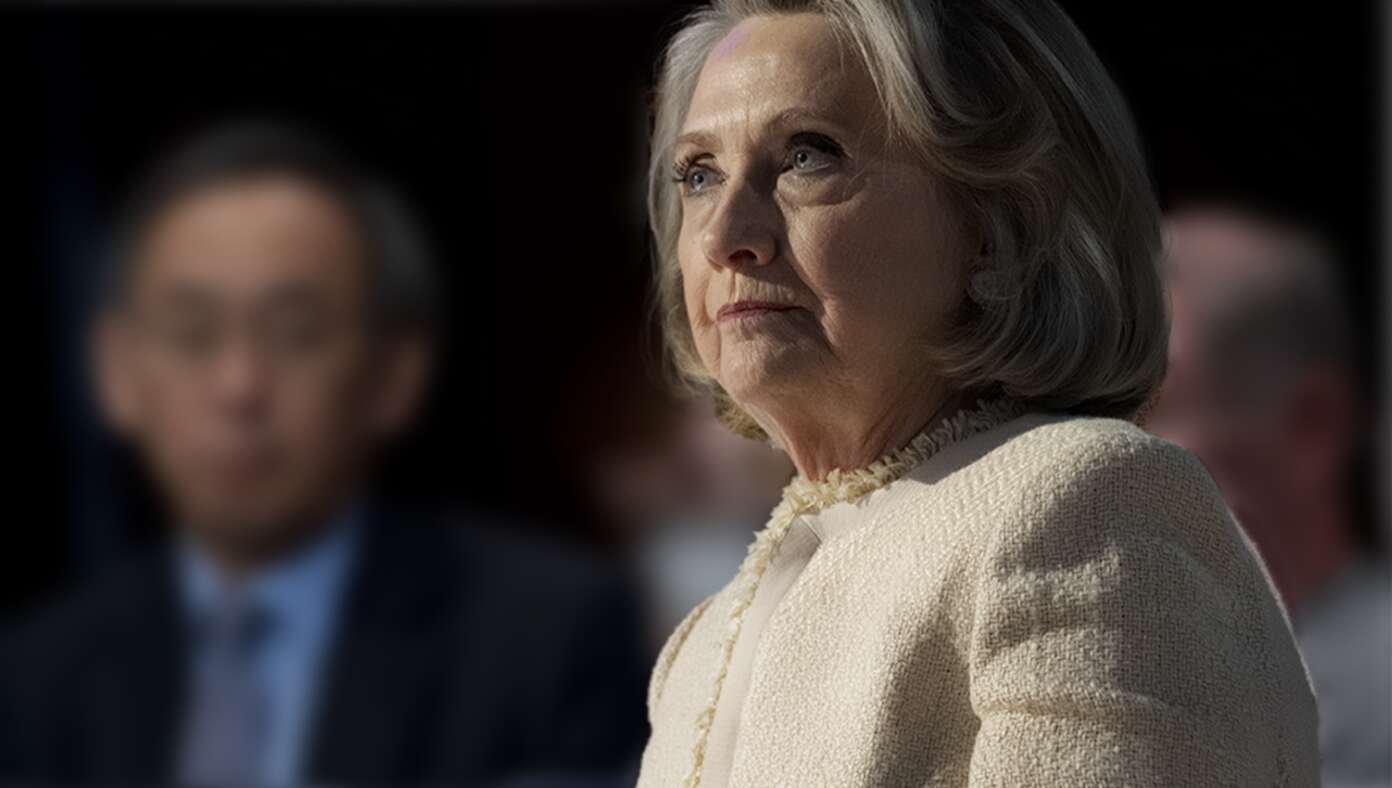
CHAPPAQUA, NY — A lifelong politician whose name appeared on the Epstein list was questioned today by other politicians whose names were on the Epstein list, sources confirmed.
Read More
| Picture of the day |
|---|

|
|
One Hundred Horses by Giuseppe Castiglione, painted in 1728. Collected by the National Palace Museum in Taipei, Taiwan. Today is Chinese New Year. In traditional Chinese culture, today marks the beginning of Horse Year.
|
Father Zollner: Catholics need to pray more for survivors of sexual abuse #Catholic – 
(OSV News) — Jesuit Father Hans Zollner is urging Catholics to make prayer for abuse victims a central focus this Lent, saying the Church’s spiritual response to sexual abuse remains underdeveloped. The director of the Institute of Anthropology at Rome’s Pontifical Gregorian University said that while safeguarding policies and research have grown, prayer for victims and secondary victims is often overlooked.
Father Zollner spoke to OSV News as cases of abuse made global news with abuse survivor Gisèle Pelicot meeting Queen Camilla Feb. 23, and with two high profile figures — Andrew Mountbatten Windsor and Peter Mandelson, former British ambassador to the U.S. — arrested due to their connections with Jeffrey Epstein.
Pelicot was drugged by her now-former husband and raped in their French home by strangers while she lay unconscious. Her book, “Hymn to Life: Shame Has to Change Sides,” was launched in London, where actress Kate Winslet, among other stars, read passages from the memoir that left Queen Camilla, as she said in her own words, “speechless.”
Mountbatten Windsor, a former British Prince, allegedly abused Virginia Giuffre, who described her abuse at the hands of associates of Jeffrey Epstein — in what the BBC called “appalling detail” — in a book published posthumously after she took her own life in 2025.
Many cases connected to Catholic priests, including high profile ones, such as Father Marko Rupnik, are also ongoing.
sked for a Catholic response to such harrowing cases, Father Zollner, one of the world’s top experts in sexual abuse and safeguarding, with research spanning more than two decades, told OSV News that while “canonical, psychological, or sociological analysis” in the Church is much needed and developed, one aspect is still lacking in broader Catholic response to abuse in general: prayer. — and Lent is the best time to remind about it.
Father Zollner said “a spiritual reckoning and a spiritual way of understanding” abuse is something everyone in the Church should be paying attention to.
“We pray for the poor, we pray for the homeless, we pray for the sick — but when do we pray for victims?” he asked in a phone conversation with OSV News.
“Our discovery over the last months has been that more and more people are aware that the spirituality of safeguarding, and the theology of safeguarding in the face of abuse, is very much underdeveloped,” Father Zollner said.
“Very often, I ask at conferences — and have asked over the years — participants: ‘When did you pray for victims of abuse last time?’ Most of the time, there is a dead silence after that question, and many people say that they didn’t think about it.”
He said days of prayers once a year are not enough.
“When do we pray for victims? For secondary victims? When do we pray for perpetrators? When do we pray for Church leaders who have to deal with these situations?” he asked.
It’s not only a question of “credibility,” but a “question of how we understand redemption, how we understand ecclesial life, leadership in the Church, power, and authority from a theological and spiritual point of view.”
“I have been working on these issues for almost 20 years now, and I have asked these questions many times. Many people are startled because they had never thought about them.
For me, one of the really astonishing things is that there is very little faith response to this.”
“What does God want us to do when this is brought before us over and over again over the last 40 years? Where is the response from a strictly faith perspective?” Father Zollner asked.
The Institute of Anthropology in Rome has announced it will offer a series of Lenten reflections focused on safeguarding, underscoring its longstanding commitment to integrating safeguarding awareness into the Church’s spiritual and liturgical life.
“Our Institute has always emphasized the importance of fostering reflection on safeguarding, including within our liturgical life,” the IADC website states.
The reflections highlight the need for parishes and faith communities to keep the suffering of vulnerable people at the forefront of prayer and pastoral concern.
“In every parish and every community of the faithful, the suffering of vulnerable persons should also become a focus of our prayer. At the same time, we seek to strengthen our sensitivity, to be ready to receive God’s grace and joy, and to encourage those working in safeguarding.”
The Institute is inviting the faithful to take part during the Lenten season, framing the initiative as both a spiritual and practical call to action.
While Father Zollner said “we must be cautious about presenting the Church as an authority in this area, because we are not through this process ourselves,” he admitted that when he read about the stories of abuse on Epstein Island “it was very harrowing.”
“These were girls who were trafficked, who suffered the most despicable horrors at the hands of people who had promised them luxury, influence and wealth,” Father Zollner said. “They were probably also longing for real love and understanding — and what they found was hell.”
What was also striking was that “this was happening in front of many people’s eyes.”
“Why do we have millions of pages of documentation, photos, and other material? Because people wrote about it. This did not happen anonymously or in the dark of night — it happened in plain daylight,” he said. “Yet for years, nobody spoke up. Even today, victims have to fight, and some no longer have the the energy and commit suicide, as we have seen.”
For Father Zollner, “This confirms one of the main discoveries of recent years: sexual violence and sexual exploitation have been with humankind from the beginning. And they will not simply end.”
“Even if we do everything we can for safeguarding, even if we tighten laws, human nature requires that we reckon with this reality,” he said.
“As religions, as churches, as societies, we need to step up our efforts to make abuse more difficult,” Father Zollner said “That means education, raising awareness, and engagement at all levels of society and in all sectors. This is not confined to the Catholic Church or to religion — it is everywhere. Nor is it confined to the poorest levels of society; as we see, it exists among the richest as well.”
Asked why both in the Church and in broader society people tend to put the reputation of a powerful person over the dignity of the victim, Father Zollner replied that main two elements are involved — one connected to emotions, the other to the issue of power.
“One is that human beings find it difficult to stand up for the dignity of others if they do not feel close to them or have an emotional connection to them. If someone is outside my family or circle of friends, I may feel sorry for them, but truly engaging in restoring their dignity becomes more difficult. If it is someone close to me, I will be committed and angry. But if the person is distant — an abstract number of victims — it becomes less convincing and less impactful.”
Father Zollner highlighted that for many years, the World Health Organization has said that 20% of girls in any society are sexually abused before the age of 18.
“That is an abstract number,” he said. But translated to absolute figures it means that, in France alone, between 2.5 to 3.5 million women have been victims of abuse. “The same would be true in Germany, in Poland, and in the United States,” Father Zollner said.
Those numbers will remain abstract unless one listens “to one particular victim.”When you sit down with someone and hear their story, it becomes entirely different,” he said.
“The second element is the question of power, influence and perceived position,” Father Zollner said. “I say perceived because sometimes the power is not even real, but connected to an image — nobility, royalty, hierarchy. There is an elevation and protection around such people that goes beyond the normal citizen. Psychological processes of fear, submissiveness or lack of courage in confronting wrongdoing come into play.”
“There is often a layer of awe, respect and submissiveness attached to certain individuals, which combines with a sense of entitlement — the belief that one is beyond reproach and can do whatever one wishes. Fortunately, in some cases, this spell has begun to break.”
For Father Zollner, confronted with such reflection on the state of human nature, the time of Lent offers a unique opportunity for Catholics to contemplate Christ’s suffering “in which the Son of Man, the Son of God, saves us … identifying with the most vulnerable, marginalized and wounded.”
“This is part of the central message of the Gospel and of Jesus’ life: it is not about my well-being, but about the lives of others. Love of self must always be in relation to love of others,” Rome’s Anthropology Institute’s director said.
Paulina Guzik is international editor for OSV News. Follow her on X @Guzik_Paulina
– (OSV News) — Jesuit Father Hans Zollner is urging Catholics to make prayer for abuse victims a central focus this Lent, saying the Church’s spiritual response to sexual abuse remains underdeveloped. The director of the Institute of Anthropology at Rome’s Pontifical Gregorian University said that while safeguarding policies and research have grown, prayer for victims and secondary victims is often overlooked. Father Zollner spoke to OSV News as cases of abuse made global news with abuse survivor Gisèle Pelicot meeting Queen Camilla Feb. 23, and with two high profile figures — Andrew Mountbatten Windsor and Peter Mandelson, former British ambassador
Ukrainian Church transformed by 4 years of war, Kyiv’s bishop says #Catholic – 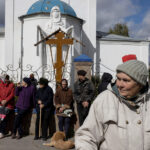
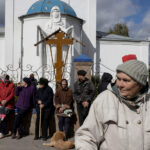
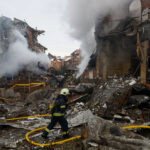
(OSV News) — Four years after Russia launched its full-scale invasion of Ukraine, the war has fundamentally reshaped the Catholic Church’s mission — turning parishes into shelters, priests into chaplains and charity into daily survival, Ukrainian bishop and leader of charity efforts told OSV News.
“Everything has changed. The country will never again be what it was before Feb. 24, 2022,” Auxiliary Bishop Oleksandr Yazlovetskiy of Kyiv-Zhytomyr, head of Caritas-Spes Ukraine, told OSV News in a conversation marking the anniversary.
As Ukraine enters a fifth year of war amid continued missile attacks, mounting casualties and growing international uncertainty about future aid, Church leaders say the conflict has brought the Church back to its most basic identity.
“The war revealed the essence of the Church — to be close to those who suffer,” the bishop said. “Not only to preach, but to be present: to listen, to support, to share fear and hope.”
Russia’s full-scale invasion triggered Europe’s largest humanitarian crisis since World War II.
According to United Nations agencies, some 3.7 million Ukrainians remain internally displaced, while nearly 6.9 million continue to live as refugees across Europe and beyond. Entire communities have been uprooted multiple times as missile and drone attacks repeatedly damage homes, hospitals, schools and energy infrastructure — forcing reconstruction efforts to begin anew even before previous repairs are completed.
Nearly four years into the war, humanitarian needs remain massive, with millions still dependent on international aid for basic survival.
In that reality, pastoral ministry and humanitarian work have become inseparable.
“Since 2022, pastoral care cannot be separated from humanitarian service,” Bishop Yazlovetskiy told OSV News. Caritas organizations in Ukraine — both Roman Catholic Caritas-Spes Ukraine and the Ukrainian Greek Catholic Caritas Ukraine — rapidly evolved from modest social service groups into nationwide emergency networks.
“From small organizations of social assistance, Caritas became a powerful structure with centers across the country,” Bishop Yazlovetskiy said, crediting support from Caritas Europe, the global Caritas network and Church and governmental donors from across the globe.
“Unfortunately, help is already decreasing, while needs are not,” he said. “Mercy has become an everyday, urgent mission.”
The Church’s transformation is visible in moments of crisis. After Russian strikes destroyed parts of Ukraine’s energy system and cities were plunged into cold and darkness, Catholic parishes opened what were called “points of warmth and hope.”
“The Church fed people and kept them warm,” the bishop said.
War also reshaped relations among Christian communities. Pre-war disputes and competition between churches gave way to cooperation through the Ukrainian Council of Churches and Religious Organizations, representing the vast majority of believers in the country.
“The tragedy of war united us,” Kyiv’s bishop said. “All churches returned to their primary mission — helping the vulnerable both in word and in action.”
That visible service has changed how Ukrainians perceive the Church.
“Where the Church truly helps, trust grows,” Bishop Yazlovetskiy told OSV News. “The witness of love became more convincing than any words.”
He pointed especially to military chaplains serving alongside soldiers and in hospitals. Government approval allowing priests to serve officially with military units has brought clergy closer to frontline realities.
“In this way, the Church is also with its soldiers,” the bishop said.
International solidarity remains essential, particularly assistance from the United States.
“American aid is vital — humanitarian and military,” he said. “Americans should know that their support saves lives every day. Without this help, especially military assistance, we will not endure.” Delays in support quickly translate into loss of life, he added. “Every delay in aid is later seen in the growing number of funerals of our soldiers.”
At the same time, global spiritual solidarity continues to accompany Ukraine.
Catholic communities around the world marked the anniversary with prayer initiatives promoted by the Commission of the Bishops’ Conferences of the European Union, known as COMECE, and the Centesimus Annus Pro Pontifice Foundation, echoing repeated appeals from Pope Leo XIV for peace in Ukraine.
“Four years have passed since the beginning of the war against Ukraine,” Pope Leo said during his Angelus prayer Feb. 22. “My heartfelt thoughts remain focused on the tragic situation unfolding before the eyes of the whole world: so many victims, so many lives and families shattered, such immense destruction, such unspeakable suffering!”
Prayer gatherings were taking place in many countries, including Rome, where Cardinal Matteo Zuppi of Bologna will preside over prayer vigil of the Community of Sant’Egidio Feb. 24 at 8 p.m.
Such gestures, and prayer, Bishop Yazlovetskiy said, matter deeply.
“When we hear that the United States and European countries support us, it gives hope and strengthens people,” he said. “But when someone turns away — even one political statement — the burden of war suddenly becomes much heavier.”
Behind geopolitical debates stand deeply personal stories. The bishop recalled a widowed Catholic mother from his hometown who raised six children alone. Two of her sons have been killed in the war, while a third now fights at the front.
“Despite everything, she continues to come to church,” he said. “She writes poetry through her pain. People call her ‘a mother who cries in poems.’ Saints do not look at us only from icons — they live among us.”
Prayer in Ukraine today however reflects exhaustion more than triumph.
“People pray for a just peace, for soldiers, prisoners, the wounded and the dead,” the bishop said. “No one prays for victory. Ukrainians pray for peace — again and again, peace.”
For Bishop Yazlovetskiy, faith has not eliminated fear but has made endurance possible.
“God never shows us the entire length of the thorny road,” he told OSV News. “He lights only a few steps ahead, like a flashlight in the darkness. If people had known four years ago how long this war would last, despair would have been unbearable.”
Still, he insists hope remains stronger than despair.
“We believe love is stronger than hatred,” he said. “God is present even where darkness seems to reign. The greatest darkness today is in Ukraine — and we believe God is with us.”
Katarzyna Szalajko writes for OSV News from Warsaw, Poland.
– (OSV News) — Four years after Russia launched its full-scale invasion of Ukraine, the war has fundamentally reshaped the Catholic Church’s mission — turning parishes into shelters, priests into chaplains and charity into daily survival, Ukrainian bishop and leader of charity efforts told OSV News. “Everything has changed. The country will never again be what it was before Feb. 24, 2022,” Auxiliary Bishop Oleksandr Yazlovetskiy of Kyiv-Zhytomyr, head of Caritas-Spes Ukraine, told OSV News in a conversation marking the anniversary. As Ukraine enters a fifth year of war amid continued missile attacks, mounting casualties and growing international uncertainty about future
Obispos: El pueblo ucraniano ‘resiste, confía y reza’ mientras se cumplen cuatro años de la invasión a gran escala de Rusia #Catholic – 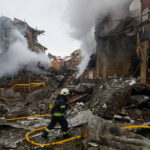
FILADELFIA (OSV News) — En el cuarto aniversario de la invasión a gran escala de Ucrania por parte de Rusia, los obispos católicos ucranianos de Estados Unidos afirmaron que “el pueblo de Dios resiste, confía y reza” a pesar de las “innumerables muertes y millones de víctimas” que ha causado el brutal conflicto en 12 años de guerra.
Los obispos, encabezados por el arzobispo metropolitano Borys A. Gudziak, de la Arquidiócesis Católica Ucraniana de Filadelfia (o Archieparquía de Filadelfia), emitieron un comunicado un día antes del aniversario de la invasión rusa del 24 de febrero de 2022, al tiempo que recordaban que la guerra comenzó con los ataques respaldados por Rusia contra el país en 2014.
En su comunicado, los obispos afirmaron que “la intención genocida es manifiesta”, ya que Rusia ha bombardeado regularmente la red energética de Ucrania, dejando a millones de personas sin calefacción ni electricidad durante días, en medio de un invierno que ha sido “el más duro en años”.
El frío intenso, con temperaturas muy por debajo de cero de forma sostenida, “se ha explotado deliberadamente para quebrantar el espíritu de una nación… que defiende la libertad, la justicia, la democracia y la dignidad humana otorgada por Dios”.
“Es una guerra contra el pueblo”, afirmaron los obispos.
Destacaron que “Rusia ha atacado sistemáticamente la infraestructura social y espiritual de Ucrania”, señalando “al menos 2.881 ataques” contra centros y personal sanitario en todo el país.
Más de 4.000 instituciones educativas han sufrido daños y 408 han sido destruidas, afirmaron los obispos, señalando que los ataques de Rusia contra las escuelas ucranianas –que han obligado a los niños a trasladarse a aulas subterráneas o a renunciar por completo a la educación– afectan a “millones de niños”, una cifra que las Naciones Unidas han estimado recientemente en unos 4,6 millones.
Rusia también ha puesto en su punto de mira a las comunidades religiosas de Ucrania, según los obispos, que explicaron que la Iglesia católica y otros cristianos no afiliados a la Iglesia ortodoxa rusa han sido sistemáticamente perseguidos bajo la ocupación rusa.
“Más de 600 iglesias y lugares de culto, que representan a diversas confesiones, han sido dañados o arrasados”, afirmaron, señalando que “los prisioneros civiles, incluido el clero, son torturados sin piedad”.
En marzo de 2024, la Iglesia Ortodoxa Rusa declaró la guerra de Rusia contra Ucrania como una “guerra santa”. El patriarca Kirill, jefe de dicha iglesia, dijo a los creyentes en un sermón de septiembre de 2022 que los militares rusos muertos en Ucrania verán “todos sus pecados” lavados por su muerte.
Las autoridades rusas de la región ocupada de Zaporizhzhia “prohibieron” formalmente la Iglesia greco-católica ucraniana (conocida como UGCC, por sus siglas en inglés), los Caballeros de Colón y Cáritas.
Dos sacerdotes redentoristas de la UGCC, el padre Ivan Levitsky y el padre Bohdan Geleta, fueron secuestrados a finales de 2022 y sometidos a tortura mientras permanecieron bajo custodia rusa durante unos 18 meses antes de su liberación, negociada por el Vaticano.
Múltiples informes de derechos humanos han documentado que la tortura –incluidas palizas, mutilaciones y quemaduras– y la ejecución son prácticas habituales y sistemáticas en medio del cautiverio ruso.
Los obispos subrayaron estos hechos para destacar cómo los ucranianos “se enfrentan y luchan contra el mal y la tiranía para vivir y dar testimonio de la verdad” a un costo enorme.
“A pesar de todo”, dijeron los obispos, los ucranianos “viven con gratitud. En primer lugar, hacia Dios. Y hacia todas las personas que les ayudan”.
“Agradecen a los estadounidenses y a todas las personas de buena voluntad de todo el mundo sus oraciones”, dijeron los obispos. “Las oraciones mueven montañas”.
Además, los ucranianos “están agradecidos a todos los que se mantienen informados, que contrarrestan la desinformación y que abogan por la justicia, una paz verdaderamente justa”, dijeron los obispos.
Concluyeron: “En su nombre, les pedimos que continúen hasta que prevalezca la verdad de Dios. Lo hará. Nuestra fe y nuestra esperanza están en el Señor”.
Gina Christian es reportera multimedia de OSV News. Síguela en X @GinaJesseReina.
– FILADELFIA (OSV News) — En el cuarto aniversario de la invasión a gran escala de Ucrania por parte de Rusia, los obispos católicos ucranianos de Estados Unidos afirmaron que “el pueblo de Dios resiste, confía y reza” a pesar de las “innumerables muertes y millones de víctimas” que ha causado el brutal conflicto en 12 años de guerra. Los obispos, encabezados por el arzobispo metropolitano Borys A. Gudziak, de la Arquidiócesis Católica Ucraniana de Filadelfia (o Archieparquía de Filadelfia), emitieron un comunicado un día antes del aniversario de la invasión rusa del 24 de febrero de 2022, al tiempo que
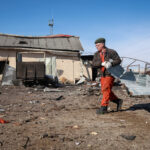
Bishops: Ukrainians ‘resist, trust, pray’ as Russia’s full-scale invasion turns 4 #Catholic – 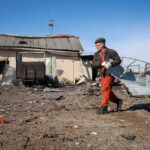
By Gina Christian, OSV News
PHILADELPHIA (OSV News) — On the fourth anniversary of Russia’s full-scale invasion of Ukraine, the Ukrainian Catholic bishops of the U.S. said “the people of God resist, trust, and pray” despite the “countless deaths and millions of casualties” the brutal conflict has claimed in 12 years of warfare.
The bishops, led by Metropolitan Archbishop Borys A. Gudziak of the Archeparchy of Philadelphia, issued a statement a day prior to the anniversary of Russia’s Feb. 24, 2022, invasion, while observing the war began with Russian-backed attacks on the country in 2014.
In their statement, the bishops said “the genocidal intent is manifest” as Russia has regularly pummeled Ukraine’s energy grid, leaving millions without heat or electricity for days at a time, amid a winter that has been “the harshest in years.”
The bitter cold, with temperatures dropping well below freezing on a sustained basis, “has been deliberately exploited to break the spirit of a nation … standing for freedom, justice, democracy, and God-given human dignity.”
“It is a war against the people,” said the bishops.
They stressed that “Russia has systematically targeted Ukraine’s social and spiritual infrastructure,” pointing to “at least 2,881 attacks” on health care sites and personnel across the country.
Well over 4,000 educational institutions have been damaged, with 408 destroyed, said the bishops, noting Russia’s attacks on Ukrainian schools — which have seen children move to underground classrooms, or forego education altogether — affects “millions of children,” a number the United Nations recently put at about 4.6 million.
Russia has also taken aim at Ukraine’s religious communities, the bishops said, explaining that the Catholic Church and other Christians not affiliated with the Russian Orthodox Church have been systematically persecuted under Russian occupation.
“More than 600 churches and places of worship, representing various denominations, have been damaged or leveled,” they said, noting that “civilian prisoners, including clergy, are mercilessly tortured.”
In March 2024, the Russian Orthodox Church declared Russia’s war on Ukraine a “holy war.” Patriarch Kirill, the church’s head, told believers in a September 2022 sermon that Russian military personnel killed in Ukraine will have “all sins” washed away by their deaths.
Russian officials in the occupied Zaporizhzhia region formally “banned” the UGCC, the Knights of Columbus and Caritas.
Two UGCC Redemptorist priests, Father Ivan Levitsky and Father Bohdan Geleta, were abducted in late 2022 and subjected to torture while held in Russian custody for some 18 months prior to their Vatican-brokered release.
Multiple human rights reports have documented that torture — including beatings, mutilation and burning — and execution are commonplace and systematic in Russian captivity.
The bishops underscored these events to highlight how Ukrainians “stand and fight evil and tyranny to live and witness to the truth” at tremendous cost.
“Despite it all,” said the bishops, Ukrainians “live with gratitude. First, to God. And to all people who help.”
“They thank Americans and all people of goodwill throughout the world for their prayers,” the bishops said. “Prayers move mountains.”
In addition, Ukrainians “are grateful to all who stay informed, who counter disinformation, and who advocate for justice, a truly just peace,” said the bishops.
They concluded, “In their name, we ask that you continue until God’s truth prevails. It will. Our faith and our hope are in the Lord.”
Gina Christian is a multimedia reporter for OSV News. Follow her on X @GinaJesseReina.
– By Gina Christian, OSV News PHILADELPHIA (OSV News) — On the fourth anniversary of Russia’s full-scale invasion of Ukraine, the Ukrainian Catholic bishops of the U.S. said “the people of God resist, trust, and pray” despite the “countless deaths and millions of casualties” the brutal conflict has claimed in 12 years of warfare. The bishops, led by Metropolitan Archbishop Borys A. Gudziak of the Archeparchy of Philadelphia, issued a statement a day prior to the anniversary of Russia’s Feb. 24, 2022, invasion, while observing the war began with Russian-backed attacks on the country in 2014. In their statement, the bishops
Born Feb. 26, 1842, in France, Camille Flammarion started early on what would be a long literary and scientific career: At only 16 years old, he wrote a 500-page tome entitled Cosmologie Universelle. The same year, Flammarion obtained a position as an assistant at the Paris Observatory and after a five-year break in his careerContinue reading “Feb. 26, 1842: The birth of Camille Flammarion”
The post Feb. 26, 1842: The birth of Camille Flammarion appeared first on Astronomy Magazine.
Read More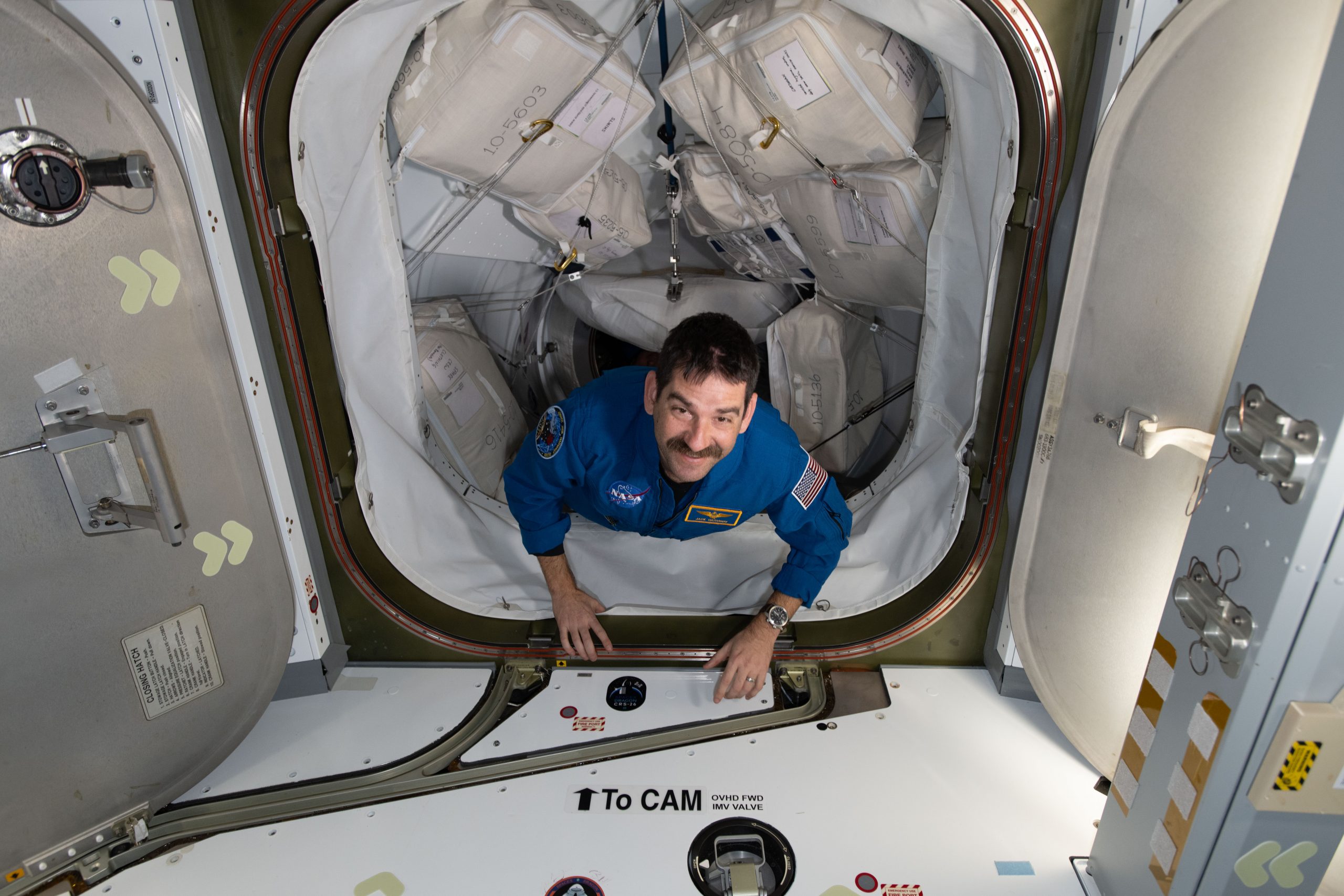
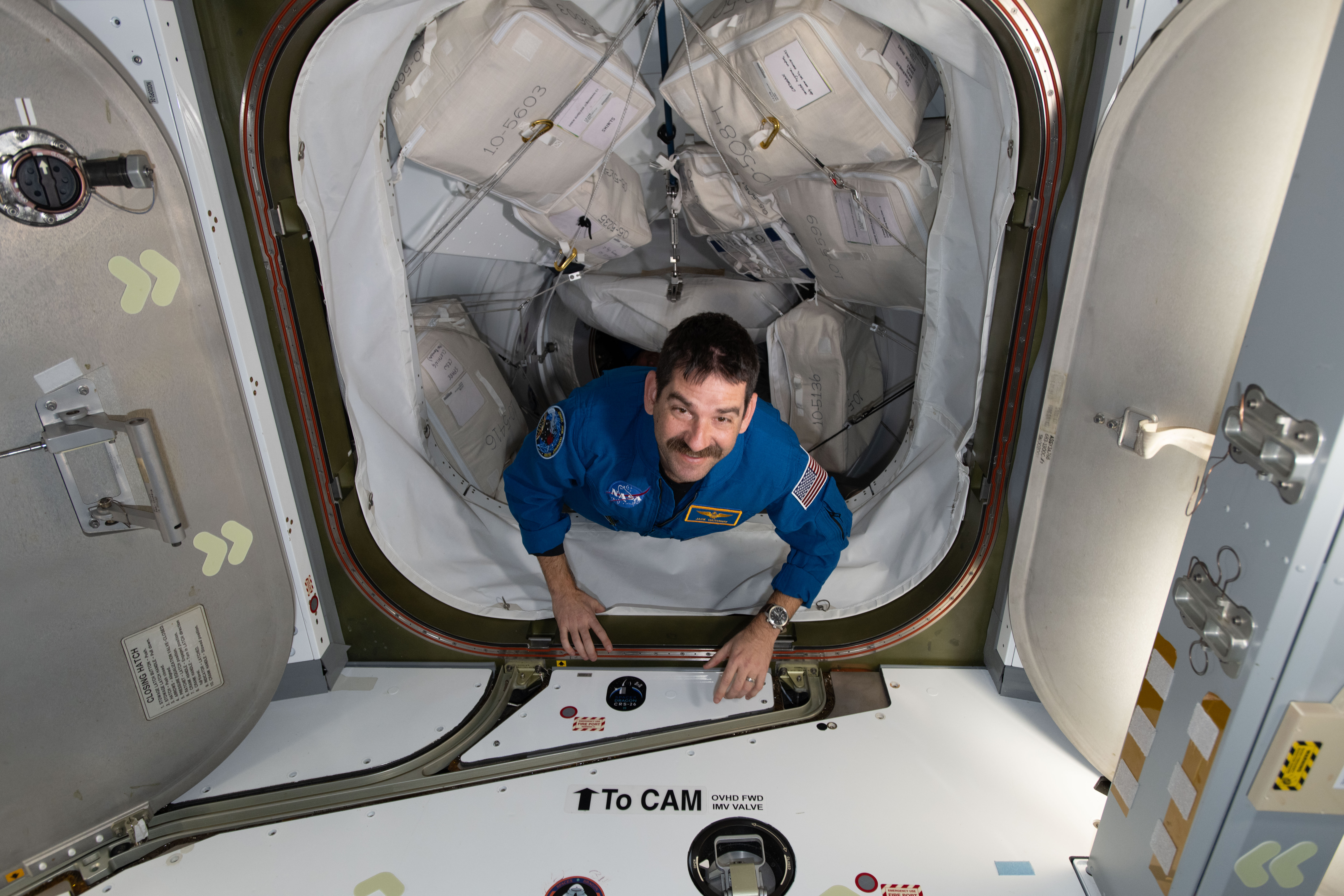
NASA astronaut and SpaceX Crew-12 Pilot Jack Hathaway enters the International Space Station after docking aboard the Dragon spacecraft to join Expedition 74 and begin a long-duration microgravity research mission.
Read MoreBless us,
O Lord,
and these your gifts,
which we are about to receive
from your bounty.
Through Christ our Lord.
Amen.
Read More
Obituary: Trinitarian Brother David Sommer, 80 #Catholic – 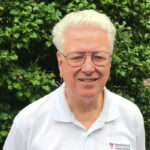
A Mass of Christian Burial was held on Feb. 25 at the Shrine of St. Joseph in the Stirling neighborhood of Long Hill Township, N.J., for Trinitarian Brother David Sommer, who died on Feb. 21. He was 80.
A faithful servant of Christ, Brother Sommer spent more than 50 years living his vocation with humility, dedication, and joy as a member of the Missionary Servants of the Most Holy Trinity, who operate the Shrine of St. Joseph. They are also known as Trinitarians.
Brother Sommer professed his perpetual vows as a brother of the Missionary Servants in 1971. He faithfully embraced his call to religious life and missionary service. His life was marked by quiet generosity, steadfast prayer, deep devotion to the Eucharist, and a joyful dedication to God’s people.
Over the years, Brother Sommer’s missionary service took him to Native American communities, into the mountains of Appalachia, and to the John XXIII Center in Alabama, where he helped provide food and support to families in need. He served with compassionate care, reflecting the love of Christ in both word and action.
Most recently, Brother Sommer served at the Shrine of St. Joseph, where he made each person feel seen, heard, and valued. Those who encountered him experienced his kindness, attentive listening, and sincere love for the Lord.
– A Mass of Christian Burial was held on Feb. 25 at the Shrine of St. Joseph in the Stirling neighborhood of Long Hill Township, N.J., for Trinitarian Brother David Sommer, who died on Feb. 21. He was 80. A faithful servant of Christ, Brother Sommer spent more than 50 years living his vocation with humility, dedication, and joy as a member of the Missionary Servants of the Most Holy Trinity, who operate the Shrine of St. Joseph. They are also known as Trinitarians. Brother Sommer professed his perpetual vows as a brother of the Missionary Servants in 1971. He faithfully
A reading from the Book of Esther
C:12, 14-16, 23-25
Queen Esther, seized with mortal anguish,
had recourse to the LORD.
She lay prostrate upon the ground, together with her handmaids,
from morning until evening, and said:
“God of Abraham, God of Isaac, and God of Jacob, blessed are you.
Help me, who am alone and have no help but you,
for I am taking my life in my hand.
As a child I used to hear from the books of my forefathers
that you, O LORD, always free those who are pleasing to you.
Now help me, who am alone and have no one but you,
O LORD, my God.
“And now, come to help me, an orphan.
Put in my mouth persuasive words in the presence of the lion
and turn his heart to hatred for our enemy,
so that he and those who are in league with him may perish.
Save us from the hand of our enemies;
turn our mourning into gladness
and our sorrows into wholeness.”
From the Gospel according to Matthew
7:7-12
Jesus said to his disciples:
“Ask and it will be given to you;
seek and you will find;
knock and the door will be opened to you.
For everyone who asks, receives; and the one who seeks, finds;
and to the one who knocks, the door will be opened.
Which one of you would hand his son a stone
when he asked for a loaf of bread,
or a snake when he asked for a fish?
If you then, who are wicked,
know how to give good gifts to your children,
how much more will your heavenly Father give good things
to those who ask him.
“Do to others whatever you would have them do to you.
This is the law and the prophets.”
With these words Jesus makes it understood that God always responds, that no prayer will remain unheard; why? Because He is Father, and does not forget his suffering children.
Of course, these affirmations disconcert us, because many of our prayers seem not to obtain any results. How often have we asked and not received — we have all experienced this — how many times have we knocked and found a closed door? Jesus advises us, in those moments, to persist and to not give up. Prayer always transforms reality, always. If things around us do not change, at least we change; our heart changes. Jesus promised the gift of the Holy Spirit to each man and to each woman who prays.
We can be certain that God will respond. The only uncertainty is due to time, but let us not doubt that he will respond. Perhaps we will have to persist for our whole life, but he will respond. (…) Henceforth, praying is victory over solitude and desperation. It is like seeing every fragment of creation teeming amid the listlessness of a history whose meaning we sometimes fail to grasp. But it is in motion, it is on a journey, and at the end of every road, what is there at the end of our road? At the end of prayer, at the end of the time in which we are praying, at life’s end: what is there? There is a Father who awaits everything and everyone with arms wide open. Let us look to this Father. (Pope Francis, General Audience, 9 January 2019)
Read More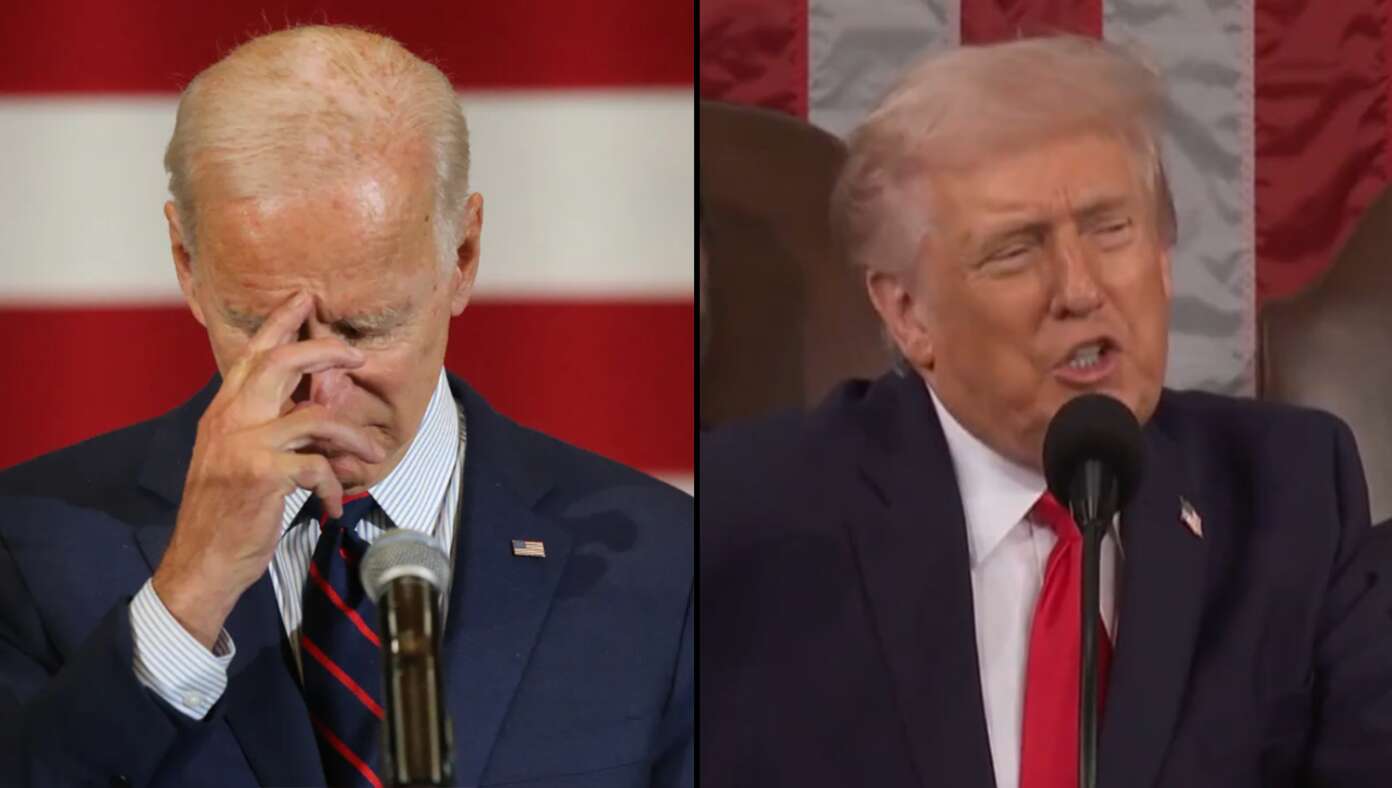
WASHINGTON, D.C. — Congress stared in confusion this evening, puzzled by hearing a speech from a President who can say words and sentences.
Read More
| Picture of the day |
|---|

|
|
Pedestrian crossing on Market Street at Third Street, San Francisco, as seen from One Kearny St.
|

For the first time, an international team of astronomers have mapped the vertical structure of Uranus’s upper atmosphere, uncovering how temperature and charged particles vary with height across the planet.
Read MoreFather in Heaven,
You made me Your child
and called me to walk in the Light of Christ.
Free me from darkness
and keep me in the Light of Your Truth.
The Light of Jesus has scattered
the darkness of hatred and sin.
Called to that Light,
I ask for Your guidance.
Form my life in Your Truth,
my heart in Your Love.
Through the Holy Eucharist,
give me the power of Your Grace
that I may walk in the Light of Jesus
and serve Him faithfully.
CAMBRIDGE, MA — Local Episcopalian Myrtle Smith has once again elected to undergo an enormous sacrifice by giving up reading her Bible again this Lent.
Read More
WASHINGTON, D.C. — With an alleged third assassination attempt in the books, President Trump is reportedly one step closer to a free third term.
Read More
| Picture of the day |
|---|

|
|
Phnom Bakheng is a Hindu temple dedicated to Shiva in Siem Reap Province, Cambodia. It was built at the end of the 9th century, during the reign of King Yasovarman (889–910). Today is Mahashivaratri, a Hindu festival dedicated to the worship of Shiva.
|
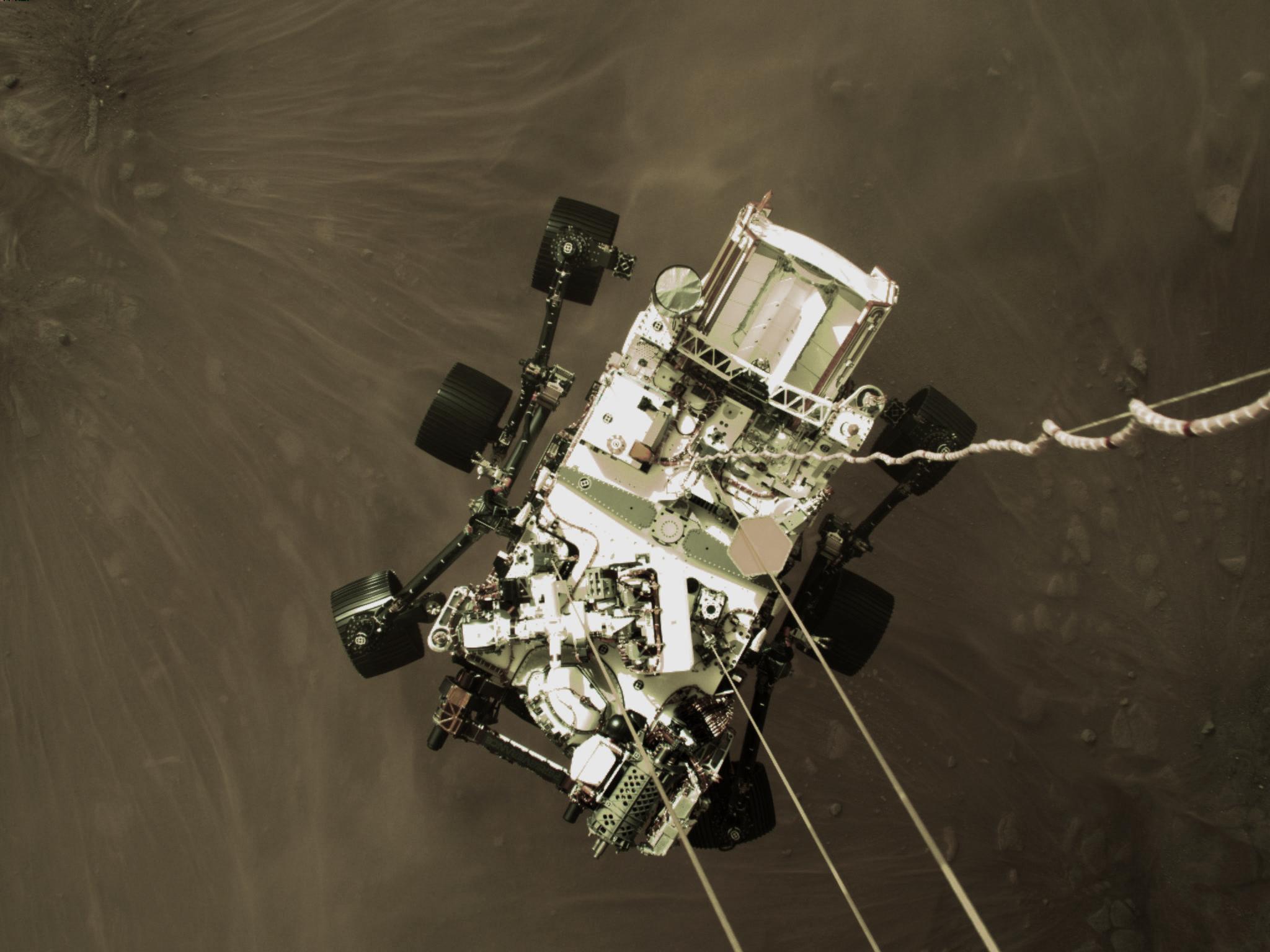
This high-resolution still image is part of a video taken by several cameras as NASA’s Perseverance rover touched down on Mars on February 18, 2021.
Read MoreDear God, give me courage,
for perhaps I lack it more than anything else.
I need courage before men against their threats
and against their seductions.
I need courage to bear unkindness,
mockery, contradiction.
I need courage to fight against the devil,
against terrors and troubles, temptations,
attractions, darkness and false lights,
against tears, depression, and above all fear.
I need Your help, dear God.
Strengthen me with Your love and Your grace. …
Read More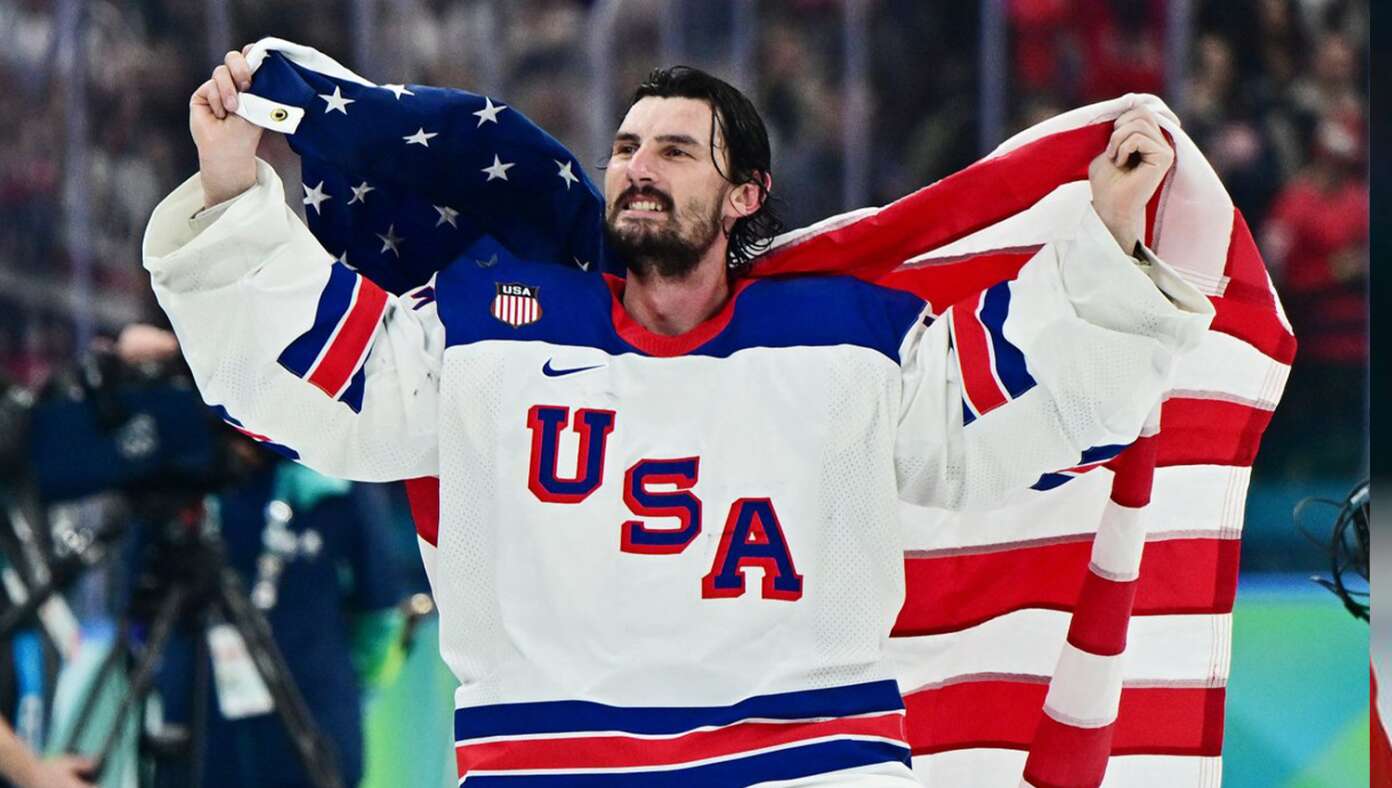
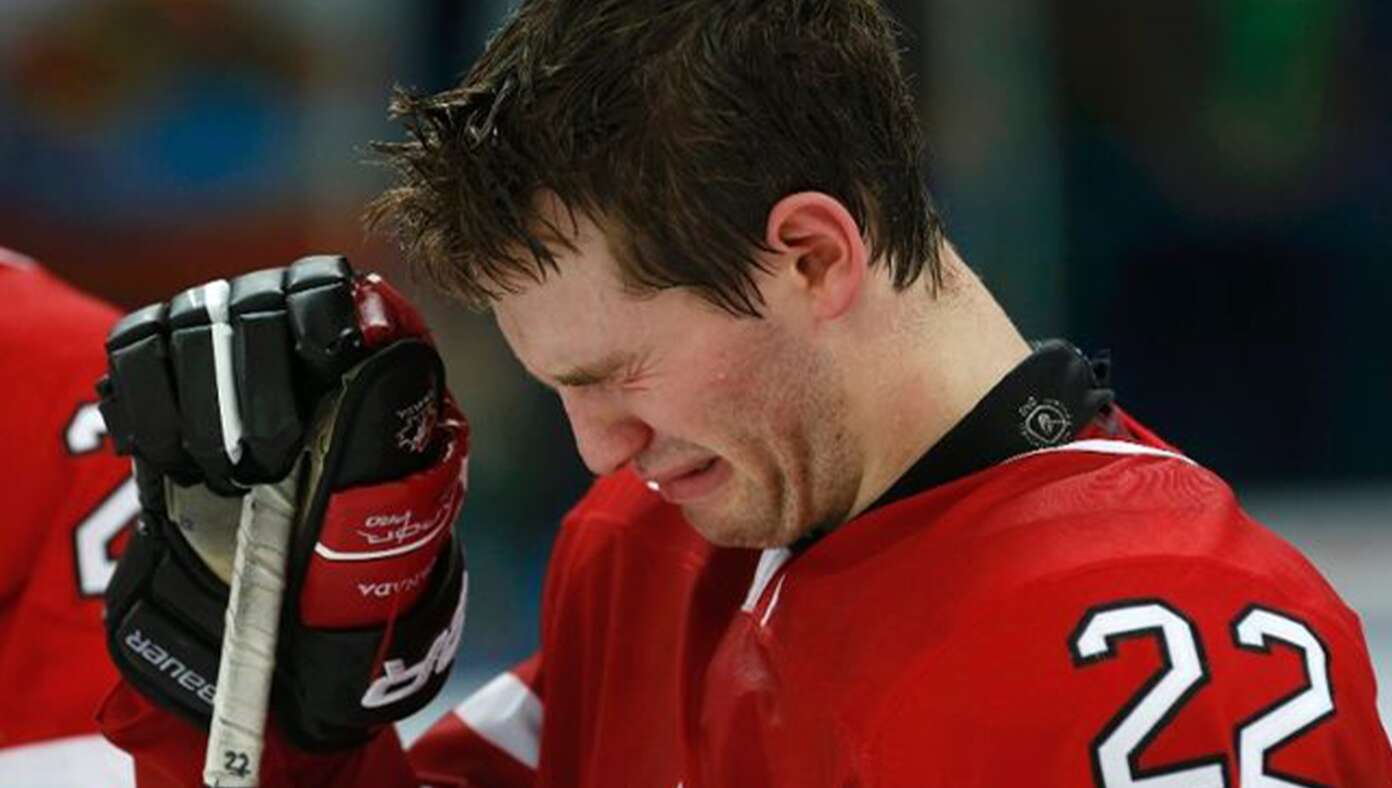
U.S. – After defeating Canada at the only thing it was supposedly good at, the entire territory of Canada has been officially declared an American province.
Read MoreBefore: Bless us, O Lord! and these Thy gifts, which we are about to receive from Thy bounty, through Christ our Lord. Amen.
After: We give Thee thanks for all Thy benefits, O Almighty God, who livest and reignest world without end. Amen. May the souls of the faithful departed, through the mercy of God, rest in peace. Amen.



:max_bytes(150000):strip_icc():format(jpeg)/TAL-header-derek-jeter-celeb-check-in-DEREKJETERCCI0226-276e6c38b26f4c0aa90b94800b697f54.jpg)

:max_bytes(150000):strip_icc():format(jpeg)/TAL-lead-image-SKICANADA1223-43a56a1a2d7540b1ae310f5aea4974f4.jpg)

:max_bytes(150000):strip_icc():format(jpeg)/TAL-exumas-bahamas-EXUMASIGUNANS0226-e93effab07114ab8a85448f9f2405fd8.jpg)

_24.jpg)