
Day: February 4, 2026

Almighty and loving Father, I thank you for giving St. Gerard to us as a most appealing model and powerful friend. By his example, he showed us how to love and trust you. You have showered many blessings on those who call upon him. For your greater glory and my welfare, please grant me the favors which I ask in his name.
(Here mention them privately)
And you, my powerful patron, intercede for me before the throne of God. Draw near to that throne and do not leave it until you have been heard. …

Read More

Gospel and Word of the Day – 05 February 2026 – A reading from the First Book of Kings 1 Kings 2:1-4, 10-12 When the time of David’s death drew near, he gave these instructions to his son Solomon: "I am going the way of all flesh. Take courage and be a man. Keep the mandate of the LORD, your God, following his ways and observing his statutes, commands, ordinances, and decrees as they are written in the law of Moses, that you may succeed in whatever you do, wherever you turn, and the LORD may fulfill the promise he made on my behalf when he said, ‘If your sons so conduct themselves that they remain faithful to me with their whole heart and with their whole soul, you shall always have someone of your line on the throne of Israel.’" David rested with his ancestors and was buried in the City of David. The length of David’s reign over Israel was forty years: he reigned seven years in Hebron and thirty-three years in Jerusalem. Solomon was seated on the throne of his father David, with his sovereignty firmly established.From the Gospel according to Mark 6:7-13 Jesus summoned the Twelve and began to send them out two by two and gave them authority over unclean spirits. He instructed them to take nothing for the journey but a walking stick –no food, no sack, no money in their belts. They were, however, to wear sandals but not a second tunic. He said to them, "Wherever you enter a house, stay there until you leave from there. Whatever place does not welcome you or listen to you, leave there and shake the dust off your feet in testimony against them." So they went off and preached repentance. The Twelve drove out many demons, and they anointed with oil many who were sick and cured them.It is very significant that Jesus wants to involve the Twelve in his action from the outset: it is a sort of “apprenticeship” with a view to the great responsibility that awaited them. The fact that Jesus calls certain disciples to collaborate directly in his mission demonstrates one aspect of his love, namely, he does not spurn the help that other people can contribute to his work; he knows their limitations, their weaknesses, but bears no contempt for them. On the contrary Jesus confers on them the dignity of being his envoys. He sends them out two by two and gives them instructions which the Evangelist sums up in a few sentences. The first concerns the spirit of detachment: the Apostles must not be attached to money or to other comforts. Then Jesus warns the disciples that they will not always receive a favourable welcome. Sometimes they will be rejected; they might even be persecuted. However this must not frighten them: they must speak in Jesus’ name and preach the Kingdom of God without being worried about whether or not they will succeed. Succeed — its success must be left to God. (Pope Benedict XVI, Homily, Pastoral visit to Frascati, Italy, 15 July 2012)

A reading from the First Book of Kings
1 Kings 2:1-4, 10-12

When the time of David’s death drew near,
he gave these instructions to his son Solomon:
"I am going the way of all flesh.
Take courage and be a man.
Keep the mandate of the LORD, your God, following his ways
and observing his statutes, commands, ordinances, and decrees
as they are written in the law of Moses,
that you may succeed in whatever you do,
wherever you turn, and the LORD may fulfill
the promise he made on my behalf when he said,
‘If your sons so conduct themselves
that they remain faithful to me with their whole heart
and with their whole soul,
you shall always have someone of your line
on the throne of Israel.’"

David rested with his ancestors and was buried in the City of David.
The length of David’s reign over Israel was forty years:
he reigned seven years in Hebron
and thirty-three years in Jerusalem.

Solomon was seated on the throne of his father David,
with his sovereignty firmly established.

From the Gospel according to Mark
6:7-13

Jesus summoned the Twelve and began to send them out two by two
and gave them authority over unclean spirits.
He instructed them to take nothing for the journey but a walking stick
–no food, no sack, no money in their belts.
They were, however, to wear sandals but not a second tunic.
He said to them,
"Wherever you enter a house, stay there until you leave from there.
Whatever place does not welcome you or listen to you,
leave there and shake the dust off your feet
in testimony against them."
So they went off and preached repentance.
The Twelve drove out many demons,
and they anointed with oil many who were sick and cured them.

It is very significant that Jesus wants to involve the Twelve in his action from the outset: it is a sort of “apprenticeship” with a view to the great responsibility that awaited them. The fact that Jesus calls certain disciples to collaborate directly in his mission demonstrates one aspect of his love, namely, he does not spurn the help that other people can contribute to his work; he knows their limitations, their weaknesses, but bears no contempt for them. On the contrary Jesus confers on them the dignity of being his envoys. He sends them out two by two and gives them instructions which the Evangelist sums up in a few sentences. The first concerns the spirit of detachment: the Apostles must not be attached to money or to other comforts. Then Jesus warns the disciples that they will not always receive a favourable welcome. Sometimes they will be rejected; they might even be persecuted. However this must not frighten them: they must speak in Jesus’ name and preach the Kingdom of God without being worried about whether or not they will succeed. Succeed — its success must be left to God. (Pope Benedict XVI, Homily, Pastoral visit to Frascati, Italy, 15 July 2012)

Read More
U.S. bishops mark 100th anniversary of Black History Month – #Catholic – February 2026 marks 100 years of commemorating Black History Month in the United States and Catholic bishops are marking the milestone.Bishop Daniel E. Garcia, chairman of the U.S. Conference of Catholic Bishops’ (USCCB) Subcommittee for the Promotion of Racial Justice and Reconciliation, and Bishop Roy E. Campbell, chairman of the USCCB’s Subcommittee on African American Affairs, marked the anniversary by urging the faithful to “be faithful stewards of memory” and “courageous witnesses to truth.”In a statement released Feb. 3, the bishops highlighted the anniversary and called the milestone “an opportunity for us to prayerfully reflect on the ways history has been preserved, honored, and passed on across generations.”Reflecting on the U.S. bishops’ pastoral letter against racism, “Open Wide Our Hearts,” the bishops recognized “that the lived experience of the vast majority of African Americans bears the marks of our country’s original sin of racism.”“During this year’s observance of Black History Month, we encourage the faithful to consider the lessons of history, honoring our heroes of the past and learning from the mistakes of the past,” the bishops said. “Although we may at times encounter people or situations in our country that seek to erase ‘memory’ from our minds and books, it can never be erased from our hearts. May our reflections strengthen our faith and communities.” The bishops concluded: “Let us be faithful stewards of memory. Let us be courageous witnesses to truth. Let us pray and work to honor the inherent dignity of every person and the sacred stories of every people.”Black History Month first began in February 1926. At the time it was called Negro History Week and was created by Carter G. Woodson, who founded the Association for the Study of Negro Life and History (ASNLH).After attending a national celebration of the 50th anniversary of emancipation in 1915, Woodson was left inspired and decided to form an organization to promote the scientific study of Black life and history. From there, he formed ASNLH, launched The Journal of Negro History in 1916, and then in 1924 started Negro History and Literature Week, which was renamed Negro Achievement Week. Finally, in 1926, Woodson sent out a press release announcing Negro History Week, which was later renamed Black History Month by President Gerald Ford in 1976. Black History Month aims to honor the contributions of Black individuals to history, culture, and society. Additionally, it serves to educate the public, challenge systemic racism, highlight Black leaders, and celebrate the ongoing journey toward equality.

U.S. bishops mark 100th anniversary of Black History Month – #Catholic – February 2026 marks 100 years of commemorating Black History Month in the United States and Catholic bishops are marking the milestone.Bishop Daniel E. Garcia, chairman of the U.S. Conference of Catholic Bishops’ (USCCB) Subcommittee for the Promotion of Racial Justice and Reconciliation, and Bishop Roy E. Campbell, chairman of the USCCB’s Subcommittee on African American Affairs, marked the anniversary by urging the faithful to “be faithful stewards of memory” and “courageous witnesses to truth.”In a statement released Feb. 3, the bishops highlighted the anniversary and called the milestone “an opportunity for us to prayerfully reflect on the ways history has been preserved, honored, and passed on across generations.”Reflecting on the U.S. bishops’ pastoral letter against racism, “Open Wide Our Hearts,” the bishops recognized “that the lived experience of the vast majority of African Americans bears the marks of our country’s original sin of racism.”“During this year’s observance of Black History Month, we encourage the faithful to consider the lessons of history, honoring our heroes of the past and learning from the mistakes of the past,” the bishops said. “Although we may at times encounter people or situations in our country that seek to erase ‘memory’ from our minds and books, it can never be erased from our hearts. May our reflections strengthen our faith and communities.” The bishops concluded: “Let us be faithful stewards of memory. Let us be courageous witnesses to truth. Let us pray and work to honor the inherent dignity of every person and the sacred stories of every people.”Black History Month first began in February 1926. At the time it was called Negro History Week and was created by Carter G. Woodson, who founded the Association for the Study of Negro Life and History (ASNLH).After attending a national celebration of the 50th anniversary of emancipation in 1915, Woodson was left inspired and decided to form an organization to promote the scientific study of Black life and history. From there, he formed ASNLH, launched The Journal of Negro History in 1916, and then in 1924 started Negro History and Literature Week, which was renamed Negro Achievement Week. Finally, in 1926, Woodson sent out a press release announcing Negro History Week, which was later renamed Black History Month by President Gerald Ford in 1976. Black History Month aims to honor the contributions of Black individuals to history, culture, and society. Additionally, it serves to educate the public, challenge systemic racism, highlight Black leaders, and celebrate the ongoing journey toward equality.

February marks the 100th anniversary of Black History Month being commemorated in the U.S.

Read More
Scripture is intended to speak to believers ‘in every age,’ pope says #Catholic – VATICAN CITY (CNS) — Pope Leo XIV said Scripture is meant to speak directly to believers in today’s world, emphasizing that the Bible is the word of God expressed through human authors during his weekly general audience.
“In every age, the Church is called to re-propose the Word of God in a language capable of being embodied in history and reaching hearts,” he said Feb. 4.
He warned that when Scripture “loses touch with reality, with human hopes and sufferings,” or is proclaimed in language that is “incomprehensible, uncommunicative or anachronistic,” it becomes “ineffective.”
Continuing his catechesis series on Vatican II, the pope said the Bible is not a relic of the past but a living dialogue meant to lead people to know and love God. God chose to communicate through his people, demonstrating his mercy and desire to be close to humanity, the pope said.

Click here to subscribe to our weekly newsletter.

Citing the Second Vatican Council’s document “Dei Verbum,” the pope said, “the words of God, expressed in human language, have been made like human discourse, just as the word of the eternal Father, when he took to himself the flesh of human weakness, was in every way made like men.”
It is important to note, he said, that while God is the principal author of Scripture, human beings were also “true authors,” not simply passive “scribes” sharing God’s words, the pope said, “God never mortifies human beings and their potential!”
He also warned against reading Scripture as though it had no divine origin and were only a relic of the past.
“While Scripture is a text rooted in historical truth, it also contains a limitless spiritual depth that speaks to people of all times and places, communicating above all God’s love and his desire to save us,” the pope said.
Pope Leo said that God, “in his goodness, ensures our lives do not lack the essential nourishment of his word, and let us pray that our words, and even more so our lives, do not obscure the love of God that is narrated in them.”
In an appeal he made at the end of the audience, the pope said a prayer for the people of Ukraine, who have endured frequent bombing recently, further impacting their access to power. He also acknowledged that a new START treaty between the United States and Russia was expected to be signed Feb. 5, which would curb the proliferation of nuclear weapons.
Sharing his hope that the treaty be renewed, Pope Leo said in Italian, “I call on you to not let this instrument collapse without trying to guarantee a concrete and effective follow-up. The current situation requires us to do everything possible to break free from a new race of arms that further threatens peace between nations.”

Scripture is intended to speak to believers ‘in every age,’ pope says #Catholic – VATICAN CITY (CNS) — Pope Leo XIV said Scripture is meant to speak directly to believers in today’s world, emphasizing that the Bible is the word of God expressed through human authors during his weekly general audience. “In every age, the Church is called to re-propose the Word of God in a language capable of being embodied in history and reaching hearts,” he said Feb. 4. He warned that when Scripture “loses touch with reality, with human hopes and sufferings,” or is proclaimed in language that is “incomprehensible, uncommunicative or anachronistic,” it becomes “ineffective.” Continuing his catechesis series on Vatican II, the pope said the Bible is not a relic of the past but a living dialogue meant to lead people to know and love God. God chose to communicate through his people, demonstrating his mercy and desire to be close to humanity, the pope said. Click here to subscribe to our weekly newsletter. Citing the Second Vatican Council’s document “Dei Verbum,” the pope said, “the words of God, expressed in human language, have been made like human discourse, just as the word of the eternal Father, when he took to himself the flesh of human weakness, was in every way made like men.” It is important to note, he said, that while God is the principal author of Scripture, human beings were also “true authors,” not simply passive “scribes” sharing God’s words, the pope said, “God never mortifies human beings and their potential!” He also warned against reading Scripture as though it had no divine origin and were only a relic of the past. “While Scripture is a text rooted in historical truth, it also contains a limitless spiritual depth that speaks to people of all times and places, communicating above all God’s love and his desire to save us,” the pope said. Pope Leo said that God, “in his goodness, ensures our lives do not lack the essential nourishment of his word, and let us pray that our words, and even more so our lives, do not obscure the love of God that is narrated in them.” In an appeal he made at the end of the audience, the pope said a prayer for the people of Ukraine, who have endured frequent bombing recently, further impacting their access to power. He also acknowledged that a new START treaty between the United States and Russia was expected to be signed Feb. 5, which would curb the proliferation of nuclear weapons. Sharing his hope that the treaty be renewed, Pope Leo said in Italian, “I call on you to not let this instrument collapse without trying to guarantee a concrete and effective follow-up. The current situation requires us to do everything possible to break free from a new race of arms that further threatens peace between nations.”

Scripture is intended to speak to believers ‘in every age,’ pope says #Catholic –

VATICAN CITY (CNS) — Pope Leo XIV said Scripture is meant to speak directly to believers in today’s world, emphasizing that the Bible is the word of God expressed through human authors during his weekly general audience.

“In every age, the Church is called to re-propose the Word of God in a language capable of being embodied in history and reaching hearts,” he said Feb. 4.

He warned that when Scripture “loses touch with reality, with human hopes and sufferings,” or is proclaimed in language that is “incomprehensible, uncommunicative or anachronistic,” it becomes “ineffective.”

Continuing his catechesis series on Vatican II, the pope said the Bible is not a relic of the past but a living dialogue meant to lead people to know and love God. God chose to communicate through his people, demonstrating his mercy and desire to be close to humanity, the pope said.


Click here to subscribe to our weekly newsletter.

Citing the Second Vatican Council’s document “Dei Verbum,” the pope said, “the words of God, expressed in human language, have been made like human discourse, just as the word of the eternal Father, when he took to himself the flesh of human weakness, was in every way made like men.”

It is important to note, he said, that while God is the principal author of Scripture, human beings were also “true authors,” not simply passive “scribes” sharing God’s words, the pope said, “God never mortifies human beings and their potential!”

He also warned against reading Scripture as though it had no divine origin and were only a relic of the past.

“While Scripture is a text rooted in historical truth, it also contains a limitless spiritual depth that speaks to people of all times and places, communicating above all God’s love and his desire to save us,” the pope said.

Pope Leo said that God, “in his goodness, ensures our lives do not lack the essential nourishment of his word, and let us pray that our words, and even more so our lives, do not obscure the love of God that is narrated in them.”

In an appeal he made at the end of the audience, the pope said a prayer for the people of Ukraine, who have endured frequent bombing recently, further impacting their access to power. He also acknowledged that a new START treaty between the United States and Russia was expected to be signed Feb. 5, which would curb the proliferation of nuclear weapons.

Sharing his hope that the treaty be renewed, Pope Leo said in Italian, “I call on you to not let this instrument collapse without trying to guarantee a concrete and effective follow-up. The current situation requires us to do everything possible to break free from a new race of arms that further threatens peace between nations.”

VATICAN CITY (CNS) — Pope Leo XIV said Scripture is meant to speak directly to believers in today’s world, emphasizing that the Bible is the word of God expressed through human authors during his weekly general audience. “In every age, the Church is called to re-propose the Word of God in a language capable of being embodied in history and reaching hearts,” he said Feb. 4. He warned that when Scripture “loses touch with reality, with human hopes and sufferings,” or is proclaimed in language that is “incomprehensible, uncommunicative or anachronistic,” it becomes “ineffective.” Continuing his catechesis series on Vatican

Read More
Church fresco angel that resembled Italian prime minister painted over to end controversy – #Catholic – The recent restoration of a fresco in an ancient baroque church in central Rome, just a short distance from the Spanish consulate and the Italian Parliament, has sparked an unexpected controversy after one of the angels depicted in the restoration bore a striking resemblance to Italian Prime Minister Giorgia Meloni.The figure in question holds a scroll with a map of Italy and is one of a pair of angels flanking the marble bust of Umberto II, the last king of Italy, who reigned briefly in 1946. The funerary monument includes the inscription “Acting like a Christian, resigned to the divine will.”TweetThe fresco is located in a side chapel of St. Lawrence Basilica in the Lucina area of Rome, which was built in the fourth century. In recent days, the cherub with features similar to those of Meloni became the focus of unexpected attention from numerous visitors, many of whom came out of curiosity rather than for religious reasons.
 
 Curious onlookers photograph the fresco of the angel that bore a striking resemblance to Italian Prime Minister Giorgia Meloni’s face. | Credit: Victoria Cardiel/EWTN News
 
 The Italian prime minister herself reacted with irony on social media. In a message posted on Instagram, accompanied by a smiling emoji, she wrote: “No, I certainly don’t look like an angel.”Instagram postThe image unleashed a flood of memes on the internet, where Meloni was even depicted as a version of the Mona Lisa.However, the fresco is not an ancient work of art but a relatively recent one: It was painted in 2000 as part of the funerary complex dedicated to Umberto II, installed in 1985 at the initiative of the then-parish priest, Pietro Pintus. Over the years, the painting had deteriorated and required restoration.The person responsible for the restoration was the church’s sacristan, Bruno Valentinetti, 83, who described himself to the Italian media as an amateur painter. Valentinetti insisted that he never intended to portray the prime minister and downplayed the resemblance, attributing it to a coincidence.On Jan. 31, the parish priest, Father Daniele Micheletti, was one of the first to speak publicly about the matter.Although he acknowledged the resemblance between the angel and the Italian leader, he initially downplayed the controversy. However, a few hours later, Cardinal Baldassare Reina, vicar of the Diocese of Rome, intervened, distancing himself from those remarks in an official statement.The cardinal expressed his “deep dismay” over what had happened and announced immediate measures. “It is firmly reiterated that images of sacred art and Christian tradition cannot be subject to improper use or instrumentalization, as they are intended exclusively to support liturgical life and personal and communal prayer,” he stated.Meanwhile, the church had been transformed into an impromptu tourist attraction, with dozens of people flocking there every day to see and photograph the angel, often for nonreligious reasons — without attending Mass or participating in prayer.The controversy finally came to an end on the evening of Tuesday, Feb. 3, when according to Italian newspapers, the restorer himself covered over the angel’s face with a layer of white paint. Micheletti later explained that the decision was made because the image had become divisive and because “there was a continuous stream of people coming in just to see it, not to pray or attend Mass; it was impossible to go on like this.”This story was first published by ACI Prensa, the Spanish-language sister service of EWTN News. It has been translated and adapted by EWTN News English.

Church fresco angel that resembled Italian prime minister painted over to end controversy – #Catholic – The recent restoration of a fresco in an ancient baroque church in central Rome, just a short distance from the Spanish consulate and the Italian Parliament, has sparked an unexpected controversy after one of the angels depicted in the restoration bore a striking resemblance to Italian Prime Minister Giorgia Meloni.The figure in question holds a scroll with a map of Italy and is one of a pair of angels flanking the marble bust of Umberto II, the last king of Italy, who reigned briefly in 1946. The funerary monument includes the inscription “Acting like a Christian, resigned to the divine will.”TweetThe fresco is located in a side chapel of St. Lawrence Basilica in the Lucina area of Rome, which was built in the fourth century. In recent days, the cherub with features similar to those of Meloni became the focus of unexpected attention from numerous visitors, many of whom came out of curiosity rather than for religious reasons. Curious onlookers photograph the fresco of the angel that bore a striking resemblance to Italian Prime Minister Giorgia Meloni’s face. | Credit: Victoria Cardiel/EWTN News The Italian prime minister herself reacted with irony on social media. In a message posted on Instagram, accompanied by a smiling emoji, she wrote: “No, I certainly don’t look like an angel.”Instagram postThe image unleashed a flood of memes on the internet, where Meloni was even depicted as a version of the Mona Lisa.However, the fresco is not an ancient work of art but a relatively recent one: It was painted in 2000 as part of the funerary complex dedicated to Umberto II, installed in 1985 at the initiative of the then-parish priest, Pietro Pintus. Over the years, the painting had deteriorated and required restoration.The person responsible for the restoration was the church’s sacristan, Bruno Valentinetti, 83, who described himself to the Italian media as an amateur painter. Valentinetti insisted that he never intended to portray the prime minister and downplayed the resemblance, attributing it to a coincidence.On Jan. 31, the parish priest, Father Daniele Micheletti, was one of the first to speak publicly about the matter.Although he acknowledged the resemblance between the angel and the Italian leader, he initially downplayed the controversy. However, a few hours later, Cardinal Baldassare Reina, vicar of the Diocese of Rome, intervened, distancing himself from those remarks in an official statement.The cardinal expressed his “deep dismay” over what had happened and announced immediate measures. “It is firmly reiterated that images of sacred art and Christian tradition cannot be subject to improper use or instrumentalization, as they are intended exclusively to support liturgical life and personal and communal prayer,” he stated.Meanwhile, the church had been transformed into an impromptu tourist attraction, with dozens of people flocking there every day to see and photograph the angel, often for nonreligious reasons — without attending Mass or participating in prayer.The controversy finally came to an end on the evening of Tuesday, Feb. 3, when according to Italian newspapers, the restorer himself covered over the angel’s face with a layer of white paint. Micheletti later explained that the decision was made because the image had become divisive and because “there was a continuous stream of people coming in just to see it, not to pray or attend Mass; it was impossible to go on like this.”This story was first published by ACI Prensa, the Spanish-language sister service of EWTN News. It has been translated and adapted by EWTN News English.

The restored fresco in an ancient church in Rome sparked controversy after one of the angels depicted in the restoration bore a striking resemblance to Italian Prime Minister Giorgia Meloni.

Read More
Archbishop Coakley urges U.S., Russia to renew nuclear arms control pact – #Catholic – Archbishop Paul Coakley, president of the U.S. Conference of Catholic Bishops (USCCB), called upon policymakers to pursue diplomatic negotiations to maintain limitations of the New Strategic Arms Reduction Treaty (New START) ahead of its expiration on Feb. 5.New START is the treaty between the United States and Russia that enhances U.S. national security by placing limits on Russian-deployed intercontinental-range nuclear weapons. The treaty was signed in 2010 by then-U.S. President Barack Obama and Russian President Dmitry Medvedev and is the last major nuclear arms control pact signed by the two nations.“The dangers posed by current conflicts around the world, including the devastating war in Ukraine, make the forthcoming expiration of New START simply unacceptable,” Coakley said in a Feb. 3 statement.He urged policymakers to “courageously pursue diplomatic negotiations” in order to maintain New START’s limits and open pathways toward disarmament.“I call on people of faith and all men and women of goodwill to ardently pray that we, as an international community, may develop the courage to pursue an authentic, transformative, and lasting peace,” Coakley said.“International policy disagreements, as serious as they are, cannot be used as excuses for diplomatic stalemates; on the contrary, they should spur us on to more vehemently pursue effective engagement and dialogue.” “May the Prince of Peace enlighten our hearts and minds to pursue peace around the world in a spirit of universal fraternity,” he said.Pope Leo XIV warns of ‘new global arms race’Pope Leo XIV has also called attention to the importance of renewing the treaty. In his address to the diplomatic corps this year, the Holy Father said there is a “need to follow up on the New START Treaty” and warned that “there is a danger of returning to the race of producing ever more sophisticated new weapons, also by means of artificial intelligence.”He also addressed the danger of a “new global arms race” at his general audience on Wednesday, Feb. 4. He urged world leaders not to allow the agreement to end without a credible and effective alternative.“Tomorrow the New START treaty reaches its expiration,” the pope said, noting that the agreement helped contain nuclear arsenals and strengthen international security. He called for “every constructive effort in favor of disarmament and mutual trust.”The pope stressed that the world must abandon “the logic of fear and distrust” and embrace “a shared ethic capable of guiding decisions toward the common good and making peace a heritage safeguarded by all.”During the same audience, Pope Leo also renewed his call for prayers for the people of Ukraine who are being “harshly tested” by continued Russian bombardments.

Archbishop Coakley urges U.S., Russia to renew nuclear arms control pact – #Catholic – Archbishop Paul Coakley, president of the U.S. Conference of Catholic Bishops (USCCB), called upon policymakers to pursue diplomatic negotiations to maintain limitations of the New Strategic Arms Reduction Treaty (New START) ahead of its expiration on Feb. 5.New START is the treaty between the United States and Russia that enhances U.S. national security by placing limits on Russian-deployed intercontinental-range nuclear weapons. The treaty was signed in 2010 by then-U.S. President Barack Obama and Russian President Dmitry Medvedev and is the last major nuclear arms control pact signed by the two nations.“The dangers posed by current conflicts around the world, including the devastating war in Ukraine, make the forthcoming expiration of New START simply unacceptable,” Coakley said in a Feb. 3 statement.He urged policymakers to “courageously pursue diplomatic negotiations” in order to maintain New START’s limits and open pathways toward disarmament.“I call on people of faith and all men and women of goodwill to ardently pray that we, as an international community, may develop the courage to pursue an authentic, transformative, and lasting peace,” Coakley said.“International policy disagreements, as serious as they are, cannot be used as excuses for diplomatic stalemates; on the contrary, they should spur us on to more vehemently pursue effective engagement and dialogue.” “May the Prince of Peace enlighten our hearts and minds to pursue peace around the world in a spirit of universal fraternity,” he said.Pope Leo XIV warns of ‘new global arms race’Pope Leo XIV has also called attention to the importance of renewing the treaty. In his address to the diplomatic corps this year, the Holy Father said there is a “need to follow up on the New START Treaty” and warned that “there is a danger of returning to the race of producing ever more sophisticated new weapons, also by means of artificial intelligence.”He also addressed the danger of a “new global arms race” at his general audience on Wednesday, Feb. 4. He urged world leaders not to allow the agreement to end without a credible and effective alternative.“Tomorrow the New START treaty reaches its expiration,” the pope said, noting that the agreement helped contain nuclear arsenals and strengthen international security. He called for “every constructive effort in favor of disarmament and mutual trust.”The pope stressed that the world must abandon “the logic of fear and distrust” and embrace “a shared ethic capable of guiding decisions toward the common good and making peace a heritage safeguarded by all.”During the same audience, Pope Leo also renewed his call for prayers for the people of Ukraine who are being “harshly tested” by continued Russian bombardments.

U.S. bishops’ conference president Archbishop Paul Coakley called for keeping limitations of the 2010 New Strategic Arms Reduction Treaty, which is set to expire on Feb. 5.

Read More
Faith and unity as Paterson parish honors martyred patroness #Catholic - St. Agnes Parish in Paterson, N.J., on Feb. 1 welcomed Bishop Kevin J. Sweeney, who celebrated a Spanish Mass for the parish’s patroness, St. Agnes, virgin and martyr, whose feast day is Jan. 21. She is the patron saint of girls, chastity, Girl Scouts, engaged couples, and virgins.
Bishop Sweeney celebrated the Mass with Father Milton Camargo, St. Agnes’ pastor, who was concelebrating. They wore red vestments to mark the patron saint’s death as a martyr. Deacon Ambioris Gomez and Deacon Gilberto Vazquez assisted with the liturgy. Bishop Sweeney censed a St. Agnes statue in the church.

Click here to subscribe to our weekly newsletter.

Legend has it that St. Agnes was a girl many young men wanted to marry. Among those she refused, one reported her to authorities for being a Christian. She was arrested, condemned, executed, and buried near Rome in a catacomb that eventually was named after her. The daughter of Constantine, the Roman emperor, built a basilica in her honor.
During the Mass, some pews at St. Agnes were reserved for children preparing for first Holy Communion and Confirmation.
“Their presence was intentional and pastoral. One essential part of preparing for the sacraments is active participation in the Eucharist. If children are prepared for the sacraments without learning to love and participate in the Mass, we often do not see them continue in the life of the Church afterward,” said Father Camargo, adding that, at the same time, the parents of these children are also receiving formation classes. “Our goal is to help them grow as the first catechists of their children. As we often say, ‘No one can give what they do not have,’ so the formation of parents is just as important as the formation of the children,” he said.
BEACON PHOTOS | JOE GIGLI
 [See image gallery at beaconnj.org]  

Faith and unity as Paterson parish honors martyred patroness #Catholic – St. Agnes Parish in Paterson, N.J., on Feb. 1 welcomed Bishop Kevin J. Sweeney, who celebrated a Spanish Mass for the parish’s patroness, St. Agnes, virgin and martyr, whose feast day is Jan. 21. She is the patron saint of girls, chastity, Girl Scouts, engaged couples, and virgins. Bishop Sweeney celebrated the Mass with Father Milton Camargo, St. Agnes’ pastor, who was concelebrating. They wore red vestments to mark the patron saint’s death as a martyr. Deacon Ambioris Gomez and Deacon Gilberto Vazquez assisted with the liturgy. Bishop Sweeney censed a St. Agnes statue in the church. Click here to subscribe to our weekly newsletter. Legend has it that St. Agnes was a girl many young men wanted to marry. Among those she refused, one reported her to authorities for being a Christian. She was arrested, condemned, executed, and buried near Rome in a catacomb that eventually was named after her. The daughter of Constantine, the Roman emperor, built a basilica in her honor. During the Mass, some pews at St. Agnes were reserved for children preparing for first Holy Communion and Confirmation. “Their presence was intentional and pastoral. One essential part of preparing for the sacraments is active participation in the Eucharist. If children are prepared for the sacraments without learning to love and participate in the Mass, we often do not see them continue in the life of the Church afterward,” said Father Camargo, adding that, at the same time, the parents of these children are also receiving formation classes. “Our goal is to help them grow as the first catechists of their children. As we often say, ‘No one can give what they do not have,’ so the formation of parents is just as important as the formation of the children,” he said. BEACON PHOTOS | JOE GIGLI [See image gallery at beaconnj.org]  

Faith and unity as Paterson parish honors martyred patroness #Catholic –

St. Agnes Parish in Paterson, N.J., on Feb. 1 welcomed Bishop Kevin J. Sweeney, who celebrated a Spanish Mass for the parish’s patroness, St. Agnes, virgin and martyr, whose feast day is Jan. 21. She is the patron saint of girls, chastity, Girl Scouts, engaged couples, and virgins.

Bishop Sweeney celebrated the Mass with Father Milton Camargo, St. Agnes’ pastor, who was concelebrating. They wore red vestments to mark the patron saint’s death as a martyr. Deacon Ambioris Gomez and Deacon Gilberto Vazquez assisted with the liturgy. Bishop Sweeney censed a St. Agnes statue in the church.


Click here to subscribe to our weekly newsletter.

Legend has it that St. Agnes was a girl many young men wanted to marry. Among those she refused, one reported her to authorities for being a Christian. She was arrested, condemned, executed, and buried near Rome in a catacomb that eventually was named after her. The daughter of Constantine, the Roman emperor, built a basilica in her honor.
During the Mass, some pews at St. Agnes were reserved for children preparing for first Holy Communion and Confirmation.

“Their presence was intentional and pastoral. One essential part of preparing for the sacraments is active participation in the Eucharist. If children are prepared for the sacraments without learning to love and participate in the Mass, we often do not see them continue in the life of the Church afterward,” said Father Camargo, adding that, at the same time, the parents of these children are also receiving formation classes. “Our goal is to help them grow as the first catechists of their children. As we often say, ‘No one can give what they do not have,’ so the formation of parents is just as important as the formation of the children,” he said.

BEACON PHOTOS | JOE GIGLI

St. Agnes Parish in Paterson, N.J., on Feb. 1 welcomed Bishop Kevin J. Sweeney, who celebrated a Spanish Mass for the parish’s patroness, St. Agnes, virgin and martyr, whose feast day is Jan. 21. She is the patron saint of girls, chastity, Girl Scouts, engaged couples, and virgins. Bishop Sweeney celebrated the Mass with Father Milton Camargo, St. Agnes’ pastor, who was concelebrating. They wore red vestments to mark the patron saint’s death as a martyr. Deacon Ambioris Gomez and Deacon Gilberto Vazquez assisted with the liturgy. Bishop Sweeney censed a St. Agnes statue in the church. Click here to

Read More
Hawthorne school marks nation’s birthday with Catholic Schools Week activities #Catholic - St. Anthony School in Hawthorne, N.J., kicked off Catholic Schools Week with a learning fair and open house honoring the nation’s 250th birthday. All students participated along with many parents, faculty and staff.
Students from pre-K to first grade depicted the life of a child in 1776 through hands-on activities such as completing chores, playing games, doing schoolwork, and participating in social dancing. Second grade brought the Founding Fathers to life through a living museum, while the third grade re-enacted the Boston Tea Party.
Fourth-grade students showcased their studies and utilized their STEM skills to design wigwams and longhouses while studying the Native Americans of the Northeast Region during the Revolutionary period.

Click here to subscribe to our weekly newsletter.

Sixth-grade students presented their research on a variety of colonial topics, including trade, occupations, roles of women, fashion, food, medicine, spies, the military, notable figures such as George Washington and Phillis Wheatley, and Native Americans. They also demonstrated how to make clay beads and marbles. Seventh grade students explored colonial engineering as millwrights, designing and building waterwheels used to power sawmills, flour mills, and textile mills. They calculated the work, power, and horsepower generated by their waterwheels.
The eighth grade capped off the day with reenactments of the signing of the Declaration of Independence and Washington Crossing the Delaware.
 [See image gallery at beaconnj.org]

Hawthorne school marks nation’s birthday with Catholic Schools Week activities #Catholic – St. Anthony School in Hawthorne, N.J., kicked off Catholic Schools Week with a learning fair and open house honoring the nation’s 250th birthday. All students participated along with many parents, faculty and staff. Students from pre-K to first grade depicted the life of a child in 1776 through hands-on activities such as completing chores, playing games, doing schoolwork, and participating in social dancing. Second grade brought the Founding Fathers to life through a living museum, while the third grade re-enacted the Boston Tea Party. Fourth-grade students showcased their studies and utilized their STEM skills to design wigwams and longhouses while studying the Native Americans of the Northeast Region during the Revolutionary period. Click here to subscribe to our weekly newsletter. Sixth-grade students presented their research on a variety of colonial topics, including trade, occupations, roles of women, fashion, food, medicine, spies, the military, notable figures such as George Washington and Phillis Wheatley, and Native Americans. They also demonstrated how to make clay beads and marbles. Seventh grade students explored colonial engineering as millwrights, designing and building waterwheels used to power sawmills, flour mills, and textile mills. They calculated the work, power, and horsepower generated by their waterwheels. The eighth grade capped off the day with reenactments of the signing of the Declaration of Independence and Washington Crossing the Delaware. [See image gallery at beaconnj.org]

Hawthorne school marks nation’s birthday with Catholic Schools Week activities #Catholic –

St. Anthony School in Hawthorne, N.J., kicked off Catholic Schools Week with a learning fair and open house honoring the nation’s 250th birthday. All students participated along with many parents, faculty and staff.

Students from pre-K to first grade depicted the life of a child in 1776 through hands-on activities such as completing chores, playing games, doing schoolwork, and participating in social dancing. Second grade brought the Founding Fathers to life through a living museum, while the third grade re-enacted the Boston Tea Party.

Fourth-grade students showcased their studies and utilized their STEM skills to design wigwams and longhouses while studying the Native Americans of the Northeast Region during the Revolutionary period.


Click here to subscribe to our weekly newsletter.

Sixth-grade students presented their research on a variety of colonial topics, including trade, occupations, roles of women, fashion, food, medicine, spies, the military, notable figures such as George Washington and Phillis Wheatley, and Native Americans. They also demonstrated how to make clay beads and marbles. Seventh grade students explored colonial engineering as millwrights, designing and building waterwheels used to power sawmills, flour mills, and textile mills. They calculated the work, power, and horsepower generated by their waterwheels.

The eighth grade capped off the day with reenactments of the signing of the Declaration of Independence and Washington Crossing the Delaware.

[See image gallery at beaconnj.org] – St. Anthony School in Hawthorne, N.J., kicked off Catholic Schools Week with a learning fair and open house honoring the nation’s 250th birthday. All students participated along with many parents, faculty and staff. Students from pre-K to first grade depicted the life of a child in 1776 through hands-on activities such as completing chores, playing games, doing schoolwork, and participating in social dancing. Second grade brought the Founding Fathers to life through a living museum, while the third grade re-enacted the Boston Tea Party. Fourth-grade students showcased their studies and utilized their STEM skills to design wigwams and longhouses while

Read More
NASA Heat Shield Tech Contributes to America’s Space Industry – The Varda Space Industries W-5 capsule returned to Earth in Koonibba in South Australia on Jan. 29, 2026, with the protection of a heat shield made of C-PICA, a cutting-edge material licensed from NASA and manufactured by Varda. The capsule’s successful return marks the first time a capsule protected entirely by Varda-made C-PICA has come back to Earth.

The Varda Space Industries W-5 capsule returned to Earth in Koonibba in South Australia on Jan. 29, 2026, with the protection of a heat shield made of C-PICA, a cutting-edge material licensed from NASA and manufactured by Varda. The capsule’s successful return marks the first time a capsule protected entirely by Varda-made C-PICA has come back to Earth.

Read More
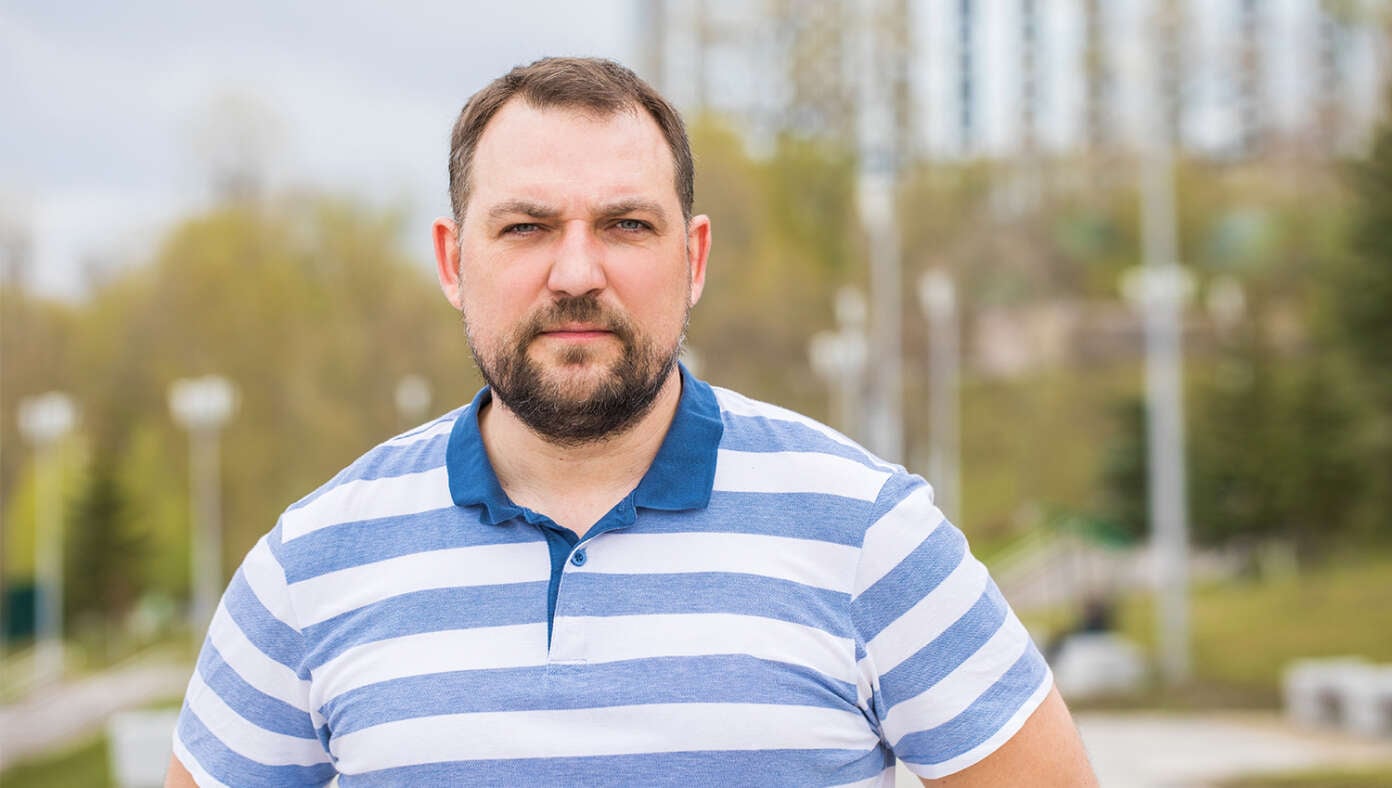

New York Archdiocese says longtime insurer waged ‘shadow campaign,’ posed as victims’ rights group #Catholic The Archdiocese of New York is arguing in state court that its longtime insurer has secretly been “waging a shadow campaign” and posing as a victims’ rights group in order to “undermine and weaken” the archdiocese amid an ongoing insurance dispute. In a Jan. 31 legal filing at the New York State Supreme Court obtained by EWTN News, the archdiocese said that Chubb Insurance — which the archdiocese sued in 2024 over an alleged failure to pay out financial claims for sex abuse victims — has for several years been “secretly” posing as the “Church Accountability Project,” allegedly encouraging abuse victims to “pursue claims against the [archdiocese].”The archdiocesan filing said the insurer has secretly run the website in order to “elevate Chubb’s own financial interests” and improve its leverage in the ongoing lawsuit. As of Feb. 4 the “Church Accountability Project” website prominently displays the Chubb logo at the top of its page. But archives of the website from around a year ago make no mention of the site’s alleged alignment with Chubb.“The Archdiocese of New York tolerated and covered up horrific sexual abuse against children for decades,” the older, un-branded version of the website states. The project said it was “committed to holding the Archdiocese of New York accountable.” The current version of the website contains partly similar language.A Chubb spokesman on Feb. 4 described the filing as “the latest desperate tactic to delay justice and distract from the decades of horrific child sexual abuse the Archdiocese of New York enabled and concealed.”“It’s quite telling that the archdiocese is more outraged about the facts coming to light on a platform we created than they are about the abuses they condoned, concealed, and covered up,” the statement said. “The archdiocese is delaying payment to deserving victims and failing to provide insurers needed information.”In 2024 amid the newly filed lawsuit against the insurer, New York archbishop Cardinal Timothy Dolan told the faithful that Chubb was “attempting to evade their legal and moral contractual obligation to settle covered claims which would bring peace and healing to victim-survivors.”The insurer in turn argued that the archdiocese “tolerated, concealed, and covered up rampant child sexual abuse for decades, and despite having substantial financial resources, they still refuse to compensate their victims.”In its Jan. 31 filing the archdiocese requested punitive damages against Chubb. It described the alleged “Church Accountability Project” maneuver as “wanton sabotage” and “just the latest in an example of the depths to which Chubb is willing to stoop.” The rebranded “accountability” website, meanwhile, alleges that the archdiocese “repeatedly refused to share crucial details regarding what they knew and when” regarding child abuse. “The insurance purchased by the archdiocese is designed to cover accidents, not to compensate for deliberately concealing a pattern of abuse,” the website says.

New York Archdiocese says longtime insurer waged ‘shadow campaign,’ posed as victims’ rights group #Catholic The Archdiocese of New York is arguing in state court that its longtime insurer has secretly been “waging a shadow campaign” and posing as a victims’ rights group in order to “undermine and weaken” the archdiocese amid an ongoing insurance dispute. In a Jan. 31 legal filing at the New York State Supreme Court obtained by EWTN News, the archdiocese said that Chubb Insurance — which the archdiocese sued in 2024 over an alleged failure to pay out financial claims for sex abuse victims — has for several years been “secretly” posing as the “Church Accountability Project,” allegedly encouraging abuse victims to “pursue claims against the [archdiocese].”The archdiocesan filing said the insurer has secretly run the website in order to “elevate Chubb’s own financial interests” and improve its leverage in the ongoing lawsuit. As of Feb. 4 the “Church Accountability Project” website prominently displays the Chubb logo at the top of its page. But archives of the website from around a year ago make no mention of the site’s alleged alignment with Chubb.“The Archdiocese of New York tolerated and covered up horrific sexual abuse against children for decades,” the older, un-branded version of the website states. The project said it was “committed to holding the Archdiocese of New York accountable.” The current version of the website contains partly similar language.A Chubb spokesman on Feb. 4 described the filing as “the latest desperate tactic to delay justice and distract from the decades of horrific child sexual abuse the Archdiocese of New York enabled and concealed.”“It’s quite telling that the archdiocese is more outraged about the facts coming to light on a platform we created than they are about the abuses they condoned, concealed, and covered up,” the statement said. “The archdiocese is delaying payment to deserving victims and failing to provide insurers needed information.”In 2024 amid the newly filed lawsuit against the insurer, New York archbishop Cardinal Timothy Dolan told the faithful that Chubb was “attempting to evade their legal and moral contractual obligation to settle covered claims which would bring peace and healing to victim-survivors.”The insurer in turn argued that the archdiocese “tolerated, concealed, and covered up rampant child sexual abuse for decades, and despite having substantial financial resources, they still refuse to compensate their victims.”In its Jan. 31 filing the archdiocese requested punitive damages against Chubb. It described the alleged “Church Accountability Project” maneuver as “wanton sabotage” and “just the latest in an example of the depths to which Chubb is willing to stoop.” The rebranded “accountability” website, meanwhile, alleges that the archdiocese “repeatedly refused to share crucial details regarding what they knew and when” regarding child abuse. “The insurance purchased by the archdiocese is designed to cover accidents, not to compensate for deliberately concealing a pattern of abuse,” the website says.

The archdiocese alleged that Chubb Insurance posed as the “Church Accountability Project.”

Read More

The Chilean energy company AES Andes has announced plans to cancel its massive INNA project, a green energy plant that was poised to ruin some of the planet’s darkest skies and observations at the European Southern Observatory’s (ESO) Paranal Observatory. Dark skies have become something of a rarity these days, with recent studies suggesting theContinue reading “Energy company cancels controversial project near world’s darkest skies”

The post Energy company cancels controversial project near world’s darkest skies appeared first on Astronomy Magazine.

Read More
Joyful Mass concludes delightful Catholic Schools Week in Chatham #Catholic - Bishop Kevin J. Sweeney helped St. Patrick School in Chatham, N.J., close its observance of Catholic Schools Week (CSW) with a Mass on Jan. 30 in the church of its parent parish.
Father Peter Glabik, pastor of St. Patrick Parish, concelebrated the Mass with Bishop Sweeney. The school’s Builders Club, which endeavors to serve the community, participated in the liturgy. Bishop Sweeney shared a homily about vocations, encouraging St. Patrick’s students to listen for God’s call in their lives.

Click here to subscribe to our weekly newsletter.

After the Mass, the fourth- to seventh-grade students enjoyed bagels and conversation with Bishop Sweeney.
On social media, Bishop Sweeney posted, “It was great to visit St. Patrick’s School in Chatham for their closing Mass for Catholic Schools Week. Thank you, Father Peter Glabik, Dr. Christine Ross [St. Patrick’s principal] and the school community for such a warm welcome and prayerful celebration of the Eucharist.”
St. Patrick School posted on social media, “We closed Catholic Schools Week in a truly special way with Mass celebrated by Bishop Sweeney. [It was] a wonderful conclusion to a week filled with faith, learning, and community.”
BEACON PHOTOS | JOE GIGLI
 [See image gallery at beaconnj.org]

Joyful Mass concludes delightful Catholic Schools Week in Chatham #Catholic –

Bishop Kevin J. Sweeney helped St. Patrick School in Chatham, N.J., close its observance of Catholic Schools Week (CSW) with a Mass on Jan. 30 in the church of its parent parish.

Father Peter Glabik, pastor of St. Patrick Parish, concelebrated the Mass with Bishop Sweeney. The school’s Builders Club, which endeavors to serve the community, participated in the liturgy. Bishop Sweeney shared a homily about vocations, encouraging St. Patrick’s students to listen for God’s call in their lives.


Click here to subscribe to our weekly newsletter.

After the Mass, the fourth- to seventh-grade students enjoyed bagels and conversation with Bishop Sweeney.

On social media, Bishop Sweeney posted, “It was great to visit St. Patrick’s School in Chatham for their closing Mass for Catholic Schools Week. Thank you, Father Peter Glabik, Dr. Christine Ross [St. Patrick’s principal] and the school community for such a warm welcome and prayerful celebration of the Eucharist.”

St. Patrick School posted on social media, “We closed Catholic Schools Week in a truly special way with Mass celebrated by Bishop Sweeney. [It was] a wonderful conclusion to a week filled with faith, learning, and community.”

BEACON PHOTOS | JOE GIGLI

Bishop Kevin J. Sweeney helped St. Patrick School in Chatham, N.J., close its observance of Catholic Schools Week (CSW) with a Mass on Jan. 30 in the church of its parent parish. Father Peter Glabik, pastor of St. Patrick Parish, concelebrated the Mass with Bishop Sweeney. The school’s Builders Club, which endeavors to serve the community, participated in the liturgy. Bishop Sweeney shared a homily about vocations, encouraging St. Patrick’s students to listen for God’s call in their lives. Click here to subscribe to our weekly newsletter. After the Mass, the fourth- to seventh-grade students enjoyed bagels and conversation with

Read More
Grateful Hawthorne students help close Catholic Schools Week strong #Catholic - St. Anthony School in Hawthorne, N.J., on Feb. 1 marked the conclusion of Catholic Schools Week (CSW) with a Mass that Bishop Kevin J. Sweeney celebrated in St. Anthony Church.
“The ‘Opening Mass’ for Catholic Schools Week at St. Anthony Church in Hawthorne had to be rescheduled from last Sunday [Jan. 25] (because of the snowstorm) to today and became the Closing Mass for CSW,” Bishop Sweeney posted after the Mass on Feb. 1 on social media. “It was wonderful to see so many students, parents, and parishioners ‘up and out’ early on a cold morning to get to the 8:30 [a.m.] Mass!”

Click here to subscribe to our weekly newsletter.

Father Stephen Prisk, pastor of St. Anthony Parish, and Father Brendon Harfmann, the parish’s parochial vicar, concelebrated the Mass. Students of St. Anthony’s also participated in the liturgy. The Knights of Columbus presented Salesian Sister Mary Jackson, the principal, with a check for the school from proceeds they raised during their “Keep Christ in Christmas” magnet sale.
“Thanks to Father Stephen Prisk, Sister Mary Jackson, the school, and parish community for such a warm welcome!” Bishop Sweeney added on social media.
BEACON PHOTOS | JOE GIGLI
 [See image gallery at beaconnj.org]

Grateful Hawthorne students help close Catholic Schools Week strong #Catholic –

St. Anthony School in Hawthorne, N.J., on Feb. 1 marked the conclusion of Catholic Schools Week (CSW) with a Mass that Bishop Kevin J. Sweeney celebrated in St. Anthony Church.

“The ‘Opening Mass’ for Catholic Schools Week at St. Anthony Church in Hawthorne had to be rescheduled from last Sunday [Jan. 25] (because of the snowstorm) to today and became the Closing Mass for CSW,” Bishop Sweeney posted after the Mass on Feb. 1 on social media. “It was wonderful to see so many students, parents, and parishioners ‘up and out’ early on a cold morning to get to the 8:30 [a.m.] Mass!”


Click here to subscribe to our weekly newsletter.

Father Stephen Prisk, pastor of St. Anthony Parish, and Father Brendon Harfmann, the parish’s parochial vicar, concelebrated the Mass. Students of St. Anthony’s also participated in the liturgy. The Knights of Columbus presented Salesian Sister Mary Jackson, the principal, with a check for the school from proceeds they raised during their “Keep Christ in Christmas” magnet sale.

“Thanks to Father Stephen Prisk, Sister Mary Jackson, the school, and parish community for such a warm welcome!” Bishop Sweeney added on social media.

BEACON PHOTOS | JOE GIGLI

St. Anthony School in Hawthorne, N.J., on Feb. 1 marked the conclusion of Catholic Schools Week (CSW) with a Mass that Bishop Kevin J. Sweeney celebrated in St. Anthony Church. “The ‘Opening Mass’ for Catholic Schools Week at St. Anthony Church in Hawthorne had to be rescheduled from last Sunday [Jan. 25] (because of the snowstorm) to today and became the Closing Mass for CSW,” Bishop Sweeney posted after the Mass on Feb. 1 on social media. “It was wonderful to see so many students, parents, and parishioners ‘up and out’ early on a cold morning to get to the

Read More
Bishop offers guidance amid ‘staggering’ mental health crisis, especially among the young #Catholic “In talking to my pastors, it became crystal clear that there really is a crisis right now regarding mental health and emotional well-being, and in a special way for young people,” Bishop Michael Burbidge of the Diocese of Arlington, Virginia, told EWTN News in an interview discussing a pastoral letter he issued recently. “The scale and scope of this crisis are staggering,” he said in the letter titled “The Divine Physician and a Christian Approach to Mental Health and Wellbeing.” Burbidge explained that he hopes “to offer encouragement and guidance, in light of the teachings of Christ and the Gospel, to all who wish to confront and overcome the modern world’s challenges to mental health and well-being.”With depression now the leading cause of disability worldwide, and 1 in 5 American adults experiencing mental health challenges each year, according to the National Alliance on Mental Illness, which the bishop cites in his letter, Burbidge told EWTN News that “there’s a real pastoral need for mental health counseling, and my pastors told me they don’t have the expertise” that many families need.The importance of counselors with a Christian perspectiveMany Catholic parents and couples seek out counseling, he said, but often the counseling “isn’t coming from a Christian or Catholic understanding of the world, where persons are oriented to God and to authentic human relationships and the development of virtue.”Understanding the world through the lens of faith is “the crucial factor — even in circumstances where such faithfulness seems in the eyes of the wider world to be desperate, foolish, or even absurd. Faith and trust in God are shown to be the keys to everlasting health and well-being for humanity,” Burbidge wrote in his letter.Faith, he told EWTN News, “helps us to get a glimpse of heaven even now … If that’s not a part of the counseling being provided, it won’t bring about the healing we’re seeking.”Regarding efforts in his diocese, the bishop told EWTN News he formed a mental health commission about a year ago, on which sit experts in psychology, theology, and mental health counseling.He said with the commission’s help, he hopes to soon issue an extensive list of counselors who have been vetted and recommended for the Catholic faithful in his diocese.Father Charles Sikorsky, LC, the president of Divine Mercy University, a Catholic school that offers graduate degrees in psychology and clinical mental health and whose graduates work in various capacities in the Diocese of Arlington, told EWTN News that psychology cannot be addressed properly without a “a Christian view, a Catholic view of the person.”“We’re incarnational beings,” Sikorsky said, “so we need to address the human but also the spiritual dimension of the person, who needs to be treated in a holistic way.”“The word psyche comes from Greek and means soul,” he continued,” so psychology is the science of the soul, and Christ is the divine physician. Any way of looking at or treating people that doesn’t include the entirety of the interior, spiritual life is not going to work. If you reduce a human person to just biology or experiences, it’s not going to work.”Lack of community the ‘culprit’ in the crisisIn his letter, Burbidge named a lack of community as a culprit in the mental health crisis.“We must be willing to connect with others. We are made for community and find purpose when given the chance to cultivate authentic relationships with others and practice virtues like compassion,” he wrote.“As people of faith, Christians have a particular responsibility to address the stigmas that prevent people from seeking help and to remove barriers that keep so many stuck in patterns of isolation and misery,” he wrote.
 
 Bishop Michael Burbidge of Arlington, Virginia, recently issued the pastor letter “The Divine Physician and a Christian Approach to Mental Health and Wellbeing.” | Credit: Courtesy of the Diocese of Arlington
 
 Burbidge told EWTN News about community-building initiatives that leaders in his diocese have begun, especially since the isolation of the COVID-19 pandemic.“People learned quickly from COVID that being isolated, not being part of a caring fellowship, was a detriment to their growth and affected mental health,” he said.He described an increase in new programs throughout the Diocese of Arlington such as Bible studies, lectures, and programs such as That Man is You, a Catholic men’s leadership program.Sikorsky also cited a lack of connection and loneliness that are particularly prevalent in a society rife with “marriage and family breakdown” and in which technology separates people.“So many people are afraid to say they need help,” he said. “If the Church is what it needs to be and should be, it will be a place to experience a sense of belonging to something higher, where people can come to be loved and to be understood.”‘Suffering can be the cross’ that leads us to holinessThe bishop said that in addition to being in communion with others, those suffering from mental health problems must also realize they are beloved children of God, and their “severe distress, depression, or whatever it is, does not define who you are.”“You’re a child of God — that never changes,” Burbidge said. “Don’t identify yourself with that suffering.”“You don’t necessarily need to run away from the suffering, however,” he continued. “That could be the cross that can lead you to holiness. It doesn’t have to completely disappear for you to be well. Maybe you can get help, and still live a healthy, balanced life living with the anxiety or whatever it is you’re struggling with. If it causes a little suffering, it can be united to the Lord’s, and you can see it as a path to holiness.”Sikorsky echoed the bishop, telling EWTN News: “Our dignity is rooted in being children of God. Your dignity is much more than your struggle or the difficulties that you’ve had.”Burbidge is the latest American Catholic bishop to draw attention to the widening mental health crisis in the United States. In 2025, ahead of World Mental Health Day in October, the U.S. Conference of Catholic Bishops (USCCB) announced an addition to its ongoing National Catholic Mental Health Campaign.“As pastors, we want to emphasize this point to anyone who is suffering from mental illness or facing mental health challenges: Nobody and nothing can alter or diminish your God-given dignity. You are a beloved child of God, a God of healing and hope,” the U.S. bishops said at the time.

Bishop offers guidance amid ‘staggering’ mental health crisis, especially among the young #Catholic “In talking to my pastors, it became crystal clear that there really is a crisis right now regarding mental health and emotional well-being, and in a special way for young people,” Bishop Michael Burbidge of the Diocese of Arlington, Virginia, told EWTN News in an interview discussing a pastoral letter he issued recently. “The scale and scope of this crisis are staggering,” he said in the letter titled “The Divine Physician and a Christian Approach to Mental Health and Wellbeing.” Burbidge explained that he hopes “to offer encouragement and guidance, in light of the teachings of Christ and the Gospel, to all who wish to confront and overcome the modern world’s challenges to mental health and well-being.”With depression now the leading cause of disability worldwide, and 1 in 5 American adults experiencing mental health challenges each year, according to the National Alliance on Mental Illness, which the bishop cites in his letter, Burbidge told EWTN News that “there’s a real pastoral need for mental health counseling, and my pastors told me they don’t have the expertise” that many families need.The importance of counselors with a Christian perspectiveMany Catholic parents and couples seek out counseling, he said, but often the counseling “isn’t coming from a Christian or Catholic understanding of the world, where persons are oriented to God and to authentic human relationships and the development of virtue.”Understanding the world through the lens of faith is “the crucial factor — even in circumstances where such faithfulness seems in the eyes of the wider world to be desperate, foolish, or even absurd. Faith and trust in God are shown to be the keys to everlasting health and well-being for humanity,” Burbidge wrote in his letter.Faith, he told EWTN News, “helps us to get a glimpse of heaven even now … If that’s not a part of the counseling being provided, it won’t bring about the healing we’re seeking.”Regarding efforts in his diocese, the bishop told EWTN News he formed a mental health commission about a year ago, on which sit experts in psychology, theology, and mental health counseling.He said with the commission’s help, he hopes to soon issue an extensive list of counselors who have been vetted and recommended for the Catholic faithful in his diocese.Father Charles Sikorsky, LC, the president of Divine Mercy University, a Catholic school that offers graduate degrees in psychology and clinical mental health and whose graduates work in various capacities in the Diocese of Arlington, told EWTN News that psychology cannot be addressed properly without a “a Christian view, a Catholic view of the person.”“We’re incarnational beings,” Sikorsky said, “so we need to address the human but also the spiritual dimension of the person, who needs to be treated in a holistic way.”“The word psyche comes from Greek and means soul,” he continued,” so psychology is the science of the soul, and Christ is the divine physician. Any way of looking at or treating people that doesn’t include the entirety of the interior, spiritual life is not going to work. If you reduce a human person to just biology or experiences, it’s not going to work.”Lack of community the ‘culprit’ in the crisisIn his letter, Burbidge named a lack of community as a culprit in the mental health crisis.“We must be willing to connect with others. We are made for community and find purpose when given the chance to cultivate authentic relationships with others and practice virtues like compassion,” he wrote.“As people of faith, Christians have a particular responsibility to address the stigmas that prevent people from seeking help and to remove barriers that keep so many stuck in patterns of isolation and misery,” he wrote. Bishop Michael Burbidge of Arlington, Virginia, recently issued the pastor letter “The Divine Physician and a Christian Approach to Mental Health and Wellbeing.” | Credit: Courtesy of the Diocese of Arlington Burbidge told EWTN News about community-building initiatives that leaders in his diocese have begun, especially since the isolation of the COVID-19 pandemic.“People learned quickly from COVID that being isolated, not being part of a caring fellowship, was a detriment to their growth and affected mental health,” he said.He described an increase in new programs throughout the Diocese of Arlington such as Bible studies, lectures, and programs such as That Man is You, a Catholic men’s leadership program.Sikorsky also cited a lack of connection and loneliness that are particularly prevalent in a society rife with “marriage and family breakdown” and in which technology separates people.“So many people are afraid to say they need help,” he said. “If the Church is what it needs to be and should be, it will be a place to experience a sense of belonging to something higher, where people can come to be loved and to be understood.”‘Suffering can be the cross’ that leads us to holinessThe bishop said that in addition to being in communion with others, those suffering from mental health problems must also realize they are beloved children of God, and their “severe distress, depression, or whatever it is, does not define who you are.”“You’re a child of God — that never changes,” Burbidge said. “Don’t identify yourself with that suffering.”“You don’t necessarily need to run away from the suffering, however,” he continued. “That could be the cross that can lead you to holiness. It doesn’t have to completely disappear for you to be well. Maybe you can get help, and still live a healthy, balanced life living with the anxiety or whatever it is you’re struggling with. If it causes a little suffering, it can be united to the Lord’s, and you can see it as a path to holiness.”Sikorsky echoed the bishop, telling EWTN News: “Our dignity is rooted in being children of God. Your dignity is much more than your struggle or the difficulties that you’ve had.”Burbidge is the latest American Catholic bishop to draw attention to the widening mental health crisis in the United States. In 2025, ahead of World Mental Health Day in October, the U.S. Conference of Catholic Bishops (USCCB) announced an addition to its ongoing National Catholic Mental Health Campaign.“As pastors, we want to emphasize this point to anyone who is suffering from mental illness or facing mental health challenges: Nobody and nothing can alter or diminish your God-given dignity. You are a beloved child of God, a God of healing and hope,” the U.S. bishops said at the time.

In a recent pastoral letter, Bishop Michael Burbidge addressed what he sees as a “crisis” in mental health among Catholics, especially the young, and seeks to remove stigma over seeking help.

Read More
Catholic colleges among best and worst for pro-life support, report finds #Catholic Some Catholic colleges ranked among the best for pro-life support for women, while others were among the worst for their ties to abortion clinics, a recent report found.In an audit of more than 700 Christian colleges and universities, the Christian Schools Project found that 1 in 7 Christian colleges referred students to Planned Parenthood for health care or future jobs, among other pro-abortion “infractions.”The report by Demetree, a branch of Students for Life of America (SFLA), called the Catholic connection to the abortion industry “shocking.”“Most shockingly, a portion of Catholic schools have forsaken their Christian values,” the report read, citing the Catechism of the Catholic Church’s teaching on abortion.One in 10 Catholic colleges had ties to abortion clinics, and about 25% of all the infractions were by Catholic universities.“Despite this, Catholic schools also had 24 ‘A+’ schools: the most of any denomination,” the report continued.The lowest grade an institution could receive was an “F” and the highest an “A+.”Among the Catholic schools receiving an “F” was Villanova University in Pennsylvania — Pope Leo’s alma mater, where he was known for his involvement in the pro-life club in his days at the university.Other Catholic schools that received a “F” included Boston College in Massachusetts; Carroll College in Montana; Loyola Marymount University in California; Sacred Heart University in Connecticut; Santa Clara University in California; Seattle University in Washington; St. Catherine University in Minnesota; University of Detroit Mercy in Michigan; and University of San Diego in California. Catholic colleges that received a “D” grade included Mount Saint Mary’s University in California; Saint Louis University in Missouri; and St. John Fisher University in New York.Paradoxically, Catholic colleges were also among the best schools for pro-life values and made up more than half of the top 10 best schools in the report.These schools don’t just avoid ties to Planned Parenthood but provide pregnancy support for student mothers in need.
 
 Benedictine College students hold pro-life signs at the 2026 March for Life in Washington, D.C. | Credit: Isabella Wilcox/Benedictine College
 
 The schools that leadAt the center of campus at Benedictine College in Atchison, Kansas, sits a statue of an angel holding a child.Installed in 2017, the Memorial to the Unborn is one of the “unique” aspects of pro-life culture on Benedictine’s campus, according to spokesman Steve Johnson.Each year, busloads of students travel to Washington, D.C., for the March for Life. But before they leave, they place roses before the memorial.
 
 Before Benedictine College students head off to the March for Life in Washington, D.C., they place roses on the campus memorial for unborn children. | Credit: Isabella Wilcox/Benedictine College
 
 The student-led pro-life group, Ravens Respect Life, is a “major player” for the culture on campus, according to Johnson. The club helps fundraise for the local pro-life pregnancy resource center, while the campus ministry service team organizes volunteering. The pro-life culture is woven into classes as well, according to Johnson.“We have a pro-life School of Nursing and our graduates take that position out into the world and the hospitals and clinics at which they work,” he said.The school is also looking to further expand its pro-life medical education.
 
 Every year, busloads of students from Benedictine College in Atchison, Kansas, head to the March for Life in Washington, D.C. | Credit: Isabella Wilcox/Benedictine College
 
 “We are in the process of opening a proposed School of Osteopathic medicine,” Johnson said. “This new school will be the most pro-life medical school in the country and will focus on treating the whole person as a human being and not just treating the ailment.”At the University of Mary in North Dakota, a young woman carrying a toddler crossed the stage at graduation, shaking hands with the president, Monsignor James Shea, who gave the beloved baby Lucia a kiss on the cheek.Katie O’Meara (Chihoski) is one of several students who have received the support they need to complete their education as part of the university’s recently-launched maternity home program, the St. Teresa of Calcutta Community for Mothers, at the University of Mary.
 
 Student mom Katie O’Meara (Chihoski) walks the stage with her toddler, Lucia, by her side at commencement in 2024. Father Dominic Bouck, chaplain at the university, is pictured at left. | Credit: Mike McCleary/University of Mary
 
 Per a Jan. 27 announcement, the university has plans for a new residence hall following record enrollment, including a dedicated wing of the future hall for the maternity home.At UMary, motherhood doesn’t have to compete with education.“This St. Teresa of Calcutta Community for Mothers is a concrete expression of the University of Mary’s commitment to building a culture of life,” Vice President for Student Development Reed Ruggles told EWTN News. “It ensures that motherhood and higher education are not competing paths but complementary vocations.”As for the March for Life, “we treat it like a pilgrimage,” said Ed Konieczka, assistant director of University Ministry at the college.The university sends hundreds of students each year and even provides scholarships to help with the cost.Father Dominic Bouck, the University of Mary chaplain and director of University Ministry, told EWTN News that it comes down to formation.“The University of Mary forms its students for the whole of their lives so that they can learn to live well, then take this formation into their communities after graduation,” Bouck said. “We form them to be servant leaders so that they can go out and serve generously to all who need aid. We teach them the sanctity of human life through the Benedictine value of respect for persons and teach them to form community wherever they are at.”“As a Christian, Catholic, and Benedictine institution, the sanctity of human life is core to our beliefs, and we are not afraid to show that in our mission,” he continued.Belmont Abbey College, which also ranked in the top 10, has its own maternity home, MiraVia, as previously reported by EWTN News.
 
 University of Mary students hold a banner at the March for Life in Washington, D.C., on Jan. 23, 2026. | Credit: University of Mary student photographer Regina Turner
 
 Why Christian Schools Project?Though schools like Benedictine, University of Mary, and others stand out for their pro-life work, the report found that many colleges fall short of their Christian values. Project leaders call on readers to reach out to colleges and encourage them to live out these values.“It’s simple: Either stop promoting abortion or stop claiming to be Christian,” said SFLA spokeswoman Mary Mobley.Over the years of doing Christian Schools Project, researchers have seen growth. Since 2024, “56 infractions have been remedied” thanks to the project, according to organizers.“For some schools, they may be unaware of their ties to abortion,” Mobley told EWTN News. “This report offers a chance for them to cut those ties — and to reaffirm their support for life by promoting pro-life resources.”But the project is about more than just cutting ties with abortion providers. 
 
 University of Mary student moms involved with the St. Teresa of Calcutta Community for Mothers, University of Mary’s program for moms. | Credit: Photo courtesy of University of Mary
 
 “Being pro-life doesn’t just mean being anti-abortion; it means coming alongside women and supporting them, providing them with the resources they need to choose life,” Mobley said.“Humans are made in the image of God, and because of that, they have inherent value and worth — and their lives cannot be disposed of for the convenience of others,” Mobley continued.“It’s vital that Christian schools come alongside pregnant and parenting women, showing them that they are valued, loved, and supported — offering them the resources they need to choose life,” Mobley said.
 
 University of Mary students attend the 2026 March for Life in Washington, D.C. | Credit: University of Mary student photographer Regina Turner

Catholic colleges among best and worst for pro-life support, report finds #Catholic Some Catholic colleges ranked among the best for pro-life support for women, while others were among the worst for their ties to abortion clinics, a recent report found.In an audit of more than 700 Christian colleges and universities, the Christian Schools Project found that 1 in 7 Christian colleges referred students to Planned Parenthood for health care or future jobs, among other pro-abortion “infractions.”The report by Demetree, a branch of Students for Life of America (SFLA), called the Catholic connection to the abortion industry “shocking.”“Most shockingly, a portion of Catholic schools have forsaken their Christian values,” the report read, citing the Catechism of the Catholic Church’s teaching on abortion.One in 10 Catholic colleges had ties to abortion clinics, and about 25% of all the infractions were by Catholic universities.“Despite this, Catholic schools also had 24 ‘A+’ schools: the most of any denomination,” the report continued.The lowest grade an institution could receive was an “F” and the highest an “A+.”Among the Catholic schools receiving an “F” was Villanova University in Pennsylvania — Pope Leo’s alma mater, where he was known for his involvement in the pro-life club in his days at the university.Other Catholic schools that received a “F” included Boston College in Massachusetts; Carroll College in Montana; Loyola Marymount University in California; Sacred Heart University in Connecticut; Santa Clara University in California; Seattle University in Washington; St. Catherine University in Minnesota; University of Detroit Mercy in Michigan; and University of San Diego in California. Catholic colleges that received a “D” grade included Mount Saint Mary’s University in California; Saint Louis University in Missouri; and St. John Fisher University in New York.Paradoxically, Catholic colleges were also among the best schools for pro-life values and made up more than half of the top 10 best schools in the report.These schools don’t just avoid ties to Planned Parenthood but provide pregnancy support for student mothers in need. Benedictine College students hold pro-life signs at the 2026 March for Life in Washington, D.C. | Credit: Isabella Wilcox/Benedictine College The schools that leadAt the center of campus at Benedictine College in Atchison, Kansas, sits a statue of an angel holding a child.Installed in 2017, the Memorial to the Unborn is one of the “unique” aspects of pro-life culture on Benedictine’s campus, according to spokesman Steve Johnson.Each year, busloads of students travel to Washington, D.C., for the March for Life. But before they leave, they place roses before the memorial. Before Benedictine College students head off to the March for Life in Washington, D.C., they place roses on the campus memorial for unborn children. | Credit: Isabella Wilcox/Benedictine College The student-led pro-life group, Ravens Respect Life, is a “major player” for the culture on campus, according to Johnson. The club helps fundraise for the local pro-life pregnancy resource center, while the campus ministry service team organizes volunteering. The pro-life culture is woven into classes as well, according to Johnson.“We have a pro-life School of Nursing and our graduates take that position out into the world and the hospitals and clinics at which they work,” he said.The school is also looking to further expand its pro-life medical education. Every year, busloads of students from Benedictine College in Atchison, Kansas, head to the March for Life in Washington, D.C. | Credit: Isabella Wilcox/Benedictine College “We are in the process of opening a proposed School of Osteopathic medicine,” Johnson said. “This new school will be the most pro-life medical school in the country and will focus on treating the whole person as a human being and not just treating the ailment.”At the University of Mary in North Dakota, a young woman carrying a toddler crossed the stage at graduation, shaking hands with the president, Monsignor James Shea, who gave the beloved baby Lucia a kiss on the cheek.Katie O’Meara (Chihoski) is one of several students who have received the support they need to complete their education as part of the university’s recently-launched maternity home program, the St. Teresa of Calcutta Community for Mothers, at the University of Mary. Student mom Katie O’Meara (Chihoski) walks the stage with her toddler, Lucia, by her side at commencement in 2024. Father Dominic Bouck, chaplain at the university, is pictured at left. | Credit: Mike McCleary/University of Mary Per a Jan. 27 announcement, the university has plans for a new residence hall following record enrollment, including a dedicated wing of the future hall for the maternity home.At UMary, motherhood doesn’t have to compete with education.“This St. Teresa of Calcutta Community for Mothers is a concrete expression of the University of Mary’s commitment to building a culture of life,” Vice President for Student Development Reed Ruggles told EWTN News. “It ensures that motherhood and higher education are not competing paths but complementary vocations.”As for the March for Life, “we treat it like a pilgrimage,” said Ed Konieczka, assistant director of University Ministry at the college.The university sends hundreds of students each year and even provides scholarships to help with the cost.Father Dominic Bouck, the University of Mary chaplain and director of University Ministry, told EWTN News that it comes down to formation.“The University of Mary forms its students for the whole of their lives so that they can learn to live well, then take this formation into their communities after graduation,” Bouck said. “We form them to be servant leaders so that they can go out and serve generously to all who need aid. We teach them the sanctity of human life through the Benedictine value of respect for persons and teach them to form community wherever they are at.”“As a Christian, Catholic, and Benedictine institution, the sanctity of human life is core to our beliefs, and we are not afraid to show that in our mission,” he continued.Belmont Abbey College, which also ranked in the top 10, has its own maternity home, MiraVia, as previously reported by EWTN News. University of Mary students hold a banner at the March for Life in Washington, D.C., on Jan. 23, 2026. | Credit: University of Mary student photographer Regina Turner Why Christian Schools Project?Though schools like Benedictine, University of Mary, and others stand out for their pro-life work, the report found that many colleges fall short of their Christian values. Project leaders call on readers to reach out to colleges and encourage them to live out these values.“It’s simple: Either stop promoting abortion or stop claiming to be Christian,” said SFLA spokeswoman Mary Mobley.Over the years of doing Christian Schools Project, researchers have seen growth. Since 2024, “56 infractions have been remedied” thanks to the project, according to organizers.“For some schools, they may be unaware of their ties to abortion,” Mobley told EWTN News. “This report offers a chance for them to cut those ties — and to reaffirm their support for life by promoting pro-life resources.”But the project is about more than just cutting ties with abortion providers. University of Mary student moms involved with the St. Teresa of Calcutta Community for Mothers, University of Mary’s program for moms. | Credit: Photo courtesy of University of Mary “Being pro-life doesn’t just mean being anti-abortion; it means coming alongside women and supporting them, providing them with the resources they need to choose life,” Mobley said.“Humans are made in the image of God, and because of that, they have inherent value and worth — and their lives cannot be disposed of for the convenience of others,” Mobley continued.“It’s vital that Christian schools come alongside pregnant and parenting women, showing them that they are valued, loved, and supported — offering them the resources they need to choose life,” Mobley said. University of Mary students attend the 2026 March for Life in Washington, D.C. | Credit: University of Mary student photographer Regina Turner

Some Catholic colleges ranked among the best for pro-life support for women, while others were among the worst for their ties to abortion clinics, according to a new report.

Read More
Picture of the day


Apple orchards after snowfall in Sangla in the northern Indian state of Himachal Pradesh. India has the second largest area under apple cultivation in the world and is the fifth largest producer of the fruit globally. More than 90% of India’s apple production comes from just two of its northern Himalayan states: Jammu and Kashmir, and Himachal Pradesh. Today is Republic Day in India.
 #ImageOfTheDay
Picture of the day
Apple orchards after snowfall in Sangla in the northern Indian state of Himachal Pradesh. India has the second largest area under apple cultivation in the world and is the fifth largest producer of the fruit globally. More than 90% of India’s apple production comes from just two of its northern Himalayan states: Jammu and Kashmir, and Himachal Pradesh. Today is Republic Day in India.
Read More