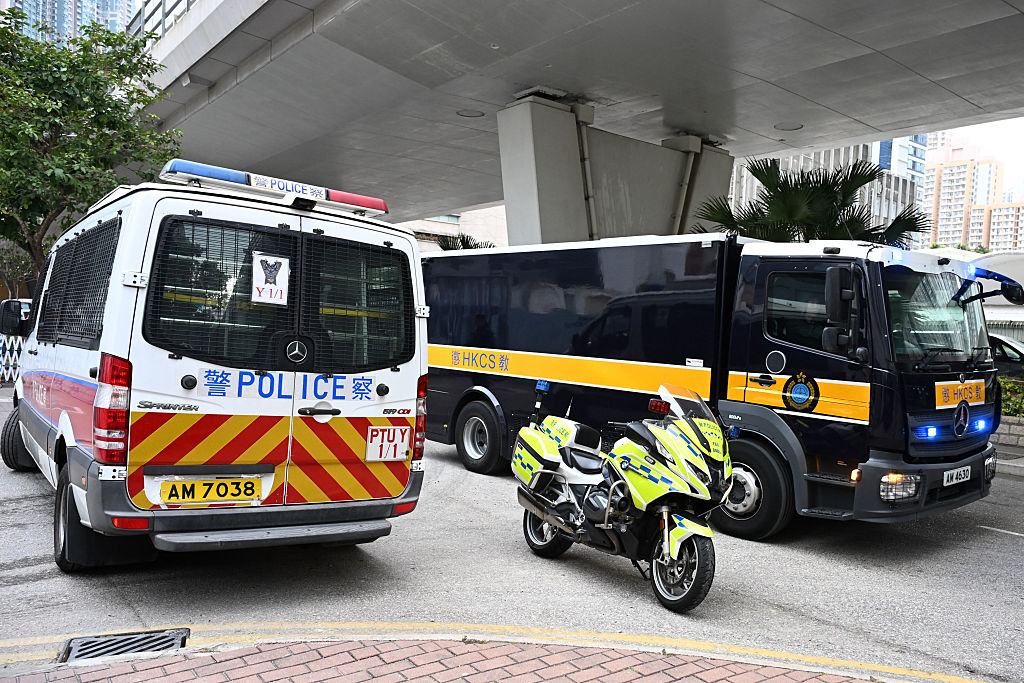
![Catholic activist Jimmy Lai sentenced to 20 years in prison in Hong Kong national security trial – #Catholic – Jimmy Lai, the human rights advocate and outspoken Catholic who has faced what supporters say has been years of politicized prosecution and conviction in Hong Kong, was sentenced on Feb. 9 to 20 years in prison over what Chinese officials claim were national security violations. The sentencing comes after Lai's December conviction under China's wide-reaching security law, which capped a years-long legal process during which he was found guilty on multiple other charges including fraud and unlawful assembly. Lai, who was known for years as the publisher of the outspoken pro-democracy tabloid Apple Daily, was first arrested in 2020 after alleged violations of Chinese national security policy.The government has charged him multiple times since then, holding him without bail and sentencing him to lengthy prison stretches, including a 69-month sentence in December 2022 for a fraud conviction. Lai's plight has drawn support from around the world, including from high-ranking national leaders such as U.S. President Donald Trump, who has advocated for Lai's release and who reportedly spoke to Chinese President Xi Jinping about the issue in October 2025. Lai has also drawn support from lawmakers, activists, religious leaders and civil rights leaders around the world. In 2025 he was named an honorary recipient of the Bradley Prize. That award is meant to honor individuals who in part espouse "the ideals of the Western tradition.”Catholic faith a central part of Lai's lifeThough known for his decades of pro-democracy activism, Lai is also an outspoken Catholic whose faith has continued to sustain him during his imprisonment. Having converted to Catholicism in 1997, Lai — along with his wife Teresa — raised his son Sebastien and daughter Claire in what Claire described as "a very loving Catholic family." Claire told EWTN News in December 2025 that Lai's incarceration "has just deepened his faith." He has regularly read the Gospel when permitted by his prison guards, she said, and he "wants to be remembered [as] a faithful servant of Our Lord."In February 2024 the Catholic University of America in Washington, D.C., installed a drawing of the Crucifixion made by Lai. Father Robert Sirico, the founder of the Acton Institute and a supporter and friend of Lai’s, told EWTN News at the time that Lai sees his imprisonment as a way of joining in Christ’s passion on the cross.In November 2023 a group of 10 Catholic bishops and archbishops called on the Hong Kong government to release Lai, arguing that his "persecution … has gone on long enough." “There is no place for such cruelty and oppression in a territory that claims to uphold the rule of law and respect the right to freedom of expression,” the prelates said.Long known for its greater respect for civil rights and freedom of speech relative to the Chinese mainland, the special administrative region of Hong Kong in recent years has seen a crackdown from the Chinese Communist Party government, which has tightened its hold on the region including with the strict national security law. In 2022 Father Vincent Woo, a priest of the Diocese of Hong Kong, told EWTN News that religious leaders in the region face "tremendous consequences" if they criticize the government, with many priests or bishops consequently refusing to speak out publicly against the Communist Party. At a 2025 hearing of the U.S. Commission on International Religious Freedom, advocates warned of "severe violations of religious freedom" by the Chinese Communist Party, with the government having reportedly “forcibly eradicated religious elements that are not in line with the CCP’s agenda.”Claire Lai admitted in January that her father's "physical body is breaking down" in his protracted confinement, and he has been denied regular access to the Eucharist, she said. But, she told EWTN News Nightly, he continues to “read the Gospel every morning" and spends his time “praying and drawing the Crucifixion and the Blessed Mother.”His faith "is what protects his mind and soul," she said.](https://unitedyam.com/wp-content/uploads/2026/02/catholic-activist-jimmy-lai-sentenced-to-20-years-in-prison-in-hong-kong-national-security-trial-catholic-jimmy-lai-the-human-rights-advocate-and-outspoken-catholic-who-has-faced-what-supporters.jpg "Catholic activist Jimmy Lai sentenced to 20 years in prison in Hong Kong national security trial – #Catholic – Jimmy Lai, the human rights advocate and outspoken Catholic who has faced what supporters say has been years of politicized prosecution and conviction in Hong Kong, was sentenced on Feb. 9 to 20 years in prison over what Chinese officials claim were national security violations. The sentencing comes after Lai's December conviction under China's wide-reaching security law, which capped a years-long legal process during which he was found guilty on multiple other charges including fraud and unlawful assembly. Lai, who was known for years as the publisher of the outspoken pro-democracy tabloid Apple Daily, was first arrested in 2020 after alleged violations of Chinese national security policy.The government has charged him multiple times since then, holding him without bail and sentencing him to lengthy prison stretches, including a 69-month sentence in December 2022 for a fraud conviction. Lai's plight has drawn support from around the world, including from high-ranking national leaders such as U.S. President Donald Trump, who has advocated for Lai's release and who reportedly spoke to Chinese President Xi Jinping about the issue in October 2025. Lai has also drawn support from lawmakers, activists, religious leaders and civil rights leaders around the world. In 2025 he was named an honorary recipient of the Bradley Prize. That award is meant to honor individuals who in part espouse \"the ideals of the Western tradition.”Catholic faith a central part of Lai's lifeThough known for his decades of pro-democracy activism, Lai is also an outspoken Catholic whose faith has continued to sustain him during his imprisonment. Having converted to Catholicism in 1997, Lai — along with his wife Teresa — raised his son Sebastien and daughter Claire in what Claire described as \"a very loving Catholic family.\" Claire told EWTN News in December 2025 that Lai's incarceration \"has just deepened his faith.\" He has regularly read the Gospel when permitted by his prison guards, she said, and he \"wants to be remembered [as] a faithful servant of Our Lord.\"In February 2024 the Catholic University of America in Washington, D.C., installed a drawing of the Crucifixion made by Lai. Father Robert Sirico, the founder of the Acton Institute and a supporter and friend of Lai’s, told EWTN News at the time that Lai sees his imprisonment as a way of joining in Christ’s passion on the cross.In November 2023 a group of 10 Catholic bishops and archbishops called on the Hong Kong government to release Lai, arguing that his \"persecution … has gone on long enough.\" “There is no place for such cruelty and oppression in a territory that claims to uphold the rule of law and respect the right to freedom of expression,” the prelates said.Long known for its greater respect for civil rights and freedom of speech relative to the Chinese mainland, the special administrative region of Hong Kong in recent years has seen a crackdown from the Chinese Communist Party government, which has tightened its hold on the region including with the strict national security law. In 2022 Father Vincent Woo, a priest of the Diocese of Hong Kong, told EWTN News that religious leaders in the region face \"tremendous consequences\" if they criticize the government, with many priests or bishops consequently refusing to speak out publicly against the Communist Party. At a 2025 hearing of the U.S. Commission on International Religious Freedom, advocates warned of \"severe violations of religious freedom\" by the Chinese Communist Party, with the government having reportedly “forcibly eradicated religious elements that are not in line with the CCP’s agenda.”Claire Lai admitted in January that her father's \"physical body is breaking down\" in his protracted confinement, and he has been denied regular access to the Eucharist, she said. But, she told EWTN News Nightly, he continues to “read the Gospel every morning\" and spends his time “praying and drawing the Crucifixion and the Blessed Mother.”His faith \"is what protects his mind and soul,\" she said.")

O my God, relying on your infinite goodness and promises, I hope to obtain pardon of my sins, the help of your grace, and life everlasting, through the merits of Jesus Christ, my Lord and Redeemer.
Read More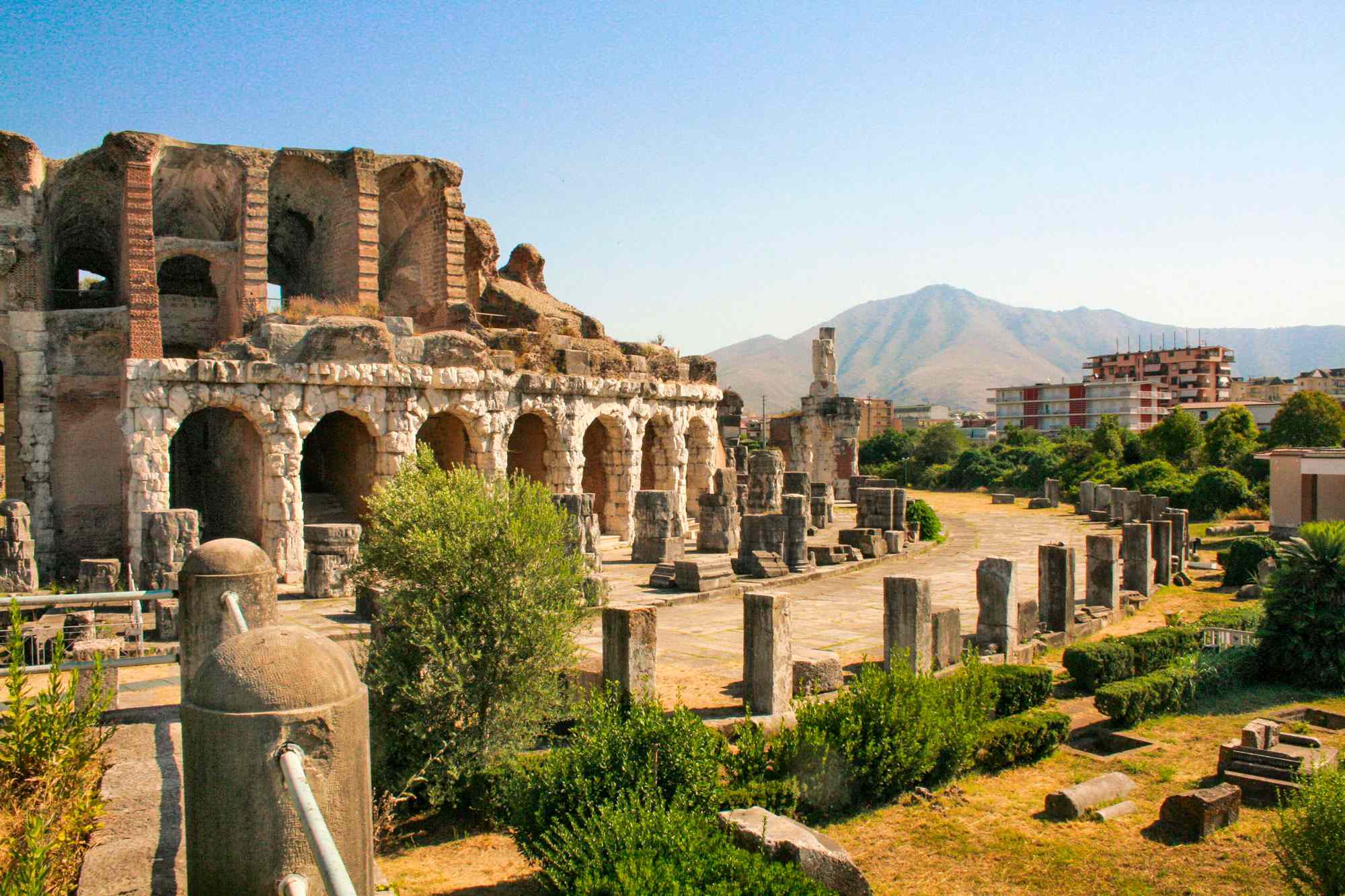
Driving Rome’s “Queen of Roads” revealed beach towns, buried arenas, and new archaeological discoveries mile by mile.
:max_bytes(150000):strip_icc():format(jpeg)/TAL-lead-amphitheatrer-capua-ARCHEOROADTRIP0326-ac2f7a937353423fa47c2b22b3115be6.jpg)
A reading from the First Book of Kings
1 Kings 8:1-7, 9-13
The elders of Israel and all the leaders of the tribes,
the princes in the ancestral houses of the children of Israel,
came to King Solomon in Jerusalem,
to bring up the ark of the LORD’s covenant
from the City of David, which is Zion.
All the people of Israel assembled before King Solomon
during the festival in the month of Ethanim (the seventh month).
When all the elders of Israel had arrived,
the priests took up the ark;
they carried the ark of the LORD
and the meeting tent with all the sacred vessels
that were in the tent.
(The priests and Levites carried them.)
King Solomon and the entire community of Israel
present for the occasion
sacrificed before the ark sheep and oxen
too many to number or count.
The priests brought the ark of the covenant of the LORD
to its place beneath the wings of the cherubim in the sanctuary,
the holy of holies of the temple.
The cherubim had their wings spread out over the place of the ark,
sheltering the ark and its poles from above.
There was nothing in the ark but the two stone tablets
which Moses had put there at Horeb,
when the LORD made a covenant with the children of Israel
at their departure from the land of Egypt.
When the priests left the holy place,
the cloud filled the temple of the LORD
so that the priests could no longer minister because of the cloud,
since the LORD’s glory had filled the temple of the LORD.
Then Solomon said, “The LORD intends to dwell in the dark cloud;
I have truly built you a princely house,
a dwelling where you may abide forever.”
From the Gospel according to Mark
6:53-56
After making the crossing to the other side of the sea,
Jesus and his disciples came to land at Gennesaret
and tied up there.
As they were leaving the boat, people immediately recognized him.
They scurried about the surrounding country
and began to bring in the sick on mats
to wherever they heard he was.
Whatever villages or towns or countryside he entered,
they laid the sick in the marketplaces
and begged him that they might touch only the tassel on his cloak;
and as many as touched it were healed.
All are permitted on the Lord’s path: no one should feel as an intruder, an interloper or one who has no right. To have access to His heart, to Jesus’ heart, there is only one requirement: to feel in need of healing and to entrust yourself to Him. I ask you: do each of you feel that you need to be healed? Of something, of some sin, of some problem? And, if you feel this, do you have faith in Jesus? These are the two requirements in order to be healed, in order to have access to his heart: to feel in need of healing and to entrust yourself to Him. Jesus goes to discover these people among the crowd and removes them from anonymity, frees them from the fear of living and of taking risks. He does so with a look and a word which sets them back on the path after much suffering and humiliation. We too are called to learn and to imitate these freeing words and this gaze which restores the will to live to those who lack it. (Pope Francis, Angelus, 1 July 2018)
Read More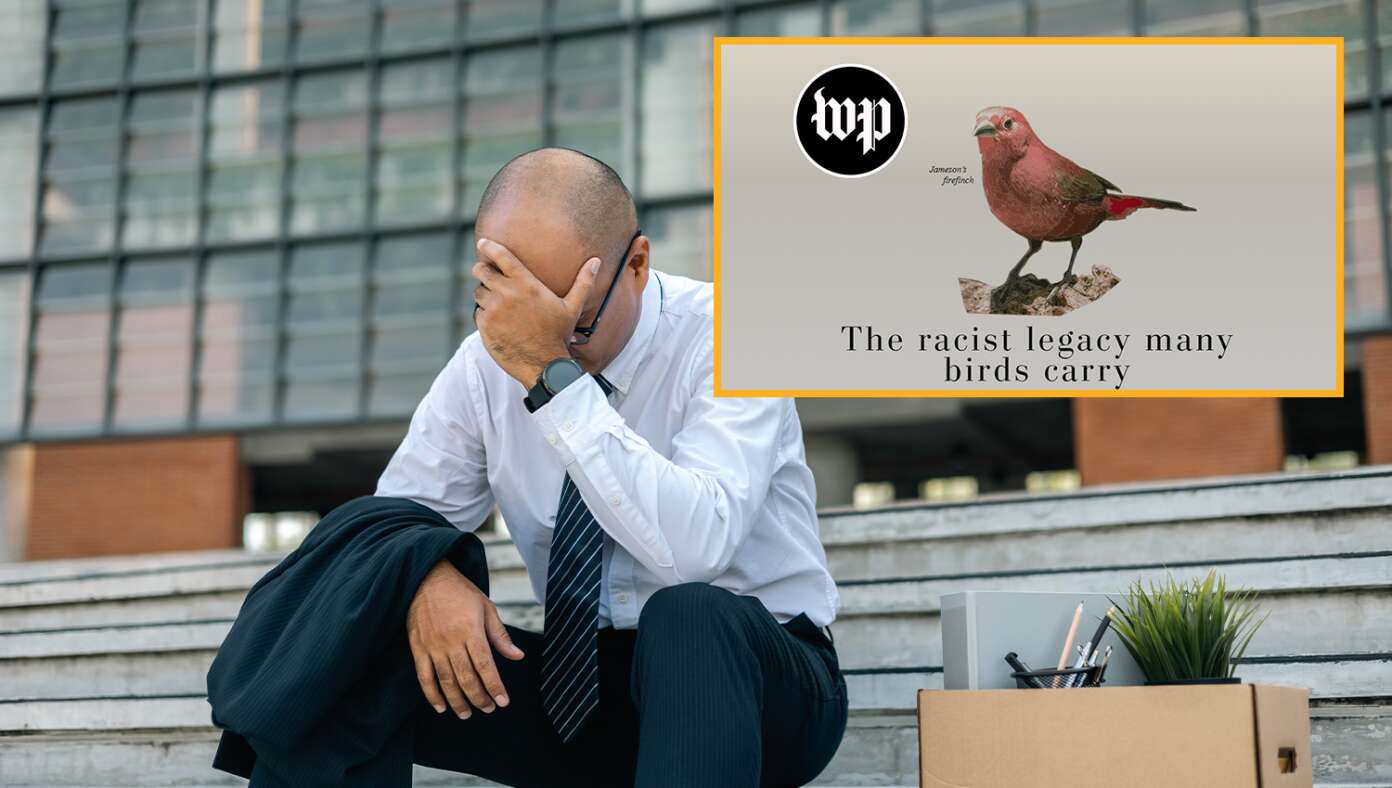
U.S. — In a deep loss for the nation, the mass layoffs at The Washington Post have left no one to monitor how racist birds are becoming.
Read More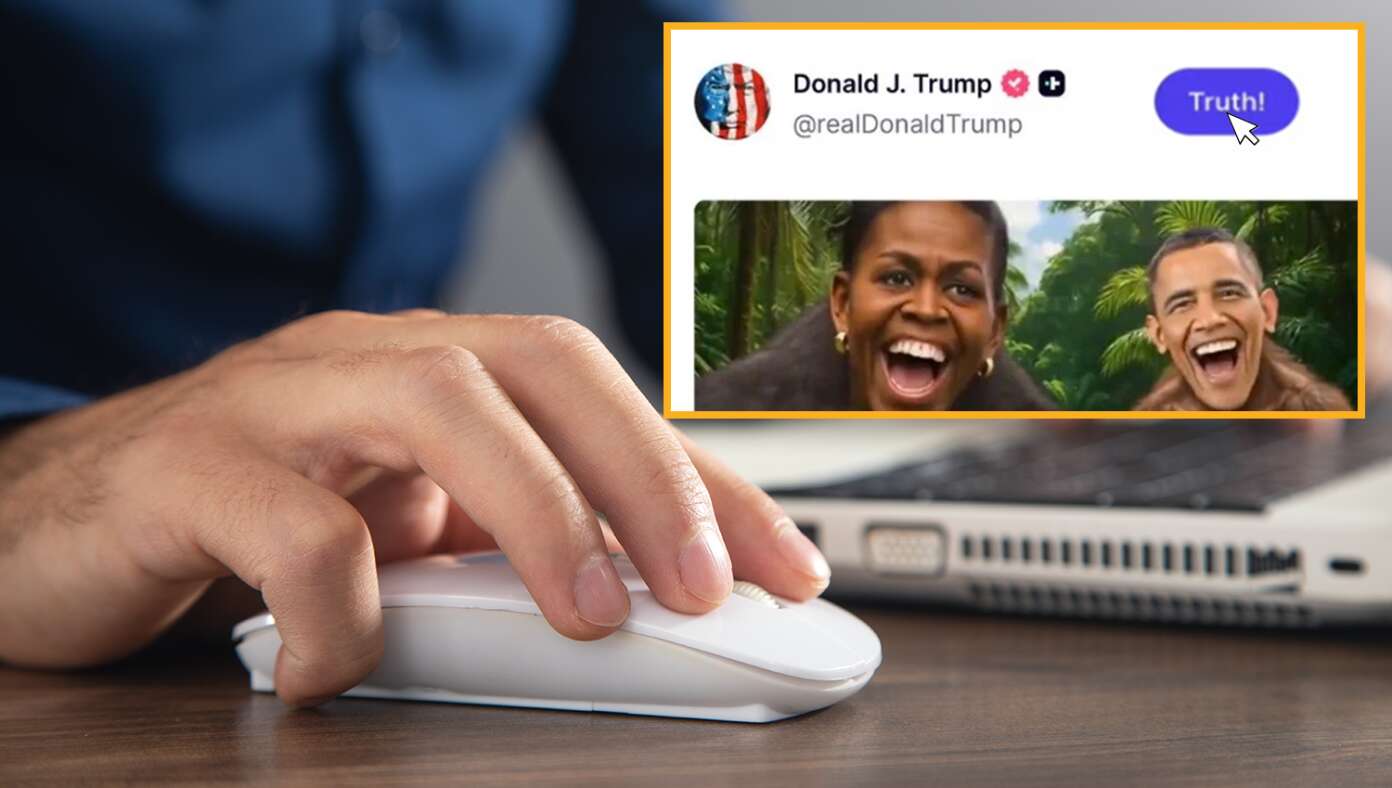
Posting social media content for the President of the United States comes with tremendous responsibility, so it’s critical to give posts a once-over before sending them out to the masses. Here are eight things you should always double-check before posting a video on the President’s account:
Read More
| Picture of the day |
|---|

|
|
Lake Baikal in winter. Ice ridges near Olkhon island in Pribaikalsky National Park.
|
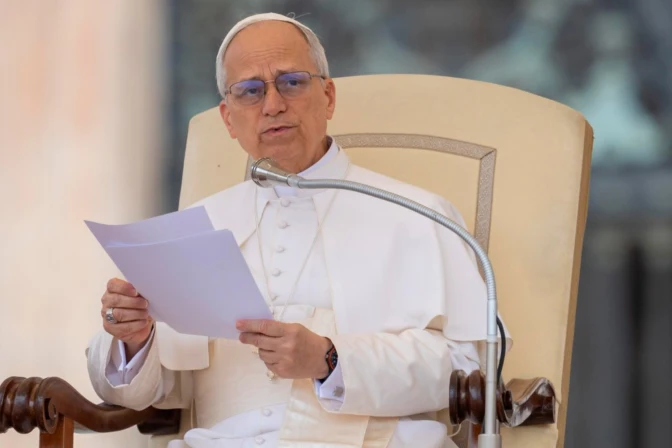
The pontiff is expected to travel to Africa in April, visit Peru later this year, and make a summer stop in Spain.
On Feb. 8, 1969, a massive meteorite rained a couple of tons of stones on the Mexican town of Allende, not far from the Texas border. The fireball scattered thousands of stones over a huge area. Over 2 tons were recovered, giving researchers — already primed by the impending Apollo missions — an abundance ofContinue reading “Feb. 8, 1969: The Allende meteorite falls”
The post Feb. 8, 1969: The Allende meteorite falls appeared first on Astronomy Magazine.
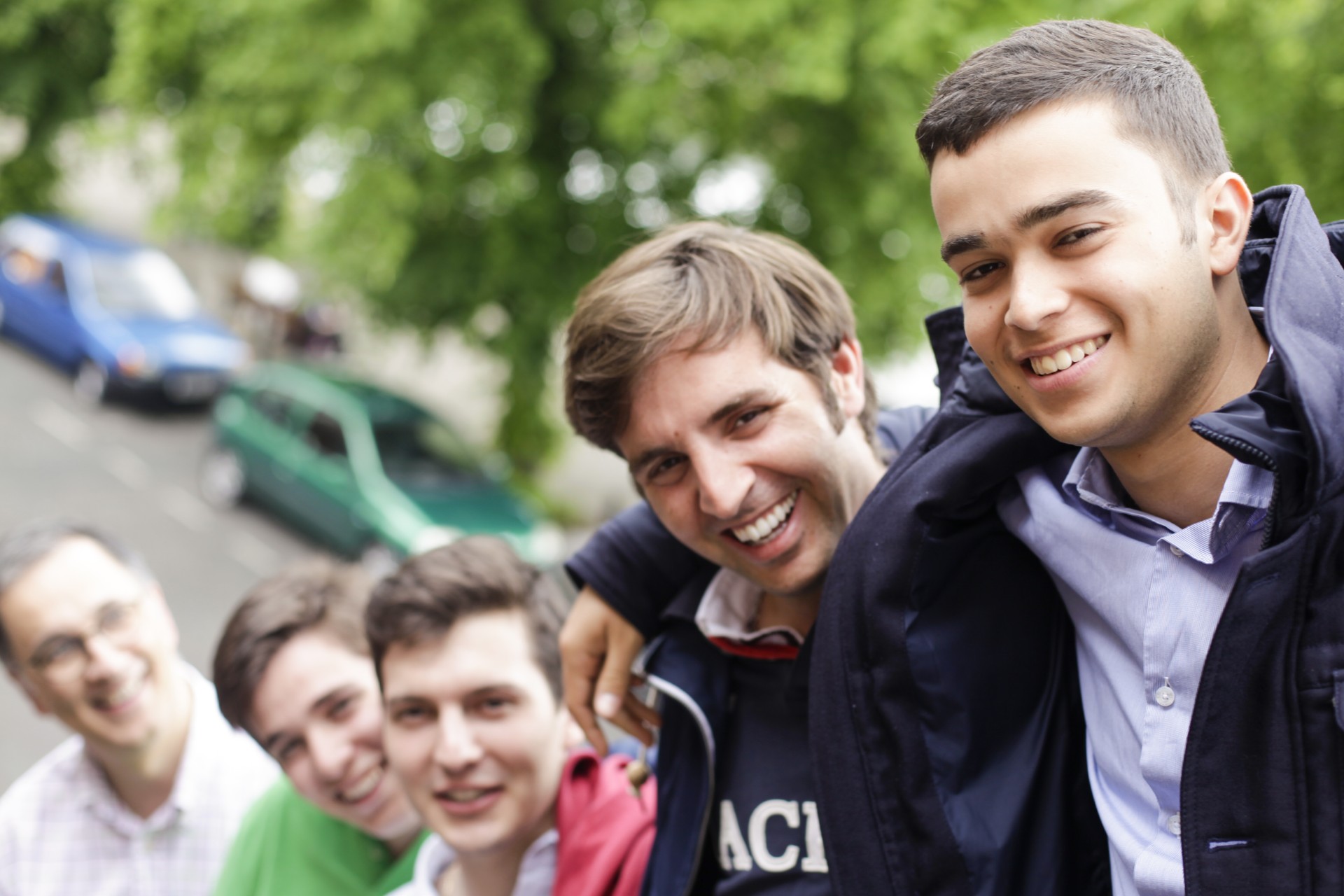
Read More![University student from England being considered for canonization - #Catholic - A young man from Manchester, England, who “committed himself totally to God” could one day be included among the ranks of Sts. Carlo Acutis and Pier Giorgio Frassati as calls continue for him to be named a saint.Pedro Ballester died on Jan. 13, 2018, at the age of 21 of bone cancer after a life of prayer, sacrifice, and virtue. Vatican representatives are now in the process of interviewing his family and friends to gauge whether a cause should be formally opened for the former university student.
Through his illness, Pedro Ballester “was uniting himself to the suffering of Christ,” Father Joseph Evans, who accompanied Ballester, told EWTN News. | Credit: Photo courtesy of Opus Dei Communications Office
Father Joseph Evans, chaplain of Greygarth Hall, Manchester, who accompanied Ballester during the last year of his life, told EWTN News: “People like Pedro and Carlo Acutis, they didn’t keep their options open. They committed themselves totally to God. They found happiness in deep self-giving and deep suffering.” Carlo Acutis, a 15-year-old Italian, died in 2006 and was canonized a saint in 2025.Evans told EWTN News that “young people are attracted to self-giving and self-sacrifice and practice because of our soft, consumerist world.”A gift for friendship and commitment to God Ballester was born into a Catholic family and his Spanish parents are married members of Opus Dei, a personal prelature of the Catholic Church founded in Spain by St. Josemaría Escrivá in 1928. Ballester himself joined Opus Dei in 2013 as a “numerary” member — meaning he made a commitment to celibacy for life and living out the charism of Opus Dei in the world. After winning a place at Imperial College in London to study chemical engineering, Ballester experienced intense back pain during his first semester, after which he was diagnosed with advanced cancer of the pelvis.During his illness, he would often go to Christie’s Hospital in Manchester for cancer treatment where his holiness and kindness were noted by many. He befriended his fellow patients and the nurses, showing a deep interest in their lives outside the hospital. “He made really good friends with them,” Evans told EWTN News. “He was genuinely interested in you. He really inspired people in a very, very natural way. He got through to people and spoke to them about God.” On one occasion, Ballester wrote a card to Pope Francis, signed by his fellow cancer patients, and delivered it in person to the pontiff in Rome in November 2015. His father, also named Pedro, recounted how his son told Pope Francis: “I just wanted to let you know that I got cancer, and I offer all the sufferings for you and for the Church."
Pedro Ballester met Pope Francis in 2015 and told him: “I just wanted to let you know that I got cancer, and I offer all the sufferings for you and for the Church.” | Credit: Photo courtesy of Opus Dei Communications Office
From that point on, the young man’s suffering worsened and he regularly experienced acute pain leading up to his death. Paying tribute to the way Ballester responded to his disease, Evans said: “He was uniting himself to the suffering of Christ. The pain he was going through was a much bigger share in the passion of Christ, offering that suffering to Christ for souls, for salvation. Above all, he would say the best form of prayer was offering up our suffering.”Opus Dei, which is promoting Ballester’s cause for sainthood, is hoping the impressive young adult will follow in the footsteps of Carlo Acutis and Pier Georgio Frassati, who was famous for serving the poor in Milan. Speaking to EWTN News about the impact of such young people, Jack Valero from Opus Dei said: “There seems to be a whole collection of people, [a] new generation of Catholics who are going to lead the way. God is saying that, now in the 21st century, ‘I’m going to give you a whole load of people that are going to be models for the young.’”He added: “[Pedro] could be somebody who can teach us to be happy with whatever our circumstances are, and that to be close to God is to be happy.”Valero also described Ballester as a “special” person who was “a really friendly guy throughout his life, and he continued to be a very friendly guy in his sickness.” Pinpointing Ballester’s “ability to make friends” as a strong evangelistic tool, he said: “He realized that he didn’t have much long to live. So he asked people: ‘Are you going to Mass? Are you OK with God? Are you being good to people?’ This ability to make friends was directed to bring them close to God.”
Pedro Ballester is greeted by the former archbishop of Westminster, Cardinal Vincent Nichols. | Credit: Photo courtesy of Opus Dei Communications Office
Accounts of Ballester’s impact on people have spread around the world to places such as Mexico, Spain, and Kenya, while a prayer card asking for his intercession has now been translated into 28 languages. Additionally, a documentary called “A Friend in Heaven” has been released that highlights the impact of Ballester‘s short life, describing him as a “student with a gift of friendship and a love for God.”Looking to the future, Evans urged caution while the Church “makes its mind up” about Ballester becoming a saint, but he told EWTN News: “He loved chatting with people. He was very generous. There’s a tremendous spontaneous phenomenon of devotion to him in all sorts of places throughout the world.”](https://unitedyam.com/wp-content/uploads/2026/02/university-student-from-england-being-considered-for-canonization-catholic-a-young-man-from-manchester-england-who-committed-himself-totally-to-god-could-one-day-be-included-a.jpg)
Vatican representatives are in the process of reviewing the life of Pedro Ballester, a British university student who died of cancer in 2018, to gauge whether his canonization cause should be opened.