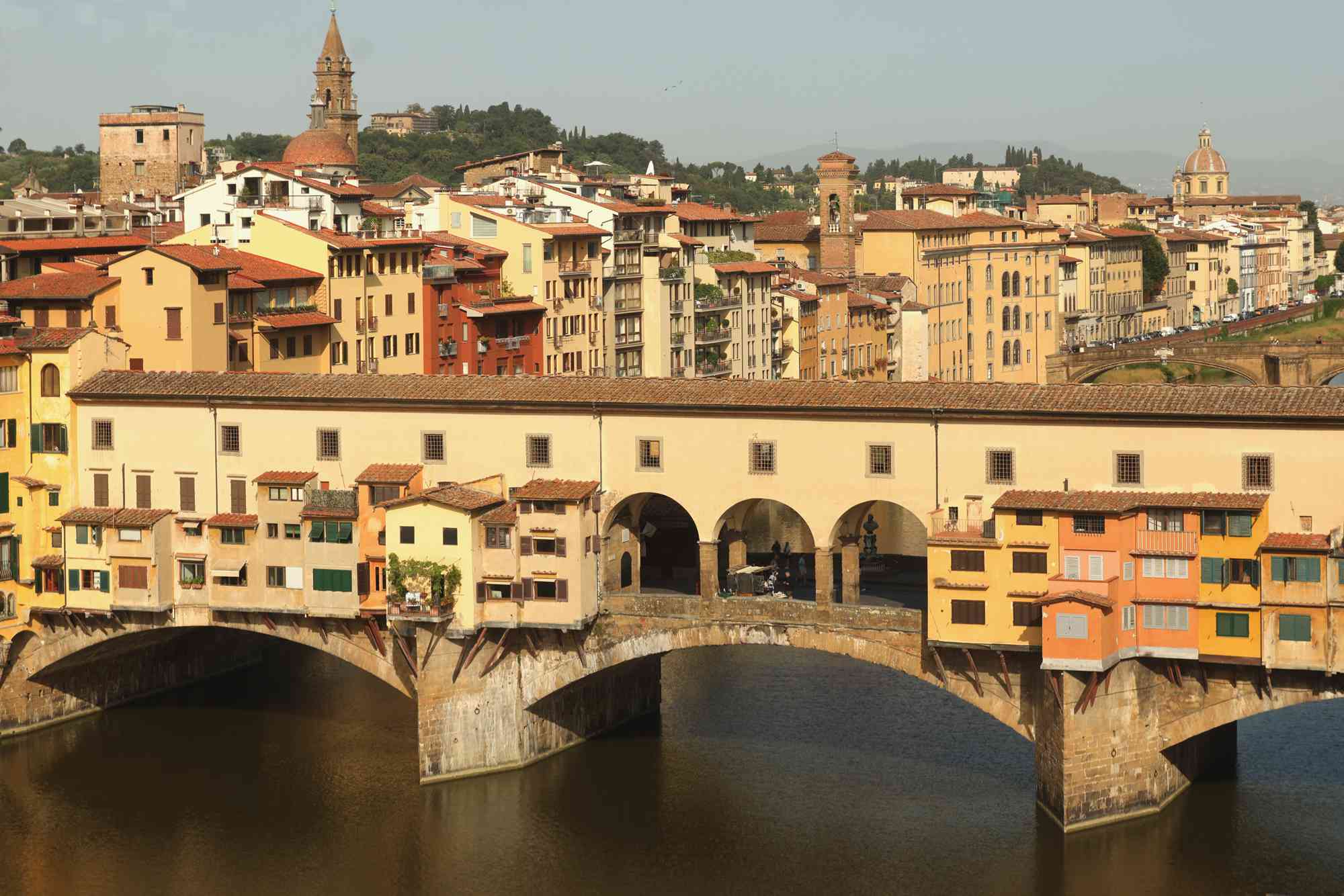

From Renaissance art to gelato shops, here’s how locals recommend exploring the Tuscan capital.
:max_bytes(150000):strip_icc():format(jpeg)/TAL-ponte-vecchio-TODOFLORENCE0923-9abdcf5bd9ff42dfb04fbeeb2f69f001.jpg)
From Renaissance art to gelato shops, here’s how locals recommend exploring the Tuscan capital.

Bad Bunny broke down barriers at this year’s Super Bowl by putting on a show that only 15% of the viewing audience could understand, which has people wondering how the NFL will follow it up.
Read More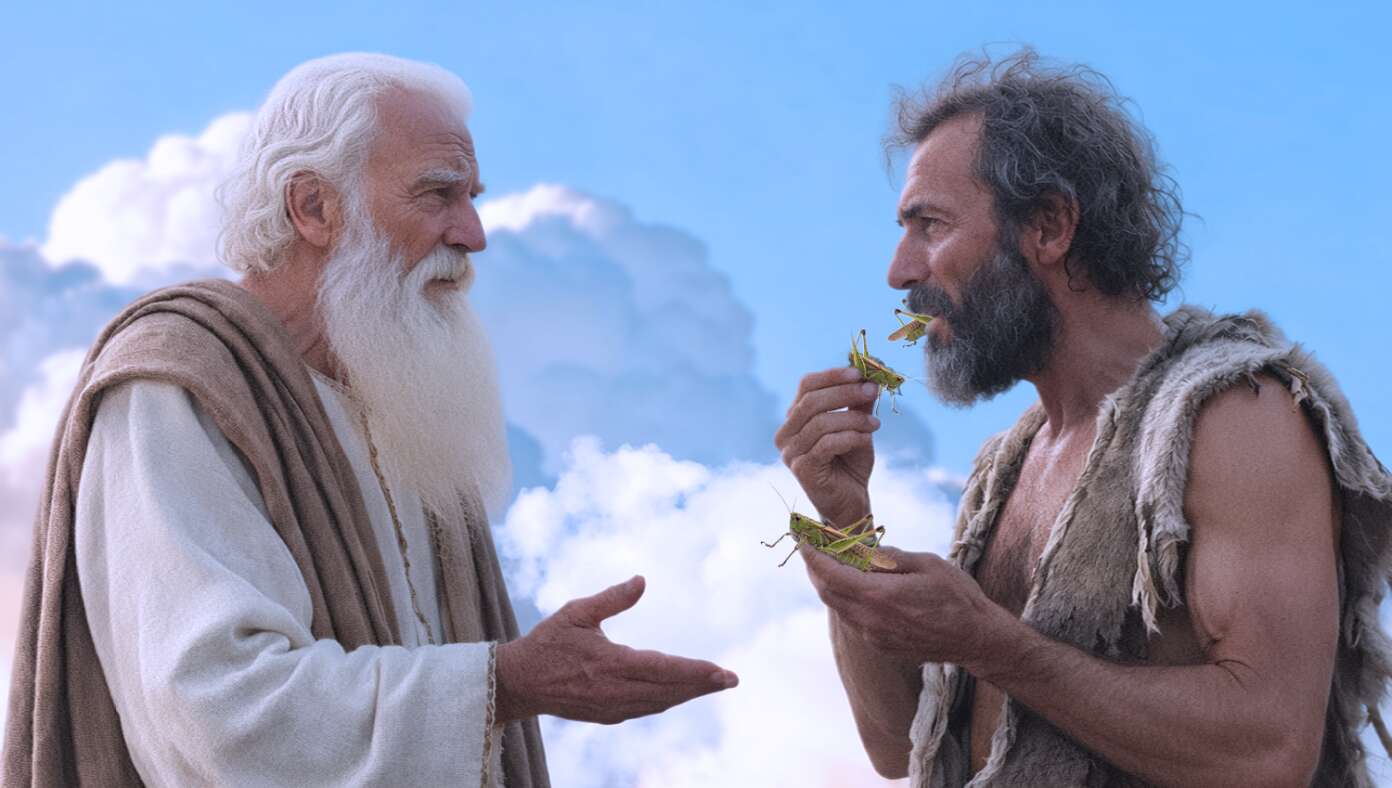
HEAVEN — Old habits from life on Earth seemed to be challenging to break, as reports from Heaven indicated that Saint Peter was seen trying to explain to John the Baptist that he didn’t have to eat bugs anymore.
Read More
| Picture of the day |
|---|

|
|
The main altar of Santa Maria della Pace church in Brescia features the altarpiece Presentation at Temple by Pompeo Batoni. The tympanum sculptures are by Antonio Calegari. Celebrated as Candlemas in some places, this event in the life of Jesus is observed today in much of Eastern and Western Christianity.
|
Lord, I believe:
I wish to believe in Thee.
Lord, let my faith be full and unreserved,
and let it penetrate my thought,
my way of judging Divine things and human things.
Lord, let my faith be joyful
and give peace and gladness to my spirit,
and dispose it for prayer with God
and conversation with men,
so that the inner bliss of its fortunate possession
may shine forth in sacred and secular conversation.
Lord, let my faith be humble and not presume
to be based on the …
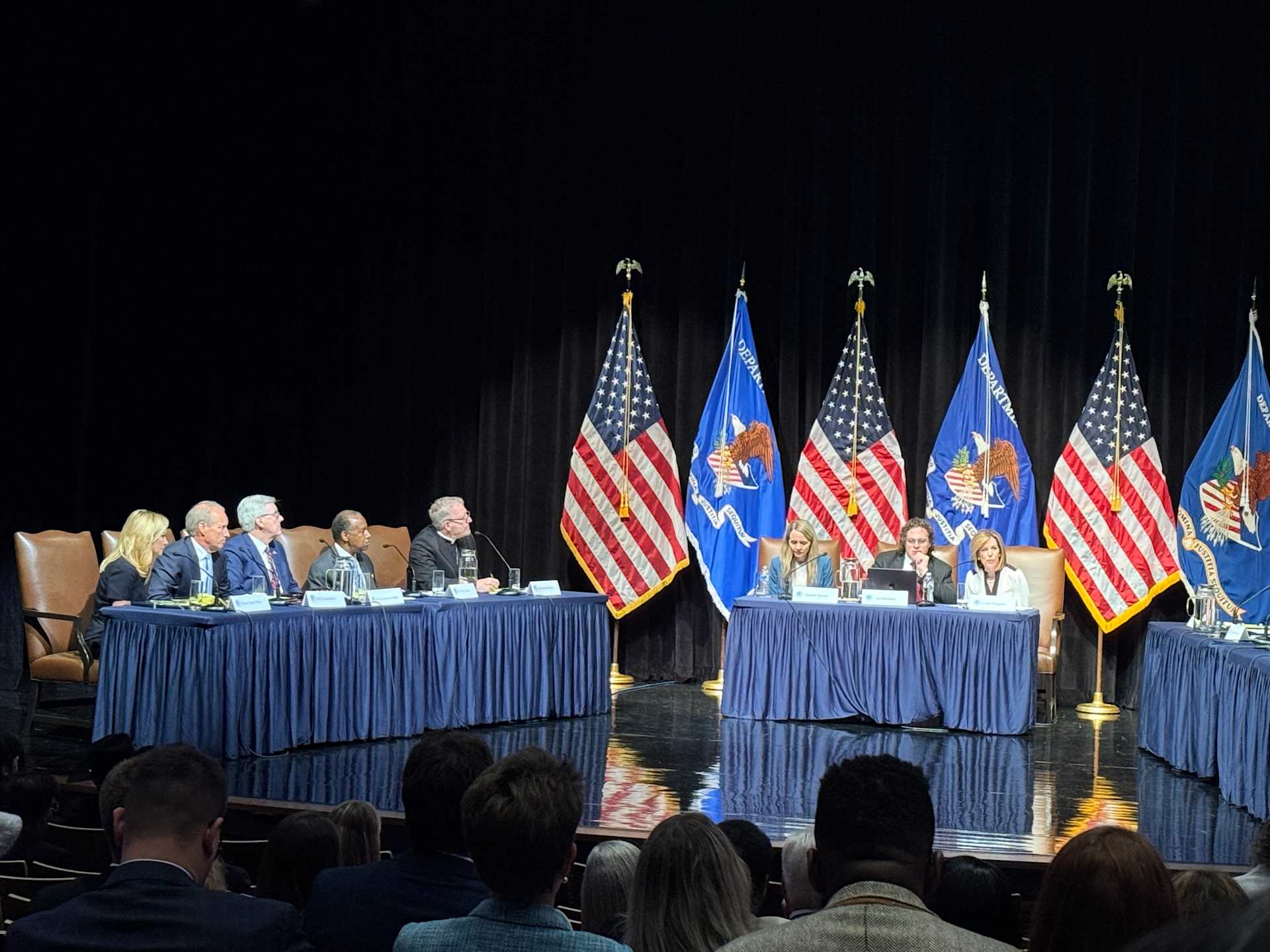
Catholic teaching does not explicitly oppose Zionism, the movement supporting Jewish self‑determination in a homeland in Israel.
A reading from the First Book of Kings
1 Kings 10:1-10
The queen of Sheba, having heard of Solomon’s fame,
came to test him with subtle questions.
She arrived in Jerusalem with a very numerous retinue,
and with camels bearing spices,
a large amount of gold, and precious stones.
She came to Solomon and questioned him on every subject
in which she was interested.
King Solomon explained everything she asked about,
and there remained nothing hidden from him
that he could not explain to her.
When the queen of Sheba witnessed Solomon’s great wisdom,
the palace he had built, the food at his table,
the seating of his ministers, the attendance and garb of his waiters,
his banquet service,
and the burnt offerings he offered in the temple of the LORD,
she was breathless.
"The report I heard in my country
about your deeds and your wisdom is true," she told the king.
"Though I did not believe the report until I came and saw with my own eyes,
I have discovered that they were not telling me the half.
Your wisdom and prosperity surpass the report I heard.
Blessed are your men, blessed these servants of yours,
who stand before you always and listen to your wisdom.
Blessed be the LORD, your God,
whom it has pleased to place you on the throne of Israel.
In his enduring love for Israel,
the LORD has made you king to carry out judgment and justice."
Then she gave the king one hundred and twenty gold talents,
a very large quantity of spices, and precious stones.
Never again did anyone bring such an abundance of spices
as the queen of Sheba gave to King Solomon.
From the Gospel according to Mark
7:14-23
Jesus summoned the crowd again and said to them,
“Hear me, all of you, and understand.
Nothing that enters one from outside can defile that person;
but the things that come out from within are what defile.”
When he got home away from the crowd
his disciples questioned him about the parable.
He said to them,
“Are even you likewise without understanding?
Do you not realize that everything
that goes into a person from outside cannot defile,
since it enters not the heart but the stomach
and passes out into the latrine?”
(Thus he declared all foods clean.)
“But what comes out of the man, that is what defiles him.
From within the man, from his heart,
come evil thoughts, unchastity, theft, murder,
adultery, greed, malice, deceit,
licentiousness, envy, blasphemy, arrogance, folly.
All these evils come from within and they defile.”
It is not the external things that make us holy or unholy, but the heart which expresses our intentions, our choices and the will to do all for the love of God. External behaviour is the result of what we decide in the heart, and not the contrary: with a change in external behaviour, but not a change of heart, we are not true Christians. The boundary between good and evil does not pass outside of us, but rather within us. We could ask ourselves: where is my heart? Jesus said: “Where your treasure is, there will your heart be also”. What is my treasure? Is it Jesus, is it his teaching? If so, then the heart is good. Or is my treasure something else? Thus it is a heart which needs purification and conversion. Without a purified heart, one cannot have truly clean hands and lips which speak sincere words of love (…), of mercy, of forgiveness: only a sincere and purified heart can do this. (Pope Francis, Angelus, 30 August 2015)
Read More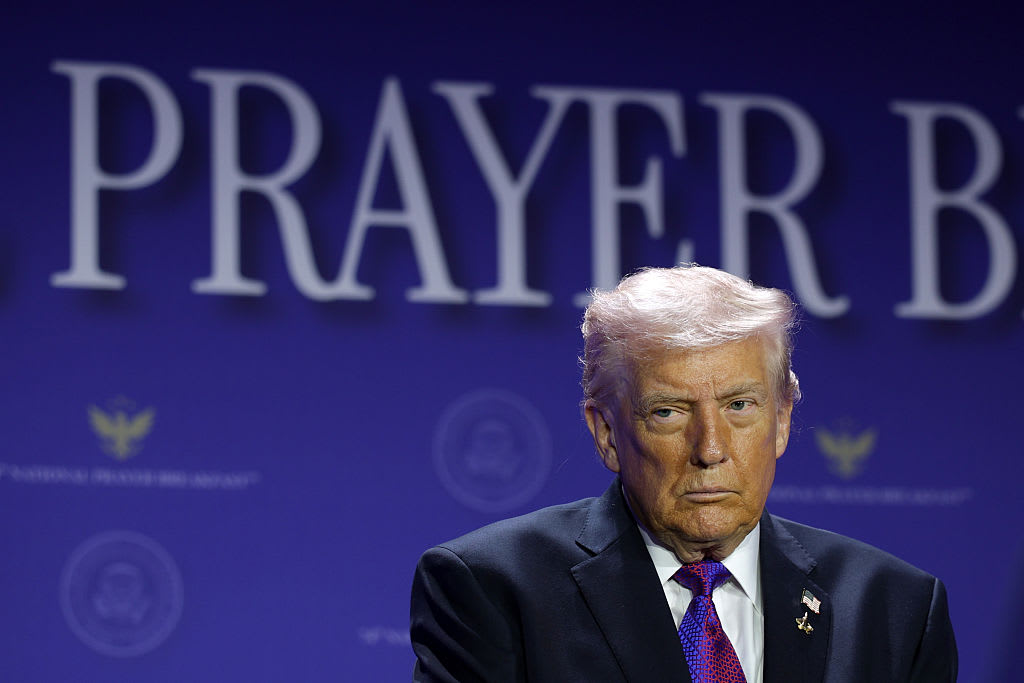
A Pew Research Center report examined how U.S. religious groups view President Donald Trump, including his plans and policies and his ethics.
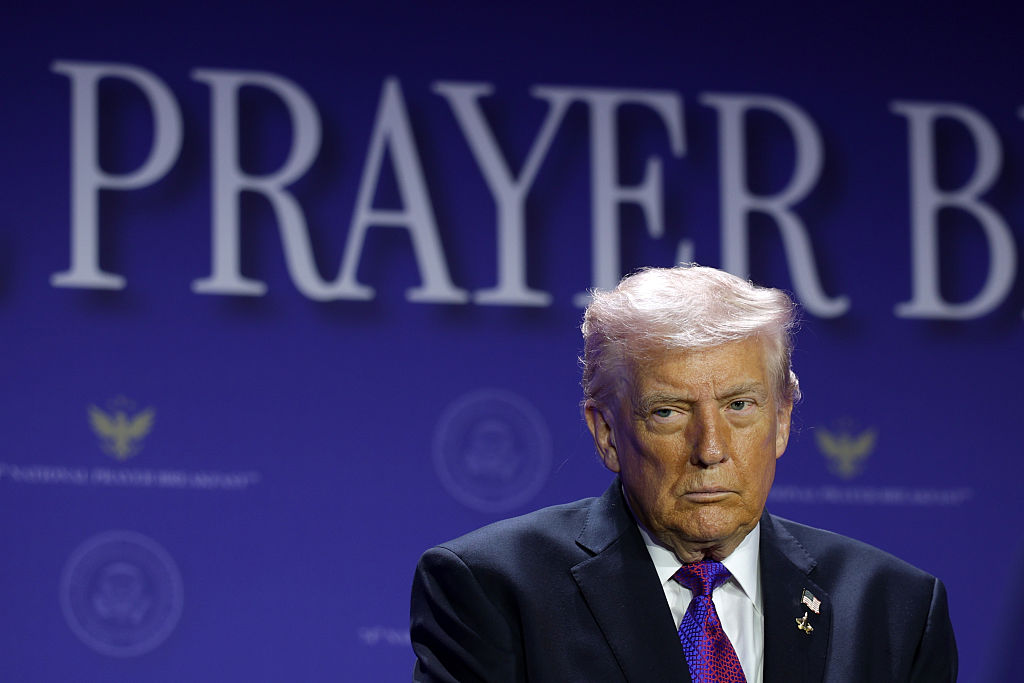
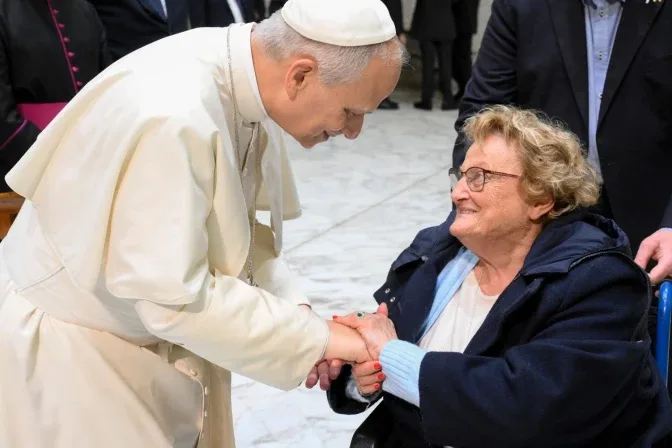
“I will not forget you” (Isaiah 49:15) is the theme chosen by Pope Leo XIV for the sixth World Day of Grandparents and the Elderly, which this year will take place on Sunday, July 26.
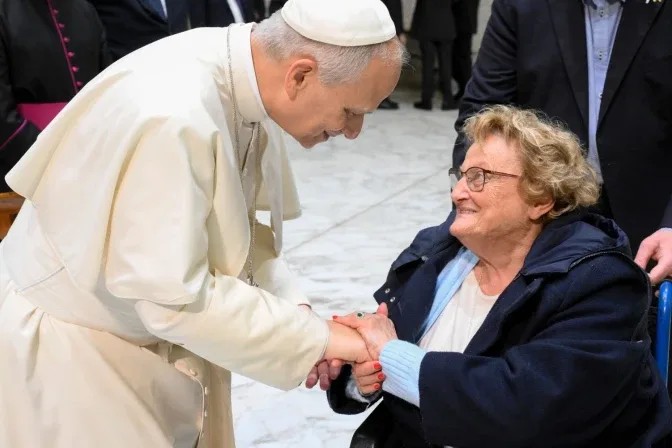
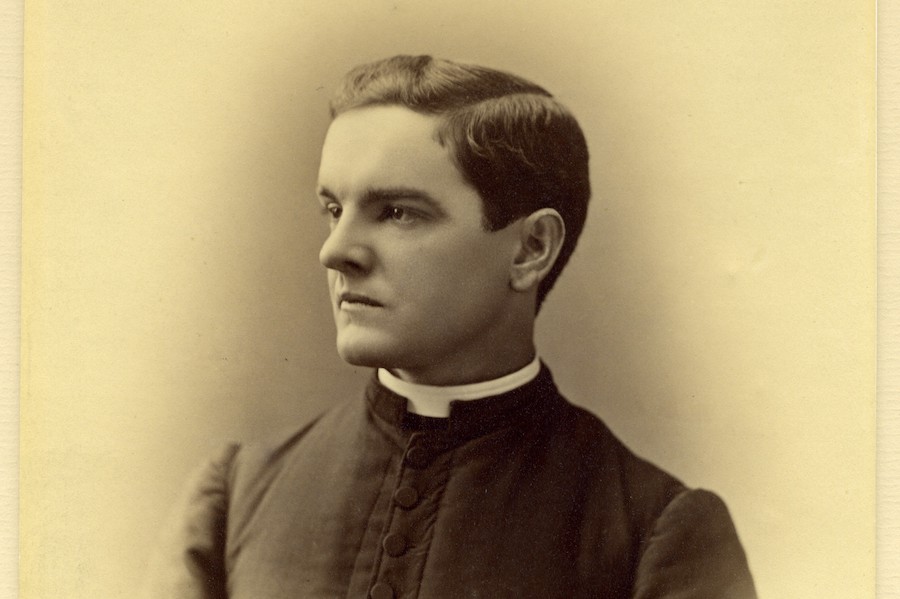
Archbishop William Lori urged Catholics to approach public life with synodal listening and civic virtue, drawing on Blessed Michael McGivney’s example of serving immigrant families.


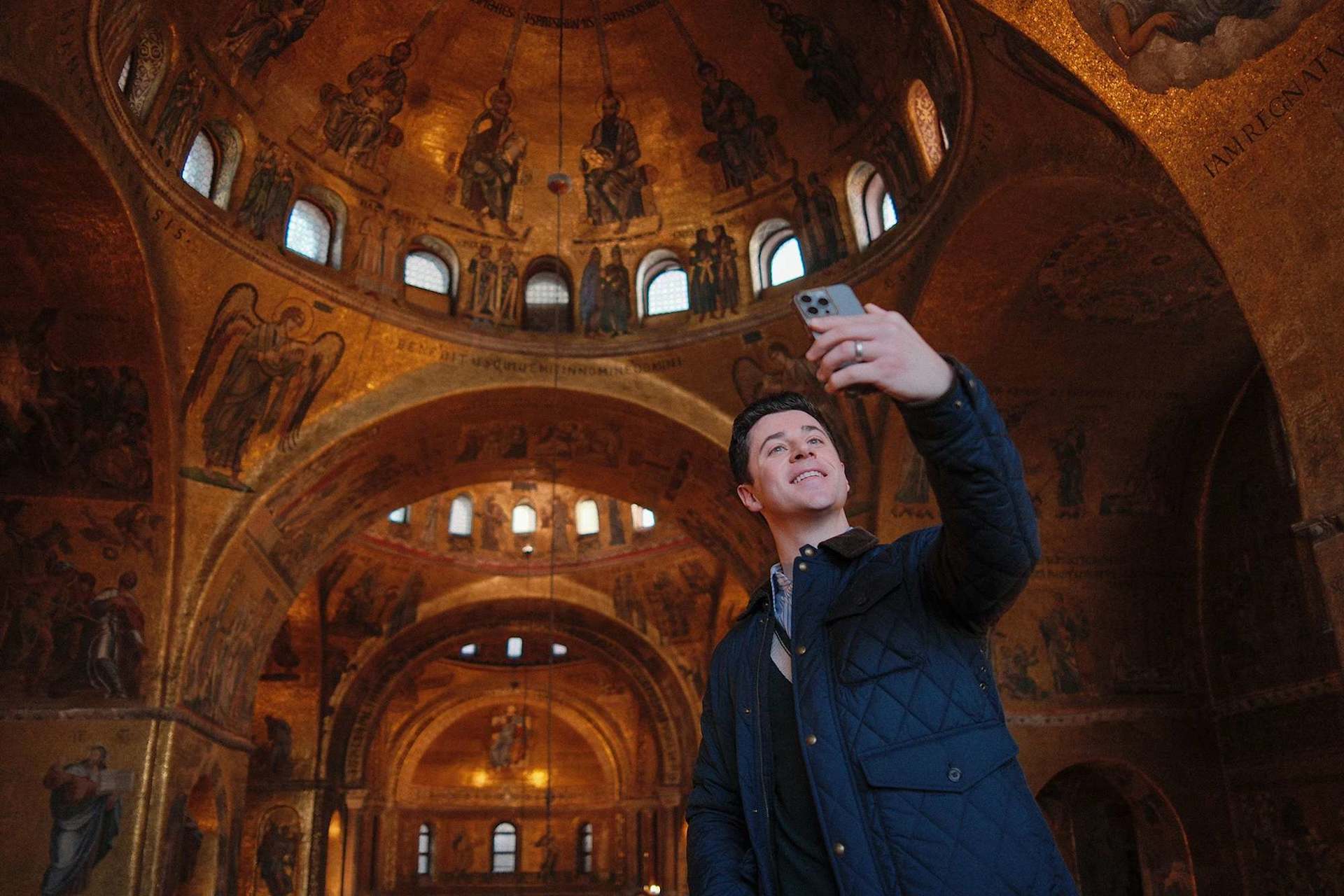
The first season of “Seeking Beauty” takes viewers to cities in Italy including Milan, Rome, Florence, Venice, and Vatican City.
![Paterson shares in joy of New York archbishop’s installation #Catholic -
Even from a TV studio a block away, Father Cesar Jaramillo could feel the excitement bursting from inside St. Patrick’s Cathedral in New York City on Feb. 6. That afternoon, Archbishop Ronald A. Hicks was making history during a special Mass in St. Patrick’s, being installed as the 11th archbishop of New York.
From a studio in nearby Rockefeller Center, Father Jaramillo, pastor of Holy Spirit Parish in Pequannock, N.J., was filled with emotion as he sat under bright lights providing on-air commentary of the Mass in Spanish for Telemundo 47 TV. Along with the hosts, the priest helped guide viewers through the religious significance of what they were hearing and seeing on the telecast of the bilingual liturgy.
Meanwhile, a few faithful representing the Paterson Diocese in New Jersey, including Bishop Kevin J. Sweeney, were feeling the excitement firsthand as Mass participants that Friday afternoon inside St. Patrick’s. Bishop Sweeney helped concelebrate the liturgy. Luisa Fernanda Torres, a St. Patrick’s cantor, led the congregation in singing Spanish and English hymns as lead cantor. Father Jaramillo and Torres became friends years ago in youth ministry at St. Anthony of Padua Parish in Passaic, N.J.
“It was a beautiful day. Archbishop Hicks will use his talents and gifts to build on the great work of Cardinal Timothy Dolan [his predecessor] and those before him,” Father Jaramillo told BeaconNJ.org. after the installation Mass. “Archbishop Hicks not only speaks Spanish, but he also relates to the immigrant community in a radical and new way as its new shepherd.”
Click here to subscribe to our weekly newsletter.
Bishop Sweeney, who was originally a priest from the Brooklyn Diocese in New York, was among about 90 cardinals and bishops who processed into St. Patrick’s, also known as “America’s parish church.” A capacity crowd of 2,400 churchgoers, including many non-Catholics and leaders from other faith traditions, filled the cathedral for the installation Mass, which was also broadcast on XPIX 11 TV.
“It was a blessing to be able to concelebrate the Installation Mass for Archbishop Hicks. In his beautiful homily, in English and Spanish, he expressed gratitude and also spoke of the need to be a Missionary Church and for each of us to be Missionary Disciples. He also asked everyone to keep him in our prayers,” Bishop Sweeney shared on social media.
Also among the participants was Bishop Kurt Burnette of the Byzantine Catholic Eparchy of Passaic.
A year ago, after his 75th birthday, Cardinal Dolan submitted his resignation to the pope as required by canon law. On Dec. 18, Pope Leo accepted his resignation and named Archbishop Hicks, then bishop of Joliet, Illinois, as his successor, according to Our Sunday Visitor (OSV).
For two hours on air, Father Jaramillo sought to capture the joy and importance of this blessed moment in the New York Archdiocese. He gave “shout-outs” to Torres during the broadcast. The priest also noted that the inclusion of Spanish hymns, such as “Alma Misionera” (Missionary Soul), shows Archbishop Hicks’ Latin American heart, like our bishop, Bishop Sweeney.”
“We all made the Paterson Diocese proud. I was proud of Bishop Sweeney and Luisa, who is one of the best bilingual cantors of sacred music in the area,” said Father Jaramillo, who thinks Telemundo 47 asked him to provide on-air commentary for the Mass because of his canon-law background. He holds a licentiate in canon law from the Pontifical Gregorian University in Rome.
Among Father Jaramillo’s favorite moments of the Mass was when Cardinal Dolan and Cardinal Christophe Pierre, the apostolic nuncio to the U.S., escorted Archbishop Hicks to the cathedra, the archbishop’s chair that represents his authority. During the Mass, Cardinal Pierre, with the choir, sang a brief version of “Happy Birthday” to Cardinal Dolan, who turned 76, according to OSV.
Father Jaramillo was also moved when the new archbishop reminded New York’s 2.5 million faithful, “I love Jesus. I love the Church.”
“As priests, we don’t say that we love Jesus enough. Archbishop Hicks reminded us that we should be more vocal about our intimate friendship with the Lord,” Father Jaramillo said.
On social media before the start of the Mass on Feb. 6, Torres posted that she was “excited and honored” to be singing for the installation.
Also before the Mass, Lori DiGaetano, youth ministry coordinator of St. Anthony’s in Passaic, posted on social media, “Way to go, Luisa Fernanda Torres & Fr. Cesar Dario Jaramillo! So proud of you! Thank you & blessings to Cardinal Timothy Dolan for his years of service & love. Blessings upon Archbishop Ronald Hicks as he begins this new ministry to God’s people.”
Bishop Kevin J. Sweeney was among those from the Paterson Diocese in New Jersey who participated in the installation Mass of Archbishop Ronald A. Hicks as the 11th archbishop of New York on Feb. 6 in St. Patrick’s Cathedral. Bishop Sweeney captured the following photos with his cell phone during the historic Mass, which were also posted to his social media.
[See image gallery at beaconnj.org]](https://unitedyam.com/wp-content/uploads/2026/02/paterson-shares-in-joy-of-new-york-archbishops-installation-catholic-even-from-a-tv-studio-a-block-away-father-cesar-jaramillo-could-feel-the-excitement-bursting-from-inside-st-patrick.jpg)
Paterson shares in joy of New York archbishop’s installation #Catholic – 
Even from a TV studio a block away, Father Cesar Jaramillo could feel the excitement bursting from inside St. Patrick’s Cathedral in New York City on Feb. 6. That afternoon, Archbishop Ronald A. Hicks was making history during a special Mass in St. Patrick’s, being installed as the 11th archbishop of New York.
From a studio in nearby Rockefeller Center, Father Jaramillo, pastor of Holy Spirit Parish in Pequannock, N.J., was filled with emotion as he sat under bright lights providing on-air commentary of the Mass in Spanish for Telemundo 47 TV. Along with the hosts, the priest helped guide viewers through the religious significance of what they were hearing and seeing on the telecast of the bilingual liturgy.
Meanwhile, a few faithful representing the Paterson Diocese in New Jersey, including Bishop Kevin J. Sweeney, were feeling the excitement firsthand as Mass participants that Friday afternoon inside St. Patrick’s. Bishop Sweeney helped concelebrate the liturgy. Luisa Fernanda Torres, a St. Patrick’s cantor, led the congregation in singing Spanish and English hymns as lead cantor. Father Jaramillo and Torres became friends years ago in youth ministry at St. Anthony of Padua Parish in Passaic, N.J.
“It was a beautiful day. Archbishop Hicks will use his talents and gifts to build on the great work of Cardinal Timothy Dolan [his predecessor] and those before him,” Father Jaramillo told BeaconNJ.org. after the installation Mass. “Archbishop Hicks not only speaks Spanish, but he also relates to the immigrant community in a radical and new way as its new shepherd.”
Bishop Sweeney, who was originally a priest from the Brooklyn Diocese in New York, was among about 90 cardinals and bishops who processed into St. Patrick’s, also known as “America’s parish church.” A capacity crowd of 2,400 churchgoers, including many non-Catholics and leaders from other faith traditions, filled the cathedral for the installation Mass, which was also broadcast on XPIX 11 TV.
“It was a blessing to be able to concelebrate the Installation Mass for Archbishop Hicks. In his beautiful homily, in English and Spanish, he expressed gratitude and also spoke of the need to be a Missionary Church and for each of us to be Missionary Disciples. He also asked everyone to keep him in our prayers,” Bishop Sweeney shared on social media.
Also among the participants was Bishop Kurt Burnette of the Byzantine Catholic Eparchy of Passaic.
A year ago, after his 75th birthday, Cardinal Dolan submitted his resignation to the pope as required by canon law. On Dec. 18, Pope Leo accepted his resignation and named Archbishop Hicks, then bishop of Joliet, Illinois, as his successor, according to Our Sunday Visitor (OSV).
For two hours on air, Father Jaramillo sought to capture the joy and importance of this blessed moment in the New York Archdiocese. He gave “shout-outs” to Torres during the broadcast. The priest also noted that the inclusion of Spanish hymns, such as “Alma Misionera” (Missionary Soul), shows Archbishop Hicks’ Latin American heart, like our bishop, Bishop Sweeney.”
“We all made the Paterson Diocese proud. I was proud of Bishop Sweeney and Luisa, who is one of the best bilingual cantors of sacred music in the area,” said Father Jaramillo, who thinks Telemundo 47 asked him to provide on-air commentary for the Mass because of his canon-law background. He holds a licentiate in canon law from the Pontifical Gregorian University in Rome.
Among Father Jaramillo’s favorite moments of the Mass was when Cardinal Dolan and Cardinal Christophe Pierre, the apostolic nuncio to the U.S., escorted Archbishop Hicks to the cathedra, the archbishop’s chair that represents his authority. During the Mass, Cardinal Pierre, with the choir, sang a brief version of “Happy Birthday” to Cardinal Dolan, who turned 76, according to OSV.
Father Jaramillo was also moved when the new archbishop reminded New York’s 2.5 million faithful, “I love Jesus. I love the Church.”
“As priests, we don’t say that we love Jesus enough. Archbishop Hicks reminded us that we should be more vocal about our intimate friendship with the Lord,” Father Jaramillo said.
On social media before the start of the Mass on Feb. 6, Torres posted that she was “excited and honored” to be singing for the installation.
Also before the Mass, Lori DiGaetano, youth ministry coordinator of St. Anthony’s in Passaic, posted on social media, “Way to go, Luisa Fernanda Torres & Fr. Cesar Dario Jaramillo! So proud of you! Thank you & blessings to Cardinal Timothy Dolan for his years of service & love. Blessings upon Archbishop Ronald Hicks as he begins this new ministry to God’s people.”
Bishop Kevin J. Sweeney was among those from the Paterson Diocese in New Jersey who participated in the installation Mass of Archbishop Ronald A. Hicks as the 11th archbishop of New York on Feb. 6 in St. Patrick’s Cathedral. Bishop Sweeney captured the following photos with his cell phone during the historic Mass, which were also posted to his social media.
– Even from a TV studio a block away, Father Cesar Jaramillo could feel the excitement bursting from inside St. Patrick’s Cathedral in New York City on Feb. 6. That afternoon, Archbishop Ronald A. Hicks was making history during a special Mass in St. Patrick’s, being installed as the 11th archbishop of New York. From a studio in nearby Rockefeller Center, Father Jaramillo, pastor of Holy Spirit Parish in Pequannock, N.J., was filled with emotion as he sat under bright lights providing on-air commentary of the Mass in Spanish for Telemundo 47 TV. Along with the hosts, the priest helped guide
Blue Origin announced on Jan. 30, 2026, that it will pause New Shepard flights for at least two years. The company, owned by Amazon founder Jeff Bezos, is instead redirecting resources to lunar spaceflight. New Shepard is a reusable spaceflight system designed for vertical landings. It has completed 38 flights and carried 98 people aboveContinue reading “Blue Origin pauses New Shepard, shoots for the Moon”
The post Blue Origin pauses New Shepard, shoots for the Moon appeared first on Astronomy Magazine.
Read More
The Franciscan Friars of California announced a bankruptcy filing in 2024 “to address 94 child sexual abuse claims.”

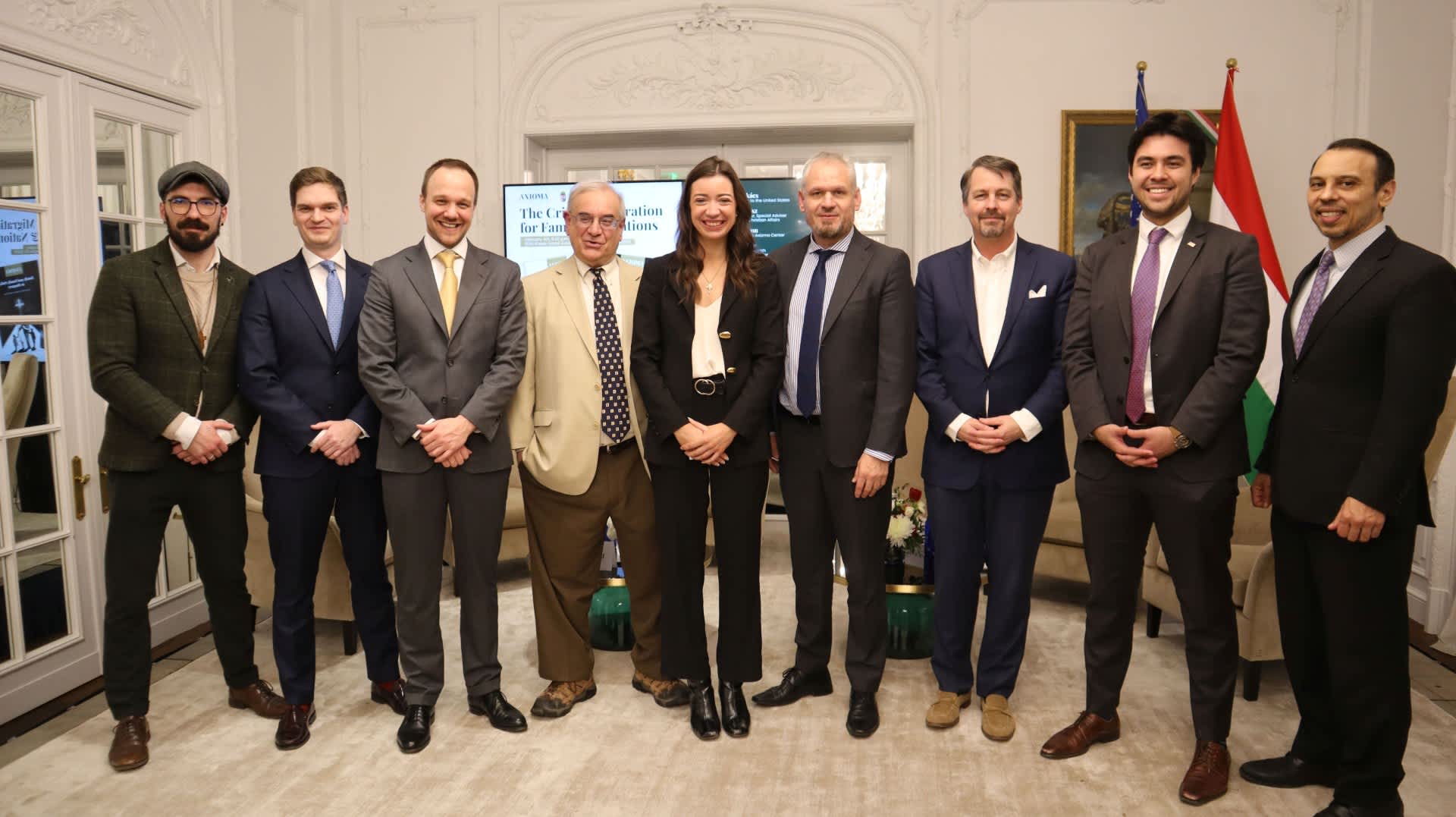
A Hungarian think tank’s new paper “Migration and Ethics: The Axioms of a Christian Migration Policy” prompts a meeting of the minds.