Day: February 13, 2026

U.S. clergy celebrate Masses in detention centers, urging humane treatment #Catholic U.S. Catholic clergy are bringing the sacraments to the nation’s immigrant detention centers, celebrating Masses and urging humane treatment for those held inside. As part of this effort, pastoral visits are aimed at ensuring detainees can access the Eucharist and receive spiritual support.In California, Bishop Joseph Brennan of the Diocese of Fresno is set to celebrate Mass on Feb. 15 at the California City Detention Facility, the state’s largest ICE center. While the diocese regularly provides sacraments in prisons and detention sites, this will be Brennan’s first Mass inside an ICE facility.In Oregon, Archbishop Alexander Sample of Portland issued a Feb. 12 statement stressing the Church’s duty to safeguard detainees’ access to the sacraments and voicing concern about large‑scale deportations. “I just feel very strongly about this, that there has to be a better solution to solving the immigration problems we have in the United States,” he said.In December 2025, seven bishops celebrated Mass at the Adelanto ICE Processing Center in California.Chandler Marquez, director of public affairs and innovation at the Fresno Diocese, told EWTN News that there are “people who are in the facility [who] want the sacrament — they want the spiritual accompaniment,” which they are not able to access as frequently while in detention.Los Angeles Auxiliary Bishop Brian Nunes and Father Kris Sorenson, pastor of Our Lady of Lourdes in California City, will join for the Mass.With President Donald Trump’s mass deportation efforts still ongoing, Marquez said “the current climate has certainly motivated” Brennan’s decision to celebrate Mass at the facility. He said the bishop has been “vocal about the promotion of human dignity” for migrants.In January 2025, Brennan issued an open letter on “immigration challenges,” in which he said “it seemed as if we took a step back as a society, and the old days of immigration sweeps were upon us once again” when he saw the uptick of immigration enforcement within his diocese.“Our people are being asked to produce proof of citizenship, and it seems as if the request is based on how they look and how they speak,” he said at the time. “That is not, by way of example, going after hardened criminals or drug dealers which, I hope, none of us would take exception to. It is going after people who, rightly or wrongly, were allowed to cross a border and who are now being subjected to tactics that are causing much fear and anxiety among my people. It is an insult to human dignity, and it is simply wrong.”
 
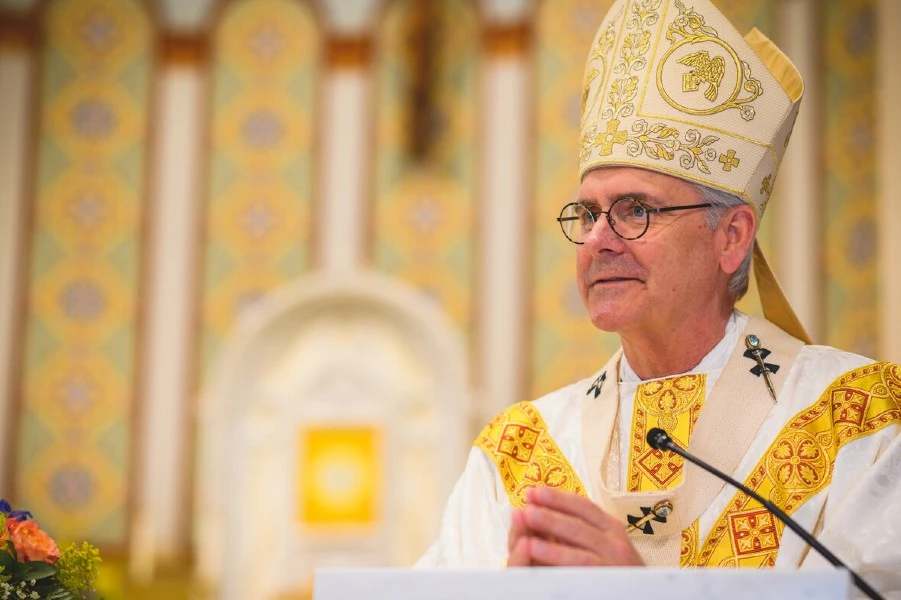
 Bishop Joseph V. Brennan of Fresno, California. | Credit: Screenshot of Diocese of Fresno YouTube video
 
 Marquez noted the diocese has the largest detention facility and the “largest amount of prisons and detention centers” in the state, which is why the ministry at prisons and detention centers is “a very, very big part of our diocese.”“Our chaplains have a great relationship with the prisons and detention centers within our dioceses,” he said, adding that the diocese has not run into problems gaining access to the facilities to provide religious services.The Department of Homeland Security (DHS), which operates ICE, said it encourages clergy to request accommodations for religious services at long-term ICE detention centers.Catholic clergy ran into obstacles several times last year when trying to administer sacraments at an ICE field office in Broadview, Illinois, where detainees are processed. A federal judge said Feb. 12 that DHS must provide accommodations to ensure Catholic clergy could provide ashes and Communion for detainees on Ash Wednesday, Feb. 18.

U.S. clergy celebrate Masses in detention centers, urging humane treatment #Catholic U.S. Catholic clergy are bringing the sacraments to the nation’s immigrant detention centers, celebrating Masses and urging humane treatment for those held inside. As part of this effort, pastoral visits are aimed at ensuring detainees can access the Eucharist and receive spiritual support.In California, Bishop Joseph Brennan of the Diocese of Fresno is set to celebrate Mass on Feb. 15 at the California City Detention Facility, the state’s largest ICE center. While the diocese regularly provides sacraments in prisons and detention sites, this will be Brennan’s first Mass inside an ICE facility.In Oregon, Archbishop Alexander Sample of Portland issued a Feb. 12 statement stressing the Church’s duty to safeguard detainees’ access to the sacraments and voicing concern about large‑scale deportations. “I just feel very strongly about this, that there has to be a better solution to solving the immigration problems we have in the United States,” he said.In December 2025, seven bishops celebrated Mass at the Adelanto ICE Processing Center in California.Chandler Marquez, director of public affairs and innovation at the Fresno Diocese, told EWTN News that there are “people who are in the facility [who] want the sacrament — they want the spiritual accompaniment,” which they are not able to access as frequently while in detention.Los Angeles Auxiliary Bishop Brian Nunes and Father Kris Sorenson, pastor of Our Lady of Lourdes in California City, will join for the Mass.With President Donald Trump’s mass deportation efforts still ongoing, Marquez said “the current climate has certainly motivated” Brennan’s decision to celebrate Mass at the facility. He said the bishop has been “vocal about the promotion of human dignity” for migrants.In January 2025, Brennan issued an open letter on “immigration challenges,” in which he said “it seemed as if we took a step back as a society, and the old days of immigration sweeps were upon us once again” when he saw the uptick of immigration enforcement within his diocese.“Our people are being asked to produce proof of citizenship, and it seems as if the request is based on how they look and how they speak,” he said at the time. “That is not, by way of example, going after hardened criminals or drug dealers which, I hope, none of us would take exception to. It is going after people who, rightly or wrongly, were allowed to cross a border and who are now being subjected to tactics that are causing much fear and anxiety among my people. It is an insult to human dignity, and it is simply wrong.” Bishop Joseph V. Brennan of Fresno, California. | Credit: Screenshot of Diocese of Fresno YouTube video Marquez noted the diocese has the largest detention facility and the “largest amount of prisons and detention centers” in the state, which is why the ministry at prisons and detention centers is “a very, very big part of our diocese.”“Our chaplains have a great relationship with the prisons and detention centers within our dioceses,” he said, adding that the diocese has not run into problems gaining access to the facilities to provide religious services.The Department of Homeland Security (DHS), which operates ICE, said it encourages clergy to request accommodations for religious services at long-term ICE detention centers.Catholic clergy ran into obstacles several times last year when trying to administer sacraments at an ICE field office in Broadview, Illinois, where detainees are processed. A federal judge said Feb. 12 that DHS must provide accommodations to ensure Catholic clergy could provide ashes and Communion for detainees on Ash Wednesday, Feb. 18.

Archbishop Alexander Sample issued a statement stressing the Church’s duty to safeguard detainees’ access to the sacraments.
Read More

Gospel and Word of the Day – 14 February 2026 – A reading from the First Book of Kings 1 Kings 12:26-32; 13:33-34 Jeroboam thought to himself: "The kingdom will return to David’s house. If now this people go up to offer sacrifices in the temple of the LORD in Jerusalem, the hearts of this people will return to their master, Rehoboam, king of Judah, and they will kill me." After taking counsel, the king made two calves of gold and said to the people: "You have been going up to Jerusalem long enough. Here is your God, O Israel, who brought you up from the land of Egypt." And he put one in Bethel, the other in Dan. This led to sin, because the people frequented those calves in Bethel and in Dan. He also built temples on the high places and made priests from among the people who were not Levites. Jeroboam established a feast in the eighth month on the fifteenth day of the month to duplicate in Bethel the pilgrimage feast of Judah, with sacrifices to the calves he had made; and he stationed in Bethel priests of the high places he had built. Jeroboam did not give up his evil ways after this, but again made priests for the high places from among the common people. Whoever desired it was consecrated and became a priest of the high places. This was a sin on the part of the house of Jeroboam for which it was to be cut off and destroyed from the earth.From the Gospel according to Mark 8:1-10 In those days when there again was a great crowd without anything to eat, Jesus summoned the disciples and said, “My heart is moved with pity for the crowd, because they have been with me now for three days and have nothing to eat. If I send them away hungry to their homes, they will collapse on the way, and some of them have come a great distance.” His disciples answered him, “Where can anyone get enough bread to satisfy them here in this deserted place?” Still he asked them, “How many loaves do you have?” They replied, “Seven.” He ordered the crowd to sit down on the ground. Then, taking the seven loaves he gave thanks, broke them, and gave them to his disciples to distribute, and they distributed them to the crowd. They also had a few fish. He said the blessing over them and ordered them distributed also. They ate and were satisfied. They picked up the fragments left over–seven baskets. There were about four thousand people. He dismissed the crowd and got into the boat with his disciples and came to the region of Dalmanutha.Jesus does not want to act alone, he came to bring the love of God into the world and he wants to spread it in the style of communion, in the style of brotherhood. That is why he immediately forms a community of disciples, which is a missionary community. He trains them straight away for the mission, to go forth. But pay attention: their purpose is not to socialize, to spend time together, no, their purpose is to proclaim the Kingdom of God, and this is urgent! And it is still urgent today! (…) These 72 disciples, whom Jesus sent out ahead of him, who were they? Who do they represent? If the Twelve were the Apostles, and also thus represent the Bishops, their successors, these 72 could represent the other ordained ministries, priests and deacons; but more broadly we can think of the other ministries in the Church, of catechists, of the lay faithful who engage in parish missions, of those who work with the sick, with different kinds of disadvantaged and marginalized people; but always as missionaries of the Gospel, with the urgency of the Kingdom that is close at hand. Everyone must be a missionary, everyone can hear that call of Jesus and go forth and proclaim the Kingdom! (Pope Francis, Angelus, 7 July 2013)

A reading from the First Book of Kings
1 Kings 12:26-32; 13:33-34

Jeroboam thought to himself:
"The kingdom will return to David’s house.
If now this people go up to offer sacrifices
in the temple of the LORD in Jerusalem,
the hearts of this people will return to their master,
Rehoboam, king of Judah,
and they will kill me."
After taking counsel, the king made two calves of gold
and said to the people:
"You have been going up to Jerusalem long enough.
Here is your God, O Israel, who brought you up from the land of Egypt."
And he put one in Bethel, the other in Dan.
This led to sin, because the people frequented those calves
in Bethel and in Dan.
He also built temples on the high places
and made priests from among the people who were not Levites.
Jeroboam established a feast in the eighth month
on the fifteenth day of the month
to duplicate in Bethel the pilgrimage feast of Judah,
with sacrifices to the calves he had made;
and he stationed in Bethel priests of the high places he had built.

Jeroboam did not give up his evil ways after this,
but again made priests for the high places
from among the common people.
Whoever desired it was consecrated
and became a priest of the high places.
This was a sin on the part of the house of Jeroboam
for which it was to be cut off and destroyed from the earth.

From the Gospel according to Mark
8:1-10

In those days when there again was a great crowd without anything to eat,
Jesus summoned the disciples and said,
“My heart is moved with pity for the crowd,
because they have been with me now for three days
and have nothing to eat.
If I send them away hungry to their homes,
they will collapse on the way,
and some of them have come a great distance.”
His disciples answered him, “Where can anyone get enough bread
to satisfy them here in this deserted place?”
Still he asked them, “How many loaves do you have?”
They replied, “Seven.”
He ordered the crowd to sit down on the ground.
Then, taking the seven loaves he gave thanks, broke them,
and gave them to his disciples to distribute,
and they distributed them to the crowd.
They also had a few fish.
He said the blessing over them
and ordered them distributed also.
They ate and were satisfied.
They picked up the fragments left over–seven baskets.
There were about four thousand people.

He dismissed the crowd and got into the boat with his disciples
and came to the region of Dalmanutha.

Jesus does not want to act alone, he came to bring the love of God into the world and he wants to spread it in the style of communion, in the style of brotherhood. That is why he immediately forms a community of disciples, which is a missionary community. He trains them straight away for the mission, to go forth.

But pay attention: their purpose is not to socialize, to spend time together, no, their purpose is to proclaim the Kingdom of God, and this is urgent! And it is still urgent today! (…)

These 72 disciples, whom Jesus sent out ahead of him, who were they? Who do they represent? If the Twelve were the Apostles, and also thus represent the Bishops, their successors, these 72 could represent the other ordained ministries, priests and deacons; but more broadly we can think of the other ministries in the Church, of catechists, of the lay faithful who engage in parish missions, of those who work with the sick, with different kinds of disadvantaged and marginalized people; but always as missionaries of the Gospel, with the urgency of the Kingdom that is close at hand. Everyone must be a missionary, everyone can hear that call of Jesus and go forth and proclaim the Kingdom! (Pope Francis, Angelus, 7 July 2013)

Read More
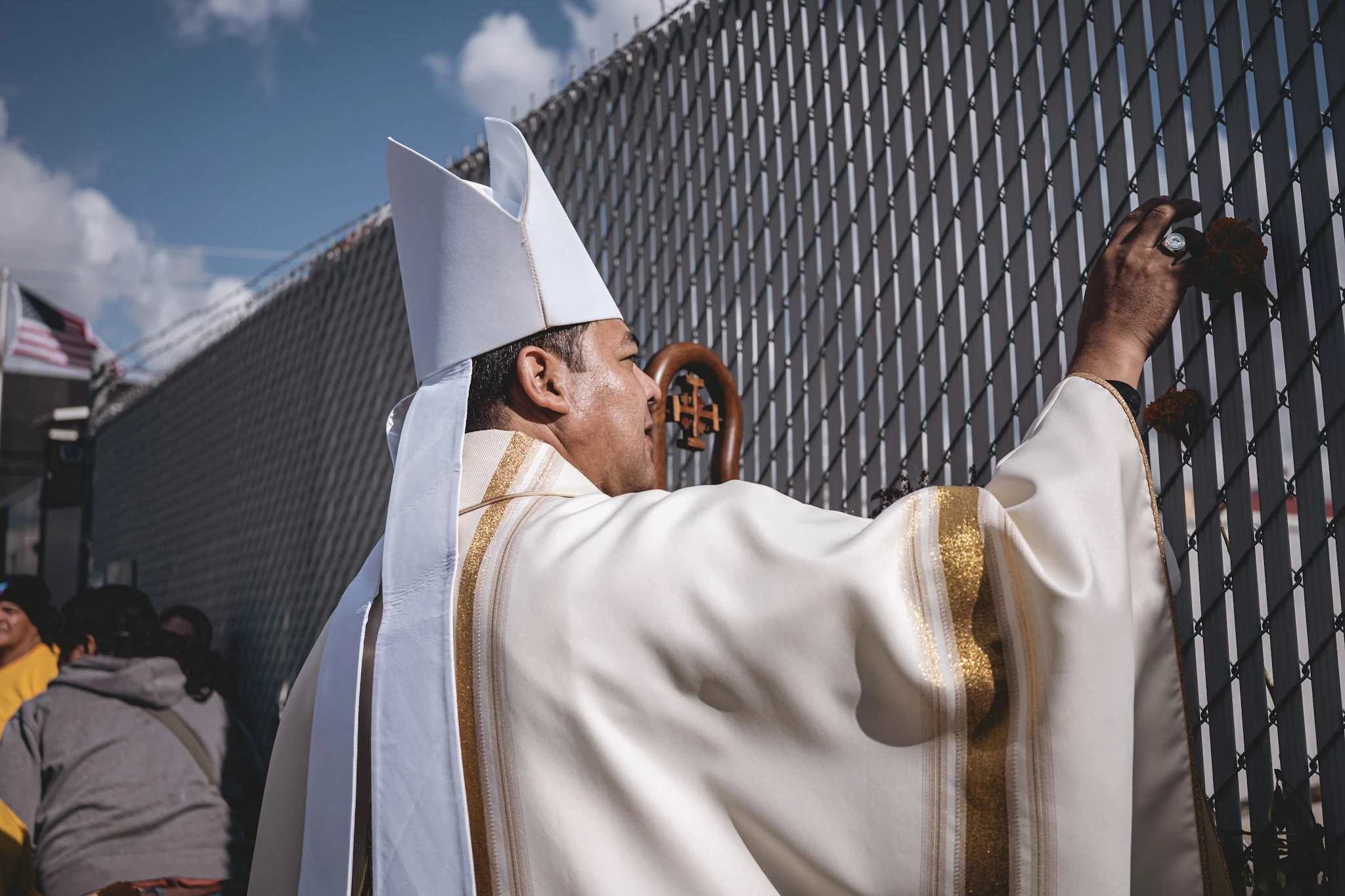
ICE must allow Communion, distribution of ashes at Illinois processing facility, judge says #Catholic The Immigration and Customs Enforcement (ICE) facility in Broadview, Illinois, must accommodate Catholic clergy who wish to provide detainees with ashes and Communion on Ash Wednesday, Feb. 18, according to a federal court ruling.Judge Robert W. Gettleman issued the Feb. 12 order in favor of the Coalition for Spiritual and Public Leadership (CSPL), a nonprofit that helps facilitate Catholic services at ICE facilities among other initiatives. Its mission is rooted in liberation theology and focused on economic, environmental, racial, and social justice.The Department of Homeland Security (DHS), which operates ICE, denied repeated requests to administer the sacraments at the Broadview facility, including when clergy sought to bring Communion and pastoral care to immigration detainees on Christmas.“The whole world has seen the injustices of our federal immigration system,” Father Leandro Fossá, CS, a member of the CSPL Clergy Council, said in a statement.“We are eager to see how the federal government responds to the injunction and restores the fundamental religious rights of people in detention to receive pastoral visits, rights that had been honored previously,” he said.The order states that the government has substantially burdened the religious exercise of the clergy and that there is no compelling government interest to justify that burden. The judge cited the Religious Freedom Restoration Act.“Allowing plaintiffs to provide pastoral care to migrants and detainees will improve the condition of those detained at Broadview,” the judge’s order states. The judge ordered the government to permit ashes and Communion for Ash Wednesday and to coordinate with CSPL to establish an appropriate safety and security protocol. The order directs them to also meet and confer about future religious ministry at the facility.Father Dan Hartnett, SJ, a member of the CSPL Clergy Council, expressed hope that this ruling will set a trend.“The collective voices and faithful witness of Catholics and Christians in Chicago and across the country are making an impact,” he said. “As Lent begins, we pray this ruling restores religious freedom for those detained and moves our country closer to justice in honoring the dignity of all migrants.”Pope Leo XIV said in November 2025 the spiritual rights of migrants in detention must be considered.According to an CSPL statement, the nonprofit is awaiting a response from ICE about coordinating the Ash Wednesday services. Both priests and religious sisters are expected to visit the Broadview facility.Neither ICE nor DHS immediately responded to a request for comment.
 
 Auxiliary Bishop Jose María García-Maldonado attempts to visit detainees at the Broadview, Illinois, immigration facility and was not admitted Nov. 1, 2025. | Credit: Bryan Sebastian, courtesy of Coalition for Spiritual and Public Leadership
 
 The Broadview facility is an ICE field office used to process detainees before being transferred to a detention center. Although detainees are only meant to be held there for a few hours, with the maximum being 72 hours, some alleged last year that they were held there for several days and even up to one week.A large outdoor Mass with Scalabrinian Missionaries is set for Ash Wednesday at Our Lady of Mount Carmel Catholic Church in Melrose Park, led by Cardinal Blase J. Cupich of the Archdiocese of Chicago. It will be followed by a procession through the Melrose Park community as participants say the rosary and sing as a sign of the Church’s presence and solidarity with immigrant families.

ICE must allow Communion, distribution of ashes at Illinois processing facility, judge says #Catholic The Immigration and Customs Enforcement (ICE) facility in Broadview, Illinois, must accommodate Catholic clergy who wish to provide detainees with ashes and Communion on Ash Wednesday, Feb. 18, according to a federal court ruling.Judge Robert W. Gettleman issued the Feb. 12 order in favor of the Coalition for Spiritual and Public Leadership (CSPL), a nonprofit that helps facilitate Catholic services at ICE facilities among other initiatives. Its mission is rooted in liberation theology and focused on economic, environmental, racial, and social justice.The Department of Homeland Security (DHS), which operates ICE, denied repeated requests to administer the sacraments at the Broadview facility, including when clergy sought to bring Communion and pastoral care to immigration detainees on Christmas.“The whole world has seen the injustices of our federal immigration system,” Father Leandro Fossá, CS, a member of the CSPL Clergy Council, said in a statement.“We are eager to see how the federal government responds to the injunction and restores the fundamental religious rights of people in detention to receive pastoral visits, rights that had been honored previously,” he said.The order states that the government has substantially burdened the religious exercise of the clergy and that there is no compelling government interest to justify that burden. The judge cited the Religious Freedom Restoration Act.“Allowing plaintiffs to provide pastoral care to migrants and detainees will improve the condition of those detained at Broadview,” the judge’s order states. The judge ordered the government to permit ashes and Communion for Ash Wednesday and to coordinate with CSPL to establish an appropriate safety and security protocol. The order directs them to also meet and confer about future religious ministry at the facility.Father Dan Hartnett, SJ, a member of the CSPL Clergy Council, expressed hope that this ruling will set a trend.“The collective voices and faithful witness of Catholics and Christians in Chicago and across the country are making an impact,” he said. “As Lent begins, we pray this ruling restores religious freedom for those detained and moves our country closer to justice in honoring the dignity of all migrants.”Pope Leo XIV said in November 2025 the spiritual rights of migrants in detention must be considered.According to an CSPL statement, the nonprofit is awaiting a response from ICE about coordinating the Ash Wednesday services. Both priests and religious sisters are expected to visit the Broadview facility.Neither ICE nor DHS immediately responded to a request for comment. Auxiliary Bishop Jose María García-Maldonado attempts to visit detainees at the Broadview, Illinois, immigration facility and was not admitted Nov. 1, 2025. | Credit: Bryan Sebastian, courtesy of Coalition for Spiritual and Public Leadership The Broadview facility is an ICE field office used to process detainees before being transferred to a detention center. Although detainees are only meant to be held there for a few hours, with the maximum being 72 hours, some alleged last year that they were held there for several days and even up to one week.A large outdoor Mass with Scalabrinian Missionaries is set for Ash Wednesday at Our Lady of Mount Carmel Catholic Church in Melrose Park, led by Cardinal Blase J. Cupich of the Archdiocese of Chicago. It will be followed by a procession through the Melrose Park community as participants say the rosary and sing as a sign of the Church’s presence and solidarity with immigrant families.

Clergy had argued they “have lost their own religious freedom, by blanket denial of any opportunity to provide spiritual consolation.”

Read More
British archdiocese announces exit from social media platform X – #Catholic – Here is a roundup of world news you might have missed this past week:Major British archdiocese announces exit from social media platformThe Archdiocese of Liverpool announced this week that it would no longer post on X “due to ethical and moral reasons.”In the Feb. 6 post, the archdiocese said it would remain on Facebook, Instagram, TikTok, and LinkedIn. The archdiocese has not returned by the time of publication EWTN News’ request for clarification on the nature of the “ethical and moral” reasons it cited as reasons for the departure.World Youth Day organizers use diplomatic channels to help attendees travel to SeoulWorld Youth Day 2027 organizers held a meeting with ambassadors and diplomatic representatives from 25 countries across the EU and Latin America on Feb. 4 to discuss establishing pathways for young people around the world to attend the event.The deputy director of World Youth Day, Father Fabiano Rebeggiani, said the meeting, which took place at the Catholic University of Korea and was facilitated by the apostolic nunciature, was focused on supporting “young people who are already making great efforts to attend” through travel and visa challenges. “World Youth Day Seoul 2027 will offer young people a space to seek the truth, pray for peace, and share reconciliation and hope amidst realities marked by division,” he said. The priest noted that the upcoming World Youth Day will be the first of its kind to be held in a non-Christian majority country.Christian organizations call for release of Syrian mayor Suleiman KhalilMarking one year since the arrest of Sadad, Syria’s mayor, Suleiman Khalil, advocacy groups In Defense of Christians (IDC) and Christian Solidarity International (CSI) have renewed calls for his immediate release, ACI MENA, the Arabic-language sister service of EWTN News, reported Wednesday.In a joint statement, the groups said Khalil remains detained in the security wing of Homs Central Prison without formal charges and has been denied access to legal counsel or evidence related to his case. The statement also cited a deterioration in his health and restrictions on religious items, including a Bible and cross. The organizations argue that his continued detention violates both Syria’s constitutional declaration issued in March 2025 and international human rights law. Khalil is remembered locally for his role in organizing the defense of the predominantly Christian town of Sadad during attacks by extremist groups in 2015. His daughter, speaking from the United States, described harsh prison conditions and limited family access, urging international intervention to secure his release.New Hampshire bishop gifts Swiss Marian statue to Catholic Medical CenterBishop Peter Libasci of the Diocese of Manchester, New Hampshire, gifted a hand-carved Swiss depiction of the Virgin Mary to the Catholic Medical Center in Manchester on Wednesday.Libasci commissioned the statue of Our Lady of Einsiedeln from the Abbey of Einsiedeln, Switzerland, as a personal gift, according to local reports. The gesture coincided with the World Day of the Sick on Feb. 11 and the first anniversary of the Catholic Medical Center joining HCA Healthcare, a private U.S-founded health care provider. The statue has been placed in the Catholic Medical Center’s lobby.Patriarch Rai calls for prayers on feast of St. MaronPresiding over the feast of St. Maron at St. George Cathedral in Beirut, in the presence of Lebanon’s three top state officials and a broad assembly of clergy and faithful, Maronite Patriarch Cardinal Bechara Boutros Rai underscored what he called the historic national mission of the Maronite community, ACI MENA reported Monday.That mission, he said, is rooted in faith, attachment to the land, and a steady commitment to strengthening the foundations of the state and preserving coexistence. Addressing political leaders directly, Rai called for the consolidation of arms under state authority, full implementation of U.N. Resolution 1701, the withdrawal of Israeli forces from southern Lebanon, and the extension of full Lebanese sovereignty across the country. He also emphasized the need to empower the Lebanese Armed Forces, advance reconstruction, and pursue structural reforms. In his closing prayer, the patriarch asked that Lebanon remain “a land of encounter and a space of hope” for all its citizens. President Joseph Aoun, for his part, expressed hope that the feast would serve as a unifying national occasion, recalling Lebanon’s identity as a country of freedom and witness.New Pontifical Missions building opened in BangaloreThe Catholic Bishops’ Conference in India celebrated the grand opening of a new secretariat building for the Pontifical Mission Organizations nearly 27 years after the process for the new building began, according to a Feb. 9 Licas News report.Apostolic Nuncio to India and Nepal Archbishop Leopoldo Girelli presided over the opening festivities, including the ribbon cutting and unveiling of a plaque celebrating the building’s completion. The new building has a chapel, six office rooms, a boardroom, documentation room, and media room. Over 170 bishops attended the ceremony for the building, which “is the cultivation of a process that began in 1999,” according to the report.As Lent and Ramadan coincide, Filipino bishop calls for peace, care for poorBishop Jose Colin M. Bagaforo of Kidapawan, Philippines, shared a message ahead of the start of Lent and Ramadan on Feb. 18, calling for Catholic and Muslim faith communities to renew their commitments to peace and care for the poor.“In a world marked by violence and division, this moment calls us not only to pray for peace but to live it and work for it,” said Bagaforo, who is also co-president of global Catholic peace movement PAX Christi International. Bagaforo, who serves as chairman of the Catholic Bishops’ Conference of the Philippines Episcopal Commission on Inter-Religious Dialogue, said the shared start date of two seasons of fasting “is a grace” that invites the faithful in both religions to prayer, repentance, and action for peace, justice, and care for the poor and the environment. “In these sacred seasons, Muslims and Christians enter a time of prayer, fasting, repentance, and generosity. We turn our hearts to the merciful,” he said. “We learn again to see one another as brothers and sisters. Our sacred texts call us to peace: “Blessed are the peacemakers” (Mt 5:9), and God “invites all to the Home of Peace” (Qur’an 10:25).Exposition on sacred art’s place in liturgy to be blessed by 6 Orthodox bishopsOrthodox priest, researcher, and iconographer Father Rijo Geevarghese of the Diocese of Ahmedabad of the Malankara Orthodox Syrian Church will host a sacred art exposition inviting viewers “to a contemplative encounter with liturgical art.”Instagram post“The artworks are rooted in the liturgical life of the Church, drawing inspiration from Scripture, the Divine Liturgy, hymnography, and the patristic tradition,” Geevarghese told EWTN News. “Rather than being merely aesthetic, each work is conceived as a visual theology, echoing the Church’s understanding of art as an extension of worship.” Held at the Kanayi Kunhiraman Art Gallery, in Kerala, India, from Feb. 12–26, the event is titled “Mananam.” Six senior bishops of the Orthodox church will be present at the opening of the exhibit, the priest shared, noting that the event “is intended to serve as a space of reflection for families, youth, and children alike.”

British archdiocese announces exit from social media platform X – #Catholic – Here is a roundup of world news you might have missed this past week:Major British archdiocese announces exit from social media platformThe Archdiocese of Liverpool announced this week that it would no longer post on X “due to ethical and moral reasons.”In the Feb. 6 post, the archdiocese said it would remain on Facebook, Instagram, TikTok, and LinkedIn. The archdiocese has not returned by the time of publication EWTN News’ request for clarification on the nature of the “ethical and moral” reasons it cited as reasons for the departure.World Youth Day organizers use diplomatic channels to help attendees travel to SeoulWorld Youth Day 2027 organizers held a meeting with ambassadors and diplomatic representatives from 25 countries across the EU and Latin America on Feb. 4 to discuss establishing pathways for young people around the world to attend the event.The deputy director of World Youth Day, Father Fabiano Rebeggiani, said the meeting, which took place at the Catholic University of Korea and was facilitated by the apostolic nunciature, was focused on supporting “young people who are already making great efforts to attend” through travel and visa challenges. “World Youth Day Seoul 2027 will offer young people a space to seek the truth, pray for peace, and share reconciliation and hope amidst realities marked by division,” he said. The priest noted that the upcoming World Youth Day will be the first of its kind to be held in a non-Christian majority country.Christian organizations call for release of Syrian mayor Suleiman KhalilMarking one year since the arrest of Sadad, Syria’s mayor, Suleiman Khalil, advocacy groups In Defense of Christians (IDC) and Christian Solidarity International (CSI) have renewed calls for his immediate release, ACI MENA, the Arabic-language sister service of EWTN News, reported Wednesday.In a joint statement, the groups said Khalil remains detained in the security wing of Homs Central Prison without formal charges and has been denied access to legal counsel or evidence related to his case. The statement also cited a deterioration in his health and restrictions on religious items, including a Bible and cross. The organizations argue that his continued detention violates both Syria’s constitutional declaration issued in March 2025 and international human rights law. Khalil is remembered locally for his role in organizing the defense of the predominantly Christian town of Sadad during attacks by extremist groups in 2015. His daughter, speaking from the United States, described harsh prison conditions and limited family access, urging international intervention to secure his release.New Hampshire bishop gifts Swiss Marian statue to Catholic Medical CenterBishop Peter Libasci of the Diocese of Manchester, New Hampshire, gifted a hand-carved Swiss depiction of the Virgin Mary to the Catholic Medical Center in Manchester on Wednesday.Libasci commissioned the statue of Our Lady of Einsiedeln from the Abbey of Einsiedeln, Switzerland, as a personal gift, according to local reports. The gesture coincided with the World Day of the Sick on Feb. 11 and the first anniversary of the Catholic Medical Center joining HCA Healthcare, a private U.S-founded health care provider. The statue has been placed in the Catholic Medical Center’s lobby.Patriarch Rai calls for prayers on feast of St. MaronPresiding over the feast of St. Maron at St. George Cathedral in Beirut, in the presence of Lebanon’s three top state officials and a broad assembly of clergy and faithful, Maronite Patriarch Cardinal Bechara Boutros Rai underscored what he called the historic national mission of the Maronite community, ACI MENA reported Monday.That mission, he said, is rooted in faith, attachment to the land, and a steady commitment to strengthening the foundations of the state and preserving coexistence. Addressing political leaders directly, Rai called for the consolidation of arms under state authority, full implementation of U.N. Resolution 1701, the withdrawal of Israeli forces from southern Lebanon, and the extension of full Lebanese sovereignty across the country. He also emphasized the need to empower the Lebanese Armed Forces, advance reconstruction, and pursue structural reforms. In his closing prayer, the patriarch asked that Lebanon remain “a land of encounter and a space of hope” for all its citizens. President Joseph Aoun, for his part, expressed hope that the feast would serve as a unifying national occasion, recalling Lebanon’s identity as a country of freedom and witness.New Pontifical Missions building opened in BangaloreThe Catholic Bishops’ Conference in India celebrated the grand opening of a new secretariat building for the Pontifical Mission Organizations nearly 27 years after the process for the new building began, according to a Feb. 9 Licas News report.Apostolic Nuncio to India and Nepal Archbishop Leopoldo Girelli presided over the opening festivities, including the ribbon cutting and unveiling of a plaque celebrating the building’s completion. The new building has a chapel, six office rooms, a boardroom, documentation room, and media room. Over 170 bishops attended the ceremony for the building, which “is the cultivation of a process that began in 1999,” according to the report.As Lent and Ramadan coincide, Filipino bishop calls for peace, care for poorBishop Jose Colin M. Bagaforo of Kidapawan, Philippines, shared a message ahead of the start of Lent and Ramadan on Feb. 18, calling for Catholic and Muslim faith communities to renew their commitments to peace and care for the poor.“In a world marked by violence and division, this moment calls us not only to pray for peace but to live it and work for it,” said Bagaforo, who is also co-president of global Catholic peace movement PAX Christi International. Bagaforo, who serves as chairman of the Catholic Bishops’ Conference of the Philippines Episcopal Commission on Inter-Religious Dialogue, said the shared start date of two seasons of fasting “is a grace” that invites the faithful in both religions to prayer, repentance, and action for peace, justice, and care for the poor and the environment. “In these sacred seasons, Muslims and Christians enter a time of prayer, fasting, repentance, and generosity. We turn our hearts to the merciful,” he said. “We learn again to see one another as brothers and sisters. Our sacred texts call us to peace: “Blessed are the peacemakers” (Mt 5:9), and God “invites all to the Home of Peace” (Qur’an 10:25).Exposition on sacred art’s place in liturgy to be blessed by 6 Orthodox bishopsOrthodox priest, researcher, and iconographer Father Rijo Geevarghese of the Diocese of Ahmedabad of the Malankara Orthodox Syrian Church will host a sacred art exposition inviting viewers “to a contemplative encounter with liturgical art.”Instagram post“The artworks are rooted in the liturgical life of the Church, drawing inspiration from Scripture, the Divine Liturgy, hymnography, and the patristic tradition,” Geevarghese told EWTN News. “Rather than being merely aesthetic, each work is conceived as a visual theology, echoing the Church’s understanding of art as an extension of worship.” Held at the Kanayi Kunhiraman Art Gallery, in Kerala, India, from Feb. 12–26, the event is titled “Mananam.” Six senior bishops of the Orthodox church will be present at the opening of the exhibit, the priest shared, noting that the event “is intended to serve as a space of reflection for families, youth, and children alike.”

The Archdiocese of Liverpool says it’s ditching X, kidnappings continue in Nigeria, and World Youth Day preparations are in full swing. All this and more in this week’s world news roundup.

Read More
Obituary: Franciscan Father Thomas Hartle, former Butler pastor, 81 #Catholic – Franciscan Father Thomas Hartle, of St. Anthony Friary in Butler, N.J., died on Feb. 5 while in Aruba. Funeral arrangements have not been announced.
During his 49 years as a friar, Father Hartle was known as a compassionate retreat leader and pastor, with a wonderful sense of humor and a deep joy.
Born on Christmas Eve, 1944, in Clarion, Penn., Father Hartle came from a large family that included parents Urban and Bessie (née Myers) Hartle and six siblings. He grew up in Pennsylvania and was educated there, including at Immaculate Conception High School in Clarion and Gannon College in Erie.
On May 20, 1971, Father Hartle was ordained a priest at 26 years old for the Diocese of Erie, Penn. He then discerned a vocation to religious life as a Franciscan and was received into the Order of Friars Minor in 1975, professing first vows one year later. He made his solemn profession in 1979 and served at the St. Francis Retreat Center in Rye Beach, N.H., until 1990.
Father Hartle was then assigned to reside at the St. Francis Friary Novitiate in Brookline, Mass., and continued to offer spiritual direction, retreats, and workshops at various locales.
In 1994, he joined the team at the Franciscan Retreat Center in Andover, Mass.
From 1999 to 2008, Father Hartle was pastor of St. Anthony of Padua Parish in Butler, N.J., where his compassionate leadership and pastoral care deeply impacted the parish community.
During his ministry spanning more than five decades, Father Hartle conducted numerous pilgrimages to Italy, helping the faithful connect with their spiritual heritage. He was widely respected for leading retreats and days of recollection focused on Franciscan themes, sharing his wisdom and spiritual insights with all who sought guidance.
Throughout most of his ministry, Father Hartle served as the spiritual assistant for the Poor Clare Nuns of the Holy Name Federation, a ministry to which he dedicated himself since 1989.
In a video recorded a few years ago, Father Hartle summarized his Franciscan vocation in one word: love.
“The Franciscan journey is an adventure in love, falling in love with God and opening yourself up and being receptive to God’s love for you,” he said.
Father Hartle was preceded in death by his parents and his brother, Paul (Virginia) Hartle. He is survived by his siblings, Martha Siegel, Gary (Marcia) Hartle, Bruce (Cheryl) Hartle, Emerson Hartle, and David (Stacy) Hartle; numerous nieces, nephews, grandnieces, and grandnephews; and his friar brothers of the Province of Our Lady of Guadalupe.

Click here to subscribe to our weekly newsletter.

Obituary: Franciscan Father Thomas Hartle, former Butler pastor, 81 #Catholic – Franciscan Father Thomas Hartle, of St. Anthony Friary in Butler, N.J., died on Feb. 5 while in Aruba. Funeral arrangements have not been announced. During his 49 years as a friar, Father Hartle was known as a compassionate retreat leader and pastor, with a wonderful sense of humor and a deep joy. Born on Christmas Eve, 1944, in Clarion, Penn., Father Hartle came from a large family that included parents Urban and Bessie (née Myers) Hartle and six siblings. He grew up in Pennsylvania and was educated there, including at Immaculate Conception High School in Clarion and Gannon College in Erie. On May 20, 1971, Father Hartle was ordained a priest at 26 years old for the Diocese of Erie, Penn. He then discerned a vocation to religious life as a Franciscan and was received into the Order of Friars Minor in 1975, professing first vows one year later. He made his solemn profession in 1979 and served at the St. Francis Retreat Center in Rye Beach, N.H., until 1990. Father Hartle was then assigned to reside at the St. Francis Friary Novitiate in Brookline, Mass., and continued to offer spiritual direction, retreats, and workshops at various locales. In 1994, he joined the team at the Franciscan Retreat Center in Andover, Mass. From 1999 to 2008, Father Hartle was pastor of St. Anthony of Padua Parish in Butler, N.J., where his compassionate leadership and pastoral care deeply impacted the parish community. During his ministry spanning more than five decades, Father Hartle conducted numerous pilgrimages to Italy, helping the faithful connect with their spiritual heritage. He was widely respected for leading retreats and days of recollection focused on Franciscan themes, sharing his wisdom and spiritual insights with all who sought guidance. Throughout most of his ministry, Father Hartle served as the spiritual assistant for the Poor Clare Nuns of the Holy Name Federation, a ministry to which he dedicated himself since 1989. In a video recorded a few years ago, Father Hartle summarized his Franciscan vocation in one word: love. “The Franciscan journey is an adventure in love, falling in love with God and opening yourself up and being receptive to God’s love for you,” he said. Father Hartle was preceded in death by his parents and his brother, Paul (Virginia) Hartle. He is survived by his siblings, Martha Siegel, Gary (Marcia) Hartle, Bruce (Cheryl) Hartle, Emerson Hartle, and David (Stacy) Hartle; numerous nieces, nephews, grandnieces, and grandnephews; and his friar brothers of the Province of Our Lady of Guadalupe. Click here to subscribe to our weekly newsletter.

Obituary: Franciscan Father Thomas Hartle, former Butler pastor, 81 #Catholic –

Franciscan Father Thomas Hartle, of St. Anthony Friary in Butler, N.J., died on Feb. 5 while in Aruba. Funeral arrangements have not been announced.

During his 49 years as a friar, Father Hartle was known as a compassionate retreat leader and pastor, with a wonderful sense of humor and a deep joy.

Born on Christmas Eve, 1944, in Clarion, Penn., Father Hartle came from a large family that included parents Urban and Bessie (née Myers) Hartle and six siblings. He grew up in Pennsylvania and was educated there, including at Immaculate Conception High School in Clarion and Gannon College in Erie.

On May 20, 1971, Father Hartle was ordained a priest at 26 years old for the Diocese of Erie, Penn. He then discerned a vocation to religious life as a Franciscan and was received into the Order of Friars Minor in 1975, professing first vows one year later. He made his solemn profession in 1979 and served at the St. Francis Retreat Center in Rye Beach, N.H., until 1990.

Father Hartle was then assigned to reside at the St. Francis Friary Novitiate in Brookline, Mass., and continued to offer spiritual direction, retreats, and workshops at various locales.
In 1994, he joined the team at the Franciscan Retreat Center in Andover, Mass.

From 1999 to 2008, Father Hartle was pastor of St. Anthony of Padua Parish in Butler, N.J., where his compassionate leadership and pastoral care deeply impacted the parish community.

During his ministry spanning more than five decades, Father Hartle conducted numerous pilgrimages to Italy, helping the faithful connect with their spiritual heritage. He was widely respected for leading retreats and days of recollection focused on Franciscan themes, sharing his wisdom and spiritual insights with all who sought guidance.

Throughout most of his ministry, Father Hartle served as the spiritual assistant for the Poor Clare Nuns of the Holy Name Federation, a ministry to which he dedicated himself since 1989.
In a video recorded a few years ago, Father Hartle summarized his Franciscan vocation in one word: love.

“The Franciscan journey is an adventure in love, falling in love with God and opening yourself up and being receptive to God’s love for you,” he said.

Father Hartle was preceded in death by his parents and his brother, Paul (Virginia) Hartle. He is survived by his siblings, Martha Siegel, Gary (Marcia) Hartle, Bruce (Cheryl) Hartle, Emerson Hartle, and David (Stacy) Hartle; numerous nieces, nephews, grandnieces, and grandnephews; and his friar brothers of the Province of Our Lady of Guadalupe.


Click here to subscribe to our weekly newsletter.

Franciscan Father Thomas Hartle, of St. Anthony Friary in Butler, N.J., died on Feb. 5 while in Aruba. Funeral arrangements have not been announced. During his 49 years as a friar, Father Hartle was known as a compassionate retreat leader and pastor, with a wonderful sense of humor and a deep joy. Born on Christmas Eve, 1944, in Clarion, Penn., Father Hartle came from a large family that included parents Urban and Bessie (née Myers) Hartle and six siblings. He grew up in Pennsylvania and was educated there, including at Immaculate Conception High School in Clarion and Gannon College in

Read More
Amid criticism by bishops, Notre Dame says pro-abortion professor ‘well prepared’ to lead institute #Catholic The University of Notre Dame is signaling that it will stick by its appointment of an outspoken pro-abortion advocate to lead a university institute even after bishops from around the U.S. have criticized the decision and urged the school to change course.Multiple bishops have lamented the school’s decision to appoint global affairs Professor Susan Ostermann as director of the school’s Liu Institute for Asia and Asian Studies. The school announced the appointment in January.On Feb. 11 Fort Wayne-South Bend, Indiana, Bishop Kevin Rhoades, whose diocesan territory includes the university, expressed “dismay” and “strong opposition” to the appointment and called on the school to rescind the assignment, citing Ostermann’s public support for abortion.Several of Rhoades’ brother bishops followed suit, commending Rhoades for his statement and similarly calling on the university to reverse course on Ostermann’s appointment.Yet in a Feb. 13 statement to EWTN News, the school indicated that it would not pull Ostermann’s nomination to the leadership post.Ostermann “is a highly regarded political scientist and legal scholar whose insightful research on regulatory compliance … demonstrates the rigorous, interdisciplinary expertise required to lead the Liu Institute,” the school said.Calling Ostermann a “deeply committed educator,” the school said she is “well prepared to expand the institute’s global partnerships and create impactful research opportunities that advance our dedication to serving as the preeminent global Catholic research institution.”The university stressed its “unwavering” commitment “to upholding the inherent dignity of the human person and the sanctity of life at every stage.”“Those who serve in leadership positions at Notre Dame do so with the clear understanding that their decision-making as leaders must be guided by and consistent with the university’s Catholic mission,” the school said.The school did not immediately respond when asked for direct confirmation that it was continuing with Ostermann’s appointment to lead the Liu Institute.But its statement suggested the school is not backing down from the controversial decision, one that has brought withering criticism from both U.S. bishops and pro-life advocates and has seen the departure of at least two academics from the storied Catholic institution.Robert Gimello, a research professor emeritus of theology who is an expert on Buddhism, told the National Catholic Register that his “continued formal association with a unit of the university led by such a person is, for me, simply unconscionable.”Diane Desierto, a professor of law and of global affairs, also told the Register that she had cut ties with the institute over the appointment.Ostermann’s outspoken abortion advocacy has included instances where she has linked the pro-life movement to white supremacy and misogyny.The professor told the National Catholic Register in January that she “respect[s] Notre Dame’s institutional position on the sanctity of life at every stage” and described herself as “inspired by the university’s focus on integral human development, which calls us to promote the dignity and flourishing of every person.”She told the Register that her role at the school “is to support the diverse research of our scholars and students, not to advance a personal political agenda.”Ostermann had no further comment beyond her earlier statement, according to a university spokesperson.

Amid criticism by bishops, Notre Dame says pro-abortion professor ‘well prepared’ to lead institute #Catholic The University of Notre Dame is signaling that it will stick by its appointment of an outspoken pro-abortion advocate to lead a university institute even after bishops from around the U.S. have criticized the decision and urged the school to change course.Multiple bishops have lamented the school’s decision to appoint global affairs Professor Susan Ostermann as director of the school’s Liu Institute for Asia and Asian Studies. The school announced the appointment in January.On Feb. 11 Fort Wayne-South Bend, Indiana, Bishop Kevin Rhoades, whose diocesan territory includes the university, expressed “dismay” and “strong opposition” to the appointment and called on the school to rescind the assignment, citing Ostermann’s public support for abortion.Several of Rhoades’ brother bishops followed suit, commending Rhoades for his statement and similarly calling on the university to reverse course on Ostermann’s appointment.Yet in a Feb. 13 statement to EWTN News, the school indicated that it would not pull Ostermann’s nomination to the leadership post.Ostermann “is a highly regarded political scientist and legal scholar whose insightful research on regulatory compliance … demonstrates the rigorous, interdisciplinary expertise required to lead the Liu Institute,” the school said.Calling Ostermann a “deeply committed educator,” the school said she is “well prepared to expand the institute’s global partnerships and create impactful research opportunities that advance our dedication to serving as the preeminent global Catholic research institution.”The university stressed its “unwavering” commitment “to upholding the inherent dignity of the human person and the sanctity of life at every stage.”“Those who serve in leadership positions at Notre Dame do so with the clear understanding that their decision-making as leaders must be guided by and consistent with the university’s Catholic mission,” the school said.The school did not immediately respond when asked for direct confirmation that it was continuing with Ostermann’s appointment to lead the Liu Institute.But its statement suggested the school is not backing down from the controversial decision, one that has brought withering criticism from both U.S. bishops and pro-life advocates and has seen the departure of at least two academics from the storied Catholic institution.Robert Gimello, a research professor emeritus of theology who is an expert on Buddhism, told the National Catholic Register that his “continued formal association with a unit of the university led by such a person is, for me, simply unconscionable.”Diane Desierto, a professor of law and of global affairs, also told the Register that she had cut ties with the institute over the appointment.Ostermann’s outspoken abortion advocacy has included instances where she has linked the pro-life movement to white supremacy and misogyny.The professor told the National Catholic Register in January that she “respect[s] Notre Dame’s institutional position on the sanctity of life at every stage” and described herself as “inspired by the university’s focus on integral human development, which calls us to promote the dignity and flourishing of every person.”She told the Register that her role at the school “is to support the diverse research of our scholars and students, not to advance a personal political agenda.”Ostermann had no further comment beyond her earlier statement, according to a university spokesperson.

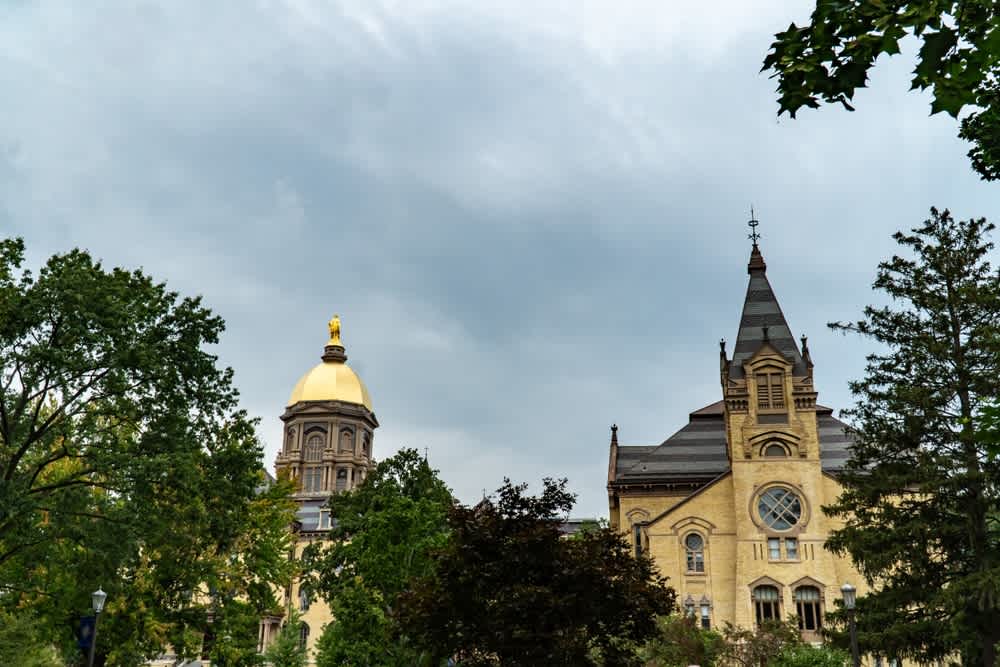
Multiple U.S. bishops have criticized the school’s decision and urged it to rescind the appointment.
Read More
Puerto Rico’s penal code recognizes unborn babies as human beings #Catholic Puerto Rico Gov. Jenniffer González signed into law on Feb. 12 a bill amending the penal code to recognize unborn babies as human beings at “any stage of gestation.”Senate Bill 923 — which when signed became Law 18-2026 — amends Article 92 of the penal code, which currently states that “murder is the intentional, knowing, or reckless killing of a human being.”The new law establishes that “for the purposes of this chapter, ‘human being’ shall include any conceived [unborn child] at any stage of gestation within the mother’s womb.”This legislation was authored by González, a Republican. In a press release posted on X, she explained that the objective is to complement Law 166-2025, known as the Keyshla Madlane Law, named after a pregnant woman in Puerto Rico who was murdered in April 2021.This law, the press release states, “among other things, defines as first-degree murder the intentional and knowing killing of a pregnant woman, resulting in the death of the unborn child at any stage of gestation within the mother’s womb.”In this regard, the approval of Law 18-2026 stands out, noting that “the legislation aims to maintain consistency between civil and criminal provisions by recognizing the conceived unborn child as a human being.”In December 2025, the governor also signed into law Senate Bill 504, which amended the civil code to state that “a human being in gestation or nasciturus is a natural person, including the conceived child at any stage of gestation within the mother’s womb.”A natural person simply means a living human being as distinct from a legal person such as a corporation. At the time, all of these laws were criticized by feminist and pro-abortion groups, who argued that they could lead to a ban on abortion in Puerto Rico and other U.S. jurisdictions.However, Puerto Rico Sen. Joanne Rodríguez Veve defended the passage of Bill 923 in January, stating that “the message of this type of legislation is powerful. It reaffirms this kind of language in our public policy that in the womb of a pregnant woman there is not just anything, not a mere indefinable object, but a subject, a developing human being who has dignity and whose value is intrinsic to their human nature.”This story was first published by ACI Prensa, the Spanish-language sister service of EWTN News. It has been translated and adapted by EWTN News English.

Puerto Rico’s penal code recognizes unborn babies as human beings #Catholic Puerto Rico Gov. Jenniffer González signed into law on Feb. 12 a bill amending the penal code to recognize unborn babies as human beings at “any stage of gestation.”Senate Bill 923 — which when signed became Law 18-2026 — amends Article 92 of the penal code, which currently states that “murder is the intentional, knowing, or reckless killing of a human being.”The new law establishes that “for the purposes of this chapter, ‘human being’ shall include any conceived [unborn child] at any stage of gestation within the mother’s womb.”This legislation was authored by González, a Republican. In a press release posted on X, she explained that the objective is to complement Law 166-2025, known as the Keyshla Madlane Law, named after a pregnant woman in Puerto Rico who was murdered in April 2021.This law, the press release states, “among other things, defines as first-degree murder the intentional and knowing killing of a pregnant woman, resulting in the death of the unborn child at any stage of gestation within the mother’s womb.”In this regard, the approval of Law 18-2026 stands out, noting that “the legislation aims to maintain consistency between civil and criminal provisions by recognizing the conceived unborn child as a human being.”In December 2025, the governor also signed into law Senate Bill 504, which amended the civil code to state that “a human being in gestation or nasciturus is a natural person, including the conceived child at any stage of gestation within the mother’s womb.”A natural person simply means a living human being as distinct from a legal person such as a corporation. At the time, all of these laws were criticized by feminist and pro-abortion groups, who argued that they could lead to a ban on abortion in Puerto Rico and other U.S. jurisdictions.However, Puerto Rico Sen. Joanne Rodríguez Veve defended the passage of Bill 923 in January, stating that “the message of this type of legislation is powerful. It reaffirms this kind of language in our public policy that in the womb of a pregnant woman there is not just anything, not a mere indefinable object, but a subject, a developing human being who has dignity and whose value is intrinsic to their human nature.”This story was first published by ACI Prensa, the Spanish-language sister service of EWTN News. It has been translated and adapted by EWTN News English.

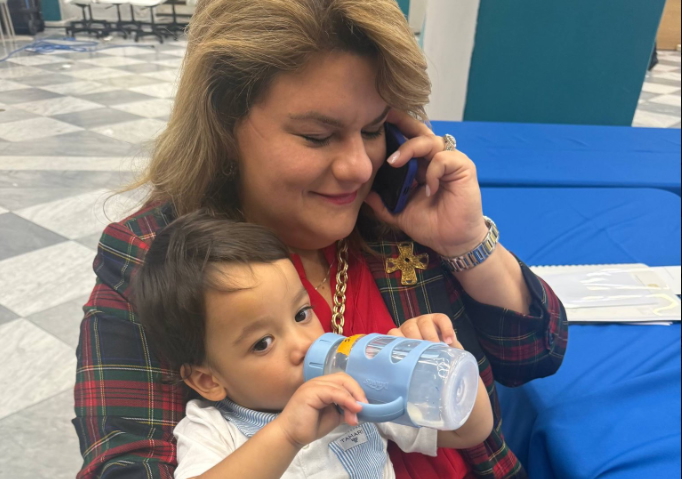
Puerto Rico Gov. Jenniffer González signed into law on Feb. 12 a bill amending the penal code to recognize unborn babies as human beings at “any stage of gestation.”
Read More
Archbishop Coakley mourns execution of Oklahoma murderer, urges prayers for end to death penalty #Catholic Oklahoma City Archbishop Paul Coakley this week lamented the state’s execution of convicted murderer Kendrick Simpson, urging prayers for an end to what he called the “inhumane” punishment of the death penalty. Oklahoma executed Simpson on Feb. 12 for the 2006 murders of 20-year-old Glen Palmer and 19-year-old Anthony Jones. Simpson was convicted of killing the two in a shooting outside of an Oklahoma City nightclub.Simpson’s execution came after the state’s Pardon and Parole Board voted against his clemency petition. The U.S. Supreme Court similarly rejected his appeal. He was pronounced dead at 10:19 a.m. on Feb. 12. Coakley in a statement on X said the execution — coming shortly after the state’s March for Life — “brought into stark reality just how much work remains” for pro-life advocates in the state. Tweet“Heinous crimes should not go unpunished and our compassion and support for the victims and their loved ones is necessary,” the archbishop said, urging the faithful to “pray for those left behind [who are] often dealing with incomprehensible grief.”Yet “the intentional killing of the perpetrator cannot heal those terrible wounds,” Coakley said, arguing that the “pain and loss of one death cannot be extinguished by another violent death.”“The death penalty is inhumane and a poor method of punishment, standing in opposition to our duty to respect and value all human life and cherish God’s plan for humankind, which includes merciful justice and the opportunity for the redemption of the soul,” he said. Coakley has long been an outspoken opponent of the death penalty, having regularly called for its abolition while arguing that it “only contributes to the continued coarsening of society and to the spiral of violence.”Oklahoma, meanwhile, has for years been among the most execution-heavy states in the country; it is first among states in executions per capita and seconded only by Texas in total numbers of executions.Coakley himself is among the numerous U.S. prelates who regularly advocate against capital punishment in their respective states. The Death Penalty Information Center says that 23 states and the District of Columbia have abolished capital punishment.The archbishop on Feb. 12 urged the faithful to join him in “praying for an end to the death penalty in our state and nationwide.” He also urged prayers “for the victims, Glen Palmer and Anthony Jones, and their families, as well as Kendrick Simpson and his family.”Simpson himself had openly confessed to the murders ahead of his execution as part of his clemency plea before the state board.At the hearing he also addressed the families of his victims, telling them directly: “I apologize for murdering your sons.”“I don’t make any excuses, I don’t blame others, and they didn’t deserve what happened to them,” he said.

Archbishop Coakley mourns execution of Oklahoma murderer, urges prayers for end to death penalty #Catholic Oklahoma City Archbishop Paul Coakley this week lamented the state’s execution of convicted murderer Kendrick Simpson, urging prayers for an end to what he called the “inhumane” punishment of the death penalty. Oklahoma executed Simpson on Feb. 12 for the 2006 murders of 20-year-old Glen Palmer and 19-year-old Anthony Jones. Simpson was convicted of killing the two in a shooting outside of an Oklahoma City nightclub.Simpson’s execution came after the state’s Pardon and Parole Board voted against his clemency petition. The U.S. Supreme Court similarly rejected his appeal. He was pronounced dead at 10:19 a.m. on Feb. 12. Coakley in a statement on X said the execution — coming shortly after the state’s March for Life — “brought into stark reality just how much work remains” for pro-life advocates in the state. Tweet“Heinous crimes should not go unpunished and our compassion and support for the victims and their loved ones is necessary,” the archbishop said, urging the faithful to “pray for those left behind [who are] often dealing with incomprehensible grief.”Yet “the intentional killing of the perpetrator cannot heal those terrible wounds,” Coakley said, arguing that the “pain and loss of one death cannot be extinguished by another violent death.”“The death penalty is inhumane and a poor method of punishment, standing in opposition to our duty to respect and value all human life and cherish God’s plan for humankind, which includes merciful justice and the opportunity for the redemption of the soul,” he said. Coakley has long been an outspoken opponent of the death penalty, having regularly called for its abolition while arguing that it “only contributes to the continued coarsening of society and to the spiral of violence.”Oklahoma, meanwhile, has for years been among the most execution-heavy states in the country; it is first among states in executions per capita and seconded only by Texas in total numbers of executions.Coakley himself is among the numerous U.S. prelates who regularly advocate against capital punishment in their respective states. The Death Penalty Information Center says that 23 states and the District of Columbia have abolished capital punishment.The archbishop on Feb. 12 urged the faithful to join him in “praying for an end to the death penalty in our state and nationwide.” He also urged prayers “for the victims, Glen Palmer and Anthony Jones, and their families, as well as Kendrick Simpson and his family.”Simpson himself had openly confessed to the murders ahead of his execution as part of his clemency plea before the state board.At the hearing he also addressed the families of his victims, telling them directly: “I apologize for murdering your sons.”“I don’t make any excuses, I don’t blame others, and they didn’t deserve what happened to them,” he said.

The archbishop called for prayers for both the family of the killer’s victims and the killer himself.
Read More
Brooklyn Diocese to pursue ‘global resolution’ of more than 1,000 abuse cases #Catholic The Diocese of Brooklyn will pursue a broad settlement with more than 1,000 alleged victims of Church abuse, Bishop Robert Brennan said on Feb. 12, with a well-known California judge set to help mediate the process. Unlike many U.S. dioceses that have faced hundreds of sex abuse claims and tens of millions of dollars in settlement costs, the Brooklyn Diocese has not filed for bankruptcy. But the diocese launched a compensation program in 2017, which Brennan in his Feb. 12 letter said has already paid “over 500 victim-survivors more than $100 million.” The diocese now “intends to pursue a global resolution of all approximately 1,100 remaining cases,” Brennan wrote. “We will endeavor to resolve expeditiously all meritorious claims and to avoid the time, expense, and emotional strain for victim-survivors that would be caused by individual trials,” the bishop said. The diocese has consulted with attorneys representing abuse victims, he said. As well, Judge Daniel Buckley — a former judge of the Superior Court of Los Angeles County — will help mediate the process. Buckley has previously worked with the archdioceses of both New York and Los Angeles in mediating their own settlements. Massachusetts-based mediator Paul Finn will also work with the Brooklyn Diocese, Brennan said. Finn has mediated abuse settlements in Boston; Milwaukee; Rochester, New York, and elsewhere. Brennan said the Brooklyn Diocese will engage in “cost-cutting and setting aside significant funds to compensate victim-survivors,” a process he said will entail “difficult financial choices.” But “the diocese is committed to fairly compensating all meritorious claims,” he said. The diocese “continue[s] to pray for the victim-survivors, their families, and all others impacted by sexual abuse,” the bishop wrote. The news comes several months after the Archdiocese of New York revealed that it was aiming to raise more than $300 million for abuse survivors as part of its own “global settlement” with victims.The archdiocese initiated staff layoffs and a 10% reduction in the archdiocese’s operating budget, according to Cardinal Timothy Dolan, as well as the “sale of significant real estate assets.”

Brooklyn Diocese to pursue ‘global resolution’ of more than 1,000 abuse cases #Catholic The Diocese of Brooklyn will pursue a broad settlement with more than 1,000 alleged victims of Church abuse, Bishop Robert Brennan said on Feb. 12, with a well-known California judge set to help mediate the process. Unlike many U.S. dioceses that have faced hundreds of sex abuse claims and tens of millions of dollars in settlement costs, the Brooklyn Diocese has not filed for bankruptcy. But the diocese launched a compensation program in 2017, which Brennan in his Feb. 12 letter said has already paid “over 500 victim-survivors more than $100 million.” The diocese now “intends to pursue a global resolution of all approximately 1,100 remaining cases,” Brennan wrote. “We will endeavor to resolve expeditiously all meritorious claims and to avoid the time, expense, and emotional strain for victim-survivors that would be caused by individual trials,” the bishop said. The diocese has consulted with attorneys representing abuse victims, he said. As well, Judge Daniel Buckley — a former judge of the Superior Court of Los Angeles County — will help mediate the process. Buckley has previously worked with the archdioceses of both New York and Los Angeles in mediating their own settlements. Massachusetts-based mediator Paul Finn will also work with the Brooklyn Diocese, Brennan said. Finn has mediated abuse settlements in Boston; Milwaukee; Rochester, New York, and elsewhere. Brennan said the Brooklyn Diocese will engage in “cost-cutting and setting aside significant funds to compensate victim-survivors,” a process he said will entail “difficult financial choices.” But “the diocese is committed to fairly compensating all meritorious claims,” he said. The diocese “continue[s] to pray for the victim-survivors, their families, and all others impacted by sexual abuse,” the bishop wrote. The news comes several months after the Archdiocese of New York revealed that it was aiming to raise more than $300 million for abuse survivors as part of its own “global settlement” with victims.The archdiocese initiated staff layoffs and a 10% reduction in the archdiocese’s operating budget, according to Cardinal Timothy Dolan, as well as the “sale of significant real estate assets.”

The diocese has already paid out more than $100 million to over 500 victims of abuse.

Read More
Season 3 of EWTN hit series ‘James the Less’ to be released Feb. 14 #Catholic The third season of the award-winning online EWTN series “James the Less” will be released on Saturday, Feb. 14, on the EWTN YouTube channel.The first season introduced viewers to James Little, a student fresh out of college desperate for a job. James is an atheist. However, a “help wanted” sign on the church bulletin board catches his eye and entices him to interview for the position: handyman.James accepts the position at St. James the Less Church and starts to encounter Catholicism. Soon, James finds his ideals challenged by the no-nonsense pastor Father Lambert Burns and through his romantic pursuit of parishioner Anne-Marie.The second season showed James’ growing interest in Catholicism and more questions were answered regarding Anne-Marie’s mysterious past.James is played by Catholic artist and missionary Tanner Kalina, who has participated in ministries such as FOCUS, Ascension Presents, NET, and others.Kalina told EWTN News that in Season 3 viewers can “expect some closure in the story of James and what happens and all the open-ended questions that we have. I think you can find some very satisfying answers.”While filming these three seasons of the series, Kalina shared that the best part has been working with all those involved, “who put a lot of heart and creativity and fun and joy and prayer into it all and by the end everyone became a good, loving family.”He also pointed out that he has learned a lot from James while portraying him, including that the “faith is vibrant.”“It’s just a good reminder that inside all of our hearts we’re aching and longing for the Lord and we’re longing for a guide to just invite us and to bring us to the Lord,” he added. “So playing James has kind of reawakened that reality to me … and that when we just speak truth and when we just put someone in front of Jesus, then it awakens something very deep within someone.”Kalina also pointed out the recent growth in interest among Gen Z in the Catholic faith and the need to provide these individuals with “good content that is rooted in the truth of the faith, that’s rooted in the joy of the faith, and that is something that actually not only feeds the intellect and feeds the time and feeds the scroll, but really feeds the heart.”“So, my hope is that as the younger generation stumbles upon this, it can be an avenue that they can find good content that really feeds them,” he added.He also said he hopes viewers are left “smiling” after watching the series.“I hope that they’re having fun and falling in love with these characters and recognizing that like, ‘Oh yeah, our faith is a great treasure’ and it’s not just like another option amongst options, but we are sitting atop a mound of gold that needs to be shared with the world.”Watch the Season 3 trailer below.

Season 3 of EWTN hit series ‘James the Less’ to be released Feb. 14 #Catholic The third season of the award-winning online EWTN series “James the Less” will be released on Saturday, Feb. 14, on the EWTN YouTube channel.The first season introduced viewers to James Little, a student fresh out of college desperate for a job. James is an atheist. However, a “help wanted” sign on the church bulletin board catches his eye and entices him to interview for the position: handyman.James accepts the position at St. James the Less Church and starts to encounter Catholicism. Soon, James finds his ideals challenged by the no-nonsense pastor Father Lambert Burns and through his romantic pursuit of parishioner Anne-Marie.The second season showed James’ growing interest in Catholicism and more questions were answered regarding Anne-Marie’s mysterious past.James is played by Catholic artist and missionary Tanner Kalina, who has participated in ministries such as FOCUS, Ascension Presents, NET, and others.Kalina told EWTN News that in Season 3 viewers can “expect some closure in the story of James and what happens and all the open-ended questions that we have. I think you can find some very satisfying answers.”While filming these three seasons of the series, Kalina shared that the best part has been working with all those involved, “who put a lot of heart and creativity and fun and joy and prayer into it all and by the end everyone became a good, loving family.”He also pointed out that he has learned a lot from James while portraying him, including that the “faith is vibrant.”“It’s just a good reminder that inside all of our hearts we’re aching and longing for the Lord and we’re longing for a guide to just invite us and to bring us to the Lord,” he added. “So playing James has kind of reawakened that reality to me … and that when we just speak truth and when we just put someone in front of Jesus, then it awakens something very deep within someone.”Kalina also pointed out the recent growth in interest among Gen Z in the Catholic faith and the need to provide these individuals with “good content that is rooted in the truth of the faith, that’s rooted in the joy of the faith, and that is something that actually not only feeds the intellect and feeds the time and feeds the scroll, but really feeds the heart.”“So, my hope is that as the younger generation stumbles upon this, it can be an avenue that they can find good content that really feeds them,” he added.He also said he hopes viewers are left “smiling” after watching the series.“I hope that they’re having fun and falling in love with these characters and recognizing that like, ‘Oh yeah, our faith is a great treasure’ and it’s not just like another option amongst options, but we are sitting atop a mound of gold that needs to be shared with the world.”Watch the Season 3 trailer below.

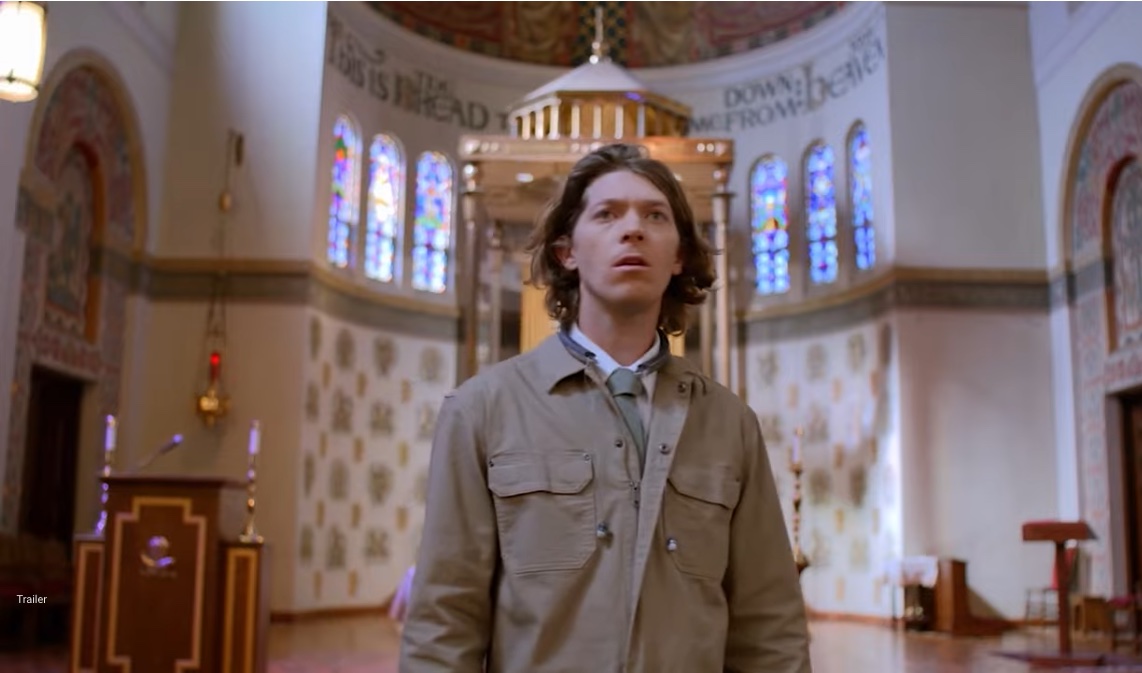
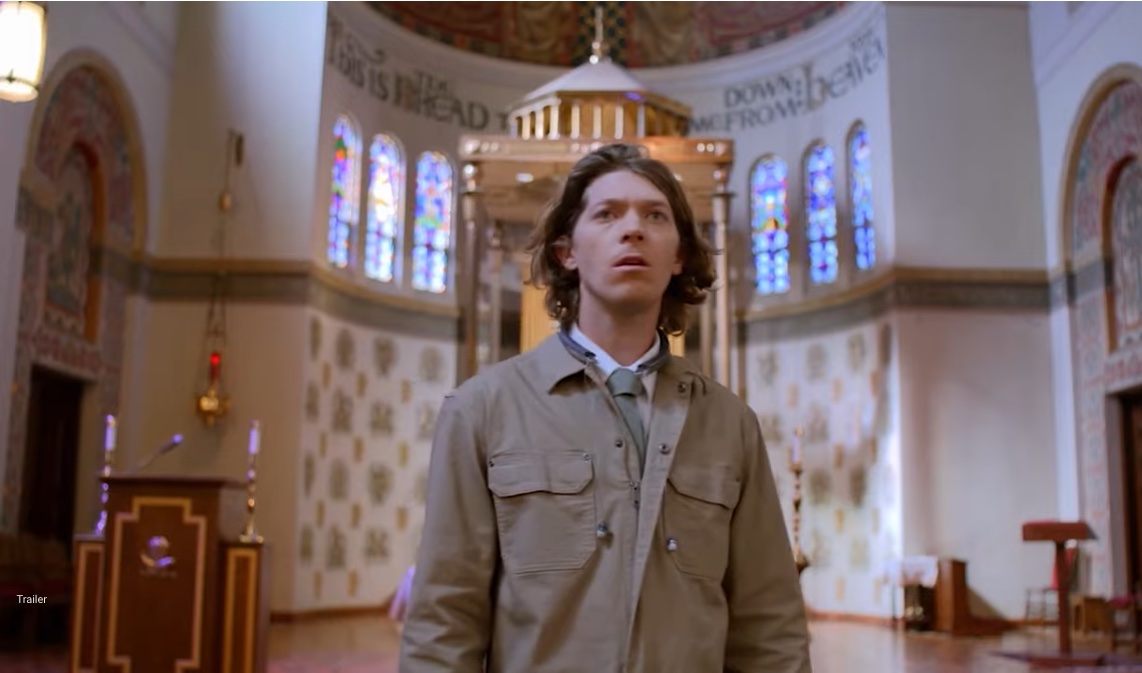
The first season introduced viewers to James Little, a student fresh out of college desperate for a job.

Read More
Shimmering Light in Egg Nebula – NASA’s Hubble Space Telescope reveals the clearest view yet of the Egg Nebula. This structure of gas and dust was created by a dying, Sun-like star. These newest observations were taken with Hubble’s Wide Field Camera 3.

NASA’s Hubble Space Telescope reveals the clearest view yet of the Egg Nebula. This structure of gas and dust was created by a dying, Sun-like star. These newest observations were taken with Hubble’s Wide Field Camera 3.

Read More
Cuban bishops postpone Vatican visit amid worsening national crisis – #Catholic – The Catholic Bishops of Cuba announced Thursday that they have asked Pope Leo XIV to postpone their upcoming visit to Rome due to the country’s grave situation, which is generating “so much instability and uncertainty.”The bishops had been scheduled to meet Pope Leo XIV on Feb. 20 as part of their periodic ad limina visit, which was set to begin Monday, Feb. 16. During such visits, bishops also customarily pray at the four major papal basilicas and meet with various Vatican dicasteries.However, in a statement on Feb. 12, the bishops’ conference said that “given the worsening socio-economic situation in the country, which is generating so much instability and uncertainty, the Catholic bishops have asked the Holy Father, Pope Leo XIV, that the ad limina visit be postponed to a later date than originally planned.”“We continue praying for our homeland, and we renew our affection and communion with the pope and with the Apostolic See,” the statement added.Cuba’s prolonged economic and social crisis has intensified in recent days, particularly after the United States government announced on Jan. 29 the imposition of tariffs on countries that send oil to the Caribbean nation, as a way of pressuring the communist regime.In response, the Cuban government has introduced further restrictions beyond those already faced by the population. Last Sunday, the regime also reported that it no longer had fuel for commercial aircraft, a development that is affecting tourism, one of the government’s principal sources of revenue.At the same time, the Trump administration began sending containers of humanitarian aid in January for the Catholic Church to distribute to those affected by Hurricane Melissa. The assistance is being coordinated directly with Caritas Cuba, without the participation of the regime.On Jan. 31, the Cuban bishops warned in a separate statement that the country risks falling into social chaos and violence if the structural changes it urgently needs are not implemented.This story was first published by ACI Prensa, the Spanish-language sister service of EWTN News. It has been translated and adapted by EWTN News English.

Cuban bishops postpone Vatican visit amid worsening national crisis – #Catholic – The Catholic Bishops of Cuba announced Thursday that they have asked Pope Leo XIV to postpone their upcoming visit to Rome due to the country’s grave situation, which is generating “so much instability and uncertainty.”The bishops had been scheduled to meet Pope Leo XIV on Feb. 20 as part of their periodic ad limina visit, which was set to begin Monday, Feb. 16. During such visits, bishops also customarily pray at the four major papal basilicas and meet with various Vatican dicasteries.However, in a statement on Feb. 12, the bishops’ conference said that “given the worsening socio-economic situation in the country, which is generating so much instability and uncertainty, the Catholic bishops have asked the Holy Father, Pope Leo XIV, that the ad limina visit be postponed to a later date than originally planned.”“We continue praying for our homeland, and we renew our affection and communion with the pope and with the Apostolic See,” the statement added.Cuba’s prolonged economic and social crisis has intensified in recent days, particularly after the United States government announced on Jan. 29 the imposition of tariffs on countries that send oil to the Caribbean nation, as a way of pressuring the communist regime.In response, the Cuban government has introduced further restrictions beyond those already faced by the population. Last Sunday, the regime also reported that it no longer had fuel for commercial aircraft, a development that is affecting tourism, one of the government’s principal sources of revenue.At the same time, the Trump administration began sending containers of humanitarian aid in January for the Catholic Church to distribute to those affected by Hurricane Melissa. The assistance is being coordinated directly with Caritas Cuba, without the participation of the regime.On Jan. 31, the Cuban bishops warned in a separate statement that the country risks falling into social chaos and violence if the structural changes it urgently needs are not implemented.This story was first published by ACI Prensa, the Spanish-language sister service of EWTN News. It has been translated and adapted by EWTN News English.

The country’s growing economic and social instability prompts request to delay meeting with Pope Leo XIV.
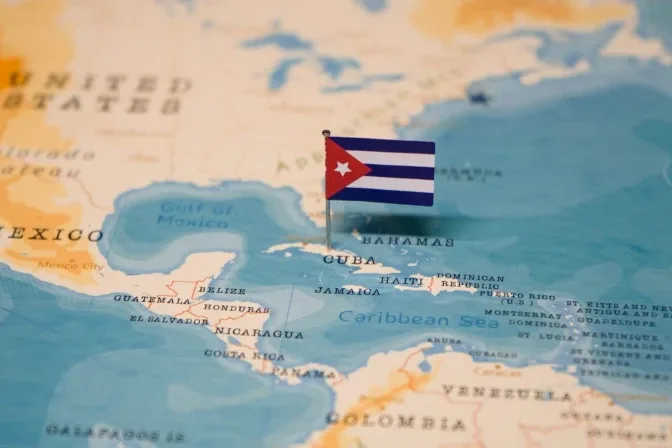
Read More

Looking for a sky event this week? Check out our full Sky This Week column.  February 12: Asteroid Nysa approaches a star This dark, moonless Friday the 13th evening is the perfect time to head out after dark and try to catch a glimpse of the zodiacal light. This ethereal, cone-shaped glow is actually the reflected lightContinue reading “The Sky Today on Friday, February 13: Catch the zodiacal light”

The post The Sky Today on Friday, February 13: Catch the zodiacal light appeared first on Astronomy Magazine.

Read More

‘Gunperson’ And 7 Other More Inclusive Terms To Use For Non-Binary Criminals #BabylonBee – When reporting on crime, it’s of paramount importance that journalists adhere to a strict code of ethics, which involves using AP-approved inclusionary terms to identify assailants of indeterminate gender. For example, if a person shoots and kills someone, and you can’t readily discern their gender, try identifying them as the most inclusive "gunperson."

When reporting on crime, it’s of paramount importance that journalists adhere to a strict code of ethics, which involves using AP-approved inclusionary terms to identify assailants of indeterminate gender. For example, if a person shoots and kills someone, and you can’t readily discern their gender, try identifying them as the most inclusive "gunperson."

Read More