God of power and might, wisdom and justice,
through you authority is rightly administered,
laws are enacted, and judgment is decreed.
Assist with your spirit of counsel and fortitude
the President and other government leaders of these United States.
May they always seek
the ways of righteousness, justice and mercy.
Grant that they may be enabled by your powerful protection
to lead our country with honesty and integrity.
We ask this through Christ our Lord.
A reading from the Book of Joel
2:12-18
Even now, says the LORD,
return to me with your whole heart,
with fasting, and weeping, and mourning;
Rend your hearts, not your garments,
and return to the LORD, your God.
For gracious and merciful is he,
slow to anger, rich in kindness,
and relenting in punishment.
Perhaps he will again relent
and leave behind him a blessing,
Offerings and libations
for the LORD, your God.
Blow the trumpet in Zion!
proclaim a fast,
call an assembly;
Gather the people,
notify the congregation;
Assemble the elders,
gather the children
and the infants at the breast;
Let the bridegroom quit his room
and the bride her chamber.
Between the porch and the altar
let the priests, the ministers of the LORD, weep,
And say, "Spare, O LORD, your people,
and make not your heritage a reproach,
with the nations ruling over them!
Why should they say among the peoples,
‘Where is their God?’"
Then the LORD was stirred to concern for his land
and took pity on his people.
A reading from the Second Letter of St. Paul to the Corinthians
2 Corinthians 5:20—6:2
Brothers and sisters:
We are ambassadors for Christ,
as if God were appealing through us.
We implore you on behalf of Christ,
be reconciled to God.
For our sake he made him to be sin who did not know sin,
so that we might become the righteousness of God in him.
Working together, then,
we appeal to you not to receive the grace of God in vain.
For he says:
In an acceptable time I heard you,
and on the day of salvation I helped you.
Behold, now is a very acceptable time;
behold, now is the day of salvation.
From the Gospel according to Matthew
6:1-6, 16-18
Jesus said to his disciples:
"Take care not to perform righteous deeds
in order that people may see them;
otherwise, you will have no recompense from your heavenly Father.
When you give alms,
do not blow a trumpet before you,
as the hypocrites do in the synagogues and in the streets
to win the praise of others.
Amen, I say to you,
they have received their reward.
But when you give alms,
do not let your left hand know what your right is doing,
so that your almsgiving may be secret.
And your Father who sees in secret will repay you.
"When you pray,
do not be like the hypocrites,
who love to stand and pray in the synagogues and on street corners
so that others may see them.
Amen, I say to you,
they have received their reward.
But when you pray, go to your inner room,
close the door, and pray to your Father in secret.
And your Father who sees in secret will repay you.
"When you fast,
do not look gloomy like the hypocrites.
They neglect their appearance,
so that they may appear to others to be fasting.
Amen, I say to you, they have received their reward.
But when you fast,
anoint your head and wash your face,
so that you may not appear to be fasting,
except to your Father who is hidden.
And your Father who sees what is hidden will repay you."
“When you pray”, says Jesus, “go into your room and shut the door and pray to your Father who is in secret; and your Father who sees in secret will reward you” (Mt 6:6). First of all, the Lord calls us to enter this hidden place of the heart, patiently delving into it; he invites us to make an inner immersion that demands a journey of emptying and divesting ourselves. Once we have entered, he asks us to close the door to bad thoughts in order to safeguard a pure, humble and meek heart, through vigilance and spiritual combat. Only then can we abandon ourselves with confidence to intimate dialogue with the Father, who dwells and sees in secret, and in secret fills us with his gifts.
This vocation to worship and inner prayer, proper to every believer, (…) is not an escape from the world, but a regeneration of the heart, so that it may be capable of listening, a source of the creative and fruitful action of the charity that God inspires in us. This call to interiority and silence, to live in contact with oneself, with one’s neighbour, with creation and with God, is needed today more than ever, in a world increasingly alienated by the media and technology. From intimate friendship with the Lord, in fact, the joy of living, the wonder of faith and the taste for ecclesial communion are reborn. (Address of Pope Leone XIV to Italian Heremits partecipating in the Jubilee of Consecrated Life, 11 October 2025)
Read More
“In stepping back from digital excess, we reclaim interior silence, deepen relationships, and rediscover God’s presence in daily life,” the Catholic Bishops’ Conference of the Philippines said.

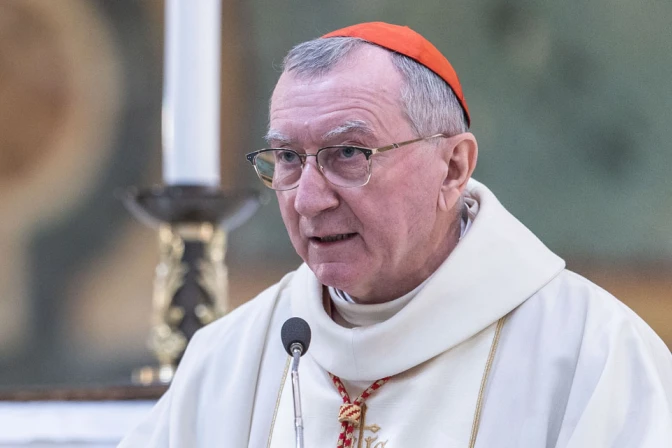
![Cardinal Parolin: The Vatican ‘will not participate in Trump’s Board of Peace’ – #Catholic – Cardinal Pietro Parolin, Vatican secretary of state, announced on Feb. 17 that the Holy See “will not participate in the Board of Peace,” an initiative promoted by U.S. President Donald Trump to address various conflicts around the world, such as the one in Gaza.The Holy See “will not participate in the Board of Peace due to its particular nature, which is clearly not that of other states,” the cardinal told reporters after a meeting in Rome with the Italian government at Palazzo Borromeo on the occasion of the anniversary of the Lateran Pacts, which in 1929 recognized the sovereignty of Vatican City State.When asked about Italy’s participation as an observer on the Board of Peace, Parolin stated: “There are some points that leave one somewhat perplexed. There are critical points that need to be explained.”“The important thing is that an attempt is being made to provide an answer. However, for us, there are some critical issues that need to be resolved,” the cardinal said, according to Vatican News, adding that “one concern is that, at the international level, it is primarily the U.N. [United Nations] that manages these crisis situations. This is one of the points on which we have emphasized.”On Jan. 21, Parolin had told reporters that the Vatican was evaluating whether or not to participate in Trump’s Board of Peace, a question that has now been decided.Trump’s Peace Board seeks to address global conflicts, with a particular focus on the Gaza Strip, as an independent body separate from the United Nations. More than 25 countries have announced their participation, including Argentina, El Salvador, Paraguay, Belarus, Bulgaria, the United Arab Emirates, Hungary, Egypt, and Morocco.Parolin also spoke on Feb. 17 about the war in Ukraine, saying that “there is great pessimism,” since “neither side seems to have made any real progress toward peace, and it is tragic that after four years we are still at this point.”This story was first published by ACI Prensa, the Spanish-language sister service of EWTN News. It has been translated and adapted by EWTN News English.](https://unitedyam.com/wp-content/uploads/2026/02/cardinal-parolin-the-vatican-will-not-participate-in-trumps-board-of-peace-catholic-cardinal-pietro-parolin-vatican-secretary-of-state-announced-on-feb-17-that-the.webp "Cardinal Parolin: The Vatican ‘will not participate in Trump’s Board of Peace’ – #Catholic – Cardinal Pietro Parolin, Vatican secretary of state, announced on Feb. 17 that the Holy See “will not participate in the Board of Peace,” an initiative promoted by U.S. President Donald Trump to address various conflicts around the world, such as the one in Gaza.The Holy See “will not participate in the Board of Peace due to its particular nature, which is clearly not that of other states,” the cardinal told reporters after a meeting in Rome with the Italian government at Palazzo Borromeo on the occasion of the anniversary of the Lateran Pacts, which in 1929 recognized the sovereignty of Vatican City State.When asked about Italy’s participation as an observer on the Board of Peace, Parolin stated: “There are some points that leave one somewhat perplexed. There are critical points that need to be explained.”“The important thing is that an attempt is being made to provide an answer. However, for us, there are some critical issues that need to be resolved,” the cardinal said, according to Vatican News, adding that “one concern is that, at the international level, it is primarily the U.N. [United Nations] that manages these crisis situations. This is one of the points on which we have emphasized.”On Jan. 21, Parolin had told reporters that the Vatican was evaluating whether or not to participate in Trump’s Board of Peace, a question that has now been decided.Trump’s Peace Board seeks to address global conflicts, with a particular focus on the Gaza Strip, as an independent body separate from the United Nations. More than 25 countries have announced their participation, including Argentina, El Salvador, Paraguay, Belarus, Bulgaria, the United Arab Emirates, Hungary, Egypt, and Morocco.Parolin also spoke on Feb. 17 about the war in Ukraine, saying that “there is great pessimism,” since “neither side seems to have made any real progress toward peace, and it is tragic that after four years we are still at this point.”This story was first published by ACI Prensa, the Spanish-language sister service of EWTN News. It has been translated and adapted by EWTN News English.")
Cardinal Pietro Parolin, Vatican secretary of state, announced that the Holy See “will not participate in the Board of Peace,” promoted by the U.S. president to address Gaza and other conflicts.
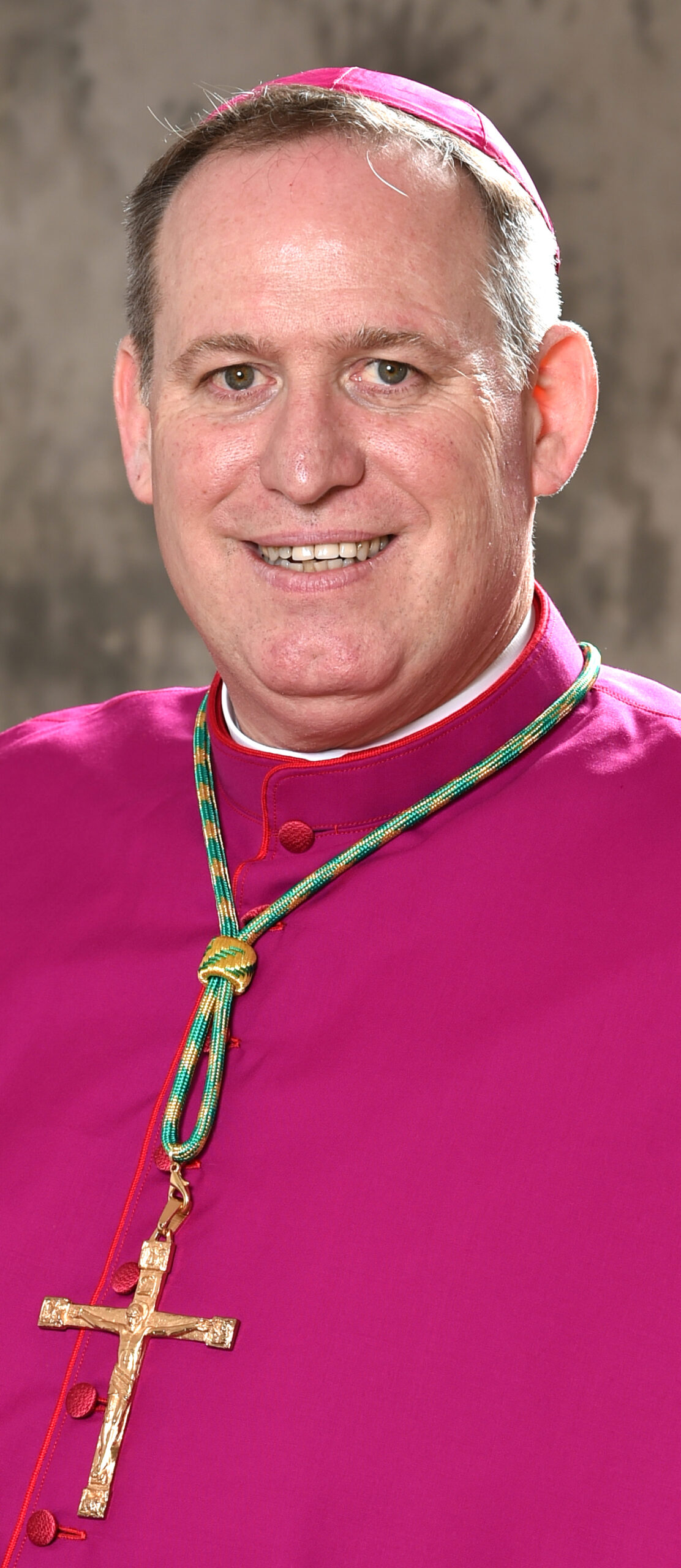
Are you ready for Lent, for a Season of Grace, and the opportunity to be ‘Welcomed Home to Healing?’ #Catholic – 
“Lent is a time in which the Church, guided by a sense of maternal care, invites us to place the mystery of God back in the center of our lives, in order to find renewal in our faith and keep our hearts from being consumed by the anxieties and distractions of daily life … the Lenten journey is a welcome opportunity to heed the voice of the Lord and renew our commitment to following Christ, accompanying him on the road to Jerusalem, where the mystery of his passion, death and resurrection will be fulfilled…”
Pope Leo’s Message for Lent 2026
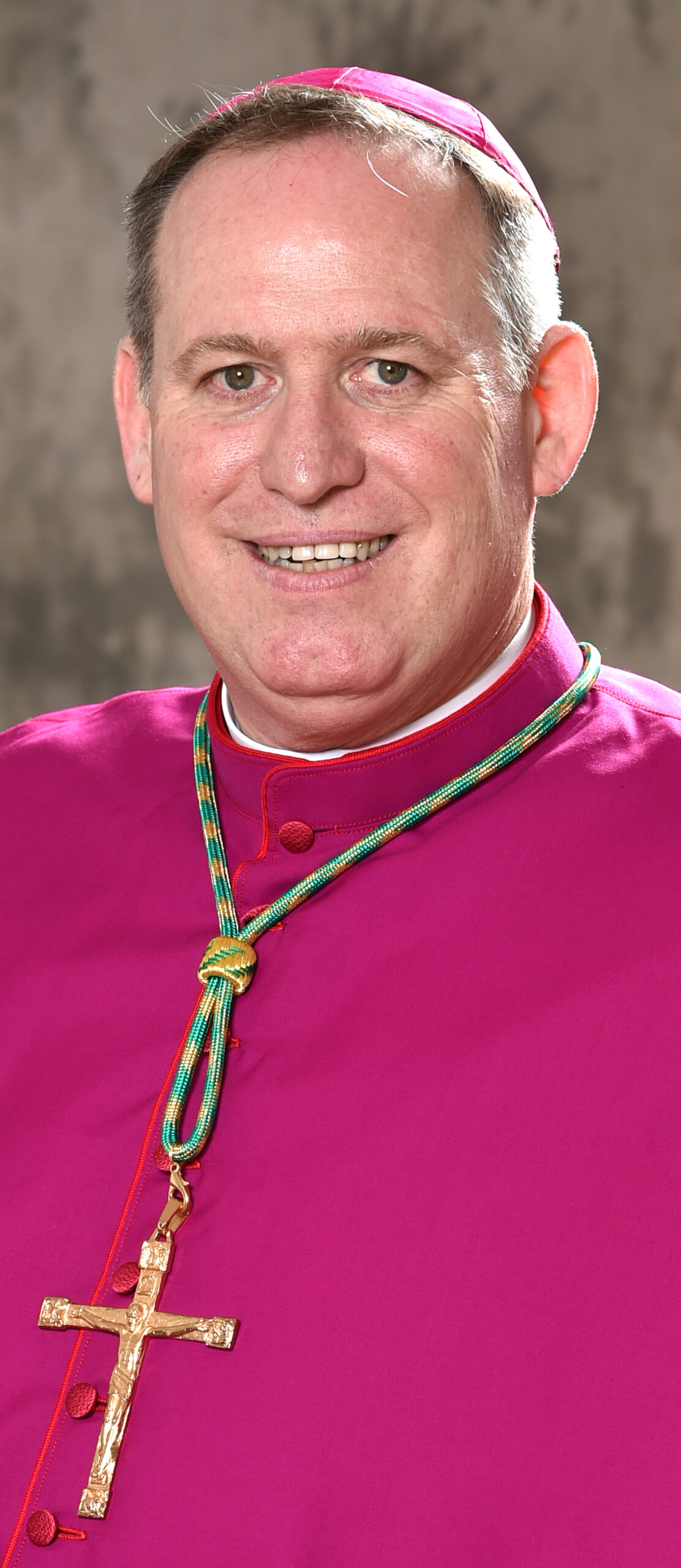
BISHOP KEVIN J. SWEENEY
“Ready or not …” Ash Wednesday and the Season of Lent are at our doorstep or, depending on when you are reading this, may have already arrived. As much as one may try to look ahead, things can still “sneak up” on us. I hope this article will be posted on “Mardi Gras,” the day before Ash Wednesday, and may help some readers make some “last-minute” preparations and/or Lenten resolutions, aka “What I am (are you) going to give up for Lent?” I also hope that some who may read this on Ash Wednesday or in the following days or weeks, might be assisted in getting their Lent started, restarted, or energized.
On Sunday, Feb. 15, I saw that the Vatican had published (on Feb. 13) Pope Leo XIV’s “Message for Lent 2026: ‘Listening and Fasting.’” The link to the full text of the brief message that invites us to consider: “Listening” – especially to God’s Word; “Fasting” – especially offering an invitation, “to a very practical and frequently unappreciated form of abstinence: that of refraining from words that offend and hurt our neighbor…”; and that we are “Together” – “…Lent emphasizes the communal aspect of listening to the word and fasting.”
Before I was aware of Pope Leo’s message, I was preparing to share some thoughts and suggestions for a spiritually fruitful Lent, and I was happy to see on the Hallow app that Father Mike Schmitz was offering his “Top 10 Lent Tips.” I think you need to have a subscription to the Hallow app to see and hear Father Mike’s presentation and commentary. One of the recommendations that I was planning to make was to consider subscribing to the Hallow app because, for the past two years, I have found Hallow’s “Lent Pray 40 Challenge” to have been a very helpful resource in my own, personal Lenten journey.
For those who don’t have Hallow and may not be interested in subscribing, I would like to share with you Father Mike’s “Top 10 Lent Tips,” as the list is available online. I will also offer some of my reactions and comments to Father Mike’s “Top 10.” In a “LinkedIn” post, Alex at Hallow shares Father Mike’s list:
Top 10 tips from Father Mike Schmitz this Lent:
- Silence every day — just take 5 or 10 minutes to really be with the Lord
- Pray every day — listen to Him
- Spend time in God’s Word -— bring it more and more into your daily life
- Go to Confession — at least once, but really twice
- Daily Mass — try to find one that works with your schedule
- Spiritual reading every day — pick a book
- Fast — doesn’t have to be food, and it doesn’t have to be something bad, just something you might be a little too attached to
- Almsgiving — go serve the poor
- Invite someone to Mass — Lent is not something we are meant to do alone
- Go home and love your family
Father Mike does not say that these 10 “tips” are listed in “order of importance.” He also does not say that he suggests or expects that someone should try to do “all 10” or “pick three” of the 10. Most readers and, I believe, most practicing Catholics are aware of the Church’s “Top 3” Spiritual practices during Lent: Prayer, Fasting, and Almsgiving. In some ways, Father Mike’s “Top 10” are all “connected,” in some way to prayer, fasting, or almsgiving.
I believe that this will be my “sixth time” in six years (six Lents) as bishop to say that my “Number One” Recommendation for Lent is Daily Mass. As I review Father Mike’s list, his numbers one through four are all very good suggestions and spiritual practices that can produce great fruit. If you are not already attending Daily Mass and you can find a way to attend Daily Mass every day during Lent, I am convinced that you will have a fuller and deeper experience of Holy Week, of the Sacred Triduum, and of Easter Joy.
My No. 2 is Father Mike’s No. 4, “Go to Confession” – I am not sure if I have heard it suggested before, as Father Mike suggests, that you go to Confession (at least) twice during Lent – don’t leave it until the end, during Holy Week, but go early and, then, if you need to, go again approaching or during Holy Week. Here in our Diocese of Paterson, we offer “Welcome Home to Healing” during Lent, which means that you can go to Confession, celebrate the Sacrament of Reconciliation, at ANY and EVERY of the 107 parishes in our diocese (in Passaic, Morris, or Sussex Counties) on EVERY Monday during Lent between 7 p.m. and 8:30 p.m.
I have said before that the Sacrament of Reconciliation (Confession) is making a comeback. In recent years, people are returning to this Sacrament of Healing and Forgiveness that is still too often misunderstood and underappreciated. I strongly encourage you and ask you to invite others to give this Sacrament “another chance” -if it’s been a while, a few years or many, many years; if you have had a bad experience in the past, please know that our loving and merciful God is “waiting for you” to approach this sacrament so that, after confessing your sins and asking for forgiveness, you can hear those beautiful words, “I absolve you from your sins. Go in Peace, your sins are forgiven.”
There is a way to combine or unite Father Mike’s numbers one to three, by taking time each day in silent prayer and in prayerfully listening to God’s Word. There are many ways to do this, but praying with the daily Mass Readings (if you can’t get to daily Mass) is a powerful and very fruitful form of prayer. If you use the internet (Google), you can easily find the daily Mass Readings at “USCCB daily readings.”
I hope that these thoughts and suggestions might be helpful to you in some way. As Pope Leo reminds us, let’s be together and pray for one another during Lent. I will conclude with one beautiful form of prayer that I had almost forgotten to mention: The Stations of the Cross. As we pray for one another during Lent, let us remember those beautiful words that we pray during the “Stations”: “We adore you, O Christ, and we praise you, because by your Holy Cross you have redeemed the World.”
Click here to subscribe to our weekly newsletter.
– “Lent is a time in which the Church, guided by a sense of maternal care, invites us to place the mystery of God back in the center of our lives, in order to find renewal in our faith and keep our hearts from being consumed by the anxieties and distractions of daily life … the Lenten journey is a welcome opportunity to heed the voice of the Lord and renew our commitment to following Christ, accompanying him on the road to Jerusalem, where the mystery of his passion, death and resurrection will be fulfilled…” Pope Leo’s Message for Lent 2026
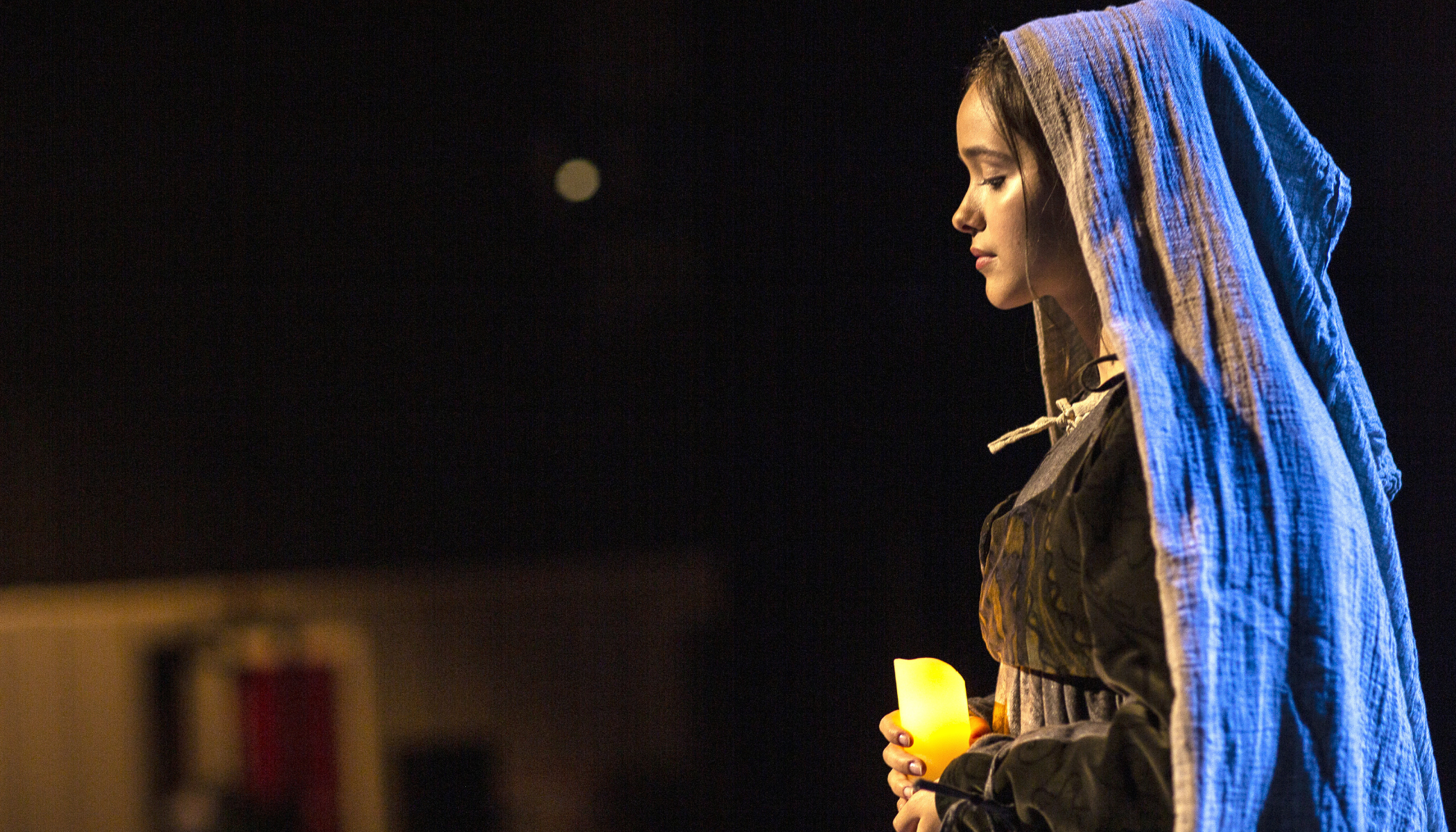
The behind-the-scenes series can be seen on EWTN+, EWTN.com, EWTN’s YouTube Channel, and on EWTN’s broadcast channel.
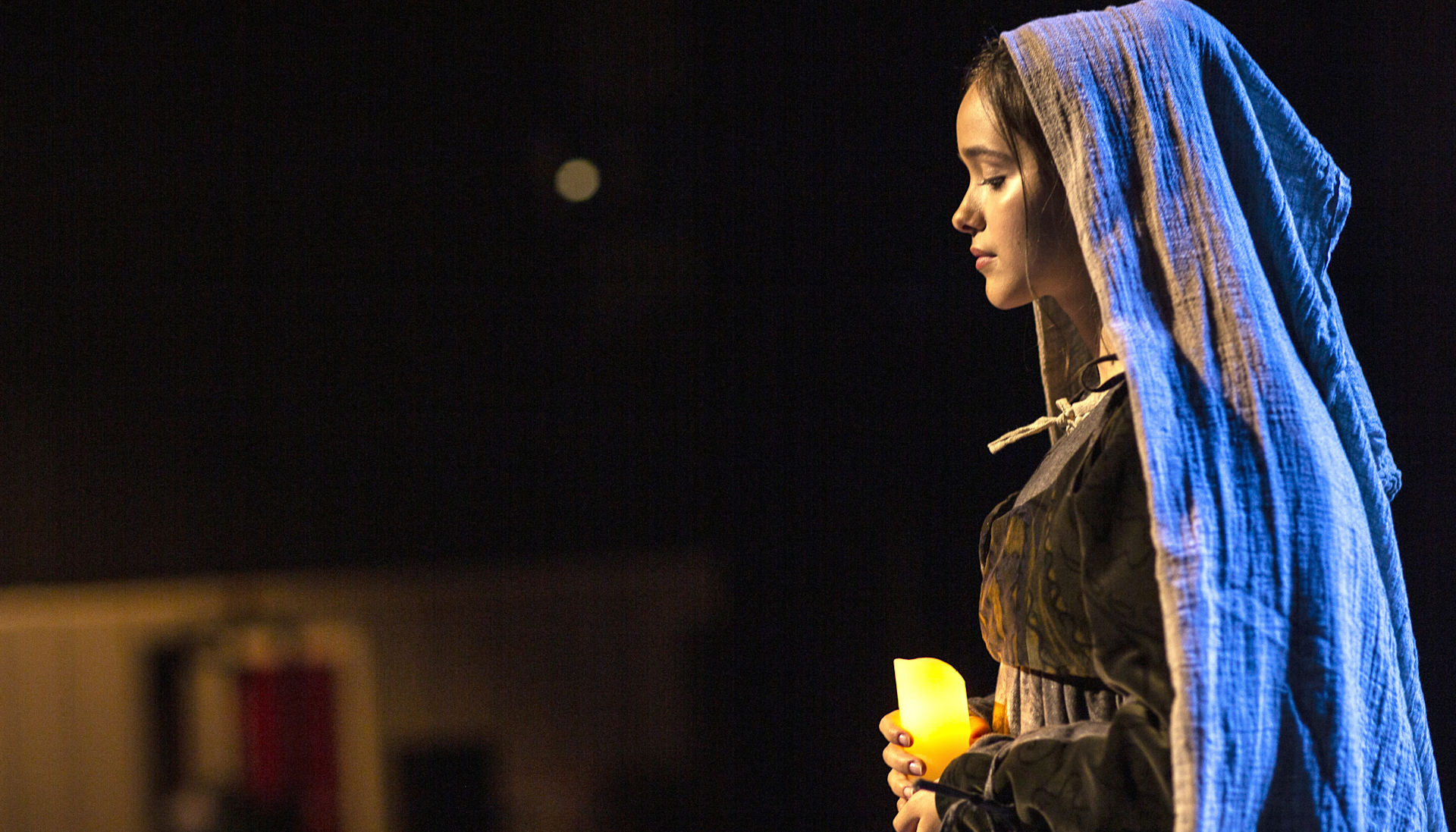

To mark Temperance Sunday and the Lenten season, Armagh Archdiocese Auxiliary Bishop Michael Router welcomed the rewording of Ireland’s traditional Confirmation Pledge.

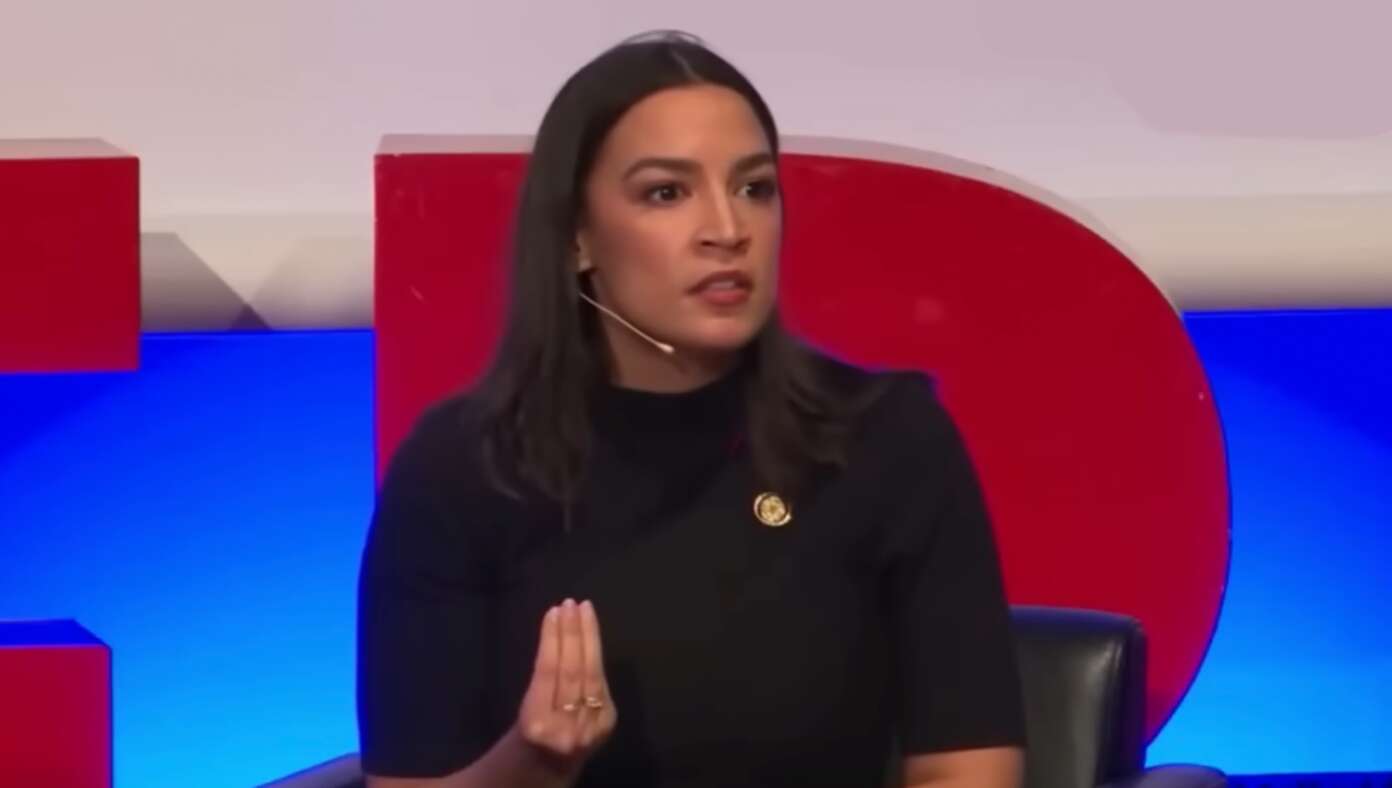
MUNICH — In a bold declaration against colonial imperialism, U.S. Congresswoman Alexandro Ocasio-Cortez spoke out this week to condemn Spain for stealing Mexico’s language.
Read More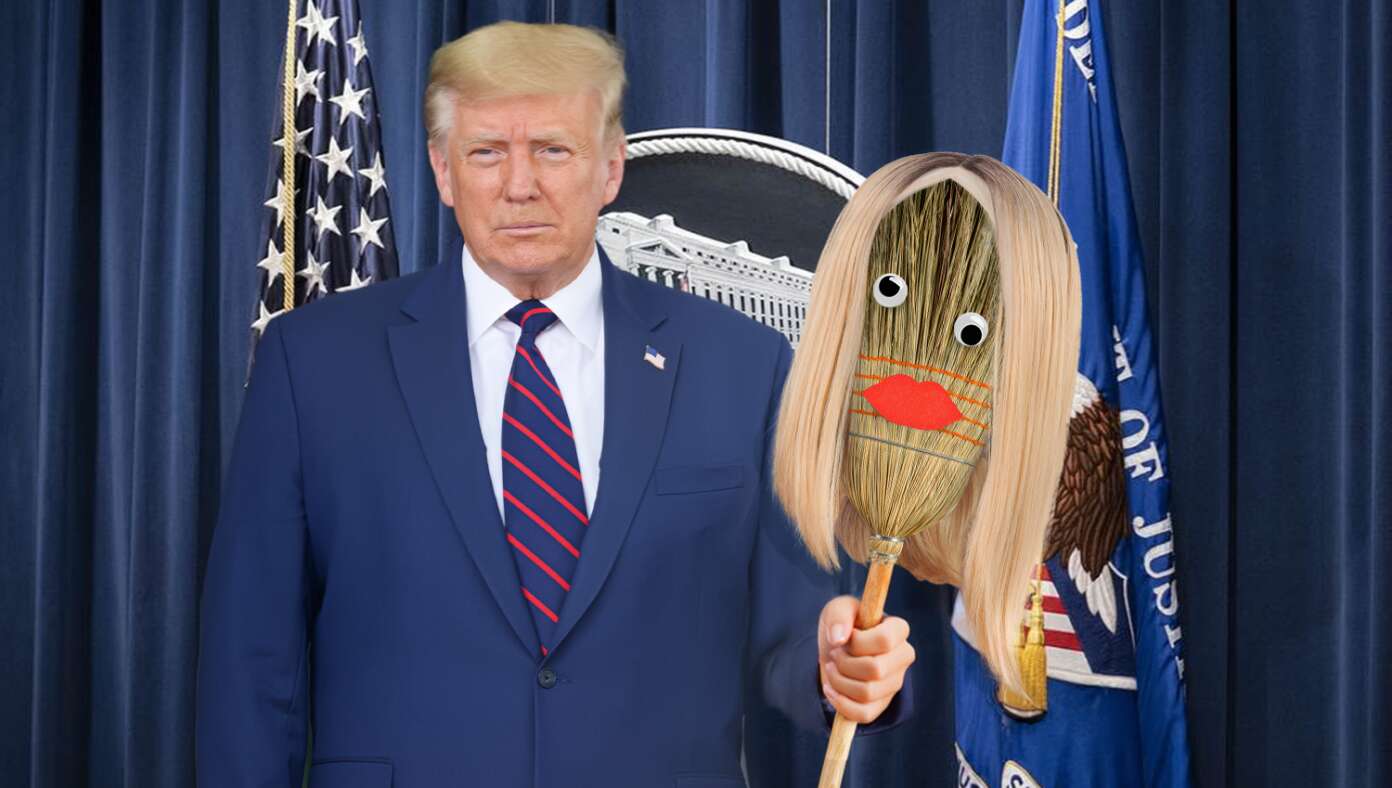
WASHINGTON, D.C. — In a long-rumored shake-up at a high-level position in his administration, President Donald Trump announced that he had replaced Attorney General Pam Bondi with a broom in a blonde wig.
Read More
._15-02-2025._(d.j.b)._01.jpg)
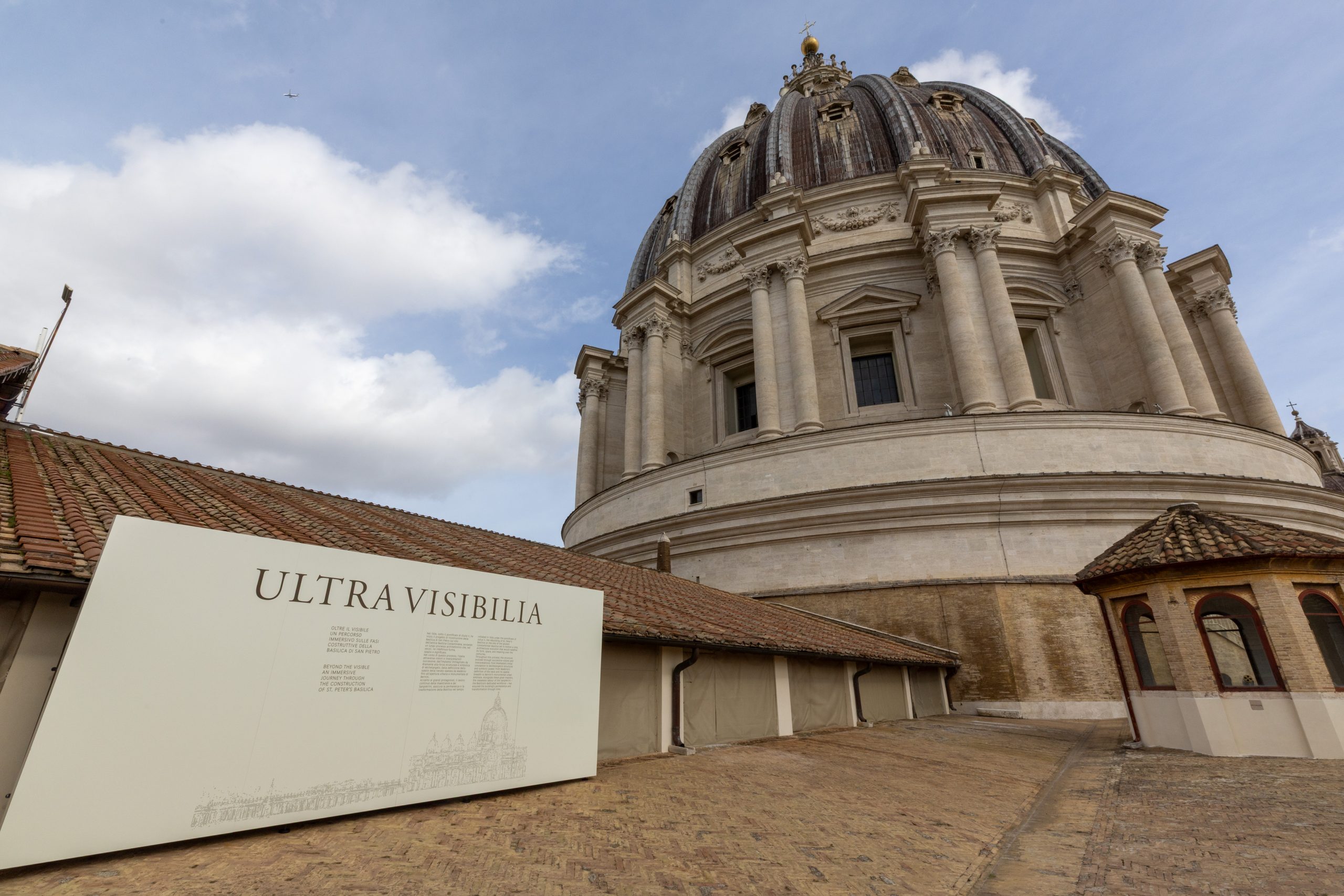
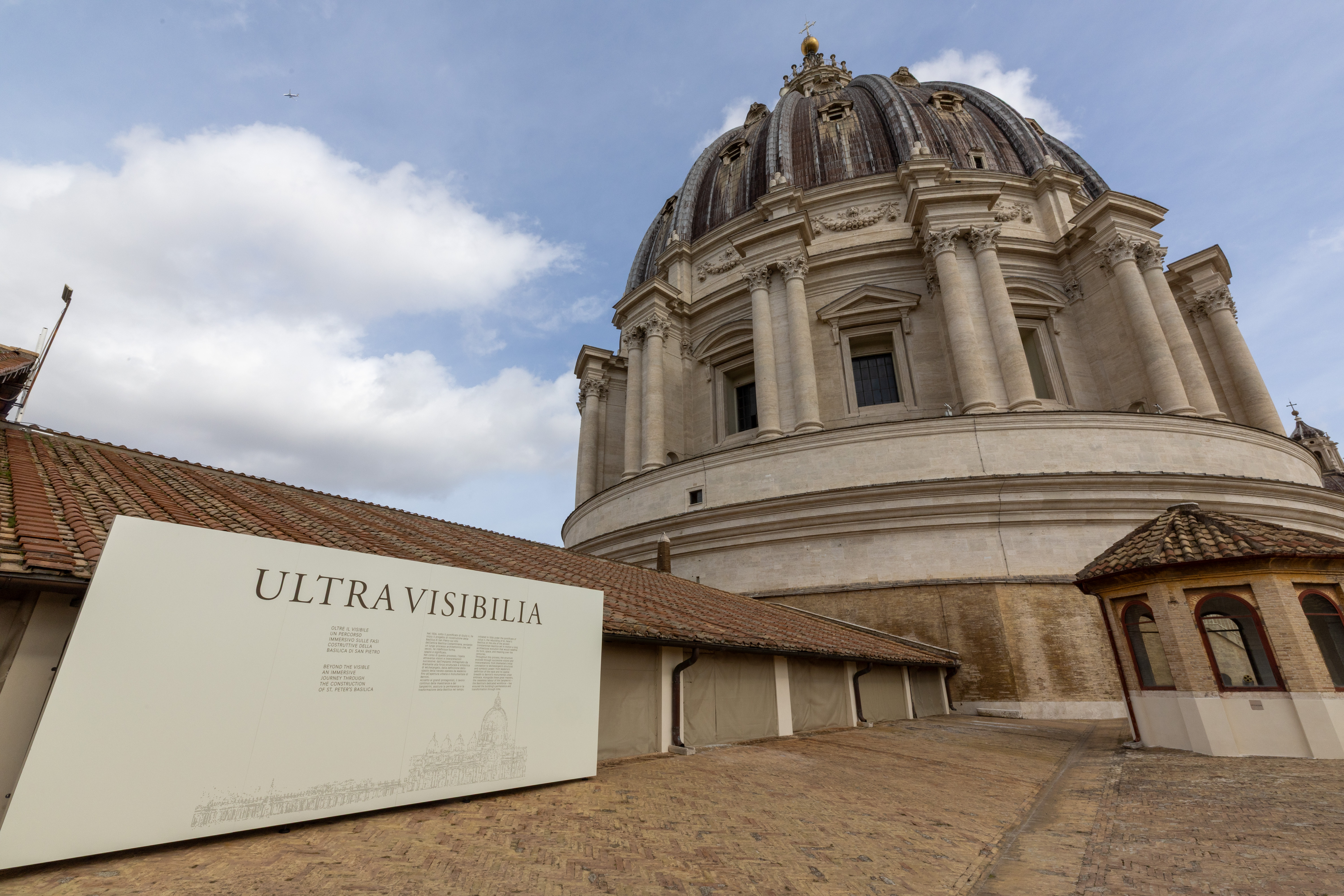
The Vatican will open new parts of St. Peter’s — including the full terrace — and roll out a “SmartPass” digital entry system as it marks the basilica’s 400th anniversary.
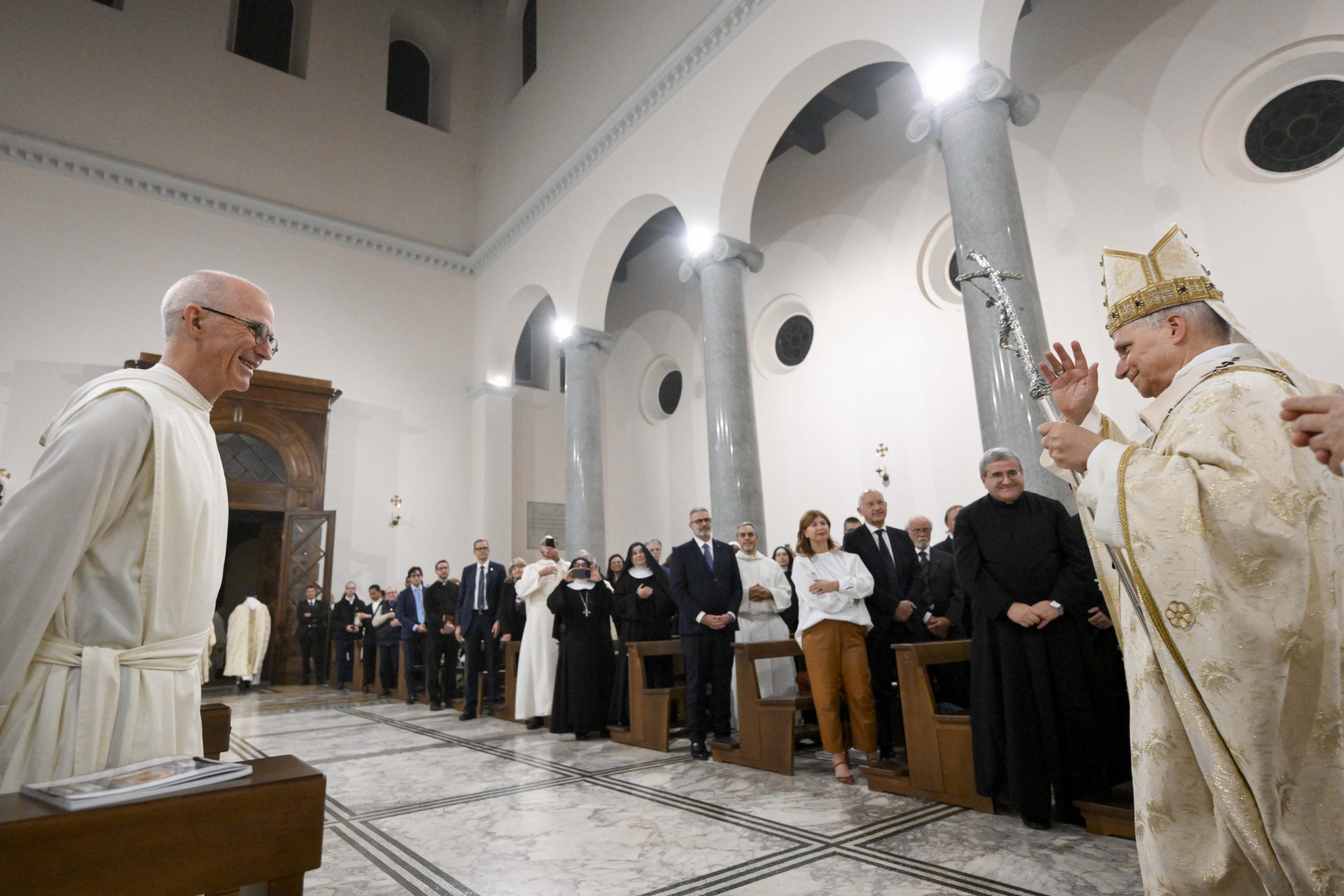
The brief Ash Wednesday walk between two hilltop basilicas marks the start of Lent in Rome.
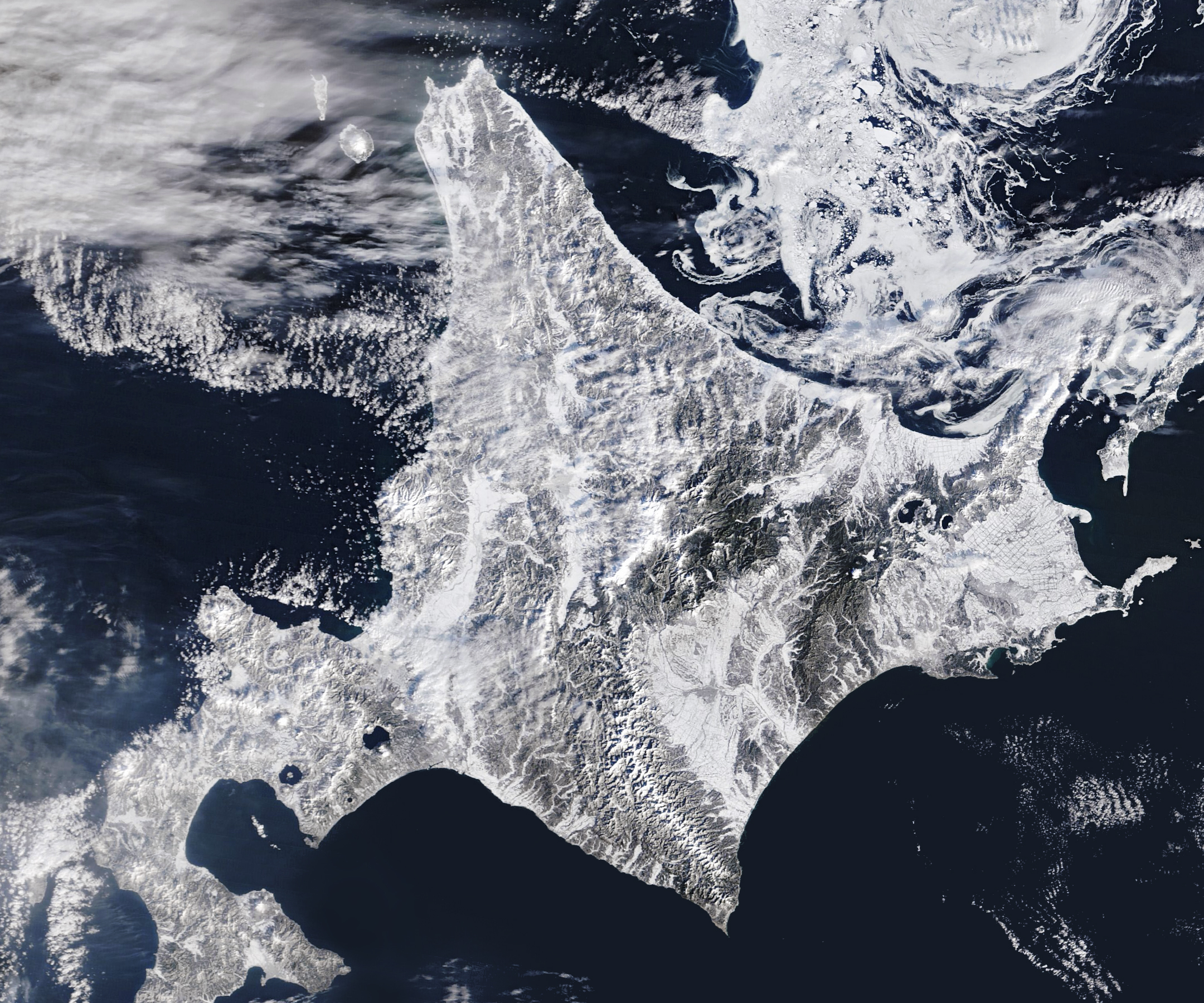
Northern Japan, especially the island of Hokkaido, is home to some of the snowiest cities in the world. Sapporo, the island’s largest city and host of an annual snow festival, typically sees more than 140 days of snowfall, with nearly 6 meters (20 feet) accumulating on average each year.
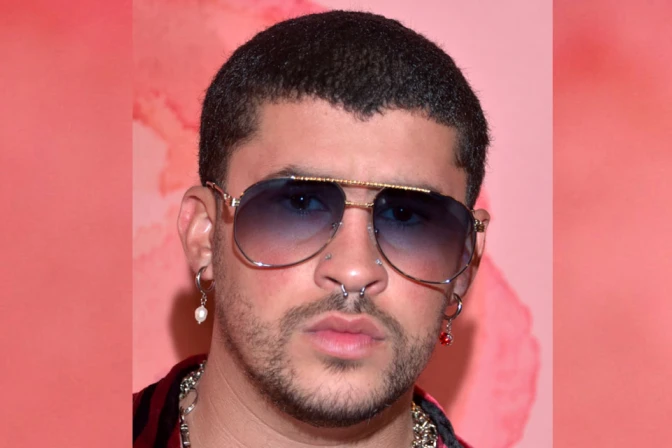
Read More![Did Bad Bunny’s Super Bowl performance represent Latinos and their cultural values? – #Catholic – Bad Bunny’s halftime show at Super Bowl LX drew mixed reactions. For some, it was a Hispanic or Latin American triumph with nothing objectionable, while for others, it was a spectacle with obscene lyrics and dances that did not represent the best of Latin America.In an interview with EWTN News, Father Mario Arroyo, who holds a doctorate in philosophy from the Pontifical University of the Holy Cross in Rome, observed that the event was the setting for a “political message” in which Bad Bunny asserted “that the United States is a multicultural nation” with some 70 million Latinos.According to various sources, the Puerto Rican artist chose his stage name based on a photo of himself when he was a boy in a bunny outfit with an angry look on his face. “That is also a political message that confronts the political agenda of current President Donald Trump,” Arroyo added.The priest considered the show an expression of “the Latino community in the United States that has felt harassed by the measures taken by the U.S. administration,” sparking protests against violent raids by Immigration and Customs Enforcement (ICE). In separate incidents last month, ICE agents killed two people in Minneapolis, Renee Good and Alex Pretti. ICE raids led to the arrest of some 400,000 people in 2025, of whom less than 14% had violent criminal records, according to CBS News.When Bad Bunny received the Grammy Award for Best Urban Music Album on Feb. 2 for “Debí tirar más fotos” (“I should have taken more photos”), he began his acceptance speech by saying “ICE out.”It’s not Latin America’s ‘best act’After clarifying that he is not a fan of Bad Bunny or reggaeton, because it is “a style of music that sexualizes women a lot” and degrades “human behavior,” Arroyo lamented that the artist’s show was not Latin America’s “best act” but rather a “vulgar spectacle wIth nothing uplifting about it.” The priest noted that “there is a moral principle that says the end does not justify the means; it’s a basic principle,” even though Bad Bunny’s intention was “to send a positive message,” highlighting various images of Puerto Rico and Latin America.Super Bowl LX, in which the Seattle Seahawks defeated the New England Patriots at Levi’s Stadium in Santa Clara, California, on Sunday, Feb. 8, was the second most-watched in history, surpassed only by the 2025 game, according to data by the Nielsen audience ratings company.As for the halftime show, according to Nielsen, the average viewership was 128.2 million, more than seven million fewer than last year’s Kendrick Lamar show, which averaged 133.5 million viewers.In addition to Bad Bunny, the show featured Lady Gaga and Ricky Martin, along with other celebrities who appeared during the performance, such as actors Jessica Alba and Pedro Pascal, and singer Karol G.“I think the goal of the NFL is more economic than political: to broaden the spectrum of people who enjoy and are interested in American football,” Arroyo told EWTN News.President of the Puerto Rican Bishops’ Conference weighs inBishop Eusebio Ramos of Caguas, president of the Puerto Rican Bishops’ Conference, also spoke out about the show.“Certainly, one can have something to say about the musical genre, and I clearly state that I am not expressing my support for it but hearing the voice of a young man who prioritizes a language of love fills us with joy,” Ramos told the Italian news agency SIR.“There is no doubt that the words of Benito, of this singer, have touched hearts, have reminded us of Christian values, such as fraternity and the primacy of love,” the prelate added, referring to Bad Bunny, whose real name is Benito Antonio Martínez Ocasio.Ramos said that “it gives us hope to hear the message of someone who, at this moment when the world order has broken down in so many ways, calls for tearing down walls, challenging the collective conscience.”After commenting that Bad Bunny “has his own political vision,” the Puerto Rican bishop emphasized that “he is undoubtedly a voice that reminds us of the value of the dignity of every human being, who must be respected. The current wave of deportations, on the contrary, disregards that dignity.”Regarding the political situation of Puerto Rico, a territory of the United States whose people are American citizens but lack voting representation in the U.S. government, the bishop commented that “for 125 years we have suffered, in practice, colonialism. The United States is the superior interlocutor; we, the Puerto Ricans, are at an inferior level. An unjust relationship, tainted by sin. But Puerto Rico has survived, has kept its identity and culture alive.”Regarding President Donald Trump’s critical reaction to Bad Bunny’s performance, the bishop said: ”I wasn’t surprised; it’s his style.” The U.S. president called the halftime show ”absolutely terrible, one of the worst ever!” and also said on Truth Social that ”nobody understands a word this guy is saying and the dancing is disgusting.”‘Not all success has value,’ Puerto Rican senator saysPuerto Rican independent and pro-life senator Joanne Rodríguez-Veve, a mother of two, also commented on her compatriot’s performance.“I believe Bad Bunny is not a musical phenomenon but a political phenomenon within the culture,” she told ACI Prensa, the Spanish-language sister service of EWTN News. “His message, with its clear woke undertones, made him an icon of the cultural left,” she added.After commenting that “there is no doubt that Bad Bunny is not alone” and that there are many economic interests surrounding him, Rodríguez said that, “ironically, Bad Bunny, the favorite son of capitalism — an economic platform without which he would not have achieved his much-venerated personal success — is the new idol of the political left. It turns out that, when it suits them, capitalist success is good.”After acknowledging that “Bad Bunny’s achievements are undeniable,” such as his Grammy Awards and his Super Bowl halftime performance, the senator clarified that “we would fall short in our capacity for reflection if the value of something or someone were measured solely by success. Success in saying what? Success in promoting what? Success in exhibiting what? No, not all success has value. That’s the point.”“As a Puerto Rican woman, I do not feel represented by anyone who objectifies women and portrays us to the world as animals at a bacchanal,” the senator emphasized.“He can wave the single-starred [Puerto Rican] flag” and “sing about what happened to Hawaii in Hawaii (loss of native cultural identity and heritage), and it won’t be enough. Because,” she pointed out, “Puerto Rican identity is simplicity and bravery, but it is also the elegance of the jíbaro [traditional peasant], the mother who gives birth to the homeland, the hardworking family, the children who await the Three Kings, and knees bent before God,” she maintained.Junk food isn’t the best for the soulArroyo also drew attention to the stark contrast between Bad Bunny’s Super Bowl performance and the recent opening ceremony of the Milan Cortina 2026 Winter Olympics, where Andrea Bocelli and Laura Pausini sang: “It was a show of great human and cultural quality … and of course, an artistic level infinitely superior to Bad Bunny’s music, which, in my opinion, is garbage.”“That Olympics show was watched by only 21 million people. That is to say, more than six times as many people watched the Super Bowl,” he lamented, adding that it seems people prefer to feed their soul with “junk food.”The priest encouraged teaching children “to be discerning” about what they see and to “critically evaluate what they are communicating to us and try to understand what they want communicated and what the underlying intentions are.”This story was first published by ACI Prensa, the Spanish-language sister service of EWTN News. It has been translated and adapted by EWTN News English.](https://unitedyam.com/wp-content/uploads/2026/02/did-bad-bunnys-super-bowl-performance-represent-latinos-and-their-cultural-values-catholic-bad-bunnys-halftime-show-at-super-bowl-lx-drew-mixed-reactions-for-some-it-was-a-hi.webp "Did Bad Bunny’s Super Bowl performance represent Latinos and their cultural values? – #Catholic – Bad Bunny’s halftime show at Super Bowl LX drew mixed reactions. For some, it was a Hispanic or Latin American triumph with nothing objectionable, while for others, it was a spectacle with obscene lyrics and dances that did not represent the best of Latin America.In an interview with EWTN News, Father Mario Arroyo, who holds a doctorate in philosophy from the Pontifical University of the Holy Cross in Rome, observed that the event was the setting for a “political message” in which Bad Bunny asserted “that the United States is a multicultural nation” with some 70 million Latinos.According to various sources, the Puerto Rican artist chose his stage name based on a photo of himself when he was a boy in a bunny outfit with an angry look on his face. “That is also a political message that confronts the political agenda of current President Donald Trump,” Arroyo added.The priest considered the show an expression of “the Latino community in the United States that has felt harassed by the measures taken by the U.S. administration,” sparking protests against violent raids by Immigration and Customs Enforcement (ICE). In separate incidents last month, ICE agents killed two people in Minneapolis, Renee Good and Alex Pretti. ICE raids led to the arrest of some 400,000 people in 2025, of whom less than 14% had violent criminal records, according to CBS News.When Bad Bunny received the Grammy Award for Best Urban Music Album on Feb. 2 for “Debí tirar más fotos” (“I should have taken more photos”), he began his acceptance speech by saying “ICE out.”It’s not Latin America’s ‘best act’After clarifying that he is not a fan of Bad Bunny or reggaeton, because it is “a style of music that sexualizes women a lot” and degrades “human behavior,” Arroyo lamented that the artist’s show was not Latin America’s “best act” but rather a “vulgar spectacle wIth nothing uplifting about it.” The priest noted that “there is a moral principle that says the end does not justify the means; it’s a basic principle,” even though Bad Bunny’s intention was “to send a positive message,” highlighting various images of Puerto Rico and Latin America.Super Bowl LX, in which the Seattle Seahawks defeated the New England Patriots at Levi’s Stadium in Santa Clara, California, on Sunday, Feb. 8, was the second most-watched in history, surpassed only by the 2025 game, according to data by the Nielsen audience ratings company.As for the halftime show, according to Nielsen, the average viewership was 128.2 million, more than seven million fewer than last year’s Kendrick Lamar show, which averaged 133.5 million viewers.In addition to Bad Bunny, the show featured Lady Gaga and Ricky Martin, along with other celebrities who appeared during the performance, such as actors Jessica Alba and Pedro Pascal, and singer Karol G.“I think the goal of the NFL is more economic than political: to broaden the spectrum of people who enjoy and are interested in American football,” Arroyo told EWTN News.President of the Puerto Rican Bishops’ Conference weighs inBishop Eusebio Ramos of Caguas, president of the Puerto Rican Bishops’ Conference, also spoke out about the show.“Certainly, one can have something to say about the musical genre, and I clearly state that I am not expressing my support for it but hearing the voice of a young man who prioritizes a language of love fills us with joy,” Ramos told the Italian news agency SIR.“There is no doubt that the words of Benito, of this singer, have touched hearts, have reminded us of Christian values, such as fraternity and the primacy of love,” the prelate added, referring to Bad Bunny, whose real name is Benito Antonio Martínez Ocasio.Ramos said that “it gives us hope to hear the message of someone who, at this moment when the world order has broken down in so many ways, calls for tearing down walls, challenging the collective conscience.”After commenting that Bad Bunny “has his own political vision,” the Puerto Rican bishop emphasized that “he is undoubtedly a voice that reminds us of the value of the dignity of every human being, who must be respected. The current wave of deportations, on the contrary, disregards that dignity.”Regarding the political situation of Puerto Rico, a territory of the United States whose people are American citizens but lack voting representation in the U.S. government, the bishop commented that “for 125 years we have suffered, in practice, colonialism. The United States is the superior interlocutor; we, the Puerto Ricans, are at an inferior level. An unjust relationship, tainted by sin. But Puerto Rico has survived, has kept its identity and culture alive.”Regarding President Donald Trump’s critical reaction to Bad Bunny’s performance, the bishop said: ”I wasn’t surprised; it’s his style.” The U.S. president called the halftime show ”absolutely terrible, one of the worst ever!” and also said on Truth Social that ”nobody understands a word this guy is saying and the dancing is disgusting.”‘Not all success has value,’ Puerto Rican senator saysPuerto Rican independent and pro-life senator Joanne Rodríguez-Veve, a mother of two, also commented on her compatriot’s performance.“I believe Bad Bunny is not a musical phenomenon but a political phenomenon within the culture,” she told ACI Prensa, the Spanish-language sister service of EWTN News. “His message, with its clear woke undertones, made him an icon of the cultural left,” she added.After commenting that “there is no doubt that Bad Bunny is not alone” and that there are many economic interests surrounding him, Rodríguez said that, “ironically, Bad Bunny, the favorite son of capitalism — an economic platform without which he would not have achieved his much-venerated personal success — is the new idol of the political left. It turns out that, when it suits them, capitalist success is good.”After acknowledging that “Bad Bunny’s achievements are undeniable,” such as his Grammy Awards and his Super Bowl halftime performance, the senator clarified that “we would fall short in our capacity for reflection if the value of something or someone were measured solely by success. Success in saying what? Success in promoting what? Success in exhibiting what? No, not all success has value. That’s the point.”“As a Puerto Rican woman, I do not feel represented by anyone who objectifies women and portrays us to the world as animals at a bacchanal,” the senator emphasized.“He can wave the single-starred [Puerto Rican] flag” and “sing about what happened to Hawaii in Hawaii (loss of native cultural identity and heritage), and it won’t be enough. Because,” she pointed out, “Puerto Rican identity is simplicity and bravery, but it is also the elegance of the jíbaro [traditional peasant], the mother who gives birth to the homeland, the hardworking family, the children who await the Three Kings, and knees bent before God,” she maintained.Junk food isn’t the best for the soulArroyo also drew attention to the stark contrast between Bad Bunny’s Super Bowl performance and the recent opening ceremony of the Milan Cortina 2026 Winter Olympics, where Andrea Bocelli and Laura Pausini sang: “It was a show of great human and cultural quality … and of course, an artistic level infinitely superior to Bad Bunny’s music, which, in my opinion, is garbage.”“That Olympics show was watched by only 21 million people. That is to say, more than six times as many people watched the Super Bowl,” he lamented, adding that it seems people prefer to feed their soul with “junk food.”The priest encouraged teaching children “to be discerning” about what they see and to “critically evaluate what they are communicating to us and try to understand what they want communicated and what the underlying intentions are.”This story was first published by ACI Prensa, the Spanish-language sister service of EWTN News. It has been translated and adapted by EWTN News English.")
Bad Bunny’s halftime show at Super Bowl LX drew mixed reactions. For some, it was a Latino triumph while for others it contained obscene lyrics that did not represent the best of Latin America.
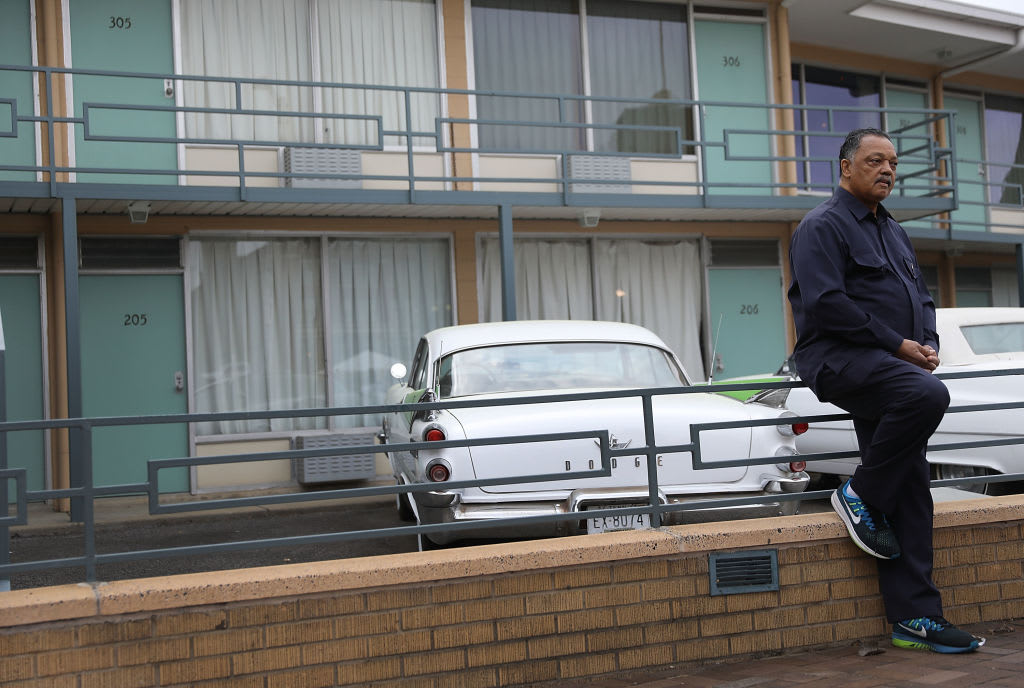
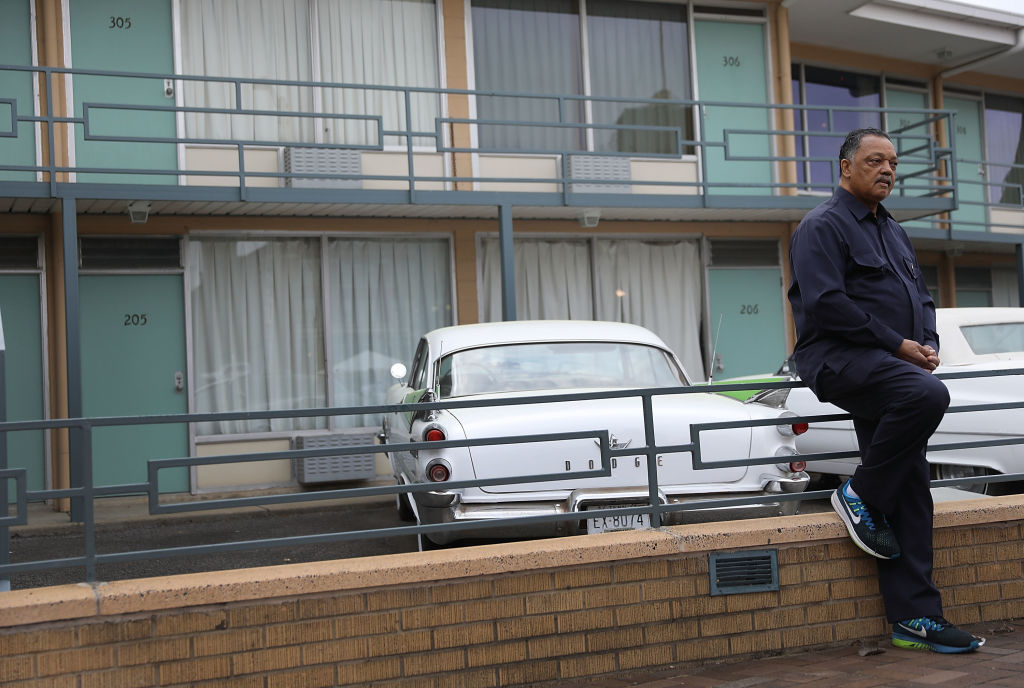
The longtime activist was a fixture in U.S. politics for decades, including two presidential runs.
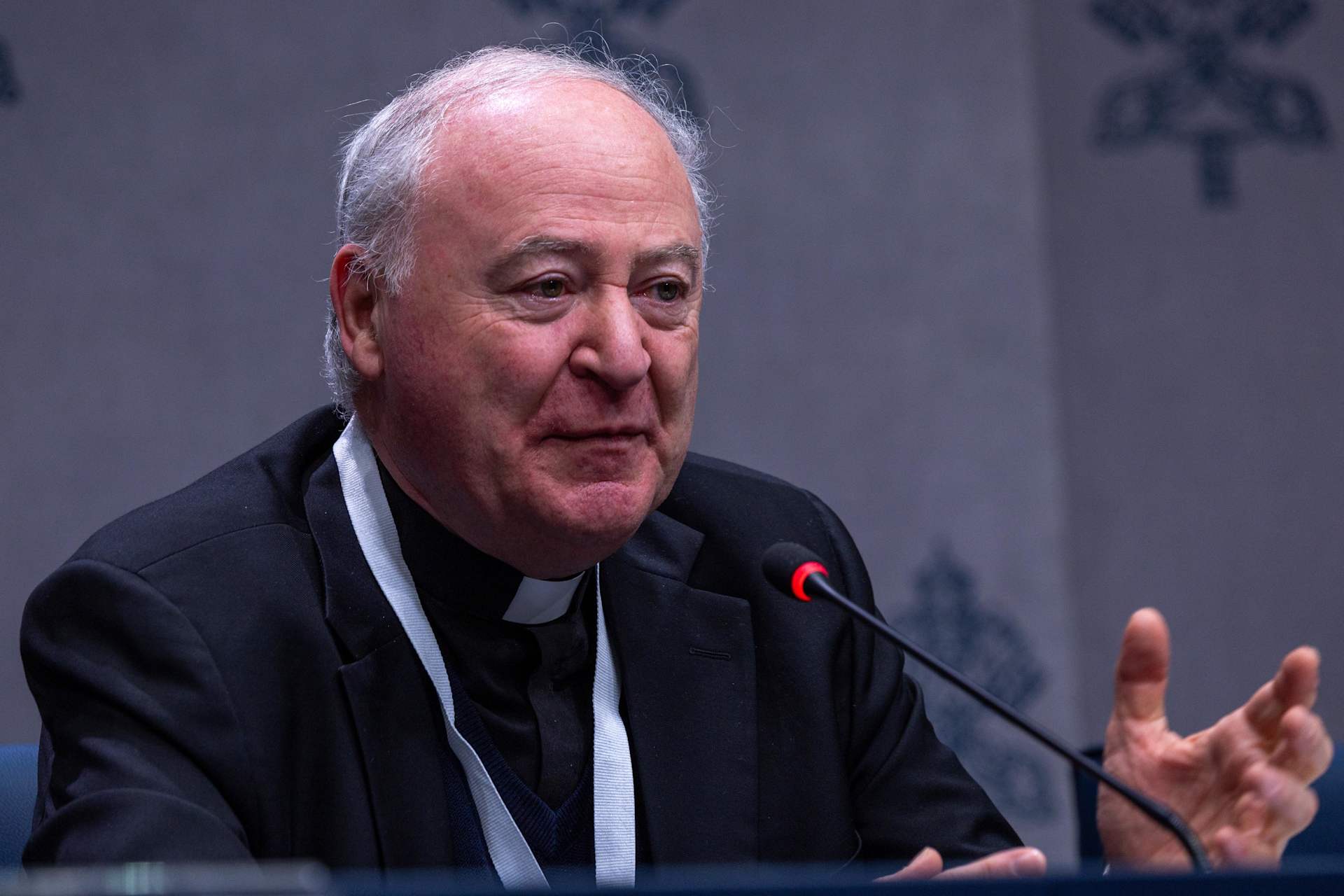
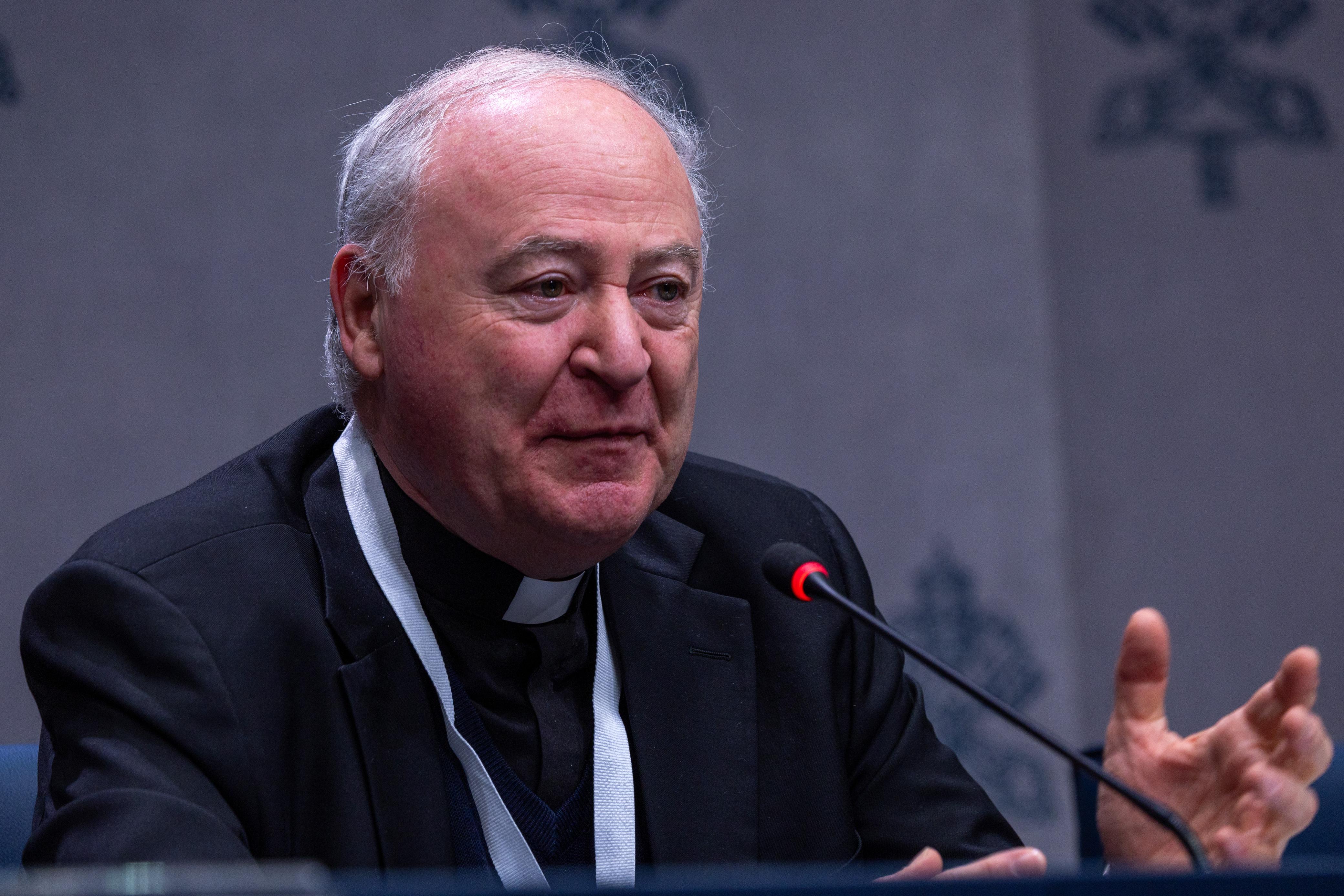
The Church should engage with universities about how to take “an ethical approach” to the dignity of unborn life, the president of the Pontifical Academy for Life said.
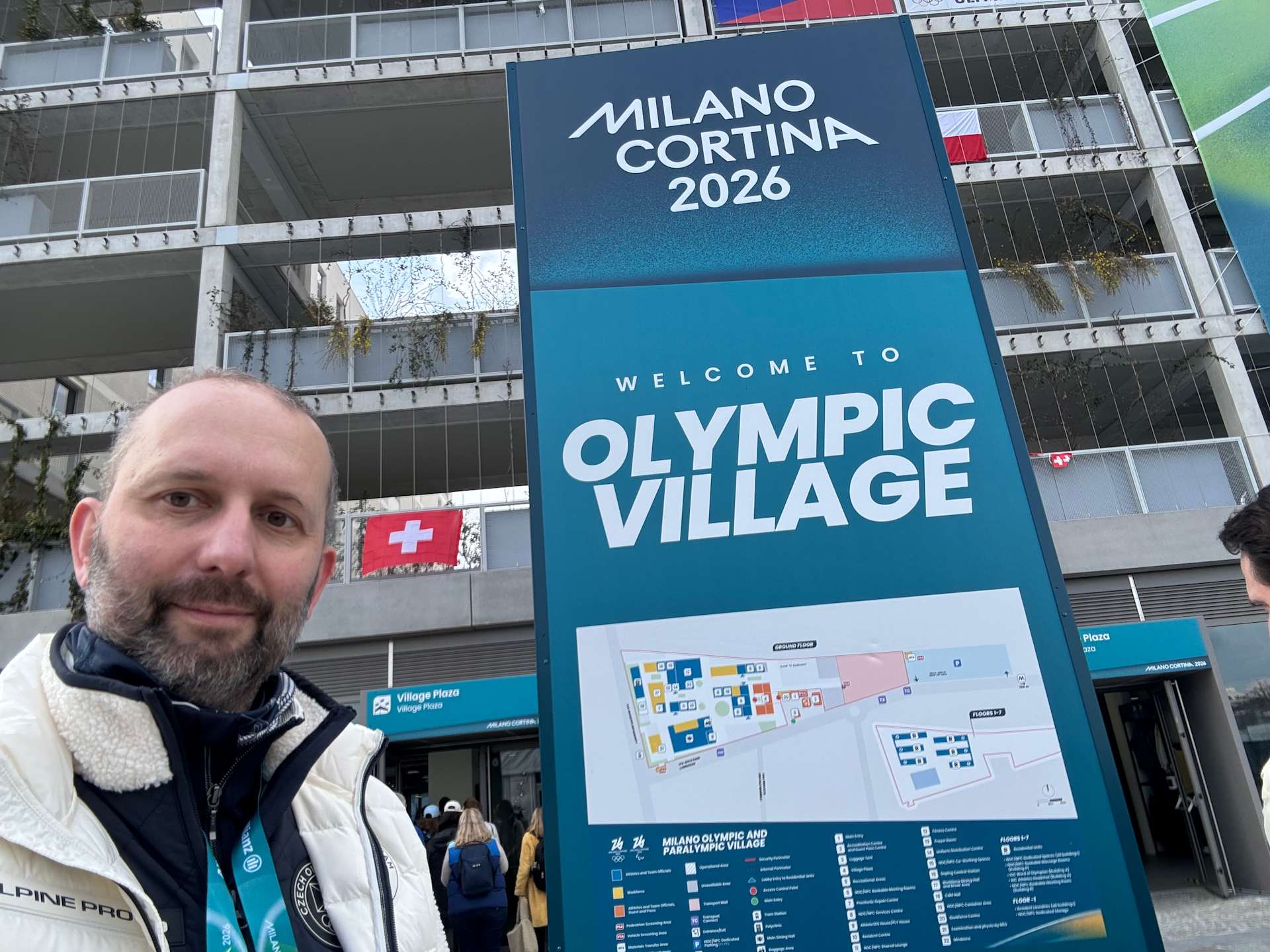
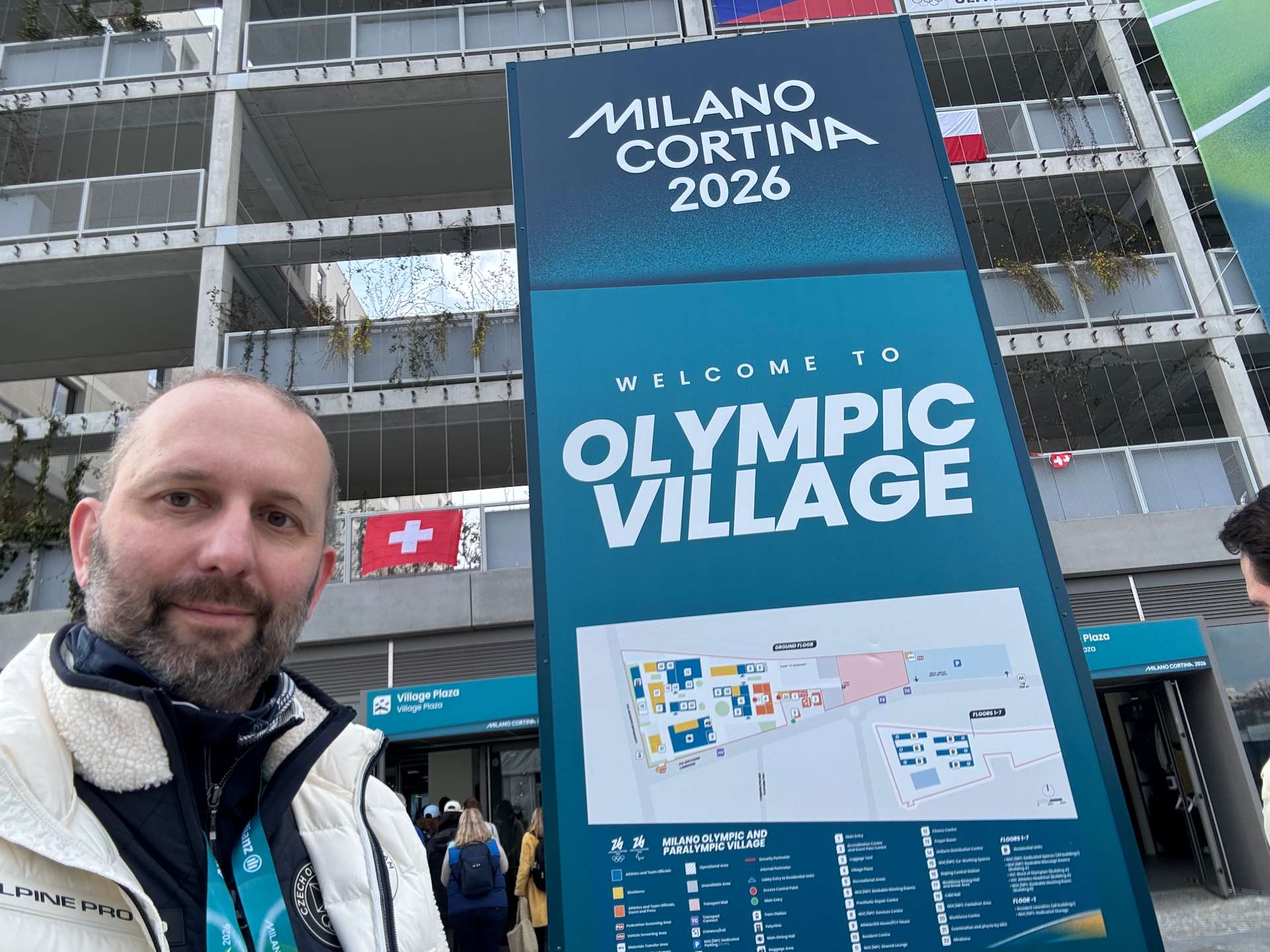
“My service is much more individual and open to everyone, even nonbelievers,” Father Oldřich Chocholáč, chaplain of the Czech Olympic team, told EWTN News.
The phenomenon of a Full Moon arises when our planet, Earth, is precisely sandwiched between the Sun and the Moon. This alignment ensures the entire side of the Moon that faces us gleams under sunlight. Thanks to the Moon’s orbit around Earth, the angle of sunlight hitting the lunar surface and being reflected back toContinue reading “2026 Full Moon calendar: When to see the Full Moon and phases”
The post 2026 Full Moon calendar: When to see the Full Moon and phases appeared first on Astronomy Magazine.
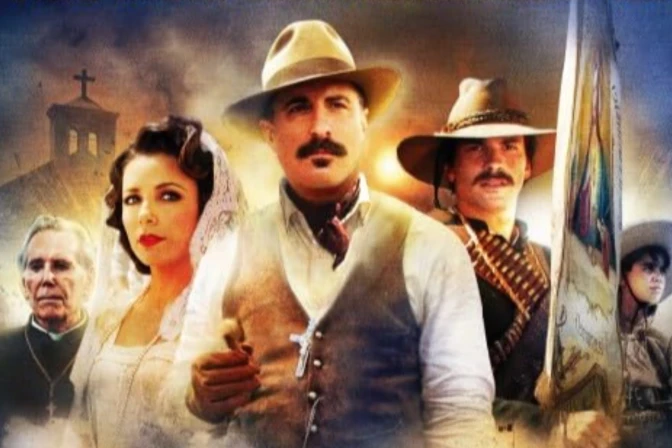
Read More![What impact has the Cristero War had on religious freedom in Mexico today? - #Catholic - The story of the Cristero War in Mexico reached theaters a little over a decade ago with “For Greater Glory,” a film titled “Cristiada” in Spanish. Alongside the film, an official book was published to delve deeper into the history of the war, a spontaneous uprising by Catholics in response to religious persecution in the first part of the 20th century.Available in Spanish and English, the book is authored by Rubén Quezada, a Catholic of Mexican origin living in California, and features a foreword by the archbishop of Los Angeles, José Gomez. Actor and producer Eduardo Verástegui wrote the introduction, and the book also contains an essay by Carl Anderson, who at the time of publication was the supreme knight of the Knights of Columbus.Although “For Greater Glory” tells the story of a historical event that marks its centenary this year, the anti-Catholic sentiment it portrays “still persists, in a certain way,” in present-day Mexico, Quezada shared in a telephone interview with ACI Prensa, the Spanish-language sister service of EWTN News.Quezada, 59, now a renowned international speaker, recalled that during his childhood in Mexico, the Cristero War was not included in the history curriculum in elementary school.
Rubén Quezada, author of the official book that accompanied the release of the film “For Greater Glory.” | Credit: Photo courtesy of Rubén Quezada
The author explained that this widespread ignorance was a consequence of a state policy that lasted for decades. Following the 1929 “arrangements” between the Church and the federal government, which formally ended the Cristero War, he recounted, there was “a government order that nothing could be published, nothing could be disseminated,” effectively making the Cristero War a taboo subject, while many Catholics avoided speaking about it for fear of being arrested.Thus many generations were unable to access information about the religious persecution of the early 20th century, he explained.It was not until later in life, when he immersed himself in the writing of the Franco-Mexican historian Jean Meyer — compiled in his three-volume work “La Cristiada” — that Quezada “began to study the Cristero War in greater depth.”The situation of enforced silence lasted until 1992, when relations between the Catholic Church and the Mexican state were officially restored. “We’re talking about [a diplomatic break that lasted] 60 years,” he emphasized.That same spirit of silence surrounding the history of the Cristero War was even present during the production of the film starring Andy García, he pointed out. Quezada noted that during the making of “For Greater Glory,” “many governors or mayors wouldn’t allow the movie to be filmed” in their locale and that once it was in theaters, it faced subtle boycotts: “We received reports from all over that they didn’t want to show the film in certain theaters.”“They would close the theater,” he added, and claim that tickets had sold out “when there weren’t many people” inside.Currently, he indicated, although “it cannot be said to be at that same level,” the sustained persecution of the Church in Mexico has put down “roots that remain within government platforms.”At the same time, he lamented, there is a “profound silence” in contemporary Mexican society regarding the Cristero War. In his travels throughout Mexico to participate in various events and conferences, the author said he has encountered many people who “prefer not to talk about that subject, or are unaware of it, or simply don’t care.”Given this situation, Quezada argued that the Catholic response must be active and informed participation in public life. “We have a responsibility to vote with a Catholic conscience,” he emphasized, noting that leaders should not be elected “simply based on personal preference or family tradition.”For the author, religious freedom hinges on the ability of the laity to place in positions of authority those who respect faith and human dignity. “We must carefully examine each candidate ... knowing that we are choosing what is best for humanity, for society, for the world,” he added, emphasizing that, ultimately, “we are the ones who put those elected officials in that position.”Finally, Quezada posed a challenge that draws the connection between the sacrifice of the Cristeros with contemporary Christian adherence to the faith. After years of studying figures like Blessed Miguel Agustín Pro — whose impact changed Quezada’s life when he was just a young man in California — the author posed a key question 100 years after the Cristero War: “Would we be willing today to rise up with that faith, with that heart that burned for the passion of Christ? Would we be willing today to act in such a way if we were ever confronted with something?”This story was first published by ACI Prensa, the Spanish-language sister service of EWTN News. It has been translated and adapted by EWTN News English.](https://unitedyam.com/wp-content/uploads/2026/02/what-impact-has-the-cristero-war-had-on-religious-freedom-in-mexico-today-catholic-the-story-of-the-cristero-war-in-mexico-reached-theaters-a-little-over-a-decade-ago-with-for-greater-g.webp)
Rubén Quezada, author of the book “For Greater Glory,” released along with the film of the same name in 2012, assesses the impact of the Cristero War on religious freedom in Mexico today.
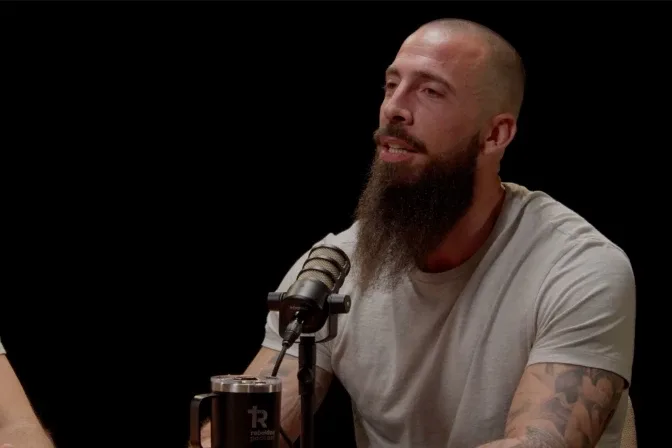
Former bodybuilder Bruno Toral shared his personal conversion story from being totally hostile to the faith to becoming a dedicated disciple of Christ.

A leading voice from the Cardinal Newman Society shares how the new accreditation program will accelerate Catholic education reform and help support Catholic families to pass on the faith.

:max_bytes(150000):strip_icc():format(jpeg)/TAL-header-point-lobos-state-natural-reserve-california-POINTLOBOSSTNATRSVR0226-c810b9b11dae4c08a47beb87bbee8510.jpg)
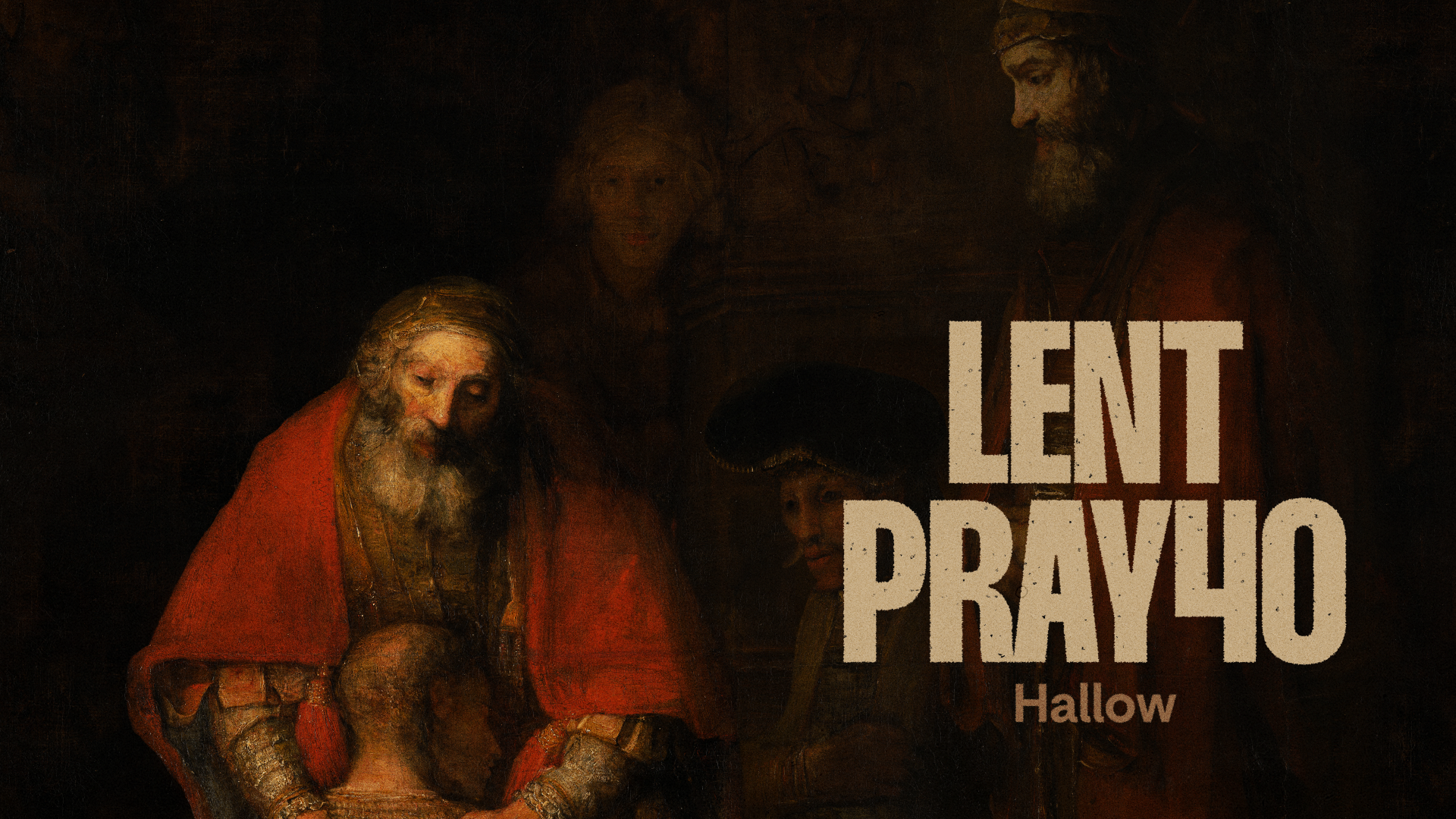
Lent begins on Ash Wednesday, Feb. 18, beginning a season of prayer, fasting, and almsgiving in the Catholic Church.