Day: March 9, 2026

Europe Under Persistent Delusion Anyone Cares What It Thinks #BabylonBee – BRUSSELS — As all eyes around the globe remained fixed on the ongoing U.S.-Iran conflict, leaders gathered for an important summit in a clear display that Europe remained under its persistent delusion that anyone cares what it thinks.

BRUSSELS — As all eyes around the globe remained fixed on the ongoing U.S.-Iran conflict, leaders gathered for an important summit in a clear display that Europe remained under its persistent delusion that anyone cares what it thinks.

Read More

Picture of the day


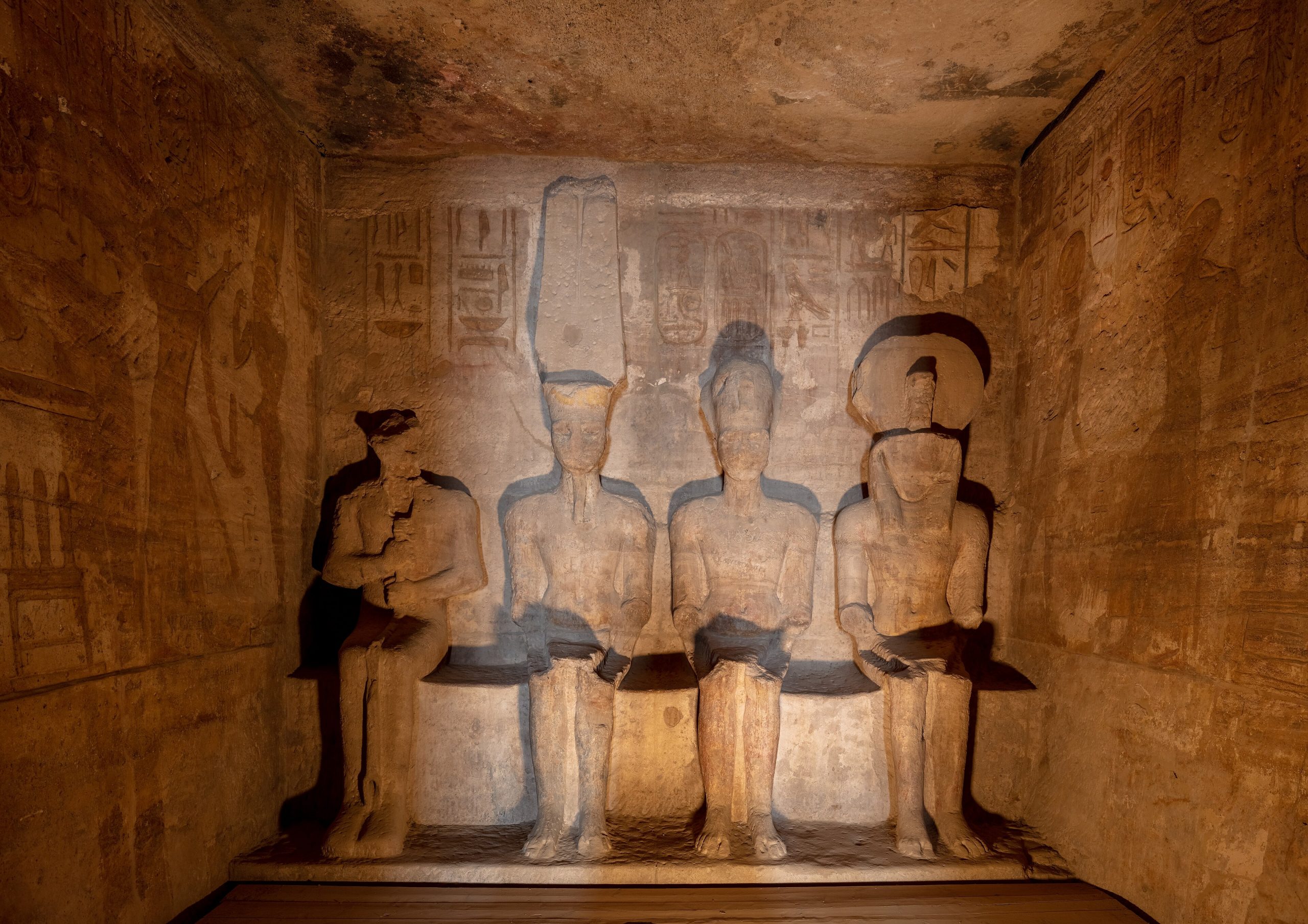
Famous sanctuary of the temple of Ramses II, Abu Simbel, Egypt. The Great Temple at Abu Simbel, which took about twenty years to build, was completed around year 24 of the reign of Ramesses the Great (which corresponds to 1265 BC). It was dedicated to the gods Amun, Ra-Horakhty, and Ptah, as well as to the deified Ramesses himself. It is generally considered the grandest and most beautiful of the temples commissioned during the reign of Ramesses II, and one of the most beautiful in Egypt. In the sanctuary are rock cut sculptures of four seated figures: Ra-Horakhty, the deified king Ramesses, and the gods Amun Ra and Ptah, the main divinities in that period. It is believed that the axis of the temple was positioned by the ancient Egyptian architects in such a way that on October 22 and February 22 (allegedly the king’s birthday and coronation day, respectively), the rays of the sun would penetrate the sanctuary and illuminate the sculptures on the back wall, except for the statue of Ptah, a god connected with the realm of the dead, who always remained in the dark. People gather at Abu Simbel on these days to witness this.
 #ImageOfTheDay
Picture of the day
Famous sanctuary of the temple of Ramses II, Abu Simbel, Egypt. The Great Temple at Abu Simbel, which took about twenty years to build, was completed around year 24 of the reign of Ramesses the Great (which corresponds to 1265 BC). It was dedicated to the gods Amun, Ra-Horakhty, and Ptah, as well as to the deified Ramesses himself. It is generally considered the grandest and most beautiful of the temples commissioned during the reign of Ramesses II, and one of the most beautiful in Egypt. In the sanctuary are rock cut sculptures of four seated figures: Ra-Horakhty, the deified king Ramesses, and the gods Amun Ra and Ptah, the main divinities in that period. It is believed that the axis of the temple was positioned by the ancient Egyptian architects in such a way that on October 22 and February 22 (allegedly the king’s birthday and coronation day, respectively), the rays of the sun would penetrate the sanctuary and illuminate the sculptures on the back wall, except for the statue of Ptah, a god connected with the realm of the dead, who always remained in the dark. People gather at Abu Simbel on these days to witness this.
Read More
The Practice of the Presence of God** #Catholic – By Brother Lawrence of the Resurrection

**Recommended by Pope Leo XIV**
“Twice in recent weeks, Pope Leo XIV has brought up a book that essentially spells out his spiritual MO. When asked in a Dec. 2 in-flight press conference about what was on his mind during the conclave, Leo credited a book he had read “many years ago” that highlighted “a type of prayer and spirituality where one simply gives his life to the Lord and allows the Lord to lead.”
The book, The Practice of the Presence of God, is only about 100 pages (depending on the edition), but it seems to pack a spiritual punch. It was first published in 1692, the year after the author — simply known as Brother Lawrence, a lay Carmelite brother in France — died at the age of 77.” 
A Pope Leo book club? Count me in

BISHOP KEVIN J. SWEENEY

The quote above is from an article written by Carol Zimmerman and published in the National Catholic Reporter on Dec. 19, 2026. I don’t recall the first time that I heard or read that Pope Leo had “recommended” The Practice of the Presence of God,” but it was sometime after Dec. 2, 2025, when, in what was described as, “his first major press conference as pope … Leo, almost seven months into his pontificate, told journalists that if there were one book to help people understand who he is, not written by St. Augustine, it would be The Practice of the Presence of God by Brother Lawrence, a 17th-century Carmelite friar…” In press conference, Pope Leo says US has ‘another way’ besides attacking Venezuela | National Catholic Reporter    
I do remember smiling and being pleasantly surprised that Pope Leo was recommending a book that I remembered well. I did not remember whether or not I had read the book, nor, if I had read some of it, what it said. I had two (or three) very distinct memories of The Practice of the Presence of God. 
First, I remembered that Msgr. John Antoncic (a wonderful priest of the Diocese of Brooklyn, may he Rest in Peace) had given a talk to seminarians during my time in the major seminary in Huntington, Long Island (sometime between the fall of 1992 and the spring of 1997). Msgr. Antoncic would have been a priest 25 or more years when he spoke to the seminarians, and he recalled his time in the seminary, in the mid-1960’s, and how he “sat under a tree and read a book called The Practice of the Presence of God by Brother Lawrence of the Resurrection. My second clear memory was that I remembered the name of the author. My third memory was that, at some point during my time in the seminary, I had a copy of the book. I believe it had a blue cover with the words of the title and author (and a sketch of a tree?) in yellow or gold.
I remember very little of what Msgr. Antoncic said, but between his mentioning it and having had the copy of the book on my bookshelf for many years (I presume it is in a box somewhere at this point), there was something about that book! So, when I heard Pope Leo’s recommendation, I immediately thought that I should order it on Amazon, which I did not get around to doing. So, I was very happy when someone gave me a (new, updated) copy of it for Christmas. I (finally) read The Practice of the Presence of God in January, while on retreat. Given Pope Leo’s recommendation, you really don’t need my recommendation, but, as you can probably tell by now, I would certainly encourage you to read The Practice of the Presence of God, whether you had never previously read (or heard of) it – or, if it has been a long time since you read it, or heard of it.
I was glad that I came across the article by Carol Zimmerman, as she shares a similar experience of having some memory of the book that came back to her after the pope’s recommendation:
“While editing our coverage of the plane press conference, I thought,”Wait, I know this book,” remembering it because my mom had also been a fan. Later, I pulled out her 1972 edition of The Practice of the Presence of God, with its 60-cent price printed on the cover, from a bookshelf’s pared-down collection of my parents’ religious books from their years of living with us.”
If you click on the link to her article (above), you will see a nice picture of her parents’ “pared down” bookshelf with her Mom’s 1972 edition. In her article, you can also find some helpful biographical information on Brother Lawrence, as well as summaries of the author’s interviews with two Carmelite historians and their thoughts on how the book has remained popular over these more than 300 years, and the book’s relevance for our lives today.
Here is a link to the new/updated (November 2024) version of the book that I received as a Christmas gift, described by Amazon as “The most faithful version of Brother Lawrence’s classic text.”
I am writing this column on the weekend of March 7/8, the Third Sunday of Lent, when we hear and reflect on the Gospel account of Jesus’ encounter with the Samaritan Woman (at the well) – Jn. 4: 5-52, when we hear Jesus say: “… If you knew the gift of God and who is saying to you, ‘Give me a drink,’ you would have asked him and he would have given you living water…”
 In the last paragraph of an excellent Preface in this version of The Practice of the Presence of God, Joseph Clampitt offers this reflection on the life and lessons of Brother Lawrence:
“Three hundred years later, his message is still one our world needs to hear. We have been seduced into chasing one high after another: just a few more minutes scrolling social media, one more episode in a binge-watching session, one more shallow Christian book. We drink from wells that don’t satisfy – that were never designed to satisfy! – and wonder when our thirst will be quenched. Only when we drink deeply of Jesus Christ will we find the stream of living water. Brother Lawrence drank constantly from that stream. He was not a peddler of theoretical ideas about God. He only wrote about what he himself had experienced. As you read his words, may his depth of experience become yours as well.” (pg. 4)
I hope and pray, dear Reader, that you may find the time, during this Season of Lent or in the near future, to read the words of Brother Lawrence of the Resurrection, as recorded in The Practice of the Presence of God.

Click here to subscribe to our weekly newsletter.

The Practice of the Presence of God** #Catholic – By Brother Lawrence of the Resurrection **Recommended by Pope Leo XIV** “Twice in recent weeks, Pope Leo XIV has brought up a book that essentially spells out his spiritual MO. When asked in a Dec. 2 in-flight press conference about what was on his mind during the conclave, Leo credited a book he had read “many years ago” that highlighted “a type of prayer and spirituality where one simply gives his life to the Lord and allows the Lord to lead.” The book, The Practice of the Presence of God, is only about 100 pages (depending on the edition), but it seems to pack a spiritual punch. It was first published in 1692, the year after the author — simply known as Brother Lawrence, a lay Carmelite brother in France — died at the age of 77.” A Pope Leo book club? Count me in BISHOP KEVIN J. SWEENEY The quote above is from an article written by Carol Zimmerman and published in the National Catholic Reporter on Dec. 19, 2026. I don’t recall the first time that I heard or read that Pope Leo had “recommended” The Practice of the Presence of God,” but it was sometime after Dec. 2, 2025, when, in what was described as, “his first major press conference as pope … Leo, almost seven months into his pontificate, told journalists that if there were one book to help people understand who he is, not written by St. Augustine, it would be The Practice of the Presence of God by Brother Lawrence, a 17th-century Carmelite friar…” In press conference, Pope Leo says US has ‘another way’ besides attacking Venezuela | National Catholic Reporter     I do remember smiling and being pleasantly surprised that Pope Leo was recommending a book that I remembered well. I did not remember whether or not I had read the book, nor, if I had read some of it, what it said. I had two (or three) very distinct memories of The Practice of the Presence of God. First, I remembered that Msgr. John Antoncic (a wonderful priest of the Diocese of Brooklyn, may he Rest in Peace) had given a talk to seminarians during my time in the major seminary in Huntington, Long Island (sometime between the fall of 1992 and the spring of 1997). Msgr. Antoncic would have been a priest 25 or more years when he spoke to the seminarians, and he recalled his time in the seminary, in the mid-1960’s, and how he “sat under a tree and read a book called The Practice of the Presence of God by Brother Lawrence of the Resurrection. My second clear memory was that I remembered the name of the author. My third memory was that, at some point during my time in the seminary, I had a copy of the book. I believe it had a blue cover with the words of the title and author (and a sketch of a tree?) in yellow or gold. I remember very little of what Msgr. Antoncic said, but between his mentioning it and having had the copy of the book on my bookshelf for many years (I presume it is in a box somewhere at this point), there was something about that book! So, when I heard Pope Leo’s recommendation, I immediately thought that I should order it on Amazon, which I did not get around to doing. So, I was very happy when someone gave me a (new, updated) copy of it for Christmas. I (finally) read The Practice of the Presence of God in January, while on retreat. Given Pope Leo’s recommendation, you really don’t need my recommendation, but, as you can probably tell by now, I would certainly encourage you to read The Practice of the Presence of God, whether you had never previously read (or heard of) it – or, if it has been a long time since you read it, or heard of it. I was glad that I came across the article by Carol Zimmerman, as she shares a similar experience of having some memory of the book that came back to her after the pope’s recommendation: “While editing our coverage of the plane press conference, I thought,”Wait, I know this book,” remembering it because my mom had also been a fan. Later, I pulled out her 1972 edition of The Practice of the Presence of God, with its 60-cent price printed on the cover, from a bookshelf’s pared-down collection of my parents’ religious books from their years of living with us.” If you click on the link to her article (above), you will see a nice picture of her parents’ “pared down” bookshelf with her Mom’s 1972 edition. In her article, you can also find some helpful biographical information on Brother Lawrence, as well as summaries of the author’s interviews with two Carmelite historians and their thoughts on how the book has remained popular over these more than 300 years, and the book’s relevance for our lives today. Here is a link to the new/updated (November 2024) version of the book that I received as a Christmas gift, described by Amazon as “The most faithful version of Brother Lawrence’s classic text.” I am writing this column on the weekend of March 7/8, the Third Sunday of Lent, when we hear and reflect on the Gospel account of Jesus’ encounter with the Samaritan Woman (at the well) – Jn. 4: 5-52, when we hear Jesus say: “… If you knew the gift of God and who is saying to you, ‘Give me a drink,’ you would have asked him and he would have given you living water…”  In the last paragraph of an excellent Preface in this version of The Practice of the Presence of God, Joseph Clampitt offers this reflection on the life and lessons of Brother Lawrence: “Three hundred years later, his message is still one our world needs to hear. We have been seduced into chasing one high after another: just a few more minutes scrolling social media, one more episode in a binge-watching session, one more shallow Christian book. We drink from wells that don’t satisfy – that were never designed to satisfy! – and wonder when our thirst will be quenched. Only when we drink deeply of Jesus Christ will we find the stream of living water. Brother Lawrence drank constantly from that stream. He was not a peddler of theoretical ideas about God. He only wrote about what he himself had experienced. As you read his words, may his depth of experience become yours as well.” (pg. 4) I hope and pray, dear Reader, that you may find the time, during this Season of Lent or in the near future, to read the words of Brother Lawrence of the Resurrection, as recorded in The Practice of the Presence of God. Click here to subscribe to our weekly newsletter.

The Practice of the Presence of God** #Catholic –

By Brother Lawrence of the Resurrection

**Recommended by Pope Leo XIV**

“Twice in recent weeks, Pope Leo XIV has brought up a book that essentially spells out his spiritual MO. When asked in a Dec. 2 in-flight press conference about what was on his mind during the conclave, Leo credited a book he had read “many years ago” that highlighted “a type of prayer and spirituality where one simply gives his life to the Lord and allows the Lord to lead.”

The book, The Practice of the Presence of God, is only about 100 pages (depending on the edition), but it seems to pack a spiritual punch. It was first published in 1692, the year after the author — simply known as Brother Lawrence, a lay Carmelite brother in France — died at the age of 77.”

A Pope Leo book club? Count me in

BISHOP KEVIN J. SWEENEY

The quote above is from an article written by Carol Zimmerman and published in the National Catholic Reporter on Dec. 19, 2026. I don’t recall the first time that I heard or read that Pope Leo had “recommended” The Practice of the Presence of God,” but it was sometime after Dec. 2, 2025, when, in what was described as, “his first major press conference as popeLeo, almost seven months into his pontificate, told journalists that if there were one book to help people understand who he is, not written by St. Augustine, it would be The Practice of the Presence of God by Brother Lawrence, a 17th-century Carmelite friar…” In press conference, Pope Leo says US has ‘another way’ besides attacking Venezuela | National Catholic Reporter    

I do remember smiling and being pleasantly surprised that Pope Leo was recommending a book that I remembered well. I did not remember whether or not I had read the book, nor, if I had read some of it, what it said. I had two (or three) very distinct memories of The Practice of the Presence of God.

First, I remembered that Msgr. John Antoncic (a wonderful priest of the Diocese of Brooklyn, may he Rest in Peace) had given a talk to seminarians during my time in the major seminary in Huntington, Long Island (sometime between the fall of 1992 and the spring of 1997). Msgr. Antoncic would have been a priest 25 or more years when he spoke to the seminarians, and he recalled his time in the seminary, in the mid-1960’s, and how he “sat under a tree and read a book called The Practice of the Presence of God by Brother Lawrence of the Resurrection. My second clear memory was that I remembered the name of the author. My third memory was that, at some point during my time in the seminary, I had a copy of the book. I believe it had a blue cover with the words of the title and author (and a sketch of a tree?) in yellow or gold.

I remember very little of what Msgr. Antoncic said, but between his mentioning it and having had the copy of the book on my bookshelf for many years (I presume it is in a box somewhere at this point), there was something about that book! So, when I heard Pope Leo’s recommendation, I immediately thought that I should order it on Amazon, which I did not get around to doing. So, I was very happy when someone gave me a (new, updated) copy of it for Christmas. I (finally) read The Practice of the Presence of God in January, while on retreat. Given Pope Leo’s recommendation, you really don’t need my recommendation, but, as you can probably tell by now, I would certainly encourage you to read The Practice of the Presence of God, whether you had never previously read (or heard of) it – or, if it has been a long time since you read it, or heard of it.

I was glad that I came across the article by Carol Zimmerman, as she shares a similar experience of having some memory of the book that came back to her after the pope’s recommendation:

“While editing our coverage of the plane press conference, I thought,”Wait, I know this book,” remembering it because my mom had also been a fan. Later, I pulled out her 1972 edition of The Practice of the Presence of God, with its 60-cent price printed on the cover, from a bookshelf’s pared-down collection of my parents’ religious books from their years of living with us.”

If you click on the link to her article (above), you will see a nice picture of her parents’ “pared down” bookshelf with her Mom’s 1972 edition. In her article, you can also find some helpful biographical information on Brother Lawrence, as well as summaries of the author’s interviews with two Carmelite historians and their thoughts on how the book has remained popular over these more than 300 years, and the book’s relevance for our lives today.

Here is a link to the new/updated (November 2024) version of the book that I received as a Christmas gift, described by Amazon as “The most faithful version of Brother Lawrence’s classic text.”

I am writing this column on the weekend of March 7/8, the Third Sunday of Lent, when we hear and reflect on the Gospel account of Jesus’ encounter with the Samaritan Woman (at the well) – Jn. 4: 5-52, when we hear Jesus say: “… If you knew the gift of God and who is saying to you, ‘Give me a drink,’ you would have asked him and he would have given you living water…

 In the last paragraph of an excellent Preface in this version of The Practice of the Presence of God, Joseph Clampitt offers this reflection on the life and lessons of Brother Lawrence:

“Three hundred years later, his message is still one our world needs to hear. We have been seduced into chasing one high after another: just a few more minutes scrolling social media, one more episode in a binge-watching session, one more shallow Christian book. We drink from wells that don’t satisfy – that were never designed to satisfy! – and wonder when our thirst will be quenched. Only when we drink deeply of Jesus Christ will we find the stream of living water. Brother Lawrence drank constantly from that stream. He was not a peddler of theoretical ideas about God. He only wrote about what he himself had experienced. As you read his words, may his depth of experience become yours as well.” (pg. 4)

I hope and pray, dear Reader, that you may find the time, during this Season of Lent or in the near future, to read the words of Brother Lawrence of the Resurrection, as recorded in The Practice of the Presence of God.


Click here to subscribe to our weekly newsletter.

By Brother Lawrence of the Resurrection **Recommended by Pope Leo XIV** “Twice in recent weeks, Pope Leo XIV has brought up a book that essentially spells out his spiritual MO. When asked in a Dec. 2 in-flight press conference about what was on his mind during the conclave, Leo credited a book he had read “many years ago” that highlighted “a type of prayer and spirituality where one simply gives his life to the Lord and allows the Lord to lead.” The book, The Practice of the Presence of God, is only about 100 pages (depending on the edition), but it seems to

Read More

Gospel and Word of the Day – 10 March 2026 – A reading from the Book of Daniel 3:25, 34-43 Azariah stood up in the fire and prayed aloud: “For your name’s sake, O Lord, do not deliver us up forever, or make void your covenant. Do not take away your mercy from us, for the sake of Abraham, your beloved, Isaac your servant, and Israel your holy one, To whom you promised to multiply their offspring like the stars of heaven, or the sand on the shore of the sea. For we are reduced, O Lord, beyond any other nation, brought low everywhere in the world this day because of our sins. We have in our day no prince, prophet, or leader, no burnt offering, sacrifice, oblation, or incense, no place to offer first fruits, to find favor with you. But with contrite heart and humble spirit let us be received; As though it were burnt offerings of rams and bullocks, or thousands of fat lambs, So let our sacrifice be in your presence today as we follow you unreservedly; for those who trust in you cannot be put to shame. And now we follow you with our whole heart, we fear you and we pray to you. Do not let us be put to shame, but deal with us in your kindness and great mercy. Deliver us by your wonders, and bring glory to your name, O Lord.”From the Gospel according to Matthew 18:21-35 Peter approached Jesus and asked him, “Lord, if my brother sins against me, how often must I forgive him? As many as seven times?” Jesus answered, “I say to you, not seven times but seventy-seven times. That is why the Kingdom of heaven may be likened to a king who decided to settle accounts with his servants. When he began the accounting, a debtor was brought before him who owed him a huge amount. Since he had no way of paying it back, his master ordered him to be sold, along with his wife, his children, and all his property, in payment of the debt. At that, the servant fell down, did him homage, and said, ‘Be patient with me, and I will pay you back in full.’ Moved with compassion the master of that servant let him go and forgave him the loan. When that servant had left, he found one of his fellow servants who owed him a much smaller amount. He seized him and started to choke him, demanding, ‘Pay back what you owe.’ Falling to his knees, his fellow servant begged him, ‘Be patient with me, and I will pay you back.’ But he refused. Instead, he had him put in prison until he paid back the debt. Now when his fellow servants saw what had happened, they were deeply disturbed, and went to their master and reported the whole affair. His master summoned him and said to him, ‘You wicked servant! I forgave you your entire debt because you begged me to. Should you not have had pity on your fellow servant, as I had pity on you?’ Then in anger his master handed him over to the torturers until he should pay back the whole debt. So will my heavenly Father do to you, unless each of you forgives your brother from your heart.”“Forgiveness! Christ taught us to forgive. Many times, and in various ways He spoke of forgiveness. When Peter asked him how many times he would have forgiven his neighbour, “As many as seven times?”, Jesus replied that he should forgive “seventy times seven” (Mt 18:21f). This means, in practice, always: in fact, the number “seventy times seven” is symbolic, and means, rather than a specific quantity, an incalculable, infinite quantity. Responding to the question of how one should pray, Christ uttered those magnificent words addressed to the Father: “Our Father who art in heaven”; and among the requests that make up this prayer, the last one speaks of forgiveness: “Forgive us our trespasses as we forgive those” who are guilty towards us, who “trespass against us”. Finally, Christ himself confirmed the truth of these words on the Cross when, turning to the Father, he pleaded: “Forgive them!”, “Father, forgive them, for they know not what they do” (Lk 23:34). (Saint John Paul II – General audience, 21 October 1981)  

A reading from the Book of Daniel
3:25, 34-43

Azariah stood up in the fire and prayed aloud:

“For your name’s sake, O Lord, do not deliver us up forever,
or make void your covenant.
Do not take away your mercy from us,
for the sake of Abraham, your beloved,
Isaac your servant, and Israel your holy one,
To whom you promised to multiply their offspring
like the stars of heaven,
or the sand on the shore of the sea.
For we are reduced, O Lord, beyond any other nation,
brought low everywhere in the world this day
because of our sins.
We have in our day no prince, prophet, or leader,
no burnt offering, sacrifice, oblation, or incense,
no place to offer first fruits, to find favor with you.
But with contrite heart and humble spirit
let us be received;
As though it were burnt offerings of rams and bullocks,
or thousands of fat lambs,
So let our sacrifice be in your presence today
as we follow you unreservedly;
for those who trust in you cannot be put to shame.
And now we follow you with our whole heart,
we fear you and we pray to you.
Do not let us be put to shame,
but deal with us in your kindness and great mercy.
Deliver us by your wonders,
and bring glory to your name, O Lord.”

From the Gospel according to Matthew
18:21-35

Peter approached Jesus and asked him,
“Lord, if my brother sins against me,
how often must I forgive him?
As many as seven times?”
Jesus answered, “I say to you, not seven times but seventy-seven times.
That is why the Kingdom of heaven may be likened to a king
who decided to settle accounts with his servants.
When he began the accounting,
a debtor was brought before him who owed him a huge amount.
Since he had no way of paying it back,
his master ordered him to be sold,
along with his wife, his children, and all his property,
in payment of the debt.
At that, the servant fell down, did him homage, and said,
‘Be patient with me, and I will pay you back in full.’
Moved with compassion the master of that servant
let him go and forgave him the loan.
When that servant had left, he found one of his fellow servants
who owed him a much smaller amount.
He seized him and started to choke him, demanding,
‘Pay back what you owe.’
Falling to his knees, his fellow servant begged him,
‘Be patient with me, and I will pay you back.’
But he refused.
Instead, he had him put in prison
until he paid back the debt.
Now when his fellow servants saw what had happened,
they were deeply disturbed, and went to their master
and reported the whole affair.
His master summoned him and said to him, ‘You wicked servant!
I forgave you your entire debt because you begged me to.
Should you not have had pity on your fellow servant,
as I had pity on you?’
Then in anger his master handed him over to the torturers
until he should pay back the whole debt.
So will my heavenly Father do to you,
unless each of you forgives your brother from your heart.”

“Forgiveness! Christ taught us to forgive. Many times, and in various ways He spoke of forgiveness. When Peter asked him how many times he would have forgiven his neighbour, “As many as seven times?”, Jesus replied that he should forgive “seventy times seven” (Mt 18:21f). This means, in practice, always: in fact, the number “seventy times seven” is symbolic, and means, rather than a specific quantity, an incalculable, infinite quantity. Responding to the question of how one should pray, Christ uttered those magnificent words addressed to the Father: “Our Father who art in heaven”; and among the requests that make up this prayer, the last one speaks of forgiveness: “Forgive us our trespasses as we forgive those” who are guilty towards us, who “trespass against us”. Finally, Christ himself confirmed the truth of these words on the Cross when, turning to the Father, he pleaded: “Forgive them!”, “Father, forgive them, for they know not what they do” (Lk 23:34). (Saint John Paul II – General audience, 21 October 1981)


Read More
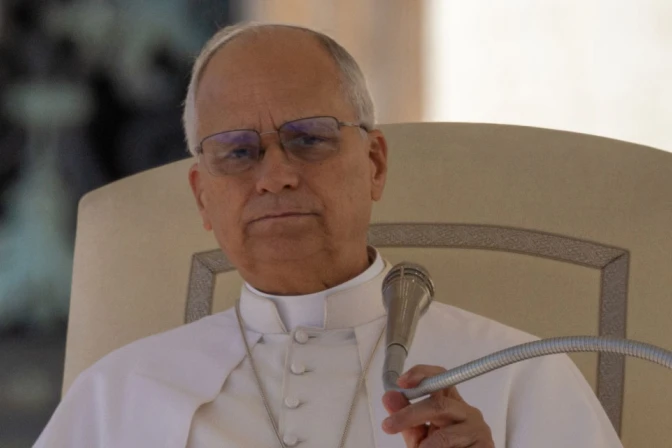
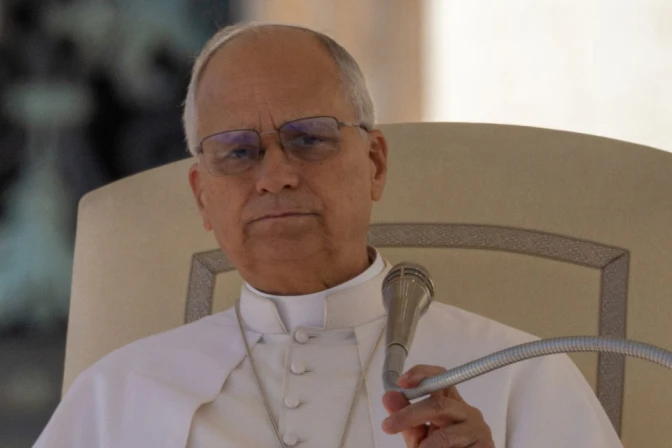
Pope Leo tackles topic of domestic abuse on International Women’s Day – #Catholic – In the context of International Women’s Day, celebrated March 8, Pope Leo XIV responded to a letter from a reader of Piazza San Pietro magazine who asked what can be done about femicides, and the pope shared that violence against women causes him “great suffering.”Femicide is defined as a man killing a girl or a woman for the very reason that she is female. Pope Leo replied to a woman named Giovanna, who said she is “fortunate” to be married to a man who loves and respects her. The letter appeared in the latest issue of the publication, which this March is dedicated to women.In her letter, the woman confessed to having “tears in her eyes” because of the “death trap” that married life becomes when a man kills a woman due to a “culture of possession.” Giovanna then proposed an alliance between the Catholic Church and schools to educate young people in love and respect. “Who else, if not schools and the Church, can help new generations by spreading a culture of respect, love, and above all, freedom?” she asked.Pope Leo XIV’s response to violence against women“You raise a major issue that for me is always a source of great suffering: violence in relationships, and in particular violence against women,” the Holy Father responded to Giovanna.“In a world often dominated by violent thinking, we must further support the feminine genius, as St. John Paul II said, the ‘genius of women,’ protagonists and creators of a culture of care and fraternity indispensable for giving a future and dignity to all humanity,” he emphasized.Leo XIV added that “perhaps this is also why women are beaten and murdered, because they are a sign of contradiction in this confused, uncertain, and violent society, because they point to values ​​of faith, freedom, equality, generativity, hope, solidarity, and justice.”“These are great values, which are nevertheless attacked by a dangerous mentality that infests relationships and only produces selfishness, prejudice, discrimination, and a will to dominate,” he added.After recalling that he had already denounced the violence of femicides in June 2025, the pope stressed that “violence, any violence, is the boundary that separates civilization from barbarism.”Leo XIV then advised that “we must never underestimate an act of violence and we must not be afraid to denounce violence, including that climate of justification or that downplays or denies responsibility.”“Walking together in mutual respect for our humanity is not a dream, but the only possible reality for building a world of light for all.”A task for the ChurchThe pope thanked Giovanna for her suggestions for an “ever stronger educational alliance” and stated that “the Church, together with families, schools, parishes, movements and associations, religious congregations, and public institutions, can share the urgency of carrying out specific projects to prevent and stop violence against women.”The pope also recalled that on Nov. 25, 2025, the International Day for the Elimination of Violence Against Women, he emphasized that “to stop violence, we must begin with the education of young people.”“We must begin by opening everyone’s hearts to the fact that every person is a human being who deserves respect, that dignity for men and women, for everyone.”This story was first published by ACI Prensa, the Spanish-language sister service of EWTN News. It has been translated and adapted by EWTN News English.

Pope Leo tackles topic of domestic abuse on International Women’s Day – #Catholic – In the context of International Women’s Day, celebrated March 8, Pope Leo XIV responded to a letter from a reader of Piazza San Pietro magazine who asked what can be done about femicides, and the pope shared that violence against women causes him “great suffering.”Femicide is defined as a man killing a girl or a woman for the very reason that she is female. Pope Leo replied to a woman named Giovanna, who said she is “fortunate” to be married to a man who loves and respects her. The letter appeared in the latest issue of the publication, which this March is dedicated to women.In her letter, the woman confessed to having “tears in her eyes” because of the “death trap” that married life becomes when a man kills a woman due to a “culture of possession.” Giovanna then proposed an alliance between the Catholic Church and schools to educate young people in love and respect. “Who else, if not schools and the Church, can help new generations by spreading a culture of respect, love, and above all, freedom?” she asked.Pope Leo XIV’s response to violence against women“You raise a major issue that for me is always a source of great suffering: violence in relationships, and in particular violence against women,” the Holy Father responded to Giovanna.“In a world often dominated by violent thinking, we must further support the feminine genius, as St. John Paul II said, the ‘genius of women,’ protagonists and creators of a culture of care and fraternity indispensable for giving a future and dignity to all humanity,” he emphasized.Leo XIV added that “perhaps this is also why women are beaten and murdered, because they are a sign of contradiction in this confused, uncertain, and violent society, because they point to values ​​of faith, freedom, equality, generativity, hope, solidarity, and justice.”“These are great values, which are nevertheless attacked by a dangerous mentality that infests relationships and only produces selfishness, prejudice, discrimination, and a will to dominate,” he added.After recalling that he had already denounced the violence of femicides in June 2025, the pope stressed that “violence, any violence, is the boundary that separates civilization from barbarism.”Leo XIV then advised that “we must never underestimate an act of violence and we must not be afraid to denounce violence, including that climate of justification or that downplays or denies responsibility.”“Walking together in mutual respect for our humanity is not a dream, but the only possible reality for building a world of light for all.”A task for the ChurchThe pope thanked Giovanna for her suggestions for an “ever stronger educational alliance” and stated that “the Church, together with families, schools, parishes, movements and associations, religious congregations, and public institutions, can share the urgency of carrying out specific projects to prevent and stop violence against women.”The pope also recalled that on Nov. 25, 2025, the International Day for the Elimination of Violence Against Women, he emphasized that “to stop violence, we must begin with the education of young people.”“We must begin by opening everyone’s hearts to the fact that every person is a human being who deserves respect, that dignity for men and women, for everyone.”This story was first published by ACI Prensa, the Spanish-language sister service of EWTN News. It has been translated and adapted by EWTN News English.

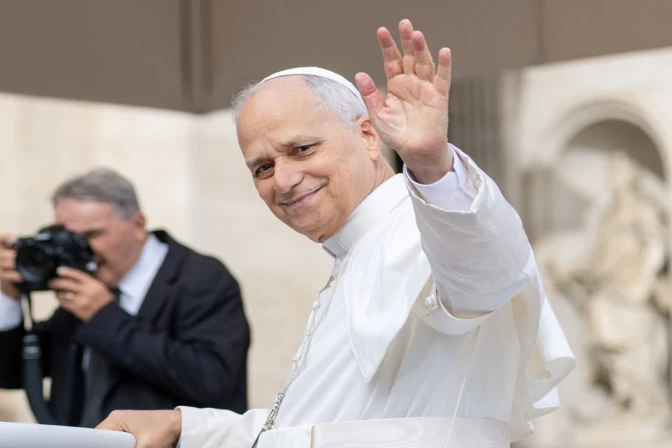
Responding to a woman writing to the Vatican magazine Piazza San Pietro, Pope Leo decried violence against women and emphasized that educating young people in respect is the key to preventing it.
Read More
Can AI be a tool for virtue? Catholics grapple with Anthropic’s claim of virtuous AI #Catholic – ROME (OSV News) — In a room full of Dominican friars and Catholic philosophy professors, a priest and AI researcher read aloud excerpts pertaining to ethics from the guiding “constitution” of one of Silicon Valley’s most prominent artificial intelligence companies, drawing laughter from the audience of Thomists.
The moment came on March 6 when Father Jean Gové, coordinator of the European AI Research Group within the Vatican’s Dicastery for Culture and Education, cited passages from Anthropic’s internal guidelines. The company says it aims for its AI model, Claude, to be a “good, wise, and virtuous agent,” without wanting to define those “ethically loaded terms,” and expresses hope that the AI model might one day possess an understanding of ethics that could surpass human ethical understanding.
“I appreciate the laughter,” Father Gové told the conference. “This is a text coming from one of the leading AI companies, frontier companies in the world. … This is the company that … is doing the most comparatively when it comes to ethics, safety, and governance when it comes to AI. This is where we are. This is the state of play.”

Click here to subscribe to our weekly newsletter.

Father Gové spoke at the two-day academic conference “Artificial Intelligence: A Tool for Virtue?”, held March 5–6 at the Pontifical University of Saint Thomas Aquinas, known as the Angelicum, in Rome. He said theologians, philosophers, academics and the Church are now being invited to engage with companies that hold ideas like these when grappling with the many issues raised by AI.
The conference comes as Catholic institutions are actively engaged with AI ethics. The Vatican issued a document on the technology in 2025, “Antiqua et Nova,” and Pope Leo XIV has made AI a focus since the first days of his pontificate.
Organized by the university’s Thomistic Institute Project for Science and Religion, the conference brought centuries of Dominican engagement with Aristotelian virtue ethics to bear on examining whether AI systems can be designed and used in ways that help people grow in virtue.
The answer, by most accounts, was a cautious and qualified no, though not without nuance.
Virtue requires more than good output
Dominican Father Alejandro Crosthwaite, a professor of social sciences at the Angelicum, argued that genuine virtue requires faculties no AI system possesses.
“Virtue is not correct output,” he said. “It is right reason embodied in a self-determining agent.”
A large language model, he continued, predicts tokens based on statistical patterns. It does not deliberate, does not possess will and does not apprehend the good as something it is ordered toward.
Father Crosthwaite emphasized that AI “is never a moral subject” and that “virtue ultimately belongs to persons.”
“Simulation is epistemic imitation,” he said. “Virtue is ontological possession. This is not a criticism of the technology. It’s simply a clarification of metaphysical categories.”
The more pressing question, he argued, is not whether AI can become virtuous, but what kind of persons AI helps form.
“If AI replaces prudential judgment, prudence weakens in the human person,” he said. “The ultimate question is not whether the machines become wise. It is whether we do.”
A safer tool, if not a virtuous one
Father Gové, who also serves as the Holy See’s representative to the Council of Europe on AI matters, acknowledged that Anthropic’s guidelines, which decline to commit to any specific ethical framework, leave Claude with “no definitions of what is the good,” with “no hierarchy of goods,” and “no end to which good actions are ordered toward.”
Thomistic virtue ethics would not recognize Claude as truly virtuous, he said. But Father Gové stopped short of dismissing Anthropic’s efforts.
“Does this make Claude a tool for virtue? Not exactly,” he said. “I hope it makes Claude a safer tool. So that’s already something, right?” He also argued that AI ethics require “a triadic relationship between tool, virtue, and regulation, policy, governance,” describing the current state of AI governance legislation as a barren desert.
The risk of replacing teachers and friends with AI
Dr. Angela Knobel, a philosophy professor at the University of Dallas and author of “Aquinas and the Infused Moral Virtues,” warned that algorithms can work against virtuous habit formation.
“AI chatbots are doing what video games and TikTok and other things are designed to do,” she said. “They design it to make you want more of the same.”
Knobel pointed to how algorithmic design in social platforms like TikTok track user behavior, saying, “TikTok is programmed to notice not just what you click on, but also what you pause on and don’t click on. And so, if you see the porn that it shows you and you don’t click on it, but you pause on it, it starts showing you more porn until you do click on it, which is, Aristotle tells us, a very good way to encourage you to do what you don’t want to do, right?”
“This is not to say that technology, including AI, can’t be used in helpful ways,” she said. “It’s just to say that it takes effort to make sure you use it in a non-detrimental way.”
She was especially concerned about AI’s potential to displace the irreplaceable role of human teachers and mentors in moral formation. Growing morally and intellectually, she said, is inherently uncomfortable, and “that is not something most of us can or even want to do on our own.”
“You teach someone to write by making them write, by trying to help them see the ways in which what they wrote falls short, and then asking them to do it again,” she said. “Computers are not very good at doing this.”
AI, she concluded, is “closer to an opiate — the kind of thing that requires extreme caution in its use.”
“I think we have to exercise extreme caution to ensure that we do not let it take the place of our teachers and friends, because if we do, and to the extent that we do, we will certainly allow it to make us worse,” she said.
The danger of disconnection
Dominican Sister Catherine Droste, a theology professor at the Angelicum, warned of what she called “the zombie effect” with people absorbed in devices, oblivious to those around them.
“AI has upped the ante,” she said. “At least with Twitter, Facebook, TikTok, et cetera, even though people were using technology, there was still something of a connection related to human beings, which we’ve lost.”
Still, Sister Catherine allowed that AI could be used prudently in certain contexts. “Before you’re using AI, there has to be prudence,” she said. “But that doesn’t mean you cannot use AI prudently in the sense that it can … give some information that can help you to be truly prudent.”
Courtney Mares is Vatican Editor for OSV News. Follow her on X @catholicourtney.
 

Can AI be a tool for virtue? Catholics grapple with Anthropic’s claim of virtuous AI #Catholic – ROME (OSV News) — In a room full of Dominican friars and Catholic philosophy professors, a priest and AI researcher read aloud excerpts pertaining to ethics from the guiding “constitution” of one of Silicon Valley’s most prominent artificial intelligence companies, drawing laughter from the audience of Thomists. The moment came on March 6 when Father Jean Gové, coordinator of the European AI Research Group within the Vatican’s Dicastery for Culture and Education, cited passages from Anthropic’s internal guidelines. The company says it aims for its AI model, Claude, to be a “good, wise, and virtuous agent,” without wanting to define those “ethically loaded terms,” and expresses hope that the AI model might one day possess an understanding of ethics that could surpass human ethical understanding. “I appreciate the laughter,” Father Gové told the conference. “This is a text coming from one of the leading AI companies, frontier companies in the world. … This is the company that … is doing the most comparatively when it comes to ethics, safety, and governance when it comes to AI. This is where we are. This is the state of play.” Click here to subscribe to our weekly newsletter. Father Gové spoke at the two-day academic conference “Artificial Intelligence: A Tool for Virtue?”, held March 5–6 at the Pontifical University of Saint Thomas Aquinas, known as the Angelicum, in Rome. He said theologians, philosophers, academics and the Church are now being invited to engage with companies that hold ideas like these when grappling with the many issues raised by AI. The conference comes as Catholic institutions are actively engaged with AI ethics. The Vatican issued a document on the technology in 2025, “Antiqua et Nova,” and Pope Leo XIV has made AI a focus since the first days of his pontificate. Organized by the university’s Thomistic Institute Project for Science and Religion, the conference brought centuries of Dominican engagement with Aristotelian virtue ethics to bear on examining whether AI systems can be designed and used in ways that help people grow in virtue. The answer, by most accounts, was a cautious and qualified no, though not without nuance. Virtue requires more than good output Dominican Father Alejandro Crosthwaite, a professor of social sciences at the Angelicum, argued that genuine virtue requires faculties no AI system possesses. “Virtue is not correct output,” he said. “It is right reason embodied in a self-determining agent.” A large language model, he continued, predicts tokens based on statistical patterns. It does not deliberate, does not possess will and does not apprehend the good as something it is ordered toward. Father Crosthwaite emphasized that AI “is never a moral subject” and that “virtue ultimately belongs to persons.” “Simulation is epistemic imitation,” he said. “Virtue is ontological possession. This is not a criticism of the technology. It’s simply a clarification of metaphysical categories.” The more pressing question, he argued, is not whether AI can become virtuous, but what kind of persons AI helps form. “If AI replaces prudential judgment, prudence weakens in the human person,” he said. “The ultimate question is not whether the machines become wise. It is whether we do.” A safer tool, if not a virtuous one Father Gové, who also serves as the Holy See’s representative to the Council of Europe on AI matters, acknowledged that Anthropic’s guidelines, which decline to commit to any specific ethical framework, leave Claude with “no definitions of what is the good,” with “no hierarchy of goods,” and “no end to which good actions are ordered toward.” Thomistic virtue ethics would not recognize Claude as truly virtuous, he said. But Father Gové stopped short of dismissing Anthropic’s efforts. “Does this make Claude a tool for virtue? Not exactly,” he said. “I hope it makes Claude a safer tool. So that’s already something, right?” He also argued that AI ethics require “a triadic relationship between tool, virtue, and regulation, policy, governance,” describing the current state of AI governance legislation as a barren desert. The risk of replacing teachers and friends with AI Dr. Angela Knobel, a philosophy professor at the University of Dallas and author of “Aquinas and the Infused Moral Virtues,” warned that algorithms can work against virtuous habit formation. “AI chatbots are doing what video games and TikTok and other things are designed to do,” she said. “They design it to make you want more of the same.” Knobel pointed to how algorithmic design in social platforms like TikTok track user behavior, saying, “TikTok is programmed to notice not just what you click on, but also what you pause on and don’t click on. And so, if you see the porn that it shows you and you don’t click on it, but you pause on it, it starts showing you more porn until you do click on it, which is, Aristotle tells us, a very good way to encourage you to do what you don’t want to do, right?” “This is not to say that technology, including AI, can’t be used in helpful ways,” she said. “It’s just to say that it takes effort to make sure you use it in a non-detrimental way.” She was especially concerned about AI’s potential to displace the irreplaceable role of human teachers and mentors in moral formation. Growing morally and intellectually, she said, is inherently uncomfortable, and “that is not something most of us can or even want to do on our own.” “You teach someone to write by making them write, by trying to help them see the ways in which what they wrote falls short, and then asking them to do it again,” she said. “Computers are not very good at doing this.” AI, she concluded, is “closer to an opiate — the kind of thing that requires extreme caution in its use.” “I think we have to exercise extreme caution to ensure that we do not let it take the place of our teachers and friends, because if we do, and to the extent that we do, we will certainly allow it to make us worse,” she said. The danger of disconnection Dominican Sister Catherine Droste, a theology professor at the Angelicum, warned of what she called “the zombie effect” with people absorbed in devices, oblivious to those around them. “AI has upped the ante,” she said. “At least with Twitter, Facebook, TikTok, et cetera, even though people were using technology, there was still something of a connection related to human beings, which we’ve lost.” Still, Sister Catherine allowed that AI could be used prudently in certain contexts. “Before you’re using AI, there has to be prudence,” she said. “But that doesn’t mean you cannot use AI prudently in the sense that it can … give some information that can help you to be truly prudent.” Courtney Mares is Vatican Editor for OSV News. Follow her on X @catholicourtney.  

Can AI be a tool for virtue? Catholics grapple with Anthropic’s claim of virtuous AI #Catholic –

ROME (OSV News) — In a room full of Dominican friars and Catholic philosophy professors, a priest and AI researcher read aloud excerpts pertaining to ethics from the guiding “constitution” of one of Silicon Valley’s most prominent artificial intelligence companies, drawing laughter from the audience of Thomists.

The moment came on March 6 when Father Jean Gové, coordinator of the European AI Research Group within the Vatican’s Dicastery for Culture and Education, cited passages from Anthropic’s internal guidelines. The company says it aims for its AI model, Claude, to be a “good, wise, and virtuous agent,” without wanting to define those “ethically loaded terms,” and expresses hope that the AI model might one day possess an understanding of ethics that could surpass human ethical understanding.

“I appreciate the laughter,” Father Gové told the conference. “This is a text coming from one of the leading AI companies, frontier companies in the world. … This is the company that … is doing the most comparatively when it comes to ethics, safety, and governance when it comes to AI. This is where we are. This is the state of play.”


Click here to subscribe to our weekly newsletter.

Father Gové spoke at the two-day academic conference “Artificial Intelligence: A Tool for Virtue?”, held March 5–6 at the Pontifical University of Saint Thomas Aquinas, known as the Angelicum, in Rome. He said theologians, philosophers, academics and the Church are now being invited to engage with companies that hold ideas like these when grappling with the many issues raised by AI.

The conference comes as Catholic institutions are actively engaged with AI ethics. The Vatican issued a document on the technology in 2025, “Antiqua et Nova,” and Pope Leo XIV has made AI a focus since the first days of his pontificate.

Organized by the university’s Thomistic Institute Project for Science and Religion, the conference brought centuries of Dominican engagement with Aristotelian virtue ethics to bear on examining whether AI systems can be designed and used in ways that help people grow in virtue.

The answer, by most accounts, was a cautious and qualified no, though not without nuance.

Virtue requires more than good output

Dominican Father Alejandro Crosthwaite, a professor of social sciences at the Angelicum, argued that genuine virtue requires faculties no AI system possesses.

“Virtue is not correct output,” he said. “It is right reason embodied in a self-determining agent.”

A large language model, he continued, predicts tokens based on statistical patterns. It does not deliberate, does not possess will and does not apprehend the good as something it is ordered toward.

Father Crosthwaite emphasized that AI “is never a moral subject” and that “virtue ultimately belongs to persons.”

“Simulation is epistemic imitation,” he said. “Virtue is ontological possession. This is not a criticism of the technology. It’s simply a clarification of metaphysical categories.”

The more pressing question, he argued, is not whether AI can become virtuous, but what kind of persons AI helps form.

“If AI replaces prudential judgment, prudence weakens in the human person,” he said. “The ultimate question is not whether the machines become wise. It is whether we do.”

A safer tool, if not a virtuous one

Father Gové, who also serves as the Holy See’s representative to the Council of Europe on AI matters, acknowledged that Anthropic’s guidelines, which decline to commit to any specific ethical framework, leave Claude with “no definitions of what is the good,” with “no hierarchy of goods,” and “no end to which good actions are ordered toward.”

Thomistic virtue ethics would not recognize Claude as truly virtuous, he said. But Father Gové stopped short of dismissing Anthropic’s efforts.

“Does this make Claude a tool for virtue? Not exactly,” he said. “I hope it makes Claude a safer tool. So that’s already something, right?” He also argued that AI ethics require “a triadic relationship between tool, virtue, and regulation, policy, governance,” describing the current state of AI governance legislation as a barren desert.

The risk of replacing teachers and friends with AI

Dr. Angela Knobel, a philosophy professor at the University of Dallas and author of “Aquinas and the Infused Moral Virtues,” warned that algorithms can work against virtuous habit formation.

“AI chatbots are doing what video games and TikTok and other things are designed to do,” she said. “They design it to make you want more of the same.”

Knobel pointed to how algorithmic design in social platforms like TikTok track user behavior, saying, “TikTok is programmed to notice not just what you click on, but also what you pause on and don’t click on. And so, if you see the porn that it shows you and you don’t click on it, but you pause on it, it starts showing you more porn until you do click on it, which is, Aristotle tells us, a very good way to encourage you to do what you don’t want to do, right?”

“This is not to say that technology, including AI, can’t be used in helpful ways,” she said. “It’s just to say that it takes effort to make sure you use it in a non-detrimental way.”

She was especially concerned about AI’s potential to displace the irreplaceable role of human teachers and mentors in moral formation. Growing morally and intellectually, she said, is inherently uncomfortable, and “that is not something most of us can or even want to do on our own.”

“You teach someone to write by making them write, by trying to help them see the ways in which what they wrote falls short, and then asking them to do it again,” she said. “Computers are not very good at doing this.”

AI, she concluded, is “closer to an opiate — the kind of thing that requires extreme caution in its use.”

“I think we have to exercise extreme caution to ensure that we do not let it take the place of our teachers and friends, because if we do, and to the extent that we do, we will certainly allow it to make us worse,” she said.

The danger of disconnection

Dominican Sister Catherine Droste, a theology professor at the Angelicum, warned of what she called “the zombie effect” with people absorbed in devices, oblivious to those around them.

“AI has upped the ante,” she said. “At least with Twitter, Facebook, TikTok, et cetera, even though people were using technology, there was still something of a connection related to human beings, which we’ve lost.”

Still, Sister Catherine allowed that AI could be used prudently in certain contexts. “Before you’re using AI, there has to be prudence,” she said. “But that doesn’t mean you cannot use AI prudently in the sense that it can … give some information that can help you to be truly prudent.”

Courtney Mares is Vatican Editor for OSV News. Follow her on X @catholicourtney.


ROME (OSV News) — In a room full of Dominican friars and Catholic philosophy professors, a priest and AI researcher read aloud excerpts pertaining to ethics from the guiding “constitution” of one of Silicon Valley’s most prominent artificial intelligence companies, drawing laughter from the audience of Thomists. The moment came on March 6 when Father Jean Gové, coordinator of the European AI Research Group within the Vatican’s Dicastery for Culture and Education, cited passages from Anthropic’s internal guidelines. The company says it aims for its AI model, Claude, to be a “good, wise, and virtuous agent,” without wanting to define
Read More
NBC poll: Pope Leo XIV held in highest esteem among public personalities – #Catholic – A March NBC poll found that U.S. voters hold Pope Leo XIV in highest esteem among other public personalities.The NBC News Survey by Hart Research Associates/Public Opinion Strategies surveyed 1,000 registered voters about public figures and various topics, including the first U.S. pope.When asked how they felt about Leo, 42% of respondents were “very positive” or “somewhat positive,” while 8% felt “somewhat negative” or “very negative.”With a favorability rating that outpaced unfavorability by 34 points, Leo ranked ahead of other U.S. figures including comedian Stephen Colbert, Secretary of State Marco Rubio, Vice President JD Vance, Rep. Alexandria Ocasio-Cortez of New York, President Donald Trump, former Vice President Kamala Harris, and California Gov. Gavin Newsom (listed in order of their net rating).Leo’s total positive score beat out Trump’s by 1 percentage point and JD Vance’s by 4 percentage points. The American pope’s total negative score was markedly lower than that of other U.S. public figures as the only one in the single digits. Colbert was the only other public figure who had a net-positive rating.The margin of sampling error for the full sample of 1,000 respondents is plus or minus 3.10 percentage points.Comparison with previous popesIn comparison with previous popes in similar polls, Leo’s total positive rating is somewhere in between. Pope Francis peaked at a 57% approval rating in December 2013, according to NBC. Pope Benedict XVI had a 30% positive rating in February 2013, while Pope John Paul II’s favorability in January 1998 hit 65%.Born on the South Side of Chicago, Leo is the first pope to hold U.S. citizenship as well as the first to hold Peruvian citizenship and the first Augustinian pope. Following Pope Francis, he is the second pope from the Americas.

NBC poll: Pope Leo XIV held in highest esteem among public personalities – #Catholic – A March NBC poll found that U.S. voters hold Pope Leo XIV in highest esteem among other public personalities.The NBC News Survey by Hart Research Associates/Public Opinion Strategies surveyed 1,000 registered voters about public figures and various topics, including the first U.S. pope.When asked how they felt about Leo, 42% of respondents were “very positive” or “somewhat positive,” while 8% felt “somewhat negative” or “very negative.”With a favorability rating that outpaced unfavorability by 34 points, Leo ranked ahead of other U.S. figures including comedian Stephen Colbert, Secretary of State Marco Rubio, Vice President JD Vance, Rep. Alexandria Ocasio-Cortez of New York, President Donald Trump, former Vice President Kamala Harris, and California Gov. Gavin Newsom (listed in order of their net rating).Leo’s total positive score beat out Trump’s by 1 percentage point and JD Vance’s by 4 percentage points. The American pope’s total negative score was markedly lower than that of other U.S. public figures as the only one in the single digits. Colbert was the only other public figure who had a net-positive rating.The margin of sampling error for the full sample of 1,000 respondents is plus or minus 3.10 percentage points.Comparison with previous popesIn comparison with previous popes in similar polls, Leo’s total positive rating is somewhere in between. Pope Francis peaked at a 57% approval rating in December 2013, according to NBC. Pope Benedict XVI had a 30% positive rating in February 2013, while Pope John Paul II’s favorability in January 1998 hit 65%.Born on the South Side of Chicago, Leo is the first pope to hold U.S. citizenship as well as the first to hold Peruvian citizenship and the first Augustinian pope. Following Pope Francis, he is the second pope from the Americas.

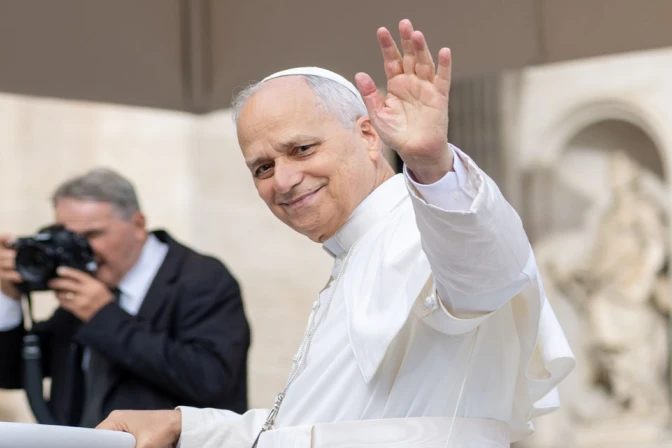
A March NBC poll found that American voters hold Pope Leo XIV in highest esteem among other public personalities.

Read More
Pakistani Christians join Muslims for Ramadan meals amid Iran war fallout #Catholic LAHORE, Pakistan — White bedsheets for Muslim worshippers were laid on the grassy lawn outside the Dominican Peace Center in Punjab an hour before the annual interfaith iftar — the fast-breaking meal during Ramadan.The aroma of crispy pakoras (fritters), dried dates, rose-flavored Rooh Afza, and dahi bhallay (lentil dumplings in yogurt) drew guests to the dining tables after they finished reciting their iftar prayers in Lahore, the provincial capital.Dominican Father James Channan, director of the center, has hosted such interfaith gatherings for 25 years in a country where religious tensions have periodically turned violent.
 
 Dominican Father James Channan speaks at a combined International Women’s Day and interfaith iftar program at the Dominican Peace Center in Lahore, Pakistan, on March 8, 2026. | Credit: Kamran Chaudhry
 
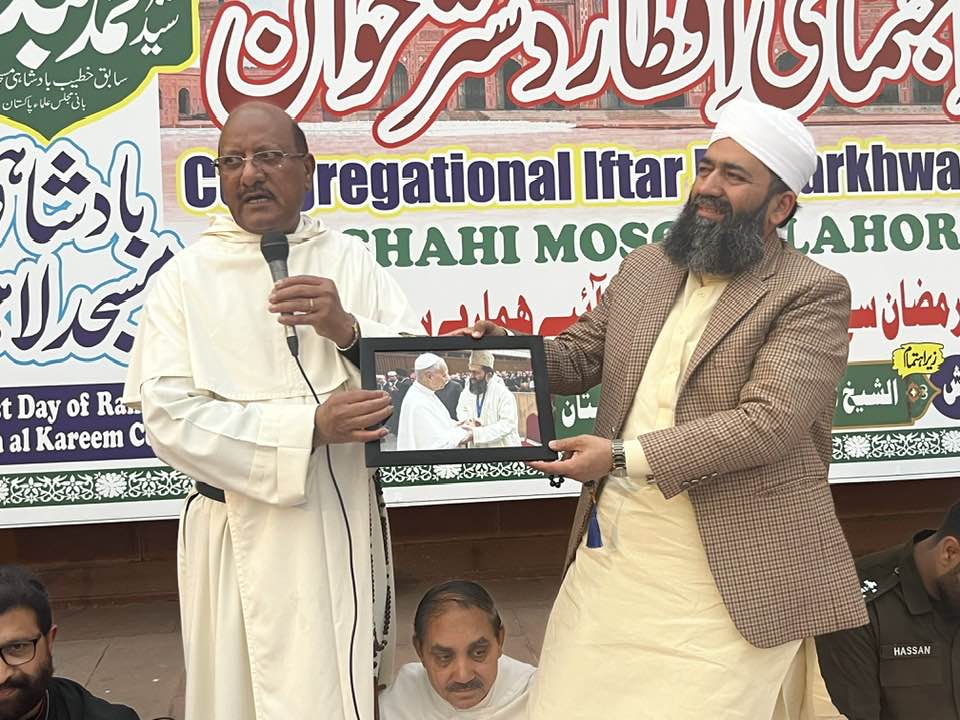
 “Table friendships are very important in our context. People attending such forums highlight them on social media, reaching millions,” he told EWTN News at the sidelines of the program, timed with International Women’s Day on March 8.“The combined meals and prayer services have helped curb trends of church attacks that followed U.S. wars in Muslim countries.”Pakistani Christians have faced multiple terrorist attacks since October 2001, after the United States — seen by many Pakistani Muslims as a Christian nation — launched its military campaign in Afghanistan.“It’s a bitter past. Churches and Christian settlements were considered soft targets. The ongoing conflicts are not crusades; they are wars of interest,” Channan said.Interfaith meals continue despite unrestInterfaith gatherings continued this year even as protests against U.S. and Israeli strikes on Iran left 26 dead in Pakistan.Church leaders joined clerics in prayers for peace and shared meals at mosques, church premises, and hotels across six dioceses and one apostolic vicariate, as Middle East air travel disruption and rising fuel prices added regional tension.Many Pakistanis view the United States and Western Europe as Christian nations, and some militant groups target local Christians as linked to these “Christian countries.”Communal tensions have also erupted locally. In May 2024, a mob attacked 74-year-old Christian Nazir Masih over alleged blasphemy in Sargodha. He later died of his injuries. In August 2023, violence in Jaranwala destroyed 26 churches and 80 Christian homes following allegations of Quran desecration.In a Feb. 17 message, Archbishop Joseph Arshad of Rawalpindi-Islamabad invited Christians and Muslims to offer special prayers for peace as Lent and Ramadan coincided this year. He encouraged people of both faiths “to visit one another, exchange greetings with respect, and unite in serving vulnerable segments of society.”Joint events across PakistanIn Multan, over 82 participants attended a Feb. 28 iftar jointly organized by the Catholic Commission for Inter-Religious Dialogue and Ecumenism; Saiban-e-Pakistan, a state peace initiative; and the Centre of Excellence on Countering Violent Extremism.A day earlier in Lahore, Channan and four Catholic priests attended the fast-breaking event at the Badshahi Mosque, the country’s second-largest mosque. He presented a framed photo of Abdul Khabeer Azad, the mosque’s “khateeb” (prayer leader), who met Pope Leo XIV in October 2025 at the “Christian-Muslim Dialogue and Daring Peace” conference in Rome organized by the Community of Sant’Egidio.
 
 Guests share the interfaith iftar meal at the Dominican Peace Center in Lahore on March 8, 2026. | Credit: Kamran Chaudhry
 
 Among 120 guests at the Dominican iftar was Muslim speaker Shehzad Qaiser. The event, held in collaboration with groups including the Seventh-day Adventist Church, highlighted ongoing social challenges.The head of external affairs at Sundas Foundation, which supports patients with blood disorders, agreed that Christians face discrimination in some offices and some Muslims refuse the food prepared by Christians.“It is very important to share our common practices, joys, and sorrows. Religious leaders have the duty to raise awareness. Sadly some mistake local Christians as ‘kafir’ (infidels),” Qaiser said.“During Ramadan, people distribute free meals to everyone without asking their religion. Blood donors don’t discriminate either. This is the real spirit of Ramadan and Lent.”

Pakistani Christians join Muslims for Ramadan meals amid Iran war fallout #Catholic LAHORE, Pakistan — White bedsheets for Muslim worshippers were laid on the grassy lawn outside the Dominican Peace Center in Punjab an hour before the annual interfaith iftar — the fast-breaking meal during Ramadan.The aroma of crispy pakoras (fritters), dried dates, rose-flavored Rooh Afza, and dahi bhallay (lentil dumplings in yogurt) drew guests to the dining tables after they finished reciting their iftar prayers in Lahore, the provincial capital.Dominican Father James Channan, director of the center, has hosted such interfaith gatherings for 25 years in a country where religious tensions have periodically turned violent. Dominican Father James Channan speaks at a combined International Women’s Day and interfaith iftar program at the Dominican Peace Center in Lahore, Pakistan, on March 8, 2026. | Credit: Kamran Chaudhry “Table friendships are very important in our context. People attending such forums highlight them on social media, reaching millions,” he told EWTN News at the sidelines of the program, timed with International Women’s Day on March 8.“The combined meals and prayer services have helped curb trends of church attacks that followed U.S. wars in Muslim countries.”Pakistani Christians have faced multiple terrorist attacks since October 2001, after the United States — seen by many Pakistani Muslims as a Christian nation — launched its military campaign in Afghanistan.“It’s a bitter past. Churches and Christian settlements were considered soft targets. The ongoing conflicts are not crusades; they are wars of interest,” Channan said.Interfaith meals continue despite unrestInterfaith gatherings continued this year even as protests against U.S. and Israeli strikes on Iran left 26 dead in Pakistan.Church leaders joined clerics in prayers for peace and shared meals at mosques, church premises, and hotels across six dioceses and one apostolic vicariate, as Middle East air travel disruption and rising fuel prices added regional tension.Many Pakistanis view the United States and Western Europe as Christian nations, and some militant groups target local Christians as linked to these “Christian countries.”Communal tensions have also erupted locally. In May 2024, a mob attacked 74-year-old Christian Nazir Masih over alleged blasphemy in Sargodha. He later died of his injuries. In August 2023, violence in Jaranwala destroyed 26 churches and 80 Christian homes following allegations of Quran desecration.In a Feb. 17 message, Archbishop Joseph Arshad of Rawalpindi-Islamabad invited Christians and Muslims to offer special prayers for peace as Lent and Ramadan coincided this year. He encouraged people of both faiths “to visit one another, exchange greetings with respect, and unite in serving vulnerable segments of society.”Joint events across PakistanIn Multan, over 82 participants attended a Feb. 28 iftar jointly organized by the Catholic Commission for Inter-Religious Dialogue and Ecumenism; Saiban-e-Pakistan, a state peace initiative; and the Centre of Excellence on Countering Violent Extremism.A day earlier in Lahore, Channan and four Catholic priests attended the fast-breaking event at the Badshahi Mosque, the country’s second-largest mosque. He presented a framed photo of Abdul Khabeer Azad, the mosque’s “khateeb” (prayer leader), who met Pope Leo XIV in October 2025 at the “Christian-Muslim Dialogue and Daring Peace” conference in Rome organized by the Community of Sant’Egidio. Guests share the interfaith iftar meal at the Dominican Peace Center in Lahore on March 8, 2026. | Credit: Kamran Chaudhry Among 120 guests at the Dominican iftar was Muslim speaker Shehzad Qaiser. The event, held in collaboration with groups including the Seventh-day Adventist Church, highlighted ongoing social challenges.The head of external affairs at Sundas Foundation, which supports patients with blood disorders, agreed that Christians face discrimination in some offices and some Muslims refuse the food prepared by Christians.“It is very important to share our common practices, joys, and sorrows. Religious leaders have the duty to raise awareness. Sadly some mistake local Christians as ‘kafir’ (infidels),” Qaiser said.“During Ramadan, people distribute free meals to everyone without asking their religion. Blood donors don’t discriminate either. This is the real spirit of Ramadan and Lent.”

Church leaders and Muslim clerics shared Ramadan fast-breaking meals across six Pakistani dioceses this year as the overlap of Lent and Ramadan inspired joint prayers for peace.
Read More

Looking for a sky event this week? Check out our full Sky This Week column.  March 8: Spiral galaxy NGC 2541 The Galilean moon Callisto disappears behind Jupiter in an occultation early this morning. The catch is that the event is only visible from the western half of the U.S., but observers farther east can still watchContinue reading “The Sky Today on Monday, March 9: Callisto’s disappearing act”

The post The Sky Today on Monday, March 9: Callisto’s disappearing act appeared first on Astronomy Magazine.

Read More