Day: March 10, 2026

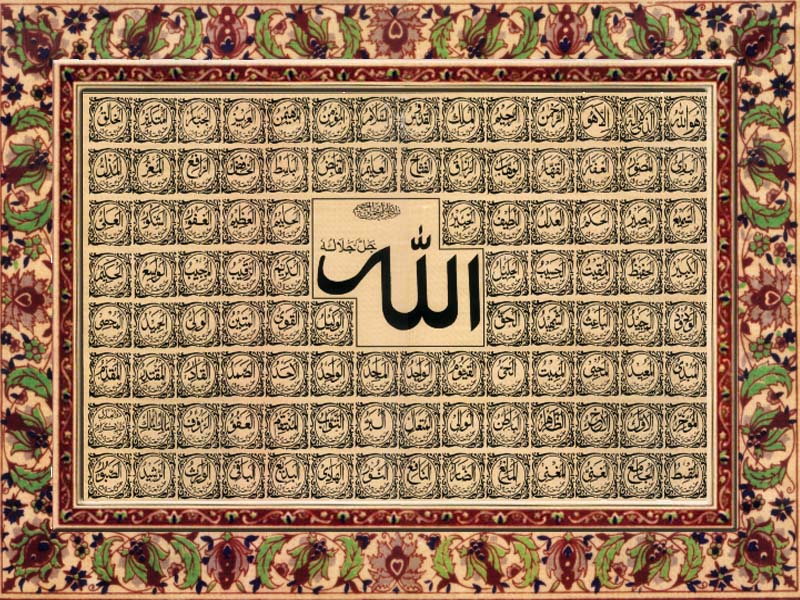
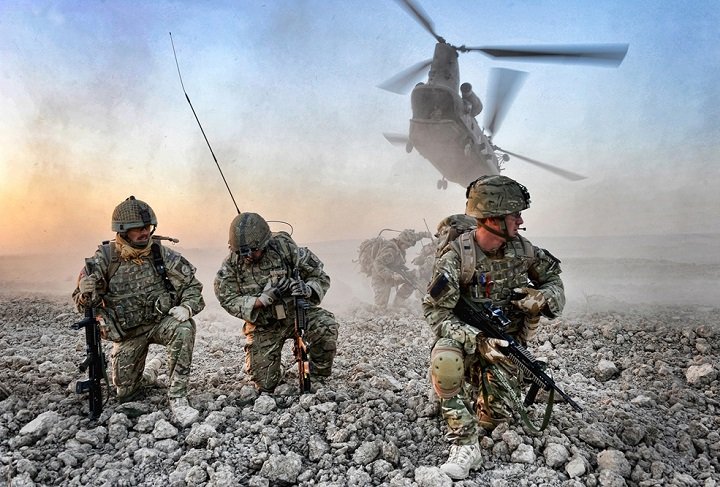
9 Most Dangerous Places To Be A Christian #BabylonBee – While many American Evangelicals often lose sight of it, the reality is that there are still places throughout the world where it is dangerous to live as a Christian. But where are the most dangerous places?

While many American Evangelicals often lose sight of it, the reality is that there are still places throughout the world where it is dangerous to live as a Christian. But where are the most dangerous places?

Read More

O My God,
I love you above all things,
with my whole heart and soul,
because you are all-good and worthy of all love.
I love my neighbor as myself for the love of you.
I forgive all who have injured me,
and ask pardon of all whom I have injured.

Amen.

Read More

Gospel and Word of the Day – 11 March 2026 – A reading from the Book of Deuteronomy 4:1, 5-9 Moses spoke to the people and said: "Now, Israel, hear the statutes and decrees which I am teaching you to observe, that you may live, and may enter in and take possession of the land which the LORD, the God of your fathers, is giving you. Therefore, I teach you the statutes and decrees as the LORD, my God, has commanded me, that you may observe them in the land you are entering to occupy. Observe them carefully, for thus will you give evidence of your wisdom and intelligence to the nations, who will hear of all these statutes and say, ‘This great nation is truly a wise and intelligent people.’ For what great nation is there that has gods so close to it as the LORD, our God, is to us whenever we call upon him? Or what great nation has statutes and decrees that are as just as this whole law which I am setting before you today? "However, take care and be earnestly on your guard not to forget the things which your own eyes have seen, nor let them slip from your memory as long as you live, but teach them to your children and to your children’s children."From the Gospel according to Matthew 5:17-19 Jesus said to his disciples: “Do not think that I have come to abolish the law or the prophets. I have come not to abolish but to fulfill. Amen, I say to you, until heaven and earth pass away, not the smallest letter or the smallest part of a letter will pass from the law, until all things have taken place. Therefore, whoever breaks one of the least of these commandments and teaches others to do so will be called least in the Kingdom of heaven. But whoever obeys and teaches these commandments will be called greatest in the Kingdom of heaven.”In the Gospel of today’s liturgy, Jesus says: “Think not that I have come to abolish the law and the prophets; I have come not to abolish them but to fulfil them” (Mt 5:17). […] Jesus makes us understand that religious rules are necessary, they are good, but they are only the beginning: to fulfil them, it is necessary to go beyond the letter and live their meaning. The commandments that God gave us should not be locked up in the airless vaults of formal observance; otherwise, we are limited to an exterior, detached religiosity, servants of “God the master” rather than children of “God the Father”. Jesus wants this: not to have the idea of serving a God who is master, but Father; and this is why it is necessary to go beyond the letter. Brothers and sisters, this problem was present not only in Jesus’ time; it is there today too. At times, for example, we hear some say, “Father, I have not killed, I have not stolen, I have not harmed anyone…”, as if to say, “I am fine”. This is formal observance, which is satisfied with the bare minimum, whereas Jesus invites us to aspire to the maximum possible. That is: God does not reason with calculations and tables; he loves us as one who is enamoured: not to the minimum, but to the maximum! He does not say, “I love you up to a certain point”. No, true love is never up to a certain point, and is never satisfied; love always goes beyond, it cannot do otherwise. The Lord showed us this by giving his life on the cross and forgiving his murderers (cf. Lk 23:34). And he entrusted to us the commandment most dear to him: that we love one another like he  loved us (cf. Jn 15:12). This is the love that gives fulfilment to the Law, to faith, to true life! (Francis – Angelus, 12 February 2023)  

A reading from the Book of Deuteronomy
4:1, 5-9

Moses spoke to the people and said:
"Now, Israel, hear the statutes and decrees
which I am teaching you to observe,
that you may live, and may enter in and take possession of the land
which the LORD, the God of your fathers, is giving you.
Therefore, I teach you the statutes and decrees
as the LORD, my God, has commanded me,
that you may observe them in the land you are entering to occupy.
Observe them carefully,
for thus will you give evidence
of your wisdom and intelligence to the nations,
who will hear of all these statutes and say,
‘This great nation is truly a wise and intelligent people.’
For what great nation is there
that has gods so close to it as the LORD, our God, is to us
whenever we call upon him?
Or what great nation has statutes and decrees
that are as just as this whole law
which I am setting before you today?

"However, take care and be earnestly on your guard
not to forget the things which your own eyes have seen,
nor let them slip from your memory as long as you live,
but teach them to your children and to your children’s children."

From the Gospel according to Matthew
5:17-19

Jesus said to his disciples:
“Do not think that I have come to abolish the law or the prophets.
I have come not to abolish but to fulfill.
Amen, I say to you, until heaven and earth pass away,
not the smallest letter or the smallest part of a letter
will pass from the law,
until all things have taken place.
Therefore, whoever breaks one of the least of these commandments
and teaches others to do so
will be called least in the Kingdom of heaven.
But whoever obeys and teaches these commandments
will be called greatest in the Kingdom of heaven.”

In the Gospel of today’s liturgy, Jesus says: “Think not that I have come to abolish the law and the prophets; I have come not to abolish them but to fulfil them” (Mt 5:17). […] Jesus makes us understand that religious rules are necessary, they are good, but they are only the beginning: to fulfil them, it is necessary to go beyond the letter and live their meaning. The commandments that God gave us should not be locked up in the airless vaults of formal observance; otherwise, we are limited to an exterior, detached religiosity, servants of “God the master” rather than children of “God the Father”. Jesus wants this: not to have the idea of serving a God who is master, but Father; and this is why it is necessary to go beyond the letter. Brothers and sisters, this problem was present not only in Jesus’ time; it is there today too. At times, for example, we hear some say, “Father, I have not killed, I have not stolen, I have not harmed anyone…”, as if to say, “I am fine”. This is formal observance, which is satisfied with the bare minimum, whereas Jesus invites us to aspire to the maximum possible. That is: God does not reason with calculations and tables; he loves us as one who is enamoured: not to the minimum, but to the maximum! He does not say, “I love you up to a certain point”. No, true love is never up to a certain point, and is never satisfied; love always goes beyond, it cannot do otherwise. The Lord showed us this by giving his life on the cross and forgiving his murderers (cf. Lk 23:34). And he entrusted to us the commandment most dear to him: that we love one another like he  loved us (cf. Jn 15:12). This is the love that gives fulfilment to the Law, to faith, to true life! (Francis – Angelus, 12 February 2023)


Read More
Lebanon asks Vatican to help protect threatened Christian villages in the south – #Catholic – Lebanon is asking the Vatican to stand with Christian villages in the southern part of the country. In recent days, these communities were widely praised across Lebanese and international media after residents chose to remain in their homes despite the dangers around them. Caught between Hezbollah infiltrations and Israeli strikes, villagers insisted on staying in their ancestral lands.Lebanon’s Foreign Minister, Youssef Raggi, said on Tuesday he had contacted the Holy See to raise concerns about the situation. In a phone call with Archbishop Paul Gallagher, the Vatican’s Secretary for Relations with States, Raggi discussed the latest developments in Lebanon and the difficult conditions facing border villages in the south.He also asked the Holy See to intervene and mediate in order to help preserve the Christian presence in those villages, whose residents, he noted, have consistently supported the Lebanese state and its official military institutions.Gallagher, for his part, affirmed that the Holy See is making the necessary diplomatic contacts to help halt the escalation in Lebanon and prevent the displacement of citizens from their lands. He also assured that Lebanon remains in the prayers of Pope Leo.A worsening crisis for southern Lebanon’s Christian villagesThe foreign ministerʼs appeal comes as the situation for Christian border villages grows increasingly dire.On Monday, Father Pierre Rahi was killed in an Israeli strike on the Christian village of Qlayaa. According to local reports, Hezbollah militants had infiltrated the town, turning it into a potential target. Residents alerted Father Rahi, who reportedly went to confront the armed men and asked them to leave the village. The strike that followed killed him.His death shocked Lebanon and drew attention across the Catholic world, where many saw in him as a hero and shepherd who chose to remain with his community despite the dangers.It was not the first such tragedy. The day before, Youssef Al-Ghafri, a Christian farmer, was killed in the town of Alma al-Shaab in similar circumstances.On Tuesday, United Nations peacekeepers from UNIFIL escorted residents of Alma al-Shaab out of the village as they evacuated their homes. The residents had hoped to remain and had appealed for the Lebanese army to deploy and protect the town, but the protection did not materialize, forcing families to leave.There are now growing fears that other Christian towns along the border could face the same fate. The mayor of Rmeish, for example, said he received a warning call from an Israeli officer stating that the town itself is not considered a target, but that it would become one if Hezbollah militants entered it.The problem, residents say, is that these villages lack the presence of the Lebanese army needed to prevent such infiltrations, making it extremely difficult for local communities to control the situation.Caught between Israeli strikes and Hezbollah’s military adventures, Christian villagers fear they are paying the price of a conflict they oppose — at risk of becoming not only collateral damage, but also pawns in a wider regional confrontation.According to reports from An-Nahar, the Apostolic Nuncio to Lebanon, Archbishop Paolo Borgia, has scheduled a visit to the Christian border villages next Friday in a gesture of solidarity with their residents and in rejection of any plans that could lead to the displacement of those who remain. The visit aims to encourage villagers to remain in their homes and on their land despite the growing dangers.In addition, according to MTV Lebanon, the United States has intervened, in coordination with Israel, to help protect Christian villages in southern Lebanon. However, the sources said the main challenge remains the absence of the Lebanese army in these areas, which has made it difficult to prevent Hezbollah militants from entering the villages and turning them into potential targets.

Lebanon asks Vatican to help protect threatened Christian villages in the south – #Catholic – Lebanon is asking the Vatican to stand with Christian villages in the southern part of the country. In recent days, these communities were widely praised across Lebanese and international media after residents chose to remain in their homes despite the dangers around them. Caught between Hezbollah infiltrations and Israeli strikes, villagers insisted on staying in their ancestral lands.Lebanon’s Foreign Minister, Youssef Raggi, said on Tuesday he had contacted the Holy See to raise concerns about the situation. In a phone call with Archbishop Paul Gallagher, the Vatican’s Secretary for Relations with States, Raggi discussed the latest developments in Lebanon and the difficult conditions facing border villages in the south.He also asked the Holy See to intervene and mediate in order to help preserve the Christian presence in those villages, whose residents, he noted, have consistently supported the Lebanese state and its official military institutions.Gallagher, for his part, affirmed that the Holy See is making the necessary diplomatic contacts to help halt the escalation in Lebanon and prevent the displacement of citizens from their lands. He also assured that Lebanon remains in the prayers of Pope Leo.A worsening crisis for southern Lebanon’s Christian villagesThe foreign ministerʼs appeal comes as the situation for Christian border villages grows increasingly dire.On Monday, Father Pierre Rahi was killed in an Israeli strike on the Christian village of Qlayaa. According to local reports, Hezbollah militants had infiltrated the town, turning it into a potential target. Residents alerted Father Rahi, who reportedly went to confront the armed men and asked them to leave the village. The strike that followed killed him.His death shocked Lebanon and drew attention across the Catholic world, where many saw in him as a hero and shepherd who chose to remain with his community despite the dangers.It was not the first such tragedy. The day before, Youssef Al-Ghafri, a Christian farmer, was killed in the town of Alma al-Shaab in similar circumstances.On Tuesday, United Nations peacekeepers from UNIFIL escorted residents of Alma al-Shaab out of the village as they evacuated their homes. The residents had hoped to remain and had appealed for the Lebanese army to deploy and protect the town, but the protection did not materialize, forcing families to leave.There are now growing fears that other Christian towns along the border could face the same fate. The mayor of Rmeish, for example, said he received a warning call from an Israeli officer stating that the town itself is not considered a target, but that it would become one if Hezbollah militants entered it.The problem, residents say, is that these villages lack the presence of the Lebanese army needed to prevent such infiltrations, making it extremely difficult for local communities to control the situation.Caught between Israeli strikes and Hezbollah’s military adventures, Christian villagers fear they are paying the price of a conflict they oppose — at risk of becoming not only collateral damage, but also pawns in a wider regional confrontation.According to reports from An-Nahar, the Apostolic Nuncio to Lebanon, Archbishop Paolo Borgia, has scheduled a visit to the Christian border villages next Friday in a gesture of solidarity with their residents and in rejection of any plans that could lead to the displacement of those who remain. The visit aims to encourage villagers to remain in their homes and on their land despite the growing dangers.In addition, according to MTV Lebanon, the United States has intervened, in coordination with Israel, to help protect Christian villages in southern Lebanon. However, the sources said the main challenge remains the absence of the Lebanese army in these areas, which has made it difficult to prevent Hezbollah militants from entering the villages and turning them into potential targets.

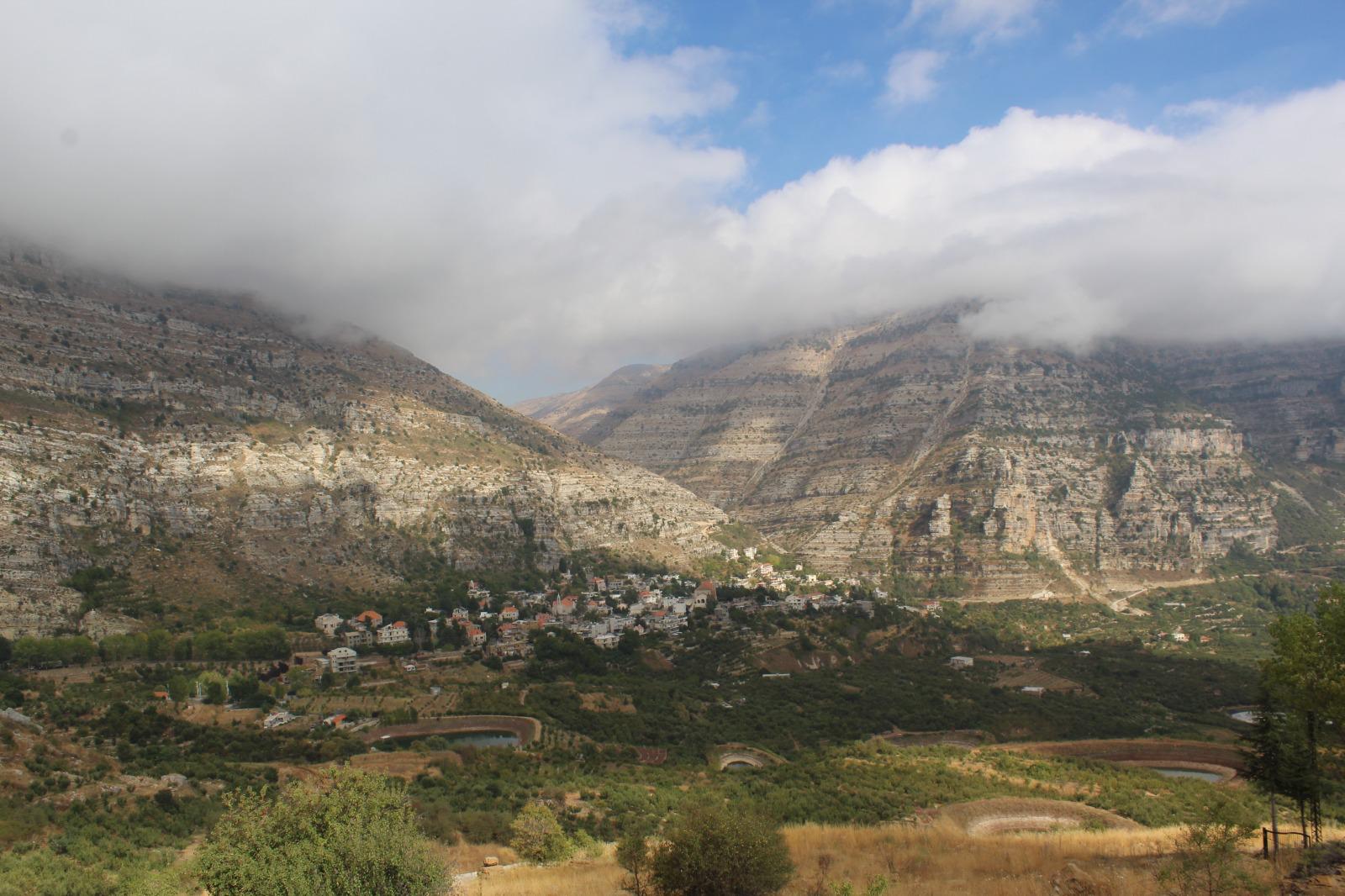
Caught between Hezbollah and Israeli strikes, Lebanon’s Christian villages in the South seek Vatican support.
Read More
Several cardinals show grave concern about Iran war; McElroy says it’s not a just war - #Catholic - Several members of the Catholic hierarchy are expressing grave concerns about the American and Israeli military conflict with Iran, and at least one cardinal said the U.S. decision to launch the initial attacks fails to meet the criteria of a “just war” based on Catholic criteria.President Donald Trump and Israeli Prime Minister Benjamin Netanyahu ordered joint strikes on Iran on Feb. 28 amid inconclusive U.S.-Iranian negotiations related to uranium enrichment. In response, Iran launched strikes on U.S. bases and forces, Israel, and the Gulf states.“At this present moment, the U.S. decision to go to war against Iran fails to meet the just war threshold for a morally legitimate war in at least three requirements,” Cardinal Robert McElroy, archbishop of Washington, D.C., said in an interview with the archdiocesan Catholic Standard.McElroy noted that the Church recognizes six conditions for a war to be just. The war must be waged by a proper authority, it must have a just cause, it must have the right intention, it must have a reasonable chance of success, it must be a last resort, and the damage caused by the war must not be more harmful than the evil it is meant to destroy.“The criterion of just cause is not met because our country was not responding to an existing or imminent and objectively verifiable attack by Iran,” McElroy said.
 
 Cardinal Robert McElroy of the Archdiocese of Washington, D.C. speaks at the University of Notre Dame Forum event on ‘Healing Our National Dialogue and Political Life’ on Oct. 17, 2025. | Credit: Courtesy of Michael Caterina / University of Notre Dame
 
 Just prior to the attack, Omanʼs Foreign Minister Badr al-Busaidi, a key mediator in the negotiations between the two countries, told CBS News that Iran was prepared to make major concessions, including a lower level of enrichment, a reduction of its enriched uranium stockpile, and inspections. On March 3, three days after the attack, Trump said “it was my opinion [Iran was] going to attack first.”McElroy said the “right intention” criterion is also not met: “One of the most worrying elements of these first days of the war in Iran is that our goals and intentions are absolutely unclear, ranging from the destruction of Iran’s conventional and nuclear weapons potential to the overthrow of its regime to the establishment of a democratic government to unconditional surrender.”At times, Trump has said he would potentially work with new Iranian leaders but has also urged the Iranian people to overthrow the government at other times. The previous supreme leader, Ali Khamenei, was killed in a strike and has been replaced by his son, Mojtaba Khamenei. Iran has not shown any interest in returning to negotiations or making more concessions since the war began.McElroy also said “it is far from clear that the benefits of this war will outweigh the harm which will be done.” He called the Middle East “the most unstable region in the world, and the most unpredictable.”“Already the war has had unintended consequences,” McElroy said. “Iran’s morally despicable decision to target its neighbors in the region has spread the expanse of destruction. Lebanon may fall into civil war. The world’s oil supply is under great strain. The potential disintegration of Iran could well produce new and dangerous realities. And the possibility of immense casualties on all sides is immense.”More cardinals echo concernsOther cardinals have also publicly conveyed their concerns about the conflict, including Vatican Secretary of State Cardinal Pietro Parolin.Parolin told Vatican News that “this erosion of international law is truly worrying: justice has given way to force; the force of law has been replaced by the law of force.”He said people in the Middle East, including Christians, have been “plunged into the horror of war, which brutally shatters human lives, brings destruction, and drags entire nations into spirals of violence with uncertain outcomes.”“The Holy See prefers to recall the need to use all the instruments offered by diplomacy in order to resolve disputes among states,” Parolin said. “History has already taught us that only politics — through the hard work of negotiation and attention to balancing interests — can increase trust among peoples, promote development, and preserve peace.”Cardinal Blase Cupich, archbishop of Chicago, criticized the administration’s characterization of the war, especially an X post from the White House that showed videos of American strikes with the caption “JUSTICE THE AMERICAN WAY” in all capitalized letters.In a statement, Cupich said “more than 1,000 Iranian men, women and children lay dead after days of bombardment,” and added: “A real war with real death and real suffering being treated like it’s a video game — it’s sickening.”
 
 Cardinal Blase Cupich of Chicago speaks at a Georgetown University forum Oct. 30, 2025. | Credit: Madalaine Elhabbal/CNA
 
 “Hundreds of people are dead, mothers and fathers, daughters and sons, including scores of children who made the fatal mistake of going to school that day,” he added. “Six U.S. soldiers have been killed. They are also dishonored by that social media post. Hundreds of thousands displaced, and many millions more are terrified across the Middle East.”Following the publication of the statement, a seventh member of the U.S. armed forces was confirmed dead.Cupich accused the government of “treating the suffering of the Iranian people as a backdrop for our own entertainment, as if it’s just another piece of content to be swiped through while we’re waiting in line at the grocery store.” He warned that “in the end, we lose our humanity when we are thrilled by the destructive power of our military.”Cardinal Pablo Virgilio David, vice president of the Federation of Asian Bishops’ Conferences (FABC), raised similar concerns as Cupich, and commented on how technology changes how war is conducted.“From distant command centers, military operators stare at screens where maps, radar signals, and algorithm-generated targets move like icons in a computer game,” he told Vatican News. “A cursor moves. A coordinate is selected. A click is made. And a missile is launched."When asked about who benefits from the war and who does not, David said “industries that manufacture weapons” benefit financially from the conflict.“Certainly not the families who bury their dead,” David said. “Certainly not the workers who suddenly find themselves trapped in a war zone far from home. Certainly not the poor nations that will absorb the economic shock.”Cardinal Domenico Battaglia, archbishop of Naples, wrote a critique of the war in poetic form in Italian, addressed to the “merchants of death.”“I write to you from this trembling land,” he wrote. “It trembles under the footsteps of the poor, under the crying of children, under the silence of the innocent, under the fierce noise of the weapons you have built, sold, blessed by your cynicism.”Battaglia asked those perpetuating the war to “stop,” to “convert,” and to listen to the words of Jesus Christ, as expressed in the Beatitudes.“Blessed are the peacemakers, for they will be called children of God,” Christ said in Matthew 5:9.

Several cardinals show grave concern about Iran war; McElroy says it’s not a just war – #Catholic – Several members of the Catholic hierarchy are expressing grave concerns about the American and Israeli military conflict with Iran, and at least one cardinal said the U.S. decision to launch the initial attacks fails to meet the criteria of a “just war” based on Catholic criteria.President Donald Trump and Israeli Prime Minister Benjamin Netanyahu ordered joint strikes on Iran on Feb. 28 amid inconclusive U.S.-Iranian negotiations related to uranium enrichment. In response, Iran launched strikes on U.S. bases and forces, Israel, and the Gulf states.“At this present moment, the U.S. decision to go to war against Iran fails to meet the just war threshold for a morally legitimate war in at least three requirements,” Cardinal Robert McElroy, archbishop of Washington, D.C., said in an interview with the archdiocesan Catholic Standard.McElroy noted that the Church recognizes six conditions for a war to be just. The war must be waged by a proper authority, it must have a just cause, it must have the right intention, it must have a reasonable chance of success, it must be a last resort, and the damage caused by the war must not be more harmful than the evil it is meant to destroy.“The criterion of just cause is not met because our country was not responding to an existing or imminent and objectively verifiable attack by Iran,” McElroy said. Cardinal Robert McElroy of the Archdiocese of Washington, D.C. speaks at the University of Notre Dame Forum event on ‘Healing Our National Dialogue and Political Life’ on Oct. 17, 2025. | Credit: Courtesy of Michael Caterina / University of Notre Dame Just prior to the attack, Omanʼs Foreign Minister Badr al-Busaidi, a key mediator in the negotiations between the two countries, told CBS News that Iran was prepared to make major concessions, including a lower level of enrichment, a reduction of its enriched uranium stockpile, and inspections. On March 3, three days after the attack, Trump said “it was my opinion [Iran was] going to attack first.”McElroy said the “right intention” criterion is also not met: “One of the most worrying elements of these first days of the war in Iran is that our goals and intentions are absolutely unclear, ranging from the destruction of Iran’s conventional and nuclear weapons potential to the overthrow of its regime to the establishment of a democratic government to unconditional surrender.”At times, Trump has said he would potentially work with new Iranian leaders but has also urged the Iranian people to overthrow the government at other times. The previous supreme leader, Ali Khamenei, was killed in a strike and has been replaced by his son, Mojtaba Khamenei. Iran has not shown any interest in returning to negotiations or making more concessions since the war began.McElroy also said “it is far from clear that the benefits of this war will outweigh the harm which will be done.” He called the Middle East “the most unstable region in the world, and the most unpredictable.”“Already the war has had unintended consequences,” McElroy said. “Iran’s morally despicable decision to target its neighbors in the region has spread the expanse of destruction. Lebanon may fall into civil war. The world’s oil supply is under great strain. The potential disintegration of Iran could well produce new and dangerous realities. And the possibility of immense casualties on all sides is immense.”More cardinals echo concernsOther cardinals have also publicly conveyed their concerns about the conflict, including Vatican Secretary of State Cardinal Pietro Parolin.Parolin told Vatican News that “this erosion of international law is truly worrying: justice has given way to force; the force of law has been replaced by the law of force.”He said people in the Middle East, including Christians, have been “plunged into the horror of war, which brutally shatters human lives, brings destruction, and drags entire nations into spirals of violence with uncertain outcomes.”“The Holy See prefers to recall the need to use all the instruments offered by diplomacy in order to resolve disputes among states,” Parolin said. “History has already taught us that only politics — through the hard work of negotiation and attention to balancing interests — can increase trust among peoples, promote development, and preserve peace.”Cardinal Blase Cupich, archbishop of Chicago, criticized the administration’s characterization of the war, especially an X post from the White House that showed videos of American strikes with the caption “JUSTICE THE AMERICAN WAY” in all capitalized letters.In a statement, Cupich said “more than 1,000 Iranian men, women and children lay dead after days of bombardment,” and added: “A real war with real death and real suffering being treated like it’s a video game — it’s sickening.” Cardinal Blase Cupich of Chicago speaks at a Georgetown University forum Oct. 30, 2025. | Credit: Madalaine Elhabbal/CNA “Hundreds of people are dead, mothers and fathers, daughters and sons, including scores of children who made the fatal mistake of going to school that day,” he added. “Six U.S. soldiers have been killed. They are also dishonored by that social media post. Hundreds of thousands displaced, and many millions more are terrified across the Middle East.”Following the publication of the statement, a seventh member of the U.S. armed forces was confirmed dead.Cupich accused the government of “treating the suffering of the Iranian people as a backdrop for our own entertainment, as if it’s just another piece of content to be swiped through while we’re waiting in line at the grocery store.” He warned that “in the end, we lose our humanity when we are thrilled by the destructive power of our military.”Cardinal Pablo Virgilio David, vice president of the Federation of Asian Bishops’ Conferences (FABC), raised similar concerns as Cupich, and commented on how technology changes how war is conducted.“From distant command centers, military operators stare at screens where maps, radar signals, and algorithm-generated targets move like icons in a computer game,” he told Vatican News. “A cursor moves. A coordinate is selected. A click is made. And a missile is launched."When asked about who benefits from the war and who does not, David said “industries that manufacture weapons” benefit financially from the conflict.“Certainly not the families who bury their dead,” David said. “Certainly not the workers who suddenly find themselves trapped in a war zone far from home. Certainly not the poor nations that will absorb the economic shock.”Cardinal Domenico Battaglia, archbishop of Naples, wrote a critique of the war in poetic form in Italian, addressed to the “merchants of death.”“I write to you from this trembling land,” he wrote. “It trembles under the footsteps of the poor, under the crying of children, under the silence of the innocent, under the fierce noise of the weapons you have built, sold, blessed by your cynicism.”Battaglia asked those perpetuating the war to “stop,” to “convert,” and to listen to the words of Jesus Christ, as expressed in the Beatitudes.“Blessed are the peacemakers, for they will be called children of God,” Christ said in Matthew 5:9.

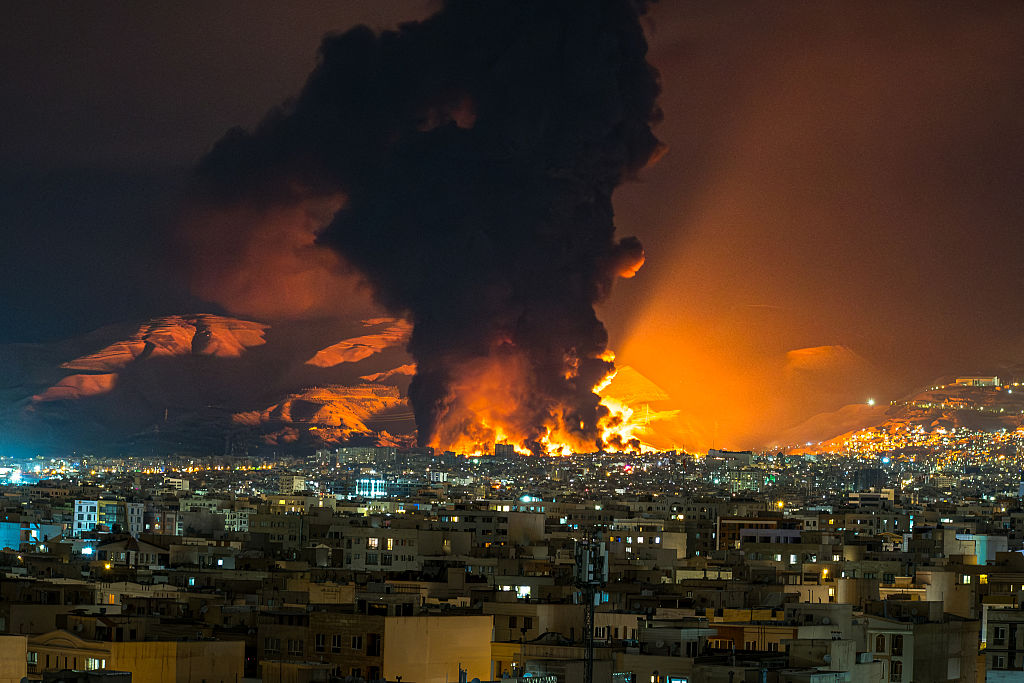
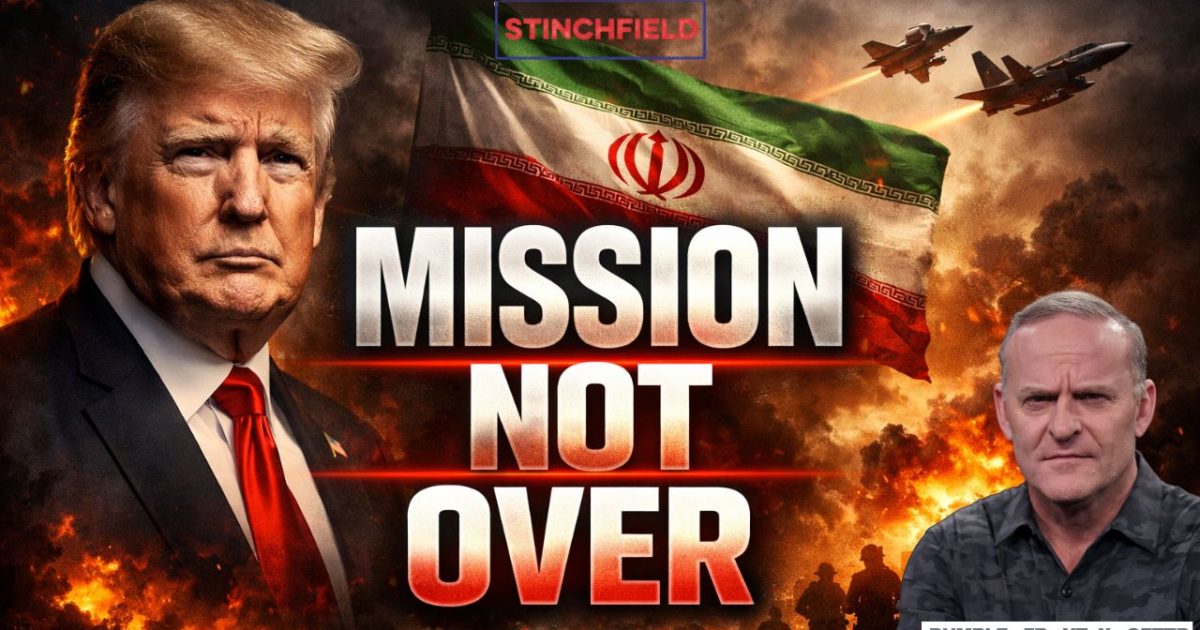
Cardinals in the United States and elsewhere are raising concerns about just war and about the death and destruction caused by the ongoing conflict with Iran.
Read More
Before he was killed, priest in Lebanon declared: ‘We will remain until death’ #Catholic In recent days, Christian villages in southern Lebanon have drawn widespread attention across media and social networks, praised for their resilience and peaceful resistance as many residents chose to remain in their homes despite the dangers of ongoing hostilities. But on Monday, that resilience took a tragic turn. What had become a symbol of persistence turned into a scene of martyrdom, when a Catholic parish priest was killed in an Israeli strike that hit the border village of Qlayaa in southern Lebanon. Father Pierre Al Rahi, who had chosen to remain with his parishioners, died alongside the community he refused to abandon.According to local media reports, Hezbollah militants infiltrated the Christian town, turning it into a target for Israeli airstrikes. Residents alerted Rahi, who reportedly went to confront them and ask them to leave the village. The strike that killed him occurred around the same time.In one of his last television interviews before the strike, Rahi said: “We will remain here until death.”It was not the first time he had expressed such determination. During a previous round of the war in 2024, speaking from the same village of Qlayaa, he said: “We will not leave. We are projects of martyrdom, and we will not abandon our land.”His death sparked strong reactions among Lebanon’s Christian community, particularly from political and religious leaders. Fingers were pointed at both Israel and Hezbollah. In a statement, Lebanese Forces leader Samir Geagea confirmed that Hezbollah fighters had infiltrated the village of Qlayaa, triggering Israeli strikes that led to Rahi’s death.Father Dani Dergham, known for his political activism, wrote on X that during both the current war and previous rounds of fighting, Rahi had repeatedly warned about the presence of armed men among the peaceful residents of his town.Meanwhile, a video also circulated online showing Father Hanna Khoury, another priest from Qlayaa, saying that anyone whose presence or activities in the village are unknown should be considered a threat to the community, reflecting fears among residents about the infiltration of Hezbollah militants into the town.Rahi was not the only victim of the strikes. Several residents were injured, and earlier, community pages from Christian villages in southern Lebanon also announced the death of a Christian farmer, Sami Youssef Al-Ghafri — from the nearby town of Alma Al-Shaab — who was killed in the shelling.Christian residents of southern Lebanon have also been calling for the deployment of the Lebanese Army in their towns. They say they wish to remain on their land, fearing that if they evacuate, Hezbollah could use their villages to launch rockets, exposing them to destruction. Some also express concern that if Israel launches a ground operation, displacement could lead to the loss of their land.

Before he was killed, priest in Lebanon declared: ‘We will remain until death’ #Catholic In recent days, Christian villages in southern Lebanon have drawn widespread attention across media and social networks, praised for their resilience and peaceful resistance as many residents chose to remain in their homes despite the dangers of ongoing hostilities. But on Monday, that resilience took a tragic turn. What had become a symbol of persistence turned into a scene of martyrdom, when a Catholic parish priest was killed in an Israeli strike that hit the border village of Qlayaa in southern Lebanon. Father Pierre Al Rahi, who had chosen to remain with his parishioners, died alongside the community he refused to abandon.According to local media reports, Hezbollah militants infiltrated the Christian town, turning it into a target for Israeli airstrikes. Residents alerted Rahi, who reportedly went to confront them and ask them to leave the village. The strike that killed him occurred around the same time.In one of his last television interviews before the strike, Rahi said: “We will remain here until death.”It was not the first time he had expressed such determination. During a previous round of the war in 2024, speaking from the same village of Qlayaa, he said: “We will not leave. We are projects of martyrdom, and we will not abandon our land.”His death sparked strong reactions among Lebanon’s Christian community, particularly from political and religious leaders. Fingers were pointed at both Israel and Hezbollah. In a statement, Lebanese Forces leader Samir Geagea confirmed that Hezbollah fighters had infiltrated the village of Qlayaa, triggering Israeli strikes that led to Rahi’s death.Father Dani Dergham, known for his political activism, wrote on X that during both the current war and previous rounds of fighting, Rahi had repeatedly warned about the presence of armed men among the peaceful residents of his town.Meanwhile, a video also circulated online showing Father Hanna Khoury, another priest from Qlayaa, saying that anyone whose presence or activities in the village are unknown should be considered a threat to the community, reflecting fears among residents about the infiltration of Hezbollah militants into the town.Rahi was not the only victim of the strikes. Several residents were injured, and earlier, community pages from Christian villages in southern Lebanon also announced the death of a Christian farmer, Sami Youssef Al-Ghafri — from the nearby town of Alma Al-Shaab — who was killed in the shelling.Christian residents of southern Lebanon have also been calling for the deployment of the Lebanese Army in their towns. They say they wish to remain on their land, fearing that if they evacuate, Hezbollah could use their villages to launch rockets, exposing them to destruction. Some also express concern that if Israel launches a ground operation, displacement could lead to the loss of their land.

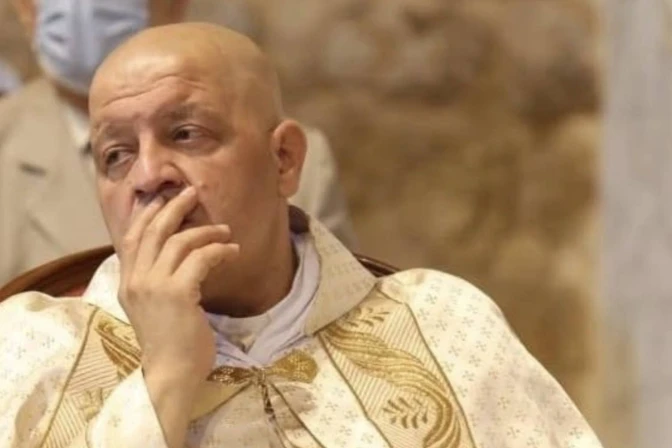
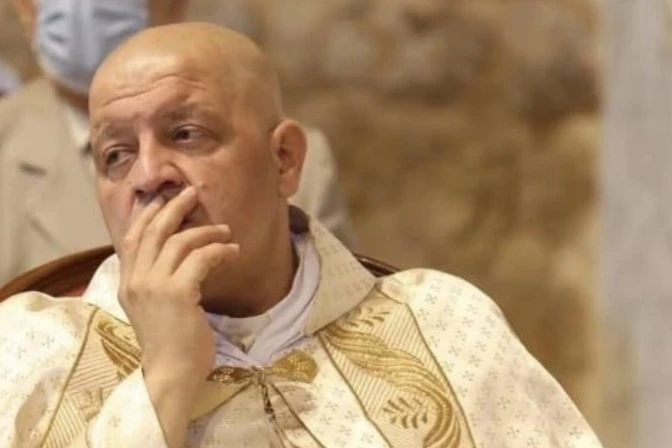
Father Pierre Rahi, a shepherd who refused to leave Southern Lebanon, was killed in Israeli strike.
Read More
Georgia appeals court blocks abuse suit against Atlanta Archdiocese, cites statute of limitations #Catholic A dozen alleged abuse victims suffered a defeat at a Georgia appeals court this week when their lawsuit against the Archdiocese of Atlanta was dismissed on the grounds that the alleged abuse did not fall under an extended statute of limitations. The case turned on whether or not the archdiocese had covered up the alleged clergy sexual abuse, which if true could have “tolled” the time limit for filing abuse claims. “Tolling” occurs when a statute of limitations is extended beyond a normal window, allowing alleged victims to file abuse claims years after they normally would have been barred from doing so. In the Atlanta case, a dozen alleged victims had filed numerous suits against the Archdiocese of Atlanta and numerous churches, claiming that Fathers John Edwards and Jorge Cristancho had abused them over multiple decades from the 1960s to the early 2000s. A lower court had dismissed the cases. The Georgia Court of Appeals on March 9 upheld the dismissal, arguing that the statute of limitations for the filings had expired and that the archdiocese had not committed any malfeasance that could have extended the filing window. The plaintiffs “failed to point to any evidence that the [the archdioceseʼs] actions concealed the Plaintiffs’ claims and prevented or hindered them from filing their lawsuits,” the ruling held. The alleged victims failed to prove that they “ever requested information from the [archdiocese] about their knowledge and involvement in the abuse, or that the [archdiocese] refused” to provide it. The three-judge panel acknowledged that it was “certainly mindful of the grievous circumstances involving heinous conduct which led to the filing of these cases.”Edwards and Cristancho are both listed by the archdiocese as “credibly accused” of sexual abuse. Edwards died in 1997; Cristancho was laicized in 2003. Statutes of limitations have been a key component of disputes in the U.S. Church for years, with lawmakers in recent years advocating and often passing bills retroactively extending the window for filing abuse claims. In 2023 Maryland passed the state Child Victims Act, which abolished a 20-year statute of limitations for civil child abuse suits. The Maryland Supreme Court ruled in 2025 that the law did not violate the state constitution.Numerous states such as New York, North Carolina, New Jersey, Colorado and others have enacted similar laws allowing for abuse victims to seek restitution for alleged incidents that occurred in decades past. Such legal arrangements are not limited to the United States. In January the Spanish Bishops’ Conference and the national government agreed to a compensation plan for abuse victims that will allow victims to file for restitution even if the alleged abuse falls outside of the standard statute of limitations.

Georgia appeals court blocks abuse suit against Atlanta Archdiocese, cites statute of limitations #Catholic A dozen alleged abuse victims suffered a defeat at a Georgia appeals court this week when their lawsuit against the Archdiocese of Atlanta was dismissed on the grounds that the alleged abuse did not fall under an extended statute of limitations. The case turned on whether or not the archdiocese had covered up the alleged clergy sexual abuse, which if true could have “tolled” the time limit for filing abuse claims. “Tolling” occurs when a statute of limitations is extended beyond a normal window, allowing alleged victims to file abuse claims years after they normally would have been barred from doing so. In the Atlanta case, a dozen alleged victims had filed numerous suits against the Archdiocese of Atlanta and numerous churches, claiming that Fathers John Edwards and Jorge Cristancho had abused them over multiple decades from the 1960s to the early 2000s. A lower court had dismissed the cases. The Georgia Court of Appeals on March 9 upheld the dismissal, arguing that the statute of limitations for the filings had expired and that the archdiocese had not committed any malfeasance that could have extended the filing window. The plaintiffs “failed to point to any evidence that the [the archdioceseʼs] actions concealed the Plaintiffs’ claims and prevented or hindered them from filing their lawsuits,” the ruling held. The alleged victims failed to prove that they “ever requested information from the [archdiocese] about their knowledge and involvement in the abuse, or that the [archdiocese] refused” to provide it. The three-judge panel acknowledged that it was “certainly mindful of the grievous circumstances involving heinous conduct which led to the filing of these cases.”Edwards and Cristancho are both listed by the archdiocese as “credibly accused” of sexual abuse. Edwards died in 1997; Cristancho was laicized in 2003. Statutes of limitations have been a key component of disputes in the U.S. Church for years, with lawmakers in recent years advocating and often passing bills retroactively extending the window for filing abuse claims. In 2023 Maryland passed the state Child Victims Act, which abolished a 20-year statute of limitations for civil child abuse suits. The Maryland Supreme Court ruled in 2025 that the law did not violate the state constitution.Numerous states such as New York, North Carolina, New Jersey, Colorado and others have enacted similar laws allowing for abuse victims to seek restitution for alleged incidents that occurred in decades past. Such legal arrangements are not limited to the United States. In January the Spanish Bishops’ Conference and the national government agreed to a compensation plan for abuse victims that will allow victims to file for restitution even if the alleged abuse falls outside of the standard statute of limitations.

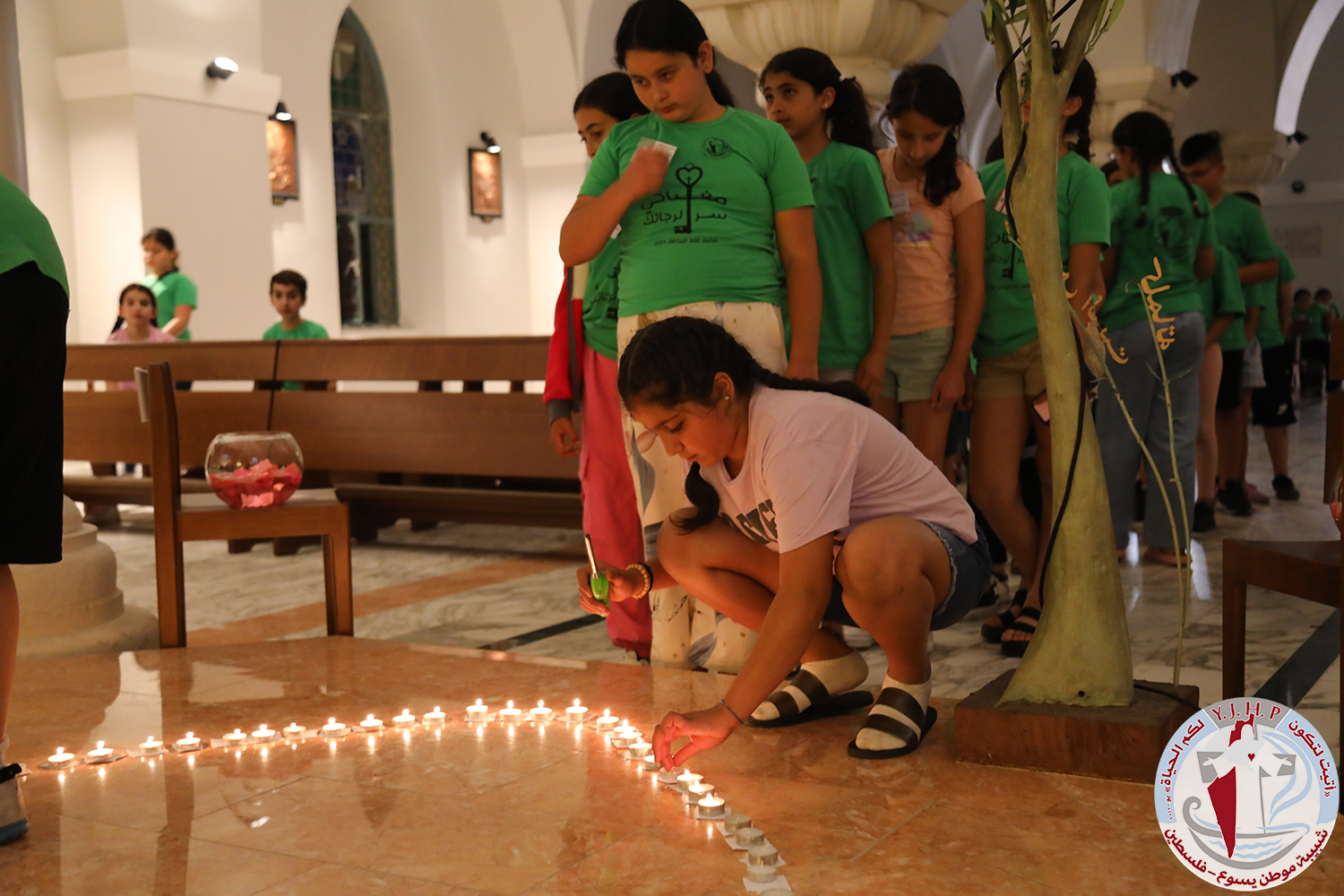
The statute of limitations could not be extended due to a lack of evidence of fraud by the archdiocese, the court said.

Read More
Aid to the Church in Need warns escalating violence threatens survival of Middle East Christians – #Catholic – Aid to the Church in Need (ACN) has expressed deep concern over the security and humanitarian challenges posed by renewed violence in the Middle East, warning that the spiral of conflict could threaten the region’s already fragile Christian communities and even bring an end to the Christian presence in the Middle East if the pressures exceed their capacity to endure.Regina Lynch, executive president of ACN, told ACI MENA, the Arabic-language sister service of EWTN News, that the desire to preserve the historic Christian presence in the Middle East and prevent its disappearance is self-evident. She said any new war would come at a heavy cost, one borne first and foremost by civilians, especially Christians, who are often among the weakest and least able to defend themselves.A growing challenge in LebanonLynch said the greatest concern at present is focused on Lebanon, where the challenge is worsening as thousands of people are already being displaced, according to ACN teams working on the ground. “The Lebanese, like all peoples, long for peace and hope for a chance to help their country recover from the many challenges it faces. But once again, they find themselves the victims of renewed conflict,” she said.
 
 Regina Lynch, executive president of Aid to the Church in Need (ACN). | Credit: Photo courtesy of Aid to the Church in Need
 
 A catastrophic situation in GazaIn the Holy Land, Lynch described the humanitarian situation in Gaza as still catastrophic. She warned that any further obstruction of aid deliveries would place the resilient Catholic parish there, along with thousands of people who depend on its assistance, at grave risk. In the West Bank, where many Christian families rely on tourism as a main source of income, Lynch said renewed instability threatens their livelihoods at a time when they had been hoping for an increase in pilgrims and visitors during the Easter season.Prayer, solidarity, and hopeFor decades, Aid to the Church in Need has supported Christian communities in the Middle East. Lynch affirmed that the foundation will continue its work, while calling for prayer and solidarity.“Despite the difficult circumstances, parishes and religious communities continue distributing food, running schools, sheltering displaced families, and promoting reconciliation as much as possible,” she said. Lynch also highlighted the strength of faith and perseverance shown by Middle Eastern Christians despite centuries of persecution and discrimination. She added: “It is true that many have left, but others remain. We know many of them. Their faith is firm and alive. Their presence in these countries is a wonderful and steadfast seed of faith, and indeed a challenge to our own faith.”Most important investmentAccording to the latest statistics issued by ACN, funding allocated to the Middle East accounted for 17.5% of the foundation’s total aid. In this regard, Lynch stressed that ACN’s investments are not limited to buildings and projects. Rather, the human person remains its priority and most important investment.Lynch said that as Christians, the ACN workers’ hope does not fail, especially because they have learned so much from their experience with Middle Eastern Christians, who offer a living example of perseverance and endurance amid hardship without losing hope.This story was first published by ACI MENA, the Arabic-language sister service of EWTN News. It has been translated and adapted by EWTN News English.

Aid to the Church in Need warns escalating violence threatens survival of Middle East Christians – #Catholic – Aid to the Church in Need (ACN) has expressed deep concern over the security and humanitarian challenges posed by renewed violence in the Middle East, warning that the spiral of conflict could threaten the region’s already fragile Christian communities and even bring an end to the Christian presence in the Middle East if the pressures exceed their capacity to endure.Regina Lynch, executive president of ACN, told ACI MENA, the Arabic-language sister service of EWTN News, that the desire to preserve the historic Christian presence in the Middle East and prevent its disappearance is self-evident. She said any new war would come at a heavy cost, one borne first and foremost by civilians, especially Christians, who are often among the weakest and least able to defend themselves.A growing challenge in LebanonLynch said the greatest concern at present is focused on Lebanon, where the challenge is worsening as thousands of people are already being displaced, according to ACN teams working on the ground. “The Lebanese, like all peoples, long for peace and hope for a chance to help their country recover from the many challenges it faces. But once again, they find themselves the victims of renewed conflict,” she said. Regina Lynch, executive president of Aid to the Church in Need (ACN). | Credit: Photo courtesy of Aid to the Church in Need A catastrophic situation in GazaIn the Holy Land, Lynch described the humanitarian situation in Gaza as still catastrophic. She warned that any further obstruction of aid deliveries would place the resilient Catholic parish there, along with thousands of people who depend on its assistance, at grave risk. In the West Bank, where many Christian families rely on tourism as a main source of income, Lynch said renewed instability threatens their livelihoods at a time when they had been hoping for an increase in pilgrims and visitors during the Easter season.Prayer, solidarity, and hopeFor decades, Aid to the Church in Need has supported Christian communities in the Middle East. Lynch affirmed that the foundation will continue its work, while calling for prayer and solidarity.“Despite the difficult circumstances, parishes and religious communities continue distributing food, running schools, sheltering displaced families, and promoting reconciliation as much as possible,” she said. Lynch also highlighted the strength of faith and perseverance shown by Middle Eastern Christians despite centuries of persecution and discrimination. She added: “It is true that many have left, but others remain. We know many of them. Their faith is firm and alive. Their presence in these countries is a wonderful and steadfast seed of faith, and indeed a challenge to our own faith.”Most important investmentAccording to the latest statistics issued by ACN, funding allocated to the Middle East accounted for 17.5% of the foundation’s total aid. In this regard, Lynch stressed that ACN’s investments are not limited to buildings and projects. Rather, the human person remains its priority and most important investment.Lynch said that as Christians, the ACN workers’ hope does not fail, especially because they have learned so much from their experience with Middle Eastern Christians, who offer a living example of perseverance and endurance amid hardship without losing hope.This story was first published by ACI MENA, the Arabic-language sister service of EWTN News. It has been translated and adapted by EWTN News English.

Regina Lynch, executive president of ACN, said she fears for the Christian presence in the Middle East amid rising tensions and violence.
Read More
Webb Studies Cranium Nebula – A brain-new image from Webb! What looks like a brain (complete with what appear as left and right hemispheres) is actually a dying star blowing off a shell of gas, and within that shell, a cloud of various gases.

A brain-new image from Webb! What looks like a brain (complete with what appear as left and right hemispheres) is actually a dying star blowing off a shell of gas, and within that shell, a cloud of various gases.

Read More