Day: March 13, 2026

Our Father, may everything I do begin with Your Inspiration,
continue with Your Help,
and reach perfection under Your Guidance.
With Your loving care guide me in my daily actions.
Help me to persevere with love and sincerity.
Teach me to judge wisely the things of earth
and to love the things of Heaven.
Keep me in Your presence
and never let me be separated from You.
Your Spirit made me Your child,
confident to call You Father.
Make Your Love the foundation of …

Read More

Gospel and Word of the Day – 14 March 2026 – A reading from the Book of Hosea 6:1-6 "Come, let us return to the LORD, it is he who has rent, but he will heal us; he has struck us, but he will bind our wounds. He will revive us after two days; on the third day he will raise us up, to live in his presence. Let us know, let us strive to know the LORD; as certain as the dawn is his coming, and his judgment shines forth like the light of day! He will come to us like the rain, like spring rain that waters the earth." What can I do with you, Ephraim? What can I do with you, Judah? Your piety is like a morning cloud, like the dew that early passes away. For this reason I smote them through the prophets, I slew them by the words of my mouth; For it is love that I desire, not sacrifice, and knowledge of God rather than burnt offerings.From the Gospel according to Luke 18:9-14 Jesus addressed this parable to those who were convinced of their own righteousness and despised everyone else. “Two people went up to the temple area to pray; one was a Pharisee and the other was a tax collector. The Pharisee took up his position and spoke this prayer to himself, ‘O God, I thank you that I am not like the rest of humanity — greedy, dishonest, adulterous — or even like this tax collector. I fast twice a week, and I pay tithes on my whole income.’ But the tax collector stood off at a distance and would not even raise his eyes to heaven but beat his breast and prayed, ‘O God, be merciful to me a sinner.’ I tell you, the latter went home justified, not the former; for everyone who exalts himself will be humbled, and the one who humbles himself will be exalted.”Both the Pharisee and the tax collector go up to the Temple to pray. We could say that they “go up together” or, at least, they find themselves together in the sacred place. Yet they are divided; and there is no communication between them. Both take the same path, but they do not walk together. Both are in the Temple; but one takes the first place, and the other remains behind. Both pray to the Father, but without being brothers and without having anything in common. This division depends above all on the Pharisee’s attitude. His prayer, though seemingly addressed to God, is only a mirror in which he looks at, justifies and praises himself. As Saint Augustine writes, he “went up to pray: he had no mind to pray to God, but to laud himself” (Discourse 115, 2). Feeling superior, he judges the other with contempt and looks down on him. The Pharisee is obsessed with his own ego and, in this way, ends up focused on himself without having a relationship with either God or others. Brothers and sisters, this can also happen in the Christian community. It happens when the ego prevails over the collective, causing an individualism that prevents authentic and fraternal relationships. It also occurs when the claim to be better than others, as the Pharisee does with the tax collector, creates division and turns the community into a judgmental and exclusionary place; and when one leverages one’s role to exert power, rather than to serve. We should, however, focus our attention on the tax collector. With the same humility that he showed, we too must recognize within the Church that we are all in need of God and of one another, which leads us to practice reciprocal love, listen to each other and enjoy walking together. It is based on the knowledge that Christ belongs to those who are humble, not to those who elevate themselves above the flock (cf. Saint Clement of Rome, Letter to the Corinthians, c. XVI). (Leo XIV – Homily for the Jubilee of the Synodal Teams and Participatory Bodies, 26 October 2025)

A reading from the Book of Hosea
6:1-6

"Come, let us return to the LORD,
it is he who has rent, but he will heal us;
he has struck us, but he will bind our wounds.
He will revive us after two days;
on the third day he will raise us up,
to live in his presence.
Let us know, let us strive to know the LORD;
as certain as the dawn is his coming,
and his judgment shines forth like the light of day!
He will come to us like the rain,
like spring rain that waters the earth."

What can I do with you, Ephraim?
What can I do with you, Judah?
Your piety is like a morning cloud,
like the dew that early passes away.
For this reason I smote them through the prophets,
I slew them by the words of my mouth;
For it is love that I desire, not sacrifice,
and knowledge of God rather than burnt offerings.

From the Gospel according to Luke
18:9-14

Jesus addressed this parable
to those who were convinced of their own righteousness
and despised everyone else.
“Two people went up to the temple area to pray;
one was a Pharisee and the other was a tax collector.
The Pharisee took up his position and spoke this prayer to himself,
‘O God, I thank you that I am not like the rest of humanity —
greedy, dishonest, adulterous — or even like this tax collector.
I fast twice a week,
and I pay tithes on my whole income.’
But the tax collector stood off at a distance
and would not even raise his eyes to heaven
but beat his breast and prayed,
‘O God, be merciful to me a sinner.’
I tell you, the latter went home justified, not the former;
for everyone who exalts himself will be humbled,
and the one who humbles himself will be exalted.”

Both the Pharisee and the tax collector go up to the Temple to pray. We could say that they “go up together” or, at least, they find themselves together in the sacred place. Yet they are divided; and there is no communication between them. Both take the same path, but they do not walk together. Both are in the Temple; but one takes the first place, and the other remains behind. Both pray to the Father, but without being brothers and without having anything in common. This division depends above all on the Pharisee’s attitude. His prayer, though seemingly addressed to God, is only a mirror in which he looks at, justifies and praises himself. As Saint Augustine writes, he “went up to pray: he had no mind to pray to God, but to laud himself” (Discourse 115, 2). Feeling superior, he judges the other with contempt and looks down on him. The Pharisee is obsessed with his own ego and, in this way, ends up focused on himself without having a relationship with either God or others. Brothers and sisters, this can also happen in the Christian community. It happens when the ego prevails over the collective, causing an individualism that prevents authentic and fraternal relationships. It also occurs when the claim to be better than others, as the Pharisee does with the tax collector, creates division and turns the community into a judgmental and exclusionary place; and when one leverages one’s role to exert power, rather than to serve. We should, however, focus our attention on the tax collector. With the same humility that he showed, we too must recognize within the Church that we are all in need of God and of one another, which leads us to practice reciprocal love, listen to each other and enjoy walking together. It is based on the knowledge that Christ belongs to those who are humble, not to those who elevate themselves above the flock (cf. Saint Clement of Rome, Letter to the Corinthians, c. XVI). (Leo XIV – Homily for the Jubilee of the Synodal Teams and Participatory Bodies, 26 October 2025)

Read More
Mathematicians can become ‘signs of hope for the world,’ Pope Leo XIV says #Catholic In a message conveyed through Vatican Secretary of State Cardinal Pietro Parolin, Pope Leo XIV on Friday said that mathematicians can become “signs of hope for the world,” particularly in a context marked by rapid technological advancements and challenges facing humanity.The pope’s message was addressed to the Turkish mathematician and university professor Betül Tanbay, chair of the International Day of Mathematics, which was observed March 13. Tanbay had informed the pontiff of a webinar dedicated to the theme “Mathematics and Hope.” In response, the pope sent a letter extending his cordial greetings and best wishes to all participants in the initiative.In the text, Leo XIV invited reflection on the role that mathematics can play in the face of “the multiple challenges confronting the human family,” citing rapid technological development, with all its potential “for both good and evil.”The pontiff encouraged participants to consider how mathematicians can offer a positive witness to society. “A particularly fruitful area of ​​research is the use of algorithms, especially in the field of artificial intelligence,” he noted.However, the pope emphasized that work in these fields demands something more than technical competence. As he pointed out, this task requires “not only intellectual effort and ingenuity but also the integral growth of the whole person,” capable of taking into account the moral dimension of emerging technologies.Recalling his own experience as a mathematics and physics teacher, Leo XIV quoted words he addressed to students during the Jubilee of the World of Education, held on Oct. 30, 2025: “Possessing vast knowledge is not enough if we don’t know who we are or what the meaning of life is.”Along these lines, the pontiff expressed his hope that participants would be attentive “to the profound spiritual needs of the human heart” and seek ways to humanize the digital realm so that it may become an opportunity for fraternity and creativity.Likewise, he encouraged mathematicians to be “prophets of hope, truth, and goodness in the world.”The message concluded with a prayer from the pope for all participants in the International Day of Mathematics, upon whom he invoked “abundant divine blessings of wisdom, joy, and peace.”Pope Leo XIV’s mathematical backgroundRobert Francis Prevost, now Pope Leo XIV, graduated in 1977 from Villanova University in Pennsylvania, earning a bachelor of arts degree in mathematics alongside studies in philosophy. This preceded the beginning of his theological studies upon his formal entry into the Augustinian novitiate that same year.During his time at the Catholic Theological Union in Chicago, Prevost combined his religious formation with teaching: He taught mathematics part time at Mendel Catholic High School in Chicago and worked occasionally as a substitute physics teacher at St. Rita of Cascia High School.This story was first published by ACI Prensa, the Spanish-language sister service of EWTN News. It has been translated and adapted by EWTN News English.

Mathematicians can become ‘signs of hope for the world,’ Pope Leo XIV says #Catholic In a message conveyed through Vatican Secretary of State Cardinal Pietro Parolin, Pope Leo XIV on Friday said that mathematicians can become “signs of hope for the world,” particularly in a context marked by rapid technological advancements and challenges facing humanity.The pope’s message was addressed to the Turkish mathematician and university professor Betül Tanbay, chair of the International Day of Mathematics, which was observed March 13. Tanbay had informed the pontiff of a webinar dedicated to the theme “Mathematics and Hope.” In response, the pope sent a letter extending his cordial greetings and best wishes to all participants in the initiative.In the text, Leo XIV invited reflection on the role that mathematics can play in the face of “the multiple challenges confronting the human family,” citing rapid technological development, with all its potential “for both good and evil.”The pontiff encouraged participants to consider how mathematicians can offer a positive witness to society. “A particularly fruitful area of ​​research is the use of algorithms, especially in the field of artificial intelligence,” he noted.However, the pope emphasized that work in these fields demands something more than technical competence. As he pointed out, this task requires “not only intellectual effort and ingenuity but also the integral growth of the whole person,” capable of taking into account the moral dimension of emerging technologies.Recalling his own experience as a mathematics and physics teacher, Leo XIV quoted words he addressed to students during the Jubilee of the World of Education, held on Oct. 30, 2025: “Possessing vast knowledge is not enough if we don’t know who we are or what the meaning of life is.”Along these lines, the pontiff expressed his hope that participants would be attentive “to the profound spiritual needs of the human heart” and seek ways to humanize the digital realm so that it may become an opportunity for fraternity and creativity.Likewise, he encouraged mathematicians to be “prophets of hope, truth, and goodness in the world.”The message concluded with a prayer from the pope for all participants in the International Day of Mathematics, upon whom he invoked “abundant divine blessings of wisdom, joy, and peace.”Pope Leo XIV’s mathematical backgroundRobert Francis Prevost, now Pope Leo XIV, graduated in 1977 from Villanova University in Pennsylvania, earning a bachelor of arts degree in mathematics alongside studies in philosophy. This preceded the beginning of his theological studies upon his formal entry into the Augustinian novitiate that same year.During his time at the Catholic Theological Union in Chicago, Prevost combined his religious formation with teaching: He taught mathematics part time at Mendel Catholic High School in Chicago and worked occasionally as a substitute physics teacher at St. Rita of Cascia High School.This story was first published by ACI Prensa, the Spanish-language sister service of EWTN News. It has been translated and adapted by EWTN News English.

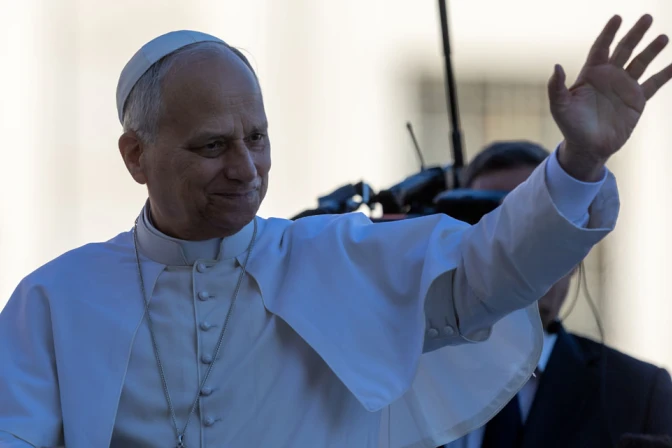
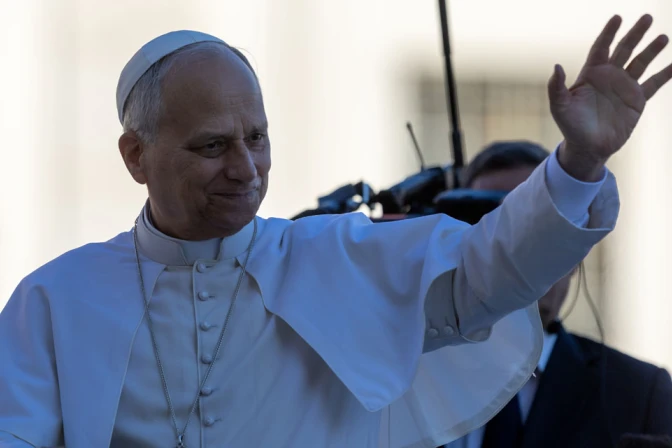
On the International Day of Mathematics, Pope Leo XIV sent a message inviting reflection on the role good mathematics can play in today’s world.

Read More
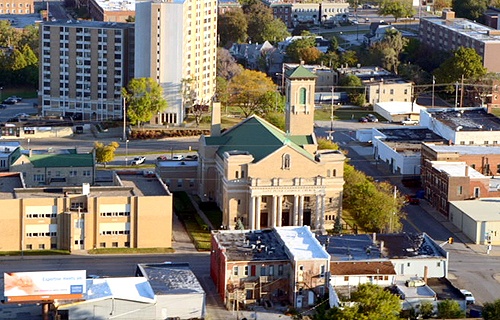
Suspect arrested after Nebraska deacon found murdered, police say #Catholic Local police have arrested a suspect in connection with the murder of a Catholic deacon in the Archdiocese of Omaha, Nebraska, this week. The Omaha Police Officers Association said in a March 13 Facebook post that a “person of interest” was taken into custody on March 12 after Deacon John Zak was reportedly murdered the previous night. Zak “was an active member of the community and a deacon at St. Peter’s Catholic Church” in the city’s Leavenworth neighborhood, the police association said. Father John Broheimer, the pastor of St. Peter’s, said in a statement on the parish website that Zak had been a member of the parish for more than 30 years and served as a deacon there for 25 years. “Through his ministry he touched countless lives, especially the young people of our parish, whom he served with generosity and sincere faith,” the pastor said. The priest urged parishioners to pray for Zak’s family and to “support them with your charity in the days ahead.”Police had not publicly identified a motive in the killing as of March 13, but local news reports said a “family member” named Martin Zak had been booked in local jail on homicide and felony theft charges.Jail records showed that an individual named Martin Zak was being held without bond.The Archdiocese of Omaha did not immediately respond to a request for comment on the tragedy.

Deacon John Zak was “an active member of the community” before he was killed on March 11, police said.

Read More
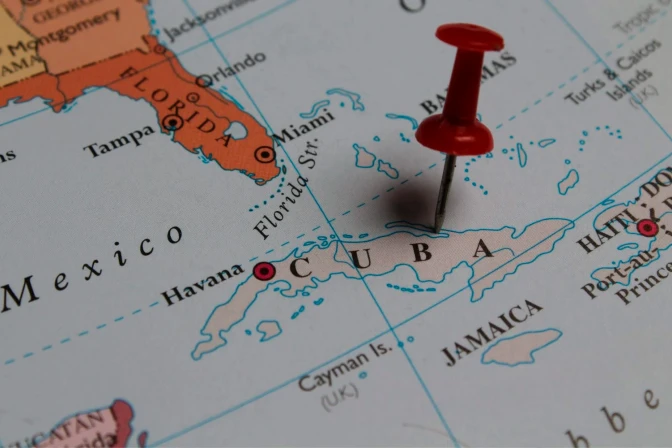
Cuban government to release 51 prisoners following Vatican talks #Catholic The Cuban government announced that it will release 51 people from prison because of its “smooth” relations with the Vatican — a move that coincides with the upcoming observance of Holy Week.“In the spirit of goodwill, and of the close and smooth relations between the Cuban state and the Vatican — with which communication regarding processes for the review and release of persons deprived of liberty has historically been maintained — the government of Cuba has decided to release, in the coming days, 51 individuals sentenced to deprivation of liberty [prison],” the Cuban Ministry of Foreign Affairs reported in a March 12 statement.The director of the Holy See Press Office, Matteo Bruni, confirmed to ACI Prensa, the Spanish-language sister service of EWTN News, on March 13 that “conversations regarding the release of prisoners have recently taken place.”The statement from the Cuban ministry notes that all these individuals “have served a significant portion of their sentences and have maintained good conduct in prison”; however, it does not indicate whether the group includes political prisoners.The communist regime states that since 2010, it “has granted pardons to 9,905 inmates, while — over the last three years, as part of Cuban practice and pursuant to the provisions of our legislation — another 10,000 individuals sentenced to deprivation of liberty were released based on certain conditions.”This announcement comes amid renewed tensions between Cuba and the United States, which began in January, and the recent meetings that representatives from both countries have held with Vatican officials.On Feb. 20, the U.S. chief of mission in Cuba, Mike Hammer, held a meeting at the Vatican with Archbishop Paul Richard Gallagher, the Holy See’s secretary for relations with states.Vatican Secretary of State Cardinal Pietro Parolin stated on March 9 that the Holy See has taken “the necessary steps” regarding the situation in Cuba, “always with a view to a solution to the existing problems through dialogue.”In January 2025, the Cuban regime also announced the release of 553 prisoners following mediation by Pope Francis and “in the spirit of the Ordinary Jubilee of 2025.”Victoria Cardiel, EWTN News correspondent in Rome, contributed to this report.This story was first published by ACI Prensa, the Spanish-language sister service of EWTN News. It has been translated and adapted by EWTN News English.

Cuban government to release 51 prisoners following Vatican talks #Catholic The Cuban government announced that it will release 51 people from prison because of its “smooth” relations with the Vatican — a move that coincides with the upcoming observance of Holy Week.“In the spirit of goodwill, and of the close and smooth relations between the Cuban state and the Vatican — with which communication regarding processes for the review and release of persons deprived of liberty has historically been maintained — the government of Cuba has decided to release, in the coming days, 51 individuals sentenced to deprivation of liberty [prison],” the Cuban Ministry of Foreign Affairs reported in a March 12 statement.The director of the Holy See Press Office, Matteo Bruni, confirmed to ACI Prensa, the Spanish-language sister service of EWTN News, on March 13 that “conversations regarding the release of prisoners have recently taken place.”The statement from the Cuban ministry notes that all these individuals “have served a significant portion of their sentences and have maintained good conduct in prison”; however, it does not indicate whether the group includes political prisoners.The communist regime states that since 2010, it “has granted pardons to 9,905 inmates, while — over the last three years, as part of Cuban practice and pursuant to the provisions of our legislation — another 10,000 individuals sentenced to deprivation of liberty were released based on certain conditions.”This announcement comes amid renewed tensions between Cuba and the United States, which began in January, and the recent meetings that representatives from both countries have held with Vatican officials.On Feb. 20, the U.S. chief of mission in Cuba, Mike Hammer, held a meeting at the Vatican with Archbishop Paul Richard Gallagher, the Holy See’s secretary for relations with states.Vatican Secretary of State Cardinal Pietro Parolin stated on March 9 that the Holy See has taken “the necessary steps” regarding the situation in Cuba, “always with a view to a solution to the existing problems through dialogue.”In January 2025, the Cuban regime also announced the release of 553 prisoners following mediation by Pope Francis and “in the spirit of the Ordinary Jubilee of 2025.”Victoria Cardiel, EWTN News correspondent in Rome, contributed to this report.This story was first published by ACI Prensa, the Spanish-language sister service of EWTN News. It has been translated and adapted by EWTN News English.

The regime stated the decision was made in a “spirit of goodwill” and because of its good relations with the Holy See, but did not indicate if any of those to be released are political prisoners.

Read More
Renovación Carismática Católica de la Diócesis de Paterson presenta su nueva coordinación y plan pastoral 2026 #Catholic – En un ambiente de oración, comunión fraterna y presencia del Espíritu Santo, el comité de la Renovación Carismática Católica (RCC) de la Diócesis de Paterson sostuvo un significativo encuentro el jueves 5 de marzo con el Padre Duberney Villamizar, Vicario para Asuntos Hispanos de la diócesis.
Durante la reunión, el comité diocesano presentó formalmente la nueva coordinación de la Renovación y el plan pastoral que guiará las actividades y proyectos para el año 2026. También se compartieron los primeros frutos y avances alcanzados desde el inicio de esta nueva etapa pastoral, comenzada en diciembre de 2025.
Uno de los puntos centrales del encuentro fue la presentación del lema pastoral del año: “Alma Sana, Corazón Libre”, una invitación a vivir una vida interior sanada, renovada por la gracia del Espíritu Santo y abierta a una experiencia más profunda del amor del Padre Celestial.

Para suscribirse a nuestro boletín electrónico semanal, haga click aquí.

El Padre Duberney recibió con entusiasmo las iniciativas presentadas y ofreció valiosos aportes pastorales, ideas y orientaciones que fortalecerán el desarrollo de las actividades programadas en la diócesis.
La RCC Paterson cuenta además con el acompañamiento pastoral del Padre Yasid Salas como Director Espiritual y con la misión de intercesión confiada a Yamily Rosario, Coordinadora del Ministerio de Intercesión.
 

Renovación Carismática Católica de la Diócesis de Paterson presenta su nueva coordinación y plan pastoral 2026 #Catholic – En un ambiente de oración, comunión fraterna y presencia del Espíritu Santo, el comité de la Renovación Carismática Católica (RCC) de la Diócesis de Paterson sostuvo un significativo encuentro el jueves 5 de marzo con el Padre Duberney Villamizar, Vicario para Asuntos Hispanos de la diócesis. Durante la reunión, el comité diocesano presentó formalmente la nueva coordinación de la Renovación y el plan pastoral que guiará las actividades y proyectos para el año 2026. También se compartieron los primeros frutos y avances alcanzados desde el inicio de esta nueva etapa pastoral, comenzada en diciembre de 2025. Uno de los puntos centrales del encuentro fue la presentación del lema pastoral del año: “Alma Sana, Corazón Libre”, una invitación a vivir una vida interior sanada, renovada por la gracia del Espíritu Santo y abierta a una experiencia más profunda del amor del Padre Celestial. Para suscribirse a nuestro boletín electrónico semanal, haga click aquí. El Padre Duberney recibió con entusiasmo las iniciativas presentadas y ofreció valiosos aportes pastorales, ideas y orientaciones que fortalecerán el desarrollo de las actividades programadas en la diócesis. La RCC Paterson cuenta además con el acompañamiento pastoral del Padre Yasid Salas como Director Espiritual y con la misión de intercesión confiada a Yamily Rosario, Coordinadora del Ministerio de Intercesión.  

Renovación Carismática Católica de la Diócesis de Paterson presenta su nueva coordinación y plan pastoral 2026 #Catholic –

En un ambiente de oración, comunión fraterna y presencia del Espíritu Santo, el comité de la Renovación Carismática Católica (RCC) de la Diócesis de Paterson sostuvo un significativo encuentro el jueves 5 de marzo con el Padre Duberney Villamizar, Vicario para Asuntos Hispanos de la diócesis.

Durante la reunión, el comité diocesano presentó formalmente la nueva coordinación de la Renovación y el plan pastoral que guiará las actividades y proyectos para el año 2026. También se compartieron los primeros frutos y avances alcanzados desde el inicio de esta nueva etapa pastoral, comenzada en diciembre de 2025.

Uno de los puntos centrales del encuentro fue la presentación del lema pastoral del año: “Alma Sana, Corazón Libre”, una invitación a vivir una vida interior sanada, renovada por la gracia del Espíritu Santo y abierta a una experiencia más profunda del amor del Padre Celestial.


Para suscribirse a nuestro boletín electrónico semanal, haga click aquí.

El Padre Duberney recibió con entusiasmo las iniciativas presentadas y ofreció valiosos aportes pastorales, ideas y orientaciones que fortalecerán el desarrollo de las actividades programadas en la diócesis.

La RCC Paterson cuenta además con el acompañamiento pastoral del Padre Yasid Salas como Director Espiritual y con la misión de intercesión confiada a Yamily Rosario, Coordinadora del Ministerio de Intercesión.


En un ambiente de oración, comunión fraterna y presencia del Espíritu Santo, el comité de la Renovación Carismática Católica (RCC) de la Diócesis de Paterson sostuvo un significativo encuentro el jueves 5 de marzo con el Padre Duberney Villamizar, Vicario para Asuntos Hispanos de la diócesis. Durante la reunión, el comité diocesano presentó formalmente la nueva coordinación de la Renovación y el plan pastoral que guiará las actividades y proyectos para el año 2026. También se compartieron los primeros frutos y avances alcanzados desde el inicio de esta nueva etapa pastoral, comenzada en diciembre de 2025. Uno de los puntos

Read More
Webb Spots Details in Nearby Spiral Galaxy – Two powerful instruments of the NASA/ESA/CSA James Webb Space Telescope joined forces to create this scenic galaxy view. This spiral galaxy is named NGC 5134, and it’s located 65 million light-years away in the constellation Virgo.

Two powerful instruments of the NASA/ESA/CSA James Webb Space Telescope joined forces to create this scenic galaxy view. This spiral galaxy is named NGC 5134, and it’s located 65 million light-years away in the constellation Virgo.

Read More
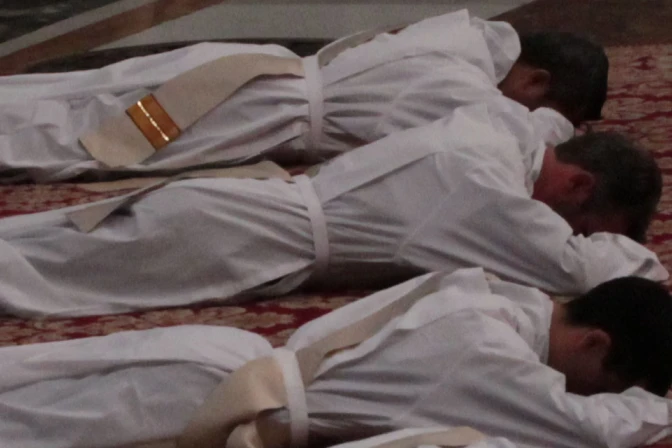
Nicaraguan dictator Ortega bans ordinations in dioceses of 4 exiled bishops – #Catholic – Nicaraguan President Daniel Ortega and his wife and co-president, Rosario Murillo, have banned the ordination of priests and deacons in four dioceses in Nicaragua whose bishops remain in exile. The measure exacerbates a pastoral crisis already marked by years of religious persecution, although vocations continue.The four dioceses without a bishop present in the country are Jinotega, Siuna, Matagalpa, and Estelí. Bishop Carlos Herrera of Jinotega, president of the bishops’ conference, was expelled in November 2024 after criticizing a mayor aligned with the regime who had interfered with a Mass Herrera was celebrating by blasting loud music outside.Months earlier, in July of that year, Herrera had ordained a priest and seven deacons in the neighboring Diocese of Matagalpa, whose bishop, Rolando Álvarez, after spending 18 months in detention, was deported to Rome by the regime in January 2024.This ordination represented a “liturgical oasis” for the Church, in the words of Martha Patricia Molina, author of the report “Nicaragua: A Persecuted Church.” “It occurred six months after Álvarez, who is also apostolic administrator of Estelí, and Bishop Isidoro Mora of Siuna were deported by the dictatorship.”The dictatorship’s ‘hatred’ of Álvarez prevents ordinationsACI Prensa, the Spanish-language sister service of EWTN News, spoke with three Nicaraguan priests in exile who requested anonymity for fear of reprisals from the regime.“The government is the one affecting the ordinations. And besides the ordinations, there are many other things, like a little more surveillance” of the priests, said one of the clergy.He pointed out that “the police are the ones enforcing all of this” and attributed the ban in Matagalpa to “the dictatorship’s hatred of Bishop Rolando.”The same priest charged that the regime seeks to “supplant the bishops” and that some clergy “don’t put up a fight to avoid making their lives more difficult, with the idea of ​​saving their dioceses, but in the end they are surrendering their mandate to whatever the government says.”The priest noted that Matagalpa is probably the most affected diocese, with at least 32 of its priests outside the country.‘More extreme surveillance’ where there is no bishop“Especially in dioceses without a bishop, surveillance is even more extreme to prevent a bishop from another diocese from coming” for some liturgical event, the second priest contacted by ACI Prensa stated.According to this priest, there are currently about seven candidates for the priesthood in Siuna who completed their studies in 2025, plus another group that finished in 2024, and both groups are still waiting to be ordained. Despite this situation, the phenomenon “does not seem to have affected new admissions” to the seminary.Why can some dioceses perform ordinations while others cannot?The third priest explained that “León, Granada, Juigalpa, and Bluefields are dioceses that have their diocesan bishop there and maintain a very prudent approach, even though some media outlets have labeled one of [the bishops] as an ally of the regime. That’s not true; they are simply more practical for the good of their pastors and their flock.”He also explained that to carry out an ordination, a letter of authorization from the bishop is required, which “can be easily obtained because it can be sent by email, and they can allow candidates to be ordained in other dioceses.”However, the obstacle is political. “The problem is that the government interprets that permission, those letters, as an intrusion into their sovereignty and sees as a threat a bishop who is away but continues to govern his diocese,” he explained.Problems caused by the lack of ordinationsFor Molina, the ban on ordinations has an “alarming” impact since, for example, “Matagalpa is currently operating with barely 30% of its active clergy. Seven out of 10 priests have been forced into exile or banishment,” while “Estelí and Jinotega have experienced reductions of up to 50% in their pastoral capacity, leaving entire communities without the regular celebration of the Eucharist.”“The human drama is concentrated in the seminaries. Dozens of young men who have successfully completed their studies in philosophy, theology, and pastoral training find themselves in a legal and spiritual limbo. They possess the aptitude and the calling, but they cannot receive the sacrament [of holy orders],” the researcher told ACI Prensa.“Without replacements for the priests who have been banished, expelled, or who have died, the Catholic Church in Nicaragua faces the real possibility of a gradual closure of parishes,” she warned, adding that “the absence of a priest means” for the faithful “the end of social support and the loss of [the graces of] the sacraments.” ACI Prensa contacted the five dioceses where priestly and diaconal ordinations are permitted to inquire why they are allowed there but not in the other four but has not yet received a response.The dioceses where ordinations are permitted are the Archdiocese of Managua along with the dioceses of León, Juigalpa, Granada, and Bluefields. In December 2025, three deacons were ordained in Juigalpa, and in January of this year, two were ordained in Bluefields.In June 2025, eight deacons were ordained in Managua, and in November they were ordained priests. Six of them were assigned their pastoral missions in February, while in León a deacon was ordained on Feb. 28.ACI Prensa also contacted the dioceses where ordinations are prohibited to inquire about the issue but has not yet received a response.Vocations continue to flourishOne point on which the three exiled priests agree is that vocations continue to flourish in Nicaragua and “the Lord continues to raise up courageous young men who listen to him and enter into the process of vocational discernment.”The third priest contacted by ACI Prensa emphasized that “even though the government wants to prevent priestly ordinations, there have been ways in which the Church, the bishops, have managed and sought to make them happen without the government noticing. This demonstrates the Church’s resourcefulness in the face of adversity, how it reinvents itself, how it continues to evangelize.”Mosaico CSI reported in February that “two Nicaraguans were ordained priests in the Diocese of Limón, Costa Rica, in a secretly held ceremony” to avoid reprisals from the Nicaraguan regime.The third priest emphasized that “obstacles are not a problem for the Church, but rather a cross that the Church bravely embraces, as Our Lord taught us, and that propels it on this path to resurrection.”The Church is ‘crucified but not immobilized’This last priest offered a reflection on the dictatorship’s persecution of the Catholic Church, which has intensified since the anti-regime protests of 2018.“One day, those people who ordered us not to celebrate these ordination rites will also find that glorious cross in the Church and will realize the harm they are doing, but in the meantime, the Church has continued working,” he emphasized.“The Church in Nicaragua is crucified, but it’s not immobilized; that is to say, the cross continues to bear even more fruit because the Church is not complacent, it’s not static. It’s on the move,” he said.This story was first published by ACI Prensa, the Spanish-language sister service of EWTN News. It has been translated and adapted by EWTN News English.

Nicaraguan dictator Ortega bans ordinations in dioceses of 4 exiled bishops – #Catholic – Nicaraguan President Daniel Ortega and his wife and co-president, Rosario Murillo, have banned the ordination of priests and deacons in four dioceses in Nicaragua whose bishops remain in exile. The measure exacerbates a pastoral crisis already marked by years of religious persecution, although vocations continue.The four dioceses without a bishop present in the country are Jinotega, Siuna, Matagalpa, and Estelí. Bishop Carlos Herrera of Jinotega, president of the bishops’ conference, was expelled in November 2024 after criticizing a mayor aligned with the regime who had interfered with a Mass Herrera was celebrating by blasting loud music outside.Months earlier, in July of that year, Herrera had ordained a priest and seven deacons in the neighboring Diocese of Matagalpa, whose bishop, Rolando Álvarez, after spending 18 months in detention, was deported to Rome by the regime in January 2024.This ordination represented a “liturgical oasis” for the Church, in the words of Martha Patricia Molina, author of the report “Nicaragua: A Persecuted Church.” “It occurred six months after Álvarez, who is also apostolic administrator of Estelí, and Bishop Isidoro Mora of Siuna were deported by the dictatorship.”The dictatorship’s ‘hatred’ of Álvarez prevents ordinationsACI Prensa, the Spanish-language sister service of EWTN News, spoke with three Nicaraguan priests in exile who requested anonymity for fear of reprisals from the regime.“The government is the one affecting the ordinations. And besides the ordinations, there are many other things, like a little more surveillance” of the priests, said one of the clergy.He pointed out that “the police are the ones enforcing all of this” and attributed the ban in Matagalpa to “the dictatorship’s hatred of Bishop Rolando.”The same priest charged that the regime seeks to “supplant the bishops” and that some clergy “don’t put up a fight to avoid making their lives more difficult, with the idea of ​​saving their dioceses, but in the end they are surrendering their mandate to whatever the government says.”The priest noted that Matagalpa is probably the most affected diocese, with at least 32 of its priests outside the country.‘More extreme surveillance’ where there is no bishop“Especially in dioceses without a bishop, surveillance is even more extreme to prevent a bishop from another diocese from coming” for some liturgical event, the second priest contacted by ACI Prensa stated.According to this priest, there are currently about seven candidates for the priesthood in Siuna who completed their studies in 2025, plus another group that finished in 2024, and both groups are still waiting to be ordained. Despite this situation, the phenomenon “does not seem to have affected new admissions” to the seminary.Why can some dioceses perform ordinations while others cannot?The third priest explained that “León, Granada, Juigalpa, and Bluefields are dioceses that have their diocesan bishop there and maintain a very prudent approach, even though some media outlets have labeled one of [the bishops] as an ally of the regime. That’s not true; they are simply more practical for the good of their pastors and their flock.”He also explained that to carry out an ordination, a letter of authorization from the bishop is required, which “can be easily obtained because it can be sent by email, and they can allow candidates to be ordained in other dioceses.”However, the obstacle is political. “The problem is that the government interprets that permission, those letters, as an intrusion into their sovereignty and sees as a threat a bishop who is away but continues to govern his diocese,” he explained.Problems caused by the lack of ordinationsFor Molina, the ban on ordinations has an “alarming” impact since, for example, “Matagalpa is currently operating with barely 30% of its active clergy. Seven out of 10 priests have been forced into exile or banishment,” while “Estelí and Jinotega have experienced reductions of up to 50% in their pastoral capacity, leaving entire communities without the regular celebration of the Eucharist.”“The human drama is concentrated in the seminaries. Dozens of young men who have successfully completed their studies in philosophy, theology, and pastoral training find themselves in a legal and spiritual limbo. They possess the aptitude and the calling, but they cannot receive the sacrament [of holy orders],” the researcher told ACI Prensa.“Without replacements for the priests who have been banished, expelled, or who have died, the Catholic Church in Nicaragua faces the real possibility of a gradual closure of parishes,” she warned, adding that “the absence of a priest means” for the faithful “the end of social support and the loss of [the graces of] the sacraments.” ACI Prensa contacted the five dioceses where priestly and diaconal ordinations are permitted to inquire why they are allowed there but not in the other four but has not yet received a response.The dioceses where ordinations are permitted are the Archdiocese of Managua along with the dioceses of León, Juigalpa, Granada, and Bluefields. In December 2025, three deacons were ordained in Juigalpa, and in January of this year, two were ordained in Bluefields.In June 2025, eight deacons were ordained in Managua, and in November they were ordained priests. Six of them were assigned their pastoral missions in February, while in León a deacon was ordained on Feb. 28.ACI Prensa also contacted the dioceses where ordinations are prohibited to inquire about the issue but has not yet received a response.Vocations continue to flourishOne point on which the three exiled priests agree is that vocations continue to flourish in Nicaragua and “the Lord continues to raise up courageous young men who listen to him and enter into the process of vocational discernment.”The third priest contacted by ACI Prensa emphasized that “even though the government wants to prevent priestly ordinations, there have been ways in which the Church, the bishops, have managed and sought to make them happen without the government noticing. This demonstrates the Church’s resourcefulness in the face of adversity, how it reinvents itself, how it continues to evangelize.”Mosaico CSI reported in February that “two Nicaraguans were ordained priests in the Diocese of Limón, Costa Rica, in a secretly held ceremony” to avoid reprisals from the Nicaraguan regime.The third priest emphasized that “obstacles are not a problem for the Church, but rather a cross that the Church bravely embraces, as Our Lord taught us, and that propels it on this path to resurrection.”The Church is ‘crucified but not immobilized’This last priest offered a reflection on the dictatorship’s persecution of the Catholic Church, which has intensified since the anti-regime protests of 2018.“One day, those people who ordered us not to celebrate these ordination rites will also find that glorious cross in the Church and will realize the harm they are doing, but in the meantime, the Church has continued working,” he emphasized.“The Church in Nicaragua is crucified, but it’s not immobilized; that is to say, the cross continues to bear even more fruit because the Church is not complacent, it’s not static. It’s on the move,” he said.This story was first published by ACI Prensa, the Spanish-language sister service of EWTN News. It has been translated and adapted by EWTN News English.

Having deported four bishops for their criticism of the regime, the Nicaraguan dictator seeks to punish them further by not allowing any ordinations in their dioceses.

Read More
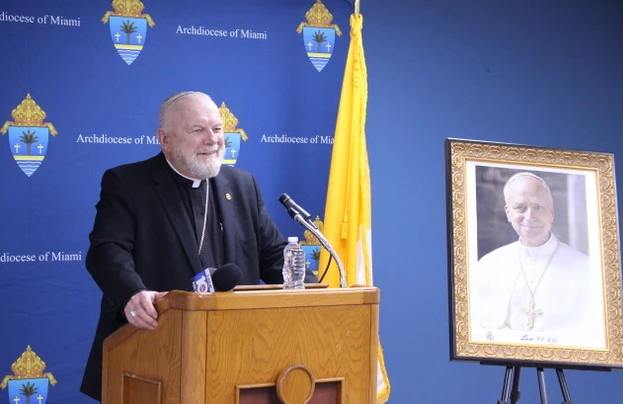
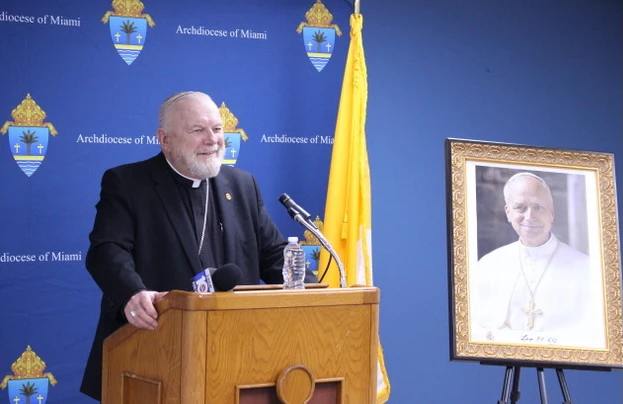
Miami archbishop warns on ending Haiti temporary protective status and deepening crisis in Cuba – #Catholic – Ending temporary residency protections for Haitians would be “sending people into a burning building,” Archbishop Thomas Wenski of Miami said.This week the Trump administration asked the U.S. Supreme Court to strip legal protections from Haitians living in the United States with temporary protected status (TPS).TPS provides hundreds of thousands of eligible Haitians in the U.S. with protection from deportation and work authorization, due to ongoing safety concerns in Haiti. The Justice Department requested the court to lift a judge’s Feb. 2 decision that blocked the Trump administration from ending TPS that was granted in 2010.“I would hope that the court does not support the Trump initiative at this time because this would create tremendous pain … both with the Haitians affected by the end of TPS, but also of the local community here, which today benefits from these people’s participation in our labor force,” Wenski said in an interview March 12 with “EWTN News Nightly.”It is not only relevant to “the humanitarian aspects” but also “the business aspects,” Wenski said. “And the president is a businessman; he should understand that this would hurt business in a very, very real way.”Working Haitians in the Miami Archdiocese “pay millions of dollars in taxes,” Wenski said. The city would lose workers benefiting the “full labor market” Miami has within the agriculture business, construction business, hospitality business, and health care.Ending TPS would ultimately be “sending people into a burning building,” he said. “Haiti is a country that is in free fall.”“It has not had an elected official, it has not had a real government, in over six years. There’s no end in sight to the violence that is affecting about a third of the country, especially the capital area, where gangs control many parts of the neighborhoods, which make schooling impossible,” Wenski said.“And that’s the exact opposite of what the TPS provisions when passed by Congress in the ’90s was designed to prevent,” Wenski said. “Of course, TPS means temporary protective status, but there’s no way for us to determine what temporary means because it’s beyond our control, because the situation in Haiti obviously hasn’t improved for a very long time.”“That’s true as well as Nicaragua to a great degree, still true of Venezuela, and it’s certainly true of Cuba,” as “a lot of people came here during the Biden administration on a special humanitarian visa,” he said. “Over 500,000 people came to this country in that way. That means that they never spent a day illegal in this country because they came here legally, invited by the U.S. government, if you will, given a humanitarian visa, and then all of a sudden, in one fell swoop, they become without legal status and are told to go home,” Wenski said.Situation in CubaWenski also discussed how “Cubans in Miami are very hopeful that there will be some type of a regime change,” following the Trump administration suggesting a possible “friendly takeover” of the island nation.“I would say Cubans in Cuba are also very hopeful, but everybody’s a bit nervous too,” he said. Based on conversation with members of the Cuban Church, “they’ve always been advocating a soft landing for when necessary changes come to Cuba.”“They need a soft landing, not a landing that would be harsh, that would cause more violence,” Wenski said. “Whether the Trump administration has the ability to engineer such a soft landing still remains to be seen.”“But right now, Cuba is being choked. There’s no food, there’s no fuel, there’s no freedom, and for many people, no hope,” he said. “And so even with some changes coming to Cuba, it’ll be a long time before the economy can be rebooted to provide for the needs of the population on an island.”Church’s roleThe Church has been a source to promote “dialogue” and “reconciliation,” Wenski said. “Right now, the Church in Cuba is cooperating with the United States because after Hurricane Melissa that affected Cuba several months ago, the first aid that reached Cuba was from the Archdiocese of Miami.”Then, Secretary of State Marco Rubio “approved  million from the U.S. government, and for the first time in history, the Cuban government accepted money coming from the U.S. government. It was going to be distributed through Cáritas, which is … the charity agency of the Church in Cuba.”“After that first  million was distributed, the Trump administration also granted another  million for that hurricane,” he explained. “But it’s the Catholic Church that is leading the aid and distributing it on the island, cooperating with the United States, and at the same time, cooperating with the Cuban authorities, because the Cuban authorities have to step back and allow the Church to distribute the aid, and things are happening.”“So the Church is a very important player in Cuba and beyond,” he said.

Miami archbishop warns on ending Haiti temporary protective status and deepening crisis in Cuba – #Catholic – Ending temporary residency protections for Haitians would be “sending people into a burning building,” Archbishop Thomas Wenski of Miami said.This week the Trump administration asked the U.S. Supreme Court to strip legal protections from Haitians living in the United States with temporary protected status (TPS).TPS provides hundreds of thousands of eligible Haitians in the U.S. with protection from deportation and work authorization, due to ongoing safety concerns in Haiti. The Justice Department requested the court to lift a judge’s Feb. 2 decision that blocked the Trump administration from ending TPS that was granted in 2010.“I would hope that the court does not support the Trump initiative at this time because this would create tremendous pain … both with the Haitians affected by the end of TPS, but also of the local community here, which today benefits from these people’s participation in our labor force,” Wenski said in an interview March 12 with “EWTN News Nightly.”It is not only relevant to “the humanitarian aspects” but also “the business aspects,” Wenski said. “And the president is a businessman; he should understand that this would hurt business in a very, very real way.”Working Haitians in the Miami Archdiocese “pay millions of dollars in taxes,” Wenski said. The city would lose workers benefiting the “full labor market” Miami has within the agriculture business, construction business, hospitality business, and health care.Ending TPS would ultimately be “sending people into a burning building,” he said. “Haiti is a country that is in free fall.”“It has not had an elected official, it has not had a real government, in over six years. There’s no end in sight to the violence that is affecting about a third of the country, especially the capital area, where gangs control many parts of the neighborhoods, which make schooling impossible,” Wenski said.“And that’s the exact opposite of what the TPS provisions when passed by Congress in the ’90s was designed to prevent,” Wenski said. “Of course, TPS means temporary protective status, but there’s no way for us to determine what temporary means because it’s beyond our control, because the situation in Haiti obviously hasn’t improved for a very long time.”“That’s true as well as Nicaragua to a great degree, still true of Venezuela, and it’s certainly true of Cuba,” as “a lot of people came here during the Biden administration on a special humanitarian visa,” he said. “Over 500,000 people came to this country in that way. That means that they never spent a day illegal in this country because they came here legally, invited by the U.S. government, if you will, given a humanitarian visa, and then all of a sudden, in one fell swoop, they become without legal status and are told to go home,” Wenski said.Situation in CubaWenski also discussed how “Cubans in Miami are very hopeful that there will be some type of a regime change,” following the Trump administration suggesting a possible “friendly takeover” of the island nation.“I would say Cubans in Cuba are also very hopeful, but everybody’s a bit nervous too,” he said. Based on conversation with members of the Cuban Church, “they’ve always been advocating a soft landing for when necessary changes come to Cuba.”“They need a soft landing, not a landing that would be harsh, that would cause more violence,” Wenski said. “Whether the Trump administration has the ability to engineer such a soft landing still remains to be seen.”“But right now, Cuba is being choked. There’s no food, there’s no fuel, there’s no freedom, and for many people, no hope,” he said. “And so even with some changes coming to Cuba, it’ll be a long time before the economy can be rebooted to provide for the needs of the population on an island.”Church’s roleThe Church has been a source to promote “dialogue” and “reconciliation,” Wenski said. “Right now, the Church in Cuba is cooperating with the United States because after Hurricane Melissa that affected Cuba several months ago, the first aid that reached Cuba was from the Archdiocese of Miami.”Then, Secretary of State Marco Rubio “approved $3 million from the U.S. government, and for the first time in history, the Cuban government accepted money coming from the U.S. government. It was going to be distributed through Cáritas, which is … the charity agency of the Church in Cuba.”“After that first $3 million was distributed, the Trump administration also granted another $6 million for that hurricane,” he explained. “But it’s the Catholic Church that is leading the aid and distributing it on the island, cooperating with the United States, and at the same time, cooperating with the Cuban authorities, because the Cuban authorities have to step back and allow the Church to distribute the aid, and things are happening.”“So the Church is a very important player in Cuba and beyond,” he said.

Ending temporary protected status would be “sending people into a burning building,” he said. “Haiti is a country that is in free fall.”

Read More
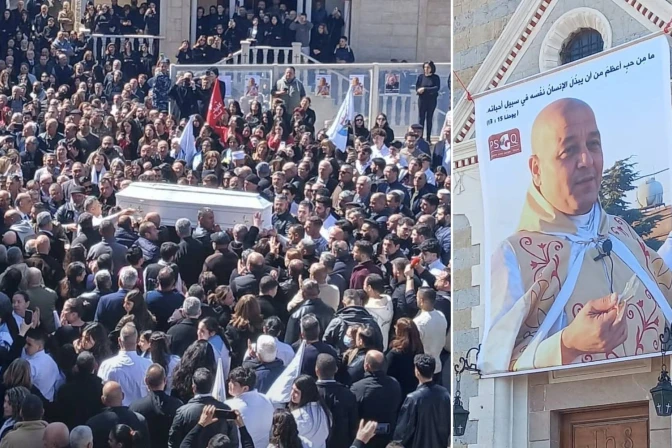
Who was Father Pierre al-Rahi, the Maronite priest who died helping the wounded in Lebanon? – #Catholic – Thousands of people gathered March 11 in the border town of Qlayaa in southern Lebanon to bid farewell to Father Pierre al-Rahi, a Maronite priest who died after being wounded in an Israeli attack during the recent offensive in the region.The funeral was held at St. George’s Church and drew crowds of local families, displaced people who had sought refuge in the area, Maronite priests from across the country, and civil authorities, according to The Eastern Church.Many of those present felt “as if they were burying their own father,” a reflection of the close relationship the priest had forged with the community over the years.Al-Rahi was the parish priest of St. George’s Church in Qlayaa, a predominantly Christian village of about 8,000 inhabitants, near the border with Israel.The parish became the center of his ministry within the Maronite Church, an Eastern Catholic Church in full communion with the pope and the Maronite patriarchate in Bkerke.A shepherd who chose to stay with his flockAmid the escalating violence in southern Lebanon, the priest reiterated his decision to remain with his community, even as many residents of the region were forced to flee their homes.In one of his last television interviews, according to the National Catholic Register, the sister partner of EWTN News, he stated that he would stay there “until death.”Southern Lebanon’s Christian communities have refused to comply with Israeli evacuation orders fearing that if they left they would never get their land back, as it would be occupied by some group — whether it be Israelis or other local groups. In his last public statement, reported by France24 on March 8 from the steps of his parish, the priest explained the spirit with which the Christian community was facing the crisis.“We are obliged to stay despite the danger, when we defend our land, and we do so peacefully. None of us carry weapons. We all bring peace, kindness, and love. All the churches are gathered, all the religions together … it can only be for peace.”On March 9, hours before he died, al-Rahi addressed his community again with words that today resonate with many as a spiritual testament: “You know that we are walking the path of the Passion; there is death, and after it, resurrection with Our Lord Jesus Christ … I am ready to die in my house, because this is my house.”He died while helping the woundedThe priest died in Marjayoun Hospital after suffering shrapnel wounds during a shelling of a house in Qlayaa.According to María Lozano, project director for the Aid to the Church in Need (ACN) foundation, the priest died while trying to help victims of the first strike.“Father Pierre went to see how he could help the wounded … and that’s when a second projectile hit and killed him,” she explained.“He was a very dedicated person, very dedicated to his people,” Lozano added in an interview with ACI Prensa, the Spanish-language sister service of EWTN News.The ACN project director explained that the Christian communities in southern Lebanon “had decided to stay despite the war, saying: ‘We are a Christian population and we have nothing to do with this war and we don’t want to leave.’”‘The father of the community’French journalist Nathalie Duplan, who specializes in the Middle East, described the priest as a figure deeply beloved by the villagers.“He truly was the father of the community, a symbol,” she stated in an interview with ACI Prensa. “He used to say something incredible: ‘Yes, there is death, but I am not afraid, because after death there is resurrection.’”According to The Eastern Church, testimonies gathered after his death consistently describe al-Rahi as a man who was approachable, present, and deeply committed to his people.He was frequently seen on the streets of Qlayaa, visiting the sick, accompanying families at births and funerals, and knowing children by name.Al-Rahi was born in 1975 in the village of Dibeh in northern Lebanon and was ordained a Maronite priest in the early 2000s.His most significant pastoral assignment was at St. George’s Parish in Qlayaa, where he served for many years.For many villagers, his death symbolizes the determination of southern Lebanese Christians to remain in their land despite the violence. As he himself said in one of his last public statements: “We are here, in our land.”His name in Arabic, al-Rahi, means “the shepherd,” an interesting fact that Pope Leo XIV highlighted this week: “Father Pierre was a true shepherd who always remained with his people with the love and sacrifice of Jesus, the Good Shepherd.”This story was first published by ACI Prensa, the Spanish-language sister service of EWTN News. It has been translated and adapted by EWTN News English.

Who was Father Pierre al-Rahi, the Maronite priest who died helping the wounded in Lebanon? – #Catholic – Thousands of people gathered March 11 in the border town of Qlayaa in southern Lebanon to bid farewell to Father Pierre al-Rahi, a Maronite priest who died after being wounded in an Israeli attack during the recent offensive in the region.The funeral was held at St. George’s Church and drew crowds of local families, displaced people who had sought refuge in the area, Maronite priests from across the country, and civil authorities, according to The Eastern Church.Many of those present felt “as if they were burying their own father,” a reflection of the close relationship the priest had forged with the community over the years.Al-Rahi was the parish priest of St. George’s Church in Qlayaa, a predominantly Christian village of about 8,000 inhabitants, near the border with Israel.The parish became the center of his ministry within the Maronite Church, an Eastern Catholic Church in full communion with the pope and the Maronite patriarchate in Bkerke.A shepherd who chose to stay with his flockAmid the escalating violence in southern Lebanon, the priest reiterated his decision to remain with his community, even as many residents of the region were forced to flee their homes.In one of his last television interviews, according to the National Catholic Register, the sister partner of EWTN News, he stated that he would stay there “until death.”Southern Lebanon’s Christian communities have refused to comply with Israeli evacuation orders fearing that if they left they would never get their land back, as it would be occupied by some group — whether it be Israelis or other local groups. In his last public statement, reported by France24 on March 8 from the steps of his parish, the priest explained the spirit with which the Christian community was facing the crisis.“We are obliged to stay despite the danger, when we defend our land, and we do so peacefully. None of us carry weapons. We all bring peace, kindness, and love. All the churches are gathered, all the religions together … it can only be for peace.”On March 9, hours before he died, al-Rahi addressed his community again with words that today resonate with many as a spiritual testament: “You know that we are walking the path of the Passion; there is death, and after it, resurrection with Our Lord Jesus Christ … I am ready to die in my house, because this is my house.”He died while helping the woundedThe priest died in Marjayoun Hospital after suffering shrapnel wounds during a shelling of a house in Qlayaa.According to María Lozano, project director for the Aid to the Church in Need (ACN) foundation, the priest died while trying to help victims of the first strike.“Father Pierre went to see how he could help the wounded … and that’s when a second projectile hit and killed him,” she explained.“He was a very dedicated person, very dedicated to his people,” Lozano added in an interview with ACI Prensa, the Spanish-language sister service of EWTN News.The ACN project director explained that the Christian communities in southern Lebanon “had decided to stay despite the war, saying: ‘We are a Christian population and we have nothing to do with this war and we don’t want to leave.’”‘The father of the community’French journalist Nathalie Duplan, who specializes in the Middle East, described the priest as a figure deeply beloved by the villagers.“He truly was the father of the community, a symbol,” she stated in an interview with ACI Prensa. “He used to say something incredible: ‘Yes, there is death, but I am not afraid, because after death there is resurrection.’”According to The Eastern Church, testimonies gathered after his death consistently describe al-Rahi as a man who was approachable, present, and deeply committed to his people.He was frequently seen on the streets of Qlayaa, visiting the sick, accompanying families at births and funerals, and knowing children by name.Al-Rahi was born in 1975 in the village of Dibeh in northern Lebanon and was ordained a Maronite priest in the early 2000s.His most significant pastoral assignment was at St. George’s Parish in Qlayaa, where he served for many years.For many villagers, his death symbolizes the determination of southern Lebanese Christians to remain in their land despite the violence. As he himself said in one of his last public statements: “We are here, in our land.”His name in Arabic, al-Rahi, means “the shepherd,” an interesting fact that Pope Leo XIV highlighted this week: “Father Pierre was a true shepherd who always remained with his people with the love and sacrifice of Jesus, the Good Shepherd.”This story was first published by ACI Prensa, the Spanish-language sister service of EWTN News. It has been translated and adapted by EWTN News English.

Amid a new Israeli military incursion into southern Lebanon, a local parish priest embodied Christ in the way he lived and died.

Read More