Day: March 14, 2026

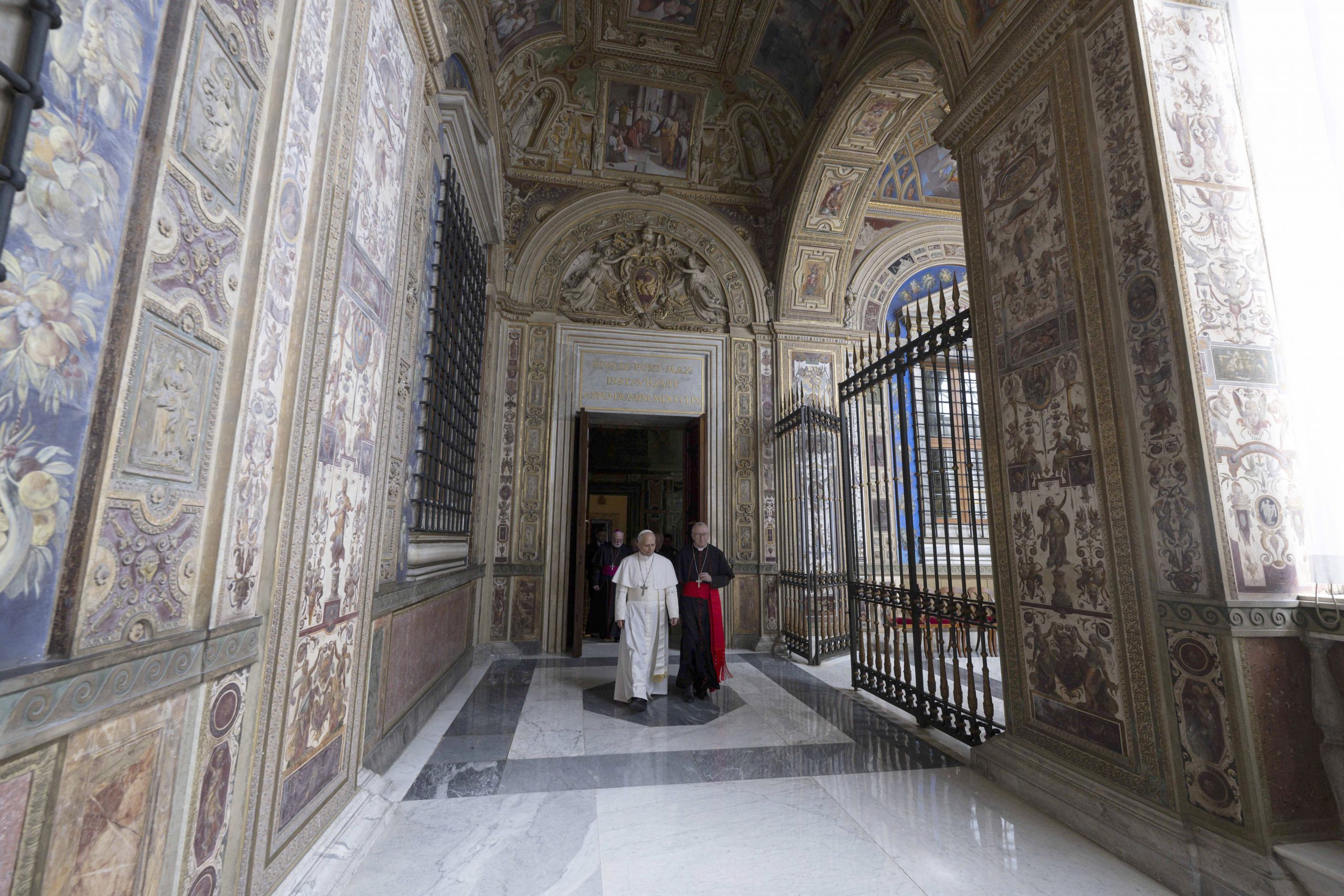
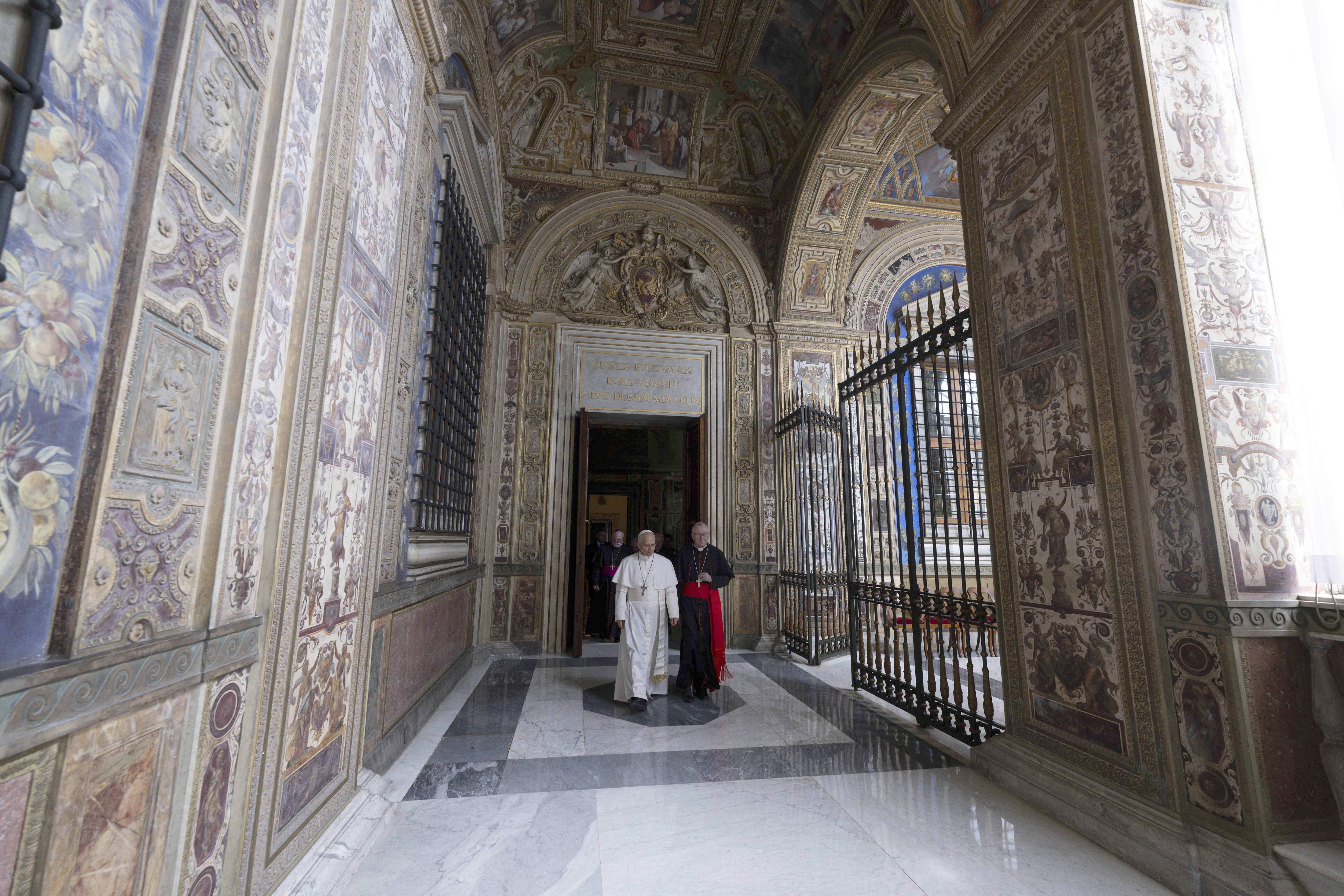
Pope Leo XIV to move into papal apartment of Apostolic Palace #Catholic Pope Leo XIV on March 14 took possession of the traditional papal apartment within the Apostolic Palace, moving into the quarters traditionally reserved for his predecessors. The move was announced on March 14 by the Holy See Press Office, more than ten months after Leoʼs election.The Holy Father had been staying at an apartment at the Palace of the Holy Office but will now reside in what has long served as the home of the reigning pontiff. The custom was discontinued in March of 2013 by Pope Francis, who chose to reside at Casa Santa Marta from the beginning of his pontificate.Pope Leo XIV has also reinstated the papal tradition of staying at the summer residence of Castel Gandolfo. In the summer of 2025 the pope stayed at Villa Barberini; subsequently, he decided to travel to Castel Gandolfo almost every week, staying from Monday evening until Tuesday evening.The papal apartment has undergone a lengthy and meticulous restoration, having remained unoccupied since the conclusion of Pope Benedict XVI’s pontificate on February 28, 2013. The previous renovation dated back to the spring of 2005, following the death of Pope John Paul II and prior to Benedict XVI taking up residence in the quarters.In addition to the bedrooms, the apartment comprises a private study for the pope — from the window of which he appears every Sunday to recite the Angelus — as well as a dining room and a private chapel, where pontiffs have traditionally celebrated Mass at the start of each day.Residing alongside Pope Leo XIV in the papal apartment within the Apostolic Palace will likely be his two secretaries, the Peruvian Monsignor Edgard Iván Rimaycuna Inga and the Italian Father Marco Billeri.This story was first published by ACI Stampa, the Italian-language sister service of EWTN News. It has been translated and adapted by EWTN News English.

Pope Leo XIV to move into papal apartment of Apostolic Palace #Catholic Pope Leo XIV on March 14 took possession of the traditional papal apartment within the Apostolic Palace, moving into the quarters traditionally reserved for his predecessors. The move was announced on March 14 by the Holy See Press Office, more than ten months after Leoʼs election.The Holy Father had been staying at an apartment at the Palace of the Holy Office but will now reside in what has long served as the home of the reigning pontiff. The custom was discontinued in March of 2013 by Pope Francis, who chose to reside at Casa Santa Marta from the beginning of his pontificate.Pope Leo XIV has also reinstated the papal tradition of staying at the summer residence of Castel Gandolfo. In the summer of 2025 the pope stayed at Villa Barberini; subsequently, he decided to travel to Castel Gandolfo almost every week, staying from Monday evening until Tuesday evening.The papal apartment has undergone a lengthy and meticulous restoration, having remained unoccupied since the conclusion of Pope Benedict XVI’s pontificate on February 28, 2013. The previous renovation dated back to the spring of 2005, following the death of Pope John Paul II and prior to Benedict XVI taking up residence in the quarters.In addition to the bedrooms, the apartment comprises a private study for the pope — from the window of which he appears every Sunday to recite the Angelus — as well as a dining room and a private chapel, where pontiffs have traditionally celebrated Mass at the start of each day.Residing alongside Pope Leo XIV in the papal apartment within the Apostolic Palace will likely be his two secretaries, the Peruvian Monsignor Edgard Iván Rimaycuna Inga and the Italian Father Marco Billeri.This story was first published by ACI Stampa, the Italian-language sister service of EWTN News. It has been translated and adapted by EWTN News English.

The move was announced on March 14 by the Holy See Press Office, more than ten months after Leo’s election.

Read More
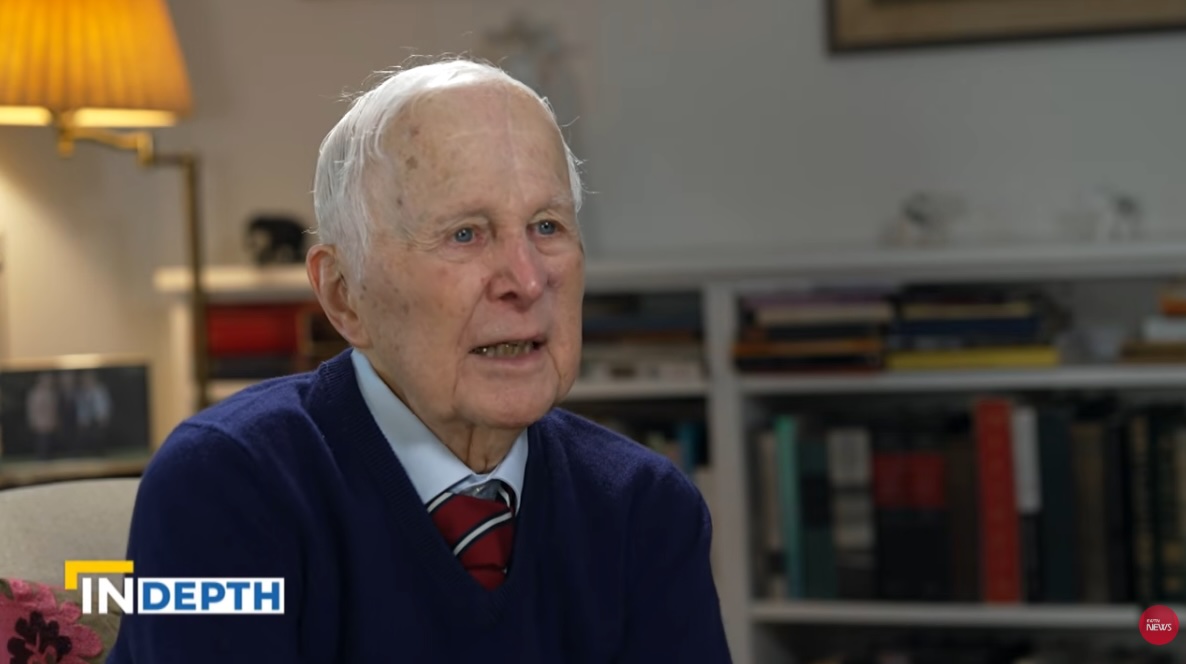
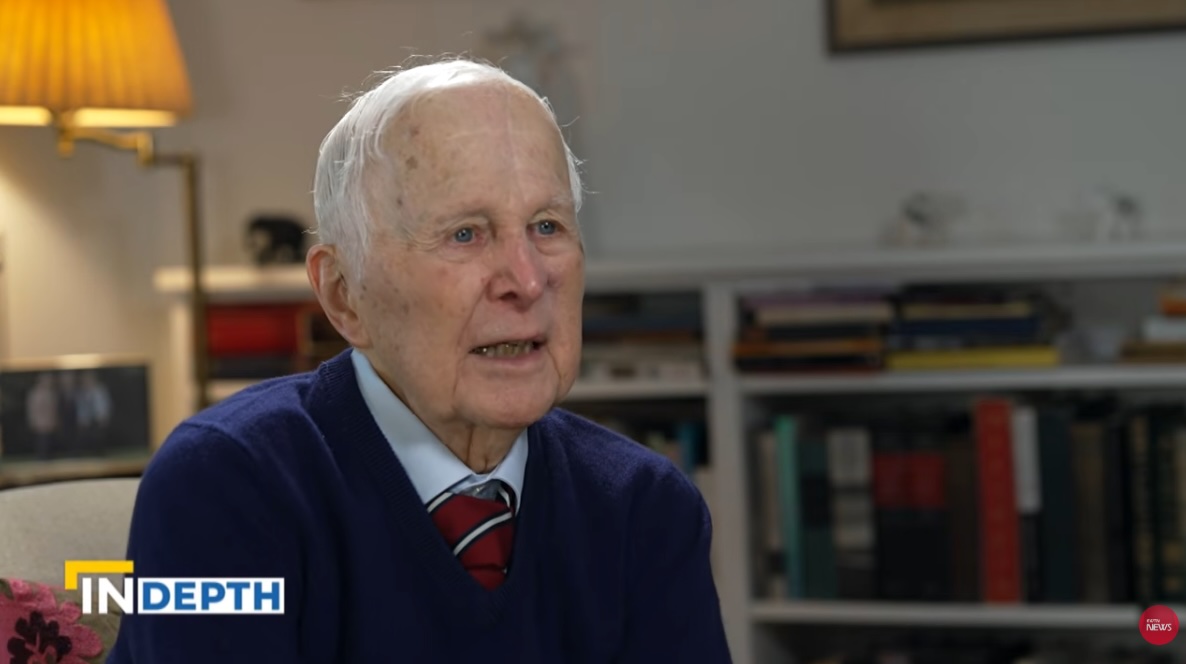
Psychiatrist Paul McHugh speaks about decades-long career, opposition to sex-reassignment surgeries – #Catholic – Psychologist Dr. Paul McHugh spoke with “EWTN News In Depth” about his decades-long career, detailing how sexual reassignment surgeries are not the answer for transgender individuals.McHugh is a 94-year-old American psychiatrist and educator. He is a distinguished service professor of psychiatry at the Johns Hopkins University School of Medicine, where he was previously the Henry Phipps professor and psychiatrist-in-chief from 1975 to 2001.McHugh has conducted years of research on sexual reassignment surgeries, which are medical procedures that alter a person’s physical sex characteristics such as the chest, genitals, or facial features. McHugh found they do not resolve underlying psychological issues. While some may believe McHugh’s view on the surgeries comes from his faith as a Catholic, he said it is also based in research.“I am Catholic, and I can’t tell in what way my faith influences any of the things I do. I’m sure it’s important in everything I do. So I can’t deny that it may play a role,” he said. “But … I try to use the information that everybody else uses in determining the fixity or the ‘born that way’ idea.”McHugh’s careerMcHugh is known for many actions in his career, including a move to shut down Johns Hopkins Gender Identity Clinic in 1979 that was performing sex reassignment operations.When McHugh started to work at Johns Hopkins, the treatment had been going on for about 10 years at the clinic. There were some faculty members following up on the cases to decide if the patients were getting better or worse.While “most of the patients at the time felt that they had done the right thing when they subjected themselves to the surgery,” all of the issues that they were told would be corrected “didn’t improve,” he said.“Their difficulties in interpersonal relationships, their difficulties in their jobs. They had difficulty with their families, which was the whole reason for doing it. They were not better,” he said.“So it didn’t seem to me that this experiment was working out,” McHugh said, noting that it was in fact “an experiment,” because “it wasn’t that they knew perfectly well that these patients would benefit from it.” “And when they weren’t benefiting … I thought: ‘Well, why do it? Let’s find another way of helping them.’” The clinic was then shut down because of “the evidence,” McHugh said. “I didn’t think at the time that we had enough experience to be able to justify such a radical procedure.”After years of further research, in 2016, McHugh released a special report in The New Atlantis, “Sexuality and Gender: Findings from the Biological and Psychological and Social Sciences.” Among other findings, the report detailed that there’s no scientific evidence to support that sexual orientation is biologically fixed.At the time, McHugh’s colleagues at Johns Hopkins took out an op-ed in the Baltimore Sun with pushback on his views. “I suppose I shouldn’t have been surprised because the truth of the matter is many people want to know the answer to a question, but they don’t want to have an answer that they don’t like,” McHugh said.“And if you start asking, just asking the question, it causes them anxiety because they want a particular answer. So I wasn’t particularly surprised that it didn’t go down easily. But I just think we ought to continue asking the question because it’s a very important question,” he said.Transgender movement todayMcHugh has been “astonished” by the momentum from 1979 to today of the transgender movement, the social and political effort advocating for the rights and inclusion of people whose say their gender identity differs from their biological sex.By closing the clinic, “it didn’t seem to me that we were doing anything terribly radical,” McHugh said. “But gradually, the idea became that somehow or another we were denying these people their honest sex. And I kept saying, ‘Look, we have two things here. We have the facts of the body, and we got the ideas of the patient.’”Instead of the program building upon “facts,” it was “generating more concern about the ideas and giving the ideas primary focus,” McHugh said. “And I thought that was one of the kinds of things where psychiatry has gone wrong in the past and could go wrong again — imagining things rather than knowing things.”“We don’t know enough” about the psychiatric impact, especially on children who undergo these operations, “because we’re not spending enough time studying them,” McHugh said.“The whole idea of doing this to children to … presumably get them to think more about what they’re experiencing has been a track towards … persuading them and has not been a good idea,” he said.“I’ve, after all, seen a lot of young people … especially young girls, being persuaded that there are some aspects of themselves, in their body, that needs correction,” he said. “It’s really the foundation of anorexia nervosa and things of that sort.”Children need to be “encouraged to just grow up and let their body take it,” McHugh said. “It turns out that 85% to 90% of them drop off of this. So if you don’t treat them with so-called gender affirming treatments, hormones, or surgery, they gradually give it up.”Puberty is “a very vulnerable time … all kinds of things are changing in your body and in your mind,” McHugh said. “Once you get through puberty, a new kind of person comes to think about what life is going to be like, what they would commit themselves to.”“Human beings are different from animals,” he said. “Animals, when they go through puberty, just become what they were from the start. Human beings have a rebirth after puberty as they think in terms of who they are, and what they would like to do. And those ideas would be best appreciated, and filled out, if you were what God made you, as it were.”“But if you are changed, then you have to spend your life committed to this change, and defending it, rather than moving forward,” he said.‘Many more lawsuits’ to comeMcHugh has stated publicly over the years that he thought it would be lawsuits that ultimately cease the surgeries for minors.In February, a New York jury awarded  million to a woman who underwent a double mastectomy at age 16 in what is believed to be the first U.S. malpractice case of its kind to reach a trial verdict.Following the first malpractice suit, “it should be” the end of transgender surgeries for minors, McHugh said. “But there are going to be many more lawsuits coming down the pike now, as I predicted it would come.”The “ million is a small thing,” McHugh said. “It’s going to be a lot higher as more and more people come to realize, and they’re going to be mostly women in their mid-20s.”Next steps At 94, McHugh said “I’m not retiring yet.” He added: “I’m going to see if I can go a bit further. God got me this far. Maybe he’ll carry me on another while. I’ve got wonderful grandchildren I want to see more of and see how they flourish.”While he has no plans to retire yet, when that day comes he spoke to what he hopes his legacy is. He said: “I want people to think … that I was part of my times and that I didn’t shy away from the things that occupied the attention of my fellow Americans.”“I think it’s really important to see that the role you have calls for certain kinds of courage. And if you don’t have that, you shouldn’t have that role. And I had some adventures. And it turns out I was right about a lot of things — that’s the fun part.”

Psychiatrist Paul McHugh speaks about decades-long career, opposition to sex-reassignment surgeries – #Catholic – Psychologist Dr. Paul McHugh spoke with “EWTN News In Depth” about his decades-long career, detailing how sexual reassignment surgeries are not the answer for transgender individuals.McHugh is a 94-year-old American psychiatrist and educator. He is a distinguished service professor of psychiatry at the Johns Hopkins University School of Medicine, where he was previously the Henry Phipps professor and psychiatrist-in-chief from 1975 to 2001.McHugh has conducted years of research on sexual reassignment surgeries, which are medical procedures that alter a person’s physical sex characteristics such as the chest, genitals, or facial features. McHugh found they do not resolve underlying psychological issues. While some may believe McHugh’s view on the surgeries comes from his faith as a Catholic, he said it is also based in research.“I am Catholic, and I can’t tell in what way my faith influences any of the things I do. I’m sure it’s important in everything I do. So I can’t deny that it may play a role,” he said. “But … I try to use the information that everybody else uses in determining the fixity or the ‘born that way’ idea.”McHugh’s careerMcHugh is known for many actions in his career, including a move to shut down Johns Hopkins Gender Identity Clinic in 1979 that was performing sex reassignment operations.When McHugh started to work at Johns Hopkins, the treatment had been going on for about 10 years at the clinic. There were some faculty members following up on the cases to decide if the patients were getting better or worse.While “most of the patients at the time felt that they had done the right thing when they subjected themselves to the surgery,” all of the issues that they were told would be corrected “didn’t improve,” he said.“Their difficulties in interpersonal relationships, their difficulties in their jobs. They had difficulty with their families, which was the whole reason for doing it. They were not better,” he said.“So it didn’t seem to me that this experiment was working out,” McHugh said, noting that it was in fact “an experiment,” because “it wasn’t that they knew perfectly well that these patients would benefit from it.” “And when they weren’t benefiting … I thought: ‘Well, why do it? Let’s find another way of helping them.’” The clinic was then shut down because of “the evidence,” McHugh said. “I didn’t think at the time that we had enough experience to be able to justify such a radical procedure.”After years of further research, in 2016, McHugh released a special report in The New Atlantis, “Sexuality and Gender: Findings from the Biological and Psychological and Social Sciences.” Among other findings, the report detailed that there’s no scientific evidence to support that sexual orientation is biologically fixed.At the time, McHugh’s colleagues at Johns Hopkins took out an op-ed in the Baltimore Sun with pushback on his views. “I suppose I shouldn’t have been surprised because the truth of the matter is many people want to know the answer to a question, but they don’t want to have an answer that they don’t like,” McHugh said.“And if you start asking, just asking the question, it causes them anxiety because they want a particular answer. So I wasn’t particularly surprised that it didn’t go down easily. But I just think we ought to continue asking the question because it’s a very important question,” he said.Transgender movement todayMcHugh has been “astonished” by the momentum from 1979 to today of the transgender movement, the social and political effort advocating for the rights and inclusion of people whose say their gender identity differs from their biological sex.By closing the clinic, “it didn’t seem to me that we were doing anything terribly radical,” McHugh said. “But gradually, the idea became that somehow or another we were denying these people their honest sex. And I kept saying, ‘Look, we have two things here. We have the facts of the body, and we got the ideas of the patient.’”Instead of the program building upon “facts,” it was “generating more concern about the ideas and giving the ideas primary focus,” McHugh said. “And I thought that was one of the kinds of things where psychiatry has gone wrong in the past and could go wrong again — imagining things rather than knowing things.”“We don’t know enough” about the psychiatric impact, especially on children who undergo these operations, “because we’re not spending enough time studying them,” McHugh said.“The whole idea of doing this to children to … presumably get them to think more about what they’re experiencing has been a track towards … persuading them and has not been a good idea,” he said.“I’ve, after all, seen a lot of young people … especially young girls, being persuaded that there are some aspects of themselves, in their body, that needs correction,” he said. “It’s really the foundation of anorexia nervosa and things of that sort.”Children need to be “encouraged to just grow up and let their body take it,” McHugh said. “It turns out that 85% to 90% of them drop off of this. So if you don’t treat them with so-called gender affirming treatments, hormones, or surgery, they gradually give it up.”Puberty is “a very vulnerable time … all kinds of things are changing in your body and in your mind,” McHugh said. “Once you get through puberty, a new kind of person comes to think about what life is going to be like, what they would commit themselves to.”“Human beings are different from animals,” he said. “Animals, when they go through puberty, just become what they were from the start. Human beings have a rebirth after puberty as they think in terms of who they are, and what they would like to do. And those ideas would be best appreciated, and filled out, if you were what God made you, as it were.”“But if you are changed, then you have to spend your life committed to this change, and defending it, rather than moving forward,” he said.‘Many more lawsuits’ to comeMcHugh has stated publicly over the years that he thought it would be lawsuits that ultimately cease the surgeries for minors.In February, a New York jury awarded $2 million to a woman who underwent a double mastectomy at age 16 in what is believed to be the first U.S. malpractice case of its kind to reach a trial verdict.Following the first malpractice suit, “it should be” the end of transgender surgeries for minors, McHugh said. “But there are going to be many more lawsuits coming down the pike now, as I predicted it would come.”The “$2 million is a small thing,” McHugh said. “It’s going to be a lot higher as more and more people come to realize, and they’re going to be mostly women in their mid-20s.”Next steps At 94, McHugh said “I’m not retiring yet.” He added: “I’m going to see if I can go a bit further. God got me this far. Maybe he’ll carry me on another while. I’ve got wonderful grandchildren I want to see more of and see how they flourish.”While he has no plans to retire yet, when that day comes he spoke to what he hopes his legacy is. He said: “I want people to think … that I was part of my times and that I didn’t shy away from the things that occupied the attention of my fellow Americans.”“I think it’s really important to see that the role you have calls for certain kinds of courage. And if you don’t have that, you shouldn’t have that role. And I had some adventures. And it turns out I was right about a lot of things — that’s the fun part.”

McHugh told “EWTN News In Depth” that “we don’t know enough” about the psychiatric impact of gender reassignment surgeries.

Read More
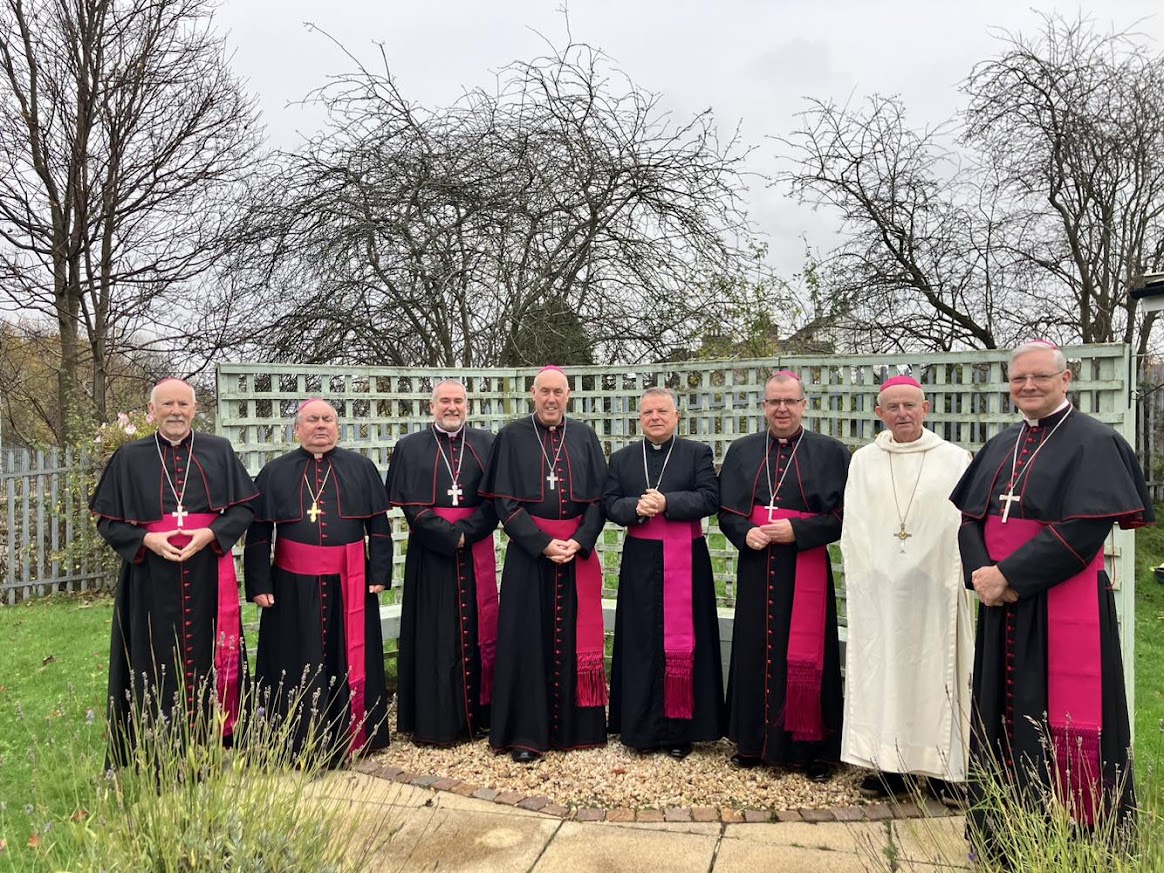
Scotland bishops on assisted suicide legislation: ‘Safeguards do not work’ – #Catholic – Here is a roundup of Catholic world news from the past week that you might have missed:Scotland bishops on assisted suicide legislation: ‘Safeguards do not work’The Catholic Bishops’ Conference of Scotland is urging Catholics to express opposition to the latest assisted suicide legislation proposed in the country to their representatives in Parliament.“One of the most serious concerns about assisted suicide legislation is this: Safeguards do not work,” the bishops wrote in a March 6 statement. “We only have to look at countries that have already introduced these laws. In places such as Holland, Belgium, and Canada, what began with strict limits has steadily expanded. Boundaries shift. Protections weaken. And the most vulnerable are placed at risk.” The bishops’ latest statement comes ahead of a final vote on March 17 for the bill that would give terminally ill adults access to assisted suicide.Italian Church calls for day of prayer and fasting for peaceItaly’s bishops designated Friday, March 13, as a national day of prayer and fasting for peace, responding to growing alarm over widening conflict in the Middle East and the risk of broader international destabilization.The initiative, backed by the presidency of the Italian Bishops’ Conference, aligns with Pope Leo’s repeated warnings against allowing violence to spiral beyond control, ACI MENA, the Arabic-language sister service of EWTN News, reported Thursday. The bishops said war cannot become a solution and insisted that diplomacy, dialogue, and the pursuit of the common good remain the only serious path forward.Parishes and Catholic communities across the country were invited to mark the day through special liturgical intentions, the Stations of the Cross offered for the Middle East, and acts of fasting in solidarity with those enduring war, displacement, and deprivation. The Church in Italy is also urging prayers for world leaders, refugees, the wounded, and grieving families, while calling the faithful to recover charity as the true foundation of peace.Diocese of Hong Kong anticipates thousands of baptisms this EasterThe Diocese of Hong Kong is preparing for 2,500 baptisms at Easter, according to a report from Fides News Agency.The new members of the Church in China include 1,600 adults and 900 infants, according to a recent diocesan bulletin cited in the report, which said this year’s numbers were comparable to those in 2025. Cardinal Stephen Chow Sau-yan celebrated the rite of scrutiny with catechumens in the diocese at Christ the King Church on March 8 and instructed the future members of the Church to “be bearers of hope.”Syria feeling fallout of Iranian war despite lack of involvementSyria is once again absorbing the shockwaves of regional war, as Iranian missiles and drones headed toward Israel pass through its airspace, with projectiles frequently falling inside southern Syria and areas with a Christian presence, ACI MENA reported March 9.Along the Syrian-Lebanese border, the city of Damascus has increased its military deployment, describing the move as defensive and aimed at border control, anti-smuggling efforts, and preventing infiltration as fighting intensifies inside Lebanon. The war has also deepened Syria’s humanitarian and economic strain: Thousands of Syrians have returned from Lebanon to escape Israeli strikes, fuel stations have seen panic buying, cooking gas has become harder to obtain, and electricity shortages have worsened amid reduced natural gas flows.Ethiopian bishops call for investigations into Christian killings Catholic bishops in Ethiopia have expressed “profound sorrow and unequivocal condemnation” of the recent killings of innocent civilians across the country, including the brutal attacks in the Arsi Zone, a major administrative division within the Oromia Region, located in the southeastern highlands.“The deliberate taking of innocent human life is a grave sin before God and a violation of the sacred dignity bestowed upon every person created in the image of God,” the bishops said in a statement to ACI Africa, the sister service of EWTN News in Africa, on March 10. “Such violence against defenseless civilians can never be justified by religion, ethnicity, or political interest. We call upon the responsible authorities to undertake investigations and to ensure that those responsible for these crimes are brought to justice.”Tanzanian bishop condemns police use of tear gas at cathedral Bishop Michael George Msongazila of Tanzania’s Diocese of Musoma has condemned what he described as “the excessive use of force” by the Tanzania Police Force after officers reportedly hurled tear gas canisters at Holy Mother of God Cathedral.“I condemn this act of police using force at the headquarters of the Catholic Diocese of Musoma,” Msongazila said in a statement on March 10, ACI Africa reported. In his statement, Msongazila recounted that a group of women reportedly affiliated with an opposition political party joined other faithful for Mass on March 8 at the cathedral and that, as they were leaving, police officers threw tear gas canisters into the cathedral compound.The bishop further described the police action as “an act of oppression and cruelty,” insisting that such conduct undermines public trust and calls for urgent reform within the country’s law enforcement structures.Catholic Church in Philippines to establish mission on island disputed with ChinaApostolic Vicar Socrates Calamba Mesiona of Puerto Princesa in the Philippines is establishing a Catholic presence on Pag-asa Island, part of the Philippines-occupied Spratly Islands in the South China Sea. The islands are a strategic and contested archipelago in the South China Sea and a source of tension between China and the Philippines due to its natural resources, according to Asia News.Mesiona met with government officials to discuss building a church on the island. The bishop said he expected to complete initial preparations for the mission by the end of March. A groundbreaking ceremony is also expected to take place by the end of the month. A parish name and patron saint have yet to be announced, the report said.

Scotland bishops on assisted suicide legislation: ‘Safeguards do not work’ – #Catholic – Here is a roundup of Catholic world news from the past week that you might have missed:Scotland bishops on assisted suicide legislation: ‘Safeguards do not work’The Catholic Bishops’ Conference of Scotland is urging Catholics to express opposition to the latest assisted suicide legislation proposed in the country to their representatives in Parliament.“One of the most serious concerns about assisted suicide legislation is this: Safeguards do not work,” the bishops wrote in a March 6 statement. “We only have to look at countries that have already introduced these laws. In places such as Holland, Belgium, and Canada, what began with strict limits has steadily expanded. Boundaries shift. Protections weaken. And the most vulnerable are placed at risk.” The bishops’ latest statement comes ahead of a final vote on March 17 for the bill that would give terminally ill adults access to assisted suicide.Italian Church calls for day of prayer and fasting for peaceItaly’s bishops designated Friday, March 13, as a national day of prayer and fasting for peace, responding to growing alarm over widening conflict in the Middle East and the risk of broader international destabilization.The initiative, backed by the presidency of the Italian Bishops’ Conference, aligns with Pope Leo’s repeated warnings against allowing violence to spiral beyond control, ACI MENA, the Arabic-language sister service of EWTN News, reported Thursday. The bishops said war cannot become a solution and insisted that diplomacy, dialogue, and the pursuit of the common good remain the only serious path forward.Parishes and Catholic communities across the country were invited to mark the day through special liturgical intentions, the Stations of the Cross offered for the Middle East, and acts of fasting in solidarity with those enduring war, displacement, and deprivation. The Church in Italy is also urging prayers for world leaders, refugees, the wounded, and grieving families, while calling the faithful to recover charity as the true foundation of peace.Diocese of Hong Kong anticipates thousands of baptisms this EasterThe Diocese of Hong Kong is preparing for 2,500 baptisms at Easter, according to a report from Fides News Agency.The new members of the Church in China include 1,600 adults and 900 infants, according to a recent diocesan bulletin cited in the report, which said this year’s numbers were comparable to those in 2025. Cardinal Stephen Chow Sau-yan celebrated the rite of scrutiny with catechumens in the diocese at Christ the King Church on March 8 and instructed the future members of the Church to “be bearers of hope.”Syria feeling fallout of Iranian war despite lack of involvementSyria is once again absorbing the shockwaves of regional war, as Iranian missiles and drones headed toward Israel pass through its airspace, with projectiles frequently falling inside southern Syria and areas with a Christian presence, ACI MENA reported March 9.Along the Syrian-Lebanese border, the city of Damascus has increased its military deployment, describing the move as defensive and aimed at border control, anti-smuggling efforts, and preventing infiltration as fighting intensifies inside Lebanon. The war has also deepened Syria’s humanitarian and economic strain: Thousands of Syrians have returned from Lebanon to escape Israeli strikes, fuel stations have seen panic buying, cooking gas has become harder to obtain, and electricity shortages have worsened amid reduced natural gas flows.Ethiopian bishops call for investigations into Christian killings Catholic bishops in Ethiopia have expressed “profound sorrow and unequivocal condemnation” of the recent killings of innocent civilians across the country, including the brutal attacks in the Arsi Zone, a major administrative division within the Oromia Region, located in the southeastern highlands.“The deliberate taking of innocent human life is a grave sin before God and a violation of the sacred dignity bestowed upon every person created in the image of God,” the bishops said in a statement to ACI Africa, the sister service of EWTN News in Africa, on March 10. “Such violence against defenseless civilians can never be justified by religion, ethnicity, or political interest. We call upon the responsible authorities to undertake investigations and to ensure that those responsible for these crimes are brought to justice.”Tanzanian bishop condemns police use of tear gas at cathedral Bishop Michael George Msongazila of Tanzania’s Diocese of Musoma has condemned what he described as “the excessive use of force” by the Tanzania Police Force after officers reportedly hurled tear gas canisters at Holy Mother of God Cathedral.“I condemn this act of police using force at the headquarters of the Catholic Diocese of Musoma,” Msongazila said in a statement on March 10, ACI Africa reported. In his statement, Msongazila recounted that a group of women reportedly affiliated with an opposition political party joined other faithful for Mass on March 8 at the cathedral and that, as they were leaving, police officers threw tear gas canisters into the cathedral compound.The bishop further described the police action as “an act of oppression and cruelty,” insisting that such conduct undermines public trust and calls for urgent reform within the country’s law enforcement structures.Catholic Church in Philippines to establish mission on island disputed with ChinaApostolic Vicar Socrates Calamba Mesiona of Puerto Princesa in the Philippines is establishing a Catholic presence on Pag-asa Island, part of the Philippines-occupied Spratly Islands in the South China Sea. The islands are a strategic and contested archipelago in the South China Sea and a source of tension between China and the Philippines due to its natural resources, according to Asia News.Mesiona met with government officials to discuss building a church on the island. The bishop said he expected to complete initial preparations for the mission by the end of March. A groundbreaking ceremony is also expected to take place by the end of the month. A parish name and patron saint have yet to be announced, the report said.

The bishops of Scotland speak out on assisted suicide legislation, Italy’s bishops call for prayer and fasting for peace, the Hong Kong Diocese prepares for thousands of baptisms at Easter, and more.

Read More

On March 14, 1879, Albert Einstein was born in Germany. Early in his life, he demonstrated passion for music and science; in 1896, he began studying physics and mathematics at the Swiss Federal Polytechnic School in Zurich. When his degree was completed, he was unable to find a position as a teacher, and instead beganContinue reading “March 14, 1879: The birth of a genius”

The post March 14, 1879: The birth of a genius appeared first on Astronomy Magazine.

Read More
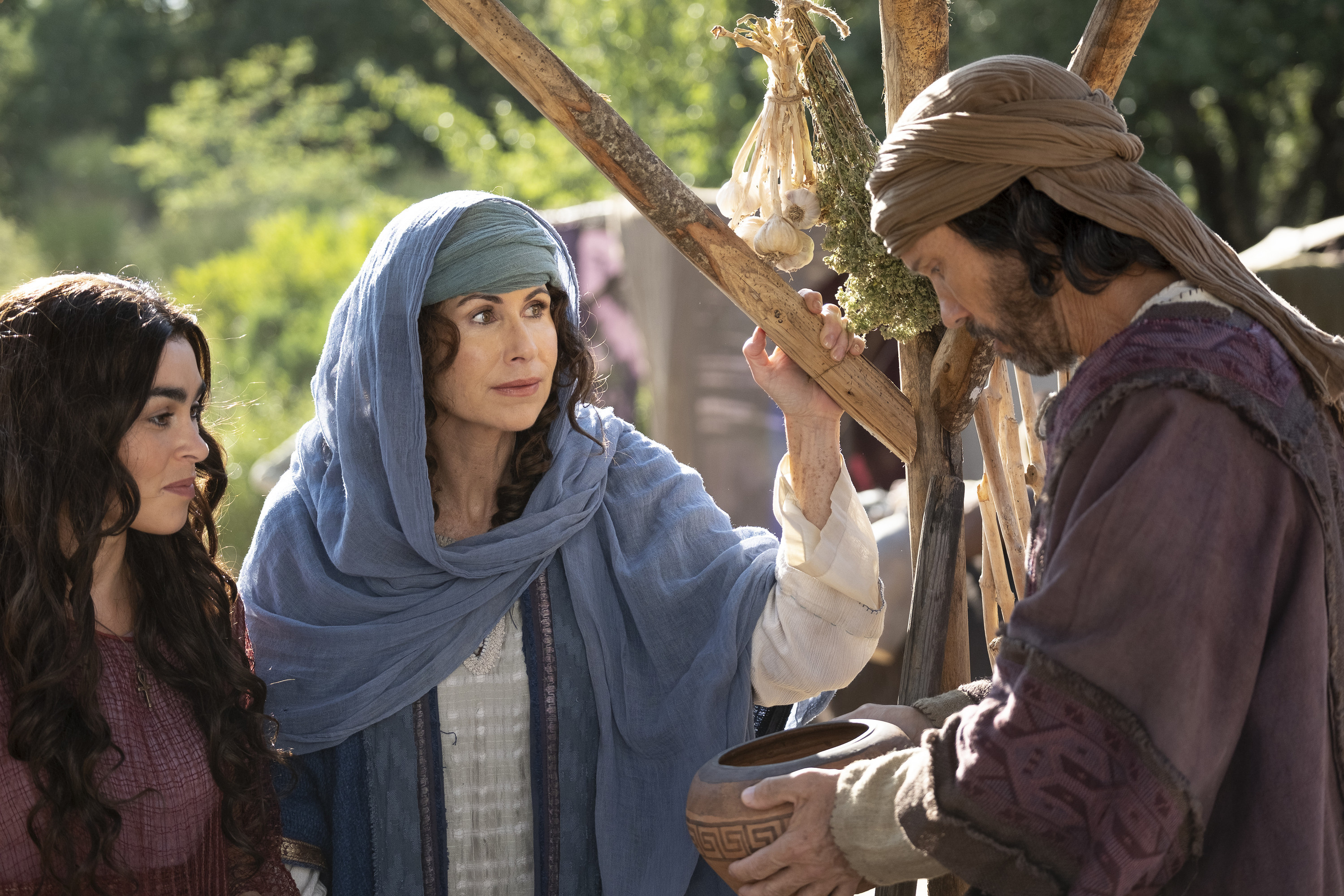
New biblical series depicts Book of Genesis through eyes of its best-known women – #Catholic – A new biblical series will depict the Book of Genesis through the eyes of the book’s most well-known women. “The Faithful: Women of the Bible” follows the stories of Sarah, Hagar, Rebekah, Leah, and Rachel and how each of these women, and their descendants, shaped the story of salvation.The three-week event will begin airing on March 22 on Fox and end on Easter Sunday, April 5.René Echevarria, executive producer and showrunner of the series, told EWTN News that the creators “set out to try to tell these stories in an emotionally grounded way and really try to understand what their lives were like — what their emotional lives were like.”“One thing that emerges is that all of the three stories that we chose to tell … all of these women stumble,” he said. “They’re trying to figure out how to proceed in life against different complicated circumstances — sometimes encounters with the divine that are asking them to do difficult things — and so that was our sort of North Star, was always to try to understand them on an emotional level.”The filmmaker highlighted the idea of the relatability behind these stories and how they resonate with modern audiences, especially that of Sarah and Abraham, who were unable to conceive a child for decades.Echevarria shared that he and his wife struggled with infertility for several years. They realized they needed to place their trust in God’s plan for them. Eventually, they were blessed with three children.
 
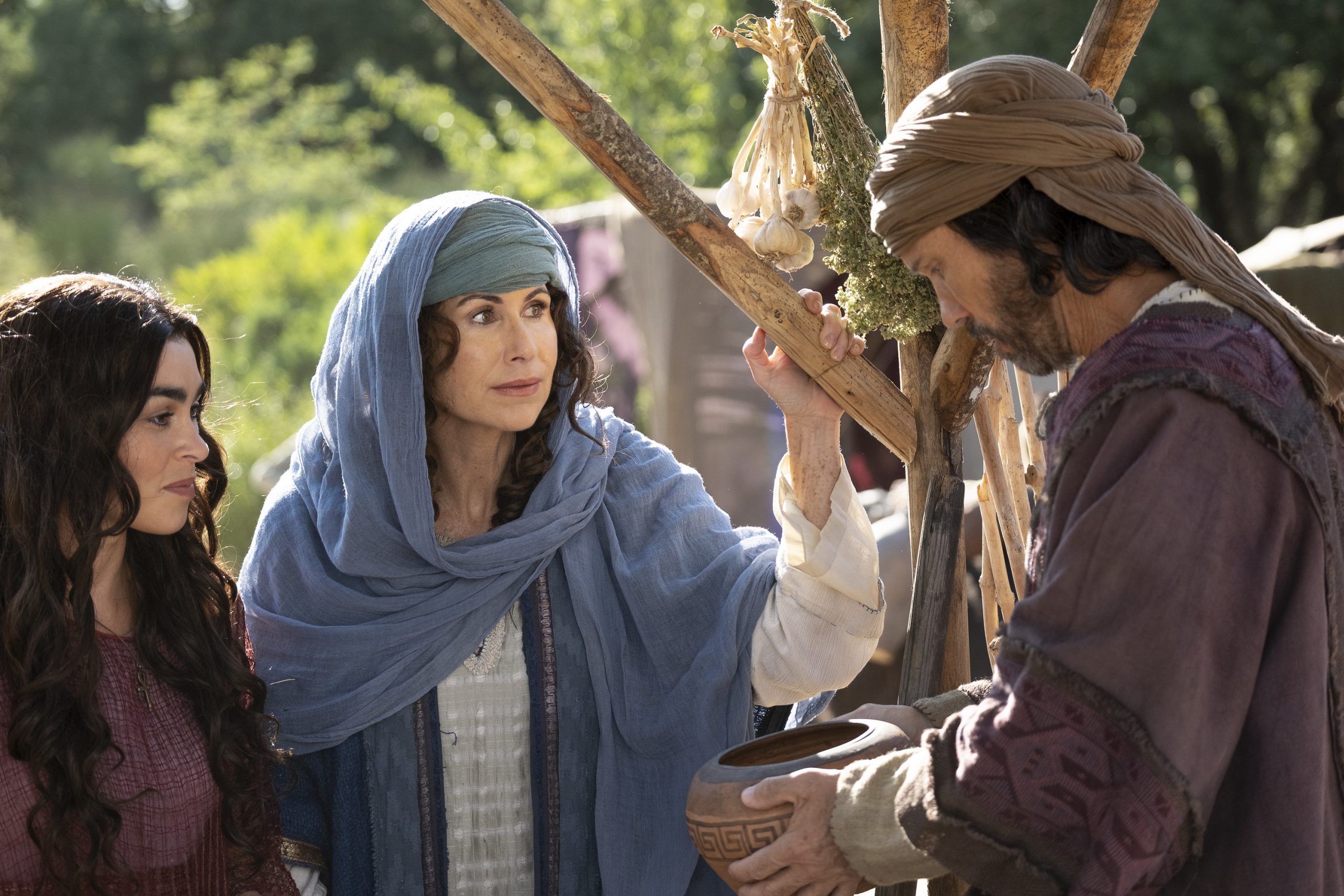
 Actress Minnie Driver as Sarah in Fox’s “The Faithful: Women of the Bible.” | Credit: Fox Broadcasting Company
 
 He also pointed out the importance he and his team placed on staying true to Scripture.“Our guiding principle was that if we were going to dramatize some part of the story, a scene, let’s call it, that’s described in the Bible, then we’re going to dramatize it the way it’s described and including dialogue if there is some,” he explained.“If we choose not to show something from the Bible, we wanted to make sure that there was nothing that we didn’t present that would make those sort of off-camera scenes impossible to have had occurred,” Echevarria added. “And then the rest was filling in the blanks. The Bible can be very specific, but it can also be profound in its silences … We need to do the research to find out about life at that time to fill in those gaps.”Echevarria said he hopes viewers are reminded that the men and women in these stories were “flawed, strong, people dealing with extraordinary circumstances and sometimes they made mistakes and yet God always made a good work of it.”Reflecting on the release of the series being during Lent and the start of Easter, Echevarria said: “We’re coming out of a time for many of us, a time of fasting, a time of reflection.”“We all love Christmas but Easter is the heart of our faith, isn’t it? So to be able to present these stories, which are the beginning of the Easter story in a sense, the beginning of God’s unfolding story, and his love for his children, and how he set it all in motion 4,000 years ago through Sarah and Abraham.”

New biblical series depicts Book of Genesis through eyes of its best-known women – #Catholic – A new biblical series will depict the Book of Genesis through the eyes of the book’s most well-known women. “The Faithful: Women of the Bible” follows the stories of Sarah, Hagar, Rebekah, Leah, and Rachel and how each of these women, and their descendants, shaped the story of salvation.The three-week event will begin airing on March 22 on Fox and end on Easter Sunday, April 5.René Echevarria, executive producer and showrunner of the series, told EWTN News that the creators “set out to try to tell these stories in an emotionally grounded way and really try to understand what their lives were like — what their emotional lives were like.”“One thing that emerges is that all of the three stories that we chose to tell … all of these women stumble,” he said. “They’re trying to figure out how to proceed in life against different complicated circumstances — sometimes encounters with the divine that are asking them to do difficult things — and so that was our sort of North Star, was always to try to understand them on an emotional level.”The filmmaker highlighted the idea of the relatability behind these stories and how they resonate with modern audiences, especially that of Sarah and Abraham, who were unable to conceive a child for decades.Echevarria shared that he and his wife struggled with infertility for several years. They realized they needed to place their trust in God’s plan for them. Eventually, they were blessed with three children. Actress Minnie Driver as Sarah in Fox’s “The Faithful: Women of the Bible.” | Credit: Fox Broadcasting Company He also pointed out the importance he and his team placed on staying true to Scripture.“Our guiding principle was that if we were going to dramatize some part of the story, a scene, let’s call it, that’s described in the Bible, then we’re going to dramatize it the way it’s described and including dialogue if there is some,” he explained.“If we choose not to show something from the Bible, we wanted to make sure that there was nothing that we didn’t present that would make those sort of off-camera scenes impossible to have had occurred,” Echevarria added. “And then the rest was filling in the blanks. The Bible can be very specific, but it can also be profound in its silences … We need to do the research to find out about life at that time to fill in those gaps.”Echevarria said he hopes viewers are reminded that the men and women in these stories were “flawed, strong, people dealing with extraordinary circumstances and sometimes they made mistakes and yet God always made a good work of it.”Reflecting on the release of the series being during Lent and the start of Easter, Echevarria said: “We’re coming out of a time for many of us, a time of fasting, a time of reflection.”“We all love Christmas but Easter is the heart of our faith, isn’t it? So to be able to present these stories, which are the beginning of the Easter story in a sense, the beginning of God’s unfolding story, and his love for his children, and how he set it all in motion 4,000 years ago through Sarah and Abraham.”

“The Faithful: Women of the Bible” follows the stories of Sarah, Hagar, Rebekah, Leah, and Rachel and how each of these women shaped the story of salvation.

Read More
‘God wants to cover us in robes of grace,’ Catholic fashion writer says #Catholic According to Catholic author Mary Harper, the way we dress can be a way to express faith, human dignity, and personal identity.Harper, author of “The Liturgical Style Guide,” in which she explores how faith should influence how we dress, noted that the Bible shows the symbolic importance of clothing: “It’s actually pretty amazing how, throughout both the Old Testament and the New … clothing is mentioned over 100 times... The majority of times, it’s meant to be a sign of God’s mercy and providence.”This symbolism appears from the very beginning of the Bible, she said in a recent interview posted by the Archdiocese of Miami.
 
 Mary Harper, author of “The Liturgical Style Guide,” explores how faith can influence even everyday dress. | Credit: Archdiocese of Miami
 
 After original sin, Adam and Eve tried to cover themselves by sewing together fig leaves, which Harper called “flimsy.”“What does God do? He literally slaughters an animal, the first sacrifice in Scripture. He covers them in leather garments because he wants them to have something that’s worthy, something that’s good, something that’s actually going to protect them and be lasting,” she explained.According to Harper, this biblical image helps us understand human dignity. “God wants to cover us in robes of grace,” she said, also recalling the parable of the prodigal son, when the father “puts a robe on him and a ring on him, as a reminder of his goodness and his dignity and his identity.”That’s why even something as ordinary as getting dressed every day can have a spiritual dimension. “Even through something that we do every day — getting dressed for the day — the Lord is speaking his providence over you. He desires to lavish you in grace. Even getting dressed in the morning is a way to remember putting on Christ, putting on your baptismal garment again, remembering who you are and who you’re called to be in Christ,” she pointed out.Harper grew up Catholic in New Orleans. She earned her master’s and bachelor’s degrees in theology from Ave Maria University and is the founder of LiturgicalStyle.com, a project dedicated to reflecting on the theological significance of clothing based on the Bible, the stories of the saints, and the liturgical calendar.She also writes for litanynyc.com a Catholic made-to-measure clothing company that seeks to apply the Church’s social teaching in its production process.Clothing as a form of Christian witness“Whether I intend it or not, my clothing is going to communicate something. You wear a school uniform, it tells you what school you go to; priests put on vestments that tell you about the liturgical season. Well, there’s great power in that,” she said.From that perspective, she added, clothing can become a form of Christian witness. “I have the capacity to communicate the Gospel through my very garments, through intentionality, creativity, and beauty.”The author also cautioned that the Christian view of modesty avoids two extremes: absolute individualism and fear of the body.“One extreme is, I can wear whatever I want, I don’t care what anyone else thinks about it. At the same time, we don’t want to get to the point of, ‘I don’t know how to dress myself well, and I’m so scared of doing the wrong thing … [and] nothing can show because my body is bad,’” she explained.“The Church has never said that,” Harper added, noting that Christian teaching on the goodness of the human body is developed in depth in St. John Paul II’s theology of the body.More than strict rules, she argued, the key lies in discerning: “What is it that I want to communicate through what I’m wearing?” Harper also explained that modesty involves considering the context and the activity.“It is my responsibility to wear something that makes sense for the activity at hand, for the environment that I’m in, and that allows me to be fully present. That’s a service to everyone around me and to myself,” she stated, citing as an example the impracticality of wearing flip flops to hike in the Rocky Mountains.Drawing inspiration from the saintsHarper also proposed a creative idea for living out one’s faith in everyday life: finding inspiration in the saints when choosing what to wear.This does not mean, she clarified, that we imitate them literally. “I’m not telling you to go around wearing a Carmelite habit,” she joked.Rather, she suggested small symbolic gestures: “If you have Western boots, you can say you’re wearing them in honor of St. Teresa of the Andes,” who loved horseback riding. Or “when you wear jeans, you can think of her, because she just loved to be this great adventurer and going into the mountains” and “I’m going to ask her to pray for me."Creativity and freedom in the Christian lifeFor Harper, the relationship between faith and clothing should not become a source of scrupulosity or pressure.“Sometimes we can get so caught up saying, ‘If I’m a ‘real Catholic,’ then I’m going to dress in this particular way.’ I think it’s really easy to get kind of scrupulous when it comes to clothing,” she reflected.Instead, she recommended bringing the matter to prayer and discernment with trusted individuals. “If you have any concern about, ‘Am I dressing in a way that is good?’, talk to someone who knows your heart,” she advised.Finally, Harper encouraged living out Christian creativity in these everyday details as well: “The Holy Spirit is creative."“When you get dressed for the day, if you just say, ‘Come, Holy Spirit,’ he’s going to show up. It’s going to be awesome and joyful, and it’ll be more fun.”This story was first published by ACI Prensa, the Spanish-language sister service of EWTN News. It has been translated and adapted by EWTN News English.

‘God wants to cover us in robes of grace,’ Catholic fashion writer says #Catholic According to Catholic author Mary Harper, the way we dress can be a way to express faith, human dignity, and personal identity.Harper, author of “The Liturgical Style Guide,” in which she explores how faith should influence how we dress, noted that the Bible shows the symbolic importance of clothing: “It’s actually pretty amazing how, throughout both the Old Testament and the New … clothing is mentioned over 100 times… The majority of times, it’s meant to be a sign of God’s mercy and providence.”This symbolism appears from the very beginning of the Bible, she said in a recent interview posted by the Archdiocese of Miami. Mary Harper, author of “The Liturgical Style Guide,” explores how faith can influence even everyday dress. | Credit: Archdiocese of Miami After original sin, Adam and Eve tried to cover themselves by sewing together fig leaves, which Harper called “flimsy.”“What does God do? He literally slaughters an animal, the first sacrifice in Scripture. He covers them in leather garments because he wants them to have something that’s worthy, something that’s good, something that’s actually going to protect them and be lasting,” she explained.According to Harper, this biblical image helps us understand human dignity. “God wants to cover us in robes of grace,” she said, also recalling the parable of the prodigal son, when the father “puts a robe on him and a ring on him, as a reminder of his goodness and his dignity and his identity.”That’s why even something as ordinary as getting dressed every day can have a spiritual dimension. “Even through something that we do every day — getting dressed for the day — the Lord is speaking his providence over you. He desires to lavish you in grace. Even getting dressed in the morning is a way to remember putting on Christ, putting on your baptismal garment again, remembering who you are and who you’re called to be in Christ,” she pointed out.Harper grew up Catholic in New Orleans. She earned her master’s and bachelor’s degrees in theology from Ave Maria University and is the founder of LiturgicalStyle.com, a project dedicated to reflecting on the theological significance of clothing based on the Bible, the stories of the saints, and the liturgical calendar.She also writes for litanynyc.com a Catholic made-to-measure clothing company that seeks to apply the Church’s social teaching in its production process.Clothing as a form of Christian witness“Whether I intend it or not, my clothing is going to communicate something. You wear a school uniform, it tells you what school you go to; priests put on vestments that tell you about the liturgical season. Well, there’s great power in that,” she said.From that perspective, she added, clothing can become a form of Christian witness. “I have the capacity to communicate the Gospel through my very garments, through intentionality, creativity, and beauty.”The author also cautioned that the Christian view of modesty avoids two extremes: absolute individualism and fear of the body.“One extreme is, I can wear whatever I want, I don’t care what anyone else thinks about it. At the same time, we don’t want to get to the point of, ‘I don’t know how to dress myself well, and I’m so scared of doing the wrong thing … [and] nothing can show because my body is bad,’” she explained.“The Church has never said that,” Harper added, noting that Christian teaching on the goodness of the human body is developed in depth in St. John Paul II’s theology of the body.More than strict rules, she argued, the key lies in discerning: “What is it that I want to communicate through what I’m wearing?” Harper also explained that modesty involves considering the context and the activity.“It is my responsibility to wear something that makes sense for the activity at hand, for the environment that I’m in, and that allows me to be fully present. That’s a service to everyone around me and to myself,” she stated, citing as an example the impracticality of wearing flip flops to hike in the Rocky Mountains.Drawing inspiration from the saintsHarper also proposed a creative idea for living out one’s faith in everyday life: finding inspiration in the saints when choosing what to wear.This does not mean, she clarified, that we imitate them literally. “I’m not telling you to go around wearing a Carmelite habit,” she joked.Rather, she suggested small symbolic gestures: “If you have Western boots, you can say you’re wearing them in honor of St. Teresa of the Andes,” who loved horseback riding. Or “when you wear jeans, you can think of her, because she just loved to be this great adventurer and going into the mountains” and “I’m going to ask her to pray for me."Creativity and freedom in the Christian lifeFor Harper, the relationship between faith and clothing should not become a source of scrupulosity or pressure.“Sometimes we can get so caught up saying, ‘If I’m a ‘real Catholic,’ then I’m going to dress in this particular way.’ I think it’s really easy to get kind of scrupulous when it comes to clothing,” she reflected.Instead, she recommended bringing the matter to prayer and discernment with trusted individuals. “If you have any concern about, ‘Am I dressing in a way that is good?’, talk to someone who knows your heart,” she advised.Finally, Harper encouraged living out Christian creativity in these everyday details as well: “The Holy Spirit is creative."“When you get dressed for the day, if you just say, ‘Come, Holy Spirit,’ he’s going to show up. It’s going to be awesome and joyful, and it’ll be more fun.”This story was first published by ACI Prensa, the Spanish-language sister service of EWTN News. It has been translated and adapted by EWTN News English.

Mary Harper explains the positive dimension of choosing what to wear and what it can express, urging Catholics to invite the Holy Spirit into their fashion choices.

Read More