Day: March 16, 2026

Picture of the day


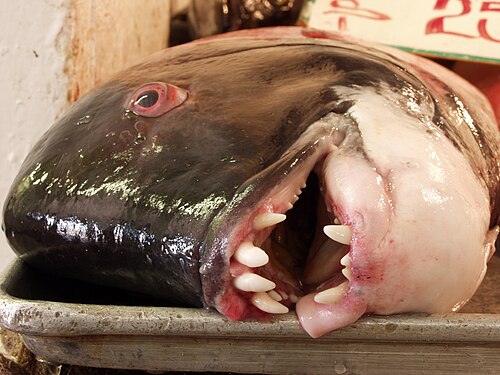
A California Sheephead at Ensenada´s fishmarket (Mercado Negro), Baja California, México. The California Sheephead (Semicossyphus pulcher) is characterized by its wrasse-like shape, and three different color patterns for juveniles, adult males, and adult females.
 #ImageOfTheDay
Picture of the day
A California Sheephead at Ensenada´s fishmarket (Mercado Negro), Baja California, México. The California Sheephead (Semicossyphus pulcher) is characterized by its wrasse-like shape, and three different color patterns for juveniles, adult males, and adult females.
Read More
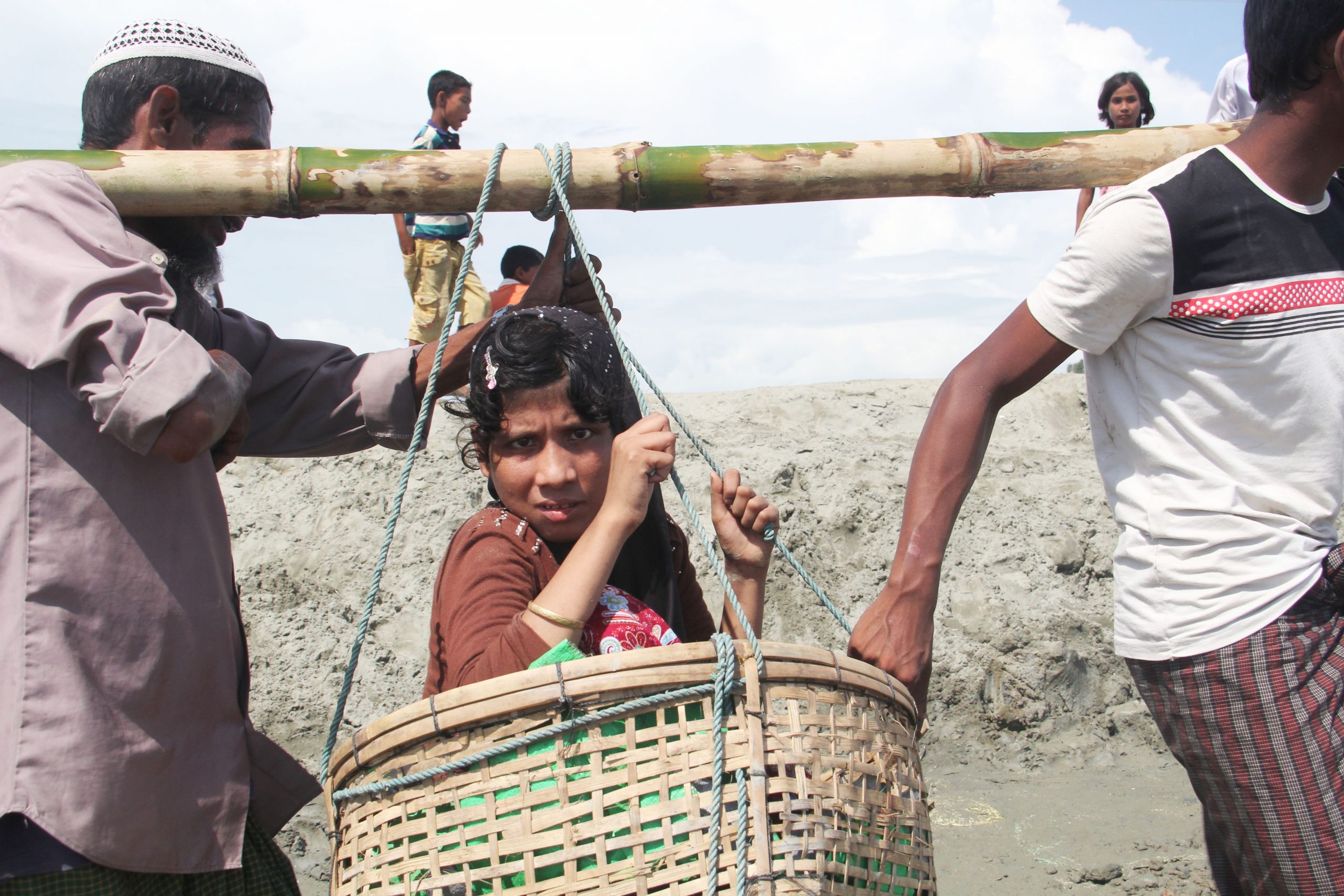
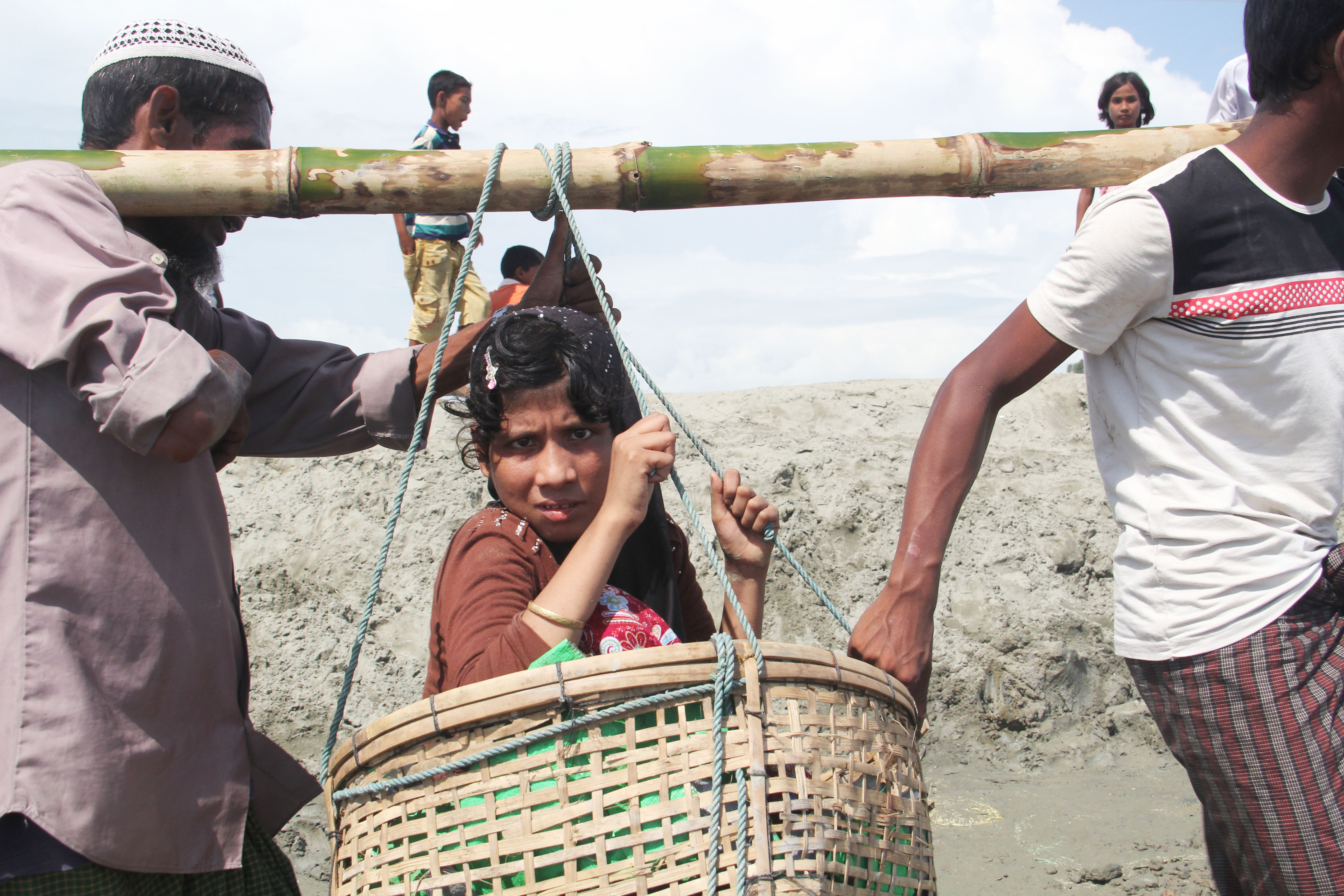
Rohingya refugees learn about Lent as Caritas Bangladesh bridges faiths in camps #Catholic COX’S BAZAR, Bangladesh — As more than 1 million Rohingya Muslim refugees in Bangladesh observe the final days of Ramadan, the Catholic charity Caritas Bangladesh is building bridges between the two faiths by sharing the meaning of Lent with refugees and host communities in the sprawling camps of Cox’s Bazar.“We at Caritas Bangladesh are building a bridge between the two religions by highlighting the significance of Lent for our Christians with the Rohingya refugees and the host community so that they can understand the meaning of Lent,” said Liton Luis Gomes, project director of Caritas Bangladesh’s Emergency Response Program.“We have been sharing with the Rohingya refugees the significance of our fasting, which is to eat less and distribute it to the poor, to listen to people, or to serve those who really deserve it,” Gomes told EWTN News.Caritas is sharing the theme of its 2026 Lenten campaign — “Prayer, Listening, and Fasting: A Holy Call of Inner Transformation” — with the Rohingya and host communities, Gomes said.The pope and the RohingyaPope Francis met a group of Rohingya refugees during his apostolic visit to Bangladesh on Dec. 1, 2017. The refugees traveled to Dhaka from Cox’s Bazar to meet the pope during an interreligious gathering at the archbishop’s residence.“The presence of God today is also called Rohingya,” Francis told the gathering in remarks that marked the first time during his visit to Myanmar and Bangladesh that he publicly used the word “Rohingya” to describe the persecuted Muslim minority.
 
 Pope urges ‘full rights’ be given to persecuted Rohingya minority
 
 Most of the Rohingya in the Cox’s Bazar camps arrived from Myanmar since August 2017, when the military began conducting clearance operations after a series of rebel attacks in Myanmar’s Rakhine state. The Rohingya are Muslims who have long faced discrimination in Buddhist-majority Myanmar, including being denied citizenship since 1982. The military coup in Myanmar, formerly Burma, in February 2021 further heightened their vulnerability.The population density of the camps is staggering — roughly 103,600 people per square mile, more than 40 times the average population density of Bangladesh as a whole. Refugees live in side-by-side plastic and bamboo shelters, each just a little larger than 100 square feet, some holding a dozen residents.‘We are not in a festive mood’Eid al-Fitr, one of Islam’s most important religious celebrations, is expected to begin later this week, but refugees say they are not able to celebrate.Abdur Rahim, 55, a Rohingya father of five, told EWTN News that food in the camps is not sufficient but that refugees are “still surviving, thanks to the Bangladesh government and the Almighty.”“We have no money to buy new clothes for my child and grandchild for this festival. Eid is joyful to Muslims, but we are not in a festive mood, because if we can go to our motherland Myanmar, we will be happy,” Rahim said.Rahim said the Caritas initiative had given him a new understanding of the season of fasting.“I didn’t know that Ramadan is not just about not eating. Now, through Caritas, I’ve learned that Ramadan is about helping people and reducing your expenses,” Rahim said.Between 2017 and 2023, Caritas provided  million in emergency efforts for Rohingya and host community members in Cox’s Bazar, according to Caritas Internationalis. During that period the charity assisted nearly 1.7 million individuals with shelter support, protection, disaster risk reduction, education, and water, sanitation, and hygiene services.Caritas Bangladesh is the social action arm of the Catholic Bishops’ Conference of Bangladesh.

Rohingya refugees learn about Lent as Caritas Bangladesh bridges faiths in camps #Catholic COX’S BAZAR, Bangladesh — As more than 1 million Rohingya Muslim refugees in Bangladesh observe the final days of Ramadan, the Catholic charity Caritas Bangladesh is building bridges between the two faiths by sharing the meaning of Lent with refugees and host communities in the sprawling camps of Cox’s Bazar.“We at Caritas Bangladesh are building a bridge between the two religions by highlighting the significance of Lent for our Christians with the Rohingya refugees and the host community so that they can understand the meaning of Lent,” said Liton Luis Gomes, project director of Caritas Bangladesh’s Emergency Response Program.“We have been sharing with the Rohingya refugees the significance of our fasting, which is to eat less and distribute it to the poor, to listen to people, or to serve those who really deserve it,” Gomes told EWTN News.Caritas is sharing the theme of its 2026 Lenten campaign — “Prayer, Listening, and Fasting: A Holy Call of Inner Transformation” — with the Rohingya and host communities, Gomes said.The pope and the RohingyaPope Francis met a group of Rohingya refugees during his apostolic visit to Bangladesh on Dec. 1, 2017. The refugees traveled to Dhaka from Cox’s Bazar to meet the pope during an interreligious gathering at the archbishop’s residence.“The presence of God today is also called Rohingya,” Francis told the gathering in remarks that marked the first time during his visit to Myanmar and Bangladesh that he publicly used the word “Rohingya” to describe the persecuted Muslim minority. Pope urges ‘full rights’ be given to persecuted Rohingya minority Most of the Rohingya in the Cox’s Bazar camps arrived from Myanmar since August 2017, when the military began conducting clearance operations after a series of rebel attacks in Myanmar’s Rakhine state. The Rohingya are Muslims who have long faced discrimination in Buddhist-majority Myanmar, including being denied citizenship since 1982. The military coup in Myanmar, formerly Burma, in February 2021 further heightened their vulnerability.The population density of the camps is staggering — roughly 103,600 people per square mile, more than 40 times the average population density of Bangladesh as a whole. Refugees live in side-by-side plastic and bamboo shelters, each just a little larger than 100 square feet, some holding a dozen residents.‘We are not in a festive mood’Eid al-Fitr, one of Islam’s most important religious celebrations, is expected to begin later this week, but refugees say they are not able to celebrate.Abdur Rahim, 55, a Rohingya father of five, told EWTN News that food in the camps is not sufficient but that refugees are “still surviving, thanks to the Bangladesh government and the Almighty.”“We have no money to buy new clothes for my child and grandchild for this festival. Eid is joyful to Muslims, but we are not in a festive mood, because if we can go to our motherland Myanmar, we will be happy,” Rahim said.Rahim said the Caritas initiative had given him a new understanding of the season of fasting.“I didn’t know that Ramadan is not just about not eating. Now, through Caritas, I’ve learned that Ramadan is about helping people and reducing your expenses,” Rahim said.Between 2017 and 2023, Caritas provided $45 million in emergency efforts for Rohingya and host community members in Cox’s Bazar, according to Caritas Internationalis. During that period the charity assisted nearly 1.7 million individuals with shelter support, protection, disaster risk reduction, education, and water, sanitation, and hygiene services.Caritas Bangladesh is the social action arm of the Catholic Bishops’ Conference of Bangladesh.

As Ramadan draws to a close in the camps of Cox’s Bazar, Caritas Bangladesh is sharing the meaning of Lent with more than 1 million Rohingya Muslim refugees.

Read More
Attack on one faith wounds all, Detroit archbishop says after synagogue attack #Catholic Archbishop Edward J. Weisenburger of Detroit offered prayers and “profound sorrow” for the Jewish community after an attack on Temple Israel Synagogue in West Bloomfield, Michigan.“We stand in solidarity with our Jewish brothers and sisters, holding in prayer all those affected by this act of violence, especially those who are wounded, grieving, or shaken, including the congregation, first responders, and the greater community,” Weisenburger said in a statement.On March 12, an attacker drove a vehicle into Temple Israel in West Bloomfield, near Detroit, and opened fire.“An attack on one faith community wounds us all,” Weisenburger said. “As details continue to emerge, we remain united with our partners in faith, particularly our Jewish friends and neighbors.”“Together, we pray for an end to violence and for deeper peace in our world. May God’s abundant love and mercy guide us toward compassion, justice, and peace,” he said.Synagogue attackJennifer Runyan, special agent in charge of the FBI’s Detroit field office, said in a statement the FBI “forensically confirmed the assailant responsible” was 41-year-old Ayman Mohamad Ghazali of Dearborn Heights, Michigan. He “has no previous criminal history and registered weapons. He also has never been the subject of an FBI investigation.”In a timeline released by Runyan, the FBI reported Ghazali drove his vehicle into the synagogue building, injuring a security officer in the process. Ghazali then began firing a gun, starting a gunfight between him and security guards, the FBI said.Ghazali’s vehicle’s engine compartment caught fire and at some point during the gunfire, Ghazali suffered “a self-inflicted gunshot wound,” Runyan said.In the bed of his truck, law enforcement found “a large quantity of commercial grade fireworks and several jugs filled with a flammable liquid we believe to be gasoline, some of which was consumed in the fire,” she said.The FBI confirmed the suspect is deceased, but “thankfully, the brave officers and security personnel who protected the Temple … are recovering, and we continue to pray for their speedy healing,” Runyan said.

Attack on one faith wounds all, Detroit archbishop says after synagogue attack #Catholic Archbishop Edward J. Weisenburger of Detroit offered prayers and “profound sorrow” for the Jewish community after an attack on Temple Israel Synagogue in West Bloomfield, Michigan.“We stand in solidarity with our Jewish brothers and sisters, holding in prayer all those affected by this act of violence, especially those who are wounded, grieving, or shaken, including the congregation, first responders, and the greater community,” Weisenburger said in a statement.On March 12, an attacker drove a vehicle into Temple Israel in West Bloomfield, near Detroit, and opened fire.“An attack on one faith community wounds us all,” Weisenburger said. “As details continue to emerge, we remain united with our partners in faith, particularly our Jewish friends and neighbors.”“Together, we pray for an end to violence and for deeper peace in our world. May God’s abundant love and mercy guide us toward compassion, justice, and peace,” he said.Synagogue attackJennifer Runyan, special agent in charge of the FBI’s Detroit field office, said in a statement the FBI “forensically confirmed the assailant responsible” was 41-year-old Ayman Mohamad Ghazali of Dearborn Heights, Michigan. He “has no previous criminal history and registered weapons. He also has never been the subject of an FBI investigation.”In a timeline released by Runyan, the FBI reported Ghazali drove his vehicle into the synagogue building, injuring a security officer in the process. Ghazali then began firing a gun, starting a gunfight between him and security guards, the FBI said.Ghazali’s vehicle’s engine compartment caught fire and at some point during the gunfire, Ghazali suffered “a self-inflicted gunshot wound,” Runyan said.In the bed of his truck, law enforcement found “a large quantity of commercial grade fireworks and several jugs filled with a flammable liquid we believe to be gasoline, some of which was consumed in the fire,” she said.The FBI confirmed the suspect is deceased, but “thankfully, the brave officers and security personnel who protected the Temple … are recovering, and we continue to pray for their speedy healing,” Runyan said.

Michigan Catholics “stand in solidarity” with Jewish community after attack on a synagogue.

Read More
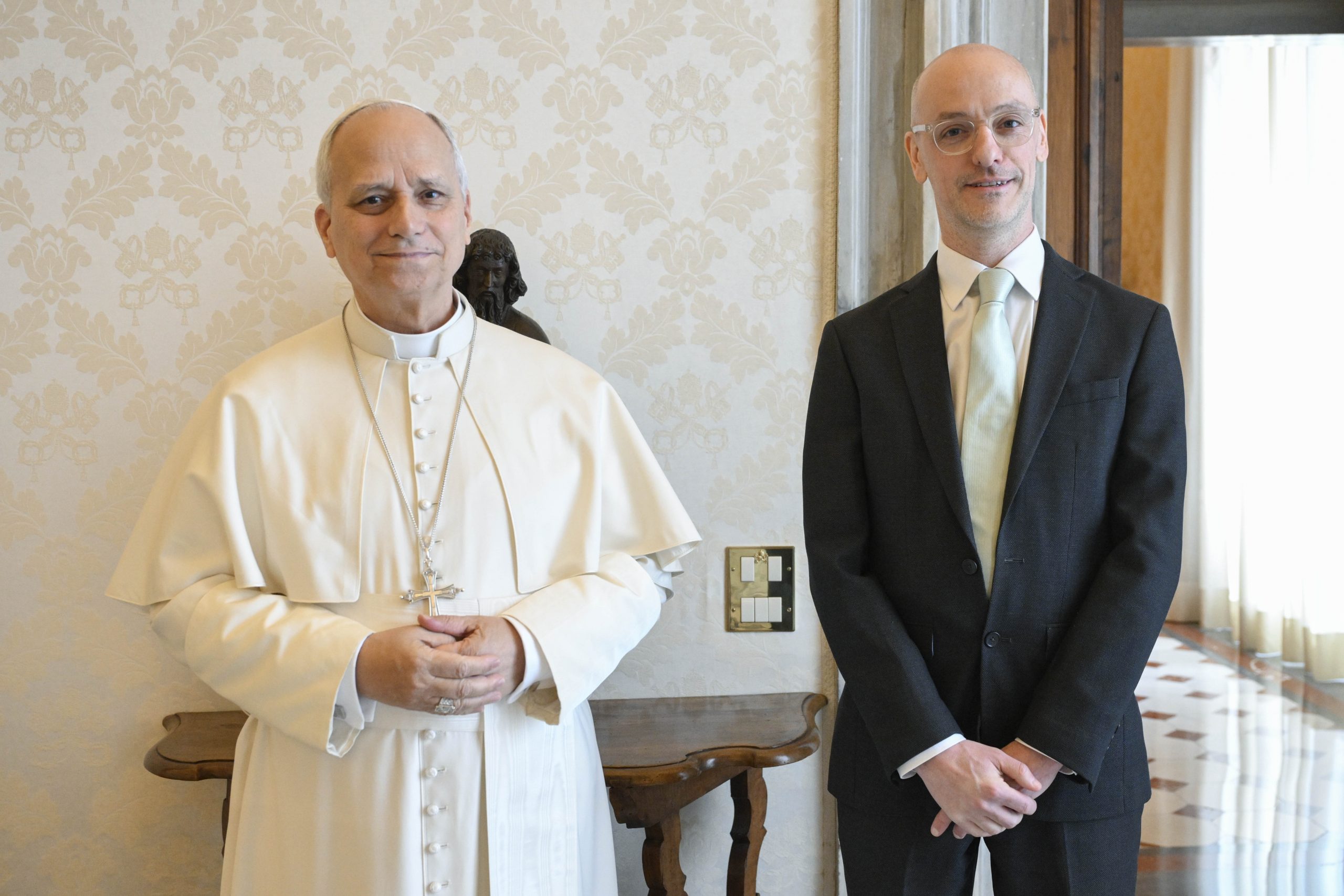
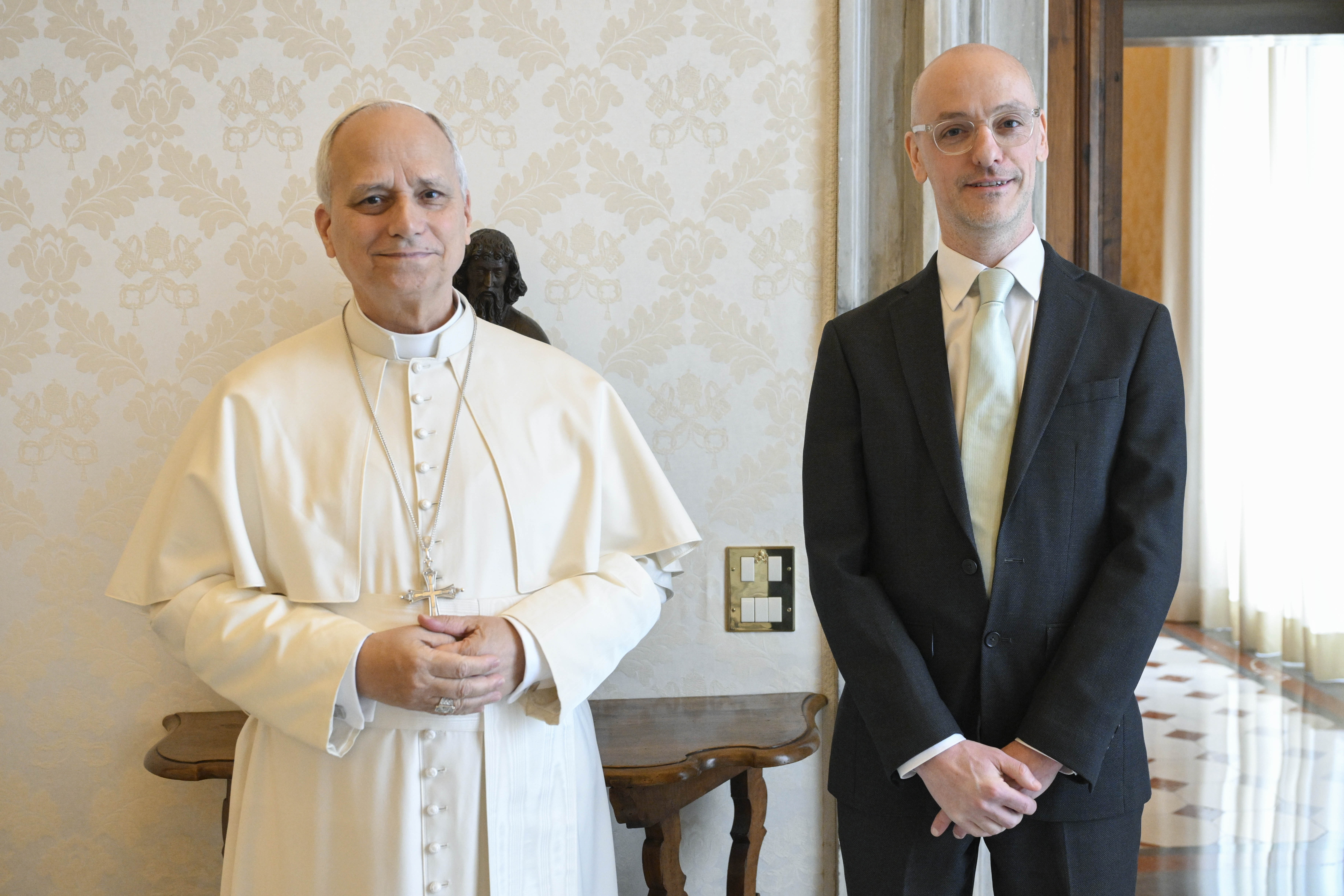
Pope Leo meets author critical of Opus Dei – #Catholic – Pope Leo XIV on Monday met in a private audience with Gareth Gore, a British journalist whose work has criticized Opus Dei as abusive.Gore said he spoke to the pope for more than 40 minutes and presented him with testimonies from alleged victims of the organization.Gore is the author of the 2024 book “Opus,” which accuses Opus Dei of financial misdeeds and spiritual and physical abuse against its members.Writing on his Substack after the March 16 meeting, the journalist said Pope Leo praised his book as a “rigorous piece of work.”Gore also said he previously thought the Vatican did not want to seriously address accusations of abuse within Opus Dei but that his meeting with Leo “forces me to reassess those conclusions.”The Vatican did not respond to a request for comment on the meeting.A spokesman for Opus Dei said the group had no comment on the meeting or Gore’s statement and pointed to prior statements from Opus Dei about Gore’s book.Opus Dei has previously denounced Gore’s book as “littered with twisted facts, errors, conspiracy theories, and even outright lies.”The pope received Opus Dei’s prelate, Monsignor Fernando Ocáriz, in audience at the Vatican last month.The Feb. 16 meeting came as the personal prelature’s proposed statutes — submitted to the Holy See on June 11, 2025 — remain under review.Opus Dei’s draft is being examined by the Dicastery for the Clergy following the reforms to the governance of personal prelatures introduced under Pope Francis.In Church structure, Opus Dei is a “personal prelature,” which, according to canon law, “consists of presbyters and deacons of the secular clergy” joined together to “accomplish particular pastoral or missionary works.”The organization was founded by Spanish priest Father Josemaría Escrivá in 1928. Escrivá was canonized a saint in 2002.

Pope Leo meets author critical of Opus Dei – #Catholic – Pope Leo XIV on Monday met in a private audience with Gareth Gore, a British journalist whose work has criticized Opus Dei as abusive.Gore said he spoke to the pope for more than 40 minutes and presented him with testimonies from alleged victims of the organization.Gore is the author of the 2024 book “Opus,” which accuses Opus Dei of financial misdeeds and spiritual and physical abuse against its members.Writing on his Substack after the March 16 meeting, the journalist said Pope Leo praised his book as a “rigorous piece of work.”Gore also said he previously thought the Vatican did not want to seriously address accusations of abuse within Opus Dei but that his meeting with Leo “forces me to reassess those conclusions.”The Vatican did not respond to a request for comment on the meeting.A spokesman for Opus Dei said the group had no comment on the meeting or Gore’s statement and pointed to prior statements from Opus Dei about Gore’s book.Opus Dei has previously denounced Gore’s book as “littered with twisted facts, errors, conspiracy theories, and even outright lies.”The pope received Opus Dei’s prelate, Monsignor Fernando Ocáriz, in audience at the Vatican last month.The Feb. 16 meeting came as the personal prelature’s proposed statutes — submitted to the Holy See on June 11, 2025 — remain under review.Opus Dei’s draft is being examined by the Dicastery for the Clergy following the reforms to the governance of personal prelatures introduced under Pope Francis.In Church structure, Opus Dei is a “personal prelature,” which, according to canon law, “consists of presbyters and deacons of the secular clergy” joined together to “accomplish particular pastoral or missionary works.”The organization was founded by Spanish priest Father Josemaría Escrivá in 1928. Escrivá was canonized a saint in 2002.

Gareth Gore is the author of the 2024 book “Opus,” which accuses Opus Dei of financial misdeeds and spiritual and physical abuse against its members.

Read More

Why are craters perfectly round even though meteorites are irregularly shaped? Steven RiserConyers, Georgia To answer your question, let’s have some fun. First, watch as I throw this irregularly shaped rock down at an angle onto a smooth mudflat. The rock strikes the flat and, in the process, splatters mud in all directions. Now let’sContinue reading “Why are craters perfectly round even though meteorites are irregularly shaped?”

The post Why are craters perfectly round even though meteorites are irregularly shaped? appeared first on Astronomy Magazine.

Read More
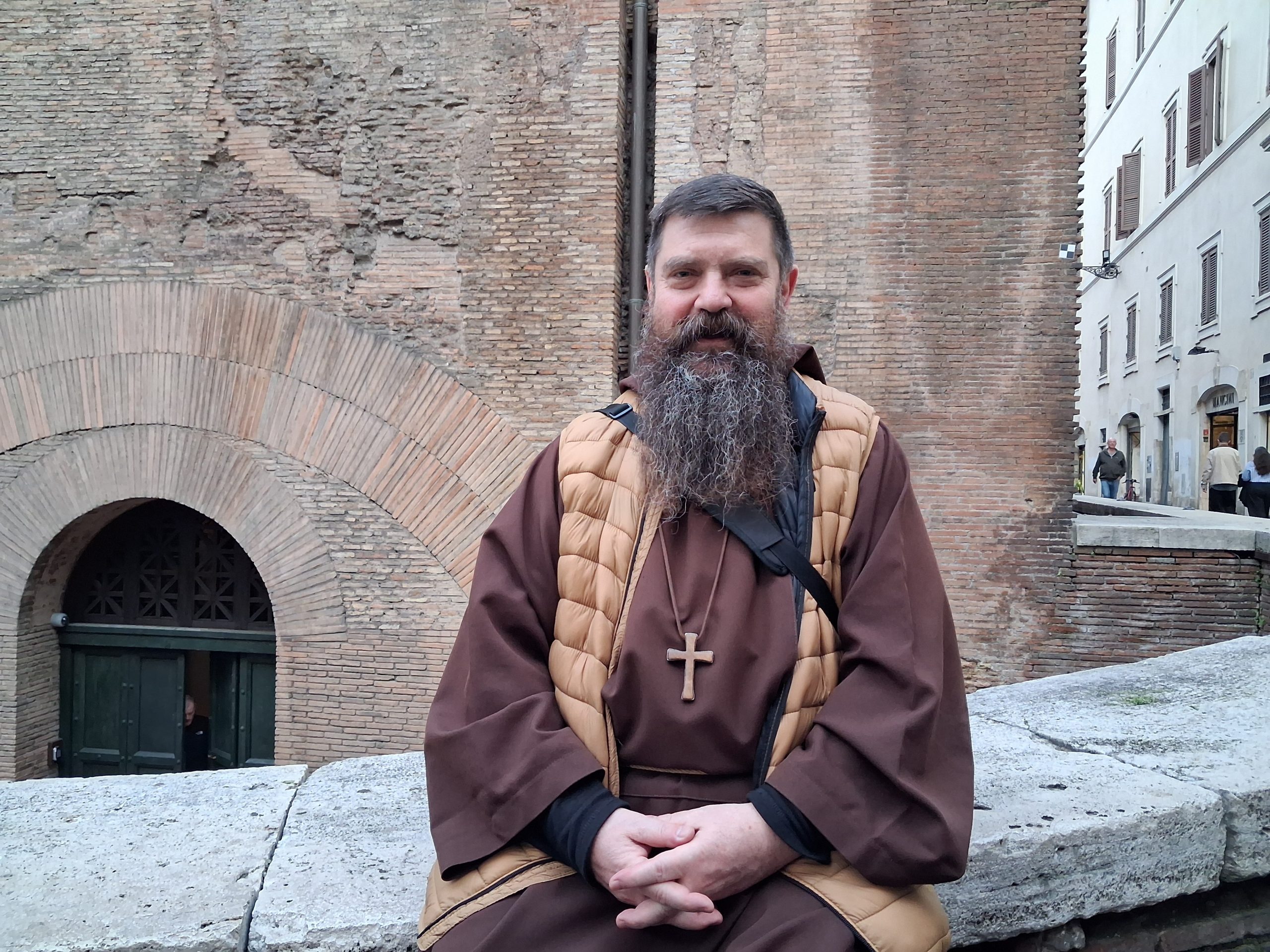
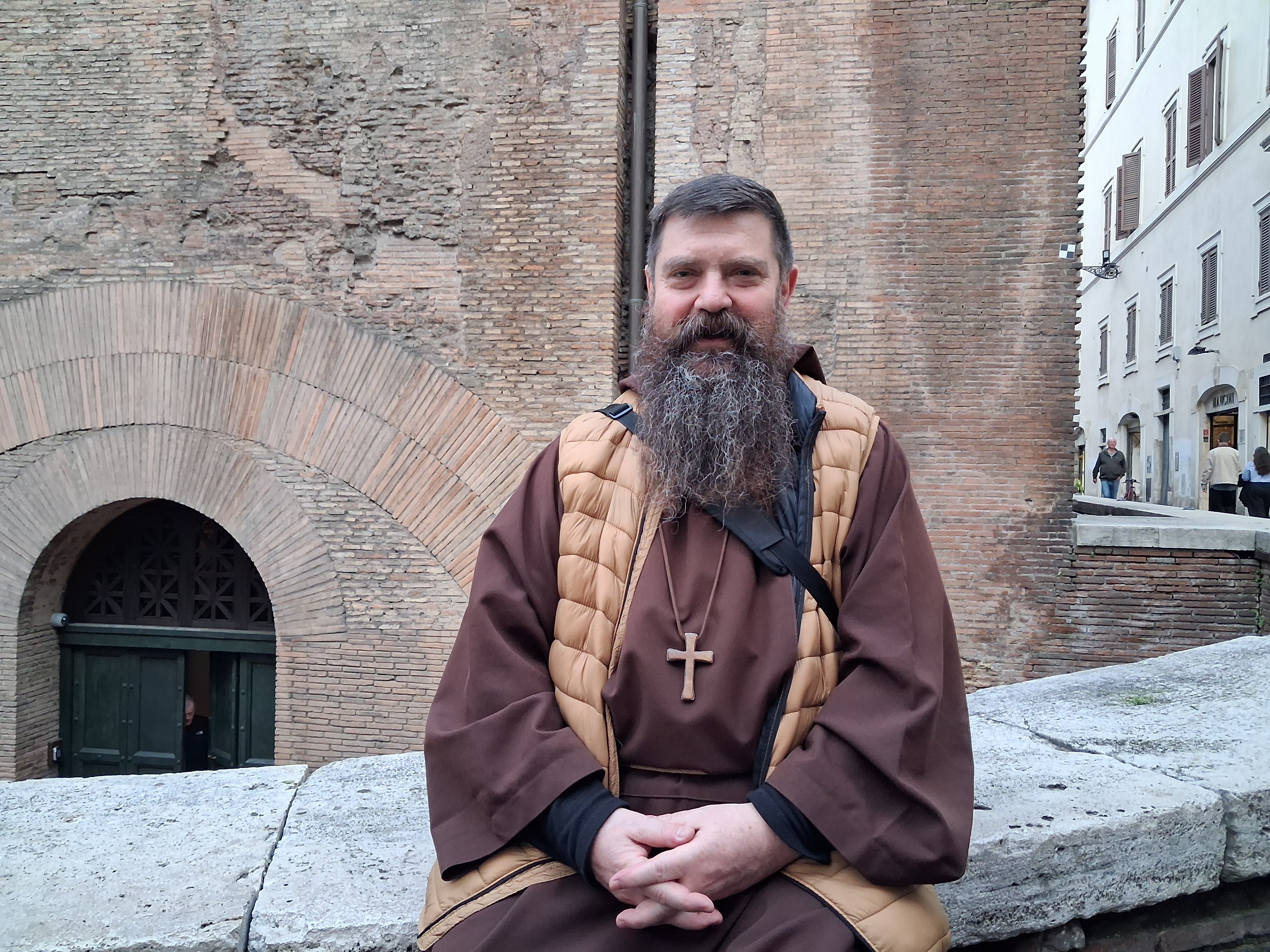
‘I would do everything to become a priest,’ Iceland’s Capuchin bishop says – #Catholic – ROME — The only Catholic bishop in Iceland, David Bartimej Tencer, is celebrating a double jubilee this year — the 40th anniversary of his priestly ordination and the Franciscan jubilee marking the 800th anniversary of the death of St. Francis of Assisi — as a member of the Order of Friars Minor Capuchins.Looking back, he said, he feels great gratitude. Even if he had not become a priest, he “would do everything to become one,” the bishop of Reykjavik, the only diocese on the island, said in a conversation with EWTN News in Rome.He was ordained in Slovakia, then communist Czechoslovakia, but “even if communism had not fallen, and thank God it did, a priest would still do what he was supposed to do,” he stressed. He had good priests in a seminary and in a parish who worked a lot and were able to eschew the imposed limits of the regime, the prelate explained.The priests collaborated and were pastorally active, confessing and forming parishioners privately, outside the supervision of the state apparatus. Consequently, when the Iron Curtain fell in 1989, “an enormously powerful — or rather beautiful — Church arose in Slovakia,” Tencer told EWTN News.“I am not just interested in what a priest does but in what he is — by transforming bread and wine,” the Slovak prelate explained.Before he was ordained a bishop in 2015, he recalled it is “the fullness of priesthood and likeness to the Lord Jesus.”He became a member of the Order of Friars Minor Capuchins in 1990. In the light of the current 800th anniversary of the death of St. Francis of Assisi, he said he sees the order’s spirituality “applicable everywhere, and we in Iceland appreciate it very much,” as it brings “the charism of the brotherhood.”It “creates bridges and not barriers,” which is especially important on this island northwest of Europe, “as its nature and the way of life” constrain its inhabitants to be “very dependent on themselves,” Tencer said.The bishop recently came to Rome to ordain a seminarian of Brazilian origin a deacon where he studies, one of the two seminarians in his diocese. The other one is a native Icelander who has been Catholic for seven years and came to faith through organ music, Tencer shared.“He liked to listen to the organ and when he started going to the Catholic church, he saw that we use it as a means. We mostly do not go to concerts and listen to Bach, but it is simply an instrument for accompaniment during liturgy,” the bishop said, adding that the seminarian is now “a pretty good organist.”Other Icelanders discover faith thanks to their spouse. For example, a Catholic Filipino woman might marry an evangelical Icelander. Since there is not much public transport in the country, he takes her to Mass by car and accompanies her also during the liturgy. “And so he also experiences the Catholic atmosphere,” the bishop of Reykjavik said.Due to its small population of around 400,000, “a normal priest knows the majority of people by name.” People are very grateful, as this direct contact suits them very well, he clarified.Interest in faith is risingYet the diocese does not just grab people and “make out of them some kind of Catholic so you do not even know what you have fallen into,” Tencer joked. Even for baptized Christians, the diocese requires that they experience Mass ideally every Sunday and spend the whole liturgical year with them.“If they say no, it is OK, because we can live without them.”The most beautiful thing about the Church in Iceland is that it does not impose but “offers,” he said.When Tencer came to Reykjavik in 2015, the parish hall after Mass at the Reykjavik cathedral was always half full. The Icelanders who travel from great distances eat something and drink coffee after the liturgy to warm up. Nowadays, the hall and surrounding rooms are so full after Mass that he cannot find a place to sit. “I am usually in the corridor where a few Indian fathers chat in their native Malayalam. It became their spot,” the Slovak bishop said, marking the rising number of Massgoers.Regarding new ways to attract people, the Slovak bishop takes the example from communism when a priest would once a year on a given Sunday say: “If someone feels a calling to be a priest, go to the parish office.”“When my school-leaving exam approached, I did,” he shared. The bishop was surprised no one did that in Iceland, so he took up this method.“When I speak Icelandic in church, half of the congregation does not understand. If I speak English, another half does not understand. We are from 172 countries and are not united by culture or language.”Yet it is not a reason to abstain from taking part in the liturgy, “since you go to a Mass to receive grace, not to understand the language,” Tencer clarified further.“Even a blind person gets suntanned in the sun.”Pope Leo XIV was a surprise in IcelandIceland sits between Europe and Greenland — a former Danish colony like Iceland was in the past. When geopolitical tensions arose over Greenland earlier this year, it did not create much stir in the society at large. People rather viewed it as a joke. “Anyway, who would be interested in us?” the bishop said jokingly, reminding that the Catholic community is overwhelmingly immigrant in a foreign land.A few Greenlanders who are mostly fishermen in Iceland did not make a big deal out of it. However, the diocese has a fairly large group of Chaldeans, Syrians, and Ukrainian refugees, so when the problems hit Syria and Ukraine, “we felt for them and were afraid of their families in their homeland.”The election of Pope Leo XIV was seen as “a very big surprise” in Iceland, he revealed. Since the Cathedral of Christ the King in Reykjavik will turn 100 in 2029, Tencer said he wants to invite the pope to visit the island on the occasion. The Holy Father usually sends papal legates for such occasions, but “if he came himself, that would be amazing for the local community,” the bishop said.Iceland is part of the Nordic Bishops’ Conference together with Denmark, Finland, Norway, and Sweden. Bishops from these countries “are considered ours as if they were in one country,” Tencer said.He was glad that fellow Nordic bishop Erik Varden of Trondheim, Norway, gave the Lenten spiritual exercises to the Roman Curia this year. They must have been “very lively and the cardinals were not bored,” Tencer said. He also revealed that when Varden met Pope Francis, the Holy Father told him he had read his book. “Which one?” the prolific Norwegian author and prelate responded.

‘I would do everything to become a priest,’ Iceland’s Capuchin bishop says – #Catholic – ROME — The only Catholic bishop in Iceland, David Bartimej Tencer, is celebrating a double jubilee this year — the 40th anniversary of his priestly ordination and the Franciscan jubilee marking the 800th anniversary of the death of St. Francis of Assisi — as a member of the Order of Friars Minor Capuchins.Looking back, he said, he feels great gratitude. Even if he had not become a priest, he “would do everything to become one,” the bishop of Reykjavik, the only diocese on the island, said in a conversation with EWTN News in Rome.He was ordained in Slovakia, then communist Czechoslovakia, but “even if communism had not fallen, and thank God it did, a priest would still do what he was supposed to do,” he stressed. He had good priests in a seminary and in a parish who worked a lot and were able to eschew the imposed limits of the regime, the prelate explained.The priests collaborated and were pastorally active, confessing and forming parishioners privately, outside the supervision of the state apparatus. Consequently, when the Iron Curtain fell in 1989, “an enormously powerful — or rather beautiful — Church arose in Slovakia,” Tencer told EWTN News.“I am not just interested in what a priest does but in what he is — by transforming bread and wine,” the Slovak prelate explained.Before he was ordained a bishop in 2015, he recalled it is “the fullness of priesthood and likeness to the Lord Jesus.”He became a member of the Order of Friars Minor Capuchins in 1990. In the light of the current 800th anniversary of the death of St. Francis of Assisi, he said he sees the order’s spirituality “applicable everywhere, and we in Iceland appreciate it very much,” as it brings “the charism of the brotherhood.”It “creates bridges and not barriers,” which is especially important on this island northwest of Europe, “as its nature and the way of life” constrain its inhabitants to be “very dependent on themselves,” Tencer said.The bishop recently came to Rome to ordain a seminarian of Brazilian origin a deacon where he studies, one of the two seminarians in his diocese. The other one is a native Icelander who has been Catholic for seven years and came to faith through organ music, Tencer shared.“He liked to listen to the organ and when he started going to the Catholic church, he saw that we use it as a means. We mostly do not go to concerts and listen to Bach, but it is simply an instrument for accompaniment during liturgy,” the bishop said, adding that the seminarian is now “a pretty good organist.”Other Icelanders discover faith thanks to their spouse. For example, a Catholic Filipino woman might marry an evangelical Icelander. Since there is not much public transport in the country, he takes her to Mass by car and accompanies her also during the liturgy. “And so he also experiences the Catholic atmosphere,” the bishop of Reykjavik said.Due to its small population of around 400,000, “a normal priest knows the majority of people by name.” People are very grateful, as this direct contact suits them very well, he clarified.Interest in faith is risingYet the diocese does not just grab people and “make out of them some kind of Catholic so you do not even know what you have fallen into,” Tencer joked. Even for baptized Christians, the diocese requires that they experience Mass ideally every Sunday and spend the whole liturgical year with them.“If they say no, it is OK, because we can live without them.”The most beautiful thing about the Church in Iceland is that it does not impose but “offers,” he said.When Tencer came to Reykjavik in 2015, the parish hall after Mass at the Reykjavik cathedral was always half full. The Icelanders who travel from great distances eat something and drink coffee after the liturgy to warm up. Nowadays, the hall and surrounding rooms are so full after Mass that he cannot find a place to sit. “I am usually in the corridor where a few Indian fathers chat in their native Malayalam. It became their spot,” the Slovak bishop said, marking the rising number of Massgoers.Regarding new ways to attract people, the Slovak bishop takes the example from communism when a priest would once a year on a given Sunday say: “If someone feels a calling to be a priest, go to the parish office.”“When my school-leaving exam approached, I did,” he shared. The bishop was surprised no one did that in Iceland, so he took up this method.“When I speak Icelandic in church, half of the congregation does not understand. If I speak English, another half does not understand. We are from 172 countries and are not united by culture or language.”Yet it is not a reason to abstain from taking part in the liturgy, “since you go to a Mass to receive grace, not to understand the language,” Tencer clarified further.“Even a blind person gets suntanned in the sun.”Pope Leo XIV was a surprise in IcelandIceland sits between Europe and Greenland — a former Danish colony like Iceland was in the past. When geopolitical tensions arose over Greenland earlier this year, it did not create much stir in the society at large. People rather viewed it as a joke. “Anyway, who would be interested in us?” the bishop said jokingly, reminding that the Catholic community is overwhelmingly immigrant in a foreign land.A few Greenlanders who are mostly fishermen in Iceland did not make a big deal out of it. However, the diocese has a fairly large group of Chaldeans, Syrians, and Ukrainian refugees, so when the problems hit Syria and Ukraine, “we felt for them and were afraid of their families in their homeland.”The election of Pope Leo XIV was seen as “a very big surprise” in Iceland, he revealed. Since the Cathedral of Christ the King in Reykjavik will turn 100 in 2029, Tencer said he wants to invite the pope to visit the island on the occasion. The Holy Father usually sends papal legates for such occasions, but “if he came himself, that would be amazing for the local community,” the bishop said.Iceland is part of the Nordic Bishops’ Conference together with Denmark, Finland, Norway, and Sweden. Bishops from these countries “are considered ours as if they were in one country,” Tencer said.He was glad that fellow Nordic bishop Erik Varden of Trondheim, Norway, gave the Lenten spiritual exercises to the Roman Curia this year. They must have been “very lively and the cardinals were not bored,” Tencer said. He also revealed that when Varden met Pope Francis, the Holy Father told him he had read his book. “Which one?” the prolific Norwegian author and prelate responded.

Bishop David Tencer of Reykjavik, Iceland, a Slovak Capuchin, reflects on four decades of priesthood, the Franciscan charism, and a rising Catholic community drawn from 172 countries.

Read More
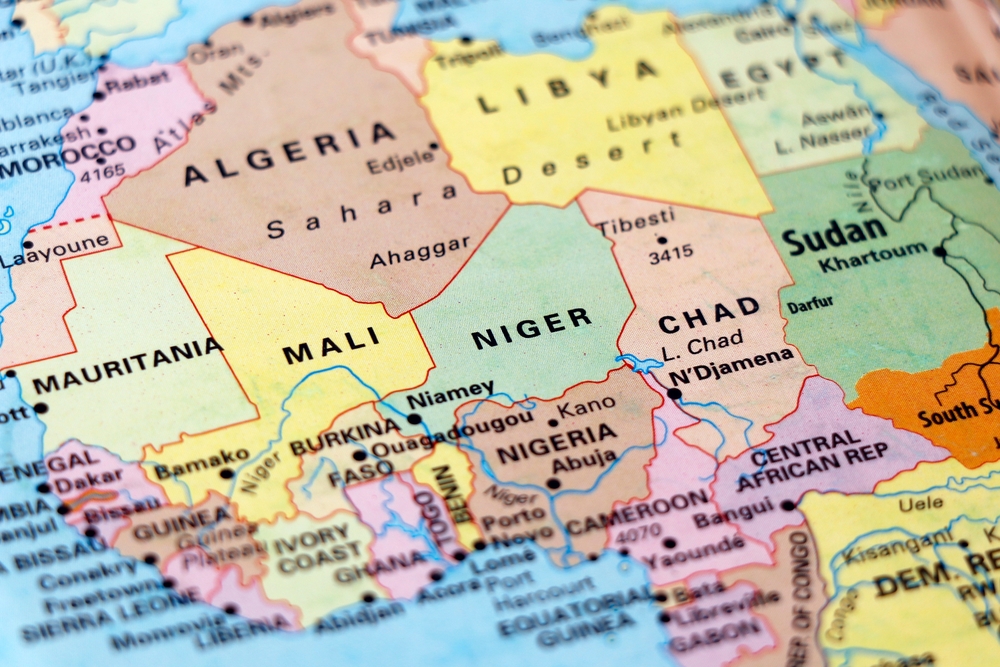
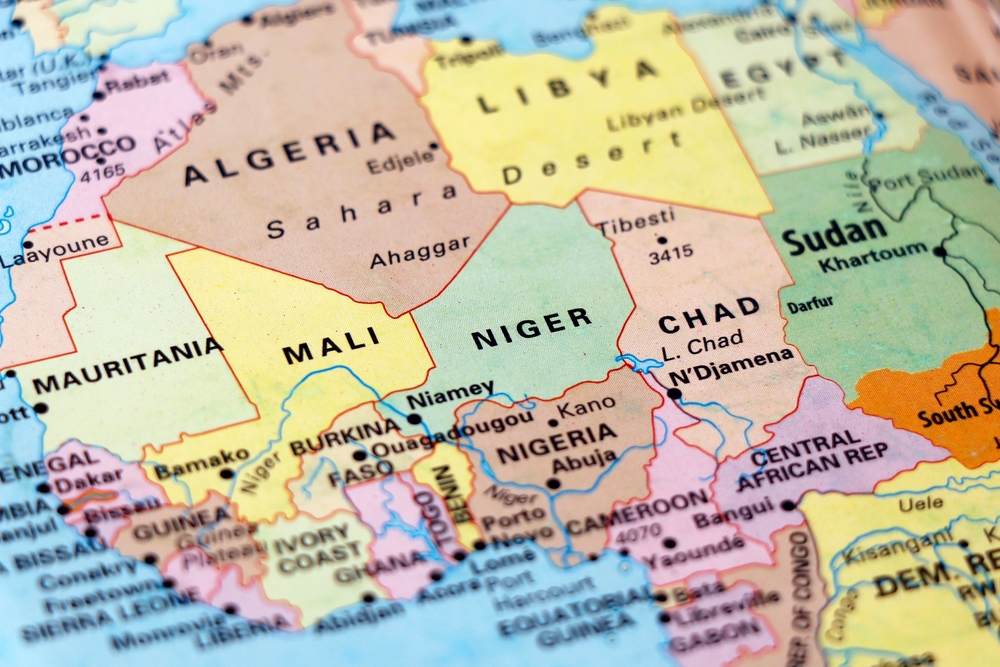
Vatican releases itinerary for Pope Leo XIV’s first apostolic journey to Africa – #Catholic – The Vatican has released the official itinerary for the first apostolic journey of Pope Leo XIV to Africa, scheduled for April 13–23. The visit will take the Holy Father to four countries — Algeria, Cameroon, Angola, and Equatorial Guinea — marking his first trip to the continent since his election to the papacy in May 2025.The 11-day visit combines pastoral encounters with Catholic communities, meetings with political leaders and civil society, and symbolic gestures of interreligious dialogue and reconciliation.The itinerary, officially released on Monday, March 16, reflects a focus on peace, youth engagement, and the Church’s social mission across Africa.Opening leg in AlgeriaThe pope’s journey is to begin on Monday, April 13, when he departs Rome for Algiers. Upon arrival at Houari Boumédiène International Airport, he is to be welcomed during an official ceremony before visiting the Maqam Echahid Martyrs’ Monument, a national memorial honoring those who died in Algeria’s struggle for independence.The pontiff is to then pay a courtesy visit to the president of Algeria at the presidential palace and later address representatives of government, civil society, and the diplomatic corps at the Djamaa el Djazair Conference Center.In a gesture highlighting the importance of interreligious dialogue in the Muslim-majority country, Pope Leo XIV is to visit the Great Mosque of Algiers, one of the largest mosques in the world. The day is to conclude with a meeting with members of the local Catholic community at the Basilica of Our Lady of Africa.On Tuesday, April 14, the American-born member of the Order of St. Augustine is to travel to Annaba, where he is to visit the historic archaeological site of Hippo Regius, closely associated with St. Augustine of Hippo.He is also scheduled to meet the elderly residents cared for by the Little Sisters of the Poor before celebrating Mass at the Basilica of St. Augustine.Cameroon: Emphasis on peace and youthThe second stage of the apostolic journey is to begin on Wednesday, April 15, with the pope’s arrival in Yaoundé, the capital city of Cameroon. After a welcome ceremony, he is to meet the country’s president and address authorities, civil society leaders, and diplomats.Pope Leo XIV is also to visit the Ngul Zamba Orphanage and meet privately with members of the National Episcopal Conference of Cameroon (NECC).During his time in Cameroon, the Holy Father is expected to place particular emphasis on reconciliation and social healing. On Thursday, April 16, he is to travel to Bamenda, where he is scheduled to hold a “Meeting for Peace” with the local community at St. Joseph’s Cathedral and celebrate Mass at Bamenda International Airport.The papal visit to Bamenda carries symbolic significance given the region’s experience of political and social tensions in recent years.On Friday, April 17, the pontiff is to visit Douala, where he is scheduled to preside over a large Eucharistic celebration at Japoma Stadium. The program also includes a private visit to St. Paul Catholic Hospital and a dialogue with university students and professors at the Catholic University of Central Africa.Before leaving the central African nation to travel to the southern African nation of Angola on Saturday, April 18, the pope is to celebrate a final Mass in Yaoundé with the faithful gathered at Yaoundé-Ville Airport.Angola: Marian devotion and pastoral encountersThe Holy Father is scheduled to arrive in Luanda, the capital city of Angola, on the afternoon of April 18, where he is to meet the country’s president and address government authorities and representatives of civil society.The following day, Sunday, April 19, the Holy Father is to celebrate Mass in the Kilamba district of Luanda before traveling by helicopter to the Marian shrine of Mama Muxima. There, he is to lead the recitation of the rosary with pilgrims gathered at one of Angola’s most significant places of Catholic devotion.On Monday, April 20, Pope Leo XIV is to visit Saurimo in Angola’s eastern region. His program includes a visit to a nursing home and the celebration of Mass in the Saurimo esplanade.Later that day in Luanda, the Holy Father is scheduled to meet Catholic bishops, priests, women and men religious, and pastoral workers at Our Lady of Fátima Parish.Final stage in Equatorial GuineaThe final leg of the apostolic journey will take the Holy Father to Malabo on Tuesday, April 21. Following the official welcome ceremony, he is to meet the president of Equatorial Guinea and address political leaders, civil society representatives, and the diplomatic corps.In the afternoon, Leo is to engage with academics and artists during a meeting with representatives of the world of culture at the León XIV Campus of the National University. The day is also to include a pastoral visit to patients and staff at the Jean Pierre Olie Psychiatric Hospital.On Wednesday, April 22, the pope is to travel to Mongomo to celebrate Mass at the Basilica of the Immaculate Conception before visiting the Pope Francis Technology School.Later in the day, he is to continue to Bata, where he is scheduled to visit a prison, pray at a memorial dedicated to victims of the March 7, 2021, explosion, and meet young people and families at Bata Stadium.Concluding Mass and return to RomeThe apostolic journey to Africa is to conclude on Thursday, April 23, with a final Mass celebrated by the pope at Malabo Stadium.Following the farewell ceremony at Malabo International Airport, the Holy Father is to depart for Rome, arriving later that evening at Rome’s Fiumicino International Airport.Preparations and mottosThe four nations have intensified preparations ahead of the Holy Father’s arrival in their respective nations, releasing logos, mottos, and prayers ahead of the pastoral visit.In Algeria, the Holy Father is to visit as an apostle of peace. The motto guiding the visit is “As-Salam Alaykum” (“Peace be with you”). Catholic bishops in Algeria also released an official prayer ahead of the papal visit.The North African nation of Algeria is a country where Christianity has ancient roots but where Catholics today constitute a statistically negligible minority. It is an African country, where the memory of martyrs is recent. Interreligious coexistence in Algeria is both a theological imperative and a civic necessity.Cameroon presents a different ecclesial landscape. The Catholic Church in Cameroon is demographically significant, institutionally entrenched, socially influential, and politically attentive.The people of God in Cameroon are expected to welcome Pope Leo XIV as a messenger of peace. “May they all be one,” taken from the Gospel of John 17:21, is the motto of the visit that Catholic Bishops in Cameroon unveiled alongside the logo and prayer.In Angola, Pope Leo XIV is to visit as a pilgrim of hope. “Pope Leo XIV, Pilgrim of Hope, Reconciliation, and Peace” is the motto of the visit announced by Catholic bishops in the country, alongside the logo and prayer.Equatorial Guinea is expected to welcome Pope Leo XIV as light that brings hope to the nation. The motto “Christ, Light of Equatorial Guinea, Towards a Future of Hope” unveiled by Catholic bishops encapsulates the identity and mission of the local Church.More than four decades after the last papal visit, the announcement, which the Press Department of Equatorial Guinea (PDGE) published on Jan. 23, generated anticipation in a nation where Catholicism is deeply woven into culture, language, and public life.Africa’s only Spanish-speaking country, Equatorial Guinea, occupies a singular place on the continent — linguistically, historically, and ecclesiastically.This story was first published by ACI Africa, the sister service of EWTN News in Africa. It has been adapted by EWTN News English.

Vatican releases itinerary for Pope Leo XIV’s first apostolic journey to Africa – #Catholic – The Vatican has released the official itinerary for the first apostolic journey of Pope Leo XIV to Africa, scheduled for April 13–23. The visit will take the Holy Father to four countries — Algeria, Cameroon, Angola, and Equatorial Guinea — marking his first trip to the continent since his election to the papacy in May 2025.The 11-day visit combines pastoral encounters with Catholic communities, meetings with political leaders and civil society, and symbolic gestures of interreligious dialogue and reconciliation.The itinerary, officially released on Monday, March 16, reflects a focus on peace, youth engagement, and the Church’s social mission across Africa.Opening leg in AlgeriaThe pope’s journey is to begin on Monday, April 13, when he departs Rome for Algiers. Upon arrival at Houari Boumédiène International Airport, he is to be welcomed during an official ceremony before visiting the Maqam Echahid Martyrs’ Monument, a national memorial honoring those who died in Algeria’s struggle for independence.The pontiff is to then pay a courtesy visit to the president of Algeria at the presidential palace and later address representatives of government, civil society, and the diplomatic corps at the Djamaa el Djazair Conference Center.In a gesture highlighting the importance of interreligious dialogue in the Muslim-majority country, Pope Leo XIV is to visit the Great Mosque of Algiers, one of the largest mosques in the world. The day is to conclude with a meeting with members of the local Catholic community at the Basilica of Our Lady of Africa.On Tuesday, April 14, the American-born member of the Order of St. Augustine is to travel to Annaba, where he is to visit the historic archaeological site of Hippo Regius, closely associated with St. Augustine of Hippo.He is also scheduled to meet the elderly residents cared for by the Little Sisters of the Poor before celebrating Mass at the Basilica of St. Augustine.Cameroon: Emphasis on peace and youthThe second stage of the apostolic journey is to begin on Wednesday, April 15, with the pope’s arrival in Yaoundé, the capital city of Cameroon. After a welcome ceremony, he is to meet the country’s president and address authorities, civil society leaders, and diplomats.Pope Leo XIV is also to visit the Ngul Zamba Orphanage and meet privately with members of the National Episcopal Conference of Cameroon (NECC).During his time in Cameroon, the Holy Father is expected to place particular emphasis on reconciliation and social healing. On Thursday, April 16, he is to travel to Bamenda, where he is scheduled to hold a “Meeting for Peace” with the local community at St. Joseph’s Cathedral and celebrate Mass at Bamenda International Airport.The papal visit to Bamenda carries symbolic significance given the region’s experience of political and social tensions in recent years.On Friday, April 17, the pontiff is to visit Douala, where he is scheduled to preside over a large Eucharistic celebration at Japoma Stadium. The program also includes a private visit to St. Paul Catholic Hospital and a dialogue with university students and professors at the Catholic University of Central Africa.Before leaving the central African nation to travel to the southern African nation of Angola on Saturday, April 18, the pope is to celebrate a final Mass in Yaoundé with the faithful gathered at Yaoundé-Ville Airport.Angola: Marian devotion and pastoral encountersThe Holy Father is scheduled to arrive in Luanda, the capital city of Angola, on the afternoon of April 18, where he is to meet the country’s president and address government authorities and representatives of civil society.The following day, Sunday, April 19, the Holy Father is to celebrate Mass in the Kilamba district of Luanda before traveling by helicopter to the Marian shrine of Mama Muxima. There, he is to lead the recitation of the rosary with pilgrims gathered at one of Angola’s most significant places of Catholic devotion.On Monday, April 20, Pope Leo XIV is to visit Saurimo in Angola’s eastern region. His program includes a visit to a nursing home and the celebration of Mass in the Saurimo esplanade.Later that day in Luanda, the Holy Father is scheduled to meet Catholic bishops, priests, women and men religious, and pastoral workers at Our Lady of Fátima Parish.Final stage in Equatorial GuineaThe final leg of the apostolic journey will take the Holy Father to Malabo on Tuesday, April 21. Following the official welcome ceremony, he is to meet the president of Equatorial Guinea and address political leaders, civil society representatives, and the diplomatic corps.In the afternoon, Leo is to engage with academics and artists during a meeting with representatives of the world of culture at the León XIV Campus of the National University. The day is also to include a pastoral visit to patients and staff at the Jean Pierre Olie Psychiatric Hospital.On Wednesday, April 22, the pope is to travel to Mongomo to celebrate Mass at the Basilica of the Immaculate Conception before visiting the Pope Francis Technology School.Later in the day, he is to continue to Bata, where he is scheduled to visit a prison, pray at a memorial dedicated to victims of the March 7, 2021, explosion, and meet young people and families at Bata Stadium.Concluding Mass and return to RomeThe apostolic journey to Africa is to conclude on Thursday, April 23, with a final Mass celebrated by the pope at Malabo Stadium.Following the farewell ceremony at Malabo International Airport, the Holy Father is to depart for Rome, arriving later that evening at Rome’s Fiumicino International Airport.Preparations and mottosThe four nations have intensified preparations ahead of the Holy Father’s arrival in their respective nations, releasing logos, mottos, and prayers ahead of the pastoral visit.In Algeria, the Holy Father is to visit as an apostle of peace. The motto guiding the visit is “As-Salam Alaykum” (“Peace be with you”). Catholic bishops in Algeria also released an official prayer ahead of the papal visit.The North African nation of Algeria is a country where Christianity has ancient roots but where Catholics today constitute a statistically negligible minority. It is an African country, where the memory of martyrs is recent. Interreligious coexistence in Algeria is both a theological imperative and a civic necessity.Cameroon presents a different ecclesial landscape. The Catholic Church in Cameroon is demographically significant, institutionally entrenched, socially influential, and politically attentive.The people of God in Cameroon are expected to welcome Pope Leo XIV as a messenger of peace. “May they all be one,” taken from the Gospel of John 17:21, is the motto of the visit that Catholic Bishops in Cameroon unveiled alongside the logo and prayer.In Angola, Pope Leo XIV is to visit as a pilgrim of hope. “Pope Leo XIV, Pilgrim of Hope, Reconciliation, and Peace” is the motto of the visit announced by Catholic bishops in the country, alongside the logo and prayer.Equatorial Guinea is expected to welcome Pope Leo XIV as light that brings hope to the nation. The motto “Christ, Light of Equatorial Guinea, Towards a Future of Hope” unveiled by Catholic bishops encapsulates the identity and mission of the local Church.More than four decades after the last papal visit, the announcement, which the Press Department of Equatorial Guinea (PDGE) published on Jan. 23, generated anticipation in a nation where Catholicism is deeply woven into culture, language, and public life.Africa’s only Spanish-speaking country, Equatorial Guinea, occupies a singular place on the continent — linguistically, historically, and ecclesiastically.This story was first published by ACI Africa, the sister service of EWTN News in Africa. It has been adapted by EWTN News English.

The 11-day visit combines pastoral encounters with Catholic communities, meetings with political leaders and civil society, and symbolic gestures of interreligious dialogue and reconciliation.

Read More