Day: March 17, 2026

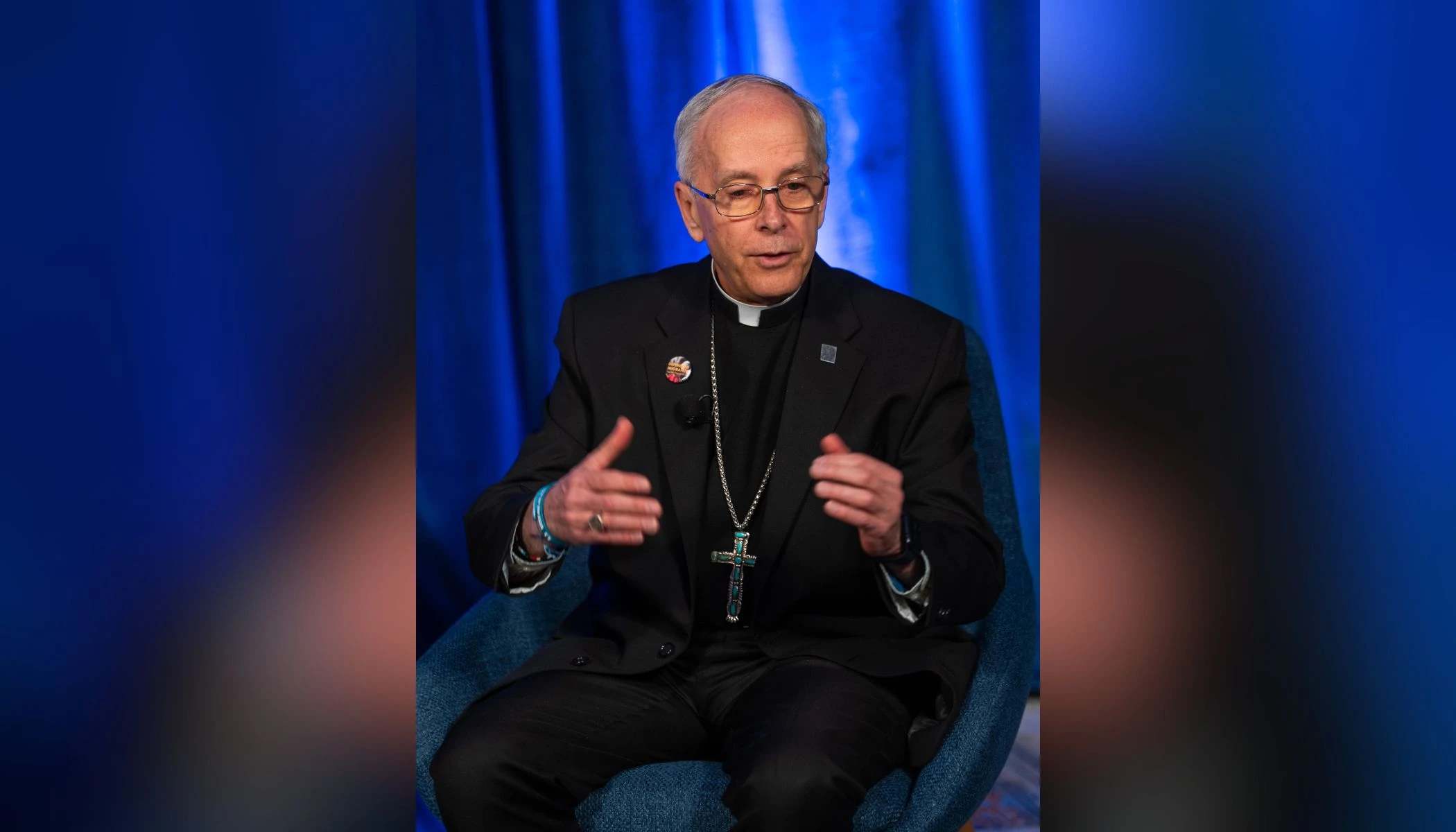
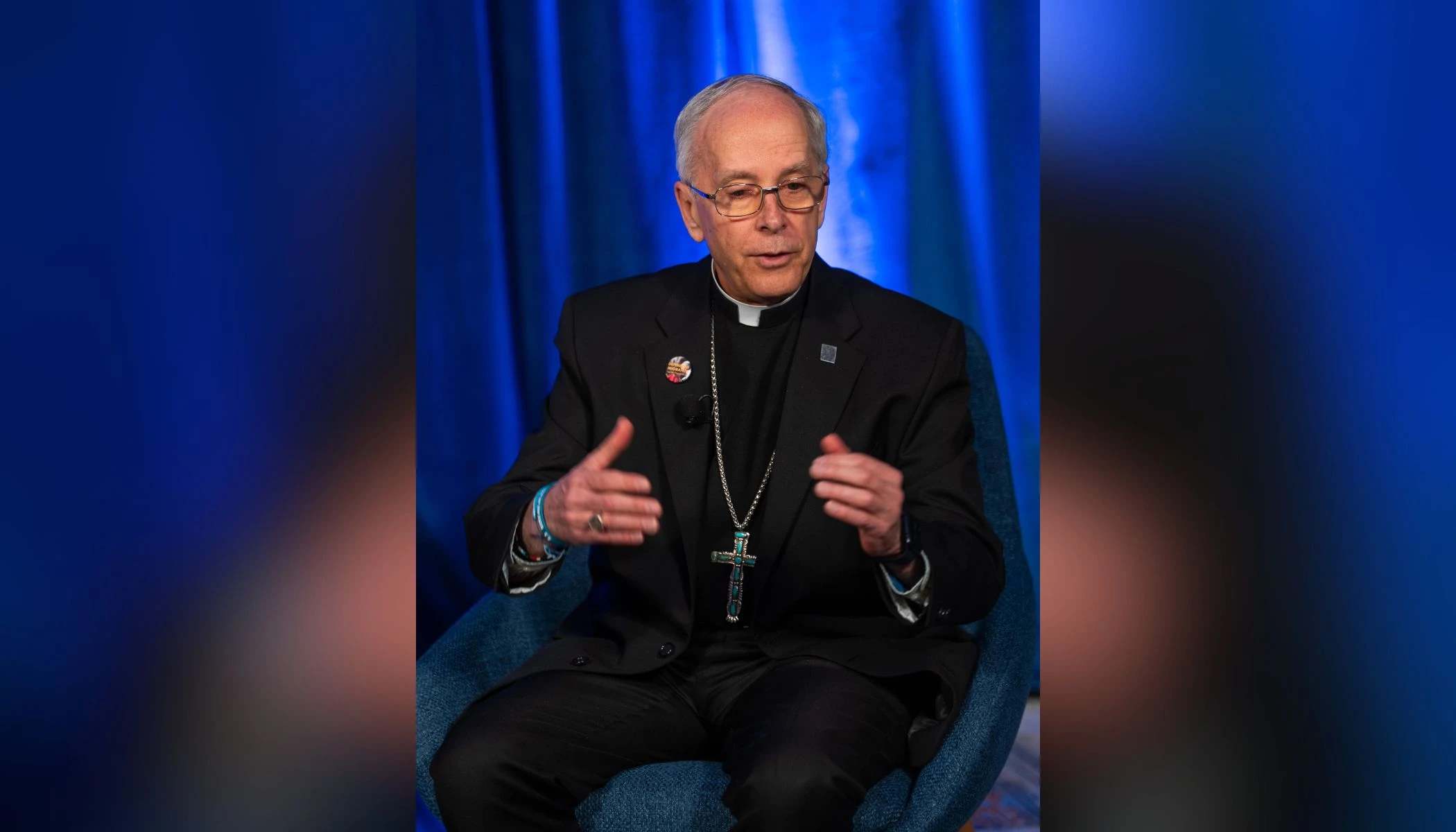
Bishop Mark Seitz issues first pastoral letter on mass detention, deportations – #Catholic – Bishop Mark Seitz of El Paso, Texas, released the first pastoral letter on mass detention and deportations.The “current national campaign of mass detention and detention is a grave moral evil, one which must be opposed, with prayer, peaceful action, and acts of solidarity with those affected,” Seitz wrote.The Diocese of El Paso will hold a vigil on March 24 to “plead for respect for human life,” Seitz announced in the letter. He invited the faithful “to march and pray” with him and Auxiliary Bishop Anthony Celino as “an act of Lenten solidarity.”“In this holy season of Lent, God invites us to journey with the suffering Jesus to the cross and to new life in the Resurrection,” Seitz wrote. “For this reason, I take this opportunity to speak to all the faithful in our El Paso Catholic community, and in particular to immigrant families.”“Our Holy Father, Pope Leo XIV, told me personally to stand in solidarity with suffering migrant families and not to remain silent,” he said. “I will do everything I can to uphold the God-given dignity of every person in our borderlands community.”The message written by Seitz was the first pastoral letter, a message authored by a U.S. bishop, on mass detention and deportations, according to the Diocese of El Paso.The letter follows the United States Conference of Catholic Bishops’ (USCCB) special message on immigration approved at the 2025 Fall Plenary Assembly on Nov. 12, which expressed the bishops’ opposition to “the indiscriminate mass deportation of people.”The bishops also addressed their concerns over the conditions of detention centers and prayed “for an end to dehumanizing rhetoric and violence, whether directed at immigrants or at law enforcement.”Deportation and detention facilities“To those of you affected by hatred and discrimination and afraid of what comes next, know that the Church stands with you,” Seitz wrote. “As your bishop, I carry your pain daily in my heart and in my prayers.”The bishop wrote that people in the El Paso community are being taken by law enforcement as they leave immigration court proceedings, workers are being taken from their jobs, and parents are no longer able to work because the government has taken away their work permits.Seitz also detailed the treatment of immigrants in detention centers, specifically at El Paso’s Camp East Montana immigrant detention center.“Young women are languishing in mental torture for months in private detention centers, even when, coerced by the conditions of their imprisonment, they beg to be deported,” he wrote. “So many people are once again being made to feel like they are less than American.”To combat this, the El Paso Catholic Church “will redouble our ministries with those in the downtown courthouse, in the detention centers, in Ciudad Juarez and with families in our parishes,” Seitz wrote. “We will continue to celebrate your contributions to our community, to defend your human dignity, and to work to end racism and make immigration reform a reality.”Need for ‘significant immigration reforms’“While we do need significant immigration reforms, it is an injustice to make families, children, and the vulnerable pay the price of our inaction,” Seitz wrote. “Policies, laws, and borders must always be at the service of human dignity, genuine community security, and human flourishing.”Addressing law enforcement, Seitz said he is “blessed with many friendships” in local law enforcement and immigration enforcement agents. “Their work to keep our community safe is vital,” he said. “But the death of those in immigration detention is unacceptable.”
 
 … the death of those in immigration detention is unacceptable.
 
 Bishop Mark SeitzDiocese of El Paso
 
 
 Thirty-eight people have died in custody of Immigration and Customs Enforcement (ICE) since the start of fiscal 2025, 58% more detainee deaths in ICE custody than occurred during all four previous fiscal years combined (24 deaths), according to ICE detainee death reporting data. Seitz called on immigration enforcement to follow the Gospel rather than “immoral order,” offering them guidance on how to decide what actions align with the faith.“No one has to obey an immoral order. I implore all involved to carefully discern the moral requirements of the Gospel at this moment with integrity and honesty,” Seitz said.“I promise the pastoral support of our priests, chaplains, and myself as you navigate the demands of conscience with sincerity. You are also in my prayers,” he wrote.“May Mary of Guadalupe, who challenges us to build up a common home of tenderness and love, pray for us,” Seitz concluded.

Bishop Mark Seitz issues first pastoral letter on mass detention, deportations – #Catholic – Bishop Mark Seitz of El Paso, Texas, released the first pastoral letter on mass detention and deportations.The “current national campaign of mass detention and detention is a grave moral evil, one which must be opposed, with prayer, peaceful action, and acts of solidarity with those affected,” Seitz wrote.The Diocese of El Paso will hold a vigil on March 24 to “plead for respect for human life,” Seitz announced in the letter. He invited the faithful “to march and pray” with him and Auxiliary Bishop Anthony Celino as “an act of Lenten solidarity.”“In this holy season of Lent, God invites us to journey with the suffering Jesus to the cross and to new life in the Resurrection,” Seitz wrote. “For this reason, I take this opportunity to speak to all the faithful in our El Paso Catholic community, and in particular to immigrant families.”“Our Holy Father, Pope Leo XIV, told me personally to stand in solidarity with suffering migrant families and not to remain silent,” he said. “I will do everything I can to uphold the God-given dignity of every person in our borderlands community.”The message written by Seitz was the first pastoral letter, a message authored by a U.S. bishop, on mass detention and deportations, according to the Diocese of El Paso.The letter follows the United States Conference of Catholic Bishops’ (USCCB) special message on immigration approved at the 2025 Fall Plenary Assembly on Nov. 12, which expressed the bishops’ opposition to “the indiscriminate mass deportation of people.”The bishops also addressed their concerns over the conditions of detention centers and prayed “for an end to dehumanizing rhetoric and violence, whether directed at immigrants or at law enforcement.”Deportation and detention facilities“To those of you affected by hatred and discrimination and afraid of what comes next, know that the Church stands with you,” Seitz wrote. “As your bishop, I carry your pain daily in my heart and in my prayers.”The bishop wrote that people in the El Paso community are being taken by law enforcement as they leave immigration court proceedings, workers are being taken from their jobs, and parents are no longer able to work because the government has taken away their work permits.Seitz also detailed the treatment of immigrants in detention centers, specifically at El Paso’s Camp East Montana immigrant detention center.“Young women are languishing in mental torture for months in private detention centers, even when, coerced by the conditions of their imprisonment, they beg to be deported,” he wrote. “So many people are once again being made to feel like they are less than American.”To combat this, the El Paso Catholic Church “will redouble our ministries with those in the downtown courthouse, in the detention centers, in Ciudad Juarez and with families in our parishes,” Seitz wrote. “We will continue to celebrate your contributions to our community, to defend your human dignity, and to work to end racism and make immigration reform a reality.”Need for ‘significant immigration reforms’“While we do need significant immigration reforms, it is an injustice to make families, children, and the vulnerable pay the price of our inaction,” Seitz wrote. “Policies, laws, and borders must always be at the service of human dignity, genuine community security, and human flourishing.”Addressing law enforcement, Seitz said he is “blessed with many friendships” in local law enforcement and immigration enforcement agents. “Their work to keep our community safe is vital,” he said. “But the death of those in immigration detention is unacceptable.” … the death of those in immigration detention is unacceptable. Bishop Mark SeitzDiocese of El Paso Thirty-eight people have died in custody of Immigration and Customs Enforcement (ICE) since the start of fiscal 2025, 58% more detainee deaths in ICE custody than occurred during all four previous fiscal years combined (24 deaths), according to ICE detainee death reporting data. Seitz called on immigration enforcement to follow the Gospel rather than “immoral order,” offering them guidance on how to decide what actions align with the faith.“No one has to obey an immoral order. I implore all involved to carefully discern the moral requirements of the Gospel at this moment with integrity and honesty,” Seitz said.“I promise the pastoral support of our priests, chaplains, and myself as you navigate the demands of conscience with sincerity. You are also in my prayers,” he wrote.“May Mary of Guadalupe, who challenges us to build up a common home of tenderness and love, pray for us,” Seitz concluded.

The bishop of El Paso, Texas, called on immigration enforcement officers to follow the Gospel rather than “immoral order.”

Read More
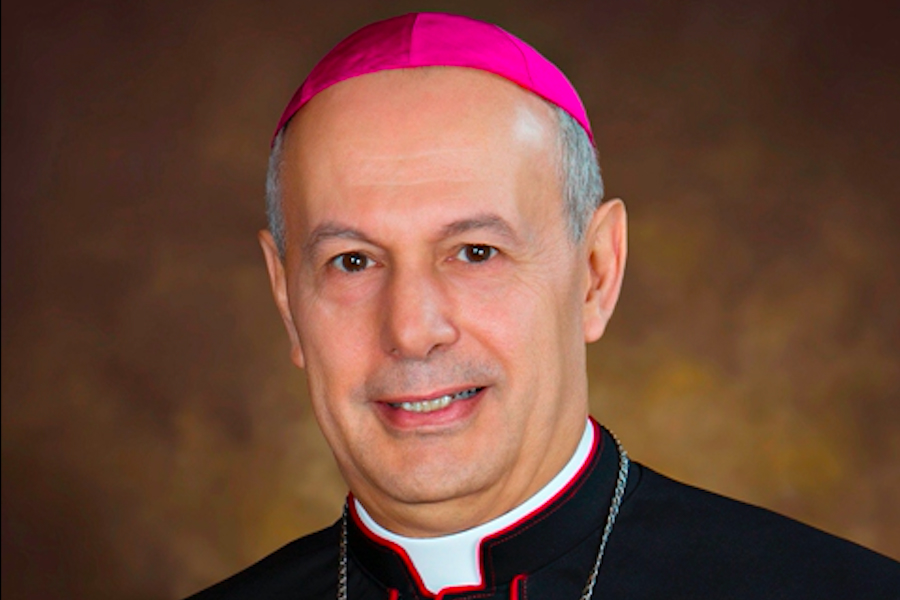
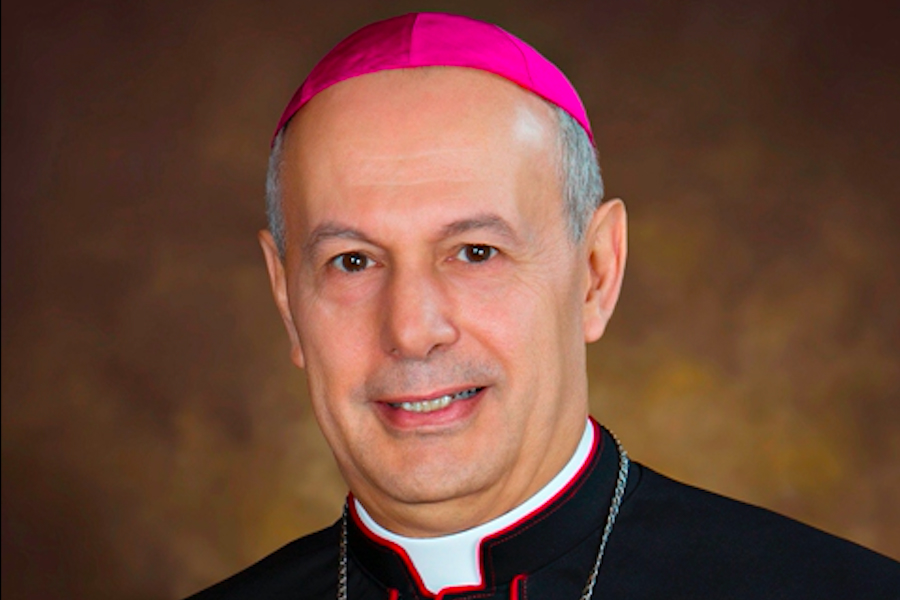
At a time of conflict, Pope Leo sends a bridge-builder to the United States #Catholic Archbishop Gabriele Caccia, the recently appointed apostolic nuncio to the United States, takes up his new role at a time of heightened tension between the Vatican and the White House over issues including immigration to the U.S. and war in the Middle East.Former collaborators say Caccia’s personal qualities and wide diplomatic experience — including in Lebanon and the Philippines — make him well suited for this crucial assignment.The 68-year-old diplomat recently served as the permanent observer of the Holy See Mission to the United Nations in New York after Pope Francis appointed him there in 2019. His new job is important as a liaison between the Vatican and the U.S., where recent federal policies have faced growing resistance from Church leaders.Pope Leo’s new man on a high-stakes missionA veteran diplomat, Caccia will serve as Pope Leo XIV’s chief representative to the Trump administration. Like his predecessor, Cardinal Christophe Pierre, he assumes office amid ongoing tension between the administration and the Church, especially on immigration enforcement and foreign policy.In a public statement in November 2025, U.S. bishops strongly opposed the administration’s treatment of migrants during mass deportations. Pope Leo expressed support for the statement and denounced the treatment of migrants as “extremely disrespectful, and with instances of violence.”The U.S. bishops have also voiced concern over recent foreign policy moves, including interventions in the Middle East. In January of this year, three U.S. cardinals — Blase Cupich, Joseph Tobin, and Robert McElroy — jointly condemned the administration’s foreign policy in a public statement. In recent addresses, Pope Leo has also called for a ceasefire in the Middle East, deploring on March 15 a “widespread climate of hatred and fear.”Monsignor Roger Landry, who served at the Holy See Mission from 2015 to 2022 and now heads the Pontifical Mission Societies, expressed confidence in the nuncio’s ability to communicate the Holy See’s concerns effectively to the U.S. government while supporting the bishops.“He will represent Pope Leo very well to the U.S. government and the U.S. Church, be a great listener and effective relayer of what’s happening in the United States to Pope Leo, and be a steady source of counsel and support to U.S. bishops,” he told EWTN News.Dálida Morales, who interned at the mission and now works at the Ministry of Industry and Commerce in the Dominican Republic, conveyed hope for the archbishop’s potential to build international dialogue.“He is genuinely a bridge-builder for peace. At a time when dialogue, moral clarity, and principled leadership are urgently needed in the United States, his appointment there is both timely and hopeful,” she said.A diplomat forged in complex geopoliticsHaving worked in the diplomatic service of the Holy See since 1991, Caccia previously served in challenging posts before his appointment to the U.N. He served as apostolic nuncio to Lebanon and the Philippines, two countries with sensitive political climates.His service in Lebanon occurred during the outbreak of the Syrian Civil War in 2011. There, he helped coordinate the Church’s humanitarian response to support over 1.5 million Syrian refugees in Lebanon. His service also included helping maintain peace in a country constitutionally divided among Maronite Christians, Muslims, and Druze.He served in the Philippines at the height of President Rodrigo Duterte’s highly aggressive and controversial anti-narcotics campaign, which resulted in thousands of extrajudicial killings. As the nuncio, he helped to support the bishops, who were vocal critics against the government, while maintaining the country’s diplomatic relations with the Holy See.During his time at the U.N., he promoted the Vatican’s diplomatic stance. Father Mark Knestout, who served with Caccia as a former attaché for the Holy See Mission, noted the importance of his diplomatic experience in his new role.“He was in Lebanon for eight years, which is a complex situation because you have multiple denominations of Catholics there, alongside the situation with Muslims,” he told EWTN News. “So I see him being personable and striving to get to know everyone in the United States as best he can.”An inclusive leader and sports loverFormer staff of Caccia also shared with EWTN News some personal anecdotes from their time serving with him in New York. Vitória Volpato, a former intern at the mission who serves at the Prefecture of São Paulo in Brazil, noted with gratitude the archbishop’s insights on leadership.“He said something that stayed with me: ‘I do not choose the people I work with, but I work with the people I have.’ That made me reflect on what a good leader must be, something the archbishop clearly is,” she said.Ashley Campbell, who interned at the mission and now works at the Religious Freedom Institute, reflected on his love of sports. “I remember once walking with him back to the Holy See Mission building from the U.N., and we talked about how we both grew up playing sports and how amazing it would be if Vatican City could send athletes to the Olympics.”Fidelity to the Holy FatherOne trait consistently praised by those who have worked with the archbishop is his fidelity to the Holy Father. Knestout described the archbishop as a “true Churchman who wants to represent the desires and the intentions of the Holy Father.”Morales added: “Every Wednesday, he would ask us about the Holy Father’s general audience. In this way, he reminded us that one of the most meaningful ways to remain united to the Church is by listening to the voice of the pope. It is a habit I continue to keep today thanks to him.”

At a time of conflict, Pope Leo sends a bridge-builder to the United States #Catholic Archbishop Gabriele Caccia, the recently appointed apostolic nuncio to the United States, takes up his new role at a time of heightened tension between the Vatican and the White House over issues including immigration to the U.S. and war in the Middle East.Former collaborators say Caccia’s personal qualities and wide diplomatic experience — including in Lebanon and the Philippines — make him well suited for this crucial assignment.The 68-year-old diplomat recently served as the permanent observer of the Holy See Mission to the United Nations in New York after Pope Francis appointed him there in 2019. His new job is important as a liaison between the Vatican and the U.S., where recent federal policies have faced growing resistance from Church leaders.Pope Leo’s new man on a high-stakes missionA veteran diplomat, Caccia will serve as Pope Leo XIV’s chief representative to the Trump administration. Like his predecessor, Cardinal Christophe Pierre, he assumes office amid ongoing tension between the administration and the Church, especially on immigration enforcement and foreign policy.In a public statement in November 2025, U.S. bishops strongly opposed the administration’s treatment of migrants during mass deportations. Pope Leo expressed support for the statement and denounced the treatment of migrants as “extremely disrespectful, and with instances of violence.”The U.S. bishops have also voiced concern over recent foreign policy moves, including interventions in the Middle East. In January of this year, three U.S. cardinals — Blase Cupich, Joseph Tobin, and Robert McElroy — jointly condemned the administration’s foreign policy in a public statement. In recent addresses, Pope Leo has also called for a ceasefire in the Middle East, deploring on March 15 a “widespread climate of hatred and fear.”Monsignor Roger Landry, who served at the Holy See Mission from 2015 to 2022 and now heads the Pontifical Mission Societies, expressed confidence in the nuncio’s ability to communicate the Holy See’s concerns effectively to the U.S. government while supporting the bishops.“He will represent Pope Leo very well to the U.S. government and the U.S. Church, be a great listener and effective relayer of what’s happening in the United States to Pope Leo, and be a steady source of counsel and support to U.S. bishops,” he told EWTN News.Dálida Morales, who interned at the mission and now works at the Ministry of Industry and Commerce in the Dominican Republic, conveyed hope for the archbishop’s potential to build international dialogue.“He is genuinely a bridge-builder for peace. At a time when dialogue, moral clarity, and principled leadership are urgently needed in the United States, his appointment there is both timely and hopeful,” she said.A diplomat forged in complex geopoliticsHaving worked in the diplomatic service of the Holy See since 1991, Caccia previously served in challenging posts before his appointment to the U.N. He served as apostolic nuncio to Lebanon and the Philippines, two countries with sensitive political climates.His service in Lebanon occurred during the outbreak of the Syrian Civil War in 2011. There, he helped coordinate the Church’s humanitarian response to support over 1.5 million Syrian refugees in Lebanon. His service also included helping maintain peace in a country constitutionally divided among Maronite Christians, Muslims, and Druze.He served in the Philippines at the height of President Rodrigo Duterte’s highly aggressive and controversial anti-narcotics campaign, which resulted in thousands of extrajudicial killings. As the nuncio, he helped to support the bishops, who were vocal critics against the government, while maintaining the country’s diplomatic relations with the Holy See.During his time at the U.N., he promoted the Vatican’s diplomatic stance. Father Mark Knestout, who served with Caccia as a former attaché for the Holy See Mission, noted the importance of his diplomatic experience in his new role.“He was in Lebanon for eight years, which is a complex situation because you have multiple denominations of Catholics there, alongside the situation with Muslims,” he told EWTN News. “So I see him being personable and striving to get to know everyone in the United States as best he can.”An inclusive leader and sports loverFormer staff of Caccia also shared with EWTN News some personal anecdotes from their time serving with him in New York. Vitória Volpato, a former intern at the mission who serves at the Prefecture of São Paulo in Brazil, noted with gratitude the archbishop’s insights on leadership.“He said something that stayed with me: ‘I do not choose the people I work with, but I work with the people I have.’ That made me reflect on what a good leader must be, something the archbishop clearly is,” she said.Ashley Campbell, who interned at the mission and now works at the Religious Freedom Institute, reflected on his love of sports. “I remember once walking with him back to the Holy See Mission building from the U.N., and we talked about how we both grew up playing sports and how amazing it would be if Vatican City could send athletes to the Olympics.”Fidelity to the Holy FatherOne trait consistently praised by those who have worked with the archbishop is his fidelity to the Holy Father. Knestout described the archbishop as a “true Churchman who wants to represent the desires and the intentions of the Holy Father.”Morales added: “Every Wednesday, he would ask us about the Holy Father’s general audience. In this way, he reminded us that one of the most meaningful ways to remain united to the Church is by listening to the voice of the pope. It is a habit I continue to keep today thanks to him.”

Archbishop Gabriele Caccia, the new papal envoy to Washington, has been shaped by a diplomatic career in geopolitical hot spots.

Read More
‘They want to evict us’: Why Indigenous Catholics fight forest project in Bangladesh #Catholic MADHUPUR, Bangladesh — Indigenous Catholic and tribal leaders in central Bangladesh are warning the government that a stronger protest movement will follow if it does not withdraw a contested forest development project before the end of the Muslim fasting month of Ramadan this week.The Garo and Koch Indigenous peoples say a government plan to dig an artificial lake and build an eco-park in the Madhupur forest — about 94 miles north of the capital, Dhaka — is a pretext for evicting them from ancestral lands they have occupied for generations.“What the government is doing in the name of development is not development. It is a clear plan to evict the Garo and Koch Indigenous from this forest area,” said Toni Chiran, a Catholic from Corpus Christi Church in Jalchatra and president of the Bangladesh Indigenous Youth Forum.
 
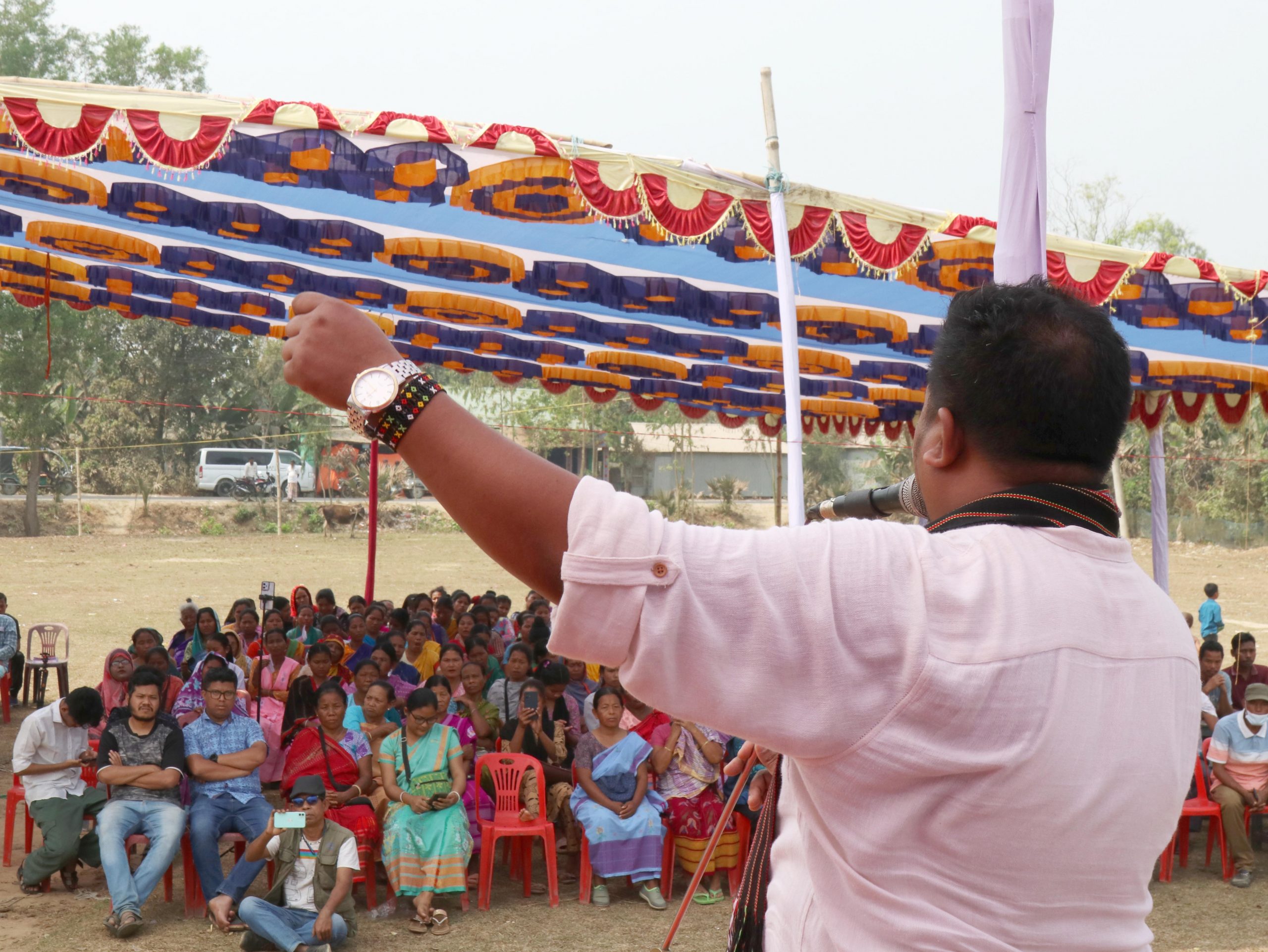
 A speaker addresses Indigenous Garo people at a protest rally in Madhupur, Bangladesh, on March 6, 2026. | Credit: Stephan Uttom Rozario
 
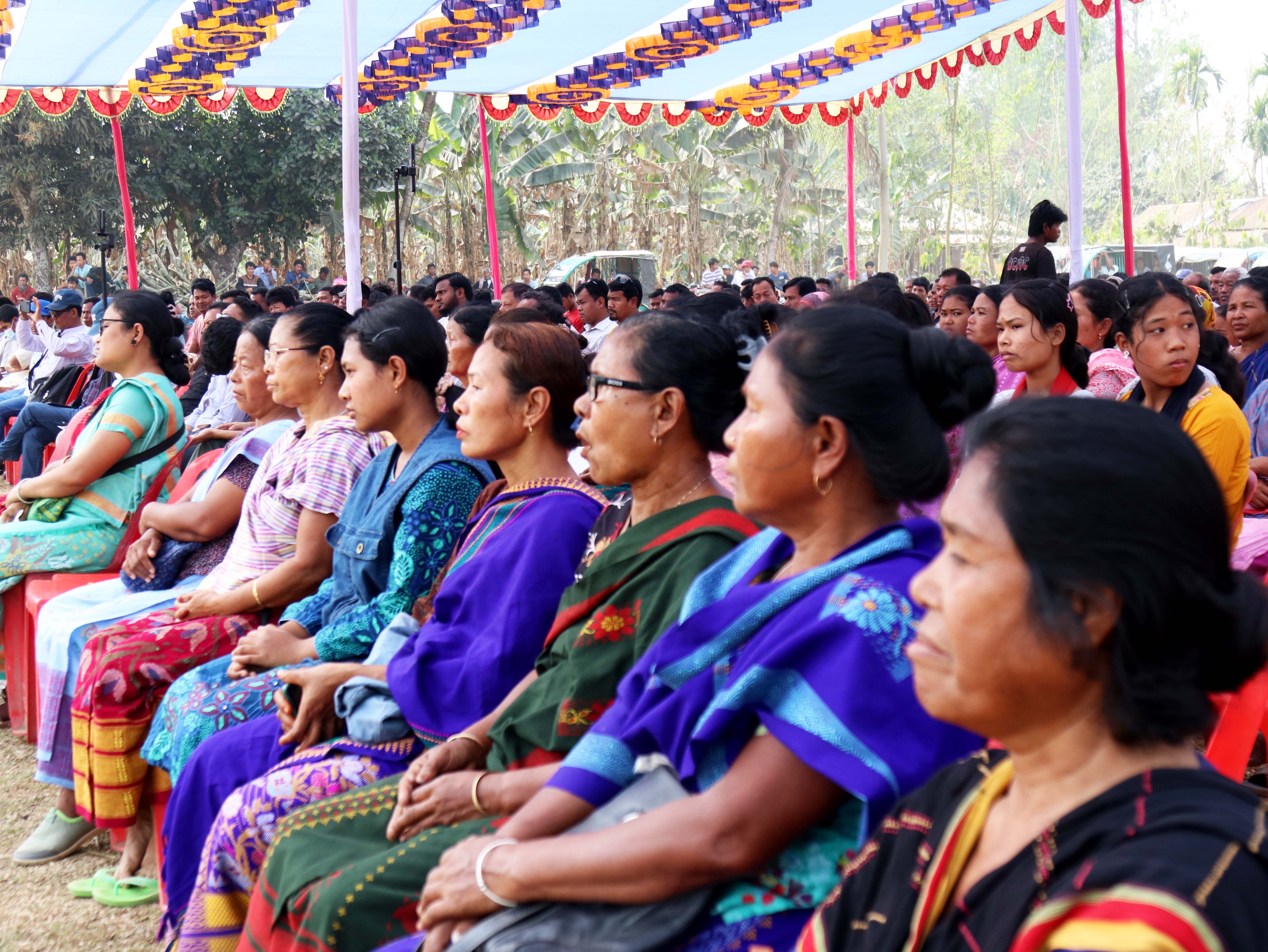
 Chiran spoke at a protest rally on March 6 in Madhupur’s Tangail district, where hundreds of Indigenous students and community members gathered to oppose the project. He said that if the artificial lake and eco-park are built, Indigenous people will lose their agricultural land and the natural forest will be destroyed, leaving the Garo and other Indigenous peoples with no means to sustain their way of life.Bangladesh is home to approximately 400,000 Catholics in a population of nearly 178 million, and more than half of the country’s Catholics come from Indigenous communities.Church voices supportFather Simon Hacha, the vicar general of the Diocese of Mymensingh, which covers the area, said the Church cannot support the government’s plans.“If this project is implemented, the Indigenous people’s cropland will be destroyed and they will face eviction. We think that is what the government wants,” Hacha told EWTN News.“We want to tell the government to back off from such shameful steps. The Catholic Church has always been for justice and has been giving moral support to the Indigenous movement,” he added.Decades-long disputeThe Bangladesh government first proposed an artificial lake and eco-park in the Madhupur forest in 2000. In 2004, at least one Garo man was killed by police gunfire during a protest, and many others were injured. The government subsequently halted the project.In 2026, authorities revived the plan and have already begun excavating the designated area. Indigenous leaders say the project amounts to a long-term strategy to force tribal communities from the region.Janoki Chisim, secretary of the Garo Indigenous Student Union, told EWTN News that the project would be an injustice not only to the forest but also to the people who depend on it.“Let the forest survive in its original form and glory. The Garo and Koch Indigenous people have lived in this forest since time immemorial,” Chisim said.
 
 An excavator digs inside the Madhupur forest in Bangladesh on March 6, 2026, as part of a government project to expand an artificial lake that Indigenous communities say threatens their ancestral land. | Credit: Stephan Uttom Rozario
 
 According to tribal elders, tigers, bears, deer, wild boars, and wild cats once roamed freely in the forest, and hundreds of bird species thrived alongside them. Forest dwellers traditionally collected wild potatoes and medicinal plants from the forest vines. That way of life, residents say, is slowly disappearing.After the Tenancy Act of 1950, the Forest Department encroached on tribal forestland. Successive government projects have steadily eroded the forest’s biodiversity. Remaining forest is being cleared for lakes, entertainment centers, hotels, and resorts, and the local Garo and Koch Indigenous people are being displaced, community leaders say.“If the customary land rights of the tribals are not ensured, a strong movement will be launched in the coming days,” Chisim told EWTN News.Forest officials respondForest officials say the lake is being expanded to 1,165 feet. An existing 665-foot-long lake, dug five decades ago, has silted up, causing a severe water shortage in the forest during the dry season.When rivers and canals dry up, monkeys, hanuman langurs, deer, and other wildlife venture into populated areas in search of water and are sometimes attacked, officials said.“Deer, peacocks, and tortoises in the breeding center also face water shortage. The expansion of this lake is necessary to protect the life of wildlife,” Mosharraf Hossain, a forest official, told EWTN News.Hossain added that no one has customary land rights in the reserved forest and that lakes are not being dug on Garo land. Forest department officials say some youths are spreading unnecessary confusion at the behest of a vested interest group.

‘They want to evict us’: Why Indigenous Catholics fight forest project in Bangladesh #Catholic MADHUPUR, Bangladesh — Indigenous Catholic and tribal leaders in central Bangladesh are warning the government that a stronger protest movement will follow if it does not withdraw a contested forest development project before the end of the Muslim fasting month of Ramadan this week.The Garo and Koch Indigenous peoples say a government plan to dig an artificial lake and build an eco-park in the Madhupur forest — about 94 miles north of the capital, Dhaka — is a pretext for evicting them from ancestral lands they have occupied for generations.“What the government is doing in the name of development is not development. It is a clear plan to evict the Garo and Koch Indigenous from this forest area,” said Toni Chiran, a Catholic from Corpus Christi Church in Jalchatra and president of the Bangladesh Indigenous Youth Forum. A speaker addresses Indigenous Garo people at a protest rally in Madhupur, Bangladesh, on March 6, 2026. | Credit: Stephan Uttom Rozario Chiran spoke at a protest rally on March 6 in Madhupur’s Tangail district, where hundreds of Indigenous students and community members gathered to oppose the project. He said that if the artificial lake and eco-park are built, Indigenous people will lose their agricultural land and the natural forest will be destroyed, leaving the Garo and other Indigenous peoples with no means to sustain their way of life.Bangladesh is home to approximately 400,000 Catholics in a population of nearly 178 million, and more than half of the country’s Catholics come from Indigenous communities.Church voices supportFather Simon Hacha, the vicar general of the Diocese of Mymensingh, which covers the area, said the Church cannot support the government’s plans.“If this project is implemented, the Indigenous people’s cropland will be destroyed and they will face eviction. We think that is what the government wants,” Hacha told EWTN News.“We want to tell the government to back off from such shameful steps. The Catholic Church has always been for justice and has been giving moral support to the Indigenous movement,” he added.Decades-long disputeThe Bangladesh government first proposed an artificial lake and eco-park in the Madhupur forest in 2000. In 2004, at least one Garo man was killed by police gunfire during a protest, and many others were injured. The government subsequently halted the project.In 2026, authorities revived the plan and have already begun excavating the designated area. Indigenous leaders say the project amounts to a long-term strategy to force tribal communities from the region.Janoki Chisim, secretary of the Garo Indigenous Student Union, told EWTN News that the project would be an injustice not only to the forest but also to the people who depend on it.“Let the forest survive in its original form and glory. The Garo and Koch Indigenous people have lived in this forest since time immemorial,” Chisim said. An excavator digs inside the Madhupur forest in Bangladesh on March 6, 2026, as part of a government project to expand an artificial lake that Indigenous communities say threatens their ancestral land. | Credit: Stephan Uttom Rozario According to tribal elders, tigers, bears, deer, wild boars, and wild cats once roamed freely in the forest, and hundreds of bird species thrived alongside them. Forest dwellers traditionally collected wild potatoes and medicinal plants from the forest vines. That way of life, residents say, is slowly disappearing.After the Tenancy Act of 1950, the Forest Department encroached on tribal forestland. Successive government projects have steadily eroded the forest’s biodiversity. Remaining forest is being cleared for lakes, entertainment centers, hotels, and resorts, and the local Garo and Koch Indigenous people are being displaced, community leaders say.“If the customary land rights of the tribals are not ensured, a strong movement will be launched in the coming days,” Chisim told EWTN News.Forest officials respondForest officials say the lake is being expanded to 1,165 feet. An existing 665-foot-long lake, dug five decades ago, has silted up, causing a severe water shortage in the forest during the dry season.When rivers and canals dry up, monkeys, hanuman langurs, deer, and other wildlife venture into populated areas in search of water and are sometimes attacked, officials said.“Deer, peacocks, and tortoises in the breeding center also face water shortage. The expansion of this lake is necessary to protect the life of wildlife,” Mosharraf Hossain, a forest official, told EWTN News.Hossain added that no one has customary land rights in the reserved forest and that lakes are not being dug on Garo land. Forest department officials say some youths are spreading unnecessary confusion at the behest of a vested interest group.

Catholic Indigenous leaders in Bangladesh say they will escalate protests if the government does not halt a forest development project they call a pretext for eviction.

Read More

America’s second satellite, Vanguard 1, was launched into space on March 17, 1958. And though it only blasted off some six months after the Soviet’s Sputnik satellite, Vanguard 1 still remains in orbit — more than 60 years later. This makes it Earth’s longest-orbiting artificial satellite, as well as the oldest human-made object still inContinue reading “March 17, 1958: Vanguard 1 blasts off”

The post March 17, 1958: Vanguard 1 blasts off appeared first on Astronomy Magazine.

Read More
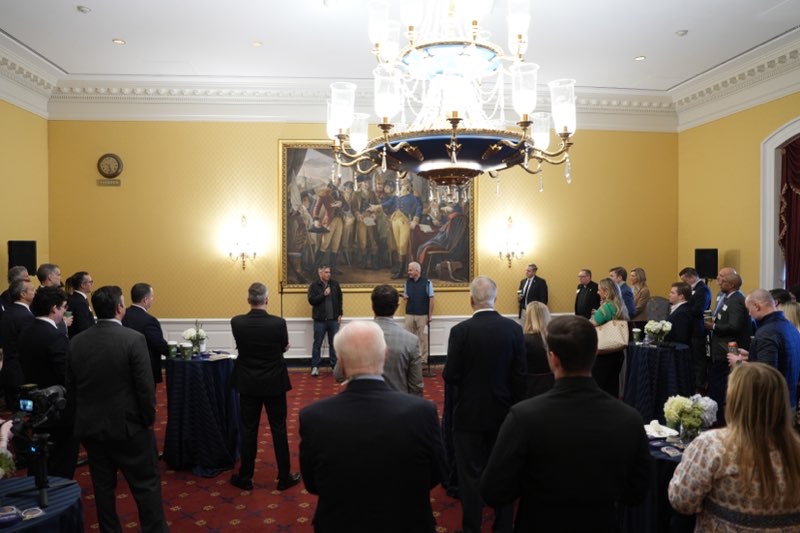
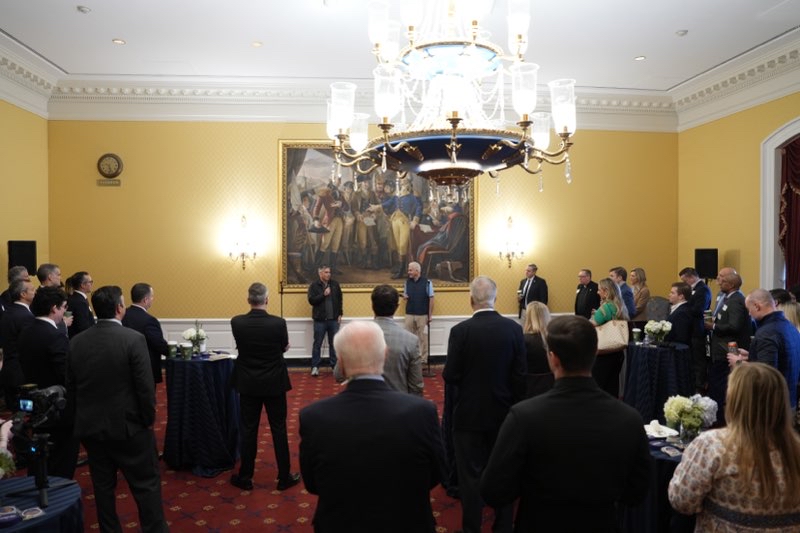
‘Catholic Connections’ aims to unite Catholics working on Capitol Hill – #Catholic – House Majority Whip Tom Emmer, R-Minnesota, wants Catholics on the Hill to be able to recognize one another by more than a cross they may wear or Ash Wednesday ashes on their foreheads. Emmer’s office has spearheaded a new group called “Catholic Connections,” dedicated to fostering a faith-based community among Catholics working on Capitol Hill.“This is a huge Catholic community around here,” Emmer told EWTN News in an interview at the group’s latest event on March 6, which centered on a Lenten reflection delivered by the pastor of St. Joseph’s Parish on Capitol Hill.“They don’t have anything like this,” he said.The Friday morning event, hosted in the Members’ Dining Room on the House side of the Capitol, drew roughly 50 participants, including several members of Congress.Emmer told EWTN News he was inspired to start the group this past January after witnessing a surge of young people on the Hill attending Mass in the wake of Turning Point USA founder Charlie Kirk’s assassination in September 2025.“All of a sudden, we started to see a lot of young people showing up for daily Mass,” he said. “It dawned on me that they’re looking for something that’s bigger than themselves, that they want to be part of.”“Catholic Connections is not only giving a community of Catholics a place to go,” he said. “Like somebody just said to me out the door, ‘Hey, the biggest identifier of Catholics on the Hill is Ash Wednesday,’ and he said, ‘Thanks for doing this because now we all see who each other is, and we don’t have to wait and try to guess.’”Emmer said the group plans to meet every month and that he hopes to see more staffers attend.The Republican leader emphasized the importance of Capitol Hill staffers grounding their work in “something bigger than yourself” rather than trying to achieve a level of perfection that is beyond their human capacity. “You’ve got to believe; otherwise, all of this is pointless,” he said.“I think you’re going to see more young staffers show up because they will know that the door’s open to them,” he said. “If they think it’s a networking thing, I’m all for it.”Finding common groundDavid Planning, a principal at Cornerstone Government Affairs, expressed gratitude to the whip’s office for giving Catholic lobbyists and staffers on the Hill the opportunity to “settle down, reflect on our shared faith, and build community outside of work.”“It’s funny,” he said. “You see members walking around these events with big smiles on their faces, happy to engage with their friends. Some folks are on opposite sides of issues in the professional world. But coming together under that shared faith is something that I hope we see expand. It’s something that is worth growing.”Sarah Donovan, another lobbyist who serves as a senior policy adviser at Venable, told EWTN News that she was “struck” by the opportunity “to come together as a group of Catholics.”“We do so many meetings on the Hill all day long and advocate for a lot of different causes,” she said. “But this is an opportunity to come together as Catholics and stand in a room with other members of our Catholic community and pray together, and be together, and reflect on what’s really important.” “I find it to be very grounding and inspiring,” she said.‘Building up a spiritual network’Rep. Julie Fedorchak, R-North Dakota, expressed excitement for the group, especially as a freshman member, to have the opportunity “to build up a spiritual network that goes beyond just the politics here.”“There’s a large number of Catholics in our class,” she said, naming Reps. Michael Baumgartner, R-Washington; Jeff Hurd, R-Colorado; and Robert Onder, R-Missouri. “We all loved that, when we got to know each other and realized that there’s a strong network of pretty faithful Catholics,” she said, noting that the event “is just an extension of that.”According to data from the Pew Research Center, 150 members of Congress are Catholic, making up about 28% of the total 535 members.“So, with Emmer being a strong Catholic and really trying to be outward in his faith and use it to ground his work, that’s something that I aspire to do as well and try to focus on, on a daily basis,” she said.Fedorchak, who is the first woman to be elected to the House of Representatives from North Dakota, is married with three children and serves on the Board of Trustees at the University of Mary. The youngest of eight children, Fedorchak described herself as “a diehard Catholic.”Reflecting on the Lenten address given by Father William Gurnee, which focused on temptation, Fedorchak said: “I think the temptations when you’re in an office in Washington are even stronger because of all the demands.”The freshman member said she especially appreciated the talk because of her own Lenten practices. “I am trying to abstain from hopelessness,” she said.“That’s an easy feeling to set in when you’ve got daunting challenges and you’re just one voice in a sea of people here. And you can feel sometimes like it’s hopeless,” she said. “But I’m trying to abstain from that this Lent and realize that God is ultimately in control. So do what you can and then trust that he’s going to take care of the rest.”

‘Catholic Connections’ aims to unite Catholics working on Capitol Hill – #Catholic – House Majority Whip Tom Emmer, R-Minnesota, wants Catholics on the Hill to be able to recognize one another by more than a cross they may wear or Ash Wednesday ashes on their foreheads. Emmer’s office has spearheaded a new group called “Catholic Connections,” dedicated to fostering a faith-based community among Catholics working on Capitol Hill.“This is a huge Catholic community around here,” Emmer told EWTN News in an interview at the group’s latest event on March 6, which centered on a Lenten reflection delivered by the pastor of St. Joseph’s Parish on Capitol Hill.“They don’t have anything like this,” he said.The Friday morning event, hosted in the Members’ Dining Room on the House side of the Capitol, drew roughly 50 participants, including several members of Congress.Emmer told EWTN News he was inspired to start the group this past January after witnessing a surge of young people on the Hill attending Mass in the wake of Turning Point USA founder Charlie Kirk’s assassination in September 2025.“All of a sudden, we started to see a lot of young people showing up for daily Mass,” he said. “It dawned on me that they’re looking for something that’s bigger than themselves, that they want to be part of.”“Catholic Connections is not only giving a community of Catholics a place to go,” he said. “Like somebody just said to me out the door, ‘Hey, the biggest identifier of Catholics on the Hill is Ash Wednesday,’ and he said, ‘Thanks for doing this because now we all see who each other is, and we don’t have to wait and try to guess.’”Emmer said the group plans to meet every month and that he hopes to see more staffers attend.The Republican leader emphasized the importance of Capitol Hill staffers grounding their work in “something bigger than yourself” rather than trying to achieve a level of perfection that is beyond their human capacity. “You’ve got to believe; otherwise, all of this is pointless,” he said.“I think you’re going to see more young staffers show up because they will know that the door’s open to them,” he said. “If they think it’s a networking thing, I’m all for it.”Finding common groundDavid Planning, a principal at Cornerstone Government Affairs, expressed gratitude to the whip’s office for giving Catholic lobbyists and staffers on the Hill the opportunity to “settle down, reflect on our shared faith, and build community outside of work.”“It’s funny,” he said. “You see members walking around these events with big smiles on their faces, happy to engage with their friends. Some folks are on opposite sides of issues in the professional world. But coming together under that shared faith is something that I hope we see expand. It’s something that is worth growing.”Sarah Donovan, another lobbyist who serves as a senior policy adviser at Venable, told EWTN News that she was “struck” by the opportunity “to come together as a group of Catholics.”“We do so many meetings on the Hill all day long and advocate for a lot of different causes,” she said. “But this is an opportunity to come together as Catholics and stand in a room with other members of our Catholic community and pray together, and be together, and reflect on what’s really important.” “I find it to be very grounding and inspiring,” she said.‘Building up a spiritual network’Rep. Julie Fedorchak, R-North Dakota, expressed excitement for the group, especially as a freshman member, to have the opportunity “to build up a spiritual network that goes beyond just the politics here.”“There’s a large number of Catholics in our class,” she said, naming Reps. Michael Baumgartner, R-Washington; Jeff Hurd, R-Colorado; and Robert Onder, R-Missouri. “We all loved that, when we got to know each other and realized that there’s a strong network of pretty faithful Catholics,” she said, noting that the event “is just an extension of that.”According to data from the Pew Research Center, 150 members of Congress are Catholic, making up about 28% of the total 535 members.“So, with Emmer being a strong Catholic and really trying to be outward in his faith and use it to ground his work, that’s something that I aspire to do as well and try to focus on, on a daily basis,” she said.Fedorchak, who is the first woman to be elected to the House of Representatives from North Dakota, is married with three children and serves on the Board of Trustees at the University of Mary. The youngest of eight children, Fedorchak described herself as “a diehard Catholic.”Reflecting on the Lenten address given by Father William Gurnee, which focused on temptation, Fedorchak said: “I think the temptations when you’re in an office in Washington are even stronger because of all the demands.”The freshman member said she especially appreciated the talk because of her own Lenten practices. “I am trying to abstain from hopelessness,” she said.“That’s an easy feeling to set in when you’ve got daunting challenges and you’re just one voice in a sea of people here. And you can feel sometimes like it’s hopeless,” she said. “But I’m trying to abstain from that this Lent and realize that God is ultimately in control. So do what you can and then trust that he’s going to take care of the rest.”

Catholics on Capitol Hill are beginning to build a tight-knit community amid their busy schedules.

Read More
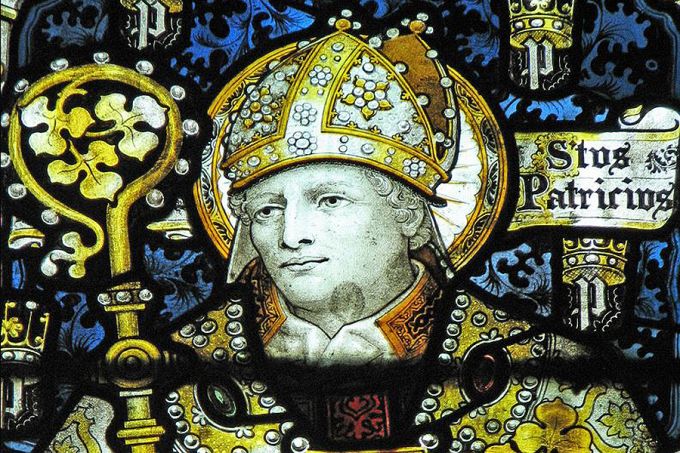
St. Patrick’s Day during Lent ‘should inspire us to be joyful, not dire’ – #Catholic – Catholics around the world celebrate St. Patrick’s Day with special Masses, parades, festive gatherings, and Irish favorites like corned beef and cabbage. While the festivities may seem contradictory to the penitential season of Lent, they provide an opportunity for the faithful to honor and celebrate the life of one of the Church’s most beloved saints.“Sometimes Lent is viewed as a ‘gloomy’ season. However, the Preface for Lent (I) states: ‘for your faithful await the sacred paschal feasts with the joy of minds made pure,’” Bishop Stephen Parkes of Savannah, Georgia, told EWTN News. “This is a time for reflection, repentance, and renewal, which should inspire us to be joyful, not dour.”On St. Patrick’s Day, many enjoy the opportunity to celebrate the gifts of Irish culture and heritage, but “in Savannah, we don’t stop with just a day and a parade … but rather celebrate a whole ‘season of St. Patrick,’ which encompasses many different events over a two-week period,” Parkes said.There are many reasons to celebrate the great saint’s life. The patron of Ireland was born in Scotland to Roman parents around 385. When he was a teenager, St. Patrick was kidnapped by an Irish raiding party and taken to Ireland as a slave.Throughout his captivity, St. Patrick fervently prayed to God and at the age of 20, inspired by an angel in a dream, he escaped and journeyed across the sea back to his family. He then studied for the priesthood and was ordained, later becoming a bishop.Pope Celestine instructed St. Patrick to return to Ireland to bring its people into the Catholic Church. St. Patrick arrived at Ireland’s shores around 433 on the feast of the Annunciation. There, he transformed the pagan society by converting thousands, baptizing converts, ordaining clergy, and establishing hundreds of churches across the country.“My advice to anyone who is celebrating St. Patrick for a whole season, or just a day, is to ask this beloved saint to intercede on our behalf, that we may follow his holy example in embracing missionary discipleship,” Parkes said.We can ask St. Patrick “to help us to provide a spirit of welcome and hospitality to those who come to our country seeking opportunity, safety, and peace,” he said. “We can also embrace a spirit of gratitude, giving thanks for the many Irish priests who ventured to the United States to serve our growing Church.”Dispensations for feast days“This is a time to honor this great missionary saint through a lens of faith, friendship, and community, all of which can bring great joy,” Parkes said. “Even though St. Patrick’s Day falls during Lent on the calendar, we put this into perspective by honoring our Catholic guidelines for the season.”During Lent, Ash Wednesday and Good Friday are obligatory days of fasting and abstinence from meat, and Fridays during Lent are obligatory days of abstinence from meat “unless a solemnity should fall on a Friday,” according to the Code of Canon Law.Catholics are also strongly encouraged to take on additional practices of prayer, fasting, and almsgiving during the Lenten season.When St. Patrick’s Day falls on a Friday during Lent, a dispensation may be given by the local bishop so that a traditional Irish meal containing meat may be enjoyed. This year, this is not a concern as it falls on a Tuesday.As many Catholics celebrate the saint with parades, parties, and friends, some may wonder whether they can partake in what they personally gave up for Lent on the feast day — similar to how some choose to do so on Sundays during Lent.As it is left up to the individual to what extent they take on additional Lenten practices, if they decide to enjoy the drink, food, or treat they have given up on St. Patrick’s Day, it is not against the Catholic Church’s guidelines for the season. But the faithful can always ask their archdiocese or diocese to find out more.Other ways to celebrateEnjoying a treat or meal to honor St. Patrick’s Day is not the only way to observe the feast. Catholics can take the time to learn about the saint’s life, attend Mass, and connect with the Irish-American community.“I would hope that everyone, whether Irish-American or ‘Irish for the day,’ would honor St. Patrick by beginning his feast day with Mass, as we do in the grand cathedral on Fifth Avenue that bears his name,” Archbishop Ronald Hicks of New York told EWTN News.“Like so many others in this archdiocese, I am proud of all that the Irish have given to our city and country, including, most importantly, a deep love of the faith,” Hicks said. “There can be no better way to celebrate this great saint while still maintaining reverence for the beautiful season of Lent.”The faithful can use the feast day and nature of the Lenten season as an opportunity to spend time in prayer, including reciting “St. Patrick’s Breastplate.” The fifth-century Irish hymn is a powerful prayer that calls upon the Trinity and invokes divine protection against spiritual and physical dangers.Catholics can also take time to reflect on the Holy Trinity using the Shamrock as St. Patrick himself is said to have done.St. Patrick’s own words in his “Confessio” also offer a great reflection for the faithful. His words, “I am a sinner, a simple country person, and the least of all believers,” are a reminder of his humility and relatability to us today.

St. Patrick’s Day during Lent ‘should inspire us to be joyful, not dire’ – #Catholic – Catholics around the world celebrate St. Patrick’s Day with special Masses, parades, festive gatherings, and Irish favorites like corned beef and cabbage. While the festivities may seem contradictory to the penitential season of Lent, they provide an opportunity for the faithful to honor and celebrate the life of one of the Church’s most beloved saints.“Sometimes Lent is viewed as a ‘gloomy’ season. However, the Preface for Lent (I) states: ‘for your faithful await the sacred paschal feasts with the joy of minds made pure,’” Bishop Stephen Parkes of Savannah, Georgia, told EWTN News. “This is a time for reflection, repentance, and renewal, which should inspire us to be joyful, not dour.”On St. Patrick’s Day, many enjoy the opportunity to celebrate the gifts of Irish culture and heritage, but “in Savannah, we don’t stop with just a day and a parade … but rather celebrate a whole ‘season of St. Patrick,’ which encompasses many different events over a two-week period,” Parkes said.There are many reasons to celebrate the great saint’s life. The patron of Ireland was born in Scotland to Roman parents around 385. When he was a teenager, St. Patrick was kidnapped by an Irish raiding party and taken to Ireland as a slave.Throughout his captivity, St. Patrick fervently prayed to God and at the age of 20, inspired by an angel in a dream, he escaped and journeyed across the sea back to his family. He then studied for the priesthood and was ordained, later becoming a bishop.Pope Celestine instructed St. Patrick to return to Ireland to bring its people into the Catholic Church. St. Patrick arrived at Ireland’s shores around 433 on the feast of the Annunciation. There, he transformed the pagan society by converting thousands, baptizing converts, ordaining clergy, and establishing hundreds of churches across the country.“My advice to anyone who is celebrating St. Patrick for a whole season, or just a day, is to ask this beloved saint to intercede on our behalf, that we may follow his holy example in embracing missionary discipleship,” Parkes said.We can ask St. Patrick “to help us to provide a spirit of welcome and hospitality to those who come to our country seeking opportunity, safety, and peace,” he said. “We can also embrace a spirit of gratitude, giving thanks for the many Irish priests who ventured to the United States to serve our growing Church.”Dispensations for feast days“This is a time to honor this great missionary saint through a lens of faith, friendship, and community, all of which can bring great joy,” Parkes said. “Even though St. Patrick’s Day falls during Lent on the calendar, we put this into perspective by honoring our Catholic guidelines for the season.”During Lent, Ash Wednesday and Good Friday are obligatory days of fasting and abstinence from meat, and Fridays during Lent are obligatory days of abstinence from meat “unless a solemnity should fall on a Friday,” according to the Code of Canon Law.Catholics are also strongly encouraged to take on additional practices of prayer, fasting, and almsgiving during the Lenten season.When St. Patrick’s Day falls on a Friday during Lent, a dispensation may be given by the local bishop so that a traditional Irish meal containing meat may be enjoyed. This year, this is not a concern as it falls on a Tuesday.As many Catholics celebrate the saint with parades, parties, and friends, some may wonder whether they can partake in what they personally gave up for Lent on the feast day — similar to how some choose to do so on Sundays during Lent.As it is left up to the individual to what extent they take on additional Lenten practices, if they decide to enjoy the drink, food, or treat they have given up on St. Patrick’s Day, it is not against the Catholic Church’s guidelines for the season. But the faithful can always ask their archdiocese or diocese to find out more.Other ways to celebrateEnjoying a treat or meal to honor St. Patrick’s Day is not the only way to observe the feast. Catholics can take the time to learn about the saint’s life, attend Mass, and connect with the Irish-American community.“I would hope that everyone, whether Irish-American or ‘Irish for the day,’ would honor St. Patrick by beginning his feast day with Mass, as we do in the grand cathedral on Fifth Avenue that bears his name,” Archbishop Ronald Hicks of New York told EWTN News.“Like so many others in this archdiocese, I am proud of all that the Irish have given to our city and country, including, most importantly, a deep love of the faith,” Hicks said. “There can be no better way to celebrate this great saint while still maintaining reverence for the beautiful season of Lent.”The faithful can use the feast day and nature of the Lenten season as an opportunity to spend time in prayer, including reciting “St. Patrick’s Breastplate.” The fifth-century Irish hymn is a powerful prayer that calls upon the Trinity and invokes divine protection against spiritual and physical dangers.Catholics can also take time to reflect on the Holy Trinity using the Shamrock as St. Patrick himself is said to have done.St. Patrick’s own words in his “Confessio” also offer a great reflection for the faithful. His words, “I am a sinner, a simple country person, and the least of all believers,” are a reminder of his humility and relatability to us today.

Bishop Stephen Parkes of Savannah, Georgia, reminds us of the many reasons to celebrate the great saint’s life.

Read More