Day: March 18, 2026

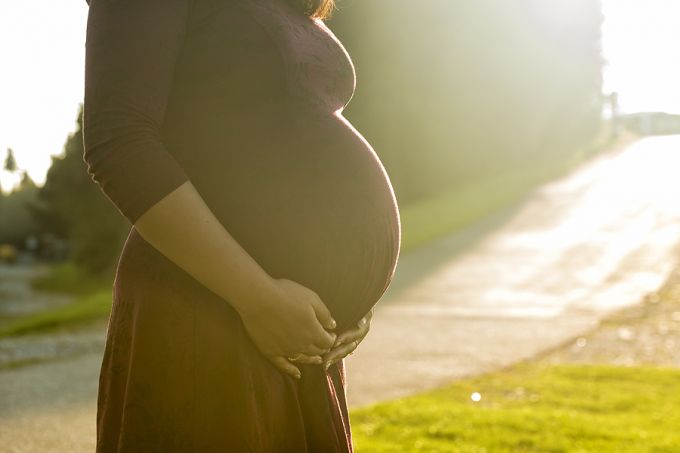
Holy See calls on UN to eradicate surrogacy ‘in all its forms’ #Catholic The Holy See has reaffirmed its position against surrogacy in a statement to the United Nations, urging the complete eradication of the practice and calling for the protection of women and children from exploitation.Archbishop Gabriele Caccia, apostolic nuncio and permanent observer of the Holy See to the U.N., highlighted the urgency and sensitivity of the issue, lamenting that “technology and practice have run laps around the law and ethics.”Although he acknowledged that many view surrogacy “as a compassionate solution for those wishing to be parents,” he urged the adoption of measures that respect the dignity and rights of women and children.Women choose it due to financial needCaccia lamented that because of financial need, many women agree to carry a child in their womb and subsequently hand the child over to others for money. This situation could be remedied through the development of “social protection, education, and economic opportunities,” he said.The statement asked whether the surrogacy industry could survive if poverty were eradicated. It warned that the demand for this practice “already exceeds the supply” and that many women who do not wish to participate may find themselves pressured or even coerced into doing so by family members.The text also addressed the rights of children, who are reduced to an item to be ordered “within an industrial and dehumanized logic.” The statement from the Holy See also denounced the commodification of babies and the fact that many are considered “a defective product” when they have a disability.This attitude “runs contrary to a just society in which children can grow and flourish. Children, in fact, possess rights and interests that must be respected, beginning with “a moral right to be created in an act of love,” as well as the right “to know their parents and to be cared for by them,” according to the statement.Although the Holy See acknowledged the “very real and understandable desire to have children,” it maintained that these issues cannot simply be resolved through the regulation of surrogacy. The Permanent Mission of the Holy See to the U.N. commended the decision of the Hague Conference on Private International Law not to proceed with the drafting of a convention on legal parentage in cases of surrogacy.Caccia also recalled the words of Pope Leo XIV, who affirmed that, by transforming gestation into a negotiable service, one “violates the dignity both of the child, who is reduced to a ‘product,’ and of the mother, exploiting her body and the generative process, and distorting the original relational calling of the family.”The Holy See urged that new steps be taken “toward ending this practice in all its forms and at all levels,” with the aim of protecting women and children “from exploitation and violence.”This story was first published by ACI Prensa, the Spanish-language sister service of EWTN News. It has been translated and adapted by EWTN News English.

Holy See calls on UN to eradicate surrogacy ‘in all its forms’ #Catholic The Holy See has reaffirmed its position against surrogacy in a statement to the United Nations, urging the complete eradication of the practice and calling for the protection of women and children from exploitation.Archbishop Gabriele Caccia, apostolic nuncio and permanent observer of the Holy See to the U.N., highlighted the urgency and sensitivity of the issue, lamenting that “technology and practice have run laps around the law and ethics.”Although he acknowledged that many view surrogacy “as a compassionate solution for those wishing to be parents,” he urged the adoption of measures that respect the dignity and rights of women and children.Women choose it due to financial needCaccia lamented that because of financial need, many women agree to carry a child in their womb and subsequently hand the child over to others for money. This situation could be remedied through the development of “social protection, education, and economic opportunities,” he said.The statement asked whether the surrogacy industry could survive if poverty were eradicated. It warned that the demand for this practice “already exceeds the supply” and that many women who do not wish to participate may find themselves pressured or even coerced into doing so by family members.The text also addressed the rights of children, who are reduced to an item to be ordered “within an industrial and dehumanized logic.” The statement from the Holy See also denounced the commodification of babies and the fact that many are considered “a defective product” when they have a disability.This attitude “runs contrary to a just society in which children can grow and flourish. Children, in fact, possess rights and interests that must be respected, beginning with “a moral right to be created in an act of love,” as well as the right “to know their parents and to be cared for by them,” according to the statement.Although the Holy See acknowledged the “very real and understandable desire to have children,” it maintained that these issues cannot simply be resolved through the regulation of surrogacy. The Permanent Mission of the Holy See to the U.N. commended the decision of the Hague Conference on Private International Law not to proceed with the drafting of a convention on legal parentage in cases of surrogacy.Caccia also recalled the words of Pope Leo XIV, who affirmed that, by transforming gestation into a negotiable service, one “violates the dignity both of the child, who is reduced to a ‘product,’ and of the mother, exploiting her body and the generative process, and distorting the original relational calling of the family.”The Holy See urged that new steps be taken “toward ending this practice in all its forms and at all levels,” with the aim of protecting women and children “from exploitation and violence.”This story was first published by ACI Prensa, the Spanish-language sister service of EWTN News. It has been translated and adapted by EWTN News English.

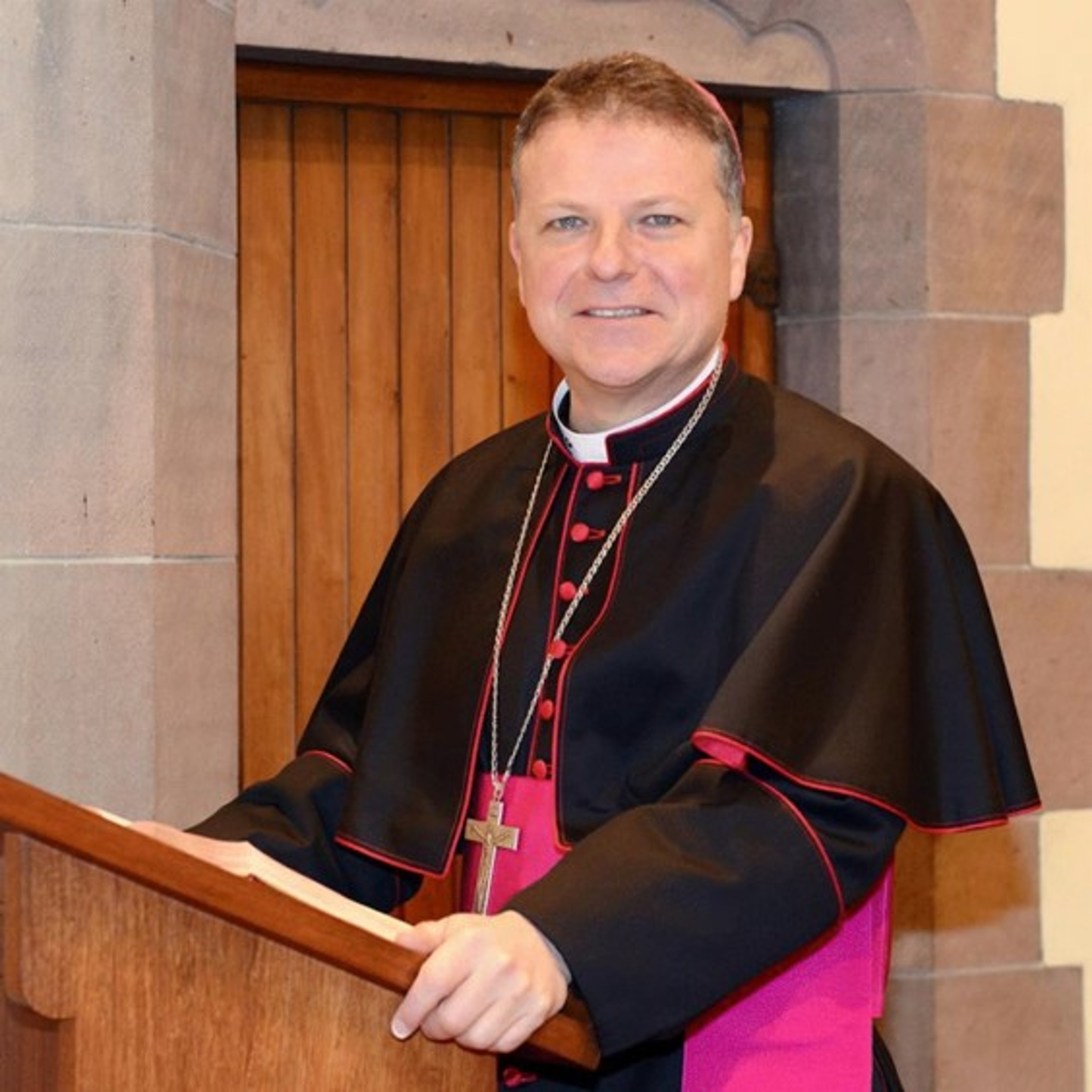
Archbishop Gabriele Caccia, the Holy See’s permanent observer to the United Nations, laid out the economic reasons surrogacy exists, the harm it does, and why it is wrong.

Read More
Scottish bishops say ‘prayer moved hearts’ after Scottish Parliament rejects assisted suicide #Catholic In a final vote, members of Scottish Parliament (MSPs) have rejected a bill that would have made assisted suicide legal — a dramatic turn of events that Scotland’s Catholic bishops are attributing to the power of prayer.Reacting to the result immediately after its announcement on March 17, Scotland’s bishops told EWTN News: “Prayer is what moved hearts on this important issue. We are over the moon. Glory be to God that life has triumphed tonight!”Bill sponsor Liam McArthur and his supporters were confident of the Assisted Dying for Terminally Ill Adults (Scotland) Bill becoming law. In the first vote in May 2025, Parliament voted 70 to 56 in favor of the bill progressing to Stage 2. The bill was then amended at Stage 2 before moving to Stage 3 for a decisive vote. in the end, however, MSPs rejected it, voting 69 to 57 against the bill.
 
 Bishop John Keenan, president of the Bishops’ Conference of Scotland, said the vote against the assisted suicide bill would “protect some of Scotland’s most vulnerable individuals from the risk of being pressured into a premature death.” | Credit: Photo courtesy of the Bishops’ Conference of Scotland
 
 After an emotional debate, 12 MSPs changed sides, moving from supporting the Bill at Stage 1 to opposing it. Notable MSPs who swapped sides included Jamie Hepburn (Scottish National Party), Daniel Johnson (Labour), and Brian Whittle (Conservative), who publicly announced their decisions during the debate. This followed other notable announcements in the buildup to the vote by Scottish Conservative leader Russell Findlay and Scottish National Party MSPs Audrey Nicoll and Collette Stevenson, who had initially supported the bill and then shared their decisions to vote against it.Commending MSPs for voting against the legislation, Bishop John Keenan, president of the Bishops’ Conference of Scotland, said after the vote: “I would like to express my gratitude to all MSPs for their serious engagement with this issue and for the thoughtful and considered attention they have given to the bill. I am especially grateful to those who upheld the principle of human dignity and advocated on behalf of the vulnerable.”The Catholic Church teaches that assisted suicide is inherently immoral. In advance of the final vote, Keenan commented that a vote against the bill would “protect some of Scotland’s most vulnerable individuals from the risk of being pressured into a premature death.”“Every human life possesses inherent value,” he said. “Genuine compassion is not expressed through ending a life but through accompanying those who suffer and ensuring they receive the medical, emotional, and spiritual support that recognizes their dignity.”
 
 Alisdair Hungerford-Morgan, chief executive of pro-life charity Right To Life UK, called the result “a great and deeply significant victory for the most vulnerable people in Scotland.” | Credit: Photo courtesy of Right To Life UK
 
 Pro-life groups opposing the bill also highlighted the importance of the vote for the vulnerable. In a message to EWTN News, Alisdair Hungerford-Morgan, chief executive of pro-life charity Right To Life UK, called the result “a great and deeply significant victory for the most vulnerable people in Scotland.”Hungerford-Morgan told EWTN News: “People nearing the end of their lives, no matter what their condition, need love and support, not a pathway to suicide, which is exactly what the Scottish assisted suicide bill would have done."The vote followed an intense and long debate over five sessions, culminating in the final debate and vote on March 17.Hungerford-Morgan said: “If this bill had passed in the Scottish Parliament and gone on to become law, it would have ushered in an irrevocable change that would have put the vulnerable at risk and seen the ending of thousands of lives through assisted suicide in Scotland.”He added: “After two years of debate, and the most intense scrutiny that the question of assisted suicide has ever received in Scotland, Holyrood, which is widely regarded as one of the world’s most socially and politically progressive legislatures, has come to the conclusion that introducing assisted suicide is unsafe and dangerous.”Paul Atkin, pro-life officer at the Archdiocese of St. Andrews and Edinburgh, highlighted “the strength of engagement across our archdiocese” due to the fact that, from the 12 MSPs who changed their votes to opposing the bill, eight represent constituencies within the Archdiocese of St. Andrews and Edinburgh.Atkin told EWTN News: “The defeat of this bill is a welcome result, reflecting the strength of engagement across our archdiocese. From the archbishop’s leadership to parishes who organized hundreds of letters, this was a united effort which made the difference.”Praising the “remarkable contribution” of the archdiocese, Atkin paid tribute to the “polite, persistent engagement from the Catholic community,” which helped “shape outcomes and protect the most vulnerable.”Opponents of the bill called for attention to now move away from assisted suicide toward investment in palliative care. “Our next priority must be to strengthen palliative care by ensuring that it is properly funded and accessible to all who require it,” Keenan said. Echoing this viewpoint, Hungerford-Morgan urged MSPs to “unite to focus on renewed efforts to promote and improve palliative care.”Following the defeat of the bill, Hungerford-Morgan turned his attention to a separate bill currently being debated in the House of Lords in London that would legalize assisted suicide in England and Wales, initiated by Labour MP Kim Leadbeater.Calling on the Leadbeater Bill’s sponsors to “reject assisted suicide,” he said: “This victory will have an impact far beyond Holyrood as the Leadbeater Bill is being debated in the House of Lords. Instead of pushing ahead with this dangerous bill, its sponsors should follow Scotland’s example and reject assisted suicide.”

Scottish bishops say ‘prayer moved hearts’ after Scottish Parliament rejects assisted suicide #Catholic In a final vote, members of Scottish Parliament (MSPs) have rejected a bill that would have made assisted suicide legal — a dramatic turn of events that Scotland’s Catholic bishops are attributing to the power of prayer.Reacting to the result immediately after its announcement on March 17, Scotland’s bishops told EWTN News: “Prayer is what moved hearts on this important issue. We are over the moon. Glory be to God that life has triumphed tonight!”Bill sponsor Liam McArthur and his supporters were confident of the Assisted Dying for Terminally Ill Adults (Scotland) Bill becoming law. In the first vote in May 2025, Parliament voted 70 to 56 in favor of the bill progressing to Stage 2. The bill was then amended at Stage 2 before moving to Stage 3 for a decisive vote. in the end, however, MSPs rejected it, voting 69 to 57 against the bill. Bishop John Keenan, president of the Bishops’ Conference of Scotland, said the vote against the assisted suicide bill would “protect some of Scotland’s most vulnerable individuals from the risk of being pressured into a premature death.” | Credit: Photo courtesy of the Bishops’ Conference of Scotland After an emotional debate, 12 MSPs changed sides, moving from supporting the Bill at Stage 1 to opposing it. Notable MSPs who swapped sides included Jamie Hepburn (Scottish National Party), Daniel Johnson (Labour), and Brian Whittle (Conservative), who publicly announced their decisions during the debate. This followed other notable announcements in the buildup to the vote by Scottish Conservative leader Russell Findlay and Scottish National Party MSPs Audrey Nicoll and Collette Stevenson, who had initially supported the bill and then shared their decisions to vote against it.Commending MSPs for voting against the legislation, Bishop John Keenan, president of the Bishops’ Conference of Scotland, said after the vote: “I would like to express my gratitude to all MSPs for their serious engagement with this issue and for the thoughtful and considered attention they have given to the bill. I am especially grateful to those who upheld the principle of human dignity and advocated on behalf of the vulnerable.”The Catholic Church teaches that assisted suicide is inherently immoral. In advance of the final vote, Keenan commented that a vote against the bill would “protect some of Scotland’s most vulnerable individuals from the risk of being pressured into a premature death.”“Every human life possesses inherent value,” he said. “Genuine compassion is not expressed through ending a life but through accompanying those who suffer and ensuring they receive the medical, emotional, and spiritual support that recognizes their dignity.” Alisdair Hungerford-Morgan, chief executive of pro-life charity Right To Life UK, called the result “a great and deeply significant victory for the most vulnerable people in Scotland.” | Credit: Photo courtesy of Right To Life UK Pro-life groups opposing the bill also highlighted the importance of the vote for the vulnerable. In a message to EWTN News, Alisdair Hungerford-Morgan, chief executive of pro-life charity Right To Life UK, called the result “a great and deeply significant victory for the most vulnerable people in Scotland.”Hungerford-Morgan told EWTN News: “People nearing the end of their lives, no matter what their condition, need love and support, not a pathway to suicide, which is exactly what the Scottish assisted suicide bill would have done."The vote followed an intense and long debate over five sessions, culminating in the final debate and vote on March 17.Hungerford-Morgan said: “If this bill had passed in the Scottish Parliament and gone on to become law, it would have ushered in an irrevocable change that would have put the vulnerable at risk and seen the ending of thousands of lives through assisted suicide in Scotland.”He added: “After two years of debate, and the most intense scrutiny that the question of assisted suicide has ever received in Scotland, Holyrood, which is widely regarded as one of the world’s most socially and politically progressive legislatures, has come to the conclusion that introducing assisted suicide is unsafe and dangerous.”Paul Atkin, pro-life officer at the Archdiocese of St. Andrews and Edinburgh, highlighted “the strength of engagement across our archdiocese” due to the fact that, from the 12 MSPs who changed their votes to opposing the bill, eight represent constituencies within the Archdiocese of St. Andrews and Edinburgh.Atkin told EWTN News: “The defeat of this bill is a welcome result, reflecting the strength of engagement across our archdiocese. From the archbishop’s leadership to parishes who organized hundreds of letters, this was a united effort which made the difference.”Praising the “remarkable contribution” of the archdiocese, Atkin paid tribute to the “polite, persistent engagement from the Catholic community,” which helped “shape outcomes and protect the most vulnerable.”Opponents of the bill called for attention to now move away from assisted suicide toward investment in palliative care. “Our next priority must be to strengthen palliative care by ensuring that it is properly funded and accessible to all who require it,” Keenan said. Echoing this viewpoint, Hungerford-Morgan urged MSPs to “unite to focus on renewed efforts to promote and improve palliative care.”Following the defeat of the bill, Hungerford-Morgan turned his attention to a separate bill currently being debated in the House of Lords in London that would legalize assisted suicide in England and Wales, initiated by Labour MP Kim Leadbeater.Calling on the Leadbeater Bill’s sponsors to “reject assisted suicide,” he said: “This victory will have an impact far beyond Holyrood as the Leadbeater Bill is being debated in the House of Lords. Instead of pushing ahead with this dangerous bill, its sponsors should follow Scotland’s example and reject assisted suicide.”

In a decisive vote, Scottish members of Parliament have rejected the Assisted Dying for Terminally Ill Adults (Scotland) Bill, a victory the bishops in Scotland are praising.

Read More
National Eucharistic Pilgrimage registration opens; schedule released – #Catholic – The National Eucharistic Pilgrimage has opened registration for the 2026 pilgrimage and announced the schedule for its public events.In celebration of the 2026 theme, “One Nation Under God,” and the nation’s 250th anniversary, many of the events will not only bring the faithful together in prayer but also will reflect U.S. history.The journey will take place from Pentecost through Independence Day weekend. Pilgrims will travel the Eastern seaboard on the St. Frances Xavier Cabrini Route, named for the first U.S. citizen to be canonized.A group of nine Perpetual Pilgrims will carry the Blessed Sacrament through several of the original 13 colonies, 18 dioceses, and two Eastern-rite eparchies. The faithful are invited to join the public processions and other events.“In the past few years we’ve witnessed a powerful renewal of Eucharistic faith across the country,” said Jason Shanks, president of the National Eucharistic Congress. “The National Eucharistic Pilgrimage is one of the most visible expressions of that renewal, as believers bring Jesus in the Eucharist out into our streets and communities and inviting people everywhere to encounter him,” he said.Schedule highlightsThe procession will pass through the dioceses of St. Augustine, Florida; Savannah, Georgia; Charleston, South Carolina; Charlotte, North Carolina; Richmond and Arlington, Virginia; Washington, D.C.; Baltimore; Wilmington, Delaware; Camden and Paterson, New Jersey; Manchester, New Hampshire; Portland, Maine; Boston, Springfield, and Fall River, Massachusetts; Providence, Rhode Island; and Philadelphia.The events hosted by the dioceses will offer opportunities for Mass, prayer, and community service.In St. Augustine, the faithful can walk the grounds at the Our Lady of La Leche Shrine, the oldest Marian shrine in the U.S., while learning about the Florida martyrs’ cause for canonization.There will also be a testimony from Monsignor James Boddie Jr., the first Black diocesan priest ordained in Florida, at Christ the King Catholic Church.In Savannah, the faithful can learn about the Georgia martyrs who will be beatified on Oct. 31. Father Pablo Migone will share the story of the martyrdom of Friars Pedro de Corpa, Blas, Miguel, Antonio, and Francisco during a bilingual presentation.The faithful can attend Mass at the Cathedral of the Sacred Heart in Richmond, celebrated by Bishop Barry Knestout. There will be a Holy Hour with prayers and songs of praise led by Our Lady of Mount Carmel’s Grupo Carismatico.There will also be a presentation on the theme of mosaics and the communion of saints at St. Bede Catholic Church. Attendees can learn about a few of the saints who are being highlighted in St. Bede’s mosaic project.The nation’s capital will serve as the halfway point for the National Eucharistic Pilgrimage. On June 6, the pilgrimage will partner with the annual Catholic Information Center Eucharistic procession that brings the real presence through Washington, D.C., near the White House and past the U.S. Capitol.Near Baltimore, there will be a procession and hymns on the grounds of the Washington Monument State Park, which has the country’s first monument to President George Washington.There will be a Mass in the Basilica of the Assumption celebrated by Archbishop William E. Lori. The basilica is the first cathedral constructed in the United States and was designed by architect Benjamin Henry Latrobe under the guidance of Bishop John Carroll, America’s first bishop.The final mainland procession will be from the Cathedral of the Immaculate Conception in Portland, Maine, to the Casco Bay Ferry Terminal. The diocese chartered a ferry to make multiple trips to Peaks Island so passengers can travel while adoring the Eucharist.In Boston there will be adoration available at multiple historic sights including  Plymouth Memorial Park and Bunker Hill.The pilgrimage will conclude over Independence Day weekend in Philadelphia. There will be 24 hours of Eucharistic adoration in the Cathedral Basilica, showings of the feature film “Cabrini,” and a solemn closing Mass and Eucharistic procession through the city.“It’s my joy, and that of the Church in Philadelphia, to host the closing events of the National Eucharistic Pilgrimage, which will be held in what I affectionately call the City of Saints,” Archbishop Nelson Perez of Philadelphia said in a press release.“As the only diocese in the country that houses two saints, St. Katherine Drexel and St. John Neumann, this is the place that Catholics can reference to remember our history in this great country and the future we are building here,” Perez said.For the full list of events and detailed schedule, those interested can visit the National Eucharistic Pilgrimage website.Other prayer opportunities For the faithful who cannot attend in person, people can participate by submitting prayer intentions and spending time in Eucharistic adoration. The pilgrimage aims to gather 250,000 Holy Hours of prayer for the renewal of the nation, which will be presented to national leaders.People can also participate by utilizing the online lecture series. Every week, a new lecture will be released on the Manna app exploring the intersection of faith, culture, and what it truly means to be American.“As we approach the 250th anniversary of our nation, this pilgrimage is a powerful reminder that the deepest foundation of our country is our dependence on God,” Bishop Andrew Cozzens of Crookston, Minnesota, chair of the National Eucharistic Congress, said in a press release. “By carrying the Eucharist across our nation and gathering in prayer, we are asking the Lord to renew the Church and to bless our country so that we may truly be one nation under God,” he said.

National Eucharistic Pilgrimage registration opens; schedule released – #Catholic – The National Eucharistic Pilgrimage has opened registration for the 2026 pilgrimage and announced the schedule for its public events.In celebration of the 2026 theme, “One Nation Under God,” and the nation’s 250th anniversary, many of the events will not only bring the faithful together in prayer but also will reflect U.S. history.The journey will take place from Pentecost through Independence Day weekend. Pilgrims will travel the Eastern seaboard on the St. Frances Xavier Cabrini Route, named for the first U.S. citizen to be canonized.A group of nine Perpetual Pilgrims will carry the Blessed Sacrament through several of the original 13 colonies, 18 dioceses, and two Eastern-rite eparchies. The faithful are invited to join the public processions and other events.“In the past few years we’ve witnessed a powerful renewal of Eucharistic faith across the country,” said Jason Shanks, president of the National Eucharistic Congress. “The National Eucharistic Pilgrimage is one of the most visible expressions of that renewal, as believers bring Jesus in the Eucharist out into our streets and communities and inviting people everywhere to encounter him,” he said.Schedule highlightsThe procession will pass through the dioceses of St. Augustine, Florida; Savannah, Georgia; Charleston, South Carolina; Charlotte, North Carolina; Richmond and Arlington, Virginia; Washington, D.C.; Baltimore; Wilmington, Delaware; Camden and Paterson, New Jersey; Manchester, New Hampshire; Portland, Maine; Boston, Springfield, and Fall River, Massachusetts; Providence, Rhode Island; and Philadelphia.The events hosted by the dioceses will offer opportunities for Mass, prayer, and community service.In St. Augustine, the faithful can walk the grounds at the Our Lady of La Leche Shrine, the oldest Marian shrine in the U.S., while learning about the Florida martyrs’ cause for canonization.There will also be a testimony from Monsignor James Boddie Jr., the first Black diocesan priest ordained in Florida, at Christ the King Catholic Church.In Savannah, the faithful can learn about the Georgia martyrs who will be beatified on Oct. 31. Father Pablo Migone will share the story of the martyrdom of Friars Pedro de Corpa, Blas, Miguel, Antonio, and Francisco during a bilingual presentation.The faithful can attend Mass at the Cathedral of the Sacred Heart in Richmond, celebrated by Bishop Barry Knestout. There will be a Holy Hour with prayers and songs of praise led by Our Lady of Mount Carmel’s Grupo Carismatico.There will also be a presentation on the theme of mosaics and the communion of saints at St. Bede Catholic Church. Attendees can learn about a few of the saints who are being highlighted in St. Bede’s mosaic project.The nation’s capital will serve as the halfway point for the National Eucharistic Pilgrimage. On June 6, the pilgrimage will partner with the annual Catholic Information Center Eucharistic procession that brings the real presence through Washington, D.C., near the White House and past the U.S. Capitol.Near Baltimore, there will be a procession and hymns on the grounds of the Washington Monument State Park, which has the country’s first monument to President George Washington.There will be a Mass in the Basilica of the Assumption celebrated by Archbishop William E. Lori. The basilica is the first cathedral constructed in the United States and was designed by architect Benjamin Henry Latrobe under the guidance of Bishop John Carroll, America’s first bishop.The final mainland procession will be from the Cathedral of the Immaculate Conception in Portland, Maine, to the Casco Bay Ferry Terminal. The diocese chartered a ferry to make multiple trips to Peaks Island so passengers can travel while adoring the Eucharist.In Boston there will be adoration available at multiple historic sights including  Plymouth Memorial Park and Bunker Hill.The pilgrimage will conclude over Independence Day weekend in Philadelphia. There will be 24 hours of Eucharistic adoration in the Cathedral Basilica, showings of the feature film “Cabrini,” and a solemn closing Mass and Eucharistic procession through the city.“It’s my joy, and that of the Church in Philadelphia, to host the closing events of the National Eucharistic Pilgrimage, which will be held in what I affectionately call the City of Saints,” Archbishop Nelson Perez of Philadelphia said in a press release.“As the only diocese in the country that houses two saints, St. Katherine Drexel and St. John Neumann, this is the place that Catholics can reference to remember our history in this great country and the future we are building here,” Perez said.For the full list of events and detailed schedule, those interested can visit the National Eucharistic Pilgrimage website.Other prayer opportunities For the faithful who cannot attend in person, people can participate by submitting prayer intentions and spending time in Eucharistic adoration. The pilgrimage aims to gather 250,000 Holy Hours of prayer for the renewal of the nation, which will be presented to national leaders.People can also participate by utilizing the online lecture series. Every week, a new lecture will be released on the Manna app exploring the intersection of faith, culture, and what it truly means to be American.“As we approach the 250th anniversary of our nation, this pilgrimage is a powerful reminder that the deepest foundation of our country is our dependence on God,” Bishop Andrew Cozzens of Crookston, Minnesota, chair of the National Eucharistic Congress, said in a press release. “By carrying the Eucharist across our nation and gathering in prayer, we are asking the Lord to renew the Church and to bless our country so that we may truly be one nation under God,” he said.

The 2026 National Eucharistic Pilgrimage will bring the faithful together in prayer and celebrate the 250th anniversary of the United States.

Read More
Chatham school salutes their patron, St. Patrick, at Mass #Catholic - St. Patrick School and Parish in Chatham, N.J., honored their patron, St. Patrick, during a Mass with Bishop Kevin J. Sweeney on March 15, ahead of the Feast of St. Patrick on March 17. Father Peter Glabik, St. Patrick’s pastor, and Father Christopher Han, parochial vicar of the parish, concelebrated the Mass with Bishop Sweeney.

Click here to subscribe to our weekly newsletter.

BEACON PHOTOS | JOE GIGLI
 [See image gallery at beaconnj.org]  

Chatham school salutes their patron, St. Patrick, at Mass #Catholic –
St. Patrick School and Parish in Chatham, N.J., honored their patron, St. Patrick, during a Mass with Bishop Kevin J. Sweeney on March 15, ahead of the Feast of St. Patrick on March 17. Father Peter Glabik, St. Patrick’s pastor, and Father Christopher Han, parochial vicar of the parish, concelebrated the Mass with Bishop Sweeney.


Click here to subscribe to our weekly newsletter.

BEACON PHOTOS | JOE GIGLI
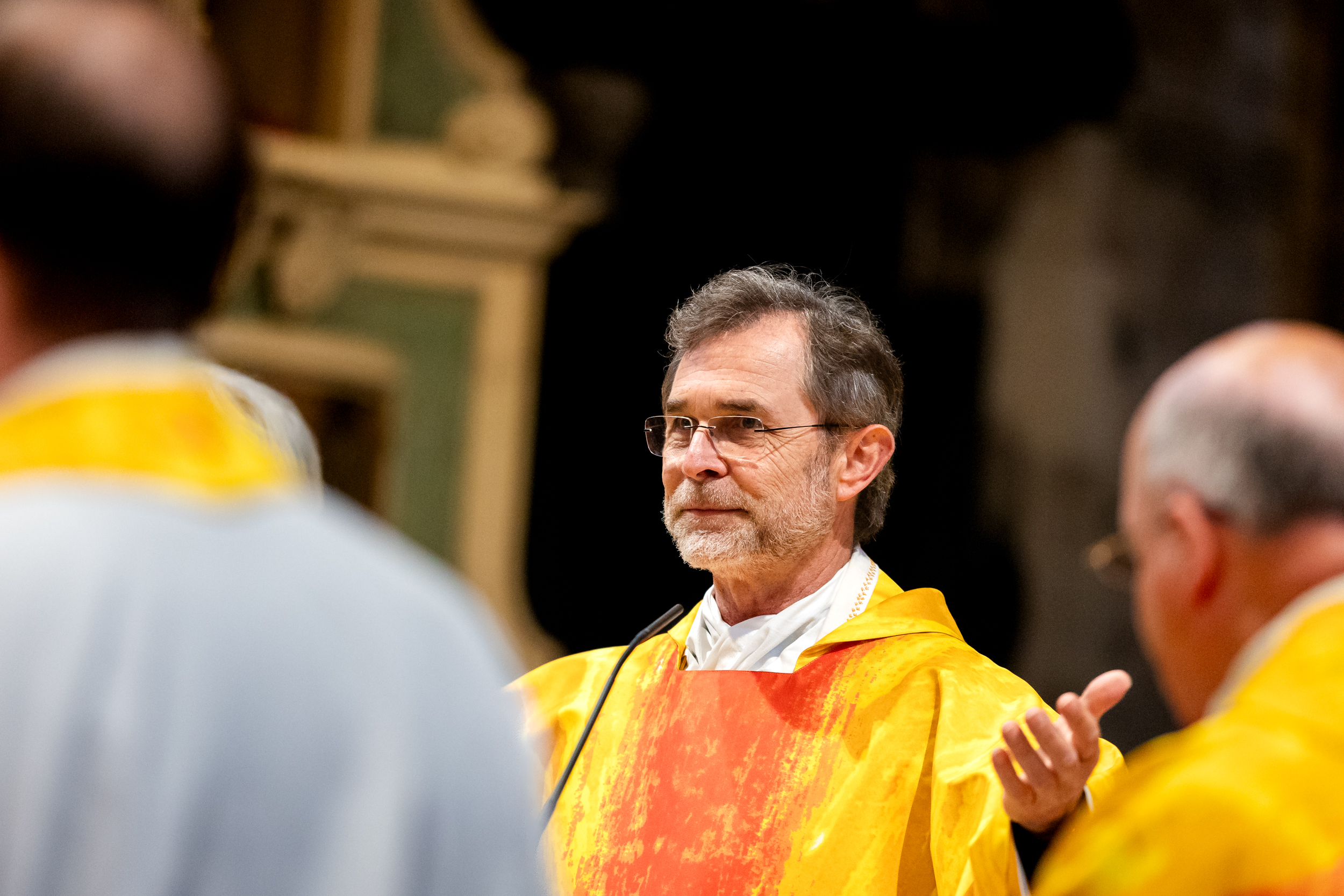
St. Patrick School and Parish in Chatham, N.J., honored their patron, St. Patrick, during a Mass with Bishop Kevin J. Sweeney on March 15, ahead of the Feast of St. Patrick on March 17. Father Peter Glabik, St. Patrick’s pastor, and Father Christopher Han, parochial vicar of the parish, concelebrated the Mass with Bishop Sweeney. Click here to subscribe to our weekly newsletter. BEACON PHOTOS | JOE GIGLI  

Read More
Vienna’s archbishop: ‘What comes from the Holy Spirit, canon law cannot stop’ – #Catholic – Archbishop Josef Grünwidl of Vienna has called for a Church in which “renewal and change” are possible, telling Austria’s bishops that what comes from the Holy Spirit cannot be stopped by canon law.Grünwidl delivered the sermon on March 11 at the Austrian Bishops’ Conference spring plenary in a Styrian parish church, Kathpress reported. The Vienna archbishop said he was firmly convinced that “what comes from the Holy Spirit, canon law cannot hold back.” He said this applies also to the role of women in the Church.Listening to women’s voicesGrünwidl addressed the recent Vatican report on “women’s participation in the life and leadership of the Church,” the final report of the synod study group, published March 10. The document recalled the great female figures of Scripture and the example of Jesus, who in many ways did not conform to the patriarchal norms of his time, Grünwidl said.
 
 Synod calls for more leadership roles for women but female diaconate ‘not yet ripe’
 
 Women were among Jesus’ followers, a publicly known sinner was permitted to touch him, and it was not an apostle but Mary Magdalene — a woman — who was the first witness of the Resurrection, the archbishop said.“I trust that our Church will become more in keeping with Jesus and the Gospel when we walk together synodally, listen more to the voices of women, and include them in decision-making processes,” Grünwidl said.“When we as a Church heed the demands of the Sermon on the Mount and look to the example of Jesus, renewal and change become possible,” the archbishop said. “When during Lent we try day by day not merely to serve by the book but to live love, then Easter will happen within us.”Former member of controversial ‘Priests’ Initiative’Grünwidl was a member of the controversial “Priests’ Initiative,” according to ORF, Austria’s public broadcasting service. The group issued a “call to disobedience” that explicitly advocated for the admission of women and married men to the priesthood. The Austrian newspaper Der Standard also described him as a former member of the initiative who is “open to reforms.” Grünwidl’s name no longer appears on the group’s official membership list, but he was still presented as a “supporter” on a television broadcast as recently as 2023.At the start of his tenure as apostolic administrator of the Archdiocese of Vienna in January 2025, Grünwidl addressed his former membership, Kathpress reported. He said he had left the group for two reasons. He felt Pope Francis had “overtaken” the initiative’s proposals and ideas, and he could no longer support its banner slogan of disobedience. “Critical obedience” was important to him, he said, adding that he “cannot imagine open opposition to the bishop in the Church.”Austrian broadcaster ORF reported in October 2025 that the new Vienna archbishop was “open to reforms.” He had recently emphasized that celibacy was for him personally a deliberately chosen way of life but “not a matter of faith” and should therefore not be a mandatory requirement for priests.On the topic of women in the Church, Grünwidl identified “an urgent need for clarification,” ORF reported. He said the female diaconate should continue to be discussed and that admitting women to the College of Cardinals was conceivable.This story was first published by CNA Deutsch, the German-language sister service of EWTN News. It has been translated and adapted by EWTN News English.

Vienna’s archbishop: ‘What comes from the Holy Spirit, canon law cannot stop’ – #Catholic – Archbishop Josef Grünwidl of Vienna has called for a Church in which “renewal and change” are possible, telling Austria’s bishops that what comes from the Holy Spirit cannot be stopped by canon law.Grünwidl delivered the sermon on March 11 at the Austrian Bishops’ Conference spring plenary in a Styrian parish church, Kathpress reported. The Vienna archbishop said he was firmly convinced that “what comes from the Holy Spirit, canon law cannot hold back.” He said this applies also to the role of women in the Church.Listening to women’s voicesGrünwidl addressed the recent Vatican report on “women’s participation in the life and leadership of the Church,” the final report of the synod study group, published March 10. The document recalled the great female figures of Scripture and the example of Jesus, who in many ways did not conform to the patriarchal norms of his time, Grünwidl said. Synod calls for more leadership roles for women but female diaconate ‘not yet ripe’ Women were among Jesus’ followers, a publicly known sinner was permitted to touch him, and it was not an apostle but Mary Magdalene — a woman — who was the first witness of the Resurrection, the archbishop said.“I trust that our Church will become more in keeping with Jesus and the Gospel when we walk together synodally, listen more to the voices of women, and include them in decision-making processes,” Grünwidl said.“When we as a Church heed the demands of the Sermon on the Mount and look to the example of Jesus, renewal and change become possible,” the archbishop said. “When during Lent we try day by day not merely to serve by the book but to live love, then Easter will happen within us.”Former member of controversial ‘Priests’ Initiative’Grünwidl was a member of the controversial “Priests’ Initiative,” according to ORF, Austria’s public broadcasting service. The group issued a “call to disobedience” that explicitly advocated for the admission of women and married men to the priesthood. The Austrian newspaper Der Standard also described him as a former member of the initiative who is “open to reforms.” Grünwidl’s name no longer appears on the group’s official membership list, but he was still presented as a “supporter” on a television broadcast as recently as 2023.At the start of his tenure as apostolic administrator of the Archdiocese of Vienna in January 2025, Grünwidl addressed his former membership, Kathpress reported. He said he had left the group for two reasons. He felt Pope Francis had “overtaken” the initiative’s proposals and ideas, and he could no longer support its banner slogan of disobedience. “Critical obedience” was important to him, he said, adding that he “cannot imagine open opposition to the bishop in the Church.”Austrian broadcaster ORF reported in October 2025 that the new Vienna archbishop was “open to reforms.” He had recently emphasized that celibacy was for him personally a deliberately chosen way of life but “not a matter of faith” and should therefore not be a mandatory requirement for priests.On the topic of women in the Church, Grünwidl identified “an urgent need for clarification,” ORF reported. He said the female diaconate should continue to be discussed and that admitting women to the College of Cardinals was conceivable.This story was first published by CNA Deutsch, the German-language sister service of EWTN News. It has been translated and adapted by EWTN News English.

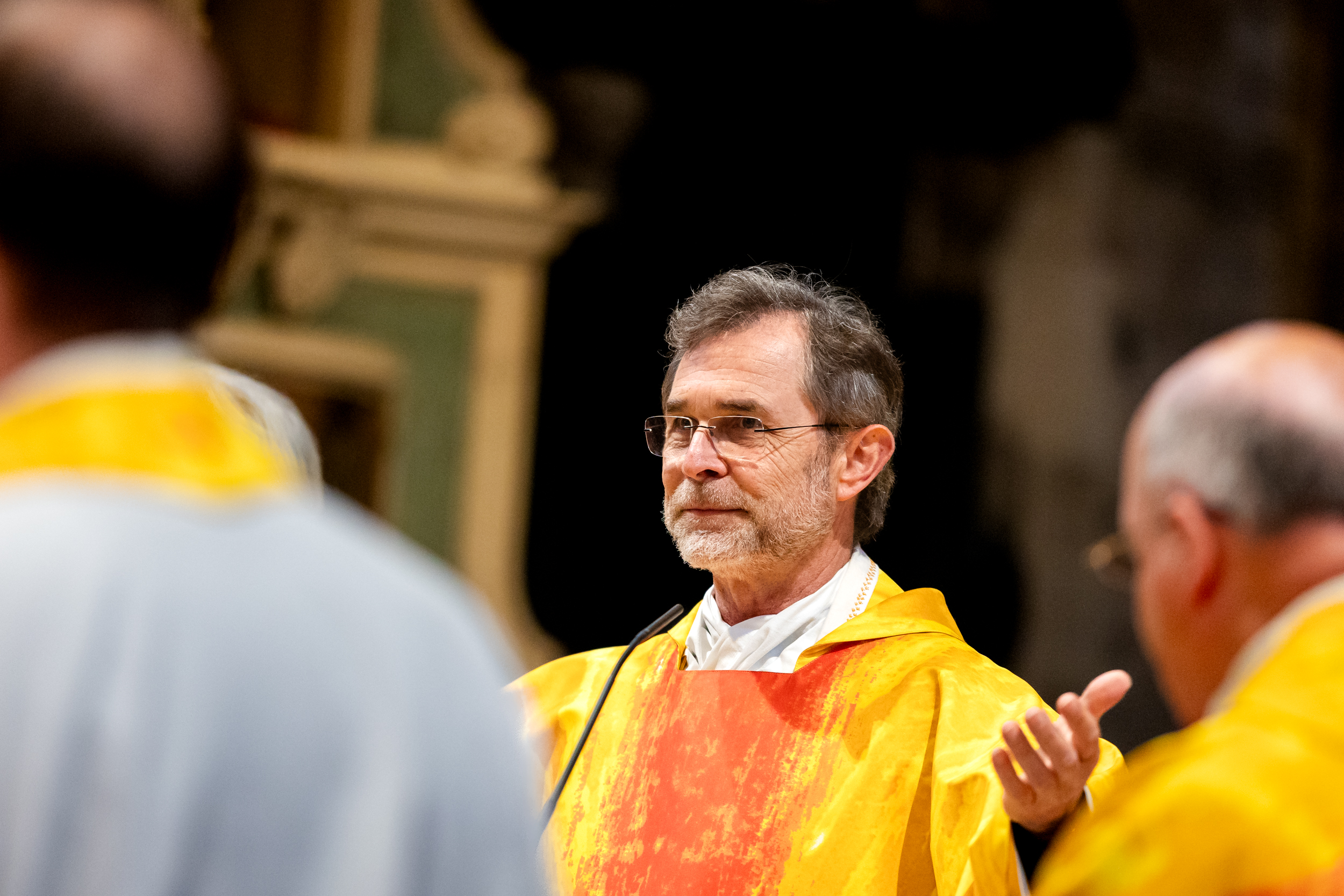
Vienna’s new archbishop preached at Austria’s bishops’ conference plenary, calling for change on women’s roles and saying canon law cannot hold back the Holy Spirit.
Read More
Statewide Catholic Mental Health Conference set for May 2 #Catholic - Conference aims to combat stigma, offer support and resources
With the goal of educating about the scope of the mental health crisis, reducing stigma around mental illness and offering resources for individuals and their families, the New Jersey Catholic Conference is partnering with the state’s Catholic Dioceses, Catholic Charities organizations and Catholic Healthcare Partnership of New Jersey to organize a special one-day program.
“From Isolation to Belonging, Mental Health and the Catholic Church” will be held from 8:30 a.m. to 3:15 p.m. on May 2 at the Saint John Neumann Pastoral Center, 146 Metlars Lane, Piscataway. The cost to attend is $40 per person and registration is limited; those interested in attending are encouraged to register online at www.njconf.com before registration is full.
“Health issues impact everyone,” said James King, executive director of the New Jersey Catholic Conference – the public policy arm of the state’s Catholic bishops. “This conference is an opportunity to learn more about mental health issues and how Catholics engage these issues.”
Organizers encourage clergy, religious, parish leaders, ministry volunteers, educators, mental health professionals and those seeking a deeper understanding of mental health and the Church to consider attending. The day will include Mass celebrated by Cardinal Joseph Tobin, C.Ss.R., of the Archdiocese of Newark.
“Since God created us both body and spirit, we have a responsibility to not only care for our souls, but our minds and bodies as well. However, we must learn to do this in an authentically Catholic way,” King said. “There is a lot of information out there about mindfulness and wellness, [and] some of it is not consistent with Catholic teaching. As Catholics, not only do we need to understand why addressing our mental health is important, but how to do this in a manner that is rooted in our Catholic faith.”

Related Podcast
The Diocese of Paterson recently invited Beth Hlabse from the University of Notre Dame on its Beyond The Beacon to discuss mental health and the upcoming conference. Check it out below.


Attendees will hear from leading Catholic voices and experts in the field, including keynote speaker Bishop John P. Dolan of the Diocese of Phoenix. Bishop Dolan founded an Office of Mental Health Ministry at the diocesan level, the first of its kind in the United States. He has long been motivated to support those experiencing mental health crises, especially after losing several family members and loved ones to suicide.
Breakout sessions during the conference will also feature several speakers, including Beth Hlabse, program director of the Fiat Program on Faith and Mental Health at Notre Dame University’s McGrath Institute for Church Life. A mental health counselor, Hlabse leads pastoral research and education efforts, and helps facilitate formation on mental health in the context of the Catholic tradition.
Another speaker, Ben Wortham, serves as vice president for Behavioral Health Integration at Catholic Charities USA. Through his role, Wortham leads efforts to support 168 Catholic Charities agencies across the country, and works to support strong relationships between those agencies and healthcare systems.
Attendees will also hear from Deacon Ed Shoener, founder of the International Association of Catholic Mental Health Ministers. A permanent deacon at Saint Peter’s Cathedral in the Diocese of Scranton, Pa., Deacon Shoener was inspired to enter this field following the death of his daughter from suicide in 2016. The organization he founded works to combat stigma around mental illness by offering free resources for parishes, individuals and families around the world. The association has more than 7,000 members across 75 countries.
King said that the idea for the conference follows increased efforts by the state’s diocesan communities and Catholic Charities agencies to address mental health, as well as to work on the national level with the U.S. Conference of Catholic Bishops. A key goal of the program is to combat stigma.
“During the planning process, we heard from several people who described feeling isolated from their parish community when they or a family member experienced a mental health issue,” he said. “Essential to our mission as Catholics is to walk with people who are experiencing hardships. Unfortunately, from time to time, fear, or lack of understanding of a person’s situation, may make us reluctant to engage.”
King hopes that participants will walk away with a deeper understanding of how they can provide support.
“The conference is not meant to turn attendees into trained therapists,” he said. “The goal of the conference is to help people overcome these fears and gain the confidence to engage with people in their families and communities who may be experiencing mental health issues.”
If you are experiencing a crisis, dial 988.

Click here to subscribe to our weekly newsletter.


Statewide Catholic Mental Health Conference set for May 2 #Catholic – Conference aims to combat stigma, offer support and resources With the goal of educating about the scope of the mental health crisis, reducing stigma around mental illness and offering resources for individuals and their families, the New Jersey Catholic Conference is partnering with the state’s Catholic Dioceses, Catholic Charities organizations and Catholic Healthcare Partnership of New Jersey to organize a special one-day program. “From Isolation to Belonging, Mental Health and the Catholic Church” will be held from 8:30 a.m. to 3:15 p.m. on May 2 at the Saint John Neumann Pastoral Center, 146 Metlars Lane, Piscataway. The cost to attend is $40 per person and registration is limited; those interested in attending are encouraged to register online at www.njconf.com before registration is full. “Health issues impact everyone,” said James King, executive director of the New Jersey Catholic Conference – the public policy arm of the state’s Catholic bishops. “This conference is an opportunity to learn more about mental health issues and how Catholics engage these issues.” Organizers encourage clergy, religious, parish leaders, ministry volunteers, educators, mental health professionals and those seeking a deeper understanding of mental health and the Church to consider attending. The day will include Mass celebrated by Cardinal Joseph Tobin, C.Ss.R., of the Archdiocese of Newark. “Since God created us both body and spirit, we have a responsibility to not only care for our souls, but our minds and bodies as well. However, we must learn to do this in an authentically Catholic way,” King said. “There is a lot of information out there about mindfulness and wellness, [and] some of it is not consistent with Catholic teaching. As Catholics, not only do we need to understand why addressing our mental health is important, but how to do this in a manner that is rooted in our Catholic faith.” Related Podcast The Diocese of Paterson recently invited Beth Hlabse from the University of Notre Dame on its Beyond The Beacon to discuss mental health and the upcoming conference. Check it out below. Attendees will hear from leading Catholic voices and experts in the field, including keynote speaker Bishop John P. Dolan of the Diocese of Phoenix. Bishop Dolan founded an Office of Mental Health Ministry at the diocesan level, the first of its kind in the United States. He has long been motivated to support those experiencing mental health crises, especially after losing several family members and loved ones to suicide. Breakout sessions during the conference will also feature several speakers, including Beth Hlabse, program director of the Fiat Program on Faith and Mental Health at Notre Dame University’s McGrath Institute for Church Life. A mental health counselor, Hlabse leads pastoral research and education efforts, and helps facilitate formation on mental health in the context of the Catholic tradition. Another speaker, Ben Wortham, serves as vice president for Behavioral Health Integration at Catholic Charities USA. Through his role, Wortham leads efforts to support 168 Catholic Charities agencies across the country, and works to support strong relationships between those agencies and healthcare systems. Attendees will also hear from Deacon Ed Shoener, founder of the International Association of Catholic Mental Health Ministers. A permanent deacon at Saint Peter’s Cathedral in the Diocese of Scranton, Pa., Deacon Shoener was inspired to enter this field following the death of his daughter from suicide in 2016. The organization he founded works to combat stigma around mental illness by offering free resources for parishes, individuals and families around the world. The association has more than 7,000 members across 75 countries. King said that the idea for the conference follows increased efforts by the state’s diocesan communities and Catholic Charities agencies to address mental health, as well as to work on the national level with the U.S. Conference of Catholic Bishops. A key goal of the program is to combat stigma. “During the planning process, we heard from several people who described feeling isolated from their parish community when they or a family member experienced a mental health issue,” he said. “Essential to our mission as Catholics is to walk with people who are experiencing hardships. Unfortunately, from time to time, fear, or lack of understanding of a person’s situation, may make us reluctant to engage.” King hopes that participants will walk away with a deeper understanding of how they can provide support. “The conference is not meant to turn attendees into trained therapists,” he said. “The goal of the conference is to help people overcome these fears and gain the confidence to engage with people in their families and communities who may be experiencing mental health issues.” If you are experiencing a crisis, dial 988. Click here to subscribe to our weekly newsletter.  
Statewide Catholic Mental Health Conference set for May 2 #Catholic –

Conference aims to combat stigma, offer support and resources

With the goal of educating about the scope of the mental health crisis, reducing stigma around mental illness and offering resources for individuals and their families, the New Jersey Catholic Conference is partnering with the state’s Catholic Dioceses, Catholic Charities organizations and Catholic Healthcare Partnership of New Jersey to organize a special one-day program.

“From Isolation to Belonging, Mental Health and the Catholic Church” will be held from 8:30 a.m. to 3:15 p.m. on May 2 at the Saint John Neumann Pastoral Center, 146 Metlars Lane, Piscataway. The cost to attend is $40 per person and registration is limited; those interested in attending are encouraged to register online at www.njconf.com before registration is full.

“Health issues impact everyone,” said James King, executive director of the New Jersey Catholic Conference – the public policy arm of the state’s Catholic bishops. “This conference is an opportunity to learn more about mental health issues and how Catholics engage these issues.”

Organizers encourage clergy, religious, parish leaders, ministry volunteers, educators, mental health professionals and those seeking a deeper understanding of mental health and the Church to consider attending. The day will include Mass celebrated by Cardinal Joseph Tobin, C.Ss.R., of the Archdiocese of Newark.

“Since God created us both body and spirit, we have a responsibility to not only care for our souls, but our minds and bodies as well. However, we must learn to do this in an authentically Catholic way,” King said. “There is a lot of information out there about mindfulness and wellness, [and] some of it is not consistent with Catholic teaching. As Catholics, not only do we need to understand why addressing our mental health is important, but how to do this in a manner that is rooted in our Catholic faith.”


Related Podcast

The Diocese of Paterson recently invited Beth Hlabse from the University of Notre Dame on its Beyond The Beacon to discuss mental health and the upcoming conference. Check it out below.


Attendees will hear from leading Catholic voices and experts in the field, including keynote speaker Bishop John P. Dolan of the Diocese of Phoenix. Bishop Dolan founded an Office of Mental Health Ministry at the diocesan level, the first of its kind in the United States. He has long been motivated to support those experiencing mental health crises, especially after losing several family members and loved ones to suicide.

Breakout sessions during the conference will also feature several speakers, including Beth Hlabse, program director of the Fiat Program on Faith and Mental Health at Notre Dame University’s McGrath Institute for Church Life. A mental health counselor, Hlabse leads pastoral research and education efforts, and helps facilitate formation on mental health in the context of the Catholic tradition.

Another speaker, Ben Wortham, serves as vice president for Behavioral Health Integration at Catholic Charities USA. Through his role, Wortham leads efforts to support 168 Catholic Charities agencies across the country, and works to support strong relationships between those agencies and healthcare systems.

Attendees will also hear from Deacon Ed Shoener, founder of the International Association of Catholic Mental Health Ministers. A permanent deacon at Saint Peter’s Cathedral in the Diocese of Scranton, Pa., Deacon Shoener was inspired to enter this field following the death of his daughter from suicide in 2016. The organization he founded works to combat stigma around mental illness by offering free resources for parishes, individuals and families around the world. The association has more than 7,000 members across 75 countries.

King said that the idea for the conference follows increased efforts by the state’s diocesan communities and Catholic Charities agencies to address mental health, as well as to work on the national level with the U.S. Conference of Catholic Bishops. A key goal of the program is to combat stigma.

“During the planning process, we heard from several people who described feeling isolated from their parish community when they or a family member experienced a mental health issue,” he said. “Essential to our mission as Catholics is to walk with people who are experiencing hardships. Unfortunately, from time to time, fear, or lack of understanding of a person’s situation, may make us reluctant to engage.”

King hopes that participants will walk away with a deeper understanding of how they can provide support.

“The conference is not meant to turn attendees into trained therapists,” he said. “The goal of the conference is to help people overcome these fears and gain the confidence to engage with people in their families and communities who may be experiencing mental health issues.”

If you are experiencing a crisis, dial 988.


Click here to subscribe to our weekly newsletter.


Conference aims to combat stigma, offer support and resources With the goal of educating about the scope of the mental health crisis, reducing stigma around mental illness and offering resources for individuals and their families, the New Jersey Catholic Conference is partnering with the state’s Catholic Dioceses, Catholic Charities organizations and Catholic Healthcare Partnership of New Jersey to organize a special one-day program. “From Isolation to Belonging, Mental Health and the Catholic Church” will be held from 8:30 a.m. to 3:15 p.m. on May 2 at the Saint John Neumann Pastoral Center, 146 Metlars Lane, Piscataway. The cost to attend

Read More
Bishops of global south urge abandonment of fossil fuels; some Catholic economists warn against it – #Catholic – Catholic bishops from Africa, Asia, Latin America, and the Caribbean, along with others from Europe and Oceania, issued a manifesto this week urging world governments to abandon the use of fossil fuels because of “record global warming” that they say has increased the suffering of the poor. Catholic economists disagree with this assessment, however.The document, titled “Manifesto of the Churches of the Global South for Our Common Home,” was guided by Pope Francis’ Laudato Si’ and Laudate Deum, according to the bishops, who write that climate change as a result of the burning of fossil fuels is a “consequence of unsustainable patterns of production and consumption and an ‘economy that kills.’”The world, according to the bishops, again quoting Francis, “‘is crumbling and perhaps approaching a breaking point.’”Catherine Pakaluk, an economist at The Catholic University of America, told EWTN News this type of “the-sky-is-falling” language does not reflect reality.While she lauded Pope Francis’ notion that human life is part of creation and both are gifts, she disputed the idea that the earth is on the brink of an environmental catastrophe and called a reduction of fossil fuel reliance the opposite of helping the poor.On the contrary, she said, a “clear-eyed” view of economic development is one that acknowledges that “the No. 1 thing poor nations and poor people need” to be lifted out of poverty is “cheap energy.”
 
 Catherine Ruth Pakaluk is director of political economy and associate professor at The Catholic University of America in Washington, D.C. | Credit: EWTN/Screenshot
 
 The West “became wealthy using these cheap fossil fuels. It is stingy and inhumane” to deny developing nations this same opportunity, she said, and to instead require the use of wind and solar energy, which “are costly and don’t work” as well as fossil fuels.Patrick Fleming, a Catholic environmental and agricultural economist who evaluates public policies related to agricultural sustainability and poverty at Franklin and Marshall College, agreed.“To get the horsepower for large-scale efficient farming, nothing can match the power of machinery that burns fossil fuels,” he told EWTN News. “Likewise, heating a home in winter can’t be done with battery power. You need something you can burn.”Fleming, who also holds a degree in theological studies from the Pontifical John Paul II Institute, acknowledged that while wealthier countries have a greater responsibility to develop more sustainable practices, “poorer countries need to build roads, schools, hospitals; fossil fuels make the building of such infrastructure more affordable and feasible.”“You can’t do a lot of that development work with renewable energy,” he said.Fleming said that globally, “by far, the biggest source of emissions is land use change, or deforestation for agriculture.”He advocated for regenerative agricultural practices, telling EWTN News that “agricultural soils could sequester all the carbon globally if they were managed with regenerative principles.”“You fit farming to the place, you work in cooperation with the natural order, as opposed to extracting and getting as high of a yield as you can without an eye to the long-term health of the land,” he said.The manifesto’s three principal signatories are Cardinal Jaime Spengler, president of the Latin American and Caribbean Episcopal Council; Cardinal Fridolin Ambongo, president of the Symposium of Episcopal Conferences of Africa and Madagascar; and Cardinal Filipe Neri, president of the Federation of Asian Bishops’ Conferences.Additional signatories include Monsignor Ryan Pagante Jiménez, vice president of the Federation of Catholic Bishops’ Conferences of Oceania, and Cardinal Ladislav Nemet, vice president of the Council of Bishops’ Conferences of Europe.U.S. bishops‘ letter does not call for fossil fuel banLast month, the U.S. Conference of Catholic Bishops (USCCB) issued “An Invitation to Ecological Conversion for U.S. Catholics,” noting that “progress to slow climate change remains elusive” and emphasizing the need for personal and communal conversion, prayer, and action to protect the vulnerable and the earth as humanity’s common home.Citing Pope Francis’ Laudato Si’ and Laudate Deum, the U.S. bishops’ Lenten letter described how “instances of extreme weather, wildfires, droughts, and floods are now common,” disproportionately affect vulnerable groups like refugees, farmers facing erratic patterns, children suffering hunger and dehydration, migrants fleeing lost livelihoods, and declining species in forests and coral reefs.Everything is “interconnected,” with the “cry of the earth” linked to the “cry of the poor,” the bishops wrote.In its letter, the USCCB promoted discernment and advocacy but did not call for treaty-level interventions or direct fossil fuel bans.In their manifesto, however, the global south bishops praise an initiative called the Fossil Fuel Treaty as a way to address “the root of the problem.”To ensure that all nations are held accountable for the dictates of the Fossil Fuel Treaty, the bishops claim a mandatory open-source Global Fossil Fuel Registry must be created to ensure “a just and equitable transition.” They do not explain who will monitor this registry or hold nations that fail to meet the treaty’s standards to account, however.The treaty advocates for an immediate stop to all new coal, oil, and gas exploration and production, calling any new authorization of such endeavors “unethical.”The bishops demand that wealthy nations reduce their energy consumption, promoting the values of “happy sobriety” and the “less is more” approach to “good living” promoted in Laudato Si’, emphasizing reduced consumption in wealthy nations to ensure access to “clean” energy as a fundamental right for all.Pakaluk called such language “ignorant.”“There’s a pattern: People continually think we will run out” of resources, she said, but the “laws of economics are well understood.”“The bishops don’t understand the nature of economic growth. They are worried that the consumption of some takes away from the consumption of others,” she said. “This is patently false. When you consume, you have more opportunity. To consume, you have to work … My consumption doesn’t diminish yours; it contributes to it. It’s why anyone gets wealthy.”Pakaluk said she is certain “the path these countries will follow will be what” the West followed as it became wealthy: as countries become richer, they will “start caring for the environment in various ways because they can now absorb that.”As wealth builds, “people will switch to more electric power” and will develop a “renewed and sustained interest in nuclear power,” which, she said, is the “only way to sustain a technology-based future.”The manifesto also strongly rejects what it calls “false solutions” such as “green capitalism,” neo-extractivism, carbon markets, and the creation of new sacrifice zones for critical mineral extraction in the global south.The manifesto stresses equity and differentiated responsibilities, asserting that rich nations, which are, historically, responsible for fossil fuel-driven wealth and “bear an ecological debt to the global south,” must lead the phaseout by providing financial support, technology transfers, and compensation for poorer, fossil-fuel-dependent countries.In this context, the bishops also call for a “fair distribution” of goods but do not give specifics for what this would look like practically.The bishops also demand participatory, democratic processes that protect Indigenous, Afro-descendant, and marginalized communities and safeguard human rights.Pakaluk blamed political and economic corruption and a lack of property rights, not greed in the West, for the slow development of the global south, calling developing countries’ “terrible monetary regimes” a “plague.”

Bishops of global south urge abandonment of fossil fuels; some Catholic economists warn against it – #Catholic – Catholic bishops from Africa, Asia, Latin America, and the Caribbean, along with others from Europe and Oceania, issued a manifesto this week urging world governments to abandon the use of fossil fuels because of “record global warming” that they say has increased the suffering of the poor. Catholic economists disagree with this assessment, however.The document, titled “Manifesto of the Churches of the Global South for Our Common Home,” was guided by Pope Francis’ Laudato Si’ and Laudate Deum, according to the bishops, who write that climate change as a result of the burning of fossil fuels is a “consequence of unsustainable patterns of production and consumption and an ‘economy that kills.’”The world, according to the bishops, again quoting Francis, “‘is crumbling and perhaps approaching a breaking point.’”Catherine Pakaluk, an economist at The Catholic University of America, told EWTN News this type of “the-sky-is-falling” language does not reflect reality.While she lauded Pope Francis’ notion that human life is part of creation and both are gifts, she disputed the idea that the earth is on the brink of an environmental catastrophe and called a reduction of fossil fuel reliance the opposite of helping the poor.On the contrary, she said, a “clear-eyed” view of economic development is one that acknowledges that “the No. 1 thing poor nations and poor people need” to be lifted out of poverty is “cheap energy.” Catherine Ruth Pakaluk is director of political economy and associate professor at The Catholic University of America in Washington, D.C. | Credit: EWTN/Screenshot The West “became wealthy using these cheap fossil fuels. It is stingy and inhumane” to deny developing nations this same opportunity, she said, and to instead require the use of wind and solar energy, which “are costly and don’t work” as well as fossil fuels.Patrick Fleming, a Catholic environmental and agricultural economist who evaluates public policies related to agricultural sustainability and poverty at Franklin and Marshall College, agreed.“To get the horsepower for large-scale efficient farming, nothing can match the power of machinery that burns fossil fuels,” he told EWTN News. “Likewise, heating a home in winter can’t be done with battery power. You need something you can burn.”Fleming, who also holds a degree in theological studies from the Pontifical John Paul II Institute, acknowledged that while wealthier countries have a greater responsibility to develop more sustainable practices, “poorer countries need to build roads, schools, hospitals; fossil fuels make the building of such infrastructure more affordable and feasible.”“You can’t do a lot of that development work with renewable energy,” he said.Fleming said that globally, “by far, the biggest source of emissions is land use change, or deforestation for agriculture.”He advocated for regenerative agricultural practices, telling EWTN News that “agricultural soils could sequester all the carbon globally if they were managed with regenerative principles.”“You fit farming to the place, you work in cooperation with the natural order, as opposed to extracting and getting as high of a yield as you can without an eye to the long-term health of the land,” he said.The manifesto’s three principal signatories are Cardinal Jaime Spengler, president of the Latin American and Caribbean Episcopal Council; Cardinal Fridolin Ambongo, president of the Symposium of Episcopal Conferences of Africa and Madagascar; and Cardinal Filipe Neri, president of the Federation of Asian Bishops’ Conferences.Additional signatories include Monsignor Ryan Pagante Jiménez, vice president of the Federation of Catholic Bishops’ Conferences of Oceania, and Cardinal Ladislav Nemet, vice president of the Council of Bishops’ Conferences of Europe.U.S. bishops‘ letter does not call for fossil fuel banLast month, the U.S. Conference of Catholic Bishops (USCCB) issued “An Invitation to Ecological Conversion for U.S. Catholics,” noting that “progress to slow climate change remains elusive” and emphasizing the need for personal and communal conversion, prayer, and action to protect the vulnerable and the earth as humanity’s common home.Citing Pope Francis’ Laudato Si’ and Laudate Deum, the U.S. bishops’ Lenten letter described how “instances of extreme weather, wildfires, droughts, and floods are now common,” disproportionately affect vulnerable groups like refugees, farmers facing erratic patterns, children suffering hunger and dehydration, migrants fleeing lost livelihoods, and declining species in forests and coral reefs.Everything is “interconnected,” with the “cry of the earth” linked to the “cry of the poor,” the bishops wrote.In its letter, the USCCB promoted discernment and advocacy but did not call for treaty-level interventions or direct fossil fuel bans.In their manifesto, however, the global south bishops praise an initiative called the Fossil Fuel Treaty as a way to address “the root of the problem.”To ensure that all nations are held accountable for the dictates of the Fossil Fuel Treaty, the bishops claim a mandatory open-source Global Fossil Fuel Registry must be created to ensure “a just and equitable transition.” They do not explain who will monitor this registry or hold nations that fail to meet the treaty’s standards to account, however.The treaty advocates for an immediate stop to all new coal, oil, and gas exploration and production, calling any new authorization of such endeavors “unethical.”The bishops demand that wealthy nations reduce their energy consumption, promoting the values of “happy sobriety” and the “less is more” approach to “good living” promoted in Laudato Si’, emphasizing reduced consumption in wealthy nations to ensure access to “clean” energy as a fundamental right for all.Pakaluk called such language “ignorant.”“There’s a pattern: People continually think we will run out” of resources, she said, but the “laws of economics are well understood.”“The bishops don’t understand the nature of economic growth. They are worried that the consumption of some takes away from the consumption of others,” she said. “This is patently false. When you consume, you have more opportunity. To consume, you have to work … My consumption doesn’t diminish yours; it contributes to it. It’s why anyone gets wealthy.”Pakaluk said she is certain “the path these countries will follow will be what” the West followed as it became wealthy: as countries become richer, they will “start caring for the environment in various ways because they can now absorb that.”As wealth builds, “people will switch to more electric power” and will develop a “renewed and sustained interest in nuclear power,” which, she said, is the “only way to sustain a technology-based future.”The manifesto also strongly rejects what it calls “false solutions” such as “green capitalism,” neo-extractivism, carbon markets, and the creation of new sacrifice zones for critical mineral extraction in the global south.The manifesto stresses equity and differentiated responsibilities, asserting that rich nations, which are, historically, responsible for fossil fuel-driven wealth and “bear an ecological debt to the global south,” must lead the phaseout by providing financial support, technology transfers, and compensation for poorer, fossil-fuel-dependent countries.In this context, the bishops also call for a “fair distribution” of goods but do not give specifics for what this would look like practically.The bishops also demand participatory, democratic processes that protect Indigenous, Afro-descendant, and marginalized communities and safeguard human rights.Pakaluk blamed political and economic corruption and a lack of property rights, not greed in the West, for the slow development of the global south, calling developing countries’ “terrible monetary regimes” a “plague.”

The bishops called for an end to fossil fuel use. But some Catholic economists say it is necessary to bring developing nations out of poverty.

Read More

Born in 1934, Alexei Leonov became the 11th Soviet cosmonaut and achieved several major milestones of space exploration. During the Voskhod 2 mission, on March 18, 1965, he exited his capsule for 12 minutes, performing the first human spacewalk. Leonov barely survived the excursion after a malfunction with his suit forced him to drop itsContinue reading “March 18, 1965: The first spacewalk”

The post March 18, 1965: The first spacewalk appeared first on Astronomy Magazine.

Read More