Day: March 23, 2026

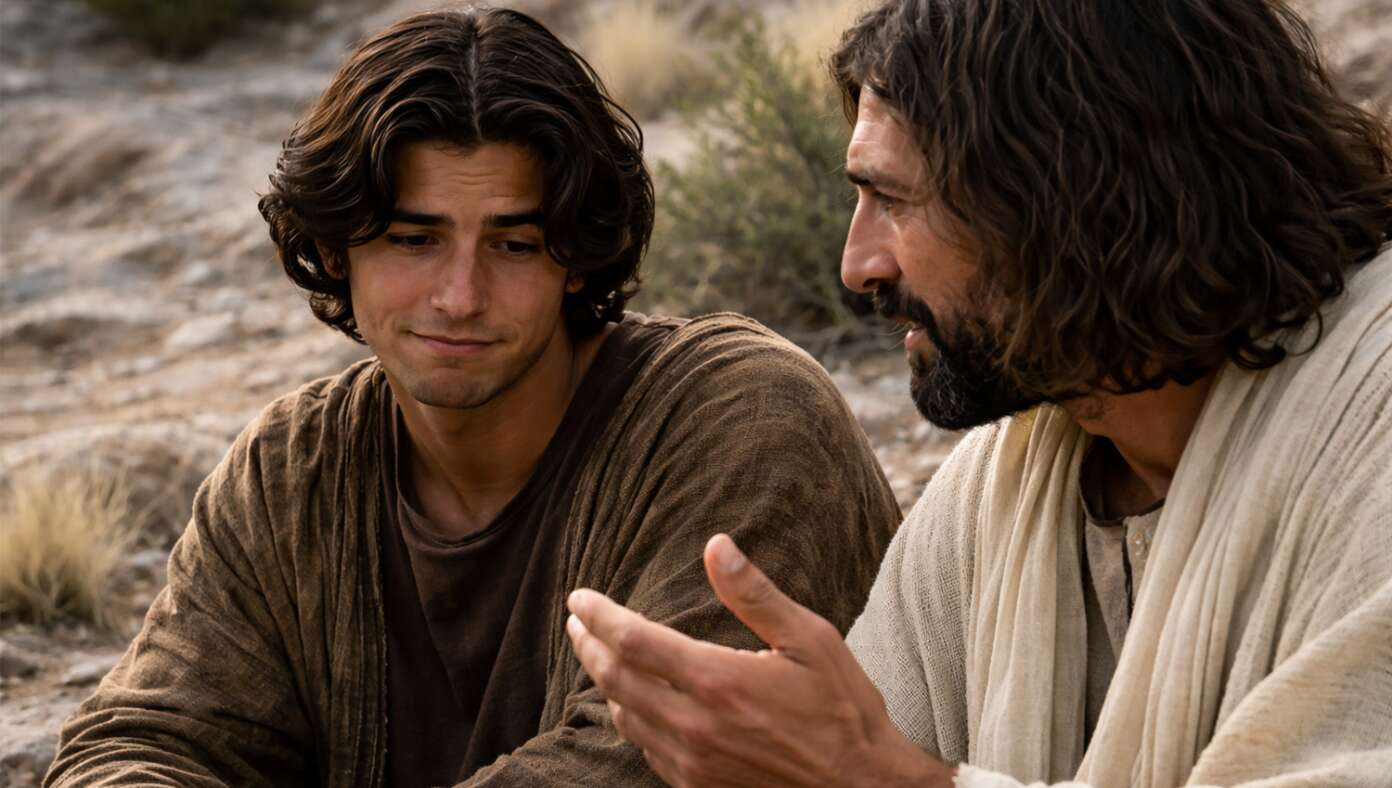
Gospel and Word of the Day – 24 March 2026 – A reading from the Book of Numbers 21:4-9 From Mount Hor the children of Israel set out on the Red Sea road, to bypass the land of Edom. But with their patience worn out by the journey, the people complained against God and Moses, “Why have you brought us up from Egypt to die in this desert, where there is no food or water? We are disgusted with this wretched food!” In punishment the LORD sent among the people saraph serpents, which bit the people so that many of them died. Then the people came to Moses and said, “We have sinned in complaining against the LORD and you. Pray the LORD to take the serpents away from us.” So Moses prayed for the people, and the LORD said to Moses, “Make a saraph and mount it on a pole, and whoever looks at it after being bitten will live.” Moses accordingly made a bronze serpent and mounted it on a pole, and whenever anyone who had been bitten by a serpent looked at the bronze serpent, he lived.From the Gospel according to John 8:21-30 Jesus said to the Pharisees: “I am going away and you will look for me, but you will die in your sin. Where I am going you cannot come.” So the Jews said, “He is not going to kill himself, is he, because he said, ‘Where I am going you cannot come’?” He said to them, “You belong to what is below, I belong to what is above. You belong to this world, but I do not belong to this world. That is why I told you that you will die in your sins. For if you do not believe that I AM, you will die in your sins.” So they said to him, “Who are you?” Jesus said to them, “What I told you from the beginning. I have much to say about you in condemnation. But the one who sent me is true, and what I heard from him I tell the world.” They did not realize that he was speaking to them of the Father. So Jesus said to them, “When you lift up the Son of Man, then you will realize that I AM, and that I do nothing on my own, but I say only what the Father taught me. The one who sent me is with me. He has not left me alone, because I always do what is pleasing to him.” Because he spoke this way, many came to believe in him.Today’s first reading speaks to us of the people’s journey through the desert. We can imagine them as they walked, led by Moses. (…) At a certain point, “the people became impatient on the way” (Num 21:4). They are tired, water supplies are low and all they have for food is manna, which, although plentiful and sent by God, seems far too meagre in a time of crisis. And so they complain and protest against God and against Moses: “Why did you make us leave?…” (cf. Num. 21:5). They are tempted to turn back and abandon the journey. (…) During such moments of disorientation – the Bible says – poisonous serpents come and bite the people, and many die. This causes the people to repent and to turn to Moses for forgiveness, asking him to beseech the Lord so that he will cast out the snakes. Moses prays to the Lord, and the Lord offers a remedy: a bronze serpent set on a pole; whoever looks at it will be saved from the deadly poison of the vipers. What is the meaning of this symbol? God does not destroy the serpents, but rather offers an “antidote”: by means of the bronze serpent fashioned by Moses, God transmits his healing strength, namely his mercy, which is more potent than the Tempter’s poison. (Francis – Homily in the Holy Mass with the rite of marriage in the feast of the exaltation on the Holy Cross)

A reading from the Book of Numbers
21:4-9

From Mount Hor the children of Israel set out on the Red Sea road,
to bypass the land of Edom.
But with their patience worn out by the journey,
the people complained against God and Moses,
“Why have you brought us up from Egypt to die in this desert,
where there is no food or water?
We are disgusted with this wretched food!”

In punishment the LORD sent among the people saraph serpents,
which bit the people so that many of them died.
Then the people came to Moses and said,
“We have sinned in complaining against the LORD and you.
Pray the LORD to take the serpents away from us.”
So Moses prayed for the people, and the LORD said to Moses,
“Make a saraph and mount it on a pole,
and whoever looks at it after being bitten will live.”
Moses accordingly made a bronze serpent and mounted it on a pole,
and whenever anyone who had been bitten by a serpent
looked at the bronze serpent, he lived.

From the Gospel according to John
8:21-30

Jesus said to the Pharisees:
“I am going away and you will look for me,
but you will die in your sin.
Where I am going you cannot come.”
So the Jews said,
“He is not going to kill himself, is he,
because he said, ‘Where I am going you cannot come’?”
He said to them, “You belong to what is below,
I belong to what is above.
You belong to this world,
but I do not belong to this world.
That is why I told you that you will die in your sins.
For if you do not believe that I AM,
you will die in your sins.”
So they said to him, “Who are you?”
Jesus said to them, “What I told you from the beginning.
I have much to say about you in condemnation.
But the one who sent me is true,
and what I heard from him I tell the world.”
They did not realize that he was speaking to them of the Father.
So Jesus said to them,
“When you lift up the Son of Man,
then you will realize that I AM,
and that I do nothing on my own,
but I say only what the Father taught me.
The one who sent me is with me.
He has not left me alone,
because I always do what is pleasing to him.”
Because he spoke this way, many came to believe in him.

Today’s first reading speaks to us of the people’s journey through the desert. We can imagine them as they walked, led by Moses. (…) At a certain point, “the people became impatient on the way” (Num 21:4). They are tired, water supplies are low and all they have for food is manna, which, although plentiful and sent by God, seems far too meagre in a time of crisis. And so they complain and protest against God and against Moses: “Why did you make us leave?…” (cf. Num. 21:5). They are tempted to turn back and abandon the journey. (…) During such moments of disorientation – the Bible says – poisonous serpents come and bite the people, and many die. This causes the people to repent and to turn to Moses for forgiveness, asking him to beseech the Lord so that he will cast out the snakes. Moses prays to the Lord, and the Lord offers a remedy: a bronze serpent set on a pole; whoever looks at it will be saved from the deadly poison of the vipers. What is the meaning of this symbol? God does not destroy the serpents, but rather offers an “antidote”: by means of the bronze serpent fashioned by Moses, God transmits his healing strength, namely his mercy, which is more potent than the Tempter’s poison. (Francis – Homily in the Holy Mass with the rite of marriage in the feast of the exaltation on the Holy Cross)

Read More
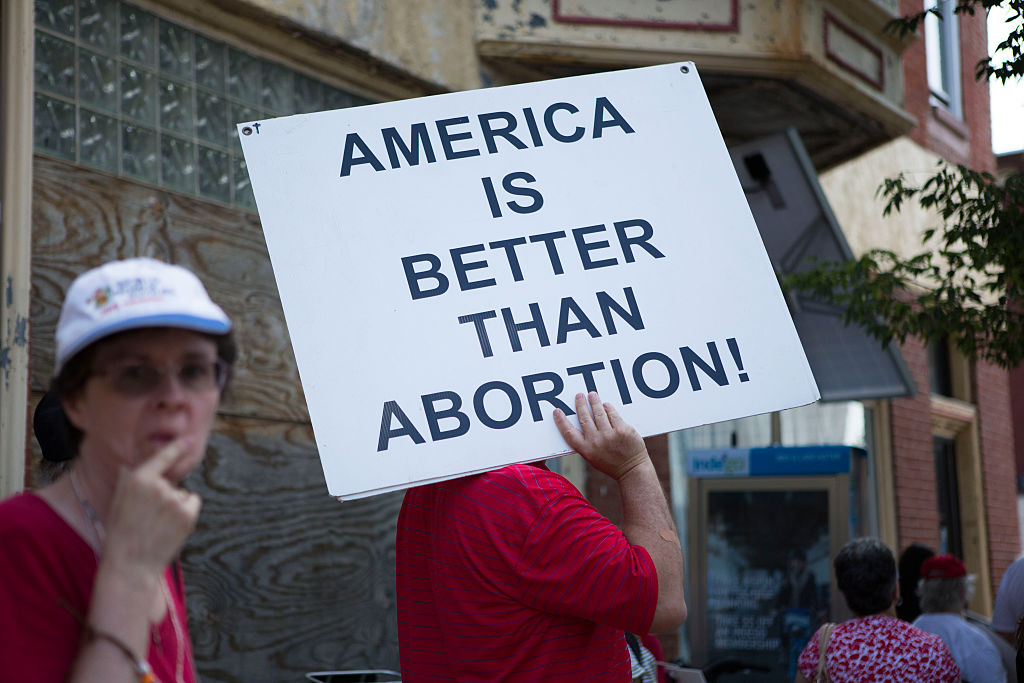
Kermit Gosnell, ‘America’s biggest serial killer,’ dies in prison – #Catholic – Abortionist and convicted serial killer Kermit Gosnell, believed to have murdered thousands of infants and convicted of involuntary manslaughter of a woman, died in prison at 85.Gosnell died two weeks ago of unknown causes, but his death went unreported until March 23, when Irish husband‑and‑wife documentary filmmaking team  Phelim McAleer and Ann McElhinney reported it.For 30 years, Gosnell operated out of an abortion clinic with conditions so disturbing it was nicknamed the “house of horrors” after law enforcement raided the clinic that had gone unchecked.Gosnell hoarded baby body parts in the abortion facility in Philadelphia, where law enforcement found blood-stained rooms, rusting and unsanitary medical equipment, flea-infested cats and cat feces, as well as severed feet of unborn babies preserved in specimen jars and body parts in the freezer next to staff lunches.Convicted in 2013 of first-degree murder of three infants, Gosnell was sentenced to three consecutive life terms without parole, among other concurrent sentences. Gosnell would “snip” the spinal cords of the children born alive during illegal late-term abortions after inducing labor in pregnant women, according to employee testimony. Former clinic staff testified that this occurred hundreds of times.Gosnell was also found guilty of involuntary manslaughter of Karnamaya Mongar, a 41-year-old refugee from Bhutan, who died of a lethal overdose of anesthesia administered by unlicensed staff in 2009.Gosnell earned an estimated .8 million per year.The Department of Health in Pennsylvania did not intervene in spite of the death of two women, injuries of many more, and years of complaints from staff and patients. Two high-ranking health department officials were fired after the clinic was exposed. The crimes were uncovered when Detective Jim Wood led a raid, along with the FBI and Drug Enforcement Administration, of the clinic on Feb. 18, 2010.A 2018 film about Gosnell’s trial named him “America’s biggest serial killer.”“May God have mercy on his soul but his soul was filled with evil so there may be no mercy for him, like there was no mercy for the babies,” said Wood, the detective who brought Gosnell to justice.Maria V. Gallagher, spokesperson for the Pennsylvania Pro-Life Federation of National Right to Life, said: “We continue to grieve the loss of the babies and women who fell victim to Gosnell’s violent crime spree. And we hold out hope that the lessons learned from Gosnell’s reign of terror will not be forgotten." “Tragically, public officials allowed his House of Horrors abortion facility to operate for years without being inspected,” Gallagher said. “As the grand jury stated, hair and nail salons received greater scrutiny than Gosnell’s catastrophic abortion center.”“We at Students for Life pray that he repented before dying,” said a statement from Students for Life of America. “His operation was profit-driven, dangerous, and even led to the death of a mother.”

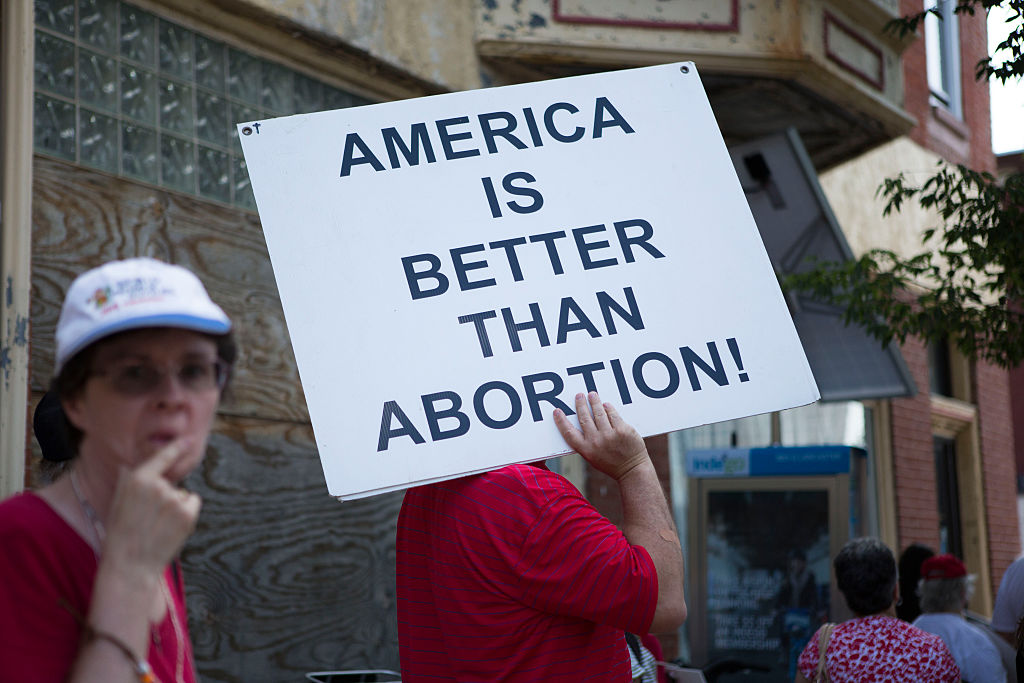
Kermit Gosnell, ‘America’s biggest serial killer,’ dies in prison – #Catholic – Abortionist and convicted serial killer Kermit Gosnell, believed to have murdered thousands of infants and convicted of involuntary manslaughter of a woman, died in prison at 85.Gosnell died two weeks ago of unknown causes, but his death went unreported until March 23, when Irish husband‑and‑wife documentary filmmaking team  Phelim McAleer and Ann McElhinney reported it.For 30 years, Gosnell operated out of an abortion clinic with conditions so disturbing it was nicknamed the “house of horrors” after law enforcement raided the clinic that had gone unchecked.Gosnell hoarded baby body parts in the abortion facility in Philadelphia, where law enforcement found blood-stained rooms, rusting and unsanitary medical equipment, flea-infested cats and cat feces, as well as severed feet of unborn babies preserved in specimen jars and body parts in the freezer next to staff lunches.Convicted in 2013 of first-degree murder of three infants, Gosnell was sentenced to three consecutive life terms without parole, among other concurrent sentences. Gosnell would “snip” the spinal cords of the children born alive during illegal late-term abortions after inducing labor in pregnant women, according to employee testimony. Former clinic staff testified that this occurred hundreds of times.Gosnell was also found guilty of involuntary manslaughter of Karnamaya Mongar, a 41-year-old refugee from Bhutan, who died of a lethal overdose of anesthesia administered by unlicensed staff in 2009.Gosnell earned an estimated $1.8 million per year.The Department of Health in Pennsylvania did not intervene in spite of the death of two women, injuries of many more, and years of complaints from staff and patients. Two high-ranking health department officials were fired after the clinic was exposed. The crimes were uncovered when Detective Jim Wood led a raid, along with the FBI and Drug Enforcement Administration, of the clinic on Feb. 18, 2010.A 2018 film about Gosnell’s trial named him “America’s biggest serial killer.”“May God have mercy on his soul but his soul was filled with evil so there may be no mercy for him, like there was no mercy for the babies,” said Wood, the detective who brought Gosnell to justice.Maria V. Gallagher, spokesperson for the Pennsylvania Pro-Life Federation of National Right to Life, said: “We continue to grieve the loss of the babies and women who fell victim to Gosnell’s violent crime spree. And we hold out hope that the lessons learned from Gosnell’s reign of terror will not be forgotten." “Tragically, public officials allowed his House of Horrors abortion facility to operate for years without being inspected,” Gallagher said. “As the grand jury stated, hair and nail salons received greater scrutiny than Gosnell’s catastrophic abortion center.”“We at Students for Life pray that he repented before dying,” said a statement from Students for Life of America. “His operation was profit-driven, dangerous, and even led to the death of a mother.”

Abortionist and convicted serial killer Kermit Gosnell, believed to have murdered thousands and convicted of involuntary manslaughter of a woman and the murders of three infants, died in prison at 85.

Read More
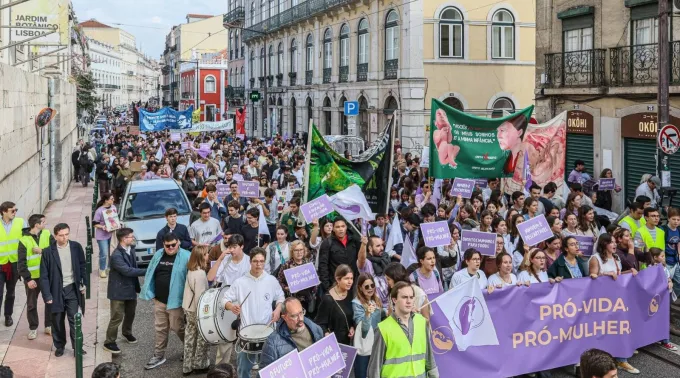
Molotov cocktail thrown at participants at March for Life in Lisbon, Portugal – #Catholic – A 39-year-old man was arrested on Saturday, March 21, for throwing an incendiary device at participants at the March for Life in front of the country’s Parliament building in Lisbon, Portugal. According to the police, at the time of the attack “the demonstration comprised approximately 500 participants,” including families with young children and babies. The man approached the scene and “hurled an improvised incendiary device — a ‘Molotov cocktail’ containing gasoline — in the direction of the people present; the device struck the ground but failed to ignite, thereby averting potentially more serious consequences.”The suspect was apprehended and arrested at the scene. The police stated that other “individuals who were allegedly part of a group with anarchist leanings” fled, but three members were subsequently identified.The authorities also seized the device, “consisting of a glass bottle containing flammable liquid and textile material — as well as other items of evidentiary value.”Commenting on the case, Portugal’s minister of internal administration, Luís Neves, said on social media: “We do not tolerate any form of violent extremism, and we will continue to act firmly to prevent and combat it, safeguarding democratic values.”Act of terrorismThe Portuguese Federation for Life, which organized the March for Life, issued a statement on March 23 classifying Saturday’s incident as a “terrorist attack.”In recounting the event, the federation emphasized that while the incendiary device did not ignite, “the fuel used in the device” splashed on “several people, including two babies.”“Had the ignition not failed, we would be talking today about the deaths of children and infants,” the federation stated. However, the group emphasized that “the failure of the attack cannot obscure the fact that a political organization planned and sought to carry out an attack using an incendiary device against a public event packed with families, youths, and children.”The Portuguese Federation for Life urged “that this attack be treated by the authorities as the act of terrorism that it is.” The group also requested that if any link between the attackers and a political organization is established, that organization should “be declared a terrorist organization, as provided for in the counterterrorism law.”Furthermore, the federation called upon “all those who, especially in the exercise of public office, have in recent years employed a tone of hatred against the pro-life movement, accusing us of countless evils, to search their consciences and understand the consequences of their rhetoric.”The federation announced that it will request a meeting with the minister of internal administration and the prosecutor general of the republic to address the incident and that, “at the appropriate moment,” it will “join as an amicus curiae [friend of the court] in the ensuing judicial proceedings.”Gravely unacceptable incidentThe patriarch of Lisbon, Rui Manuel Sousa Valério, condemned the attack against the March for Life.“Such events are gravely unacceptable,” Sousa Valério said. He emphasized that “violence is never the way,” that it “harms human dignity and does not serve the truth.” “And it becomes even more painful when it threatens the most vulnerable, especially children, who should always be a sign of hope and never exposed to fear,” he pointed out.The patriarch expressed “his closeness to all those who participated in this initiative and, in particular, to the families and children who may have felt fear and insecurity.”“The Church is close to everyone; it accompanies and prays for each person. No incidence of violence can erase the good accomplished, the witness given, and the hope sown,” he said.The March for LifeThe March for Life took place in 12 Portuguese cities on Saturday. In addition to Lisbon, demonstrators took to the streets to take a stand against abortion and euthanasia in Aveiro, Beja, Braga, Bragança, Coimbra, Faro, Guarda, Lamego, Porto, Setúbal, and Viseu.This year, the March for Life adopted the theme “The Pro-Life People Take to the Streets” and aimed to be a march “for the dignity of all human beings, for life from the moment of conception until natural death, and for families.”Abortion was legalized in Portugal in 2007 after a national referendum.Pope Leo XIV sent a message to the participants of the March for Life, stating that “the family is, by divine design, the natural guardian of life” and therefore, it is necessary “to ensure that it does not lack the conditions required to welcome nascent life and to care, with renewed commitment, for that which is in decline (ailing or elderly persons).”“May public resources sustain Portuguese families, specifically supporting women who are about to become mothers and fostering the implementation of authentic policies of solidarity that draw citizens closer to the most needy, the marginalized, the lonely, and migrants in whom the face of Christ shines,” the pope said.Of the culture of death, Leo said that “mere declarations of good intentions, and least of all, illusory forms of compassion such as euthanasia and, ultimately, abortion, do not serve the development of our societies.”In his view, “ideas and words that inspire actions and gestures that raise up human dignity are indispensable, a goal to which friendship with Christ, fostered through the prayerful reading of the Gospel within the family, contributes immensely.”The pope also encouraged newlyweds to “welcome God’s love and allow it to bear fruit, thereby mirroring the joy of marriage and parenthood.”This story was first published by ACI Digital, the Portuguese-language sister service of EWTN News. It has been translated and adapted by EWTN News English.

Molotov cocktail thrown at participants at March for Life in Lisbon, Portugal – #Catholic – A 39-year-old man was arrested on Saturday, March 21, for throwing an incendiary device at participants at the March for Life in front of the country’s Parliament building in Lisbon, Portugal. According to the police, at the time of the attack “the demonstration comprised approximately 500 participants,” including families with young children and babies. The man approached the scene and “hurled an improvised incendiary device — a ‘Molotov cocktail’ containing gasoline — in the direction of the people present; the device struck the ground but failed to ignite, thereby averting potentially more serious consequences.”The suspect was apprehended and arrested at the scene. The police stated that other “individuals who were allegedly part of a group with anarchist leanings” fled, but three members were subsequently identified.The authorities also seized the device, “consisting of a glass bottle containing flammable liquid and textile material — as well as other items of evidentiary value.”Commenting on the case, Portugal’s minister of internal administration, Luís Neves, said on social media: “We do not tolerate any form of violent extremism, and we will continue to act firmly to prevent and combat it, safeguarding democratic values.”Act of terrorismThe Portuguese Federation for Life, which organized the March for Life, issued a statement on March 23 classifying Saturday’s incident as a “terrorist attack.”In recounting the event, the federation emphasized that while the incendiary device did not ignite, “the fuel used in the device” splashed on “several people, including two babies.”“Had the ignition not failed, we would be talking today about the deaths of children and infants,” the federation stated. However, the group emphasized that “the failure of the attack cannot obscure the fact that a political organization planned and sought to carry out an attack using an incendiary device against a public event packed with families, youths, and children.”The Portuguese Federation for Life urged “that this attack be treated by the authorities as the act of terrorism that it is.” The group also requested that if any link between the attackers and a political organization is established, that organization should “be declared a terrorist organization, as provided for in the counterterrorism law.”Furthermore, the federation called upon “all those who, especially in the exercise of public office, have in recent years employed a tone of hatred against the pro-life movement, accusing us of countless evils, to search their consciences and understand the consequences of their rhetoric.”The federation announced that it will request a meeting with the minister of internal administration and the prosecutor general of the republic to address the incident and that, “at the appropriate moment,” it will “join as an amicus curiae [friend of the court] in the ensuing judicial proceedings.”Gravely unacceptable incidentThe patriarch of Lisbon, Rui Manuel Sousa Valério, condemned the attack against the March for Life.“Such events are gravely unacceptable,” Sousa Valério said. He emphasized that “violence is never the way,” that it “harms human dignity and does not serve the truth.” “And it becomes even more painful when it threatens the most vulnerable, especially children, who should always be a sign of hope and never exposed to fear,” he pointed out.The patriarch expressed “his closeness to all those who participated in this initiative and, in particular, to the families and children who may have felt fear and insecurity.”“The Church is close to everyone; it accompanies and prays for each person. No incidence of violence can erase the good accomplished, the witness given, and the hope sown,” he said.The March for LifeThe March for Life took place in 12 Portuguese cities on Saturday. In addition to Lisbon, demonstrators took to the streets to take a stand against abortion and euthanasia in Aveiro, Beja, Braga, Bragança, Coimbra, Faro, Guarda, Lamego, Porto, Setúbal, and Viseu.This year, the March for Life adopted the theme “The Pro-Life People Take to the Streets” and aimed to be a march “for the dignity of all human beings, for life from the moment of conception until natural death, and for families.”Abortion was legalized in Portugal in 2007 after a national referendum.Pope Leo XIV sent a message to the participants of the March for Life, stating that “the family is, by divine design, the natural guardian of life” and therefore, it is necessary “to ensure that it does not lack the conditions required to welcome nascent life and to care, with renewed commitment, for that which is in decline (ailing or elderly persons).”“May public resources sustain Portuguese families, specifically supporting women who are about to become mothers and fostering the implementation of authentic policies of solidarity that draw citizens closer to the most needy, the marginalized, the lonely, and migrants in whom the face of Christ shines,” the pope said.Of the culture of death, Leo said that “mere declarations of good intentions, and least of all, illusory forms of compassion such as euthanasia and, ultimately, abortion, do not serve the development of our societies.”In his view, “ideas and words that inspire actions and gestures that raise up human dignity are indispensable, a goal to which friendship with Christ, fostered through the prayerful reading of the Gospel within the family, contributes immensely.”The pope also encouraged newlyweds to “welcome God’s love and allow it to bear fruit, thereby mirroring the joy of marriage and parenthood.”This story was first published by ACI Digital, the Portuguese-language sister service of EWTN News. It has been translated and adapted by EWTN News English.

After the incendiary device failed to ignite, a suspect was arrested. The march organizers called it an act of terrorism, and the patriarch of Lisbon condemned the attack.

Read More
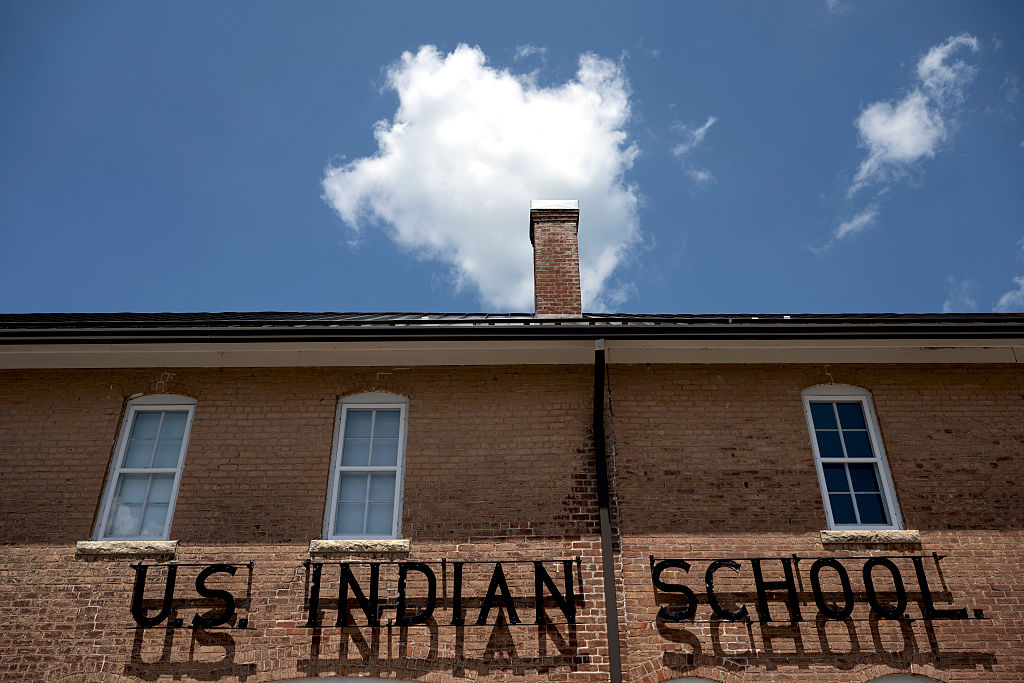
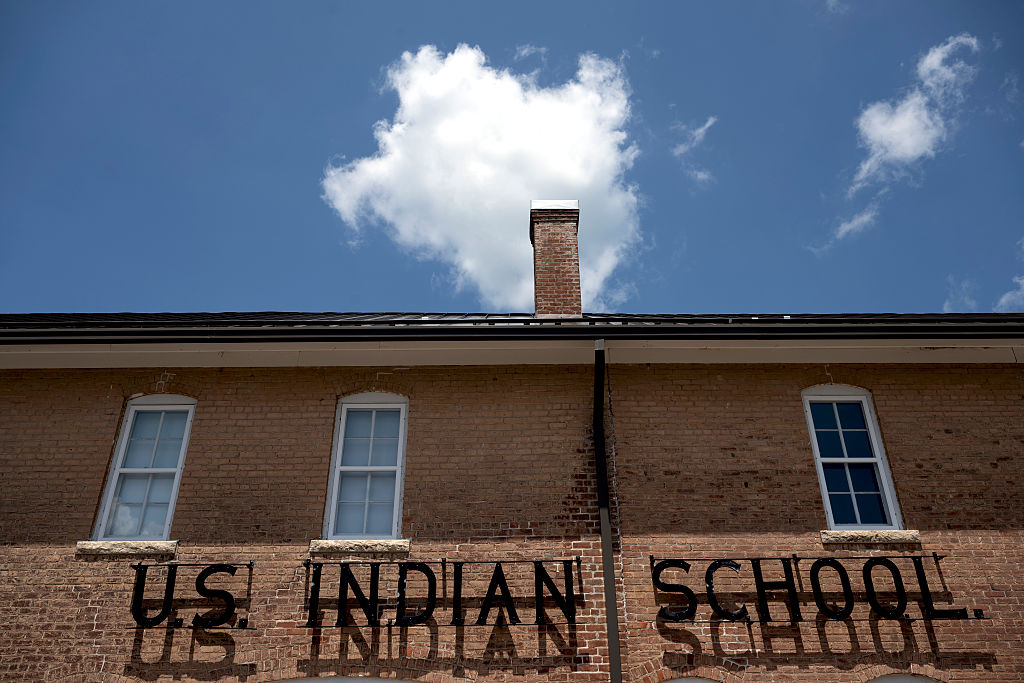
Bishops urge action on bill to examine Indian boarding school policies – #Catholic – Four bishops have written to Congress urging them to investigate the federal Indian boarding school system.Archbishop Shelton Fabre of the Archdiocese of Louisville, Kentucky, with Bishops John Folda of the Diocese of Fargo, North Dakota; Robert Brennan of the Diocese of Brooklyn, New York; and Barry Knestout of the Diocese of Richmond, Virginia, sent a letter to lawmakers in support of a bill (HR 7325) that would establish a commission to investigate, document, and report on the history and lasting impacts of Indian boarding schools.Christian missionaries sought to educate Native American children to initiate them into the Christian faith through catechesis and spiritual formation, but the schools, which were overseen by the federal government in the mid-19th century, involved many hardships for Native American populations. The United States Conference of Catholic Bishops has acknowledged the Church’s involvement in this history.“The forced removal of children from their tribal lands and communities as part of federal boarding school policies was a moral failure that disregarded the unique culture and dignity of Indigenous peoples,” the four bishops wrote to bill sponsor Rep. Tom Cole, R-Oklahoma, and Rep. Sharice Davids, D-Kansas. “Accounts from this era illustrate lasting trauma among those who were involuntarily brought to these schools. The pain from the Native American boarding school era continues to echo today.”The four bishops addressed the same letter to Sen. Lisa Murkowski, R-Alaska, and Sen. Brian Schatz, D-Hawaii.Sponsored by Murkowski, the Senate’s identical version of the bill (SB 761) would create a commission to investigate the impacts and ongoing effects of the Indian Boarding School Policies and develop ways to protect unmarked graves and accompanying land protections. The bill also would support repatriation and identify the tribal nations from which children were taken and put an end to the removal of American Indian, Alaska Native, and Native Hawaiian children from their families and tribal communities by state social service departments, foster care agencies, and adoption agencies.The bishops urged creation of a Truth and Healing Commission to acknowledge the moral failures that harmed Indigenous children and communities and promote accountability. Under the bill, the commission would work toward reconciliation through a cooperative process involving government and religious institutions.No hearings have been set on the legislation in the House or Senate.The bishops’ letter said “the Catholic Church in the United States remains committed to transparency, to listening, and to humility. We remain dedicated to working with Native communities, government actors, and other religious traditions in efforts to bring about authentic healing and reconciliation. As one means of promoting this, we urge the House to favorably advance this legislation.”Fabre serves as chair of the USCCB Committee on Domestic Justice and Human Development; Folda is chair of the Subcommittee on Native American Affairs; Brennan is chair of the Committee on Cultural Diversity in the Church; and Knestout is chair of the Committee on the Protection of Children and Young People.

Bishops urge action on bill to examine Indian boarding school policies – #Catholic – Four bishops have written to Congress urging them to investigate the federal Indian boarding school system.Archbishop Shelton Fabre of the Archdiocese of Louisville, Kentucky, with Bishops John Folda of the Diocese of Fargo, North Dakota; Robert Brennan of the Diocese of Brooklyn, New York; and Barry Knestout of the Diocese of Richmond, Virginia, sent a letter to lawmakers in support of a bill (HR 7325) that would establish a commission to investigate, document, and report on the history and lasting impacts of Indian boarding schools.Christian missionaries sought to educate Native American children to initiate them into the Christian faith through catechesis and spiritual formation, but the schools, which were overseen by the federal government in the mid-19th century, involved many hardships for Native American populations. The United States Conference of Catholic Bishops has acknowledged the Church’s involvement in this history.“The forced removal of children from their tribal lands and communities as part of federal boarding school policies was a moral failure that disregarded the unique culture and dignity of Indigenous peoples,” the four bishops wrote to bill sponsor Rep. Tom Cole, R-Oklahoma, and Rep. Sharice Davids, D-Kansas. “Accounts from this era illustrate lasting trauma among those who were involuntarily brought to these schools. The pain from the Native American boarding school era continues to echo today.”The four bishops addressed the same letter to Sen. Lisa Murkowski, R-Alaska, and Sen. Brian Schatz, D-Hawaii.Sponsored by Murkowski, the Senate’s identical version of the bill (SB 761) would create a commission to investigate the impacts and ongoing effects of the Indian Boarding School Policies and develop ways to protect unmarked graves and accompanying land protections. The bill also would support repatriation and identify the tribal nations from which children were taken and put an end to the removal of American Indian, Alaska Native, and Native Hawaiian children from their families and tribal communities by state social service departments, foster care agencies, and adoption agencies.The bishops urged creation of a Truth and Healing Commission to acknowledge the moral failures that harmed Indigenous children and communities and promote accountability. Under the bill, the commission would work toward reconciliation through a cooperative process involving government and religious institutions.No hearings have been set on the legislation in the House or Senate.The bishops’ letter said “the Catholic Church in the United States remains committed to transparency, to listening, and to humility. We remain dedicated to working with Native communities, government actors, and other religious traditions in efforts to bring about authentic healing and reconciliation. As one means of promoting this, we urge the House to favorably advance this legislation.”Fabre serves as chair of the USCCB Committee on Domestic Justice and Human Development; Folda is chair of the Subcommittee on Native American Affairs; Brennan is chair of the Committee on Cultural Diversity in the Church; and Knestout is chair of the Committee on the Protection of Children and Young People.

“The pain from the Native American boarding school era continues to echo today,” four U.S. bishops wrote to lawmakers.

Read More

Mission Highlight: Daughter of the Stars Rocket Lab is targeting Wednesday, March 25, at 5:14 a.m. EDT for the launch of its 85th Electron mission from Launch Complex 1 on New Zealand’s Māhia Peninsula. The mission, titled Daughter of the Stars, marks the first time Rocket Lab has flown a dedicated mission for the EuropeanContinue reading “Rocket Lab launches ESA’s first step toward a new navigation constellation”

The post Rocket Lab launches ESA’s first step toward a new navigation constellation appeared first on Astronomy Magazine.

Read More
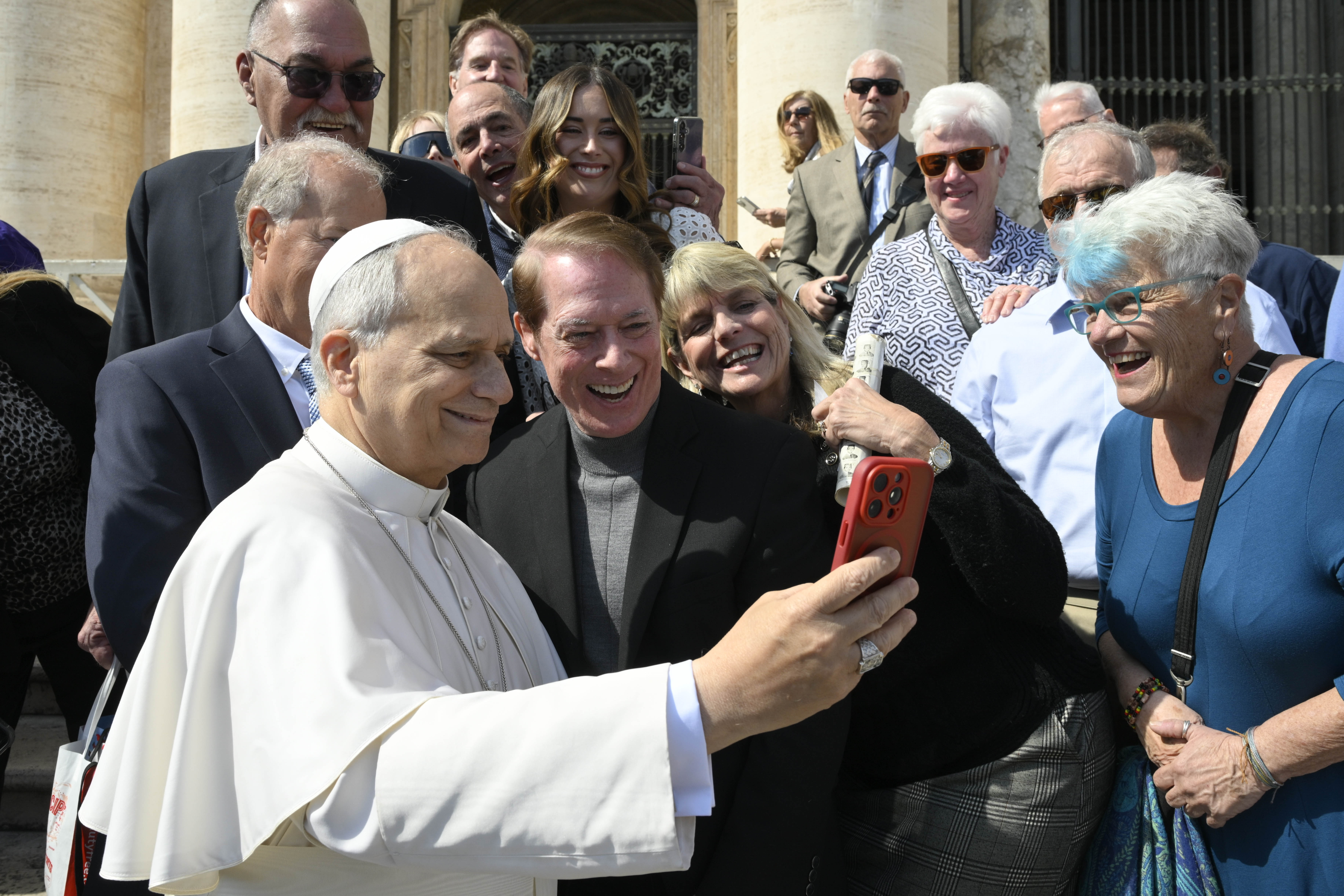
Pope Leo XIV reunites with his eighth grade classmates #Catholic On the steps of St. Peter’s Basilica in Rome, Pope Leo XIV met last week with some of his eighth grade classmates from St. Mary of the Assumption lower school in south Chicago, where he grew up.Of the 82 eighth graders with whom he attended St. Mary’s in 1969, 10 greeted him after the general audience on March 18, exchanging laughs, gifts, and warm handshakes.During the meeting, his former classmates gave him a photograph of the class of 1969, which he held up as he posed for another group shot more than 50 years later.Jerome Clemens pointed out the young Robert Prevost standing among his classmates to the L’Osservatore Romano, the Vatican newspaper: “Here he is, our friend, the pope,” showing the back of the photo with Prevost’s old autograph and his new one, which he signed, “Leo XIV.”Another former classmate, Sherry Stone (née Blue), dropped a sign she held that read “God bless you Pope Leo” when the pope approached her.“Sorry! I’m nervous!” she said, laughing, as he shook her hand.Instagram postLast spring, Stone told the Lansing Journal: “When he was in the conclave, I thought, ‘Could it be him? Could Bob be the new pope? No, probably not.’ When I saw that it was him, I was just amazed. I was crying tears of joy.”“He was a super nice guy, but not nerdy,” she said.After finishing eighth grade at St. Mary’s, Prevost attended boarding school at St. Augustine Seminary High School in Michigan, graduating in 1973. He then attended another Augustinian school, Villanova University, where he earned a bachelor’s degree in mathematics in 1977 before entering the Augustinian novitiate that September. He was ordained a priest in 1982, earning a master of divinity degree from the Catholic Theological Union in Chicago that same year. He earned a licentiate in canon law (JCL) in 1984 and completed a doctorate in canon law (JCD) in 1987, both from the Pontifical University of St. Thomas Aquinas in Rome.St. Mary’s church and school on Chicago’s ‘most endangered list’St. Mary of the Assumption Church and School, where a young Prevost served as an altar boy and his mother, Mildred Prevost, worked as a librarian, was at the center of a vibrant Catholic community in the Riverdale neighborhood on Chicago’s South Side in the 1960s.The property, which has been vacant since 2011 and is now privately owned, is located just a few blocks from the pope’s childhood home in Dolton, Illinois, but within Chicago city limits.The neighborhood has seen significant decline since then. Ward Miller of Preservation Chicago told EWTN News that St. Mary’s, which has a hole in the roof of the church building, broken windows, graffiti, and many other issues, was listed on Preservation Chicago’s 2026 “7 Most Endangered List" as of March 4.
 
 Broken windows and graffiti on St. Mary of the Assumption School, where Robert Prevost, now Pope Leo XIV, the first American pope, attended eighth grade in 1969. | Credit: Matthew Kaplan
 
 “We at Preservation Chicago are of the opinion that the church and school buildings of St. Mary’s are in need of immediate attention in order to secure temporary repairs, with a long-term goal of a full restoration of the campus of buildings, before everything is lost to deterioration,” Miller said.The property’s current owner, Joel Hall, said last year he is open to a landmark designation by the city, according to Miller. Preservation Chicago, a nonprofit advocacy organization dedicated to preserving historic sites in Chicago and encouraging landmark designations in the city, presented its case to designate it as such at a meeting in May 2025 of the Commission of Chicago Landmarks.No decision has been made yet regarding the landmark designation, but Preservation Chicago has created an online petition to the city of Chicago to “Save the Pope’s Church!”“This complex should become a visitors site, an oratory or shrine, as this is our first American pope — a world leader, and from Chicago!” Miller told EWTN News.
 
 The interior of the dilapidated St. Mary of the Assumption Church, showing water damage to the floor and graffiti behind where the altar once stood. Pope Leo XIV served as an altar boy there during his childhood. | Credit: Ward Miller/Preservation Chicago
 
 “We would very much like to see a partnership form to save these buildings and tell the story of this world leader,” reads an article on Preservation Chicago’s website. “An initial step in this process would be to consider a Chicago landmark designation of the buildings of this campus, with a plan to methodically restore and repurpose each of the buildings.”
 
 Close-up of St. Mary of the Assumption Church in Riverdale, Chicago, Pope Leo XIV’s childhood parish, which was recently added to Preservation Chicagoʼs “7 Most Endangered” list of historic structures in the city. | Credit: Cristen Brown
 
 Miller told EWTN News he would like to see the property “prepared [in time] for the pope’s return visits to Chicago!”The pope does not yet have plans to visit the United States.

Pope Leo XIV reunites with his eighth grade classmates #Catholic On the steps of St. Peter’s Basilica in Rome, Pope Leo XIV met last week with some of his eighth grade classmates from St. Mary of the Assumption lower school in south Chicago, where he grew up.Of the 82 eighth graders with whom he attended St. Mary’s in 1969, 10 greeted him after the general audience on March 18, exchanging laughs, gifts, and warm handshakes.During the meeting, his former classmates gave him a photograph of the class of 1969, which he held up as he posed for another group shot more than 50 years later.Jerome Clemens pointed out the young Robert Prevost standing among his classmates to the L’Osservatore Romano, the Vatican newspaper: “Here he is, our friend, the pope,” showing the back of the photo with Prevost’s old autograph and his new one, which he signed, “Leo XIV.”Another former classmate, Sherry Stone (née Blue), dropped a sign she held that read “God bless you Pope Leo” when the pope approached her.“Sorry! I’m nervous!” she said, laughing, as he shook her hand.Instagram postLast spring, Stone told the Lansing Journal: “When he was in the conclave, I thought, ‘Could it be him? Could Bob be the new pope? No, probably not.’ When I saw that it was him, I was just amazed. I was crying tears of joy.”“He was a super nice guy, but not nerdy,” she said.After finishing eighth grade at St. Mary’s, Prevost attended boarding school at St. Augustine Seminary High School in Michigan, graduating in 1973. He then attended another Augustinian school, Villanova University, where he earned a bachelor’s degree in mathematics in 1977 before entering the Augustinian novitiate that September. He was ordained a priest in 1982, earning a master of divinity degree from the Catholic Theological Union in Chicago that same year. He earned a licentiate in canon law (JCL) in 1984 and completed a doctorate in canon law (JCD) in 1987, both from the Pontifical University of St. Thomas Aquinas in Rome.St. Mary’s church and school on Chicago’s ‘most endangered list’St. Mary of the Assumption Church and School, where a young Prevost served as an altar boy and his mother, Mildred Prevost, worked as a librarian, was at the center of a vibrant Catholic community in the Riverdale neighborhood on Chicago’s South Side in the 1960s.The property, which has been vacant since 2011 and is now privately owned, is located just a few blocks from the pope’s childhood home in Dolton, Illinois, but within Chicago city limits.The neighborhood has seen significant decline since then. Ward Miller of Preservation Chicago told EWTN News that St. Mary’s, which has a hole in the roof of the church building, broken windows, graffiti, and many other issues, was listed on Preservation Chicago’s 2026 “7 Most Endangered List" as of March 4. Broken windows and graffiti on St. Mary of the Assumption School, where Robert Prevost, now Pope Leo XIV, the first American pope, attended eighth grade in 1969. | Credit: Matthew Kaplan “We at Preservation Chicago are of the opinion that the church and school buildings of St. Mary’s are in need of immediate attention in order to secure temporary repairs, with a long-term goal of a full restoration of the campus of buildings, before everything is lost to deterioration,” Miller said.The property’s current owner, Joel Hall, said last year he is open to a landmark designation by the city, according to Miller. Preservation Chicago, a nonprofit advocacy organization dedicated to preserving historic sites in Chicago and encouraging landmark designations in the city, presented its case to designate it as such at a meeting in May 2025 of the Commission of Chicago Landmarks.No decision has been made yet regarding the landmark designation, but Preservation Chicago has created an online petition to the city of Chicago to “Save the Pope’s Church!”“This complex should become a visitors site, an oratory or shrine, as this is our first American pope — a world leader, and from Chicago!” Miller told EWTN News. The interior of the dilapidated St. Mary of the Assumption Church, showing water damage to the floor and graffiti behind where the altar once stood. Pope Leo XIV served as an altar boy there during his childhood. | Credit: Ward Miller/Preservation Chicago “We would very much like to see a partnership form to save these buildings and tell the story of this world leader,” reads an article on Preservation Chicago’s website. “An initial step in this process would be to consider a Chicago landmark designation of the buildings of this campus, with a plan to methodically restore and repurpose each of the buildings.” Close-up of St. Mary of the Assumption Church in Riverdale, Chicago, Pope Leo XIV’s childhood parish, which was recently added to Preservation Chicagoʼs “7 Most Endangered” list of historic structures in the city. | Credit: Cristen Brown Miller told EWTN News he would like to see the property “prepared [in time] for the pope’s return visits to Chicago!”The pope does not yet have plans to visit the United States.

Pope Leo XIV met with 10 of his eighth grade classmates in St. Peter’s Square at a recent general audience.

Read More
War forces Latin Patriarchate of Jerusalem to cancel Palm Sunday procession #Catholic Amid the continuing war and restrictions on access to the holy sites, the Latin Patriarchate of Jerusalem has canceled the traditional Palm Sunday procession from the Mount of Olives to Jerusalem, announcing “exceptional measures” regarding this year’s Holy Week and Easter celebrations.The Palm Sunday procession will instead be replaced by a time of prayer for the city in a location yet to be announced.The patriarchate also announced the postponement of the chrism Mass until circumstances allow — most likely during the Easter season after necessary ecclesiastical approvals are obtained.At the same time, it affirmed that the churches of the diocese will remain open and that priests and pastors will work, within the limits of what is possible, to ensure the participation of the faithful in prayers and liturgical celebrations.The patriarchate explained that this year it has not been possible to hold the traditional Lenten pilgrimage in Jerusalem, with its celebrations at the Church of the Holy Sepulchre and the sites associated with Christ’s passion. It noted that, although the faithful have been able to prepare individually, they have felt the absence of the communal journey toward Easter, which is an essential element of the Church’s spiritual life.Continuing restrictionsThe patriarchate said the security conditions linked to the conflict do not suggest any improvement in the near future. It stressed that, in coordination with the other Churches and the relevant authorities, it is continuing to assess possible ways to hold the celebrations within the available framework.Decisions, it said, will be made on a day-by-day basis according to developments on the ground. According to the statement, it has become clear that it will not be possible to organize normal celebrations open to all the faithful, prompting the patriarchate to adopt a set of organizational measures.The patriarchate said this reality constitutes “another wound added to the many wounds caused by the conflict.” The pain, it said, is not limited to the consequences of war but also includes the inability to celebrate Easter together “in a fitting way.” Yet it stressed the need not to surrender to despair and called for perseverance in prayer.In this context, the patriarchate called on the faithful to unite in prayer on Saturday, March 28, by reciting the rosary for peace and reassurance, especially for those suffering because of the conflict. It concluded by affirming that Easter remains, despite every circumstance, a sign of hope, recalling that “no darkness, not even the darkness of war, can have the last word” and that the empty tomb remains a witness to the victory of life over hatred and mercy over sin.This story was first published by ACI MENA, the Arabic-language sister service of EWTN News. It has been translated and adapted by EWTN News English.

War forces Latin Patriarchate of Jerusalem to cancel Palm Sunday procession #Catholic Amid the continuing war and restrictions on access to the holy sites, the Latin Patriarchate of Jerusalem has canceled the traditional Palm Sunday procession from the Mount of Olives to Jerusalem, announcing “exceptional measures” regarding this year’s Holy Week and Easter celebrations.The Palm Sunday procession will instead be replaced by a time of prayer for the city in a location yet to be announced.The patriarchate also announced the postponement of the chrism Mass until circumstances allow — most likely during the Easter season after necessary ecclesiastical approvals are obtained.At the same time, it affirmed that the churches of the diocese will remain open and that priests and pastors will work, within the limits of what is possible, to ensure the participation of the faithful in prayers and liturgical celebrations.The patriarchate explained that this year it has not been possible to hold the traditional Lenten pilgrimage in Jerusalem, with its celebrations at the Church of the Holy Sepulchre and the sites associated with Christ’s passion. It noted that, although the faithful have been able to prepare individually, they have felt the absence of the communal journey toward Easter, which is an essential element of the Church’s spiritual life.Continuing restrictionsThe patriarchate said the security conditions linked to the conflict do not suggest any improvement in the near future. It stressed that, in coordination with the other Churches and the relevant authorities, it is continuing to assess possible ways to hold the celebrations within the available framework.Decisions, it said, will be made on a day-by-day basis according to developments on the ground. According to the statement, it has become clear that it will not be possible to organize normal celebrations open to all the faithful, prompting the patriarchate to adopt a set of organizational measures.The patriarchate said this reality constitutes “another wound added to the many wounds caused by the conflict.” The pain, it said, is not limited to the consequences of war but also includes the inability to celebrate Easter together “in a fitting way.” Yet it stressed the need not to surrender to despair and called for perseverance in prayer.In this context, the patriarchate called on the faithful to unite in prayer on Saturday, March 28, by reciting the rosary for peace and reassurance, especially for those suffering because of the conflict. It concluded by affirming that Easter remains, despite every circumstance, a sign of hope, recalling that “no darkness, not even the darkness of war, can have the last word” and that the empty tomb remains a witness to the victory of life over hatred and mercy over sin.This story was first published by ACI MENA, the Arabic-language sister service of EWTN News. It has been translated and adapted by EWTN News English.

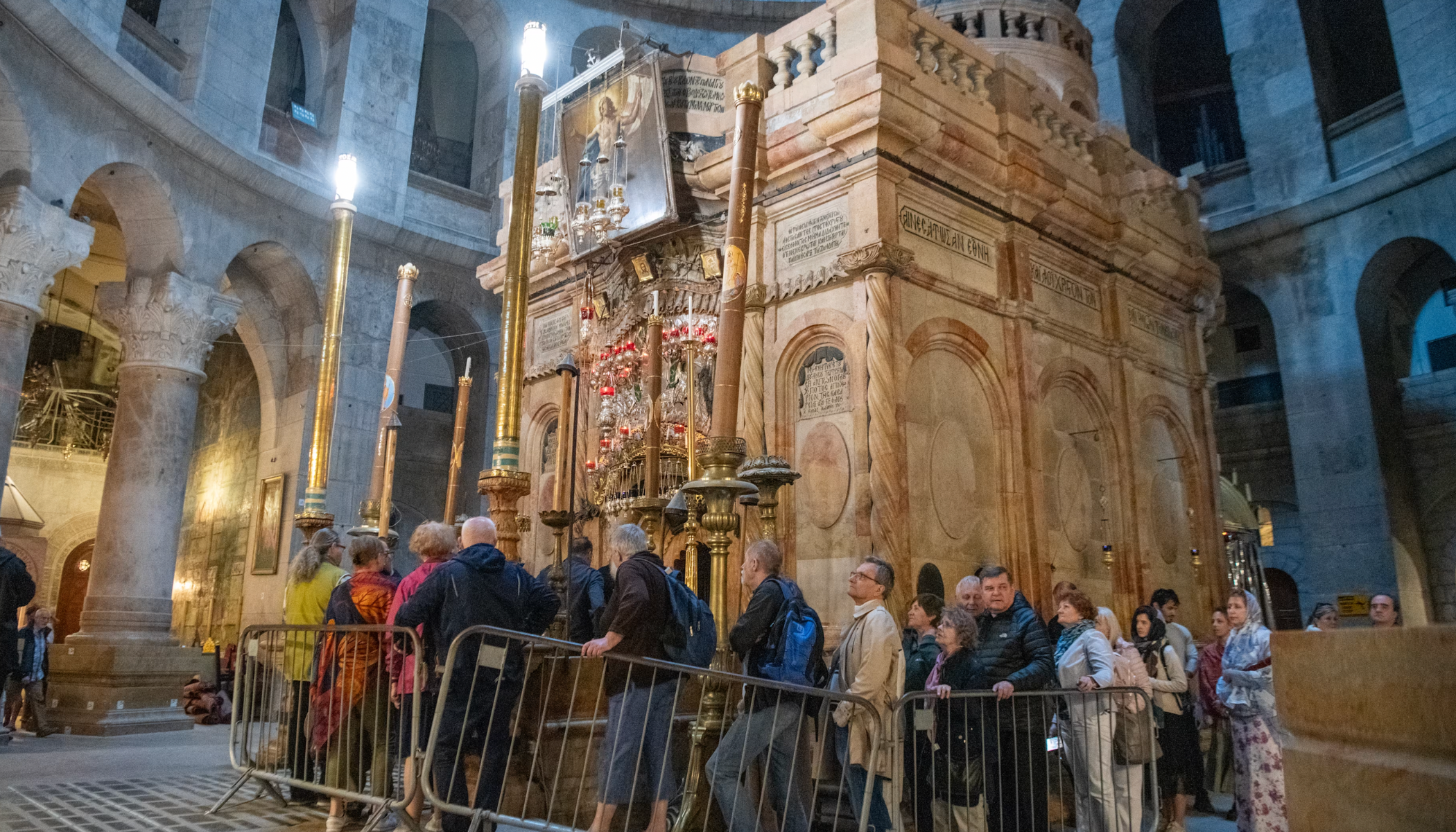
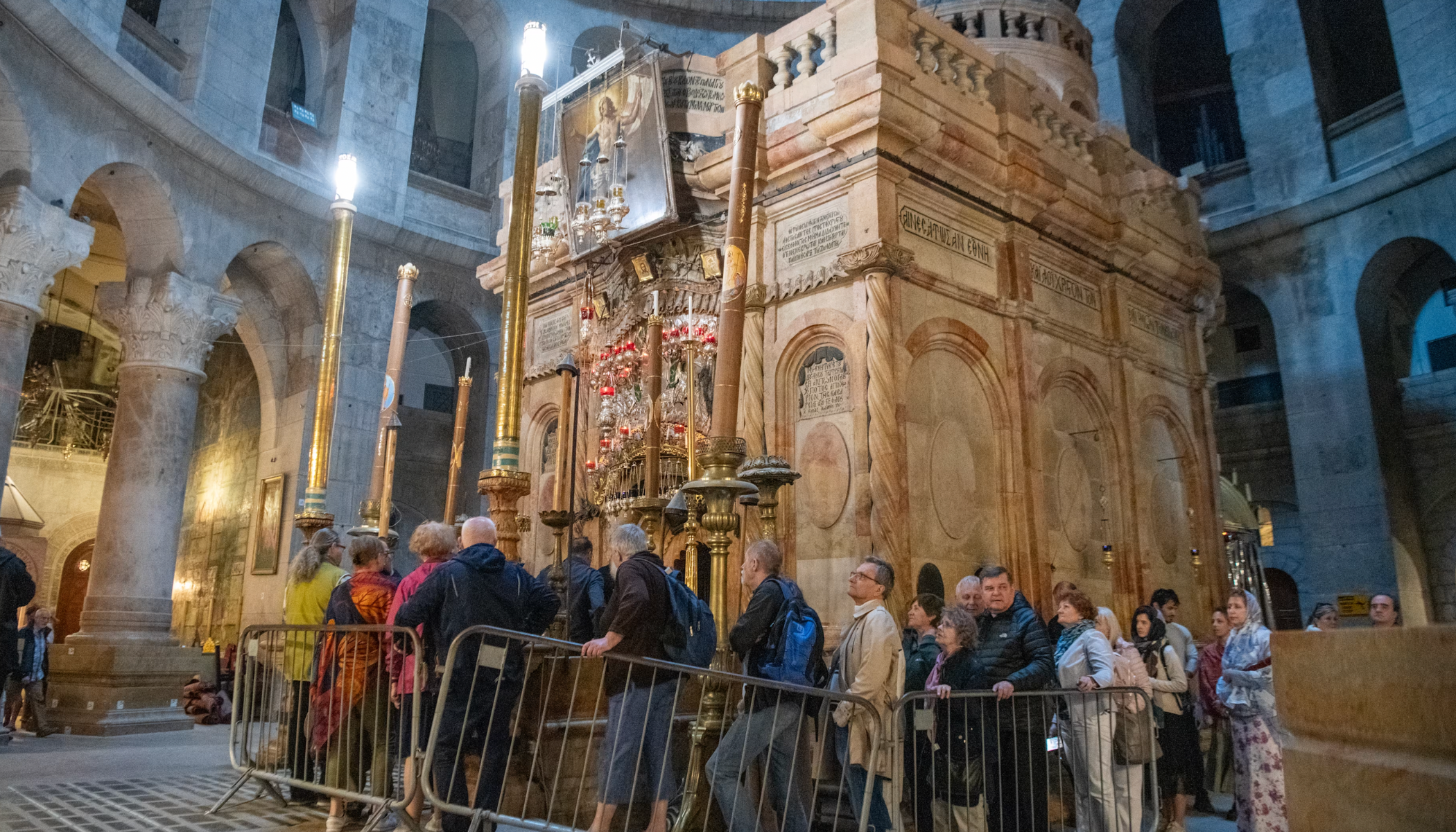
Holy Week observances and events in the Holy Land have been canceled or significantly revised in the face of closures in Jerusalem due to the war with Iran.

Read More
Picture of the day


Fishermen fishing in the chars (shifting sediment islands) of the river Padma in Rajshahi District, Bangladesh. The chars are being frequently visible as the river is drying up. Today is the International Day of Action for Rivers.
 #ImageOfTheDay
Picture of the day
Fishermen fishing in the chars (shifting sediment islands) of the river Padma in Rajshahi District, Bangladesh. The chars are being frequently visible as the river is drying up. Today is the International Day of Action for Rivers.
Read More