Day: March 29, 2026

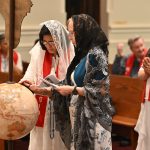
Prayers ascend at Legion of Mary Acies in Clifton #Catholic - Bishop Kevin J. Sweeney presided at the annual Acies of the Legion of Mary on March 22 in Sacred Heart Church in Clifton, N.J.

The Legion of Mary is a worldwide organization in which members join in prayer and apostolic work in union with the Blessed Mother under the guidance of a priest. The exposition of the Blessed Sacrament was held at the Acies, followed by a rosary recitation.

Click here to subscribe to our weekly newsletter.

BEACON PHOTOS | JOE GIGLI
 [See image gallery at beaconnj.org]  

Prayers ascend at Legion of Mary Acies in Clifton #Catholic –

Bishop Kevin J. Sweeney presided at the annual Acies of the Legion of Mary on March 22 in Sacred Heart Church in Clifton, N.J.

The Legion of Mary is a worldwide organization in which members join in prayer and apostolic work in union with the Blessed Mother under the guidance of a priest. The exposition of the Blessed Sacrament was held at the Acies, followed by a rosary recitation.


Click here to subscribe to our weekly newsletter.

BEACON PHOTOS | JOE GIGLI

Bishop Kevin J. Sweeney presided at the annual Acies of the Legion of Mary on March 22 in Sacred Heart Church in Clifton, N.J. The Legion of Mary is a worldwide organization in which members join in prayer and apostolic work in union with the Blessed Mother under the guidance of a priest. The exposition of the Blessed Sacrament was held at the Acies, followed by a rosary recitation. Click here to subscribe to our weekly newsletter. BEACON PHOTOS | JOE GIGLI  

Read More
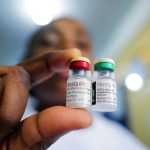
New US global health policy seen as a way to eliminate malaria in concert with faith leaders #Catholic – WASHINGTON (OSV News) — The future of efforts to eliminate malaria in sub-Saharan Africa may depend in part on a U.S. policy shift now drawing mixed reactions.
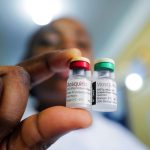
In September, the State Department unveiled the Trump administration’s America First Global Health Strategy, which it described as “a comprehensive vision to make America safer, stronger, and more prosperous” and also claimed it “will protect the homeland by preventing infectious disease outbreaks from reaching U.S. shores.”
In a February report, an interfaith coalition of malaria-fighting groups warned that progress against the disease has “slowed in several regions,” calling the current moment a “crossroads.”
But the strategy is considered one feasible path forward in eliminating the deadly disease spread by mosquitoes, the coalition said in its report titled “Making Country-Led Malaria Control a Reality.”

Click here to subscribe to our weekly newsletter.

For a Methodist bishop from Mozambique who was on a March 19 panel sponsored by Georgetown University’s Global Health Institute in Washington, the inclusion of “America First’ in the State Department strategy is puzzling.
“It’s tricky, because what do we mean by America First?” Bishop Dinis Matsolo of the Methodist Church of Southern Africa, Mozambique Synod, said in an interview with OSV News. “It would be interesting to hear a clarification as to what that means. We all belong to the same world. We need each other.”
He added, “I think the Catholic community in the United States should know that in other countries, including Mozambique, we have religious leaders who are profoundly involved in the issues of health and climate change that require support in order to sustain. Those activities have stopped now because of the cuts (in U.S. aid).”
The U.S. government’s relief efforts for malaria were devastated by the elimination of the U.S. Agency for International Development under the second Trump administration. By July 2025, USAID effectively ceased to exist, with 85% of its programs cut.
However, “I always want to be optimistic,” Bishop Matsolo said. “We want to encourage the involvement of all the state quarters (agencies).”
Bishop Matsolo is the executive director of Programa Inter-Religioso Contra a Malaria, or PIRCOM, a faith-based organization focused on eliminating malaria that was launched in 2006 with U.S. funding.
The Catholic Church in Mozambique is a founding member of PIRCOM and is represented on the board. The group works directly with the Archbishop João Carlos Hatoa Nunes
of Maputo, Mozambique, and other Catholic representatives at provincial and district levels across the country.
According to the World Health Organization, in 2024, there were an estimated 282 million malaria cases in 80 malaria-endemic countries — an increase of about 9 million cases from 2023. Three countries — Ethiopia (+2.9 million), Madagascar (+1.9 million) and Yemen (+378,000) — accounted for 58% of the estimated case increase from 2023 to 2024.
The America First Global Health Strategy, the interfaith coalition report states, “recommits the U.S. to achieving the globally agreed goals by 2030. It endorses the vision of reducing global malaria mortality and case incidence by at least 90% from 2015 levels, eliminating malaria in at least 35 countries, and preventing the reestablishment of the disease in all countries that are malaria-free.”
The response, according to the coalition report and the panel discussion, has to be “country-led malaria control.”
The strategy “envisions a future in which public and private funders in malaria-endemic countries are responsible for their own national efforts to end the disease,” the report said.
This awaits memorandums of understanding, or MOUs, negotiated by the State Department with 70 countries over the coming months to specify what entity will provide funding, and for what.
The coalition’s report emphasizes, “Continued strategic U.S. financial and technical support for endemic countries during this transition will determine, to a large extent, the trajectory of the global fight against malaria in this historic moment.”
In profiling five countries — El Salvador, Indonesia, Mozambique, Nigeria and Tanzania — and key factors in each one’s malaria response, the coalition notes in particular that across Mozambique, “over 4,000 faith leaders … are using their unique influence to advocate for policy change, deliver public health messaging, mobilize volunteers and monitor medicine supplies — trusted voices mobilizing communities.”
The State Department’s 40-page report on the newly launched America First Global Health Strategy, complained of “significant inefficiency and waste” in U.S. health foreign assistance programs. As an example, the report asserted that data from the President’s Emergency Plan for AIDS Relief, or PEPFAR, “shockingly” shows “that only about 40% of PEPFAR’s budget goes directly to finance on-the-ground service delivery.”
But a number of Catholic organizations, including Catholic Relief Services — the overseas relief and development agency of the Catholic Church in the U.S. — support the aims of PEPFAR, the largest global health program devoted to a single disease. It is credited with saving 25 million lives from AIDS and with scaling back the epidemic’s spread.
Kurt Jensen writes for OSV News from Washington.
 

New US global health policy seen as a way to eliminate malaria in concert with faith leaders #Catholic – WASHINGTON (OSV News) — The future of efforts to eliminate malaria in sub-Saharan Africa may depend in part on a U.S. policy shift now drawing mixed reactions. In September, the State Department unveiled the Trump administration’s America First Global Health Strategy, which it described as “a comprehensive vision to make America safer, stronger, and more prosperous” and also claimed it “will protect the homeland by preventing infectious disease outbreaks from reaching U.S. shores.” In a February report, an interfaith coalition of malaria-fighting groups warned that progress against the disease has “slowed in several regions,” calling the current moment a “crossroads.” But the strategy is considered one feasible path forward in eliminating the deadly disease spread by mosquitoes, the coalition said in its report titled “Making Country-Led Malaria Control a Reality.” Click here to subscribe to our weekly newsletter. For a Methodist bishop from Mozambique who was on a March 19 panel sponsored by Georgetown University’s Global Health Institute in Washington, the inclusion of “America First’ in the State Department strategy is puzzling. “It’s tricky, because what do we mean by America First?” Bishop Dinis Matsolo of the Methodist Church of Southern Africa, Mozambique Synod, said in an interview with OSV News. “It would be interesting to hear a clarification as to what that means. We all belong to the same world. We need each other.” He added, “I think the Catholic community in the United States should know that in other countries, including Mozambique, we have religious leaders who are profoundly involved in the issues of health and climate change that require support in order to sustain. Those activities have stopped now because of the cuts (in U.S. aid).” The U.S. government’s relief efforts for malaria were devastated by the elimination of the U.S. Agency for International Development under the second Trump administration. By July 2025, USAID effectively ceased to exist, with 85% of its programs cut. However, “I always want to be optimistic,” Bishop Matsolo said. “We want to encourage the involvement of all the state quarters (agencies).” Bishop Matsolo is the executive director of Programa Inter-Religioso Contra a Malaria, or PIRCOM, a faith-based organization focused on eliminating malaria that was launched in 2006 with U.S. funding. The Catholic Church in Mozambique is a founding member of PIRCOM and is represented on the board. The group works directly with the Archbishop João Carlos Hatoa Nunes of Maputo, Mozambique, and other Catholic representatives at provincial and district levels across the country. According to the World Health Organization, in 2024, there were an estimated 282 million malaria cases in 80 malaria-endemic countries — an increase of about 9 million cases from 2023. Three countries — Ethiopia (+2.9 million), Madagascar (+1.9 million) and Yemen (+378,000) — accounted for 58% of the estimated case increase from 2023 to 2024. The America First Global Health Strategy, the interfaith coalition report states, “recommits the U.S. to achieving the globally agreed goals by 2030. It endorses the vision of reducing global malaria mortality and case incidence by at least 90% from 2015 levels, eliminating malaria in at least 35 countries, and preventing the reestablishment of the disease in all countries that are malaria-free.” The response, according to the coalition report and the panel discussion, has to be “country-led malaria control.” The strategy “envisions a future in which public and private funders in malaria-endemic countries are responsible for their own national efforts to end the disease,” the report said. This awaits memorandums of understanding, or MOUs, negotiated by the State Department with 70 countries over the coming months to specify what entity will provide funding, and for what. The coalition’s report emphasizes, “Continued strategic U.S. financial and technical support for endemic countries during this transition will determine, to a large extent, the trajectory of the global fight against malaria in this historic moment.” In profiling five countries — El Salvador, Indonesia, Mozambique, Nigeria and Tanzania — and key factors in each one’s malaria response, the coalition notes in particular that across Mozambique, “over 4,000 faith leaders … are using their unique influence to advocate for policy change, deliver public health messaging, mobilize volunteers and monitor medicine supplies — trusted voices mobilizing communities.” The State Department’s 40-page report on the newly launched America First Global Health Strategy, complained of “significant inefficiency and waste” in U.S. health foreign assistance programs. As an example, the report asserted that data from the President’s Emergency Plan for AIDS Relief, or PEPFAR, “shockingly” shows “that only about 40% of PEPFAR’s budget goes directly to finance on-the-ground service delivery.” But a number of Catholic organizations, including Catholic Relief Services — the overseas relief and development agency of the Catholic Church in the U.S. — support the aims of PEPFAR, the largest global health program devoted to a single disease. It is credited with saving 25 million lives from AIDS and with scaling back the epidemic’s spread. Kurt Jensen writes for OSV News from Washington.  

New US global health policy seen as a way to eliminate malaria in concert with faith leaders #Catholic –

WASHINGTON (OSV News) — The future of efforts to eliminate malaria in sub-Saharan Africa may depend in part on a U.S. policy shift now drawing mixed reactions.

In September, the State Department unveiled the Trump administration’s America First Global Health Strategy, which it described as “a comprehensive vision to make America safer, stronger, and more prosperous” and also claimed it “will protect the homeland by preventing infectious disease outbreaks from reaching U.S. shores.”

In a February report, an interfaith coalition of malaria-fighting groups warned that progress against the disease has “slowed in several regions,” calling the current moment a “crossroads.”

But the strategy is considered one feasible path forward in eliminating the deadly disease spread by mosquitoes, the coalition said in its report titled “Making Country-Led Malaria Control a Reality.”


Click here to subscribe to our weekly newsletter.

For a Methodist bishop from Mozambique who was on a March 19 panel sponsored by Georgetown University’s Global Health Institute in Washington, the inclusion of “America First’ in the State Department strategy is puzzling.

“It’s tricky, because what do we mean by America First?” Bishop Dinis Matsolo of the Methodist Church of Southern Africa, Mozambique Synod, said in an interview with OSV News. “It would be interesting to hear a clarification as to what that means. We all belong to the same world. We need each other.”

He added, “I think the Catholic community in the United States should know that in other countries, including Mozambique, we have religious leaders who are profoundly involved in the issues of health and climate change that require support in order to sustain. Those activities have stopped now because of the cuts (in U.S. aid).”

The U.S. government’s relief efforts for malaria were devastated by the elimination of the U.S. Agency for International Development under the second Trump administration. By July 2025, USAID effectively ceased to exist, with 85% of its programs cut.

However, “I always want to be optimistic,” Bishop Matsolo said. “We want to encourage the involvement of all the state quarters (agencies).”

Bishop Matsolo is the executive director of Programa Inter-Religioso Contra a Malaria, or PIRCOM, a faith-based organization focused on eliminating malaria that was launched in 2006 with U.S. funding.

The Catholic Church in Mozambique is a founding member of PIRCOM and is represented on the board. The group works directly with the Archbishop João Carlos Hatoa Nunes
of Maputo, Mozambique, and other Catholic representatives at provincial and district levels across the country.

According to the World Health Organization, in 2024, there were an estimated 282 million malaria cases in 80 malaria-endemic countries — an increase of about 9 million cases from 2023. Three countries — Ethiopia (+2.9 million), Madagascar (+1.9 million) and Yemen (+378,000) — accounted for 58% of the estimated case increase from 2023 to 2024.

The America First Global Health Strategy, the interfaith coalition report states, “recommits the U.S. to achieving the globally agreed goals by 2030. It endorses the vision of reducing global malaria mortality and case incidence by at least 90% from 2015 levels, eliminating malaria in at least 35 countries, and preventing the reestablishment of the disease in all countries that are malaria-free.”

The response, according to the coalition report and the panel discussion, has to be “country-led malaria control.”

The strategy “envisions a future in which public and private funders in malaria-endemic countries are responsible for their own national efforts to end the disease,” the report said.

This awaits memorandums of understanding, or MOUs, negotiated by the State Department with 70 countries over the coming months to specify what entity will provide funding, and for what.

The coalition’s report emphasizes, “Continued strategic U.S. financial and technical support for endemic countries during this transition will determine, to a large extent, the trajectory of the global fight against malaria in this historic moment.”

In profiling five countries — El Salvador, Indonesia, Mozambique, Nigeria and Tanzania — and key factors in each one’s malaria response, the coalition notes in particular that across Mozambique, “over 4,000 faith leaders … are using their unique influence to advocate for policy change, deliver public health messaging, mobilize volunteers and monitor medicine supplies — trusted voices mobilizing communities.”

The State Department’s 40-page report on the newly launched America First Global Health Strategy, complained of “significant inefficiency and waste” in U.S. health foreign assistance programs. As an example, the report asserted that data from the President’s Emergency Plan for AIDS Relief, or PEPFAR, “shockingly” shows “that only about 40% of PEPFAR’s budget goes directly to finance on-the-ground service delivery.”

But a number of Catholic organizations, including Catholic Relief Services — the overseas relief and development agency of the Catholic Church in the U.S. — support the aims of PEPFAR, the largest global health program devoted to a single disease. It is credited with saving 25 million lives from AIDS and with scaling back the epidemic’s spread.

Kurt Jensen writes for OSV News from Washington.


WASHINGTON (OSV News) — The future of efforts to eliminate malaria in sub-Saharan Africa may depend in part on a U.S. policy shift now drawing mixed reactions. In September, the State Department unveiled the Trump administration’s America First Global Health Strategy, which it described as “a comprehensive vision to make America safer, stronger, and more prosperous” and also claimed it “will protect the homeland by preventing infectious disease outbreaks from reaching U.S. shores.” In a February report, an interfaith coalition of malaria-fighting groups warned that progress against the disease has “slowed in several regions,” calling the current moment a “crossroads.”

Read More
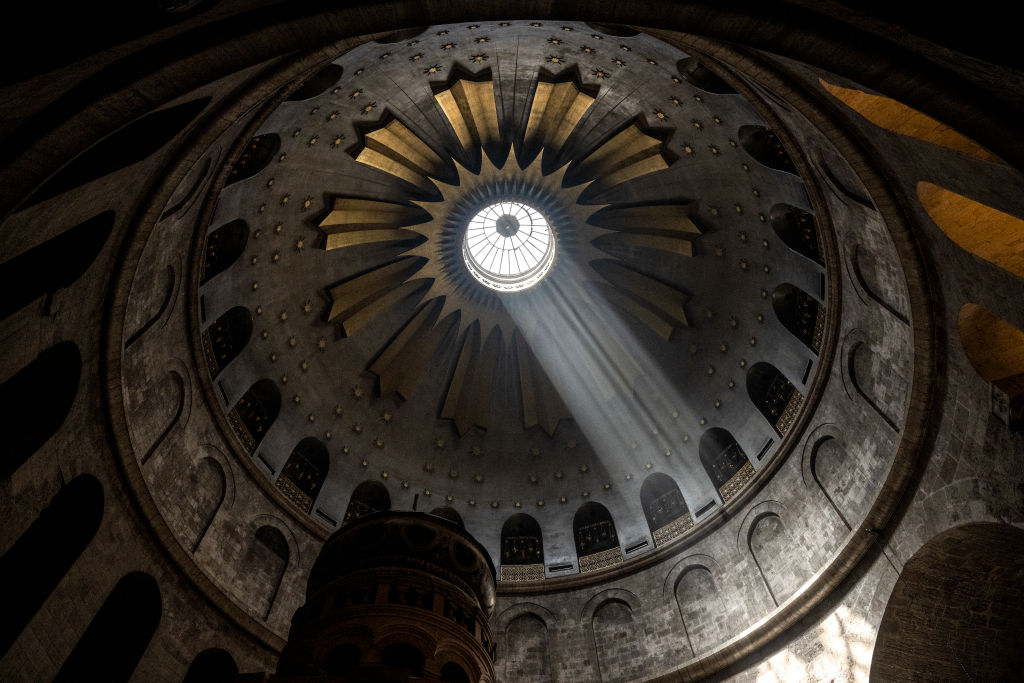
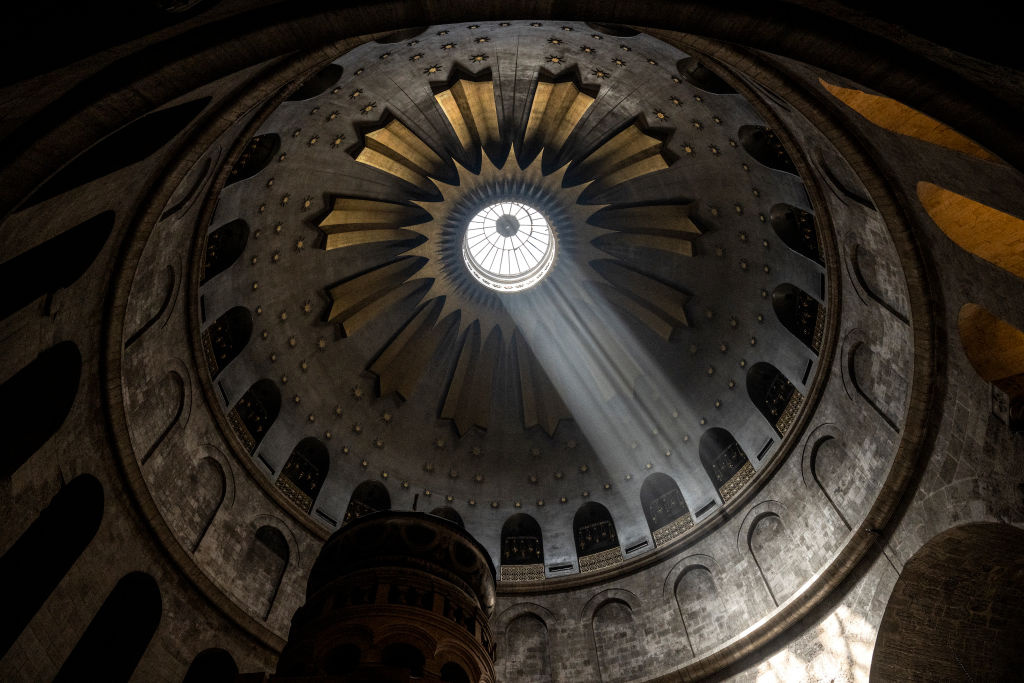
Israeli police block cardinal, custos from entering Church of the Holy Sepulchre #Catholic In an incident described as unprecedented, Israeli police prevented Cardinal Pierbattista Pizzaballa, Latin Patriarch of Jerusalem, along with Father Francesco Patton, Custos of the Holy Land and the official responsible for the Church of the Holy Sepulchre, from entering the church as they made their way to celebrate Palm Sunday Mass.According to a joint statement issued March 29 by the Latin Patriarchate of Jerusalem and the Custody of the Holy Land, police stopped the two church leaders on their way as they were proceeding privately “without any ceremonial or liturgical manifestations,” and forced them to turn back.The statement noted that, for the first time in centuries, this action prevented church leaders from celebrating Palm Sunday Mass at the Church of the Holy Sepulchre. It described the incident as a “serious and dangerous precedent,” adding that it “disregards the sentiments of millions of believers around the world whose eyes turn to Jerusalem during this week."Isaac Herzog, president of Israel, said in a statement on social media that he called Pizzaballa the Patton to express sorrow over the incident. “I clarified that the incident stemmed from security concerns due to the continuous threat of missile attacks from the Iranian terror regime against the civilian population in Israel, following previous incidents in which Iranian missiles fell in the area of the Old City of Jerusalem in recent days,” Herzog wrote. “I reaffirmed the State of Israelʼs unwavering commitment to freedom of religion for all faiths and to upholding the status quo at the holy sites of Jerusalem.”Mike Huckabee, U.S. ambassador to Israel, expressed gratitude for Herzogʼs “conciliatory” and “gracious” statement in a post on social media.TweetThe March 29 statement by the Latin Patriarchate of Jerusalem and the Custody of the Holy Land emphasized that church leaders had acted with full responsibility, noting that since the beginning of the war they had complied with all imposed restrictions, including canceling public gatherings and limiting attendance, while relying instead on broadcast celebrations reaching hundreds of millions of faithful worldwide during the Easter season. It further stressed that preventing the patriarch and the custos of the Holy Land—who represent the highest ecclesiastical authorities responsible for the Catholic Church and the holy sites—from entering the church constitutes a measure that is “clearly unreasonable and disproportionate.”The decision, the statement added, was “hasty and based on flawed grounds,” “tainted by inappropriate considerations,” and represents “a serious departure from the fundamental principles of reasonableness, freedom of worship, and respect for the status quo.” In conclusion, the two church leaders expressed their “deep regret” to Christians in the Holy Land and around the world after “prayer on one of the holiest days of the Christian calendar was prevented in this manner.” Celebrations under restrictionsOn the security front, Jerusalem and the wider Holy Land continue to experience heightened tensions amid the ongoing regional conflict, which has directly affected daily life and the practice of religious rites. According to media reports, preparations for religious celebrations such as Easter and Holy Saturday have been accompanied by strict security measures, with some traditional events canceled due to security threats and reports of rockets landing near religious sites in the Holy City. Authorities have imposed limits on gatherings and restricted access to certain holy places.Pizzaballa has repeatedly highlighted the deep suffering of Christians in the region amid the ongoing conflict, calling for prayer and support for Christian communities facing increasing challenges due to war and insecurity. In previous statements, he emphasized the importance of providing spiritual and moral support to Christians in the Holy Land, underscoring the need for them to remain in their homeland and affirming that the Church continues its mission and services despite ongoing risks.Reports from religious and community sources have also pointed to a rise in attacks against Christians and Christian properties in the West Bank and Jerusalem, including acts of violence by settlers. These developments, according to various reports, reflect the deteriorating security conditions for Palestinian Christian communities amid ongoing settlement expansion, increasing the risk of displacement and further diminishing their historic presence in the Holy Land.This story was updated at 1 p.m. ET on March 29, 2026, to include comments from Isaac Herzog, president of Israel, and Mike Huckabee, U.S. ambassador to Israel.

Israeli police block cardinal, custos from entering Church of the Holy Sepulchre #Catholic In an incident described as unprecedented, Israeli police prevented Cardinal Pierbattista Pizzaballa, Latin Patriarch of Jerusalem, along with Father Francesco Patton, Custos of the Holy Land and the official responsible for the Church of the Holy Sepulchre, from entering the church as they made their way to celebrate Palm Sunday Mass.According to a joint statement issued March 29 by the Latin Patriarchate of Jerusalem and the Custody of the Holy Land, police stopped the two church leaders on their way as they were proceeding privately “without any ceremonial or liturgical manifestations,” and forced them to turn back.The statement noted that, for the first time in centuries, this action prevented church leaders from celebrating Palm Sunday Mass at the Church of the Holy Sepulchre. It described the incident as a “serious and dangerous precedent,” adding that it “disregards the sentiments of millions of believers around the world whose eyes turn to Jerusalem during this week."Isaac Herzog, president of Israel, said in a statement on social media that he called Pizzaballa the Patton to express sorrow over the incident. “I clarified that the incident stemmed from security concerns due to the continuous threat of missile attacks from the Iranian terror regime against the civilian population in Israel, following previous incidents in which Iranian missiles fell in the area of the Old City of Jerusalem in recent days,” Herzog wrote. “I reaffirmed the State of Israelʼs unwavering commitment to freedom of religion for all faiths and to upholding the status quo at the holy sites of Jerusalem.”Mike Huckabee, U.S. ambassador to Israel, expressed gratitude for Herzogʼs “conciliatory” and “gracious” statement in a post on social media.TweetThe March 29 statement by the Latin Patriarchate of Jerusalem and the Custody of the Holy Land emphasized that church leaders had acted with full responsibility, noting that since the beginning of the war they had complied with all imposed restrictions, including canceling public gatherings and limiting attendance, while relying instead on broadcast celebrations reaching hundreds of millions of faithful worldwide during the Easter season. It further stressed that preventing the patriarch and the custos of the Holy Land—who represent the highest ecclesiastical authorities responsible for the Catholic Church and the holy sites—from entering the church constitutes a measure that is “clearly unreasonable and disproportionate.”The decision, the statement added, was “hasty and based on flawed grounds,” “tainted by inappropriate considerations,” and represents “a serious departure from the fundamental principles of reasonableness, freedom of worship, and respect for the status quo.” In conclusion, the two church leaders expressed their “deep regret” to Christians in the Holy Land and around the world after “prayer on one of the holiest days of the Christian calendar was prevented in this manner.” Celebrations under restrictionsOn the security front, Jerusalem and the wider Holy Land continue to experience heightened tensions amid the ongoing regional conflict, which has directly affected daily life and the practice of religious rites. According to media reports, preparations for religious celebrations such as Easter and Holy Saturday have been accompanied by strict security measures, with some traditional events canceled due to security threats and reports of rockets landing near religious sites in the Holy City. Authorities have imposed limits on gatherings and restricted access to certain holy places.Pizzaballa has repeatedly highlighted the deep suffering of Christians in the region amid the ongoing conflict, calling for prayer and support for Christian communities facing increasing challenges due to war and insecurity. In previous statements, he emphasized the importance of providing spiritual and moral support to Christians in the Holy Land, underscoring the need for them to remain in their homeland and affirming that the Church continues its mission and services despite ongoing risks.Reports from religious and community sources have also pointed to a rise in attacks against Christians and Christian properties in the West Bank and Jerusalem, including acts of violence by settlers. These developments, according to various reports, reflect the deteriorating security conditions for Palestinian Christian communities amid ongoing settlement expansion, increasing the risk of displacement and further diminishing their historic presence in the Holy Land.This story was updated at 1 p.m. ET on March 29, 2026, to include comments from Isaac Herzog, president of Israel, and Mike Huckabee, U.S. ambassador to Israel.

Police stopped the two church leaders on their way as they were proceeding privately “without any ceremonial or liturgical manifestations,” and forced them to turn back.

Read More
Pope Leo XIV says God ‘does not listen’ to prayers of those who wage war #Catholic Pope Leo XIV on Palm Sunday sharply condemned war and the use of religion to justify violence, saying during Mass in St. Peter’s Square that God “does not listen to the prayers of those who wage war.”At the start of Holy Week, the pope tied the Church’s contemplation of Christ’s Passion to the suffering of people caught in today’s conflicts, especially Christians in the Middle East.In his Palm Sunday homily, Leo repeatedly presented Christ as the “King of Peace,” contrasting Jesus’ meekness with the violence surrounding him as he entered into his Passion.“We turn our gaze to Jesus, who reveals himself as King of Peace, even as war looms abounds him,” the pope said. “He remains steadfast in meekness, while others are stirring up violence.”Leo said Christ “did not arm himself, or defend himself, or fight any war” but instead “revealed the gentle face of God, who always rejects violence.”“Rather than saving himself, he allowed himself to be nailed to the cross, embracing every cross borne in every time and place throughout human history,” the pope said.The pope then issued one of the strongest lines of his homily, rejecting any attempt to invoke God in support of armed conflict.“Brothers and sisters, this is our God: Jesus, King of Peace, who rejects war, whom no one can use to justify war,” Leo said. “He does not listen to the prayers of those who wage war, but rejects them, saying: ‘Even though you make many prayers, I will not listen: your hands are full of blood.’”The Palm Sunday liturgy, which opened Holy Week, began with the traditional procession in St. Peter’s Square with cardinals, bishops, priests, religious, and thousands of faithful carrying palms and olive branches.In his homily, Leo reflected on Jesus’ entry into Jerusalem on a donkey rather than a war horse, saying the moment fulfilled the prophecy of a king who would “command peace to the nations.”Recalling the Gospel account of Peter drawing a sword to defend Jesus, Leo cited Christ’s rebuke: “Put your sword back into its place, for all who take the sword will perish by the sword.”The pope said that in the crucified Christ “we can see a crucified humanity.”“In his wounds, we see the hurts of so many women and men today,” he said. “Above all, we hear the painful groans of all those who are oppressed by violence and are victims of war.”“Christ, King of Peace, cries out again from his cross: God is love! Have mercy! Lay down your weapons! Remember that you are brothers and sisters!”Following the Mass, Leo returned to the theme of war during the Angelus, praying in particular for Christians in the Middle East who have been prevented in some places from fully taking part in Holy Week rites.“At the beginning of Holy Week, our prayers are more than ever with the Christians of the Middle East, who are suffering the consequences of a brutal conflict and, in many cases, are unable to observe fully the liturgies of these holy days,” he said.“Just as the Church contemplates the mystery of the Lord’s Passion, we cannot forget those who today are truly sharing in his suffering. Their ordeal challenges all our consciences.”The pope added: “Let us raise our prayer to the Prince of Peace that he may sustain the peoples wounded by war and open concrete paths to reconciliation and peace.”Leo also remembered “the maritime workers who have fallen victim to the conflict,” adding: “I pray for the deceased, the wounded and their families. Land, sky and sea were all created for life and peace!”He further called attention to migrants who died in the Mediterranean, saying: “Let us also pray for all the migrants who have died at sea, especially those who lost their lives in recent days off the coast of Crete.”Near the end of his homily, the pope entrusted his plea for peace to the intercession of Mary, quoting the Servant of God Bishop Tonino Bello and praying that “the tears of all the victims of violence and pain will soon be dried up.”He concluded the Angelus by asking the Virgin Mary to accompany the faithful through the days ahead.“May she guide us during these holy days, so that we may follow Jesus, our Savior, with faith and love,” he said.This story was first published in two parts by ACI Prensa, EWTN News’ Spanish-language news partner. It has been translated and adapted by EWTN News English.

Pope Leo XIV says God ‘does not listen’ to prayers of those who wage war #Catholic Pope Leo XIV on Palm Sunday sharply condemned war and the use of religion to justify violence, saying during Mass in St. Peter’s Square that God “does not listen to the prayers of those who wage war.”At the start of Holy Week, the pope tied the Church’s contemplation of Christ’s Passion to the suffering of people caught in today’s conflicts, especially Christians in the Middle East.In his Palm Sunday homily, Leo repeatedly presented Christ as the “King of Peace,” contrasting Jesus’ meekness with the violence surrounding him as he entered into his Passion.“We turn our gaze to Jesus, who reveals himself as King of Peace, even as war looms abounds him,” the pope said. “He remains steadfast in meekness, while others are stirring up violence.”Leo said Christ “did not arm himself, or defend himself, or fight any war” but instead “revealed the gentle face of God, who always rejects violence.”“Rather than saving himself, he allowed himself to be nailed to the cross, embracing every cross borne in every time and place throughout human history,” the pope said.The pope then issued one of the strongest lines of his homily, rejecting any attempt to invoke God in support of armed conflict.“Brothers and sisters, this is our God: Jesus, King of Peace, who rejects war, whom no one can use to justify war,” Leo said. “He does not listen to the prayers of those who wage war, but rejects them, saying: ‘Even though you make many prayers, I will not listen: your hands are full of blood.’”The Palm Sunday liturgy, which opened Holy Week, began with the traditional procession in St. Peter’s Square with cardinals, bishops, priests, religious, and thousands of faithful carrying palms and olive branches.In his homily, Leo reflected on Jesus’ entry into Jerusalem on a donkey rather than a war horse, saying the moment fulfilled the prophecy of a king who would “command peace to the nations.”Recalling the Gospel account of Peter drawing a sword to defend Jesus, Leo cited Christ’s rebuke: “Put your sword back into its place, for all who take the sword will perish by the sword.”The pope said that in the crucified Christ “we can see a crucified humanity.”“In his wounds, we see the hurts of so many women and men today,” he said. “Above all, we hear the painful groans of all those who are oppressed by violence and are victims of war.”“Christ, King of Peace, cries out again from his cross: God is love! Have mercy! Lay down your weapons! Remember that you are brothers and sisters!”Following the Mass, Leo returned to the theme of war during the Angelus, praying in particular for Christians in the Middle East who have been prevented in some places from fully taking part in Holy Week rites.“At the beginning of Holy Week, our prayers are more than ever with the Christians of the Middle East, who are suffering the consequences of a brutal conflict and, in many cases, are unable to observe fully the liturgies of these holy days,” he said.“Just as the Church contemplates the mystery of the Lord’s Passion, we cannot forget those who today are truly sharing in his suffering. Their ordeal challenges all our consciences.”The pope added: “Let us raise our prayer to the Prince of Peace that he may sustain the peoples wounded by war and open concrete paths to reconciliation and peace.”Leo also remembered “the maritime workers who have fallen victim to the conflict,” adding: “I pray for the deceased, the wounded and their families. Land, sky and sea were all created for life and peace!”He further called attention to migrants who died in the Mediterranean, saying: “Let us also pray for all the migrants who have died at sea, especially those who lost their lives in recent days off the coast of Crete.”Near the end of his homily, the pope entrusted his plea for peace to the intercession of Mary, quoting the Servant of God Bishop Tonino Bello and praying that “the tears of all the victims of violence and pain will soon be dried up.”He concluded the Angelus by asking the Virgin Mary to accompany the faithful through the days ahead.“May she guide us during these holy days, so that we may follow Jesus, our Savior, with faith and love,” he said.This story was first published in two parts by ACI Prensa, EWTN News’ Spanish-language news partner. It has been translated and adapted by EWTN News English.

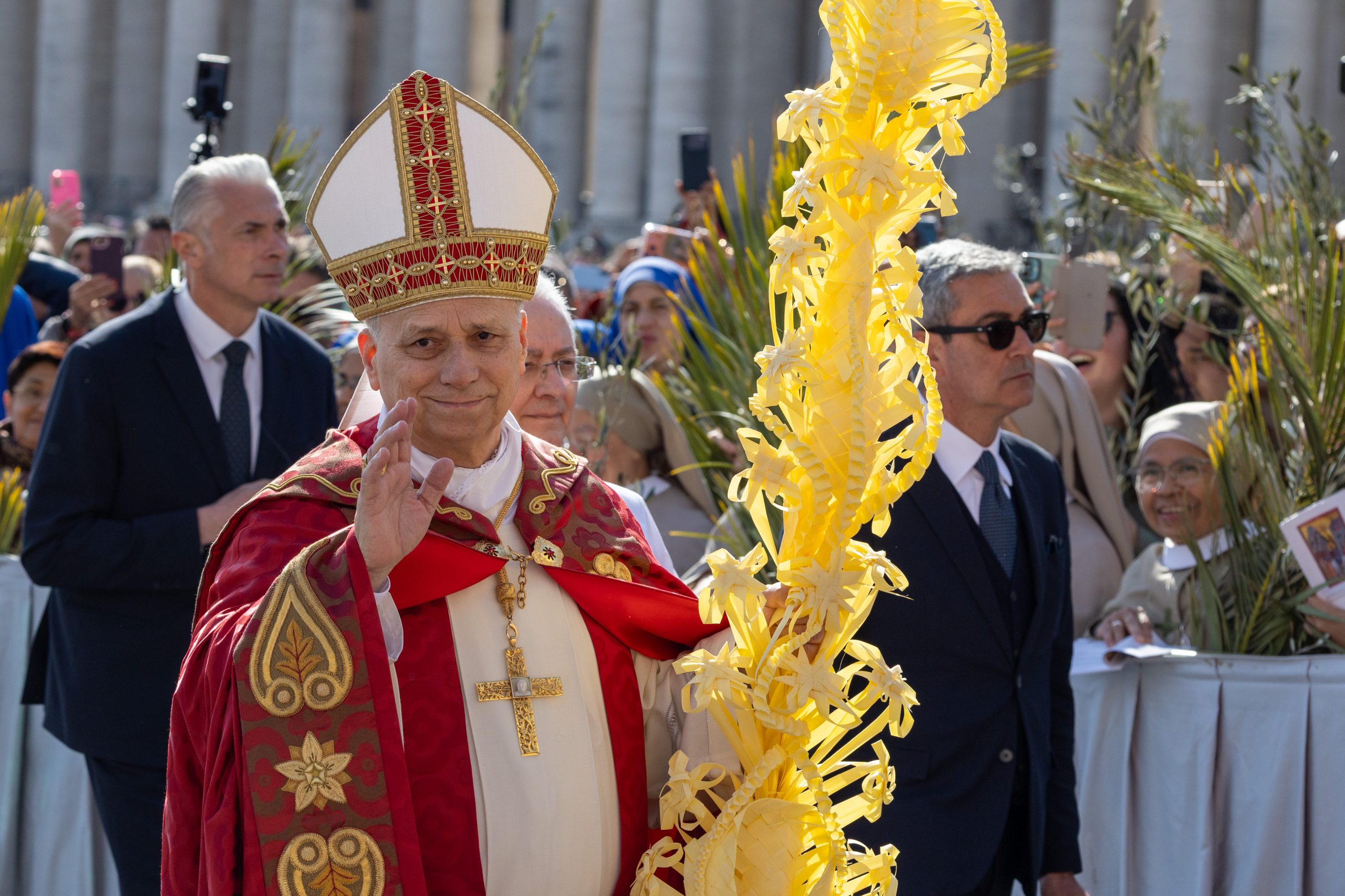
At Palm Sunday Mass and the Angelus following it, the pope prayed for Middle East Christians, victims of war, and migrants who died at sea off Crete.

Read More