Day: April 6, 2026

‘Searching for the Messiah’ explores experiences of recent Jewish converts – #Catholic – The latest film from Goya Productions, “Searching for the Messiah” explores the experiences of people of Jewish origin who have embraced Jesus as the Anointed One (the Christ), in whom God’s promises to his people are fulfilled.The documentary, directed by Andrés Garrigó, is set to premiere in Spain on April 10. It is headed to Mexico and Central America later this month, followed by distribution in the United States later in the year. The film traces the journeys of figures from both the present day and recent history who, from their Jewish origins, traveled the path toward recognizing Jesus as the Messiah awaited by the people of the Old Covenant.The film takes an approach that is in keeping with the Second Vatican Council’s declaration Nostra Aetate. That document emphasizes that “the Church, mindful of the patrimony she shares with the Jews and moved not by political reasons but by the Gospelʼs spiritual love, decries hatred, persecutions, displays of anti-Semitism, directed against Jews at any time and by anyone.”Following that declaration, St. Paul VI became the first pope to travel to the Holy Land in the modern era. Subsequently, St. John Paul II visited Rome’s synagogue and established diplomatic relations with Israel. Both St. John Paul II and Benedict XVI visited the Auschwitz death camp. Pope Francis and Leo XIV further developed the path charted by Nostra Aetate.In a statement to ACI Prensa, the Spanish-language sister service of EWTN News, Goya Productions indicated that in the version of the film to be distributed in the United States, “only the testimonies originally in French, Spanish, and Portuguese will require dubbing” and that “more than half of the film will remain in its original English.”The U.S. version will also feature an additional testimony from Dr. Robin Pierucci, a Jewish convert and neonatologist living in Kalamazoo, Michigan. Other testimonies to be highlighted inlude those of French philosopher Fabrice Hadjadj, Harvard Business School professor Roy Schoeman, Brazilian philosopher Edgar Leite Ferreira, British literary critic Robert Asch, American author Dawn Eden Goldstein, and Argentine professor of biblical pastoral studies Luciana Rogowicz.Garrigó told ACI Prensa that the subject of the film is one “that hasn’t been explored in cinema; people are a bit wary of it.” He said the idea for the film originally came from a person in Mexico. “We didn’t think it would be possible, but after reflecting on it and later conducting research, we discovered that there were amazing people who had things to say about the Messiah and about discovering [him] from the point of view of Judaism,” he said.‘Our greatest loves are Jewish’Garrigó said the central narrative theme of the film is particularly captured in a recording of St. Josemaría Escrivá. In it, the Spanish saint, during one of his well-known informal gatherings, responds to a question from a young Jewish girl whose parents will not allow her to be baptized.“As St. Josemaría himself states right there, our greatest loves are Jewish, aren’t they? They are Jesus and the Virgin,” Garrigó said.From that standpoint, “everything else is an attitude of openness; and they — the moment they discover Jesus — become deeply committed, the ones who feel called to fulfill an eternal design: that of a chosen people who in the end complete their journey,” the director said.“They still feel Jewish after their conversion, yet Jewish in a way that fulfills what Jesus had envisioned for them,” he added.“Searching for the Messiah” also explores other figures of Jewish origin who embraced the Catholic faith, particularly during the last century: Rome’s chief rabbi, Eugenio Zolli; St. Edith Stein, a German philosopher who became a Carmelite nun and was canonized by St. John Paul II, who named her a patroness of Europe and a doctor of the Church; Dr. Bernard Nathanson, who before his conversion was known as one of the most staunch abortion advocates in U.S. history; and the French poet Max Jacob, whose baptismal godfather was his friend Pablo Picasso. This story was first published by ACI Prensa, the Spanish-language sister service of EWTN News. It has been translated and adapted by EWTN News English.

‘Searching for the Messiah’ explores experiences of recent Jewish converts – #Catholic – The latest film from Goya Productions, “Searching for the Messiah” explores the experiences of people of Jewish origin who have embraced Jesus as the Anointed One (the Christ), in whom God’s promises to his people are fulfilled.The documentary, directed by Andrés Garrigó, is set to premiere in Spain on April 10. It is headed to Mexico and Central America later this month, followed by distribution in the United States later in the year. The film traces the journeys of figures from both the present day and recent history who, from their Jewish origins, traveled the path toward recognizing Jesus as the Messiah awaited by the people of the Old Covenant.The film takes an approach that is in keeping with the Second Vatican Council’s declaration Nostra Aetate. That document emphasizes that “the Church, mindful of the patrimony she shares with the Jews and moved not by political reasons but by the Gospelʼs spiritual love, decries hatred, persecutions, displays of anti-Semitism, directed against Jews at any time and by anyone.”Following that declaration, St. Paul VI became the first pope to travel to the Holy Land in the modern era. Subsequently, St. John Paul II visited Rome’s synagogue and established diplomatic relations with Israel. Both St. John Paul II and Benedict XVI visited the Auschwitz death camp. Pope Francis and Leo XIV further developed the path charted by Nostra Aetate.In a statement to ACI Prensa, the Spanish-language sister service of EWTN News, Goya Productions indicated that in the version of the film to be distributed in the United States, “only the testimonies originally in French, Spanish, and Portuguese will require dubbing” and that “more than half of the film will remain in its original English.”The U.S. version will also feature an additional testimony from Dr. Robin Pierucci, a Jewish convert and neonatologist living in Kalamazoo, Michigan. Other testimonies to be highlighted inlude those of French philosopher Fabrice Hadjadj, Harvard Business School professor Roy Schoeman, Brazilian philosopher Edgar Leite Ferreira, British literary critic Robert Asch, American author Dawn Eden Goldstein, and Argentine professor of biblical pastoral studies Luciana Rogowicz.Garrigó told ACI Prensa that the subject of the film is one “that hasn’t been explored in cinema; people are a bit wary of it.” He said the idea for the film originally came from a person in Mexico. “We didn’t think it would be possible, but after reflecting on it and later conducting research, we discovered that there were amazing people who had things to say about the Messiah and about discovering [him] from the point of view of Judaism,” he said.‘Our greatest loves are Jewish’Garrigó said the central narrative theme of the film is particularly captured in a recording of St. Josemaría Escrivá. In it, the Spanish saint, during one of his well-known informal gatherings, responds to a question from a young Jewish girl whose parents will not allow her to be baptized.“As St. Josemaría himself states right there, our greatest loves are Jewish, aren’t they? They are Jesus and the Virgin,” Garrigó said.From that standpoint, “everything else is an attitude of openness; and they — the moment they discover Jesus — become deeply committed, the ones who feel called to fulfill an eternal design: that of a chosen people who in the end complete their journey,” the director said.“They still feel Jewish after their conversion, yet Jewish in a way that fulfills what Jesus had envisioned for them,” he added.“Searching for the Messiah” also explores other figures of Jewish origin who embraced the Catholic faith, particularly during the last century: Rome’s chief rabbi, Eugenio Zolli; St. Edith Stein, a German philosopher who became a Carmelite nun and was canonized by St. John Paul II, who named her a patroness of Europe and a doctor of the Church; Dr. Bernard Nathanson, who before his conversion was known as one of the most staunch abortion advocates in U.S. history; and the French poet Max Jacob, whose baptismal godfather was his friend Pablo Picasso. This story was first published by ACI Prensa, the Spanish-language sister service of EWTN News. It has been translated and adapted by EWTN News English.

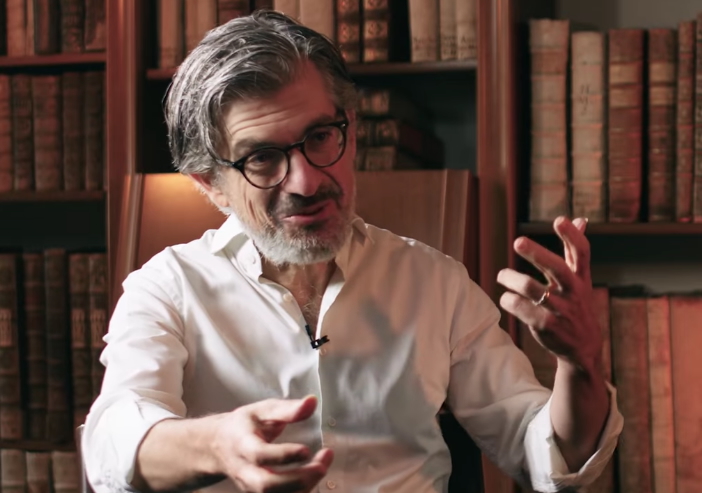
A film that features the testimonies of people of Jewish origin who in recent times have professed faith in Jesus after coming to the conclusion that he is the long-awaited Messiah.
Read More
Pope Leo XIV: Every vocation is a ‘path of beauty’ – #Catholic – The Vatican has published Pope Leo XIV’s message for the 63rd World Day of Prayer for Vocations, which will be celebrated on April 26, the Fourth Sunday of Easter, or Good Shepherd Sunday.Titled “The Interior Discovery of God’s Gift,” the Holy Father in the message reflects on the interior dimension of vocation, understood as “the discovery of God’s free gift that blossoms in the depths of our hearts.”In his message, the pope refers to vocation as “a path of beauty” — one along which, if traveled, life becomes “truly beautiful.” He notes, however, that to perceive this beauty, it is necessary to cultivate one’s interior life.“The distinctive trait of the saint is the luminous spiritual beauty that radiates from his or her life in Christ,” the pope affirms.Citing the experience of St. Augustine, the Holy Father invites everyone to discover the presence of God in the innermost recesses of the soul by cultivating prayer and silence. Furthermore, he emphasizes that the gift of vocation is “never an imposition or a one-size-fits-all model to which one merely conforms; instead, it is an adventure of love and happiness.”“Only when our surroundings are illumined by living faith, sustained by constant prayer, and enriched by fraternal accompaniment can God’s call blossom and mature, becoming a path of happiness and salvation for individuals and for the world,” he noted.The pope also reminds us that God “knows us profoundly” and points out that this knowledge must be mutual: “We are invited to know God through prayer, listening to the word, the sacraments, the life of the Church, and works of charity for our brothers and sisters.”He clarifies that this is not a matter of abstract intellectual knowledge or academic learning but rather of “a personal encounter that transforms one’s life.”“Dear young people, listen to this voice! Listen to the voice of the Lord who invites you to a full and fruitful life, calling you to put your talents to use (cf. Mt 25:14-30) and to unite your limitations and weaknesses with the glorious cross of Christ.”The pope recommends dedicating time to Eucharistic adoration and meditating on the word of God in order to come to know the Lord and give oneself fully to one’s vocation — whether it be to marriage, the priesthood, or consecrated or religious life.Life is a continual act of ‘trusting in the Lord’To know the Lord, Leo XIV continues, means “above all learning to entrust oneself to him and to his providence.” He proposes St. Joseph as a model of this trust and encourages the faithful to cultivate it without ever yielding to despair: “We must overcome fears and doubts, confident that the Lord of history — both of the world and of our own personal story — is risen.”“He does not abandon us in our darkest hours but comes to dispel every shadow with his light. Through the light and strength of his Spirit, even amid trials and crises, we can see our vocation grow and mature, reflecting ever more fully the beauty of the One who has called us — a beauty shaped by fidelity and trust, despite our wounds and failures,” he affirms.At the conclusion of his message, the Holy Father recalls that a vocation “is not a fixed point” but rather “a dynamic process of maturation.” Therefore, he explains, the “places” where God’s will is revealed — and where we experience his infinite love — are “often the authentic and fraternal bonds we establish throughout our lives.”Consequently, he underscores the need to have a good spiritual guide and, finally, encourages everyone — especially young people — to cultivate their personal relationship with God. “Pause, listen, entrust yourselves. In this way, the gift of your vocation will mature, bringing you happiness, and yielding abundant fruit for the Church and for the world.”This story was first published by ACI Prensa, the Spanish-language sister service of EWTN News. It has been translated and adapted by EWTN News English.

Pope Leo XIV: Every vocation is a ‘path of beauty’ – #Catholic – The Vatican has published Pope Leo XIV’s message for the 63rd World Day of Prayer for Vocations, which will be celebrated on April 26, the Fourth Sunday of Easter, or Good Shepherd Sunday.Titled “The Interior Discovery of God’s Gift,” the Holy Father in the message reflects on the interior dimension of vocation, understood as “the discovery of God’s free gift that blossoms in the depths of our hearts.”In his message, the pope refers to vocation as “a path of beauty” — one along which, if traveled, life becomes “truly beautiful.” He notes, however, that to perceive this beauty, it is necessary to cultivate one’s interior life.“The distinctive trait of the saint is the luminous spiritual beauty that radiates from his or her life in Christ,” the pope affirms.Citing the experience of St. Augustine, the Holy Father invites everyone to discover the presence of God in the innermost recesses of the soul by cultivating prayer and silence. Furthermore, he emphasizes that the gift of vocation is “never an imposition or a one-size-fits-all model to which one merely conforms; instead, it is an adventure of love and happiness.”“Only when our surroundings are illumined by living faith, sustained by constant prayer, and enriched by fraternal accompaniment can God’s call blossom and mature, becoming a path of happiness and salvation for individuals and for the world,” he noted.The pope also reminds us that God “knows us profoundly” and points out that this knowledge must be mutual: “We are invited to know God through prayer, listening to the word, the sacraments, the life of the Church, and works of charity for our brothers and sisters.”He clarifies that this is not a matter of abstract intellectual knowledge or academic learning but rather of “a personal encounter that transforms one’s life.”“Dear young people, listen to this voice! Listen to the voice of the Lord who invites you to a full and fruitful life, calling you to put your talents to use (cf. Mt 25:14-30) and to unite your limitations and weaknesses with the glorious cross of Christ.”The pope recommends dedicating time to Eucharistic adoration and meditating on the word of God in order to come to know the Lord and give oneself fully to one’s vocation — whether it be to marriage, the priesthood, or consecrated or religious life.Life is a continual act of ‘trusting in the Lord’To know the Lord, Leo XIV continues, means “above all learning to entrust oneself to him and to his providence.” He proposes St. Joseph as a model of this trust and encourages the faithful to cultivate it without ever yielding to despair: “We must overcome fears and doubts, confident that the Lord of history — both of the world and of our own personal story — is risen.”“He does not abandon us in our darkest hours but comes to dispel every shadow with his light. Through the light and strength of his Spirit, even amid trials and crises, we can see our vocation grow and mature, reflecting ever more fully the beauty of the One who has called us — a beauty shaped by fidelity and trust, despite our wounds and failures,” he affirms.At the conclusion of his message, the Holy Father recalls that a vocation “is not a fixed point” but rather “a dynamic process of maturation.” Therefore, he explains, the “places” where God’s will is revealed — and where we experience his infinite love — are “often the authentic and fraternal bonds we establish throughout our lives.”Consequently, he underscores the need to have a good spiritual guide and, finally, encourages everyone — especially young people — to cultivate their personal relationship with God. “Pause, listen, entrust yourselves. In this way, the gift of your vocation will mature, bringing you happiness, and yielding abundant fruit for the Church and for the world.”This story was first published by ACI Prensa, the Spanish-language sister service of EWTN News. It has been translated and adapted by EWTN News English.

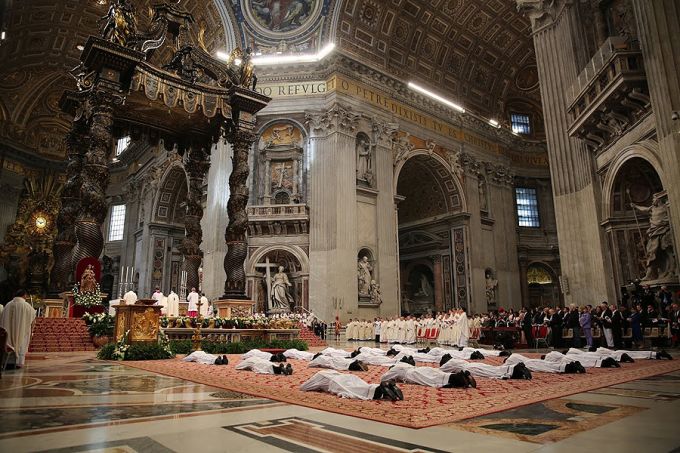
In a message for the World Day of Prayer for Vocations titled “The Interior Discovery of God’s Gift,” the Holy Father reflects on the interior dimension of one’s vocation.

Read More
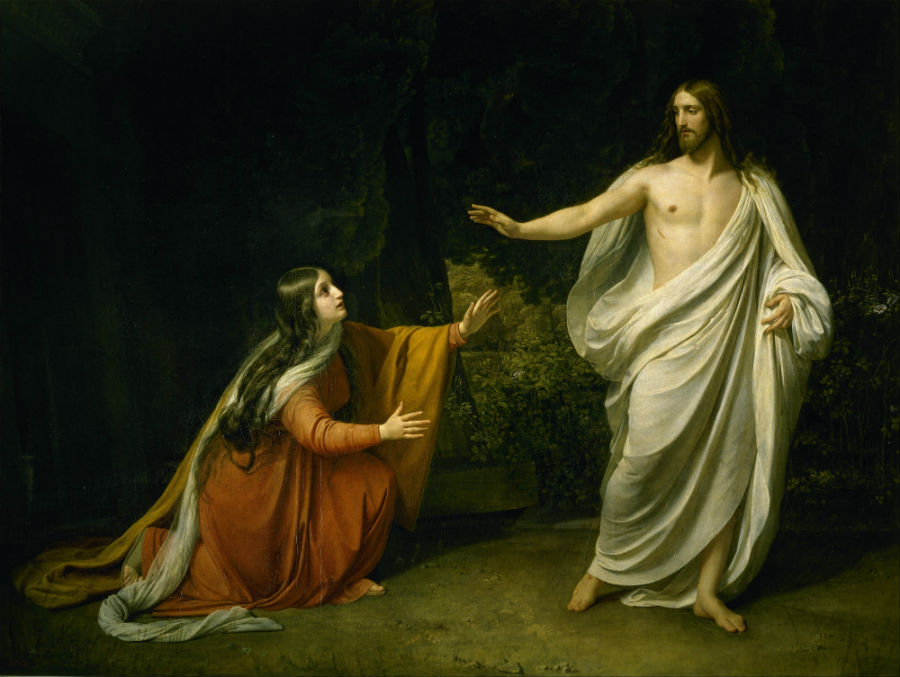
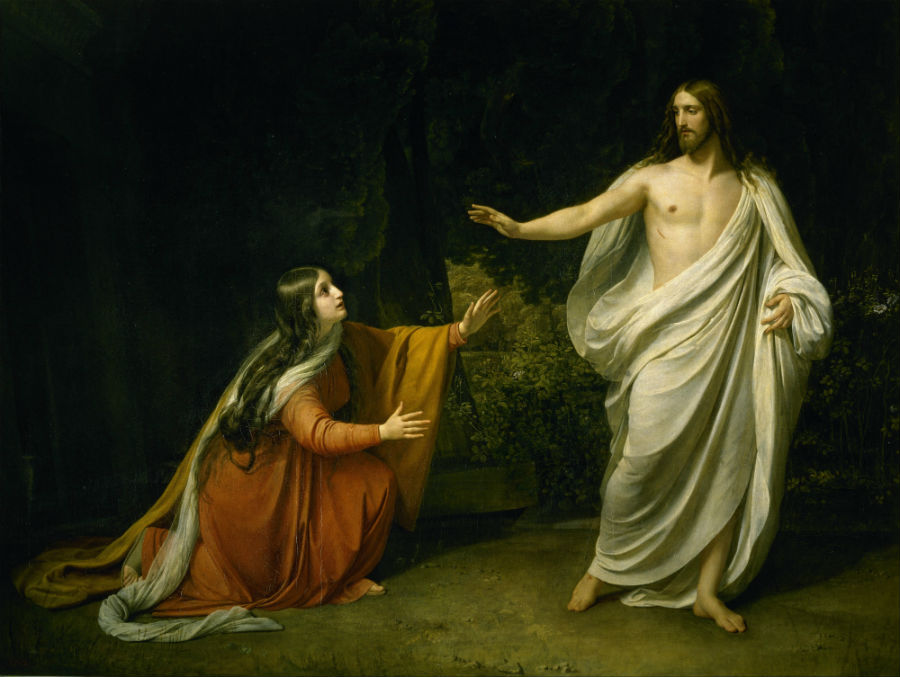
Why the Catholic Church celebrates Easter Monday under the title ‘Monday of the Angel’ – #Catholic – On Easter Monday, the Catholic Church celebrates what is called “Monday of the Angel.” In many countries in Europe and South America, this day, also known as “Little Easter,” is a national holiday.In a Vatican Radio recording in 1994, Pope John Paul II gave an explanation for Monday of the Angel.“Why is it called that?” the pope asked, highlighting the need for an angel to call out from the depths of the grave: “He is risen.”These words “were very difficult to proclaim, to express, for a person,” John Paul II said. “Also, the women that were at the tomb encountered it empty but couldn’t tell ‘he had risen’; they only affirmed that the tomb was empty. The angel said more: ‘He is not here, he has risen.’”The Gospel of St. Matthew puts it this way: “Then the angel said to the women in reply, ‘Do not be afraid! I know that you are seeking Jesus the crucified. He is not here, for he has been raised just as he said. Come and see the place where he lay. Then go quickly and tell his disciples, ‘He has been raised from the dead, and he is going before you to Galilee; there you will see him.’ Behold, I have told you” (Mt 28:5-7).Angels are servants and messengers of God. As purely spiritual beings, they have intellects and wills. They are personal and immortal. They surpass all visible beings in their perfection.Christ himself gave testimony to the angels when he said: “The angels in heaven always see the face of my father who is in heaven!” (Mt 18:10).Christ is the center of the universe and angels belong to him. Even more so, because he made them messengers of his plan of salvation: An angel announced his conception to the Blessed Mother at the Annunciation and an angel proclaimed his resurrection to Mary Magdalene.From Easter Monday until the end of Easter at Pentecost, the Church prays the Regina Caeli instead of the Angelus at the noon hour.On Monday of the Angel in 2008, Pope Benedict XVI said the text of the Regina Caeli “is like a new ‘Annunciation’ to Mary, this time not made by an angel but by us Christians who invite the Mother to rejoice because her Son, whom she carried in her womb, is risen as he promised.”He continued: “Indeed, ‘rejoice’ was the first word that the heavenly messenger addressed to the Virgin in Nazareth. And this is what it meant: Rejoice, Mary, because the Son of God is about to become man within you. Now, after the drama of the Passion, a new invitation to rejoice rings out: ‘Gaude et laetare, Virgo Maria, alleluia, quia surrexit Dominus vere, alleluia’ — Rejoice and be glad, O Virgin Mary, alleluia. Rejoice because the Lord is truly risen, alleluia!”Regina Caeli (English)V. Queen of Heaven, rejoice, alleluia.R. For he whom you did merit to bear, alleluia.V. Has risen, as he said, alleluia.R. Pray for us to God, alleluia.V. Rejoice and be glad, O Virgin Mary, alleluia.R. For the Lord has truly risen, alleluia.V. Let us pray. O God, who gave joy to the world through the resurrection of thy son, Our Lord Jesus Christ, grant we beseech thee, that through the intercession of the Virgin Mary, his mother, we may obtain the joys of everlasting life. Through the same Christ, Our Lord.R. Amen.Regina Caeli (Latin)V. Regina caeli, laetare, alleluia.R. Quia quem meruisti portare, alleluia.V. Resurrexit, sicut dixit, alleluia.R. Ora pro nobis Deum, alleluia.V. Gaude et laetare, Virgo Maria, alleluia.R. Quia surrexit Dominus vere, alleluia.V. Oremus. Deus, qui per resurrectionem Filii tui, Domini nostri Iesu Christi, mundum laetificare dignatus es: praesta, quaesumus; ut per eius Genetricem Virginem Mariam, perpetuae capiamus gaudia vitae. Per eundem Christum Dominum nostrum.R. Amen.This story was first published by ACI Prensa, the Spanish-language sister service of EWTN News, then translated and adapted by the National Catholic Register on March 4, 2021, and updated for EWTN News English on March 28, 2024, and again on April 5, 2026.

Why the Catholic Church celebrates Easter Monday under the title ‘Monday of the Angel’ – #Catholic – On Easter Monday, the Catholic Church celebrates what is called “Monday of the Angel.” In many countries in Europe and South America, this day, also known as “Little Easter,” is a national holiday.In a Vatican Radio recording in 1994, Pope John Paul II gave an explanation for Monday of the Angel.“Why is it called that?” the pope asked, highlighting the need for an angel to call out from the depths of the grave: “He is risen.”These words “were very difficult to proclaim, to express, for a person,” John Paul II said. “Also, the women that were at the tomb encountered it empty but couldn’t tell ‘he had risen’; they only affirmed that the tomb was empty. The angel said more: ‘He is not here, he has risen.’”The Gospel of St. Matthew puts it this way: “Then the angel said to the women in reply, ‘Do not be afraid! I know that you are seeking Jesus the crucified. He is not here, for he has been raised just as he said. Come and see the place where he lay. Then go quickly and tell his disciples, ‘He has been raised from the dead, and he is going before you to Galilee; there you will see him.’ Behold, I have told you” (Mt 28:5-7).Angels are servants and messengers of God. As purely spiritual beings, they have intellects and wills. They are personal and immortal. They surpass all visible beings in their perfection.Christ himself gave testimony to the angels when he said: “The angels in heaven always see the face of my father who is in heaven!” (Mt 18:10).Christ is the center of the universe and angels belong to him. Even more so, because he made them messengers of his plan of salvation: An angel announced his conception to the Blessed Mother at the Annunciation and an angel proclaimed his resurrection to Mary Magdalene.From Easter Monday until the end of Easter at Pentecost, the Church prays the Regina Caeli instead of the Angelus at the noon hour.On Monday of the Angel in 2008, Pope Benedict XVI said the text of the Regina Caeli “is like a new ‘Annunciation’ to Mary, this time not made by an angel but by us Christians who invite the Mother to rejoice because her Son, whom she carried in her womb, is risen as he promised.”He continued: “Indeed, ‘rejoice’ was the first word that the heavenly messenger addressed to the Virgin in Nazareth. And this is what it meant: Rejoice, Mary, because the Son of God is about to become man within you. Now, after the drama of the Passion, a new invitation to rejoice rings out: ‘Gaude et laetare, Virgo Maria, alleluia, quia surrexit Dominus vere, alleluia’ — Rejoice and be glad, O Virgin Mary, alleluia. Rejoice because the Lord is truly risen, alleluia!”Regina Caeli (English)V. Queen of Heaven, rejoice, alleluia.R. For he whom you did merit to bear, alleluia.V. Has risen, as he said, alleluia.R. Pray for us to God, alleluia.V. Rejoice and be glad, O Virgin Mary, alleluia.R. For the Lord has truly risen, alleluia.V. Let us pray. O God, who gave joy to the world through the resurrection of thy son, Our Lord Jesus Christ, grant we beseech thee, that through the intercession of the Virgin Mary, his mother, we may obtain the joys of everlasting life. Through the same Christ, Our Lord.R. Amen.Regina Caeli (Latin)V. Regina caeli, laetare, alleluia.R. Quia quem meruisti portare, alleluia.V. Resurrexit, sicut dixit, alleluia.R. Ora pro nobis Deum, alleluia.V. Gaude et laetare, Virgo Maria, alleluia.R. Quia surrexit Dominus vere, alleluia.V. Oremus. Deus, qui per resurrectionem Filii tui, Domini nostri Iesu Christi, mundum laetificare dignatus es: praesta, quaesumus; ut per eius Genetricem Virginem Mariam, perpetuae capiamus gaudia vitae. Per eundem Christum Dominum nostrum.R. Amen.This story was first published by ACI Prensa, the Spanish-language sister service of EWTN News, then translated and adapted by the National Catholic Register on March 4, 2021, and updated for EWTN News English on March 28, 2024, and again on April 5, 2026.

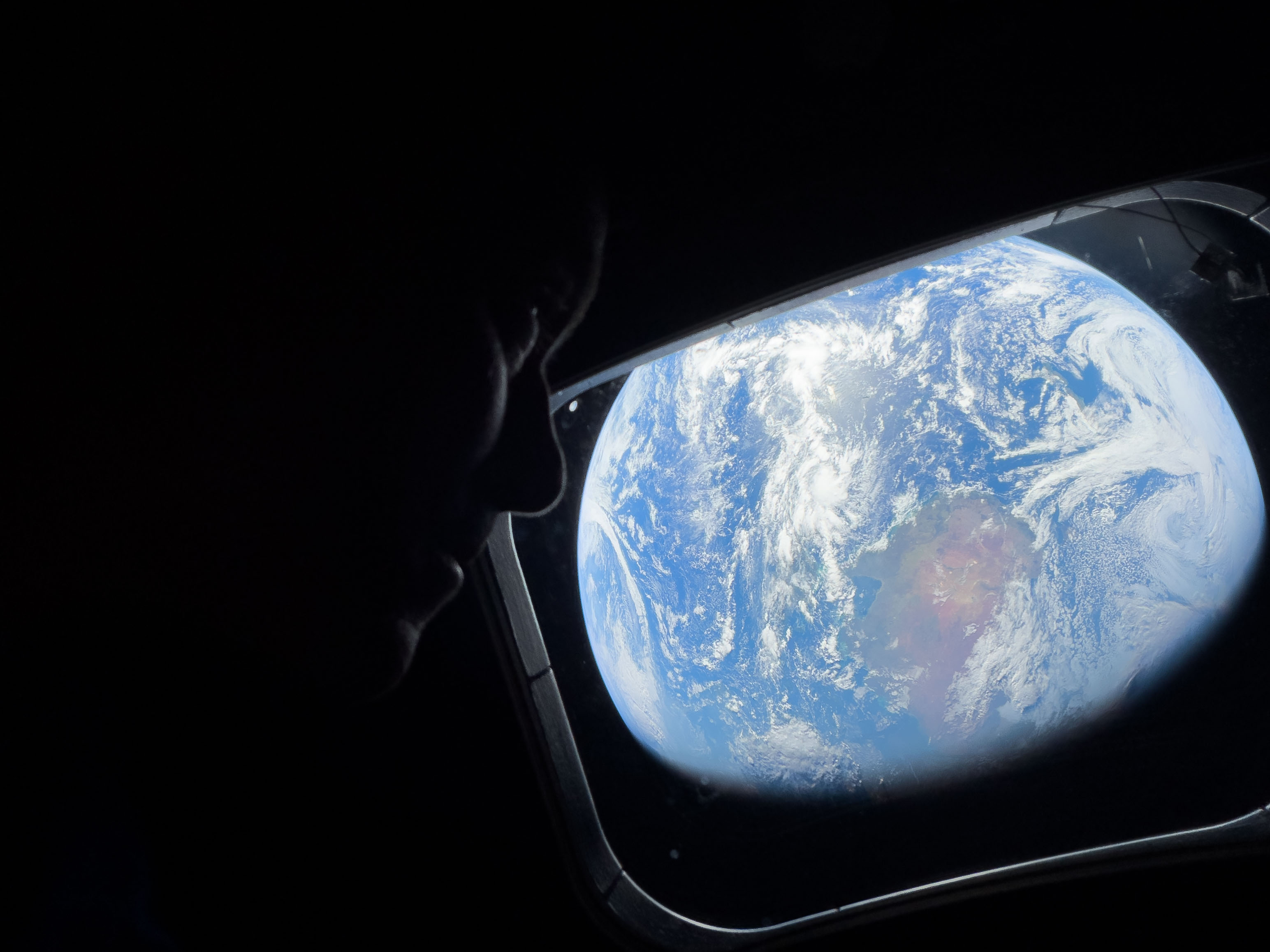
In many countries in Europe and South America, Easter Monday, also known as “Little Easter,” is a national holiday.
Read More