Day: April 7, 2026

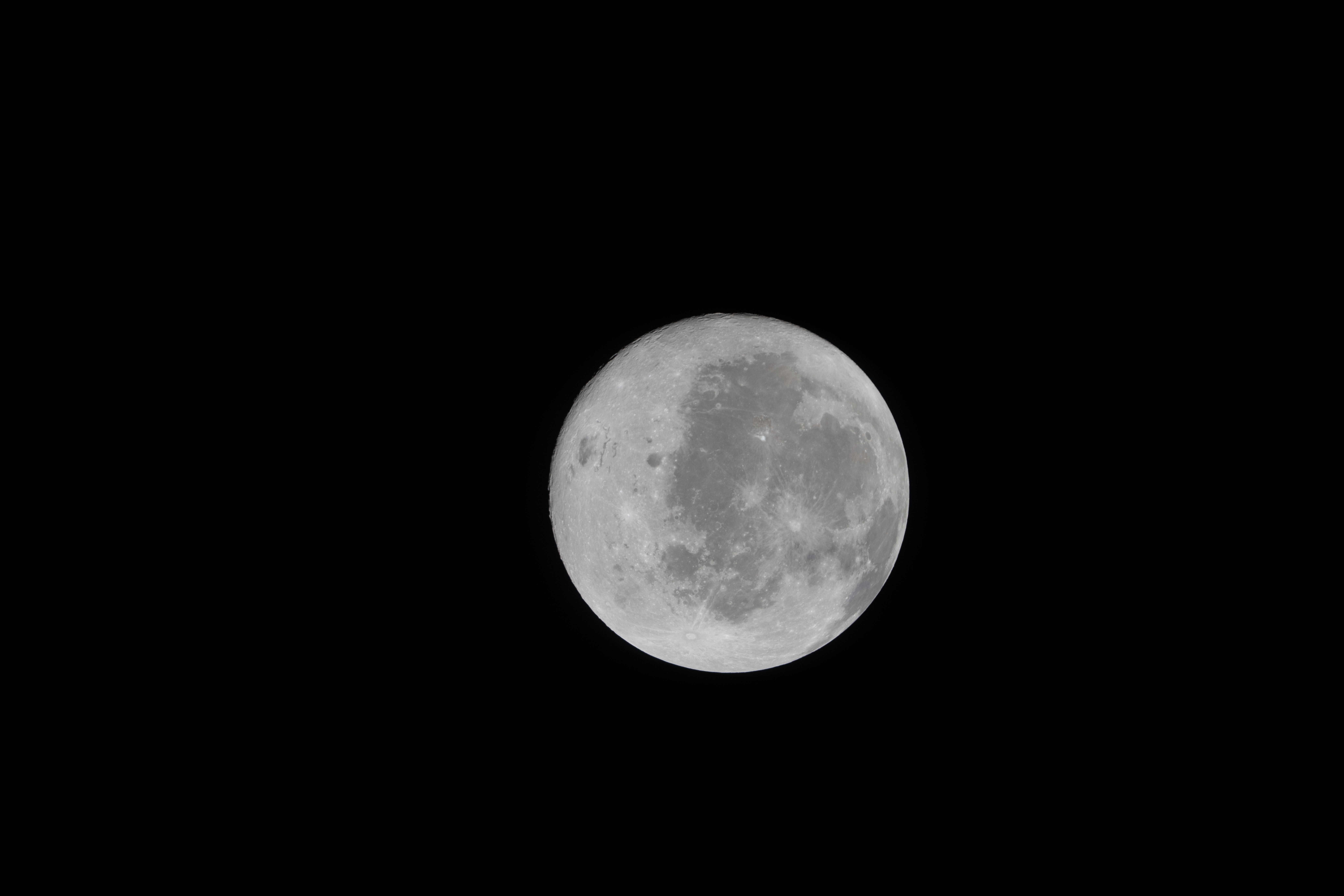
NASA’s Great Observatories – the Hubble Space Telescope, the Compton Gamma Ray Observatory (CGRO), the Chandra X-ray Observatory, and the Spitzer Space Telescope – were launched between 1990 and 2003, each intended to observe the universe in a different wavelength. Hubble, launched in 1990 and still operational today, observes primarily in visible light and near-ultraviolet.Continue reading “April 7, 1991: Compton Gamma Ray Observatory is deployed”

The post April 7, 1991: Compton Gamma Ray Observatory is deployed appeared first on Astronomy Magazine.

Read More
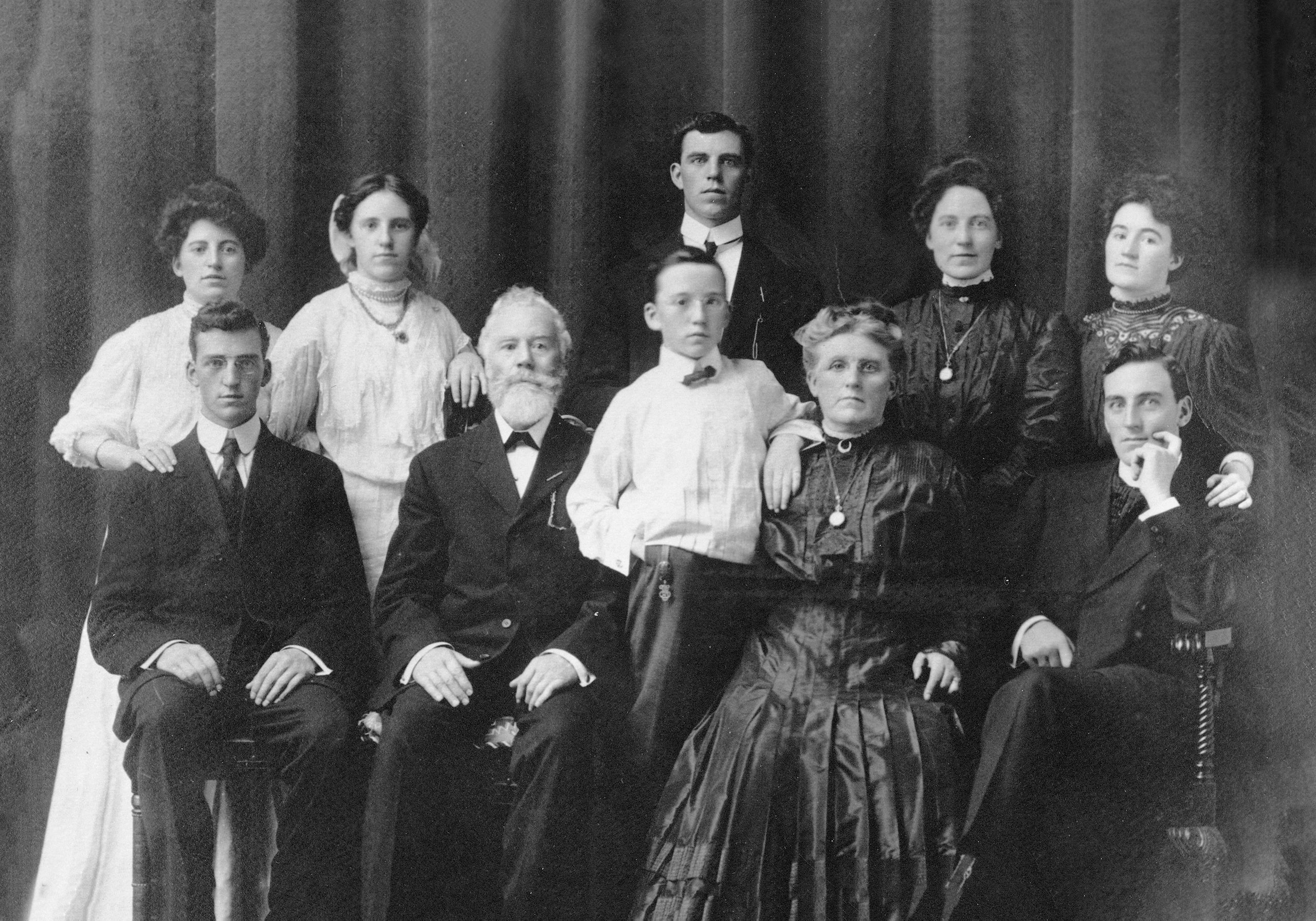
Irish childhood shaped Father Flanagan’s lifelong work with youth – #Catholic – A loving Catholic family at home in Ireland provided the foundations and values that led Venerable Father Edward Flanagan to establish Boys Town in Omaha, Nebraska, according to experts on his life in Ireland.Flanagan, who was born and raised in the small village of Ballymoe, Ireland, before emigrating to the United States, was declared venerable on March 23 by Pope Leo XIV.
 
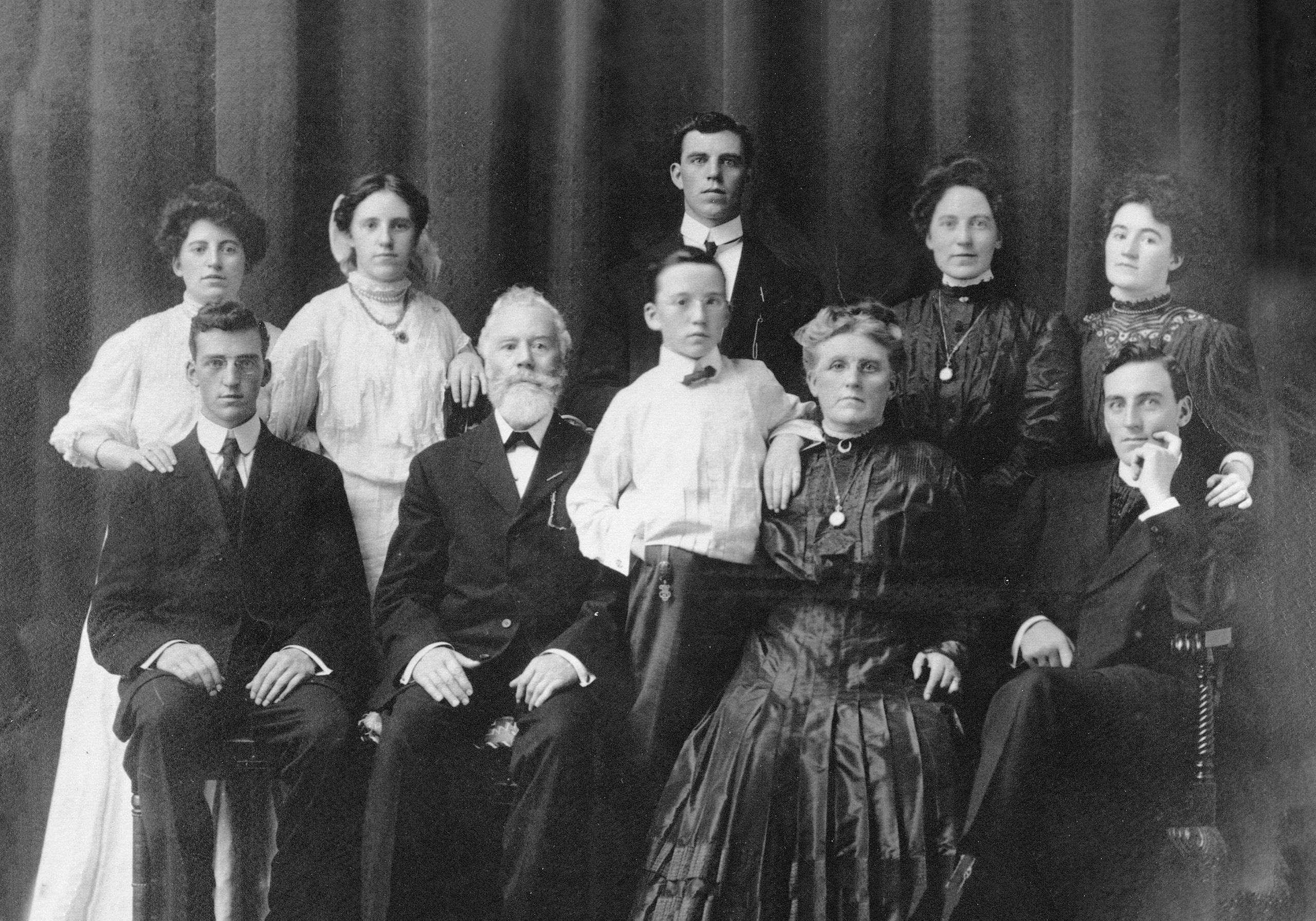
 Father Edward Flanagan ouside Ballymoe Church in Ireland in 1946. | Credit: Photo courtesy of Father Flanagan Visitor Centre
 
 Fidelma and Alan Croghan of the Father Flanagan Group in Ballymoe provided insight into the Irish priest’s formative years to EWTN News. “He was the fourth-youngest of 11 children. His father was a herdsman looking after an absentee landlord’s livestock on the estate. They lived in a cottage here at Leabeg,” Fidelma said.“From birth Father Flanagan’s life was bathed in the warm embrace of a loving family. On the night he was born, they didn’t think that he would survive because he was quite ill. He was a very sickly person all of his life in terms of bad lung health. The story goes that his grandparents also lived in the house with them. So the grandfather took the tiny newborn baby and put the baby skin to skin, against his own heart for the night, and Eddie survived.”Fidelma shared that from the moment of his birth, Flanagan “knew love and the loving bond of a family; he had a very happy upbringing. Their home was full of music and happiness, neighbors came in and they played music and danced on the stone flagstones of the kitchen floor before a big open fire.”She added: “He worked with his dad as a shepherd boy tending to the sheep. He was into prayer and reading from a young age, and he wrote about going out on the land with his rosary beads and reading Dickens.”
 
 Father Edward Flanagan and his brother P.A. Flanagan visit their sister in Ballymoe, Ireland, in 1946. | Credit: Photo courtesy of Father Flanagan Visitor Centre
 
 Following primary education at the nearby Drumatemple National School, Flanagan attended the Diocesan College of the Immaculate Conception, Summerhill College, Sligo, to complete his secondary education and prepare for life as a priest.Alan Croghan said he has no doubt that the future priest’s upbringing and the family values he espoused throughout his life were formed by his origins and his upbringing in Ireland.“Our purpose in Ireland here is to educate people and tell them about this man, going on to America to do what he did in Boys Town. He took what he learned here in Ballymoe, how a family should be run,” he said.
 
 Father Edward Flanagan. | Credit: Photo courtesy of Father Flanagan Visitor Centre
 
 Bishop Kevin Doran of Achonry and of Elphin told EWTN News: “Father Flanagan’s life and virtue have much to say to us today, in a wealthy country where so many children are forced to live with homelessness, and in a world in which we still find it so easy to define people as ‘hostile aliens.’”Boys Town families and descendants often visit Ballymoe and the Father Flanagan Visitor Centre to see the famous priest’s hometown. Fidelma Croghan said: “We had a woman come two or three years ago, and she knelt on the floor of the house, and she cried, and cried, and cried, and said, ‘Only Father Flanagan saved my father; I wouldn’t be here.’ Another visitor told me: ‘I would have been dead as a young man, or would have spent my life in jail, only for Boys Town.’”
 
 The Flanagan homestead in Ballymoe, Ireland, as it is today. | Credit: Photo courtesy of Father Flanagan Visitor Centre
 
 If Flanagan’s experiences growing up in Ireland shaped his compassionate approach to the social issues he encountered in Nebraska, his experiences there dealing with troubled boys and young men subsequently influenced his reactions during a return trip to Ireland in 1946, when he visited the country’s reform schools.He was profoundly troubled at the desperately poor conditions and treatment they encountered. Speaking about the schools in Cork, he told the audience: “You are the people who permit your children and the children of your communities to go into these institutions of punishment. You can do something about it.” He described his country’s penal institutions as “a disgrace to the nation.”Flanagan had received letters from Ireland drawing attention to the brutal regimes in these schools and wanted to see for himself how bad conditions really were.In response to his prophetic warnings, the Irish government minister for justice at the time, Gerald Boland, told the Dáil (Irish legislative chamber) “that he was ‘not disposed to take any notice of what Monsignor Flanagan said while he was in this country, because his statements were so exaggerated that I did not think people would attach any importance to them.’”The schools Flanagan visited included Artane and Letterfrack, institutions that became notorious after the truth of the abuses inflicted on students there eventually emerged.

Irish childhood shaped Father Flanagan’s lifelong work with youth – #Catholic – A loving Catholic family at home in Ireland provided the foundations and values that led Venerable Father Edward Flanagan to establish Boys Town in Omaha, Nebraska, according to experts on his life in Ireland.Flanagan, who was born and raised in the small village of Ballymoe, Ireland, before emigrating to the United States, was declared venerable on March 23 by Pope Leo XIV. Father Edward Flanagan ouside Ballymoe Church in Ireland in 1946. | Credit: Photo courtesy of Father Flanagan Visitor Centre Fidelma and Alan Croghan of the Father Flanagan Group in Ballymoe provided insight into the Irish priest’s formative years to EWTN News. “He was the fourth-youngest of 11 children. His father was a herdsman looking after an absentee landlord’s livestock on the estate. They lived in a cottage here at Leabeg,” Fidelma said.“From birth Father Flanagan’s life was bathed in the warm embrace of a loving family. On the night he was born, they didn’t think that he would survive because he was quite ill. He was a very sickly person all of his life in terms of bad lung health. The story goes that his grandparents also lived in the house with them. So the grandfather took the tiny newborn baby and put the baby skin to skin, against his own heart for the night, and Eddie survived.”Fidelma shared that from the moment of his birth, Flanagan “knew love and the loving bond of a family; he had a very happy upbringing. Their home was full of music and happiness, neighbors came in and they played music and danced on the stone flagstones of the kitchen floor before a big open fire.”She added: “He worked with his dad as a shepherd boy tending to the sheep. He was into prayer and reading from a young age, and he wrote about going out on the land with his rosary beads and reading Dickens.” Father Edward Flanagan and his brother P.A. Flanagan visit their sister in Ballymoe, Ireland, in 1946. | Credit: Photo courtesy of Father Flanagan Visitor Centre Following primary education at the nearby Drumatemple National School, Flanagan attended the Diocesan College of the Immaculate Conception, Summerhill College, Sligo, to complete his secondary education and prepare for life as a priest.Alan Croghan said he has no doubt that the future priest’s upbringing and the family values he espoused throughout his life were formed by his origins and his upbringing in Ireland.“Our purpose in Ireland here is to educate people and tell them about this man, going on to America to do what he did in Boys Town. He took what he learned here in Ballymoe, how a family should be run,” he said. Father Edward Flanagan. | Credit: Photo courtesy of Father Flanagan Visitor Centre Bishop Kevin Doran of Achonry and of Elphin told EWTN News: “Father Flanagan’s life and virtue have much to say to us today, in a wealthy country where so many children are forced to live with homelessness, and in a world in which we still find it so easy to define people as ‘hostile aliens.’”Boys Town families and descendants often visit Ballymoe and the Father Flanagan Visitor Centre to see the famous priest’s hometown. Fidelma Croghan said: “We had a woman come two or three years ago, and she knelt on the floor of the house, and she cried, and cried, and cried, and said, ‘Only Father Flanagan saved my father; I wouldn’t be here.’ Another visitor told me: ‘I would have been dead as a young man, or would have spent my life in jail, only for Boys Town.’” The Flanagan homestead in Ballymoe, Ireland, as it is today. | Credit: Photo courtesy of Father Flanagan Visitor Centre If Flanagan’s experiences growing up in Ireland shaped his compassionate approach to the social issues he encountered in Nebraska, his experiences there dealing with troubled boys and young men subsequently influenced his reactions during a return trip to Ireland in 1946, when he visited the country’s reform schools.He was profoundly troubled at the desperately poor conditions and treatment they encountered. Speaking about the schools in Cork, he told the audience: “You are the people who permit your children and the children of your communities to go into these institutions of punishment. You can do something about it.” He described his country’s penal institutions as “a disgrace to the nation.”Flanagan had received letters from Ireland drawing attention to the brutal regimes in these schools and wanted to see for himself how bad conditions really were.In response to his prophetic warnings, the Irish government minister for justice at the time, Gerald Boland, told the Dáil (Irish legislative chamber) “that he was ‘not disposed to take any notice of what Monsignor Flanagan said while he was in this country, because his statements were so exaggerated that I did not think people would attach any importance to them.’”The schools Flanagan visited included Artane and Letterfrack, institutions that became notorious after the truth of the abuses inflicted on students there eventually emerged.

Boys Town founder Father Edward Flanagan, who was declared “venerable” by Pope Leo XIV on March 23, was formed by “the warm embrace of a loving family.”

Read More
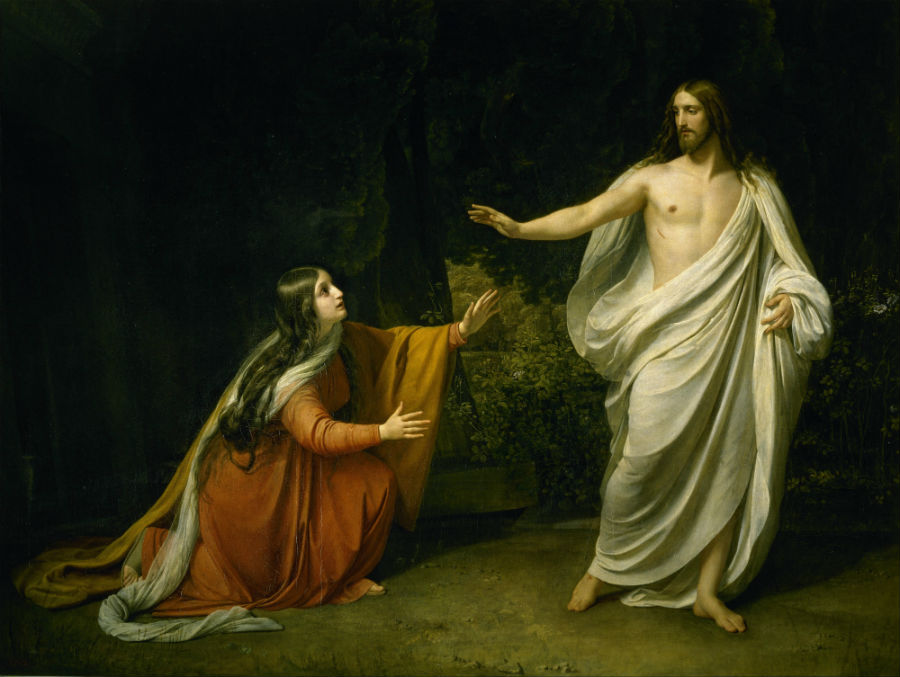
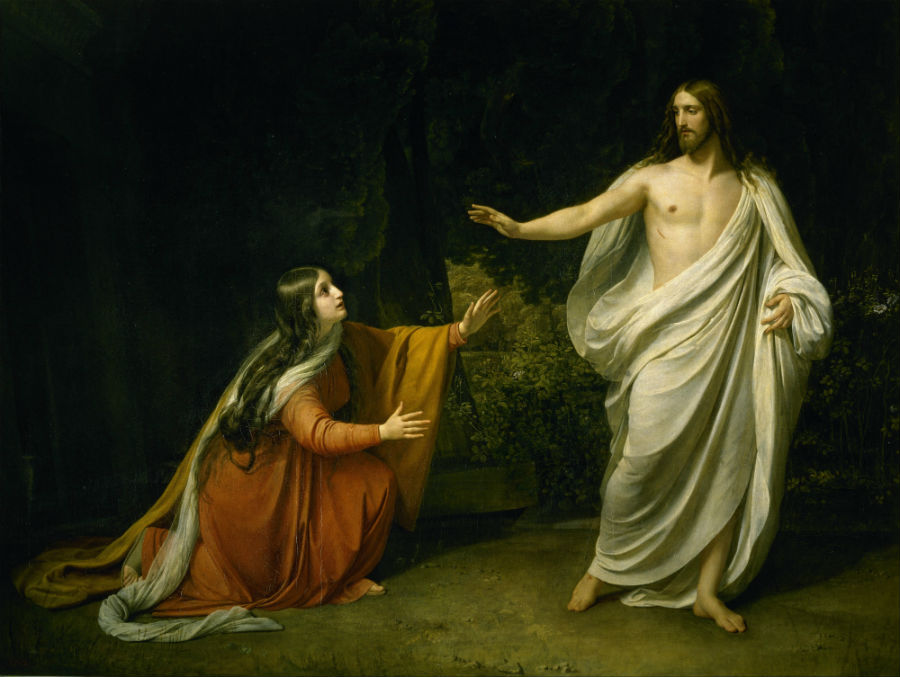
EWTN News explains: When does Easter officially end? – #Catholic – Catholics recognize Easter — when Jesus Christ rose from the dead after sacrificing his life for all of humanity — as the first Sunday after the first full moon on or after the spring equinox. But, as it turns out, they can continue saying “Happy Easter” into May or, in some years, into June.Easter lasts for a total of 50 days, from Easter Sunday until the feast of Pentecost, when the Holy Spirit came upon the apostles, Mary, and the first followers of Christ.This year, 2026, Easter was on April 5 and runs until Pentecost Sunday, May 24.Easter explainedCatholics observe Easter in different stages. Easter Sunday is the greatest Sunday of the year, and it marks the start of the “Easter octave,” or the eight days that stretch from the first to the second Sunday of Easter (also now known as Divine Mercy Sunday). The Church celebrates each of these eight days as solemnities of the Lord — a direct extension of Easter Sunday.The entire Easter season lasts 50 days and includes the solemnity of the Ascension of Christ, which falls on the 40th day of Easter, which this year is celebrated on either Thursday, May 14, or Sunday, May 17, depending on where you live, and ends with Pentecost, which is derived from the Greek word “pentecoste,” meaning “50th.”“The 50 days from the Sunday of the Resurrection to Pentecost Sunday are celebrated in joy and exultation as one feast day, indeed as one ‘great Sunday,’” according to the United States Conference of Catholic Bishops. “These are the days above all others in which the ‘Alleluia’ is sung.”The USCCB calls Easter “the most important of all liturgical times.”“It celebrates Jesus’ victory of sin and death and salvation for mankind,” the U.S. bishops say. “It is God’s greatest act of love to redeem mankind.”In the traditional Roman riteIn the traditional form of the Roman rite, Easter is known properly as Paschaltide, which includes three parts: the season of Easter, Ascensiontide, and the octave of Pentecost. It thus lasts one week longer than the Easter season in the calendar of the missal of St. Paul VI.The season of Easter begins with the Easter Vigil on Holy Saturday and runs through the afternoon of the vigil of the Ascension.Ascensiontide begins the evening before the Ascension, with first vespers of the feast, and ends the afternoon of the vigil of Pentecost — marking the first novena.The octave of Pentecost is an extension of the feast of Pentecost, beginning with the vigil Mass of Pentecost and ending the afternoon of the following Saturday, which this year falls on May 30.This story was first published April 21, 2022, and has been updated.

EWTN News explains: When does Easter officially end? – #Catholic – Catholics recognize Easter — when Jesus Christ rose from the dead after sacrificing his life for all of humanity — as the first Sunday after the first full moon on or after the spring equinox. But, as it turns out, they can continue saying “Happy Easter” into May or, in some years, into June.Easter lasts for a total of 50 days, from Easter Sunday until the feast of Pentecost, when the Holy Spirit came upon the apostles, Mary, and the first followers of Christ.This year, 2026, Easter was on April 5 and runs until Pentecost Sunday, May 24.Easter explainedCatholics observe Easter in different stages. Easter Sunday is the greatest Sunday of the year, and it marks the start of the “Easter octave,” or the eight days that stretch from the first to the second Sunday of Easter (also now known as Divine Mercy Sunday). The Church celebrates each of these eight days as solemnities of the Lord — a direct extension of Easter Sunday.The entire Easter season lasts 50 days and includes the solemnity of the Ascension of Christ, which falls on the 40th day of Easter, which this year is celebrated on either Thursday, May 14, or Sunday, May 17, depending on where you live, and ends with Pentecost, which is derived from the Greek word “pentecoste,” meaning “50th.”“The 50 days from the Sunday of the Resurrection to Pentecost Sunday are celebrated in joy and exultation as one feast day, indeed as one ‘great Sunday,’” according to the United States Conference of Catholic Bishops. “These are the days above all others in which the ‘Alleluia’ is sung.”The USCCB calls Easter “the most important of all liturgical times.”“It celebrates Jesus’ victory of sin and death and salvation for mankind,” the U.S. bishops say. “It is God’s greatest act of love to redeem mankind.”In the traditional Roman riteIn the traditional form of the Roman rite, Easter is known properly as Paschaltide, which includes three parts: the season of Easter, Ascensiontide, and the octave of Pentecost. It thus lasts one week longer than the Easter season in the calendar of the missal of St. Paul VI.The season of Easter begins with the Easter Vigil on Holy Saturday and runs through the afternoon of the vigil of the Ascension.Ascensiontide begins the evening before the Ascension, with first vespers of the feast, and ends the afternoon of the vigil of Pentecost — marking the first novena.The octave of Pentecost is an extension of the feast of Pentecost, beginning with the vigil Mass of Pentecost and ending the afternoon of the following Saturday, which this year falls on May 30.This story was first published April 21, 2022, and has been updated.

Easter lasts for a total of 50 days, from Easter Sunday until the feast of Pentecost.

Read More