Day: April 8, 2026

High schoolers celebrate service at Denville Respect Life gathering #Catholic – On March 25, about 40 students from three Catholic high schools in the Paterson Diocese, New Jersey, participated in a Respect Life Service Day at Morris Catholic High School, Denville, N.J. Combining service with the joy of helping those in need, the students prepared Care Bags for women who are served by the Passaic Neighborhood Center for Women (PNCW), mostly mothers of young children.

These students originated from Morris Catholic, DePaul Catholic High School in Wayne, N.J., and Pope John XXIII Regional High School in Sparta, N.J. They filled 49 medium-sized shopping bags with baby toiletries, including shampoo, baby powder, wipes, and ointment; rosary bracelets; Respect Life magnets — 40 in Spanish and 14 in English; prayer cards, and notes of love and support, sometimes decorated with hearts, on PNCW stationery.

Click here to subscribe to our weekly newsletter.

Students paid for the magnets that came from LIFENET in the Newark Archdiocese. The Care Bags were delivered to the center for distribution to clients.
Susan Drew, Morris Catholic’s campus minister, coordinated the Respect Life Service Day. Alyssa Renovales, diocesan Respect Life coordinator, made the initial contact with the PNCW and spoke during Respect Life Service Day about several upcoming pro-life events, inviting the students to attend.
Father Peter Clarke, the principal of Morris Catholic, offered an introduction to the event and a prayer. Penelope Rose, district coordinator of Students for Life, delivered a presentation about Respect Life apologetics: how to talk about the subject to draw in people. Father Michael Rodak, pastor of St. Jude the Apostle Parish in Hardyston, N.J., and diocesan pilgrimage director, who also coordinates busing for the annual National Right to Life March in Washington, D.C., celebrated a Mass at the conclusion of the event.
Carmela Enriquez, a DePaul teacher, said, “Our students loved it. The presentation was helpful to the students, especially to the freshmen and sophomores. It opened their eyes.”
Philline Luz, as the coordinator of programs and services at PNCW, expressed “heartfelt gratitude for the many blessings represented in each Care Bag. We are deeply thankful for this inspiring act of love and hope.” She explained how it was “meaningful to engage the younger generation in our mission to support young mothers and their families.”
 

High schoolers celebrate service at Denville Respect Life gathering #Catholic – On March 25, about 40 students from three Catholic high schools in the Paterson Diocese, New Jersey, participated in a Respect Life Service Day at Morris Catholic High School, Denville, N.J. Combining service with the joy of helping those in need, the students prepared Care Bags for women who are served by the Passaic Neighborhood Center for Women (PNCW), mostly mothers of young children. These students originated from Morris Catholic, DePaul Catholic High School in Wayne, N.J., and Pope John XXIII Regional High School in Sparta, N.J. They filled 49 medium-sized shopping bags with baby toiletries, including shampoo, baby powder, wipes, and ointment; rosary bracelets; Respect Life magnets — 40 in Spanish and 14 in English; prayer cards, and notes of love and support, sometimes decorated with hearts, on PNCW stationery. Click here to subscribe to our weekly newsletter. Students paid for the magnets that came from LIFENET in the Newark Archdiocese. The Care Bags were delivered to the center for distribution to clients. Susan Drew, Morris Catholic’s campus minister, coordinated the Respect Life Service Day. Alyssa Renovales, diocesan Respect Life coordinator, made the initial contact with the PNCW and spoke during Respect Life Service Day about several upcoming pro-life events, inviting the students to attend. Father Peter Clarke, the principal of Morris Catholic, offered an introduction to the event and a prayer. Penelope Rose, district coordinator of Students for Life, delivered a presentation about Respect Life apologetics: how to talk about the subject to draw in people. Father Michael Rodak, pastor of St. Jude the Apostle Parish in Hardyston, N.J., and diocesan pilgrimage director, who also coordinates busing for the annual National Right to Life March in Washington, D.C., celebrated a Mass at the conclusion of the event. Carmela Enriquez, a DePaul teacher, said, “Our students loved it. The presentation was helpful to the students, especially to the freshmen and sophomores. It opened their eyes.” Philline Luz, as the coordinator of programs and services at PNCW, expressed “heartfelt gratitude for the many blessings represented in each Care Bag. We are deeply thankful for this inspiring act of love and hope.” She explained how it was “meaningful to engage the younger generation in our mission to support young mothers and their families.”  

High schoolers celebrate service at Denville Respect Life gathering #Catholic –

On March 25, about 40 students from three Catholic high schools in the Paterson Diocese, New Jersey, participated in a Respect Life Service Day at Morris Catholic High School, Denville, N.J. Combining service with the joy of helping those in need, the students prepared Care Bags for women who are served by the Passaic Neighborhood Center for Women (PNCW), mostly mothers of young children.

These students originated from Morris Catholic, DePaul Catholic High School in Wayne, N.J., and Pope John XXIII Regional High School in Sparta, N.J. They filled 49 medium-sized shopping bags with baby toiletries, including shampoo, baby powder, wipes, and ointment; rosary bracelets; Respect Life magnets — 40 in Spanish and 14 in English; prayer cards, and notes of love and support, sometimes decorated with hearts, on PNCW stationery.


Click here to subscribe to our weekly newsletter.

Students paid for the magnets that came from LIFENET in the Newark Archdiocese. The Care Bags were delivered to the center for distribution to clients.

Susan Drew, Morris Catholic’s campus minister, coordinated the Respect Life Service Day. Alyssa Renovales, diocesan Respect Life coordinator, made the initial contact with the PNCW and spoke during Respect Life Service Day about several upcoming pro-life events, inviting the students to attend.

Father Peter Clarke, the principal of Morris Catholic, offered an introduction to the event and a prayer. Penelope Rose, district coordinator of Students for Life, delivered a presentation about Respect Life apologetics: how to talk about the subject to draw in people. Father Michael Rodak, pastor of St. Jude the Apostle Parish in Hardyston, N.J., and diocesan pilgrimage director, who also coordinates busing for the annual National Right to Life March in Washington, D.C., celebrated a Mass at the conclusion of the event.

Carmela Enriquez, a DePaul teacher, said, “Our students loved it. The presentation was helpful to the students, especially to the freshmen and sophomores. It opened their eyes.”

Philline Luz, as the coordinator of programs and services at PNCW, expressed “heartfelt gratitude for the many blessings represented in each Care Bag. We are deeply thankful for this inspiring act of love and hope.” She explained how it was “meaningful to engage the younger generation in our mission to support young mothers and their families.”


On March 25, about 40 students from three Catholic high schools in the Paterson Diocese, New Jersey, participated in a Respect Life Service Day at Morris Catholic High School, Denville, N.J. Combining service with the joy of helping those in need, the students prepared Care Bags for women who are served by the Passaic Neighborhood Center for Women (PNCW), mostly mothers of young children. These students originated from Morris Catholic, DePaul Catholic High School in Wayne, N.J., and Pope John XXIII Regional High School in Sparta, N.J. They filled 49 medium-sized shopping bags with baby toiletries, including shampoo, baby powder,

Read More

Gospel and Word of the Day – 09 April 2026 – A reading from the Book of  the Acts of the Apostles Acts 3:11-26 As the crippled man who had been cured clung to Peter and John, all the people hurried in amazement toward them in the portico called “Solomon’s Portico.” When Peter saw this, he addressed the people, “You children of Israel, why are you amazed at this, and why do you look so intently at us as if we had made him walk by our own power or piety? The God of Abraham, the God of Isaac, and the God of Jacob, the God of our fathers, has glorified his servant Jesus whom you handed over and denied in Pilate’s presence, when he had decided to release him. You denied the Holy and Righteous One and asked that a murderer be released to you. The author of life you put to death, but God raised him from the dead; of this we are witnesses. And by faith in his name, this man, whom you see and know, his name has made strong, and the faith that comes through it has given him this perfect health, in the presence of all of you. Now I know, brothers and sisters, that you acted out of ignorance, just as your leaders did; but God has thus brought to fulfillment what he had announced beforehand through the mouth of all the prophets, that his Christ would suffer. Repent, therefore, and be converted, that your sins may be wiped away, and that the Lord may grant you times of refreshment and send you the Christ already appointed for you, Jesus, whom heaven must receive until the times of universal restoration of which God spoke through the mouth of his holy prophets from of old. For Moses said: A prophet like me will the Lord, your God, raise up for you from among your own kin; to him you shall listen in all that he may say to you. Everyone who does not listen to that prophet will be cut off from the people.     “Moreover, all the prophets who spoke, from Samuel and those afterwards, also announced these days. You are the children of the prophets and of the covenant that God made with your ancestors when he said to Abraham, In your offspring all the families of the earth shall be blessed. For you first, God raised up his servant and sent him to bless you by turning each of you from your evil ways.”From the Gospel according to Luke Luke 24:35-48 The disciples of Jesus recounted what had taken place along the way, and how they had come to recognize him in the breaking of bread. While they were still speaking about this, he stood in their midst and said to them, "Peace be with you." But they were startled and terrified and thought that they were seeing a ghost. Then he said to them, "Why are you troubled? And why do questions arise in your hearts? Look at my hands and my feet, that it is I myself. Touch me and see, because a ghost does not have flesh and bones as you can see I have." And as he said this, he showed them his hands and his feet. While they were still incredulous for joy and were amazed, he asked them, "Have you anything here to eat?" They gave him a piece of baked fish; he took it and ate it in front of them. He said to them, "These are my words that I spoke to you while I was still with you, that everything written about me in the law of Moses and in the prophets and psalms must be fulfilled." Then he opened their minds to understand the Scriptures. And he said to them, "Thus it is written that the Christ would suffer and rise from the dead on the third day and that repentance, for the forgiveness of sins, would be preached in his name to all the nations, beginning from Jerusalem. You are witnesses of these things."The Risen One (…) appears to his friends – the disciples – and he does so with extreme discretion, without forcing the pace of their capacity for acceptance. His only desire is to return to communion with them, helping them to overcome the sense of guilt. We see this very well in the Upper Room, where the Lord appears to his friends who are enclosed in fear. It is a moment that expresses extraordinary power: Jesus, after descending into the abysses of death to liberate those who were imprisoned there, enters the closed room of those who are paralyzed by fear, bringing them a gift that no-one would have dared to hope for: peace. His greeting is simple, almost ordinary: “Peace be with you!” (…). But it is accompanied by a gesture so beautiful that it is almost disconcerting: Jesus shows the disciples his hands and his side, with the marks of the passion. Why show his wounds to those who, in those dramatic hours, had denied and abandoned him? Why not hide those signs of pain and avoid reopening the wound of shame? (…) The reason is profound: Jesus is now fully reconciled with everything he has suffered. There is not a shadow of resentment. The wounds serve not to reproach, but to confirm a love stronger than any infidelity. They are the proof that, even in the moment of our failure, God did not retreat. He did not give up on us. (Pope Leo XIV – General Audience, 1st October 2025)

A reading from the Book of  the Acts of the Apostles
Acts 3:11-26

As the crippled man who had been cured clung to Peter and John,
all the people hurried in amazement toward them
in the portico called “Solomon’s Portico.”
When Peter saw this, he addressed the people,
“You children of Israel, why are you amazed at this,
and why do you look so intently at us
as if we had made him walk by our own power or piety?
The God of Abraham, the God of Isaac, and the God of Jacob,
the God of our fathers, has glorified his servant Jesus
whom you handed over and denied in Pilate’s presence,
when he had decided to release him.
You denied the Holy and Righteous One
and asked that a murderer be released to you.
The author of life you put to death,
but God raised him from the dead; of this we are witnesses.
And by faith in his name,
this man, whom you see and know, his name has made strong,
and the faith that comes through it
has given him this perfect health,
in the presence of all of you.
Now I know, brothers and sisters,
that you acted out of ignorance, just as your leaders did;
but God has thus brought to fulfillment
what he had announced beforehand
through the mouth of all the prophets,
that his Christ would suffer.
Repent, therefore, and be converted, that your sins may be wiped away,
and that the Lord may grant you times of refreshment
and send you the Christ already appointed for you, Jesus,
whom heaven must receive until the times of universal restoration
of which God spoke through the mouth
of his holy prophets from of old.
For Moses said:

A prophet like me will the Lord, your God, raise up for you
from among your own kin;
to him you shall listen in all that he may say to you.
Everyone who does not listen to that prophet
will be cut off from the people.    

“Moreover, all the prophets who spoke,
from Samuel and those afterwards, also announced these days.
You are the children of the prophets
and of the covenant that God made with your ancestors
when he said to Abraham,
In your offspring all the families of the earth shall be blessed.
For you first, God raised up his servant and sent him to bless you
by turning each of you from your evil ways.”

From the Gospel according to Luke
Luke 24:35-48

The disciples of Jesus recounted what had taken place along the way,
and how they had come to recognize him in the breaking of bread.

While they were still speaking about this,
he stood in their midst and said to them,
"Peace be with you."
But they were startled and terrified
and thought that they were seeing a ghost.
Then he said to them, "Why are you troubled?
And why do questions arise in your hearts?
Look at my hands and my feet, that it is I myself.
Touch me and see, because a ghost does not have flesh and bones
as you can see I have."
And as he said this,
he showed them his hands and his feet.
While they were still incredulous for joy and were amazed,
he asked them, "Have you anything here to eat?"
They gave him a piece of baked fish;
he took it and ate it in front of them.

He said to them,
"These are my words that I spoke to you while I was still with you,
that everything written about me in the law of Moses
and in the prophets and psalms must be fulfilled."
Then he opened their minds to understand the Scriptures.
And he said to them,
"Thus it is written that the Christ would suffer
and rise from the dead on the third day
and that repentance, for the forgiveness of sins,
would be preached in his name
to all the nations, beginning from Jerusalem.
You are witnesses of these things."

The Risen One (…) appears to his friends – the disciples – and he does so with extreme discretion, without forcing the pace of their capacity for acceptance. His only desire is to return to communion with them, helping them to overcome the sense of guilt. We see this very well in the Upper Room, where the Lord appears to his friends who are enclosed in fear. It is a moment that expresses extraordinary power: Jesus, after descending into the abysses of death to liberate those who were imprisoned there, enters the closed room of those who are paralyzed by fear, bringing them a gift that no-one would have dared to hope for: peace. His greeting is simple, almost ordinary: “Peace be with you!” (…). But it is accompanied by a gesture so beautiful that it is almost disconcerting: Jesus shows the disciples his hands and his side, with the marks of the passion. Why show his wounds to those who, in those dramatic hours, had denied and abandoned him? Why not hide those signs of pain and avoid reopening the wound of shame? (…) The reason is profound: Jesus is now fully reconciled with everything he has suffered. There is not a shadow of resentment. The wounds serve not to reproach, but to confirm a love stronger than any infidelity. They are the proof that, even in the moment of our failure, God did not retreat. He did not give up on us. (Pope Leo XIV – General Audience, 1st October 2025)

Read More
Why Pakistan’s bishops doubt government will act on minor’s forced marriage #Catholic LAHORE, Pakistan — The head of the Catholic Church in Pakistan has expressed a guarded response to government committees formed to review a recent ruling by the country’s top constitutional court that upheld the marriage and conversion of a Christian minor.Federal Minister for Information and Broadcasting Attaullah Tarar announced on Easter Sunday, April 5, that the government had constituted a committee to examine the March 25 judgment of the Federal Constitutional Court validating the marriage of 13-year-old Maria Shahbaz to 30-year-old Shaheryar Ahmad.
 
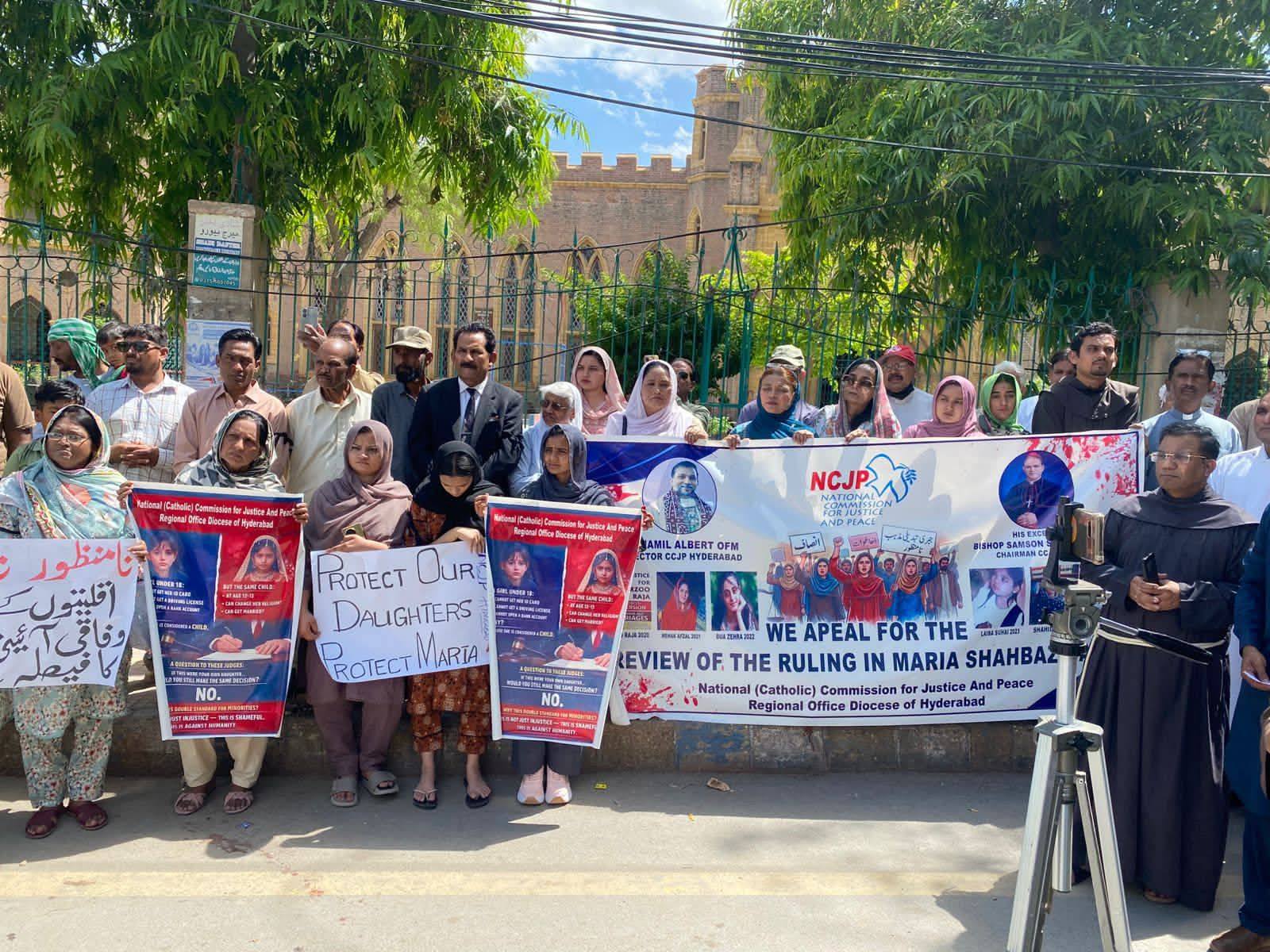
 A protest for Maria Shahbaz outside Hyderabad Press Club, organized by the Catholic Bishops’ National Commission for Justice and Peace, on April 4, 2026, in Pakistan. | Credit: Bishop Samson Shukardin
 
 Bishop Samson Shukardin of Hyderabad, president of the Pakistan Catholic Bishops’ Conference (PCBC), voiced skepticism about the initiative.“These issues often subside by the time such committees make their reports public. The process is deliberately delayed so that people forget,” he told EWTN News.“This is fundamentally a religious freedom issue. Consent is often coerced from minors. We await a genuine response from the government. Many Muslim clerics support us but have avoided joining public protests,” he added.A father’s accountAccording to Maria’s father, Shehbaz Masih, his daughter was abducted, forcibly converted to Islam, and married without consent.A certificate issued by the National Database and Registration Authority (NADRA) submitted by the family states that Maria was 13 at the time of the marriage — below the legal minimum age of 18. The family has since taken refuge in a shelter and was unavailable for comment.The case dates back to July 2025, when Masih, a resident of Lahore, reported that his daughter had been abducted by a Muslim man after stepping out to a nearby shop.Dismissing a petition filed by the father seeking custody, the court ruled that the marriage was valid under “Muhammadan law” and that the husband held lawful guardianship.Protests and backlashThe judgment triggered widespread reaction on social media, along with protests, press conferences, and conventions across the country. At least three Catholic bishops, along with the PCBC, issued statements urging authorities to review the ruling.The backlash prompted government engagement with the concerns of the country’s Christian minority, estimated at 1.37% (3.28 million people).Addressing an interfaith Easter gathering in Lahore, Tarar assured Christian leaders of his support, saying the committee’s recommendations would be submitted to the Ministry of Law and Justice within a week.
 
 Archbishop Azad Marshall, moderator/president bishop of the Church of Pakistan, a united Protestant denomination, meets with ecumenical leaders and Christian politicians following an April 6, 2026, consultation on the Maria Shahbaz case at Waris Road, Lahore. | Credit: Church of Pakistan
 
 Legal dimensionsMeanwhile, Punjab Minister for Minorities Affairs Ramesh Singh Arora said his department was forming a parallel committee to examine the legal dimensions of the case.Mary James Gill, a Christian lawyer, former lawmaker, and executive director of the Center for Law and Justice who serves on the committee, welcomed the move as a “genuine concern to find a way forward.”“It is highly encouraging that a state representative personally took up the issue. However, we are still in a consultative process,” she told EWTN News, noting shortcomings in both the lower courts and within the affected community.“The petition was filed under Section 491 of the Criminal Procedure Code, which pertains to habeas corpus, and not to determining the exact age of the girl — a question that remains disputed,” Gill said.“Regrettably, no such verification was carried out in the lower courts. In cases where documentation is ambiguous, magistrates and sessions judges tend to rely on in-person statements, consent, and their own observations.”She noted that the Christian Marriage Act of 1872 governs the solemnization of marriages involving one or more Christians.“Similarly, the personal laws of both Christianity and Islam in Pakistan remain silent on the age of conversion. Church leaders need to revisit and update these frameworks. At the same time, parents must place greater emphasis on the ideological and moral formation of their children,” she added.In an April 6 letter to the law ministry, Anthony Naveed, deputy speaker of the Sindh Assembly, urged the federal government to address “serious legal gaps” exposed by the ruling and called for uniform amendments aligning provincial laws with Balochistan’s legislation, which explicitly invalidates child marriages.A pattern of abuseFor decades, rights advocates have called for stronger legal and administrative measures to prevent the abduction and forced religious conversion of girls from minority communities.At least 515 cases of abduction and forced conversion of minority girls and women were reported between 2021 and 2025, according to the Center for Social Justice. Hindu girls accounted for 69% (353 cases), followed by Christian girls at 31% (160 cases). Most victims were under 18, with cases concentrated in Sindh and Punjab.Shukardin said courts in the Muslim-majority country are not consistently applying laws prohibiting marriage under 18.“The Church is not in favor of marriages involving conversion under such circumstances. We demand safety for our daughters and will continue to raise our voice for underage brides of any religion,” he said.

Why Pakistan’s bishops doubt government will act on minor’s forced marriage #Catholic LAHORE, Pakistan — The head of the Catholic Church in Pakistan has expressed a guarded response to government committees formed to review a recent ruling by the country’s top constitutional court that upheld the marriage and conversion of a Christian minor.Federal Minister for Information and Broadcasting Attaullah Tarar announced on Easter Sunday, April 5, that the government had constituted a committee to examine the March 25 judgment of the Federal Constitutional Court validating the marriage of 13-year-old Maria Shahbaz to 30-year-old Shaheryar Ahmad. A protest for Maria Shahbaz outside Hyderabad Press Club, organized by the Catholic Bishops’ National Commission for Justice and Peace, on April 4, 2026, in Pakistan. | Credit: Bishop Samson Shukardin Bishop Samson Shukardin of Hyderabad, president of the Pakistan Catholic Bishops’ Conference (PCBC), voiced skepticism about the initiative.“These issues often subside by the time such committees make their reports public. The process is deliberately delayed so that people forget,” he told EWTN News.“This is fundamentally a religious freedom issue. Consent is often coerced from minors. We await a genuine response from the government. Many Muslim clerics support us but have avoided joining public protests,” he added.A father’s accountAccording to Maria’s father, Shehbaz Masih, his daughter was abducted, forcibly converted to Islam, and married without consent.A certificate issued by the National Database and Registration Authority (NADRA) submitted by the family states that Maria was 13 at the time of the marriage — below the legal minimum age of 18. The family has since taken refuge in a shelter and was unavailable for comment.The case dates back to July 2025, when Masih, a resident of Lahore, reported that his daughter had been abducted by a Muslim man after stepping out to a nearby shop.Dismissing a petition filed by the father seeking custody, the court ruled that the marriage was valid under “Muhammadan law” and that the husband held lawful guardianship.Protests and backlashThe judgment triggered widespread reaction on social media, along with protests, press conferences, and conventions across the country. At least three Catholic bishops, along with the PCBC, issued statements urging authorities to review the ruling.The backlash prompted government engagement with the concerns of the country’s Christian minority, estimated at 1.37% (3.28 million people).Addressing an interfaith Easter gathering in Lahore, Tarar assured Christian leaders of his support, saying the committee’s recommendations would be submitted to the Ministry of Law and Justice within a week. Archbishop Azad Marshall, moderator/president bishop of the Church of Pakistan, a united Protestant denomination, meets with ecumenical leaders and Christian politicians following an April 6, 2026, consultation on the Maria Shahbaz case at Waris Road, Lahore. | Credit: Church of Pakistan Legal dimensionsMeanwhile, Punjab Minister for Minorities Affairs Ramesh Singh Arora said his department was forming a parallel committee to examine the legal dimensions of the case.Mary James Gill, a Christian lawyer, former lawmaker, and executive director of the Center for Law and Justice who serves on the committee, welcomed the move as a “genuine concern to find a way forward.”“It is highly encouraging that a state representative personally took up the issue. However, we are still in a consultative process,” she told EWTN News, noting shortcomings in both the lower courts and within the affected community.“The petition was filed under Section 491 of the Criminal Procedure Code, which pertains to habeas corpus, and not to determining the exact age of the girl — a question that remains disputed,” Gill said.“Regrettably, no such verification was carried out in the lower courts. In cases where documentation is ambiguous, magistrates and sessions judges tend to rely on in-person statements, consent, and their own observations.”She noted that the Christian Marriage Act of 1872 governs the solemnization of marriages involving one or more Christians.“Similarly, the personal laws of both Christianity and Islam in Pakistan remain silent on the age of conversion. Church leaders need to revisit and update these frameworks. At the same time, parents must place greater emphasis on the ideological and moral formation of their children,” she added.In an April 6 letter to the law ministry, Anthony Naveed, deputy speaker of the Sindh Assembly, urged the federal government to address “serious legal gaps” exposed by the ruling and called for uniform amendments aligning provincial laws with Balochistan’s legislation, which explicitly invalidates child marriages.A pattern of abuseFor decades, rights advocates have called for stronger legal and administrative measures to prevent the abduction and forced religious conversion of girls from minority communities.At least 515 cases of abduction and forced conversion of minority girls and women were reported between 2021 and 2025, according to the Center for Social Justice. Hindu girls accounted for 69% (353 cases), followed by Christian girls at 31% (160 cases). Most victims were under 18, with cases concentrated in Sindh and Punjab.Shukardin said courts in the Muslim-majority country are not consistently applying laws prohibiting marriage under 18.“The Church is not in favor of marriages involving conversion under such circumstances. We demand safety for our daughters and will continue to raise our voice for underage brides of any religion,” he said.

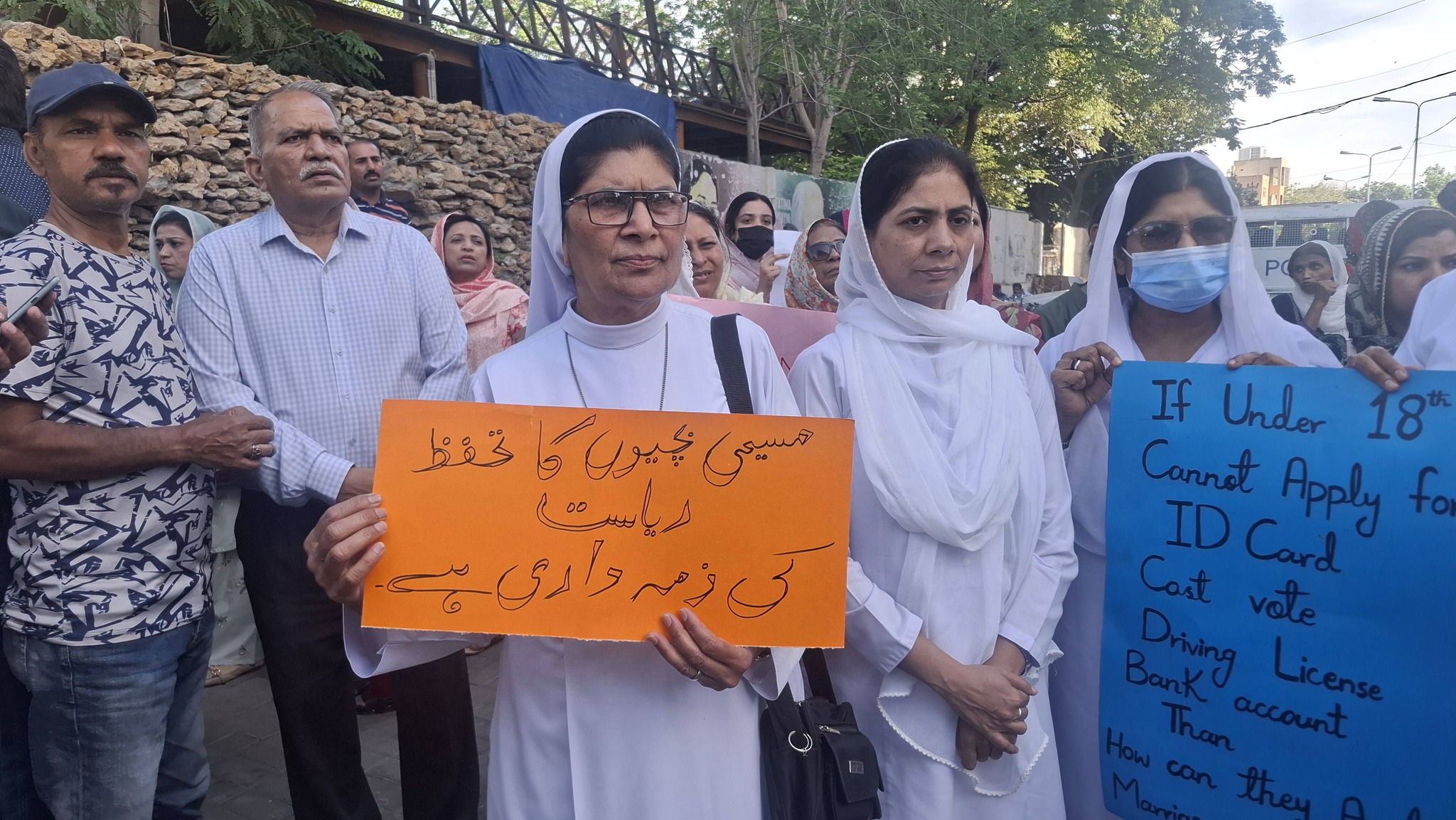
Bishop Samson Shukardin said government committees are often delayed so people forget, as protests continue over the marriage of 13-year-old Maria Shahbaz.

Read More
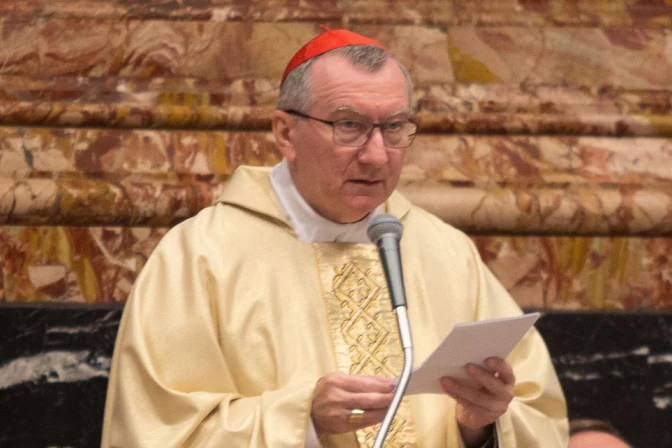
Vatican urges Catholics not to leave Pope Leo XIV alone in opposing war #Catholic VATICAN CITY — Vatican Secretary of State Cardinal Pietro Parolin warned that the “logic of the strongest” risks prevailing on the international stage and called on Christians to become “voices of peace” who do not leave Pope Leo XIV standing alone in his opposition to war.In an interview with Dialoghi, a cultural magazine linked to Italian Catholic Action, Parolin said the voice of the pope is “prophetic” but risks becoming “a voice crying in the wilderness if it is not supported and helped concretely.”His remarks also offer a key to understanding the peace prayer vigil Leo XIV has called for April 11 in St. Peter’s Basilica.Parolin recalled the 2003 Iraq war, when St. John Paul II pleaded for the conflict to be avoided but “was left alone.” He therefore stressed the need to support the current pontiff’s appeal for a peace that is “unarmed and disarming” and to reject “the false propaganda of rearmament.”“There is a need for more voices of peace, more voices against the madness of the rush toward rearmament, more voices raised in favor of our poorest brothers and sisters, more voices and more proposals — I am thinking, for example, of the world of Catholic universities — for new economic models inspired by justice and care for the weakest instead of the idolatry of money,” Parolin said.The cardinal described an alarming international climate in which military action appears to impose itself too easily.“I am struck by how much determination — I was about to say ease — with which the military option is presented as decisive, almost inevitable,” he said.According to the Vatican secretary of state, this trend has left diplomacy practically “mute,” unable to activate alternative tools, while awareness of the tragedy of war and the value of shared rules is being lost.Parolin said the root of the problem is a “multi-polarism inspired by the primacy of power,” in which states place greater trust in force than in international law. That, he said, has produced “double standards,” visible in the differing reactions to attacks on civilians in Ukraine and the destruction in Gaza.“Many governments,” Parolin said, “have expressed indignation over attacks against Ukrainian civilians by Russian missiles and drones, imposing sanctions on the aggressors.”“I do not think the same has happened with the tragedy of the destruction of Gaza,” he added.For the cardinal, this is a case of “double standards” tied to the “primacy of power” — the dominance of one’s own country over others — with international law invoked “only when convenient” and ignored in many other cases.“It seems there has been a lack of awareness of the value of peace, awareness of the tragic reality of war, awareness of the importance of shared rules and of respecting them,” he said.Parolin also lamented the weakening of the global diplomatic architecture and said it is “utopian” to think peace can be guaranteed “by weapons and by balances imposed by the strongest rather than by international agreements.”“We cannot surrender to the logic of the strongest,” the cardinal insisted, because that logic “bends international law to its own interests” and weakens multilateral institutions.In that context, he also expressed regret that Europe has been unable to speak with one voice. He said it is necessary “to rekindle in peoples the sense of European belonging and, in leadership, the awareness of the need for common actions without ever failing the principles that are at the foundation of the European Union itself.”Regarding the United Nations, Parolin said the Holy See “continues to believe in its importance,” considering international organizations essential for restraining the logic of the strongest. At the same time, he acknowledged that the use of the veto has limited the U.N.’s ability to act.“We cannot move from the force of law to the law of force,” he warned.Parolin also highlighted the role believers can play, including defending life and human dignity, protecting religious freedom, promoting reforms to the economic and financial system in line with the Church’s social doctrine, and caring for creation.Finally, the cardinal addressed the cultural impact of new technologies, saying hyper-connectivity and the spread of fake news help fuel fear and build new walls.“As Christians, we must oppose this drift with our daily lives,” he concluded.This story was first published by ACI Prensa, the Spanish-language sister service of EWTN News. It has been translated and adapted by EWTN News English.

Vatican urges Catholics not to leave Pope Leo XIV alone in opposing war #Catholic VATICAN CITY — Vatican Secretary of State Cardinal Pietro Parolin warned that the “logic of the strongest” risks prevailing on the international stage and called on Christians to become “voices of peace” who do not leave Pope Leo XIV standing alone in his opposition to war.In an interview with Dialoghi, a cultural magazine linked to Italian Catholic Action, Parolin said the voice of the pope is “prophetic” but risks becoming “a voice crying in the wilderness if it is not supported and helped concretely.”His remarks also offer a key to understanding the peace prayer vigil Leo XIV has called for April 11 in St. Peter’s Basilica.Parolin recalled the 2003 Iraq war, when St. John Paul II pleaded for the conflict to be avoided but “was left alone.” He therefore stressed the need to support the current pontiff’s appeal for a peace that is “unarmed and disarming” and to reject “the false propaganda of rearmament.”“There is a need for more voices of peace, more voices against the madness of the rush toward rearmament, more voices raised in favor of our poorest brothers and sisters, more voices and more proposals — I am thinking, for example, of the world of Catholic universities — for new economic models inspired by justice and care for the weakest instead of the idolatry of money,” Parolin said.The cardinal described an alarming international climate in which military action appears to impose itself too easily.“I am struck by how much determination — I was about to say ease — with which the military option is presented as decisive, almost inevitable,” he said.According to the Vatican secretary of state, this trend has left diplomacy practically “mute,” unable to activate alternative tools, while awareness of the tragedy of war and the value of shared rules is being lost.Parolin said the root of the problem is a “multi-polarism inspired by the primacy of power,” in which states place greater trust in force than in international law. That, he said, has produced “double standards,” visible in the differing reactions to attacks on civilians in Ukraine and the destruction in Gaza.“Many governments,” Parolin said, “have expressed indignation over attacks against Ukrainian civilians by Russian missiles and drones, imposing sanctions on the aggressors.”“I do not think the same has happened with the tragedy of the destruction of Gaza,” he added.For the cardinal, this is a case of “double standards” tied to the “primacy of power” — the dominance of one’s own country over others — with international law invoked “only when convenient” and ignored in many other cases.“It seems there has been a lack of awareness of the value of peace, awareness of the tragic reality of war, awareness of the importance of shared rules and of respecting them,” he said.Parolin also lamented the weakening of the global diplomatic architecture and said it is “utopian” to think peace can be guaranteed “by weapons and by balances imposed by the strongest rather than by international agreements.”“We cannot surrender to the logic of the strongest,” the cardinal insisted, because that logic “bends international law to its own interests” and weakens multilateral institutions.In that context, he also expressed regret that Europe has been unable to speak with one voice. He said it is necessary “to rekindle in peoples the sense of European belonging and, in leadership, the awareness of the need for common actions without ever failing the principles that are at the foundation of the European Union itself.”Regarding the United Nations, Parolin said the Holy See “continues to believe in its importance,” considering international organizations essential for restraining the logic of the strongest. At the same time, he acknowledged that the use of the veto has limited the U.N.’s ability to act.“We cannot move from the force of law to the law of force,” he warned.Parolin also highlighted the role believers can play, including defending life and human dignity, protecting religious freedom, promoting reforms to the economic and financial system in line with the Church’s social doctrine, and caring for creation.Finally, the cardinal addressed the cultural impact of new technologies, saying hyper-connectivity and the spread of fake news help fuel fear and build new walls.“As Christians, we must oppose this drift with our daily lives,” he concluded.This story was first published by ACI Prensa, the Spanish-language sister service of EWTN News. It has been translated and adapted by EWTN News English.

The Vatican Secretary of State said the pope’s appeals for peace need concrete support.

Read More
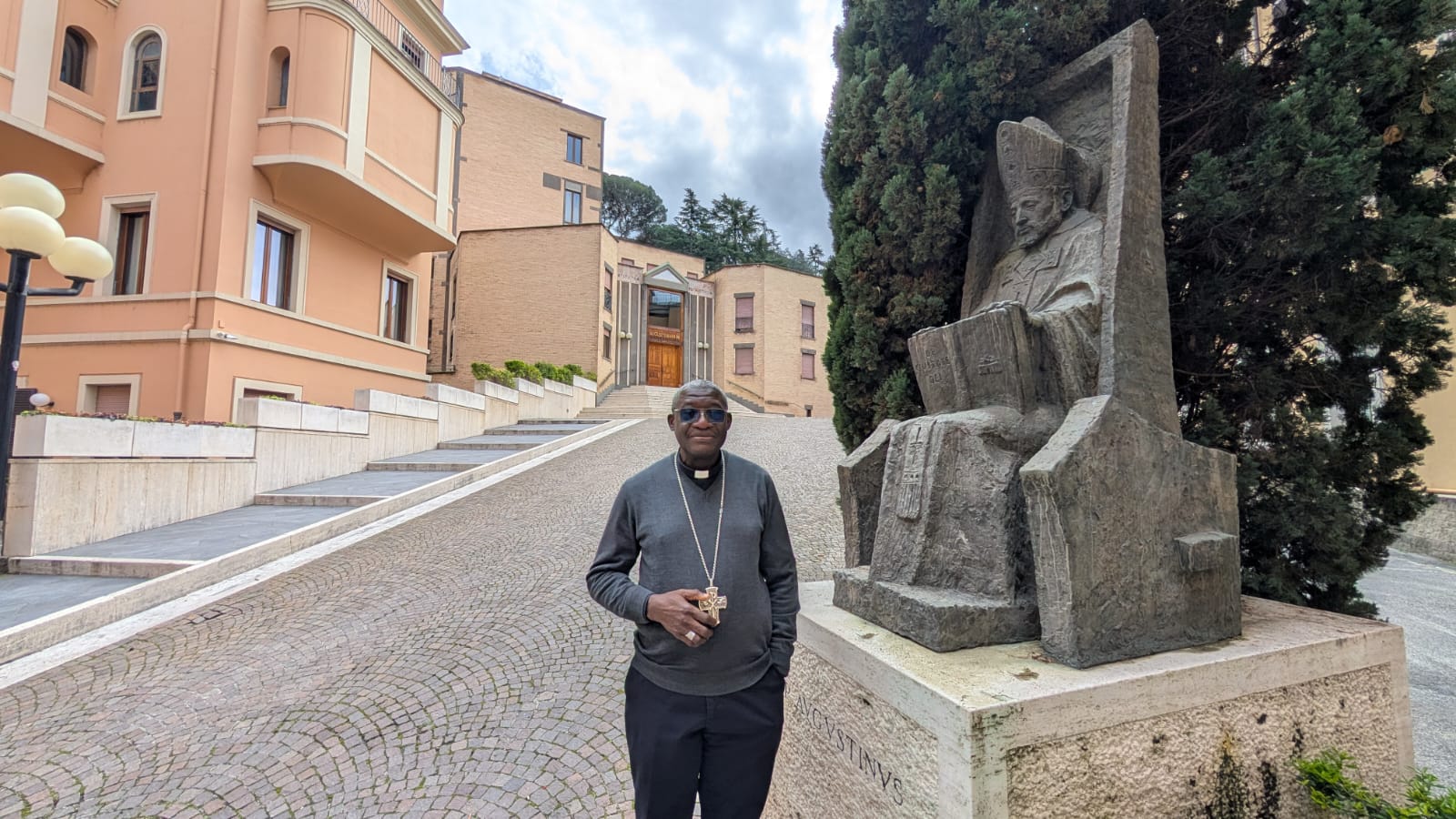
Pope will address tensions between Christianity and Islam in Africa, Nigerian bishop says – #Catholic – When Pope Leo XIV visits Africa for the first time as pontiff next week, Catholics and others across the continent will be watching with interest for what it reveals about the pope’s agenda and priorities for their region. One of those watching will be Bishop John Niyiring of Kano, Nigeria, a fellow Augustinian and longtime friend of the pope.The pope is scheduled to visit Algeria, Angola, Equatorial Guinea, and Cameroon on his first apostolic journey to the continent April 13–23.Growing conflict between African Muslims and ChristiansNiyiring is concerned about the state of Christian-Muslim relations in Africa, particularly in Muslim-majority countries such as Algeria.Niyiring described the situation as one of fear between the two religions. His comments on the situation echo those of several African prelates who have recently voiced concern over the plight of Christians on the continent, highlighting the struggle Christians often face to practice their faith in predominantly Muslim African countries.“There is always that fear between Christianity and Islam,” Niyiring told EWTN News. “Islam is becoming a religion that is quite strong in Africa, and we Christians will have to engage with Muslim leaders. … But it is dialogue that takes that fear out. Without dialogue, people will always be suspicious and afraid of one another. I am sure that the Holy Father will say something about that.”Niyiring said he hopes the pope’s trip also raises awareness of other issues often ignored in the West, including poverty, political corruption, and the plight of young girls in Africa.“In many countries, perhaps in the West, nobody discusses the issues facing young girls on the streets. We see many of them on our streets [as victims of sex trafficking], and there are situations where they don’t get the attention they need, especially in education,” he said.Regarding politicians, the bishop said: “In Africa today, there are people who want to be in government, but they’re hardly interested in the well-being of their people. We would like to hear Leo say more about [political corruption], encouraging our leaders to be leaders who love their people and are there to serve them.”Serving with the then-Father Robert PrevostThe future pope, then-Father Robert Prevost, served as prior general of the Augustinians from 2001 to 2013. During this period, Prevost played a key role in helping establish a new province for the Augustinians in Nigeria, an experience that greatly enhanced the future pope’s knowledge of the country and the African continent.“His trip to Nigeria in 2001 — one of several he made there — was the first canonical visit he made outside Rome as prior general. I worked closely with him after I became the provincial superior of the Augustinians in Nigeria in 2005, until I became a bishop in 2008. His presence there was crucial. There were also projects underway in Nigeria and across Africa, and he helped a lot in raising funds to build them. I brought many problems to his attention as the provincial of a young order. And he was always attentive and always emphasized the importance of finding new approaches to issues,” Niyiring said.Niyiring also praised the pope’s leadership style while serving the Augustinians, noting his attentiveness and calm.“He has a pleasant personality. He was always attentive and always emphasized the importance of finding new approaches to issues. He encouraged us to be open to the promptings of the spirit and willing to change in situations that needed it.”

Pope will address tensions between Christianity and Islam in Africa, Nigerian bishop says – #Catholic – When Pope Leo XIV visits Africa for the first time as pontiff next week, Catholics and others across the continent will be watching with interest for what it reveals about the pope’s agenda and priorities for their region. One of those watching will be Bishop John Niyiring of Kano, Nigeria, a fellow Augustinian and longtime friend of the pope.The pope is scheduled to visit Algeria, Angola, Equatorial Guinea, and Cameroon on his first apostolic journey to the continent April 13–23.Growing conflict between African Muslims and ChristiansNiyiring is concerned about the state of Christian-Muslim relations in Africa, particularly in Muslim-majority countries such as Algeria.Niyiring described the situation as one of fear between the two religions. His comments on the situation echo those of several African prelates who have recently voiced concern over the plight of Christians on the continent, highlighting the struggle Christians often face to practice their faith in predominantly Muslim African countries.“There is always that fear between Christianity and Islam,” Niyiring told EWTN News. “Islam is becoming a religion that is quite strong in Africa, and we Christians will have to engage with Muslim leaders. … But it is dialogue that takes that fear out. Without dialogue, people will always be suspicious and afraid of one another. I am sure that the Holy Father will say something about that.”Niyiring said he hopes the pope’s trip also raises awareness of other issues often ignored in the West, including poverty, political corruption, and the plight of young girls in Africa.“In many countries, perhaps in the West, nobody discusses the issues facing young girls on the streets. We see many of them on our streets [as victims of sex trafficking], and there are situations where they don’t get the attention they need, especially in education,” he said.Regarding politicians, the bishop said: “In Africa today, there are people who want to be in government, but they’re hardly interested in the well-being of their people. We would like to hear Leo say more about [political corruption], encouraging our leaders to be leaders who love their people and are there to serve them.”Serving with the then-Father Robert PrevostThe future pope, then-Father Robert Prevost, served as prior general of the Augustinians from 2001 to 2013. During this period, Prevost played a key role in helping establish a new province for the Augustinians in Nigeria, an experience that greatly enhanced the future pope’s knowledge of the country and the African continent.“His trip to Nigeria in 2001 — one of several he made there — was the first canonical visit he made outside Rome as prior general. I worked closely with him after I became the provincial superior of the Augustinians in Nigeria in 2005, until I became a bishop in 2008. His presence there was crucial. There were also projects underway in Nigeria and across Africa, and he helped a lot in raising funds to build them. I brought many problems to his attention as the provincial of a young order. And he was always attentive and always emphasized the importance of finding new approaches to issues,” Niyiring said.Niyiring also praised the pope’s leadership style while serving the Augustinians, noting his attentiveness and calm.“He has a pleasant personality. He was always attentive and always emphasized the importance of finding new approaches to issues. He encouraged us to be open to the promptings of the spirit and willing to change in situations that needed it.”

An Augustinian confrere of Pope Leo XIV discussed the pontiff’s upcoming trip to four African countries.

Read More
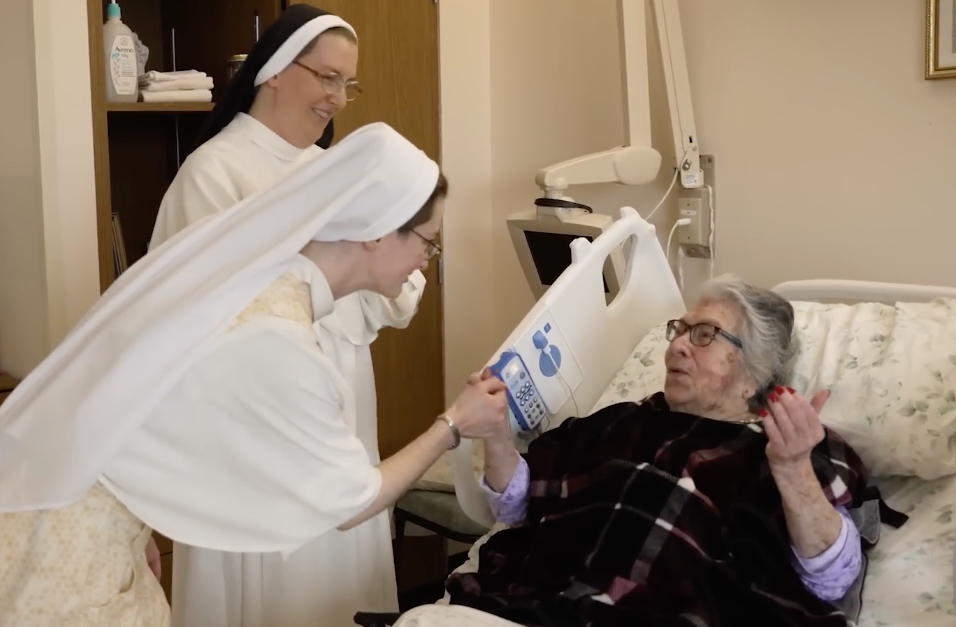
Dominican Sisters challenge New York gender-identity law in court – #Catholic – A group of Catholic religious sisters has taken care of terminal cancer patients free of charge in New York for almost 125 years without a problem.Now, state officials are warning the sisters and other nursing home administrators about restricting rooms and bathrooms to one sex and failing to use preferred personal pronouns for patients who identify as transgender. The state is also requiring public postings of an antidiscrimination notice.The Dominican Sisters of Hawthorne, who operate Rosary Hill Home, a 42-bed facility, have received three letters from the state’s public health agency, including one warning about “refusing to assign a room to a resident other than in accordance with the resident’s gender identity,” “prohibiting a resident from using a restroom available to other persons of the same gender identity,” and “willfully and repeatedly failing to use a resident’s preferred name or pronouns after being clearly informed of the preferred name or pronouns.”The letters took the sisters off guard; a state agency’s website shows zero complaints against Rosary Hill Home, located in Hawthorne, a hamlet in the Westchester County town of Mount Pleasant, about 30 miles northeast of Manhattan.But complying with the state’s rules is not an option for them, since the directives contradict their Catholic faith, the sisters told the National Catholic Register, the sister partner of EWTN News.The Catholic Church teaches that sex can’t be changed or separated from gender, although it also says people identifying as transgender must be treated with respect and compassion.“I think the most important thing is that we are adamant in keeping our Catholic identity. Without that, there’s no purpose for us to do what we’re doing,” Mother Marie Edward, OP, the superior of the religious congregation, told the Register.
 
 Entrance to the Rosary Hill Home, a 42-bed facility located in Westchester County, about 30 miles northeast of Manhattan in New York. | Credit: “EWTN Pro-Life Weekly”/Screenshot
 
 The sisters filed a lawsuit against the state on Monday, claiming the state is violating their rights under the First Amendment of the U.S. Constitution.The lawsuit, filed in U.S. District Court for the Southern District of New York in White Plains, names as defendants New York Gov. Kathy Hochul and four state administrators in the New York State Department of Health. All are sued in their official capacity.The complaint claims that the state is violating the sisters’ freedom of speech by requiring them to state a point of view they don’t agree with and their free exercise of religion by requiring them to make statements against their Catholic faith.The complaint also notes that the state statute appears to exempt institutions run by the Church of Christ, Scientist — it doesn’t apply to those “whose teachings include reliance on spiritual means through prayer alone for healing” — which the complaint says violates the Catholic sisters’ religious freedom by favoring one religion over another.A spokesman for the governor did not respond to a request for comment by publication of this story.Cadence Acquaviva, senior public information officer for the New York State Department of Health, also contacted by the Register, emailed the Register the following statement: “While the department does not comment on pending or ongoing litigation, the department is committed to following state law, which provides nursing home residents certain rights protecting against discrimination including, but not limited to, gender identity or expression.”New York lawThe letters to the sisters from the state’s public health agency stem from a statute that the New York Legislature passed in 2023 with little fanfare and almost no opposition, known as “The Long-Term Care Facility Residents’ Bill of Rights for LGBTQIA+ New Yorkers and People Living with HIV.”The state Legislature’s website shows no public hearing for the bill that created the law. When it was introduced on the floor of the lower chamber, the New York State Assembly, in June 2023, the bill drew questions from three Republicans over the course of about 10 minutes, mostly informational and none hostile. Religious liberty did not come up.The Assembly passed the bill 144-2. The New York Senate passed the bill 55-7. Hochul signed the bill into law on Nov. 30, 2023, the eve of World AIDS Day.“New York’s seniors should be able to live their lives with the dignity and respect they deserve, free from discrimination of every kind,” Hochul said, according to a press release issued by her office at the time. “LGBTQIA + and HIV-positive seniors are among our most vulnerable populations, and today we are taking steps to ensure that all New Yorkers — regardless of who they are, who they love, or their HIV status — find safety and support in places where they need it the most. Hate will never have a place in New York.”The sisters told the Register they had never heard of the bill until the letters from the state started arriving about two years ago. State officials have not taken steps against the sisters, but the sisters say they’re worried that they will.“Over 125 years, as far as they know, they’ve never once had a patient who was wanting to make the gender journey, to transition. And that’s significant, because why are we going through this?” said L. Martin Nussbaum, the sisters’ lawyer and a partner with First & Fourteenth, a law firm with an office in Colorado Springs, Colorado, in an interview. “This law imposed on the Dominican Hawthorne Sisters is a form of gender ideology virtue signaling, to require these sisters to be trained in an ideology entirely contrary to Catholic belief.”“Why are we doing this? We don’t even have such patients,” Nussbaum said. “It’s the state requiring these holy nuns to bend the knee to an ideology contrary to their faith.”One letter from the state warned the sisters that their nursing home can’t “restrict a resident’s right to associate with other residents or with visitors, including the right to consensual expression of intimacy or sexual relations, unless the restriction is uniformly applied to all residents in a nondiscriminatory manner.”Rosary Hill Home belongs to the Catholic Benefits Association, which advocates for free exercise of religion rights of members in providing employee benefits. Nussbaum, who represents the association, said the state’s gender-identity requirements are creating a problem where there was none.“The sisters do not want to litigate. They want this resolved, and they want to focus on their ministry,” Nussbaum said.The congregationThe Dominican Sisters of Hawthorne was founded by Mother Mary Alphonsa, who was known as Rose Hawthorne Lathrop (1851–1926) before she entered religious life. She was one of three children of the 19th-century novelist Nathaniel Hawthorne, author of “The House of the Seven Gables” and “The Scarlet Letter.”Raised Unitarian, Rose converted to Catholicism during the 1890s. In 1896, she opened an apartment on the Lower East Side of Manhattan for patients with incurable cancer.
 
 The foundress of the Dominican Sisters of Hawthorne, Mother Mary Alphonsa, was the daughter of the renowned 19th-century American writer Nathaniel Hawthorne. | Credit: “EWTN Pro-Life Weekly”/Screenshot
 
 “I set my whole being to endeavor to bring consolation to the cancerous poor,” she later wrote, according to a biography of her on the congregation’s website.She founded a religious congregation in 1900, which opened a nursing home in Hawthorne, New York, in June 1901.Pope Francis in March 2024 declared her venerable, which is two steps below canonization. Her cause needs a miracle to proceed to beatification and another to qualify her to be declared a saint.The congregation currently has 44 sisters, split between New York and another nursing facility in Atlanta called Our Lady of Perpetual Help Home.In the New York facility, about 14 sisters tend to sick patients with the help of lay certified nursing assistants, sisters told the Register.The home has no limit on the length of stay, and some patients stay for years, sisters told the Register, though the average stay is about two to three months. The vast majority of patients who come to the nursing home die there.‘We’ve given our life to God’The New York facility was the subject of an admiring photographic essay and short article in The New York Times Magazine in May 2016, spearheaded by a photographer who appreciated the care the sisters had given to her Jewish mother-in-law when she was dying of cancer.Mother Marie Edward, who joined the congregation in 1979, told the Register that living their Catholic faith and witnessing to it to others are essential for the sisters, whose work is only partly about taking care of the sick.“Nursing is a marvelous work in and of itself, but our sisters are, we’re all consecrated, we’ve taken vows, we’ve given our life to God, and certainly prayer is utmost, primary. That we consider a work, and the sisters live a very enclosed life of prayer first, and then it spills over into the care of the patients, so that we are to care for the patients as if they were Christ, the suffering Christ,” she said.“And to do that, we have to be very strong in our identity as Christians, and to follow the teachings of Christ,” she added. “So to do something that goes contrary to that, it just wouldn’t work.”The superior general cited John 14:6 as one of the reasons the sisters can’t treat males as if they were females, or vice versa.“Christ is the center, and the Eucharist sustains us. But Christ is also, as he said, the way, the truth, and the life. And if he’s the truth, then we cannot practice what we do, incorporating something that is an untruth,” she explained.“And it is an untruth to say that a male should go into a female patient’s room. You’re just trying to contort things, for whatever reason. So we have to stand by the truth of what has been taught to us in the natural law. It is not to be changed,” Mother Marie Edward said.“For us, this is what sustains us,” added Sister Stella Mary, the superior of Rosary Hill Home, who joined in 2006.“This is our strength. If our faith wasn’t there, the type of care we provide would not be the same,” she said.“I’m not saying that other people cannot do so, but the things and the environment that permeates in this place is very different because of our faith, because Christ is here present in the Eucharist,” she continued.“And anybody that comes in here will always say how peaceful it feels in here, the difference from any other place that they’ve been to,” she said. “So I think there is no way we could do what we do day in and day out, with the difficulties that caring for the sick means, without having our faith.”Nussbaum, the congregation’s lawyer, told the Register that the state’s requirements on gender identity pose an existential threat to the nursing home, because both the home and the staff members who work there need to renew their licenses under state rules.The Register asked the sisters if they are concerned that the state might force their nearly 125-year-old nursing home to shut down if they don’t comply.“I’m not really worried, because I know the Lord is going to take care of us,” Mother Marie Edward said.This story was first published by the National Catholic Register, the sister partner of EWTN News, and has been adapted by EWTN News.

Dominican Sisters challenge New York gender-identity law in court – #Catholic – A group of Catholic religious sisters has taken care of terminal cancer patients free of charge in New York for almost 125 years without a problem.Now, state officials are warning the sisters and other nursing home administrators about restricting rooms and bathrooms to one sex and failing to use preferred personal pronouns for patients who identify as transgender. The state is also requiring public postings of an antidiscrimination notice.The Dominican Sisters of Hawthorne, who operate Rosary Hill Home, a 42-bed facility, have received three letters from the state’s public health agency, including one warning about “refusing to assign a room to a resident other than in accordance with the resident’s gender identity,” “prohibiting a resident from using a restroom available to other persons of the same gender identity,” and “willfully and repeatedly failing to use a resident’s preferred name or pronouns after being clearly informed of the preferred name or pronouns.”The letters took the sisters off guard; a state agency’s website shows zero complaints against Rosary Hill Home, located in Hawthorne, a hamlet in the Westchester County town of Mount Pleasant, about 30 miles northeast of Manhattan.But complying with the state’s rules is not an option for them, since the directives contradict their Catholic faith, the sisters told the National Catholic Register, the sister partner of EWTN News.The Catholic Church teaches that sex can’t be changed or separated from gender, although it also says people identifying as transgender must be treated with respect and compassion.“I think the most important thing is that we are adamant in keeping our Catholic identity. Without that, there’s no purpose for us to do what we’re doing,” Mother Marie Edward, OP, the superior of the religious congregation, told the Register. Entrance to the Rosary Hill Home, a 42-bed facility located in Westchester County, about 30 miles northeast of Manhattan in New York. | Credit: “EWTN Pro-Life Weekly”/Screenshot The sisters filed a lawsuit against the state on Monday, claiming the state is violating their rights under the First Amendment of the U.S. Constitution.The lawsuit, filed in U.S. District Court for the Southern District of New York in White Plains, names as defendants New York Gov. Kathy Hochul and four state administrators in the New York State Department of Health. All are sued in their official capacity.The complaint claims that the state is violating the sisters’ freedom of speech by requiring them to state a point of view they don’t agree with and their free exercise of religion by requiring them to make statements against their Catholic faith.The complaint also notes that the state statute appears to exempt institutions run by the Church of Christ, Scientist — it doesn’t apply to those “whose teachings include reliance on spiritual means through prayer alone for healing” — which the complaint says violates the Catholic sisters’ religious freedom by favoring one religion over another.A spokesman for the governor did not respond to a request for comment by publication of this story.Cadence Acquaviva, senior public information officer for the New York State Department of Health, also contacted by the Register, emailed the Register the following statement: “While the department does not comment on pending or ongoing litigation, the department is committed to following state law, which provides nursing home residents certain rights protecting against discrimination including, but not limited to, gender identity or expression.”New York lawThe letters to the sisters from the state’s public health agency stem from a statute that the New York Legislature passed in 2023 with little fanfare and almost no opposition, known as “The Long-Term Care Facility Residents’ Bill of Rights for LGBTQIA+ New Yorkers and People Living with HIV.”The state Legislature’s website shows no public hearing for the bill that created the law. When it was introduced on the floor of the lower chamber, the New York State Assembly, in June 2023, the bill drew questions from three Republicans over the course of about 10 minutes, mostly informational and none hostile. Religious liberty did not come up.The Assembly passed the bill 144-2. The New York Senate passed the bill 55-7. Hochul signed the bill into law on Nov. 30, 2023, the eve of World AIDS Day.“New York’s seniors should be able to live their lives with the dignity and respect they deserve, free from discrimination of every kind,” Hochul said, according to a press release issued by her office at the time. “LGBTQIA + and HIV-positive seniors are among our most vulnerable populations, and today we are taking steps to ensure that all New Yorkers — regardless of who they are, who they love, or their HIV status — find safety and support in places where they need it the most. Hate will never have a place in New York.”The sisters told the Register they had never heard of the bill until the letters from the state started arriving about two years ago. State officials have not taken steps against the sisters, but the sisters say they’re worried that they will.“Over 125 years, as far as they know, they’ve never once had a patient who was wanting to make the gender journey, to transition. And that’s significant, because why are we going through this?” said L. Martin Nussbaum, the sisters’ lawyer and a partner with First & Fourteenth, a law firm with an office in Colorado Springs, Colorado, in an interview. “This law imposed on the Dominican Hawthorne Sisters is a form of gender ideology virtue signaling, to require these sisters to be trained in an ideology entirely contrary to Catholic belief.”“Why are we doing this? We don’t even have such patients,” Nussbaum said. “It’s the state requiring these holy nuns to bend the knee to an ideology contrary to their faith.”One letter from the state warned the sisters that their nursing home can’t “restrict a resident’s right to associate with other residents or with visitors, including the right to consensual expression of intimacy or sexual relations, unless the restriction is uniformly applied to all residents in a nondiscriminatory manner.”Rosary Hill Home belongs to the Catholic Benefits Association, which advocates for free exercise of religion rights of members in providing employee benefits. Nussbaum, who represents the association, said the state’s gender-identity requirements are creating a problem where there was none.“The sisters do not want to litigate. They want this resolved, and they want to focus on their ministry,” Nussbaum said.The congregationThe Dominican Sisters of Hawthorne was founded by Mother Mary Alphonsa, who was known as Rose Hawthorne Lathrop (1851–1926) before she entered religious life. She was one of three children of the 19th-century novelist Nathaniel Hawthorne, author of “The House of the Seven Gables” and “The Scarlet Letter.”Raised Unitarian, Rose converted to Catholicism during the 1890s. In 1896, she opened an apartment on the Lower East Side of Manhattan for patients with incurable cancer. The foundress of the Dominican Sisters of Hawthorne, Mother Mary Alphonsa, was the daughter of the renowned 19th-century American writer Nathaniel Hawthorne. | Credit: “EWTN Pro-Life Weekly”/Screenshot “I set my whole being to endeavor to bring consolation to the cancerous poor,” she later wrote, according to a biography of her on the congregation’s website.She founded a religious congregation in 1900, which opened a nursing home in Hawthorne, New York, in June 1901.Pope Francis in March 2024 declared her venerable, which is two steps below canonization. Her cause needs a miracle to proceed to beatification and another to qualify her to be declared a saint.The congregation currently has 44 sisters, split between New York and another nursing facility in Atlanta called Our Lady of Perpetual Help Home.In the New York facility, about 14 sisters tend to sick patients with the help of lay certified nursing assistants, sisters told the Register.The home has no limit on the length of stay, and some patients stay for years, sisters told the Register, though the average stay is about two to three months. The vast majority of patients who come to the nursing home die there.‘We’ve given our life to God’The New York facility was the subject of an admiring photographic essay and short article in The New York Times Magazine in May 2016, spearheaded by a photographer who appreciated the care the sisters had given to her Jewish mother-in-law when she was dying of cancer.Mother Marie Edward, who joined the congregation in 1979, told the Register that living their Catholic faith and witnessing to it to others are essential for the sisters, whose work is only partly about taking care of the sick.“Nursing is a marvelous work in and of itself, but our sisters are, we’re all consecrated, we’ve taken vows, we’ve given our life to God, and certainly prayer is utmost, primary. That we consider a work, and the sisters live a very enclosed life of prayer first, and then it spills over into the care of the patients, so that we are to care for the patients as if they were Christ, the suffering Christ,” she said.“And to do that, we have to be very strong in our identity as Christians, and to follow the teachings of Christ,” she added. “So to do something that goes contrary to that, it just wouldn’t work.”The superior general cited John 14:6 as one of the reasons the sisters can’t treat males as if they were females, or vice versa.“Christ is the center, and the Eucharist sustains us. But Christ is also, as he said, the way, the truth, and the life. And if he’s the truth, then we cannot practice what we do, incorporating something that is an untruth,” she explained.“And it is an untruth to say that a male should go into a female patient’s room. You’re just trying to contort things, for whatever reason. So we have to stand by the truth of what has been taught to us in the natural law. It is not to be changed,” Mother Marie Edward said.“For us, this is what sustains us,” added Sister Stella Mary, the superior of Rosary Hill Home, who joined in 2006.“This is our strength. If our faith wasn’t there, the type of care we provide would not be the same,” she said.“I’m not saying that other people cannot do so, but the things and the environment that permeates in this place is very different because of our faith, because Christ is here present in the Eucharist,” she continued.“And anybody that comes in here will always say how peaceful it feels in here, the difference from any other place that they’ve been to,” she said. “So I think there is no way we could do what we do day in and day out, with the difficulties that caring for the sick means, without having our faith.”Nussbaum, the congregation’s lawyer, told the Register that the state’s requirements on gender identity pose an existential threat to the nursing home, because both the home and the staff members who work there need to renew their licenses under state rules.The Register asked the sisters if they are concerned that the state might force their nearly 125-year-old nursing home to shut down if they don’t comply.“I’m not really worried, because I know the Lord is going to take care of us,” Mother Marie Edward said.This story was first published by the National Catholic Register, the sister partner of EWTN News, and has been adapted by EWTN News.

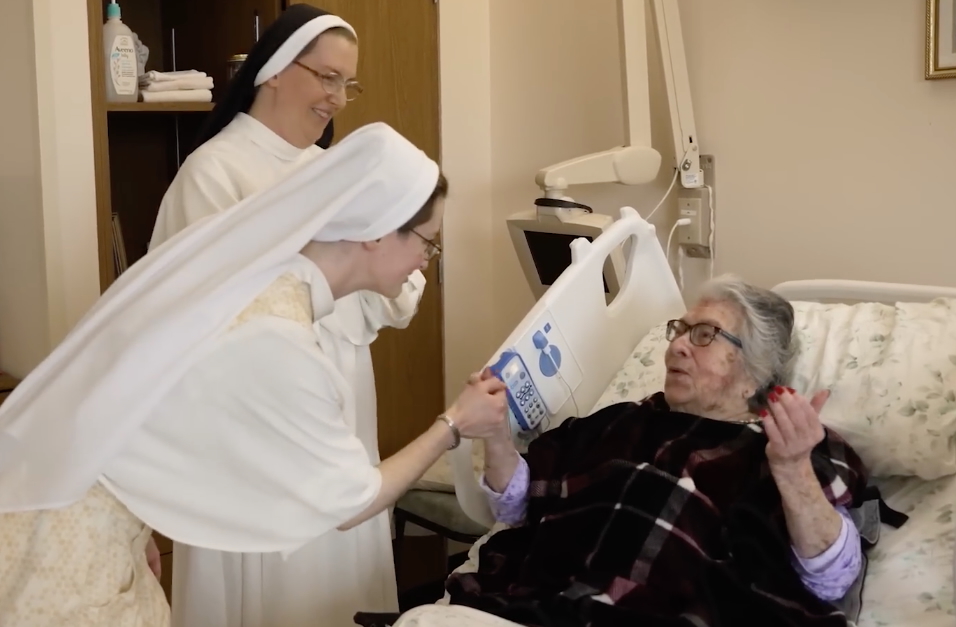
The New York State Department of Health warned the sisters about “refusing to assign a room to a resident other than in accordance with the resident’s gender identity.”

Read More

The phenomenon of a Full Moon arises when our planet, Earth, is precisely sandwiched between the Sun and the Moon. This alignment ensures the entire side of the Moon that faces us gleams under sunlight. Thanks to the Moon’s orbit around Earth, the angle of sunlight hitting the lunar surface and being reflected back toContinue reading “2026 Full Moon calendar: When to see the Full Moon and phases”

The post 2026 Full Moon calendar: When to see the Full Moon and phases appeared first on Astronomy Magazine.

Read More
Teen killed, 60 hurt after truck rams Easter procession in Pakistan – #Catholic – LAHORE, Pakistan — Police in Pakistan are continuing their search for a driver who fled after a truck rammed into an Easter procession, killing a teenage boy and injuring more than 60 people, as concerns grow over accountability and safety lapses four days after the incident.The crash occurred in the early hours of April 5 in Mariamabad in Punjab’s Wazirabad district, where around 200 Catholics had gathered for a predawn Easter service. Irfan Bashir, a 17-year-old laborer, died of a head injury on April 6.Officials said the suspect, identified as Muhammad Bilal, remains at large. The vehicle involved in the incident and the driver’s assistant are in police custody, and a case has been registered.“We are conducting daily raids to arrest the driver,” said Muhammad Ahmad, the assistant sub-inspector who filed the case, attributing the incident to overspeeding.He added that the vehicle was empty and heading to a poultry farm and claimed the procession was held without prior police notification.At least 14 injured remain hospitalized in two hospitals in nearby Gujranwala, some in serious condition. Doctors said most victims suffered fractures and trauma caused by the impact and the ensuing panic.The Punjab government set up a medical camp at the local Catholic church on April 6 to assist victims in Mariamabad, a village of about 100 families comprising both Christians and Muslims.Disputed claimsChurch representatives and community members have disputed police claims that authorities were not informed in advance. Organizers insist prior notice had been given, raising concerns over coordination failures.Father Shahrukh Nathaniel, who led the sunrise service, said road processions have now been suspended following the tragedy.“We have asked the government to install speed breakers [in some countries called speed bumps] and barriers outside the church, which is located on a main road,” he told EWTN News. “The faithful usually gather outside after Mass, which increases the risk.”He said authorities have promised financial compensation for the victims and praised the establishment of a medical camp amid shortages in government hospitals, while urging the swift arrest of the driver.‘It was the worst Easter’Among the injured is the father of Mark Mathew, a ninth-grade student who was setting off fireworks at the front of the procession when the truck struck. His father, a furniture maker, suffered a fractured leg and is bedridden, while his mother sustained injuries to her knee and eye.“I feel lucky to be alive,” Mark said. “It was the worst Easter, visiting injured relatives and friends in hospitals.”Rights advocates say the case highlights broader concerns over the safety of minority religious gatherings in Pakistan.Capuchin friar condemns ‘Christianophobia’In an April 8 statement, Capuchin Father Lazar Aslam, convener of the Justice, Peace, and Ecology Commission, “vehemently condemned this irresponsible and heinous act,” describing it as a “clear Christianophobia-driven hate crime.”“This was not a mere traffic accident; it was a targeted assault on innocent worshippers at the most sacred moment of their liturgical calendar,” he said. “The driver’s failure to stop or render aid, and his decision to flee the scene, further underscores the malicious nature of this crime.”He added that “the persistent silence and minimization of such incidents are as painful as the violence itself,” warning that genuine interfaith dialogue cannot exist without truth and safety.“Until the lives of Christians are treated with equal dignity and those responsible are held accountable, empty words of peace will remain insufficient to heal the wounds of the community,” he said.Aslam called for immediate justice for the victims and urged authorities to ensure comprehensive medical treatment for impoverished families most severely affected by the tragedy.In September 2025, a Catholic pilgrim was killed and a teenager injured when gunmen attacked a van carrying devotees to the country’s largest Marian shrine in Mariamabad. The group was traveling through the Sheikhupura district to attend the annual Sept. 8 feast of the Nativity of Mary, which draws thousands each year.

Teen killed, 60 hurt after truck rams Easter procession in Pakistan – #Catholic – LAHORE, Pakistan — Police in Pakistan are continuing their search for a driver who fled after a truck rammed into an Easter procession, killing a teenage boy and injuring more than 60 people, as concerns grow over accountability and safety lapses four days after the incident.The crash occurred in the early hours of April 5 in Mariamabad in Punjab’s Wazirabad district, where around 200 Catholics had gathered for a predawn Easter service. Irfan Bashir, a 17-year-old laborer, died of a head injury on April 6.Officials said the suspect, identified as Muhammad Bilal, remains at large. The vehicle involved in the incident and the driver’s assistant are in police custody, and a case has been registered.“We are conducting daily raids to arrest the driver,” said Muhammad Ahmad, the assistant sub-inspector who filed the case, attributing the incident to overspeeding.He added that the vehicle was empty and heading to a poultry farm and claimed the procession was held without prior police notification.At least 14 injured remain hospitalized in two hospitals in nearby Gujranwala, some in serious condition. Doctors said most victims suffered fractures and trauma caused by the impact and the ensuing panic.The Punjab government set up a medical camp at the local Catholic church on April 6 to assist victims in Mariamabad, a village of about 100 families comprising both Christians and Muslims.Disputed claimsChurch representatives and community members have disputed police claims that authorities were not informed in advance. Organizers insist prior notice had been given, raising concerns over coordination failures.Father Shahrukh Nathaniel, who led the sunrise service, said road processions have now been suspended following the tragedy.“We have asked the government to install speed breakers [in some countries called speed bumps] and barriers outside the church, which is located on a main road,” he told EWTN News. “The faithful usually gather outside after Mass, which increases the risk.”He said authorities have promised financial compensation for the victims and praised the establishment of a medical camp amid shortages in government hospitals, while urging the swift arrest of the driver.‘It was the worst Easter’Among the injured is the father of Mark Mathew, a ninth-grade student who was setting off fireworks at the front of the procession when the truck struck. His father, a furniture maker, suffered a fractured leg and is bedridden, while his mother sustained injuries to her knee and eye.“I feel lucky to be alive,” Mark said. “It was the worst Easter, visiting injured relatives and friends in hospitals.”Rights advocates say the case highlights broader concerns over the safety of minority religious gatherings in Pakistan.Capuchin friar condemns ‘Christianophobia’In an April 8 statement, Capuchin Father Lazar Aslam, convener of the Justice, Peace, and Ecology Commission, “vehemently condemned this irresponsible and heinous act,” describing it as a “clear Christianophobia-driven hate crime.”“This was not a mere traffic accident; it was a targeted assault on innocent worshippers at the most sacred moment of their liturgical calendar,” he said. “The driver’s failure to stop or render aid, and his decision to flee the scene, further underscores the malicious nature of this crime.”He added that “the persistent silence and minimization of such incidents are as painful as the violence itself,” warning that genuine interfaith dialogue cannot exist without truth and safety.“Until the lives of Christians are treated with equal dignity and those responsible are held accountable, empty words of peace will remain insufficient to heal the wounds of the community,” he said.Aslam called for immediate justice for the victims and urged authorities to ensure comprehensive medical treatment for impoverished families most severely affected by the tragedy.In September 2025, a Catholic pilgrim was killed and a teenager injured when gunmen attacked a van carrying devotees to the country’s largest Marian shrine in Mariamabad. The group was traveling through the Sheikhupura district to attend the annual Sept. 8 feast of the Nativity of Mary, which draws thousands each year.

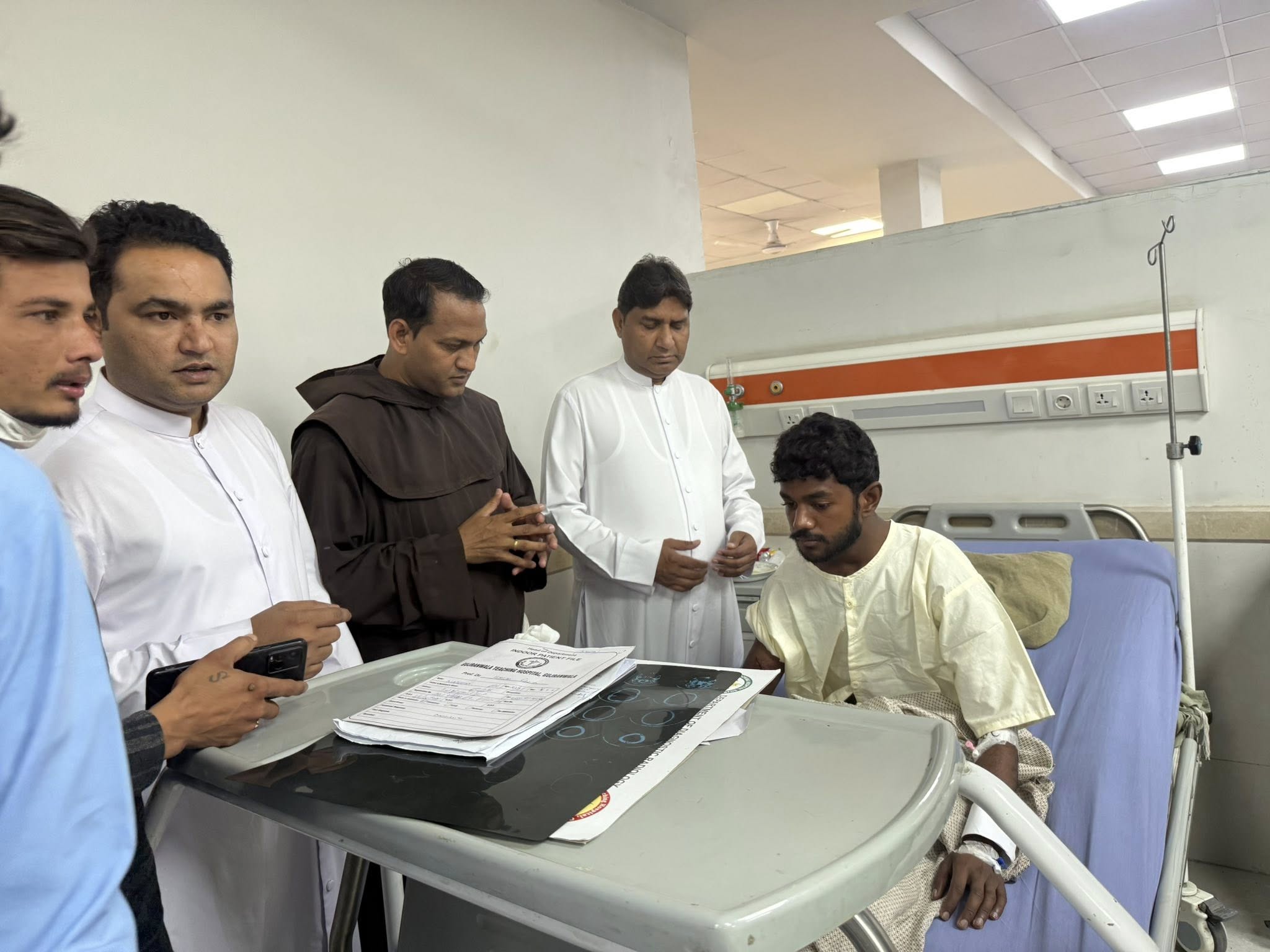
Police are searching for a truck driver who fled after plowing into a predawn Easter procession in Punjab, killing a 17-year-old and injuring more than 60.

Read More
Picture of the day
Sand dunes of the Thar Desert in the Indian state of Rajasthan. On this day in 1949, the state was formed after a merger of several Rajput princely states into the Indian Union following India’s independence from British colonial rule.
Read More