Day: April 12, 2026

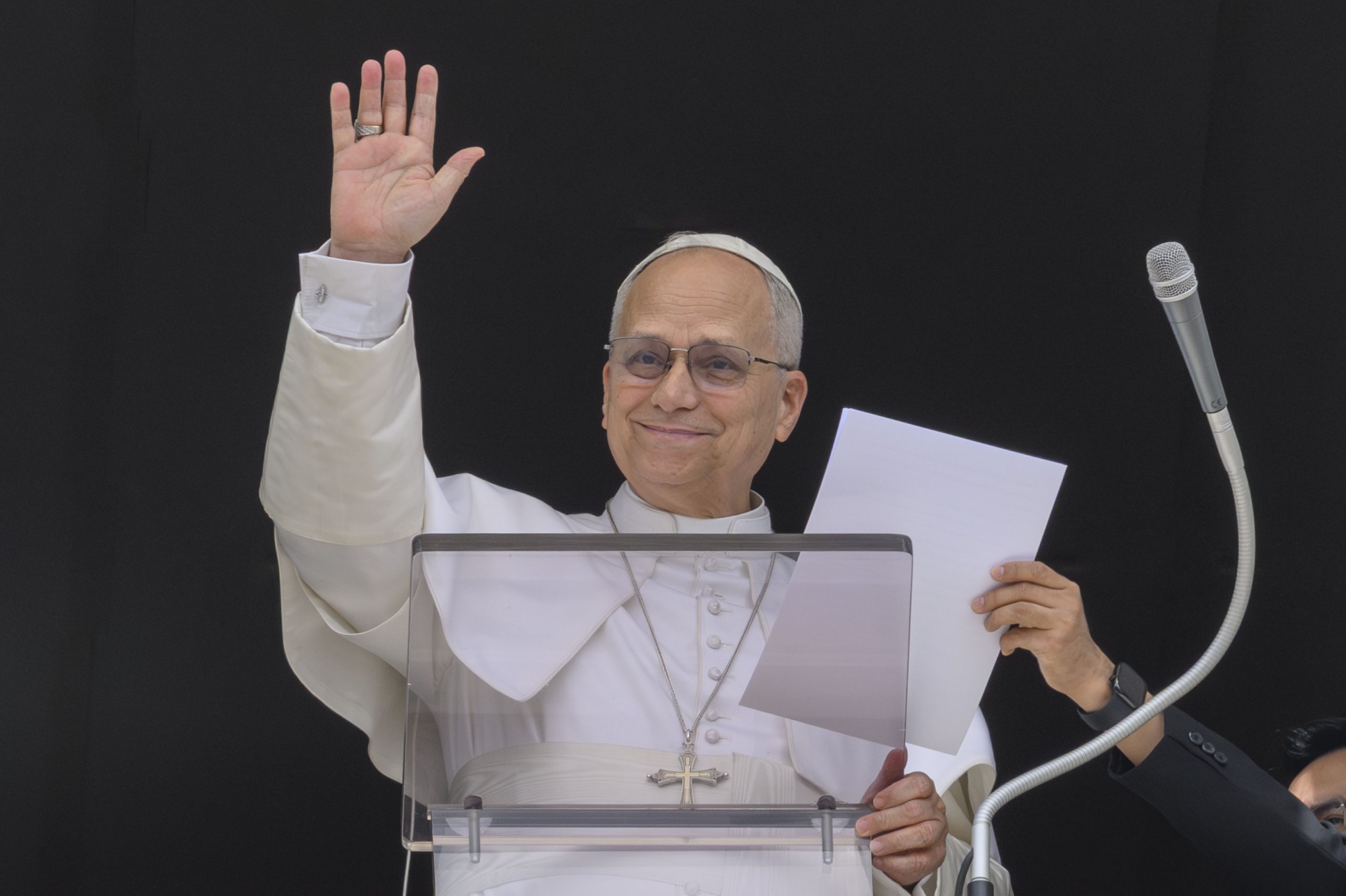
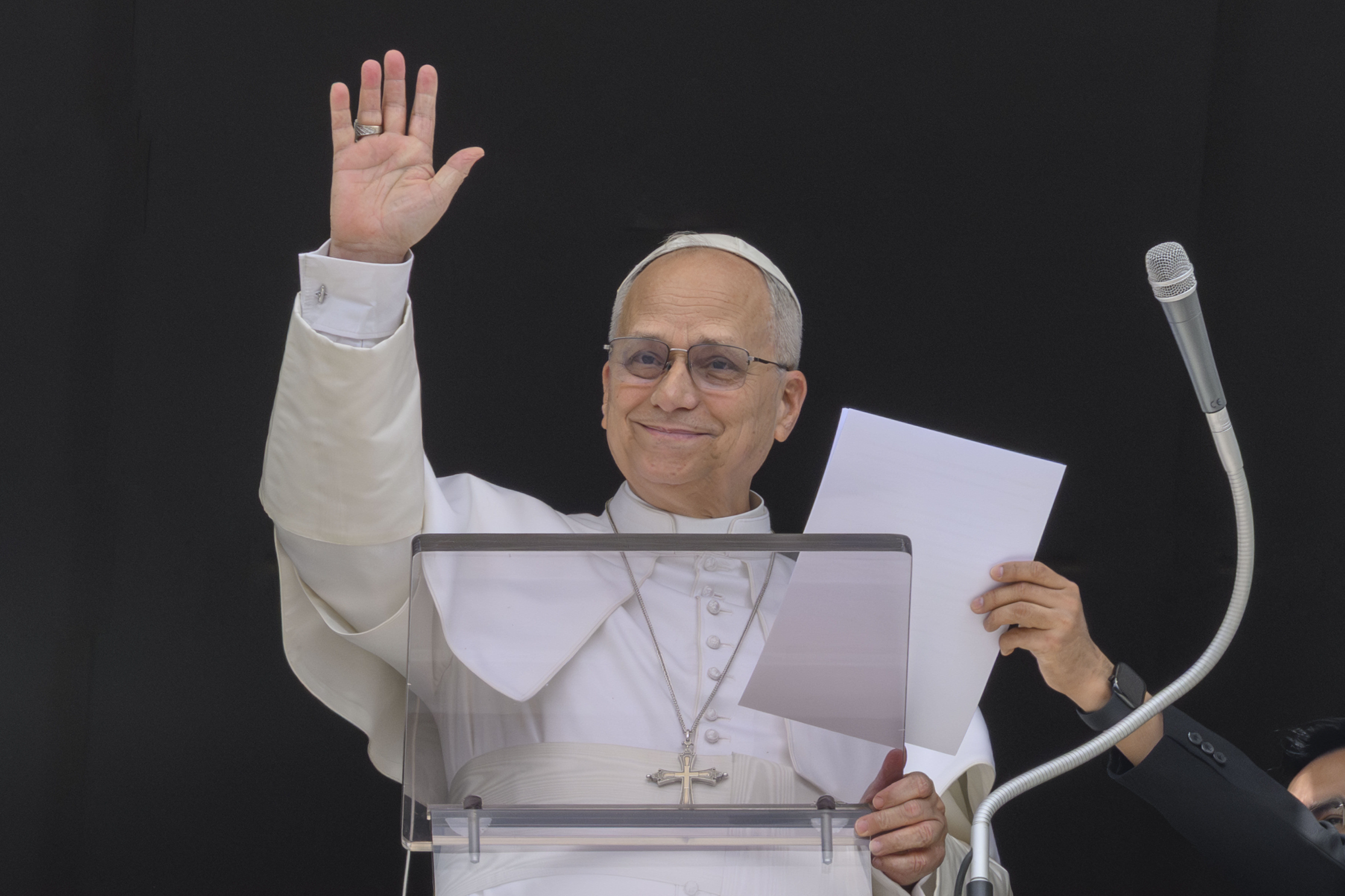
Pope Leo XIV: Eucharist is ‘indispensable for Christian life’ #Catholic “The Sunday Eucharist is indispensable for Christian life,” said Pope Leo XIV before reciting the Marian prayer of the Regina Caeli on April 12 in St. Peterʼs Square. Speaking to crowds gathered in the square, the pope noted his upcoming departure for Africa, where “some martyrs of the early African Church, the Martyrs of Abitene, have left us a beautiful testimony in this regard." "Faced with the offer to save their lives on the condition that they renounce celebrating the Eucharist, they replied that they could not live without celebrating the Lord’s Day. It is there that our faith is nourished and grows,” the Holy Father said. “Because it is through the Eucharist that even our hands become ‘hands of the Risen One,’ witnesses of his presence, of his mercy, and of his peace, in the signs of work, of sacrifices, of illness, and of the passing of the years, which are often engraved upon them — just as in the tenderness of a caress, a handshake, or a gesture of charity," he said. In his commentary on the April 12 Gospel for the second Sunday of Easter — dedicated by Pope John Paul II to Divine Mercy — the pope spoke about the faithfulʼs encounter with Jesus: “Where can we find him? How can we recognize him? How can we believe?”“Certainly, it is not always easy to believe. It was not easy for Thomas, and it is not easy for us either. Faith needs to be nourished and supported. For this reason, on the ‘eighth day,’ that is, every Sunday, the Church invites us to do as the first disciples did: to gather together and celebrate the Eucharist as one," he said.The pope concluded: “In a world that is in such great need of peace, this commits us more than ever to be assiduous and faithful in our Eucharistic encounter with the Risen Lord, so that we may depart from it as witnesses of charity and bearers of reconciliation." “May the Virgin Mary help us to do this — she who is blessed because she was the first to believe without seeing,” he said. After the prayer, Pope Leo XIV returned to the theme of peace. Recalling the Easter celebration of the Orthodox Churches, he said: “I accompany those communities with even more intense prayer for all those who suffer because of the war, in particular for the dear people of Ukraine.”“May the light of Christ bring comfort to afflicted hearts and strengthen the hope of peace. May the attention of the international community toward the drama of this war not diminish. I am also more than ever close to the beloved people of Lebanon in these days of sorrow, fear, and invincible hope in God.”“The principle of humanity, inscribed in the conscience of every person and recognized in international law, entails the moral obligation to protect the civilian population from the atrocious effects of war. I appeal to the conflicting parties to cease fire and to urgently seek a peaceful solution," he said. Next Wednesday marks three years since the beginning of the bloody conflict in Sudan. “How much the Sudanese people are suffering — innocent victims of this inhuman tragedy!“ the pope said. ”I renew my heartfelt appeal to the warring parties to silence the weapons and to begin, without preconditions, a sincere dialogue aimed at ending as soon as possible this fratricidal war.”The pope then greeted everyone: “I extend a warm welcome to all of you, Romans and pilgrims, especially to the faithful who have celebrated Divine Mercy Sunday at the Shrine of Santo Spirito in Sassia.”This story was first published by ACI Stampa, the Italian-language sister service of EWTN News. It has been translated and adapted by EWTN News English.

Pope Leo XIV: Eucharist is ‘indispensable for Christian life’ #Catholic “The Sunday Eucharist is indispensable for Christian life,” said Pope Leo XIV before reciting the Marian prayer of the Regina Caeli on April 12 in St. Peterʼs Square. Speaking to crowds gathered in the square, the pope noted his upcoming departure for Africa, where “some martyrs of the early African Church, the Martyrs of Abitene, have left us a beautiful testimony in this regard." "Faced with the offer to save their lives on the condition that they renounce celebrating the Eucharist, they replied that they could not live without celebrating the Lord’s Day. It is there that our faith is nourished and grows,” the Holy Father said. “Because it is through the Eucharist that even our hands become ‘hands of the Risen One,’ witnesses of his presence, of his mercy, and of his peace, in the signs of work, of sacrifices, of illness, and of the passing of the years, which are often engraved upon them — just as in the tenderness of a caress, a handshake, or a gesture of charity," he said. In his commentary on the April 12 Gospel for the second Sunday of Easter — dedicated by Pope John Paul II to Divine Mercy — the pope spoke about the faithfulʼs encounter with Jesus: “Where can we find him? How can we recognize him? How can we believe?”“Certainly, it is not always easy to believe. It was not easy for Thomas, and it is not easy for us either. Faith needs to be nourished and supported. For this reason, on the ‘eighth day,’ that is, every Sunday, the Church invites us to do as the first disciples did: to gather together and celebrate the Eucharist as one," he said.The pope concluded: “In a world that is in such great need of peace, this commits us more than ever to be assiduous and faithful in our Eucharistic encounter with the Risen Lord, so that we may depart from it as witnesses of charity and bearers of reconciliation." “May the Virgin Mary help us to do this — she who is blessed because she was the first to believe without seeing,” he said. After the prayer, Pope Leo XIV returned to the theme of peace. Recalling the Easter celebration of the Orthodox Churches, he said: “I accompany those communities with even more intense prayer for all those who suffer because of the war, in particular for the dear people of Ukraine.”“May the light of Christ bring comfort to afflicted hearts and strengthen the hope of peace. May the attention of the international community toward the drama of this war not diminish. I am also more than ever close to the beloved people of Lebanon in these days of sorrow, fear, and invincible hope in God.”“The principle of humanity, inscribed in the conscience of every person and recognized in international law, entails the moral obligation to protect the civilian population from the atrocious effects of war. I appeal to the conflicting parties to cease fire and to urgently seek a peaceful solution," he said. Next Wednesday marks three years since the beginning of the bloody conflict in Sudan. “How much the Sudanese people are suffering — innocent victims of this inhuman tragedy!“ the pope said. ”I renew my heartfelt appeal to the warring parties to silence the weapons and to begin, without preconditions, a sincere dialogue aimed at ending as soon as possible this fratricidal war.”The pope then greeted everyone: “I extend a warm welcome to all of you, Romans and pilgrims, especially to the faithful who have celebrated Divine Mercy Sunday at the Shrine of Santo Spirito in Sassia.”This story was first published by ACI Stampa, the Italian-language sister service of EWTN News. It has been translated and adapted by EWTN News English.

“It is through the Eucharist that even our hands become ‘hands of the Risen One’,” the pope said.
Read More
Chaldean Church chooses Archbishop Amel Nona as patriarch, succeeding Cardinal Sako #Catholic The Chaldean Synod has elected Archbishop Amel Shamon Nona as the new Patriarch of the Chaldean Catholic Church, succeeding Cardinal Louis Raphael Sako, who submitted his resignation to Pope Leo XIV on March 9 amid a financial and legal scandal concerning a former Chaldean bishop in San Diego.The election took place during the synod’s meetings held in Rome since April 9.This election comes at a critical time for both the Chaldean Church and the wider region, amid ongoing political challenges in Iraq and the Middle East, as well as internal ecclesial issues related to unity and the organization of Church life both locally and in the diaspora.Following the election, the Chaldean bishops issued a statement saying:“After deep spiritual and fraternal deliberations, conducted in a spirit of prayer and ecclesial discernment, and mindful of the apostolic responsibility entrusted to them, the Fathers of the Synod elected the Patriarch of the Chaldean Church according to the established canonical procedures. After completing the required ballots, and in accordance with the will expressed by the Synod, His Excellency Archbishop Amel Shamon Nona was elected Patriarch of the Chaldean Church and chose for himself the name His Beatitude Patriarch Mar Paul III Nona.”The statement continued: “His Beatitude accepted the election in accordance with canonical norms, expressing his reliance on God’s grace and his commitment to exercise his patriarchal ministry with fidelity and responsibility, in full communion with the Fathers of the Synod, in service of the unity of the Chaldean Church and its mission in the homeland and the diaspora.”“The Fathers of the Synod raise their prayers to the Lord Jesus Christ, the Good Shepherd, asking that He grant the elected Patriarch wisdom and strength,“ the statement continued. ”They affirm their confidence that this ministry will contribute to strengthening the faithful in their faith, enhancing their unity, and revitalizing the Church’s mission in bearing witness to the Gospel.”The Synod also called on all members of the Chaldean Church — clergy and faithful alike — to unite around the new Patriarch and support him through prayer and shared responsibility for the good of the Church and the growth of its mission.Archbishop Nona was born in Alqosh in northern Iraq in 1967. He was ordained a priest in 1991 after completing his studies at the Patriarchal Seminary in Baghdad. He later pursued higher studies in Rome, earning a doctorate in theological anthropology from the Pontifical Lateran University.He served in the parishes of Alqosh before being appointed Archbishop of Mosul in 2009, during a period marked by escalating violence against Christians in Iraq.During the events of 2014, he left Mosul along with his faithful following the takeover of the city by the terrorist group ISIS, marking a pivotal moment in the modern history of the Chaldean Church.In 2015, the Holy See appointed him head of the Chaldean Eparchy of St. Thomas the Apostle in Australia and New Zealand, where he continued his pastoral ministry among the Chaldean diaspora.His appointment comes following the resignation of Cardinal Raphael Sako, who announced that he submitted his resignation to Pope Leo XIV of his own free will on the morning of March 9 so he could “dedicate himself quietly to prayer, writing, and simple service.”The timing sparked controversy within the Chaldean community. Pope Leo XIV on March 10 accepted the resignation of Bishop Emanuel Shaleta, a Chaldean Catholic bishop arrested in San Diego in March on charges of embezzling Church funds.Sako had allegedly attempted to support or transfer the embattled bishop to a higher position, leading many to question whether the financial scandal played a role in the patriarch’s decision.This story was first published by ACI MENA, the Arabic-language sister service of EWTN News. It has been translated and adapted by EWTN News English.

Chaldean Church chooses Archbishop Amel Nona as patriarch, succeeding Cardinal Sako #Catholic The Chaldean Synod has elected Archbishop Amel Shamon Nona as the new Patriarch of the Chaldean Catholic Church, succeeding Cardinal Louis Raphael Sako, who submitted his resignation to Pope Leo XIV on March 9 amid a financial and legal scandal concerning a former Chaldean bishop in San Diego.The election took place during the synod’s meetings held in Rome since April 9.This election comes at a critical time for both the Chaldean Church and the wider region, amid ongoing political challenges in Iraq and the Middle East, as well as internal ecclesial issues related to unity and the organization of Church life both locally and in the diaspora.Following the election, the Chaldean bishops issued a statement saying:“After deep spiritual and fraternal deliberations, conducted in a spirit of prayer and ecclesial discernment, and mindful of the apostolic responsibility entrusted to them, the Fathers of the Synod elected the Patriarch of the Chaldean Church according to the established canonical procedures. After completing the required ballots, and in accordance with the will expressed by the Synod, His Excellency Archbishop Amel Shamon Nona was elected Patriarch of the Chaldean Church and chose for himself the name His Beatitude Patriarch Mar Paul III Nona.”The statement continued: “His Beatitude accepted the election in accordance with canonical norms, expressing his reliance on God’s grace and his commitment to exercise his patriarchal ministry with fidelity and responsibility, in full communion with the Fathers of the Synod, in service of the unity of the Chaldean Church and its mission in the homeland and the diaspora.”“The Fathers of the Synod raise their prayers to the Lord Jesus Christ, the Good Shepherd, asking that He grant the elected Patriarch wisdom and strength,“ the statement continued. ”They affirm their confidence that this ministry will contribute to strengthening the faithful in their faith, enhancing their unity, and revitalizing the Church’s mission in bearing witness to the Gospel.”The Synod also called on all members of the Chaldean Church — clergy and faithful alike — to unite around the new Patriarch and support him through prayer and shared responsibility for the good of the Church and the growth of its mission.Archbishop Nona was born in Alqosh in northern Iraq in 1967. He was ordained a priest in 1991 after completing his studies at the Patriarchal Seminary in Baghdad. He later pursued higher studies in Rome, earning a doctorate in theological anthropology from the Pontifical Lateran University.He served in the parishes of Alqosh before being appointed Archbishop of Mosul in 2009, during a period marked by escalating violence against Christians in Iraq.During the events of 2014, he left Mosul along with his faithful following the takeover of the city by the terrorist group ISIS, marking a pivotal moment in the modern history of the Chaldean Church.In 2015, the Holy See appointed him head of the Chaldean Eparchy of St. Thomas the Apostle in Australia and New Zealand, where he continued his pastoral ministry among the Chaldean diaspora.His appointment comes following the resignation of Cardinal Raphael Sako, who announced that he submitted his resignation to Pope Leo XIV of his own free will on the morning of March 9 so he could “dedicate himself quietly to prayer, writing, and simple service.”The timing sparked controversy within the Chaldean community. Pope Leo XIV on March 10 accepted the resignation of Bishop Emanuel Shaleta, a Chaldean Catholic bishop arrested in San Diego in March on charges of embezzling Church funds.Sako had allegedly attempted to support or transfer the embattled bishop to a higher position, leading many to question whether the financial scandal played a role in the patriarch’s decision.This story was first published by ACI MENA, the Arabic-language sister service of EWTN News. It has been translated and adapted by EWTN News English.

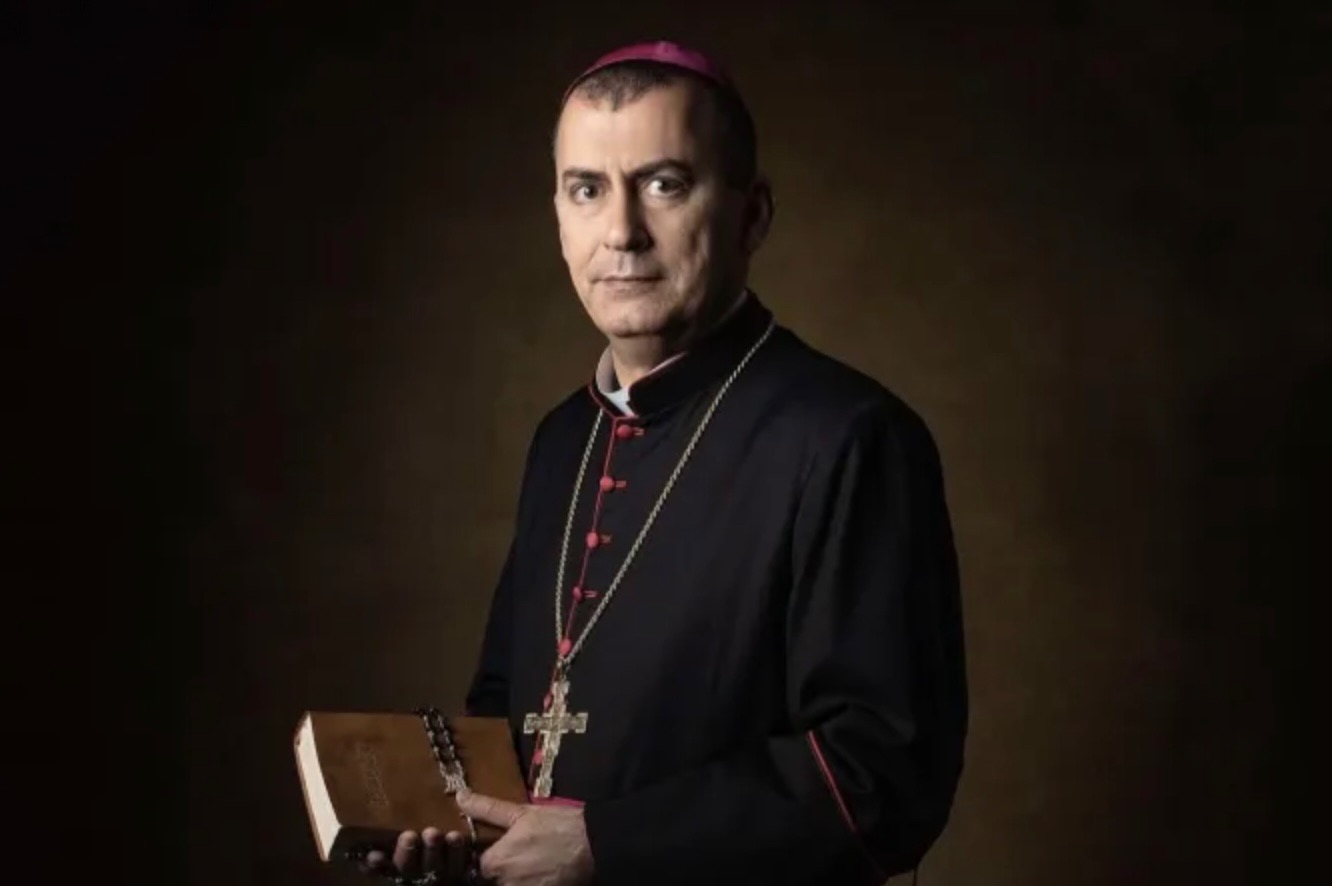
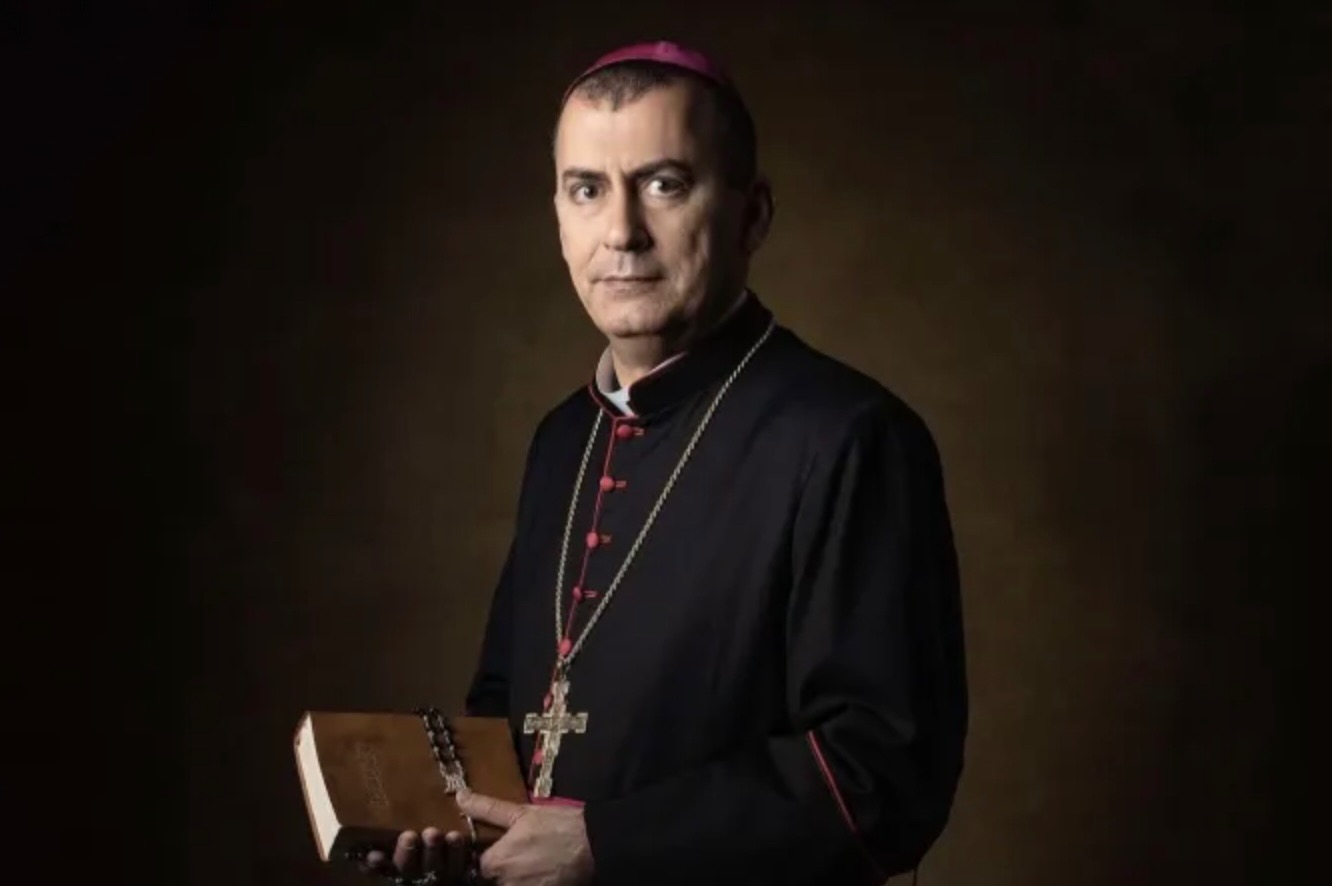
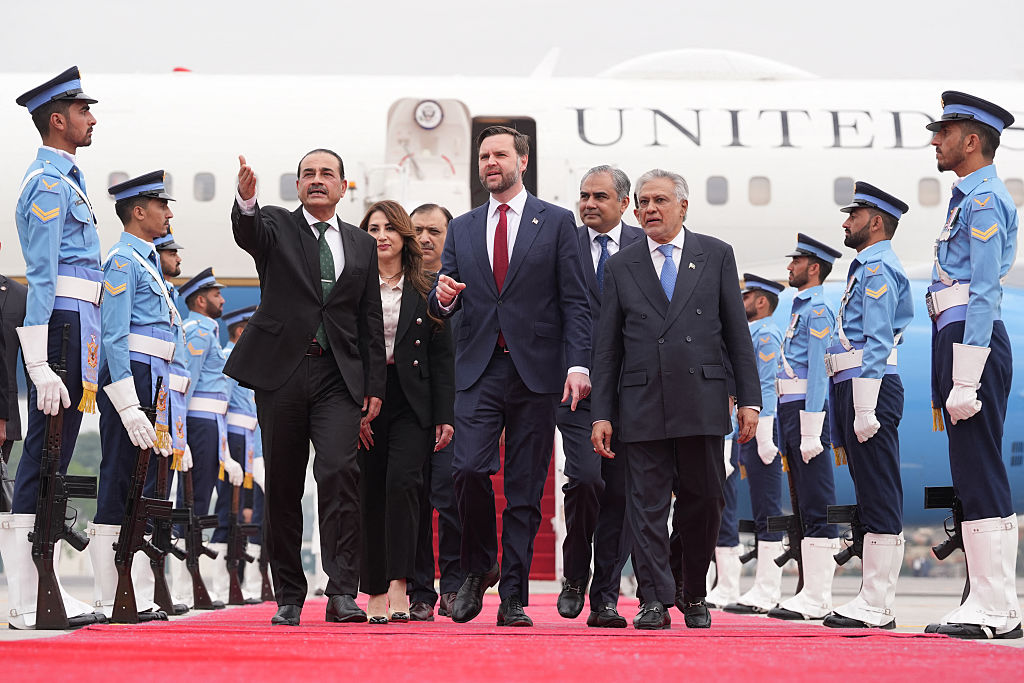
His appointment comes following the resignation of Cardinal Raphael Sako, who submitted his resignation to Pope Leo XIV on March 9 amid a legal and financial scandal surrounding a former bishop.
Read More
U.S.-Iran talks collapse as Vance cites nuclear impasse and Catholic leaders call for peace – #Catholic – U.S.-Iran peace talks collapsed on Sunday after a 21-hour marathon session, with Vice President JD Vance blaming Iranʼs refusal to commit to abandoning its nuclear program, even as Catholic leaders in Rome and Washington condemned the broader conflict as immoral and pleaded “Enough of war!”“The bad news is that we have not reached an agreement. And I think that’s bad news for Iran much more than it’s bad news for the United States of America,” Vance told reporters in Islamabad, where the meetings took place. “We’ve had a number of substantive discussions with the Iranians. That’s the good news.”He added that the core impasse remained Iran’s nuclear ambitions: “But the simple fact is that we need to see an affirmative commitment that they will not seek a nuclear weapon, and they will not seek the tools that would enable them to quickly achieve a nuclear weapon. That is the core goal of the president of the United States. And that’s what we’ve tried to achieve through these negotiations.”Vance emphasized that the U.S. side negotiated “in good faith,” but Iran “has chosen not to accept our terms.” He further noted, “We leave here with a very simple proposal, a method of understanding that is our final and best offer. We’ll see if the Iranians accept it.”Iran has insisted the aims of its nuclear program are civilian.The high-level face-to-face talks in Pakistan, a mediator between the two countries, followed weeks of military confrontation that began in late February and produced a tenuous two-week ceasefire, which ends April 22. With no deal secured, the future of that truce now hangs in greater uncertainty.Despite the breakdown in negotiations, Pakistani Foreign Minister Ishaq Dar pushed both sides to continue to "uphold their commitment to ceasefire."Vance, a Catholic convert and Iraq War veteran, has reflected on the moral weight of these national security decisions in the context of his faith. Speaking to the Washington Post last week about U.S. actions to prevent Iran from obtaining a nuclear weapon, he said, “I certainly hope that God agrees with the decision that Iran shouldn’t have a nuclear weapon, but I’ll keep praying about it.” He added that his approach has been “to pray that we are on God’s side” because “that would mean a lot of innocent people dead.”Catholic leaders in the U.S. and at the Vatican have responded to the broader conflict with strong calls for peace and a return to dialogue. In Rome, Pope Leo XIV led a peace vigil at the Vatican April 11, where he delivered a forceful appeal against the violence.“Enough of war!” he declared, lamenting the human and spiritual cost of the fighting. He stressed that prayer is “the most free, universal and disruptive response to death," and is among the things that “break the demonic chain of evil and put themselves at the service of the Kingdom of God; a kingdom in which there is no sword, no drones, no revenge, no trivialization of evil, no unfair profit, but only dignity, understanding and forgiveness.”He and other Catholic leaders have drawn on the Church’s just war tradition, which holds that the use of force must meet strict moral criteria, including just cause, right intention, last resort, proportionality, and discrimination between combatants and non-combatants.The Holy Father called on all parties to reject escalation and instead commit to patient, honest dialogue aimed at genuine coexistence and the protection of civilians.“Stop! Itʼs time for peace! Sit at tables of dialogue and mediation, not at tables where rearmament is planned and death actions are deliberated,” he said.At a special Mass for Peace held in Washington, also on April 11, Cardinal Robert McElroy argued that the current war fails to meet the strict criteria of just war theory, particularly in light of civilian suffering and the risk of disproportionate harm. The cardinal urged the faithful to pray for an immediate end to hostilities and for diplomats to pursue a just settlement that protects human life.Predicting the failure of negotiations “because of recalcitrance on both sides” and the United States’ reentry into hostilities after the ceasefire, he said:“At that critical juncture, as disciples of Jesus Christ called to be peacemakers in the world, we must answer vocally and in unison: No,” he said. “Not in our name. Not at this moment. Not with our country.”He warned of the “expansion of the war far beyond Iran, the disruption of the world economy, and the loss of life.”

U.S.-Iran talks collapse as Vance cites nuclear impasse and Catholic leaders call for peace – #Catholic – U.S.-Iran peace talks collapsed on Sunday after a 21-hour marathon session, with Vice President JD Vance blaming Iranʼs refusal to commit to abandoning its nuclear program, even as Catholic leaders in Rome and Washington condemned the broader conflict as immoral and pleaded “Enough of war!”“The bad news is that we have not reached an agreement. And I think that’s bad news for Iran much more than it’s bad news for the United States of America,” Vance told reporters in Islamabad, where the meetings took place. “We’ve had a number of substantive discussions with the Iranians. That’s the good news.”He added that the core impasse remained Iran’s nuclear ambitions: “But the simple fact is that we need to see an affirmative commitment that they will not seek a nuclear weapon, and they will not seek the tools that would enable them to quickly achieve a nuclear weapon. That is the core goal of the president of the United States. And that’s what we’ve tried to achieve through these negotiations.”Vance emphasized that the U.S. side negotiated “in good faith,” but Iran “has chosen not to accept our terms.” He further noted, “We leave here with a very simple proposal, a method of understanding that is our final and best offer. We’ll see if the Iranians accept it.”Iran has insisted the aims of its nuclear program are civilian.The high-level face-to-face talks in Pakistan, a mediator between the two countries, followed weeks of military confrontation that began in late February and produced a tenuous two-week ceasefire, which ends April 22. With no deal secured, the future of that truce now hangs in greater uncertainty.Despite the breakdown in negotiations, Pakistani Foreign Minister Ishaq Dar pushed both sides to continue to "uphold their commitment to ceasefire."Vance, a Catholic convert and Iraq War veteran, has reflected on the moral weight of these national security decisions in the context of his faith. Speaking to the Washington Post last week about U.S. actions to prevent Iran from obtaining a nuclear weapon, he said, “I certainly hope that God agrees with the decision that Iran shouldn’t have a nuclear weapon, but I’ll keep praying about it.” He added that his approach has been “to pray that we are on God’s side” because “that would mean a lot of innocent people dead.”Catholic leaders in the U.S. and at the Vatican have responded to the broader conflict with strong calls for peace and a return to dialogue. In Rome, Pope Leo XIV led a peace vigil at the Vatican April 11, where he delivered a forceful appeal against the violence.“Enough of war!” he declared, lamenting the human and spiritual cost of the fighting. He stressed that prayer is “the most free, universal and disruptive response to death," and is among the things that “break the demonic chain of evil and put themselves at the service of the Kingdom of God; a kingdom in which there is no sword, no drones, no revenge, no trivialization of evil, no unfair profit, but only dignity, understanding and forgiveness.”He and other Catholic leaders have drawn on the Church’s just war tradition, which holds that the use of force must meet strict moral criteria, including just cause, right intention, last resort, proportionality, and discrimination between combatants and non-combatants.The Holy Father called on all parties to reject escalation and instead commit to patient, honest dialogue aimed at genuine coexistence and the protection of civilians.“Stop! Itʼs time for peace! Sit at tables of dialogue and mediation, not at tables where rearmament is planned and death actions are deliberated,” he said.At a special Mass for Peace held in Washington, also on April 11, Cardinal Robert McElroy argued that the current war fails to meet the strict criteria of just war theory, particularly in light of civilian suffering and the risk of disproportionate harm. The cardinal urged the faithful to pray for an immediate end to hostilities and for diplomats to pursue a just settlement that protects human life.Predicting the failure of negotiations “because of recalcitrance on both sides” and the United States’ reentry into hostilities after the ceasefire, he said:“At that critical juncture, as disciples of Jesus Christ called to be peacemakers in the world, we must answer vocally and in unison: No,” he said. “Not in our name. Not at this moment. Not with our country.”He warned of the “expansion of the war far beyond Iran, the disruption of the world economy, and the loss of life.”

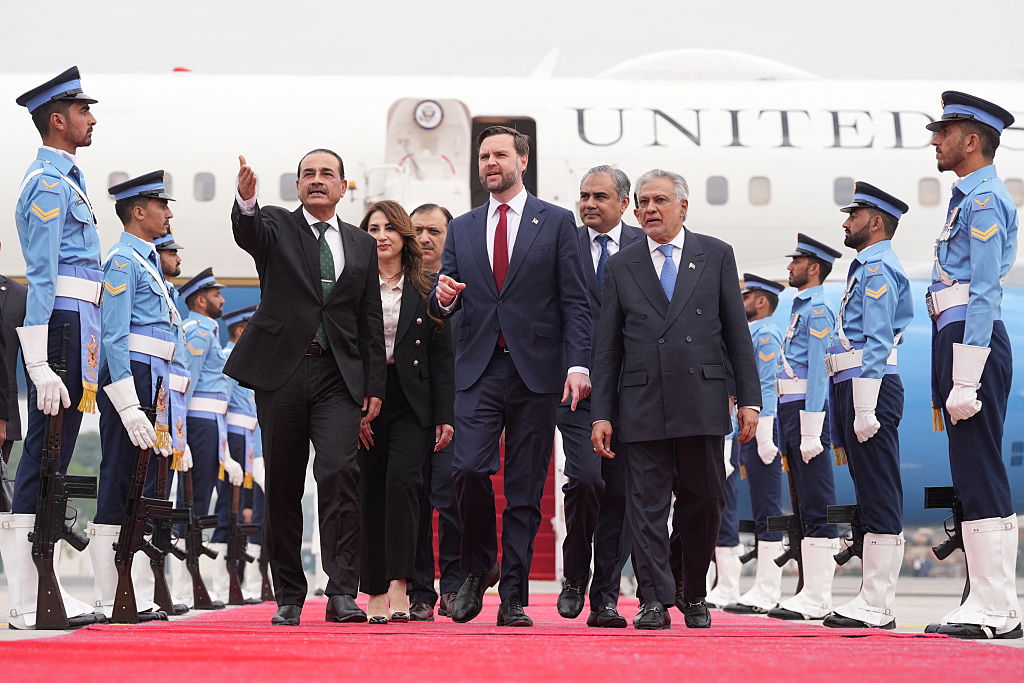
The high-level face-to-face talks in Pakistan followed weeks of military confrontation that began in late February and produced a tenuous two-week ceasefire, which ends April 22.
Read More

In 1972, President Nixon authorized the development of the space shuttle program, a new approach to space travel. By creating a reusable spacecraft, NASA aimed to establish a reliable system for ferrying personnel, supplies, and equipment. When Space Shuttle Columbia launched for the first time on April 12, 1981, on STS-1, it was the firstContinue reading “April 12, 1981: Columbia lifts of for the first space shuttle mission”

The post April 12, 1981: Columbia lifts of for the first space shuttle mission appeared first on Astronomy Magazine.

Read More
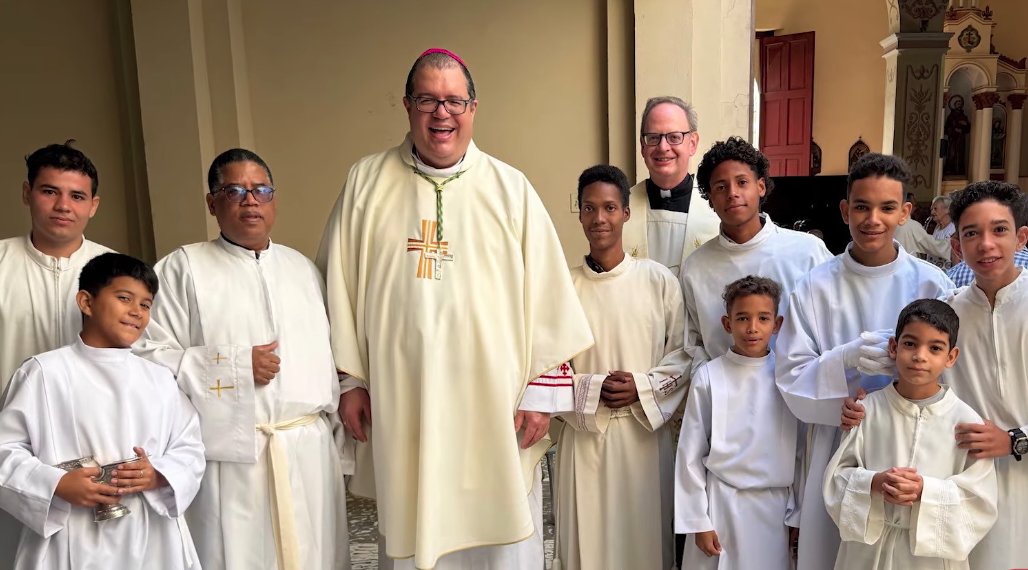
Florida bishop advocates for greater access to internet, political freedom for Cubans – #Catholic – Bishop Manuel de Jesús Rodríguez of Palm Beach, Florida, advocated for greater internet access within Cuba and for Cubans to be able to exercise political freedom and freedom of expression, because this “forms part of human dignity.”The Dominican-born prelate made the appeal in an interview with “EWTN Noticias,” the Spanish-language broadcast edition of EWTN News, after a March visit to Cuba to attend the installation of Osmany Massó Cuesta as bishop of Bayamo-Manzanillo.Speaking with “EWTN Noticias,” Rodríguez addressed recent events in the Caribbean nation, including the government’s Holy Week announcement that it would release more than 2,000 people from prison.The bishop stated that this was “a first step toward a long-term and more stable solution.” “It is certainly neither the definitive nor the complete solution, but it is a sign that should be appreciated as a positive step,” he said.He noted that this step “must be followed by other measures” capable of “increasingly guaranteeing the growing integral development of Cuban men and women at the social level.”“In Cuba,” he stated, “a process must take place wherein Cubans are granted increasingly greater access to the internet, where the exercise of freedom of expression is made possible, and where political freedom — naturally — can also be exercised, for that is part of human dignity.” “However,” he noted, “all of this must always proceed from an attitude of dialogue and collaboration.”Regarding the Catholic Church in Cuba, the prelate stated that in recent years, the bishops have been granted the opportunity “to speak on the radio,” thereby enabling them to evangelize and provide moral support to the people “within the limitations inherent to the prevailing situation and circumstances.”In Cuba, where a one-party system is imposed, the internet is monopolized by the state-owned company ETECSA. The most affordable data plan available to citizens costs 120 Cuban pesos () and offers only 2 GB. In contrast, a person arriving from abroad can access a minimum plan of 10 GB, although the cost is not listed on the website.The state also holds a monopoly over print, television, and radio media. Those wishing to establish independent media outlets have the internet as their only alternative, albeit at the risk of being harassed and detained by the communist regime, as documented on March 11 by the Inter American Press Association.The Catholic Church ‘is no one’s enemy’Rodríguez first visited Cuba as a young man in 1998 on the occasion of the historic apostolic journey of St. John Paul II. He returned in 1999 as a missionary and lived on the island until 2000.“Upon returning after 25 years, I have found a people who still possess the same faith, a people filled with hope, and a Church that has continued to grow and renew itself. However, suffering and distress in general have multiplied. When I was here more than 25 years ago, the humanitarian and social situation was already appalling.”“But now, the crisis has reached truly inhumane proportions … and our solidarity and response are urgently needed,” Rodríguez emphasized.The blackouts and shortages of food and medicine plaguing the island intensified starting in January, after the United States effectively stopped oil shipments from Mexico and Venezuela, a measure that has further complicated daily life, affecting, among other things, transportation, the accumulation of trash on the streets, and foreign tourism.And although a Russian vessel arrived in late March carrying 730,000 barrels of oil and the U.S. government is sending donations to be distributed by Caritas Cuba, this is not enough.Rodríguez therefore called upon the Cuban authorities to understand that the Catholic Church “is no one’s enemy,” for it is not married “to any ideology or to any political party” but rather preaches “Jesus Christ and his message of love, fraternity, respect for human dignity, peace, and hope.”“By working with the Church, they will be safeguarding the dignity of the Cuban people and will also be collaborating in a deliberate process aimed at implementing measures to restore the people’s dignity,” he stated.“Therefore, I invite the authorities of Cuba — the government of Cuba — not to be afraid to collaborate” with the Church, Rodríguez urged, who assured that “we, the Catholic bishops of the United States, are here to support the bishops of Cuba in whatever is needed.”This story was first published by ACI Prensa, the Spanish-language sister service of EWTN News. It has been translated and adapted by EWTN News English.

Florida bishop advocates for greater access to internet, political freedom for Cubans – #Catholic – Bishop Manuel de Jesús Rodríguez of Palm Beach, Florida, advocated for greater internet access within Cuba and for Cubans to be able to exercise political freedom and freedom of expression, because this “forms part of human dignity.”The Dominican-born prelate made the appeal in an interview with “EWTN Noticias,” the Spanish-language broadcast edition of EWTN News, after a March visit to Cuba to attend the installation of Osmany Massó Cuesta as bishop of Bayamo-Manzanillo.Speaking with “EWTN Noticias,” Rodríguez addressed recent events in the Caribbean nation, including the government’s Holy Week announcement that it would release more than 2,000 people from prison.The bishop stated that this was “a first step toward a long-term and more stable solution.” “It is certainly neither the definitive nor the complete solution, but it is a sign that should be appreciated as a positive step,” he said.He noted that this step “must be followed by other measures” capable of “increasingly guaranteeing the growing integral development of Cuban men and women at the social level.”“In Cuba,” he stated, “a process must take place wherein Cubans are granted increasingly greater access to the internet, where the exercise of freedom of expression is made possible, and where political freedom — naturally — can also be exercised, for that is part of human dignity.” “However,” he noted, “all of this must always proceed from an attitude of dialogue and collaboration.”Regarding the Catholic Church in Cuba, the prelate stated that in recent years, the bishops have been granted the opportunity “to speak on the radio,” thereby enabling them to evangelize and provide moral support to the people “within the limitations inherent to the prevailing situation and circumstances.”In Cuba, where a one-party system is imposed, the internet is monopolized by the state-owned company ETECSA. The most affordable data plan available to citizens costs 120 Cuban pesos ($5) and offers only 2 GB. In contrast, a person arriving from abroad can access a minimum plan of 10 GB, although the cost is not listed on the website.The state also holds a monopoly over print, television, and radio media. Those wishing to establish independent media outlets have the internet as their only alternative, albeit at the risk of being harassed and detained by the communist regime, as documented on March 11 by the Inter American Press Association.The Catholic Church ‘is no one’s enemy’Rodríguez first visited Cuba as a young man in 1998 on the occasion of the historic apostolic journey of St. John Paul II. He returned in 1999 as a missionary and lived on the island until 2000.“Upon returning after 25 years, I have found a people who still possess the same faith, a people filled with hope, and a Church that has continued to grow and renew itself. However, suffering and distress in general have multiplied. When I was here more than 25 years ago, the humanitarian and social situation was already appalling.”“But now, the crisis has reached truly inhumane proportions … and our solidarity and response are urgently needed,” Rodríguez emphasized.The blackouts and shortages of food and medicine plaguing the island intensified starting in January, after the United States effectively stopped oil shipments from Mexico and Venezuela, a measure that has further complicated daily life, affecting, among other things, transportation, the accumulation of trash on the streets, and foreign tourism.And although a Russian vessel arrived in late March carrying 730,000 barrels of oil and the U.S. government is sending donations to be distributed by Caritas Cuba, this is not enough.Rodríguez therefore called upon the Cuban authorities to understand that the Catholic Church “is no one’s enemy,” for it is not married “to any ideology or to any political party” but rather preaches “Jesus Christ and his message of love, fraternity, respect for human dignity, peace, and hope.”“By working with the Church, they will be safeguarding the dignity of the Cuban people and will also be collaborating in a deliberate process aimed at implementing measures to restore the people’s dignity,” he stated.“Therefore, I invite the authorities of Cuba — the government of Cuba — not to be afraid to collaborate” with the Church, Rodríguez urged, who assured that “we, the Catholic bishops of the United States, are here to support the bishops of Cuba in whatever is needed.”This story was first published by ACI Prensa, the Spanish-language sister service of EWTN News. It has been translated and adapted by EWTN News English.

The bishop of Palm Beach said the crisis in the neighboring island nation “has reached truly inhumane proportions … and our solidarity and response are urgently needed.”

Read More
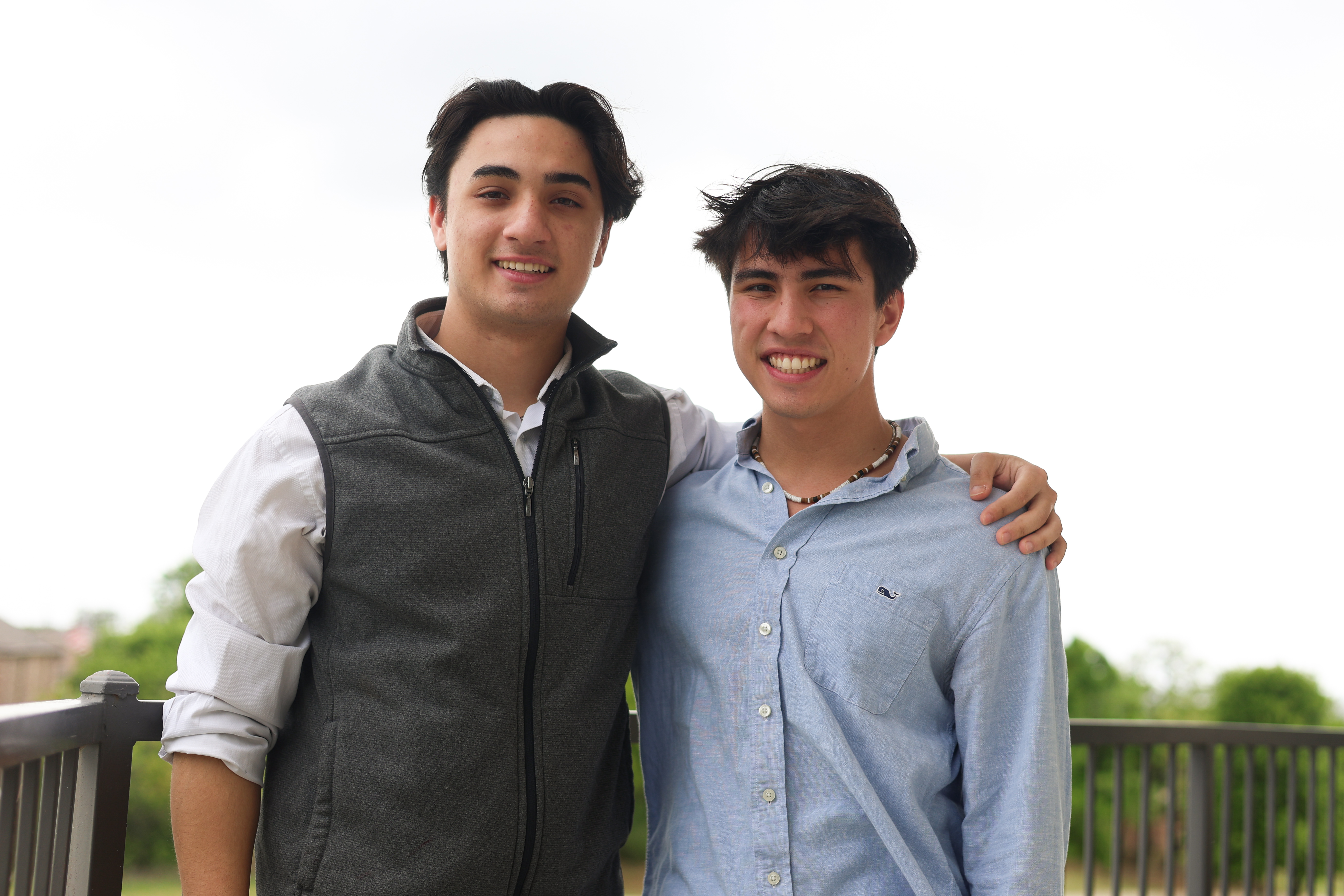
College students launch ‘Acutis AI’ to bring Catholic teaching to artificial intelligence – #Catholic – As artificial intelligence reshapes the world around us, two college students are aiming to provide people with an AI platform built on the teachings of the Catholic Church.Acutis AI has been developed by brothers Peter, 21, and Thomas, 19, Cooney — students who attend the University of Dallas and Baylor University — and strives to stand out as a search tool shaped by Catholic morality that provides responses users can trust. Additionally, the platform offers parents the ability to monitor their children’s chats, set time limits, and set alerts to be notified when concerning topics are detected.In an interview with EWTN News, Peter Cooney explained that after he and his brother used many of the other current AI platforms, they found they all had two issues in common: Responses to questions on morality are all built to be neutral, and the platforms cause young people to become dependent on them.He shared that while testing responses on ChatGPT, he asked the platform its thoughts on abortion — if it was OK to get an abortion and if it could affirm one’s decision in obtaining the procedure.“Itʼll say, ‘Yes, absolutely. I can affirm this. You made the best decision you could, etc., etc.,” Cooney said. “Thatʼs directly contrary to Church teaching. So, I think that’s the first big issue is that they try to be neutral, but at their core theyʼre not aligned with Church teaching and all the big platforms just have a small team of people who make all these moral decisions.”In regard to the issue of user dependency, Cooney said: “I think a lot of parents have realized at this point the dangers of social media for their children, and so theyʼve become much more cautious about social media. But, I think very few parents … are aware of the huge threat that AI companions and chatbots can pose to their kids because theyʼre built to hook users and keep them engaged.”“I think this is especially problematic for young people — like children [or] teenagers — because their brains arenʼt fully developed yet,” he added. “So, if thereʼs a teenager whoʼs lonely, maybe he doesnʼt have a ton of friends at school, maybe he doesnʼt see his parents much, the appeal of having an AI companion that will sound just like a human, and will also be super affirming and validating, thatʼs a huge appeal to those teenagers and they can easily get sucked into them.”With this in mind, the brothers — who have experience creating websites and other computer programs — grounded Acutis AI in Church teaching by uploading the Catechism of the Catholic Church, encyclicals, the “Summa Theologica,” and other Church documents into the platformʼs code. Additionally, through coding, Acutis AI is only allowed to answer questions regarding faith and morals from those sources. For any general questions, it is allowed to do a more broad web search.Cooney pointed out that while there are negatives in using AI, he believes the tool can be used responsibly.“I donʼt think the right answer is just saying OK, weʼre just not [going to] use AI at all, weʼre just going to ban it completely, because I think it can be a valuable tool if used correctly,” he said.He added: “I think the best way to use it is to automate things. It should not be a replacement for critical thinking. I think itʼs super important to keep critical thinking at the forefront in all of this.”The young Catholic also emphasized the importance of maintaining human relationships and preventing AI from taking the place of face-to-face interactions.For students, Cooney said he believes it can be a great tool in helping them study for tests by having the platform quiz the individual or help create study guides.Cooney said he hopes Acutis AI will help “teach young people how to use AI responsibly and give parents the guidance they need to help their kids use AI responsibly.”Looking to the saint who inspired the platformʼs name, Cooney highlighted how St. Carlo Acutis is a “great example of how you use technology to serve God —he used it to spread his love for the Eucharist and he brought so many people closer to Christ through that — so I think we can do the same thing.”

College students launch ‘Acutis AI’ to bring Catholic teaching to artificial intelligence – #Catholic – As artificial intelligence reshapes the world around us, two college students are aiming to provide people with an AI platform built on the teachings of the Catholic Church.Acutis AI has been developed by brothers Peter, 21, and Thomas, 19, Cooney — students who attend the University of Dallas and Baylor University — and strives to stand out as a search tool shaped by Catholic morality that provides responses users can trust. Additionally, the platform offers parents the ability to monitor their children’s chats, set time limits, and set alerts to be notified when concerning topics are detected.In an interview with EWTN News, Peter Cooney explained that after he and his brother used many of the other current AI platforms, they found they all had two issues in common: Responses to questions on morality are all built to be neutral, and the platforms cause young people to become dependent on them.He shared that while testing responses on ChatGPT, he asked the platform its thoughts on abortion — if it was OK to get an abortion and if it could affirm one’s decision in obtaining the procedure.“Itʼll say, ‘Yes, absolutely. I can affirm this. You made the best decision you could, etc., etc.,” Cooney said. “Thatʼs directly contrary to Church teaching. So, I think that’s the first big issue is that they try to be neutral, but at their core theyʼre not aligned with Church teaching and all the big platforms just have a small team of people who make all these moral decisions.”In regard to the issue of user dependency, Cooney said: “I think a lot of parents have realized at this point the dangers of social media for their children, and so theyʼve become much more cautious about social media. But, I think very few parents … are aware of the huge threat that AI companions and chatbots can pose to their kids because theyʼre built to hook users and keep them engaged.”“I think this is especially problematic for young people — like children [or] teenagers — because their brains arenʼt fully developed yet,” he added. “So, if thereʼs a teenager whoʼs lonely, maybe he doesnʼt have a ton of friends at school, maybe he doesnʼt see his parents much, the appeal of having an AI companion that will sound just like a human, and will also be super affirming and validating, thatʼs a huge appeal to those teenagers and they can easily get sucked into them.”With this in mind, the brothers — who have experience creating websites and other computer programs — grounded Acutis AI in Church teaching by uploading the Catechism of the Catholic Church, encyclicals, the “Summa Theologica,” and other Church documents into the platformʼs code. Additionally, through coding, Acutis AI is only allowed to answer questions regarding faith and morals from those sources. For any general questions, it is allowed to do a more broad web search.Cooney pointed out that while there are negatives in using AI, he believes the tool can be used responsibly.“I donʼt think the right answer is just saying OK, weʼre just not [going to] use AI at all, weʼre just going to ban it completely, because I think it can be a valuable tool if used correctly,” he said.He added: “I think the best way to use it is to automate things. It should not be a replacement for critical thinking. I think itʼs super important to keep critical thinking at the forefront in all of this.”The young Catholic also emphasized the importance of maintaining human relationships and preventing AI from taking the place of face-to-face interactions.For students, Cooney said he believes it can be a great tool in helping them study for tests by having the platform quiz the individual or help create study guides.Cooney said he hopes Acutis AI will help “teach young people how to use AI responsibly and give parents the guidance they need to help their kids use AI responsibly.”Looking to the saint who inspired the platformʼs name, Cooney highlighted how St. Carlo Acutis is a “great example of how you use technology to serve God —he used it to spread his love for the Eucharist and he brought so many people closer to Christ through that — so I think we can do the same thing.”

A new AI platform called Acutis AI has been developed by two brothers who want to create a search tool shaped by Catholic morality and teaching.

Read More