Day: May 7, 2026

Breathe in me, O Holy Spirit, that my thoughts may all be holy. Act in me, O Holy Spirit, that my work, too, may be holy. Draw my heart, O Holy Spirit, that I love but what is holy. Strengthen me, O Holy Spirit, to defend all that is holy. Guard me, then, O Holy Spirit, that I always may be holy. Amen.

Read More
Fidelity, enthusiasm, and faith: Pope Leo XIV welcomes Swiss Guard recruits #Catholic Recruits of the Pontifical Swiss Guard took their oath of allegiance to Pope Leo XIV, solemnly pledging to serve and protect him.The ceremony took place May 6 in the Paul VI Audience Hall at the Vatican in the presence of the pontiff, members of the Holy See Diplomatic Corps, and the family and friends of the 28 recruits.At the high point of the ceremony, in a gesture laden with tradition, each recruit held the banner of the Pontifical Swiss Guard with his left hand, raised three fingers with his right, and recited the oath swearing to protect the pope, even at the cost of his life. 
 
 Each recruit holds the banner of the Pontifical Swiss Guard with his left hand, raises three fingers with his right, and recites the oath swearing to protect the pope, even at the cost of his life, on May 6, 2026. | Credit: Vatican Media
 
 This gesture, more than just an oath of allegiance, also commemorates the 147 Swiss Guards who died defending Pope Clement VII during the Sack of Rome on May 6, 1527.In his address after the ceremony, Leo thanked the recruits, describing their future service as a “commitment of fidelity, inspired by youthful enthusiasm and grounded in faith in God and love for the Church.”On Thursday, the pope held a private audience with the new Swiss Guards and their families. Leo took this occasion to remind them of the beauty of their calling and described them as servants of Christ, called not only to serve the Holy See but also those most in need.
 
 Pope Leo XIV welcomes the Swiss Guard in a ceremony for recruits on May 6, 2026. | Credit: Vatican Media
 
 “More than soldiers, you are servants who, in the image of Christ, go out to meet those who need your help: not only members of the Curia or officials visiting the Vatican but also pilgrims and tourists,” the pope said. “Always remember these words of Jesus: ‘Whatever you did for one of the least of these, my brothers, you did for me’ (Mt 25:40).”
 
 Pope Leo XIV welcomes the Swiss Guard in a ceremony for recruits on May 6, 2026. | Credit: Vatican Media

Fidelity, enthusiasm, and faith: Pope Leo XIV welcomes Swiss Guard recruits #Catholic Recruits of the Pontifical Swiss Guard took their oath of allegiance to Pope Leo XIV, solemnly pledging to serve and protect him.The ceremony took place May 6 in the Paul VI Audience Hall at the Vatican in the presence of the pontiff, members of the Holy See Diplomatic Corps, and the family and friends of the 28 recruits.At the high point of the ceremony, in a gesture laden with tradition, each recruit held the banner of the Pontifical Swiss Guard with his left hand, raised three fingers with his right, and recited the oath swearing to protect the pope, even at the cost of his life. Each recruit holds the banner of the Pontifical Swiss Guard with his left hand, raises three fingers with his right, and recites the oath swearing to protect the pope, even at the cost of his life, on May 6, 2026. | Credit: Vatican Media This gesture, more than just an oath of allegiance, also commemorates the 147 Swiss Guards who died defending Pope Clement VII during the Sack of Rome on May 6, 1527.In his address after the ceremony, Leo thanked the recruits, describing their future service as a “commitment of fidelity, inspired by youthful enthusiasm and grounded in faith in God and love for the Church.”On Thursday, the pope held a private audience with the new Swiss Guards and their families. Leo took this occasion to remind them of the beauty of their calling and described them as servants of Christ, called not only to serve the Holy See but also those most in need. Pope Leo XIV welcomes the Swiss Guard in a ceremony for recruits on May 6, 2026. | Credit: Vatican Media “More than soldiers, you are servants who, in the image of Christ, go out to meet those who need your help: not only members of the Curia or officials visiting the Vatican but also pilgrims and tourists,” the pope said. “Always remember these words of Jesus: ‘Whatever you did for one of the least of these, my brothers, you did for me’ (Mt 25:40).” Pope Leo XIV welcomes the Swiss Guard in a ceremony for recruits on May 6, 2026. | Credit: Vatican Media

Twenty-eight Swiss Guards were sworn in Wednesday at the Vatican.

Read More
Bethsaida excavation turning ‘Bible stories into Bible realities’ #Catholic WASHINGTON — The academic director of one of the most celebrated current archaeological digs in Israel was in Washington, D.C., this week to provide an update on the ongoing excavation of Bethsaida, the town that the Gospel of John (1:44) records as the home of the apostles Peter, his brother Andrew, and Philip and where Jesus performed various miracles.In a May 5 presentation at the Catholic Information Center, Steven Notley, the academic director of the El Araj Excavation Project, said the excavation of the last town of apostolic times to be discovered, which began in 2016 and has been ongoing since then, has essentially confirmed that the site, known as El Araj, is indeed the location of the Galilean seaside town of Bethsaida, which is referenced several times in the New Testament.Notley, who is also executive director of the Center for the Study of Ancient Judaism and Christian Origins, lived in Jerusalem with his wife and four children for 16 years and has been leading groups of students and laypeople to Israel and the eastern Mediterranean region for over 35 years.Melissa Overmyer, a Catholic evangelist who has participated in the dig at Bethsaida, shared her own testimony at the event, saying being a part of such experiences in the Holy Land turns “Bible stories into Bible realities.” Notley said excavations at the site in 2018 uncovered the remains of a Byzantine-era basilica and a first-century house located directly under its apse in 2023. These remains, he said, match the historic account of Willibald, an eighth-century bishop of Eichstätt in Bavaria, Germany, who traveled to the Holy Land in 725 A.D. and wrote about a church in Bethsaida that was built over the home of Sts. Peter and Andrew.Among the discoveries made at this basilica is a mosaic, uncovered in 2022, with the inscription “Chief of the apostles and keeper of the keys of heaven, intercede for him and his children George and Theophano."Last year, the site also endured a wildfire, the results of which Notley said have subsequently allowed the team to uncover evidence of columns and other structures previously overlooked due to dense underbrush.Notley told EWTN News that the archaeological team was able to identify a structure underneath the apse of the basilica by identifying pottery they discovered there as first-century pottery. The team also found first-century fishing weights.“So, we have a first-century house wall under the apse. It doesnʼt have a plaque on it that says ‘Peter slept here,’ but from a perspective of archaeology, it doesnʼt get much better than that,” Notley said.Notley said he welcomes volunteers to participate in the ongoing dig, which he said is entirely privately funded. Information about how to volunteer may be found on the excavation’s website.

Bethsaida excavation turning ‘Bible stories into Bible realities’ #Catholic WASHINGTON — The academic director of one of the most celebrated current archaeological digs in Israel was in Washington, D.C., this week to provide an update on the ongoing excavation of Bethsaida, the town that the Gospel of John (1:44) records as the home of the apostles Peter, his brother Andrew, and Philip and where Jesus performed various miracles.In a May 5 presentation at the Catholic Information Center, Steven Notley, the academic director of the El Araj Excavation Project, said the excavation of the last town of apostolic times to be discovered, which began in 2016 and has been ongoing since then, has essentially confirmed that the site, known as El Araj, is indeed the location of the Galilean seaside town of Bethsaida, which is referenced several times in the New Testament.Notley, who is also executive director of the Center for the Study of Ancient Judaism and Christian Origins, lived in Jerusalem with his wife and four children for 16 years and has been leading groups of students and laypeople to Israel and the eastern Mediterranean region for over 35 years.Melissa Overmyer, a Catholic evangelist who has participated in the dig at Bethsaida, shared her own testimony at the event, saying being a part of such experiences in the Holy Land turns “Bible stories into Bible realities.” Notley said excavations at the site in 2018 uncovered the remains of a Byzantine-era basilica and a first-century house located directly under its apse in 2023. These remains, he said, match the historic account of Willibald, an eighth-century bishop of Eichstätt in Bavaria, Germany, who traveled to the Holy Land in 725 A.D. and wrote about a church in Bethsaida that was built over the home of Sts. Peter and Andrew.Among the discoveries made at this basilica is a mosaic, uncovered in 2022, with the inscription “Chief of the apostles and keeper of the keys of heaven, intercede for him and his children George and Theophano."Last year, the site also endured a wildfire, the results of which Notley said have subsequently allowed the team to uncover evidence of columns and other structures previously overlooked due to dense underbrush.Notley told EWTN News that the archaeological team was able to identify a structure underneath the apse of the basilica by identifying pottery they discovered there as first-century pottery. The team also found first-century fishing weights.“So, we have a first-century house wall under the apse. It doesnʼt have a plaque on it that says ‘Peter slept here,’ but from a perspective of archaeology, it doesnʼt get much better than that,” Notley said.Notley said he welcomes volunteers to participate in the ongoing dig, which he said is entirely privately funded. Information about how to volunteer may be found on the excavation’s website.

Recent excavations at the site match the account of an eighth-century Bavarian bishop who wrote about a church in Bethsaida that was built over the home of Sts. Peter and Andrew.

Read More
Pope Leo meets U.S. Secretary of State Rubio amid tensions with President Trump – #Catholic – On Thursday Pope Leo XIV met with U.S. Secretary of State Marco Rubio at the Vatican, with the meeting coming amid tensions between the Holy See and U.S. President Donald Trump.Trump has expressed his disapproval of Leoʼs public statements denouncing the U.S.-led war on Iran. The Holy Father has repeatedly called for peace amid the ongoing conflict. According to a statement released by the U.S. Department of State, the pontiff and Rubio discussed “the situation in the Middle East and topics of mutual interest in the Western Hemisphere.”
 
 Pope Leo XIV speaks with U.S. Secretary of State Marco Rubio at the Vatican, Thursday, May 7, 2026. | Credit: Vatican Media
 
 It also stated that their meeting “underscored the strong relationship between the United States and the Holy See and their shared commitment to promoting peace and human dignity.”The Holy See published its own statement of the meeting, which, according to Vatican spokesperson Matteo Bruni, lasted for 45 minutes. Instagram postThe statement described the meeting as an encounter where “cordial discussions” took place regarding the “fostering of strong bilateral relations between the Holy See and the United States of America.”
 
 Pope Leo XIV speaks with U.S. Secretary of State Marco Rubio at the Vatican, Thursday, May 7, 2026. | Credit: Vatican Media
 
 This week Trump expressed his desire that Rubio tell the pope that "Iran cannot have nuclear weapons.” The president has repeatedly claimed, without evidence, that Leo wants the Middle Eastern country to develop nuclear armaments.Leo has rejected those allegations. On May 5 at Castel Gandolfo he stated that the Church "has spoken for years against all nuclear weapons." On Wednesday, Vatican Secretary of State Cardinal Pietro Parolin stated that the Holy See "has always worked, and will continue to work, on nuclear disarmament."Parolin, who also met Rubio on May 7, also described Trumpʼs recent verbal attacks against the pope as "strange."

Pope Leo meets U.S. Secretary of State Rubio amid tensions with President Trump – #Catholic – On Thursday Pope Leo XIV met with U.S. Secretary of State Marco Rubio at the Vatican, with the meeting coming amid tensions between the Holy See and U.S. President Donald Trump.Trump has expressed his disapproval of Leoʼs public statements denouncing the U.S.-led war on Iran. The Holy Father has repeatedly called for peace amid the ongoing conflict. According to a statement released by the U.S. Department of State, the pontiff and Rubio discussed “the situation in the Middle East and topics of mutual interest in the Western Hemisphere.” Pope Leo XIV speaks with U.S. Secretary of State Marco Rubio at the Vatican, Thursday, May 7, 2026. | Credit: Vatican Media It also stated that their meeting “underscored the strong relationship between the United States and the Holy See and their shared commitment to promoting peace and human dignity.”The Holy See published its own statement of the meeting, which, according to Vatican spokesperson Matteo Bruni, lasted for 45 minutes. Instagram postThe statement described the meeting as an encounter where “cordial discussions” took place regarding the “fostering of strong bilateral relations between the Holy See and the United States of America.” Pope Leo XIV speaks with U.S. Secretary of State Marco Rubio at the Vatican, Thursday, May 7, 2026. | Credit: Vatican Media This week Trump expressed his desire that Rubio tell the pope that "Iran cannot have nuclear weapons.” The president has repeatedly claimed, without evidence, that Leo wants the Middle Eastern country to develop nuclear armaments.Leo has rejected those allegations. On May 5 at Castel Gandolfo he stated that the Church "has spoken for years against all nuclear weapons." On Wednesday, Vatican Secretary of State Cardinal Pietro Parolin stated that the Holy See "has always worked, and will continue to work, on nuclear disarmament."Parolin, who also met Rubio on May 7, also described Trumpʼs recent verbal attacks against the pope as "strange."

The pontiff met with the secretary of state amid Trump’s ongoing criticism of the Holy Father and the Vatican.

Read More

Vaonis Vespera II — X Edition VaonisMontpellier, France The Vespera II — X Edition is a version of Vaonis’ f/5 imaging system that has a limited run of 150 units; it features a clear shell that shows off its internal components. It uses a Sony IMX 585, an 8.3-megapixel color sensor. Its field of viewContinue reading “May we present this month’s new astronomy products”

The post May we present this month’s new astronomy products appeared first on Astronomy Magazine.

Read More
Pope Leo XIV accepts Filipino priest’s withdrawal as bishop-designate – #Catholic – TAGBILARAN CITY, Philippines — Father Gerardo F. Saco Jr., the priest appointed by Pope Leo XIV to become the next bishop of the Diocese of Tagbilaran in the Philippines, has decided not to proceed with his episcopal ordination, a move that surprised many clergy and faithful in Bohol province and across the Philippine Church.In an official statement released by the Diocese of Tagbilaran on May 5, Saco said that after “much prayer and careful discernment,” he had decided not to continue with the episcopal ordination scheduled for May 26.“I sincerely ask for your understanding regarding this change of heart,” Saco said in the statement. “It comes from a deep awareness of my own human limitations and inadequacies.”Facebook postSaco, who had been serving as diocesan administrator since October 2025 following the appointment of Bishop Alberto Uy as archbishop of Cebu in 2025, was appointed bishop of Tagbilaran by Pope Leo XIV on March 25.The Archdiocese of Cebu, the metropolitan see of Tagbilaran, later confirmed that the Vatican had accepted Sacoʼs decision.In a statement, Uy said that Saco had communicated his decision directly to the Holy Father.“Bishop-elect Gerardo ‘Jingboy’ Saco Jr. has communicated to the Holy Father his decision not to proceed with his episcopal ordination,” Uy said. “The papal nuncio has informed me that the Holy Father has accepted his decision.”Uy acknowledged that while he respects Sacoʼs decision, it “has brought sadness to many of us, especially the faithful of the Diocese of Tagbilaran.”Despite widespread public interest surrounding the rare decision, Saco has declined interview requests from journalists. Sources interviewed by EWTN News said the priest has requested privacy and told those seeking interviews that he “just needs more time for himself.”One priest from the Diocese of Tagbilaran, who requested anonymity because he was not authorized to speak publicly, said many clergy were initially “shocked and saddened” upon hearing the news but that he respected the decision of Saco, whom he described as “a simple man, kind and has a big heart for the poor and marginalized.”“We have a very thriving diocese. We are not in debt. We have so many vocations. We send out priests to do mission work because we have many priests here. I donʼt know why he declined.”Online, many Catholic faithful and netizens reacted with surprise and sympathy. Some described the decision as “courageous,” noting that stepping away from such an appointment required humility and honesty. Others promised prayers for Saco and for the Diocese of Tagbilaran, which remains “sede vacante” pending a new episcopal appointment.Difficult roleCatholic apologist and pro-life advocate Carlos Antonio Palad cautioned against “dark and baseless speculations” about Sacoʼs reasons, noting that “the pope has accepted his decision, so he cannot be accused of disobedience, as some have implied.”Palad added that the leadership of a diocese “is very heavy, and it is not a secret that many priests refuse the office when it is offered to them,” urging respect for Sacoʼs “conscience and his decision.”Catholic commentators also noted that, while rare, there have been instances in Church history where priests or bishops-elect declined episcopal appointments before ordination.The Diocese of Tagbilaran comprises 60 parishes, served by 126 diocesan priests across 1,734 square kilometers (670 square miles) of the southern half of the island province of Bohol, according to the latest statistics.Saco remains the diocesan administrator as the Holy See restarts the selection process for a new bishop of Tagbilaran.

Pope Leo XIV accepts Filipino priest’s withdrawal as bishop-designate – #Catholic – TAGBILARAN CITY, Philippines — Father Gerardo F. Saco Jr., the priest appointed by Pope Leo XIV to become the next bishop of the Diocese of Tagbilaran in the Philippines, has decided not to proceed with his episcopal ordination, a move that surprised many clergy and faithful in Bohol province and across the Philippine Church.In an official statement released by the Diocese of Tagbilaran on May 5, Saco said that after “much prayer and careful discernment,” he had decided not to continue with the episcopal ordination scheduled for May 26.“I sincerely ask for your understanding regarding this change of heart,” Saco said in the statement. “It comes from a deep awareness of my own human limitations and inadequacies.”Facebook postSaco, who had been serving as diocesan administrator since October 2025 following the appointment of Bishop Alberto Uy as archbishop of Cebu in 2025, was appointed bishop of Tagbilaran by Pope Leo XIV on March 25.The Archdiocese of Cebu, the metropolitan see of Tagbilaran, later confirmed that the Vatican had accepted Sacoʼs decision.In a statement, Uy said that Saco had communicated his decision directly to the Holy Father.“Bishop-elect Gerardo ‘Jingboy’ Saco Jr. has communicated to the Holy Father his decision not to proceed with his episcopal ordination,” Uy said. “The papal nuncio has informed me that the Holy Father has accepted his decision.”Uy acknowledged that while he respects Sacoʼs decision, it “has brought sadness to many of us, especially the faithful of the Diocese of Tagbilaran.”Despite widespread public interest surrounding the rare decision, Saco has declined interview requests from journalists. Sources interviewed by EWTN News said the priest has requested privacy and told those seeking interviews that he “just needs more time for himself.”One priest from the Diocese of Tagbilaran, who requested anonymity because he was not authorized to speak publicly, said many clergy were initially “shocked and saddened” upon hearing the news but that he respected the decision of Saco, whom he described as “a simple man, kind and has a big heart for the poor and marginalized.”“We have a very thriving diocese. We are not in debt. We have so many vocations. We send out priests to do mission work because we have many priests here. I donʼt know why he declined.”Online, many Catholic faithful and netizens reacted with surprise and sympathy. Some described the decision as “courageous,” noting that stepping away from such an appointment required humility and honesty. Others promised prayers for Saco and for the Diocese of Tagbilaran, which remains “sede vacante” pending a new episcopal appointment.Difficult roleCatholic apologist and pro-life advocate Carlos Antonio Palad cautioned against “dark and baseless speculations” about Sacoʼs reasons, noting that “the pope has accepted his decision, so he cannot be accused of disobedience, as some have implied.”Palad added that the leadership of a diocese “is very heavy, and it is not a secret that many priests refuse the office when it is offered to them,” urging respect for Sacoʼs “conscience and his decision.”Catholic commentators also noted that, while rare, there have been instances in Church history where priests or bishops-elect declined episcopal appointments before ordination.The Diocese of Tagbilaran comprises 60 parishes, served by 126 diocesan priests across 1,734 square kilometers (670 square miles) of the southern half of the island province of Bohol, according to the latest statistics.Saco remains the diocesan administrator as the Holy See restarts the selection process for a new bishop of Tagbilaran.

Father Gerardo F. Saco Jr. cited “human limitations” in withdrawing from the Diocese of Tagbilaran weeks before his scheduled May 26 episcopal ordination.

Read More
Inspiring toe-picking guitarist amps up hope at Dover concert #Catholic - On May 1, Tony Meléndez, a renowned toe-picking Catholic guitarist born without arms, delivered the message, “Don’t be afraid with our good Lord,” through inspiring music and personal stories of faith during a joyful bilingual concert at Sacred Heart and Holy Rosary Parish in Dover, N.J.
Meléndez has played at 11 World Youth Days, sharing the stage with St. Pope John Paul II, Pope Benedict XVI, and Pope Francis. He has visited all 50 U.S. states and more than 44 foreign countries. Recognized as an ambassador of hope and resilience, Meléndez appeals to all generations.
At the May 1 concert, Meléndez, originally from Rivas, Nicaragua, sang and played a mix of original and popular religious songs, with occasional secular tunes such as “La Bamba,” throughout the evening.
In both English and Spanish, Meléndez told the audience that he was born without arms and a clubbed foot due to the drug Thalidomide, which his mother was prescribed for morning sickness. His family later immigrated to the United States so he could undergo seven corrective surgeries on his left foot to enable him to walk.

Click here to subscribe to our weekly newsletter.

These challenges shaped his journey, as Meléndez learned to do almost everything with his feet. When he was 16, he taught himself to play the guitar with his toes and, over time, became proficient as a guitarist, singer, and songwriter.
“I would pray with my music when I first started to play guitar, with whatever came out of my voice—my heart,” said Meléndez, who is married with two children. “God blessed me to be able to play guitar with my toes. I thank him with all my heart.”
Meléndez’s inspirational career reached a turning point when he performed for St. Pope John Paul II during a major youth teleconference at the Universal Amphitheater in Los Angeles, Calif., in 1987, as part of the pontiff’s 10-day U.S. tour.
That Friday evening began with Father Leonardo López, pastor of Sacred Heart/Holy Rosary, introducing the concert, with support from Father Cerilo Javinez and Father Edgar Rivera, the parish’s parochial vicars, who set a welcoming tone for the event. Father Rivera booked and organized the concert.
Adding a personal touch, Meléndez’s older brother, Jose, who serves as his manager and ministry partner, also spoke about the featured performer’s life during the event.
Meléndez will be featured on Bishop Kevin J. Sweeney’s Beyond The Beacon podcast later this month.
BEACON PHOTOS | JOE GIGLI
 [See image gallery at beaconnj.org]  

Inspiring toe-picking guitarist amps up hope at Dover concert #Catholic – On May 1, Tony Meléndez, a renowned toe-picking Catholic guitarist born without arms, delivered the message, “Don’t be afraid with our good Lord,” through inspiring music and personal stories of faith during a joyful bilingual concert at Sacred Heart and Holy Rosary Parish in Dover, N.J. Meléndez has played at 11 World Youth Days, sharing the stage with St. Pope John Paul II, Pope Benedict XVI, and Pope Francis. He has visited all 50 U.S. states and more than 44 foreign countries. Recognized as an ambassador of hope and resilience, Meléndez appeals to all generations. At the May 1 concert, Meléndez, originally from Rivas, Nicaragua, sang and played a mix of original and popular religious songs, with occasional secular tunes such as “La Bamba,” throughout the evening. In both English and Spanish, Meléndez told the audience that he was born without arms and a clubbed foot due to the drug Thalidomide, which his mother was prescribed for morning sickness. His family later immigrated to the United States so he could undergo seven corrective surgeries on his left foot to enable him to walk. Click here to subscribe to our weekly newsletter. These challenges shaped his journey, as Meléndez learned to do almost everything with his feet. When he was 16, he taught himself to play the guitar with his toes and, over time, became proficient as a guitarist, singer, and songwriter. “I would pray with my music when I first started to play guitar, with whatever came out of my voice—my heart,” said Meléndez, who is married with two children. “God blessed me to be able to play guitar with my toes. I thank him with all my heart.” Meléndez’s inspirational career reached a turning point when he performed for St. Pope John Paul II during a major youth teleconference at the Universal Amphitheater in Los Angeles, Calif., in 1987, as part of the pontiff’s 10-day U.S. tour. That Friday evening began with Father Leonardo López, pastor of Sacred Heart/Holy Rosary, introducing the concert, with support from Father Cerilo Javinez and Father Edgar Rivera, the parish’s parochial vicars, who set a welcoming tone for the event. Father Rivera booked and organized the concert. Adding a personal touch, Meléndez’s older brother, Jose, who serves as his manager and ministry partner, also spoke about the featured performer’s life during the event. Meléndez will be featured on Bishop Kevin J. Sweeney’s Beyond The Beacon podcast later this month. BEACON PHOTOS | JOE GIGLI [See image gallery at beaconnj.org]  

Inspiring toe-picking guitarist amps up hope at Dover concert #Catholic –

On May 1, Tony Meléndez, a renowned toe-picking Catholic guitarist born without arms, delivered the message, “Don’t be afraid with our good Lord,” through inspiring music and personal stories of faith during a joyful bilingual concert at Sacred Heart and Holy Rosary Parish in Dover, N.J.

Meléndez has played at 11 World Youth Days, sharing the stage with St. Pope John Paul II, Pope Benedict XVI, and Pope Francis. He has visited all 50 U.S. states and more than 44 foreign countries. Recognized as an ambassador of hope and resilience, Meléndez appeals to all generations.

At the May 1 concert, Meléndez, originally from Rivas, Nicaragua, sang and played a mix of original and popular religious songs, with occasional secular tunes such as “La Bamba,” throughout the evening.

In both English and Spanish, Meléndez told the audience that he was born without arms and a clubbed foot due to the drug Thalidomide, which his mother was prescribed for morning sickness. His family later immigrated to the United States so he could undergo seven corrective surgeries on his left foot to enable him to walk.


Click here to subscribe to our weekly newsletter.

These challenges shaped his journey, as Meléndez learned to do almost everything with his feet. When he was 16, he taught himself to play the guitar with his toes and, over time, became proficient as a guitarist, singer, and songwriter.

“I would pray with my music when I first started to play guitar, with whatever came out of my voice—my heart,” said Meléndez, who is married with two children. “God blessed me to be able to play guitar with my toes. I thank him with all my heart.”

Meléndez’s inspirational career reached a turning point when he performed for St. Pope John Paul II during a major youth teleconference at the Universal Amphitheater in Los Angeles, Calif., in 1987, as part of the pontiff’s 10-day U.S. tour.

That Friday evening began with Father Leonardo López, pastor of Sacred Heart/Holy Rosary, introducing the concert, with support from Father Cerilo Javinez and Father Edgar Rivera, the parish’s parochial vicars, who set a welcoming tone for the event. Father Rivera booked and organized the concert.

Adding a personal touch, Meléndez’s older brother, Jose, who serves as his manager and ministry partner, also spoke about the featured performer’s life during the event.

Meléndez will be featured on Bishop Kevin J. Sweeney’s Beyond The Beacon podcast later this month.

BEACON PHOTOS | JOE GIGLI

On May 1, Tony Meléndez, a renowned toe-picking Catholic guitarist born without arms, delivered the message, “Don’t be afraid with our good Lord,” through inspiring music and personal stories of faith during a joyful bilingual concert at Sacred Heart and Holy Rosary Parish in Dover, N.J. Meléndez has played at 11 World Youth Days, sharing the stage with St. Pope John Paul II, Pope Benedict XVI, and Pope Francis. He has visited all 50 U.S. states and more than 44 foreign countries. Recognized as an ambassador of hope and resilience, Meléndez appeals to all generations. At the May 1 concert,

Read More
Lithuanian families rally to save pro-life maternity home blessed by John Paul II – #Catholic – VILNIUS, Lithuania — A planned reorganization and merger of Lithuaniaʼs Kaunas Christian Maternity Home (KGN) with its parent hospital have triggered protests from families and pro-life advocates who fear the consolidation will erode the institutionʼs distinctive character and family-focused mission.
 
 A mural on the facade of the Kaunas Christian Maternity Home depicts a newborn cradled in adult hands, a visual signature of the institution’s pro-life identity. | Credit: Photo courtesy of organizers of the “Let’s Save the Kaunas Maternity Home” initiative
 
 KGN is owned by LSMU Kaunas Hospital, which itself is equally divided between two shareholders: the Ministry of Health and the Lithuanian University of Health Sciences (LSMU), each holding 50% ownership. Both shareholders recently approved an optimization plan that would merge KGN into the larger hospital in an effort to streamline operations and reduce costs linked to obstetrics.A century of careFounded in 1926, KGN is the last major maternity home of its kind in Lithuania, focusing on low-risk pregnant mothers. When a report of its family-friendly environment and quality care reached Pope John Paul II in 1997, the impressed pontiff later sent a handwritten greeting blessing the maternity home. To date, it has been consistently rated as one of the best places to give birth in Lithuania.The maternity home has long partnered with Caritas Lithuania, the Archdiocese of Kaunas, and various pregnancy crisis centers to help mothers give birth in a safe and highly personal environment, which most argue is not the case in typical obstetrics wards in major hospitals.
 
 Supporters with balloons line up outside the Kaunas Christian Maternity Home on May 3, 2026, on Mother’s Day in Lithuania, calling for the institution’s preservation. | Credit: Agnietė Čisler
 
 Critics of the merger say that dismantling KGN, given its rich 100-year history, recognition from the late pope, and excellent record, makes families feel unheard and their needs ignored.Why families fear the mergerJarūnė Rimavičė, head of the “Letʼs Save the Kaunas Maternity Home” initiative, which has gathered over 12,000 signatures, told EWTN News that the merger plans would negatively alter the care mothers receive.She explained that the infrastructure at LSMU Kaunas Hospital is less family-friendly and that allocating higher flows of pregnant mothers there would result in “less privacy and less individual attention.” She also pointed out that “some of the delivery rooms and wards do not have private sanitary facilities, which reduces the feeling of privacy and dignity during childbirth.”Rimavičė argued that KGNʼs defining strength lies not only in its family-oriented facilities but also in a care culture built around emotional safety, close personal attention, and respectful communication between staff and mothers.She said this approach is a key reason for the maternity homeʼs high satisfaction among families. Such a culture, she warned, “cannot be simply transferred to another environment by administrative decision alone.”For that reason, she said, merging KGN into a larger multi-specialty hospital “is not an equivalent transfer of services — it is a real deterioration of conditions for women in labor.”An appeal to Pope Leo XIVReports circulated that organizers of the KGN petition had met with Archbishop Georg Gänswein, the apostolic nuncio to the Baltic states. When EWTN News approached him for confirmation, Gänswein acknowledged the meeting, saying he received three representatives who outlined the situation surrounding the Kaunas Christian Maternity Home. He added: “On that occasion they gave me a letter for Pope Leo XIV.”
 
 Gänswein says he prays to Benedict XVI, confirms hope for beatification cause
 
 Organizers later told EWTN News that the letter was an appeal to the Holy Father, detailing their concerns. Gänswein added that he subsequently spoke with the archbishop of Kaunas, informing him of the meeting while discussing the facts of the matter. “He promised to take care on the matter,” he noted.The Archdiocese of Kaunas later issued a statement supporting the petition while highlighting the long-standing role of maternity homes “whose activities are based on Christian values,” in providing both medical and dignity-based care. Kaunas Archbishop Kęstutis Kėvalas also called for cooperation to find solutions to preserve the maternity home.Lithuaniaʼs current healthcare situationOn May 3, marked as Motherʼs Day in Lithuania, supporters gathered outside KGN, calling for its preservation while stressing its importance to families. The demonstration reflects a broader rise in visibility of Lithuaniaʼs pro-life movement, which included a major pro-life march held last year in Vilnius. It also comes as the government continues to discuss measures aimed at supporting families and addressing the countryʼs declining birth rate.
 
 A Lithuanian family attends the Mother’s Day demonstration outside the Kaunas Christian Maternity Home on May 3, 2026, calling for the preservation of the country’s only consistently pro-life maternity facility. | Credit: Juozas Kamenskas
 
 Against this backdrop, Rimavičė highlighted what she described as a clear policy contradiction. “On one hand, the state talks about encouraging birth rates, but on the other hand, it reduces the choices available to mothers and destroys precisely those places that families trust the most and where they feel safe,” she said.Others have also pointed to structural issues in Lithuaniaʼs healthcare system. The current funding model reimburses hospitals largely based on the number of deliveries performed, which critics say incentivizes volume over quality. This approach can contribute to staff burnout, lower levels of individual care, and a tendency to favor faster, more intervention-heavy procedures, such as C-section births over natural births. Rimavičė stated that “maternity wards already face low pay and heavy workloads,” making it difficult to attract and retain staff, and leaving obstetrics systematically undervalued.Observers have pointed to Germany as a potential model for reform. There, funding changes introduced payments that cover fixed costs regardless of delivery volume, helping maintain service availability and reducing incentives tied to the number of births.Rimavičė said her initiativeʼs goal is to preserve the Kaunas Christian Maternity Home as an independent, family-oriented facility offering a “safe alternative between home birth and hospital inpatient birth.” She stressed that the group supports reform, but only if it improves conditions for mothers, including changes to the funding model and more targeted, quality-focused service optimization.

Lithuanian families rally to save pro-life maternity home blessed by John Paul II – #Catholic – VILNIUS, Lithuania — A planned reorganization and merger of Lithuaniaʼs Kaunas Christian Maternity Home (KGN) with its parent hospital have triggered protests from families and pro-life advocates who fear the consolidation will erode the institutionʼs distinctive character and family-focused mission. A mural on the facade of the Kaunas Christian Maternity Home depicts a newborn cradled in adult hands, a visual signature of the institution’s pro-life identity. | Credit: Photo courtesy of organizers of the “Let’s Save the Kaunas Maternity Home” initiative KGN is owned by LSMU Kaunas Hospital, which itself is equally divided between two shareholders: the Ministry of Health and the Lithuanian University of Health Sciences (LSMU), each holding 50% ownership. Both shareholders recently approved an optimization plan that would merge KGN into the larger hospital in an effort to streamline operations and reduce costs linked to obstetrics.A century of careFounded in 1926, KGN is the last major maternity home of its kind in Lithuania, focusing on low-risk pregnant mothers. When a report of its family-friendly environment and quality care reached Pope John Paul II in 1997, the impressed pontiff later sent a handwritten greeting blessing the maternity home. To date, it has been consistently rated as one of the best places to give birth in Lithuania.The maternity home has long partnered with Caritas Lithuania, the Archdiocese of Kaunas, and various pregnancy crisis centers to help mothers give birth in a safe and highly personal environment, which most argue is not the case in typical obstetrics wards in major hospitals. Supporters with balloons line up outside the Kaunas Christian Maternity Home on May 3, 2026, on Mother’s Day in Lithuania, calling for the institution’s preservation. | Credit: Agnietė Čisler Critics of the merger say that dismantling KGN, given its rich 100-year history, recognition from the late pope, and excellent record, makes families feel unheard and their needs ignored.Why families fear the mergerJarūnė Rimavičė, head of the “Letʼs Save the Kaunas Maternity Home” initiative, which has gathered over 12,000 signatures, told EWTN News that the merger plans would negatively alter the care mothers receive.She explained that the infrastructure at LSMU Kaunas Hospital is less family-friendly and that allocating higher flows of pregnant mothers there would result in “less privacy and less individual attention.” She also pointed out that “some of the delivery rooms and wards do not have private sanitary facilities, which reduces the feeling of privacy and dignity during childbirth.”Rimavičė argued that KGNʼs defining strength lies not only in its family-oriented facilities but also in a care culture built around emotional safety, close personal attention, and respectful communication between staff and mothers.She said this approach is a key reason for the maternity homeʼs high satisfaction among families. Such a culture, she warned, “cannot be simply transferred to another environment by administrative decision alone.”For that reason, she said, merging KGN into a larger multi-specialty hospital “is not an equivalent transfer of services — it is a real deterioration of conditions for women in labor.”An appeal to Pope Leo XIVReports circulated that organizers of the KGN petition had met with Archbishop Georg Gänswein, the apostolic nuncio to the Baltic states. When EWTN News approached him for confirmation, Gänswein acknowledged the meeting, saying he received three representatives who outlined the situation surrounding the Kaunas Christian Maternity Home. He added: “On that occasion they gave me a letter for Pope Leo XIV.” Gänswein says he prays to Benedict XVI, confirms hope for beatification cause Organizers later told EWTN News that the letter was an appeal to the Holy Father, detailing their concerns. Gänswein added that he subsequently spoke with the archbishop of Kaunas, informing him of the meeting while discussing the facts of the matter. “He promised to take care on the matter,” he noted.The Archdiocese of Kaunas later issued a statement supporting the petition while highlighting the long-standing role of maternity homes “whose activities are based on Christian values,” in providing both medical and dignity-based care. Kaunas Archbishop Kęstutis Kėvalas also called for cooperation to find solutions to preserve the maternity home.Lithuaniaʼs current healthcare situationOn May 3, marked as Motherʼs Day in Lithuania, supporters gathered outside KGN, calling for its preservation while stressing its importance to families. The demonstration reflects a broader rise in visibility of Lithuaniaʼs pro-life movement, which included a major pro-life march held last year in Vilnius. It also comes as the government continues to discuss measures aimed at supporting families and addressing the countryʼs declining birth rate. A Lithuanian family attends the Mother’s Day demonstration outside the Kaunas Christian Maternity Home on May 3, 2026, calling for the preservation of the country’s only consistently pro-life maternity facility. | Credit: Juozas Kamenskas Against this backdrop, Rimavičė highlighted what she described as a clear policy contradiction. “On one hand, the state talks about encouraging birth rates, but on the other hand, it reduces the choices available to mothers and destroys precisely those places that families trust the most and where they feel safe,” she said.Others have also pointed to structural issues in Lithuaniaʼs healthcare system. The current funding model reimburses hospitals largely based on the number of deliveries performed, which critics say incentivizes volume over quality. This approach can contribute to staff burnout, lower levels of individual care, and a tendency to favor faster, more intervention-heavy procedures, such as C-section births over natural births. Rimavičė stated that “maternity wards already face low pay and heavy workloads,” making it difficult to attract and retain staff, and leaving obstetrics systematically undervalued.Observers have pointed to Germany as a potential model for reform. There, funding changes introduced payments that cover fixed costs regardless of delivery volume, helping maintain service availability and reducing incentives tied to the number of births.Rimavičė said her initiativeʼs goal is to preserve the Kaunas Christian Maternity Home as an independent, family-oriented facility offering a “safe alternative between home birth and hospital inpatient birth.” She stressed that the group supports reform, but only if it improves conditions for mothers, including changes to the funding model and more targeted, quality-focused service optimization.

Lithuania’s only consistently pro-life maternity home — once blessed by St. John Paul II — faces closure under a government merger plan opposed by more than 12,000 petitioners.

Read More
Pope to lead Corpus Christi procession in Madrid, Vatican says as it releases Spain schedule #Catholic – (OSV News) — The Vatican released the official schedule for Pope Leo XIV’s first apostolic visit to Spain, a seven-day trip that will take the pontiff to Madrid, Barcelona and the Canary Islands for meetings with Spain’s royal family and political leaders, as well as migrants, prisoners, young people and Catholic communities across the country.
The packed June 6-12 itinerary also included public Masses, a Corpus Christi procession in Madrid, an encounter with volunteers, a visit to Barcelona’s Basilica of the Holy Family, known as Sagrada Família, and stops at migrant reception centers in the Canary Islands.
Coinciding with the Vatican’s release of the pope’s schedule, the Spanish bishops’ conference hosted a press briefing with the bishops of Madrid, Barcelona, the Canary Islands and Tenerife.
At the briefing, Archbishop Luis Argüello of Valladolid, president of the Spanish bishops’ conference, said the papal visit comes at a moment when Pope Leo has emerged as a “reference point in the current situation of the world.”
“For this reason, his words — undoubtedly words of dialogue, encounter, communion and peace — will help all of us,” Archbishop Argüello said.
Madrid
According to the official schedule, upon his arrival June 6, the pope will meet with Spanish King Felipe VI and his wife, Queen Letizia, followed by meetings with government authorities and the country’s diplomatic corps.
Noting the country’s climate of political and social tensions, Cardinal José Cobo of Madrid said the pope’s meetings with political and government leaders during his stop in the Spanish capital were highly anticipated.
“There was a hunger for a visit of this kind at a special moment in our political, social and economic life, because there is also a hunger for reference points, and I believe the pope can be a reference point to give light and direction to many who are searching,” Cardinal Cobo said.
In the evening, the pope will visit an emergency homeless shelter operated by Caritas Madrid, before a meeting with young people at the Plaza de Lima, where St. John Paul II celebrated Mass during his 1982 visit to the country.
Cardinal Cobo said the meeting will serve as a “platform” for the pope to “speak with the youth of the entire world.”
The following day, the pope will celebrate Mass on the feast of Corpus Christi at Madrid’s Plaza de Cibeles, a celebration Cardinal Cobo confirmed would include a procession reflecting the city’s local traditions.

Click here to subscribe to our weekly newsletter.

“The Corpus Christi procession will be beautiful,” he said. “A great many people are involved: those preparing floral carpets, those carrying the platforms, numerous associations. It will not be excessively long for reasons of time and space because we are expecting an enormous crowd.”
After the Mass, the pope will meet privately with members of the Augustinian order, followed by a meeting at Movistar Arena with representatives of the “world of culture, art, economy and sport,” the Vatican said.
On his final day in Madrid June 8, Pope Leo will meet with Spanish Prime Minister Pedro Sanchez, followed by a highly anticipated address to members of the Spanish Parliament.
When asked if he was concerned that the pope’s address to parliamentarians “could be politically or ideologically manipulated,” Archbishop Argüello said that “while it can always happen,” it was important to note that the decision to invite the pope to speak was “unanimous.”
“Over the years, popes have spoken in academic and political institutions throughout the world. Any later interpretations are beyond our control,” he said.
Adding that the pope would prepare “the speeches as he sees fit,” Archbishop Argüello told journalists that the church was awaiting “a possible new encyclical that seems likely to emphasize the centrality of the human person, human dignity, the common good, dialogue and encounter.”
The president of the Spanish bishops’ conference did not indicate if the encyclical would be released before the visit.
Barcelona
Pope Leo will depart for Barcelona June 9 where he will preside over midday prayer at the Cathedral of the Holy Cross and St. Eulalia and in the evening will take part in a prayer vigil at the Lluís Companys Olympic Stadium.
For Cardinal Juan José Omella of Barcelona, there is “enormous expectation” for the pontiff’s visit and that Pope Leo’s “words and gestures are reaching people very deeply.”
“The classical thinkers said that God has three attributes: ‘bonum, verum et pulchrum’ (the good, the true and the beautiful),” the cardinal said. “I believe that in some way we are expressing this through the Pope’s visit — the communion of a diverse Church. And we see it every day: diverse, yet united around the universal shepherd, who is the pope. I think this unity will become visible.”
Pope Leo will begin his first full day in Barcelona with a visit to the Brians 1 Penitentiary Center, followed by a visit to the Abbey of Our Lady of Montserrat, where he will pray the rosary and have lunch with the Benedictine community.
Cardinal Omella said the penitentiary represented “the world of sorrow, the deprivation of freedom and everything connected to prison ministry, which is something very present in the life of the Church,” and that the pope “wants to make himself present there.”
Additionally, the abbey, he continued, represented all the monasteries in Spain and “the world of contemplatives, which is the praying Church.”
The cardinal also said anticipation was high for the pope’s evening Mass June 10 at one of the world’s most iconic churches, the Sagrada Família, where he will inaugurate the tower of Jesus Christ. At more than 564 feet tall, the tower makes the basilica the tallest Catholic church in the world.
The pope’s visit to the basilica coincides with the 100th anniversary of the death of the basilica’s architect, Antoni Gaudí. While there were hopes for a beatification ceremony at the Mass, the official schedule did not include it.
Cardinal Omella told journalists that a miracle attributed to Gaudí’s intercession was being studied and “in a very advanced phase in Rome, but there is nothing further yet.”
Canary Islands
On June 11, Pope Leo will depart for the Canary Islands, a trip that his predecessor, Pope Francis, had wanted to make.
The archipelago, geographically located in Africa, is the destination every year for thousands of sub-Saharan migrants seeking a better future. They arrive in precarious and fragile boats called “cayucos,” and many die on the way.
According to the schedule, the pope will meet with organizations working with migrants at the port of Arguineguín, followed by a meeting with bishops, clergy and religious men and women at the Cathedral of St. Anne. In the evening, he will celebrate Mass at the Gran Canaria Stadium.
Noting the rarity of a pontiff visiting the islands, which are geographically distant from mainland Spain, Bishop José Mazuelos Pérez of the Canary Islands said the pope’s visit was “a blessing from God.”
“People are absolutely delighted,” the bishop said. “I especially want to emphasize the joy and excitement. For example, I go to the market to buy something and people immediately come up to me saying, ‘The pope is coming, the pope is coming!’”
Noting that the pope’s visit will place “greater emphasis on the reality of migration,” Bishop Mazuelos also noted anticipation for the pope’s meeting with clergy and religious “who are working tirelessly and who are eager to embark upon new paths of evangelization.”
“There is a strong secularization in the Canary Islands. There are many people who have left the Church,” he said. “But there are also many people who have deep needs and a thirst for encountering the Gospel and the Lord. And the pope comes to strengthen us, encourage us and help us continue fighting — never giving up, but rather winning hearts through the proclamation of the Gospel.”
On the pope’s final day in Spain June 12, he will depart for Tenerife, the largest of Spain’s Canary Islands, where he will meet with migrants living at the “Las Raices Center” followed by a meeting with organizations helping to integrate migrants.
Bishop Eloy Alberto Santiago of Tenerife told journalists that at one point, the center had housed 4,000 migrants who came “from the deadly Atlantic route as well as from Latin America.”
Before departing for Rome, Pope Leo will also preside over an outdoor Mass at the port of Santa Cruz, which the bishop noted was “the ideal place because of its closeness to the sea, where so many people arrive.”
“This closeness to the sea also allows us to enter into communion and harmony with the migratory reality and with the ecclesial reality,” he said.
Bishop Santiago noted that while the pope will visit the island for “five or six very intense hours,” he was joyful that his diocese will be the final place Pope Leo will visit.
“Our Diocese of Tenerife is a diocese that welcomes many migrants, and in this case, it will also warmly bid farewell to the Holy Father after his first visit to Spain,” he said.
Junno Arocho Esteves is an international correspondent for OSV News. Follow him on X @jae_journalist.

Pope to lead Corpus Christi procession in Madrid, Vatican says as it releases Spain schedule #Catholic – (OSV News) — The Vatican released the official schedule for Pope Leo XIV’s first apostolic visit to Spain, a seven-day trip that will take the pontiff to Madrid, Barcelona and the Canary Islands for meetings with Spain’s royal family and political leaders, as well as migrants, prisoners, young people and Catholic communities across the country. The packed June 6-12 itinerary also included public Masses, a Corpus Christi procession in Madrid, an encounter with volunteers, a visit to Barcelona’s Basilica of the Holy Family, known as Sagrada Família, and stops at migrant reception centers in the Canary Islands. Coinciding with the Vatican’s release of the pope’s schedule, the Spanish bishops’ conference hosted a press briefing with the bishops of Madrid, Barcelona, the Canary Islands and Tenerife. At the briefing, Archbishop Luis Argüello of Valladolid, president of the Spanish bishops’ conference, said the papal visit comes at a moment when Pope Leo has emerged as a “reference point in the current situation of the world.” “For this reason, his words — undoubtedly words of dialogue, encounter, communion and peace — will help all of us,” Archbishop Argüello said. Madrid According to the official schedule, upon his arrival June 6, the pope will meet with Spanish King Felipe VI and his wife, Queen Letizia, followed by meetings with government authorities and the country’s diplomatic corps. Noting the country’s climate of political and social tensions, Cardinal José Cobo of Madrid said the pope’s meetings with political and government leaders during his stop in the Spanish capital were highly anticipated. “There was a hunger for a visit of this kind at a special moment in our political, social and economic life, because there is also a hunger for reference points, and I believe the pope can be a reference point to give light and direction to many who are searching,” Cardinal Cobo said. In the evening, the pope will visit an emergency homeless shelter operated by Caritas Madrid, before a meeting with young people at the Plaza de Lima, where St. John Paul II celebrated Mass during his 1982 visit to the country. Cardinal Cobo said the meeting will serve as a “platform” for the pope to “speak with the youth of the entire world.” The following day, the pope will celebrate Mass on the feast of Corpus Christi at Madrid’s Plaza de Cibeles, a celebration Cardinal Cobo confirmed would include a procession reflecting the city’s local traditions. Click here to subscribe to our weekly newsletter. “The Corpus Christi procession will be beautiful,” he said. “A great many people are involved: those preparing floral carpets, those carrying the platforms, numerous associations. It will not be excessively long for reasons of time and space because we are expecting an enormous crowd.” After the Mass, the pope will meet privately with members of the Augustinian order, followed by a meeting at Movistar Arena with representatives of the “world of culture, art, economy and sport,” the Vatican said. On his final day in Madrid June 8, Pope Leo will meet with Spanish Prime Minister Pedro Sanchez, followed by a highly anticipated address to members of the Spanish Parliament. When asked if he was concerned that the pope’s address to parliamentarians “could be politically or ideologically manipulated,” Archbishop Argüello said that “while it can always happen,” it was important to note that the decision to invite the pope to speak was “unanimous.” “Over the years, popes have spoken in academic and political institutions throughout the world. Any later interpretations are beyond our control,” he said. Adding that the pope would prepare “the speeches as he sees fit,” Archbishop Argüello told journalists that the church was awaiting “a possible new encyclical that seems likely to emphasize the centrality of the human person, human dignity, the common good, dialogue and encounter.” The president of the Spanish bishops’ conference did not indicate if the encyclical would be released before the visit. Barcelona Pope Leo will depart for Barcelona June 9 where he will preside over midday prayer at the Cathedral of the Holy Cross and St. Eulalia and in the evening will take part in a prayer vigil at the Lluís Companys Olympic Stadium. For Cardinal Juan José Omella of Barcelona, there is “enormous expectation” for the pontiff’s visit and that Pope Leo’s “words and gestures are reaching people very deeply.” “The classical thinkers said that God has three attributes: ‘bonum, verum et pulchrum’ (the good, the true and the beautiful),” the cardinal said. “I believe that in some way we are expressing this through the Pope’s visit — the communion of a diverse Church. And we see it every day: diverse, yet united around the universal shepherd, who is the pope. I think this unity will become visible.” Pope Leo will begin his first full day in Barcelona with a visit to the Brians 1 Penitentiary Center, followed by a visit to the Abbey of Our Lady of Montserrat, where he will pray the rosary and have lunch with the Benedictine community. Cardinal Omella said the penitentiary represented “the world of sorrow, the deprivation of freedom and everything connected to prison ministry, which is something very present in the life of the Church,” and that the pope “wants to make himself present there.” Additionally, the abbey, he continued, represented all the monasteries in Spain and “the world of contemplatives, which is the praying Church.” The cardinal also said anticipation was high for the pope’s evening Mass June 10 at one of the world’s most iconic churches, the Sagrada Família, where he will inaugurate the tower of Jesus Christ. At more than 564 feet tall, the tower makes the basilica the tallest Catholic church in the world. The pope’s visit to the basilica coincides with the 100th anniversary of the death of the basilica’s architect, Antoni Gaudí. While there were hopes for a beatification ceremony at the Mass, the official schedule did not include it. Cardinal Omella told journalists that a miracle attributed to Gaudí’s intercession was being studied and “in a very advanced phase in Rome, but there is nothing further yet.” Canary Islands On June 11, Pope Leo will depart for the Canary Islands, a trip that his predecessor, Pope Francis, had wanted to make. The archipelago, geographically located in Africa, is the destination every year for thousands of sub-Saharan migrants seeking a better future. They arrive in precarious and fragile boats called “cayucos,” and many die on the way. According to the schedule, the pope will meet with organizations working with migrants at the port of Arguineguín, followed by a meeting with bishops, clergy and religious men and women at the Cathedral of St. Anne. In the evening, he will celebrate Mass at the Gran Canaria Stadium. Noting the rarity of a pontiff visiting the islands, which are geographically distant from mainland Spain, Bishop José Mazuelos Pérez of the Canary Islands said the pope’s visit was “a blessing from God.” “People are absolutely delighted,” the bishop said. “I especially want to emphasize the joy and excitement. For example, I go to the market to buy something and people immediately come up to me saying, ‘The pope is coming, the pope is coming!’” Noting that the pope’s visit will place “greater emphasis on the reality of migration,” Bishop Mazuelos also noted anticipation for the pope’s meeting with clergy and religious “who are working tirelessly and who are eager to embark upon new paths of evangelization.” “There is a strong secularization in the Canary Islands. There are many people who have left the Church,” he said. “But there are also many people who have deep needs and a thirst for encountering the Gospel and the Lord. And the pope comes to strengthen us, encourage us and help us continue fighting — never giving up, but rather winning hearts through the proclamation of the Gospel.” On the pope’s final day in Spain June 12, he will depart for Tenerife, the largest of Spain’s Canary Islands, where he will meet with migrants living at the “Las Raices Center” followed by a meeting with organizations helping to integrate migrants. Bishop Eloy Alberto Santiago of Tenerife told journalists that at one point, the center had housed 4,000 migrants who came “from the deadly Atlantic route as well as from Latin America.” Before departing for Rome, Pope Leo will also preside over an outdoor Mass at the port of Santa Cruz, which the bishop noted was “the ideal place because of its closeness to the sea, where so many people arrive.” “This closeness to the sea also allows us to enter into communion and harmony with the migratory reality and with the ecclesial reality,” he said. Bishop Santiago noted that while the pope will visit the island for “five or six very intense hours,” he was joyful that his diocese will be the final place Pope Leo will visit. “Our Diocese of Tenerife is a diocese that welcomes many migrants, and in this case, it will also warmly bid farewell to the Holy Father after his first visit to Spain,” he said. Junno Arocho Esteves is an international correspondent for OSV News. Follow him on X @jae_journalist.

Pope to lead Corpus Christi procession in Madrid, Vatican says as it releases Spain schedule #Catholic –

(OSV News) — The Vatican released the official schedule for Pope Leo XIV’s first apostolic visit to Spain, a seven-day trip that will take the pontiff to Madrid, Barcelona and the Canary Islands for meetings with Spain’s royal family and political leaders, as well as migrants, prisoners, young people and Catholic communities across the country.

The packed June 6-12 itinerary also included public Masses, a Corpus Christi procession in Madrid, an encounter with volunteers, a visit to Barcelona’s Basilica of the Holy Family, known as Sagrada Família, and stops at migrant reception centers in the Canary Islands.

Coinciding with the Vatican’s release of the pope’s schedule, the Spanish bishops’ conference hosted a press briefing with the bishops of Madrid, Barcelona, the Canary Islands and Tenerife.

At the briefing, Archbishop Luis Argüello of Valladolid, president of the Spanish bishops’ conference, said the papal visit comes at a moment when Pope Leo has emerged as a “reference point in the current situation of the world.”

“For this reason, his words — undoubtedly words of dialogue, encounter, communion and peace — will help all of us,” Archbishop Argüello said.

Madrid

According to the official schedule, upon his arrival June 6, the pope will meet with Spanish King Felipe VI and his wife, Queen Letizia, followed by meetings with government authorities and the country’s diplomatic corps.

Noting the country’s climate of political and social tensions, Cardinal José Cobo of Madrid said the pope’s meetings with political and government leaders during his stop in the Spanish capital were highly anticipated.

“There was a hunger for a visit of this kind at a special moment in our political, social and economic life, because there is also a hunger for reference points, and I believe the pope can be a reference point to give light and direction to many who are searching,” Cardinal Cobo said.

In the evening, the pope will visit an emergency homeless shelter operated by Caritas Madrid, before a meeting with young people at the Plaza de Lima, where St. John Paul II celebrated Mass during his 1982 visit to the country.

Cardinal Cobo said the meeting will serve as a “platform” for the pope to “speak with the youth of the entire world.”

The following day, the pope will celebrate Mass on the feast of Corpus Christi at Madrid’s Plaza de Cibeles, a celebration Cardinal Cobo confirmed would include a procession reflecting the city’s local traditions.


Click here to subscribe to our weekly newsletter.

“The Corpus Christi procession will be beautiful,” he said. “A great many people are involved: those preparing floral carpets, those carrying the platforms, numerous associations. It will not be excessively long for reasons of time and space because we are expecting an enormous crowd.”

After the Mass, the pope will meet privately with members of the Augustinian order, followed by a meeting at Movistar Arena with representatives of the “world of culture, art, economy and sport,” the Vatican said.

On his final day in Madrid June 8, Pope Leo will meet with Spanish Prime Minister Pedro Sanchez, followed by a highly anticipated address to members of the Spanish Parliament.

When asked if he was concerned that the pope’s address to parliamentarians “could be politically or ideologically manipulated,” Archbishop Argüello said that “while it can always happen,” it was important to note that the decision to invite the pope to speak was “unanimous.”

“Over the years, popes have spoken in academic and political institutions throughout the world. Any later interpretations are beyond our control,” he said.

Adding that the pope would prepare “the speeches as he sees fit,” Archbishop Argüello told journalists that the church was awaiting “a possible new encyclical that seems likely to emphasize the centrality of the human person, human dignity, the common good, dialogue and encounter.”

The president of the Spanish bishops’ conference did not indicate if the encyclical would be released before the visit.

Barcelona

Pope Leo will depart for Barcelona June 9 where he will preside over midday prayer at the Cathedral of the Holy Cross and St. Eulalia and in the evening will take part in a prayer vigil at the Lluís Companys Olympic Stadium.

For Cardinal Juan José Omella of Barcelona, there is “enormous expectation” for the pontiff’s visit and that Pope Leo’s “words and gestures are reaching people very deeply.”

“The classical thinkers said that God has three attributes: ‘bonum, verum et pulchrum’ (the good, the true and the beautiful),” the cardinal said. “I believe that in some way we are expressing this through the Pope’s visit — the communion of a diverse Church. And we see it every day: diverse, yet united around the universal shepherd, who is the pope. I think this unity will become visible.”

Pope Leo will begin his first full day in Barcelona with a visit to the Brians 1 Penitentiary Center, followed by a visit to the Abbey of Our Lady of Montserrat, where he will pray the rosary and have lunch with the Benedictine community.

Cardinal Omella said the penitentiary represented “the world of sorrow, the deprivation of freedom and everything connected to prison ministry, which is something very present in the life of the Church,” and that the pope “wants to make himself present there.”

Additionally, the abbey, he continued, represented all the monasteries in Spain and “the world of contemplatives, which is the praying Church.”

The cardinal also said anticipation was high for the pope’s evening Mass June 10 at one of the world’s most iconic churches, the Sagrada Família, where he will inaugurate the tower of Jesus Christ. At more than 564 feet tall, the tower makes the basilica the tallest Catholic church in the world.

The pope’s visit to the basilica coincides with the 100th anniversary of the death of the basilica’s architect, Antoni Gaudí. While there were hopes for a beatification ceremony at the Mass, the official schedule did not include it.

Cardinal Omella told journalists that a miracle attributed to Gaudí’s intercession was being studied and “in a very advanced phase in Rome, but there is nothing further yet.”

Canary Islands

On June 11, Pope Leo will depart for the Canary Islands, a trip that his predecessor, Pope Francis, had wanted to make.

The archipelago, geographically located in Africa, is the destination every year for thousands of sub-Saharan migrants seeking a better future. They arrive in precarious and fragile boats called “cayucos,” and many die on the way.

According to the schedule, the pope will meet with organizations working with migrants at the port of Arguineguín, followed by a meeting with bishops, clergy and religious men and women at the Cathedral of St. Anne. In the evening, he will celebrate Mass at the Gran Canaria Stadium.

Noting the rarity of a pontiff visiting the islands, which are geographically distant from mainland Spain, Bishop José Mazuelos Pérez of the Canary Islands said the pope’s visit was “a blessing from God.”

“People are absolutely delighted,” the bishop said. “I especially want to emphasize the joy and excitement. For example, I go to the market to buy something and people immediately come up to me saying, ‘The pope is coming, the pope is coming!’”

Noting that the pope’s visit will place “greater emphasis on the reality of migration,” Bishop Mazuelos also noted anticipation for the pope’s meeting with clergy and religious “who are working tirelessly and who are eager to embark upon new paths of evangelization.”

“There is a strong secularization in the Canary Islands. There are many people who have left the Church,” he said. “But there are also many people who have deep needs and a thirst for encountering the Gospel and the Lord. And the pope comes to strengthen us, encourage us and help us continue fighting — never giving up, but rather winning hearts through the proclamation of the Gospel.”

On the pope’s final day in Spain June 12, he will depart for Tenerife, the largest of Spain’s Canary Islands, where he will meet with migrants living at the “Las Raices Center” followed by a meeting with organizations helping to integrate migrants.

Bishop Eloy Alberto Santiago of Tenerife told journalists that at one point, the center had housed 4,000 migrants who came “from the deadly Atlantic route as well as from Latin America.”

Before departing for Rome, Pope Leo will also preside over an outdoor Mass at the port of Santa Cruz, which the bishop noted was “the ideal place because of its closeness to the sea, where so many people arrive.”

“This closeness to the sea also allows us to enter into communion and harmony with the migratory reality and with the ecclesial reality,” he said.

Bishop Santiago noted that while the pope will visit the island for “five or six very intense hours,” he was joyful that his diocese will be the final place Pope Leo will visit.

“Our Diocese of Tenerife is a diocese that welcomes many migrants, and in this case, it will also warmly bid farewell to the Holy Father after his first visit to Spain,” he said.

Junno Arocho Esteves is an international correspondent for OSV News. Follow him on X @jae_journalist.

(OSV News) — The Vatican released the official schedule for Pope Leo XIV’s first apostolic visit to Spain, a seven-day trip that will take the pontiff to Madrid, Barcelona and the Canary Islands for meetings with Spain’s royal family and political leaders, as well as migrants, prisoners, young people and Catholic communities across the country. The packed June 6-12 itinerary also included public Masses, a Corpus Christi procession in Madrid, an encounter with volunteers, a visit to Barcelona’s Basilica of the Holy Family, known as Sagrada Família, and stops at migrant reception centers in the Canary Islands. Coinciding with the

Read More
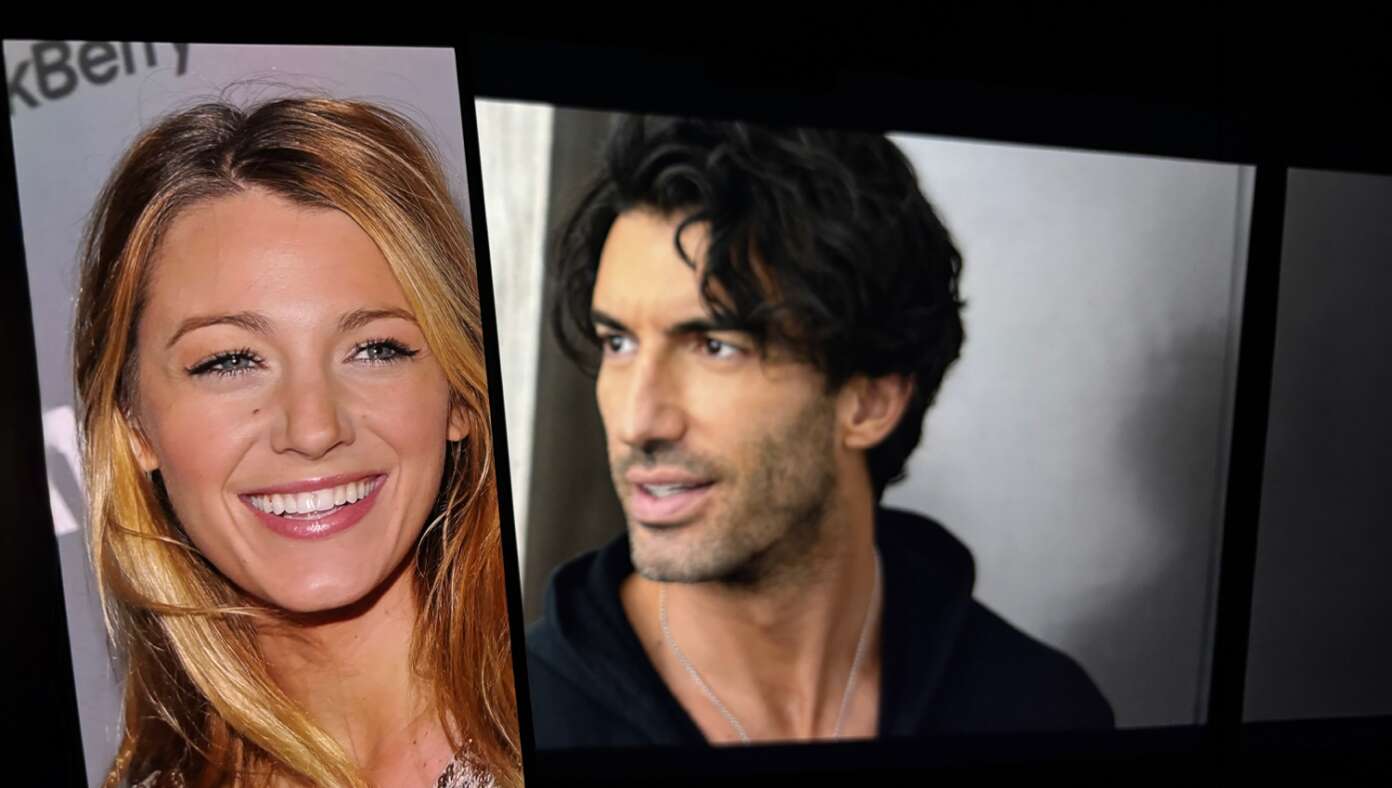
Here Is Everything You Need To Know About The Blake Lively-Justin Baldoni Case #BabylonBee – The internet has been abuzz once again about the dueling claims and court cases between actress Blake Lively and actor Justin Baldoni. With so much contradictory information, it’s hard to know what’s real or where to begin. Here, collected at last in one space, is everything you need to know about the Lively-Baldoni saga:

The internet has been abuzz once again about the dueling claims and court cases between actress Blake Lively and actor Justin Baldoni. With so much contradictory information, it’s hard to know what’s real or where to begin. Here, collected at last in one space, is everything you need to know about the Lively-Baldoni saga:

Read More