Day: May 14, 2026

Thousands rally at Canada’s National March for Life in Ottawa – #Catholic – It took almost 25 minutes for a crowd that organizers said was in the thousands to inch its way from Parliament Hill down Wellington Street to Elgin Street during the National March for Life in Ottawa.Members of every ethnic background, young and elderly, priests, families and church groups carried pro-life signs and walked the streets of the Canadian capital to press for an end to abortion and euthanasia in Canada.The day began with liturgies celebrated at Notre Dame Cathedral, St. Patrick’s Basilica, and St. Clement. Ottawa-Cornwall Archbishop Marcel Damphousse was the main celebrant at the cathedral, joined by papal nuncio Archbishop Ivan Jurkovič, Ukrainian Catholic Bishop Bryan Bayda, and some 30 priests and deacons.
 
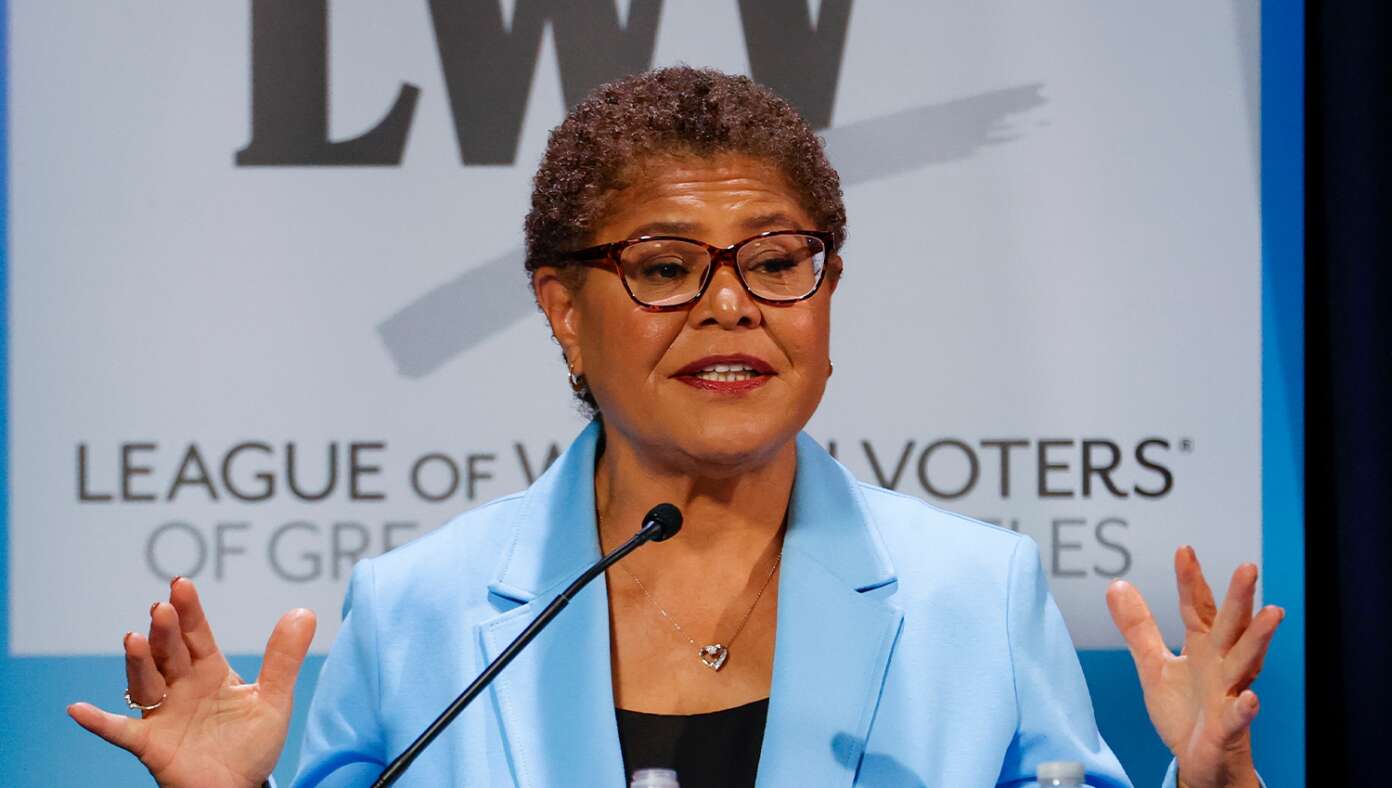
 Pro-life signs on Parliament Hill, May 14, 2026, at Canadaʼs March for Life. Organizer Debbie Duval told the crowd “Our legislators are sitting in the House of Commons. We want them to hear us. We want them to know we’re here.” | Credit: Peter Stockland
 
 At a midday rally before the march, organizer Debbie Duval told the crowd, “We march on a Thursday, in Ottawa, because that’s when our legislators are sitting in the House of Commons. We want them to hear us. We want them to know we’re here.”Matthew Wojciechoski, Project Manager at Campaign Life Coalition (CLC), which organizes the annual event, told the crowd, “We are here to call upon the members of Parliament to enact legal protections for all human beings from conception up to natural death. To remind Parliament of four simple words, ‘Thou shalt not kill.’”The March for Life takes place in May to mark the month in 1969 when the omnibus bill that decriminalized abortion in Canada was passed.This year’s march fell on the very anniversary of the vote and adopted as its theme Jesus’ command, “Follow me.”CLC national president Jeff Gunnarson asked the crowd to pray for founder and former president Jim Hughes who is in hospital with pneumonia and “not doing well.”“Jim devoted decades of his life to the unborn and building this movement in Canada. Many of us are standing here today because of sacrifices he made long before we arrived,” Gunnarson said.The featured speaker was Aleš Primc, co-founder of the Slovenian political party Voice for Children and Families that recently forced a referendum to overturn the country’s assisted suicide law. He led pro-lifers in a series of loud “hellos” to people of all ages, from unborn children to “people with gray hair like me.”“Saying “hello” is the start of recognizing our shared humanity,” he said.
 
 Some of the crowd on Parliament Hill for the March for Life, on May 14, 2026, in Ottawa. | Credit: Peter Stockland
 
 Speaker Rebecca Kiessling, a U.S. lawyer and founder of the organization Save the 1 — a reference to the one per cent of babies conceived in rape — said she narrowly escaped “the death penalty” in the womb at two abortion clinics.Kiessling, who was conceived in rape, has dedicated her legal career to advocating for the rights of mothers whose children were similarly conceived. She lobbies for abortion bans with no exceptions for rape or incest.Born four years prior to the landmark 1973 ruling Roe v. Wade, she said she survived only because “the (existing) law in Michigan protected me.”“I did not deserve the death penalty for the crime of the man who raped my mother. My mother chose abortion. I wasn’t lucky: I was protected. The law matters.”Conservative MP Arnold Viersen brought his two toddler children to the stage with him, one of them amusing the crowd by peeking through the railing and jumping around loudly enough to be heard over the public address system.The Parliament Hill speeches and the march through Ottawa are the centrepoint of four days of events, from a candlelight vigil the night before to pray and remember babies lost to abortion, a banquet Thursday evening, and a youth summit on Friday.Gunnarson summed up why the march continues each year. “Sometimes this work can feel difficult, sometimes we feel that no progress is being made, but then we gather here and we remember that truth does not expire, love does not quit, and courage inspires courage.”Pro-life supporters march in British ColumbiaAcross the country, ihundreds also gathered at the annual March for Life in Victoria, British Columbiaʼs capital city, where participants marched through downtown streets carrying pro-life signs and banners before rallying at the legislature to hear speakers, including Vancouver Archbishop Richard Smith.
 
 Hundreds gather at the British Columbia Legislature on May 14, 2026, for the Victoria March for Life. | Courtesy of the Diocese of Victoria
 
 The Victoria event drew families, clergy, students, and supporters from across the province for speeches, prayer, and music focused on the protection of unborn life and care for vulnerable people. Organizers also highlighted concerns surrounding euthanasia and assisted suicide.In his homily at St. Andrewʼs Cathedral in Victoria, Smith acknowledged that many pro-life advocates can feel discouraged by what he described as “a powerful juggernaut moving forward and expanding in a manner that appears irresistible,” pointing to abortion and the expansion of euthanasia in Canada.But he urged participants not to lose hope, saying, “God is at work, God is on the move, and God is an unstoppable force. His saving will simply cannot be thwarted by human iniquity.”“This is why we march,” he said. “It is incumbent upon all of us to look for any and every opportunity to witness to the truth of God’s own love for life.”
 
 Vancouverʼs Archbishop Richard Smith speaks in front of the legislature at the Victoria March for Life on May 14,2026. | Photo courtesy of the Diocese of Victoria
 
 Speaking later in front of the B.C. Legislature, Smith said the annual March for Life was part of a broader effort to build “a culture of life” through speaking, celebrating, and serving.“Our march is a very peaceful event, and a great occasion for us to witness to the beauty of all life,” he said, adding that every human being is “willed, loved and necessary.”He also said society needs “radically transformed human relationships, defined no longer by an extreme individualism and a false notion of freedom, but by a self-giving love that welcomes the other as gift.”Several other March for Life events are also scheduled across Canada later this month and into June.The Toronto March for Life will take place Saturday, May 23 at 11 a.m. at Queen’s Park North in Toronto. Organizers say a prayer service will be held beforehand at 9:30 a.m., along with workshops and educational events following the march.The Halifax March for Life in Nova Scotia is scheduled for Saturday, May 30 at 1 p.m. at St. Maryʼs Cathedral Basilica in Halifax.The Prince Edward Island March for Life will be held Saturday, June 6 at 2 p.m. at Central Christian Church in Charlottetown.The Catholic Register with B.C. Catholic filesThis article was orignally published by the B.C. Catholic and is reprinted here, with adaptations, with permission. 

Thousands rally at Canada’s National March for Life in Ottawa – #Catholic – It took almost 25 minutes for a crowd that organizers said was in the thousands to inch its way from Parliament Hill down Wellington Street to Elgin Street during the National March for Life in Ottawa.Members of every ethnic background, young and elderly, priests, families and church groups carried pro-life signs and walked the streets of the Canadian capital to press for an end to abortion and euthanasia in Canada.The day began with liturgies celebrated at Notre Dame Cathedral, St. Patrick’s Basilica, and St. Clement. Ottawa-Cornwall Archbishop Marcel Damphousse was the main celebrant at the cathedral, joined by papal nuncio Archbishop Ivan Jurkovič, Ukrainian Catholic Bishop Bryan Bayda, and some 30 priests and deacons. Pro-life signs on Parliament Hill, May 14, 2026, at Canadaʼs March for Life. Organizer Debbie Duval told the crowd “Our legislators are sitting in the House of Commons. We want them to hear us. We want them to know we’re here.” | Credit: Peter Stockland At a midday rally before the march, organizer Debbie Duval told the crowd, “We march on a Thursday, in Ottawa, because that’s when our legislators are sitting in the House of Commons. We want them to hear us. We want them to know we’re here.”Matthew Wojciechoski, Project Manager at Campaign Life Coalition (CLC), which organizes the annual event, told the crowd, “We are here to call upon the members of Parliament to enact legal protections for all human beings from conception up to natural death. To remind Parliament of four simple words, ‘Thou shalt not kill.’”The March for Life takes place in May to mark the month in 1969 when the omnibus bill that decriminalized abortion in Canada was passed.This year’s march fell on the very anniversary of the vote and adopted as its theme Jesus’ command, “Follow me.”CLC national president Jeff Gunnarson asked the crowd to pray for founder and former president Jim Hughes who is in hospital with pneumonia and “not doing well.”“Jim devoted decades of his life to the unborn and building this movement in Canada. Many of us are standing here today because of sacrifices he made long before we arrived,” Gunnarson said.The featured speaker was Aleš Primc, co-founder of the Slovenian political party Voice for Children and Families that recently forced a referendum to overturn the country’s assisted suicide law. He led pro-lifers in a series of loud “hellos” to people of all ages, from unborn children to “people with gray hair like me.”“Saying “hello” is the start of recognizing our shared humanity,” he said. Some of the crowd on Parliament Hill for the March for Life, on May 14, 2026, in Ottawa. | Credit: Peter Stockland Speaker Rebecca Kiessling, a U.S. lawyer and founder of the organization Save the 1 — a reference to the one per cent of babies conceived in rape — said she narrowly escaped “the death penalty” in the womb at two abortion clinics.Kiessling, who was conceived in rape, has dedicated her legal career to advocating for the rights of mothers whose children were similarly conceived. She lobbies for abortion bans with no exceptions for rape or incest.Born four years prior to the landmark 1973 ruling Roe v. Wade, she said she survived only because “the (existing) law in Michigan protected me.”“I did not deserve the death penalty for the crime of the man who raped my mother. My mother chose abortion. I wasn’t lucky: I was protected. The law matters.”Conservative MP Arnold Viersen brought his two toddler children to the stage with him, one of them amusing the crowd by peeking through the railing and jumping around loudly enough to be heard over the public address system.The Parliament Hill speeches and the march through Ottawa are the centrepoint of four days of events, from a candlelight vigil the night before to pray and remember babies lost to abortion, a banquet Thursday evening, and a youth summit on Friday.Gunnarson summed up why the march continues each year. “Sometimes this work can feel difficult, sometimes we feel that no progress is being made, but then we gather here and we remember that truth does not expire, love does not quit, and courage inspires courage.”Pro-life supporters march in British ColumbiaAcross the country, ihundreds also gathered at the annual March for Life in Victoria, British Columbiaʼs capital city, where participants marched through downtown streets carrying pro-life signs and banners before rallying at the legislature to hear speakers, including Vancouver Archbishop Richard Smith. Hundreds gather at the British Columbia Legislature on May 14, 2026, for the Victoria March for Life. | Courtesy of the Diocese of Victoria The Victoria event drew families, clergy, students, and supporters from across the province for speeches, prayer, and music focused on the protection of unborn life and care for vulnerable people. Organizers also highlighted concerns surrounding euthanasia and assisted suicide.In his homily at St. Andrewʼs Cathedral in Victoria, Smith acknowledged that many pro-life advocates can feel discouraged by what he described as “a powerful juggernaut moving forward and expanding in a manner that appears irresistible,” pointing to abortion and the expansion of euthanasia in Canada.But he urged participants not to lose hope, saying, “God is at work, God is on the move, and God is an unstoppable force. His saving will simply cannot be thwarted by human iniquity.”“This is why we march,” he said. “It is incumbent upon all of us to look for any and every opportunity to witness to the truth of God’s own love for life.” Vancouverʼs Archbishop Richard Smith speaks in front of the legislature at the Victoria March for Life on May 14,2026. | Photo courtesy of the Diocese of Victoria Speaking later in front of the B.C. Legislature, Smith said the annual March for Life was part of a broader effort to build “a culture of life” through speaking, celebrating, and serving.“Our march is a very peaceful event, and a great occasion for us to witness to the beauty of all life,” he said, adding that every human being is “willed, loved and necessary.”He also said society needs “radically transformed human relationships, defined no longer by an extreme individualism and a false notion of freedom, but by a self-giving love that welcomes the other as gift.”Several other March for Life events are also scheduled across Canada later this month and into June.The Toronto March for Life will take place Saturday, May 23 at 11 a.m. at Queen’s Park North in Toronto. Organizers say a prayer service will be held beforehand at 9:30 a.m., along with workshops and educational events following the march.The Halifax March for Life in Nova Scotia is scheduled for Saturday, May 30 at 1 p.m. at St. Maryʼs Cathedral Basilica in Halifax.The Prince Edward Island March for Life will be held Saturday, June 6 at 2 p.m. at Central Christian Church in Charlottetown.The Catholic Register with B.C. Catholic filesThis article was orignally published by the B.C. Catholic and is reprinted here, with adaptations, with permission. 

Canada’s March for Life takes in place in May to mark the month in 1969 when the omnibus bill that decriminalized abortion in Canada was passed. This year’s march fell on the anniversary of the vote.

Read More
Archbishop Hebda issues pastoral letter reminding families that ‘Only One Thing Is Necessary’ – #Catholic – Archbishop Bernard Hebda of Saint Paul and Minneapolis released a pastoral letter to families on May 13, the Feast of Our Lady of Fatima and the 10th anniversary of his installation as archbishop.Titled “Only One Thing Is Necessary: How Catholic Families Can Strive To Be United in This Life and the Next”, the letter emphasizes that strong Catholic families are essential to the future of both the Church and society. The archbishop says he wrote the letter in response to parents who desire the Church’s help in raising faithful families. Drawing from more than three decades of ministry, he notes the deep love and concern he has witnessed, recalling families "who want nothing more than to lead their families to Jesus" and who "instinctively understand and model what Jesus taught Martha in the midst of her anxiety: ‘only one thing is necessary,’ being with Jesus (Luke 10:42).”Hebda emphasizes that the future of the Church and society depends on strong families, quoting St. John Paul II:“The family is the first and vital cell of society. In its own way it is a living image and historical representation of the mystery of the Church. The future of the world and of the Church, therefore, passes through the family … As the family goes, so goes the nation, and so goes the whole world in which we live.”The archbishop outlines the urgent challenges facing modern families, such as “a general societal decline in religious practice and church affiliation,” the prioritizing of money over relationships, increasing fatherlessness, mental illness, and addictions, loneliness, and declining marriage and birthrates.“Raising a Christian family has never been easy,” he writes. “On top of those perennial challenges, today’s families are faced with challenges particular to our time.”Of the ubiquity of screens, the archbishop asks: “What would our families and our society look like if we spent but a fraction of what we spend on screens looking at the faces of our family members?” Despite the “uphill battle” families are fighting, he urges them not to lose heart: “Dear families, please take heart. You are not alone. The Church journeys with you, the Church loves you, and the Church needs you!”In the letter, Hebda encourages sacramental marriage as the foundation, calling on parishes to become “families of families,” and to help Catholic families by providing concrete support for passing on the faith.In this context, the archbishop invites the entire archdiocese to read and discuss the document over the coming year (July 2026–June 2027) as a pastoral priority.  Holy examples of family lifeThe archbishop draws on the examples of several holy couples, including the Ulma family, who along with their six children were killed by the Nazis in 1944 for giving refuge to Jews. Pope Francis beatified the whole family in 2023.  He calls the parents of St. Thérèse of Lisieux, Saints Louis and Zélie Martin, who were the first married couple to be canonized together, relatable models of ordinary holiness. He said the hardworking, middle class couple “made it a point to do three things very well: to love each other and their children unconditionally; to teach their children about God and the virtuous life; and to worship God at home and in the parish.”He encourages families to do the same.Hebda commends the letter to Our Lady, Seat of Wisdom, ending it with a prayer to the Holy Family of Nazareth composed by Pope Francis. The full letter is available as a free PDF download, in addition to a Spanish-language version, an audio version and a printed keepsake edition. Parish resources and small-group guides are also provided on the website.

Archbishop Hebda issues pastoral letter reminding families that ‘Only One Thing Is Necessary’ – #Catholic – Archbishop Bernard Hebda of Saint Paul and Minneapolis released a pastoral letter to families on May 13, the Feast of Our Lady of Fatima and the 10th anniversary of his installation as archbishop.Titled “Only One Thing Is Necessary: How Catholic Families Can Strive To Be United in This Life and the Next”, the letter emphasizes that strong Catholic families are essential to the future of both the Church and society. The archbishop says he wrote the letter in response to parents who desire the Church’s help in raising faithful families. Drawing from more than three decades of ministry, he notes the deep love and concern he has witnessed, recalling families "who want nothing more than to lead their families to Jesus" and who "instinctively understand and model what Jesus taught Martha in the midst of her anxiety: ‘only one thing is necessary,’ being with Jesus (Luke 10:42).”Hebda emphasizes that the future of the Church and society depends on strong families, quoting St. John Paul II:“The family is the first and vital cell of society. In its own way it is a living image and historical representation of the mystery of the Church. The future of the world and of the Church, therefore, passes through the family … As the family goes, so goes the nation, and so goes the whole world in which we live.”The archbishop outlines the urgent challenges facing modern families, such as “a general societal decline in religious practice and church affiliation,” the prioritizing of money over relationships, increasing fatherlessness, mental illness, and addictions, loneliness, and declining marriage and birthrates.“Raising a Christian family has never been easy,” he writes. “On top of those perennial challenges, today’s families are faced with challenges particular to our time.”Of the ubiquity of screens, the archbishop asks: “What would our families and our society look like if we spent but a fraction of what we spend on screens looking at the faces of our family members?” Despite the “uphill battle” families are fighting, he urges them not to lose heart: “Dear families, please take heart. You are not alone. The Church journeys with you, the Church loves you, and the Church needs you!”In the letter, Hebda encourages sacramental marriage as the foundation, calling on parishes to become “families of families,” and to help Catholic families by providing concrete support for passing on the faith.In this context, the archbishop invites the entire archdiocese to read and discuss the document over the coming year (July 2026–June 2027) as a pastoral priority.  Holy examples of family lifeThe archbishop draws on the examples of several holy couples, including the Ulma family, who along with their six children were killed by the Nazis in 1944 for giving refuge to Jews. Pope Francis beatified the whole family in 2023.  He calls the parents of St. Thérèse of Lisieux, Saints Louis and Zélie Martin, who were the first married couple to be canonized together, relatable models of ordinary holiness. He said the hardworking, middle class couple “made it a point to do three things very well: to love each other and their children unconditionally; to teach their children about God and the virtuous life; and to worship God at home and in the parish.”He encourages families to do the same.Hebda commends the letter to Our Lady, Seat of Wisdom, ending it with a prayer to the Holy Family of Nazareth composed by Pope Francis. The full letter is available as a free PDF download, in addition to a Spanish-language version, an audio version and a printed keepsake edition. Parish resources and small-group guides are also provided on the website.

Despite the “uphill battle” families face, Hebda encourages them: “Dear families, please take heart. You are not alone. The Church journeys with you, the Church loves you, and the Church needs you!”

Read More
Reflecting on meeting with Leo, Rubio emphasizes distinction between role of Church and nation state – #Catholic – In a May 13 interview on Fox News, U.S. Secretary of State Marco Rubio reflected on his May 7 meeting with Pope Leo XIV, emphasizing the different vantage points and distinct roles of the Church and a nation-state.In the interview, Rubio acknowledged the Catholic Church’s longstanding position advocating for peace and the avoidance of war while drawing a clear distinction between the Church’s role and the duties and responsibilities of nation states.While saying the U.S. also seeks peace, Rubio affirmed that the countryʼs position on war is “different,” because it is “a nation state.”“For a nation state, which is different from a religious office, for a nation state there are threats to your security and to the well-being of your people that have to be addressed, ideally through diplomatic means, but there are conflicts and issues in the world that cannot be solved diplomatically, no matter how hard you try,” Rubio said, pointing to years of failed diplomacy with Iran and other past examples.He said there have not been “any results” despite “over a decade of work done to try to diplomatically solve Iran’s desire and ambition to have a nuclear weapons program."Recalling World War II, Rubio asked: “What was the diplomatic solution for … Adolf Hitler, as an example? There was none, right? And unfortunately, it led to real war. So that’s where I think the realm of the geopolitical is different.”Nevertheless, he emphasized that Catholics, like himself, must balance their faith with their duty to their nation.“We are obviously guided by our faith, and we’re instructed by our faith. That’s the compass by which we live our lives,” Rubio said. “We also have an obligation to the national security of our country, and that has to be taken into account. That’s our primary job — is to keep Americans safe. And that’s why we’re involved in Iran. That’s why we’re involved in anything we do around the world.”Rubio described his meeting with the American pontiff as positive and unusually straightforward.“This is an American pope. We spoke for over an hour. We talked about a lot of topics," Rubio said. Rubioʼs remarks come amid ongoing U.S. actions in Iran and public differences between the Trump administration and the Holy See on the conflict.Ahead of Rubio’s meeting with Leo, President Trump told EWTN News that the secretary of state’s key message should be: “Iran cannot have a nuclear weapon.”On May 5, Pope Leo XIV said “The Church has spoken for years against all nuclear weapons, so there is no doubt there.”On May 8 the State Department posted a clip of Rubio on X following his meeting with the pope, in which he said “of course” he had wanted “to hear the perspective of the most important, far-reaching religious leader in the world … on what his bishops and others are hearing in the Western Hemisphere, the plight of Christians in Africa … and Lebanon.”On the subject of the U.S. position on the Iran war, Rubio said “We’re capable of having that position and expressing that position clearly and also working cooperatively, as we have for decades, with the Vatican, with the Catholic Church.”“We were able to talk about these different areas of the world where they have a presence, where they are engaged, and we are as well,” Rubio said.

Reflecting on meeting with Leo, Rubio emphasizes distinction between role of Church and nation state – #Catholic – In a May 13 interview on Fox News, U.S. Secretary of State Marco Rubio reflected on his May 7 meeting with Pope Leo XIV, emphasizing the different vantage points and distinct roles of the Church and a nation-state.In the interview, Rubio acknowledged the Catholic Church’s longstanding position advocating for peace and the avoidance of war while drawing a clear distinction between the Church’s role and the duties and responsibilities of nation states.While saying the U.S. also seeks peace, Rubio affirmed that the countryʼs position on war is “different,” because it is “a nation state.”“For a nation state, which is different from a religious office, for a nation state there are threats to your security and to the well-being of your people that have to be addressed, ideally through diplomatic means, but there are conflicts and issues in the world that cannot be solved diplomatically, no matter how hard you try,” Rubio said, pointing to years of failed diplomacy with Iran and other past examples.He said there have not been “any results” despite “over a decade of work done to try to diplomatically solve Iran’s desire and ambition to have a nuclear weapons program."Recalling World War II, Rubio asked: “What was the diplomatic solution for … Adolf Hitler, as an example? There was none, right? And unfortunately, it led to real war. So that’s where I think the realm of the geopolitical is different.”Nevertheless, he emphasized that Catholics, like himself, must balance their faith with their duty to their nation.“We are obviously guided by our faith, and we’re instructed by our faith. That’s the compass by which we live our lives,” Rubio said. “We also have an obligation to the national security of our country, and that has to be taken into account. That’s our primary job — is to keep Americans safe. And that’s why we’re involved in Iran. That’s why we’re involved in anything we do around the world.”Rubio described his meeting with the American pontiff as positive and unusually straightforward.“This is an American pope. We spoke for over an hour. We talked about a lot of topics," Rubio said. Rubioʼs remarks come amid ongoing U.S. actions in Iran and public differences between the Trump administration and the Holy See on the conflict.Ahead of Rubio’s meeting with Leo, President Trump told EWTN News that the secretary of state’s key message should be: “Iran cannot have a nuclear weapon.”On May 5, Pope Leo XIV said “The Church has spoken for years against all nuclear weapons, so there is no doubt there.”On May 8 the State Department posted a clip of Rubio on X following his meeting with the pope, in which he said “of course” he had wanted “to hear the perspective of the most important, far-reaching religious leader in the world … on what his bishops and others are hearing in the Western Hemisphere, the plight of Christians in Africa … and Lebanon.”On the subject of the U.S. position on the Iran war, Rubio said “We’re capable of having that position and expressing that position clearly and also working cooperatively, as we have for decades, with the Vatican, with the Catholic Church.”“We were able to talk about these different areas of the world where they have a presence, where they are engaged, and we are as well,” Rubio said.

“There are conflicts and issues in the world that cannot be solved diplomatically, no matter how hard you try,” Rubio said.

Read More

Gospel and Word of the Day – 15 May 2026 – A reading from the Book of the Acts of the Apostles Acts 18:9-18 One night while Paul was in Corinth, the Lord said to him in a vision, "Do not be afraid. Go on speaking, and do not be silent, for I am with you. No one will attack and harm you, for I have many people in this city." He settled there for a year and a half and taught the word of God among them. But when Gallio was proconsul of Achaia, the Jews rose up together against Paul and brought him to the tribunal, saying, "This man is inducing people to worship God contrary to the law." When Paul was about to reply, Gallio spoke to the Jews, "If it were a matter of some crime or malicious fraud, I should with reason hear the complaint of you Jews; but since it is a question of arguments over doctrine and titles and your own law, see to it yourselves. I do not wish to be a judge of such matters." And he drove them away from the tribunal. They all seized Sosthenes, the synagogue official, and beat him in full view of the tribunal. But none of this was of concern to Gallio. Paul remained for quite some time, and after saying farewell to the brothers he sailed for Syria, together with Priscilla and Aquila. At Cenchreae he had shaved his head because he had taken a vow. From the Gospel according to John 16:20-23 Jesus said to his disciples:  "Amen, amen, I say to you, you will weep and mourn, while the world rejoices; you will grieve, but your grief will become joy. When a woman is in labor, she is in anguish because her hour has arrived; but when she has given birth to a child, she no longer remembers the pain because of her joy that a child has been born into the world. So you also are now in anguish. But I will see you again, and your hearts will rejoice, and no one will take your joy away from you. On that day you will not question me about anything. Amen, amen, I say to you, whatever you ask the Father in my name he will give you."And we must be truthful with ourselves: not all of Christian life is a celebration. Not all of it! We weep, very often we weep. When you are sick; when you have a problem in the family, with your son, with your daughter, your wife, your husband; when you realize that your salary won’t last until the end of the month and you have a sick child; when you realize you cannot pay your mortgage and have to move out… So many problems, so many that we have. But Jesus tells us: “Do not be afraid!” “Yes, you will be sad, you will weep, and there will even be people who take pleasure in this, people who are against you”. … “Your sadness will turn into joy”. But it is difficult, when you go to a man or woman who is sick, who is suffering a lot, to say: “Take heart! Take heart! Tomorrow you will have joy!” No, you cannot say this. We must make them feel how Jesus made them feel. We too, when we are in the midst of darkness, seeing nothing: “I know, Lord, that this sorrow will turn into joy. I don’t know how, but I know it!” An act of faith in the Lord. An act of faith! To be courageous in suffering and to think that afterwards comes the Lord, afterwards comes joy, after the darkness comes the sun. May the Lord give all of us. This joy in hope. (Pope Francis, Homily at Santa Marta, 30 May 2014)

A reading from the Book of the Acts of the Apostles
Acts 18:9-18

One night while Paul was in Corinth, the Lord said to him in a vision,
"Do not be afraid.
Go on speaking, and do not be silent, for I am with you.
No one will attack and harm you,
for I have many people in this city."
He settled there for a year and a half
and taught the word of God among them.

But when Gallio was proconsul of Achaia,
the Jews rose up together against Paul
and brought him to the tribunal, saying,
"This man is inducing people to worship God contrary to the law."
When Paul was about to reply, Gallio spoke to the Jews,
"If it were a matter of some crime or malicious fraud,
I should with reason hear the complaint of you Jews;
but since it is a question of arguments over doctrine and titles
and your own law, see to it yourselves.
I do not wish to be a judge of such matters."
And he drove them away from the tribunal.
They all seized Sosthenes, the synagogue official,
and beat him in full view of the tribunal.
But none of this was of concern to Gallio.

Paul remained for quite some time,
and after saying farewell to the brothers he sailed for Syria,
together with Priscilla and Aquila.
At Cenchreae he had shaved his head because he had taken a vow. 

From the Gospel according to John
16:20-23

Jesus said to his disciples: 
"Amen, amen, I say to you, you will weep and mourn,
while the world rejoices;
you will grieve, but your grief will become joy.
When a woman is in labor, she is in anguish because her hour has arrived;
but when she has given birth to a child,
she no longer remembers the pain because of her joy
that a child has been born into the world.
So you also are now in anguish.
But I will see you again, and your hearts will rejoice,
and no one will take your joy away from you.
On that day you will not question me about anything.
Amen, amen, I say to you,
whatever you ask the Father in my name he will give you."

And we must be truthful with ourselves: not all of Christian life is a celebration. Not all of it! We weep, very often we weep. When you are sick; when you have a problem in the family, with your son, with your daughter, your wife, your husband; when you realize that your salary won’t last until the end of the month and you have a sick child; when you realize you cannot pay your mortgage and have to move out… So many problems, so many that we have. But Jesus tells us: “Do not be afraid!” “Yes, you will be sad, you will weep, and there will even be people who take pleasure in this, people who are against you”. … “Your sadness will turn into joy”. But it is difficult, when you go to a man or woman who is sick, who is suffering a lot, to say: “Take heart! Take heart! Tomorrow you will have joy!” No, you cannot say this. We must make them feel how Jesus made them feel. We too, when we are in the midst of darkness, seeing nothing: “I know, Lord, that this sorrow will turn into joy. I don’t know how, but I know it!” An act of faith in the Lord. An act of faith! To be courageous in suffering and to think that afterwards comes the Lord, afterwards comes joy, after the darkness comes the sun. May the Lord give all of us. This joy in hope. (Pope Francis, Homily at Santa Marta, 30 May 2014)

Read More

Following the roaring success of NASA’s Artemis 2 mission, the space agency is devising plans for a final test flight before attempting to land the first humans on the Moon in decades, as soon as 2028. Whereas Artemis 2 sent four astronauts slingshotting around the Moon and back — and farther from Earth than any human hasContinue reading “NASA shares new details on Artemis 3 pre-lunar landing mission”

The post NASA shares new details on Artemis 3 pre-lunar landing mission appeared first on Astronomy Magazine.

Read More
Beyond The Beacon podcast 111: Walking with a future saint? Lo Anne Mayer on her friendship with Fulton Sheen #Catholic – 

What was it like to be friends with possible future saint Archbishop Fulton Sheen? For this episode, we hear from Lo Anne Mayer, formerly of Corpus Christi Parish in Chatham Township, N.J., of the Diocese of Paterson, N.J.
Mayer struck up a friendship with the beloved, world-renowned Catholic radio and TV evangelist in 1974 after hearing him speak at Christ the King Church in the New Vernon neighborhood of Harding Township, N.J.
The two would speak a couple of times a week over the phone until he died in 1979. Archbishop Sheen sought out her views on particular topics to help make his talks more relevant to his audience.
Sheen baptized Lo Anne and her husband Raymond’s youngest child, Michael, at Corpus Christi in 1975.
She joins Bishop Kevin J. Sweeney of the Diocese of Paterson, N.J., and co-host Communications Director Jai Agnish to recount the stories of her close friendship with Archbishop Sheen. We also discuss some of Archbishop Sheen’s other ties to the Diocese of Paterson.
Lo Anne, 85, now living in Manchester, N.J., heard the news on March 25 that Archbishop Sheen — now Venerable Fulton J. Sheen — is getting a step closer to sainthood. With joy, she plans to attend with her family the Mass of his beatification, where he will be designated as “blessed.” This will take place on Thursday, Sept. 24, at The Dome at America’s Center in St. Louis, Mo.
Listen to the episode here, or on any major podcast platform, or watch it on Bishop Sweeney’s YouTube channel.

Click here to subscribe to our weekly newsletter.

Beyond The Beacon podcast 111: Walking with a future saint? Lo Anne Mayer on her friendship with Fulton Sheen #Catholic – What was it like to be friends with possible future saint Archbishop Fulton Sheen? For this episode, we hear from Lo Anne Mayer, formerly of Corpus Christi Parish in Chatham Township, N.J., of the Diocese of Paterson, N.J. Mayer struck up a friendship with the beloved, world-renowned Catholic radio and TV evangelist in 1974 after hearing him speak at Christ the King Church in the New Vernon neighborhood of Harding Township, N.J. The two would speak a couple of times a week over the phone until he died in 1979. Archbishop Sheen sought out her views on particular topics to help make his talks more relevant to his audience. Sheen baptized Lo Anne and her husband Raymond’s youngest child, Michael, at Corpus Christi in 1975. She joins Bishop Kevin J. Sweeney of the Diocese of Paterson, N.J., and co-host Communications Director Jai Agnish to recount the stories of her close friendship with Archbishop Sheen. We also discuss some of Archbishop Sheen’s other ties to the Diocese of Paterson. Lo Anne, 85, now living in Manchester, N.J., heard the news on March 25 that Archbishop Sheen — now Venerable Fulton J. Sheen — is getting a step closer to sainthood. With joy, she plans to attend with her family the Mass of his beatification, where he will be designated as “blessed.” This will take place on Thursday, Sept. 24, at The Dome at America’s Center in St. Louis, Mo. Listen to the episode here, or on any major podcast platform, or watch it on Bishop Sweeney’s YouTube channel. Click here to subscribe to our weekly newsletter.

Beyond The Beacon podcast 111: Walking with a future saint? Lo Anne Mayer on her friendship with Fulton Sheen #Catholic –

What was it like to be friends with possible future saint Archbishop Fulton Sheen? For this episode, we hear from Lo Anne Mayer, formerly of Corpus Christi Parish in Chatham Township, N.J., of the Diocese of Paterson, N.J.

Mayer struck up a friendship with the beloved, world-renowned Catholic radio and TV evangelist in 1974 after hearing him speak at Christ the King Church in the New Vernon neighborhood of Harding Township, N.J.

The two would speak a couple of times a week over the phone until he died in 1979. Archbishop Sheen sought out her views on particular topics to help make his talks more relevant to his audience.

Sheen baptized Lo Anne and her husband Raymond’s youngest child, Michael, at Corpus Christi in 1975.

She joins Bishop Kevin J. Sweeney of the Diocese of Paterson, N.J., and co-host Communications Director Jai Agnish to recount the stories of her close friendship with Archbishop Sheen. We also discuss some of Archbishop Sheen’s other ties to the Diocese of Paterson.

Lo Anne, 85, now living in Manchester, N.J., heard the news on March 25 that Archbishop Sheen — now Venerable Fulton J. Sheen — is getting a step closer to sainthood. With joy, she plans to attend with her family the Mass of his beatification, where he will be designated as “blessed.” This will take place on Thursday, Sept. 24, at The Dome at America’s Center in St. Louis, Mo.

Listen to the episode here, or on any major podcast platform, or watch it on Bishop Sweeney’s YouTube channel.


Click here to subscribe to our weekly newsletter.

What was it like to be friends with possible future saint Archbishop Fulton Sheen? For this episode, we hear from Lo Anne Mayer, formerly of Corpus Christi Parish in Chatham Township, N.J., of the Diocese of Paterson, N.J. Mayer struck up a friendship with the beloved, world-renowned Catholic radio and TV evangelist in 1974 after hearing him speak at Christ the King Church in the New Vernon neighborhood of Harding Township, N.J. The two would speak a couple of times a week over the phone until he died in 1979. Archbishop Sheen sought out her views on particular topics to

Read More
Catholic film star becomes first Christian chief minister of major Indian state #Catholic CHENNAI, India — The Catholic Church in the Indian state of Tamil Nadu is celebrating after Joseph Vijay, an actor-turned-politician raised in the Catholic faith, was sworn in as the stateʼs chief minister on May 10.“This is a historic development. We hope it will lead to positive changes as the chief minister has already promised,” Archbishop George Antonysamy of Madras and Mylapore told EWTN News on May 13.Vijayʼs new political party, Tamilaga Vettri Kazhagam (TVK), which translates to Victory Party of Tamil Nadu, was founded in 2024. In its electoral debut, the party stunned the Dravidian parties that had held power for nearly six decades between them, winning 107 seats in the 234-member state assembly.Acknowledging the mandate, five smaller parties withdrew their support from the ousted DMK and opposition AIADMK coalitions to back TVK, pushing it past the 118-seat majority mark and prompting the state governor to invite Vijay to form the government on May 9.The Vijay government won a crucial vote of confidence on May 13 with 144 votes, with a section of the AIADMK also voting in his favor.‘I wonʼt touch public money’“I wonʼt touch public money,” Vijay declared soon after his swearing-in on May 10, promising a “corruption-free” administration. Within hours, the new chief minister signed three orders subsidizing electricity for the poor, establishing a task force for womenʼs safety, and setting up anti-narcotics units to curb the drug menace.Welcoming “the steps the CM has promised,” Antonysamy said, “We cannot judge a person in a few days. Everything will depend on the performance. Vijay himself is new to government administration, and his legislators too, as most of them hail from his fan base.”Catholic identity in the spotlight“We are really rejoicing that we have a Catholic chief minister,” Father Vincent Chinnadurai, spokesperson of the Tamil Nadu Catholic Bishops' Council, told EWTN News.“Vijay is known as a popular actor. But his Catholic background came into public attention after the Hindu nationalists tried to polarize the voters, saying that Vijay is a Christian with the first name Joseph,” explained Chinnadurai, who is also the rector of the Santhome Basilica in Chennai, adjacent to the archbishopʼs residence.The Santhome Basilica is built over the traditional site of the tomb of St. Thomas the Apostle, who according to tradition was martyred at Mylapore in present-day Chennai in A.D. 72. It is one of three basilicas in the world built over tombs traditionally associated with apostles, along with St. Peterʼs Basilica at the Vatican and the Cathedral of Santiago de Compostela in Spain.“The people here are very happy, as we are privileged to be the first big state in India to have a Catholic chief minister, and at a time when Christians are facing troubles in different parts of the country,” Chinnadurai added. He is a former chairman of the Minorities Commission of Tamil Nadu.With approximately 77 million people, Tamil Nadu is the seventh most populous of Indiaʼs 28 states.The archbishop also acknowledged that “Vijay is not known much as a Catholic. But during the election time, it came out in a big way.”Hindu nationalists and the ‘Joseph’ factorThe name “Joseph” stood out prominently on the large stage at the Nehru Indoor Stadium during the swearing-in ceremony, which was broadcast live by major national television channels.When Hindu nationalists tried to brand Vijay as a Christian in the run-up to the election held on April 19, Chinnadurai pointed out that “he did not back off.”Instead, Vijay publicized a Christmas program in which he made a speech linking himself to the Old Testament figure of Joseph, who looked after his brothers even after they had thrown him into a well, while he was the ruler of Egypt. In the speech, Vijay also asserted that “Tamil Nadu is a mother; all children are equal,” promising to care for all, including those who opposed him.In the state, where popular film actors have massive fan followings with organized clubs, The Hindu, a national daily based in Chennai, noted in its May 10 edition that although Vijay set up TVK only two years ago, the party was built on more than 80,000 fan clubs established from 2009 across the state, carrying out social work and social campaigns.Faithful throng Marian shrineThousands of Vijayʼs fans thronged the Marian shrine of Vailankanni, known as the Lourdes of the East, about 200 miles south of Chennai, from the night of May 1, expecting him to visit the shrine on the morning of May 2 in thanksgiving after voting.The fans waited through the night and loudly chanted “TVK, TVK” inside the church premises before church authorities asked them to calm down. Vijay canceled the visit after hearing about the commotion at the shrine.“Vijay is an alumnus of our college, and his mother used to come to our college for Mass regularly,” Professor Gladstone Xavier of Chennaiʼs Loyola College told EWTN News.With Vijayʼs Catholic identity now public, Xavier hopes that “Vijayʼs performance as the chief minister should make the community proud.”

Catholic film star becomes first Christian chief minister of major Indian state #Catholic CHENNAI, India — The Catholic Church in the Indian state of Tamil Nadu is celebrating after Joseph Vijay, an actor-turned-politician raised in the Catholic faith, was sworn in as the stateʼs chief minister on May 10.“This is a historic development. We hope it will lead to positive changes as the chief minister has already promised,” Archbishop George Antonysamy of Madras and Mylapore told EWTN News on May 13.Vijayʼs new political party, Tamilaga Vettri Kazhagam (TVK), which translates to Victory Party of Tamil Nadu, was founded in 2024. In its electoral debut, the party stunned the Dravidian parties that had held power for nearly six decades between them, winning 107 seats in the 234-member state assembly.Acknowledging the mandate, five smaller parties withdrew their support from the ousted DMK and opposition AIADMK coalitions to back TVK, pushing it past the 118-seat majority mark and prompting the state governor to invite Vijay to form the government on May 9.The Vijay government won a crucial vote of confidence on May 13 with 144 votes, with a section of the AIADMK also voting in his favor.‘I wonʼt touch public money’“I wonʼt touch public money,” Vijay declared soon after his swearing-in on May 10, promising a “corruption-free” administration. Within hours, the new chief minister signed three orders subsidizing electricity for the poor, establishing a task force for womenʼs safety, and setting up anti-narcotics units to curb the drug menace.Welcoming “the steps the CM has promised,” Antonysamy said, “We cannot judge a person in a few days. Everything will depend on the performance. Vijay himself is new to government administration, and his legislators too, as most of them hail from his fan base.”Catholic identity in the spotlight“We are really rejoicing that we have a Catholic chief minister,” Father Vincent Chinnadurai, spokesperson of the Tamil Nadu Catholic Bishops' Council, told EWTN News.“Vijay is known as a popular actor. But his Catholic background came into public attention after the Hindu nationalists tried to polarize the voters, saying that Vijay is a Christian with the first name Joseph,” explained Chinnadurai, who is also the rector of the Santhome Basilica in Chennai, adjacent to the archbishopʼs residence.The Santhome Basilica is built over the traditional site of the tomb of St. Thomas the Apostle, who according to tradition was martyred at Mylapore in present-day Chennai in A.D. 72. It is one of three basilicas in the world built over tombs traditionally associated with apostles, along with St. Peterʼs Basilica at the Vatican and the Cathedral of Santiago de Compostela in Spain.“The people here are very happy, as we are privileged to be the first big state in India to have a Catholic chief minister, and at a time when Christians are facing troubles in different parts of the country,” Chinnadurai added. He is a former chairman of the Minorities Commission of Tamil Nadu.With approximately 77 million people, Tamil Nadu is the seventh most populous of Indiaʼs 28 states.The archbishop also acknowledged that “Vijay is not known much as a Catholic. But during the election time, it came out in a big way.”Hindu nationalists and the ‘Joseph’ factorThe name “Joseph” stood out prominently on the large stage at the Nehru Indoor Stadium during the swearing-in ceremony, which was broadcast live by major national television channels.When Hindu nationalists tried to brand Vijay as a Christian in the run-up to the election held on April 19, Chinnadurai pointed out that “he did not back off.”Instead, Vijay publicized a Christmas program in which he made a speech linking himself to the Old Testament figure of Joseph, who looked after his brothers even after they had thrown him into a well, while he was the ruler of Egypt. In the speech, Vijay also asserted that “Tamil Nadu is a mother; all children are equal,” promising to care for all, including those who opposed him.In the state, where popular film actors have massive fan followings with organized clubs, The Hindu, a national daily based in Chennai, noted in its May 10 edition that although Vijay set up TVK only two years ago, the party was built on more than 80,000 fan clubs established from 2009 across the state, carrying out social work and social campaigns.Faithful throng Marian shrineThousands of Vijayʼs fans thronged the Marian shrine of Vailankanni, known as the Lourdes of the East, about 200 miles south of Chennai, from the night of May 1, expecting him to visit the shrine on the morning of May 2 in thanksgiving after voting.The fans waited through the night and loudly chanted “TVK, TVK” inside the church premises before church authorities asked them to calm down. Vijay canceled the visit after hearing about the commotion at the shrine.“Vijay is an alumnus of our college, and his mother used to come to our college for Mass regularly,” Professor Gladstone Xavier of Chennaiʼs Loyola College told EWTN News.With Vijayʼs Catholic identity now public, Xavier hopes that “Vijayʼs performance as the chief minister should make the community proud.”

Church leaders in the southern Indian state of Tamil Nadu call the election of actor-turned-politician Joseph Vijay a source of pride in a country where Christians face growing persecution.

Read More
German Catholic congress approves bondage group’s booth #Catholic An ecumenical working group promoting “consensual BDSM culture” will again exhibit at Germanyʼs Catholic Congress in Würzburg this week after organizers said its guidelines pose “no contradiction with the Catechism.”BDSM is an acronym that stands for “bondage and discipline, dominance and submission, sadism and masochism.”“The Ecumenical Working Group BDSM and Christianity has been represented on the Kirchenmeile at several Catholic Congresses now,” Cosima Jagow-Duda, head of press and marketing at the Catholic Congress, told CNA Deutsch, the German-language sister service of EWTN News, in response to an inquiry.“All organizations with an explicitly Christian reference have this right in principle, provided they are not unconstitutional or hostile to specific groups.” The groupʼs guidelines, she added, contain “no contradiction with the Catechism.”The working group was founded in 1999, according to its own website. It also exhibited at the previous Catholic Congress in Erfurt in 2024.Organized by the Central Committee of German Catholics (ZdK), the German Catholic Congress (Katholikentag) is a biennial gathering led by laypeople and representing the countryʼs main umbrella organization for lay Catholic associations. The 104th edition is taking place from May 13 to 17 in Würzburg under the motto “Have Courage, Stand Up!” Around 20,000 people are expected to attend the event, which features approximately 900 events across 50 venues.The approved booth is listed in the official program as stand number MW-R-07 on the Kirchenmeile — a German term meaning “Church Mile” — an exhibitor area where approximately 300 organizations present themselves to attendees.‘Out of the taboo corner’On its website, the working group describes itself as “Christians from various denominations who deal with eroticism and sexuality, particularly in the area of sadomasochistic sexual preferences.”Its published guidelines open with a “preamble on the relationship with God,” affirm belief in “the love and salvation through Jesus Christ,” and state that the group “accepts and lives the diverse and consensual BDSM culture.” The group has also said it wants to take the topic “out of the taboo corner.”Jagow-Duda told CNA Deutsch that applications for the Kirchenmeile “follow clear rules and guidelines” and that the organizers do not admit, for example, “right-wing extremist or anti-democratic groups.”The printed program book states, on page 58, that “a diversity of opinions that encourages and enriches discourse on the cohesion of society is expressly desired,” with limits “where discriminatory, racist, or antisemitic convictions are represented, expressions of group-related misanthropy, or an ideological distance from the free democratic constitutional order are to be expected.”“This concerns a booth where Christians are entering into conversation about their faith,” Jagow-Duda said.Other groups presenting on the Kirchenmeile whose positions stand in tension with Catholic teaching on sexuality include the Network of Catholic Lesbians, the LGBT initiative #OutInChurch, and the Ecumenical Working Group Homosexuals and Church.The official program also lists a “Queer worship service” on May 16 under the title “Life is colorful — diversity in the Church?!” and a Bible workshop titled “Reading the Bible queerly. Why G*D is a fan of diversity.”Pro-life panels rejected, association still presentThe eventʼs panel program, meanwhile, turned down three proposals on surrogacy, abortion, and end-of-life care from the countryʼs largest lay pro-life association, citing limited slots, even as the association maintains its own booth at the congress.The proposals were submitted by the Action for the Right to Life for All (ALfA) in cooperation with the Association of Catholic German Teachers (VkdL).The proposals' titles, according to the Catholic weekly Die Tagespost, were “Life Without a Child? Is Surrogacy the Solution on the Way to a Wished-For Child?”, “Taboo Topic Abortion — ‘I didnʼt want to abort, I had to,’” and “My Death and My Dignity — Autonomy and Human Dignity at the End of Life.”Britta Baas, a spokeswoman for the ZdK, told Die Tagespost that the rejections were made on “capacity grounds.” Two-thirds of all applications had to be turned down because only 40 panel slots were available, she said.The Catholic Congress leadership had set up a so-called “topic convention” before the nationwide call for proposals opened, which pre-selected the 40 panel themes. About three times as many applications were submitted as there were slots, Baas said, and “the panel working group commissioned by the Catholic Congress leadership then had to make a selection.”According to Die Tagespost, ALfA and VkdL had already secured several speakers for the proposed panels, including psychiatrist Christian Spaemann, surgeon and medical ethicist Kai Witzel, and the jurist Felix Böllmann of Alliance Defending Freedom International.The Catholic Congress will, however, host one panel on assisted suicide, titled “Quo Vadis Assisted Suicide? General Regulations and Individual Wishes,” with Social Democratic Party (SPD) parliamentarian Lars Castellucci and the president of the German Caritas Association, Eva Maria Welskop-Deffaa, among the discussants.ALfA itself will be present at the Catholic Congress with a booth on the Kirchenmeile, located in the “Social Cohesion” theme area. In parallel to the official program, the association is holding its own events in cooperation with the VkdL and Die Tagespost, including a lecture on end-of-life autonomy by Witzel, a presentation on international surrogacy by ALfA national chair Cornelia Kaminski, and a panel discussion with Bishop Rudolf Voderholzer of Regensburg on the relationship between the Catholic Church and the German pro-life movement.“The commitment to the protection of human life belongs at the heart of the Church,” Kaminski said in a May 8 statement. “The Catholic Congress is therefore an important place to enter into conversation with people, to present our work, and to make clear how many areas there are in which the right to life and human dignity are under threat — and how needed Church members are who commit themselves to this cause.”Catholic teaching on sexualityThe Catechism of the Catholic Church teaches that sexual pleasure “is morally disordered when sought for itself, isolated from its procreative and unitive purposes” (No. 2351).Chastity, the Catechism teaches, “involves the integrity of the person and the integrality of the gift” and is realized in “the complete and lifelong mutual gift of a man and a woman” (No. 2337). It requires what the Catechism calls “an apprenticeship in self-mastery which is a training in human freedom” (No. 2339).Consent does not, in Catholic moral theology, automatically change the moral character of an act.

German Catholic congress approves bondage group’s booth #Catholic An ecumenical working group promoting “consensual BDSM culture” will again exhibit at Germanyʼs Catholic Congress in Würzburg this week after organizers said its guidelines pose “no contradiction with the Catechism.”BDSM is an acronym that stands for “bondage and discipline, dominance and submission, sadism and masochism.”“The Ecumenical Working Group BDSM and Christianity has been represented on the Kirchenmeile at several Catholic Congresses now,” Cosima Jagow-Duda, head of press and marketing at the Catholic Congress, told CNA Deutsch, the German-language sister service of EWTN News, in response to an inquiry.“All organizations with an explicitly Christian reference have this right in principle, provided they are not unconstitutional or hostile to specific groups.” The groupʼs guidelines, she added, contain “no contradiction with the Catechism.”The working group was founded in 1999, according to its own website. It also exhibited at the previous Catholic Congress in Erfurt in 2024.Organized by the Central Committee of German Catholics (ZdK), the German Catholic Congress (Katholikentag) is a biennial gathering led by laypeople and representing the countryʼs main umbrella organization for lay Catholic associations. The 104th edition is taking place from May 13 to 17 in Würzburg under the motto “Have Courage, Stand Up!” Around 20,000 people are expected to attend the event, which features approximately 900 events across 50 venues.The approved booth is listed in the official program as stand number MW-R-07 on the Kirchenmeile — a German term meaning “Church Mile” — an exhibitor area where approximately 300 organizations present themselves to attendees.‘Out of the taboo corner’On its website, the working group describes itself as “Christians from various denominations who deal with eroticism and sexuality, particularly in the area of sadomasochistic sexual preferences.”Its published guidelines open with a “preamble on the relationship with God,” affirm belief in “the love and salvation through Jesus Christ,” and state that the group “accepts and lives the diverse and consensual BDSM culture.” The group has also said it wants to take the topic “out of the taboo corner.”Jagow-Duda told CNA Deutsch that applications for the Kirchenmeile “follow clear rules and guidelines” and that the organizers do not admit, for example, “right-wing extremist or anti-democratic groups.”The printed program book states, on page 58, that “a diversity of opinions that encourages and enriches discourse on the cohesion of society is expressly desired,” with limits “where discriminatory, racist, or antisemitic convictions are represented, expressions of group-related misanthropy, or an ideological distance from the free democratic constitutional order are to be expected.”“This concerns a booth where Christians are entering into conversation about their faith,” Jagow-Duda said.Other groups presenting on the Kirchenmeile whose positions stand in tension with Catholic teaching on sexuality include the Network of Catholic Lesbians, the LGBT initiative #OutInChurch, and the Ecumenical Working Group Homosexuals and Church.The official program also lists a “Queer worship service” on May 16 under the title “Life is colorful — diversity in the Church?!” and a Bible workshop titled “Reading the Bible queerly. Why G*D is a fan of diversity.”Pro-life panels rejected, association still presentThe eventʼs panel program, meanwhile, turned down three proposals on surrogacy, abortion, and end-of-life care from the countryʼs largest lay pro-life association, citing limited slots, even as the association maintains its own booth at the congress.The proposals were submitted by the Action for the Right to Life for All (ALfA) in cooperation with the Association of Catholic German Teachers (VkdL).The proposals' titles, according to the Catholic weekly Die Tagespost, were “Life Without a Child? Is Surrogacy the Solution on the Way to a Wished-For Child?”, “Taboo Topic Abortion — ‘I didnʼt want to abort, I had to,’” and “My Death and My Dignity — Autonomy and Human Dignity at the End of Life.”Britta Baas, a spokeswoman for the ZdK, told Die Tagespost that the rejections were made on “capacity grounds.” Two-thirds of all applications had to be turned down because only 40 panel slots were available, she said.The Catholic Congress leadership had set up a so-called “topic convention” before the nationwide call for proposals opened, which pre-selected the 40 panel themes. About three times as many applications were submitted as there were slots, Baas said, and “the panel working group commissioned by the Catholic Congress leadership then had to make a selection.”According to Die Tagespost, ALfA and VkdL had already secured several speakers for the proposed panels, including psychiatrist Christian Spaemann, surgeon and medical ethicist Kai Witzel, and the jurist Felix Böllmann of Alliance Defending Freedom International.The Catholic Congress will, however, host one panel on assisted suicide, titled “Quo Vadis Assisted Suicide? General Regulations and Individual Wishes,” with Social Democratic Party (SPD) parliamentarian Lars Castellucci and the president of the German Caritas Association, Eva Maria Welskop-Deffaa, among the discussants.ALfA itself will be present at the Catholic Congress with a booth on the Kirchenmeile, located in the “Social Cohesion” theme area. In parallel to the official program, the association is holding its own events in cooperation with the VkdL and Die Tagespost, including a lecture on end-of-life autonomy by Witzel, a presentation on international surrogacy by ALfA national chair Cornelia Kaminski, and a panel discussion with Bishop Rudolf Voderholzer of Regensburg on the relationship between the Catholic Church and the German pro-life movement.“The commitment to the protection of human life belongs at the heart of the Church,” Kaminski said in a May 8 statement. “The Catholic Congress is therefore an important place to enter into conversation with people, to present our work, and to make clear how many areas there are in which the right to life and human dignity are under threat — and how needed Church members are who commit themselves to this cause.”Catholic teaching on sexualityThe Catechism of the Catholic Church teaches that sexual pleasure “is morally disordered when sought for itself, isolated from its procreative and unitive purposes” (No. 2351).Chastity, the Catechism teaches, “involves the integrity of the person and the integrality of the gift” and is realized in “the complete and lifelong mutual gift of a man and a woman” (No. 2337). It requires what the Catechism calls “an apprenticeship in self-mastery which is a training in human freedom” (No. 2339).Consent does not, in Catholic moral theology, automatically change the moral character of an act.

Organizers of the Würzburg congress told EWTN News the group’s guidelines contain ‘no contradiction with the Catechism.’

Read More
The saint who settled a violent conflict #Catholic – The little town of Cascia, Italy, in the mountainous region of Umbria, is a pilgrimage destination for those wishing to visit the relics of St. Rita of Cascia. Today, St. Rita’s incorrupt remains are housed in the Basilica that bears her name and which was built in the early 20th century. But the town of Cascia has been a destination for pilgrims ever since her death on May 22nd, 1457, and we now celebrate her feast day on May 22nd.
Pilgrims continue to visit Cascia to pray for St. Rita’s intercession just as they have for hundreds of years. Carved into the holy door and façade of the basilica are scenes from her life. Many turn to her in difficult circumstances because she is a patron of impossible causes.
St. Rita wanted to become a nun from a young age but was given in marriage to a violent man embroiled in feuding that consumed Cascia. She worked tirelessly to convert her husband—and there are reports that she succeeded to a degree. But he eventually died a violent death at the hands of his enemies. Rita’s sons took up their father’s feud but later died of illness before they could exact revenge.
Having publicly forgiven her husband’s killers, Rita was happy to see her sons follow in her footsteps on their deathbeds by renouncing their feud and offering forgiveness. She mourned the loss of her sons but hoped to meet them again in heaven, confident in the state of their souls as they passed.

Click here to subscribe to our weekly newsletter.

At the age of 36, Rita decided to pursue her childhood dream of becoming a nun. But the Augustinian convent in Cascia she sought to enter was wary of her association with the feuding families of the town, so the nuns made a stipulation: “Bring peace to Cascia and you may enter the convent.”
What Rita accomplished next earned her the title “Peacemaker of Cascia.” To many, it seemed almost miraculous that she was able to intercede with factions at the center of the conflict to bring peace to the town and earn acceptance into the convent. Some also considered it a near miracle that Abbess Maria Teresa Fasce, head of the Augustinian convent in Cascia from 1920 to 1947, succeeded in having a basilica built to honor the enduring impact of St. Rita’s life.
But those who have shared a devotion to St. Rita throughout the centuries have always understood the importance of her example and her worthiness of such an honor. When St. Rita passed away in 1457, a local carpenter who had been partially paralyzed lamented the simple preparations for burial being made for her.
“If only I were well,” he said, “I would have prepared a place more worthy of you.” The moment he spoke those words, the carpenter was healed, and he crafted a beautiful coffin for her.
Today, the Basilica of St. Rita of Cascia displays her incorrupt body behind glass, where pilgrims can glimpse the miraculous and meditate upon the hope of being restored and reunited in peace with those we love.
The life story of St. Rita of Cascia demonstrates the immense influence we have on the world when we devote ourselves to cultivating peace. St. Rita made such a profound mark that she continues to inspire devotion. May she intercede on behalf of all those who turn to her, especially those in trying circumstances seeking help from God with the most impossible causes.
For free copies of the Christopher News Note NURTURING SEEDS OF FAITH AND HOPE, write: The Christophers, 264 West 40th Street, Room 603, New York, NY 10018; or e-mail: mail@christophers.org
 

The saint who settled a violent conflict #Catholic – The little town of Cascia, Italy, in the mountainous region of Umbria, is a pilgrimage destination for those wishing to visit the relics of St. Rita of Cascia. Today, St. Rita’s incorrupt remains are housed in the Basilica that bears her name and which was built in the early 20th century. But the town of Cascia has been a destination for pilgrims ever since her death on May 22nd, 1457, and we now celebrate her feast day on May 22nd. Pilgrims continue to visit Cascia to pray for St. Rita’s intercession just as they have for hundreds of years. Carved into the holy door and façade of the basilica are scenes from her life. Many turn to her in difficult circumstances because she is a patron of impossible causes. St. Rita wanted to become a nun from a young age but was given in marriage to a violent man embroiled in feuding that consumed Cascia. She worked tirelessly to convert her husband—and there are reports that she succeeded to a degree. But he eventually died a violent death at the hands of his enemies. Rita’s sons took up their father’s feud but later died of illness before they could exact revenge. Having publicly forgiven her husband’s killers, Rita was happy to see her sons follow in her footsteps on their deathbeds by renouncing their feud and offering forgiveness. She mourned the loss of her sons but hoped to meet them again in heaven, confident in the state of their souls as they passed. Click here to subscribe to our weekly newsletter. At the age of 36, Rita decided to pursue her childhood dream of becoming a nun. But the Augustinian convent in Cascia she sought to enter was wary of her association with the feuding families of the town, so the nuns made a stipulation: “Bring peace to Cascia and you may enter the convent.” What Rita accomplished next earned her the title “Peacemaker of Cascia.” To many, it seemed almost miraculous that she was able to intercede with factions at the center of the conflict to bring peace to the town and earn acceptance into the convent. Some also considered it a near miracle that Abbess Maria Teresa Fasce, head of the Augustinian convent in Cascia from 1920 to 1947, succeeded in having a basilica built to honor the enduring impact of St. Rita’s life. But those who have shared a devotion to St. Rita throughout the centuries have always understood the importance of her example and her worthiness of such an honor. When St. Rita passed away in 1457, a local carpenter who had been partially paralyzed lamented the simple preparations for burial being made for her. “If only I were well,” he said, “I would have prepared a place more worthy of you.” The moment he spoke those words, the carpenter was healed, and he crafted a beautiful coffin for her. Today, the Basilica of St. Rita of Cascia displays her incorrupt body behind glass, where pilgrims can glimpse the miraculous and meditate upon the hope of being restored and reunited in peace with those we love. The life story of St. Rita of Cascia demonstrates the immense influence we have on the world when we devote ourselves to cultivating peace. St. Rita made such a profound mark that she continues to inspire devotion. May she intercede on behalf of all those who turn to her, especially those in trying circumstances seeking help from God with the most impossible causes. For free copies of the Christopher News Note NURTURING SEEDS OF FAITH AND HOPE, write: The Christophers, 264 West 40th Street, Room 603, New York, NY 10018; or e-mail: mail@christophers.org  

The saint who settled a violent conflict #Catholic –

The little town of Cascia, Italy, in the mountainous region of Umbria, is a pilgrimage destination for those wishing to visit the relics of St. Rita of Cascia. Today, St. Rita’s incorrupt remains are housed in the Basilica that bears her name and which was built in the early 20th century. But the town of Cascia has been a destination for pilgrims ever since her death on May 22nd, 1457, and we now celebrate her feast day on May 22nd.

Pilgrims continue to visit Cascia to pray for St. Rita’s intercession just as they have for hundreds of years. Carved into the holy door and façade of the basilica are scenes from her life. Many turn to her in difficult circumstances because she is a patron of impossible causes.

St. Rita wanted to become a nun from a young age but was given in marriage to a violent man embroiled in feuding that consumed Cascia. She worked tirelessly to convert her husband—and there are reports that she succeeded to a degree. But he eventually died a violent death at the hands of his enemies. Rita’s sons took up their father’s feud but later died of illness before they could exact revenge.

Having publicly forgiven her husband’s killers, Rita was happy to see her sons follow in her footsteps on their deathbeds by renouncing their feud and offering forgiveness. She mourned the loss of her sons but hoped to meet them again in heaven, confident in the state of their souls as they passed.


Click here to subscribe to our weekly newsletter.

At the age of 36, Rita decided to pursue her childhood dream of becoming a nun. But the Augustinian convent in Cascia she sought to enter was wary of her association with the feuding families of the town, so the nuns made a stipulation: “Bring peace to Cascia and you may enter the convent.”

What Rita accomplished next earned her the title “Peacemaker of Cascia.” To many, it seemed almost miraculous that she was able to intercede with factions at the center of the conflict to bring peace to the town and earn acceptance into the convent. Some also considered it a near miracle that Abbess Maria Teresa Fasce, head of the Augustinian convent in Cascia from 1920 to 1947, succeeded in having a basilica built to honor the enduring impact of St. Rita’s life.

But those who have shared a devotion to St. Rita throughout the centuries have always understood the importance of her example and her worthiness of such an honor. When St. Rita passed away in 1457, a local carpenter who had been partially paralyzed lamented the simple preparations for burial being made for her.

“If only I were well,” he said, “I would have prepared a place more worthy of you.” The moment he spoke those words, the carpenter was healed, and he crafted a beautiful coffin for her.

Today, the Basilica of St. Rita of Cascia displays her incorrupt body behind glass, where pilgrims can glimpse the miraculous and meditate upon the hope of being restored and reunited in peace with those we love.

The life story of St. Rita of Cascia demonstrates the immense influence we have on the world when we devote ourselves to cultivating peace. St. Rita made such a profound mark that she continues to inspire devotion. May she intercede on behalf of all those who turn to her, especially those in trying circumstances seeking help from God with the most impossible causes.

For free copies of the Christopher News Note NURTURING SEEDS OF FAITH AND HOPE, write: The Christophers, 264 West 40th Street, Room 603, New York, NY 10018; or e-mail: mail@christophers.org


The little town of Cascia, Italy, in the mountainous region of Umbria, is a pilgrimage destination for those wishing to visit the relics of St. Rita of Cascia. Today, St. Rita’s incorrupt remains are housed in the Basilica that bears her name and which was built in the early 20th century. But the town of Cascia has been a destination for pilgrims ever since her death on May 22nd, 1457, and we now celebrate her feast day on May 22nd. Pilgrims continue to visit Cascia to pray for St. Rita’s intercession just as they have for hundreds of years. Carved

Read More
Catholic bishops in Africa urge end to xenophobic attacks in South Africa #Catholic – (OSV News) — As xenophobic attacks continued to unfold in South Africa, Catholic bishops in Africa urged the government to quickly tame the violence, amid reports of deaths and injuries.
Cardinal Fridolin Ambongo Besungu, president of the Symposium of Episcopal Conferences of Africa and Madagascar, known as SECAM, condemned the violence as un-African amid armed groups marching to flush out the foreign black African migrants.
Cardinal Ambongo said SECAM is “deeply concerned” about the recent events, which “have been marked by acts of xenophobic violence against nationals of other African countries.”
The statement was issued May 5, following the attacks on black African migrants.
Such attacks are not new since the end of apartheid in South Africa, but fears have mounted as the latest wave continued to surge.

Click here to subscribe to our weekly newsletter.

Since late April, mobs — armed with clubs, machetes and spears — have been seen marching through the streets of key cities, demanding the departure of foreign nationals from other African countries. The protesters are rallying around lack of jobs, high unemployment and insecurity.
Attacks and intimidation have been reported in key towns, including Pretoria, Durban, Cape Town, East London and Johannesburg, among other places. In most regions, vigilantes have stopped people and asked them to present their documents before demanding they leave their country.
Properties believed to be owned by foreign nationals are being targeted, looted or vandalized, with several deaths confirmed, including five Ethiopians and two Nigerians, according to local press reports. The deaths and attacks have since drawn international concerns.
“Any violence directed against foreigners constitutes not only a grave violation of the human person but also a negation of the foundations of universal brotherhood and the Africa we want,” said the cardinal in the SECAM statement.
The cardinal expressed “fraternal and ecclesial solidarity” with the Southern African Catholic Bishops’ Conference “for its prophetic stance in support of African migrants who are victims of discrimination and xenophobia,” and extended SECAM’s sympathy “to all victims of this violence and to their families, who have been severely affected.”
South African Catholic bishops have frequently condemned the violence, describing it as acts against human dignity.
“Irrespective of legal status, all have a right in South Africa to access medical care and a right to schooling,” Cardinal Stephen Brislin of Johannesburg emphasized in October, when attacks were already occurring. “No group has the authority to abrogate the prerogative of law enforcement by mob action.”
South Africa’s national statistics agency indicated that there are about 3 million immigrants living in the country, roughly 5% of the population, including from Zimbabwe, Nigeria and Ghana.
Nigeria has since announced voluntary repatriation with at least 130 nationals registering to return home. Ghana has repatriated a national who was captured in a video being harassed in Johannesburg.
Cardinal Ambongo said the South African attacks violated African principles and continental law, undermined Africa’s fundamental rights and contradicted the continent’s core values, such as African solidarity, the spirit of Ubuntu — “I am because we are.”
He called on the African Union to fully assume its role as guardian of continental values, ensure the effective implementation of African legal instruments on human rights, and to encourage the establishment of prevention and early warning mechanisms against xenophobic violence.
“The credibility of Africa, which aspires to become a key player on the international stage, is at stake,” said Cardinal Ambongo as he called on the people to reject all forms of violence, hatred and stigmatization, discourses that divides African peoples, and to promote a culture of encounter, dialogue, and African brotherhood.
“We are all called to rediscover an ethic of closeness, where the stranger is not perceived as a threat but recognized as a brother or sister of whom we are the guardians,” he added.
The African Union, through its Commission on Human and People’s Rights, expressed a grave concern at the attacks. Solomon Ayele Dersso, the AU’s country rapporteur in South Africa, called on the South African government to take action with prompt, concrete and sustained measures to prevent recurrence and ensure accountability.
“Take decisive measures to dismantle and prevent the operation of vigilante groups engaging in unlawful enforcement activities,” urged Dersso in an April 27 statement.
Fredrick Nzwili writes for OSV News from Nairobi, Kenya.
 

Catholic bishops in Africa urge end to xenophobic attacks in South Africa #Catholic – (OSV News) — As xenophobic attacks continued to unfold in South Africa, Catholic bishops in Africa urged the government to quickly tame the violence, amid reports of deaths and injuries. Cardinal Fridolin Ambongo Besungu, president of the Symposium of Episcopal Conferences of Africa and Madagascar, known as SECAM, condemned the violence as un-African amid armed groups marching to flush out the foreign black African migrants. Cardinal Ambongo said SECAM is “deeply concerned” about the recent events, which “have been marked by acts of xenophobic violence against nationals of other African countries.” The statement was issued May 5, following the attacks on black African migrants. Such attacks are not new since the end of apartheid in South Africa, but fears have mounted as the latest wave continued to surge. Click here to subscribe to our weekly newsletter. Since late April, mobs — armed with clubs, machetes and spears — have been seen marching through the streets of key cities, demanding the departure of foreign nationals from other African countries. The protesters are rallying around lack of jobs, high unemployment and insecurity. Attacks and intimidation have been reported in key towns, including Pretoria, Durban, Cape Town, East London and Johannesburg, among other places. In most regions, vigilantes have stopped people and asked them to present their documents before demanding they leave their country. Properties believed to be owned by foreign nationals are being targeted, looted or vandalized, with several deaths confirmed, including five Ethiopians and two Nigerians, according to local press reports. The deaths and attacks have since drawn international concerns. “Any violence directed against foreigners constitutes not only a grave violation of the human person but also a negation of the foundations of universal brotherhood and the Africa we want,” said the cardinal in the SECAM statement. The cardinal expressed “fraternal and ecclesial solidarity” with the Southern African Catholic Bishops’ Conference “for its prophetic stance in support of African migrants who are victims of discrimination and xenophobia,” and extended SECAM’s sympathy “to all victims of this violence and to their families, who have been severely affected.” South African Catholic bishops have frequently condemned the violence, describing it as acts against human dignity. “Irrespective of legal status, all have a right in South Africa to access medical care and a right to schooling,” Cardinal Stephen Brislin of Johannesburg emphasized in October, when attacks were already occurring. “No group has the authority to abrogate the prerogative of law enforcement by mob action.” South Africa’s national statistics agency indicated that there are about 3 million immigrants living in the country, roughly 5% of the population, including from Zimbabwe, Nigeria and Ghana. Nigeria has since announced voluntary repatriation with at least 130 nationals registering to return home. Ghana has repatriated a national who was captured in a video being harassed in Johannesburg. Cardinal Ambongo said the South African attacks violated African principles and continental law, undermined Africa’s fundamental rights and contradicted the continent’s core values, such as African solidarity, the spirit of Ubuntu — “I am because we are.” He called on the African Union to fully assume its role as guardian of continental values, ensure the effective implementation of African legal instruments on human rights, and to encourage the establishment of prevention and early warning mechanisms against xenophobic violence. “The credibility of Africa, which aspires to become a key player on the international stage, is at stake,” said Cardinal Ambongo as he called on the people to reject all forms of violence, hatred and stigmatization, discourses that divides African peoples, and to promote a culture of encounter, dialogue, and African brotherhood. “We are all called to rediscover an ethic of closeness, where the stranger is not perceived as a threat but recognized as a brother or sister of whom we are the guardians,” he added. The African Union, through its Commission on Human and People’s Rights, expressed a grave concern at the attacks. Solomon Ayele Dersso, the AU’s country rapporteur in South Africa, called on the South African government to take action with prompt, concrete and sustained measures to prevent recurrence and ensure accountability. “Take decisive measures to dismantle and prevent the operation of vigilante groups engaging in unlawful enforcement activities,” urged Dersso in an April 27 statement. Fredrick Nzwili writes for OSV News from Nairobi, Kenya.  

Catholic bishops in Africa urge end to xenophobic attacks in South Africa #Catholic –

(OSV News) — As xenophobic attacks continued to unfold in South Africa, Catholic bishops in Africa urged the government to quickly tame the violence, amid reports of deaths and injuries.

Cardinal Fridolin Ambongo Besungu, president of the Symposium of Episcopal Conferences of Africa and Madagascar, known as SECAM, condemned the violence as un-African amid armed groups marching to flush out the foreign black African migrants.

Cardinal Ambongo said SECAM is “deeply concerned” about the recent events, which “have been marked by acts of xenophobic violence against nationals of other African countries.”

The statement was issued May 5, following the attacks on black African migrants.

Such attacks are not new since the end of apartheid in South Africa, but fears have mounted as the latest wave continued to surge.


Click here to subscribe to our weekly newsletter.

Since late April, mobs — armed with clubs, machetes and spears — have been seen marching through the streets of key cities, demanding the departure of foreign nationals from other African countries. The protesters are rallying around lack of jobs, high unemployment and insecurity.

Attacks and intimidation have been reported in key towns, including Pretoria, Durban, Cape Town, East London and Johannesburg, among other places. In most regions, vigilantes have stopped people and asked them to present their documents before demanding they leave their country.

Properties believed to be owned by foreign nationals are being targeted, looted or vandalized, with several deaths confirmed, including five Ethiopians and two Nigerians, according to local press reports. The deaths and attacks have since drawn international concerns.

“Any violence directed against foreigners constitutes not only a grave violation of the human person but also a negation of the foundations of universal brotherhood and the Africa we want,” said the cardinal in the SECAM statement.

The cardinal expressed “fraternal and ecclesial solidarity” with the Southern African Catholic Bishops’ Conference “for its prophetic stance in support of African migrants who are victims of discrimination and xenophobia,” and extended SECAM’s sympathy “to all victims of this violence and to their families, who have been severely affected.”

South African Catholic bishops have frequently condemned the violence, describing it as acts against human dignity.

“Irrespective of legal status, all have a right in South Africa to access medical care and a right to schooling,” Cardinal Stephen Brislin of Johannesburg emphasized in October, when attacks were already occurring. “No group has the authority to abrogate the prerogative of law enforcement by mob action.”

South Africa’s national statistics agency indicated that there are about 3 million immigrants living in the country, roughly 5% of the population, including from Zimbabwe, Nigeria and Ghana.

Nigeria has since announced voluntary repatriation with at least 130 nationals registering to return home. Ghana has repatriated a national who was captured in a video being harassed in Johannesburg.

Cardinal Ambongo said the South African attacks violated African principles and continental law, undermined Africa’s fundamental rights and contradicted the continent’s core values, such as African solidarity, the spirit of Ubuntu — “I am because we are.”

He called on the African Union to fully assume its role as guardian of continental values, ensure the effective implementation of African legal instruments on human rights, and to encourage the establishment of prevention and early warning mechanisms against xenophobic violence.

“The credibility of Africa, which aspires to become a key player on the international stage, is at stake,” said Cardinal Ambongo as he called on the people to reject all forms of violence, hatred and stigmatization, discourses that divides African peoples, and to promote a culture of encounter, dialogue, and African brotherhood.

“We are all called to rediscover an ethic of closeness, where the stranger is not perceived as a threat but recognized as a brother or sister of whom we are the guardians,” he added.

The African Union, through its Commission on Human and People’s Rights, expressed a grave concern at the attacks. Solomon Ayele Dersso, the AU’s country rapporteur in South Africa, called on the South African government to take action with prompt, concrete and sustained measures to prevent recurrence and ensure accountability.

“Take decisive measures to dismantle and prevent the operation of vigilante groups engaging in unlawful enforcement activities,” urged Dersso in an April 27 statement.

Fredrick Nzwili writes for OSV News from Nairobi, Kenya.


(OSV News) — As xenophobic attacks continued to unfold in South Africa, Catholic bishops in Africa urged the government to quickly tame the violence, amid reports of deaths and injuries. Cardinal Fridolin Ambongo Besungu, president of the Symposium of Episcopal Conferences of Africa and Madagascar, known as SECAM, condemned the violence as un-African amid armed groups marching to flush out the foreign black African migrants. Cardinal Ambongo said SECAM is “deeply concerned” about the recent events, which “have been marked by acts of xenophobic violence against nationals of other African countries.” The statement was issued May 5, following the attacks

Read More
45 years on, attempted assassination of St. John Paul II recalled as turning point in history #Catholic – WARSAW, Poland (OSV News) — Before he started his general audience, Pope Leo XIV stepped out of his popemobile on May 13 and walked over to pray beside a plaque marking the spot where history took a turn that shocked the world 45 years before.
St. John Paul II was shot precisely there on May 13, 1981 — a day of the assassination attempt and one when Our Lady saved the pope’s life.
“Today we remember the memorial of Our Lady of Fátima,” Pope Leo addressed English-speaking pilgrims during his audience. “On this day 45 years ago an attempt was made on the life of Pope John Paul II, and for these reasons I dedicated my catechesis today to the Blessed Virgin Mary,” he added.
On that fateful day right before lunch, John Paul II rode slowly through St. Peter’s Square in an open white jeep, and he bent down to bless a small girl in the crowd. Seconds later, gunshots rang out.
Turkish gunman Mehmet Ali Agca shot the pope at close range. John Paul II collapsed into the arms of his secretary, then-Father Stanislaw Dziwisz. Blood soaked his white cassock as he was immediately rushed to Gemelli hospital, in what his personal secretary later recalled as “fight with time” to get the pontiff to the operating room.
“One hand fired, and another guided the bullet,” John Paul II would later say, convinced that the Our Lady of Fátima had spared his life. The attack took place exactly on the anniversary of the first apparition of the Virgin Mary to three shepherd children in Fátima, Portugal, in 1917. In 1982, the pontiff traveled to Fátima to thank the Blessed Mother for saving his life. The bullet removed from his body was later placed in the crown of the Fátima statue.

Click here to subscribe to our weekly newsletter.

Italian journalist Alberto Michelini, who covered the pope for decades, told OSV News that for John Paul II the connection was never symbolic. “The Marian pope was saved thanks to the hand that diverted the deadly bullet — thanks to the hand of Mary,” Michelini said. “It was a true miracle.”
Father Miroslaw Cichon, director of the John Paul II Pontificate Documentation Center in Rome, told OSV News that the center’s archives preserve moving testimonies of the worldwide prayers that followed the attack, including an image of Our Lady of Czestochowa placed on the empty papal chair in St. Peter’s Square after the wounded pope was taken to the hospital.
Michelini linked the assassination attempt to the broader collapse of communism in Eastern Europe. “I covered the pope’s first trip to Poland,” he said. “From that extraordinary encounter with the crowds — something that worried the Kremlin greatly — we witnessed, within 10 years, from the Baltic to the Black Sea, the collapse of the Berlin Wall.”
For many historians, the geopolitical dimension of the attack can no longer be dismissed as speculation. Pawel Skibinski, Polish historian and former director of the Warsaw’s Museum of John Paul II and Primate (Cardinal Stefan) Wyszynski, said Soviet authorities viewed the Polish pope as a destabilizing force almost immediately after his election in 1978. “The pontificate of John Paul II was undoubtedly a factor changing the situation of believers in the Eastern bloc,” Skibinski, who is a professor of the University of Warsaw, told OSV News.
He said Soviet intelligence services closely monitored Vatican outreach to Catholics behind the Iron Curtain. “We do not have proof of a direct Politburo decision ordering the elimination of Karol Wojtyla,” Skibinski said, mentioning the highest executive, policymaking body within a Soviet communist party. But the beginning of coordinated activity by Soviet and Bulgarian services around Agca is a historical fact.
Skibinski pointed to findings from investigations conducted by Poland’s Institute of National Remembrance indicating that Agca — after escaping from a Turkish prison — underwent training linked to Soviet intelligence networks in Tehran, Iran. “The so-called Bulgarian trail is not speculation anymore,” Skibinski said. “From a historical point of view, there is no doubt.”
Yet the pope’s survival may have ultimately strengthened his authority rather than weakened it.
“The fact that he paid with his own blood for the truths he proclaimed increased his credibility,” Skibinski said. The attack transformed John Paul II into a global moral figure during one of the most fragile phases of the Cold War.
“It is a very important date in the pontificate,” Michal Senk, director of the Center for the Thought of John Paul II, based in Warsaw, told OSV News the assassination attempt intensified themes already present in Cardinal Wojtyla’s spirituality. “It was not a radical change of direction,” he said. “But after the attack he devoted even more attention to suffering, penance and forgiveness.”
Two years after the assassination attempt, on Dec. 27, 1983, the pope visited Agca at Rome’s Rebibbia prison and publicly forgave him — a gesture that became one of the defining images of his pontificate.
Michelini said the pope’s embrace of Agca became stronger than any speech about forgiveness. “Karol Wojtyla was a man of gestures,” he said. “His ability to speak to the world even without words transformed him into one of the most extraordinary natural leaders of our era.”
Still, Senk cautioned against romanticizing Agca or describing the prison meeting as reconciliation. “Agca never asked for forgiveness,” he said. “John Paul II forgave him without being asked. That is something radically evangelical.”
Senk described the Turkish gunman as “a professional killer” and “a compulsive liar,” insisting the burden of forgiveness rested entirely on the pope, who asked Italy to grant him official pardon to his assassin in 1999 — eventually granted to Agca in the Jubilee Year 2000 by the Italian president.
Father Miroslaw Cichon told OSV News that the assassination attempt left a lasting mark on John Paul II’s teaching, especially in his 1984 apostolic letter “Salvifici Doloris,” on the Christian meaning of suffering, written in 1984 “He linked his own fate and the fate of the world even more closely to Mary and the message of Fátima,” the priest said. “The pope’s physical suffering became an integral part of his teaching,” Father Cichon told OSV News.
“That suffering deepened his relationship with U.S. President Ronald Reagan,” Skibinski told OSV News, “who had survived an assassination attempt just weeks earlier.” The two men did not form a kind of secret alliance, Skibinski said, but they did share a common commitment to defending religious freedom and human dignity in Eastern Europe.
Senk noted that even after recovering, John Paul II never fully regained the robust health of his early years. “From that point, he became a man who suffered more often and more visibly,” Senk said. Yet he did not retreat. Security, however, changed forever. The open vehicle in St. Peter’s Square gave way to the glass-enclosed popemobile.
On March 25, 1984, John Paul II consecrated the world — including Russia — although not named specifically in the consecration text — to the Immaculate Heart of Mary, fulfilling a request tied to the Fátima apparitions.
Weeks later, on May 13, a massive explosion at a Soviet naval base in Severomorsk destroyed a large portion of the Northern Fleet’s missile stockpile. Soviet officials blamed a cigarette; no Western government claimed responsibility.
Senk cited the episode as an example of symbolic links many Catholics drew between Fátima and the weakening of Soviet power.
“The coincidence of dates is striking,” historian Skibinski told OSV News. He and others noted that John Paul II viewed history through a spiritual lens, where grace and geopolitics were intertwined. Father Cichon added that in his 2005 book “Memory and Identity,” the pope interpreted the assassination attempt “above all in theological terms.”
By the end of the 1980s, the Berlin Wall had fallen and communist regimes across Eastern Europe had collapsed. Two years later, the Soviet Union dissolved.
Iconic Italian television journalist Michelini told OSV News: “Perhaps the full truth about the assassination will never emerge, but it was clear that the Slavic pope had become a destabilizing force for the last empire.”
Father Cichon added that the assassination attempt marked a turning point — a “threshold moment,” giving John Paul II’s ministry a more “distinctly martyr-like and mystical” dimension.
Katarzyna Szalajko writes for OSV News from Warsaw, Poland.

45 years on, attempted assassination of St. John Paul II recalled as turning point in history #Catholic – WARSAW, Poland (OSV News) — Before he started his general audience, Pope Leo XIV stepped out of his popemobile on May 13 and walked over to pray beside a plaque marking the spot where history took a turn that shocked the world 45 years before. St. John Paul II was shot precisely there on May 13, 1981 — a day of the assassination attempt and one when Our Lady saved the pope’s life. “Today we remember the memorial of Our Lady of Fátima,” Pope Leo addressed English-speaking pilgrims during his audience. “On this day 45 years ago an attempt was made on the life of Pope John Paul II, and for these reasons I dedicated my catechesis today to the Blessed Virgin Mary,” he added. On that fateful day right before lunch, John Paul II rode slowly through St. Peter’s Square in an open white jeep, and he bent down to bless a small girl in the crowd. Seconds later, gunshots rang out. Turkish gunman Mehmet Ali Agca shot the pope at close range. John Paul II collapsed into the arms of his secretary, then-Father Stanislaw Dziwisz. Blood soaked his white cassock as he was immediately rushed to Gemelli hospital, in what his personal secretary later recalled as “fight with time” to get the pontiff to the operating room. “One hand fired, and another guided the bullet,” John Paul II would later say, convinced that the Our Lady of Fátima had spared his life. The attack took place exactly on the anniversary of the first apparition of the Virgin Mary to three shepherd children in Fátima, Portugal, in 1917. In 1982, the pontiff traveled to Fátima to thank the Blessed Mother for saving his life. The bullet removed from his body was later placed in the crown of the Fátima statue. Click here to subscribe to our weekly newsletter. Italian journalist Alberto Michelini, who covered the pope for decades, told OSV News that for John Paul II the connection was never symbolic. “The Marian pope was saved thanks to the hand that diverted the deadly bullet — thanks to the hand of Mary,” Michelini said. “It was a true miracle.” Father Miroslaw Cichon, director of the John Paul II Pontificate Documentation Center in Rome, told OSV News that the center’s archives preserve moving testimonies of the worldwide prayers that followed the attack, including an image of Our Lady of Czestochowa placed on the empty papal chair in St. Peter’s Square after the wounded pope was taken to the hospital. Michelini linked the assassination attempt to the broader collapse of communism in Eastern Europe. “I covered the pope’s first trip to Poland,” he said. “From that extraordinary encounter with the crowds — something that worried the Kremlin greatly — we witnessed, within 10 years, from the Baltic to the Black Sea, the collapse of the Berlin Wall.” For many historians, the geopolitical dimension of the attack can no longer be dismissed as speculation. Pawel Skibinski, Polish historian and former director of the Warsaw’s Museum of John Paul II and Primate (Cardinal Stefan) Wyszynski, said Soviet authorities viewed the Polish pope as a destabilizing force almost immediately after his election in 1978. “The pontificate of John Paul II was undoubtedly a factor changing the situation of believers in the Eastern bloc,” Skibinski, who is a professor of the University of Warsaw, told OSV News. He said Soviet intelligence services closely monitored Vatican outreach to Catholics behind the Iron Curtain. “We do not have proof of a direct Politburo decision ordering the elimination of Karol Wojtyla,” Skibinski said, mentioning the highest executive, policymaking body within a Soviet communist party. But the beginning of coordinated activity by Soviet and Bulgarian services around Agca is a historical fact. Skibinski pointed to findings from investigations conducted by Poland’s Institute of National Remembrance indicating that Agca — after escaping from a Turkish prison — underwent training linked to Soviet intelligence networks in Tehran, Iran. “The so-called Bulgarian trail is not speculation anymore,” Skibinski said. “From a historical point of view, there is no doubt.” Yet the pope’s survival may have ultimately strengthened his authority rather than weakened it. “The fact that he paid with his own blood for the truths he proclaimed increased his credibility,” Skibinski said. The attack transformed John Paul II into a global moral figure during one of the most fragile phases of the Cold War. “It is a very important date in the pontificate,” Michal Senk, director of the Center for the Thought of John Paul II, based in Warsaw, told OSV News the assassination attempt intensified themes already present in Cardinal Wojtyla’s spirituality. “It was not a radical change of direction,” he said. “But after the attack he devoted even more attention to suffering, penance and forgiveness.” Two years after the assassination attempt, on Dec. 27, 1983, the pope visited Agca at Rome’s Rebibbia prison and publicly forgave him — a gesture that became one of the defining images of his pontificate. Michelini said the pope’s embrace of Agca became stronger than any speech about forgiveness. “Karol Wojtyla was a man of gestures,” he said. “His ability to speak to the world even without words transformed him into one of the most extraordinary natural leaders of our era.” Still, Senk cautioned against romanticizing Agca or describing the prison meeting as reconciliation. “Agca never asked for forgiveness,” he said. “John Paul II forgave him without being asked. That is something radically evangelical.” Senk described the Turkish gunman as “a professional killer” and “a compulsive liar,” insisting the burden of forgiveness rested entirely on the pope, who asked Italy to grant him official pardon to his assassin in 1999 — eventually granted to Agca in the Jubilee Year 2000 by the Italian president. Father Miroslaw Cichon told OSV News that the assassination attempt left a lasting mark on John Paul II’s teaching, especially in his 1984 apostolic letter “Salvifici Doloris,” on the Christian meaning of suffering, written in 1984 “He linked his own fate and the fate of the world even more closely to Mary and the message of Fátima,” the priest said. “The pope’s physical suffering became an integral part of his teaching,” Father Cichon told OSV News. “That suffering deepened his relationship with U.S. President Ronald Reagan,” Skibinski told OSV News, “who had survived an assassination attempt just weeks earlier.” The two men did not form a kind of secret alliance, Skibinski said, but they did share a common commitment to defending religious freedom and human dignity in Eastern Europe. Senk noted that even after recovering, John Paul II never fully regained the robust health of his early years. “From that point, he became a man who suffered more often and more visibly,” Senk said. Yet he did not retreat. Security, however, changed forever. The open vehicle in St. Peter’s Square gave way to the glass-enclosed popemobile. On March 25, 1984, John Paul II consecrated the world — including Russia — although not named specifically in the consecration text — to the Immaculate Heart of Mary, fulfilling a request tied to the Fátima apparitions. Weeks later, on May 13, a massive explosion at a Soviet naval base in Severomorsk destroyed a large portion of the Northern Fleet’s missile stockpile. Soviet officials blamed a cigarette; no Western government claimed responsibility. Senk cited the episode as an example of symbolic links many Catholics drew between Fátima and the weakening of Soviet power. “The coincidence of dates is striking,” historian Skibinski told OSV News. He and others noted that John Paul II viewed history through a spiritual lens, where grace and geopolitics were intertwined. Father Cichon added that in his 2005 book “Memory and Identity,” the pope interpreted the assassination attempt “above all in theological terms.” By the end of the 1980s, the Berlin Wall had fallen and communist regimes across Eastern Europe had collapsed. Two years later, the Soviet Union dissolved. Iconic Italian television journalist Michelini told OSV News: “Perhaps the full truth about the assassination will never emerge, but it was clear that the Slavic pope had become a destabilizing force for the last empire.” Father Cichon added that the assassination attempt marked a turning point — a “threshold moment,” giving John Paul II’s ministry a more “distinctly martyr-like and mystical” dimension. Katarzyna Szalajko writes for OSV News from Warsaw, Poland.

45 years on, attempted assassination of St. John Paul II recalled as turning point in history #Catholic –

WARSAW, Poland (OSV News) — Before he started his general audience, Pope Leo XIV stepped out of his popemobile on May 13 and walked over to pray beside a plaque marking the spot where history took a turn that shocked the world 45 years before.

St. John Paul II was shot precisely there on May 13, 1981 — a day of the assassination attempt and one when Our Lady saved the pope’s life.

“Today we remember the memorial of Our Lady of Fátima,” Pope Leo addressed English-speaking pilgrims during his audience. “On this day 45 years ago an attempt was made on the life of Pope John Paul II, and for these reasons I dedicated my catechesis today to the Blessed Virgin Mary,” he added.

On that fateful day right before lunch, John Paul II rode slowly through St. Peter’s Square in an open white jeep, and he bent down to bless a small girl in the crowd. Seconds later, gunshots rang out.

Turkish gunman Mehmet Ali Agca shot the pope at close range. John Paul II collapsed into the arms of his secretary, then-Father Stanislaw Dziwisz. Blood soaked his white cassock as he was immediately rushed to Gemelli hospital, in what his personal secretary later recalled as “fight with time” to get the pontiff to the operating room.

“One hand fired, and another guided the bullet,” John Paul II would later say, convinced that the Our Lady of Fátima had spared his life. The attack took place exactly on the anniversary of the first apparition of the Virgin Mary to three shepherd children in Fátima, Portugal, in 1917. In 1982, the pontiff traveled to Fátima to thank the Blessed Mother for saving his life. The bullet removed from his body was later placed in the crown of the Fátima statue.


Click here to subscribe to our weekly newsletter.

Italian journalist Alberto Michelini, who covered the pope for decades, told OSV News that for John Paul II the connection was never symbolic. “The Marian pope was saved thanks to the hand that diverted the deadly bullet — thanks to the hand of Mary,” Michelini said. “It was a true miracle.”

Father Miroslaw Cichon, director of the John Paul II Pontificate Documentation Center in Rome, told OSV News that the center’s archives preserve moving testimonies of the worldwide prayers that followed the attack, including an image of Our Lady of Czestochowa placed on the empty papal chair in St. Peter’s Square after the wounded pope was taken to the hospital.

Michelini linked the assassination attempt to the broader collapse of communism in Eastern Europe. “I covered the pope’s first trip to Poland,” he said. “From that extraordinary encounter with the crowds — something that worried the Kremlin greatly — we witnessed, within 10 years, from the Baltic to the Black Sea, the collapse of the Berlin Wall.”

For many historians, the geopolitical dimension of the attack can no longer be dismissed as speculation. Pawel Skibinski, Polish historian and former director of the Warsaw’s Museum of John Paul II and Primate (Cardinal Stefan) Wyszynski, said Soviet authorities viewed the Polish pope as a destabilizing force almost immediately after his election in 1978. “The pontificate of John Paul II was undoubtedly a factor changing the situation of believers in the Eastern bloc,” Skibinski, who is a professor of the University of Warsaw, told OSV News.

He said Soviet intelligence services closely monitored Vatican outreach to Catholics behind the Iron Curtain. “We do not have proof of a direct Politburo decision ordering the elimination of Karol Wojtyla,” Skibinski said, mentioning the highest executive, policymaking body within a Soviet communist party. But the beginning of coordinated activity by Soviet and Bulgarian services around Agca is a historical fact.

Skibinski pointed to findings from investigations conducted by Poland’s Institute of National Remembrance indicating that Agca — after escaping from a Turkish prison — underwent training linked to Soviet intelligence networks in Tehran, Iran. “The so-called Bulgarian trail is not speculation anymore,” Skibinski said. “From a historical point of view, there is no doubt.”

Yet the pope’s survival may have ultimately strengthened his authority rather than weakened it.

“The fact that he paid with his own blood for the truths he proclaimed increased his credibility,” Skibinski said. The attack transformed John Paul II into a global moral figure during one of the most fragile phases of the Cold War.

“It is a very important date in the pontificate,” Michal Senk, director of the Center for the Thought of John Paul II, based in Warsaw, told OSV News the assassination attempt intensified themes already present in Cardinal Wojtyla’s spirituality. “It was not a radical change of direction,” he said. “But after the attack he devoted even more attention to suffering, penance and forgiveness.”

Two years after the assassination attempt, on Dec. 27, 1983, the pope visited Agca at Rome’s Rebibbia prison and publicly forgave him — a gesture that became one of the defining images of his pontificate.

Michelini said the pope’s embrace of Agca became stronger than any speech about forgiveness. “Karol Wojtyla was a man of gestures,” he said. “His ability to speak to the world even without words transformed him into one of the most extraordinary natural leaders of our era.”

Still, Senk cautioned against romanticizing Agca or describing the prison meeting as reconciliation. “Agca never asked for forgiveness,” he said. “John Paul II forgave him without being asked. That is something radically evangelical.”

Senk described the Turkish gunman as “a professional killer” and “a compulsive liar,” insisting the burden of forgiveness rested entirely on the pope, who asked Italy to grant him official pardon to his assassin in 1999 — eventually granted to Agca in the Jubilee Year 2000 by the Italian president.

Father Miroslaw Cichon told OSV News that the assassination attempt left a lasting mark on John Paul II’s teaching, especially in his 1984 apostolic letter “Salvifici Doloris,” on the Christian meaning of suffering, written in 1984 “He linked his own fate and the fate of the world even more closely to Mary and the message of Fátima,” the priest said. “The pope’s physical suffering became an integral part of his teaching,” Father Cichon told OSV News.

“That suffering deepened his relationship with U.S. President Ronald Reagan,” Skibinski told OSV News, “who had survived an assassination attempt just weeks earlier.” The two men did not form a kind of secret alliance, Skibinski said, but they did share a common commitment to defending religious freedom and human dignity in Eastern Europe.

Senk noted that even after recovering, John Paul II never fully regained the robust health of his early years. “From that point, he became a man who suffered more often and more visibly,” Senk said. Yet he did not retreat. Security, however, changed forever. The open vehicle in St. Peter’s Square gave way to the glass-enclosed popemobile.

On March 25, 1984, John Paul II consecrated the world — including Russia — although not named specifically in the consecration text — to the Immaculate Heart of Mary, fulfilling a request tied to the Fátima apparitions.

Weeks later, on May 13, a massive explosion at a Soviet naval base in Severomorsk destroyed a large portion of the Northern Fleet’s missile stockpile. Soviet officials blamed a cigarette; no Western government claimed responsibility.

Senk cited the episode as an example of symbolic links many Catholics drew between Fátima and the weakening of Soviet power.

“The coincidence of dates is striking,” historian Skibinski told OSV News. He and others noted that John Paul II viewed history through a spiritual lens, where grace and geopolitics were intertwined. Father Cichon added that in his 2005 book “Memory and Identity,” the pope interpreted the assassination attempt “above all in theological terms.”

By the end of the 1980s, the Berlin Wall had fallen and communist regimes across Eastern Europe had collapsed. Two years later, the Soviet Union dissolved.

Iconic Italian television journalist Michelini told OSV News: “Perhaps the full truth about the assassination will never emerge, but it was clear that the Slavic pope had become a destabilizing force for the last empire.”

Father Cichon added that the assassination attempt marked a turning point — a “threshold moment,” giving John Paul II’s ministry a more “distinctly martyr-like and mystical” dimension.

Katarzyna Szalajko writes for OSV News from Warsaw, Poland.

WARSAW, Poland (OSV News) — Before he started his general audience, Pope Leo XIV stepped out of his popemobile on May 13 and walked over to pray beside a plaque marking the spot where history took a turn that shocked the world 45 years before. St. John Paul II was shot precisely there on May 13, 1981 — a day of the assassination attempt and one when Our Lady saved the pope’s life. “Today we remember the memorial of Our Lady of Fátima,” Pope Leo addressed English-speaking pilgrims during his audience. “On this day 45 years ago an attempt was

Read More
US bishops’ consecration of nation to Sacred Heart of Jesus affirms ‘our reliance on God’ #Catholic – (OSV News) — How might you help a nation in political turmoil celebrate its 250th anniversary and the unlikely creation of the first large-scale, self-governing republic in the modern world?
Dedicate it to the Sacred Heart of Jesus — as the U.S. bishops will do for the United States of America on June 11, marking the first such formal consecration of the country to Christ’s heart.
The prelates made the decision to do this during a Nov. 11, 2025, session of the U.S. Conference of Catholic Bishops’ fall plenary assembly in Baltimore — and while they were singularly focused on an exceptional gesture to mark our country’s semiquincentennial, the consecration still probably can’t come at a better time.
According to a CNN/SSRS poll released April 3, Americans are divided by intense levels of cynicism, viewing both the Democratic and Republican parties in deeply negative terms. A full 77% of Americans, the Pew Research Center reported April 15, think the nation’s political system needs major changes or complete reform.
Archbishop Alexander K. Sample of Portland, Oregon, who chairs the USCCB Committee for Religious Liberty, told OSV News there are three essential reasons the bishops voted for the consecration.

Click here to subscribe to our weekly newsletter.

First “would be to place our nation under the kingship of Christ,” he said. “Yes, we are a democratic republic; we are a civil society — but no civil society can long endure without being under the kingship of Christ himself; to place ourselves under God’s providence and care.”
And while our young nation fought a revolution to throw off a monarchy, Archbishop Sample emphasized the continuity between Jesus’ kingship and America’s founding ideals.
“In the history of our nation, it’s undoubtable and it’s irrefutable that the faith — and our reliance on God — really was the foundation that our Founding Fathers placed this nation on,” he said. “So at this time, as we celebrate the 250th anniversary of the signing of the Declaration of Independence, it’s to remind all of us that — whatever civil government we might have — we are all under, ultimately, the kingship of Christ.”
Second, Archbishop Sample noted “there’s a certain reparation aspect to the Sacred Heart. I think we can’t forget that part of the consecration is to make reparation for offenses against God; against the heart of Christ.”
Some of those offenses, he remarked, are part of American history.
“We are a great and blessed nation — but there are mistakes that we have made as a people over these 250 years. And so this is a good time,” the archbishop added, “to also make reparation to the heart of Christ for those offenses against his love, and his mercy, and his justice — for all peoples.”
Finally, Archbishop Sample said, “there’s this desire, through this consecration, to also call us to have a greater heart for the poor and the suffering … as we honor the Sacred Heart of Jesus, we can’t just honor it as a private devotion. It has to move us, and move our hearts.”
Pope Francis, he said, “was a man who loved these beautiful, rich devotions we have in the faith … and wanted to call our attention to the fact that the heart of Christ is the heart of mercy … and through the heart of Jesus, we find healing and reconciliation.”
Pope Francis brought the Sacred Heart to wider Catholic attention with the 2024 encyclical “Dilexit Nos” (“He Loved Us”), observing the devotion needs to be revived for our era.
Devotion to the Sacred of Heart of Jesus — which traces its roots to at least the second century — grew during the Middle Ages and was later extended to the universal church following Christ’s revelations of his Sacred Heart to St. Margaret Mary Alacoque, a 17th-century French woman religious.
Emily Schumacher-Novak — associate director of Education and Outreach at the USCCB’s Secretariat of Justice and Peace — said the June 11 consecration is accompanied by an abundance of USCCB resources, including a prayer and downloadable prayer card; a Novena to the Sacred Heart (June 3-11); a ceremony to enthrone the Sacred Heart in the home; consecration resources for parishes; materials from the Knights of Columbus and the Pope’s Prayer Network; and the “We Hold These Truths – America 250” article and video series, which feature the contributions of Catholics to the United States.
“We are also offering a resource that invites people to do 250 hours of adoration and 250 works of mercy,” Schumaker-Novak said. “It’s that connection back to charity and justice that our Church calls us to — to pray for all the things in our world that need healing — that we can do in front of the Blessed Sacrament.”
The national consecration — at Mary, Queen of the Universe Basilica in Orlando, Florida — will be live streamed via the USCCB homepage on June 11.
“As the bishops of the United States do the consecration of the whole nation to the heart of Christ, the Sacred Heart of Jesus, we’re also encouraging local communities to do the same — especially in our families and in our dioceses,” concluded Archbishop Sample.
He noted family, parish and diocesan consecrations are not meant to replace the national consecration.
“It’s so we’re sort of doing it on all levels, so to speak,” said Archbishop Sample, “to really make this a meaningful moment in the light of the Church here in this great and blessed land.”
Kimberley Heatherington is a correspondent for OSV News. She writes from Virginia.

US bishops’ consecration of nation to Sacred Heart of Jesus affirms ‘our reliance on God’ #Catholic – (OSV News) — How might you help a nation in political turmoil celebrate its 250th anniversary and the unlikely creation of the first large-scale, self-governing republic in the modern world? Dedicate it to the Sacred Heart of Jesus — as the U.S. bishops will do for the United States of America on June 11, marking the first such formal consecration of the country to Christ’s heart. The prelates made the decision to do this during a Nov. 11, 2025, session of the U.S. Conference of Catholic Bishops’ fall plenary assembly in Baltimore — and while they were singularly focused on an exceptional gesture to mark our country’s semiquincentennial, the consecration still probably can’t come at a better time. According to a CNN/SSRS poll released April 3, Americans are divided by intense levels of cynicism, viewing both the Democratic and Republican parties in deeply negative terms. A full 77% of Americans, the Pew Research Center reported April 15, think the nation’s political system needs major changes or complete reform. Archbishop Alexander K. Sample of Portland, Oregon, who chairs the USCCB Committee for Religious Liberty, told OSV News there are three essential reasons the bishops voted for the consecration. Click here to subscribe to our weekly newsletter. First “would be to place our nation under the kingship of Christ,” he said. “Yes, we are a democratic republic; we are a civil society — but no civil society can long endure without being under the kingship of Christ himself; to place ourselves under God’s providence and care.” And while our young nation fought a revolution to throw off a monarchy, Archbishop Sample emphasized the continuity between Jesus’ kingship and America’s founding ideals. “In the history of our nation, it’s undoubtable and it’s irrefutable that the faith — and our reliance on God — really was the foundation that our Founding Fathers placed this nation on,” he said. “So at this time, as we celebrate the 250th anniversary of the signing of the Declaration of Independence, it’s to remind all of us that — whatever civil government we might have — we are all under, ultimately, the kingship of Christ.” Second, Archbishop Sample noted “there’s a certain reparation aspect to the Sacred Heart. I think we can’t forget that part of the consecration is to make reparation for offenses against God; against the heart of Christ.” Some of those offenses, he remarked, are part of American history. “We are a great and blessed nation — but there are mistakes that we have made as a people over these 250 years. And so this is a good time,” the archbishop added, “to also make reparation to the heart of Christ for those offenses against his love, and his mercy, and his justice — for all peoples.” Finally, Archbishop Sample said, “there’s this desire, through this consecration, to also call us to have a greater heart for the poor and the suffering … as we honor the Sacred Heart of Jesus, we can’t just honor it as a private devotion. It has to move us, and move our hearts.” Pope Francis, he said, “was a man who loved these beautiful, rich devotions we have in the faith … and wanted to call our attention to the fact that the heart of Christ is the heart of mercy … and through the heart of Jesus, we find healing and reconciliation.” Pope Francis brought the Sacred Heart to wider Catholic attention with the 2024 encyclical “Dilexit Nos” (“He Loved Us”), observing the devotion needs to be revived for our era. Devotion to the Sacred of Heart of Jesus — which traces its roots to at least the second century — grew during the Middle Ages and was later extended to the universal church following Christ’s revelations of his Sacred Heart to St. Margaret Mary Alacoque, a 17th-century French woman religious. Emily Schumacher-Novak — associate director of Education and Outreach at the USCCB’s Secretariat of Justice and Peace — said the June 11 consecration is accompanied by an abundance of USCCB resources, including a prayer and downloadable prayer card; a Novena to the Sacred Heart (June 3-11); a ceremony to enthrone the Sacred Heart in the home; consecration resources for parishes; materials from the Knights of Columbus and the Pope’s Prayer Network; and the “We Hold These Truths – America 250” article and video series, which feature the contributions of Catholics to the United States. “We are also offering a resource that invites people to do 250 hours of adoration and 250 works of mercy,” Schumaker-Novak said. “It’s that connection back to charity and justice that our Church calls us to — to pray for all the things in our world that need healing — that we can do in front of the Blessed Sacrament.” The national consecration — at Mary, Queen of the Universe Basilica in Orlando, Florida — will be live streamed via the USCCB homepage on June 11. “As the bishops of the United States do the consecration of the whole nation to the heart of Christ, the Sacred Heart of Jesus, we’re also encouraging local communities to do the same — especially in our families and in our dioceses,” concluded Archbishop Sample. He noted family, parish and diocesan consecrations are not meant to replace the national consecration. “It’s so we’re sort of doing it on all levels, so to speak,” said Archbishop Sample, “to really make this a meaningful moment in the light of the Church here in this great and blessed land.” Kimberley Heatherington is a correspondent for OSV News. She writes from Virginia.

US bishops’ consecration of nation to Sacred Heart of Jesus affirms ‘our reliance on God’ #Catholic –

(OSV News) — How might you help a nation in political turmoil celebrate its 250th anniversary and the unlikely creation of the first large-scale, self-governing republic in the modern world?

Dedicate it to the Sacred Heart of Jesus — as the U.S. bishops will do for the United States of America on June 11, marking the first such formal consecration of the country to Christ’s heart.

The prelates made the decision to do this during a Nov. 11, 2025, session of the U.S. Conference of Catholic Bishops’ fall plenary assembly in Baltimore — and while they were singularly focused on an exceptional gesture to mark our country’s semiquincentennial, the consecration still probably can’t come at a better time.

According to a CNN/SSRS poll released April 3, Americans are divided by intense levels of cynicism, viewing both the Democratic and Republican parties in deeply negative terms. A full 77% of Americans, the Pew Research Center reported April 15, think the nation’s political system needs major changes or complete reform.

Archbishop Alexander K. Sample of Portland, Oregon, who chairs the USCCB Committee for Religious Liberty, told OSV News there are three essential reasons the bishops voted for the consecration.


Click here to subscribe to our weekly newsletter.

First “would be to place our nation under the kingship of Christ,” he said. “Yes, we are a democratic republic; we are a civil society — but no civil society can long endure without being under the kingship of Christ himself; to place ourselves under God’s providence and care.”

And while our young nation fought a revolution to throw off a monarchy, Archbishop Sample emphasized the continuity between Jesus’ kingship and America’s founding ideals.

“In the history of our nation, it’s undoubtable and it’s irrefutable that the faith — and our reliance on God — really was the foundation that our Founding Fathers placed this nation on,” he said. “So at this time, as we celebrate the 250th anniversary of the signing of the Declaration of Independence, it’s to remind all of us that — whatever civil government we might have — we are all under, ultimately, the kingship of Christ.”

Second, Archbishop Sample noted “there’s a certain reparation aspect to the Sacred Heart. I think we can’t forget that part of the consecration is to make reparation for offenses against God; against the heart of Christ.”

Some of those offenses, he remarked, are part of American history.

“We are a great and blessed nation — but there are mistakes that we have made as a people over these 250 years. And so this is a good time,” the archbishop added, “to also make reparation to the heart of Christ for those offenses against his love, and his mercy, and his justice — for all peoples.”

Finally, Archbishop Sample said, “there’s this desire, through this consecration, to also call us to have a greater heart for the poor and the suffering … as we honor the Sacred Heart of Jesus, we can’t just honor it as a private devotion. It has to move us, and move our hearts.”

Pope Francis, he said, “was a man who loved these beautiful, rich devotions we have in the faith … and wanted to call our attention to the fact that the heart of Christ is the heart of mercy … and through the heart of Jesus, we find healing and reconciliation.”

Pope Francis brought the Sacred Heart to wider Catholic attention with the 2024 encyclical “Dilexit Nos” (“He Loved Us”), observing the devotion needs to be revived for our era.

Devotion to the Sacred of Heart of Jesus — which traces its roots to at least the second century — grew during the Middle Ages and was later extended to the universal church following Christ’s revelations of his Sacred Heart to St. Margaret Mary Alacoque, a 17th-century French woman religious.

Emily Schumacher-Novak — associate director of Education and Outreach at the USCCB’s Secretariat of Justice and Peace — said the June 11 consecration is accompanied by an abundance of USCCB resources, including a prayer and downloadable prayer card; a Novena to the Sacred Heart (June 3-11); a ceremony to enthrone the Sacred Heart in the home; consecration resources for parishes; materials from the Knights of Columbus and the Pope’s Prayer Network; and the “We Hold These Truths – America 250” article and video series, which feature the contributions of Catholics to the United States.

“We are also offering a resource that invites people to do 250 hours of adoration and 250 works of mercy,” Schumaker-Novak said. “It’s that connection back to charity and justice that our Church calls us to — to pray for all the things in our world that need healing — that we can do in front of the Blessed Sacrament.”

The national consecration — at Mary, Queen of the Universe Basilica in Orlando, Florida — will be live streamed via the USCCB homepage on June 11.

“As the bishops of the United States do the consecration of the whole nation to the heart of Christ, the Sacred Heart of Jesus, we’re also encouraging local communities to do the same — especially in our families and in our dioceses,” concluded Archbishop Sample.

He noted family, parish and diocesan consecrations are not meant to replace the national consecration.

“It’s so we’re sort of doing it on all levels, so to speak,” said Archbishop Sample, “to really make this a meaningful moment in the light of the Church here in this great and blessed land.”

Kimberley Heatherington is a correspondent for OSV News. She writes from Virginia.

(OSV News) — How might you help a nation in political turmoil celebrate its 250th anniversary and the unlikely creation of the first large-scale, self-governing republic in the modern world? Dedicate it to the Sacred Heart of Jesus — as the U.S. bishops will do for the United States of America on June 11, marking the first such formal consecration of the country to Christ’s heart. The prelates made the decision to do this during a Nov. 11, 2025, session of the U.S. Conference of Catholic Bishops’ fall plenary assembly in Baltimore — and while they were singularly focused on

Read More
Seis veces que la Virgen María se apareció para animar, amonestar o inspirar a los fieles #Catholic – (OSV News) — Aunque Dios ya lo ha “dicho todo” a través de Jesucristo, tal y como enseña la Iglesia, algunos cristianos a lo largo de los siglos han atestiguado haber visto u oído a Jesús, a los ángeles o a los santos, especialmente a la Santísima Madre.
Así, “a lo largo de los siglos ha habido revelaciones llamadas ‘privadas’, algunas de las cuales han sido reconocidas por la autoridad de la Iglesia”, como enseña el Catecismo de la Iglesia Católica (n.º 67). “Estas, sin embargo, no pertenecen al depósito de la fe. Su función no es la de ‘mejorar’ o ‘completar’ la Revelación definitiva de Cristo, sino la de ayudar a vivirla más plenamente en una cierta época de la historia”.
A continuación, se ofrece una descripción de seis de las apariciones marianas aprobadas más influyentes de los últimos cinco siglos.
Nuestra Señora de Guadalupe (1531)
Entre el 9 y el 12 de diciembre de 1531, Nuestra Señora se apareció cuatro veces a San Juan Diego Cuauhtlatoatzin(1474-1548), miembro del pueblo chichimeca y converso, en el cerro de Tepeyac, cerca de la Ciudad de México.
Ten por seguro, “hijito mío el más amado, que yo soy la perfecta siempre Virgen María, y tengo el privilegio de ser Madre (de Jesús) del verdaderísimo Dios, aquel por quien se vive”, el Señor de todas las cosas cercanas y lejanas, “el Señor del cielo y de la tierra”, dijo ella, según se narra en el escrito conocido como Nican Mopohua, que en Náhuatl quiere decir “Aquí se Narra”. Según la traducción del texto, la Virgen dijo a Juan Diego: “Mucho quiero … que aquí tengan la bondad de construirme mi templecito, para allí mostrárselo a Ustedes, engrandecerlo, entregárselo a Él …”.
Nuestra Señora pidió a Juan Diego que diera a conocer su petición al obispo Juan de Zumárraga. El obispo pidió una señal durante una visita a Juan Diego. Cuando volvió a ver a Nuestra Señora, ella le indicó que se dirigiera a la cima de una colina, donde vio un jardín de flores; cortó las rosas y las colocó en su manto, o tilma. Al regresar ante el obispo, abrió su tilma. Las rosas cayeron al suelo y la imagen de Nuestra Señora de Guadalupe apareció milagrosamente en su tilma.
En 1754, el Papa Benedicto XIV aprobó a Nuestra Señora de Guadalupe como patrona de México, y San Juan Pablo II la nombró “patrona de las Américas” en 1999. Visitó su basílica en 1979, 1990, 1999 y 2002. El Papa Francisco la visitó en 2016.
Nuestra Señora de la Medalla Milagrosa (1830)
En 1830, la Santísima Virgen María se apareció tres veces a Santa Catalina Labouré (1806-1876), miembro de las Hijas de la Caridad de San Vicente de Paúl. La segunda vez, vio a María aplastando una serpiente, con rayos que brotaban de sus manos. También vio las palabras: “Oh María, concebida sin pecado, ruega por nosotros que acudimos a ti”, y oyó una voz que decía: “Haz, haz acuñar una medalla según este modelo. Las personas que la lleven con confianza recibirán grandes gracias”.
Con el tiempo, el arzobispo de París accedió a la petición.
En 1980, San Juan Pablo II realizó una peregrinación a la capilla de París donde Santa Catalina tuvo las apariciones. “Obtienes de Dios para nosotros todas esas gracias que simbolizan los rayos de luz que irradian de tus manos abiertas. Con la única condición de que nos atrevamos a pedírtelas, de que nos acerquemos a ti con la confianza, osadía y sencillez de un niño”, rezó.

Para suscribirse a nuestro boletín electrónico semanal, haga click aquí.

Nuestra Señora de La Salette (1846)
En 1846, Nuestra Señora se apareció a dos niños franceses, Maximin Giraud (1835-1875) y Mélanie Calvat (1831-1904), en el sureste de Francia. Deploro los pecados de blasfemia, la negativa de la mayoría de los aldeanos a asistir a Misa en verano y la falta de fidelidad a la disciplina cuaresmal.
“Si mi pueblo no quiere someterse, me veo obligada a dejar caer el brazo de mi Hijo”, advirtió. “Es tan fuerte y tan pesado que no puedo sostenerlo más”. El obispo Philibert de Bruillard, de Grenoble, aprobó la aparición en 1851.
“María, Madre llena de amor, mostró en este lugar su tristeza ante el mal moral de la humanidad”, escribió San Juan Pablo II en una carta con motivo del 150.º aniversario de la aparición. “A través de sus lágrimas, nos ayuda a comprender mejor la dolorosa gravedad del pecado, del rechazo a Dios, pero también la fidelidad apasionada que su hijo mantiene hacia sus hijos –él, el Redentor cuyo amor está herido por el olvido y el rechazo”.
Nuestra Señora de Lourdes (1858)
Nuestra Señora se apareció 18 veces a Santa Bernadette Soubirous (1844-1879) en Lourdes, una localidad del suroeste de Francia.
“Del 11 de febrero al 16 de julio de 1858, la Bienaventurada Virgen María” tuvo a bien, como nuevo favor, “manifestarse en la tierra pirinea a una niña piadosa y pura, hija de una familia cristiana, trabajadora en su pobreza”, escribió el Papa Pío XII en una encíclica de 1957.
Nuestra Señora dijo en una ocasión: ¡Penitencia! ¡Penitencia! ¡Penitencia! Reza a Dios por los pecadores. Besa el suelo como acto de penitencia por los pecadores. Después de que un manantial comenzara a brotar, Nuestra Señora dijo: “Vaya a decir a los sacerdotes que se construya aquí una capilla”. Cuando Bernadette le pidió que se identificara, ella declaró: “Yo soy la Inmaculada Concepción”.
El obispo Bertrand-Sévère Mascarou-Laurence, de Tarbes-et-Lourdes, aprobó las apariciones en 1862. En 1911, San Pío X escribió que el santuario de Lourdes “parece superar en gloria a todos los demás del mundo católico”. San Juan Pablo II peregrinó allí en 1983 y 2004, al igual que el Papa Benedicto XVI en 2008.
Nuestra Señora de Knock (1879)
En 1879, quince personas de todas las edades en Knock, Irlanda, fueron testigos de una aparición de la Santísima Virgen, San José y San Juan Evangelista en una tarde lluviosa; la Santísima Virgen rezó, pero no habló. En cuestión de meses, el arzobispo John McHale de Tuam consideró creíble su testimonio, y el lugar pronto se convirtió en un lugar de peregrinación.
En 1979, San Juan Pablo II celebró una Misa en Knock y consagró la Basílica de Nuestra Señora, Reina de Irlanda. “Desde hace ahora un siglo habéis santificado este lugar de peregrinación con vuestras oraciones, sacrificios y penitencia”, predicó. “Todos cuantos han venido aquí han recibido bendiciones por intercesión de María”.
“Desde aquel día de gracia del 21 de agosto de 1879 hasta hoy, enfermos y atribulados, minusválidos del cuerpo y de la mente, personas de fe atormentada o de conciencia turbada, todos han recibido remedio, consuelo y fuerza en la fe, porque han confiado en que la Madre de Dios los llevaría a su Hijo Jesús”, añadió.
El Papa Francisco visitó el Santuario de Nuestra Señora de Knock en 2018 y lo elevó de santuario nacional a internacional.
Nuestra Señora de Fátima (1917)
En 1917, Nuestra Señora del Rosario se apareció durante seis meses consecutivos a tres niños portugueses: la Venerable Lucía Santos (1907-2005), Santa Jacinta Marto (1910-1920) y San Francisco Marto (1908-1919). Su mensaje fue de oración, expiación y devoción a su Inmaculado Corazón.
“Es necesario rezar el rosario para que se termine la guerra. Con la oración a la Virgen se puede obtener la paz”, dijo. “Después de cada misterio digan: ‘Oh Jesús, perdónanos nuestros pecados, líbranos del fuego del infierno y lleva al cielo a todas las almas, especialmente a las más necesitadas de tu misericordia’”.
“¡Hagan sacrificios por los pecadores y digan muchas veces, y especialmente cuando hagan un sacrificio: ‘Oh, Jesús, es por tu amor, por la conversión de los pecadores y en reparación de los pecados cometidos contra el Inmaculado Corazón de María!’”, dijo también.
Reveló a los niños un secreto en tres partes: una visión del infierno, una petición de la devoción del primer sábado y la consagración de Rusia al Inmaculado Corazón, y el asesinato de un obispo vestido de blanco, junto con otros clérigos, religiosos y laicos. El Papa Pío XII, San Pablo VI, San Juan Pablo II y el Papa Francisco han consagrado el mundo al Inmaculado Corazón de María, y la Congregación para la Doctrina de la Fe publicó el texto de la tercera parte del secreto en el año 2000, junto con un comentario.
Durante la última aparición, el 13 de octubre, Nuestra Señora pidió la construcción de una capilla, y 70.000 espectadores presenciaron cómo el sol bailaba en el cielo. El obispo José Alves Correia da Silva, de Leiria-Fátima, aprobó las apariciones en 1930, y San Pablo VI, San Juan Pablo II, el Papa Benedicto XVI y el Papa Francisco realizaron peregrinaciones a ese lugar.
Jeff Ziegler, licenciado en Clásicas y Teología Sagrada, escribe desde Carolina del Norte.

Seis veces que la Virgen María se apareció para animar, amonestar o inspirar a los fieles #Catholic – (OSV News) — Aunque Dios ya lo ha “dicho todo” a través de Jesucristo, tal y como enseña la Iglesia, algunos cristianos a lo largo de los siglos han atestiguado haber visto u oído a Jesús, a los ángeles o a los santos, especialmente a la Santísima Madre. Así, “a lo largo de los siglos ha habido revelaciones llamadas ‘privadas’, algunas de las cuales han sido reconocidas por la autoridad de la Iglesia”, como enseña el Catecismo de la Iglesia Católica (n.º 67). “Estas, sin embargo, no pertenecen al depósito de la fe. Su función no es la de ‘mejorar’ o ‘completar’ la Revelación definitiva de Cristo, sino la de ayudar a vivirla más plenamente en una cierta época de la historia”. A continuación, se ofrece una descripción de seis de las apariciones marianas aprobadas más influyentes de los últimos cinco siglos. Nuestra Señora de Guadalupe (1531) Entre el 9 y el 12 de diciembre de 1531, Nuestra Señora se apareció cuatro veces a San Juan Diego Cuauhtlatoatzin(1474-1548), miembro del pueblo chichimeca y converso, en el cerro de Tepeyac, cerca de la Ciudad de México. Ten por seguro, “hijito mío el más amado, que yo soy la perfecta siempre Virgen María, y tengo el privilegio de ser Madre (de Jesús) del verdaderísimo Dios, aquel por quien se vive”, el Señor de todas las cosas cercanas y lejanas, “el Señor del cielo y de la tierra”, dijo ella, según se narra en el escrito conocido como Nican Mopohua, que en Náhuatl quiere decir “Aquí se Narra”. Según la traducción del texto, la Virgen dijo a Juan Diego: “Mucho quiero … que aquí tengan la bondad de construirme mi templecito, para allí mostrárselo a Ustedes, engrandecerlo, entregárselo a Él …”. Nuestra Señora pidió a Juan Diego que diera a conocer su petición al obispo Juan de Zumárraga. El obispo pidió una señal durante una visita a Juan Diego. Cuando volvió a ver a Nuestra Señora, ella le indicó que se dirigiera a la cima de una colina, donde vio un jardín de flores; cortó las rosas y las colocó en su manto, o tilma. Al regresar ante el obispo, abrió su tilma. Las rosas cayeron al suelo y la imagen de Nuestra Señora de Guadalupe apareció milagrosamente en su tilma. En 1754, el Papa Benedicto XIV aprobó a Nuestra Señora de Guadalupe como patrona de México, y San Juan Pablo II la nombró “patrona de las Américas” en 1999. Visitó su basílica en 1979, 1990, 1999 y 2002. El Papa Francisco la visitó en 2016. Nuestra Señora de la Medalla Milagrosa (1830) En 1830, la Santísima Virgen María se apareció tres veces a Santa Catalina Labouré (1806-1876), miembro de las Hijas de la Caridad de San Vicente de Paúl. La segunda vez, vio a María aplastando una serpiente, con rayos que brotaban de sus manos. También vio las palabras: “Oh María, concebida sin pecado, ruega por nosotros que acudimos a ti”, y oyó una voz que decía: “Haz, haz acuñar una medalla según este modelo. Las personas que la lleven con confianza recibirán grandes gracias”. Con el tiempo, el arzobispo de París accedió a la petición. En 1980, San Juan Pablo II realizó una peregrinación a la capilla de París donde Santa Catalina tuvo las apariciones. “Obtienes de Dios para nosotros todas esas gracias que simbolizan los rayos de luz que irradian de tus manos abiertas. Con la única condición de que nos atrevamos a pedírtelas, de que nos acerquemos a ti con la confianza, osadía y sencillez de un niño”, rezó. Para suscribirse a nuestro boletín electrónico semanal, haga click aquí. Nuestra Señora de La Salette (1846) En 1846, Nuestra Señora se apareció a dos niños franceses, Maximin Giraud (1835-1875) y Mélanie Calvat (1831-1904), en el sureste de Francia. Deploro los pecados de blasfemia, la negativa de la mayoría de los aldeanos a asistir a Misa en verano y la falta de fidelidad a la disciplina cuaresmal. “Si mi pueblo no quiere someterse, me veo obligada a dejar caer el brazo de mi Hijo”, advirtió. “Es tan fuerte y tan pesado que no puedo sostenerlo más”. El obispo Philibert de Bruillard, de Grenoble, aprobó la aparición en 1851. “María, Madre llena de amor, mostró en este lugar su tristeza ante el mal moral de la humanidad”, escribió San Juan Pablo II en una carta con motivo del 150.º aniversario de la aparición. “A través de sus lágrimas, nos ayuda a comprender mejor la dolorosa gravedad del pecado, del rechazo a Dios, pero también la fidelidad apasionada que su hijo mantiene hacia sus hijos –él, el Redentor cuyo amor está herido por el olvido y el rechazo”. Nuestra Señora de Lourdes (1858) Nuestra Señora se apareció 18 veces a Santa Bernadette Soubirous (1844-1879) en Lourdes, una localidad del suroeste de Francia. “Del 11 de febrero al 16 de julio de 1858, la Bienaventurada Virgen María” tuvo a bien, como nuevo favor, “manifestarse en la tierra pirinea a una niña piadosa y pura, hija de una familia cristiana, trabajadora en su pobreza”, escribió el Papa Pío XII en una encíclica de 1957. Nuestra Señora dijo en una ocasión: ¡Penitencia! ¡Penitencia! ¡Penitencia! Reza a Dios por los pecadores. Besa el suelo como acto de penitencia por los pecadores. Después de que un manantial comenzara a brotar, Nuestra Señora dijo: “Vaya a decir a los sacerdotes que se construya aquí una capilla”. Cuando Bernadette le pidió que se identificara, ella declaró: “Yo soy la Inmaculada Concepción”. El obispo Bertrand-Sévère Mascarou-Laurence, de Tarbes-et-Lourdes, aprobó las apariciones en 1862. En 1911, San Pío X escribió que el santuario de Lourdes “parece superar en gloria a todos los demás del mundo católico”. San Juan Pablo II peregrinó allí en 1983 y 2004, al igual que el Papa Benedicto XVI en 2008. Nuestra Señora de Knock (1879) En 1879, quince personas de todas las edades en Knock, Irlanda, fueron testigos de una aparición de la Santísima Virgen, San José y San Juan Evangelista en una tarde lluviosa; la Santísima Virgen rezó, pero no habló. En cuestión de meses, el arzobispo John McHale de Tuam consideró creíble su testimonio, y el lugar pronto se convirtió en un lugar de peregrinación. En 1979, San Juan Pablo II celebró una Misa en Knock y consagró la Basílica de Nuestra Señora, Reina de Irlanda. “Desde hace ahora un siglo habéis santificado este lugar de peregrinación con vuestras oraciones, sacrificios y penitencia”, predicó. “Todos cuantos han venido aquí han recibido bendiciones por intercesión de María”. “Desde aquel día de gracia del 21 de agosto de 1879 hasta hoy, enfermos y atribulados, minusválidos del cuerpo y de la mente, personas de fe atormentada o de conciencia turbada, todos han recibido remedio, consuelo y fuerza en la fe, porque han confiado en que la Madre de Dios los llevaría a su Hijo Jesús”, añadió. El Papa Francisco visitó el Santuario de Nuestra Señora de Knock en 2018 y lo elevó de santuario nacional a internacional. Nuestra Señora de Fátima (1917) En 1917, Nuestra Señora del Rosario se apareció durante seis meses consecutivos a tres niños portugueses: la Venerable Lucía Santos (1907-2005), Santa Jacinta Marto (1910-1920) y San Francisco Marto (1908-1919). Su mensaje fue de oración, expiación y devoción a su Inmaculado Corazón. “Es necesario rezar el rosario para que se termine la guerra. Con la oración a la Virgen se puede obtener la paz”, dijo. “Después de cada misterio digan: ‘Oh Jesús, perdónanos nuestros pecados, líbranos del fuego del infierno y lleva al cielo a todas las almas, especialmente a las más necesitadas de tu misericordia’”. “¡Hagan sacrificios por los pecadores y digan muchas veces, y especialmente cuando hagan un sacrificio: ‘Oh, Jesús, es por tu amor, por la conversión de los pecadores y en reparación de los pecados cometidos contra el Inmaculado Corazón de María!’”, dijo también. Reveló a los niños un secreto en tres partes: una visión del infierno, una petición de la devoción del primer sábado y la consagración de Rusia al Inmaculado Corazón, y el asesinato de un obispo vestido de blanco, junto con otros clérigos, religiosos y laicos. El Papa Pío XII, San Pablo VI, San Juan Pablo II y el Papa Francisco han consagrado el mundo al Inmaculado Corazón de María, y la Congregación para la Doctrina de la Fe publicó el texto de la tercera parte del secreto en el año 2000, junto con un comentario. Durante la última aparición, el 13 de octubre, Nuestra Señora pidió la construcción de una capilla, y 70.000 espectadores presenciaron cómo el sol bailaba en el cielo. El obispo José Alves Correia da Silva, de Leiria-Fátima, aprobó las apariciones en 1930, y San Pablo VI, San Juan Pablo II, el Papa Benedicto XVI y el Papa Francisco realizaron peregrinaciones a ese lugar. Jeff Ziegler, licenciado en Clásicas y Teología Sagrada, escribe desde Carolina del Norte.

Seis veces que la Virgen María se apareció para animar, amonestar o inspirar a los fieles #Catholic –

(OSV News) — Aunque Dios ya lo ha “dicho todo” a través de Jesucristo, tal y como enseña la Iglesia, algunos cristianos a lo largo de los siglos han atestiguado haber visto u oído a Jesús, a los ángeles o a los santos, especialmente a la Santísima Madre.

Así, “a lo largo de los siglos ha habido revelaciones llamadas ‘privadas’, algunas de las cuales han sido reconocidas por la autoridad de la Iglesia”, como enseña el Catecismo de la Iglesia Católica (n.º 67). “Estas, sin embargo, no pertenecen al depósito de la fe. Su función no es la de ‘mejorar’ o ‘completar’ la Revelación definitiva de Cristo, sino la de ayudar a vivirla más plenamente en una cierta época de la historia”.

A continuación, se ofrece una descripción de seis de las apariciones marianas aprobadas más influyentes de los últimos cinco siglos.

Nuestra Señora de Guadalupe (1531)

Entre el 9 y el 12 de diciembre de 1531, Nuestra Señora se apareció cuatro veces a San Juan Diego Cuauhtlatoatzin(1474-1548), miembro del pueblo chichimeca y converso, en el cerro de Tepeyac, cerca de la Ciudad de México.

Ten por seguro, “hijito mío el más amado, que yo soy la perfecta siempre Virgen María, y tengo el privilegio de ser Madre (de Jesús) del verdaderísimo Dios, aquel por quien se vive”, el Señor de todas las cosas cercanas y lejanas, “el Señor del cielo y de la tierra”, dijo ella, según se narra en el escrito conocido como Nican Mopohua, que en Náhuatl quiere decir “Aquí se Narra”. Según la traducción del texto, la Virgen dijo a Juan Diego: “Mucho quiero … que aquí tengan la bondad de construirme mi templecito, para allí mostrárselo a Ustedes, engrandecerlo, entregárselo a Él …”.

Nuestra Señora pidió a Juan Diego que diera a conocer su petición al obispo Juan de Zumárraga. El obispo pidió una señal durante una visita a Juan Diego. Cuando volvió a ver a Nuestra Señora, ella le indicó que se dirigiera a la cima de una colina, donde vio un jardín de flores; cortó las rosas y las colocó en su manto, o tilma. Al regresar ante el obispo, abrió su tilma. Las rosas cayeron al suelo y la imagen de Nuestra Señora de Guadalupe apareció milagrosamente en su tilma.

En 1754, el Papa Benedicto XIV aprobó a Nuestra Señora de Guadalupe como patrona de México, y San Juan Pablo II la nombró “patrona de las Américas” en 1999. Visitó su basílica en 1979, 1990, 1999 y 2002. El Papa Francisco la visitó en 2016.

Nuestra Señora de la Medalla Milagrosa (1830)

En 1830, la Santísima Virgen María se apareció tres veces a Santa Catalina Labouré (1806-1876), miembro de las Hijas de la Caridad de San Vicente de Paúl. La segunda vez, vio a María aplastando una serpiente, con rayos que brotaban de sus manos. También vio las palabras: “Oh María, concebida sin pecado, ruega por nosotros que acudimos a ti”, y oyó una voz que decía: “Haz, haz acuñar una medalla según este modelo. Las personas que la lleven con confianza recibirán grandes gracias”.

Con el tiempo, el arzobispo de París accedió a la petición.

En 1980, San Juan Pablo II realizó una peregrinación a la capilla de París donde Santa Catalina tuvo las apariciones. “Obtienes de Dios para nosotros todas esas gracias que simbolizan los rayos de luz que irradian de tus manos abiertas. Con la única condición de que nos atrevamos a pedírtelas, de que nos acerquemos a ti con la confianza, osadía y sencillez de un niño”, rezó.


Para suscribirse a nuestro boletín electrónico semanal, haga click aquí.

Nuestra Señora de La Salette (1846)

En 1846, Nuestra Señora se apareció a dos niños franceses, Maximin Giraud (1835-1875) y Mélanie Calvat (1831-1904), en el sureste de Francia. Deploro los pecados de blasfemia, la negativa de la mayoría de los aldeanos a asistir a Misa en verano y la falta de fidelidad a la disciplina cuaresmal.

“Si mi pueblo no quiere someterse, me veo obligada a dejar caer el brazo de mi Hijo”, advirtió. “Es tan fuerte y tan pesado que no puedo sostenerlo más”. El obispo Philibert de Bruillard, de Grenoble, aprobó la aparición en 1851.

“María, Madre llena de amor, mostró en este lugar su tristeza ante el mal moral de la humanidad”, escribió San Juan Pablo II en una carta con motivo del 150.º aniversario de la aparición. “A través de sus lágrimas, nos ayuda a comprender mejor la dolorosa gravedad del pecado, del rechazo a Dios, pero también la fidelidad apasionada que su hijo mantiene hacia sus hijos –él, el Redentor cuyo amor está herido por el olvido y el rechazo”.

Nuestra Señora de Lourdes (1858)

Nuestra Señora se apareció 18 veces a Santa Bernadette Soubirous (1844-1879) en Lourdes, una localidad del suroeste de Francia.

“Del 11 de febrero al 16 de julio de 1858, la Bienaventurada Virgen María” tuvo a bien, como nuevo favor, “manifestarse en la tierra pirinea a una niña piadosa y pura, hija de una familia cristiana, trabajadora en su pobreza”, escribió el Papa Pío XII en una encíclica de 1957.

Nuestra Señora dijo en una ocasión: ¡Penitencia! ¡Penitencia! ¡Penitencia! Reza a Dios por los pecadores. Besa el suelo como acto de penitencia por los pecadores. Después de que un manantial comenzara a brotar, Nuestra Señora dijo: “Vaya a decir a los sacerdotes que se construya aquí una capilla”. Cuando Bernadette le pidió que se identificara, ella declaró: “Yo soy la Inmaculada Concepción”.

El obispo Bertrand-Sévère Mascarou-Laurence, de Tarbes-et-Lourdes, aprobó las apariciones en 1862. En 1911, San Pío X escribió que el santuario de Lourdes “parece superar en gloria a todos los demás del mundo católico”. San Juan Pablo II peregrinó allí en 1983 y 2004, al igual que el Papa Benedicto XVI en 2008.

Nuestra Señora de Knock (1879)

En 1879, quince personas de todas las edades en Knock, Irlanda, fueron testigos de una aparición de la Santísima Virgen, San José y San Juan Evangelista en una tarde lluviosa; la Santísima Virgen rezó, pero no habló. En cuestión de meses, el arzobispo John McHale de Tuam consideró creíble su testimonio, y el lugar pronto se convirtió en un lugar de peregrinación.

En 1979, San Juan Pablo II celebró una Misa en Knock y consagró la Basílica de Nuestra Señora, Reina de Irlanda. “Desde hace ahora un siglo habéis santificado este lugar de peregrinación con vuestras oraciones, sacrificios y penitencia”, predicó. “Todos cuantos han venido aquí han recibido bendiciones por intercesión de María”.

“Desde aquel día de gracia del 21 de agosto de 1879 hasta hoy, enfermos y atribulados, minusválidos del cuerpo y de la mente, personas de fe atormentada o de conciencia turbada, todos han recibido remedio, consuelo y fuerza en la fe, porque han confiado en que la Madre de Dios los llevaría a su Hijo Jesús”, añadió.

El Papa Francisco visitó el Santuario de Nuestra Señora de Knock en 2018 y lo elevó de santuario nacional a internacional.

Nuestra Señora de Fátima (1917)

En 1917, Nuestra Señora del Rosario se apareció durante seis meses consecutivos a tres niños portugueses: la Venerable Lucía Santos (1907-2005), Santa Jacinta Marto (1910-1920) y San Francisco Marto (1908-1919). Su mensaje fue de oración, expiación y devoción a su Inmaculado Corazón.

“Es necesario rezar el rosario para que se termine la guerra. Con la oración a la Virgen se puede obtener la paz”, dijo. “Después de cada misterio digan: ‘Oh Jesús, perdónanos nuestros pecados, líbranos del fuego del infierno y lleva al cielo a todas las almas, especialmente a las más necesitadas de tu misericordia’”.

“¡Hagan sacrificios por los pecadores y digan muchas veces, y especialmente cuando hagan un sacrificio: ‘Oh, Jesús, es por tu amor, por la conversión de los pecadores y en reparación de los pecados cometidos contra el Inmaculado Corazón de María!’”, dijo también.

Reveló a los niños un secreto en tres partes: una visión del infierno, una petición de la devoción del primer sábado y la consagración de Rusia al Inmaculado Corazón, y el asesinato de un obispo vestido de blanco, junto con otros clérigos, religiosos y laicos. El Papa Pío XII, San Pablo VI, San Juan Pablo II y el Papa Francisco han consagrado el mundo al Inmaculado Corazón de María, y la Congregación para la Doctrina de la Fe publicó el texto de la tercera parte del secreto en el año 2000, junto con un comentario.

Durante la última aparición, el 13 de octubre, Nuestra Señora pidió la construcción de una capilla, y 70.000 espectadores presenciaron cómo el sol bailaba en el cielo. El obispo José Alves Correia da Silva, de Leiria-Fátima, aprobó las apariciones en 1930, y San Pablo VI, San Juan Pablo II, el Papa Benedicto XVI y el Papa Francisco realizaron peregrinaciones a ese lugar.

Jeff Ziegler, licenciado en Clásicas y Teología Sagrada, escribe desde Carolina del Norte.

(OSV News) — Aunque Dios ya lo ha “dicho todo” a través de Jesucristo, tal y como enseña la Iglesia, algunos cristianos a lo largo de los siglos han atestiguado haber visto u oído a Jesús, a los ángeles o a los santos, especialmente a la Santísima Madre. Así, “a lo largo de los siglos ha habido revelaciones llamadas ‘privadas’, algunas de las cuales han sido reconocidas por la autoridad de la Iglesia”, como enseña el Catecismo de la Iglesia Católica (n.º 67). “Estas, sin embargo, no pertenecen al depósito de la fe. Su función no es la de ‘mejorar’

Read More