Day: May 30, 2026

Human dignity, national security ‘not in conflict,’ U.S. bishops say amid Trump ‘aliens’ campaign #Catholic The U.S. bishops are reiterating their calls for immigrants in the U.S. to be treated with dignity as the Trump administration launched a campaign that likens immigrants living in the country illegally to extraterrestrials.The White House on May 28 launched a government website “Aliens.gov,” a retro sci-fi-styled site that claims the government has “kept a closely guarded secret” about “aliens” and an “invasion” for decades. The site mimics sci‑fi aesthetics, with a bold, geometric sans‑serif typeface in neon green and black, like 1950s movie posters used to advertise Cold‑War‑era sci‑fi films featuring monstrous extraterrestrials.“Aliens have been walking among us, living in our neighborhoods, and interacting with us in our daily lives,” the site claims, alleging that “aliens” have “shopped in the same stores, attended the same classes as our children, and lived seemingly normal human existences.”Promoting an “alien arrest map” of immigrant detentions around the country, the site states bluntly that people without legal status “do not belong here.”The website urges visitors to “report suspicious aliens” to an “ICE tip line.” In U.S. law, the word alien is a formal legal classification meaning a person who is not a U.S. citizen or national, a definition that appears in the Immigration and Nationality Act and is used in statutes, regulations, and court decisions.Dignity, national security ‘not in conflict,’ bishops saysImmigrants have long been portrayed through metaphors in U.S. culture, from 19th‑century political cartoons that depicted Irish, Italian, and Chinese newcomers as monsters or subhuman creatures to modern rhetoric framing migrant groups as “invaders,” “infestations,” or something other than fully human.The U.S. Conference of Catholic Bishops (USCCB) lamented “the state of contemporary debate and the vilification of immigrants” in a special message in November 2025. In February, the bishops condemned a plan from U.S. Immigration and Customs Enforcement to increase the capacity of migrant detention centers around the U.S. The government earlier this year indicated it would spend about $38 billion to bolster detention space. Victoria, Texas Bishop Brendan Cahill, chair of the bishops' immigration committee, called the plans “deeply troubling” at the time.“The thought of holding thousands of families in massive warehouses should challenge the conscience of every American," the bishop said. Asked about the governmentʼs new “aliens” campaign on May 29, USCCB spokeswoman Chieko Noguchi told EWTN News that the bishops have “continuously condemned vilification of immigrants and dehumanizing rhetoric and consistently advocated for a meaningful reform of our nation’s immigration laws and procedures.” “They’ve also repeatedly asserted that human dignity and national security are not in conflict,” she said, pointing to the bishops' special message. The bishops at that time said they “oppose[d] the indiscriminate mass deportation of people,” with the prelates praying “for an end to dehumanizing rhetoric and violence, whether directed at immigrants or at law enforcement.”The bishops in February urged the U.S. Supreme Court to uphold the U.S. constitutional policy of “birthright citizenship” wherein any individual born on U.S. soil is counted as an American citizen. The dispute before the court was launched after Trump in January 2025 signed an order directing that children born to parents in the country illegally were not entitled to U.S. citizenship. Pope Leo XIV — the first pope in history from the United States — has also weighed in, affirming in November 2025 that while nations have “a right to determine who and how and when people enter,” countries “have to look for ways of treating people humanely, treating people with the dignity that they have.”“When people are living good lives — and many of them (in the United States) for 10, 15, 20 years — to treat them in a way that is extremely disrespectful, to say the least,” is not acceptable, the pope said on Nov. 18, 2025.Regarding the bishops' Nov. 12, 2025 message on immigration, the pope remarked: “I appreciate very much what the bishops have said. I think it’s a very important statement. I would invite, especially all Catholics, but people of goodwill to listen carefully to what they said."In a statement to EWTN News, meanwhile, a spokesperson for the U.S. Department of Homeland Security on May 29 argued that news reports “too often” ignore “the victims [of illegal immigration] and their stories.” "These victims and their families are why we work around the clock to arrest and deport illegal aliens from our communities," the department said, describing crimes committed by undocumented immigrants as "completely preventable.”“What makes someone a target of ICE is if they are in the U.S. illegally,” the statement continued, arguing that “nearly 70% of ICE arrests are of criminal illegal aliens who have been convicted or have pending charges.”ICE data shows most people arrested and booked into ICE custody do not have criminal convictions, and some analyses show the 70% figure comes from redefining “criminal” to include pending charges, foreign allegations untested in a U.S. court, and people who have never been found guilty of a crime. Roughly 25–30% of people arrested by ICE have a prior conviction, according to analyses of ICE arrest and detention data, including work by the Cato Institute and the Transactional Records Access Clearinghouse based on ICE data.

Human dignity, national security ‘not in conflict,’ U.S. bishops say amid Trump ‘aliens’ campaign #Catholic The U.S. bishops are reiterating their calls for immigrants in the U.S. to be treated with dignity as the Trump administration launched a campaign that likens immigrants living in the country illegally to extraterrestrials.The White House on May 28 launched a government website “Aliens.gov,” a retro sci-fi-styled site that claims the government has “kept a closely guarded secret” about “aliens” and an “invasion” for decades. The site mimics sci‑fi aesthetics, with a bold, geometric sans‑serif typeface in neon green and black, like 1950s movie posters used to advertise Cold‑War‑era sci‑fi films featuring monstrous extraterrestrials.“Aliens have been walking among us, living in our neighborhoods, and interacting with us in our daily lives,” the site claims, alleging that “aliens” have “shopped in the same stores, attended the same classes as our children, and lived seemingly normal human existences.”Promoting an “alien arrest map” of immigrant detentions around the country, the site states bluntly that people without legal status “do not belong here.”The website urges visitors to “report suspicious aliens” to an “ICE tip line.” In U.S. law, the word alien is a formal legal classification meaning a person who is not a U.S. citizen or national, a definition that appears in the Immigration and Nationality Act and is used in statutes, regulations, and court decisions.Dignity, national security ‘not in conflict,’ bishops saysImmigrants have long been portrayed through metaphors in U.S. culture, from 19th‑century political cartoons that depicted Irish, Italian, and Chinese newcomers as monsters or subhuman creatures to modern rhetoric framing migrant groups as “invaders,” “infestations,” or something other than fully human.The U.S. Conference of Catholic Bishops (USCCB) lamented “the state of contemporary debate and the vilification of immigrants” in a special message in November 2025. In February, the bishops condemned a plan from U.S. Immigration and Customs Enforcement to increase the capacity of migrant detention centers around the U.S. The government earlier this year indicated it would spend about $38 billion to bolster detention space. Victoria, Texas Bishop Brendan Cahill, chair of the bishops' immigration committee, called the plans “deeply troubling” at the time.“The thought of holding thousands of families in massive warehouses should challenge the conscience of every American," the bishop said. Asked about the governmentʼs new “aliens” campaign on May 29, USCCB spokeswoman Chieko Noguchi told EWTN News that the bishops have “continuously condemned vilification of immigrants and dehumanizing rhetoric and consistently advocated for a meaningful reform of our nation’s immigration laws and procedures.” “They’ve also repeatedly asserted that human dignity and national security are not in conflict,” she said, pointing to the bishops' special message. The bishops at that time said they “oppose[d] the indiscriminate mass deportation of people,” with the prelates praying “for an end to dehumanizing rhetoric and violence, whether directed at immigrants or at law enforcement.”The bishops in February urged the U.S. Supreme Court to uphold the U.S. constitutional policy of “birthright citizenship” wherein any individual born on U.S. soil is counted as an American citizen. The dispute before the court was launched after Trump in January 2025 signed an order directing that children born to parents in the country illegally were not entitled to U.S. citizenship. Pope Leo XIV — the first pope in history from the United States — has also weighed in, affirming in November 2025 that while nations have “a right to determine who and how and when people enter,” countries “have to look for ways of treating people humanely, treating people with the dignity that they have.”“When people are living good lives — and many of them (in the United States) for 10, 15, 20 years — to treat them in a way that is extremely disrespectful, to say the least,” is not acceptable, the pope said on Nov. 18, 2025.Regarding the bishops' Nov. 12, 2025 message on immigration, the pope remarked: “I appreciate very much what the bishops have said. I think it’s a very important statement. I would invite, especially all Catholics, but people of goodwill to listen carefully to what they said."In a statement to EWTN News, meanwhile, a spokesperson for the U.S. Department of Homeland Security on May 29 argued that news reports “too often” ignore “the victims [of illegal immigration] and their stories.” "These victims and their families are why we work around the clock to arrest and deport illegal aliens from our communities," the department said, describing crimes committed by undocumented immigrants as "completely preventable.”“What makes someone a target of ICE is if they are in the U.S. illegally,” the statement continued, arguing that “nearly 70% of ICE arrests are of criminal illegal aliens who have been convicted or have pending charges.”ICE data shows most people arrested and booked into ICE custody do not have criminal convictions, and some analyses show the 70% figure comes from redefining “criminal” to include pending charges, foreign allegations untested in a U.S. court, and people who have never been found guilty of a crime. Roughly 25–30% of people arrested by ICE have a prior conviction, according to analyses of ICE arrest and detention data, including work by the Cato Institute and the Transactional Records Access Clearinghouse based on ICE data.

The Trump administration launched an “alien arrest map” with images and rhetoric that likens immigrants living illegally in the country to extraterrestrials.

Read More
Pope Leo XIV: Our world is more divided, but shared humanity unites us #Catholic Pope Leo XIV on May 30 emphasized to Catholic lay leaders that, in a world increasingly divided by war and polarization, shared humanity can help unify it.During a private audience at the Vatican with the members of the Centesimus Annus Pro Pontifice Foundation, Leo in his remarks referenced his recent encyclical Magnifica Humanitas, explaining that current challenges prompt fundamental questions about life."Indeed, it is precisely when faced with adverse circumstances that the human person is called to reconsider the fundamental questions that have gently prodded the heart of countless generations to more serious reflection: 'Where are we going? Toward what goal do we wish to orient ourselves? What direction should we choose as a people and as a human community?'" Leo said.These questions, the pope said, clearly indicate humanityʼs common pursuit of truth.“Such questions are a clear manifestation of humanity’s search for truth, and give rise to a desire for something more, a thirst for God and lasting meaning,” Leo said in his remarks. “They also bear witness to the essential aspects of our humanity: the God-given gifts of reason and freedom by which we may come to know the truth and adhere to what is good.”Also referencing his predecessor, St. John Paul II, who founded the Centesimus Annus Pro Pontifice Foundation in 1993 to promote Catholic social teaching, Leo explained that while the modern concept of freedom “is often understood as the capacity to do what one wants,” true freedom is lived “as a “gift of self and openness to others.”He also referred to Saint Augustine in his address, using Augustineʼs concept of the two cities. “The City of Man, built on pride and love of oneself, is marked by selfish individualism,” Leo said. “The City of God, built on love of God unto selflessness, and the cultivation of relationships, is what makes it truly possible to build a civilization of love.”He also reminded those present not to despair at the current state of the world, but engage in “small and steadfast acts of fidelity that serve as a bulwark against dehumanization”.

Pope Leo XIV: Our world is more divided, but shared humanity unites us #Catholic Pope Leo XIV on May 30 emphasized to Catholic lay leaders that, in a world increasingly divided by war and polarization, shared humanity can help unify it.During a private audience at the Vatican with the members of the Centesimus Annus Pro Pontifice Foundation, Leo in his remarks referenced his recent encyclical Magnifica Humanitas, explaining that current challenges prompt fundamental questions about life."Indeed, it is precisely when faced with adverse circumstances that the human person is called to reconsider the fundamental questions that have gently prodded the heart of countless generations to more serious reflection: 'Where are we going? Toward what goal do we wish to orient ourselves? What direction should we choose as a people and as a human community?'" Leo said.These questions, the pope said, clearly indicate humanityʼs common pursuit of truth.“Such questions are a clear manifestation of humanity’s search for truth, and give rise to a desire for something more, a thirst for God and lasting meaning,” Leo said in his remarks. “They also bear witness to the essential aspects of our humanity: the God-given gifts of reason and freedom by which we may come to know the truth and adhere to what is good.”Also referencing his predecessor, St. John Paul II, who founded the Centesimus Annus Pro Pontifice Foundation in 1993 to promote Catholic social teaching, Leo explained that while the modern concept of freedom “is often understood as the capacity to do what one wants,” true freedom is lived “as a “gift of self and openness to others.”He also referred to Saint Augustine in his address, using Augustineʼs concept of the two cities. “The City of Man, built on pride and love of oneself, is marked by selfish individualism,” Leo said. “The City of God, built on love of God unto selflessness, and the cultivation of relationships, is what makes it truly possible to build a civilization of love.”He also reminded those present not to despair at the current state of the world, but engage in “small and steadfast acts of fidelity that serve as a bulwark against dehumanization”.

The pontiff addressed members of the Centesimus Annus Pro Pontifice Foundation on May 30.

Read More
NJ Catholic Conference among hosts of webinar on human trafficking ahead of World Cup matches in region #Catholic - 


As the 2026 World Cup quickly approaches, and with host venues including MetLife Stadium in the Meadowlands and in nearby Philadelphia, faith leaders are hosting a special webinar to draw attention to a serious issue that can emerge during large-scale events.
A free webinar, “Human Trafficking and Major Sporting Events,” will feature experts who will share their perspectives on the intersection between human trafficking and events like the World Cup. It is being hosted by the New Jersey Catholic Conference in partnership with the United States Conference of Catholic Bishops and the Pennsylvania Catholic Conference, and will take place June 9 at 6:30 p.m.
“While these events are not in and of themselves responsible for the trafficking, by default these are the things that can come when you bring a big event like this to a certain area,” said James King, executive director of the New Jersey Catholic Conference. “These are high-tourist events, there are lots of people coming in and out, and there is a lot of down time involved.”
Standing Up for Human Dignity
The fight against human trafficking is deeply entrenched in Catholic social teaching and is part of the work of the USCCB through its Anti-Trafficking Program and its Migration and Refugee Services initiative.
According to the USCCB, the anti-trafficking program “aims to educate on the scourge of human trafficking as an offense against the fundamental dignity of the human person, to advocate for its end, and to provide training and technical assistance to support survivors.” The organization estimates that some 17,000 vulnerable people are trafficked across American borders each year and subsequently forced into slavery.
“Many are fleeing terrible situations in their home countries and come to the United States to find a better life,” according to the USCCB. “Unfortunately, the nightmare often begins when they reach our shores.”
King reinforced the mandate for Catholics to get involved in the issue.
“Trafficking is a direct assault on the dignity of the human person, and the Catholic Church stands at the forefront of these issues that attack that dignity,” he said. “We all have a responsibility to ensure that the gift of life at any stage is not attacked, misused or objectified.”
Tools to Fight Trafficking
The virtual session will include expert insights into the issue of human trafficking and perspectives from law enforcement officials and legislators on current efforts to combat the issue.  It will also offer practical ways for individuals and communities to recognize and prevent trafficking. Everyone from clergy and parish leaders to parishioners, and even those who are just interested in learning more, are encouraged to participate.
“We don’t want people to lose focus on the fact that this could possibly be taking place,” said King. “The more awareness we raise on this, the more attention we bring to it, increases the chances that we can stop, prevent or even help people who are the victims of this form of modern-day slavery.”
King was also part of efforts to raise awareness of human trafficking around large-scale events when New Jersey hosted the Super Bowl in 2014. At the time, the state legislature took up a package of bills to expand resources for victims and increase penalties for offenders.
“We want people to understand that this is still going on,” he said, noting that the issue can take the form of labor trafficking, as well as sex trafficking. “We want to bring attention to all of that, and to make sure people have the information to call the appropriate authorities to investigate.”
The webinar will also feature the SOAP Project – “Save Our Adolescents from Prostitution” – a nonprofit organization founded by an advocate and survivor who works to raise awareness of the prevalence of human trafficking and to prevent teens from being victimized. One of its key initiatives is the distribution of millions of bars of soap, hand labeled with a red band bearing the National Human Trafficking Hotline number, to motels to offer victims a discrete way to find out how to seek help.
King noted his hope that the webinar will help attendees learn more about what public officials are doing around the issue.
“Because both states [New Jersey and Pennsylvania] are hosting World Cup matches starting in June, and New Jersey will host the final match,” he said, “we want people to hear what their states have done, and are doing, to combat this issue.”
King also hopes attendees will come away with an understanding of who to call if they believe human trafficking is taking place. He added that organizers seek to eliminate possible hesitancy around reporting a suspicion out of fear that it might be unfounded.
“It’s better to say something and be wrong, than not to say something and it be a form of trafficking,” he said. “If you have a reasonable suspicion, it is better to say something.”
Those interested in joining the free webinar can register here: https://us02web.zoom.us/webinar/register/WN_i_IKn_d5QBGJGCaRCGG8tg#/registration
If you or someone you know is a victim of human trafficking, you can contact the National Human Trafficking Hotline at 1 (888) 373-7888 or by visiting https://humantraffickinghotline.org/.

NJ Catholic Conference among hosts of webinar on human trafficking ahead of World Cup matches in region #Catholic – As the 2026 World Cup quickly approaches, and with host venues including MetLife Stadium in the Meadowlands and in nearby Philadelphia, faith leaders are hosting a special webinar to draw attention to a serious issue that can emerge during large-scale events. A free webinar, “Human Trafficking and Major Sporting Events,” will feature experts who will share their perspectives on the intersection between human trafficking and events like the World Cup. It is being hosted by the New Jersey Catholic Conference in partnership with the United States Conference of Catholic Bishops and the Pennsylvania Catholic Conference, and will take place June 9 at 6:30 p.m. “While these events are not in and of themselves responsible for the trafficking, by default these are the things that can come when you bring a big event like this to a certain area,” said James King, executive director of the New Jersey Catholic Conference. “These are high-tourist events, there are lots of people coming in and out, and there is a lot of down time involved.” Standing Up for Human Dignity The fight against human trafficking is deeply entrenched in Catholic social teaching and is part of the work of the USCCB through its Anti-Trafficking Program and its Migration and Refugee Services initiative. According to the USCCB, the anti-trafficking program “aims to educate on the scourge of human trafficking as an offense against the fundamental dignity of the human person, to advocate for its end, and to provide training and technical assistance to support survivors.” The organization estimates that some 17,000 vulnerable people are trafficked across American borders each year and subsequently forced into slavery. “Many are fleeing terrible situations in their home countries and come to the United States to find a better life,” according to the USCCB. “Unfortunately, the nightmare often begins when they reach our shores.” King reinforced the mandate for Catholics to get involved in the issue. “Trafficking is a direct assault on the dignity of the human person, and the Catholic Church stands at the forefront of these issues that attack that dignity,” he said. “We all have a responsibility to ensure that the gift of life at any stage is not attacked, misused or objectified.” Tools to Fight Trafficking The virtual session will include expert insights into the issue of human trafficking and perspectives from law enforcement officials and legislators on current efforts to combat the issue.  It will also offer practical ways for individuals and communities to recognize and prevent trafficking. Everyone from clergy and parish leaders to parishioners, and even those who are just interested in learning more, are encouraged to participate. “We don’t want people to lose focus on the fact that this could possibly be taking place,” said King. “The more awareness we raise on this, the more attention we bring to it, increases the chances that we can stop, prevent or even help people who are the victims of this form of modern-day slavery.” King was also part of efforts to raise awareness of human trafficking around large-scale events when New Jersey hosted the Super Bowl in 2014. At the time, the state legislature took up a package of bills to expand resources for victims and increase penalties for offenders. “We want people to understand that this is still going on,” he said, noting that the issue can take the form of labor trafficking, as well as sex trafficking. “We want to bring attention to all of that, and to make sure people have the information to call the appropriate authorities to investigate.” The webinar will also feature the SOAP Project – “Save Our Adolescents from Prostitution” – a nonprofit organization founded by an advocate and survivor who works to raise awareness of the prevalence of human trafficking and to prevent teens from being victimized. One of its key initiatives is the distribution of millions of bars of soap, hand labeled with a red band bearing the National Human Trafficking Hotline number, to motels to offer victims a discrete way to find out how to seek help. King noted his hope that the webinar will help attendees learn more about what public officials are doing around the issue. “Because both states [New Jersey and Pennsylvania] are hosting World Cup matches starting in June, and New Jersey will host the final match,” he said, “we want people to hear what their states have done, and are doing, to combat this issue.” King also hopes attendees will come away with an understanding of who to call if they believe human trafficking is taking place. He added that organizers seek to eliminate possible hesitancy around reporting a suspicion out of fear that it might be unfounded. “It’s better to say something and be wrong, than not to say something and it be a form of trafficking,” he said. “If you have a reasonable suspicion, it is better to say something.” Those interested in joining the free webinar can register here: https://us02web.zoom.us/webinar/register/WN_i_IKn_d5QBGJGCaRCGG8tg#/registration If you or someone you know is a victim of human trafficking, you can contact the National Human Trafficking Hotline at 1 (888) 373-7888 or by visiting https://humantraffickinghotline.org/.

NJ Catholic Conference among hosts of webinar on human trafficking ahead of World Cup matches in region #Catholic –

As the 2026 World Cup quickly approaches, and with host venues including MetLife Stadium in the Meadowlands and in nearby Philadelphia, faith leaders are hosting a special webinar to draw attention to a serious issue that can emerge during large-scale events.

A free webinar, “Human Trafficking and Major Sporting Events,” will feature experts who will share their perspectives on the intersection between human trafficking and events like the World Cup. It is being hosted by the New Jersey Catholic Conference in partnership with the United States Conference of Catholic Bishops and the Pennsylvania Catholic Conference, and will take place June 9 at 6:30 p.m.

“While these events are not in and of themselves responsible for the trafficking, by default these are the things that can come when you bring a big event like this to a certain area,” said James King, executive director of the New Jersey Catholic Conference. “These are high-tourist events, there are lots of people coming in and out, and there is a lot of down time involved.”

Standing Up for Human Dignity

The fight against human trafficking is deeply entrenched in Catholic social teaching and is part of the work of the USCCB through its Anti-Trafficking Program and its Migration and Refugee Services initiative.

According to the USCCB, the anti-trafficking program “aims to educate on the scourge of human trafficking as an offense against the fundamental dignity of the human person, to advocate for its end, and to provide training and technical assistance to support survivors.” The organization estimates that some 17,000 vulnerable people are trafficked across American borders each year and subsequently forced into slavery.

“Many are fleeing terrible situations in their home countries and come to the United States to find a better life,” according to the USCCB. “Unfortunately, the nightmare often begins when they reach our shores.”

King reinforced the mandate for Catholics to get involved in the issue.

“Trafficking is a direct assault on the dignity of the human person, and the Catholic Church stands at the forefront of these issues that attack that dignity,” he said. “We all have a responsibility to ensure that the gift of life at any stage is not attacked, misused or objectified.”

Tools to Fight Trafficking

The virtual session will include expert insights into the issue of human trafficking and perspectives from law enforcement officials and legislators on current efforts to combat the issue.  It will also offer practical ways for individuals and communities to recognize and prevent trafficking. Everyone from clergy and parish leaders to parishioners, and even those who are just interested in learning more, are encouraged to participate.

“We don’t want people to lose focus on the fact that this could possibly be taking place,” said King. “The more awareness we raise on this, the more attention we bring to it, increases the chances that we can stop, prevent or even help people who are the victims of this form of modern-day slavery.”

King was also part of efforts to raise awareness of human trafficking around large-scale events when New Jersey hosted the Super Bowl in 2014. At the time, the state legislature took up a package of bills to expand resources for victims and increase penalties for offenders.

“We want people to understand that this is still going on,” he said, noting that the issue can take the form of labor trafficking, as well as sex trafficking. “We want to bring attention to all of that, and to make sure people have the information to call the appropriate authorities to investigate.”

The webinar will also feature the SOAP Project – “Save Our Adolescents from Prostitution” – a nonprofit organization founded by an advocate and survivor who works to raise awareness of the prevalence of human trafficking and to prevent teens from being victimized. One of its key initiatives is the distribution of millions of bars of soap, hand labeled with a red band bearing the National Human Trafficking Hotline number, to motels to offer victims a discrete way to find out how to seek help.

King noted his hope that the webinar will help attendees learn more about what public officials are doing around the issue.

“Because both states [New Jersey and Pennsylvania] are hosting World Cup matches starting in June, and New Jersey will host the final match,” he said, “we want people to hear what their states have done, and are doing, to combat this issue.”

King also hopes attendees will come away with an understanding of who to call if they believe human trafficking is taking place. He added that organizers seek to eliminate possible hesitancy around reporting a suspicion out of fear that it might be unfounded.

“It’s better to say something and be wrong, than not to say something and it be a form of trafficking,” he said. “If you have a reasonable suspicion, it is better to say something.”

Those interested in joining the free webinar can register here: https://us02web.zoom.us/webinar/register/WN_i_IKn_d5QBGJGCaRCGG8tg#/registration

If you or someone you know is a victim of human trafficking, you can contact the National Human Trafficking Hotline at 1 (888) 373-7888 or by visiting https://humantraffickinghotline.org/.

As the 2026 World Cup quickly approaches, and with host venues including MetLife Stadium in the Meadowlands and in nearby Philadelphia, faith leaders are hosting a special webinar to draw attention to a serious issue that can emerge during large-scale events. A free webinar, “Human Trafficking and Major Sporting Events,” will feature experts who will share their perspectives on the intersection between human trafficking and events like the World Cup. It is being hosted by the New Jersey Catholic Conference in partnership with the United States Conference of Catholic Bishops and the Pennsylvania Catholic Conference, and will take place June

Read More
Catholic Charities Boston sees surging need at city-wide food pantries – #Catholic – Catholic Charities Boston has seen a surge in the numbers of families who need food pantry assistance, offering nearly 3 million pounds of food over the past year.  Over the past three months, Catholic Charities Boston has “seen over 2,000 new households register who have never come to our food pantries before,” said Jonathan Tetrault, the vice president of economic empowerment at Catholic Charities Boston.Tetrault told “EWTN News Nightly” on May 29 that these families “are seeking help with food assistance because of the many pressures that are … colliding to put pressure on their family budgets.” “So theyʼre reaching out to us for help,” he said.The organization operates "four food pantries across the cities of Brockton, Dorchester, Lowell, and Lynn. This past year, weʼve served nearly 70,000 people through these four food pantries – almost 3 million pounds of food through these four locations,” Tetrault said.“We offer fresh fruits and veggies, frozen lean proteins, shelf-stable dry goods,” he said. “[W]hat weʼre hearing from [families] when theyʼre coming in to get these critical groceries is that itʼs … a number of factors" that are causing the need, he said.Following federal cuts to programs like Supplemental Nutrition Assistance Program (SNAP), Catholic Charities is experiencing an “elevated need in our communities, and weʼre seeing fewer dollars to meet that need with,” he said.“For some folks, the SNAP work requirements are going into effect. Most of our other clients are being impacted by the high cost of gas” and “utility prices soaring,” he said.“This is all coming together to strain their family budgets over the past several months,” he said.“It is becoming harder to stand in the gap, but that is our commitment [to] those families, those individuals who are coming to us for support. And so weʼre figuring out ways to do that,” he said.The organization is adapting to meet the urgent needs and acquire the necessary food, he said.“Most recently, we had to double the credit limit on our fuel cards" to ensure delivery trucks and vans could continue to get fueled up, he said.Call for community involvementAs Catholic Charities Boston’s food pantries operate with small numbers of staff members, they rely on volunteers and are calling for community support.“We recognize that it takes each one of us to meet the needs of our neighbors in our communities. So we would love for … our community to support us with their time, their talent, their treasure,” Tetrault said.To help, Tetrault called on the community to “find out where your local food pantry is” and “show up to volunteer.”“You can bring donations of dry goods there as well. And then supporting us financially … is critical because oftentimes weʼre able to purchase food at a better scale, better price points, when we pull those funds together," he said.The “food pantries operate with two staff each,” he said. “So we rely heavily on our volunteer support” which is “critical for us to be able to serve the hundreds and hundreds of families that we see each and every day throughout the week.”

Catholic Charities Boston sees surging need at city-wide food pantries – #Catholic – Catholic Charities Boston has seen a surge in the numbers of families who need food pantry assistance, offering nearly 3 million pounds of food over the past year.  Over the past three months, Catholic Charities Boston has “seen over 2,000 new households register who have never come to our food pantries before,” said Jonathan Tetrault, the vice president of economic empowerment at Catholic Charities Boston.Tetrault told “EWTN News Nightly” on May 29 that these families “are seeking help with food assistance because of the many pressures that are … colliding to put pressure on their family budgets.” “So theyʼre reaching out to us for help,” he said.The organization operates "four food pantries across the cities of Brockton, Dorchester, Lowell, and Lynn. This past year, weʼve served nearly 70,000 people through these four food pantries – almost 3 million pounds of food through these four locations,” Tetrault said.“We offer fresh fruits and veggies, frozen lean proteins, shelf-stable dry goods,” he said. “[W]hat weʼre hearing from [families] when theyʼre coming in to get these critical groceries is that itʼs … a number of factors" that are causing the need, he said.Following federal cuts to programs like Supplemental Nutrition Assistance Program (SNAP), Catholic Charities is experiencing an “elevated need in our communities, and weʼre seeing fewer dollars to meet that need with,” he said.“For some folks, the SNAP work requirements are going into effect. Most of our other clients are being impacted by the high cost of gas” and “utility prices soaring,” he said.“This is all coming together to strain their family budgets over the past several months,” he said.“It is becoming harder to stand in the gap, but that is our commitment [to] those families, those individuals who are coming to us for support. And so weʼre figuring out ways to do that,” he said.The organization is adapting to meet the urgent needs and acquire the necessary food, he said.“Most recently, we had to double the credit limit on our fuel cards" to ensure delivery trucks and vans could continue to get fueled up, he said.Call for community involvementAs Catholic Charities Boston’s food pantries operate with small numbers of staff members, they rely on volunteers and are calling for community support.“We recognize that it takes each one of us to meet the needs of our neighbors in our communities. So we would love for … our community to support us with their time, their talent, their treasure,” Tetrault said.To help, Tetrault called on the community to “find out where your local food pantry is” and “show up to volunteer.”“You can bring donations of dry goods there as well. And then supporting us financially … is critical because oftentimes weʼre able to purchase food at a better scale, better price points, when we pull those funds together," he said.The “food pantries operate with two staff each,” he said. “So we rely heavily on our volunteer support” which is “critical for us to be able to serve the hundreds and hundreds of families that we see each and every day throughout the week.”

Following federal cuts, Catholic Charities is experiencing an “elevated need in our communities, and we’re seeing fewer dollars to meet that need with,” said Jonathan Tetrault.

Read More
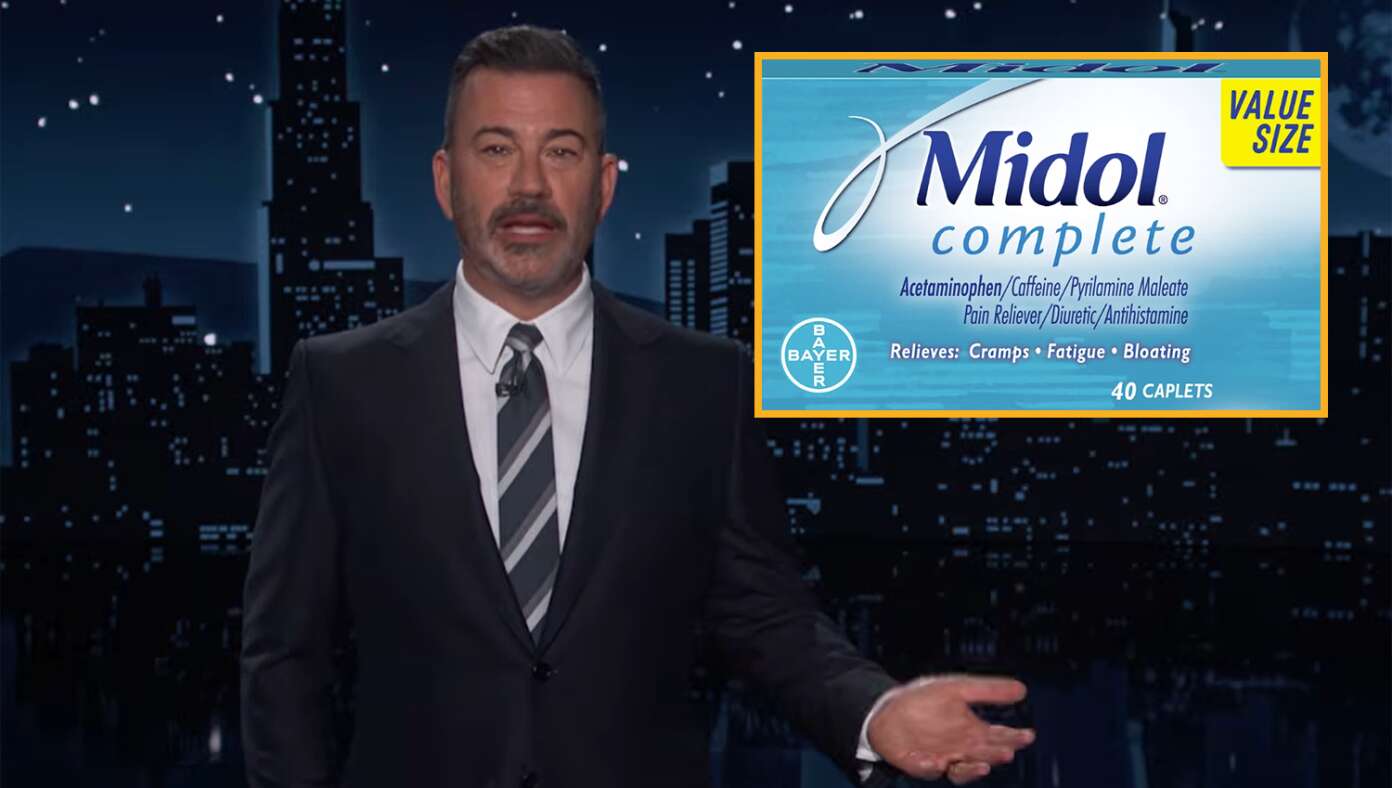
Florida judge rules against Planned Parenthood in false advertisement case – #Catholic – Florida judge rules against Planned Parenthood in false advertisement caseA circuit court judge in Florida said the state can continue legal action against Planned Parenthood over the abortion giantʼs claims that the abortion pill is safer than Tylenol.In a May 27 ruling, First Circuit Court Judge J. Scott Duncan of Santa Rosa County struck down Planned Parenthood’s attempt to dismiss a Florida lawsuit that accused the company of false advertising. In November 2025, state Attorney General James Uthmeier sued Planned Parenthood for $350 million, alleging that the abortion provider spread information that was deceptive and misleading by claiming abortion drugs are safer than Tylenol, Viagra, and penicillin. Planned Parenthood then asked for the suit to be dismissed, but the judge refused, allowing the legal action to continue.Colorado governor signs bill requiring college health centers to provide abortion pillsColorado Gov. Jared Polis signed a bill requiring college student health centers to provide chemical abortion pills on-site.The law includes exemptions, however. Colleges are exempt from providing abortion pills “if doing so would jeopardize an institutionʼs federal grant participation, require the institution to deviate from generally accepted billing practices, [or] modify the generally accepted standards of medical practice."Colleges are also allowed to opt out of the mandate if the rule would “conflict with the institutionʼs sincerely held religious beliefs or practices.”Babies lost to abortion at a record high in ScotlandScotland saw a record high in the number of babies lost to abortion in 2025, with recent statistics showing that 18,783 babies died from abortion last year.The count is the highest on record, according to statistics released May 26 by Public Health Scotland.Scotland currently protects unborn children after 24 weeks of pregnancy.Report details Planned Parenthood transgender ideology and servicesA recent report by the organization Biological Integrity, a project of the American College of Pediatricians, details Planned Parenthood’s transgender, or “sex-rejecting,” procedures.The report notes that Planned Parenthood provides free chest binders for minors and distributes hormones to patients as young as 16 years old.According to the report, Planned Parenthood provides birth control to halt periods of minor girls without parental consent as a “loophole.”Planned Parenthood is a “primary distributor” of sexual education, spending more than $70 million on training participants in fiscal year 2025 and providing resources about transgenderism for children as young as three years old.The report highlights malpractice lawsuits filed against Planned Parenthood by people who detransition after receiving hormones and surgery.

Florida judge rules against Planned Parenthood in false advertisement case – #Catholic – Florida judge rules against Planned Parenthood in false advertisement caseA circuit court judge in Florida said the state can continue legal action against Planned Parenthood over the abortion giantʼs claims that the abortion pill is safer than Tylenol.In a May 27 ruling, First Circuit Court Judge J. Scott Duncan of Santa Rosa County struck down Planned Parenthood’s attempt to dismiss a Florida lawsuit that accused the company of false advertising. In November 2025, state Attorney General James Uthmeier sued Planned Parenthood for $350 million, alleging that the abortion provider spread information that was deceptive and misleading by claiming abortion drugs are safer than Tylenol, Viagra, and penicillin. Planned Parenthood then asked for the suit to be dismissed, but the judge refused, allowing the legal action to continue.Colorado governor signs bill requiring college health centers to provide abortion pillsColorado Gov. Jared Polis signed a bill requiring college student health centers to provide chemical abortion pills on-site.The law includes exemptions, however. Colleges are exempt from providing abortion pills “if doing so would jeopardize an institutionʼs federal grant participation, require the institution to deviate from generally accepted billing practices, [or] modify the generally accepted standards of medical practice."Colleges are also allowed to opt out of the mandate if the rule would “conflict with the institutionʼs sincerely held religious beliefs or practices.”Babies lost to abortion at a record high in ScotlandScotland saw a record high in the number of babies lost to abortion in 2025, with recent statistics showing that 18,783 babies died from abortion last year.The count is the highest on record, according to statistics released May 26 by Public Health Scotland.Scotland currently protects unborn children after 24 weeks of pregnancy.Report details Planned Parenthood transgender ideology and servicesA recent report by the organization Biological Integrity, a project of the American College of Pediatricians, details Planned Parenthood’s transgender, or “sex-rejecting,” procedures.The report notes that Planned Parenthood provides free chest binders for minors and distributes hormones to patients as young as 16 years old.According to the report, Planned Parenthood provides birth control to halt periods of minor girls without parental consent as a “loophole.”Planned Parenthood is a “primary distributor” of sexual education, spending more than $70 million on training participants in fiscal year 2025 and providing resources about transgenderism for children as young as three years old.The report highlights malpractice lawsuits filed against Planned Parenthood by people who detransition after receiving hormones and surgery.

Here is a roundup of recent pro-life and abortion-related news.

Read More

Harry Clement Stubbs – perhaps better known by his penname, Hal Clement – was born near Boston on May 30, 1922. Stubbs earned a B.S. in astronomy from Harvard University in 1943, followed by master’s degrees in chemistry and education. After military service in the Army Air Corps in World War II, he began workContinue reading “May 30, 1922: The birth of Harry Clement Stubbs”

The post May 30, 1922: The birth of Harry Clement Stubbs appeared first on Astronomy Magazine.

Read More
Priest evangelizing in the peripheries of Lima says he sees ‘miracles all the time’ – #Catholic – Spanish missionary priest Father Julio Alonso Ampuero dedicates every weekend to evangelizing in the Diocese of Lurín in South Lima, Peru. He gives retreats, hears confessions, and provides biblical formation and pastoral care to vulnerable individuals, a ministry through which he says he frequently witnesses “many miracles” in the form of conversions and renewed closeness to the faith.“The truth is that it’s a blessing, because practically every weekend there are groups attending the retreat,” the priest said in an interview with ACI Prensa, the Spanish-language sister service of EWTN News, referring to Holy Family Retreat House in Lurín, the place from which he carries out a large part of his missionary work.“One certainly sees the fruits," he said. "One sees the good it does for people." He told ACI Prensa that priests like him "are privileged” because people open their consciences to them, and consequently, "one sees miracles constantly.”
 
 Chapel of Holy Family Retreat House in Lurín. | Credit: Photo courtesy of Fr. Julio Ampuero
 
 Ampuero explained that the most requested retreats are those focused on inner healing and those designed for couples, which are open to engaged couples and those living together, with the aim of drawing them closer to the sacrament of matrimony.“We have also been emphasizing silent retreats, because we see that there is a need to turn inward, a need to put down roots, and a need to strengthen that relationship with the Lord,” he added.A mission accessible to the poorestAmpuero highlighted that one of the aims of the retreat house is to enable people of limited financial means to participate.“If there are people who can’t pay, or who can only pay a portion, we welcome them just the same. Divine Providence has always looked after us, and we have never gone without,” he explained.
 
 Participants at a retreat Holy Family Retreat House in Lurín. | Credit: Photo courtesy of Father Julio Ampuero
 
 For the priest, the impact of these encounters with God is evident. “One need only look at the joy with which people leave at the end of a retreat; the difference in their faces between the day they arrive and the day they depart,” he remarked.“People come back again. They say, ‘It has done me so much good that I want to do it again.’ So, that is certainly very motivating,” he added.‘I’ve found great openness to the Gospel here’Ampuero arrived in Peru in 2011, following years of pastoral service and academic formation in Spain and Italy.A specialist in Sacred Scripture, he pursued studies in Rome and Jerusalem at the behest of his superiors. He served as a professor of “Introduction to Sacred Scripture and the Epistles of St. Paul” at the San Ildefonso Institute of Higher Theological Studies in Toledo, in addition to serving as a formator at the seminary for several years. He subsequently channeled this experience toward evangelization and the formation of Godʼs people.“I didn’t view myself as a biblical researcher, but rather as someone tasked with disseminating, with making known, all that richness,” he explained.He currently has nearly 30 publications on biblical and spiritual formation to his name.The presence of priests from Toledo in South Lima dates back several decades to when they first began working in Villa El Salvador, a district still marked by poverty.Ampuero said that one of the experiences that has impacted him most since his arrival in Peru has been the peopleʼs receptiveness to the Catholic faith.“In Spain, there has been very strong secularization over the last few decades. My experience upon arriving here is that, generally speaking, that was not the case. I have encountered a great openness to the Gospel, a great openness to the tenets of the faith,” he said.
 
 Eucharistic adoration at a retreat at the Holy Family Retreat House in Lurín. | Credit: Photo courtesy of Father Julio Ampuero
 
 He also said the people are close to their priests and place a high value on the Sacrament of Reconciliation.“One can sometimes spend hours hearing confessions, and people seek out the priest; sometimes simply to unburden themselves, to share their problems, and to find a little consolation and hope,” he recounted.Evangelizing among the most vulnerableIn addition to leading spiritual retreats, Ampuero ministers at the Sowing Hope shelter, which houses 150 men — including the elderly, individuals with mental illnesses, and people rescued from the streets, many of whom are former drug addicts.“These individuals, who have often lost everything, can come to know the greatest thing of all: the love of God,” he said.The priest particularly highlighted the transformative power of faith in people struggling with addiction. “We know that in cases of addiction, it’s faith in Christ, the encounter with Christ, that can most radically set you free,” he affirmed.“That encounter with Christ is what liberates you and heals all wounds.”
 
 Ampuero carrying the Most Holy Sacrament of the Altar. | Credit: Photo courtesy of Father Julio Ampuero
 
 ‘Prayer is my daily strength’The priest said that the key to sustaining such an intense apostolate lies in prayer.“For me, prayer is my daily strength, and I would not give it up for anything. It’s what gives you oxygen; it’s what strengthens you; it’s what enables you to bear the burdens of your brothers and sisters as well,” he explained.Finally, he shared a message to young people who may be experiencing stirrings to enter the religious or consecrated life.“Don’t be afraid. When God calls us to something, he will always provide the means to carry it out,” he affirmed.“God takes nothing away; rather, he gives everything,” he said, recalling a saying of the late Pope Benedict XVI.This story was first published by ACI Prensa, the Spanish-language sister service of EWTN News. It has been translated and adapted by EWTN News English.

Priest evangelizing in the peripheries of Lima says he sees ‘miracles all the time’ – #Catholic – Spanish missionary priest Father Julio Alonso Ampuero dedicates every weekend to evangelizing in the Diocese of Lurín in South Lima, Peru. He gives retreats, hears confessions, and provides biblical formation and pastoral care to vulnerable individuals, a ministry through which he says he frequently witnesses “many miracles” in the form of conversions and renewed closeness to the faith.“The truth is that it’s a blessing, because practically every weekend there are groups attending the retreat,” the priest said in an interview with ACI Prensa, the Spanish-language sister service of EWTN News, referring to Holy Family Retreat House in Lurín, the place from which he carries out a large part of his missionary work.“One certainly sees the fruits," he said. "One sees the good it does for people." He told ACI Prensa that priests like him "are privileged” because people open their consciences to them, and consequently, "one sees miracles constantly.” Chapel of Holy Family Retreat House in Lurín. | Credit: Photo courtesy of Fr. Julio Ampuero Ampuero explained that the most requested retreats are those focused on inner healing and those designed for couples, which are open to engaged couples and those living together, with the aim of drawing them closer to the sacrament of matrimony.“We have also been emphasizing silent retreats, because we see that there is a need to turn inward, a need to put down roots, and a need to strengthen that relationship with the Lord,” he added.A mission accessible to the poorestAmpuero highlighted that one of the aims of the retreat house is to enable people of limited financial means to participate.“If there are people who can’t pay, or who can only pay a portion, we welcome them just the same. Divine Providence has always looked after us, and we have never gone without,” he explained. Participants at a retreat Holy Family Retreat House in Lurín. | Credit: Photo courtesy of Father Julio Ampuero For the priest, the impact of these encounters with God is evident. “One need only look at the joy with which people leave at the end of a retreat; the difference in their faces between the day they arrive and the day they depart,” he remarked.“People come back again. They say, ‘It has done me so much good that I want to do it again.’ So, that is certainly very motivating,” he added.‘I’ve found great openness to the Gospel here’Ampuero arrived in Peru in 2011, following years of pastoral service and academic formation in Spain and Italy.A specialist in Sacred Scripture, he pursued studies in Rome and Jerusalem at the behest of his superiors. He served as a professor of “Introduction to Sacred Scripture and the Epistles of St. Paul” at the San Ildefonso Institute of Higher Theological Studies in Toledo, in addition to serving as a formator at the seminary for several years. He subsequently channeled this experience toward evangelization and the formation of Godʼs people.“I didn’t view myself as a biblical researcher, but rather as someone tasked with disseminating, with making known, all that richness,” he explained.He currently has nearly 30 publications on biblical and spiritual formation to his name.The presence of priests from Toledo in South Lima dates back several decades to when they first began working in Villa El Salvador, a district still marked by poverty.Ampuero said that one of the experiences that has impacted him most since his arrival in Peru has been the peopleʼs receptiveness to the Catholic faith.“In Spain, there has been very strong secularization over the last few decades. My experience upon arriving here is that, generally speaking, that was not the case. I have encountered a great openness to the Gospel, a great openness to the tenets of the faith,” he said. Eucharistic adoration at a retreat at the Holy Family Retreat House in Lurín. | Credit: Photo courtesy of Father Julio Ampuero He also said the people are close to their priests and place a high value on the Sacrament of Reconciliation.“One can sometimes spend hours hearing confessions, and people seek out the priest; sometimes simply to unburden themselves, to share their problems, and to find a little consolation and hope,” he recounted.Evangelizing among the most vulnerableIn addition to leading spiritual retreats, Ampuero ministers at the Sowing Hope shelter, which houses 150 men — including the elderly, individuals with mental illnesses, and people rescued from the streets, many of whom are former drug addicts.“These individuals, who have often lost everything, can come to know the greatest thing of all: the love of God,” he said.The priest particularly highlighted the transformative power of faith in people struggling with addiction. “We know that in cases of addiction, it’s faith in Christ, the encounter with Christ, that can most radically set you free,” he affirmed.“That encounter with Christ is what liberates you and heals all wounds.” Ampuero carrying the Most Holy Sacrament of the Altar. | Credit: Photo courtesy of Father Julio Ampuero ‘Prayer is my daily strength’The priest said that the key to sustaining such an intense apostolate lies in prayer.“For me, prayer is my daily strength, and I would not give it up for anything. It’s what gives you oxygen; it’s what strengthens you; it’s what enables you to bear the burdens of your brothers and sisters as well,” he explained.Finally, he shared a message to young people who may be experiencing stirrings to enter the religious or consecrated life.“Don’t be afraid. When God calls us to something, he will always provide the means to carry it out,” he affirmed.“God takes nothing away; rather, he gives everything,” he said, recalling a saying of the late Pope Benedict XVI.This story was first published by ACI Prensa, the Spanish-language sister service of EWTN News. It has been translated and adapted by EWTN News English.

Father Julio Ampuero’s ministry in a poor area of Lima, Peru, is experiencing good fruit through retreats, confessions and an outreach at a men’s shelter.

Read More