Day: May 31, 2026

Gospel and Word of the Day – 01 June 2026 – A reading from the Second Letter of St. Peter 1:2-7 Beloved: May grace and peace be yours in abundance through knowledge of God and of Jesus our Lord. His divine power has bestowed on us everything that makes for life and devotion, through the knowledge of him who called us by his own glory and power. Through these, he has bestowed on us the precious and very great promises, so that through them you may come to share in the divine nature, after escaping from the corruption that is in the world because of evil desire. For this very reason, make every effort to supplement your faith with virtue, virtue with knowledge, knowledge with self-control, self-control with endurance, endurance with devotion, devotion with mutual affection, mutual affection with love.From the Gospel according to Mark 12:1-12 Jesus began to speak to the chief priests, the scribes, and the elders in parables. "A man planted a vineyard, put a hedge around it, dug a wine press, and built a tower. Then he leased it to tenant farmers and left on a journey. At the proper time he sent a servant to the tenants to obtain from them some of the produce of the vineyard. But they seized him, beat him, and sent him away empty-handed. Again he sent them another servant. And that one they beat over the head and treated shamefully. He sent yet another whom they killed. So, too, many others; some they beat, others they killed. He had one other to send, a beloved son. He sent him to them last of all, thinking, ‘They will respect my son.’ But those tenants said to one another, ‘This is the heir. Come, let us kill him, and the inheritance will be ours.’ So they seized him and killed him, and threw him out of the vineyard. What then will the owner of the vineyard do? He will come, put the tenants to death, and give the vineyard to others. Have you not read this Scripture passage: The stone that the builders rejected has become the cornerstone; by the Lord has this been done, and it is wonderful in our eyes?" They were seeking to arrest him, but they feared the crowd, for they realized that he had addressed the parable to them. So they left him and went away.These are words that call to mind the great responsibility of those in every epoch who are called to work in the Lord’s vineyard, especially in roles of authority, and they press for a renewal of full fidelity to Christ. He is “the very stone which the builders rejected” (cf. Mt 21:42), because they judged him to be hostile to the law and a danger to public order; but he himself, rejected and crucified, is risen, to become the “corner stone” on which the foundations of every human life and of the whole world may rest in total safety. The truth of this is the subject of the Parable of the Unfaithful Tenants to whom a man entrusted his vineyard so that they might cultivate and harvest the produce. The owner of the vineyard symbolizes God himself, while the vineyard symbolizes his people, as well as the life he gives, so that with his grace and our hard work, we may do good. St Augustine comments: “God does also cultivate us… as a field, that he may make us better” (cf. Sermo 87, 1, 2: PL 38, 531). God has a project for his friends. (…) Firmly anchored in faith to the cornerstone which is Christ, let us abide in him, like the branch that can bear no fruit unless it remains attached to the vine. The Church, the People of the New Covenant, is built only in him, for him and with him. (Pope Benedict XVI, Angelus, 2 October 2011)

A reading from the Second Letter of St. Peter
1:2-7

Beloved:
May grace and peace be yours in abundance
through knowledge of God and of Jesus our Lord.

His divine power has bestowed on us
everything that makes for life and devotion,
through the knowledge of him
who called us by his own glory and power.
Through these, he has bestowed on us
the precious and very great promises,
so that through them you may come to share in the divine nature,
after escaping from the corruption that is in the world
because of evil desire.
For this very reason,
make every effort to supplement your faith with virtue,
virtue with knowledge, knowledge with self-control,
self-control with endurance, endurance with devotion,
devotion with mutual affection, mutual affection with love.

From the Gospel according to Mark
12:1-12

Jesus began to speak to the chief priests, the scribes,
and the elders in parables.
"A man planted a vineyard, put a hedge around it,
dug a wine press, and built a tower.
Then he leased it to tenant farmers and left on a journey.
At the proper time he sent a servant to the tenants
to obtain from them some of the produce of the vineyard.
But they seized him, beat him,
and sent him away empty-handed.
Again he sent them another servant.
And that one they beat over the head and treated shamefully.
He sent yet another whom they killed.
So, too, many others; some they beat, others they killed.
He had one other to send, a beloved son.
He sent him to them last of all, thinking, ‘They will respect my son.’
But those tenants said to one another, ‘This is the heir.
Come, let us kill him, and the inheritance will be ours.’
So they seized him and killed him,
and threw him out of the vineyard.
What then will the owner of the vineyard do?
He will come, put the tenants to death,
and give the vineyard to others.
Have you not read this Scripture passage:

The stone that the builders rejected
has become the cornerstone;
by the Lord has this been done,
and it is wonderful in our eyes?"

They were seeking to arrest him, but they feared the crowd,
for they realized that he had addressed the parable to them.
So they left him and went away.

These are words that call to mind the great responsibility of those in every epoch who are called to work in the Lord’s vineyard, especially in roles of authority, and they press for a renewal of full fidelity to Christ.

He is “the very stone which the builders rejected” (cf. Mt 21:42), because they judged him to be hostile to the law and a danger to public order; but he himself, rejected and crucified, is risen, to become the “corner stone” on which the foundations of every human life and of the whole world may rest in total safety.

The truth of this is the subject of the Parable of the Unfaithful Tenants to whom a man entrusted his vineyard so that they might cultivate and harvest the produce. The owner of the vineyard symbolizes God himself, while the vineyard symbolizes his people, as well as the life he gives, so that with his grace and our hard work, we may do good. St Augustine comments: “God does also cultivate us… as a field, that he may make us better” (cf. Sermo 87, 1, 2: PL 38, 531). God has a project for his friends. (…) Firmly anchored in faith to the cornerstone which is Christ, let us abide in him, like the branch that can bear no fruit unless it remains attached to the vine. The Church, the People of the New Covenant, is built only in him, for him and with him. (Pope Benedict XVI, Angelus, 2 October 2011)

Read More

N.J. Catholic Conference, school leaders urge support for increased security funding as state reviews proposed budget #Catholic – 


With the state’s proposed budget failing to increase much-needed funding to support nonpublic school security, Catholic school leaders and advocates across New Jersey are urging supporters to contact their legislators – particularly those serving on budget committees.
“Faith-based schools continue to operate in an environment where religious institutions are increasingly targeted by acts of hatred, extremism, and instability. Catholic schools cannot ignore that reality, and neither can the state,” said Bonnie Milecki, diocesan assistant superintendent for school development and operations.
“Security funding helps schools strengthen entrances, improve communication systems, coordinate with law enforcement, and prepare responsibly for emergencies,” said Milecki. “At its core, this is about ensuring that every child can learn in a safe environment grounded in faith, stability, and community.”
Earlier this year, Catholic education and diocesan leaders across the Garden State joined the New Jersey Catholic Conference to support increasing funding for nonpublic school security from 5 to 0 per pupil in the state’s next budget, which takes effect July 1. Funding was first awarded in 2016 as part of the Secure Schools for All Children Act and reflected the importance of supporting security at both public and nonpublic schools.
Milecki explained that the current push for increased funding comes amid incidents across the country that highlight the importance of schools enhancing security. “We have seen attacks and threats directed at Catholic schools, Jewish schools and mosques across the country, including recent incidents involving faith communities in places like San Diego,” she said. “New Jersey’s own threat assessments continue to identify faith-based institutions as potential targets.”
While N.J. Gov. Mikie Sherrill’s budget address referenced protecting schoolchildren, her proposed spending plan for the next fiscal year holds funding for nonpublic school security at 5 per pupil – the same level as the past four budget cycles.  Past funding has been used largely to make infrastructure improvements like “target hardening.” The focus among schools now includes hiring security guards to protect facilities while students and staff are present.
“Catholic schools are facing the same security realities as every other school in New Jersey, but the costs of keeping students safe continue to rise while funding has remained largely flat,” said Milecki. “Schools are being asked to do more, with more sophisticated security expectations.”
With the proposed budget now in the hands of the State Legislature, advocates encourage Catholics and supporters of nonpublic education to contact their representatives in the State Senate and General Assembly. While legislators expect to hear from lobbyists and advocacy organizations, Milecki – who is also president of the New Jersey Council for American Private Education – emphasized that hearing from the families, educators and community members who they represent carry a lot of weight.
“Parents need to make sure that legislators know that they expect prioritization of the safety and security of their children in Catholic Schools – as they would expect it for any child, in any school,” she said. “For us, this is not political. It is about protecting children, supporting families, and ensuring that Catholic schools can remain safe places to learn, pray, and grow.”
“When constituents share why school safety matters to them personally, it reminds policymakers that these are not abstract budget lines,” she said. “These are real children, real schools and real communities. Catholic schools are deeply rooted in their local communities, and when those communities speak with a united voice, legislators listen.”
The New Jersey Catholic Conference, the public policy arm of the state’s Catholic bishops, issued an Action Alert on the topic, and offers its Voter Voice System as a way to make it easier to contact one’s legislators.

N.J. Catholic Conference, school leaders urge support for increased security funding as state reviews proposed budget #Catholic – With the state’s proposed budget failing to increase much-needed funding to support nonpublic school security, Catholic school leaders and advocates across New Jersey are urging supporters to contact their legislators – particularly those serving on budget committees. “Faith-based schools continue to operate in an environment where religious institutions are increasingly targeted by acts of hatred, extremism, and instability. Catholic schools cannot ignore that reality, and neither can the state,” said Bonnie Milecki, diocesan assistant superintendent for school development and operations. “Security funding helps schools strengthen entrances, improve communication systems, coordinate with law enforcement, and prepare responsibly for emergencies,” said Milecki. “At its core, this is about ensuring that every child can learn in a safe environment grounded in faith, stability, and community.” Earlier this year, Catholic education and diocesan leaders across the Garden State joined the New Jersey Catholic Conference to support increasing funding for nonpublic school security from $205 to $260 per pupil in the state’s next budget, which takes effect July 1. Funding was first awarded in 2016 as part of the Secure Schools for All Children Act and reflected the importance of supporting security at both public and nonpublic schools. Milecki explained that the current push for increased funding comes amid incidents across the country that highlight the importance of schools enhancing security. “We have seen attacks and threats directed at Catholic schools, Jewish schools and mosques across the country, including recent incidents involving faith communities in places like San Diego,” she said. “New Jersey’s own threat assessments continue to identify faith-based institutions as potential targets.” While N.J. Gov. Mikie Sherrill’s budget address referenced protecting schoolchildren, her proposed spending plan for the next fiscal year holds funding for nonpublic school security at $205 per pupil – the same level as the past four budget cycles.  Past funding has been used largely to make infrastructure improvements like “target hardening.” The focus among schools now includes hiring security guards to protect facilities while students and staff are present. “Catholic schools are facing the same security realities as every other school in New Jersey, but the costs of keeping students safe continue to rise while funding has remained largely flat,” said Milecki. “Schools are being asked to do more, with more sophisticated security expectations.” With the proposed budget now in the hands of the State Legislature, advocates encourage Catholics and supporters of nonpublic education to contact their representatives in the State Senate and General Assembly. While legislators expect to hear from lobbyists and advocacy organizations, Milecki – who is also president of the New Jersey Council for American Private Education – emphasized that hearing from the families, educators and community members who they represent carry a lot of weight. “Parents need to make sure that legislators know that they expect prioritization of the safety and security of their children in Catholic Schools – as they would expect it for any child, in any school,” she said. “For us, this is not political. It is about protecting children, supporting families, and ensuring that Catholic schools can remain safe places to learn, pray, and grow.” “When constituents share why school safety matters to them personally, it reminds policymakers that these are not abstract budget lines,” she said. “These are real children, real schools and real communities. Catholic schools are deeply rooted in their local communities, and when those communities speak with a united voice, legislators listen.” The New Jersey Catholic Conference, the public policy arm of the state’s Catholic bishops, issued an Action Alert on the topic, and offers its Voter Voice System as a way to make it easier to contact one’s legislators.

N.J. Catholic Conference, school leaders urge support for increased security funding as state reviews proposed budget #Catholic –

With the state’s proposed budget failing to increase much-needed funding to support nonpublic school security, Catholic school leaders and advocates across New Jersey are urging supporters to contact their legislators – particularly those serving on budget committees.

“Faith-based schools continue to operate in an environment where religious institutions are increasingly targeted by acts of hatred, extremism, and instability. Catholic schools cannot ignore that reality, and neither can the state,” said Bonnie Milecki, diocesan assistant superintendent for school development and operations.

“Security funding helps schools strengthen entrances, improve communication systems, coordinate with law enforcement, and prepare responsibly for emergencies,” said Milecki. “At its core, this is about ensuring that every child can learn in a safe environment grounded in faith, stability, and community.”

Earlier this year, Catholic education and diocesan leaders across the Garden State joined the New Jersey Catholic Conference to support increasing funding for nonpublic school security from $205 to $260 per pupil in the state’s next budget, which takes effect July 1. Funding was first awarded in 2016 as part of the Secure Schools for All Children Act and reflected the importance of supporting security at both public and nonpublic schools.

Milecki explained that the current push for increased funding comes amid incidents across the country that highlight the importance of schools enhancing security. “We have seen attacks and threats directed at Catholic schools, Jewish schools and mosques across the country, including recent incidents involving faith communities in places like San Diego,” she said. “New Jersey’s own threat assessments continue to identify faith-based institutions as potential targets.”

While N.J. Gov. Mikie Sherrill’s budget address referenced protecting schoolchildren, her proposed spending plan for the next fiscal year holds funding for nonpublic school security at $205 per pupil – the same level as the past four budget cycles.  Past funding has been used largely to make infrastructure improvements like “target hardening.” The focus among schools now includes hiring security guards to protect facilities while students and staff are present.

“Catholic schools are facing the same security realities as every other school in New Jersey, but the costs of keeping students safe continue to rise while funding has remained largely flat,” said Milecki. “Schools are being asked to do more, with more sophisticated security expectations.”

With the proposed budget now in the hands of the State Legislature, advocates encourage Catholics and supporters of nonpublic education to contact their representatives in the State Senate and General Assembly. While legislators expect to hear from lobbyists and advocacy organizations, Milecki – who is also president of the New Jersey Council for American Private Education – emphasized that hearing from the families, educators and community members who they represent carry a lot of weight.

“Parents need to make sure that legislators know that they expect prioritization of the safety and security of their children in Catholic Schools – as they would expect it for any child, in any school,” she said. “For us, this is not political. It is about protecting children, supporting families, and ensuring that Catholic schools can remain safe places to learn, pray, and grow.”

“When constituents share why school safety matters to them personally, it reminds policymakers that these are not abstract budget lines,” she said. “These are real children, real schools and real communities. Catholic schools are deeply rooted in their local communities, and when those communities speak with a united voice, legislators listen.”

The New Jersey Catholic Conference, the public policy arm of the state’s Catholic bishops, issued an Action Alert on the topic, and offers its Voter Voice System as a way to make it easier to contact one’s legislators.

With the state’s proposed budget failing to increase much-needed funding to support nonpublic school security, Catholic school leaders and advocates across New Jersey are urging supporters to contact their legislators – particularly those serving on budget committees. “Faith-based schools continue to operate in an environment where religious institutions are increasingly targeted by acts of hatred, extremism, and instability. Catholic schools cannot ignore that reality, and neither can the state,” said Bonnie Milecki, diocesan assistant superintendent for school development and operations. “Security funding helps schools strengthen entrances, improve communication systems, coordinate with law enforcement, and prepare responsibly for emergencies,” said Milecki.

Read More

In the 1960s, two organizations were formed for cooperation around a European presence in space: the European Space Research Organization, which focused on scientific research, and the European Launcher Development Organization, which concentrated on engineering launch systems. By the end of the decade, however, dissatisfaction was growing with this split structure, and in 1968, theContinue reading “May 31, 1975: ESA begins operations”

The post May 31, 1975: ESA begins operations appeared first on Astronomy Magazine.

Read More
Trump suggests pope unaware of Iran nuclear stance despite Leo’s repeated calls for disarmament #Catholic President Donald Trump warned against a nuclear‑armed Iran, reacting to Chicago Mayor Brandon Johnsonʼs May 28 meeting with Pope Leo XIV at the Vatican, where the mayor said they discussed U.S. immigration and the Iran conflict.Trump posted, “Someone should explain to the Pope that the Mayor of Chicago is useless, and that Iran cannot have a Nuclear Weapon.” He also shared screenshots of the mayor’s posts with pictures of him and the Chicago-born pope sharing gifts and praying. Trump made the comments in a May 30 post on Truth Social.The president has repeatedly claimed, without evidence, that Leo wants the Middle Eastern country to develop nuclear armaments.Leo has rejected those allegations. On May 5 at Castel Gandolfo he stated that the Church "has spoken for years against all nuclear weapons." Later, Vatican Secretary of State Cardinal Pietro Parolin stated that the Holy See "has always worked, and will continue to work, on nuclear disarmament."The White House and Chicago mayor’s office did not immediately reply to requests for comment.Trump sharply criticized Pope Leo XIV in April, calling him “weak on crime” and “terrible for foreign policy” and saying he is “not a fan” of the pope.Trump expressed his disapproval of Leoʼs public statements denouncing the U.S.-led war on Iran. The Holy Father has repeatedly called for peace amid the ongoing conflict.The pope has said he is “not afraid of the Trump administration or of speaking out loudly about the message of the Gospel.”

Trump suggests pope unaware of Iran nuclear stance despite Leo’s repeated calls for disarmament #Catholic President Donald Trump warned against a nuclear‑armed Iran, reacting to Chicago Mayor Brandon Johnsonʼs May 28 meeting with Pope Leo XIV at the Vatican, where the mayor said they discussed U.S. immigration and the Iran conflict.Trump posted, “Someone should explain to the Pope that the Mayor of Chicago is useless, and that Iran cannot have a Nuclear Weapon.” He also shared screenshots of the mayor’s posts with pictures of him and the Chicago-born pope sharing gifts and praying. Trump made the comments in a May 30 post on Truth Social.The president has repeatedly claimed, without evidence, that Leo wants the Middle Eastern country to develop nuclear armaments.Leo has rejected those allegations. On May 5 at Castel Gandolfo he stated that the Church "has spoken for years against all nuclear weapons." Later, Vatican Secretary of State Cardinal Pietro Parolin stated that the Holy See "has always worked, and will continue to work, on nuclear disarmament."The White House and Chicago mayor’s office did not immediately reply to requests for comment.Trump sharply criticized Pope Leo XIV in April, calling him “weak on crime” and “terrible for foreign policy” and saying he is “not a fan” of the pope.Trump expressed his disapproval of Leoʼs public statements denouncing the U.S.-led war on Iran. The Holy Father has repeatedly called for peace amid the ongoing conflict.The pope has said he is “not afraid of the Trump administration or of speaking out loudly about the message of the Gospel.”

The president has claimed, without evidence, that Pope Leo XIV wants the Middle Eastern country to develop nuclear armaments.

Read More
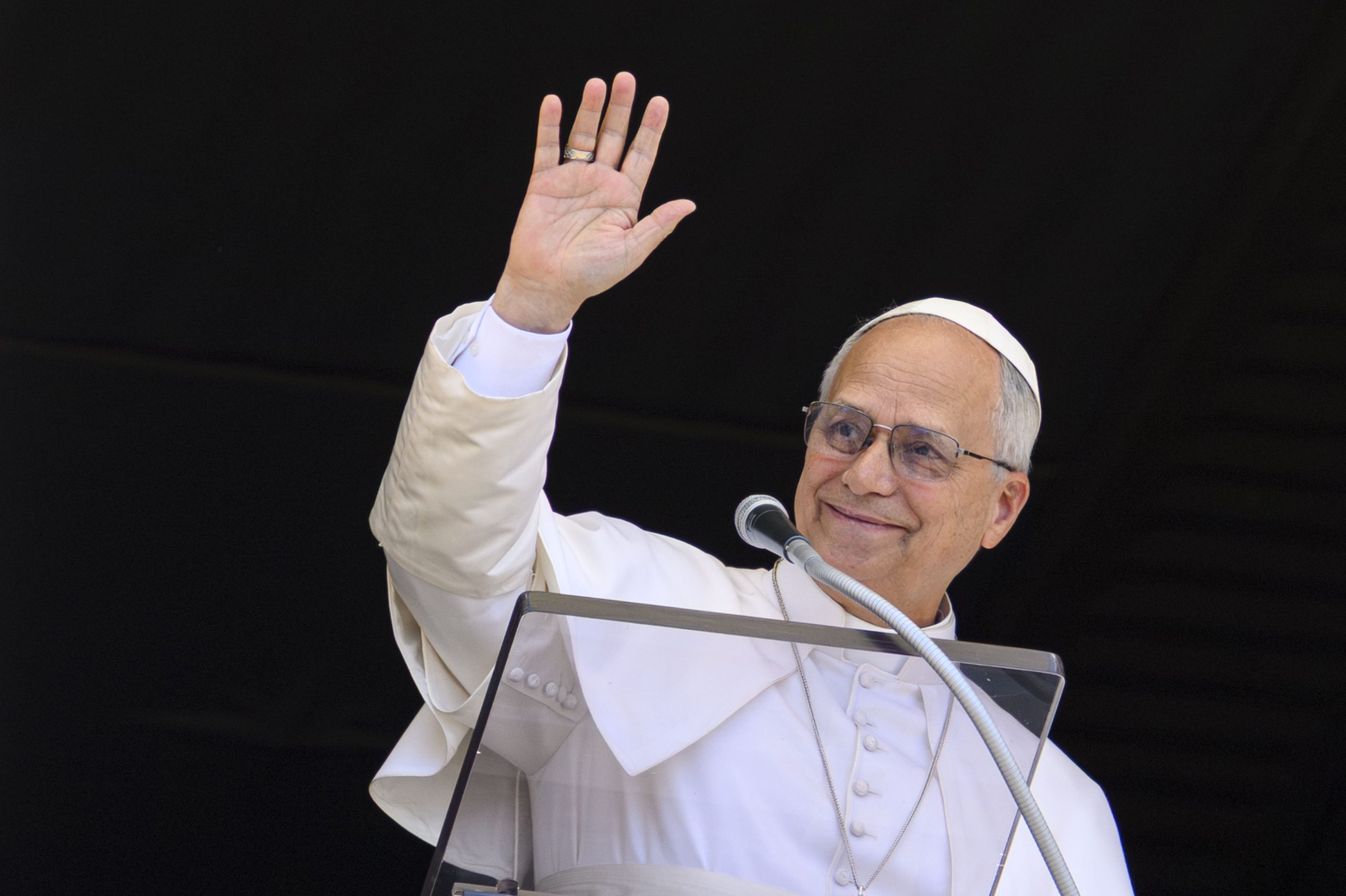
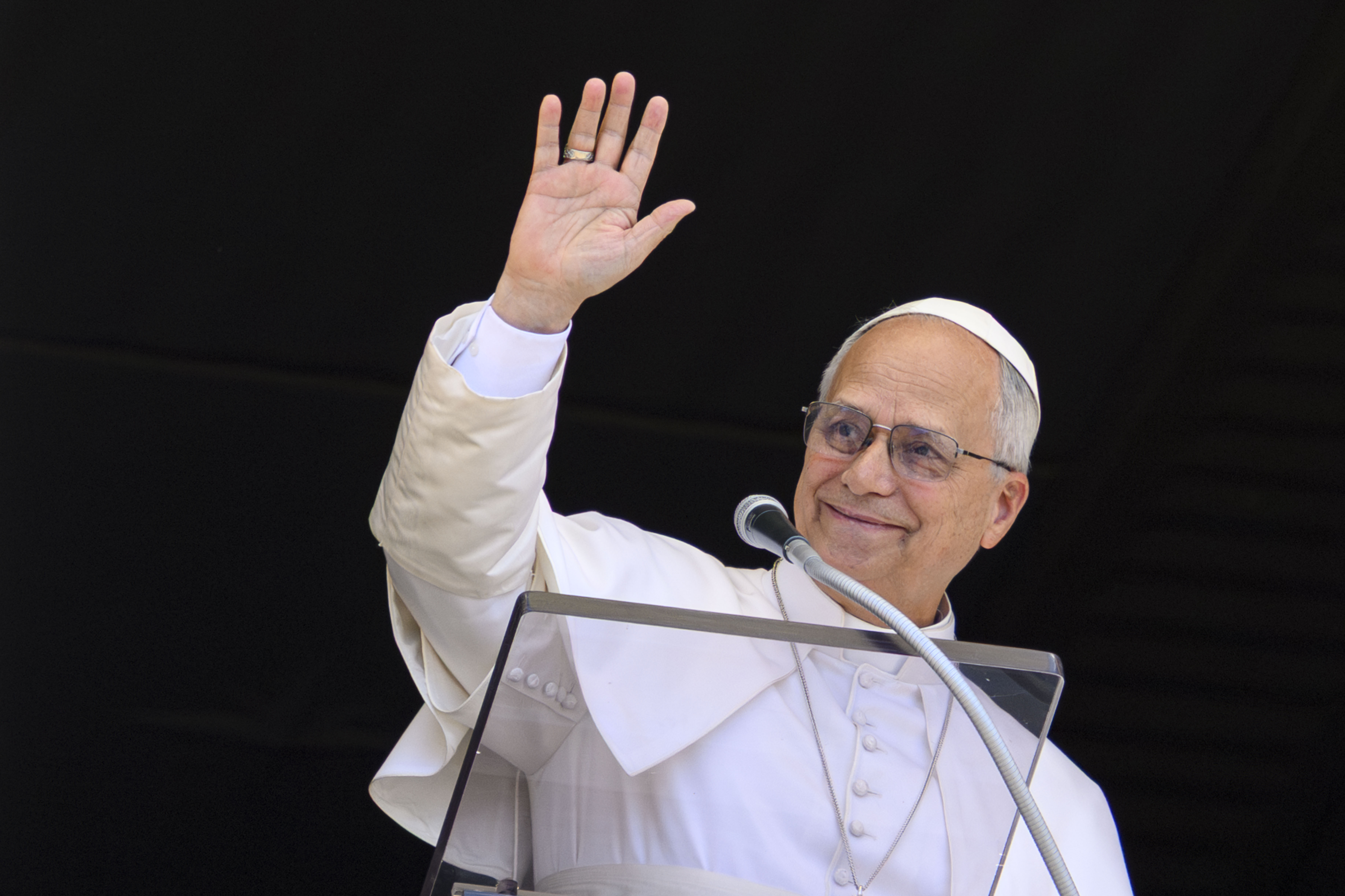
Pope Leo XIV: The Trinity teaches that every creature is made for communion #Catholic Pope Leo XIV said Sunday that the mystery of the Holy Trinity teaches Christians to see every creature as made for communion — and warned that division, polarization, and contempt for differences leave the world spiritually barren.Speaking before the Angelus on May 31, the solemnity of the Most Holy Trinity, the pope reflected on Jesus’ encounter with Nicodemus in the Gospel of John, saying the feast reveals that God’s own life is a communion of love into which humanity is invited.“The Trinity helps us to love everyone and everything: we discover that every creature is made for communion, relationship and encounter,” Pope Leo said from the window of the Apostolic Palace overlooking St. Peter’s Square. “On the other hand, we understand why division, polarization and contempt for diversity bring destruction, sadness and barrenness to the world.”The pope said the Church’s Easter journey, which concluded last week with Pentecost, helps believers contemplate the divine life given to humanity in Christ — a communion of love that draws believers in through the Holy Spirit.The Spirit, he said, “unites the Father and the Son” and “has been poured into our hearts.” In this way, he added, “the Church becomes a sacrament of communion, a place of encounter, love and life where heaven and earth already touch.”Turning to Nicodemus, whom the Gospel describes as an important figure in Israel who came to Jesus at night, Leo said Christ “welcomed him and took his search for answers seriously.”Jesus, the pope said, “surprised Nicodemus by suggesting that it was even possible for an adult to be reborn and led him to realize that the life of God could transform his own life.”Leo noted that Nicodemus later defended Jesus before the Sanhedrin, urging others to listen before condemning him.“He had received the Spirit of communion from God through Christ himself, which opens the heart to new truths and to true renewal,” the pope said. “Whoever does not welcome this Spirit grows old quickly, in sorrow, feeling all alone and without joy in their hearts.”By contrast, Leo said, the solemnity of the Trinity is “a day of celebration.”“God’s feast is also ours,” he said, citing St. Paul’s exhortation to the Corinthians: “Rejoice, strive for perfection, encourage one another, live in peace; and the God of love and peace will be with you.”After leading the Angelus, the pope recalled the prayers for peace raised throughout the Church during May, a month traditionally dedicated to the Virgin Mary.“In this month of May, a united chorus of prayers for peace has resounded throughout the Church,” he said. “Above all, through the prayer of the Holy Rosary — like an unbroken chain — the peoples ravaged by war have been entrusted to the intercession of the Virgin Mary.”“May Divine Wisdom enlighten the consciences of those in authority and guide their decisions toward a sincere search for a just and lasting peace,” he said.Leo also marked Italy’s 25th National Day of Relief, expressing closeness to the sick and those who care for them.“I offer my spiritual closeness to the sick and those who care for them; and I thank and encourage all who promote a culture of solidarity and care,” he said.This story was first published by ACI Stampa, the Italian-language sister service of EWTN News. It has been translated and adapted by EWTN News English.

Pope Leo XIV: The Trinity teaches that every creature is made for communion #Catholic Pope Leo XIV said Sunday that the mystery of the Holy Trinity teaches Christians to see every creature as made for communion — and warned that division, polarization, and contempt for differences leave the world spiritually barren.Speaking before the Angelus on May 31, the solemnity of the Most Holy Trinity, the pope reflected on Jesus’ encounter with Nicodemus in the Gospel of John, saying the feast reveals that God’s own life is a communion of love into which humanity is invited.“The Trinity helps us to love everyone and everything: we discover that every creature is made for communion, relationship and encounter,” Pope Leo said from the window of the Apostolic Palace overlooking St. Peter’s Square. “On the other hand, we understand why division, polarization and contempt for diversity bring destruction, sadness and barrenness to the world.”The pope said the Church’s Easter journey, which concluded last week with Pentecost, helps believers contemplate the divine life given to humanity in Christ — a communion of love that draws believers in through the Holy Spirit.The Spirit, he said, “unites the Father and the Son” and “has been poured into our hearts.” In this way, he added, “the Church becomes a sacrament of communion, a place of encounter, love and life where heaven and earth already touch.”Turning to Nicodemus, whom the Gospel describes as an important figure in Israel who came to Jesus at night, Leo said Christ “welcomed him and took his search for answers seriously.”Jesus, the pope said, “surprised Nicodemus by suggesting that it was even possible for an adult to be reborn and led him to realize that the life of God could transform his own life.”Leo noted that Nicodemus later defended Jesus before the Sanhedrin, urging others to listen before condemning him.“He had received the Spirit of communion from God through Christ himself, which opens the heart to new truths and to true renewal,” the pope said. “Whoever does not welcome this Spirit grows old quickly, in sorrow, feeling all alone and without joy in their hearts.”By contrast, Leo said, the solemnity of the Trinity is “a day of celebration.”“God’s feast is also ours,” he said, citing St. Paul’s exhortation to the Corinthians: “Rejoice, strive for perfection, encourage one another, live in peace; and the God of love and peace will be with you.”After leading the Angelus, the pope recalled the prayers for peace raised throughout the Church during May, a month traditionally dedicated to the Virgin Mary.“In this month of May, a united chorus of prayers for peace has resounded throughout the Church,” he said. “Above all, through the prayer of the Holy Rosary — like an unbroken chain — the peoples ravaged by war have been entrusted to the intercession of the Virgin Mary.”“May Divine Wisdom enlighten the consciences of those in authority and guide their decisions toward a sincere search for a just and lasting peace,” he said.Leo also marked Italy’s 25th National Day of Relief, expressing closeness to the sick and those who care for them.“I offer my spiritual closeness to the sick and those who care for them; and I thank and encourage all who promote a culture of solidarity and care,” he said.This story was first published by ACI Stampa, the Italian-language sister service of EWTN News. It has been translated and adapted by EWTN News English.

At the Sunday Angelus, the pope prayed for “a just and lasting peace” as the Church closed a monthlong Marian appeal for countries ravaged by war.

Read More
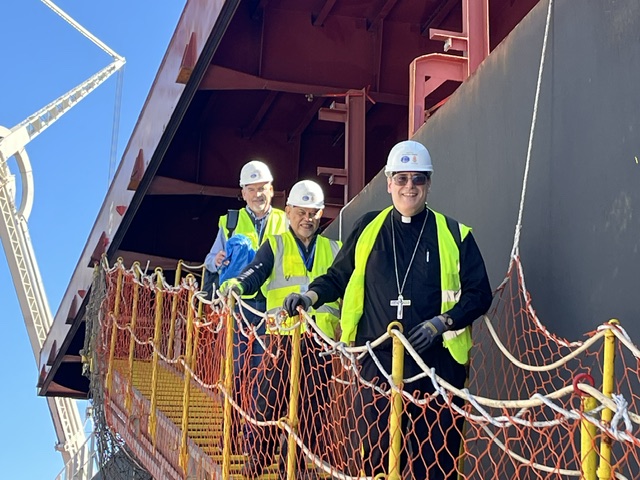
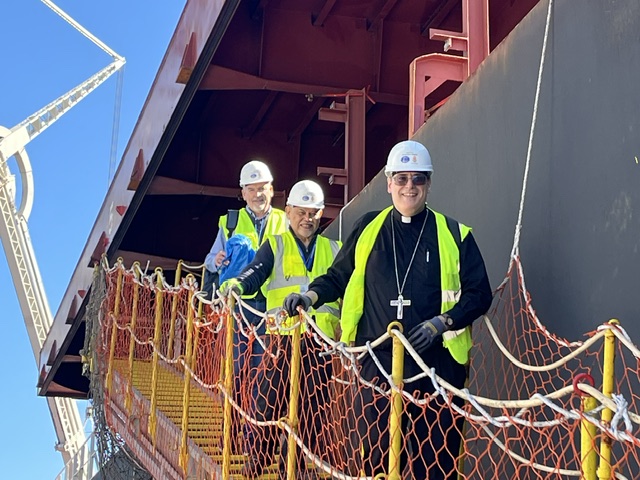
Bishop highlights Church’s ministry to seafarers facing danger and isolation – #Catholic – “The Church has always accompanied people of the sea,” Bishop Frank Schuster, auxiliary bishop for the Archdiocese of Seattle, told EWTN News ahead of his Washington, D.C., visit for the National Day of Prayer and Remembrance for Mariners and People of the Sea on May 22.“We had a couple of seafarers of our own among the apostles — Peter, Andrew, James, and John were fishermen,” said Schuster, who serves as the bishop promoter of Stella Maris in the U.S.Stella Maris, first known as the Apostleship of the Sea, is the Church’s official ministry for seafarers and mariners. Formal Catholic port ministry began in Glasgow, Scotland, in 1920 but was not officially recognized by the Vatican until 1922, when Pope Pius XI granted his approval. The ministry was renamed “Stella Maris” on its 100th anniversary in 2020, a nod to St. John Paul II’s 1997 motu proprio Stella Maris.While the main role of port chaplains with Stella Maris is to celebrate Mass and the sacraments aboard ships, their work includes providing counsel and aid to sailors. “One of the reasons why this ministry is so vitally important is — if you do a quick search of the United Nations, you’ll find this number — it’s fascinating that 80% of all tradable goods have, in some fashion, had to at some point travel by ship,” Schuster said.
 
 Seattle Auxiliary Bishop Frank Schuster gathers with Filipino crew members who were gifted new jackets by Stella Maris after celebrating an early Christmas Mass on board their ship in December 2025. | Credit: Photo courtesy of Bishop Frank Schuster
 
 “They’re performing a service,” he said, “so when they arrive to our ports, we come on board delivering gifts and different items that they might find helpful such as toothbrushes, bars of soap, shaving cream, and razors.”‘A ministry of accompaniment’“It’s a ministry of accompaniment,” Schuster said, explaining that the ministry of port chaplains often includes walking with seafarers struggling with mental health or trauma from their time on board a ship.“Some of these seafarers often have trauma in their past,” Schuster said. “I’ve talked to several seafarers who have been on the Hormuz route — if you’re a sailor on one of these ships and you’re watching missiles fly over you, you are constantly worried about being attacked.”“And so, we can also just be a good ear and listen,” he said. “But also, if we see signs of real depression, we can be helpful there in terms of referrals to make sure that these seafarers get the help that they need.”Stella Maris also often assists crews on abandoned ships, according to Schuster.“There may be a ship out there where the company abandoned the seafarers, so they’re no longer getting paid and they’re just kind of sitting out there on a boat because the country won’t let them leave the boat abandoned,” he explained, citing the crew of the Dali cargo ship that crashed into Baltimore’s Key Bridge in March 2024.A port chaplain with Stella Maris in Baltimore regularly checks in on several members of the Dali crew who have remained in the city amid the ongoing investigation of the incident, the bishop noted.Schuster said his favorite part about his role as bishop promoter of Stella Maris is “just getting on board the ships and being able to do ministry.”“Before I was a bishop, I was a pastor of a parish, and that meant daily accompaniment of people from a variety of different backgrounds and a variety of different needs, and I missed that one-on-one ministry,” he said. “So when I get on board a ship and minister to a crew, being able to celebrate Mass, sit down to eat with them and talk about life, it feels like Iʼm a pastor again. And it feels good.”

Bishop highlights Church’s ministry to seafarers facing danger and isolation – #Catholic – “The Church has always accompanied people of the sea,” Bishop Frank Schuster, auxiliary bishop for the Archdiocese of Seattle, told EWTN News ahead of his Washington, D.C., visit for the National Day of Prayer and Remembrance for Mariners and People of the Sea on May 22.“We had a couple of seafarers of our own among the apostles — Peter, Andrew, James, and John were fishermen,” said Schuster, who serves as the bishop promoter of Stella Maris in the U.S.Stella Maris, first known as the Apostleship of the Sea, is the Church’s official ministry for seafarers and mariners. Formal Catholic port ministry began in Glasgow, Scotland, in 1920 but was not officially recognized by the Vatican until 1922, when Pope Pius XI granted his approval. The ministry was renamed “Stella Maris” on its 100th anniversary in 2020, a nod to St. John Paul II’s 1997 motu proprio Stella Maris.While the main role of port chaplains with Stella Maris is to celebrate Mass and the sacraments aboard ships, their work includes providing counsel and aid to sailors. “One of the reasons why this ministry is so vitally important is — if you do a quick search of the United Nations, you’ll find this number — it’s fascinating that 80% of all tradable goods have, in some fashion, had to at some point travel by ship,” Schuster said. Seattle Auxiliary Bishop Frank Schuster gathers with Filipino crew members who were gifted new jackets by Stella Maris after celebrating an early Christmas Mass on board their ship in December 2025. | Credit: Photo courtesy of Bishop Frank Schuster “They’re performing a service,” he said, “so when they arrive to our ports, we come on board delivering gifts and different items that they might find helpful such as toothbrushes, bars of soap, shaving cream, and razors.”‘A ministry of accompaniment’“It’s a ministry of accompaniment,” Schuster said, explaining that the ministry of port chaplains often includes walking with seafarers struggling with mental health or trauma from their time on board a ship.“Some of these seafarers often have trauma in their past,” Schuster said. “I’ve talked to several seafarers who have been on the Hormuz route — if you’re a sailor on one of these ships and you’re watching missiles fly over you, you are constantly worried about being attacked.”“And so, we can also just be a good ear and listen,” he said. “But also, if we see signs of real depression, we can be helpful there in terms of referrals to make sure that these seafarers get the help that they need.”Stella Maris also often assists crews on abandoned ships, according to Schuster.“There may be a ship out there where the company abandoned the seafarers, so they’re no longer getting paid and they’re just kind of sitting out there on a boat because the country won’t let them leave the boat abandoned,” he explained, citing the crew of the Dali cargo ship that crashed into Baltimore’s Key Bridge in March 2024.A port chaplain with Stella Maris in Baltimore regularly checks in on several members of the Dali crew who have remained in the city amid the ongoing investigation of the incident, the bishop noted.Schuster said his favorite part about his role as bishop promoter of Stella Maris is “just getting on board the ships and being able to do ministry.”“Before I was a bishop, I was a pastor of a parish, and that meant daily accompaniment of people from a variety of different backgrounds and a variety of different needs, and I missed that one-on-one ministry,” he said. “So when I get on board a ship and minister to a crew, being able to celebrate Mass, sit down to eat with them and talk about life, it feels like Iʼm a pastor again. And it feels good.”

While the main role of port chaplains with Stella Maris is to celebrate Mass and the sacraments aboard ships, their work includes providing counsel and aid to sailors, Bishop Frank Schuster said.

Read More
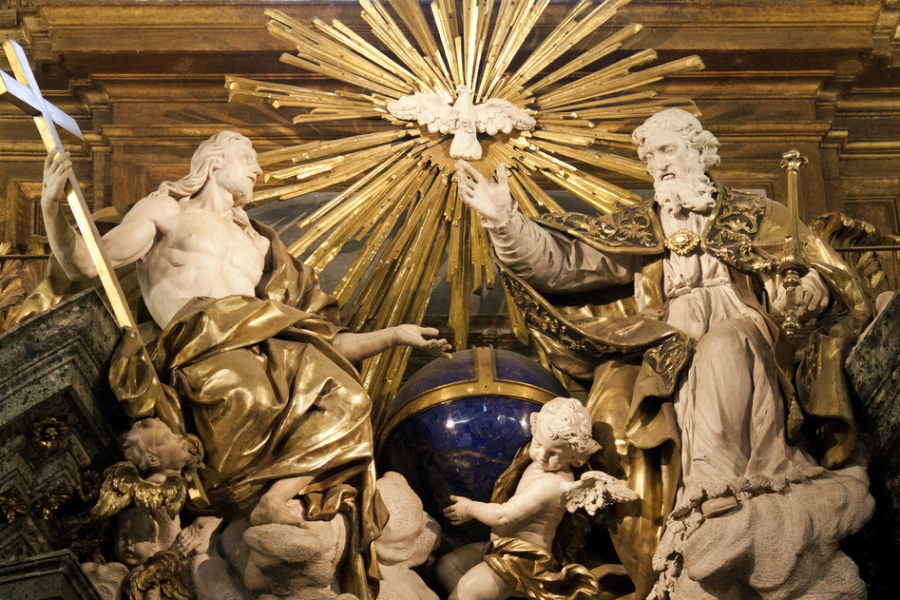
12 things to know and share about the Holy Trinity – #Catholic – The Catholic Church teaches that the Holy Trinity is the central mystery of the Christian faith. But how much do we know about this mystery? What is its history? What does it mean? And how can it be proved?Here are 12 things to know and to share.1. Where does the word “Trinity” come from?It comes from the Latin word “trinitas,” which means “three” or “triad.” The Greek equivalent is “triados.”2. When was the word first used?The first surviving use of the term (there may have been earlier uses that are now lost) was about 170 A.D. by Theophilus of Antioch, who wrote: “In like manner also the three days which were before the luminaries are types of the Trinity [Τριάδος], of God, and His Word, and His wisdom. And the fourth is the type of man, who needs light, that so there may be God, the Word, wisdom, man” (“To Autolycus,” 2:15).3. What is the Trinity?The Compendium of the Catechism of the Catholic Church explains it this way: “The Church expresses her trinitarian faith by professing a belief in the oneness of God in whom there are three Persons: Father, Son, and Holy Spirit. The three divine Persons are only one God because each of them equally possesses the fullness of the one and indivisible divine nature. They are really distinct from each other by reason of the relations which place them in correspondence to each other. The Father generates the Son; the Son is generated by the Father; the Holy Spirit proceeds from the Father and the Son” (No. 48).4. Is the Trinity the central mystery of the Christian faith?Yes. The compendium explains: “The central mystery of Christian faith and life is the mystery of the Most Blessed Trinity. Christians are baptized in the name of the Father and of the Son and of the Holy Spirit” (No. 44).5. When did the Church infallibly define the Trinity?The dogma of the Trinity was defined in two stages, at the First Council of Nicaea (325 A.D.) and the First Council of Constantinople (381 A.D.).First Nicaea defined the divinity of the Son and wrote the part of the Creed that deals with the Son.This council was called to deal with the heresy known as Arianism, which claimed that the Son was a supernatural being but not God.First Constantinople defined the divinity of the Holy Spirit and wrote the part of the Creed that deals with the Spirit.This council dealt with a heresy known as Macedonianism (because its advocates were from Macedonia), which denied the divinity of the Holy Spirit. This heresy was also called Pneumatomachianism (from a Greek phrase meaning “fighting the Spirit”).6. How can the Trinity be proved?The Trinity can only be proved through the divine revelation that Jesus brought us. It cannot be proved by natural reason or from the Old Testament alone. The Compendium of the Catechism of the Catholic Church states: “God has left some traces of his trinitarian being in creation and in the Old Testament but his inmost being as the Holy Trinity is a mystery which is inaccessible to reason alone or even to Israel’s faith before the incarnation of the Son of God and the sending of the Holy Spirit. This mystery was revealed by Jesus Christ and it is the source of all the other mysteries” (No. 45).Although the vocabulary used to express the doctrine of the Trinity took time to develop, we can demonstrate the different aspects of the doctrine from Scripture.7. How can we show from Scripture that there is only one God?The fact that there is only one God was already made clear in the Old Testament. For example, the book of Isaiah proclaims: “You are my witnesses, says the Lord, and my servant whom I have chosen, that you may know and believe me and understand that I am he. Before me no god was formed, nor shall there be any after me” (Is 43:10).It continues: “Thus says the Lord, the King of Israel, and his Redeemer, the Lord of hosts: I am the first and I am the last; besides me there is no god” (Is 44:6).8. How can we show that the Father is God?The Father is proclaimed as God numerous times in the New Testament. For example, St. Paul declares: “Blessed be the God and Father of our Lord Jesus Christ, the Father of mercies and God of all comfort” (2 Cor 1:3).And: “There is … one God and Father of us all, who is above all and through all and in all” (Eph 4:4-6).9. How can we show that the Son is God?This is proclaimed in a variety of places in the New Testament, including at the beginning of the Gospel of John: “In the beginning was the Word, and the Word was with God, and the Word was God. … And the Word became flesh and dwelt among us, full of grace and truth; we have beheld his glory, glory as of the only Son from the Father” (Jn 1:1, 14).And later: “Then [Jesus] said to Thomas, ‘Put your finger here, and see my hands; and put out your hand, and place it in my side; do not be faithless, but believing.’ Thomas answered him, ‘My Lord and my God!’” (Jn 20:27-28).10. How can we show that the Holy Spirit is God?In the book of Acts, the Holy Spirit is portrayed as a divine Person who speaks and who can be lied to: “While they were worshiping the Lord and fasting, the Holy Spirit said, ‘Set apart for me Barnabas and Saul for the work to which I have called them’” (Acts 13:2).And: “But Peter said, ‘Ananias, why has Satan filled your heart to lie to the Holy Spirit and to keep back part of the proceeds of the land? … You have not lied to men but to God’” (Acts 5:3-4).11. How can we show that the Father, the Son, and the Spirit are distinct Persons?The distinction of the persons can be shown, for example, in the fact that Jesus speaks to his Father. This would make no sense if they were one and the same person.“At that time Jesus declared, ‘I thank thee, Father, Lord of heaven and earth, that thou hast hidden these things from the wise and understanding and revealed them to babes; yea, Father, for such was thy gracious will’” (Mt 11:25-26).The fact that Jesus is not the same Person as the Holy Spirit is revealed when Jesus — who has been functioning as the Counselor (Greek, “Parakletos”) of the disciples — says he will pray to the Father and the Father will give them “another Counselor,” who is the Holy Spirit. This shows the distinction of all three Persons: Jesus who prays; the Father who sends; and the Spirit who comes: “And I will pray the Father, and he will give you another Counselor, to be with you forever, even the Spirit of truth, whom the world cannot receive, because it neither sees him nor knows him; you know him, for he dwells with you, and will be in you” (Jn 14:16-17).12. How can we show that the Son is generated by the Father and that the Spirit proceeds from the Father and the Son?The fact that the Son is generated by the Father is indicated by the names of these Persons. Sons are generated by fathers. The second Person of the Trinity would not be a Son if he were not generated by the first Person as his Father.The fact that the Holy Spirit proceeds from the Father and the Son is reflected in another statement of Jesus:“But when the Counselor comes, whom I shall send to you from the Father, even the Spirit of truth, who proceeds from the Father, he will bear witness to me” (Jn 15:26).This depicts the Holy Spirit proceeding from the Father and the Son (“whom I shall send”). Here the outward operations of the Persons of the Trinity reflect their mutual relations with each other. It may also be said that the Holy Spirit proceeds from the Father through the Son.For more on the procession of the Holy Spirit, click here.This story was first published by the National Catholic Register, the sister partner of EWTN News, on June 7, 2020, and has been updated and adapted by EWTN News.

12 things to know and share about the Holy Trinity – #Catholic – The Catholic Church teaches that the Holy Trinity is the central mystery of the Christian faith. But how much do we know about this mystery? What is its history? What does it mean? And how can it be proved?Here are 12 things to know and to share.1. Where does the word “Trinity” come from?It comes from the Latin word “trinitas,” which means “three” or “triad.” The Greek equivalent is “triados.”2. When was the word first used?The first surviving use of the term (there may have been earlier uses that are now lost) was about 170 A.D. by Theophilus of Antioch, who wrote: “In like manner also the three days which were before the luminaries are types of the Trinity [Τριάδος], of God, and His Word, and His wisdom. And the fourth is the type of man, who needs light, that so there may be God, the Word, wisdom, man” (“To Autolycus,” 2:15).3. What is the Trinity?The Compendium of the Catechism of the Catholic Church explains it this way: “The Church expresses her trinitarian faith by professing a belief in the oneness of God in whom there are three Persons: Father, Son, and Holy Spirit. The three divine Persons are only one God because each of them equally possesses the fullness of the one and indivisible divine nature. They are really distinct from each other by reason of the relations which place them in correspondence to each other. The Father generates the Son; the Son is generated by the Father; the Holy Spirit proceeds from the Father and the Son” (No. 48).4. Is the Trinity the central mystery of the Christian faith?Yes. The compendium explains: “The central mystery of Christian faith and life is the mystery of the Most Blessed Trinity. Christians are baptized in the name of the Father and of the Son and of the Holy Spirit” (No. 44).5. When did the Church infallibly define the Trinity?The dogma of the Trinity was defined in two stages, at the First Council of Nicaea (325 A.D.) and the First Council of Constantinople (381 A.D.).First Nicaea defined the divinity of the Son and wrote the part of the Creed that deals with the Son.This council was called to deal with the heresy known as Arianism, which claimed that the Son was a supernatural being but not God.First Constantinople defined the divinity of the Holy Spirit and wrote the part of the Creed that deals with the Spirit.This council dealt with a heresy known as Macedonianism (because its advocates were from Macedonia), which denied the divinity of the Holy Spirit. This heresy was also called Pneumatomachianism (from a Greek phrase meaning “fighting the Spirit”).6. How can the Trinity be proved?The Trinity can only be proved through the divine revelation that Jesus brought us. It cannot be proved by natural reason or from the Old Testament alone. The Compendium of the Catechism of the Catholic Church states: “God has left some traces of his trinitarian being in creation and in the Old Testament but his inmost being as the Holy Trinity is a mystery which is inaccessible to reason alone or even to Israel’s faith before the incarnation of the Son of God and the sending of the Holy Spirit. This mystery was revealed by Jesus Christ and it is the source of all the other mysteries” (No. 45).Although the vocabulary used to express the doctrine of the Trinity took time to develop, we can demonstrate the different aspects of the doctrine from Scripture.7. How can we show from Scripture that there is only one God?The fact that there is only one God was already made clear in the Old Testament. For example, the book of Isaiah proclaims: “You are my witnesses, says the Lord, and my servant whom I have chosen, that you may know and believe me and understand that I am he. Before me no god was formed, nor shall there be any after me” (Is 43:10).It continues: “Thus says the Lord, the King of Israel, and his Redeemer, the Lord of hosts: I am the first and I am the last; besides me there is no god” (Is 44:6).8. How can we show that the Father is God?The Father is proclaimed as God numerous times in the New Testament. For example, St. Paul declares: “Blessed be the God and Father of our Lord Jesus Christ, the Father of mercies and God of all comfort” (2 Cor 1:3).And: “There is … one God and Father of us all, who is above all and through all and in all” (Eph 4:4-6).9. How can we show that the Son is God?This is proclaimed in a variety of places in the New Testament, including at the beginning of the Gospel of John: “In the beginning was the Word, and the Word was with God, and the Word was God. … And the Word became flesh and dwelt among us, full of grace and truth; we have beheld his glory, glory as of the only Son from the Father” (Jn 1:1, 14).And later: “Then [Jesus] said to Thomas, ‘Put your finger here, and see my hands; and put out your hand, and place it in my side; do not be faithless, but believing.’ Thomas answered him, ‘My Lord and my God!’” (Jn 20:27-28).10. How can we show that the Holy Spirit is God?In the book of Acts, the Holy Spirit is portrayed as a divine Person who speaks and who can be lied to: “While they were worshiping the Lord and fasting, the Holy Spirit said, ‘Set apart for me Barnabas and Saul for the work to which I have called them’” (Acts 13:2).And: “But Peter said, ‘Ananias, why has Satan filled your heart to lie to the Holy Spirit and to keep back part of the proceeds of the land? … You have not lied to men but to God’” (Acts 5:3-4).11. How can we show that the Father, the Son, and the Spirit are distinct Persons?The distinction of the persons can be shown, for example, in the fact that Jesus speaks to his Father. This would make no sense if they were one and the same person.“At that time Jesus declared, ‘I thank thee, Father, Lord of heaven and earth, that thou hast hidden these things from the wise and understanding and revealed them to babes; yea, Father, for such was thy gracious will’” (Mt 11:25-26).The fact that Jesus is not the same Person as the Holy Spirit is revealed when Jesus — who has been functioning as the Counselor (Greek, “Parakletos”) of the disciples — says he will pray to the Father and the Father will give them “another Counselor,” who is the Holy Spirit. This shows the distinction of all three Persons: Jesus who prays; the Father who sends; and the Spirit who comes: “And I will pray the Father, and he will give you another Counselor, to be with you forever, even the Spirit of truth, whom the world cannot receive, because it neither sees him nor knows him; you know him, for he dwells with you, and will be in you” (Jn 14:16-17).12. How can we show that the Son is generated by the Father and that the Spirit proceeds from the Father and the Son?The fact that the Son is generated by the Father is indicated by the names of these Persons. Sons are generated by fathers. The second Person of the Trinity would not be a Son if he were not generated by the first Person as his Father.The fact that the Holy Spirit proceeds from the Father and the Son is reflected in another statement of Jesus:“But when the Counselor comes, whom I shall send to you from the Father, even the Spirit of truth, who proceeds from the Father, he will bear witness to me” (Jn 15:26).This depicts the Holy Spirit proceeding from the Father and the Son (“whom I shall send”). Here the outward operations of the Persons of the Trinity reflect their mutual relations with each other. It may also be said that the Holy Spirit proceeds from the Father through the Son.For more on the procession of the Holy Spirit, click here.This story was first published by the National Catholic Register, the sister partner of EWTN News, on June 7, 2020, and has been updated and adapted by EWTN News.

The Holy Trinity is the central mystery of the Christian faith. Here are 12 things to know and share.

Read More