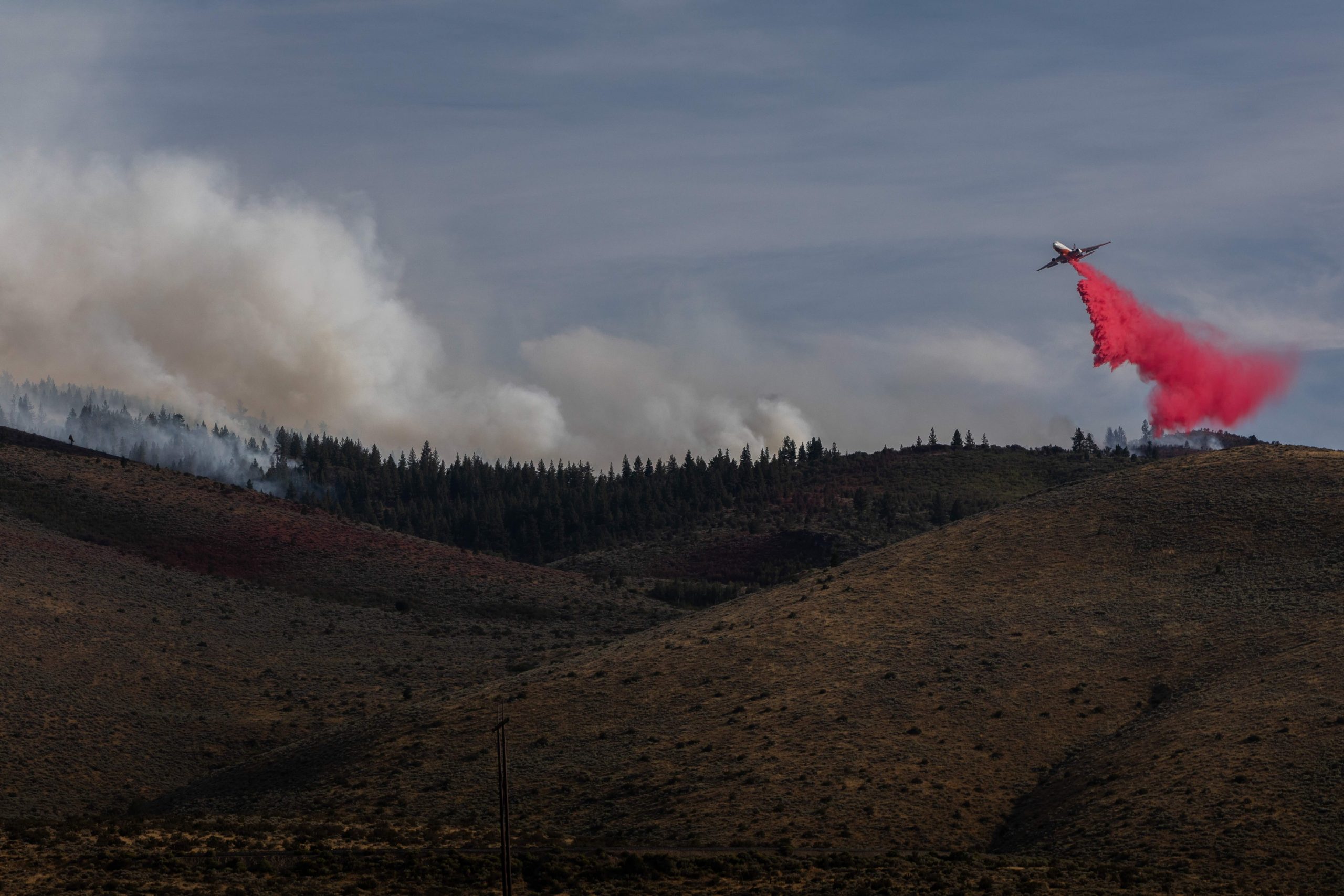

Catholic parishes and Catholic Charities in Nevada are responding with aid amid an ongoing wildfire that has caused mass evacuations in the Reno area.
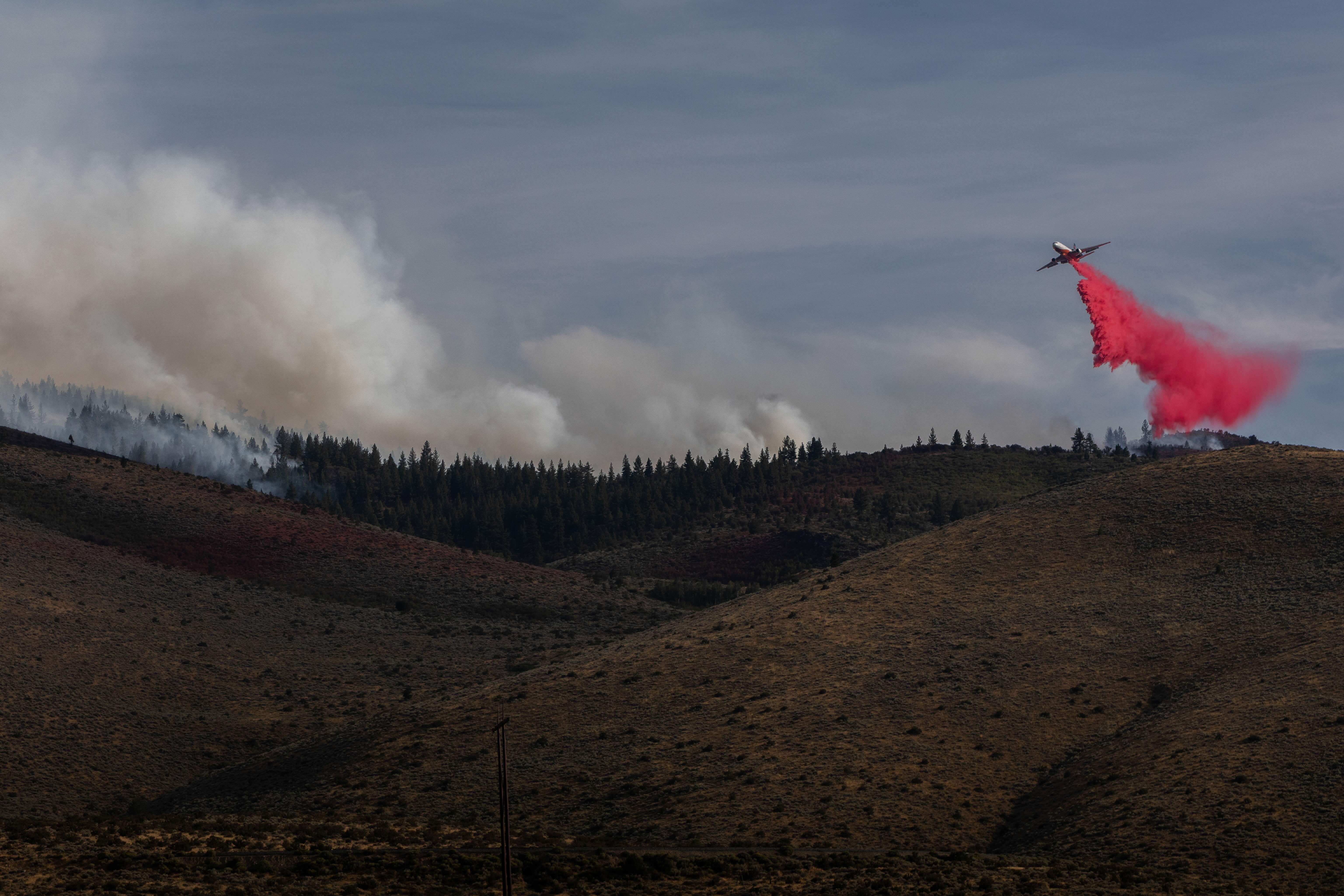
Catholic parishes and Catholic Charities in Nevada are responding with aid amid an ongoing wildfire that has caused mass evacuations in the Reno area.
A reading from the Second Letter of St. Paul to Thessalonians
2:1-3a, 14-17
We ask you, brothers and sisters,
with regard to the coming of our Lord Jesus Christ
and our assembling with him,
not to be shaken out of your minds suddenly,
or to be alarmed either by a ?spirit,? or by an oral statement,
or by a letter allegedly from us
to the effect that the day of the Lord is at hand.
Let no one deceive you in any way.
To this end he has also called you through our Gospel
to possess the glory of our Lord Jesus Christ.
Therefore, brothers and sisters, stand firm
and hold fast to the traditions that you were taught,
either by an oral statement or by a letter of ours.
May our Lord Jesus Christ himself and God our Father,
who has loved us and given us everlasting encouragement
and good hope through his grace,
encourage your hearts and strengthen them
in every good deed and word.
From the Gospel according to Matthew
23:23-26
Jesus said:
?Woe to you, scribes and Pharisees, you hypocrites.
You pay tithes of mint and dill and cummin,
and have neglected the weightier things of the law:
judgment and mercy and fidelity.
But these you should have done, without neglecting the others.
Blind guides, who strain out the gnat and swallow the camel!?Woe to
you, scribes and Pharisees, you hypocrites.
You cleanse the outside of cup and dish,
but inside they are full of plunder and self-indulgence.
Blind Pharisee, cleanse first the inside of the cup,
so that the outside also may be clean.?
Hypocrisy is the greatest danger because it can ruin even the most sacred realities. Hypocrisy is a serious danger. This is why (?) Jesus (?) was harsh with hypocrites. We can read, for example, chapter 23 of Matthew, in which Jesus speaks so strongly to the hypocrites of that time. (?)
Are we not at times a bit like those Pharisees? Perhaps we look at others from top to bottom, thinking that we are better than them, that we have our lives under control, that we do not need God or the Church, or our brothers or sisters, every day. We forget that it is legitimate to look down on someone else only in one case: when it is necessary to help them get up. This is the only case. The others are not legitimate. (?)
There is only one way, the way of humility ? to purify ourselves from the sense of superiority, from formalism and hypocrisy, to see others as our brothers and sisters, sinners like ourselves, and to see Jesus as the Saviour who comes for us, not for others, for us, just as we are, with our poverty, misery and failings, above all with our need to be raised up, forgiven and saved.
And let us remember another thing: with Jesus, there is always the possibility of beginning again. It is never too late. There is always the possibility to begin again. Take courage. He is close to us and this is a time of conversion. Each of us can think: ?I have this situation inside, this problem that I am ashamed of…?. But Jesus is beside you. Begin again. There is always the possibility of taking a step forward. He is waiting for us and never grows tired of us. He never tires! (Pope Francis, Angelus, 4 December 2022)
Read More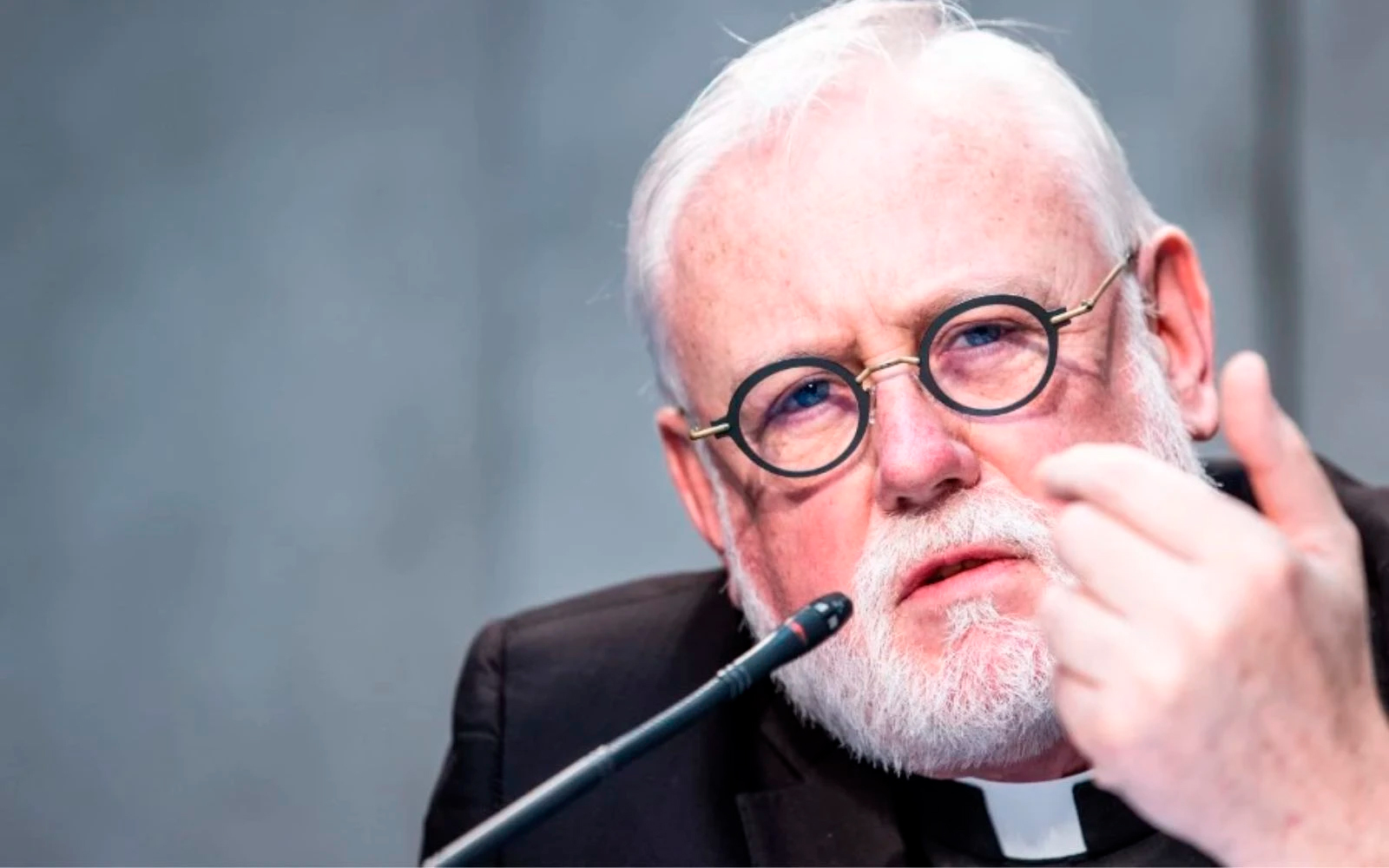
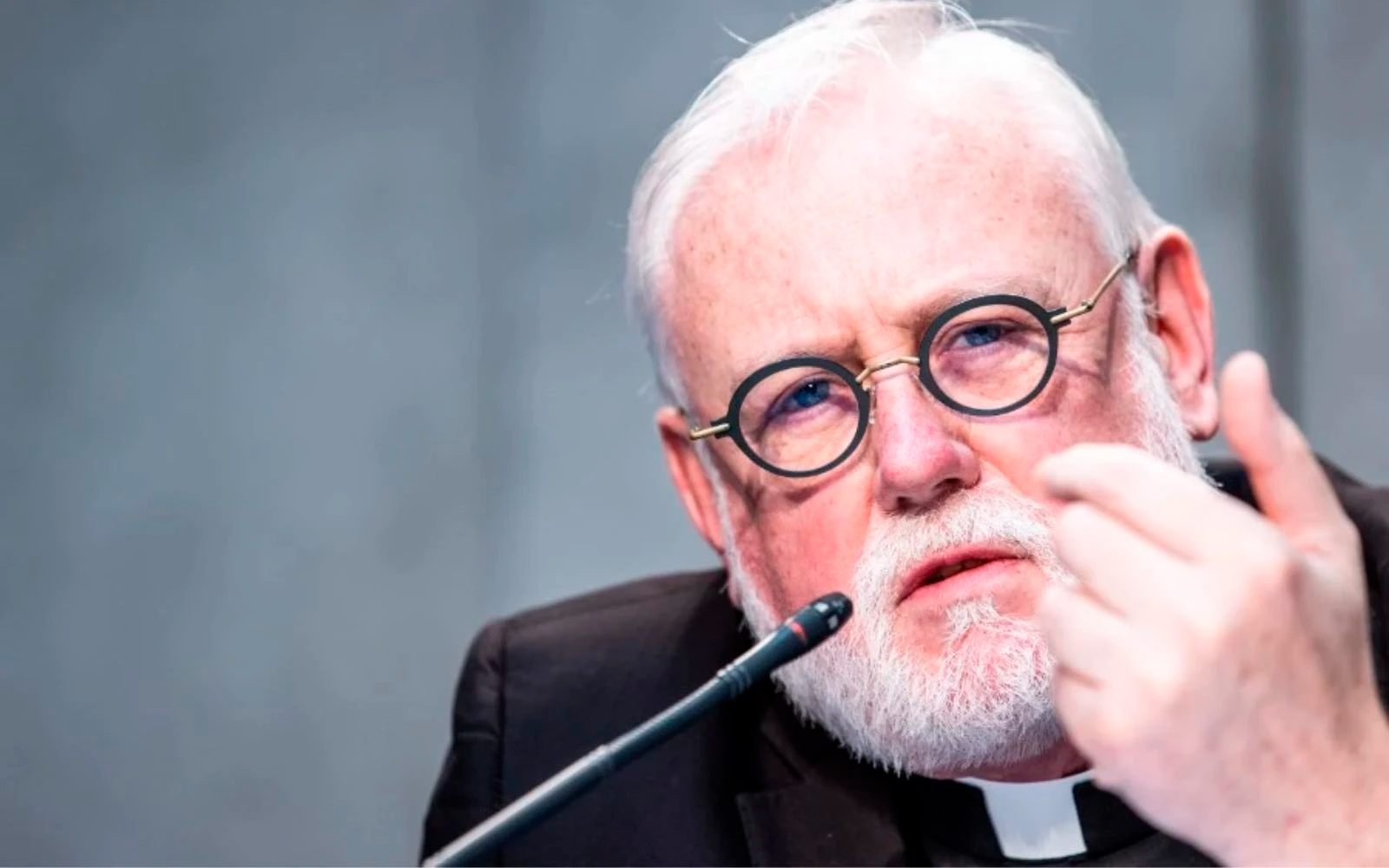
With Archbishop Paul Gallagher’s visit to Moscow this week, the Vatican continues to try to be a facilitator in bringing about a peaceful resolution to the Russia-Ukraine war.
| Picture of the day |
|---|

|
|
Tea plantations around Mattupetty lake near Munnar, Kerala, India. The country—which celebrates its independence day today—is the second largest producer and exporter of tea in the world, and also its largest consumer with a vibrant and diverse tea culture.
|
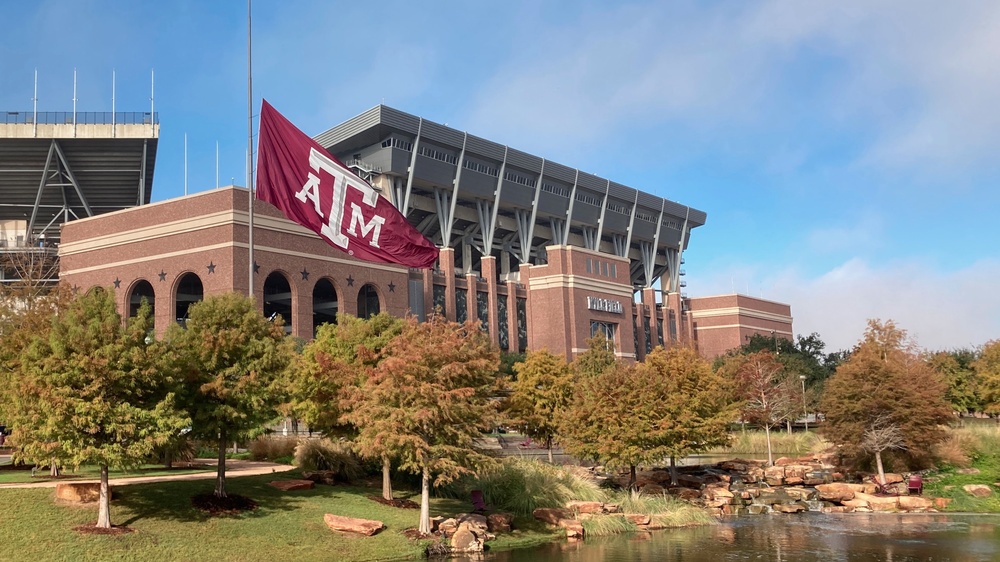
![Catholic conversions surge on college campuses, Hallow data shows – #Catholic – Registration for the Order of Christian Initiation of Adults (OCIA) has “more than doubled” on college campuses across the country as Catholic conversions continue to rise, according to recent data.“On campuses of various sizes, all across the United States, Catholicism is on the rise,” Hallow reported in an Aug. 19 study that found that OCIA participation increased by 87.6% from the 2024-25 school year to 2025-26.Schools with the largest number of OCIA participants include Texas A&M, Arizona State University, the University of Illinois, the University of Oklahoma, Kansas State University, the University of Wisconsin, the University of Nebraska, and Harvard University. Hallow said it obtained OCIA data from nearly 60 U.S. colleges and universities.Texas A&M saw the largest number of OCIA participants, increasing to 204 candidates and catechumens in 2025-26 from 121 in 2024-25.Hallow said campus conversion growth is outpacing diocesan trends, noting that university parishes and Newman Centers reported faster increases than dioceses, which saw a 38% rise in 2025‑26.“College-age young people may be entering the Church at a faster rate than the general American population,” Hallow said. “And when they enter or return to the Church, they’re doing so with a fire that spreads across various ministries.”Hallow’s report noted that growth is not limited to college towns alone but that “campus ministries in and around some of America’s largest cities are reporting similar increases.”“USC [University of Southern California], located in the University Park neighborhood of Los Angeles, saw a 76% increase in OCIA participation this past school year,” the report said. “Further north, Stanford, located in the heart of Silicon Valley between San Jose and San Francisco, tripled its number of OCIA candidates and catechumens during the 2025-26 school year.”New York University also reported an 88% increase in OCIA participation while its daily Mass attendance tripled, the Hallow report said.The Hallow report said adult baptisms at Stanford University were unusually high this year. Dominican Father Bart Hutcherson said in the Hallow report that the parish typically sees about four adult baptisms annually, but he baptized 16 this Easter, nearly all of them Stanford students.](https://unitedyam.com/wp-content/uploads/2026/08/catholic-conversions-surge-on-college-campuses-hallow-data-shows-catholic-registration-for-the-order-of-christian-initiation-of-adults-ocia-has-more-than-doubled-on-college-c.jpg "Catholic conversions surge on college campuses, Hallow data shows – #Catholic – Registration for the Order of Christian Initiation of Adults (OCIA) has “more than doubled” on college campuses across the country as Catholic conversions continue to rise, according to recent data.“On campuses of various sizes, all across the United States, Catholicism is on the rise,” Hallow reported in an Aug. 19 study that found that OCIA participation increased by 87.6% from the 2024-25 school year to 2025-26.Schools with the largest number of OCIA participants include Texas A&M, Arizona State University, the University of Illinois, the University of Oklahoma, Kansas State University, the University of Wisconsin, the University of Nebraska, and Harvard University. Hallow said it obtained OCIA data from nearly 60 U.S. colleges and universities.Texas A&M saw the largest number of OCIA participants, increasing to 204 candidates and catechumens in 2025-26 from 121 in 2024-25.Hallow said campus conversion growth is outpacing diocesan trends, noting that university parishes and Newman Centers reported faster increases than dioceses, which saw a 38% rise in 2025‑26.“College-age young people may be entering the Church at a faster rate than the general American population,” Hallow said. “And when they enter or return to the Church, they’re doing so with a fire that spreads across various ministries.”Hallow’s report noted that growth is not limited to college towns alone but that “campus ministries in and around some of America’s largest cities are reporting similar increases.”“USC [University of Southern California], located in the University Park neighborhood of Los Angeles, saw a 76% increase in OCIA participation this past school year,” the report said. “Further north, Stanford, located in the heart of Silicon Valley between San Jose and San Francisco, tripled its number of OCIA candidates and catechumens during the 2025-26 school year.”New York University also reported an 88% increase in OCIA participation while its daily Mass attendance tripled, the Hallow report said.The Hallow report said adult baptisms at Stanford University were unusually high this year. Dominican Father Bart Hutcherson said in the Hallow report that the parish typically sees about four adult baptisms annually, but he baptized 16 this Easter, nearly all of them Stanford students.")
Texas A&M University posted the biggest jump, rising about 69% from 121 to 204 adults entering the Church over the past two academic years.
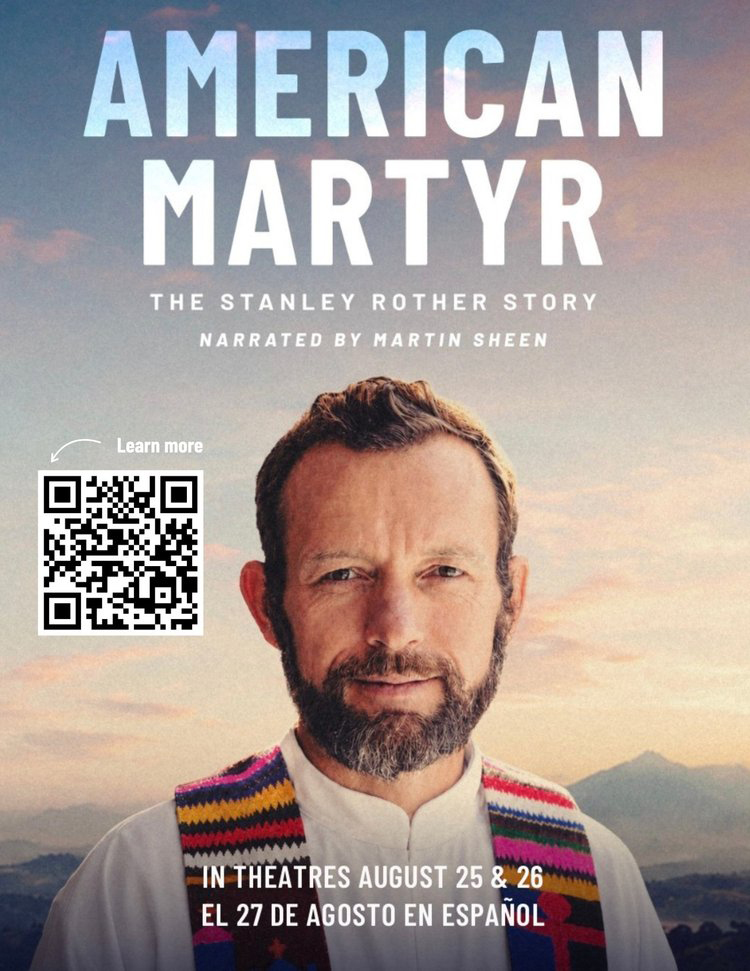
Coming to Theatres near us – American Martyr: The Stanley Rother Story #Catholic – 
“One day we were joking (during the preparations), and he looked at me and said, ‘When they kill me, don’t cry for me. Put up the paschal candle and put up the Easter banner,” emphasized Sister Herlinda Yos, one of the Carmelites. “He started all that, the experience of the Resurrection. That’s why the liturgies are very solid in Atitlan. Padre Francisco invoked a sense of celebration in the liturgy…”
— The Shepherd Who Didn’t Run by Maria Ruiz Scarperlanda
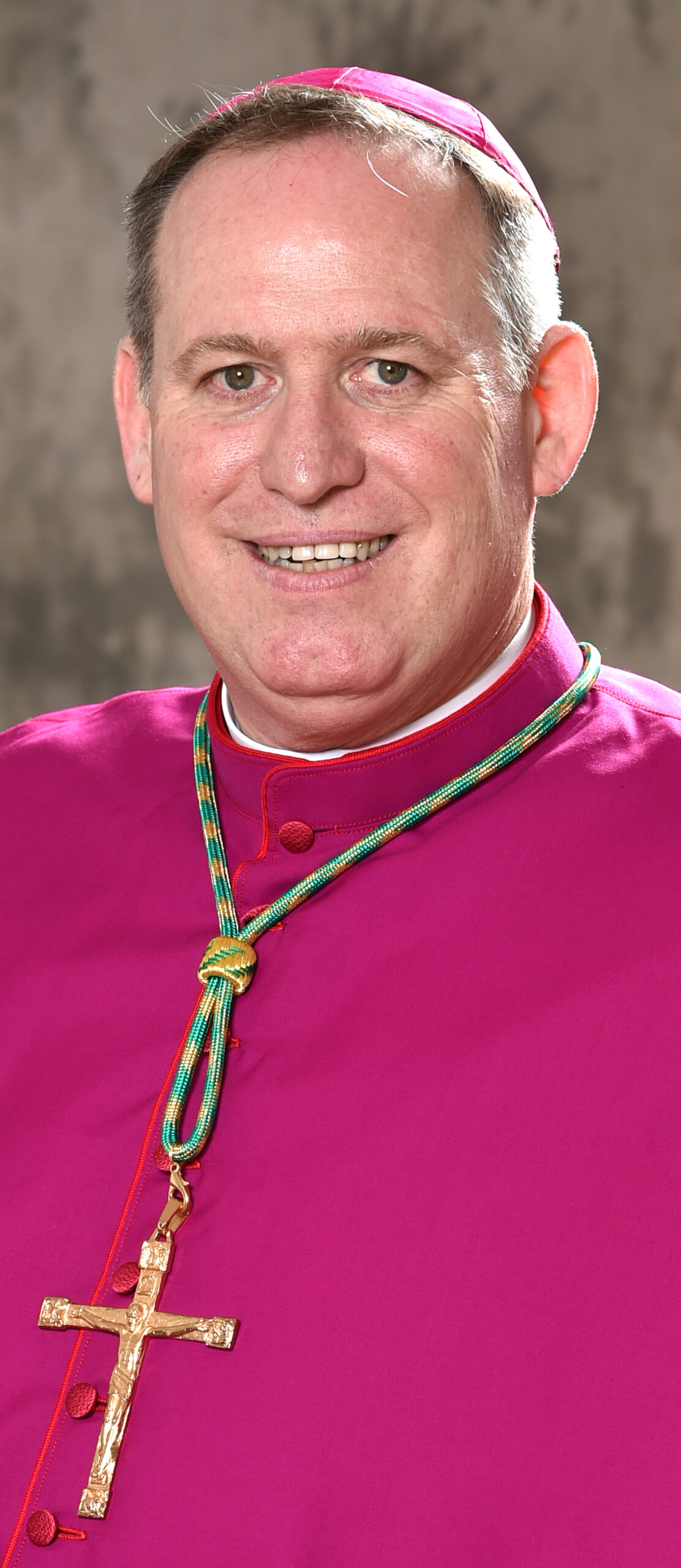
In retrospect, I believe that the first time I heard of Father Stanley Rother was sometime between 2017 and 2019. A very faithful parishioner and volunteer sacristan, Antonio, who was originally from Guatemala, whom I had gotten to know in my years as pastor of St. Michael’s in Brooklyn, told me the story of an American priest who had been serving in Guatemala, had been killed, and had recently been beatified. It sounded like a “nice story.” The priest had certainly made a strong impression on Antonio, who shared with me how this priest had become so close to the parishioners he served in a small town in Guatemala.
A number of years later, in 2022 or 2023, someone gave me a book called The Shepherd Who Didn’t Run — Fr. Stanley Rother, Martyr from Oklahoma. Somewhere in the course of reading the book and learning the story of Father Rother, I realized that “this was the priest Antonio had been telling me about.” I remember being so impressed by Father Rother’s life, vocation, and ministry that I thought I might give a copy of the book to all our seminarians. I also remember hesitating and thinking, “If all or most of our seminarians read this book, we may “lose” some of them because they will be inspired to serve as missionaries in Guatemala or some other area of the world where there are people in poverty who would be blessed by a priest who could serve them, get to know them, and “become one of them.”
As I reflect again on the story of Father Rother, I think of priests from my home diocese of Brooklyn and other places in the United States, who spent time serving as missionaries in Latin America and other places, who inspired me and encouraged me to appreciate how much we can learn and receive from individuals, families, and communities, whose language, culture, and food may be very different from ours. They taught me that taking the time to not only visit, but spend some time living with them and getting to know them, can be a wonderful way to share our faith and experience “the Church.” We are all members of the “one (mystical) Body of Christ,” and one of the most beautiful blessings of our Catholic (Universal) Faith and Church is the way it is received, lived, and shared by people and cultures, literally, all over the world.
While not everyone will have the opportunity to visit a different country and culture for the purpose of sharing the faith, many parishes and other groups within the Church offer “mission trips,” both within the United States and to other countries, to facilitate those opportunities and experiences. Hearing the stories of those who are able to travel on a mission trip can be a blessing for those who are not physically able to make the trip but support the “mission” and missionaries by their donations and especially their prayers.
Hearing and learning the story of someone who discerns and lives a missionary vocation can also be a great blessing and inspiration to all the baptized. That was my experience as I learned the story of Father Stanley Rother. Thanks to a new “feature-length” documentary film, “American Martyr: The Stanley Rother Story, narrated by Martin Sheen, many more will now have the opportunity to “get to know” Father Rother and his inspiring life, which led to his martyrdom on July 28, 1981. I was fortunate to be able to view an advance screening of “American Martyr,” and I would highly recommend watching it when you have an opportunity.
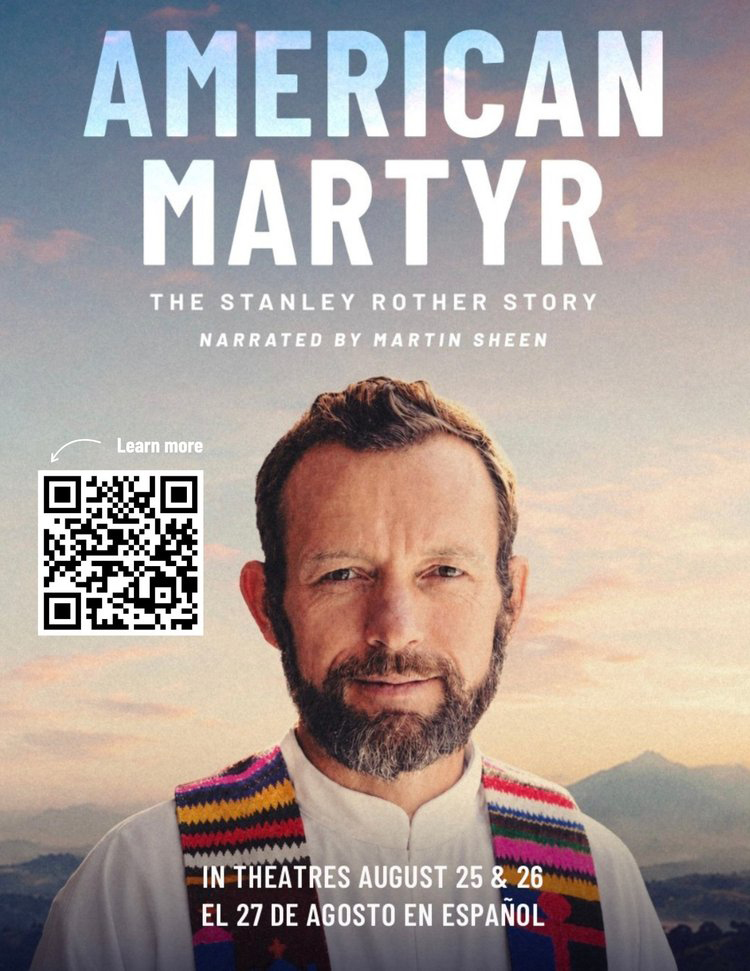
If you are reading this on or before Thursday, Aug. 27, you can see the movie at a local theatre, in its limited release on Tuesday, Wednesday, and Thursday, Aug. 25-27. It will be shown at Cinemark Willowbrook Mall in Wayne, AMC Clifton Commons, AMC Garden State in Paramus, and many other theatres in our area. Click here for more information.
His full name was Stanley Francis Rother. Among the innumerable beautiful aspects of Father Rother’s life and ministry is his struggle with academics, especially Latin, during his first six years in the seminary, in San Antonio, Texas. His academic struggles were so serious that, after six years, the seminary faculty believed that he either did not have a vocation to the priesthood or the necessary intellectual ability to be ordained. He spent almost a year back at home, but Stanley’s pastor and, eventually, his bishop, the Most Reverend Victor Reed of the Diocese of Oklahoma City, believed that Stanley did have a vocation. They found a seminary that would accept him and give him another chance, Mount Saint Mary’s Seminary, in Emmetsburg, Md.
I hope that you will have the opportunity to see the movie, read the book, and learn the “full story” of Father Stanley’s life, ministry, and martyrdom. I mentioned his middle name because, once Father Stanley arrived in Guatemala and began to get to know the people of the parish and surrounding communities of Atitlan, he realized that he would not only need to learn Spanish, but also the native, indigenous language of the Mayan people he would serve; both the language and the people are called “Tz’utujil.” The seminarian who couldn’t pass his Latin classes would become the missionary priest who would translate the entire Bible into “Tz’utujil.” The “Tz’utujil” people, however, were unable to translate or pronounce Stanley or Rother. They did have an indigenous translation for Francis, “Apla’s.” Father Stanley Rother became know and loved as “Padre Apla’s.”
In the final Chapter of The Shepherd Who Didn’t Run, the author speaks of the Church’s process for someone to be canonized, officially named a Saint, and then speaks of the people whom Father Stanley knew, loved, and served in Guatemala — and how they came to know and love him:
“Once the Holy Father affirms that Father Stanley Rother died a martyr, permission will be granted for his immediate beatification. (**Pope Francis officially confirmed his martyrdom in December 2016, and he was beatified on September 23, 2027.) … Father Stanley Rother would then be on his way to potentially becoming the first male saint born in the United States. But his people in Santiago, Atitlan don’t need an official declaration. They already affirm Padre Apla’s as a saint, their saint, and they come to him daily asking for help and intercession — much as they did during the 13 years he served as their priest.
Since his beatification, Father Stanley Rother’s mortal remains have been reinterred in an inspiring new shrine in Oklahoma City. No doubt, many will be drawn to that holy place in our country where the first beatified American-born martyr rests. Blessed Stanley Rother’s heart remains in the parish church of Saint James the Apostle (San Santiago Apóstol) in Atitlán, Guatemala. Inscribed on the marker over his heart are the words of the Lord Jesus from John’s gospel, “No one has greater love than this, to lay down one’s life for one’s friends” (15:13). Blessed Stanley Rother’s life is a shining example, in our own time, of what is possible when we open our hearts to the power of God’s grace. When we make our faith the foundation of our lives, we too are able to make sacrifices out of love for God and others, so that his kingdom comes into clearer view through our actions and words.
– “One day we were joking (during the preparations), and he looked at me and said, ‘When they kill me, don’t cry for me. Put up the paschal candle and put up the Easter banner,” emphasized Sister Herlinda Yos, one of the Carmelites. “He started all that, the experience of the Resurrection. That’s why the liturgies are very solid in Atitlan. Padre Francisco invoked a sense of celebration in the liturgy…” — The Shepherd Who Didn’t Run by Maria Ruiz Scarperlanda BISHOP KEVIN J. SWEENEY In retrospect, I believe that the first time I heard of Father Stanley Rother was sometime
![Why the Church should promote religious tourism: An expert explains – #Catholic – Religious tourism draws hundreds of millions of people to various sites each year, generating billions of dollars, and the Americas have some of the most frequently visited shrines and basilicas.However, religious tourism is far from reaching its full potential, according to Adrián Lomello, director for the Americas of the World Religious Tourism Network. The situation, he said, represents an opportunity that the Church should not let slip by.
Adrián Lomello, director for the Americas of the World Religious Tourism Network. | Credit: Diego López Marina/EWTN News
In an interview with ACI Prensa, the Spanish-language sister service of EWTN News, Lomello explained that while pilgrimages constitute a phenomenon that has existed for centuries, the question is what pilgrimage destinations effectively provide visitors and how such sites can be enhanced to better welcome pilgrims while maintaining the integrity of their religious identity.
Pilgrims arrive at the Shrine of Our Lady of Guadalupe in Mexico City. | Credit: Leonardo Em/Shutterstock
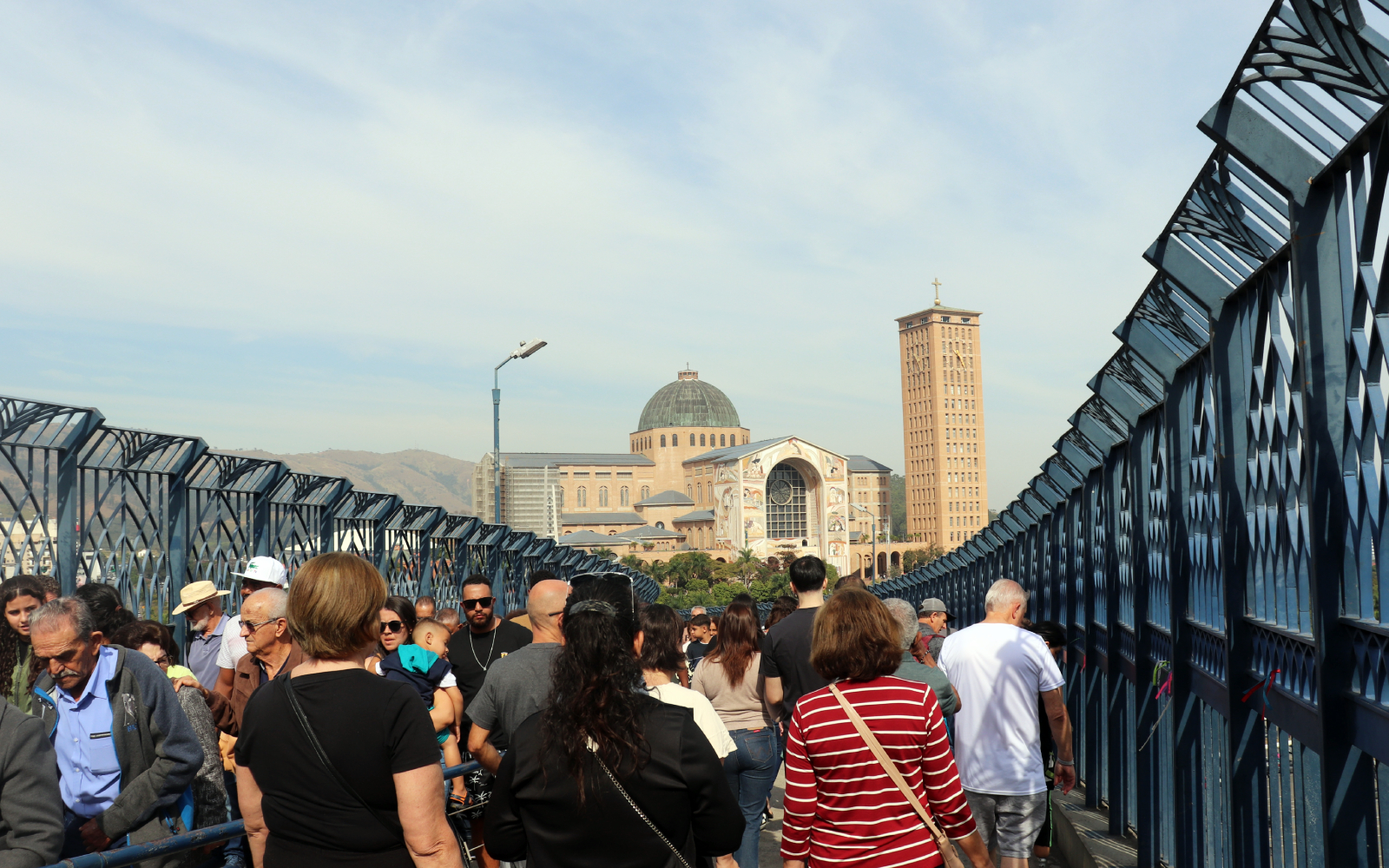
A phenomenon that attracts millionsAccording to data from the World Religious Tourism Network, around 400 million people travel to faith-based destinations each year, accounting for approximately 20% of global tourism.Pilgrimage tourism alone generates economic activity worth nearly billion, according to the network.Latin America in particular plays a significant role in this sector. The region receives around 80 million pilgrims annually, and the segment is seeing estimated yearly growth of between 6% and 8%, based on data from the World Religious Tourism Network.A few examples illustrate the scale of the phenomenon.The Basilica of Our Lady of Guadalupe in Mexico, for example, receives nearly 22 million visitors each year. In Brazil, the National Shrine of Our Lady of Aparecida annually draws approximately 12 million pilgrims.
Sculpture of St. Michael the Archangel on Tepeyac Hill, overlooking the old and new basilicas of Our Lady of Guadalupe in Mexico City. | Credit: Eduardo BR/Shutterstock
Another lesser-known example is La Tirana in northern Chile. During its religious celebrations, a town of about 1,500 inhabitants receives more than 150,000 pilgrims, coming mainly from Chile, Peru, and Bolivia.“Regardless of how they are organized, those people will keep coming year after year because they are driven by a deep spiritual motivation,” Lomello explained.Latin America specifically has over 3,000 registered shrines, hundreds of pilgrimage routes, major religious celebrations, and a heritage built up over centuries.However, that heritage is not always accompanied by the infrastructure, information, services, or policies needed to make the most of it.“Today, it’s an invisible sector. It goes unnoticed by churches, the public sector, and businesses alike,” Lomello stated.The specialist noted that dioceses tend to focus on maintaining their churches and carrying out pastoral work. Governments, meanwhile, address other needs, while businesses seek out commercial opportunities.The result is a constant flow of pilgrims, yet often no one takes charge of organizing everything that happens around them.“We have extraordinary resources, but a resource on its own does not create development. It must be transformed into a tourism product,” he noted.This does not mean turning a shrine into just another tourist attraction. It means, Lomello explained, “creating the conditions so that visitors can get around, find food, rest, explore the site, and understand its history.”
National Shrine of Our Lady of Aparecida in Brazil, one of the major religious tourism destinations in South America. Credit: Flickr Rafael 1984 (CC BY-NC 2.0)
Having a shrine is not enoughLomello emphasized that a church, a basilica, or a pilgrimage with huge numbers of participants is not enough to build a religious tourism destination. “You need to have products; you need to develop products,” he explained.“The product consists of a narrative, a presence on social media, signage, adequate infrastructure, restrooms, good cuisine, the route itself, transportation, and communication,” he replied.For example, a person might visit a shrine to attend a celebration and return home shortly after. However, if the surrounding area offers museums, tourist routes, local cuisine, heritage sites, cultural activities, and other attractions to explore, the experience can be extended.“This is what we want cities to do, offer other things: good cuisine, engaging activities, museums, and events,” he stated.
Basilica of Our Lady of Luján in Argentina. | Credit: Diego López Marina/EWTN News
The money doesnʼt just stay at the shrineFor Lomello, one of the advantages of religious tourism is precisely that the money can be distributed among various sectors of the community.
Thousands of people come to venerate the Lord of Miracles during a procession in downtown Lima, Peru. | Credit: DJSully/Shutterstock
“The pilgrim arrives, spends money locally, buys handicrafts, stays overnight — perhaps an extra day — and visits a museum. The economic benefits spread throughout the entire community,” he explained.This can benefit hotels, restaurants, merchants, artisans, transportation providers, and other workers. It can also help preserve the churches and religious sites themselves.“Religious tourism is not going to take away the Churchʼs leading role, it is going to give it resources,” he said.However, Lomello emphasized that religious tourism cannot be reduced to an economic issue, since “the spiritual benefit is fundamental.”
Religious tourism is not going to take away the Church’s leading role, it is going to give it resources.”
Adrián LomelloWorld Religious Tourism Network
A pilgrim who arrives at a shrine may be looking for more than just getting to know a place. He may want to pray, go to confession, attend a Mass, or simply reconnect with his faith.“The impact of a good spiritual narrative is conversion. It’s when someone, through religious tourism, arrives and is deeply moved by the story [behind the place] and the religious images, and asks for confession. That’s conversion,” he noted.The Camino de Santiago modelOne of the experiences that can serve as a model is the Camino de Santiago in Spain.According to data shared by the network, the route welcomes around 530,000 pilgrims annually and generates an estimated annual economic impact of over 0 million, following decades of planning.This comparison is of particular interest to Latin America, where there are numerous religious routes and destinations that attract large numbers of people but still lack planning.“The difference lies not only in its heritage. It lies in policy decisions. Destinations that ignore their spiritual heritage are not making a cultural mistake; they are making a strategic economic development mistake,” Lomello asserted.
Pilgrims walk the Camino de Santiago in Spain. | Credit: Nadezhda Bolotina/Shutterstock
‘Lift up your gaze’Lomello said he believes the Church has an important role to play in this process, but it cannot do it alone. Coordination is needed between dioceses, parishes, authorities, businessmen, and local communities.Data is also needed. The region needs to know how many pilgrims it receives, where they come from, how long they stay, what services they use, and what their needs are.The World Religious Tourism Network proposes, among other measures, doing market analysis, developing specific public policies, putting the destinations online, training those who work with pilgrims, and creating avenues for exchanging information among the various stakeholders.For Lomello, the first step is to change the way the phenomenon is viewed.“As the pope said in Spain: ‘Lift up your gaze.’ Lift up your gaze. Look at the religious tourism sector: an opportunity for development,” he urged.And that opportunity, he emphasized, should not be viewed as competing with the Churchʼs mission.“This is a time to lift up our gaze, to say: ‘Ladies and gentlemen, there is an opportunity here.’ Let us all work together, because this is for the benefit of all,” he affirmed.Top 10 destinations in Latin AmericaAccording to data compiled by the World Religious Tourism Network, these are the top 10 religious destinations and celebrations in Latin America, Central America, and the Caribbean, ranked by estimated annual visitor numbers:1. Mexico — Basilica of Our Lady of Guadalupe: 20 million2. Brazil — Shrine of Our Lady of Aparecida: 12 million3. Argentina — Shrine of Our Lady of Luján: 10 million4. Peru — Shrine of the Lord of Miracles: 5 million5. Colombia — Shrine of Our Lady of the Rosary of Chiquinquirá: 4 million6. Guatemala — Basilica of Our Lady of the Rosary: 3.5 million7. Ecuador — Shrine of Our Lady of El Quinche: 2.5 million8. Venezuela — Basilica of Our Lady of Coromoto: 2 million9. Chile — Shrine of the Virgin of Lo Vásquez: 1.5 million10. Dominican Republic — Basilica of Our Lady of Altagracia: 1.5 millionThis story was first published by ACI Prensa, the Spanish-language sister service of EWTN News. It has been translated and adapted by EWTN News English.](https://unitedyam.com/wp-content/uploads/2026/08/why-the-church-should-promote-religious-tourism-an-expert-explains-catholic-religious-tourism-draws-hundreds-of-millions-of-people-to-various-sites-each-year-generating-billions-of-dollars-and.jpg "Why the Church should promote religious tourism: An expert explains – #Catholic – Religious tourism draws hundreds of millions of people to various sites each year, generating billions of dollars, and the Americas have some of the most frequently visited shrines and basilicas.However, religious tourism is far from reaching its full potential, according to Adrián Lomello, director for the Americas of the World Religious Tourism Network. The situation, he said, represents an opportunity that the Church should not let slip by.
Adrián Lomello, director for the Americas of the World Religious Tourism Network. | Credit: Diego López Marina/EWTN News
In an interview with ACI Prensa, the Spanish-language sister service of EWTN News, Lomello explained that while pilgrimages constitute a phenomenon that has existed for centuries, the question is what pilgrimage destinations effectively provide visitors and how such sites can be enhanced to better welcome pilgrims while maintaining the integrity of their religious identity.
Pilgrims arrive at the Shrine of Our Lady of Guadalupe in Mexico City. | Credit: Leonardo Em/Shutterstock
A phenomenon that attracts millionsAccording to data from the World Religious Tourism Network, around 400 million people travel to faith-based destinations each year, accounting for approximately 20% of global tourism.Pilgrimage tourism alone generates economic activity worth nearly billion, according to the network.Latin America in particular plays a significant role in this sector. The region receives around 80 million pilgrims annually, and the segment is seeing estimated yearly growth of between 6% and 8%, based on data from the World Religious Tourism Network.A few examples illustrate the scale of the phenomenon.The Basilica of Our Lady of Guadalupe in Mexico, for example, receives nearly 22 million visitors each year. In Brazil, the National Shrine of Our Lady of Aparecida annually draws approximately 12 million pilgrims.
Sculpture of St. Michael the Archangel on Tepeyac Hill, overlooking the old and new basilicas of Our Lady of Guadalupe in Mexico City. | Credit: Eduardo BR/Shutterstock
Another lesser-known example is La Tirana in northern Chile. During its religious celebrations, a town of about 1,500 inhabitants receives more than 150,000 pilgrims, coming mainly from Chile, Peru, and Bolivia.“Regardless of how they are organized, those people will keep coming year after year because they are driven by a deep spiritual motivation,” Lomello explained.Latin America specifically has over 3,000 registered shrines, hundreds of pilgrimage routes, major religious celebrations, and a heritage built up over centuries.However, that heritage is not always accompanied by the infrastructure, information, services, or policies needed to make the most of it.“Today, it’s an invisible sector. It goes unnoticed by churches, the public sector, and businesses alike,” Lomello stated.The specialist noted that dioceses tend to focus on maintaining their churches and carrying out pastoral work. Governments, meanwhile, address other needs, while businesses seek out commercial opportunities.The result is a constant flow of pilgrims, yet often no one takes charge of organizing everything that happens around them.“We have extraordinary resources, but a resource on its own does not create development. It must be transformed into a tourism product,” he noted.This does not mean turning a shrine into just another tourist attraction. It means, Lomello explained, “creating the conditions so that visitors can get around, find food, rest, explore the site, and understand its history.”
National Shrine of Our Lady of Aparecida in Brazil, one of the major religious tourism destinations in South America. Credit: Flickr Rafael 1984 (CC BY-NC 2.0)
Having a shrine is not enoughLomello emphasized that a church, a basilica, or a pilgrimage with huge numbers of participants is not enough to build a religious tourism destination. “You need to have products; you need to develop products,” he explained.“The product consists of a narrative, a presence on social media, signage, adequate infrastructure, restrooms, good cuisine, the route itself, transportation, and communication,” he replied.For example, a person might visit a shrine to attend a celebration and return home shortly after. However, if the surrounding area offers museums, tourist routes, local cuisine, heritage sites, cultural activities, and other attractions to explore, the experience can be extended.“This is what we want cities to do, offer other things: good cuisine, engaging activities, museums, and events,” he stated.
Basilica of Our Lady of Luján in Argentina. | Credit: Diego López Marina/EWTN News
The money doesnʼt just stay at the shrineFor Lomello, one of the advantages of religious tourism is precisely that the money can be distributed among various sectors of the community.
Thousands of people come to venerate the Lord of Miracles during a procession in downtown Lima, Peru. | Credit: DJSully/Shutterstock
“The pilgrim arrives, spends money locally, buys handicrafts, stays overnight — perhaps an extra day — and visits a museum. The economic benefits spread throughout the entire community,” he explained.This can benefit hotels, restaurants, merchants, artisans, transportation providers, and other workers. It can also help preserve the churches and religious sites themselves.“Religious tourism is not going to take away the Churchʼs leading role, it is going to give it resources,” he said.However, Lomello emphasized that religious tourism cannot be reduced to an economic issue, since “the spiritual benefit is fundamental.”
Religious tourism is not going to take away the Church’s leading role, it is going to give it resources.”
Adrián LomelloWorld Religious Tourism Network
A pilgrim who arrives at a shrine may be looking for more than just getting to know a place. He may want to pray, go to confession, attend a Mass, or simply reconnect with his faith.“The impact of a good spiritual narrative is conversion. It’s when someone, through religious tourism, arrives and is deeply moved by the story [behind the place] and the religious images, and asks for confession. That’s conversion,” he noted.The Camino de Santiago modelOne of the experiences that can serve as a model is the Camino de Santiago in Spain.According to data shared by the network, the route welcomes around 530,000 pilgrims annually and generates an estimated annual economic impact of over 0 million, following decades of planning.This comparison is of particular interest to Latin America, where there are numerous religious routes and destinations that attract large numbers of people but still lack planning.“The difference lies not only in its heritage. It lies in policy decisions. Destinations that ignore their spiritual heritage are not making a cultural mistake; they are making a strategic economic development mistake,” Lomello asserted.
Pilgrims walk the Camino de Santiago in Spain. | Credit: Nadezhda Bolotina/Shutterstock
‘Lift up your gaze’Lomello said he believes the Church has an important role to play in this process, but it cannot do it alone. Coordination is needed between dioceses, parishes, authorities, businessmen, and local communities.Data is also needed. The region needs to know how many pilgrims it receives, where they come from, how long they stay, what services they use, and what their needs are.The World Religious Tourism Network proposes, among other measures, doing market analysis, developing specific public policies, putting the destinations online, training those who work with pilgrims, and creating avenues for exchanging information among the various stakeholders.For Lomello, the first step is to change the way the phenomenon is viewed.“As the pope said in Spain: ‘Lift up your gaze.’ Lift up your gaze. Look at the religious tourism sector: an opportunity for development,” he urged.And that opportunity, he emphasized, should not be viewed as competing with the Churchʼs mission.“This is a time to lift up our gaze, to say: ‘Ladies and gentlemen, there is an opportunity here.’ Let us all work together, because this is for the benefit of all,” he affirmed.Top 10 destinations in Latin AmericaAccording to data compiled by the World Religious Tourism Network, these are the top 10 religious destinations and celebrations in Latin America, Central America, and the Caribbean, ranked by estimated annual visitor numbers:1. Mexico — Basilica of Our Lady of Guadalupe: 20 million2. Brazil — Shrine of Our Lady of Aparecida: 12 million3. Argentina — Shrine of Our Lady of Luján: 10 million4. Peru — Shrine of the Lord of Miracles: 5 million5. Colombia — Shrine of Our Lady of the Rosary of Chiquinquirá: 4 million6. Guatemala — Basilica of Our Lady of the Rosary: 3.5 million7. Ecuador — Shrine of Our Lady of El Quinche: 2.5 million8. Venezuela — Basilica of Our Lady of Coromoto: 2 million9. Chile — Shrine of the Virgin of Lo Vásquez: 1.5 million10. Dominican Republic — Basilica of Our Lady of Altagracia: 1.5 millionThis story was first published by ACI Prensa, the Spanish-language sister service of EWTN News. It has been translated and adapted by EWTN News English.")
An expert in religious tourism explains the importance of the work of shrines and pilgrimage routes to reach their full potential, both in terms of economic and spiritual benefits.