
| Picture of the day |
|---|

|
|
The Beatles arriving at JFK International Airport in 1964. On 18 August 1962, Ringo Starr officially joined The Beatles.
|
From all eternity, O Lord, You planned my very existence and my destiny. You wrapped me in Your love in baptism and gave me the Faith to lead me to an eternal life of happiness with You. You have showered me with Your graces and You have been always ready with Your mercy and forgiveness when I have fallen. Now I beg You for the light I so earnestly need that I may find the way of life in which lies the best fulfillment of Your will. Whatever state this may be, give me the grace necessary to …
Read More
The Aug. 26 ruling ordered Yona Schreiber to be committed to an inpatient treatment facility for a maximum six years, though he may be released early at the discretion of the facility.
![Catholic Hispanics welcome Bishop Sweeney for Mass in Branchville #Catholic – Bishop Kevin J. Sweeney visited Our Lady Queen of Peace (OLQP) Parish in Branchville, N.J., on Aug. 23 to celebrate a Spanish Mass for the Hispanic community.
Father Philip-Michael Tangorra, pastor of OLQP and an advocate in the Tribunal of the Paterson Diocese, N.J., and Father Dailon Lisabet, who provides pastoral care for the Spanish-speaking community in Sussex County, concelebrated the Mass.
Click here to subscribe to our weekly newsletter.
Bishop Sweeney preached about the importance of the Church and the sacraments and emphasized the Church’s and diocese’s commitment to welcoming and serving the Hispanic people.
A feast was held in OLQP’s parish hall after the Mass.
OLQP has a Hispanic Ministry, which aims to integrate Spanish-speaking people into all aspects of the Sussex County parish’s life. The parish has been holding events that bring together English and Spanish communities so they become more acquainted.
BEACON PHOTOS | DENNIS DALELIO
[See image gallery at beaconnj.org]](https://unitedyam.com/wp-content/uploads/2026/08/catholic-hispanics-welcome-bishop-sweeney-for-mass-in-branchville-catholic-bishop-kevin-j-sweeney-visited-our-lady-queen-of-peace-olqp-parish-in-branchville-n-j-on-aug-23-to-celebrate-a-span.jpg "Catholic Hispanics welcome Bishop Sweeney for Mass in Branchville #Catholic – Bishop Kevin J. Sweeney visited Our Lady Queen of Peace (OLQP) Parish in Branchville, N.J., on Aug. 23 to celebrate a Spanish Mass for the Hispanic community.
Father Philip-Michael Tangorra, pastor of OLQP and an advocate in the Tribunal of the Paterson Diocese, N.J., and Father Dailon Lisabet, who provides pastoral care for the Spanish-speaking community in Sussex County, concelebrated the Mass.
Click here to subscribe to our weekly newsletter.
Bishop Sweeney preached about the importance of the Church and the sacraments and emphasized the Church’s and diocese’s commitment to welcoming and serving the Hispanic people.
A feast was held in OLQP’s parish hall after the Mass.
OLQP has a Hispanic Ministry, which aims to integrate Spanish-speaking people into all aspects of the Sussex County parish’s life. The parish has been holding events that bring together English and Spanish communities so they become more acquainted.
BEACON PHOTOS | DENNIS DALELIO
[See image gallery at beaconnj.org]")
Catholic Hispanics welcome Bishop Sweeney for Mass in Branchville #Catholic – 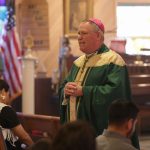
Bishop Kevin J. Sweeney visited Our Lady Queen of Peace (OLQP) Parish in Branchville, N.J., on Aug. 23 to celebrate a Spanish Mass for the Hispanic community.
Father Philip-Michael Tangorra, pastor of OLQP and an advocate in the Tribunal of the Paterson Diocese, N.J., and Father Dailon Lisabet, who provides pastoral care for the Spanish-speaking community in Sussex County, concelebrated the Mass.
Click here to subscribe to our weekly newsletter.
Bishop Sweeney preached about the importance of the Church and the sacraments and emphasized the Church’s and diocese’s commitment to welcoming and serving the Hispanic people.
A feast was held in OLQP’s parish hall after the Mass.
OLQP has a Hispanic Ministry, which aims to integrate Spanish-speaking people into all aspects of the Sussex County parish’s life. The parish has been holding events that bring together English and Spanish communities so they become more acquainted.
BEACON PHOTOS | DENNIS DALELIO
– Bishop Kevin J. Sweeney visited Our Lady Queen of Peace (OLQP) Parish in Branchville, N.J., on Aug. 23 to celebrate a Spanish Mass for the Hispanic community. Father Philip-Michael Tangorra, pastor of OLQP and an advocate in the Tribunal of the Paterson Diocese, N.J., and Father Dailon Lisabet, who provides pastoral care for the Spanish-speaking community in Sussex County, concelebrated the Mass. Click here to subscribe to our weekly newsletter. Bishop Sweeney preached about the importance of the Church and the sacraments and emphasized the Church’s and diocese’s commitment to welcoming and serving the Hispanic people. A feast was held
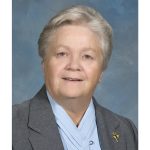
Obituary: Sister Margaret Andrew Sherlock served at Wayne Catholic school, 82 #Catholic – 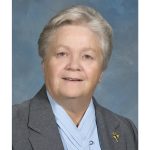
A Mass of Christian Burial was held on Aug. 19 at St. Joseph Villa in Flourtown, Penn., for Sister Margaret Andrew Sherlock, a Sister of St. Joseph of Philadelphia, who died on Aug. 9. She was 82.
Sister Sherlock’s extensive teaching ministry included Our Lady of the Valley (OLV) School in Wayne, N.J., in the Paterson Diocese.
Formerly Sister Margaret Andrew, Sister Sherlock also ministered in numerous schools in the Philadelphia Archdiocese. They include St. Bartholomew School, Corpus Christi School, Our Mother of Sorrows School, St. Timothy School, St. Ambrose School, and Christ the King School (Morrell Park), all in Philadelphia; St. Matthew School in Conshohocken; and Nativity of Our Lord School in Warminster.
Including OLV in Wayne, Sister Sherlock also served the following schools outside the Philadelphia Archdiocese: Our Lady of Good Counsel School in Vienna, Va., in the Arlington Diocese; St. Mary School in Lebanon, Penn., in the Harrisburg Diocese; and St. Ambrose School in Schuylkill Haven, Penn., in the Allentown Diocese.
Sister Sherlock also ministered at the Sisters’ motherhouse in Philadelphia.
Sister Sherlock is preceded in death by her parents, Andrew and Margaret Sherlock (nee Davis), and her brothers, Andrew, James, John, and Michael Sherlock.
She is survived by her sisters, Margaret Weir, Rosemary “Suzy” Graf, and Nancy Carey; her brother, Fred Sherlock; and their extended families. Members of her congregation also survive her: the Sisters of St. Joseph of Philadelphia.
Please send memorial donations in Sister Margaret Andrew Sherlock’s name to St. Joseph Villa, 110 W. Wissahickon Ave., Flourtown, Penn. 19031.
Click here to subscribe to our weekly newsletter.
– A Mass of Christian Burial was held on Aug. 19 at St. Joseph Villa in Flourtown, Penn., for Sister Margaret Andrew Sherlock, a Sister of St. Joseph of Philadelphia, who died on Aug. 9. She was 82. Sister Sherlock’s extensive teaching ministry included Our Lady of the Valley (OLV) School in Wayne, N.J., in the Paterson Diocese. Formerly Sister Margaret Andrew, Sister Sherlock also ministered in numerous schools in the Philadelphia Archdiocese. They include St. Bartholomew School, Corpus Christi School, Our Mother of Sorrows School, St. Timothy School, St. Ambrose School, and Christ the King School (Morrell Park), all in
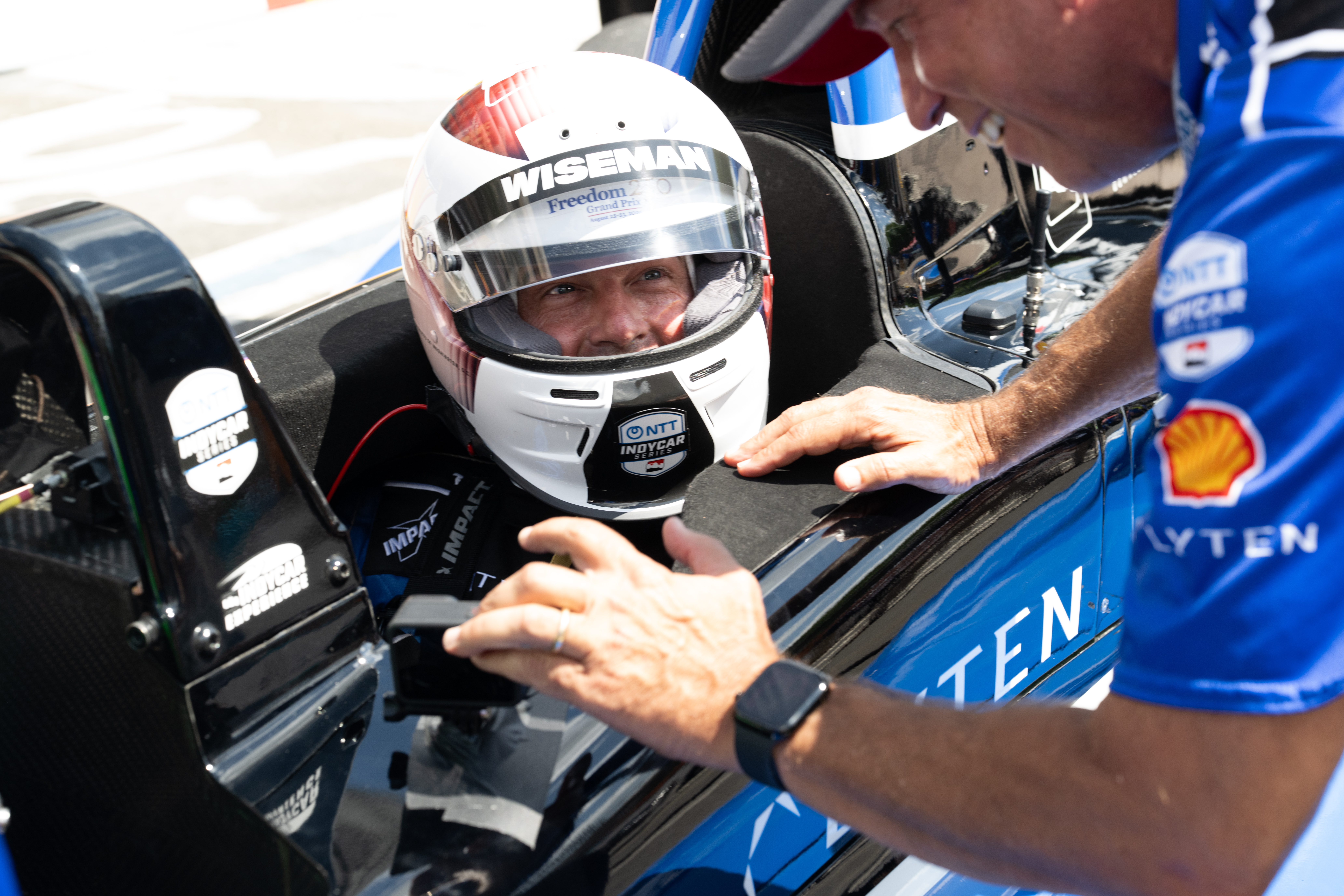
NASA astronaut Reid Wiseman, Artemis II commander, is seen in the two-seat IndyCar as he prepares for driver Conor Daly to take him on a lap in the fastest seat in sport ahead of the start of the Freedom 250 Grand Prix, Sunday, Aug. 23, 2026, in Washington, D.C. Photo Credit: (NASA/Joel Kowsky)
Read More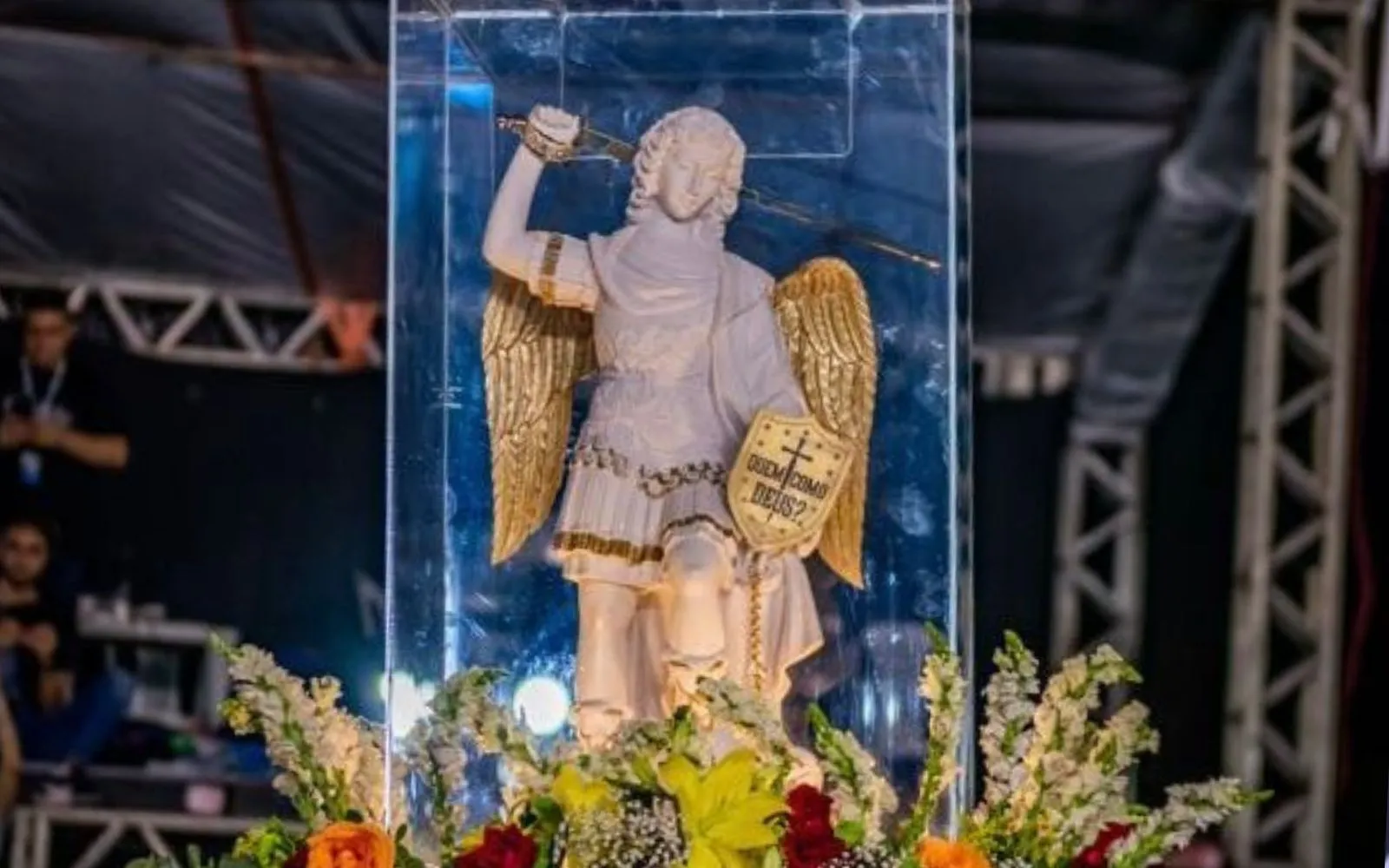
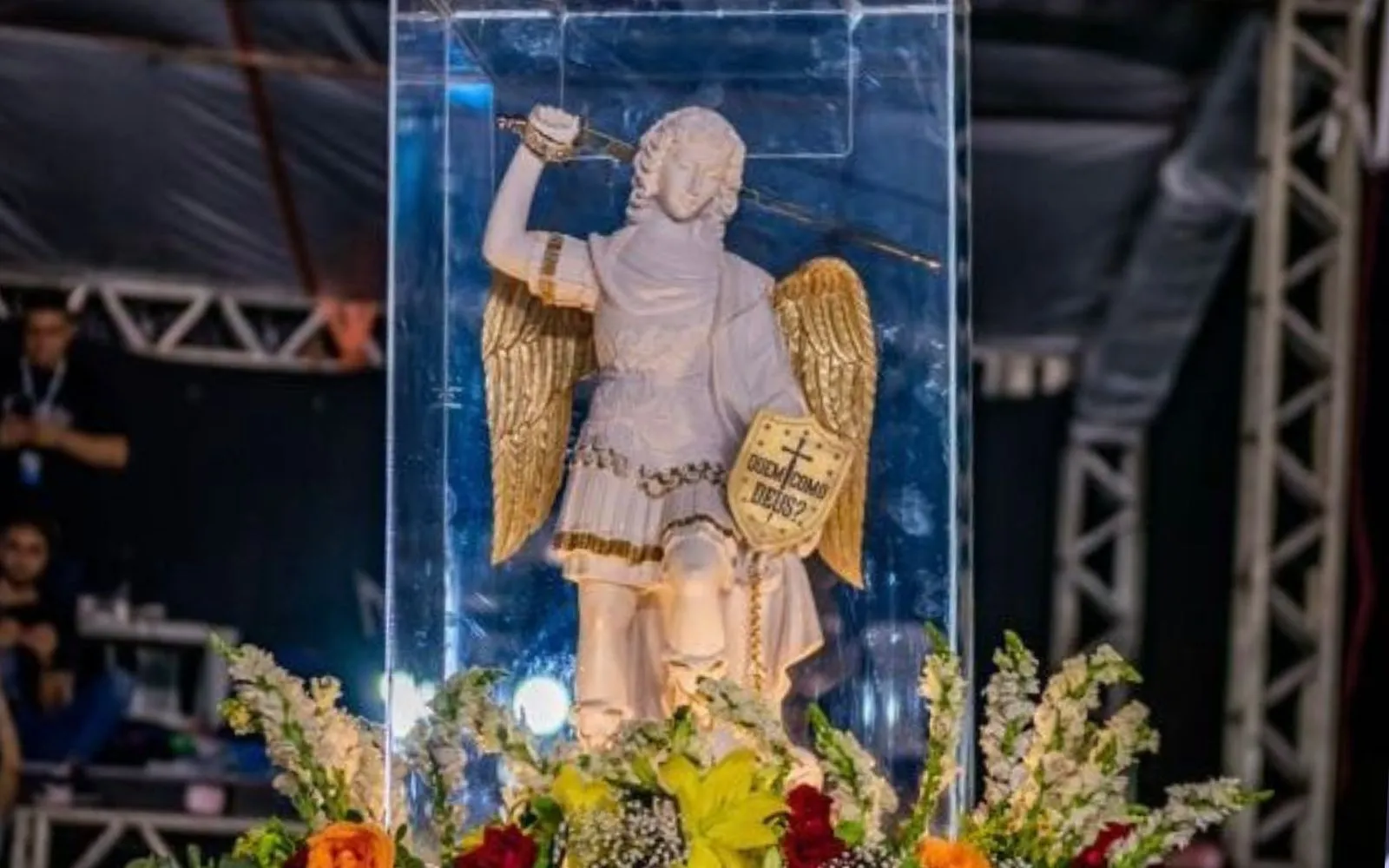
The consecration to be carried out by the bishop is part of the “Great Reconquest” initiative promoted by the Hesed Institute with the arrival in Brazil of the pilgrim statue of St. Michael.
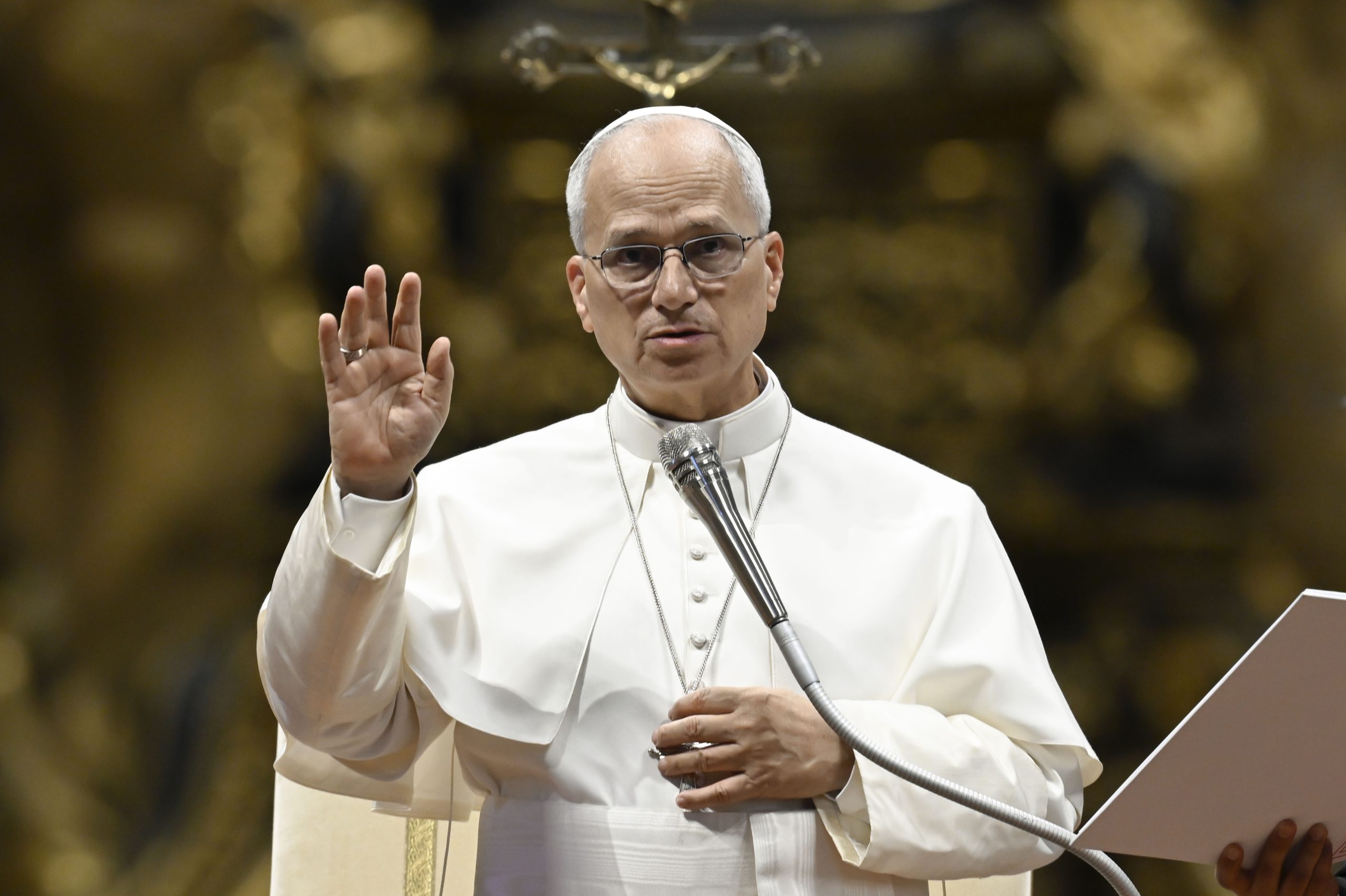
The pontiff’s Aug. 26 general audience addressed the reasons for the church’s recent liturgical reforms.
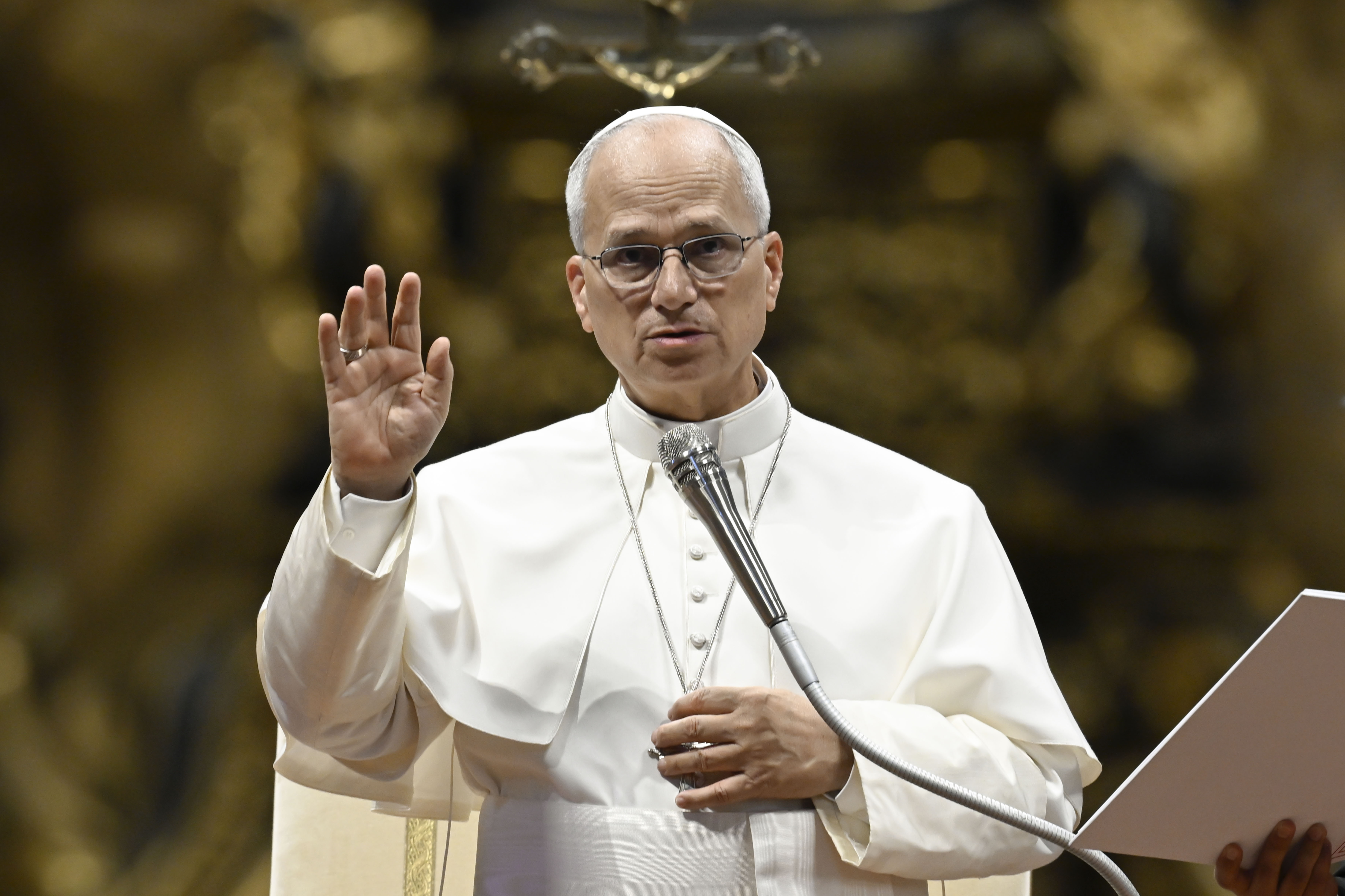
![Symposium in Brazil addresses the devil’s existence as part of Catholic doctrine – #Catholic – A recent symposium in Fortaleza, Brazil, on demonology and exorcism “focused on the theological affirmation of the devil’s existence as part of Catholic doctrine,” Father Diogo Jairo Rebouças told ACI Digital, the Portuguese-language sister service of EWTN News. The priest is an exorcist for the Diocese of Limoeiro do Norte in Ceará state and coordinator of the gathering held Aug. 18–19.The symposium drew 240 participants, 76% of whom were laypeople. According to Rebouças, the event was open to this audience because its goal was not “to provide training for performing exorcisms” but rather “to reflect theologically in light of Scripture, tradition, and the magisterium on the reality of the angelic beings who chose damnation.”“We are convinced that this perspective is highly beneficial for deepening the faith of any and every Christian,” he said.The gathering was organized by Marian Community Oasis of Peace with the support of the Archdiocese of Fortaleza and took place in the central auditorium of the Catholic College of Fortaleza.Among the speakers were Bishop André Vital of Limoeiro do Norte in Ceará state; Father Pedro Paulo Alexandre, exorcist from the Archdiocese of Florianópolis in Santa Catarina state and member of the International Association of Exorcists (AIE, by its Portuguese acronym); Father Fellinto de Oliveira Britto, exorcist from the Diocese of Tianguá in Ceará state and a psychologist; Father Antônio Gomes Macedo Júnior, assistant exorcist; medical doctor Mauro Martins, also an assistant exorcist; and Father David Piter, exorcist from the Diocese of Quixadá in Ceará state and Rebouças.The lectures dealt, among other topics, with demonology in the Gospels and the liberating ministry of Christ, the Churchʼs guidelines for the ministry of exorcisms, the distinction between prayer for deliverance and exorcism, and the discernment between psychiatric pathologies and possible spiritual phenomena.Appointment by the bishop requiredAccording to Rebouças, the meeting presented the AIE’s guidelines to “make it clear that only priests duly appointed by the bishop may perform solemn exorcisms.”The priest stated that the guidance highlights “the Catholic Church’s commitment to pastoral ministry focused on discernment and mercy, rather than fear and sensationalism.”The symposium also addressed the necessary precautions during prayer for healing and deliverance, particularly regarding individuals who become highly distressed during such prayer.“Talks by both exorcists and mental health professionals addressed the need for prudence during prayer for healing and deliverance as it is frequently observed that highly suggestible individuals become emotionally destabilized during events that strongly appeal to the emotions,” Rebouças said.According to him, participants were instructed on “what procedure to follow when a member of the faithful experiences a crisis during [such prayer], in order to protect him from unnecessary exposure and avoid leading to hasty conclusions about possible activity by the evil one.”Moral certainty requiredAnother topic addressed was the discernment between possible extraordinary action by the devil and illnesses or other conditions of natural origin.“The guidelines for the exorcism ministry state that it is not permissible to perform an exorcism on a member of the faithful until the exorcist possesses moral certainty that the case involves extraordinary action by the evil one, rather than merely an illness or condition of natural origin,” Rebouças explained.Therefore, according to him, “mutual collaboration among the exorcist, family members, and healthcare professionals, especially mental health professionals, is extremely important.”“It is certainly not the exorcist’s role to provide a psychiatric diagnosis for the person nor is it the role of scientists to say whether the devil exists or not,” he said. “Each performs their respective role, observing signs of improvement or deterioration in the person throughout the process of accompaniment.”“Sometimes, a deeply devout but mentally ill believer refuses to take their medication until the priest comforts them by saying, ‘I will bless your medicines!’” he said. “And faith encourages the person to follow the treatment and therapies through which they find healing.”“An exorcist will never discourage a believer from making use of scientific therapeutic resources,” the priest added.“It is also not uncommon, in cases of genuine extraordinary demonic activity, for a doctor to tell the family: ‘We have done everything within our power!’ or even: ‘This defies scientific explanation!’” he said.“In this sense, the Church’s faith offers an explanation that addresses the human need regarding spiritual realities,” Rebouças said.The priest highlighted the importance of the training sessions for assistant exorcists offered by the Portuguese-language secretariat of the AIE in which laypeople and healthcare professionals may participate. The next training session will take place Nov. 27–29 at St. Benedict Monastery in Rio de Janeiro.This story was first published by ACI Digital, the Portuguese-language sister service of EWTN News. It has been translated and adapted by EWTN News English.](https://unitedyam.com/wp-content/uploads/2026/08/symposium-in-brazil-addresses-the-devils-existence-as-part-of-catholic-doctrine-catholic-a-recent-symposium-in-fortaleza-brazil-on-demonology-and-exorcism-focused-on-the-theol-scaled.jpg "Symposium in Brazil addresses the devil’s existence as part of Catholic doctrine – #Catholic – A recent symposium in Fortaleza, Brazil, on demonology and exorcism “focused on the theological affirmation of the devil’s existence as part of Catholic doctrine,” Father Diogo Jairo Rebouças told ACI Digital, the Portuguese-language sister service of EWTN News. The priest is an exorcist for the Diocese of Limoeiro do Norte in Ceará state and coordinator of the gathering held Aug. 18–19.The symposium drew 240 participants, 76% of whom were laypeople. According to Rebouças, the event was open to this audience because its goal was not “to provide training for performing exorcisms” but rather “to reflect theologically in light of Scripture, tradition, and the magisterium on the reality of the angelic beings who chose damnation.”“We are convinced that this perspective is highly beneficial for deepening the faith of any and every Christian,” he said.The gathering was organized by Marian Community Oasis of Peace with the support of the Archdiocese of Fortaleza and took place in the central auditorium of the Catholic College of Fortaleza.Among the speakers were Bishop André Vital of Limoeiro do Norte in Ceará state; Father Pedro Paulo Alexandre, exorcist from the Archdiocese of Florianópolis in Santa Catarina state and member of the International Association of Exorcists (AIE, by its Portuguese acronym); Father Fellinto de Oliveira Britto, exorcist from the Diocese of Tianguá in Ceará state and a psychologist; Father Antônio Gomes Macedo Júnior, assistant exorcist; medical doctor Mauro Martins, also an assistant exorcist; and Father David Piter, exorcist from the Diocese of Quixadá in Ceará state and Rebouças.The lectures dealt, among other topics, with demonology in the Gospels and the liberating ministry of Christ, the Churchʼs guidelines for the ministry of exorcisms, the distinction between prayer for deliverance and exorcism, and the discernment between psychiatric pathologies and possible spiritual phenomena.Appointment by the bishop requiredAccording to Rebouças, the meeting presented the AIE’s guidelines to “make it clear that only priests duly appointed by the bishop may perform solemn exorcisms.”The priest stated that the guidance highlights “the Catholic Church’s commitment to pastoral ministry focused on discernment and mercy, rather than fear and sensationalism.”The symposium also addressed the necessary precautions during prayer for healing and deliverance, particularly regarding individuals who become highly distressed during such prayer.“Talks by both exorcists and mental health professionals addressed the need for prudence during prayer for healing and deliverance as it is frequently observed that highly suggestible individuals become emotionally destabilized during events that strongly appeal to the emotions,” Rebouças said.According to him, participants were instructed on “what procedure to follow when a member of the faithful experiences a crisis during [such prayer], in order to protect him from unnecessary exposure and avoid leading to hasty conclusions about possible activity by the evil one.”Moral certainty requiredAnother topic addressed was the discernment between possible extraordinary action by the devil and illnesses or other conditions of natural origin.“The guidelines for the exorcism ministry state that it is not permissible to perform an exorcism on a member of the faithful until the exorcist possesses moral certainty that the case involves extraordinary action by the evil one, rather than merely an illness or condition of natural origin,” Rebouças explained.Therefore, according to him, “mutual collaboration among the exorcist, family members, and healthcare professionals, especially mental health professionals, is extremely important.”“It is certainly not the exorcist’s role to provide a psychiatric diagnosis for the person nor is it the role of scientists to say whether the devil exists or not,” he said. “Each performs their respective role, observing signs of improvement or deterioration in the person throughout the process of accompaniment.”“Sometimes, a deeply devout but mentally ill believer refuses to take their medication until the priest comforts them by saying, ‘I will bless your medicines!’” he said. “And faith encourages the person to follow the treatment and therapies through which they find healing.”“An exorcist will never discourage a believer from making use of scientific therapeutic resources,” the priest added.“It is also not uncommon, in cases of genuine extraordinary demonic activity, for a doctor to tell the family: ‘We have done everything within our power!’ or even: ‘This defies scientific explanation!’” he said.“In this sense, the Church’s faith offers an explanation that addresses the human need regarding spiritual realities,” Rebouças said.The priest highlighted the importance of the training sessions for assistant exorcists offered by the Portuguese-language secretariat of the AIE in which laypeople and healthcare professionals may participate. The next training session will take place Nov. 27–29 at St. Benedict Monastery in Rio de Janeiro.This story was first published by ACI Digital, the Portuguese-language sister service of EWTN News. It has been translated and adapted by EWTN News English.")
Besides affirming the existence of demons based on Scripture, tradition, and the magisterium, the symposium emphasized the need to discern between genuine demonic activity and mental illness.
Looking for a sky event this week? Check out our full Sky This Week column. August 25: Messier 73 One of the most famous stars in the sky lies in Ophiuchus the Serpent-bearer, still high in the west and southwest (it’s a big constellation) two hours after sunset. In its northeastern corner is Barnard’s star — althoughContinue reading “The Sky Today on Wednesday, August 26: Catch Barnard’s star”
The post The Sky Today on Wednesday, August 26: Catch Barnard’s star appeared first on Astronomy Magazine.
Read More