Day: August 27, 2026

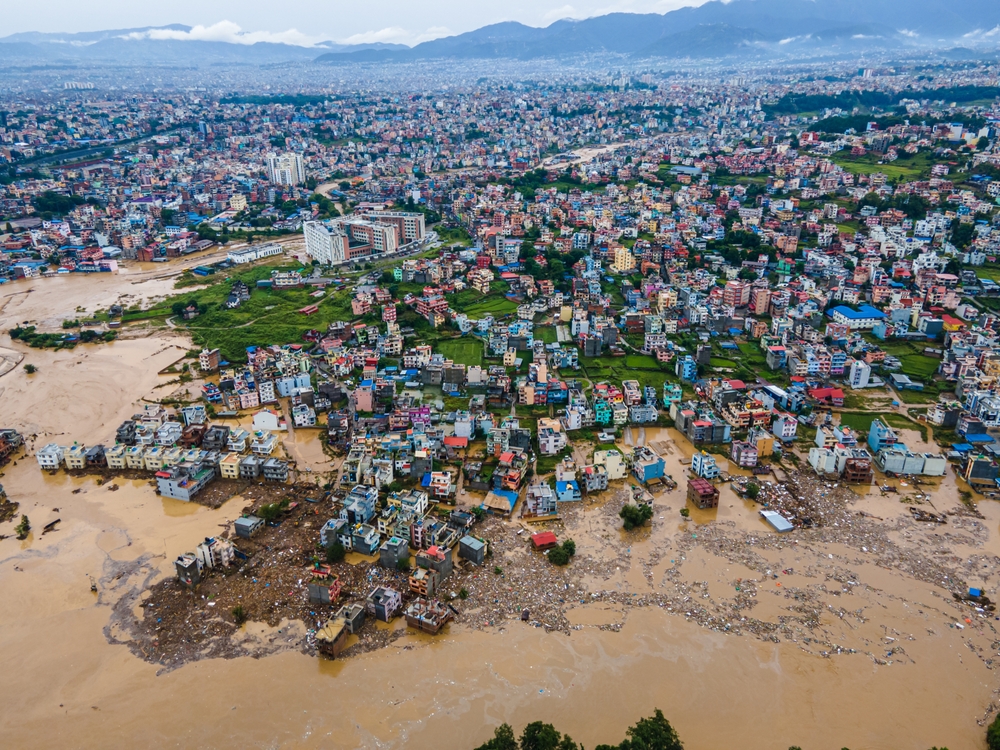
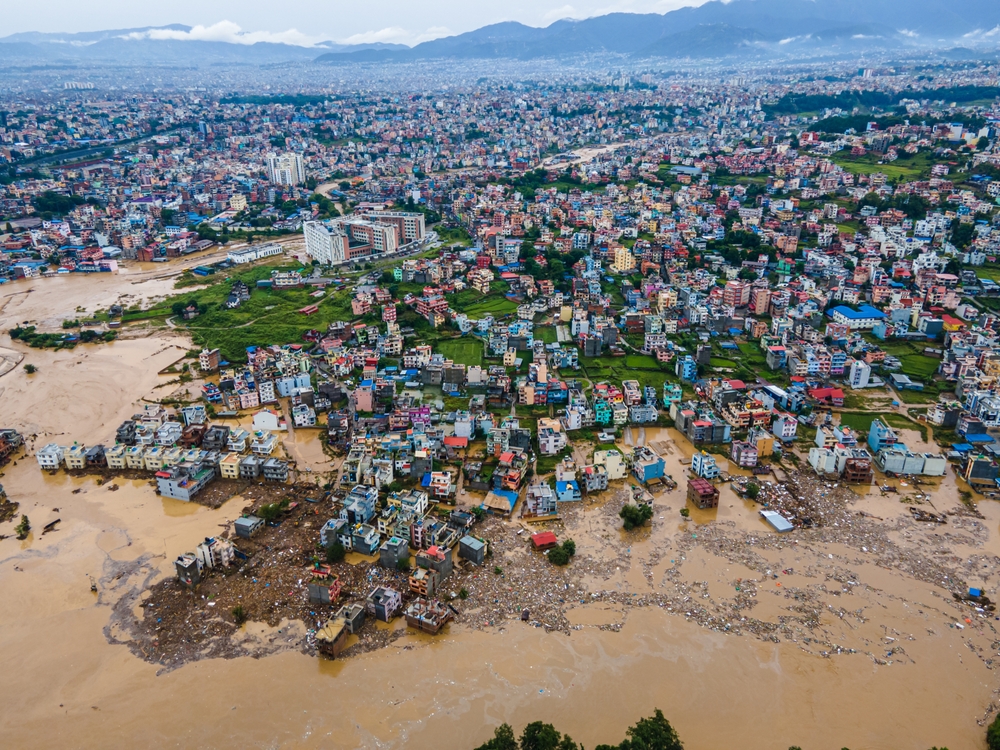
UPDATE: Nepal, China warn of second flood as Church launches relief efforts #Catholic Authorities are warning of a second flood after Wednesday’s devastating deluge on the Nepal-China border, which left more than 1,500 people missing, many presumed dead.Nepal’s National Disaster Risk Reduction and Management Authority said a lake at the flood site was rising and at risk of bursting, raising the prospect of another deadly disaster.China’s Minister of Water Resources said the lake had formed inside Nepal and was already overflowing. A further 3 million cubic meters could flow in over three days, the ministry said, raising the risk of a breach during that window to a high level. Rain is forecast across the coming days.Catholic relief agencies immediately responded to the unfolding disaster, linking their efforts to the urgent needs created by the floods. Caritas Nepal said it had mobilized teams and begun operating community kitchens in areas where people lost their homes, while also distributing immediate relief supplies. Some Catholics who had been working in tourist areas remain unaccounted for, the agency said.Catholic Relief Services launched an emergency appeal, saying it was coordinating with Caritas Nepal and local partners to assess urgent needs and support affected communities.Caritas Australia launched an urgent flood appeal, confirming teams are on the ground assessing the scale of the disaster and the needs it has created.The needs will most likely include emergency shelter, clean water and sanitation, food, and immediate and long-term recovery, the aid agency noted.The apostolic administrator of Nepal told Fides news agency on Thursday this was “the worst disaster in the country’s history.”“It was terrible. A flood coming from the mountains, and directed violently towards the valley, overwhelmed everything: people, homes, bridges, structures. Villages, markets, and roads were swept away. It is a serious wound for the nation,” Father Silas Krishna Bogati said.“We have about 25 Catholic families in the disaster area; they appear to be safe, but we are very worried about them,” he said. “We entrust them to God, we pray for their safety, and we will do everything we can to help them.”Bogati noted that Nepalese, as well as foreigners and tourists, were in the area at the time of the disaster.At least 392 people have been killed, 389 of them in Nepal and three in Tibet, according to Nepali authorities and Chinese state media. More than 900 remain unaccounted for in Nepal and more than 550 in Tibet; 466 people have been rescued.Pope Leo sent his condolences and offered prayers for the victims on Thursday, expressing solidarity with those affected by the floods. In an Aug. 27 telegram sent on behalf of Leo, Vatican Secretary of State Cardinal Pietro Parolin said the pope was “saddened to learn of the loss of life and devastation” caused by the floods.“Commending the souls of the deceased to the clemency of the Almighty, His Holiness sends heartfelt sympathies to the bereaved, with the assurance of his spiritual closeness to those affected by this tragedy,” the telegram said.This story was updated on Aug. 28, 2026, with details from Caritas Nepal and Catholic Relief Services.

UPDATE: Nepal, China warn of second flood as Church launches relief efforts #Catholic Authorities are warning of a second flood after Wednesday’s devastating deluge on the Nepal-China border, which left more than 1,500 people missing, many presumed dead.Nepal’s National Disaster Risk Reduction and Management Authority said a lake at the flood site was rising and at risk of bursting, raising the prospect of another deadly disaster.China’s Minister of Water Resources said the lake had formed inside Nepal and was already overflowing. A further 3 million cubic meters could flow in over three days, the ministry said, raising the risk of a breach during that window to a high level. Rain is forecast across the coming days.Catholic relief agencies immediately responded to the unfolding disaster, linking their efforts to the urgent needs created by the floods. Caritas Nepal said it had mobilized teams and begun operating community kitchens in areas where people lost their homes, while also distributing immediate relief supplies. Some Catholics who had been working in tourist areas remain unaccounted for, the agency said.Catholic Relief Services launched an emergency appeal, saying it was coordinating with Caritas Nepal and local partners to assess urgent needs and support affected communities.Caritas Australia launched an urgent flood appeal, confirming teams are on the ground assessing the scale of the disaster and the needs it has created.The needs will most likely include emergency shelter, clean water and sanitation, food, and immediate and long-term recovery, the aid agency noted.The apostolic administrator of Nepal told Fides news agency on Thursday this was “the worst disaster in the country’s history.”“It was terrible. A flood coming from the mountains, and directed violently towards the valley, overwhelmed everything: people, homes, bridges, structures. Villages, markets, and roads were swept away. It is a serious wound for the nation,” Father Silas Krishna Bogati said.“We have about 25 Catholic families in the disaster area; they appear to be safe, but we are very worried about them,” he said. “We entrust them to God, we pray for their safety, and we will do everything we can to help them.”Bogati noted that Nepalese, as well as foreigners and tourists, were in the area at the time of the disaster.At least 392 people have been killed, 389 of them in Nepal and three in Tibet, according to Nepali authorities and Chinese state media. More than 900 remain unaccounted for in Nepal and more than 550 in Tibet; 466 people have been rescued.Pope Leo sent his condolences and offered prayers for the victims on Thursday, expressing solidarity with those affected by the floods. In an Aug. 27 telegram sent on behalf of Leo, Vatican Secretary of State Cardinal Pietro Parolin said the pope was “saddened to learn of the loss of life and devastation” caused by the floods.“Commending the souls of the deceased to the clemency of the Almighty, His Holiness sends heartfelt sympathies to the bereaved, with the assurance of his spiritual closeness to those affected by this tragedy,” the telegram said.This story was updated on Aug. 28, 2026, with details from Caritas Nepal and Catholic Relief Services.

Caritas Nepal has begun distributing relief and operating community kitchens as authorities warn of a second flood following the deadliest natural disaster in Nepal’s recorded history.
Read More

Gospel and Word of the Day – 28 August 2026 – A reading from the First Letter of St. Paul to Corinthians 1:17-25 Brothers and sisters: Christ did not send me to baptize but to preach the Gospel, and not with the wisdom of human eloquence, so that the cross of Christ might not be emptied of its meaning. The message of the cross is foolishness to those who are perishing, but to us who are being saved it is the power of God. For it is written: I will destroy the wisdom of the wise, and the learning of the learned I will set aside. Where is the wise one? Where is the scribe? Where is the debater of this age? Has not God made the wisdom of the world foolish? For since in the wisdom of God the world did not come to know God through wisdom, it was the will of God through the foolishness of the proclamation to save those who have faith. For Jews demand signs and Greeks look for wisdom, but we proclaim Christ crucified, a stumbling block to Jews and foolishness to Gentiles, but to those who are called, Jews and Greeks alike, Christ the power of God and the wisdom of God. For the foolishness of God is wiser than human wisdom, and the weakness of God is stronger than human strength.From the Gospel according to Matthew 25:1-13 Jesus told his disciples this parable: ?The Kingdom of heaven will be like ten virgins who took their lamps and went out to meet the bridegroom.  Five of them were foolish and five were wise.  The foolish ones, when taking their lamps, brought no oil with them, but the wise brought flasks of oil with their lamps.  Since the bridegroom was long delayed, they all became drowsy and fell asleep. At midnight, there was a cry, ?Behold, the bridegroom!  Come out to meet him!?  Then all those virgins got up and trimmed their lamps.  The foolish ones said to the wise, ?Give us some of your oil, for our lamps are going out.?  But the wise ones replied, ?No, for there may not be enough for us and you. Go instead to the merchants and buy some for yourselves.?  While they went off to buy it, the bridegroom came and those who were ready went into the wedding feast with him.  Then the door was locked. Afterwards the other virgins came and said, ?Lord, Lord, open the door for us!?  But he said in reply, ?Amen, I say to you, I do not know you.?  Therefore, stay awake, for you know neither the day nor the hour.?Today?s Gospel is a famous parable that speaks of ten maidens invited to a wedding feast, a symbol of the Kingdom of Heaven and of eternal life (Mt 25:1-13). It is a happy image with which, however, Jesus teaches a truth that calls us into question. In fact five of those 10 maidens were admitted to the feast because when the bridegroom arrived they had brought the oil to light their lamps, whereas the other five were left outside because they had been foolish enough not to bring any. What is represented by this ?oil?, the indispensable prerequisite for being admitted to the nuptial banquet? St Augustine (cf. Discourses 93, 4), and other ancient authors interpreted it as a symbol of love that one cannot purchase but receives as a gift, preserves within one and uses in works. True wisdom is making the most of mortal life in order to do works of mercy, for after death this will no longer be possible. When we are reawoken for the Last Judgement, it will be made on the basis of the love we have shown in our earthly life (cf. Mt 25:31-46). And this love is a gift of Christ, poured out in us by the Holy Spirit. Those who believe in God-Love bear within them invincible hope, like a lamp to light them on their way through the night beyond death to arrive at the great feast of life. (Pope Benedict XVI, Angelus, 6 November 2011)

A reading from the First Letter of St. Paul to Corinthians
1:17-25

Brothers and sisters:
Christ did not send me to baptize but to preach the Gospel,
and not with the wisdom of human eloquence,
so that the cross of Christ might not be emptied of its meaning.

The message of the cross is foolishness to those who are perishing,
but to us who are being saved it is the power of God.
For it is written:
I will destroy the wisdom of the wise,
and the learning of the learned I will set aside.
Where is the wise one?
Where is the scribe?
Where is the debater of this age?
Has not God made the wisdom of the world foolish?
For since in the wisdom of God
the world did not come to know God through wisdom,
it was the will of God through the foolishness of the proclamation
to save those who have faith.
For Jews demand signs and Greeks look for wisdom,
but we proclaim Christ crucified,
a stumbling block to Jews and foolishness to Gentiles,
but to those who are called, Jews and Greeks alike,
Christ the power of God and the wisdom of God.
For the foolishness of God is wiser than human wisdom,
and the weakness of God is stronger than human strength.

From the Gospel according to Matthew
25:1-13

Jesus told his disciples this parable:
?The Kingdom of heaven will be like ten virgins
who took their lamps and went out to meet the bridegroom. 
Five of them were foolish and five were wise. 
The foolish ones, when taking their lamps,
brought no oil with them,
but the wise brought flasks of oil with their lamps. 
Since the bridegroom was long delayed,
they all became drowsy and fell asleep.
At midnight, there was a cry,
?Behold, the bridegroom!  Come out to meet him!? 
Then all those virgins got up and trimmed their lamps. 
The foolish ones said to the wise,
?Give us some of your oil,
for our lamps are going out.? 
But the wise ones replied,
?No, for there may not be enough for us and you.
Go instead to the merchants and buy some for yourselves.? 
While they went off to buy it,
the bridegroom came
and those who were ready went into the wedding feast with him. 
Then the door was locked.
Afterwards the other virgins came and said,
?Lord, Lord, open the door for us!? 
But he said in reply,
?Amen, I say to you, I do not know you.? 
Therefore, stay awake,
for you know neither the day nor the hour.?

Today?s Gospel is a famous parable that speaks of ten maidens invited to a wedding feast, a symbol of the Kingdom of Heaven and of eternal life (Mt 25:1-13). It is a happy image with which, however, Jesus teaches a truth that calls us into question. In fact five of those 10 maidens were admitted to the feast because when the bridegroom arrived they had brought the oil to light their lamps, whereas the other five were left outside because they had been foolish enough not to bring any. What is represented by this ?oil?, the indispensable prerequisite for being admitted to the nuptial banquet?

St Augustine (cf. Discourses 93, 4), and other ancient authors interpreted it as a symbol of love that one cannot purchase but receives as a gift, preserves within one and uses in works. True wisdom is making the most of mortal life in order to do works of mercy, for after death this will no longer be possible. When we are reawoken for the Last Judgement, it will be made on the basis of the love we have shown in our earthly life (cf. Mt 25:31-46). And this love is a gift of Christ, poured out in us by the Holy Spirit. Those who believe in God-Love bear within them invincible hope, like a lamp to light them on their way through the night beyond death to arrive at the great feast of life. (Pope Benedict XVI, Angelus, 6 November 2011)

Read More
AI at Catholic colleges: Institutions map policies guided by Magnifica Humanitas – #Catholic – Newman Guide institutions are shaping their classroom approach to rapidly evolving artificial intelligence through Pope Leo XIV’s encyclical Magnifica Humanitas, emphasizing human dignity and guarding against the technology’s potential to weaken authentic learning.Five Catholic colleges and universities told EWTN News they are crafting classroom AI policies in light of the pope’s encyclical, as the University of Chicago moves — as first reported by the student newspaper The Chicago Maroon — to make social sciences classes fully analog this fall.Belmont Abbey College“The Chicago response in their core classes resonates strongly with where our thoughts are going, although theyʼre a bit ahead of us in formulating a general policy,” David Williams, dean of arts and sciences and professor of theology at Belmont Abbey College in Belmont, North Carolina, told EWTN News.“Discussions on the pedagogical response to AI have been ongoing for some time now, with new impetus as we absorb Pope Leoʼs encyclical, Magnifica Humanitas,” Williams said. “There’s a significant contingent among the faculty who prefer the all-analog approach, at least in our core curriculum classes, and are teaching accordingly as a matter of individual choice.”According to Williams, a faculty-led committee is expected to deliver a report to the university’s president and provost by the end of the fall 2026 semester.“I wouldnʼt be surprised at all to see a recommendation similar to Chicagoʼs for all our core curriculum courses; the core here is a substantial part of the overall degree program, so that would be more than 40% of a graduateʼs coursework,” he said.Ave Maria UniversityDaniel Davy, dean of faculty and associate professor of history at Ave Maria University in southwest Florida, told EWTN News that Pope Leo’s “concern for preserving genuine human formation, rather than outsourcing it to a machine, is at the heart of AMUʼs approach to teaching and learning” but noted that the university does not have plans to institute a university-wide AI ban.“AMU approaches AI with what Pope Leo XIV calls in the encyclical a spirit of ‘prudence, rigorous evaluation and even, at times, a slower pace’ (par. 106), rather than either uncritical adoption or blanket prohibition,” Davy said in an email.“AMU does not have a university-wide AI ban comparable to the University of Chicagoʼs Social Sciences Core policy; academic policy here is set at the course and department level, since pedagogical needs vary by discipline,” he continued, noting that the university’s academic honor code bans use of generative AI in any part of the writing process and in all freshmen- and sophomore-level courses.“We are far less concerned with whether a student turns in a perfectly polished paper than with how the student grows through the act of trying to communicate an idea,” Davy said. “This is where generative AI poses its deepest danger, because it offloads the process of thinking onto a machine that cannot, in fact, think. Outsourcing that struggle diminishes a studentʼs own capacity to encounter truth more deeply in each discipline, and through that truth, ultimately, Christ, to whom every field of knowledge points.”University of Mary“Here at Mary, one of our charisms is Friendship with Truth,” David Echelbarger, vice president for academic affairs at the University of Mary in Bismarck, North Dakota, told EWTN News in an email. “Because we are made in the image of a Triune God who is himself a communion of Persons,” he said, “we are not made to arrive at the truth alone. We come to it through dialogue and conversation with other people.” “One concern with AI, then, is that it turns learning into an isolated, impersonal endeavor,” he said. “To counter that, many of our professors are incorporating into their courses activities that require hard and rigorous thinking together.”Additionally, he said, all faculty members have been asked to place an AI policy on each of their assignments, clarifying the degree to which the technology is permitted for each individual assignment, “which is meant to help students understand when the use of AI is a hindrance to their intellectual formation and when it is a helpful learning tool.”Benedictine CollegeMariele Courtois, assistant professor of theology and director of the Center for Technology and Human Dignity at Benedictine College in Atchison, Kansas, told EWTN News that the college’s “Academic Misconduct” statement was recently updated “to clearly state that AI cannot be used ‘in place of a student’s own effort,’ in order to respect the learning process and the special connection between students and their academic work, which should reveal the students’ own personalities and convictions.”“While some classes, especially in the STEM fields, may utilize or learn about AI — including its function, risks, dangers, and potential promises — many professors choose to make their classes AI-free both in the lecture hall and for homework, especially in Theology and the humanities,” Courtois said in an email. “Benedictine College respects the prudential judgment of professors to make the pedagogical choices that are best suited to their particular class goals and the aims of their respective disciplines.”Courtois noted the college’s Center for Technology and Human Dignity was recently founded “to help guide discussions about rising biomedical and digital technologies in light of Catholic moral teaching.”In addition, she said, the theme of the college’s annual Symposium on Transforming Culture on Sept. 4–5 will be “The Church in an Algorithmic Age” and “will bring together intellectuals and students from many fields and business sectors to discuss the ethical questions and social implications for transformative technologies such as AI.”University of St. Thomas“With Pope Leo XIV, UST is alive both to the ways in which AI can serve the human and the ways in which the human can be made to serve the work of His hands,” Thomas Harmon, professor of theology and director of the University of St. Thomas’ honors program special projects, told EWTN News in an email.Harmon said the university, located in Houston, does not have a blanket ban on artificial intelligence but noted that many core courses prohibit screens and emphasize developing students’ own skills rather than relying on AI. “We regard AI as an important and potentially very useful technology that needs to be utilized in ways that serve rather than replace human excellence, which requires training, formation, practice, and guidance by faculty mentors who themselves have already cultivated the habits we want our students to develop,” he said.“Since it is so new, the ways in which it can be responsibly integrated into an excellent liberal education are not all clear yet, but we are confident that we will be able to integrate this new technology analogously to the ways in which we have integrated other useful technologies like books, pencils, white boards, and computers,” Harmon said.

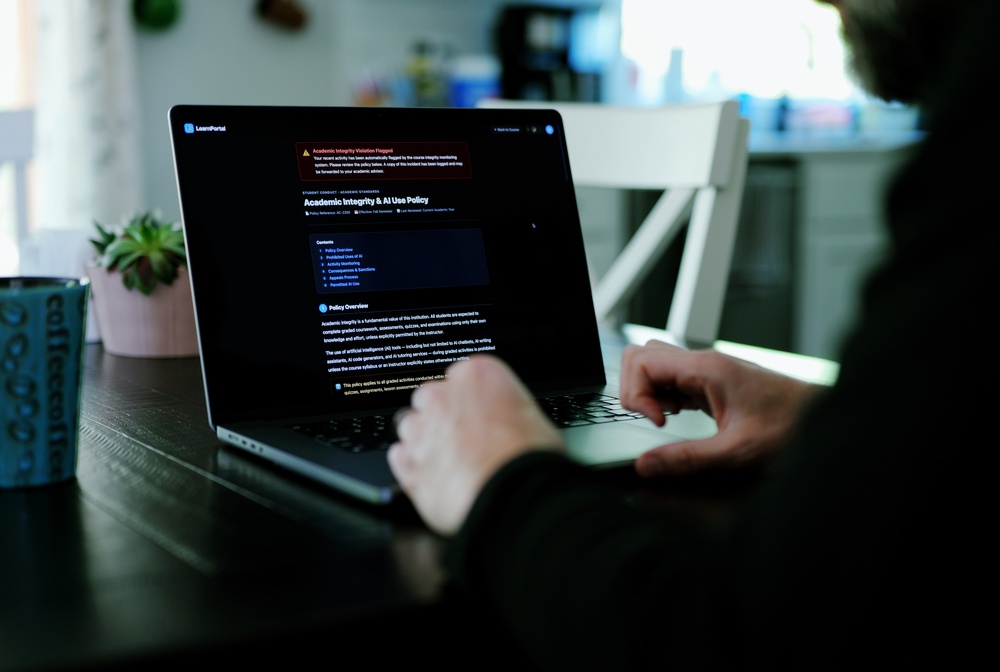
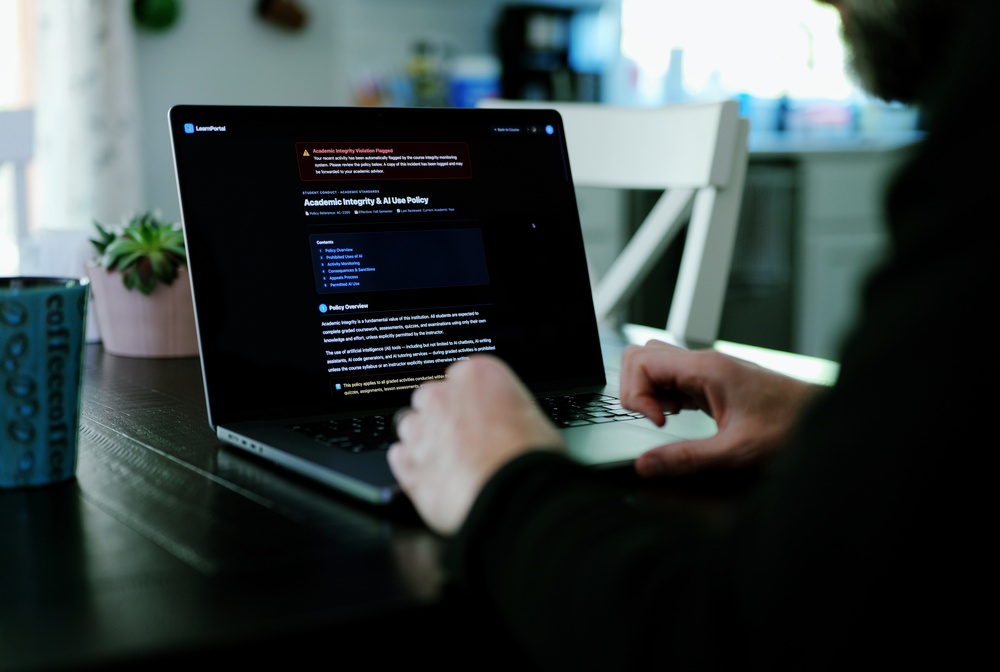
AI at Catholic colleges: Institutions map policies guided by Magnifica Humanitas – #Catholic – Newman Guide institutions are shaping their classroom approach to rapidly evolving artificial intelligence through Pope Leo XIV’s encyclical Magnifica Humanitas, emphasizing human dignity and guarding against the technology’s potential to weaken authentic learning.Five Catholic colleges and universities told EWTN News they are crafting classroom AI policies in light of the pope’s encyclical, as the University of Chicago moves — as first reported by the student newspaper The Chicago Maroon — to make social sciences classes fully analog this fall.Belmont Abbey College“The Chicago response in their core classes resonates strongly with where our thoughts are going, although theyʼre a bit ahead of us in formulating a general policy,” David Williams, dean of arts and sciences and professor of theology at Belmont Abbey College in Belmont, North Carolina, told EWTN News.“Discussions on the pedagogical response to AI have been ongoing for some time now, with new impetus as we absorb Pope Leoʼs encyclical, Magnifica Humanitas,” Williams said. “There’s a significant contingent among the faculty who prefer the all-analog approach, at least in our core curriculum classes, and are teaching accordingly as a matter of individual choice.”According to Williams, a faculty-led committee is expected to deliver a report to the university’s president and provost by the end of the fall 2026 semester.“I wouldnʼt be surprised at all to see a recommendation similar to Chicagoʼs for all our core curriculum courses; the core here is a substantial part of the overall degree program, so that would be more than 40% of a graduateʼs coursework,” he said.Ave Maria UniversityDaniel Davy, dean of faculty and associate professor of history at Ave Maria University in southwest Florida, told EWTN News that Pope Leo’s “concern for preserving genuine human formation, rather than outsourcing it to a machine, is at the heart of AMUʼs approach to teaching and learning” but noted that the university does not have plans to institute a university-wide AI ban.“AMU approaches AI with what Pope Leo XIV calls in the encyclical a spirit of ‘prudence, rigorous evaluation and even, at times, a slower pace’ (par. 106), rather than either uncritical adoption or blanket prohibition,” Davy said in an email.“AMU does not have a university-wide AI ban comparable to the University of Chicagoʼs Social Sciences Core policy; academic policy here is set at the course and department level, since pedagogical needs vary by discipline,” he continued, noting that the university’s academic honor code bans use of generative AI in any part of the writing process and in all freshmen- and sophomore-level courses.“We are far less concerned with whether a student turns in a perfectly polished paper than with how the student grows through the act of trying to communicate an idea,” Davy said. “This is where generative AI poses its deepest danger, because it offloads the process of thinking onto a machine that cannot, in fact, think. Outsourcing that struggle diminishes a studentʼs own capacity to encounter truth more deeply in each discipline, and through that truth, ultimately, Christ, to whom every field of knowledge points.”University of Mary“Here at Mary, one of our charisms is Friendship with Truth,” David Echelbarger, vice president for academic affairs at the University of Mary in Bismarck, North Dakota, told EWTN News in an email. “Because we are made in the image of a Triune God who is himself a communion of Persons,” he said, “we are not made to arrive at the truth alone. We come to it through dialogue and conversation with other people.” “One concern with AI, then, is that it turns learning into an isolated, impersonal endeavor,” he said. “To counter that, many of our professors are incorporating into their courses activities that require hard and rigorous thinking together.”Additionally, he said, all faculty members have been asked to place an AI policy on each of their assignments, clarifying the degree to which the technology is permitted for each individual assignment, “which is meant to help students understand when the use of AI is a hindrance to their intellectual formation and when it is a helpful learning tool.”Benedictine CollegeMariele Courtois, assistant professor of theology and director of the Center for Technology and Human Dignity at Benedictine College in Atchison, Kansas, told EWTN News that the college’s “Academic Misconduct” statement was recently updated “to clearly state that AI cannot be used ‘in place of a student’s own effort,’ in order to respect the learning process and the special connection between students and their academic work, which should reveal the students’ own personalities and convictions.”“While some classes, especially in the STEM fields, may utilize or learn about AI — including its function, risks, dangers, and potential promises — many professors choose to make their classes AI-free both in the lecture hall and for homework, especially in Theology and the humanities,” Courtois said in an email. “Benedictine College respects the prudential judgment of professors to make the pedagogical choices that are best suited to their particular class goals and the aims of their respective disciplines.”Courtois noted the college’s Center for Technology and Human Dignity was recently founded “to help guide discussions about rising biomedical and digital technologies in light of Catholic moral teaching.”In addition, she said, the theme of the college’s annual Symposium on Transforming Culture on Sept. 4–5 will be “The Church in an Algorithmic Age” and “will bring together intellectuals and students from many fields and business sectors to discuss the ethical questions and social implications for transformative technologies such as AI.”University of St. Thomas“With Pope Leo XIV, UST is alive both to the ways in which AI can serve the human and the ways in which the human can be made to serve the work of His hands,” Thomas Harmon, professor of theology and director of the University of St. Thomas’ honors program special projects, told EWTN News in an email.Harmon said the university, located in Houston, does not have a blanket ban on artificial intelligence but noted that many core courses prohibit screens and emphasize developing students’ own skills rather than relying on AI. “We regard AI as an important and potentially very useful technology that needs to be utilized in ways that serve rather than replace human excellence, which requires training, formation, practice, and guidance by faculty mentors who themselves have already cultivated the habits we want our students to develop,” he said.“Since it is so new, the ways in which it can be responsibly integrated into an excellent liberal education are not all clear yet, but we are confident that we will be able to integrate this new technology analogously to the ways in which we have integrated other useful technologies like books, pencils, white boards, and computers,” Harmon said.

Will Catholic colleges follow the University of Chicago as it shifts its social sciences classes to fully analog instruction this fall? At least one says it may.
Read More
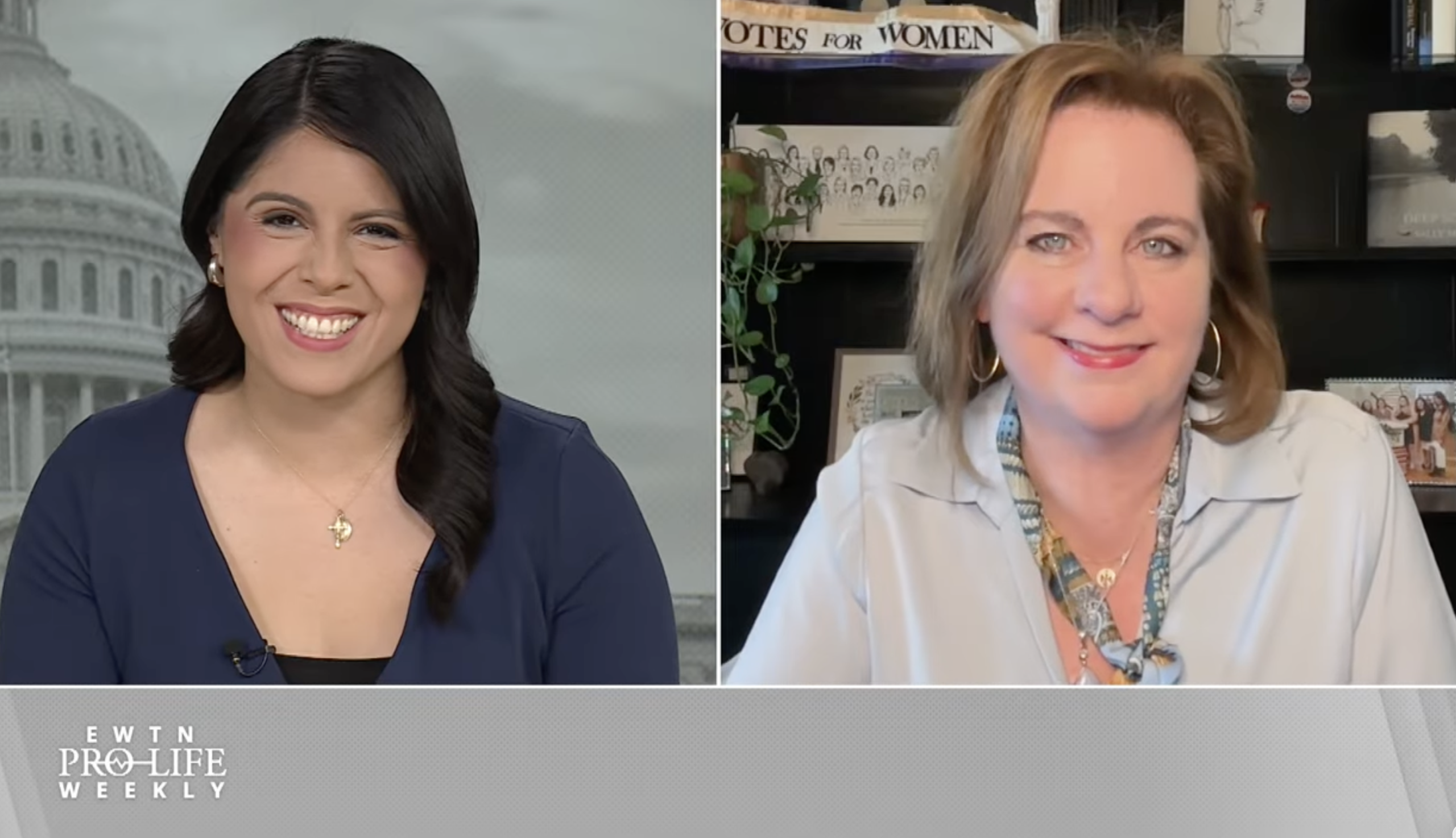
New FDA nominee has a ‘pro-life heart,’ top advocate for life says – #Catholic – Marjorie Dannenfelser, head of a major pro-life advocacy group, said President Donald Trump’s new nominee for U.S. Food and Drug Administration (FDA) commissioner, Dr. Heidi Overton, is “the right person for the job.”“Iʼm very impressed with her credentials and her pro-life heart,” Dannenfelser said in an Aug. 26 interview with “EWTN Pro-Life Weekly” anchor Abigail Galván. “She, behind the scenes, was working very hard to make sure that the FDA was moving in the right direction on a new study to base further action on.”The position became vacant after Dr. Marty Makary was fired and is currently filled by acting commissioner Kyle Diamantas, whom Dannenfelser also described as “a very strong pro-life person.”“We’ve been extremely disappointed from the beginning of the administration with the direction of the FDA and the inaction from the Department of Justice, or the undermining of the pro-life priorities at the Department of Justice,” Dannenfelser said. “What I think is that her naming is an indication of the right direction that … this administration is now taking.”Confirmation hearings will begin as soon as the Senate is back in session. Dannenfelser said she anticipates the hearings “will probably go pretty well.”“Now, it doesnʼt mean that the hard questions shouldnʼt be asked,” she said. “They must be asked, and one of those questions would be the direction of the study: How long it will take? What do you see about preliminary findings come out that the court has ordered to be communicated in early October? And do you support the Department of Justice doing what it can to settle this case and get the drugs immediately out of the mail?”“Because there is a challenge from the state of Louisiana, representing many states, that are saying what we all know: They have basically nullified those state laws,” she continued. “Theyʼve put a burden on states to help women that should never have been in a horrible situation. So while itʼs a question about the Department of Justice, one should not claim that the FDA is the only entity that can do something about fixing this horrific problem that is occurring for children and women in this nation.”Dannenfelser called for a return to the first Trump administration policy on abortion drugs.“Weʼve been battling for quite some time from the beginning of this administration to get these drugs out of the mail, and all weʼre hoping for, and what all any sane voter wants to see, is that on the at least on the Republican side, that we return to the first Trump administration policy on the distribution of these drugs, that only in a Biden administration that put on an emergency cloak around the distribution around the COVID moment,” she said.“Itʼs time to restore the first Trump administration rules — no reason why we shouldnʼt,” she said. “The DOJ can act now and should.”

New FDA nominee has a ‘pro-life heart,’ top advocate for life says – #Catholic – Marjorie Dannenfelser, head of a major pro-life advocacy group, said President Donald Trump’s new nominee for U.S. Food and Drug Administration (FDA) commissioner, Dr. Heidi Overton, is “the right person for the job.”“Iʼm very impressed with her credentials and her pro-life heart,” Dannenfelser said in an Aug. 26 interview with “EWTN Pro-Life Weekly” anchor Abigail Galván. “She, behind the scenes, was working very hard to make sure that the FDA was moving in the right direction on a new study to base further action on.”The position became vacant after Dr. Marty Makary was fired and is currently filled by acting commissioner Kyle Diamantas, whom Dannenfelser also described as “a very strong pro-life person.”“We’ve been extremely disappointed from the beginning of the administration with the direction of the FDA and the inaction from the Department of Justice, or the undermining of the pro-life priorities at the Department of Justice,” Dannenfelser said. “What I think is that her naming is an indication of the right direction that … this administration is now taking.”Confirmation hearings will begin as soon as the Senate is back in session. Dannenfelser said she anticipates the hearings “will probably go pretty well.”“Now, it doesnʼt mean that the hard questions shouldnʼt be asked,” she said. “They must be asked, and one of those questions would be the direction of the study: How long it will take? What do you see about preliminary findings come out that the court has ordered to be communicated in early October? And do you support the Department of Justice doing what it can to settle this case and get the drugs immediately out of the mail?”“Because there is a challenge from the state of Louisiana, representing many states, that are saying what we all know: They have basically nullified those state laws,” she continued. “Theyʼve put a burden on states to help women that should never have been in a horrible situation. So while itʼs a question about the Department of Justice, one should not claim that the FDA is the only entity that can do something about fixing this horrific problem that is occurring for children and women in this nation.”Dannenfelser called for a return to the first Trump administration policy on abortion drugs.“Weʼve been battling for quite some time from the beginning of this administration to get these drugs out of the mail, and all weʼre hoping for, and what all any sane voter wants to see, is that on the at least on the Republican side, that we return to the first Trump administration policy on the distribution of these drugs, that only in a Biden administration that put on an emergency cloak around the distribution around the COVID moment,” she said.“Itʼs time to restore the first Trump administration rules — no reason why we shouldnʼt,” she said. “The DOJ can act now and should.”

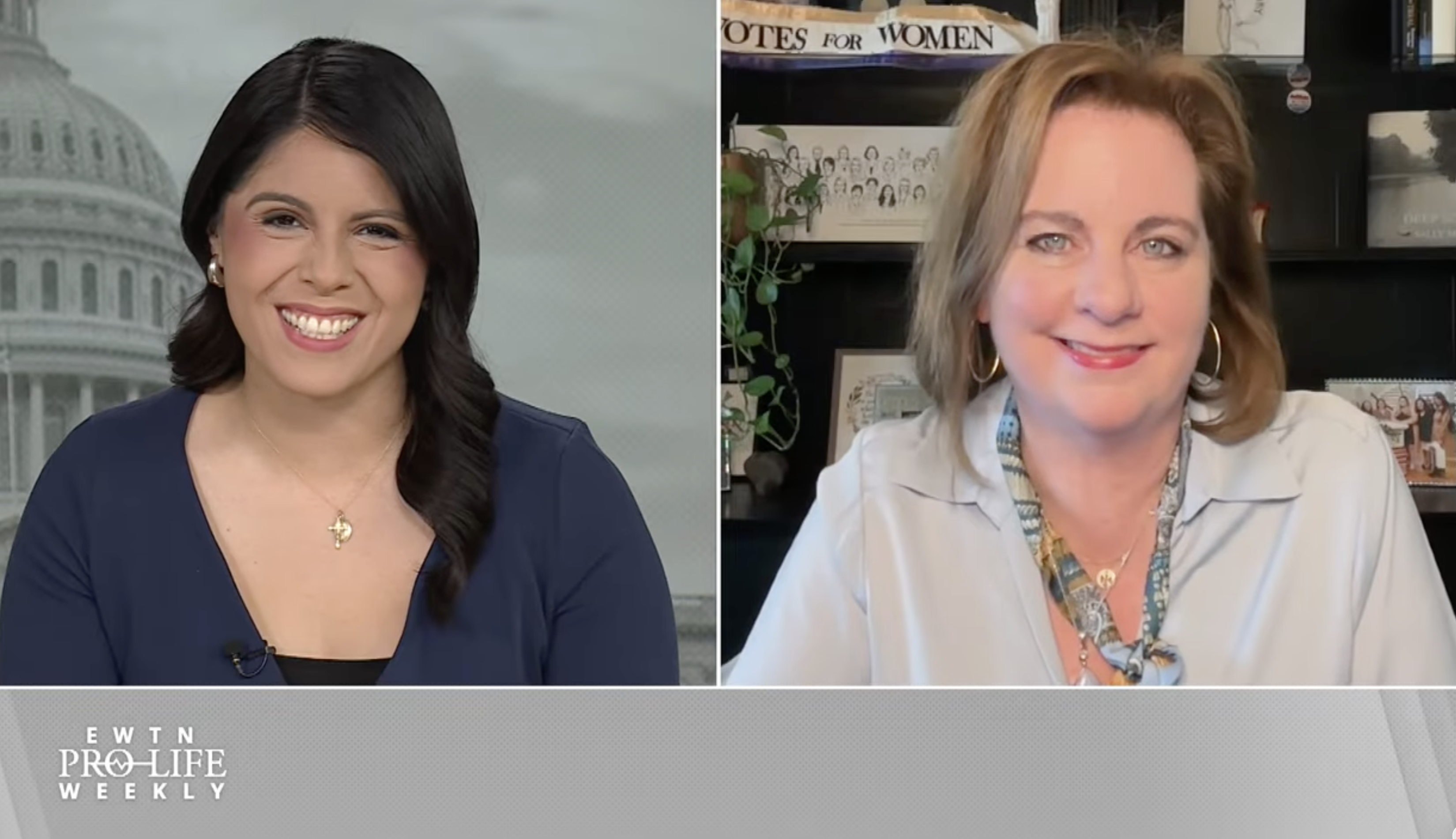
Marjorie Dannenfelser, head of Susan B. Anthony Pro-Life America, explains her support for Dr. Heidi Overton and previews the nominee’s confirmation battle on Capitol Hill.
Read More
Padres afectados por el tiroteo de 2025 en la escuela Annunciation se reúnen para orar y reflexionar antes del nuevo año escolar #Catholic – EDINA, Minnesota — La iglesia católica Nuestra Señora de la Gracia se llenó hasta los topes durante la Misa del 19 de agosto, previa a “Una velada con los padres de la Anunciación: fe, esperanza y resiliencia”, un evento celebrado ocho días antes del primer aniversario del tiroteo mortal ocurrido en la cercana Annunciation Catholic School en Minneapolis.
Tras la Misa vespertina de la parroquia, presidida por el arzobispo Bernard A. Hebda de St. Paul-Minneapolis, la reunión en el salón parroquial contó con una mesa redonda en la que participaron tres padres de alumnos de Annunciation y un recién graduado de esta escuela, que abarca desde preescolar hasta octavo grado.
Relataron sus experiencias y lo que vivieron tras el tiroteo ocurrido en Annunciation Catholic Church (Iglesia Católica de la Anunciación) durante una Misa para toda la escuela el 27 de agosto de 2025, en el que murieron dos alumnos: Harper Moyski, de 10 años, y Fletcher Merkel, de 8.
Los ponentes adultos fueron Laura Eiden, maestra de kindergarten de la escuela, y los padres de familia Tara Keegan y Dan Brady.
Annunciation Light Alliance –un grupo de defensa liderado por padres– ayudó a organizar el evento. El padre Kevin Finnegan, párroco de Nuestra Señora de la Gracia, ayudó a moderar el debate y concelebró la Misa. El padre Dennis Zehren, párroco de Annunciation, fue uno de los concelebrantes.

Para suscribirse a nuestro boletín electrónico semanal, haga click aquí.

En su homilía, el arzobispo Hebda animó a todos a confiar en que Dios “nos trata como ese buen pastor”, un pastor con un gran amor por sus ovejas, “que se asegura de que no nos falte nada en esos verdes pastos a los que nos conduce”.
“Ahora bien, hermanos y hermanas, hay momentos en los que los pastos no parecen tan verdes y, sin duda, para muchas familias de nuestra arquidiócesis ha sido difícil ver el verdor de los pastos desde el pasado 27 de agosto”, afirmó el arzobispo Hebda.
“Y, sin embargo, también vemos bendiciones”, continuó. “Vemos esos indicios de la bondad de Dios, de su generosidad y de su corazón, y confiamos en que seguirá guiándonos hacia una visión más profunda de cómo es generoso con nosotros y de cómo nos ama con corazón de pastor”.
Con el padre Finnegan como moderador, los cuatro ponentes compartieron su experiencia durante ese 27 de agosto. Algunos se encontraban en la iglesia durante el tiroteo, y otros se dirigían hacia allí tras enterarse de la noticia. Todos los ponentes compartieron su profundo dolor.
Brady afirmó que encuentra esperanza en momentos como el evento celebrado en Nuestra Señora de la Gracia, donde “la gente sigue reuniéndose para escuchar estas historias, dar testimonio de ellas y actuar” con “la intención de hacerlo mejor”.
Como profesora, Eiden comentó: “La gente me pregunta constantemente cómo estamos, cómo están los niños, cómo están los profesores”.
“La realidad es que solo puedo responder a esa pregunta por mí misma”, explicó. “Dado que este camino hacia la sanación es increíblemente personal, ninguno tiene la misma experiencia de ese día, el camino (hacia la sanación) tampoco es el mismo. Lo que he podido ver por mí misma es que mi comunidad de Annunciation, mis niños y mis estudiantes me impulsan a seguir adelante. Me necesitan y yo los necesito”.
Afirmo que los alumnos de Annunciation son una fuente de esperanza para ella.
“¿Lo están pasando mal? Sí, la verdad es que sí. Y, sin embargo, se levantan cada día después de haber vivido lo que han vivido”, dijo. “Brillan, y siguen siendo la razón por la que estamos aquí y contamos estas historias”.
Keegan habló de su lucha contra la ira y dijo que “cada vez que siento esa ira, me recuerdo a mí misma que lo que ocurrió no formaba parte del plan de Dios”.
“Él no se quedó de brazos cruzados permitiendo que esto sucediera. Esto ocurrió a causa del mal, y por eso, cuando siento esa ira, cuando cualquiera de nosotros siente ira, depende de nosotros elegir qué vamos a hacer con esa ira”, afirmó.
“El diablo, el mal, las tinieblas no desean otra cosa que no sea que nos enfademos con Dios”, continuó. “No desean otra cosa que no sea que le demos la espalda a Dios y que no volvamos a pisar una iglesia jamás. Depende de nosotros canalizar esa ira para hacer el bien. Tomar lo que el enemigo pretendía para el mal y convertirlo en algo bueno”.
Poco a poco, contó Keegan, empezó a pasar más tiempo en la capilla de adoración eucarística. Rezaba un rosario todos los días y encontraba consuelo en la oración y en la presencia de Dios en la Misa y en la comunidad.
“Es difícil, y cada día es diferente”, dijo Brady. “Creo que hay que ir paso a paso. A veces das pasos atrás. Pero esa es la realidad de lo que estamos intentando hacer aquí”.
“Creo que una parte importante de ello es esta comunidad”, añadió Keegan. “No solo la de la Anunciación, sino más allá. La comunidad ha sido un gran apoyo para nosotros. Honestamente, sin ellos, no sé donde estaríamos. Cada día estoy agradecida por Annunciation”.
El padre Finnegan dijo que estaba agradecido por la valentía y la sinceridad con las que los invitados habían compartido sus sentimientos.
“Es un poderoso recordatorio de que todos llevamos el duelo, el sufrimiento y el dolor de manera diferente”, afirmó el padre Finnegan. “Pero también podemos aprender y crecer a partir de ello”.
Joe Eiden, padre de un alumno de Annunciation, feligrés y esposo de Laura Eiden, habló en nombre de Annunciation Light Alliance (ALA). Afirmó que el grupo sigue recurriendo al personal y a los dirigentes de Annunciation en busca de orientación sobre “cómo encontrar la fuerza para avanzar hacia un futuro más seguro para todos ustedes”.
En los últimos meses, la ALA ha establecido relaciones con legisladores de todo el espectro político, señaló.
“Creemos que proteger a los niños de la violencia armada no es una cuestión política, sino una cuestión de conciencia”, afirmó Joe Eiden. “Seguimos creyendo que compartir nuestras experiencias puede conducir a la acción, y que la acción puede conducir al cambio. No podemos permitirnos creer que estas tragedias son inevitables. No lo son”.
La velada concluyó con el arzobispo Hebda y el padre Finnegan encabezando una procesión desde el Cassidy Hall hasta la iglesia para dedicar un momento a la oración en silencio. Annunciation comienza el nuevo año escolar el 31 de agosto.
Josh McGovern es reportero de The Catholic Spirit, periódico de la Arquidiócesis de St. Paul y Minneapolis. Este artículo fue publicado originalmente en inglés por The Catholic Spirit y se distribuye a través de una colaboración con OSV News.
 

Padres afectados por el tiroteo de 2025 en la escuela Annunciation se reúnen para orar y reflexionar antes del nuevo año escolar #Catholic – EDINA, Minnesota — La iglesia católica Nuestra Señora de la Gracia se llenó hasta los topes durante la Misa del 19 de agosto, previa a “Una velada con los padres de la Anunciación: fe, esperanza y resiliencia”, un evento celebrado ocho días antes del primer aniversario del tiroteo mortal ocurrido en la cercana Annunciation Catholic School en Minneapolis. Tras la Misa vespertina de la parroquia, presidida por el arzobispo Bernard A. Hebda de St. Paul-Minneapolis, la reunión en el salón parroquial contó con una mesa redonda en la que participaron tres padres de alumnos de Annunciation y un recién graduado de esta escuela, que abarca desde preescolar hasta octavo grado. Relataron sus experiencias y lo que vivieron tras el tiroteo ocurrido en Annunciation Catholic Church (Iglesia Católica de la Anunciación) durante una Misa para toda la escuela el 27 de agosto de 2025, en el que murieron dos alumnos: Harper Moyski, de 10 años, y Fletcher Merkel, de 8. Los ponentes adultos fueron Laura Eiden, maestra de kindergarten de la escuela, y los padres de familia Tara Keegan y Dan Brady. Annunciation Light Alliance –un grupo de defensa liderado por padres– ayudó a organizar el evento. El padre Kevin Finnegan, párroco de Nuestra Señora de la Gracia, ayudó a moderar el debate y concelebró la Misa. El padre Dennis Zehren, párroco de Annunciation, fue uno de los concelebrantes. Para suscribirse a nuestro boletín electrónico semanal, haga click aquí. En su homilía, el arzobispo Hebda animó a todos a confiar en que Dios “nos trata como ese buen pastor”, un pastor con un gran amor por sus ovejas, “que se asegura de que no nos falte nada en esos verdes pastos a los que nos conduce”. “Ahora bien, hermanos y hermanas, hay momentos en los que los pastos no parecen tan verdes y, sin duda, para muchas familias de nuestra arquidiócesis ha sido difícil ver el verdor de los pastos desde el pasado 27 de agosto”, afirmó el arzobispo Hebda. “Y, sin embargo, también vemos bendiciones”, continuó. “Vemos esos indicios de la bondad de Dios, de su generosidad y de su corazón, y confiamos en que seguirá guiándonos hacia una visión más profunda de cómo es generoso con nosotros y de cómo nos ama con corazón de pastor”. Con el padre Finnegan como moderador, los cuatro ponentes compartieron su experiencia durante ese 27 de agosto. Algunos se encontraban en la iglesia durante el tiroteo, y otros se dirigían hacia allí tras enterarse de la noticia. Todos los ponentes compartieron su profundo dolor. Brady afirmó que encuentra esperanza en momentos como el evento celebrado en Nuestra Señora de la Gracia, donde “la gente sigue reuniéndose para escuchar estas historias, dar testimonio de ellas y actuar” con “la intención de hacerlo mejor”. Como profesora, Eiden comentó: “La gente me pregunta constantemente cómo estamos, cómo están los niños, cómo están los profesores”. “La realidad es que solo puedo responder a esa pregunta por mí misma”, explicó. “Dado que este camino hacia la sanación es increíblemente personal, ninguno tiene la misma experiencia de ese día, el camino (hacia la sanación) tampoco es el mismo. Lo que he podido ver por mí misma es que mi comunidad de Annunciation, mis niños y mis estudiantes me impulsan a seguir adelante. Me necesitan y yo los necesito”. Afirmo que los alumnos de Annunciation son una fuente de esperanza para ella. “¿Lo están pasando mal? Sí, la verdad es que sí. Y, sin embargo, se levantan cada día después de haber vivido lo que han vivido”, dijo. “Brillan, y siguen siendo la razón por la que estamos aquí y contamos estas historias”. Keegan habló de su lucha contra la ira y dijo que “cada vez que siento esa ira, me recuerdo a mí misma que lo que ocurrió no formaba parte del plan de Dios”. “Él no se quedó de brazos cruzados permitiendo que esto sucediera. Esto ocurrió a causa del mal, y por eso, cuando siento esa ira, cuando cualquiera de nosotros siente ira, depende de nosotros elegir qué vamos a hacer con esa ira”, afirmó. “El diablo, el mal, las tinieblas no desean otra cosa que no sea que nos enfademos con Dios”, continuó. “No desean otra cosa que no sea que le demos la espalda a Dios y que no volvamos a pisar una iglesia jamás. Depende de nosotros canalizar esa ira para hacer el bien. Tomar lo que el enemigo pretendía para el mal y convertirlo en algo bueno”. Poco a poco, contó Keegan, empezó a pasar más tiempo en la capilla de adoración eucarística. Rezaba un rosario todos los días y encontraba consuelo en la oración y en la presencia de Dios en la Misa y en la comunidad. “Es difícil, y cada día es diferente”, dijo Brady. “Creo que hay que ir paso a paso. A veces das pasos atrás. Pero esa es la realidad de lo que estamos intentando hacer aquí”. “Creo que una parte importante de ello es esta comunidad”, añadió Keegan. “No solo la de la Anunciación, sino más allá. La comunidad ha sido un gran apoyo para nosotros. Honestamente, sin ellos, no sé donde estaríamos. Cada día estoy agradecida por Annunciation”. El padre Finnegan dijo que estaba agradecido por la valentía y la sinceridad con las que los invitados habían compartido sus sentimientos. “Es un poderoso recordatorio de que todos llevamos el duelo, el sufrimiento y el dolor de manera diferente”, afirmó el padre Finnegan. “Pero también podemos aprender y crecer a partir de ello”. Joe Eiden, padre de un alumno de Annunciation, feligrés y esposo de Laura Eiden, habló en nombre de Annunciation Light Alliance (ALA). Afirmó que el grupo sigue recurriendo al personal y a los dirigentes de Annunciation en busca de orientación sobre “cómo encontrar la fuerza para avanzar hacia un futuro más seguro para todos ustedes”. En los últimos meses, la ALA ha establecido relaciones con legisladores de todo el espectro político, señaló. “Creemos que proteger a los niños de la violencia armada no es una cuestión política, sino una cuestión de conciencia”, afirmó Joe Eiden. “Seguimos creyendo que compartir nuestras experiencias puede conducir a la acción, y que la acción puede conducir al cambio. No podemos permitirnos creer que estas tragedias son inevitables. No lo son”. La velada concluyó con el arzobispo Hebda y el padre Finnegan encabezando una procesión desde el Cassidy Hall hasta la iglesia para dedicar un momento a la oración en silencio. Annunciation comienza el nuevo año escolar el 31 de agosto. Josh McGovern es reportero de The Catholic Spirit, periódico de la Arquidiócesis de St. Paul y Minneapolis. Este artículo fue publicado originalmente en inglés por The Catholic Spirit y se distribuye a través de una colaboración con OSV News.  

Padres afectados por el tiroteo de 2025 en la escuela Annunciation se reúnen para orar y reflexionar antes del nuevo año escolar #Catholic –

EDINA, Minnesota — La iglesia católica Nuestra Señora de la Gracia se llenó hasta los topes durante la Misa del 19 de agosto, previa a “Una velada con los padres de la Anunciación: fe, esperanza y resiliencia”, un evento celebrado ocho días antes del primer aniversario del tiroteo mortal ocurrido en la cercana Annunciation Catholic School en Minneapolis.

Tras la Misa vespertina de la parroquia, presidida por el arzobispo Bernard A. Hebda de St. Paul-Minneapolis, la reunión en el salón parroquial contó con una mesa redonda en la que participaron tres padres de alumnos de Annunciation y un recién graduado de esta escuela, que abarca desde preescolar hasta octavo grado.

Relataron sus experiencias y lo que vivieron tras el tiroteo ocurrido en Annunciation Catholic Church (Iglesia Católica de la Anunciación) durante una Misa para toda la escuela el 27 de agosto de 2025, en el que murieron dos alumnos: Harper Moyski, de 10 años, y Fletcher Merkel, de 8.

Los ponentes adultos fueron Laura Eiden, maestra de kindergarten de la escuela, y los padres de familia Tara Keegan y Dan Brady.

Annunciation Light Alliance –un grupo de defensa liderado por padres– ayudó a organizar el evento. El padre Kevin Finnegan, párroco de Nuestra Señora de la Gracia, ayudó a moderar el debate y concelebró la Misa. El padre Dennis Zehren, párroco de Annunciation, fue uno de los concelebrantes.


Para suscribirse a nuestro boletín electrónico semanal, haga click aquí.

En su homilía, el arzobispo Hebda animó a todos a confiar en que Dios “nos trata como ese buen pastor”, un pastor con un gran amor por sus ovejas, “que se asegura de que no nos falte nada en esos verdes pastos a los que nos conduce”.

“Ahora bien, hermanos y hermanas, hay momentos en los que los pastos no parecen tan verdes y, sin duda, para muchas familias de nuestra arquidiócesis ha sido difícil ver el verdor de los pastos desde el pasado 27 de agosto”, afirmó el arzobispo Hebda.

“Y, sin embargo, también vemos bendiciones”, continuó. “Vemos esos indicios de la bondad de Dios, de su generosidad y de su corazón, y confiamos en que seguirá guiándonos hacia una visión más profunda de cómo es generoso con nosotros y de cómo nos ama con corazón de pastor”.

Con el padre Finnegan como moderador, los cuatro ponentes compartieron su experiencia durante ese 27 de agosto. Algunos se encontraban en la iglesia durante el tiroteo, y otros se dirigían hacia allí tras enterarse de la noticia. Todos los ponentes compartieron su profundo dolor.

Brady afirmó que encuentra esperanza en momentos como el evento celebrado en Nuestra Señora de la Gracia, donde “la gente sigue reuniéndose para escuchar estas historias, dar testimonio de ellas y actuar” con “la intención de hacerlo mejor”.

Como profesora, Eiden comentó: “La gente me pregunta constantemente cómo estamos, cómo están los niños, cómo están los profesores”.

“La realidad es que solo puedo responder a esa pregunta por mí misma”, explicó. “Dado que este camino hacia la sanación es increíblemente personal, ninguno tiene la misma experiencia de ese día, el camino (hacia la sanación) tampoco es el mismo. Lo que he podido ver por mí misma es que mi comunidad de Annunciation, mis niños y mis estudiantes me impulsan a seguir adelante. Me necesitan y yo los necesito”.

Afirmo que los alumnos de Annunciation son una fuente de esperanza para ella.

“¿Lo están pasando mal? Sí, la verdad es que sí. Y, sin embargo, se levantan cada día después de haber vivido lo que han vivido”, dijo. “Brillan, y siguen siendo la razón por la que estamos aquí y contamos estas historias”.

Keegan habló de su lucha contra la ira y dijo que “cada vez que siento esa ira, me recuerdo a mí misma que lo que ocurrió no formaba parte del plan de Dios”.

“Él no se quedó de brazos cruzados permitiendo que esto sucediera. Esto ocurrió a causa del mal, y por eso, cuando siento esa ira, cuando cualquiera de nosotros siente ira, depende de nosotros elegir qué vamos a hacer con esa ira”, afirmó.

“El diablo, el mal, las tinieblas no desean otra cosa que no sea que nos enfademos con Dios”, continuó. “No desean otra cosa que no sea que le demos la espalda a Dios y que no volvamos a pisar una iglesia jamás. Depende de nosotros canalizar esa ira para hacer el bien. Tomar lo que el enemigo pretendía para el mal y convertirlo en algo bueno”.

Poco a poco, contó Keegan, empezó a pasar más tiempo en la capilla de adoración eucarística. Rezaba un rosario todos los días y encontraba consuelo en la oración y en la presencia de Dios en la Misa y en la comunidad.

“Es difícil, y cada día es diferente”, dijo Brady. “Creo que hay que ir paso a paso. A veces das pasos atrás. Pero esa es la realidad de lo que estamos intentando hacer aquí”.

“Creo que una parte importante de ello es esta comunidad”, añadió Keegan. “No solo la de la Anunciación, sino más allá. La comunidad ha sido un gran apoyo para nosotros. Honestamente, sin ellos, no sé donde estaríamos. Cada día estoy agradecida por Annunciation”.

El padre Finnegan dijo que estaba agradecido por la valentía y la sinceridad con las que los invitados habían compartido sus sentimientos.

“Es un poderoso recordatorio de que todos llevamos el duelo, el sufrimiento y el dolor de manera diferente”, afirmó el padre Finnegan. “Pero también podemos aprender y crecer a partir de ello”.

Joe Eiden, padre de un alumno de Annunciation, feligrés y esposo de Laura Eiden, habló en nombre de Annunciation Light Alliance (ALA). Afirmó que el grupo sigue recurriendo al personal y a los dirigentes de Annunciation en busca de orientación sobre “cómo encontrar la fuerza para avanzar hacia un futuro más seguro para todos ustedes”.

En los últimos meses, la ALA ha establecido relaciones con legisladores de todo el espectro político, señaló.

“Creemos que proteger a los niños de la violencia armada no es una cuestión política, sino una cuestión de conciencia”, afirmó Joe Eiden. “Seguimos creyendo que compartir nuestras experiencias puede conducir a la acción, y que la acción puede conducir al cambio. No podemos permitirnos creer que estas tragedias son inevitables. No lo son”.

La velada concluyó con el arzobispo Hebda y el padre Finnegan encabezando una procesión desde el Cassidy Hall hasta la iglesia para dedicar un momento a la oración en silencio. Annunciation comienza el nuevo año escolar el 31 de agosto.

Josh McGovern es reportero de The Catholic Spirit, periódico de la Arquidiócesis de St. Paul y Minneapolis. Este artículo fue publicado originalmente en inglés por The Catholic Spirit y se distribuye a través de una colaboración con OSV News.


EDINA, Minnesota — La iglesia católica Nuestra Señora de la Gracia se llenó hasta los topes durante la Misa del 19 de agosto, previa a “Una velada con los padres de la Anunciación: fe, esperanza y resiliencia”, un evento celebrado ocho días antes del primer aniversario del tiroteo mortal ocurrido en la cercana Annunciation Catholic School en Minneapolis. Tras la Misa vespertina de la parroquia, presidida por el arzobispo Bernard A. Hebda de St. Paul-Minneapolis, la reunión en el salón parroquial contó con una mesa redonda en la que participaron tres padres de alumnos de Annunciation y un recién graduado
Read More
Para experimentar una verdadera relación con Dios en la liturgia, la participación de los fieles no puede ser pasiva, dice el Papa León #Catholic – CIUDAD DEL VATICANO (CNS) — Situada “en la línea de la tradición viva de la Iglesia”, la reforma litúrgica propuesta por el Concilio Vaticano II surgió de la necesidad de que los fieles celebraran la liturgia de manera más “consciente y activa”, y no “como extraños y mudos espectadores”, dijo el Papa León XIV.
“Los fieles ‘no pueden ni deben permanecer mudos y pasivos. Su presencia material no puede conciliarse con su ausencia espiritual’”, dijo, citando al cardenal Giovanni Battista Montini de Milán, el futuro Papa Pablo VI y santo, quien asistía en ese momento a la primera sesión del concilio en 1962.
Los Padres conciliares expresaron “una renovada conciencia del valor de la liturgia”, dijo el Papa León durante su discurso en la audiencia general en la Basílica de San Pedro el 26 de agosto, que se centró en la constitución sobre la liturgia sagrada, “Sacrosanctum Concilium”, y en las razones por las que el concilio buscó promover la reforma de la liturgia.
Fue la última catequesis del Papa dedicada a la primera constitución del concilio tras haber iniciado el 7 de enero su nueva serie de charlas sobre los documentos del Concilio Vaticano II, con el fin de que las personas se sintieran motivadas a releerlos y reflexionar sobre ellos, en lugar de basar su comprensión de los textos en “rumores” y en las interpretaciones de otros, según había señalado.

Para suscribirse a nuestro boletín electrónico semanal, haga click aquí.

Si bien la reforma litúrgica impulsada por el concilio “se sitúa, por lo tanto, en la línea de la tradición viva de la Iglesia”, explicó el Papa León, la reforma también debe entenderse adecuadamente.
“Su correcta comprensión permite también rechazar los abusos que se han verificado en algunos sectores de la Iglesia en la etapa postconciliar, y que lamentablemente a veces todavía hoy se verifican, absolutizando o comprendiendo mal algunos de los principios que estaban en la base de la misma reforma”, dijo.
Durante la liturgia, “se realiza el memorial de la obra de la salvación”, y las acciones rituales de la Iglesia también brindan la oportunidad “de vivir la verdadera relación con Dios, entrando en contacto con el evento salvífico”, dijo el Papa. “Puesto que los gestos, las palabras de la sagrada liturgia son decisivos para realizar esta experiencia, la participación de los fieles no puede ser pasiva”.
La reforma del concilio puso “en el centro lo que constituye el corazón de la experiencia eclesial”, señaló. Por lo tanto, la intención era “hacer resplandecer la liturgia como ‘la primera fuente de la vida divina que se nos comunica’”.
Debido a la importancia del lenguaje, la enseñanza y la “inteligibilidad”, surgió “la exigencia de hacer más accesible a todos los fieles la riqueza de los textos bíblicos y de las oraciones, y de hacer más lineal el ordenamiento celebrativo respecto al previsto en los libros litúrgicos entonces vigentes”, afirmó.
La liturgia es “una realidad viva”, señaló, y siempre ha estado sujeta a desarrollos y cambios a lo largo de los siglos.
“No sorprende entonces que también el Concilio Vaticano II, con el máximo respeto por el patrimonio de la tradición, y precisamente con el fin de hacerlo más accesible, haya considerado necesaria una revisión de los libros litúrgicos”, dijo el Papa León.
Citando la constitución conciliar, señaló: “Porque la Liturgia consta de una parte que es inmutable por ser la institución divina, y de otras partes sujetas a cambio, que en el decurso del tiempo pueden o incluso deben variar, si en ellas se han introducido elementos que no responden bien a la naturaleza íntima de la misma Liturgia o han llegado a ser menos apropiados”.
Por lo tanto, los textos y los ritos se deben “ordenar de manera que expresen con mayor claridad las cosas santas que significan y, en lo posible, el pueblo cristiano pueda comprenderlas fácilmente y participar en ellas por medio de una celebración plena, activa y comunitaria”, dijo, citando la constitución.
“De esta manera, el pueblo cristiano aprende a reconocer las realidades sagradas, a ofrecerse junto con el sacerdote y a través de sus manos, y a abrirse más a recibir la gracia de Dios”, afirmó en el resumen de su catequesis dirigido a los peregrinos de habla inglesa.
En su catequesis principal en italiano, señaló que sigue siendo responsabilidad primordial de los obispos y sacerdotes “custodiar y promover una liturgia que, en el respeto de las normas litúrgicas, resplandezca por su noble sencillez y manifieste así a la Iglesia una, santa, católica y apostólica”.
Tal como enseña el concilio, “las acciones litúrgicas no son acciones privadas”, sino celebraciones que atañen a todo el cuerpo de la Iglesia, “que es el ‘sacramento de unidad’, es decir, pueblo santo congregado y ordenado bajo la dirección de los obispos”, dijo, citando la constitución.
“En cada celebración de los sacramentos, especialmente de la Eucaristía, pidamos la ayuda de Dios para fortalecernos en nuestro camino y entrar en una relación más profunda con el Señor”, dijo en su resumen en inglés.

Para experimentar una verdadera relación con Dios en la liturgia, la participación de los fieles no puede ser pasiva, dice el Papa León #Catholic – CIUDAD DEL VATICANO (CNS) — Situada “en la línea de la tradición viva de la Iglesia”, la reforma litúrgica propuesta por el Concilio Vaticano II surgió de la necesidad de que los fieles celebraran la liturgia de manera más “consciente y activa”, y no “como extraños y mudos espectadores”, dijo el Papa León XIV. “Los fieles ‘no pueden ni deben permanecer mudos y pasivos. Su presencia material no puede conciliarse con su ausencia espiritual’”, dijo, citando al cardenal Giovanni Battista Montini de Milán, el futuro Papa Pablo VI y santo, quien asistía en ese momento a la primera sesión del concilio en 1962. Los Padres conciliares expresaron “una renovada conciencia del valor de la liturgia”, dijo el Papa León durante su discurso en la audiencia general en la Basílica de San Pedro el 26 de agosto, que se centró en la constitución sobre la liturgia sagrada, “Sacrosanctum Concilium”, y en las razones por las que el concilio buscó promover la reforma de la liturgia. Fue la última catequesis del Papa dedicada a la primera constitución del concilio tras haber iniciado el 7 de enero su nueva serie de charlas sobre los documentos del Concilio Vaticano II, con el fin de que las personas se sintieran motivadas a releerlos y reflexionar sobre ellos, en lugar de basar su comprensión de los textos en “rumores” y en las interpretaciones de otros, según había señalado. Para suscribirse a nuestro boletín electrónico semanal, haga click aquí. Si bien la reforma litúrgica impulsada por el concilio “se sitúa, por lo tanto, en la línea de la tradición viva de la Iglesia”, explicó el Papa León, la reforma también debe entenderse adecuadamente. “Su correcta comprensión permite también rechazar los abusos que se han verificado en algunos sectores de la Iglesia en la etapa postconciliar, y que lamentablemente a veces todavía hoy se verifican, absolutizando o comprendiendo mal algunos de los principios que estaban en la base de la misma reforma”, dijo. Durante la liturgia, “se realiza el memorial de la obra de la salvación”, y las acciones rituales de la Iglesia también brindan la oportunidad “de vivir la verdadera relación con Dios, entrando en contacto con el evento salvífico”, dijo el Papa. “Puesto que los gestos, las palabras de la sagrada liturgia son decisivos para realizar esta experiencia, la participación de los fieles no puede ser pasiva”. La reforma del concilio puso “en el centro lo que constituye el corazón de la experiencia eclesial”, señaló. Por lo tanto, la intención era “hacer resplandecer la liturgia como ‘la primera fuente de la vida divina que se nos comunica’”. Debido a la importancia del lenguaje, la enseñanza y la “inteligibilidad”, surgió “la exigencia de hacer más accesible a todos los fieles la riqueza de los textos bíblicos y de las oraciones, y de hacer más lineal el ordenamiento celebrativo respecto al previsto en los libros litúrgicos entonces vigentes”, afirmó. La liturgia es “una realidad viva”, señaló, y siempre ha estado sujeta a desarrollos y cambios a lo largo de los siglos. “No sorprende entonces que también el Concilio Vaticano II, con el máximo respeto por el patrimonio de la tradición, y precisamente con el fin de hacerlo más accesible, haya considerado necesaria una revisión de los libros litúrgicos”, dijo el Papa León. Citando la constitución conciliar, señaló: “Porque la Liturgia consta de una parte que es inmutable por ser la institución divina, y de otras partes sujetas a cambio, que en el decurso del tiempo pueden o incluso deben variar, si en ellas se han introducido elementos que no responden bien a la naturaleza íntima de la misma Liturgia o han llegado a ser menos apropiados”. Por lo tanto, los textos y los ritos se deben “ordenar de manera que expresen con mayor claridad las cosas santas que significan y, en lo posible, el pueblo cristiano pueda comprenderlas fácilmente y participar en ellas por medio de una celebración plena, activa y comunitaria”, dijo, citando la constitución. “De esta manera, el pueblo cristiano aprende a reconocer las realidades sagradas, a ofrecerse junto con el sacerdote y a través de sus manos, y a abrirse más a recibir la gracia de Dios”, afirmó en el resumen de su catequesis dirigido a los peregrinos de habla inglesa. En su catequesis principal en italiano, señaló que sigue siendo responsabilidad primordial de los obispos y sacerdotes “custodiar y promover una liturgia que, en el respeto de las normas litúrgicas, resplandezca por su noble sencillez y manifieste así a la Iglesia una, santa, católica y apostólica”. Tal como enseña el concilio, “las acciones litúrgicas no son acciones privadas”, sino celebraciones que atañen a todo el cuerpo de la Iglesia, “que es el ‘sacramento de unidad’, es decir, pueblo santo congregado y ordenado bajo la dirección de los obispos”, dijo, citando la constitución. “En cada celebración de los sacramentos, especialmente de la Eucaristía, pidamos la ayuda de Dios para fortalecernos en nuestro camino y entrar en una relación más profunda con el Señor”, dijo en su resumen en inglés.

Para experimentar una verdadera relación con Dios en la liturgia, la participación de los fieles no puede ser pasiva, dice el Papa León #Catholic –

CIUDAD DEL VATICANO (CNS) — Situada “en la línea de la tradición viva de la Iglesia”, la reforma litúrgica propuesta por el Concilio Vaticano II surgió de la necesidad de que los fieles celebraran la liturgia de manera más “consciente y activa”, y no “como extraños y mudos espectadores”, dijo el Papa León XIV.

“Los fieles ‘no pueden ni deben permanecer mudos y pasivos. Su presencia material no puede conciliarse con su ausencia espiritual’”, dijo, citando al cardenal Giovanni Battista Montini de Milán, el futuro Papa Pablo VI y santo, quien asistía en ese momento a la primera sesión del concilio en 1962.

Los Padres conciliares expresaron “una renovada conciencia del valor de la liturgia”, dijo el Papa León durante su discurso en la audiencia general en la Basílica de San Pedro el 26 de agosto, que se centró en la constitución sobre la liturgia sagrada, “Sacrosanctum Concilium”, y en las razones por las que el concilio buscó promover la reforma de la liturgia.

Fue la última catequesis del Papa dedicada a la primera constitución del concilio tras haber iniciado el 7 de enero su nueva serie de charlas sobre los documentos del Concilio Vaticano II, con el fin de que las personas se sintieran motivadas a releerlos y reflexionar sobre ellos, en lugar de basar su comprensión de los textos en “rumores” y en las interpretaciones de otros, según había señalado.


Para suscribirse a nuestro boletín electrónico semanal, haga click aquí.

Si bien la reforma litúrgica impulsada por el concilio “se sitúa, por lo tanto, en la línea de la tradición viva de la Iglesia”, explicó el Papa León, la reforma también debe entenderse adecuadamente.

“Su correcta comprensión permite también rechazar los abusos que se han verificado en algunos sectores de la Iglesia en la etapa postconciliar, y que lamentablemente a veces todavía hoy se verifican, absolutizando o comprendiendo mal algunos de los principios que estaban en la base de la misma reforma”, dijo.

Durante la liturgia, “se realiza el memorial de la obra de la salvación”, y las acciones rituales de la Iglesia también brindan la oportunidad “de vivir la verdadera relación con Dios, entrando en contacto con el evento salvífico”, dijo el Papa. “Puesto que los gestos, las palabras de la sagrada liturgia son decisivos para realizar esta experiencia, la participación de los fieles no puede ser pasiva”.

La reforma del concilio puso “en el centro lo que constituye el corazón de la experiencia eclesial”, señaló. Por lo tanto, la intención era “hacer resplandecer la liturgia como ‘la primera fuente de la vida divina que se nos comunica’”.

Debido a la importancia del lenguaje, la enseñanza y la “inteligibilidad”, surgió “la exigencia de hacer más accesible a todos los fieles la riqueza de los textos bíblicos y de las oraciones, y de hacer más lineal el ordenamiento celebrativo respecto al previsto en los libros litúrgicos entonces vigentes”, afirmó.

La liturgia es “una realidad viva”, señaló, y siempre ha estado sujeta a desarrollos y cambios a lo largo de los siglos.

“No sorprende entonces que también el Concilio Vaticano II, con el máximo respeto por el patrimonio de la tradición, y precisamente con el fin de hacerlo más accesible, haya considerado necesaria una revisión de los libros litúrgicos”, dijo el Papa León.

Citando la constitución conciliar, señaló: “Porque la Liturgia consta de una parte que es inmutable por ser la institución divina, y de otras partes sujetas a cambio, que en el decurso del tiempo pueden o incluso deben variar, si en ellas se han introducido elementos que no responden bien a la naturaleza íntima de la misma Liturgia o han llegado a ser menos apropiados”.

Por lo tanto, los textos y los ritos se deben “ordenar de manera que expresen con mayor claridad las cosas santas que significan y, en lo posible, el pueblo cristiano pueda comprenderlas fácilmente y participar en ellas por medio de una celebración plena, activa y comunitaria”, dijo, citando la constitución.

“De esta manera, el pueblo cristiano aprende a reconocer las realidades sagradas, a ofrecerse junto con el sacerdote y a través de sus manos, y a abrirse más a recibir la gracia de Dios”, afirmó en el resumen de su catequesis dirigido a los peregrinos de habla inglesa.

En su catequesis principal en italiano, señaló que sigue siendo responsabilidad primordial de los obispos y sacerdotes “custodiar y promover una liturgia que, en el respeto de las normas litúrgicas, resplandezca por su noble sencillez y manifieste así a la Iglesia una, santa, católica y apostólica”.

Tal como enseña el concilio, “las acciones litúrgicas no son acciones privadas”, sino celebraciones que atañen a todo el cuerpo de la Iglesia, “que es el ‘sacramento de unidad’, es decir, pueblo santo congregado y ordenado bajo la dirección de los obispos”, dijo, citando la constitución.

“En cada celebración de los sacramentos, especialmente de la Eucaristía, pidamos la ayuda de Dios para fortalecernos en nuestro camino y entrar en una relación más profunda con el Señor”, dijo en su resumen en inglés.

CIUDAD DEL VATICANO (CNS) — Situada “en la línea de la tradición viva de la Iglesia”, la reforma litúrgica propuesta por el Concilio Vaticano II surgió de la necesidad de que los fieles celebraran la liturgia de manera más “consciente y activa”, y no “como extraños y mudos espectadores”, dijo el Papa León XIV. “Los fieles ‘no pueden ni deben permanecer mudos y pasivos. Su presencia material no puede conciliarse con su ausencia espiritual’”, dijo, citando al cardenal Giovanni Battista Montini de Milán, el futuro Papa Pablo VI y santo, quien asistía en ese momento a la primera sesión del
Read More
Faithful across Honolulu Diocese rally after devastating hurricane #Catholic – NAALEHU, Hawaii (OSV News) — As Hurricane Lala barreled across the Hawaiian Islands Aug. 15-16, several Catholic organizations kept close watch over one of the hardest-hit areas — Hawaii Island’s Kau district, home to Sacred Heart Church in Naalehu and Holy Rosary Church in Pahala.
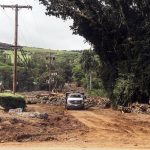
Father William “Pila” Tulua — pastor of the two parishes, the southernmost on Hawaii island, also called the Big Island — stayed in touch with members of the Knights of Columbus, EPIC Ministry and the Military and Hospitaller Order of St. Lazarus of Jerusalem.
Father Tulua, who is also the senior chaplain for the Order of St. Lazarus, sent photos and provided an account of the devastation in the Kau district as it unfolded — until he ran out of power.
“During the hurricane, we were on the phone with him (Father Tulua) and texting with him and seeing his pictures and the last thing we heard from him was, ‘It’s getting bad.’ Then he dropped off, which was very scary,” said Steve Brock, leader of the order’s Hawaii cadre and chief marshal in the order’s national office, known as the Grand Priory of America.

Click here to subscribe to our weekly newsletter.

Through photos and other accounts, the groups learned that Sacred Heart’s parish office flooded, as did the local cemetery in Naalehu, resulting in unearthed coffins.
“There are walls missing (in residents’ homes). There are houses that were moved and smashed into the neighbor’s house,” Father Tulua told the Hawaii Catholic Herald, news outlet of the Honolulu Diocese. “At the hotel, the rooms were destroyed. … The new cultural center for Naalehu, that was destroyed. They just built it.”
Roads and bridges were washed away, with Highway 11 severely damaged; immediately after the storm rolled through, the area was completely inaccessible.
Homes flooded, families were displaced, and residents faced shortages of potable water and electricity. They could not bathe or use their toilets, despite the heat and high humidity.
Downed trees blocked the 12-mile road between the two parishes, creating a physical barrier for the peripatetic priest. Father Tulua had to rely on assistance from Michelle Andrade, Holy Rosary’s parish secretary, to organize the effort and maintain the Pahala church.
EPIC Ministry member Tyler Johansen and his family, residents of Naalehu, began to rescue residents immediately. They used their farm tractors and bulldozers to begin the cleanup effort.
“The driveways were full of (about eight inches of) mud,” Father Tulua said. “The Johansens brought their skid loader, and they cleaned out the driveway. Otherwise, I would have been stuck.”
As soon as the Johansens freed Father Tulua’s car, the priest began assisting parishioners with rides.
“We are incredibly grateful to Tyler, his family and all those in Kau who did not wait for outside help but immediately began taking care of their neighbors,” said Dallas Carter, president of EPIC Ministry, in an email to the lay organization’s members.
After passing Hawaii island, Lala was downgraded to a tropical storm as it moved beneath the island chain, according to AccuWeather.
Heavy winds and rain pummeled Maui, Oahu and Kauai through early Aug. 17.
During the storm, more than 25% of utility customers lost power statewide, with 65% losing power on Hawaii Island alone. Many people were left without power and internet access for most of the weekend; days after Lala’s worst impact, tens of thousands were still without power.
On Aug. 26, President Donald Trump signed a disaster declaration for Hawaii County — which covers Hawaii Island — making it eligible for federal assistance for storm recovery.
While Hawaii Island bore the brunt of Lala’s fury Aug. 15, on Oahu, members of the three groups pooled their resources. They managed to raise ,000 within 48 hours.
“They’re going to see about getting these things done,” Father Tulua told the Hawaii Catholic Herald of his friends on Oahu.
For Anthony Selvanathan, a member of the Order of St. Lazarus, the disaster in the Kau district was deeply personal.
“Father William isn’t simply a priest serving an affected area. He is a friend and someone whose ministry I have supported and worked alongside,” Selvanathan said. “Through the Order of St. Lazarus and our shared life in the Church in Hawaii, I have come to know his deep commitment to the people he serves in Kau. His parishioners aren’t statistics on a damage report to him — they are people he knows, loves and serves.”
This is not the first time that members of these three fraternal and lay organizations came together to provide assistance during a disaster.
The groups coordinated to gather much-needed immediate resources for survivors of the deadly Maui wildfires in 2023. They also provided help and resources in Waialua this past spring after back-to-back Kona low storms devastated the rural Oahu town — bringing generators, water, propane and satellite networks while providing physical cleanup and other assistance wherever they could.
To assist during Hurricane Lala, Brock from the Order of St. Lazarus and John Fielding, Grand Knight of the Knights of Columbus Council 5000, flew to Hawaii island Aug. 18 to gather up and transport five containers of supplies that included potable water, gas, propane and propane burners for cooking, flashlights, generators and Starlink internet connectivity.
Brock drove to Holy Rosary Church in Pahala to drop off the supplies and set up the Starlink internet connection. He also brought a satellite phone for Father Tulua to use as emergency communication.
“We want to make sure that he always has a lifeline out,” Brock said in a phone interview with the Herald before his flight.
Brock also conducted a needs assessment to see how the groups could continue service until power is restored to the area and the community recovers.
“We, as a people of God, will show the witness to the people in this community,” Father Tulua said. “We have been blessed. We’re still hurting, but it’s going to be OK. I think this is going to be a long journey in repair and healing.”
While Hawaii Island saw the majority of Lala’s force, other islands also were significantly affected. In addition to widespread power outages, the relentless wind and rain wreaked havoc on communities on Maui, Oahu and Kauai.
At St. Joseph Parish in Makawao, Maui, a tree fell through the roof of the two-story convent there, according to a Hawaii News Now report.
Mass attendance was sparse across the diocese as wind, rain and loss of power kept parishioners away. (As Lala bore down on Hawaii, Honolulu Bishop Michael T.T. Castori granted a dispensation Aug. 13 for parishioners who would not be able to attend Mass due to the storm.)
At Sacred Heart Church in Honolulu, Father Ese’ese “Ace” Tui said that the early morning Mass on Aug. 16 was canceled due to heavy rain.
Father Tui, who is pastor of Sacred Heart, said conditions then improved, allowing the subsequent Sunday Masses to be celebrated.
“One surprising thing during the storm was the power situation,” he added. “With all the outages in our area, the only building on our campus that did not lose power was the church. The hall attached to the church lost power, as did the rectory and the school buildings, but the church itself had power throughout the entire storm.
“One parishioner asked me, ‘Father, why does the church still have power? Do we have a generator?’ I jokingly responded, ‘Yes,’ and pointed to the tabernacle. Apparently, we have a different kind of backup power!” Father Tui said.
EPIC Ministry’s Carter, who works at St. Louis School in Kaimuki, said one storm event that hit particularly close to home for him was when a large portion of a student’s family’s roof in Kalihi Valley was torn off by the wind.
“Seeing a disaster on the news is one thing; knowing personally one of the children who went through it is another,” Carter said in an email to the Herald.
EPIC Ministry assisted the family, as well as that of another student whose home sustained damage, with a monetary donation for food and necessities.
“There are undoubtedly many more families across Oahu with similar stories that we simply have not heard yet,” Carter said.
EPIC Ministry has started a donation site for relief efforts at relief.raiselysite.com.
Lisa Dahm is a reporter at the Hawaii Catholic Herald, news outlet of the Diocese of Honolulu. This story was originally published by the Hawaii Catholic Herald and distributed through a partnership with OSV News.

Faithful across Honolulu Diocese rally after devastating hurricane #Catholic – NAALEHU, Hawaii (OSV News) — As Hurricane Lala barreled across the Hawaiian Islands Aug. 15-16, several Catholic organizations kept close watch over one of the hardest-hit areas — Hawaii Island’s Kau district, home to Sacred Heart Church in Naalehu and Holy Rosary Church in Pahala. Father William “Pila” Tulua — pastor of the two parishes, the southernmost on Hawaii island, also called the Big Island — stayed in touch with members of the Knights of Columbus, EPIC Ministry and the Military and Hospitaller Order of St. Lazarus of Jerusalem. Father Tulua, who is also the senior chaplain for the Order of St. Lazarus, sent photos and provided an account of the devastation in the Kau district as it unfolded — until he ran out of power. “During the hurricane, we were on the phone with him (Father Tulua) and texting with him and seeing his pictures and the last thing we heard from him was, ‘It’s getting bad.’ Then he dropped off, which was very scary,” said Steve Brock, leader of the order’s Hawaii cadre and chief marshal in the order’s national office, known as the Grand Priory of America. Click here to subscribe to our weekly newsletter. Through photos and other accounts, the groups learned that Sacred Heart’s parish office flooded, as did the local cemetery in Naalehu, resulting in unearthed coffins. “There are walls missing (in residents’ homes). There are houses that were moved and smashed into the neighbor’s house,” Father Tulua told the Hawaii Catholic Herald, news outlet of the Honolulu Diocese. “At the hotel, the rooms were destroyed. … The new cultural center for Naalehu, that was destroyed. They just built it.” Roads and bridges were washed away, with Highway 11 severely damaged; immediately after the storm rolled through, the area was completely inaccessible. Homes flooded, families were displaced, and residents faced shortages of potable water and electricity. They could not bathe or use their toilets, despite the heat and high humidity. Downed trees blocked the 12-mile road between the two parishes, creating a physical barrier for the peripatetic priest. Father Tulua had to rely on assistance from Michelle Andrade, Holy Rosary’s parish secretary, to organize the effort and maintain the Pahala church. EPIC Ministry member Tyler Johansen and his family, residents of Naalehu, began to rescue residents immediately. They used their farm tractors and bulldozers to begin the cleanup effort. “The driveways were full of (about eight inches of) mud,” Father Tulua said. “The Johansens brought their skid loader, and they cleaned out the driveway. Otherwise, I would have been stuck.” As soon as the Johansens freed Father Tulua’s car, the priest began assisting parishioners with rides. “We are incredibly grateful to Tyler, his family and all those in Kau who did not wait for outside help but immediately began taking care of their neighbors,” said Dallas Carter, president of EPIC Ministry, in an email to the lay organization’s members. After passing Hawaii island, Lala was downgraded to a tropical storm as it moved beneath the island chain, according to AccuWeather. Heavy winds and rain pummeled Maui, Oahu and Kauai through early Aug. 17. During the storm, more than 25% of utility customers lost power statewide, with 65% losing power on Hawaii Island alone. Many people were left without power and internet access for most of the weekend; days after Lala’s worst impact, tens of thousands were still without power. On Aug. 26, President Donald Trump signed a disaster declaration for Hawaii County — which covers Hawaii Island — making it eligible for federal assistance for storm recovery. While Hawaii Island bore the brunt of Lala’s fury Aug. 15, on Oahu, members of the three groups pooled their resources. They managed to raise $17,000 within 48 hours. “They’re going to see about getting these things done,” Father Tulua told the Hawaii Catholic Herald of his friends on Oahu. For Anthony Selvanathan, a member of the Order of St. Lazarus, the disaster in the Kau district was deeply personal. “Father William isn’t simply a priest serving an affected area. He is a friend and someone whose ministry I have supported and worked alongside,” Selvanathan said. “Through the Order of St. Lazarus and our shared life in the Church in Hawaii, I have come to know his deep commitment to the people he serves in Kau. His parishioners aren’t statistics on a damage report to him — they are people he knows, loves and serves.” This is not the first time that members of these three fraternal and lay organizations came together to provide assistance during a disaster. The groups coordinated to gather much-needed immediate resources for survivors of the deadly Maui wildfires in 2023. They also provided help and resources in Waialua this past spring after back-to-back Kona low storms devastated the rural Oahu town — bringing generators, water, propane and satellite networks while providing physical cleanup and other assistance wherever they could. To assist during Hurricane Lala, Brock from the Order of St. Lazarus and John Fielding, Grand Knight of the Knights of Columbus Council 5000, flew to Hawaii island Aug. 18 to gather up and transport five containers of supplies that included potable water, gas, propane and propane burners for cooking, flashlights, generators and Starlink internet connectivity. Brock drove to Holy Rosary Church in Pahala to drop off the supplies and set up the Starlink internet connection. He also brought a satellite phone for Father Tulua to use as emergency communication. “We want to make sure that he always has a lifeline out,” Brock said in a phone interview with the Herald before his flight. Brock also conducted a needs assessment to see how the groups could continue service until power is restored to the area and the community recovers. “We, as a people of God, will show the witness to the people in this community,” Father Tulua said. “We have been blessed. We’re still hurting, but it’s going to be OK. I think this is going to be a long journey in repair and healing.” While Hawaii Island saw the majority of Lala’s force, other islands also were significantly affected. In addition to widespread power outages, the relentless wind and rain wreaked havoc on communities on Maui, Oahu and Kauai. At St. Joseph Parish in Makawao, Maui, a tree fell through the roof of the two-story convent there, according to a Hawaii News Now report. Mass attendance was sparse across the diocese as wind, rain and loss of power kept parishioners away. (As Lala bore down on Hawaii, Honolulu Bishop Michael T.T. Castori granted a dispensation Aug. 13 for parishioners who would not be able to attend Mass due to the storm.) At Sacred Heart Church in Honolulu, Father Ese’ese “Ace” Tui said that the early morning Mass on Aug. 16 was canceled due to heavy rain. Father Tui, who is pastor of Sacred Heart, said conditions then improved, allowing the subsequent Sunday Masses to be celebrated. “One surprising thing during the storm was the power situation,” he added. “With all the outages in our area, the only building on our campus that did not lose power was the church. The hall attached to the church lost power, as did the rectory and the school buildings, but the church itself had power throughout the entire storm. “One parishioner asked me, ‘Father, why does the church still have power? Do we have a generator?’ I jokingly responded, ‘Yes,’ and pointed to the tabernacle. Apparently, we have a different kind of backup power!” Father Tui said. EPIC Ministry’s Carter, who works at St. Louis School in Kaimuki, said one storm event that hit particularly close to home for him was when a large portion of a student’s family’s roof in Kalihi Valley was torn off by the wind. “Seeing a disaster on the news is one thing; knowing personally one of the children who went through it is another,” Carter said in an email to the Herald. EPIC Ministry assisted the family, as well as that of another student whose home sustained damage, with a monetary donation for food and necessities. “There are undoubtedly many more families across Oahu with similar stories that we simply have not heard yet,” Carter said. EPIC Ministry has started a donation site for relief efforts at relief.raiselysite.com. Lisa Dahm is a reporter at the Hawaii Catholic Herald, news outlet of the Diocese of Honolulu. This story was originally published by the Hawaii Catholic Herald and distributed through a partnership with OSV News.

Faithful across Honolulu Diocese rally after devastating hurricane #Catholic –

NAALEHU, Hawaii (OSV News) — As Hurricane Lala barreled across the Hawaiian Islands Aug. 15-16, several Catholic organizations kept close watch over one of the hardest-hit areas — Hawaii Island’s Kau district, home to Sacred Heart Church in Naalehu and Holy Rosary Church in Pahala.

Father William “Pila” Tulua — pastor of the two parishes, the southernmost on Hawaii island, also called the Big Island — stayed in touch with members of the Knights of Columbus, EPIC Ministry and the Military and Hospitaller Order of St. Lazarus of Jerusalem.

Father Tulua, who is also the senior chaplain for the Order of St. Lazarus, sent photos and provided an account of the devastation in the Kau district as it unfolded — until he ran out of power.

“During the hurricane, we were on the phone with him (Father Tulua) and texting with him and seeing his pictures and the last thing we heard from him was, ‘It’s getting bad.’ Then he dropped off, which was very scary,” said Steve Brock, leader of the order’s Hawaii cadre and chief marshal in the order’s national office, known as the Grand Priory of America.


Click here to subscribe to our weekly newsletter.

Through photos and other accounts, the groups learned that Sacred Heart’s parish office flooded, as did the local cemetery in Naalehu, resulting in unearthed coffins.

“There are walls missing (in residents’ homes). There are houses that were moved and smashed into the neighbor’s house,” Father Tulua told the Hawaii Catholic Herald, news outlet of the Honolulu Diocese. “At the hotel, the rooms were destroyed. … The new cultural center for Naalehu, that was destroyed. They just built it.”

Roads and bridges were washed away, with Highway 11 severely damaged; immediately after the storm rolled through, the area was completely inaccessible.

Homes flooded, families were displaced, and residents faced shortages of potable water and electricity. They could not bathe or use their toilets, despite the heat and high humidity.

Downed trees blocked the 12-mile road between the two parishes, creating a physical barrier for the peripatetic priest. Father Tulua had to rely on assistance from Michelle Andrade, Holy Rosary’s parish secretary, to organize the effort and maintain the Pahala church.

EPIC Ministry member Tyler Johansen and his family, residents of Naalehu, began to rescue residents immediately. They used their farm tractors and bulldozers to begin the cleanup effort.

“The driveways were full of (about eight inches of) mud,” Father Tulua said. “The Johansens brought their skid loader, and they cleaned out the driveway. Otherwise, I would have been stuck.”

As soon as the Johansens freed Father Tulua’s car, the priest began assisting parishioners with rides.

“We are incredibly grateful to Tyler, his family and all those in Kau who did not wait for outside help but immediately began taking care of their neighbors,” said Dallas Carter, president of EPIC Ministry, in an email to the lay organization’s members.

After passing Hawaii island, Lala was downgraded to a tropical storm as it moved beneath the island chain, according to AccuWeather.

Heavy winds and rain pummeled Maui, Oahu and Kauai through early Aug. 17.

During the storm, more than 25% of utility customers lost power statewide, with 65% losing power on Hawaii Island alone. Many people were left without power and internet access for most of the weekend; days after Lala’s worst impact, tens of thousands were still without power.

On Aug. 26, President Donald Trump signed a disaster declaration for Hawaii County — which covers Hawaii Island — making it eligible for federal assistance for storm recovery.

While Hawaii Island bore the brunt of Lala’s fury Aug. 15, on Oahu, members of the three groups pooled their resources. They managed to raise $17,000 within 48 hours.

“They’re going to see about getting these things done,” Father Tulua told the Hawaii Catholic Herald of his friends on Oahu.

For Anthony Selvanathan, a member of the Order of St. Lazarus, the disaster in the Kau district was deeply personal.

“Father William isn’t simply a priest serving an affected area. He is a friend and someone whose ministry I have supported and worked alongside,” Selvanathan said. “Through the Order of St. Lazarus and our shared life in the Church in Hawaii, I have come to know his deep commitment to the people he serves in Kau. His parishioners aren’t statistics on a damage report to him — they are people he knows, loves and serves.”

This is not the first time that members of these three fraternal and lay organizations came together to provide assistance during a disaster.

The groups coordinated to gather much-needed immediate resources for survivors of the deadly Maui wildfires in 2023. They also provided help and resources in Waialua this past spring after back-to-back Kona low storms devastated the rural Oahu town — bringing generators, water, propane and satellite networks while providing physical cleanup and other assistance wherever they could.

To assist during Hurricane Lala, Brock from the Order of St. Lazarus and John Fielding, Grand Knight of the Knights of Columbus Council 5000, flew to Hawaii island Aug. 18 to gather up and transport five containers of supplies that included potable water, gas, propane and propane burners for cooking, flashlights, generators and Starlink internet connectivity.

Brock drove to Holy Rosary Church in Pahala to drop off the supplies and set up the Starlink internet connection. He also brought a satellite phone for Father Tulua to use as emergency communication.

“We want to make sure that he always has a lifeline out,” Brock said in a phone interview with the Herald before his flight.

Brock also conducted a needs assessment to see how the groups could continue service until power is restored to the area and the community recovers.

“We, as a people of God, will show the witness to the people in this community,” Father Tulua said. “We have been blessed. We’re still hurting, but it’s going to be OK. I think this is going to be a long journey in repair and healing.”

While Hawaii Island saw the majority of Lala’s force, other islands also were significantly affected. In addition to widespread power outages, the relentless wind and rain wreaked havoc on communities on Maui, Oahu and Kauai.

At St. Joseph Parish in Makawao, Maui, a tree fell through the roof of the two-story convent there, according to a Hawaii News Now report.

Mass attendance was sparse across the diocese as wind, rain and loss of power kept parishioners away. (As Lala bore down on Hawaii, Honolulu Bishop Michael T.T. Castori granted a dispensation Aug. 13 for parishioners who would not be able to attend Mass due to the storm.)

At Sacred Heart Church in Honolulu, Father Ese’ese “Ace” Tui said that the early morning Mass on Aug. 16 was canceled due to heavy rain.

Father Tui, who is pastor of Sacred Heart, said conditions then improved, allowing the subsequent Sunday Masses to be celebrated.

“One surprising thing during the storm was the power situation,” he added. “With all the outages in our area, the only building on our campus that did not lose power was the church. The hall attached to the church lost power, as did the rectory and the school buildings, but the church itself had power throughout the entire storm.

“One parishioner asked me, ‘Father, why does the church still have power? Do we have a generator?’ I jokingly responded, ‘Yes,’ and pointed to the tabernacle. Apparently, we have a different kind of backup power!” Father Tui said.

EPIC Ministry’s Carter, who works at St. Louis School in Kaimuki, said one storm event that hit particularly close to home for him was when a large portion of a student’s family’s roof in Kalihi Valley was torn off by the wind.

“Seeing a disaster on the news is one thing; knowing personally one of the children who went through it is another,” Carter said in an email to the Herald.

EPIC Ministry assisted the family, as well as that of another student whose home sustained damage, with a monetary donation for food and necessities.

“There are undoubtedly many more families across Oahu with similar stories that we simply have not heard yet,” Carter said.

EPIC Ministry has started a donation site for relief efforts at relief.raiselysite.com.

Lisa Dahm is a reporter at the Hawaii Catholic Herald, news outlet of the Diocese of Honolulu. This story was originally published by the Hawaii Catholic Herald and distributed through a partnership with OSV News.

NAALEHU, Hawaii (OSV News) — As Hurricane Lala barreled across the Hawaiian Islands Aug. 15-16, several Catholic organizations kept close watch over one of the hardest-hit areas — Hawaii Island’s Kau district, home to Sacred Heart Church in Naalehu and Holy Rosary Church in Pahala. Father William “Pila” Tulua — pastor of the two parishes, the southernmost on Hawaii island, also called the Big Island — stayed in touch with members of the Knights of Columbus, EPIC Ministry and the Military and Hospitaller Order of St. Lazarus of Jerusalem. Father Tulua, who is also the senior chaplain for the Order
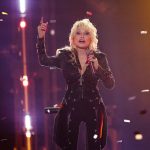
Read More
East Tennessee diocese mourns Dolly Parton as ‘one of our own’ #Catholic – (OSV News) — The Diocese of Knoxville, Tennessee, is remembering the late Dolly Parton — whose career as a singer, songwriter, actress, businesswoman and philanthropist spanned decades — as “one of our own.”
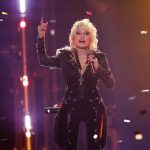
Bishop Mark Beckman said he was “very sorry to hear of her passing” and “praying for those who are mourning her loss.”
“She made a wonderful contribution to our world and our community, and she will be greatly missed,” said Bishop Beckman.
The 80-year-old Parton, whose many honors included 10 competitive Grammy Awards, a Grammy Lifetime Achievement Award, and a National Medal of the Arts, died Aug. 25 at Nashville’s Vanderbilt-Ingram Cancer Center, following what her representatives described as a “brief battle with cancer.”
Her late husband of 58 years, Carl Thomas Dean — whom she met at a laundromat in 1964 on her first day in Nashville — died in 2025 at the age of 82.

Click here to subscribe to our weekly newsletter.

Born in 1946 in Locust Ridge, Tennessee, Parton — the fourth of 12 children — was “a daughter of Sevier County,” said the Diocese of Knoxville in an Aug. 26 statement.
Parton spoke candidly about the poverty she and her family had experienced, as well as the faith and the musical gifts they shared in the heart of Appalachia.
As a child, she sang in both church and on television, even debuting at the Grand Ole Opry — the self-described “mother church of country music” — in 1959 when she was just 13.
“Dolly was born and raised in the foothills of the Great Smoky Mountains,” said the Diocese of Knoxville in its statement. “She first sang in a small Pentecostal church, long before the world knew her name. She never hid her faith. It showed up in the hymns she recorded across six decades, in how openly she talked about God.”
Parton’s choir-backed cover of Don Francisco’s song “He’s Alive” — which recounts the Resurrection from Peter’s perspective — galvanized fans at the 1989 Country Music Awards, with Parton often performing and posting the song on social media over the years.
As she ascended in the entertainment industry — finding success in the fields of country and pop music, developing a career in film, launching multiple business enterprises and supporting numerous charitable efforts — Parton’s impact spread.
“Her life carried the spirit of our mountain home far beyond the Smokies,” said the Diocese of Knoxville in its statement.
In particular, the diocese noted Parton’s Imagination Library, which began in 1995 as an effort to provide books to children in Sevier County and now delivers free books to kids throughout the U.S., Canada, the United Kingdom, and Ireland. As of 2025, the library had distributed close to 305 million books in total.
Parton had launched the effort in honor of her father, a sharecropper who had never learned how to read or write.
“East Tennessee knew Dolly Parton as more than a world-famous star,” said the diocese. “We knew her as one of our own. She was shaped by these hills and these churches. Her life shows what can grow from faith, perseverance, imagination, and love for one’s neighbors — even from humble beginnings.”
Gina Christian is a multimedia reporter for OSV News. Follow her on X @GinaJesseReina.

East Tennessee diocese mourns Dolly Parton as ‘one of our own’ #Catholic – (OSV News) — The Diocese of Knoxville, Tennessee, is remembering the late Dolly Parton — whose career as a singer, songwriter, actress, businesswoman and philanthropist spanned decades — as “one of our own.” Bishop Mark Beckman said he was “very sorry to hear of her passing” and “praying for those who are mourning her loss.” “She made a wonderful contribution to our world and our community, and she will be greatly missed,” said Bishop Beckman. The 80-year-old Parton, whose many honors included 10 competitive Grammy Awards, a Grammy Lifetime Achievement Award, and a National Medal of the Arts, died Aug. 25 at Nashville’s Vanderbilt-Ingram Cancer Center, following what her representatives described as a “brief battle with cancer.” Her late husband of 58 years, Carl Thomas Dean — whom she met at a laundromat in 1964 on her first day in Nashville — died in 2025 at the age of 82. Click here to subscribe to our weekly newsletter. Born in 1946 in Locust Ridge, Tennessee, Parton — the fourth of 12 children — was “a daughter of Sevier County,” said the Diocese of Knoxville in an Aug. 26 statement. Parton spoke candidly about the poverty she and her family had experienced, as well as the faith and the musical gifts they shared in the heart of Appalachia. As a child, she sang in both church and on television, even debuting at the Grand Ole Opry — the self-described “mother church of country music” — in 1959 when she was just 13. “Dolly was born and raised in the foothills of the Great Smoky Mountains,” said the Diocese of Knoxville in its statement. “She first sang in a small Pentecostal church, long before the world knew her name. She never hid her faith. It showed up in the hymns she recorded across six decades, in how openly she talked about God.” Parton’s choir-backed cover of Don Francisco’s song “He’s Alive” — which recounts the Resurrection from Peter’s perspective — galvanized fans at the 1989 Country Music Awards, with Parton often performing and posting the song on social media over the years. As she ascended in the entertainment industry — finding success in the fields of country and pop music, developing a career in film, launching multiple business enterprises and supporting numerous charitable efforts — Parton’s impact spread. “Her life carried the spirit of our mountain home far beyond the Smokies,” said the Diocese of Knoxville in its statement. In particular, the diocese noted Parton’s Imagination Library, which began in 1995 as an effort to provide books to children in Sevier County and now delivers free books to kids throughout the U.S., Canada, the United Kingdom, and Ireland. As of 2025, the library had distributed close to 305 million books in total. Parton had launched the effort in honor of her father, a sharecropper who had never learned how to read or write. “East Tennessee knew Dolly Parton as more than a world-famous star,” said the diocese. “We knew her as one of our own. She was shaped by these hills and these churches. Her life shows what can grow from faith, perseverance, imagination, and love for one’s neighbors — even from humble beginnings.” Gina Christian is a multimedia reporter for OSV News. Follow her on X @GinaJesseReina.

East Tennessee diocese mourns Dolly Parton as ‘one of our own’ #Catholic –

(OSV News) — The Diocese of Knoxville, Tennessee, is remembering the late Dolly Parton — whose career as a singer, songwriter, actress, businesswoman and philanthropist spanned decades — as “one of our own.”

Bishop Mark Beckman said he was “very sorry to hear of her passing” and “praying for those who are mourning her loss.”

“She made a wonderful contribution to our world and our community, and she will be greatly missed,” said Bishop Beckman.

The 80-year-old Parton, whose many honors included 10 competitive Grammy Awards, a Grammy Lifetime Achievement Award, and a National Medal of the Arts, died Aug. 25 at Nashville’s Vanderbilt-Ingram Cancer Center, following what her representatives described as a “brief battle with cancer.”

Her late husband of 58 years, Carl Thomas Dean — whom she met at a laundromat in 1964 on her first day in Nashville — died in 2025 at the age of 82.


Click here to subscribe to our weekly newsletter.

Born in 1946 in Locust Ridge, Tennessee, Parton — the fourth of 12 children — was “a daughter of Sevier County,” said the Diocese of Knoxville in an Aug. 26 statement.

Parton spoke candidly about the poverty she and her family had experienced, as well as the faith and the musical gifts they shared in the heart of Appalachia.

As a child, she sang in both church and on television, even debuting at the Grand Ole Opry — the self-described “mother church of country music” — in 1959 when she was just 13.

“Dolly was born and raised in the foothills of the Great Smoky Mountains,” said the Diocese of Knoxville in its statement. “She first sang in a small Pentecostal church, long before the world knew her name. She never hid her faith. It showed up in the hymns she recorded across six decades, in how openly she talked about God.”

Parton’s choir-backed cover of Don Francisco’s song “He’s Alive” — which recounts the Resurrection from Peter’s perspective — galvanized fans at the 1989 Country Music Awards, with Parton often performing and posting the song on social media over the years.

As she ascended in the entertainment industry — finding success in the fields of country and pop music, developing a career in film, launching multiple business enterprises and supporting numerous charitable efforts — Parton’s impact spread.

“Her life carried the spirit of our mountain home far beyond the Smokies,” said the Diocese of Knoxville in its statement.

In particular, the diocese noted Parton’s Imagination Library, which began in 1995 as an effort to provide books to children in Sevier County and now delivers free books to kids throughout the U.S., Canada, the United Kingdom, and Ireland. As of 2025, the library had distributed close to 305 million books in total.

Parton had launched the effort in honor of her father, a sharecropper who had never learned how to read or write.

“East Tennessee knew Dolly Parton as more than a world-famous star,” said the diocese. “We knew her as one of our own. She was shaped by these hills and these churches. Her life shows what can grow from faith, perseverance, imagination, and love for one’s neighbors — even from humble beginnings.”

Gina Christian is a multimedia reporter for OSV News. Follow her on X @GinaJesseReina.

(OSV News) — The Diocese of Knoxville, Tennessee, is remembering the late Dolly Parton — whose career as a singer, songwriter, actress, businesswoman and philanthropist spanned decades — as “one of our own.” Bishop Mark Beckman said he was “very sorry to hear of her passing” and “praying for those who are mourning her loss.” “She made a wonderful contribution to our world and our community, and she will be greatly missed,” said Bishop Beckman. The 80-year-old Parton, whose many honors included 10 competitive Grammy Awards, a Grammy Lifetime Achievement Award, and a National Medal of the Arts, died Aug.
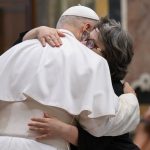
Read More
Pope Leo XIV: See Jesus in the face of every person with disabilities #Catholic – (OSV News) — Pope Leo XIV said Aug. 24 that recognizing Jesus in the face of each person with disabilities helps to advance society.
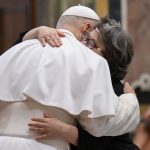
In a meeting with the Marsodeto Federation, a Spanish nongovernmental organization that supports people with cerebral palsy and intellectual disabilities, the pope reflected on the importance of discovering “in the face of each person, Jesus Christ himself.”
The pope thanked the federation for its dedicated work with the disabled, which he acknowledged involves much hidden work that “no one sees and that only God can reward.”
“Through your work, you can bear witness, in a special way, to what we hear in the Gospel: ‘Amen, I say to you, whatever you did for one of these least brothers of mine, you did for me’ (Mt 25:40),” Pope Leo said in Spanish.
“Being able to recognize, in the lives of the weakest and most vulnerable, the gaze of Christ that challenges us, is something that helps us grow as a human and Christian society,” the pope emphasized.

Click here to subscribe to our weekly newsletter.

Father Marcelino Casas Puente founded the Marsodeto Federation in 1980 with a dream that “no family with a person with an intellectual disability should ever be left without support.”
Today the federation serves more than 2,600 people. Pope Leo highlighted how this work puts into concrete action how “the love of Christ impels us toward our brothers and sisters (cf. 2 Cor 5:14), and the charity and concern with which we respond to its promptings are the proof of our faith.”
Members of the federation traveled from Toledo, Spain, to Rome on a pilgrimage to mark 45 years of the institution’s mission.
Solidarity, the defense of human dignity, and complete inclusion are values the pope highlighted that mark the federation’s approach to working with people with intellectual disabilities and cerebral palsy.
Pope Leo entrusted the Marsodeto Federation to the protection of Mary, praying that she will accompany the group in its ongoing work.
“May she encourage you in moments of greatest difficulty and help you always to keep your gaze fixed on the Lord, so that your Federation may continue to be a true point of reference for both the Church and society,” he said.
Courtney Mares is Vatican editor for OSV News. Follow her on X @catholicourtney. Vatican News contributed to this report.

Pope Leo XIV: See Jesus in the face of every person with disabilities #Catholic – (OSV News) — Pope Leo XIV said Aug. 24 that recognizing Jesus in the face of each person with disabilities helps to advance society. In a meeting with the Marsodeto Federation, a Spanish nongovernmental organization that supports people with cerebral palsy and intellectual disabilities, the pope reflected on the importance of discovering “in the face of each person, Jesus Christ himself.” The pope thanked the federation for its dedicated work with the disabled, which he acknowledged involves much hidden work that “no one sees and that only God can reward.” “Through your work, you can bear witness, in a special way, to what we hear in the Gospel: ‘Amen, I say to you, whatever you did for one of these least brothers of mine, you did for me’ (Mt 25:40),” Pope Leo said in Spanish. “Being able to recognize, in the lives of the weakest and most vulnerable, the gaze of Christ that challenges us, is something that helps us grow as a human and Christian society,” the pope emphasized. Click here to subscribe to our weekly newsletter. Father Marcelino Casas Puente founded the Marsodeto Federation in 1980 with a dream that “no family with a person with an intellectual disability should ever be left without support.” Today the federation serves more than 2,600 people. Pope Leo highlighted how this work puts into concrete action how “the love of Christ impels us toward our brothers and sisters (cf. 2 Cor 5:14), and the charity and concern with which we respond to its promptings are the proof of our faith.” Members of the federation traveled from Toledo, Spain, to Rome on a pilgrimage to mark 45 years of the institution’s mission. Solidarity, the defense of human dignity, and complete inclusion are values the pope highlighted that mark the federation’s approach to working with people with intellectual disabilities and cerebral palsy. Pope Leo entrusted the Marsodeto Federation to the protection of Mary, praying that she will accompany the group in its ongoing work. “May she encourage you in moments of greatest difficulty and help you always to keep your gaze fixed on the Lord, so that your Federation may continue to be a true point of reference for both the Church and society,” he said. Courtney Mares is Vatican editor for OSV News. Follow her on X @catholicourtney. Vatican News contributed to this report.

Pope Leo XIV: See Jesus in the face of every person with disabilities #Catholic –

(OSV News) — Pope Leo XIV said Aug. 24 that recognizing Jesus in the face of each person with disabilities helps to advance society.

In a meeting with the Marsodeto Federation, a Spanish nongovernmental organization that supports people with cerebral palsy and intellectual disabilities, the pope reflected on the importance of discovering “in the face of each person, Jesus Christ himself.”

The pope thanked the federation for its dedicated work with the disabled, which he acknowledged involves much hidden work that “no one sees and that only God can reward.”

“Through your work, you can bear witness, in a special way, to what we hear in the Gospel: ‘Amen, I say to you, whatever you did for one of these least brothers of mine, you did for me’ (Mt 25:40),” Pope Leo said in Spanish.

“Being able to recognize, in the lives of the weakest and most vulnerable, the gaze of Christ that challenges us, is something that helps us grow as a human and Christian society,” the pope emphasized.


Click here to subscribe to our weekly newsletter.

Father Marcelino Casas Puente founded the Marsodeto Federation in 1980 with a dream that “no family with a person with an intellectual disability should ever be left without support.”

Today the federation serves more than 2,600 people. Pope Leo highlighted how this work puts into concrete action how “the love of Christ impels us toward our brothers and sisters (cf. 2 Cor 5:14), and the charity and concern with which we respond to its promptings are the proof of our faith.”

Members of the federation traveled from Toledo, Spain, to Rome on a pilgrimage to mark 45 years of the institution’s mission.

Solidarity, the defense of human dignity, and complete inclusion are values the pope highlighted that mark the federation’s approach to working with people with intellectual disabilities and cerebral palsy.

Pope Leo entrusted the Marsodeto Federation to the protection of Mary, praying that she will accompany the group in its ongoing work.

“May she encourage you in moments of greatest difficulty and help you always to keep your gaze fixed on the Lord, so that your Federation may continue to be a true point of reference for both the Church and society,” he said.

Courtney Mares is Vatican editor for OSV News. Follow her on X @catholicourtney. Vatican News contributed to this report.

(OSV News) — Pope Leo XIV said Aug. 24 that recognizing Jesus in the face of each person with disabilities helps to advance society. In a meeting with the Marsodeto Federation, a Spanish nongovernmental organization that supports people with cerebral palsy and intellectual disabilities, the pope reflected on the importance of discovering “in the face of each person, Jesus Christ himself.” The pope thanked the federation for its dedicated work with the disabled, which he acknowledged involves much hidden work that “no one sees and that only God can reward.” “Through your work, you can bear witness, in a special
Read More
Pope Leo appoints Knights of Columbus Supreme Knight Patrick Kelly to Vatican dicastery #Catholic – (OSV News) — Pope Leo XIV on Aug. 25 appointed the Knights of Columbus’ Supreme Knight Patrick Kelly as a member of the Vatican Dicastery for the Laity, Family and Life.
Kelly has served as the supreme Knight and CEO of the world’s largest Catholic fraternal service organization since 2021. The Knights of Columbus have 2.1 million members throughout the world.
“I am deeply grateful to His Holiness Pope Leo XIV for appointing me as a member of the Dicastery for Laity, Family and Life,” Kelly said following the Vatican’s announcement.
“Since our founding by Blessed Michael McGivney in 1882, the Knights of Columbus has been dedicated to strengthening Catholic laymen in the faith, to supporting Catholic family life and to building up a culture of life,” he added. “I look forward to supporting this vital work of the Catholic Church.”

Click here to subscribe to our weekly newsletter.

As a member of the Vatican dicastery, Kelly will contribute to the dicastery’s mission of enhancing the apostolate of the lay faithful, the pastoral care of young people and the mission of the family according to God’s plan. The dicastery is also dedicated to the promotion and protection of life and the dignity of the elderly.
About two dozen people, including cardinals, married lay couples, and scholars from around the world, currently serve as members of the laity dicastery. Kelly will join fellow American members Helen Alvaré, lecturer at the George Mason University School of Law, and Cardinal Robert W. McElroy of Washington. The role does not require members to move to Rome.
Pope Francis established the dicastery in 2016, combining the responsibilities of the Pontifical Council for the Laity and the Pontifical Council for the Family. Cardinal Kevin J. Farrell, the former bishop of Dallas, has served as the prefect of the dicastery since its founding.
The Dicastery for Laity, Family and Life plays a key role in organizing World Youth Day, the next which is scheduled to take place in Seoul, South Korea, Aug. 3-8, 2027. The dicastery also organizes the World Meeting of Families and the annual World Day for Grandparents and the Elderly.
Kelly, who is based in Connecticut with his wife and three daughters, has served for 42 years as a Knight of Columbus. He previously served as the first executive director of the St. John Paul II National Shrine in Washington and as a senior adviser to the ambassador-at-large for International Religious Freedom at the U.S. State Department. Before that, he served in the U.S. Navy for 24 years, including as a judge advocate general specializing in international and operational law and as the commanding officer of the international law unit at the U.S. Naval War College.
Pope Leo met privately with Kelly and the Knights’ supreme chaplain, Archbishop William E. Lori of Baltimore, on Oct. 6 before the pope held a private audience with members of the Knights of Columbus’ board of directors. Kelly and Archbishop Lori met privately with the U.S.-born pope for the first time on July 4, 2025.
In a video message to the Knights of Columbus’ convention earlier in August, Pope Leo commended the organization for uniting Catholic men in prayer and fraternity, while extending “generous service to vulnerable populations.”
“The Knights of Columbus have worked together for well over a century to show Christ’s love to the unborn, expectant mothers, persecuted Christians, victims of war and human trafficking, the poor and vulnerable, and those who live on the margins of society,” Pope Leo said in the video released on Aug. 4.
“Through the initiatives undertaken by your local Councils as well as at the national and international levels, countless people have benefitted from your kindness. For my part, I express deep gratitude for your Order’s continued generosity to the less fortunate, and trust that your endeavors will continue to bear fruit for many years to come,” the pope said.
Courtney Mares is Vatican editor for OSV News. Follow her on X @catholicourtney.

Pope Leo appoints Knights of Columbus Supreme Knight Patrick Kelly to Vatican dicastery #Catholic – (OSV News) — Pope Leo XIV on Aug. 25 appointed the Knights of Columbus’ Supreme Knight Patrick Kelly as a member of the Vatican Dicastery for the Laity, Family and Life. Kelly has served as the supreme Knight and CEO of the world’s largest Catholic fraternal service organization since 2021. The Knights of Columbus have 2.1 million members throughout the world. “I am deeply grateful to His Holiness Pope Leo XIV for appointing me as a member of the Dicastery for Laity, Family and Life,” Kelly said following the Vatican’s announcement. “Since our founding by Blessed Michael McGivney in 1882, the Knights of Columbus has been dedicated to strengthening Catholic laymen in the faith, to supporting Catholic family life and to building up a culture of life,” he added. “I look forward to supporting this vital work of the Catholic Church.” Click here to subscribe to our weekly newsletter. As a member of the Vatican dicastery, Kelly will contribute to the dicastery’s mission of enhancing the apostolate of the lay faithful, the pastoral care of young people and the mission of the family according to God’s plan. The dicastery is also dedicated to the promotion and protection of life and the dignity of the elderly. About two dozen people, including cardinals, married lay couples, and scholars from around the world, currently serve as members of the laity dicastery. Kelly will join fellow American members Helen Alvaré, lecturer at the George Mason University School of Law, and Cardinal Robert W. McElroy of Washington. The role does not require members to move to Rome. Pope Francis established the dicastery in 2016, combining the responsibilities of the Pontifical Council for the Laity and the Pontifical Council for the Family. Cardinal Kevin J. Farrell, the former bishop of Dallas, has served as the prefect of the dicastery since its founding. The Dicastery for Laity, Family and Life plays a key role in organizing World Youth Day, the next which is scheduled to take place in Seoul, South Korea, Aug. 3-8, 2027. The dicastery also organizes the World Meeting of Families and the annual World Day for Grandparents and the Elderly. Kelly, who is based in Connecticut with his wife and three daughters, has served for 42 years as a Knight of Columbus. He previously served as the first executive director of the St. John Paul II National Shrine in Washington and as a senior adviser to the ambassador-at-large for International Religious Freedom at the U.S. State Department. Before that, he served in the U.S. Navy for 24 years, including as a judge advocate general specializing in international and operational law and as the commanding officer of the international law unit at the U.S. Naval War College. Pope Leo met privately with Kelly and the Knights’ supreme chaplain, Archbishop William E. Lori of Baltimore, on Oct. 6 before the pope held a private audience with members of the Knights of Columbus’ board of directors. Kelly and Archbishop Lori met privately with the U.S.-born pope for the first time on July 4, 2025. In a video message to the Knights of Columbus’ convention earlier in August, Pope Leo commended the organization for uniting Catholic men in prayer and fraternity, while extending “generous service to vulnerable populations.” “The Knights of Columbus have worked together for well over a century to show Christ’s love to the unborn, expectant mothers, persecuted Christians, victims of war and human trafficking, the poor and vulnerable, and those who live on the margins of society,” Pope Leo said in the video released on Aug. 4. “Through the initiatives undertaken by your local Councils as well as at the national and international levels, countless people have benefitted from your kindness. For my part, I express deep gratitude for your Order’s continued generosity to the less fortunate, and trust that your endeavors will continue to bear fruit for many years to come,” the pope said. Courtney Mares is Vatican editor for OSV News. Follow her on X @catholicourtney.

Pope Leo appoints Knights of Columbus Supreme Knight Patrick Kelly to Vatican dicastery #Catholic –

(OSV News) — Pope Leo XIV on Aug. 25 appointed the Knights of Columbus’ Supreme Knight Patrick Kelly as a member of the Vatican Dicastery for the Laity, Family and Life.

Kelly has served as the supreme Knight and CEO of the world’s largest Catholic fraternal service organization since 2021. The Knights of Columbus have 2.1 million members throughout the world.

“I am deeply grateful to His Holiness Pope Leo XIV for appointing me as a member of the Dicastery for Laity, Family and Life,” Kelly said following the Vatican’s announcement.

“Since our founding by Blessed Michael McGivney in 1882, the Knights of Columbus has been dedicated to strengthening Catholic laymen in the faith, to supporting Catholic family life and to building up a culture of life,” he added. “I look forward to supporting this vital work of the Catholic Church.”


Click here to subscribe to our weekly newsletter.

As a member of the Vatican dicastery, Kelly will contribute to the dicastery’s mission of enhancing the apostolate of the lay faithful, the pastoral care of young people and the mission of the family according to God’s plan. The dicastery is also dedicated to the promotion and protection of life and the dignity of the elderly.

About two dozen people, including cardinals, married lay couples, and scholars from around the world, currently serve as members of the laity dicastery. Kelly will join fellow American members Helen Alvaré, lecturer at the George Mason University School of Law, and Cardinal Robert W. McElroy of Washington. The role does not require members to move to Rome.

Pope Francis established the dicastery in 2016, combining the responsibilities of the Pontifical Council for the Laity and the Pontifical Council for the Family. Cardinal Kevin J. Farrell, the former bishop of Dallas, has served as the prefect of the dicastery since its founding.

The Dicastery for Laity, Family and Life plays a key role in organizing World Youth Day, the next which is scheduled to take place in Seoul, South Korea, Aug. 3-8, 2027. The dicastery also organizes the World Meeting of Families and the annual World Day for Grandparents and the Elderly.

Kelly, who is based in Connecticut with his wife and three daughters, has served for 42 years as a Knight of Columbus. He previously served as the first executive director of the St. John Paul II National Shrine in Washington and as a senior adviser to the ambassador-at-large for International Religious Freedom at the U.S. State Department. Before that, he served in the U.S. Navy for 24 years, including as a judge advocate general specializing in international and operational law and as the commanding officer of the international law unit at the U.S. Naval War College.

Pope Leo met privately with Kelly and the Knights’ supreme chaplain, Archbishop William E. Lori of Baltimore, on Oct. 6 before the pope held a private audience with members of the Knights of Columbus’ board of directors. Kelly and Archbishop Lori met privately with the U.S.-born pope for the first time on July 4, 2025.

In a video message to the Knights of Columbus’ convention earlier in August, Pope Leo commended the organization for uniting Catholic men in prayer and fraternity, while extending “generous service to vulnerable populations.”

“The Knights of Columbus have worked together for well over a century to show Christ’s love to the unborn, expectant mothers, persecuted Christians, victims of war and human trafficking, the poor and vulnerable, and those who live on the margins of society,” Pope Leo said in the video released on Aug. 4.

“Through the initiatives undertaken by your local Councils as well as at the national and international levels, countless people have benefitted from your kindness. For my part, I express deep gratitude for your Order’s continued generosity to the less fortunate, and trust that your endeavors will continue to bear fruit for many years to come,” the pope said.

Courtney Mares is Vatican editor for OSV News. Follow her on X @catholicourtney.

(OSV News) — Pope Leo XIV on Aug. 25 appointed the Knights of Columbus’ Supreme Knight Patrick Kelly as a member of the Vatican Dicastery for the Laity, Family and Life. Kelly has served as the supreme Knight and CEO of the world’s largest Catholic fraternal service organization since 2021. The Knights of Columbus have 2.1 million members throughout the world. “I am deeply grateful to His Holiness Pope Leo XIV for appointing me as a member of the Dicastery for Laity, Family and Life,” Kelly said following the Vatican’s announcement. “Since our founding by Blessed Michael McGivney in 1882,

Read More
Paulist Fathers launch Communion Project to heal ‘toxic polarization’ within U.S. Church – #Catholic – The Communion Project initiative hopes to repair polarization in the U.S. Church and aid the Church in offering a better and more joyful witness in a divided country, organizers said.“Unfortunately, too often Catholics and Catholic leaders are acting more like thermometers instead of thermostats,” Jonathan Lewis, mission strategy officer for the Paulist Fathers and co-director of the Communion Project, told EWTN News.“Weʼre reading the temperature of the room or the culture, instead of setting the temperature according to our values and the truths of the Church,” he said.“So, part of what this effort is aimed to do is to lower the temperature of division and distrust, starting with those of us Catholics who call ourselves brothers and sisters, who are a real spiritual family,” Lewis said.“As we approach any election season, thereʼs always a need to help lower the temperature, have more thoughtful conversations, discern our Catholic values,” he said.The Catholic initiative hopes to heal toxic polarization in the Church by creating dialogue, providing resources, promoting unity through national communication methods, and by aiding local communities to create unification at their level, organizers said. Exact plans are still being formed.
 
 Participants gather at the Communion Project “Building Catholic Communion” national leader summit in Washington, D.C., in June 2026. | Credit: Photo courtesy of Jonathan Lewis
 
 “Weʼre just beginning … and trying to share,” Lewis said. “Weʼre starting with a lot of resources” and “adapting resources that already existed.”“Then weʼre planning, over the next year or two years, to develop programs for dioceses and organizations and religious communities, students in Catholic schools.”The movement to start the project began in 2022 at the Paulist Fathers’ general assembly.“One of the priorities of the Paulists is to read the signs of the times, like the Second Vatican Council tells us to do, so that we can respond in a spirit-filled way,” Lewis said.At the gathering, they discussed “the realities of the United States and the Church in the United States today that we need to respond to or engage,” he said. “And thatʼs when the topic of toxic polarization emerged.”"The polarization affecting the U.S. Catholic Church is not merely a matter of policy dispute or partisan loyalty,” said Father Ricky Manalo, CSP, co-director of the Communion Project. “It is a deeply spiritual and relational rupture, shaping how Catholics imagine moral life, celebrate the sacraments, interpret tradition, and remain in communion amid difference.”“Within Catholic life, polarization is more than disagreement; it is the loss of our capacity to remain in relationship, even amid difference, as one body in Christ,” he said.Inspired by Pope Francis, the group founded The Paulist Initiative on Polarization as a national partnership of Catholic leaders committed to strengthening unity across political, theological, and cultural divisions.In 2025, the effort was renamed the Communion Project following Pope Leo XIV’s public commitment to building communion in the Church.“This is really a priority of Pope Leo,” Lewis said. “In his first inaugural Mass, Pope Leo said his first great desire would be for a unified Church in communion. We really see this as an initiative that is trying to live out the message and the priority of the Holy Father.”Polarization in the U.S.When people think of polarization, they usually first think of “left and right politics, Republicans, Democrats,” Lewis said. “And certainly thatʼs one area, but I really see polarization showing up in a lot of different ways.”“This isnʼt only in public life or in politics, where one might expect, itʼs also in the Roman Catholic Church in the United States,” Lewis said.It can come up due to division surrounding the liturgy, or cultural or generational differences, but ultimately the goal is to remind Catholics of shared beliefs and values.The project hopes to help the faithful “see that while people might prioritize different dimensions of our Catholic social teaching, thereʼs unity within that work, and we need to bring people together,” Lewis said.For example, the Church has a mission to protect human dignity, and “some people focus on ending the death penalty,” while “other people might focus on ending abortion and the work of the pro-life movement,” Lewis explained. “Even if weʼre working in different areas, those areas are not in conflict.”Connection through communicationThe initiative’s resources and formation experiences are organized around three interconnected dimensions: the head, the heart, and the hands.The project offers a “development of resources that impact our head, meaning our knowledge and our self-awareness,” and “also our hearts in terms of our prayer and discernment,” Lewis said.There are also resources that impact “our hands,” which focus on “building skills and building relationships,” Lewis said.“So we want to help organizations and churches work with leaders in particular, to equip them with the resources and programming to help them make a positive impact in their local community,” he said.The resources can be found in the Communion Project’s “resource library” on its website, which offers a number of options for people to independently utilize or bring to a group. It also offers gatherings and workshops to aid its cause. In the online library, people can find upcoming events, online courses, prayers for communion, articles, learning sessions to be used in small groups, and a Communion Project podcast. It also has educational videos provided by outside organizations including Georgetown University, University of Notre Dame, and Boston College.So far the podcast has included conversations with Archbishop William E. Lori of Baltimore on what happens when the faithful stop seeing one another as brothers and sisters, and University of Notre Dameʼs Tim O’Malley on liturgical division and what it means to live in communion with people.The first episode featured a conversation “with Tim Busch, founder of Napa Institute, and Father James Martin from America Media, two people who speak to very different parts of the Church … but have developed a personal friendship,” Lewis said.“It was a great opportunity to put people in the same place to talk about their friendship, of their shared faith, realizing that what unites us is so much stronger than what divides us,” he said.“What matters most is gathering around a particular Eucharistic table and a particular family table and having hard conversations or sitting in discomfort, because love compels us to do hard things,” Lewis said.The initiative is only “just beginning in terms of programming and trying to share.” But since starting, “thereʼs a great interest” among local communities wanting to be involved.“The path of healing begins not in dominating strength, but in shared vulnerability. When both Church and nation dare to move toward one another — wounded yet willing — they may discover that grace lives precisely in the places we thought were beyond repair,” Manalo said.

Paulist Fathers launch Communion Project to heal ‘toxic polarization’ within U.S. Church – #Catholic – The Communion Project initiative hopes to repair polarization in the U.S. Church and aid the Church in offering a better and more joyful witness in a divided country, organizers said.“Unfortunately, too often Catholics and Catholic leaders are acting more like thermometers instead of thermostats,” Jonathan Lewis, mission strategy officer for the Paulist Fathers and co-director of the Communion Project, told EWTN News.“Weʼre reading the temperature of the room or the culture, instead of setting the temperature according to our values and the truths of the Church,” he said.“So, part of what this effort is aimed to do is to lower the temperature of division and distrust, starting with those of us Catholics who call ourselves brothers and sisters, who are a real spiritual family,” Lewis said.“As we approach any election season, thereʼs always a need to help lower the temperature, have more thoughtful conversations, discern our Catholic values,” he said.The Catholic initiative hopes to heal toxic polarization in the Church by creating dialogue, providing resources, promoting unity through national communication methods, and by aiding local communities to create unification at their level, organizers said. Exact plans are still being formed. Participants gather at the Communion Project “Building Catholic Communion” national leader summit in Washington, D.C., in June 2026. | Credit: Photo courtesy of Jonathan Lewis “Weʼre just beginning … and trying to share,” Lewis said. “Weʼre starting with a lot of resources” and “adapting resources that already existed.”“Then weʼre planning, over the next year or two years, to develop programs for dioceses and organizations and religious communities, students in Catholic schools.”The movement to start the project began in 2022 at the Paulist Fathers’ general assembly.“One of the priorities of the Paulists is to read the signs of the times, like the Second Vatican Council tells us to do, so that we can respond in a spirit-filled way,” Lewis said.At the gathering, they discussed “the realities of the United States and the Church in the United States today that we need to respond to or engage,” he said. “And thatʼs when the topic of toxic polarization emerged.”"The polarization affecting the U.S. Catholic Church is not merely a matter of policy dispute or partisan loyalty,” said Father Ricky Manalo, CSP, co-director of the Communion Project. “It is a deeply spiritual and relational rupture, shaping how Catholics imagine moral life, celebrate the sacraments, interpret tradition, and remain in communion amid difference.”“Within Catholic life, polarization is more than disagreement; it is the loss of our capacity to remain in relationship, even amid difference, as one body in Christ,” he said.Inspired by Pope Francis, the group founded The Paulist Initiative on Polarization as a national partnership of Catholic leaders committed to strengthening unity across political, theological, and cultural divisions.In 2025, the effort was renamed the Communion Project following Pope Leo XIV’s public commitment to building communion in the Church.“This is really a priority of Pope Leo,” Lewis said. “In his first inaugural Mass, Pope Leo said his first great desire would be for a unified Church in communion. We really see this as an initiative that is trying to live out the message and the priority of the Holy Father.”Polarization in the U.S.When people think of polarization, they usually first think of “left and right politics, Republicans, Democrats,” Lewis said. “And certainly thatʼs one area, but I really see polarization showing up in a lot of different ways.”“This isnʼt only in public life or in politics, where one might expect, itʼs also in the Roman Catholic Church in the United States,” Lewis said.It can come up due to division surrounding the liturgy, or cultural or generational differences, but ultimately the goal is to remind Catholics of shared beliefs and values.The project hopes to help the faithful “see that while people might prioritize different dimensions of our Catholic social teaching, thereʼs unity within that work, and we need to bring people together,” Lewis said.For example, the Church has a mission to protect human dignity, and “some people focus on ending the death penalty,” while “other people might focus on ending abortion and the work of the pro-life movement,” Lewis explained. “Even if weʼre working in different areas, those areas are not in conflict.”Connection through communicationThe initiative’s resources and formation experiences are organized around three interconnected dimensions: the head, the heart, and the hands.The project offers a “development of resources that impact our head, meaning our knowledge and our self-awareness,” and “also our hearts in terms of our prayer and discernment,” Lewis said.There are also resources that impact “our hands,” which focus on “building skills and building relationships,” Lewis said.“So we want to help organizations and churches work with leaders in particular, to equip them with the resources and programming to help them make a positive impact in their local community,” he said.The resources can be found in the Communion Project’s “resource library” on its website, which offers a number of options for people to independently utilize or bring to a group. It also offers gatherings and workshops to aid its cause. In the online library, people can find upcoming events, online courses, prayers for communion, articles, learning sessions to be used in small groups, and a Communion Project podcast. It also has educational videos provided by outside organizations including Georgetown University, University of Notre Dame, and Boston College.So far the podcast has included conversations with Archbishop William E. Lori of Baltimore on what happens when the faithful stop seeing one another as brothers and sisters, and University of Notre Dameʼs Tim O’Malley on liturgical division and what it means to live in communion with people.The first episode featured a conversation “with Tim Busch, founder of Napa Institute, and Father James Martin from America Media, two people who speak to very different parts of the Church … but have developed a personal friendship,” Lewis said.“It was a great opportunity to put people in the same place to talk about their friendship, of their shared faith, realizing that what unites us is so much stronger than what divides us,” he said.“What matters most is gathering around a particular Eucharistic table and a particular family table and having hard conversations or sitting in discomfort, because love compels us to do hard things,” Lewis said.The initiative is only “just beginning in terms of programming and trying to share.” But since starting, “thereʼs a great interest” among local communities wanting to be involved.“The path of healing begins not in dominating strength, but in shared vulnerability. When both Church and nation dare to move toward one another — wounded yet willing — they may discover that grace lives precisely in the places we thought were beyond repair,” Manalo said.

Inspired by Pope Leo’s call for communion, the Catholic initiative is working to build unity in the Church and the nation.

Read More
Possible Eucharistic miracle in Guatemala: Church urges ‘prudence and restraint’ – #Catholic – An alleged “Eucharistic manifestation” has drawn the attention of the faithful in Guatemala, where a consecrated host reportedly remained intact inside a glass of water, bearing apparent stains of what “could be blood.”While the event has captured the attention of the Catholic community in the country, the Church has urged the faithful to exercise “prudence and restraint.”A consecrated host that reportedly failed to dissolveThe Niño Dios (Child God) Cathedral of the Diocese of Santa Rosa de Lima announced in a statement that the occurrence took place on July 30 during a Mass for Eucharistic Missionary Week held at a private school in Cuilapa, a city located approximately 40 miles southeast of Guatemala City.According to the statement, during Communion, the priest celebrating the Mass noticed that one of the young people who had received the Eucharist “was taking the sacred host out of his mouth; he quickly approached him and was able to prevent him from discarding it on the floor.”“Following the guidelines for such cases, the priest placed the sacred host in a glass vessel containing water in the rectory chapel,” the statement explained.The intention was for the host to dissolve naturally. However, according to the statement, “the following Thursday [Aug. 13], while cleaning the chapel, a parish volunteer noticed that the host had not dissolved and bore red stains that could be blood.”The discovery was reported to the parish priest, who questioned and took a statement from the volunteer who had noticed the situation. Subsequently, the matter was reported to Bishop José Cayetano Parra Novo of the Diocese of Santa Rosa de Lima.‘Prudence and restraint’The cathedral explicitly urged the faithful to exercise “prudence and restraint.”“Throughout history, the Church has received testimony regarding the real and substantial presence of Jesus Christ in the Eucharist, under this unique form of manifestation,” the cathedral noted in its statement, cautioning that such cases “have been neither common nor easy to discern; therefore, they cannot be called miracles until a full investigation, which must be carried out and will take time, is concluded.”The cathedral also announced that the host is being reserved “in a special place and will not be on public display,” while Parra Novo is providing “guidelines for the necessary discernment and to enable a study of this possible Eucharistic manifestation” of the Real Presence.This story was first published by ACI Prensa, the Spanish-language sister service of EWTN News. It has been translated and adapted by EWTN News English.

Possible Eucharistic miracle in Guatemala: Church urges ‘prudence and restraint’ – #Catholic – An alleged “Eucharistic manifestation” has drawn the attention of the faithful in Guatemala, where a consecrated host reportedly remained intact inside a glass of water, bearing apparent stains of what “could be blood.”While the event has captured the attention of the Catholic community in the country, the Church has urged the faithful to exercise “prudence and restraint.”A consecrated host that reportedly failed to dissolveThe Niño Dios (Child God) Cathedral of the Diocese of Santa Rosa de Lima announced in a statement that the occurrence took place on July 30 during a Mass for Eucharistic Missionary Week held at a private school in Cuilapa, a city located approximately 40 miles southeast of Guatemala City.According to the statement, during Communion, the priest celebrating the Mass noticed that one of the young people who had received the Eucharist “was taking the sacred host out of his mouth; he quickly approached him and was able to prevent him from discarding it on the floor.”“Following the guidelines for such cases, the priest placed the sacred host in a glass vessel containing water in the rectory chapel,” the statement explained.The intention was for the host to dissolve naturally. However, according to the statement, “the following Thursday [Aug. 13], while cleaning the chapel, a parish volunteer noticed that the host had not dissolved and bore red stains that could be blood.”The discovery was reported to the parish priest, who questioned and took a statement from the volunteer who had noticed the situation. Subsequently, the matter was reported to Bishop José Cayetano Parra Novo of the Diocese of Santa Rosa de Lima.‘Prudence and restraint’The cathedral explicitly urged the faithful to exercise “prudence and restraint.”“Throughout history, the Church has received testimony regarding the real and substantial presence of Jesus Christ in the Eucharist, under this unique form of manifestation,” the cathedral noted in its statement, cautioning that such cases “have been neither common nor easy to discern; therefore, they cannot be called miracles until a full investigation, which must be carried out and will take time, is concluded.”The cathedral also announced that the host is being reserved “in a special place and will not be on public display,” while Parra Novo is providing “guidelines for the necessary discernment and to enable a study of this possible Eucharistic manifestation” of the Real Presence.This story was first published by ACI Prensa, the Spanish-language sister service of EWTN News. It has been translated and adapted by EWTN News English.

As in all such cases of an apparent manifestation of the Real Presence, the local Church is duly investigating the phenomenon and urging the faithful not to draw any conclusions.
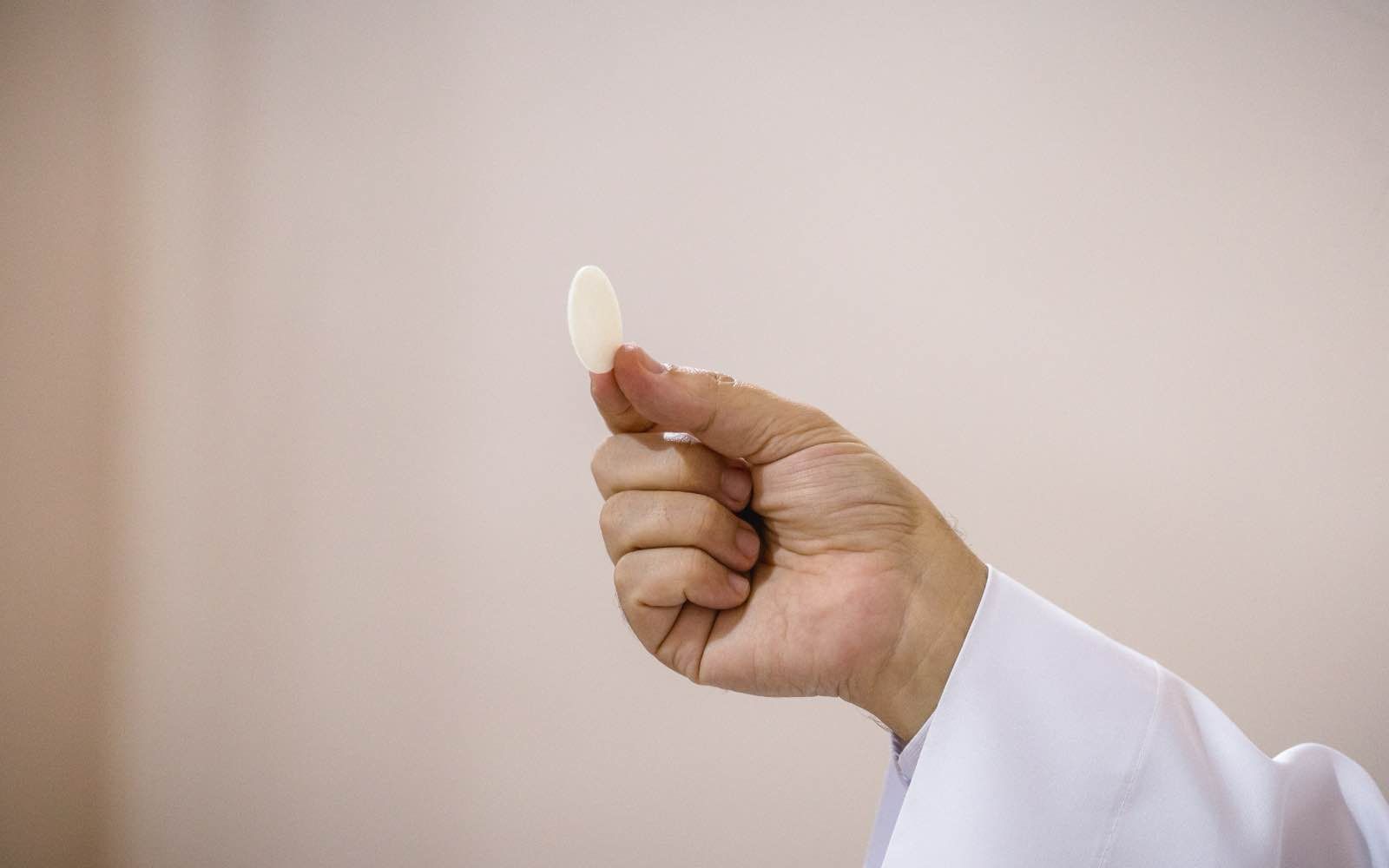
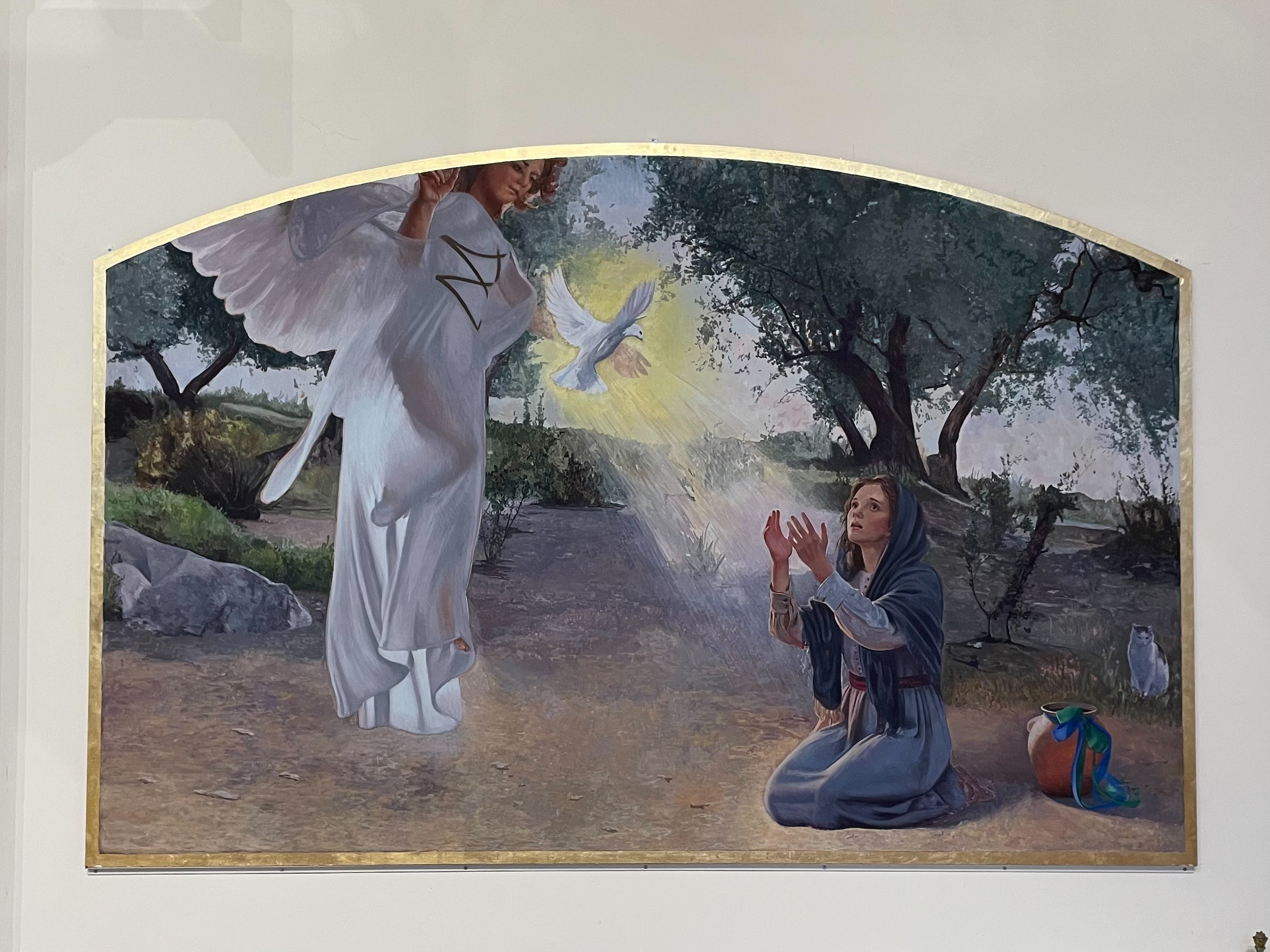
Read More
Parish pays tribute to Annunciation shooting victims through sacred fresco – #Catholic – When a deadly shooting devastated Annunciation Catholic School in Minneapolis on Aug. 27, 2025, a neighboring Catholic parish quietly provided support to the school, opening its doors for the parish school’s needs.Now, Our Lady of Grace is memorializing that connection in a fresco by Minnesota-based artist Mark Balma.Balma is in the process of painting two large frescoes at the altar of Our Lady of Grace. On the right, already finished, is an image of Mary and the angel at the Annunciation. Green and blue ribbons painted in the bottom-right corner pay tribute to the school and the community.
 
 Our Lady of Guadalupe with the unfinished fresco, left, and the completed Annunciation fresco, right. | Credit: Photo by Rámond Mitchell
 
 “In the centuries-old tradition of Catholic sacred art, images have always carried more than beauty — they carry the prayers, memories, and stories of the communities who create and encounter them,” Rámond Mitchell, director of liturgy for Our Lady of Grace, told EWTN News.“Sacred art has a unique ability to hold memory, communicate faith, and invite people into prayer,” Mitchell continued.“Because our two communities had walked so closely with one another through such a difficult time, we wanted to create a lasting remembrance within our own sacred space as a reminder of the people we accompanied, the lives that were forever changed, and the hope and faith that sustained us,” Mitchell said.Meaning of the ribbonsBalma painted blue-and-green ribbons onto a vase within his Annunciation fresco as a tribute to the community of Annunciation Church and School.Mitchell explained how blue-and-green ribbons were an important symbol to the community after the shooting.“Following the shooting, people throughout the surrounding community tied blue-and-green ribbons to doors, trees, lampposts, fences, and other places as a visible sign of solidarity and remembrance,” Mitchell said.“In the fresco, the ribbons are tied around a water jug beside Mary. We wanted the ribbons to feel integrated into the scene rather than separate from it,” Mitchell continued. “The water jug is an ordinary object, much like the ordinary details of daily life that surrounded Mary when the angel appeared to her.”
 
 Close-up of Mark Balma’s Annunciation fresco. | Credit: Photo by Rámond Mitchell
 
 “In that way, the ribbons become part of an ordinary moment that has been transformed by the presence of God and a reminder of the Annunciation community and of the sacredness of their lives and stories,” Mitchell continued.Balma, who was in the Twin Cities at the time of the shooting, was asked to “find a way to honor the Annunciation community.”“This tragedy really touched me and I prayed for guidance at how to best honor the children and families,” Balma told EWTN News.“As a painter I try to find within Scriptures a word or concept that might help me unlock a vision to reveal a fresh way to transform the words into images,” Balma said. “For instance in the Annunciation fresco, the line ‘I am the handmaid of the Lord’ became the focal point of the imagery.”“My concept for the Annunciation fresco is different than most historical depictions. They usually place an older-looking Mary in a room or cloister visited by Gabriel and the Holy Spirit,” Balma said. “As I studied the Scriptures, I found no reference to her being in a room.”Balma pointed out that at the time of the Annunciation, Mary “was not that much older than the children” of Annunciation School.“I imagined the 14-year-old Mary as carrying on her daily chores like going to the well for water,” Balma said. “So full of beautiful symbolism, the water vase then became the place I could attach the ribbons that were placed in the community in remembrance of the children.”“Water is healing, and tying the ribbons around the vase seemed to be the heartfelt way to honor the children,” Balma said.
 
 A detail in a fresco by Mark Balma pays tribute to victims of the Annunciation school shooting. |Credit: Courtesy of Our Lady of Grace Parish
 
 Sister communitiesThe community at Our Lady of Grace stepped up after the shooting; it was a tragedy that struck them deeply.“Annunciation is not far from Our Lady of Grace, and there have long been many connections between our two communities,” Mitchell said. “Some of our parishioners attended Annunciation themselves, while others have children or grandchildren who attended the school. Our teachers knew teachers there, and some members of our parish community were neighbors or friends of students, staff, and families affected by the shooting.”
 
 Study of vase by Mark Balma at the altar at Our Lady of Guadalupe. | Credit: Photo by Rámond Mitchell
 
 “Because of those relationships, the tragedy was felt very deeply at Our Lady of Grace,” Mitchell said. “In the aftermath, our parish and school community was able to offer a place of safety, hospitality, prayer, and support. Our campus became a place where members of the Annunciation community could simply be together when so much of their world had been disrupted.”The principal of Annunciation was present at the live painting session when Balma painted the ribbons into the fresco, which was a particularly significant moment, Mitchell said.“Having members of the Annunciation community participate in and witness the creation of the work has made the memorial even more meaningful,” Mitchell said.
 
 Other artwork by Mark Balma. | Credit: Courtesy of Mark Balma


 Triptych by Mark Balma. | Credit: Courtesy of Mark Balma

Parish pays tribute to Annunciation shooting victims through sacred fresco – #Catholic – When a deadly shooting devastated Annunciation Catholic School in Minneapolis on Aug. 27, 2025, a neighboring Catholic parish quietly provided support to the school, opening its doors for the parish school’s needs.Now, Our Lady of Grace is memorializing that connection in a fresco by Minnesota-based artist Mark Balma.Balma is in the process of painting two large frescoes at the altar of Our Lady of Grace. On the right, already finished, is an image of Mary and the angel at the Annunciation. Green and blue ribbons painted in the bottom-right corner pay tribute to the school and the community. Our Lady of Guadalupe with the unfinished fresco, left, and the completed Annunciation fresco, right. | Credit: Photo by Rámond Mitchell “In the centuries-old tradition of Catholic sacred art, images have always carried more than beauty — they carry the prayers, memories, and stories of the communities who create and encounter them,” Rámond Mitchell, director of liturgy for Our Lady of Grace, told EWTN News.“Sacred art has a unique ability to hold memory, communicate faith, and invite people into prayer,” Mitchell continued.“Because our two communities had walked so closely with one another through such a difficult time, we wanted to create a lasting remembrance within our own sacred space as a reminder of the people we accompanied, the lives that were forever changed, and the hope and faith that sustained us,” Mitchell said.Meaning of the ribbonsBalma painted blue-and-green ribbons onto a vase within his Annunciation fresco as a tribute to the community of Annunciation Church and School.Mitchell explained how blue-and-green ribbons were an important symbol to the community after the shooting.“Following the shooting, people throughout the surrounding community tied blue-and-green ribbons to doors, trees, lampposts, fences, and other places as a visible sign of solidarity and remembrance,” Mitchell said.“In the fresco, the ribbons are tied around a water jug beside Mary. We wanted the ribbons to feel integrated into the scene rather than separate from it,” Mitchell continued. “The water jug is an ordinary object, much like the ordinary details of daily life that surrounded Mary when the angel appeared to her.” Close-up of Mark Balma’s Annunciation fresco. | Credit: Photo by Rámond Mitchell “In that way, the ribbons become part of an ordinary moment that has been transformed by the presence of God and a reminder of the Annunciation community and of the sacredness of their lives and stories,” Mitchell continued.Balma, who was in the Twin Cities at the time of the shooting, was asked to “find a way to honor the Annunciation community.”“This tragedy really touched me and I prayed for guidance at how to best honor the children and families,” Balma told EWTN News.“As a painter I try to find within Scriptures a word or concept that might help me unlock a vision to reveal a fresh way to transform the words into images,” Balma said. “For instance in the Annunciation fresco, the line ‘I am the handmaid of the Lord’ became the focal point of the imagery.”“My concept for the Annunciation fresco is different than most historical depictions. They usually place an older-looking Mary in a room or cloister visited by Gabriel and the Holy Spirit,” Balma said. “As I studied the Scriptures, I found no reference to her being in a room.”Balma pointed out that at the time of the Annunciation, Mary “was not that much older than the children” of Annunciation School.“I imagined the 14-year-old Mary as carrying on her daily chores like going to the well for water,” Balma said. “So full of beautiful symbolism, the water vase then became the place I could attach the ribbons that were placed in the community in remembrance of the children.”“Water is healing, and tying the ribbons around the vase seemed to be the heartfelt way to honor the children,” Balma said. A detail in a fresco by Mark Balma pays tribute to victims of the Annunciation school shooting. |Credit: Courtesy of Our Lady of Grace Parish Sister communitiesThe community at Our Lady of Grace stepped up after the shooting; it was a tragedy that struck them deeply.“Annunciation is not far from Our Lady of Grace, and there have long been many connections between our two communities,” Mitchell said. “Some of our parishioners attended Annunciation themselves, while others have children or grandchildren who attended the school. Our teachers knew teachers there, and some members of our parish community were neighbors or friends of students, staff, and families affected by the shooting.” Study of vase by Mark Balma at the altar at Our Lady of Guadalupe. | Credit: Photo by Rámond Mitchell “Because of those relationships, the tragedy was felt very deeply at Our Lady of Grace,” Mitchell said. “In the aftermath, our parish and school community was able to offer a place of safety, hospitality, prayer, and support. Our campus became a place where members of the Annunciation community could simply be together when so much of their world had been disrupted.”The principal of Annunciation was present at the live painting session when Balma painted the ribbons into the fresco, which was a particularly significant moment, Mitchell said.“Having members of the Annunciation community participate in and witness the creation of the work has made the memorial even more meaningful,” Mitchell said. Other artwork by Mark Balma. | Credit: Courtesy of Mark Balma Triptych by Mark Balma. | Credit: Courtesy of Mark Balma

Through sacred art, a neighboring parish is paying tribute to the Annunciation parish community in Minneapolis after the deadly shooting last year.
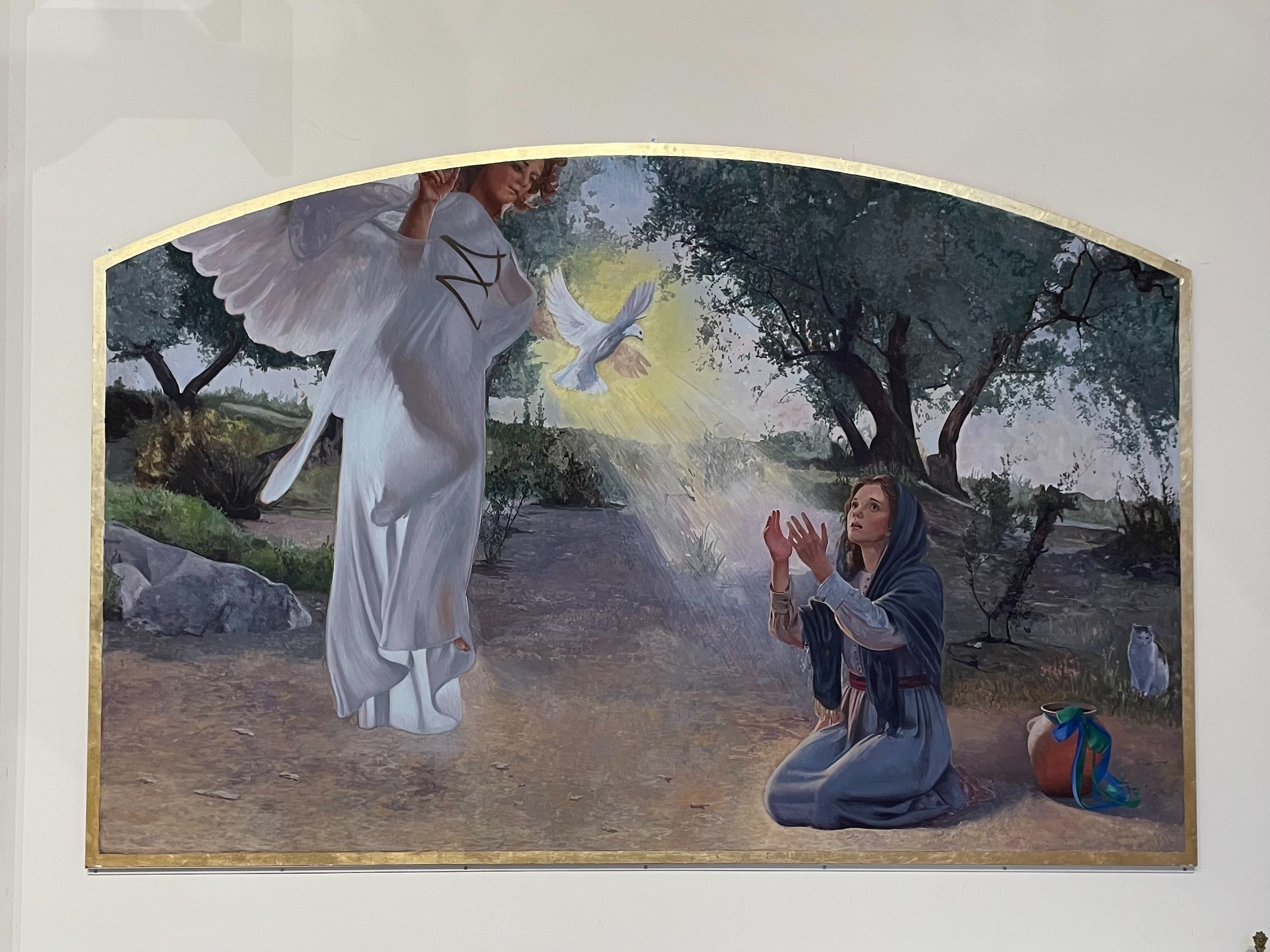
Read More

Looking for a sky event this week? Check out our full Sky This Week column.  August 26: Catch Barnard’s star A partial eclipse of the Moon occurs tonight, following August 12th’s total eclipse of the Sun. The deep lunar eclipse is visible across North and South America, Africa, and western Europe. The Moon rises around 7:30 P.M.Continue reading “The Sky Today on Thursday, August 27: A deep partial lunar eclipse”

The post The Sky Today on Thursday, August 27: A deep partial lunar eclipse appeared first on Astronomy Magazine.

Read More
Augustinian priests: St. Monica had ‘great interior strength’ #Catholic Since the fourth century, Christians have revered St. Monica, the mother of Church Father St. Augustine, as a woman of unwavering faith in God.In an interview with EWTN News reporter Valentina Di Donato, two Augustinian priests living in Rome explained why the woman they refer to as their “grandmother” continues to be a source of hope and inspiration, especially for Catholic wives and mothers.Augustinian Father Angelo Di Berardino, who has worked and lived at the Augustinian International College of Santa Monica in Rome for 50 years, said St. Monica had a great interior strength that influenced all members of her family.“Respecting her husband, she was able to convert him,” Di Berardino told EWTN News. “Then, she was a strong woman to educate her three children, especially Augustine.”“I think she was so strong in her life, in her prayer, that she had a great influence on the great theologian Augustine,” he added.According to Augustinian Father Edward Daleng Daniang, vice regent of the Prefecture of the Pontifical Household and former general counsellor and procurator general of the Order of St. Augustine, St. Monica is the saint to turn to for spouses who feel alone in their desire to create a Christian family home.“St. Monica did not have it easy with her husband Patrick,” he said. “She tried to win him with her love, with her patience and endurance and tolerance and, above all, bringing her husband to God through prayer.”Describing the ancient saint as a “living example” of a mother who does not give up on her children, Daniang said those struggling with their children can have hope that their prayers, and tears, are never wasted.“St. Monica was struggling with her son St. Augustine who wandered away from home,” he said. “He left Monica, his mother, to come to Italy in those days and Monica did not give up.”“He left the faith which she tried to transmit to him but she did not give up,” he emphasized.Following her son to Italy, Daniang said her main intention of leaving Africa was not to bring her son back home but to lead her son to Jesus Christ for the salvation of his soul.“St. Monica stands as someone who led her husband to God, to Christ, and also brought her son St. Augustine to Christ,” he said.“That’s bringing the unity of family together,” he added.This story was first published on Aug. 27, 2025, and has been updated.

Augustinian priests: St. Monica had ‘great interior strength’ #Catholic Since the fourth century, Christians have revered St. Monica, the mother of Church Father St. Augustine, as a woman of unwavering faith in God.In an interview with EWTN News reporter Valentina Di Donato, two Augustinian priests living in Rome explained why the woman they refer to as their “grandmother” continues to be a source of hope and inspiration, especially for Catholic wives and mothers.Augustinian Father Angelo Di Berardino, who has worked and lived at the Augustinian International College of Santa Monica in Rome for 50 years, said St. Monica had a great interior strength that influenced all members of her family.“Respecting her husband, she was able to convert him,” Di Berardino told EWTN News. “Then, she was a strong woman to educate her three children, especially Augustine.”“I think she was so strong in her life, in her prayer, that she had a great influence on the great theologian Augustine,” he added.According to Augustinian Father Edward Daleng Daniang, vice regent of the Prefecture of the Pontifical Household and former general counsellor and procurator general of the Order of St. Augustine, St. Monica is the saint to turn to for spouses who feel alone in their desire to create a Christian family home.“St. Monica did not have it easy with her husband Patrick,” he said. “She tried to win him with her love, with her patience and endurance and tolerance and, above all, bringing her husband to God through prayer.”Describing the ancient saint as a “living example” of a mother who does not give up on her children, Daniang said those struggling with their children can have hope that their prayers, and tears, are never wasted.“St. Monica was struggling with her son St. Augustine who wandered away from home,” he said. “He left Monica, his mother, to come to Italy in those days and Monica did not give up.”“He left the faith which she tried to transmit to him but she did not give up,” he emphasized.Following her son to Italy, Daniang said her main intention of leaving Africa was not to bring her son back home but to lead her son to Jesus Christ for the salvation of his soul.“St. Monica stands as someone who led her husband to God, to Christ, and also brought her son St. Augustine to Christ,” he said.“That’s bringing the unity of family together,” he added.This story was first published on Aug. 27, 2025, and has been updated.

Two Augustinian priests living in Rome explain why the woman they refer to as their “grandmother” continues to be a source of hope and inspiration.
Read More