
Bishop Kevin J. Sweeney’s Schedule: September, 2026 #Catholic – 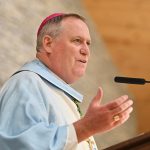
| 9/2 | Wed.,1:30 p.m. Priest meeting – St. Paul Inside the Walls, Madison. |
| 9/3 | Thu., 7 p.m. DMA kick-off meeting with pastors and Lay Appeal chairpeople – All Saints Academy, Parsippany. |
| 9/4 | Fri., 4:30 p.m. Newer Religious Gathering – Mary Help of Christians, North Haledon. |
| 9/5 | Sat., 8 a.m. Mass for Life & Procession – St. Margaret of Scotland Parish, Morristown; 11 a.m. & 1 p.m. Confirmation – Holy Trinity Parish, Passaic. |
| 9/6 | Sun., 12:30 p.m. St. Therese Parish, Paterson. |
| 9/8 | Tue., 10 a.m. Solemn vows – Discalced Carmelites, Morristown. |
| 9/9 | Wed., 10:30 a.m. Tri-County Scholarship Fund visit – St. Gerard Majella School, Paterson. |
| 9/10 | Thu., 7 p.m. September 11 Memorial Mass – St. Patrick’s Cathedral, NYC. |
| 9/11 | Fri., 9:30 a.m. Mass – All Saints Academy, Parsippany; 11:30 a.m. Staff Mass – St. Paul’s Inside the Walls, Madison, commemorating the 25th Anniversary of the terrorist attacks; 7 p.m. Confirmation – St. Pius X Parish, Montville. |
| 9/12 | Sat., 10:30 a.m. Confirmation – Our Lady of the Magnificat Parish, Kinnelon; 2 p.m. Mass and Eucharistic Procession for Altar Servers Day – St. Paul Inside the Walls, Madison; 4 p.m. Installation Mass of Father Manuel Cuellar – St. Pio of Pietrelcina (Padre Pio) Parish, Paterson, St. Bonaventure Church, Paterson. |
| 9/13 | Sun., 10:30 a.m. Mass and the Rite of Veneration over the first-class relic of St. Carlo Acutis – Immaculate Heart of Mary Parish, Wayne. |
| 9/14 | Mon., 1 p.m. Dean’s meeting. |
| 9/15 | Tue., 12 p.m. Retired Priests’ Autumn Lunch – St. Ann’s Parish, Parsipany; 6 p.m. Confirmation – Corpus Christi Parish, Chatham. |
| 9/16 | Wed., 12 p.m. Mass celebrating Hispanic heritage – St. Joseph’s Health, Paterson. |
| 9/17 | Thu. Pastoral Care of Immigrant Communities – Villanova Cabrini Campus, Radnor, Pa. |
| 9/18–21 | Pilgrimage to Our Lady of Guadalupe, Chalco, Mexico. |
| 9/22 | Tue., 7 p.m. Confirmation – St. Anthony Parish, Hawthorne. |
| 9/23 | Wed., 10:30 a.m. Mass and profession of vows – Chapel of Sisters of Christian Charity, Mendham. |
| 9/25 | Fri., 9:30 a.m. Mass – DePaul Catholic High School, Wayne; 7 p.m. Diocesan Emmaus Mass – the Cathedral of St. John the Baptist, Paterson. |
| 9/26 | Sat., 11 a.m. Filipino Martyrs’ Mass – Notre Dame of Mount Carmel Parish, Cedar Knolls; 1 p.m. Invocation – the Memorial for the Fallen from the global war on terror, County College of Morris, Randolph; 5 p.m. Mass – St. Mary Parish, Denville, for their 100th anniversary celebration. |
| 9/27 | Sun., 4 p.m. Confirmation – St. Gerard Majella Parish, Paterson. |
| 9/28 | Mon., 1 p.m. Presbyteral Council. |
| 9/29 | Tue., 9:20 a.m. Mass – Villa Walsh Academy, Morristown. |
| 9/30 | Wed., 6 p.m. Governor Thomas Kean Leadership Award Gala – Battello, Jersey City. |
Click here to subscribe to our weekly newsletter.
– 9/2 Wed.,1:30 p.m. Priest meeting – St. Paul Inside the Walls, Madison. 9/3 Thu., 7 p.m. DMA kick-off meeting with pastors and Lay Appeal chairpeople – All Saints Academy, Parsippany. 9/4 Fri., 4:30 p.m. Newer Religious Gathering – Mary Help of Christians, North Haledon. 9/5 Sat., 8 a.m. Mass for Life & Procession – St. Margaret of Scotland Parish, Morristown; 11 a.m. & 1 p.m. Confirmation – Holy Trinity Parish, Passaic. 9/6 Sun., 12:30 p.m. St. Therese Parish, Paterson. 9/8 Tue., 10 a.m. Solemn vows – Discalced Carmelites, Morristown. 9/9 Wed., 10:30 a.m. Tri-County Scholarship Fund visit – St. Gerard



:max_bytes(150000):strip_icc():format(jpeg)/TAL-hiking-in-kamikochi-national-park-japan-PEACEANDQUIET0326-031ad2df6bda414ab4691bb897152502.jpg)