Day: August 29, 2026

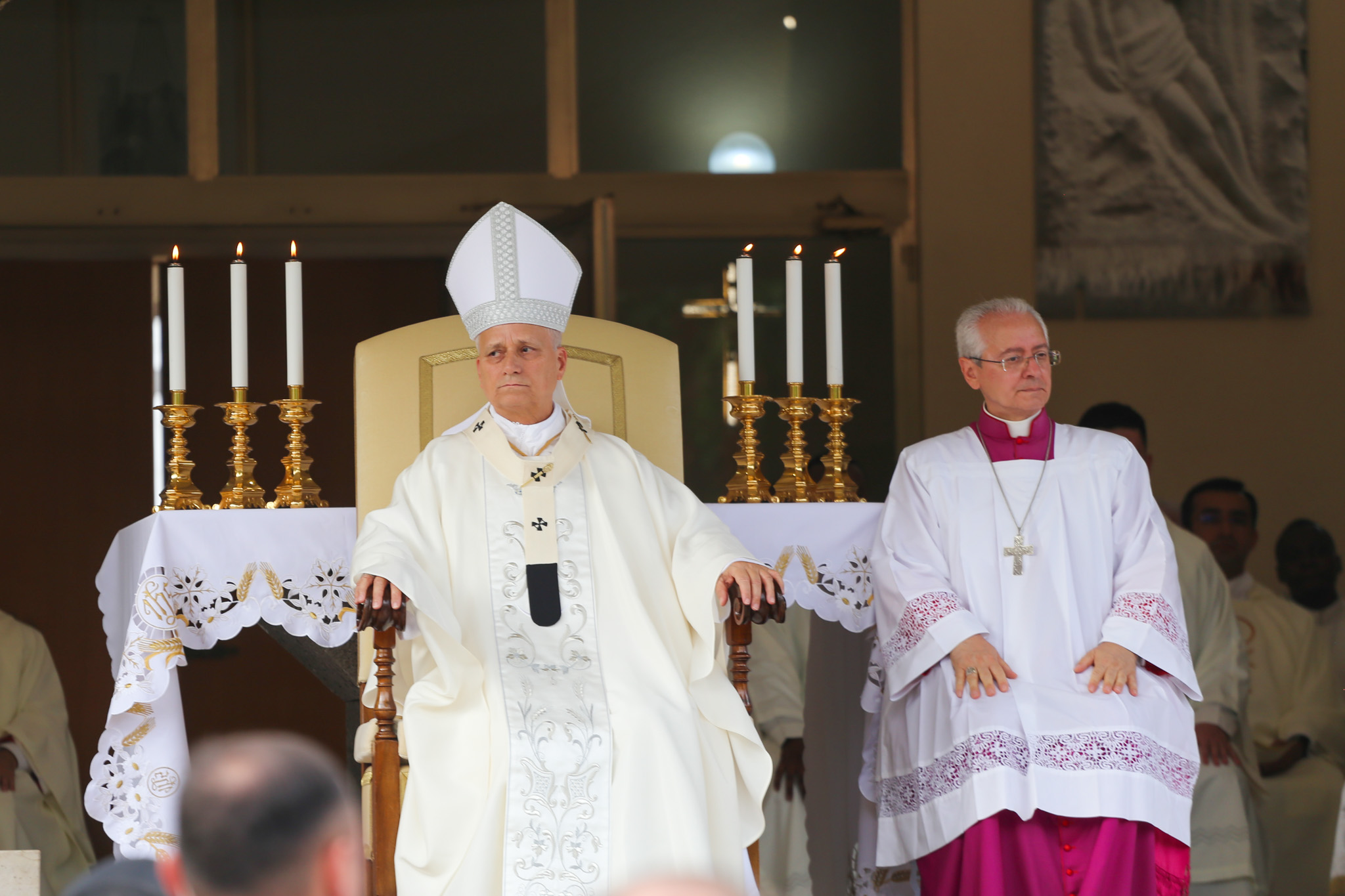
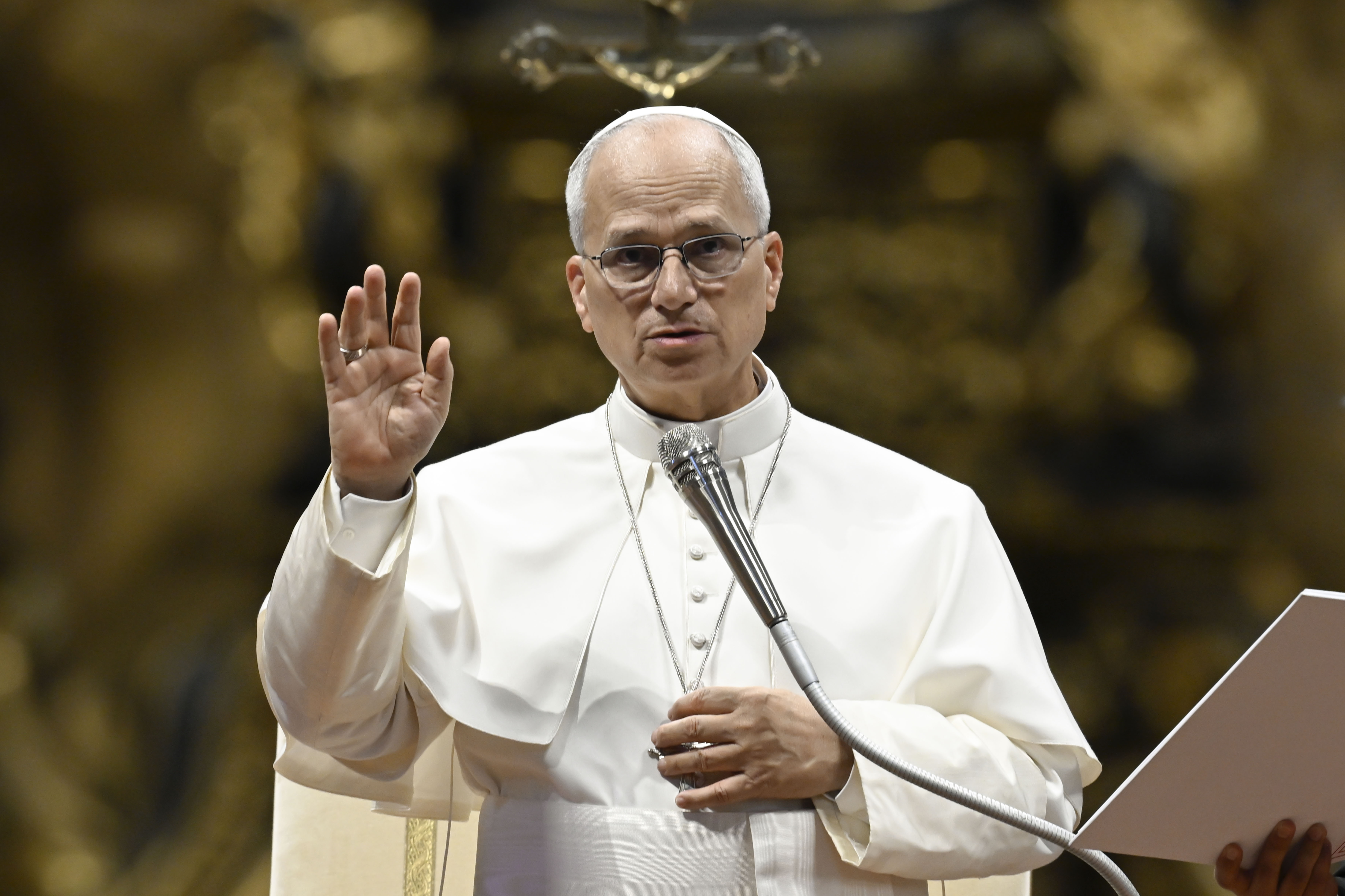
Pope Leo XIV says Eastern synods can remove patriarchs for serious reasons – #Catholic – Pope Leo XIV on Aug. 29 said bishops of the Eastern Catholic Churches can remove their patriarchs when assembled in synod, though the Holy Father said the pope must still give his assent to the proposal. The pope made the declaration in an apostolic letter issued motu proprio titled Mutua Concordia. The letter modified canons 106 and 126 of the Codex Canonum Ecclesiarum Orientalium. The pope in the letter said the “mutual concord” between the head of an Eastern Church and the church’s bishops “is the soul of communion of the Eastern ecclesiastical hierarchy.” If the “sacred bond” between the two “were to be irreparably compromised, this would constitute a grave wound requiring a remedy,” the pope said. In such situations, the bishops in question “must be able to exercise canonical authority” to remedy the crisis.Synods will thus have the power to “[remove] their own Patriarch from office for a grave cause,” the pope said. Such a procedure would still guarantee the patriarch in question “a full defense before the synod,” the pope noted.The pope, however, will retain “the sole concession of consent to the synodal decision,” Leo wrote. That provision will ensure “that the full freedom of the Fathers in expressing their choice is guaranteed, sheltered from any possible internal or external undue pressure.”The order comes into effect “immediately,” Leo wrote in the letter. In June Leo emphasized the “great gift” the Eastern Catholic Churches offer to the Universal Church, which he said is “often unaware of the diverse ecclesial traditions within its ranks.”“The Christian East can only be preserved if it is understood: to lose that understanding is to impoverish the Church,” the pope told the Reunion of Aid Agencies for the Oriental Churches at the time.
Pope Leo XIV says Eastern synods can remove patriarchs for serious reasons – #Catholic – Pope Leo XIV on Aug. 29 said bishops of the Eastern Catholic Churches can remove their patriarchs when assembled in synod, though the Holy Father said the pope must still give his assent to the proposal. The pope made the declaration in an apostolic letter issued motu proprio titled Mutua Concordia. The letter modified canons 106 and 126 of the Codex Canonum Ecclesiarum Orientalium. The pope in the letter said the “mutual concord” between the head of an Eastern Church and the church’s bishops “is the soul of communion of the Eastern ecclesiastical hierarchy.” If the “sacred bond” between the two “were to be irreparably compromised, this would constitute a grave wound requiring a remedy,” the pope said. In such situations, the bishops in question “must be able to exercise canonical authority” to remedy the crisis.Synods will thus have the power to “[remove] their own Patriarch from office for a grave cause,” the pope said. Such a procedure would still guarantee the patriarch in question “a full defense before the synod,” the pope noted.The pope, however, will retain “the sole concession of consent to the synodal decision,” Leo wrote. That provision will ensure “that the full freedom of the Fathers in expressing their choice is guaranteed, sheltered from any possible internal or external undue pressure.”The order comes into effect “immediately,” Leo wrote in the letter. In June Leo emphasized the “great gift” the Eastern Catholic Churches offer to the Universal Church, which he said is “often unaware of the diverse ecclesial traditions within its ranks.”“The Christian East can only be preserved if it is understood: to lose that understanding is to impoverish the Church,” the pope told the Reunion of Aid Agencies for the Oriental Churches at the time.
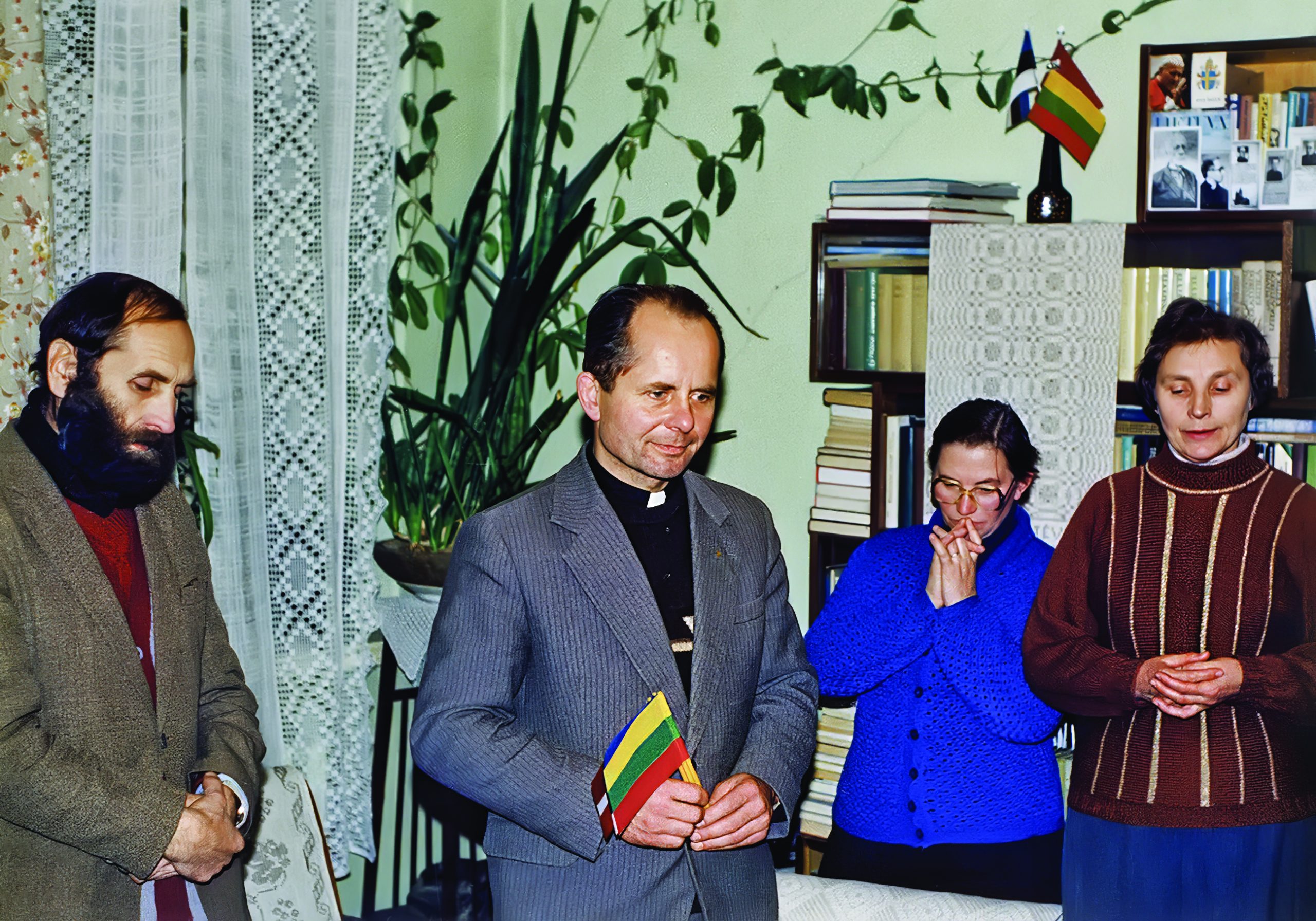
The pope made the declaration in an apostolic letter issued motu proprio titled Mutua Concordia.

Read More
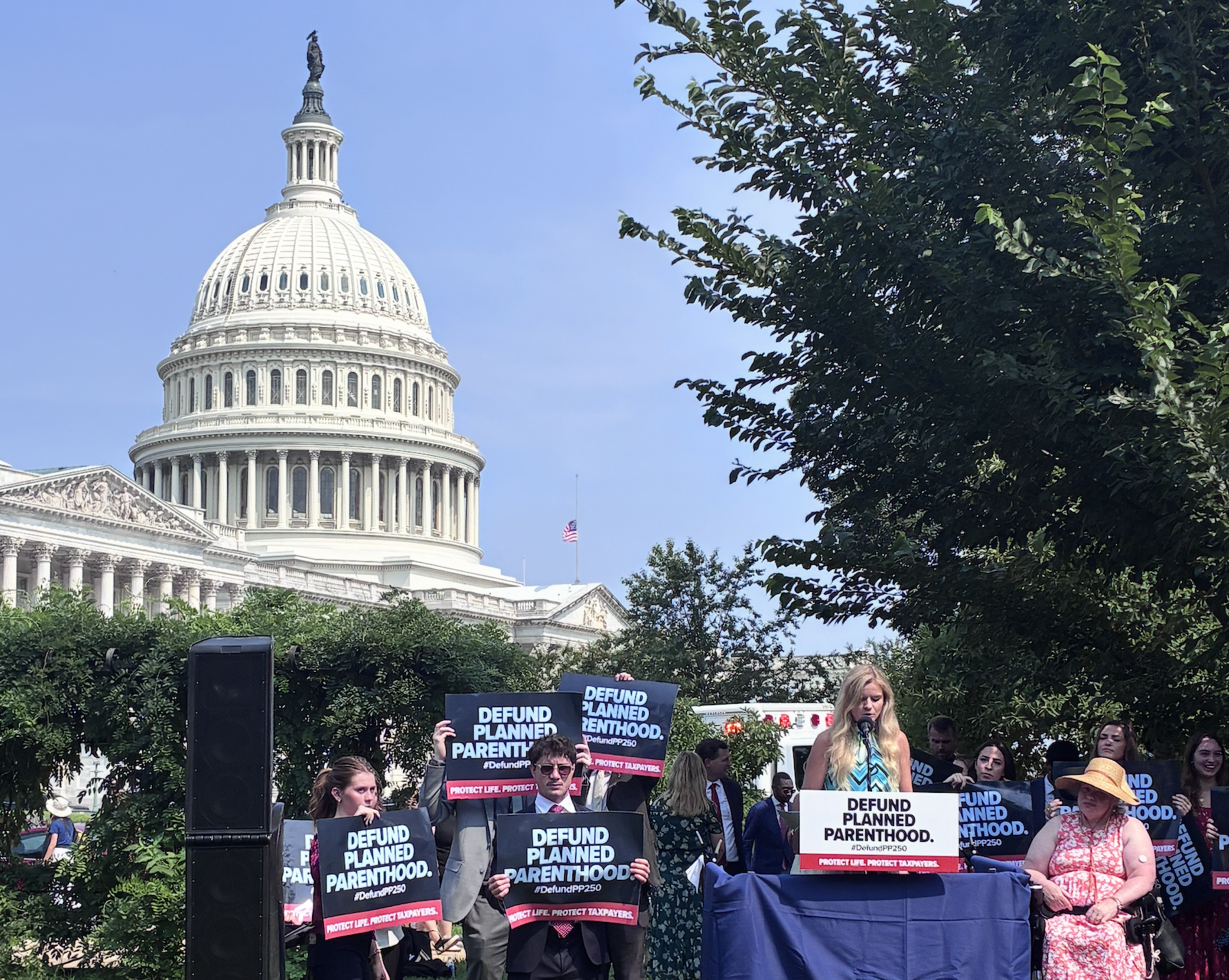
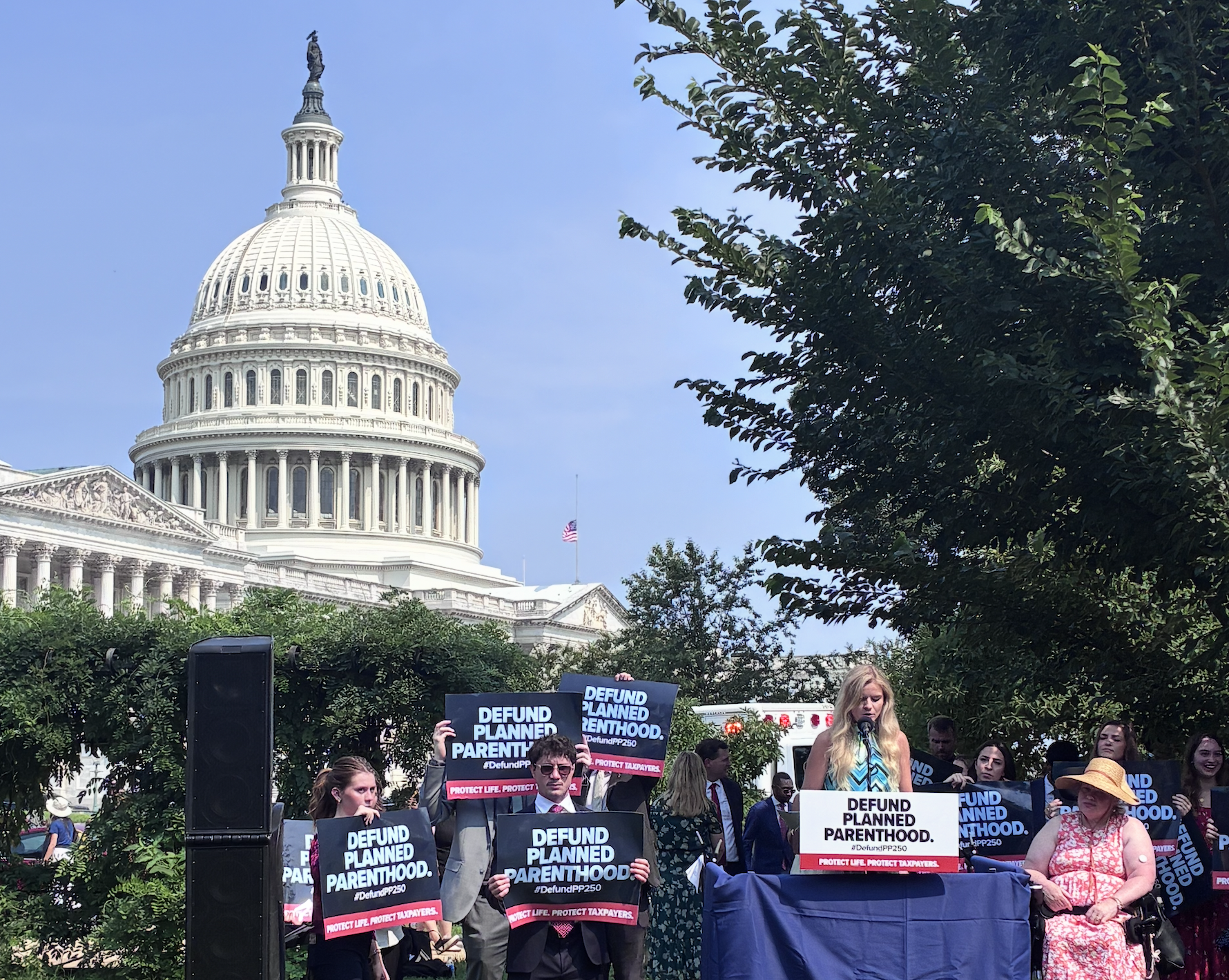
Senate GOP report finds dangerous lack of guardrails for abortion pill prescribing – #Catholic – Senate GOP report finds dangerous lack of guardrails for abortion pill prescribingA five-month-long investigation by Republicans in the U.S. Senate found that abortion pill manufacturing companies are falling short on critical oversight while bringing in millions of dollars in revenue.The manufacturers are not fulfilling their obligation to oversee prescribers while making tens of millions of dollars each year, according to the report, released by U.S. Sen. Bill Cassidy (R-Louisiana).The investigation also found that the U.S. Food and Drug Administration’s “lack of guardrails ensuring a sufficient provider-patient relationship creates accountability gaps for a product that carries risks of significant adverse health outcomes,” according to the report.Three companies, Danco Laboratories, GenBioPro, and Evita Solutions, reportedly did not provide details on how they followed existing federal regulations, according to the report.Among its findings, the report cited an undercover investigation that found that a girl as young as 13 years old could buy abortion pills.Cassidy, a doctor and the chairman of the U.S. Senate Health, Education, Labor, and Pensions Committee, headed the investigation.“Abortion drug companies are putting mothers at risk through their failure to properly oversee the prescription and distribution of their products. We are seeing that the explosion in online sales of chemical abortion drugs has opened the door to coercion and abuse of women,” said Cassidy in a statement.“FDA and the sponsors of these drugs have a responsibility to the American people to crack down on these prescribers that violate the prescribing requirements and reinstate the safeguards that keep mothers and babies safe,” he continued.40 Days for Life says it will cover legal fees for arrests over New Jersey protest lawThe pro-life group 40 Days for Life says it will cover legal fees if protesters are arrested under New Jersey’s new abortion clinic buffer zone law.A new law signed by New Jersey Gov. Mikie Sherrill on Aug. 20 could lead to legal crackdowns on protests near abortion clinics. The law criminalizes “interference” with “reproductive” or “gender-affirming” care.The law further criminalizes inflicting “emotional harm” against those seeking or providing “reproductive health care services.” It also bans filming and sharing videos within 100 feet of an abortion clinic.40 Days for Life, a group that organizes prayer vigils outside abortion clinics, has pledged to cover legal fees for peaceful protesters should the law be used to target them.“If New Jersey — or anywhere else — targets a 40 Days for Life participant for peacefully and lawfully praying in public, our Institute of Law & Justice will have your back,” the group said on Aug. 28. The group’s CEO Shawn Carney told the New York Post, meanwhile, that the services would be covered “at no cost.” Catholic Virginians launch campaign against abortion ballot measureCatholic leaders in Virginia are launching a campaign to oppose a ballot measure that would enshrine a right to abortion in the state.The Protect Virginia 2026 campaign urges Catholics to vote against the state’s “Right to Reproductive Freedom” amendment which will be on the ballot in November.Richmond Bishop Barry Knestout voiced opposition against the “radical” amendment in a letter to Catholics in the state.“Every life is sacred,” Knestout said. “The Church has always taught that abortion is an intrinsic evil. It takes one of God’s greatest gifts – a human life.”“No law can ever make right what is intrinsically wrong,” he continued. “Let us pray for the courage to confront this evil that threatens to destroy life, to be persistent yet compassionate in our advocacy, and to vote so that we stand up for the great good that God has given us.” “Let us commit ourselves to defending those who cannot speak for themselves and to witnessing to the Gospel of Life in both word and deed.”

Senate GOP report finds dangerous lack of guardrails for abortion pill prescribing – #Catholic – Senate GOP report finds dangerous lack of guardrails for abortion pill prescribingA five-month-long investigation by Republicans in the U.S. Senate found that abortion pill manufacturing companies are falling short on critical oversight while bringing in millions of dollars in revenue.The manufacturers are not fulfilling their obligation to oversee prescribers while making tens of millions of dollars each year, according to the report, released by U.S. Sen. Bill Cassidy (R-Louisiana).The investigation also found that the U.S. Food and Drug Administration’s “lack of guardrails ensuring a sufficient provider-patient relationship creates accountability gaps for a product that carries risks of significant adverse health outcomes,” according to the report.Three companies, Danco Laboratories, GenBioPro, and Evita Solutions, reportedly did not provide details on how they followed existing federal regulations, according to the report.Among its findings, the report cited an undercover investigation that found that a girl as young as 13 years old could buy abortion pills.Cassidy, a doctor and the chairman of the U.S. Senate Health, Education, Labor, and Pensions Committee, headed the investigation.“Abortion drug companies are putting mothers at risk through their failure to properly oversee the prescription and distribution of their products. We are seeing that the explosion in online sales of chemical abortion drugs has opened the door to coercion and abuse of women,” said Cassidy in a statement.“FDA and the sponsors of these drugs have a responsibility to the American people to crack down on these prescribers that violate the prescribing requirements and reinstate the safeguards that keep mothers and babies safe,” he continued.40 Days for Life says it will cover legal fees for arrests over New Jersey protest lawThe pro-life group 40 Days for Life says it will cover legal fees if protesters are arrested under New Jersey’s new abortion clinic buffer zone law.A new law signed by New Jersey Gov. Mikie Sherrill on Aug. 20 could lead to legal crackdowns on protests near abortion clinics. The law criminalizes “interference” with “reproductive” or “gender-affirming” care.The law further criminalizes inflicting “emotional harm” against those seeking or providing “reproductive health care services.” It also bans filming and sharing videos within 100 feet of an abortion clinic.40 Days for Life, a group that organizes prayer vigils outside abortion clinics, has pledged to cover legal fees for peaceful protesters should the law be used to target them.“If New Jersey — or anywhere else — targets a 40 Days for Life participant for peacefully and lawfully praying in public, our Institute of Law & Justice will have your back,” the group said on Aug. 28. The group’s CEO Shawn Carney told the New York Post, meanwhile, that the services would be covered “at no cost.” Catholic Virginians launch campaign against abortion ballot measureCatholic leaders in Virginia are launching a campaign to oppose a ballot measure that would enshrine a right to abortion in the state.The Protect Virginia 2026 campaign urges Catholics to vote against the state’s “Right to Reproductive Freedom” amendment which will be on the ballot in November.Richmond Bishop Barry Knestout voiced opposition against the “radical” amendment in a letter to Catholics in the state.“Every life is sacred,” Knestout said. “The Church has always taught that abortion is an intrinsic evil. It takes one of God’s greatest gifts – a human life.”“No law can ever make right what is intrinsically wrong,” he continued. “Let us pray for the courage to confront this evil that threatens to destroy life, to be persistent yet compassionate in our advocacy, and to vote so that we stand up for the great good that God has given us.” “Let us commit ourselves to defending those who cannot speak for themselves and to witnessing to the Gospel of Life in both word and deed.”

Here is a roundup of recent pro-life and abortion-related news.

Read More
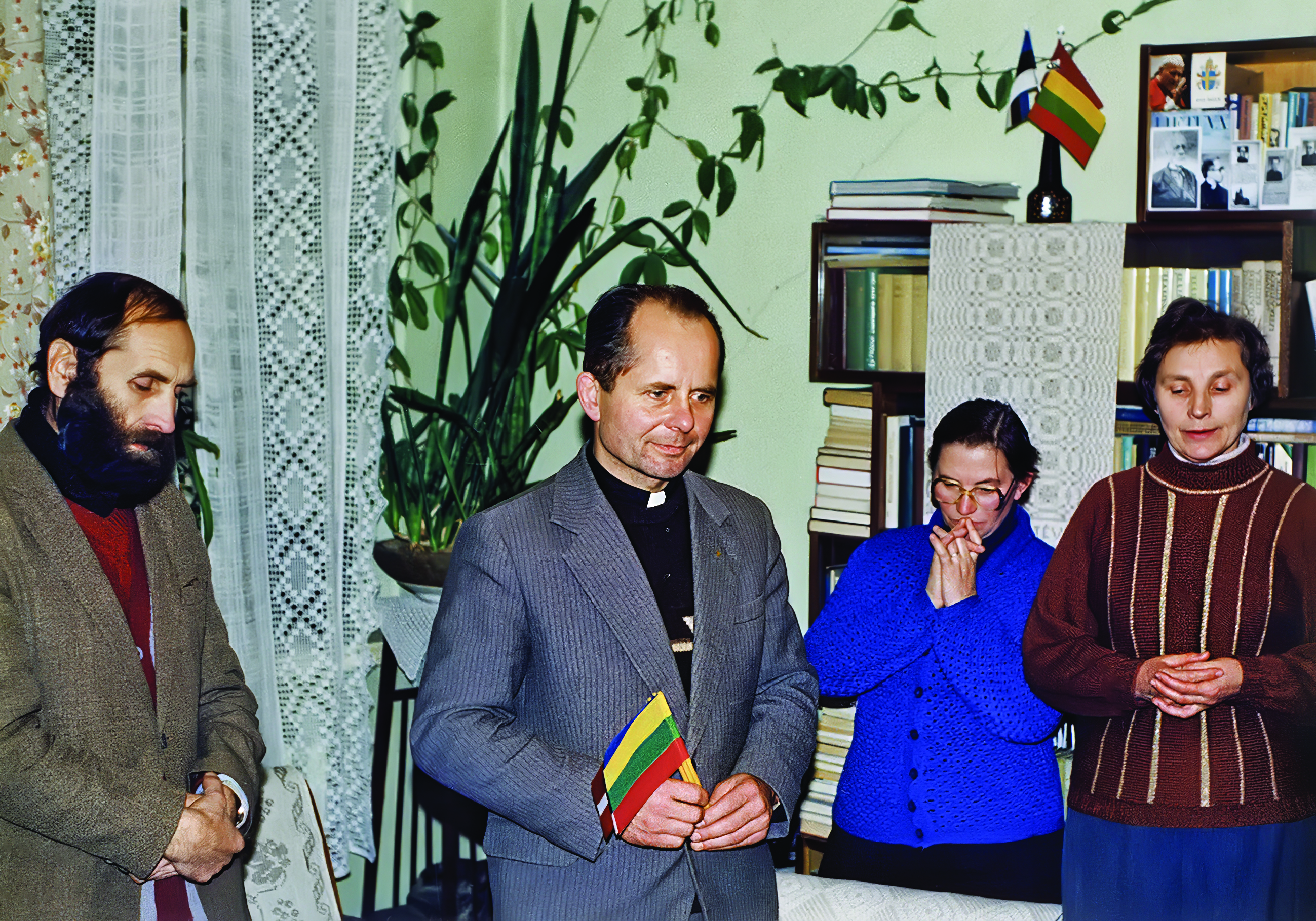
How one Lithuanian cardinal resisted Soviet persecution from a KGB prison cell – #Catholic – A new biography published in Lithuania recounts the life of Cardinal Sigitas Tamkevičius, SJ, one of the leading Catholic figures in the resistance to Soviet religious persecution. It details his work as editor of the underground Chronicle of the Catholic Church in Lithuania publication and his subsequent imprisonment by the KGB.Written by journalist Regina Statkuvienė and published by the DONUM Foundation, “In the Light of the Altar” draws on recent interviews she conducted with Tamkevičius. The book also includes his letters and diary entries alongside accounts of his childhood, priesthood, underground activities, imprisonment, exile, and later episcopal ministry.Tamkevičius was arrested in 1983 and sentenced to six years in a strict-regime labor camp followed by four years of exile in Siberia.His story offers an insight into the experience of Catholics who resisted the Soviet Unionʼs efforts to suppress religious life and impose state atheism.
 
 Sigitas Tamkevičius stands for a portrait during his military service in the Soviet Army in Khosta, Russia, in 1959. | Credit: Photo courtesy of Cardinal Sigitas Tamkevičius
 
 Catholic resistance in Soviet-occupied LithuaniaFounded by Tamkevičius in 1972, the Chronicle of the Catholic Church in Lithuania (“Lietuvos katalikų bažnyčios kronika,” or “LKB Kronika”) was an underground publication documenting religious persecution and human rights abuses in Soviet-occupied Lithuania.The Kronika recorded arrests and interrogations of clergy and lay Catholics, confiscation of Church property, restrictions on religious practice, and attempts by Soviet authorities to infiltrate the Church. It was a strictly factual catalog of human rights violations, not a literary magazine or a platform for theological commentary.Its reports were secretly typed and reproduced, with editions being smuggled to Western diplomats and foreign journalists in Moscow, with activists often microfilming the pages and hiding the negatives inside everyday objects like book covers or flashlights.Once in the West, the material was translated and disseminated internationally, including through Vatican Radio and Radio Free Europe, directly challenging Soviet claims that religious freedom existed behind the Iron Curtain.
 
 Sigitas Tamkevičius, first from left, stands with fellow seminarians at his ordination to the priesthood in May 1962. | Credit: Photo courtesy of Cardinal Sigitas Tamkevičius
 
 In the bookʼs foreword, Archbishop Petar Rajič, current prefect of the Papal Household and former apostolic nuncio to Lithuania, described Tamkevičius as one of the most prominent witnesses to the Soviet era.“Every Catholic who loves the Church should read the Chronicle,” Rajič wrote, calling it a testimony to the spiritual strength and resistance of the Lithuanian people, rooted in the victory of the cross of Christ and offering lessons for Catholics today and future generations.Arrest and KGB interrogationThe Kronika not only exposed Soviet religious persecution to the outside world but also strengthened the underground Catholic resistance within Lithuania. The KGB consequently intensified efforts to identify and suppress those involved in producing and distributing the publication.
 
 Cardinal Sigitas Tamkevičius reaches into the hiding place in the altar of the church in Simnas, Lithuania, where he once concealed copies of the underground Chronicle of the Catholic Church in Lithuania, in 2021. | Credit: Jūratė Tamošiūnytė-Karašauskienė
 
 Since Tamkevičius openly preached against state atheism and challenged Soviet restrictions on the Church, he was seen as a visible figure within the Catholic resistance movement.The Soviet authorities eventually arrested Tamkevičius in May 1983 and charged him with “anti-Soviet agitation and propaganda.” After six months of pretrial detention in the KGB isolation prison in Vilnius, he was sentenced in December to six years in a strict-regime labor camp in the Ural Mountains, followed by four years of exile in Siberia.During his detention, Tamkevičius recalled psychological pressure from KGB interrogators. On one occasion, an interrogator offered him tea and biscuits. He drank the tea at around 2 p.m. and soon became extremely dizzy.His next clear memory came hours later, when he heard the interrogator angrily questioning him about a document concerning the underground seminary. He was then told that it was already 10 p.m. “Only then did I realize that after drinking the tea I had lost consciousness,” he recalled.Tamkevičius believed he had been drugged to extract information from him. The attempt failed. “Seeing how angry the interrogator was, I understood that he had managed to extract nothing from me,” he said.Life in the labor campTamkevičius recalled that his first assignment in the labor camp was peeling potatoes. “Each potato had to be taken out of almost ice-cold water,” he recalled. He feared that doing this for six years would make him ill, but after two weeks he was transferred to a metalworking workshop, where he collected metal shavings from lathes and carried them to containers.Prisoners worked eight hours a day and were allotted another eight hours for sleep. The food was poor, consisting largely of “thin soup and watery porridge.” Later, after Mikhail Gorbachev came to power in 1985, Tamkevičius was assigned to the camp kitchen and had to rise at 4 a.m. to prepare breakfast.The ingredients were often badly preserved. Fish, he recalled, could be heavily salted and stored for years. He learned to make the most of what was available, washing the fish overnight and frying it separately so that prisoners could have a more edible meal.During more than five years in captivity, Tamkevičius was transferred under guard seven times and encountered prisoners ranging from teenagers to murderers. The experience became for him a reflection on human nature and the consequences of abandoning moral law.“A life without God, without the commandments of the Decalogue, a life without love,” he wrote, describing the selfishness, pride, lust, and greed that shaped much of prison life. His reflections ultimately turned toward his own imprisonment and vocation.“Lord, what was it that brought me behind bars and barbed wire?” he asked. “The affairs of the Church? Yes. Concern for people’s moral lives? Yes. Living according to my conscience? Yes. Thank you, Lord, that the answer was ‘yes.’” For Tamkevičius, imprisonment was ultimately the consequence of refusing to compromise his faith in the face of communist oppression.
 
 Bishop Sigitas Tamkevičius addresses young people gathered to meet Pope John Paul II at the Darius and Girėnas Stadium in Kaunas, Lithuania, in September 1993. | Credit: Photo courtesy of Cardinal Sigitas Tamkevičius
 
 From persecution to freedomTamkevičius was released in 1988 as Soviet repression began to weaken. He returned to Lithuania as the country moved toward independence, restored on March 11, 1990.Tamkevičius' story offers a firsthand account of the cost of defending the faith under communism and the role of ordinary believers in preserving the Church through decades of persecution.

How one Lithuanian cardinal resisted Soviet persecution from a KGB prison cell – #Catholic – A new biography published in Lithuania recounts the life of Cardinal Sigitas Tamkevičius, SJ, one of the leading Catholic figures in the resistance to Soviet religious persecution. It details his work as editor of the underground Chronicle of the Catholic Church in Lithuania publication and his subsequent imprisonment by the KGB.Written by journalist Regina Statkuvienė and published by the DONUM Foundation, “In the Light of the Altar” draws on recent interviews she conducted with Tamkevičius. The book also includes his letters and diary entries alongside accounts of his childhood, priesthood, underground activities, imprisonment, exile, and later episcopal ministry.Tamkevičius was arrested in 1983 and sentenced to six years in a strict-regime labor camp followed by four years of exile in Siberia.His story offers an insight into the experience of Catholics who resisted the Soviet Unionʼs efforts to suppress religious life and impose state atheism. Sigitas Tamkevičius stands for a portrait during his military service in the Soviet Army in Khosta, Russia, in 1959. | Credit: Photo courtesy of Cardinal Sigitas Tamkevičius Catholic resistance in Soviet-occupied LithuaniaFounded by Tamkevičius in 1972, the Chronicle of the Catholic Church in Lithuania (“Lietuvos katalikų bažnyčios kronika,” or “LKB Kronika”) was an underground publication documenting religious persecution and human rights abuses in Soviet-occupied Lithuania.The Kronika recorded arrests and interrogations of clergy and lay Catholics, confiscation of Church property, restrictions on religious practice, and attempts by Soviet authorities to infiltrate the Church. It was a strictly factual catalog of human rights violations, not a literary magazine or a platform for theological commentary.Its reports were secretly typed and reproduced, with editions being smuggled to Western diplomats and foreign journalists in Moscow, with activists often microfilming the pages and hiding the negatives inside everyday objects like book covers or flashlights.Once in the West, the material was translated and disseminated internationally, including through Vatican Radio and Radio Free Europe, directly challenging Soviet claims that religious freedom existed behind the Iron Curtain. Sigitas Tamkevičius, first from left, stands with fellow seminarians at his ordination to the priesthood in May 1962. | Credit: Photo courtesy of Cardinal Sigitas Tamkevičius In the bookʼs foreword, Archbishop Petar Rajič, current prefect of the Papal Household and former apostolic nuncio to Lithuania, described Tamkevičius as one of the most prominent witnesses to the Soviet era.“Every Catholic who loves the Church should read the Chronicle,” Rajič wrote, calling it a testimony to the spiritual strength and resistance of the Lithuanian people, rooted in the victory of the cross of Christ and offering lessons for Catholics today and future generations.Arrest and KGB interrogationThe Kronika not only exposed Soviet religious persecution to the outside world but also strengthened the underground Catholic resistance within Lithuania. The KGB consequently intensified efforts to identify and suppress those involved in producing and distributing the publication. Cardinal Sigitas Tamkevičius reaches into the hiding place in the altar of the church in Simnas, Lithuania, where he once concealed copies of the underground Chronicle of the Catholic Church in Lithuania, in 2021. | Credit: Jūratė Tamošiūnytė-Karašauskienė Since Tamkevičius openly preached against state atheism and challenged Soviet restrictions on the Church, he was seen as a visible figure within the Catholic resistance movement.The Soviet authorities eventually arrested Tamkevičius in May 1983 and charged him with “anti-Soviet agitation and propaganda.” After six months of pretrial detention in the KGB isolation prison in Vilnius, he was sentenced in December to six years in a strict-regime labor camp in the Ural Mountains, followed by four years of exile in Siberia.During his detention, Tamkevičius recalled psychological pressure from KGB interrogators. On one occasion, an interrogator offered him tea and biscuits. He drank the tea at around 2 p.m. and soon became extremely dizzy.His next clear memory came hours later, when he heard the interrogator angrily questioning him about a document concerning the underground seminary. He was then told that it was already 10 p.m. “Only then did I realize that after drinking the tea I had lost consciousness,” he recalled.Tamkevičius believed he had been drugged to extract information from him. The attempt failed. “Seeing how angry the interrogator was, I understood that he had managed to extract nothing from me,” he said.Life in the labor campTamkevičius recalled that his first assignment in the labor camp was peeling potatoes. “Each potato had to be taken out of almost ice-cold water,” he recalled. He feared that doing this for six years would make him ill, but after two weeks he was transferred to a metalworking workshop, where he collected metal shavings from lathes and carried them to containers.Prisoners worked eight hours a day and were allotted another eight hours for sleep. The food was poor, consisting largely of “thin soup and watery porridge.” Later, after Mikhail Gorbachev came to power in 1985, Tamkevičius was assigned to the camp kitchen and had to rise at 4 a.m. to prepare breakfast.The ingredients were often badly preserved. Fish, he recalled, could be heavily salted and stored for years. He learned to make the most of what was available, washing the fish overnight and frying it separately so that prisoners could have a more edible meal.During more than five years in captivity, Tamkevičius was transferred under guard seven times and encountered prisoners ranging from teenagers to murderers. The experience became for him a reflection on human nature and the consequences of abandoning moral law.“A life without God, without the commandments of the Decalogue, a life without love,” he wrote, describing the selfishness, pride, lust, and greed that shaped much of prison life. His reflections ultimately turned toward his own imprisonment and vocation.“Lord, what was it that brought me behind bars and barbed wire?” he asked. “The affairs of the Church? Yes. Concern for people’s moral lives? Yes. Living according to my conscience? Yes. Thank you, Lord, that the answer was ‘yes.’” For Tamkevičius, imprisonment was ultimately the consequence of refusing to compromise his faith in the face of communist oppression. Bishop Sigitas Tamkevičius addresses young people gathered to meet Pope John Paul II at the Darius and Girėnas Stadium in Kaunas, Lithuania, in September 1993. | Credit: Photo courtesy of Cardinal Sigitas Tamkevičius From persecution to freedomTamkevičius was released in 1988 as Soviet repression began to weaken. He returned to Lithuania as the country moved toward independence, restored on March 11, 1990.Tamkevičius' story offers a firsthand account of the cost of defending the faith under communism and the role of ordinary believers in preserving the Church through decades of persecution.

A new biography traces Cardinal Sigitas Tamkevičius’ imprisonment by the KGB and his decades leading Lithuania’s underground Catholic resistance to Soviet persecution.

Read More

Looking for a sky event this week? Check out our full Sky This Week column.  August 28: Vesta stands still You may have heard of Epsilon (ε) Lyrae, the famous Double Double star in the constellation Lyra, but it’s not the only fascinating pair this constellation holds. Tonight, let’s check out another multi-star system in the Lyre:Continue reading “The Sky Today on Saturday, August 29: Double star Zeta Lyrae”

The post The Sky Today on Saturday, August 29: Double star Zeta Lyrae appeared first on Astronomy Magazine.

Read More