Day: August 31, 2026

In fight against antisemitism, Israel steps up U.S. Catholic outreach – #Catholic – JERUSALEM — The Coalition of Catholics Against Antisemitism (CCAA), a lay-led U.S. organization established in late 2023 that “affirms the right of the Jewish people to live safely and securely in their ancestral homeland” as well as recognizes that “modern Israel is essential to that security,” has emerged as a leading resource in the Government of Israel’s outreach to American Catholics, who constitute the country’s largest single religious constituency.Tammy Ben-Haim, head of religious and interfaith affairs at Israel’s Ministry of Foreign Affairs, told EWTN news that a May meeting in Washington, D.C., with CCAA Director Simone Rizkallah, a first-generation American of Egyptian-Armenian descent, convinced her of the importance of engaging the organization and its supporters.“I was so impressed by Simone and the vision she had for the organization to combat antisemitism,” including CCAA’s network of key influencers throughout the American Catholic world, Ben-Haim said.Signatories to the CCAA’s “Statement of Solidarity and Action,” a statement developed in the wake of the Oct. 7, 2023, Hamas attack against Israel that also affirms the above-referenced right of the Jewish people “should not jeopardize the right of Palestinians to also live in safety and security,” include dozens of the country’s top Catholic thought leaders and personalities.“When Israel’s Ministry of Foreign Affairs (MFA) decided to begin engaging Catholics more proactively and wanted to design a trip specifically for Catholic leaders, it made sense that they would reach out to us,” Rizkallah said.As a result, in August Rizkallah coordinated with the MFA a weeklong itinerary for 13 American Catholic influencers that addressed firsthand both concerns for the security of Israelis in the country’s Gaza and Lebanon border regions as well as honest discussions with Israeli Arab and Palestinian Catholics about the conditions and challenges they face.Signaling the importance of the initiative, the government of Israel highlighted the group’s visit on social media, noting that the journey of the American Catholic community leaders was one of “friendship and solidarity” that served to both “deepen their commitment to standing against antisemitism and strengthening the bonds between Christians and Jews.”Instagram postDuring the visit, the group, which included representatives from various U.S. Catholic educational institutions, media, think tanks, and lay apostolates, came face-to-face with the existential threats Israel has faced in recent years. The group visited sites of the Oct. 7, 2023, invasions into Israel by thousands of Hamas militants from Gaza, meeting with survivors of the attacks that killed over 1,000 Israelis.
 
 Members of the delegation survey the Gaza Strip, accompanied by Oct. 7, 2023, survivor Oshrit Sabag (pointing over her shoulder) of the neighboring Nahal Oz kibbutz. | Credit: Ken Oliver-Méndez/EWTN News
 
 From a mountaintop overlooking Israel’s border with southern Lebanon and as multiple explosions could be heard in the distance, the group received a sobering briefing on Israel Defense Forces (IDF) operations to neutralize the threat from Hezbollah in the neighboring country.
 
 Along the border with Lebanon and as multiple explosions could be heard in the distance, Avrahim Levine briefed the delegation on Israel Defense Forces operations to neutralize the threat from Hezbollah in the neighboring country. | Credit: Ken Oliver-Méndez/EWTN News
 
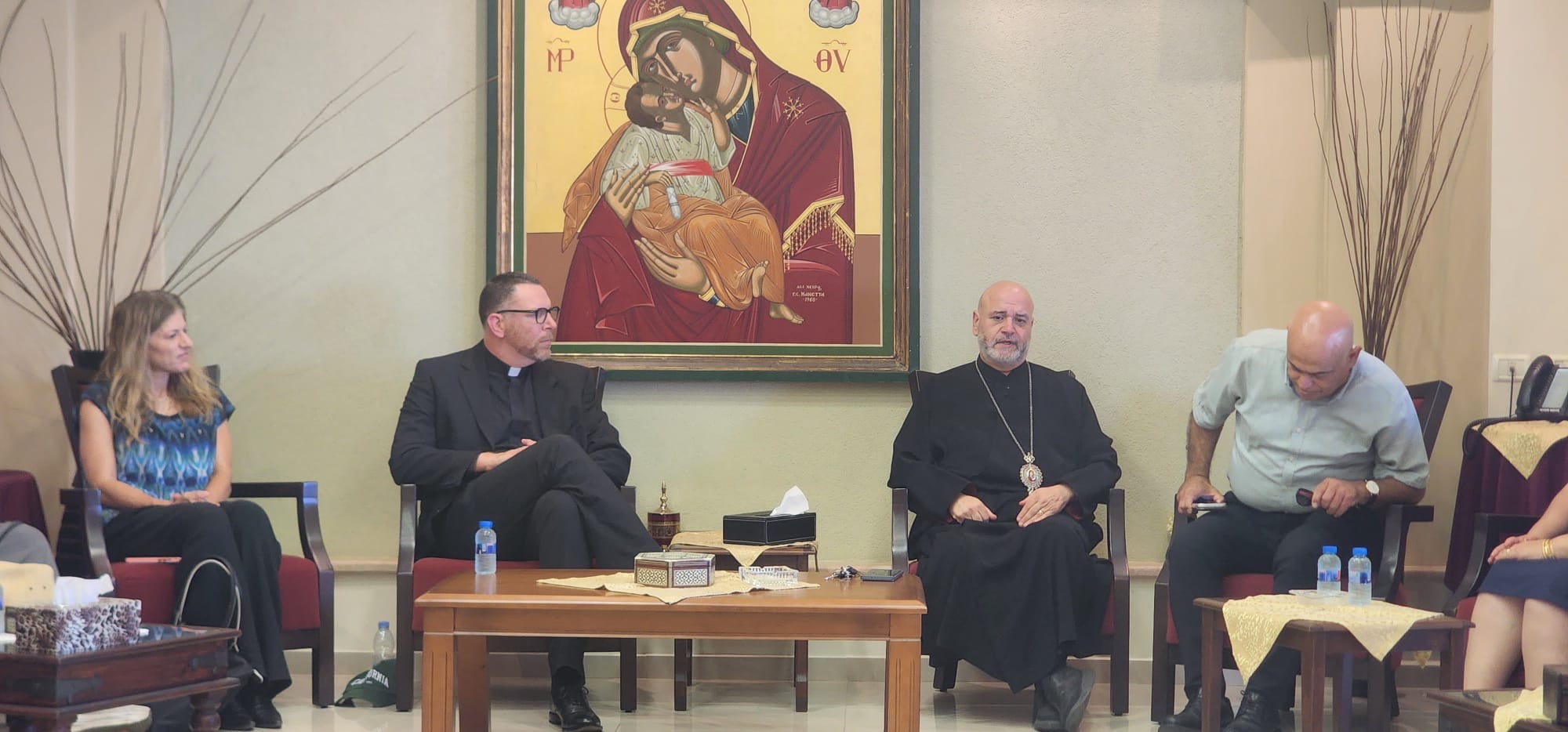
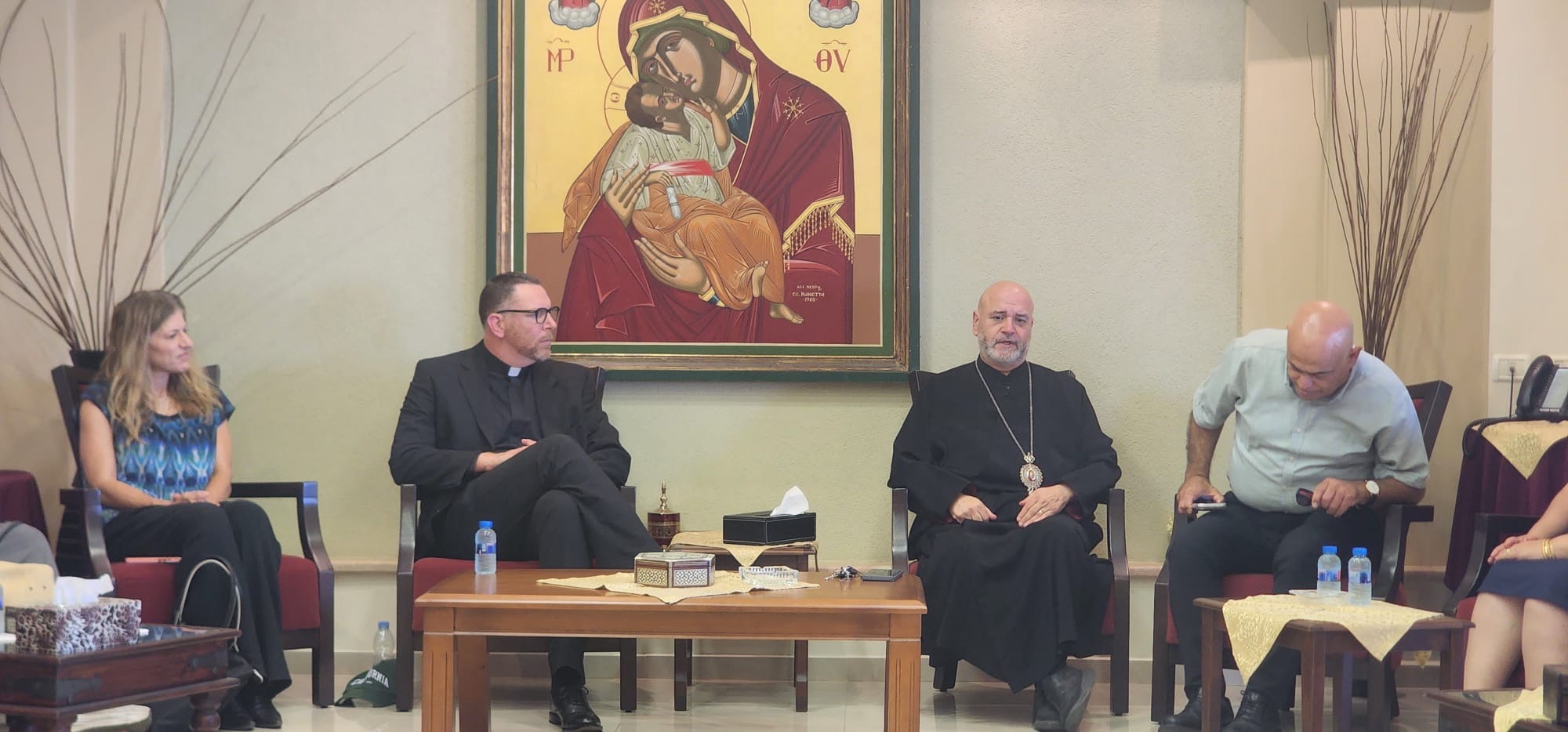
 In addition, the Government of Israel facilitated the group’s direct interaction with various Christians in the disputed lands internationally known as the West Bank (known in Israel by their biblical names of Judea and Samaria) as well as in Haifa, in northern Israel. To varying degrees, these Christians also see themselves as facing existential threats.The group’s guide in Bethlehem, the Palestinian-controlled West Bank town of Jesus’ birth, lamented that just in recent weeks the town has lost several leading Christian families, who have emigrated to Greece.Bethlehem continues to experience a devastating loss of its Christian population. From once having constituted a robust majority, the percentage of Christians there is now estimated in the single digits, with conditions for those remaining further exacerbated by the dearth of pilgrims and severe limitations, since the atrocities of Oct. 7, on permissions for Palestinians to enter Israel for work.In Haifa, the group met with Archbishop Youssef Matta of the Melkite Greek Catholic Church, Israel’s largest Christian community. Melkite Greek Catholics represent nearly 40% of Israel’s total Christian population of 185,000. Nazareth, Haifa, and Jerusalem, respectively, are the country’s largest Christian population centers.In a meeting also attended by Ben-Haim and Cesare Marijeh, senior director of the Christian Department of Israel’s Ministry of Interior Affairs, Matta addressed several challenges facing his community, including alleged extortion rackets by Muslim and Jewish organized crime families as well as discrimination in government subsidies for the Church’s schools, of which there are five under his jurisdiction.At a luncheon with the delegation, Monsignor Simon Khoury, a Melkite Greek Catholic priest who serves a parish in Cana, asserted that the government has deliberately turned a blind eye to the criminal extortion rackets faced by Christians, as he believes such crimes align with the agenda of certain sectors of Israeli society that favor the displacement of the country’s non-Jewish population.
 
 View of the Sea of Galilee from the Mount of Beatitudes, the site of Jesus’ Sermon on the Mount. | Credit: Ken Oliver-Méndez/EWTN News
 
 From the beginning to the end of the trip, members of the delegation pressed Israeli authorities to provide necessary assistance to and security for the country’s Christian population, contending that such actions will go a long way toward bolstering goodwill toward Israel among hundreds of millions of Catholics worldwide.At a meeting of the group with the Ministry of Foreign Affairs’ director of the Department for Combating Antisemitism, Arezoo Hersel-Rohila, and the Anti-Defamation League’s Israel director, Carole Nuriel, EWTN News asked them to identify and address the principal antisemitic narrative that the country is currently facing at the international level.Both women agreed in answering that it is equating Israel’s policy in Gaza to that of the Nazis, i.e., the charge that Israel is committing genocide in Gaza. The officials vigorously contested this widespread allegation, citing that by definition genocide requires intent and that in contravention of such intent, Israel’s military has repeatedly sought to relocate Palestinian civilians within Gaza to get them out of harm’s way as it targets Hamas’ terrorist infrastructure. Other organizations that also address this question, such as the American Jewish Committee (AJC), assert that the IDF “still endeavors to warn Gazans prior to attacks and has allowed humanitarian aid for civilians to be delivered under arrangements intended to prevent Hamas from diverting aid or controlling its distribution to reinforce its authority.”Israel’s government also answers the charge by pointing to evidence that Hamas has repeatedly called on Palestinian civilians to ignore Israel’s warnings about impending strikes, in effect using them as human shields. Defenders of Israel’s actions in Gaza, like the AJC, also note that “international law does not prohibit Israel from undertaking legitimate actions that will likely result in civilian harm unless the expected civilian harm will clearly exceed the anticipated military advantage from the attack.”As the ADL and much of the Jewish community worldwide see it, the propagation of antisemitic narratives around Israel’s operations in Gaza have particularly proliferated among social media influencers, including some Catholics.This also explains in part the why a wide range of U.S. Catholic influencers who personally stand in support of the CCAA’s statement of solidarity, including participants affiliated with EWTN News, the Ethics and Public Policy Center, the Institute on Religion and Democracy, the National Catholic Prayer Breakfast, the Family Research Council, the GIVEN Institute, Tepeyac Leadership, Benedictine College, and the Franciscan University of Steubenville, among others, were invited to engage firsthand with these ongoing issues.
 
 With St. Peter’s statue towering above them, members of the delegation are seen here in Capernaum, the fishing village that was the primary base of operations of Jesus’ ministry in Galilee and home of the Chief of the Apostles. | Credit: Photo courtesy of Yosi Shoshani
 
 Ben-Haim, who accompanied the delegation on the Stations of the Cross route in Jerusalem’s Old City, told EWTN News that going forward, she would like to see more such delegations, especially “young up-and-coming Catholic leaders and influencers” have similar experiences.“No amount of explaining or telling our story equals one visit to Israel,” Ben-Haim explained. Noting that terrorist organizations like Hamas and Hezbollah are right at the country’s borders, she insisted that “all that I believe Israel and Israelis want is for people around the world to understand this; we want to live in a county and in a region that is peaceful and quiet. We cannot afford to have the Oct. 7, 2023, massacre happen again; we cannot allow our borders to be crossed and our children and families to be murdered for being Jews and Israelis.”

In fight against antisemitism, Israel steps up U.S. Catholic outreach – #Catholic – JERUSALEM — The Coalition of Catholics Against Antisemitism (CCAA), a lay-led U.S. organization established in late 2023 that “affirms the right of the Jewish people to live safely and securely in their ancestral homeland” as well as recognizes that “modern Israel is essential to that security,” has emerged as a leading resource in the Government of Israel’s outreach to American Catholics, who constitute the country’s largest single religious constituency.Tammy Ben-Haim, head of religious and interfaith affairs at Israel’s Ministry of Foreign Affairs, told EWTN news that a May meeting in Washington, D.C., with CCAA Director Simone Rizkallah, a first-generation American of Egyptian-Armenian descent, convinced her of the importance of engaging the organization and its supporters.“I was so impressed by Simone and the vision she had for the organization to combat antisemitism,” including CCAA’s network of key influencers throughout the American Catholic world, Ben-Haim said.Signatories to the CCAA’s “Statement of Solidarity and Action,” a statement developed in the wake of the Oct. 7, 2023, Hamas attack against Israel that also affirms the above-referenced right of the Jewish people “should not jeopardize the right of Palestinians to also live in safety and security,” include dozens of the country’s top Catholic thought leaders and personalities.“When Israel’s Ministry of Foreign Affairs (MFA) decided to begin engaging Catholics more proactively and wanted to design a trip specifically for Catholic leaders, it made sense that they would reach out to us,” Rizkallah said.As a result, in August Rizkallah coordinated with the MFA a weeklong itinerary for 13 American Catholic influencers that addressed firsthand both concerns for the security of Israelis in the country’s Gaza and Lebanon border regions as well as honest discussions with Israeli Arab and Palestinian Catholics about the conditions and challenges they face.Signaling the importance of the initiative, the government of Israel highlighted the group’s visit on social media, noting that the journey of the American Catholic community leaders was one of “friendship and solidarity” that served to both “deepen their commitment to standing against antisemitism and strengthening the bonds between Christians and Jews.”Instagram postDuring the visit, the group, which included representatives from various U.S. Catholic educational institutions, media, think tanks, and lay apostolates, came face-to-face with the existential threats Israel has faced in recent years. The group visited sites of the Oct. 7, 2023, invasions into Israel by thousands of Hamas militants from Gaza, meeting with survivors of the attacks that killed over 1,000 Israelis. Members of the delegation survey the Gaza Strip, accompanied by Oct. 7, 2023, survivor Oshrit Sabag (pointing over her shoulder) of the neighboring Nahal Oz kibbutz. | Credit: Ken Oliver-Méndez/EWTN News From a mountaintop overlooking Israel’s border with southern Lebanon and as multiple explosions could be heard in the distance, the group received a sobering briefing on Israel Defense Forces (IDF) operations to neutralize the threat from Hezbollah in the neighboring country. Along the border with Lebanon and as multiple explosions could be heard in the distance, Avrahim Levine briefed the delegation on Israel Defense Forces operations to neutralize the threat from Hezbollah in the neighboring country. | Credit: Ken Oliver-Méndez/EWTN News In addition, the Government of Israel facilitated the group’s direct interaction with various Christians in the disputed lands internationally known as the West Bank (known in Israel by their biblical names of Judea and Samaria) as well as in Haifa, in northern Israel. To varying degrees, these Christians also see themselves as facing existential threats.The group’s guide in Bethlehem, the Palestinian-controlled West Bank town of Jesus’ birth, lamented that just in recent weeks the town has lost several leading Christian families, who have emigrated to Greece.Bethlehem continues to experience a devastating loss of its Christian population. From once having constituted a robust majority, the percentage of Christians there is now estimated in the single digits, with conditions for those remaining further exacerbated by the dearth of pilgrims and severe limitations, since the atrocities of Oct. 7, on permissions for Palestinians to enter Israel for work.In Haifa, the group met with Archbishop Youssef Matta of the Melkite Greek Catholic Church, Israel’s largest Christian community. Melkite Greek Catholics represent nearly 40% of Israel’s total Christian population of 185,000. Nazareth, Haifa, and Jerusalem, respectively, are the country’s largest Christian population centers.In a meeting also attended by Ben-Haim and Cesare Marijeh, senior director of the Christian Department of Israel’s Ministry of Interior Affairs, Matta addressed several challenges facing his community, including alleged extortion rackets by Muslim and Jewish organized crime families as well as discrimination in government subsidies for the Church’s schools, of which there are five under his jurisdiction.At a luncheon with the delegation, Monsignor Simon Khoury, a Melkite Greek Catholic priest who serves a parish in Cana, asserted that the government has deliberately turned a blind eye to the criminal extortion rackets faced by Christians, as he believes such crimes align with the agenda of certain sectors of Israeli society that favor the displacement of the country’s non-Jewish population. View of the Sea of Galilee from the Mount of Beatitudes, the site of Jesus’ Sermon on the Mount. | Credit: Ken Oliver-Méndez/EWTN News From the beginning to the end of the trip, members of the delegation pressed Israeli authorities to provide necessary assistance to and security for the country’s Christian population, contending that such actions will go a long way toward bolstering goodwill toward Israel among hundreds of millions of Catholics worldwide.At a meeting of the group with the Ministry of Foreign Affairs’ director of the Department for Combating Antisemitism, Arezoo Hersel-Rohila, and the Anti-Defamation League’s Israel director, Carole Nuriel, EWTN News asked them to identify and address the principal antisemitic narrative that the country is currently facing at the international level.Both women agreed in answering that it is equating Israel’s policy in Gaza to that of the Nazis, i.e., the charge that Israel is committing genocide in Gaza. The officials vigorously contested this widespread allegation, citing that by definition genocide requires intent and that in contravention of such intent, Israel’s military has repeatedly sought to relocate Palestinian civilians within Gaza to get them out of harm’s way as it targets Hamas’ terrorist infrastructure. Other organizations that also address this question, such as the American Jewish Committee (AJC), assert that the IDF “still endeavors to warn Gazans prior to attacks and has allowed humanitarian aid for civilians to be delivered under arrangements intended to prevent Hamas from diverting aid or controlling its distribution to reinforce its authority.”Israel’s government also answers the charge by pointing to evidence that Hamas has repeatedly called on Palestinian civilians to ignore Israel’s warnings about impending strikes, in effect using them as human shields. Defenders of Israel’s actions in Gaza, like the AJC, also note that “international law does not prohibit Israel from undertaking legitimate actions that will likely result in civilian harm unless the expected civilian harm will clearly exceed the anticipated military advantage from the attack.”As the ADL and much of the Jewish community worldwide see it, the propagation of antisemitic narratives around Israel’s operations in Gaza have particularly proliferated among social media influencers, including some Catholics.This also explains in part the why a wide range of U.S. Catholic influencers who personally stand in support of the CCAA’s statement of solidarity, including participants affiliated with EWTN News, the Ethics and Public Policy Center, the Institute on Religion and Democracy, the National Catholic Prayer Breakfast, the Family Research Council, the GIVEN Institute, Tepeyac Leadership, Benedictine College, and the Franciscan University of Steubenville, among others, were invited to engage firsthand with these ongoing issues. With St. Peter’s statue towering above them, members of the delegation are seen here in Capernaum, the fishing village that was the primary base of operations of Jesus’ ministry in Galilee and home of the Chief of the Apostles. | Credit: Photo courtesy of Yosi Shoshani Ben-Haim, who accompanied the delegation on the Stations of the Cross route in Jerusalem’s Old City, told EWTN News that going forward, she would like to see more such delegations, especially “young up-and-coming Catholic leaders and influencers” have similar experiences.“No amount of explaining or telling our story equals one visit to Israel,” Ben-Haim explained. Noting that terrorist organizations like Hamas and Hezbollah are right at the country’s borders, she insisted that “all that I believe Israel and Israelis want is for people around the world to understand this; we want to live in a county and in a region that is peaceful and quiet. We cannot afford to have the Oct. 7, 2023, massacre happen again; we cannot allow our borders to be crossed and our children and families to be murdered for being Jews and Israelis.”

The Coalition of Catholics Against Antisemitism has been tapped by the Government of Israel as part of its latest outreach to American Catholics.

Read More
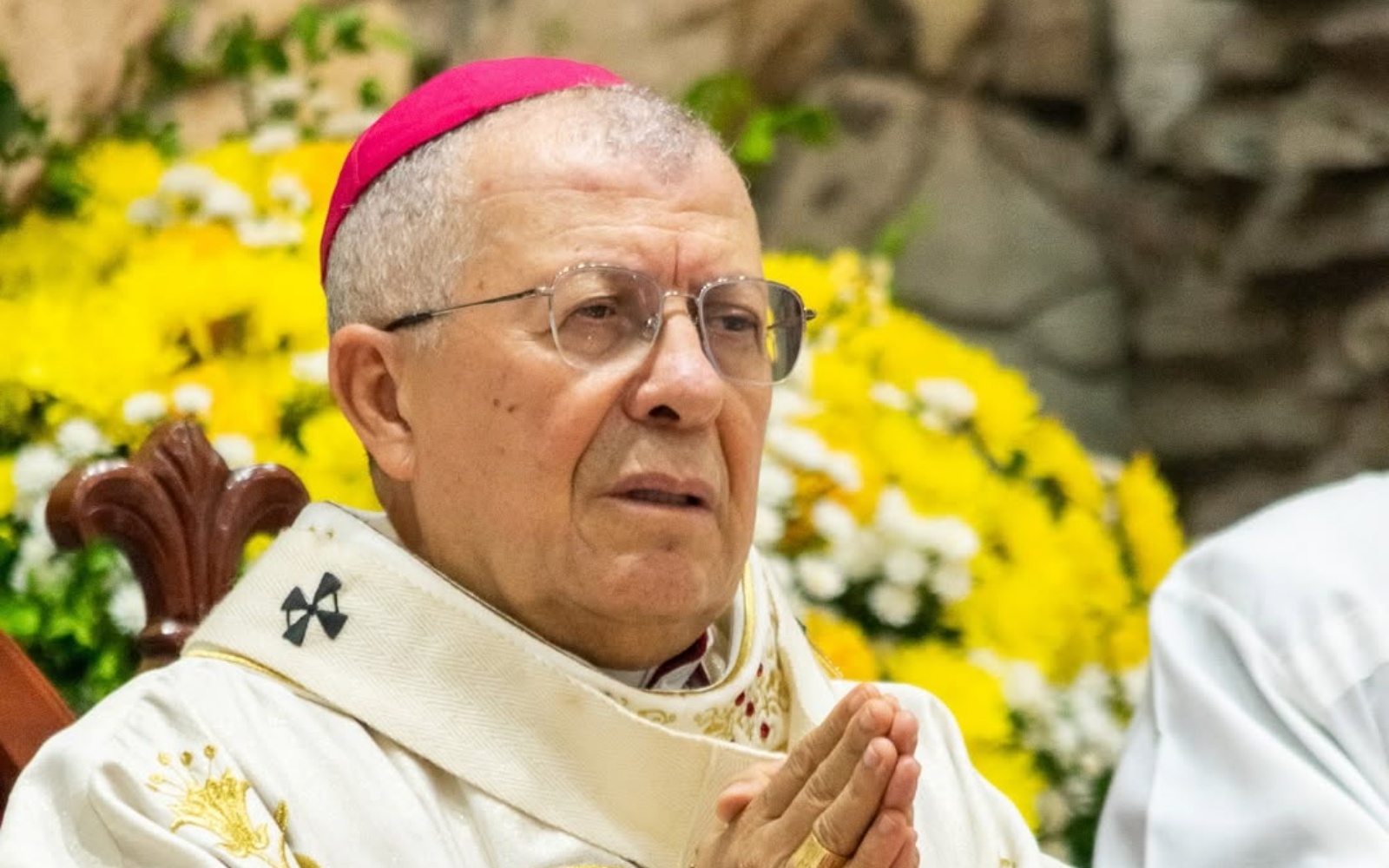
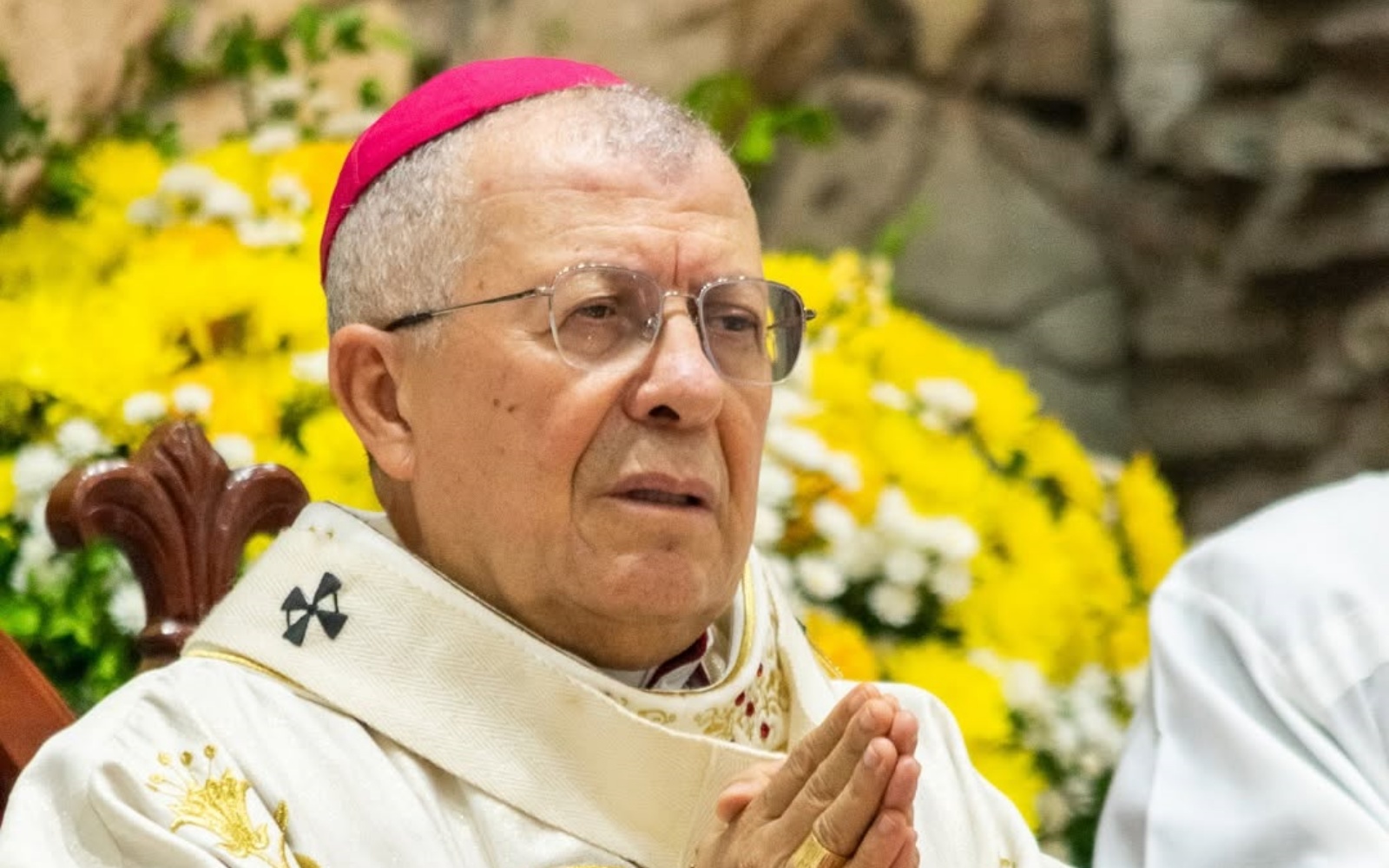
Brazil archbishop establishes rules for use of AI in archdiocesan communications – #Catholic – The archbishop of Aracaju in Sergipe state, Brazil, Josafá Menezes da Silva, has established rules for the use of artificial intelligence (AI) in archdiocesan communications. The guidelines, addressed to priests, deacons, lay ministers, and the entire people of God of the Archdiocese of Aracaju, are based on documents of the Church’s magisterium regarding human dignity, communications, and the use of technology.The principal resources used by Menezes are the message for the 60th World Communications Day and the encyclical Magnifica Humanitas, both by Pope Leo XIV, regarding the safeguarding of the human person in the age of artificial intelligence; the document Antiqua et Nova, a joint note from the Holy See’s Dicastery for the Doctrine of the Faith and Dicastery for Culture and Education, signed by Pope Francis concerning the relationship between artificial intelligence and human intelligence; and a reflection by Father Doriano Vincenzo De Luca, head of the social communications service for the Archdiocese of Naples, Italy.“The starting point for all the Church’s reflection on artificial intelligence is the unconditional defense of the dignity of the human person,” the archbishop of Aracaju explained. The prelate highlighted that the note Antiqua et Nova “places human dignity at the center of discernment regarding artificial intelligence and reminds us that technology must be guided by the good of the person and of society” and that “human intelligence must guide the use of technology for the sake of the ‘authentic good of the person.’”Therefore, “in light of the guidelines of the Church’s magisterium and with the aim of guiding discernment regarding the proper use of artificial intelligence tools, ensuring respect for the principle of human dignity by ‘preserving faces and voices,’ and ensuring these tools serve as an aid rather than replacing the responsible work that only a human being can perform, we hereby establish” certain guidelines within the territory of our Archdiocese of Aracaju, the bishop said.Review and transparencyMenezes mandated that “all art produced with the aid of artificial intelligence” within the archdiocese must “undergo a mandatory human review before publication” and that “any and all content generated or manipulated by artificial intelligence” must also “be labeled and clearly distinguished from content created by humans, especially when the use of AI could affect the perception of the reality being presented.”Prohibited uses for clergyRegarding the clergy, Menezes directed that “generative artificial intelligence must not be used to reconstruct or simulate the appearance of a bishop, priest, or deacon when the result replaces their actual photograph or could be interpreted as an authentic representation of their appearance or of a situation they experienced.” He also established that “generative artificial intelligence must not be used to reconstruct or simulate the voice of a bishop, priest, or deacon in a message or speech not originally delivered by them” and that “one must not attribute to a real person an appearance, speech, action, or situation that does not correspond to reality.”In addition, the archbishop prohibited the use of artificial intelligence to “reconstruct a real person’s face, replacing their photograph”; to “significantly modify a real person’s features”; to “create an artificial appearance presented as their actual appearance”; to “produce images placing a member of the clergy in situations that did not occur”; to “produce a synthetic representation that could be mistaken for a real photograph”; and to “create audio files attempting to simulate a person’s voice in a message or speech not actually delivered by that person.”AI as an auxiliary toolAccording to the archbishop of Aracaju, “artificial intelligence can be used as an auxiliary tool” in nine situations: creating backgrounds, creating textures, generating abstract elements, creating illustrations, suggesting layouts, working with colors, assisting with composition, assisting with editing, and helping to create visual concepts.“These guidelines are based particularly on the message from Pope Leo XIV for the 60th World Communications Day, in which the Holy Father warns that the simulation capabilities of artificial intelligence can fabricate ‘parallel realities,’ usurp faces and voices, and make it increasingly difficult to distinguish between reality and fiction,” Menezes explained.According to the archbishop, “the same document” also “draws attention to the need to protect people’s images, photographs, audio recordings, faces, and voices, preventing harmful uses such as digital fraud, cyberbullying, and deepfakes that can violate privacy and personal intimacy without consent.”At the end of the decree, Menezes exhorted “all pastoral workers, communicators, and the faithful to act with prudence, always consulting their respective ordinaries and respecting current regulations, so that technology may serve the mission and never distort it.” He further emphasized that “everything the Church communicates must be truthful in content and responsible in its manner of representation.”The archbishop ended his directive with the prayer “May Our Lady of the Immaculate Conception, patroness of our archdiocese, intercede for us and help us preserve, in every communication, the dignity and beauty of human faces and voices called to reflect Christ.”This story was first published by ACI Digital, the Portuguese-language sister service of EWTN News. It has been translated and adapted by EWTN News English.

Brazil archbishop establishes rules for use of AI in archdiocesan communications – #Catholic – The archbishop of Aracaju in Sergipe state, Brazil, Josafá Menezes da Silva, has established rules for the use of artificial intelligence (AI) in archdiocesan communications. The guidelines, addressed to priests, deacons, lay ministers, and the entire people of God of the Archdiocese of Aracaju, are based on documents of the Church’s magisterium regarding human dignity, communications, and the use of technology.The principal resources used by Menezes are the message for the 60th World Communications Day and the encyclical Magnifica Humanitas, both by Pope Leo XIV, regarding the safeguarding of the human person in the age of artificial intelligence; the document Antiqua et Nova, a joint note from the Holy See’s Dicastery for the Doctrine of the Faith and Dicastery for Culture and Education, signed by Pope Francis concerning the relationship between artificial intelligence and human intelligence; and a reflection by Father Doriano Vincenzo De Luca, head of the social communications service for the Archdiocese of Naples, Italy.“The starting point for all the Church’s reflection on artificial intelligence is the unconditional defense of the dignity of the human person,” the archbishop of Aracaju explained. The prelate highlighted that the note Antiqua et Nova “places human dignity at the center of discernment regarding artificial intelligence and reminds us that technology must be guided by the good of the person and of society” and that “human intelligence must guide the use of technology for the sake of the ‘authentic good of the person.’”Therefore, “in light of the guidelines of the Church’s magisterium and with the aim of guiding discernment regarding the proper use of artificial intelligence tools, ensuring respect for the principle of human dignity by ‘preserving faces and voices,’ and ensuring these tools serve as an aid rather than replacing the responsible work that only a human being can perform, we hereby establish” certain guidelines within the territory of our Archdiocese of Aracaju, the bishop said.Review and transparencyMenezes mandated that “all art produced with the aid of artificial intelligence” within the archdiocese must “undergo a mandatory human review before publication” and that “any and all content generated or manipulated by artificial intelligence” must also “be labeled and clearly distinguished from content created by humans, especially when the use of AI could affect the perception of the reality being presented.”Prohibited uses for clergyRegarding the clergy, Menezes directed that “generative artificial intelligence must not be used to reconstruct or simulate the appearance of a bishop, priest, or deacon when the result replaces their actual photograph or could be interpreted as an authentic representation of their appearance or of a situation they experienced.” He also established that “generative artificial intelligence must not be used to reconstruct or simulate the voice of a bishop, priest, or deacon in a message or speech not originally delivered by them” and that “one must not attribute to a real person an appearance, speech, action, or situation that does not correspond to reality.”In addition, the archbishop prohibited the use of artificial intelligence to “reconstruct a real person’s face, replacing their photograph”; to “significantly modify a real person’s features”; to “create an artificial appearance presented as their actual appearance”; to “produce images placing a member of the clergy in situations that did not occur”; to “produce a synthetic representation that could be mistaken for a real photograph”; and to “create audio files attempting to simulate a person’s voice in a message or speech not actually delivered by that person.”AI as an auxiliary toolAccording to the archbishop of Aracaju, “artificial intelligence can be used as an auxiliary tool” in nine situations: creating backgrounds, creating textures, generating abstract elements, creating illustrations, suggesting layouts, working with colors, assisting with composition, assisting with editing, and helping to create visual concepts.“These guidelines are based particularly on the message from Pope Leo XIV for the 60th World Communications Day, in which the Holy Father warns that the simulation capabilities of artificial intelligence can fabricate ‘parallel realities,’ usurp faces and voices, and make it increasingly difficult to distinguish between reality and fiction,” Menezes explained.According to the archbishop, “the same document” also “draws attention to the need to protect people’s images, photographs, audio recordings, faces, and voices, preventing harmful uses such as digital fraud, cyberbullying, and deepfakes that can violate privacy and personal intimacy without consent.”At the end of the decree, Menezes exhorted “all pastoral workers, communicators, and the faithful to act with prudence, always consulting their respective ordinaries and respecting current regulations, so that technology may serve the mission and never distort it.” He further emphasized that “everything the Church communicates must be truthful in content and responsible in its manner of representation.”The archbishop ended his directive with the prayer “May Our Lady of the Immaculate Conception, patroness of our archdiocese, intercede for us and help us preserve, in every communication, the dignity and beauty of human faces and voices called to reflect Christ.”This story was first published by ACI Digital, the Portuguese-language sister service of EWTN News. It has been translated and adapted by EWTN News English.

Archbishop Josafá Menezes da Silva directed that the use of AI must always conform to reality and the truth regarding a person’s appearance, voice, and statements.

Read More
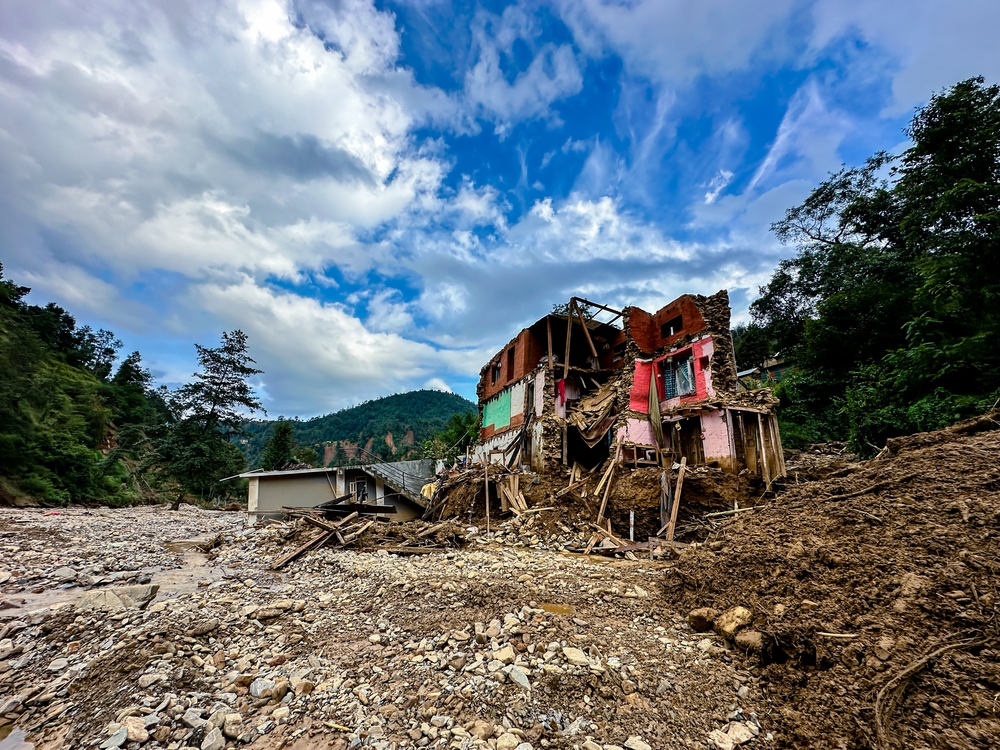
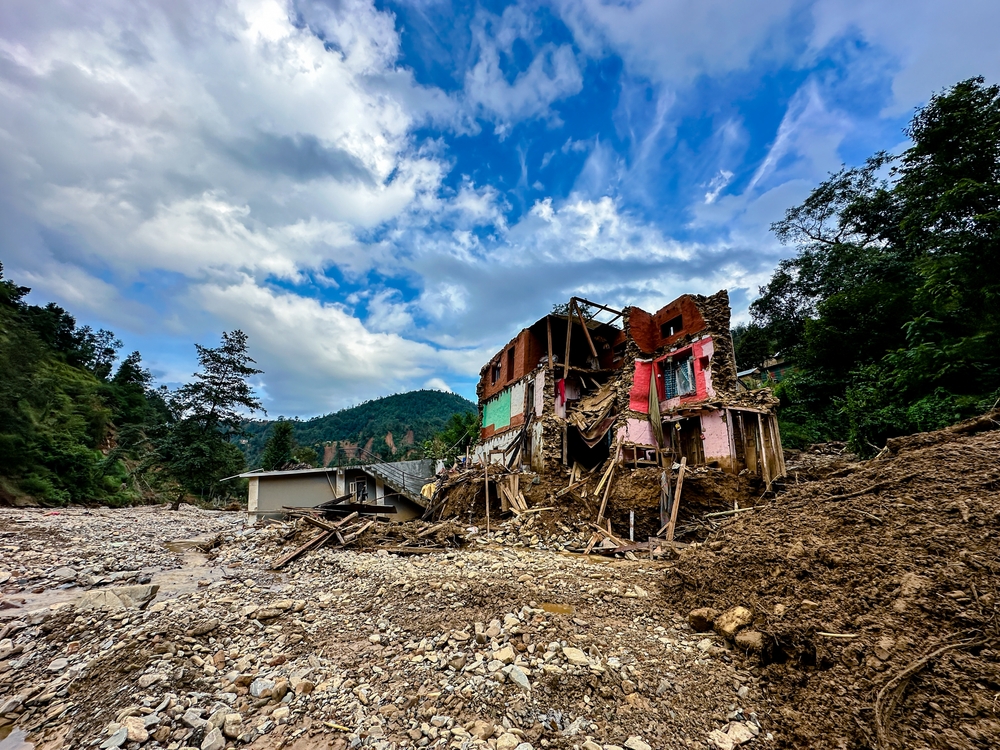
Nepal flood: Caritas runs community kitchens, sources body bags as toll reaches 919 – #Catholic – Five days after Nepal’s worst glacial flood, Caritas continued a full-scale relief operation for thousands of families in the affected area. The work has also taken on the grim task of corpse management, helping deal with the many dead bodies resulting from the catastrophe.The official death toll of the deluge, provided by authorities, has climbed to 919, and 4,793 people are still missing. More than 930 hydropower workers remain unaccounted for, LiCAS News reported. Many are feared to be trapped in hydro tunnels along the Bhote Koshi-Trishuli river system.In a situation report shared with EWTN News on Aug. 30, the president of Caritas Nepal, Father Silas Krishna Bogati, confirmed that the Catholic Church’s response is fully operational. Emergency shelters and hygiene kits have reached over 1,000 households. A cash assistance payment of 15,000 Nepali rupees (roughly 0) is being distributed to 750 of the worst-affected families.The priest, who also serves as apostolic administrator of the Apostolic Vicariate of Nepal, added that more than 50 community kitchens run daily to feed 300 families.Operations supported by China and IndiaThe full scale of destruction is yet to be accounted for. Reuters reported that the flood destroyed 19 bridges, roadways, and other crucial infrastructure, hampering emergency aid and the search for survivors.As rescue operations, supported by China and India, continue amid the risk of landslides and more flooding, aid workers are already flagging a second looming emergency: winter. Displaced families sheltering in high-altitude areas will require thermal gear and winter-proof shelter within weeks, Bogati shared with EWTN News.Nepal Red Cross has formally asked Caritas Nepal to source more than 1,000 body bags, with decomposition already becoming a public health concern, the president of Caritas Nepal wrote.To avoid future catastrophes, Nepal and China are expected to improve communication on real-time glacier data, avalanche risks, and water levels.International pledges for help and support exceed 0 million, with commitments from the United States, Europe, Canada, and the World Bank.Pope Leo XIV again prayed on Sunday for the flood victims. “Let us pray for those who have lost their lives, for the injured, those missing, for the families and rescue workers,” he said. “May the concern of everyone help to alleviate the suffering and provide the necessary aid to the people affected.”In the immediate aftermath of the disaster, U.S. bishops called for international mobilization and “long-term efforts to help affected communities rebuild their homes, livelihoods, and critical infrastructure.”

Nepal flood: Caritas runs community kitchens, sources body bags as toll reaches 919 – #Catholic – Five days after Nepal’s worst glacial flood, Caritas continued a full-scale relief operation for thousands of families in the affected area. The work has also taken on the grim task of corpse management, helping deal with the many dead bodies resulting from the catastrophe.The official death toll of the deluge, provided by authorities, has climbed to 919, and 4,793 people are still missing. More than 930 hydropower workers remain unaccounted for, LiCAS News reported. Many are feared to be trapped in hydro tunnels along the Bhote Koshi-Trishuli river system.In a situation report shared with EWTN News on Aug. 30, the president of Caritas Nepal, Father Silas Krishna Bogati, confirmed that the Catholic Church’s response is fully operational. Emergency shelters and hygiene kits have reached over 1,000 households. A cash assistance payment of 15,000 Nepali rupees (roughly $110) is being distributed to 750 of the worst-affected families.The priest, who also serves as apostolic administrator of the Apostolic Vicariate of Nepal, added that more than 50 community kitchens run daily to feed 300 families.Operations supported by China and IndiaThe full scale of destruction is yet to be accounted for. Reuters reported that the flood destroyed 19 bridges, roadways, and other crucial infrastructure, hampering emergency aid and the search for survivors.As rescue operations, supported by China and India, continue amid the risk of landslides and more flooding, aid workers are already flagging a second looming emergency: winter. Displaced families sheltering in high-altitude areas will require thermal gear and winter-proof shelter within weeks, Bogati shared with EWTN News.Nepal Red Cross has formally asked Caritas Nepal to source more than 1,000 body bags, with decomposition already becoming a public health concern, the president of Caritas Nepal wrote.To avoid future catastrophes, Nepal and China are expected to improve communication on real-time glacier data, avalanche risks, and water levels.International pledges for help and support exceed $200 million, with commitments from the United States, Europe, Canada, and the World Bank.Pope Leo XIV again prayed on Sunday for the flood victims. “Let us pray for those who have lost their lives, for the injured, those missing, for the families and rescue workers,” he said. “May the concern of everyone help to alleviate the suffering and provide the necessary aid to the people affected.”In the immediate aftermath of the disaster, U.S. bishops called for international mobilization and “long-term efforts to help affected communities rebuild their homes, livelihoods, and critical infrastructure.”

As Caritas Nepal is running community kitchens and sourcing body bags, a second emergency, winter, is approaching.

Read More

Try and try and try as they may, scientists have yet to explain one of spaceflight’s most painfully enduring mysteries: Why do astronauts get constipated? After examining blood samples from 52 astronauts, they may have found an answer.  To learn more about how spaceflight affects digestion, researchers from the University of Copenhagen, working with NASA,Continue reading “Why do astronauts get constipated?”

The post Why do astronauts get constipated? appeared first on Astronomy Magazine.

Read More
Picture of the day


SBB Ce 6/8 II 14253 “crocodile” electric locomotive with the Gotthard mountain route experience train 31066 Lavorgo – Erstfeld crosses the lower Wattingen bridge near Wassen, Switzerland.
 #ImageOfTheDay
Picture of the day
SBB Ce 6/8 II 14253 “crocodile” electric locomotive with the Gotthard mountain route experience train 31066 Lavorgo – Erstfeld crosses the lower Wattingen bridge near Wassen, Switzerland.
Read More