Day: November 2, 2026

To you Saint Martin de Porres we prayerfully lift up our hearts filled with serene confidence and devotion. Mindful of your unbounded and helpful charity to all levels of society and also of your meekness and humility of heart, we offer our petitions to you.
Pour out upon our families the precious gifts of your solicitous and generous intercession; show to the people of every race and every color the paths of unity and of justice; implore from our Father in heaven the coming of his kingdom, …
Read More
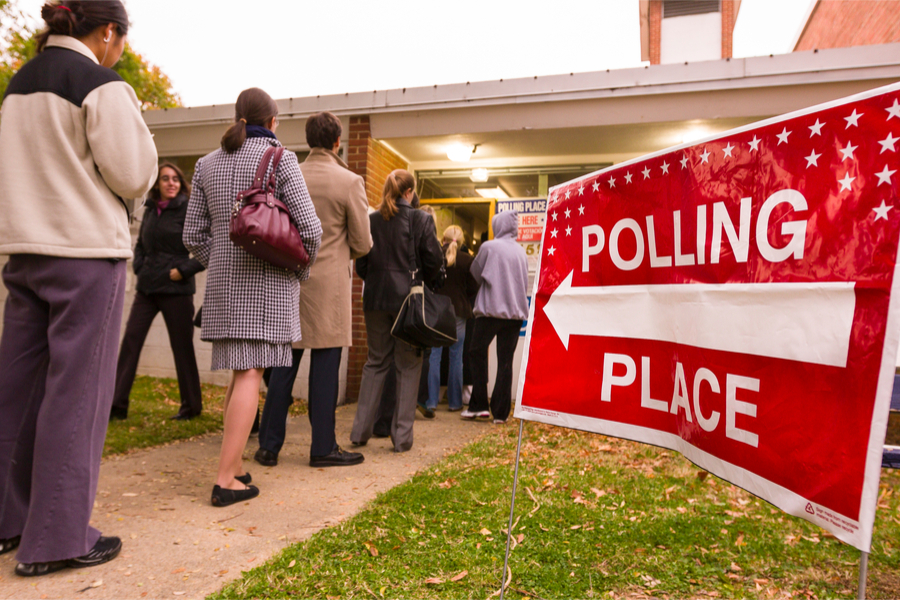
State-level Catholic conferences prepare the faithful for ballot initiatives – #Catholic – Across the country, state-level Catholic bishops’ conferences are producing guidelines to help Catholic voters consider the moral implications of voting for or against referendums appearing on their Nov. 3 ballots.Bishops’ conferences at the state level are organizations jointly run by every diocesan bishop in that state, which are active in every state with more than one diocese. A conference will often comment on bills and referendums that implicate Catholic teaching and put out statements on matters specific to their state.In some states with contentious referendums on the ballot, bishops’ conferences have taken a clear position on initiatives, urging Catholics to either support or oppose the measures. Some of these measures are related to abortion, gender and sexuality, human trafficking, and gambling.American bishops do not campaign for specific candidates in elections. Yet, advocating for and against referendums is classified in the tax code as “lobbying” instead of campaigning, which is permitted for dioceses and jointly run Catholic conferences. However, there are legal restrictions on the amount of lobbying in which they can engage.Taking on abortionThree conferences have taken strong stances on ballot initiatives related to abortion: Virginia, Nevada, and Missouri. Diocese of Boise Bishop Peter Christensen also took a strong stance on an abortion referendum in Idaho, though the state has only one diocese and no conference.In Virginia and Nevada, the bishops’ conferences are asking the faithful to vote no on proposed constitutional amendments to establish a legal right to abortion in their states. The conferences have produced printed material offered at parishes that discuss Church teaching on the sanctity of human life, and the bishops have released joint statements. Both states have two dioceses.Amy McInerny, director of Respect Life at the Diocese of Arlington’s Office of Marriage, Family, and Respect Life, told EWTN News the dioceses coordinated on the referendum for two years, “coming up with a battle plan” to oppose the measure.Las Vegas Archbishop George Leo Thomas told EWTN News that in Nevada, the bishops meet during years with legislative sessions. The conference contracts much of the work to attorneys who are aligned with the Church’s legislative priorities and follow the sessions.Bishops in Missouri are urging voters to back a pro-life initiative to repeal a state constitutional right to abortion. This also includes producing printed material and offering joint statements by the bishops.Jamie Morris, executive director of the Missouri Catholic Conference, told EWTN News “it has been a major focus of all four dioceses and of all four bishops.” He said the conference works directly with the bishops, providing them with information about legislative issues so they can take informed stances on the subjects.Gender and sexualitySeveral conferences have also taken positions on issues that implicate Catholic teachings on gender and sexuality, which includes same-sex marriage, transgender people participating in sports, and parental rights.In addition to the abortion referendum in Virginia, the bishops are fighting against a referendum to enshrine same-sex marriage into the state constitution. Much of the material urging Catholics to oppose the abortion referendum also urges them to oppose this referendum.The Colorado Catholic Conference, which represents the state’s three dioceses, has taken a stance on two referendums on this subject, encouraging the faithful to support two initiatives.One referendum would ensure interscholastic and intramural athletics are separated on the basis of biological sex rather than purported gender identity. The other would ban surgeries on children meant to alter their sex characteristics to facilitate a gender transition.Nebraskans will vote on a referendum to separate sports on the basis of biological sex rather than purported gender identity. The Nebraska Catholic Conference did not officially take a stance on this but did issue a statement that said the conference supported legislation that was nearly identical and urged the faithful to “please keep in mind Catholic social teaching on human sexuality” when voting on the measure.The Washington State Catholic Conference has spoken positively of a proposed referendum to also separate athletics on the basis of biological sex as opposed to purported gender identity. In a statement to EWTN News, the conference called the initiative “consistent with Catholic teaching on the complementarity and divine design of women and men.”The conference spoke positively about a separate referendum to restore parental rights to access information related to their child’s mental health, telling EWTN News it “ensures that parents are not kept in the dark about an issue that impacts their childʼs health.” This may include information about a child’s sexuality and gender identity.Other issues on the ballotThe other issues bishops have taken positions on include human trafficking, gambling, and procedures for changing the state constitution.The Colorado Catholic Conference has asked Catholics to support a referendum that would mandate life imprisonment for any person convicted of human trafficking of a minor.The Nebraska Catholic Conference has encouraged Catholics to vote against two referendums that would legalize and regulate sports gambling in the state, warning it would “expand predatory online sports gambling in our state,” which “can lead to family problems, debt, bankruptcy, homelessness, and mental health issues.”The South Dakota Catholic Conference has backed a referendum that would increase the threshold needed for adopting a constitutional amendment via referendum, from a majority vote to a 60% threshold. This is meant to prevent future referendums to establish legal rights to abortion from succeeding.The North Dakota Catholic Conference backed a similar referendum to increase the threshold to adopt a constitutional amendment via referendum from a majority vote to 60%, citing the same concerns.

State-level Catholic conferences prepare the faithful for ballot initiatives – #Catholic – Across the country, state-level Catholic bishops’ conferences are producing guidelines to help Catholic voters consider the moral implications of voting for or against referendums appearing on their Nov. 3 ballots.Bishops’ conferences at the state level are organizations jointly run by every diocesan bishop in that state, which are active in every state with more than one diocese. A conference will often comment on bills and referendums that implicate Catholic teaching and put out statements on matters specific to their state.In some states with contentious referendums on the ballot, bishops’ conferences have taken a clear position on initiatives, urging Catholics to either support or oppose the measures. Some of these measures are related to abortion, gender and sexuality, human trafficking, and gambling.American bishops do not campaign for specific candidates in elections. Yet, advocating for and against referendums is classified in the tax code as “lobbying” instead of campaigning, which is permitted for dioceses and jointly run Catholic conferences. However, there are legal restrictions on the amount of lobbying in which they can engage.Taking on abortionThree conferences have taken strong stances on ballot initiatives related to abortion: Virginia, Nevada, and Missouri. Diocese of Boise Bishop Peter Christensen also took a strong stance on an abortion referendum in Idaho, though the state has only one diocese and no conference.In Virginia and Nevada, the bishops’ conferences are asking the faithful to vote no on proposed constitutional amendments to establish a legal right to abortion in their states. The conferences have produced printed material offered at parishes that discuss Church teaching on the sanctity of human life, and the bishops have released joint statements. Both states have two dioceses.Amy McInerny, director of Respect Life at the Diocese of Arlington’s Office of Marriage, Family, and Respect Life, told EWTN News the dioceses coordinated on the referendum for two years, “coming up with a battle plan” to oppose the measure.Las Vegas Archbishop George Leo Thomas told EWTN News that in Nevada, the bishops meet during years with legislative sessions. The conference contracts much of the work to attorneys who are aligned with the Church’s legislative priorities and follow the sessions.Bishops in Missouri are urging voters to back a pro-life initiative to repeal a state constitutional right to abortion. This also includes producing printed material and offering joint statements by the bishops.Jamie Morris, executive director of the Missouri Catholic Conference, told EWTN News “it has been a major focus of all four dioceses and of all four bishops.” He said the conference works directly with the bishops, providing them with information about legislative issues so they can take informed stances on the subjects.Gender and sexualitySeveral conferences have also taken positions on issues that implicate Catholic teachings on gender and sexuality, which includes same-sex marriage, transgender people participating in sports, and parental rights.In addition to the abortion referendum in Virginia, the bishops are fighting against a referendum to enshrine same-sex marriage into the state constitution. Much of the material urging Catholics to oppose the abortion referendum also urges them to oppose this referendum.The Colorado Catholic Conference, which represents the state’s three dioceses, has taken a stance on two referendums on this subject, encouraging the faithful to support two initiatives.One referendum would ensure interscholastic and intramural athletics are separated on the basis of biological sex rather than purported gender identity. The other would ban surgeries on children meant to alter their sex characteristics to facilitate a gender transition.Nebraskans will vote on a referendum to separate sports on the basis of biological sex rather than purported gender identity. The Nebraska Catholic Conference did not officially take a stance on this but did issue a statement that said the conference supported legislation that was nearly identical and urged the faithful to “please keep in mind Catholic social teaching on human sexuality” when voting on the measure.The Washington State Catholic Conference has spoken positively of a proposed referendum to also separate athletics on the basis of biological sex as opposed to purported gender identity. In a statement to EWTN News, the conference called the initiative “consistent with Catholic teaching on the complementarity and divine design of women and men.”The conference spoke positively about a separate referendum to restore parental rights to access information related to their child’s mental health, telling EWTN News it “ensures that parents are not kept in the dark about an issue that impacts their childʼs health.” This may include information about a child’s sexuality and gender identity.Other issues on the ballotThe other issues bishops have taken positions on include human trafficking, gambling, and procedures for changing the state constitution.The Colorado Catholic Conference has asked Catholics to support a referendum that would mandate life imprisonment for any person convicted of human trafficking of a minor.The Nebraska Catholic Conference has encouraged Catholics to vote against two referendums that would legalize and regulate sports gambling in the state, warning it would “expand predatory online sports gambling in our state,” which “can lead to family problems, debt, bankruptcy, homelessness, and mental health issues.”The South Dakota Catholic Conference has backed a referendum that would increase the threshold needed for adopting a constitutional amendment via referendum, from a majority vote to a 60% threshold. This is meant to prevent future referendums to establish legal rights to abortion from succeeding.The North Dakota Catholic Conference backed a similar referendum to increase the threshold to adopt a constitutional amendment via referendum from a majority vote to 60%, citing the same concerns.

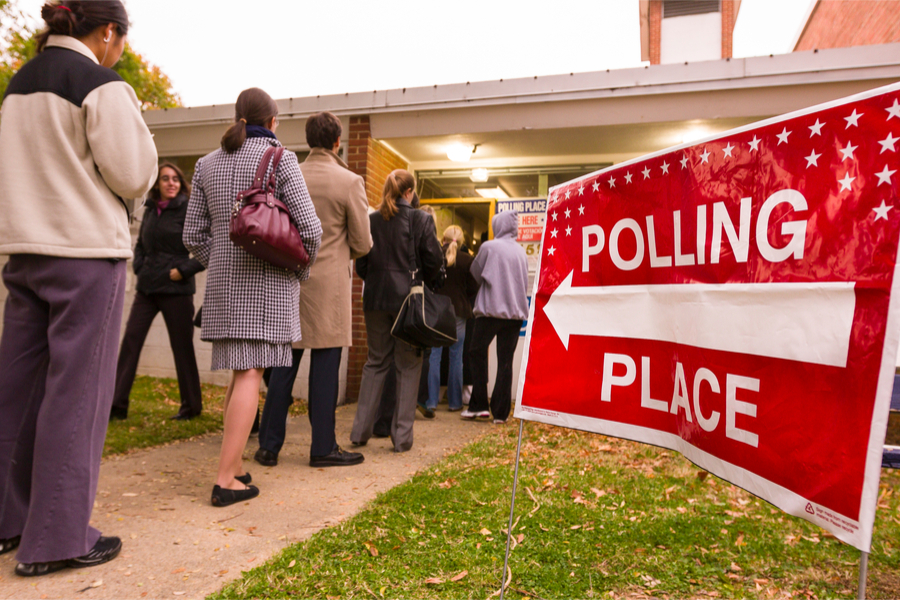
In some states, bishops’ conferences have taken a clear position on initiatives, urging Catholics to either support or oppose the measures.
Read More

Gospel and Word of the Day – 3 November 2026 – A reading from the Letter of St. Paul to the Philippians 2:5-11 Brothers and sisters: Have among yourselves the same attitude that is also yours in Christ Jesus, Who, though he was in the form of God, did not regard equality with God something to be grasped. Rather, he emptied himself, taking the form of a slave, coming in human likeness; and, found human in appearance, he humbled himself, becoming obedient to death, even death on a cross. Because of this, God greatly exalted him and bestowed on him the name that is above every name, that at the name of Jesus every knee should bend, of those in heaven and on earth and under the earth, and every tongue confess that Jesus Christ is Lord, to the glory of God the Father.From the Gospel according to Luke 14:15-24 One of those at table with Jesus said to him, “Blessed is the one who will dine in the Kingdom of God.” He replied to him, “A man gave a great dinner to which he invited many. When the time for the dinner came, he dispatched his servant to say to those invited, ‘Come, everything is now ready.’ But one by one, they all began to excuse themselves. The first said to him, ‘I have purchased a field and must go to examine it; I ask you, consider me excused.’ And another said, ‘I have purchased five yoke of oxen and am on my way to evaluate them; I ask you, consider me excused.’ And another said, ‘I have just married a woman, and therefore I cannot come.’ The servant went and reported this to his master. Then the master of the house in a rage commanded his servant, ‘Go out quickly into the streets and alleys of the town and bring in here the poor and the crippled, the blind and the lame.’ The servant reported, ‘Sir, your orders have been carried out and still there is room.’ The master then ordered the servant, ‘Go out to the highways and hedgerows and make people come in that my home may be filled. For, I tell you, none of those men who were invited will taste my dinner.’” Faced with that openness, that universality of the celebration, there is that attitude that closes the heart: “I’m not going. I’d rather be by myself, with the people I like, shut away.” And this is sin; the sin of the people of Israel, the sin of all of us. Closing ourselves off. “No, for me this is more important than that. No, what matters is mine.” Always mine. (…) And along the journey of life, many times we will be faced with this choice, this option: either the gratuitous gift of the Lord—going to seek the Lord, meeting the Lord—or closing myself off in my own things, in my own interests. This is why the Lord, speaking of one of these forms of closure, said that it is very difficult for a rich person to enter the kingdom of heaven. But there are good, holy rich people who are not attached to wealth. Yet most people are attached to wealth and become closed in on themselves. And because of this, they cannot understand what the celebration is. But they have the security of things they can touch. (…) Let us think about this parable that the Lord gives us today. How is our life going? What do I prefer? To always accept the Lord’s invitation, or to close myself off in my own things, in my own little concerns? And let us ask the Lord for the grace to always accept the invitation to go to His feast, which is freely given. (Pope Francis, Homily, Mass at Casa Santa Marta, 5 November 2019)  

A reading from the Letter of St. Paul to the Philippians
2:5-11

Brothers and sisters:
Have among yourselves the same attitude
that is also yours in Christ Jesus,
Who, though he was in the form of God,
did not regard equality with God
something to be grasped.
Rather, he emptied himself,
taking the form of a slave,
coming in human likeness;
and, found human in appearance,
he humbled himself,
becoming obedient to death,
even death on a cross.
Because of this, God greatly exalted him
and bestowed on him the name
that is above every name,
that at the name of Jesus
every knee should bend,
of those in heaven and on earth and under the earth,
and every tongue confess that
Jesus Christ is Lord,
to the glory of God the Father.

From the Gospel according to Luke
14:15-24

One of those at table with Jesus said to him,
“Blessed is the one who will dine in the Kingdom of God.”
He replied to him,
“A man gave a great dinner to which he invited many.
When the time for the dinner came,
he dispatched his servant to say to those invited,
‘Come, everything is now ready.’
But one by one, they all began to excuse themselves.
The first said to him,
‘I have purchased a field and must go to examine it;
I ask you, consider me excused.’
And another said, ‘I have purchased five yoke of oxen
and am on my way to evaluate them;
I ask you, consider me excused.’
And another said, ‘I have just married a woman,
and therefore I cannot come.’
The servant went and reported this to his master.
Then the master of the house in a rage commanded his servant,
‘Go out quickly into the streets and alleys of the town
and bring in here the poor and the crippled, the blind and the lame.’
The servant reported, ‘Sir, your orders have been carried out
and still there is room.’
The master then ordered the servant,
‘Go out to the highways and hedgerows
and make people come in that my home may be filled.
For, I tell you, none of those men who were invited will taste my dinner.’”

Faced with that openness, that universality of the celebration, there is that attitude that closes the heart: “I’m not going. I’d rather be by myself, with the people I like, shut away.” And this is sin; the sin of the people of Israel, the sin of all of us. Closing ourselves off. “No, for me this is more important than that. No, what matters is mine.” Always mine. (…)

And along the journey of life, many times we will be faced with this choice, this option: either the gratuitous gift of the Lord—going to seek the Lord, meeting the Lord—or closing myself off in my own things, in my own interests. This is why the Lord, speaking of one of these forms of closure, said that it is very difficult for a rich person to enter the kingdom of heaven. But there are good, holy rich people who are not attached to wealth. Yet most people are attached to wealth and become closed in on themselves. And because of this, they cannot understand what the celebration is. But they have the security of things they can touch. (…)

Let us think about this parable that the Lord gives us today. How is our life going? What do I prefer? To always accept the Lord’s invitation, or to close myself off in my own things, in my own little concerns? And let us ask the Lord for the grace to always accept the invitation to go to His feast, which is freely given.

(Pope Francis, Homily, Mass at Casa Santa Marta, 5 November 2019)


Read More

Rocket launches this week On Monday, Nov. 2, Rocket Lab launched The Sea God Surveys on an Electron rocket from its Launch Complex 1 on New Zealand’s Māhia Peninsula at 11:41 a.m. EST. Aboard was a QPS-SAR satellite for private Japanese company iQPS It marked Electron’s 10th flight for iQPS. The company is building outContinue reading “South Korea eyes rocket debut and China lines up four launches”

The post South Korea eyes rocket debut and China lines up four launches appeared first on Astronomy Magazine.

Read More
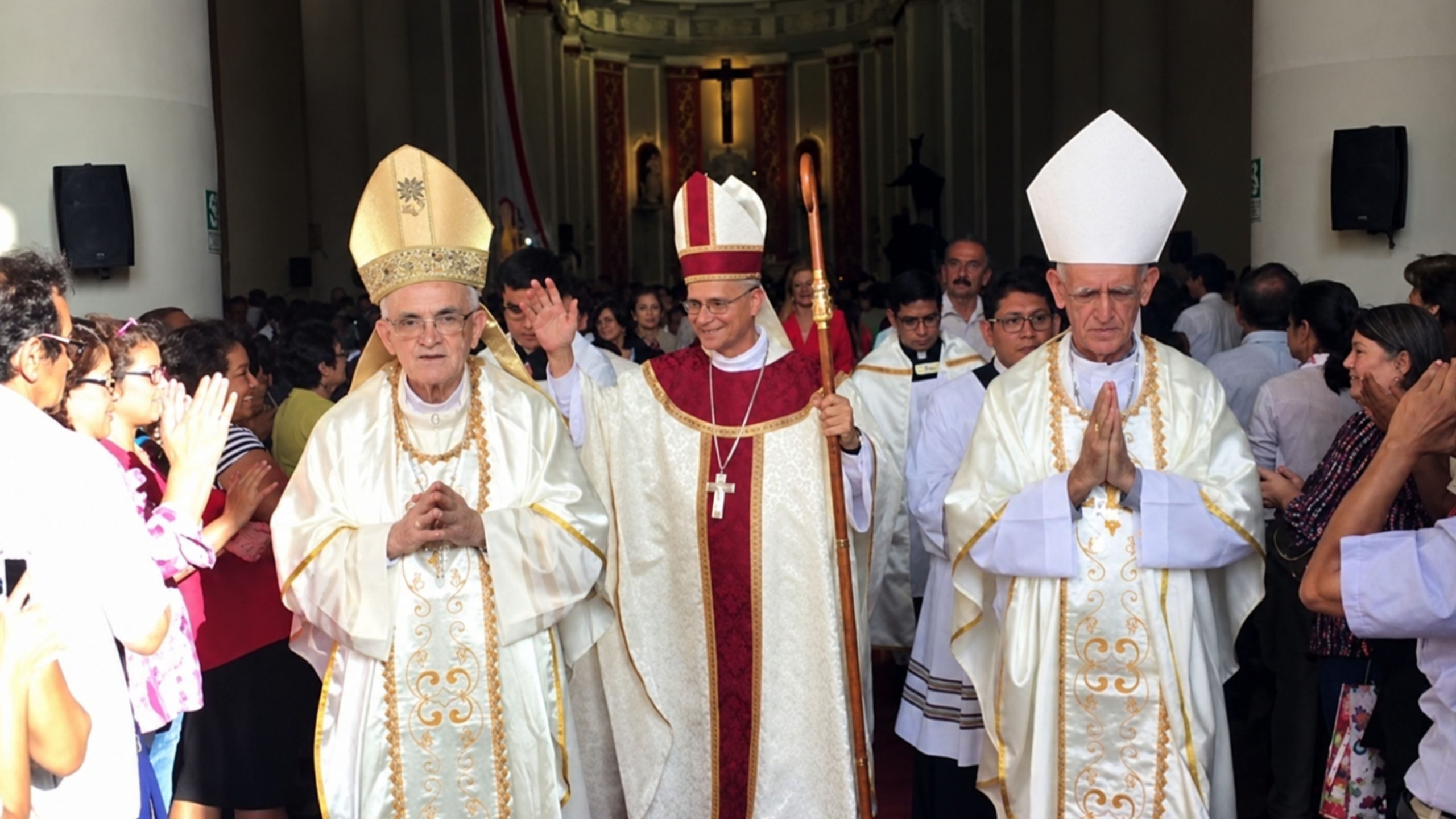
Pope Leo XIV to return to Chiclayo in Peru and the places that shaped his ministry – #Catholic – The Chiclayo Cathedral, a chapel dedicated to St. Nicholas of Tolentino, and the town of Zaña where St. Turibius of Mogrovejo died all have ties to the ministry of the then-Bishop Robert Prevost in the Lambayeque district of northern Peru.Now, as Pope Leo XIV, he is scheduled to return to the city of Chiclayo on Nov. 13 during his apostolic journey to Peru. He served as bishop there from 2015 to 2023, during which time he traveled to communities across the coastal and highland regions of Lambayeque.The official program includes events at the Chiclayo Cathedral and the Shrine of Our Lady of Peace as well as events in Pimentel, St. Turibius of Mogrovejo Catholic University, and in Zaña. Some of these locations were part of his ministry; others hold special significance for the history of the Church in the region.The Chiclayo CathedralFacing the city’s main square stands St. Mary’s Cathedral, one of the central hubs of diocesan life during the years Prevost served as bishop and where he celebrated Mass every Sunday as well as other sacraments. The cathedral contains the bishop’s “cathedra” or chair, which symbolizes his governing authority.During his upcoming visit on Saturday, Nov. 14, Leo XIV will preside over the rite of the coronation of the Immaculate Virgin at the cathedral. In preparation for the celebration, on Oct. 29 the new altar was consecrated and the ambo blessed.
 
 St. Mary’s Basilica Cathedral in Chiclayo, Peru. | Credit: Juan Gil
 
 A chapel where he used to pray to St. Nicholas of TolentinoIn the district of San Nicolás, near Zaña, there is a small chapel dedicated to St. Nicholas of Tolentino, an Augustinian friar for whom Leo XIV holds a special devotion.Father David Farfán Guerrero, a friend of the pope, told EWTN News Español, the Spanish-language sister service of EWTN News, that Prevost used to go there to pray before the image of the saint. “This is where, as I often say, he ‘put his knees to the test,’” he recalled.The then-bishop also encouraged pilgrimages of Augustinian novices to the chapel as part of their spiritual formation. Although this site is not listed as a separate stop on the official itinerary, it helps in understanding a devotion that is important to the pontiff.
 
 An image of St. Nicholas of Tolentino, dating back to the 17th century, before which Pope Leo XIV, then the bishop of Chiclayo, Peru, used to pray. | Credit: Diego López Marina/EWTN News
 
 Zaña and St. Turibius of MogrovejoZaña holds a special place in the life of Leo XIV and of the Church in Peru. It was there that St. Turibius of Mogrovejo died on March 23, 1606, after spending years traveling throughout his vast ecclesiastical jurisdiction. The saint served as archbishop of Lima from 1580 to 1606. Prevost made a pilgrimage to this town before departing for Rome, following his election as prior general of the Order of St. Augustine. Farfán has noted his particular affection for Zaña and his devotion to St. Turibius, whom he regards as a model for pastoral life.On Saturday, Nov. 14, Leo XIV will return to the area to take part in a prayer gathering marking the conclusion of the Jubilee Year of St. Turibius of Mogrovejo at the shrine dedicated to the saint.
 
 St. Augustine Convent, one of the most significant colonial vestiges in Peru, located in the Zaña district, Chiclayo province. | Credit: Agencia Andina
 
 The Shrine of Our Lady of PeaceAt the Shrine of Our Lady of Peace, Robert Prevost entrusted his episcopal ministry to the Virgin Mary, as noted in a handwritten message in the shrine’s guest book dated Oct. 21, 2015.Furthermore, the then-bishop would frequently visit the shrine to pray and spend time with the religious there. He also took part in meetings and retreats there with priests and would visit the pre-seminary located next to the complex.On Nov. 13, during his visit to Chiclayo, Leo XIV will meet with bishops, priests, religious, seminarians, and representatives of the Church’s pastoral life at this shrine.
 
 Shrine of Our Lady of Peace. | Credit: Diocese of Chiclayo
 
 St. Turibius of Mogrovejo Catholic UniversityThe relationship between Leo XIV and St. Turibius Mogrovejo Catholic University (USAT, by its Spanish acronym) is also part of his years in Chiclayo. The institution awarded him an honorary doctorate in law and recognized him as grand chancellor emeritus.According to the university itself, Prevost received an honorary doctorate in recognition of his accomplishments and service to the Church. In 2023, the Peruvian Bishops’ Conference also awarded him the Gold Medal of St. Turibius of Mogrovejo, one of its highest honors.On Friday, Nov. 13, he will meet there with representatives of the university community.
 
 Archbishop Robert Prevost, then prefect of the Dicastery for Bishops and former bishop of Chiclayo, Peru, receives an honorary doctorate from St. Turibius Mogrovejo Catholic University on Nov. 17, 2023. | Credit: Peruvian Bishops’ Conference
 
 Pimentel and Santa Cruz de SucchabambaThe visit will also take the pope to other locations in the region. On Friday, Nov. 13, he will celebrate Mass on the esplanade of the Pimentel plains and make a private visit to St. Óscar A. Romero Chapel.The following day, he will travel to Santa Cruz de Succhabamba, where he will celebrate another Mass. The town is within the Diocese of Chiclayo, and Prevost visited it regularly between 2015 and 2023. During his time there, he traveled throughout the province, administered the sacrament of confirmation to young people and students, and built and consecrated the shrine dedicated to Our Lady of Remedies in the small rural community of Litcán.This story was first published by EWTN News Español, the Spanish-language sister service of EWTN News. It has been translated and adapted by EWTN News English.

Pope Leo XIV to return to Chiclayo in Peru and the places that shaped his ministry – #Catholic – The Chiclayo Cathedral, a chapel dedicated to St. Nicholas of Tolentino, and the town of Zaña where St. Turibius of Mogrovejo died all have ties to the ministry of the then-Bishop Robert Prevost in the Lambayeque district of northern Peru.Now, as Pope Leo XIV, he is scheduled to return to the city of Chiclayo on Nov. 13 during his apostolic journey to Peru. He served as bishop there from 2015 to 2023, during which time he traveled to communities across the coastal and highland regions of Lambayeque.The official program includes events at the Chiclayo Cathedral and the Shrine of Our Lady of Peace as well as events in Pimentel, St. Turibius of Mogrovejo Catholic University, and in Zaña. Some of these locations were part of his ministry; others hold special significance for the history of the Church in the region.The Chiclayo CathedralFacing the city’s main square stands St. Mary’s Cathedral, one of the central hubs of diocesan life during the years Prevost served as bishop and where he celebrated Mass every Sunday as well as other sacraments. The cathedral contains the bishop’s “cathedra” or chair, which symbolizes his governing authority.During his upcoming visit on Saturday, Nov. 14, Leo XIV will preside over the rite of the coronation of the Immaculate Virgin at the cathedral. In preparation for the celebration, on Oct. 29 the new altar was consecrated and the ambo blessed. St. Mary’s Basilica Cathedral in Chiclayo, Peru. | Credit: Juan Gil A chapel where he used to pray to St. Nicholas of TolentinoIn the district of San Nicolás, near Zaña, there is a small chapel dedicated to St. Nicholas of Tolentino, an Augustinian friar for whom Leo XIV holds a special devotion.Father David Farfán Guerrero, a friend of the pope, told EWTN News Español, the Spanish-language sister service of EWTN News, that Prevost used to go there to pray before the image of the saint. “This is where, as I often say, he ‘put his knees to the test,’” he recalled.The then-bishop also encouraged pilgrimages of Augustinian novices to the chapel as part of their spiritual formation. Although this site is not listed as a separate stop on the official itinerary, it helps in understanding a devotion that is important to the pontiff. An image of St. Nicholas of Tolentino, dating back to the 17th century, before which Pope Leo XIV, then the bishop of Chiclayo, Peru, used to pray. | Credit: Diego López Marina/EWTN News Zaña and St. Turibius of MogrovejoZaña holds a special place in the life of Leo XIV and of the Church in Peru. It was there that St. Turibius of Mogrovejo died on March 23, 1606, after spending years traveling throughout his vast ecclesiastical jurisdiction. The saint served as archbishop of Lima from 1580 to 1606. Prevost made a pilgrimage to this town before departing for Rome, following his election as prior general of the Order of St. Augustine. Farfán has noted his particular affection for Zaña and his devotion to St. Turibius, whom he regards as a model for pastoral life.On Saturday, Nov. 14, Leo XIV will return to the area to take part in a prayer gathering marking the conclusion of the Jubilee Year of St. Turibius of Mogrovejo at the shrine dedicated to the saint. St. Augustine Convent, one of the most significant colonial vestiges in Peru, located in the Zaña district, Chiclayo province. | Credit: Agencia Andina The Shrine of Our Lady of PeaceAt the Shrine of Our Lady of Peace, Robert Prevost entrusted his episcopal ministry to the Virgin Mary, as noted in a handwritten message in the shrine’s guest book dated Oct. 21, 2015.Furthermore, the then-bishop would frequently visit the shrine to pray and spend time with the religious there. He also took part in meetings and retreats there with priests and would visit the pre-seminary located next to the complex.On Nov. 13, during his visit to Chiclayo, Leo XIV will meet with bishops, priests, religious, seminarians, and representatives of the Church’s pastoral life at this shrine. Shrine of Our Lady of Peace. | Credit: Diocese of Chiclayo St. Turibius of Mogrovejo Catholic UniversityThe relationship between Leo XIV and St. Turibius Mogrovejo Catholic University (USAT, by its Spanish acronym) is also part of his years in Chiclayo. The institution awarded him an honorary doctorate in law and recognized him as grand chancellor emeritus.According to the university itself, Prevost received an honorary doctorate in recognition of his accomplishments and service to the Church. In 2023, the Peruvian Bishops’ Conference also awarded him the Gold Medal of St. Turibius of Mogrovejo, one of its highest honors.On Friday, Nov. 13, he will meet there with representatives of the university community. Archbishop Robert Prevost, then prefect of the Dicastery for Bishops and former bishop of Chiclayo, Peru, receives an honorary doctorate from St. Turibius Mogrovejo Catholic University on Nov. 17, 2023. | Credit: Peruvian Bishops’ Conference Pimentel and Santa Cruz de SucchabambaThe visit will also take the pope to other locations in the region. On Friday, Nov. 13, he will celebrate Mass on the esplanade of the Pimentel plains and make a private visit to St. Óscar A. Romero Chapel.The following day, he will travel to Santa Cruz de Succhabamba, where he will celebrate another Mass. The town is within the Diocese of Chiclayo, and Prevost visited it regularly between 2015 and 2023. During his time there, he traveled throughout the province, administered the sacrament of confirmation to young people and students, and built and consecrated the shrine dedicated to Our Lady of Remedies in the small rural community of Litcán.This story was first published by EWTN News Español, the Spanish-language sister service of EWTN News. It has been translated and adapted by EWTN News English.

Pope Leo XIV will return to Chiclayo, Peru, where he once served as bishop, and will visit key sites from his pastoral ministry, including the cathedral, the Shrine of Our Lady of Peace, and Zaña.
Read More
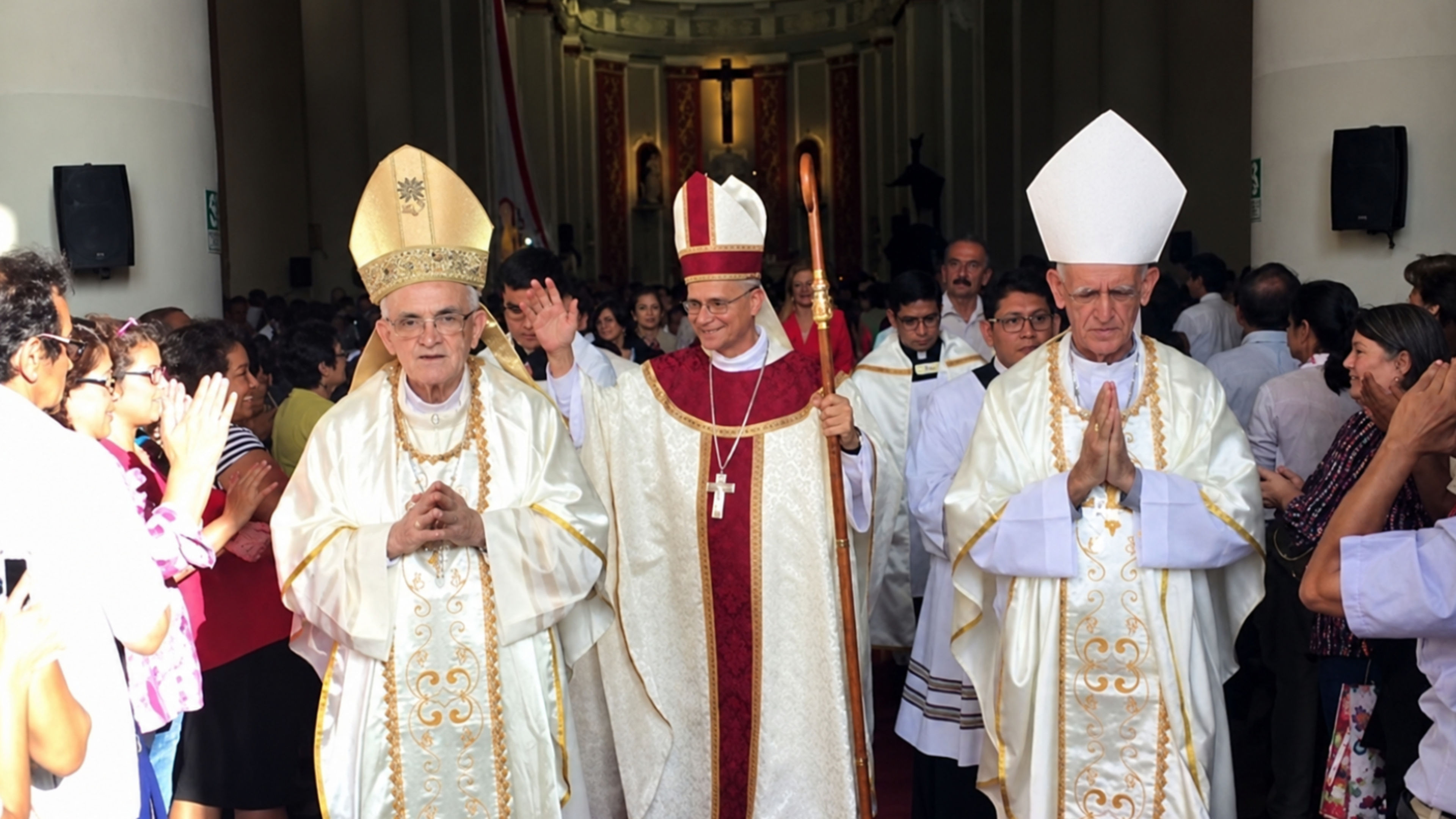
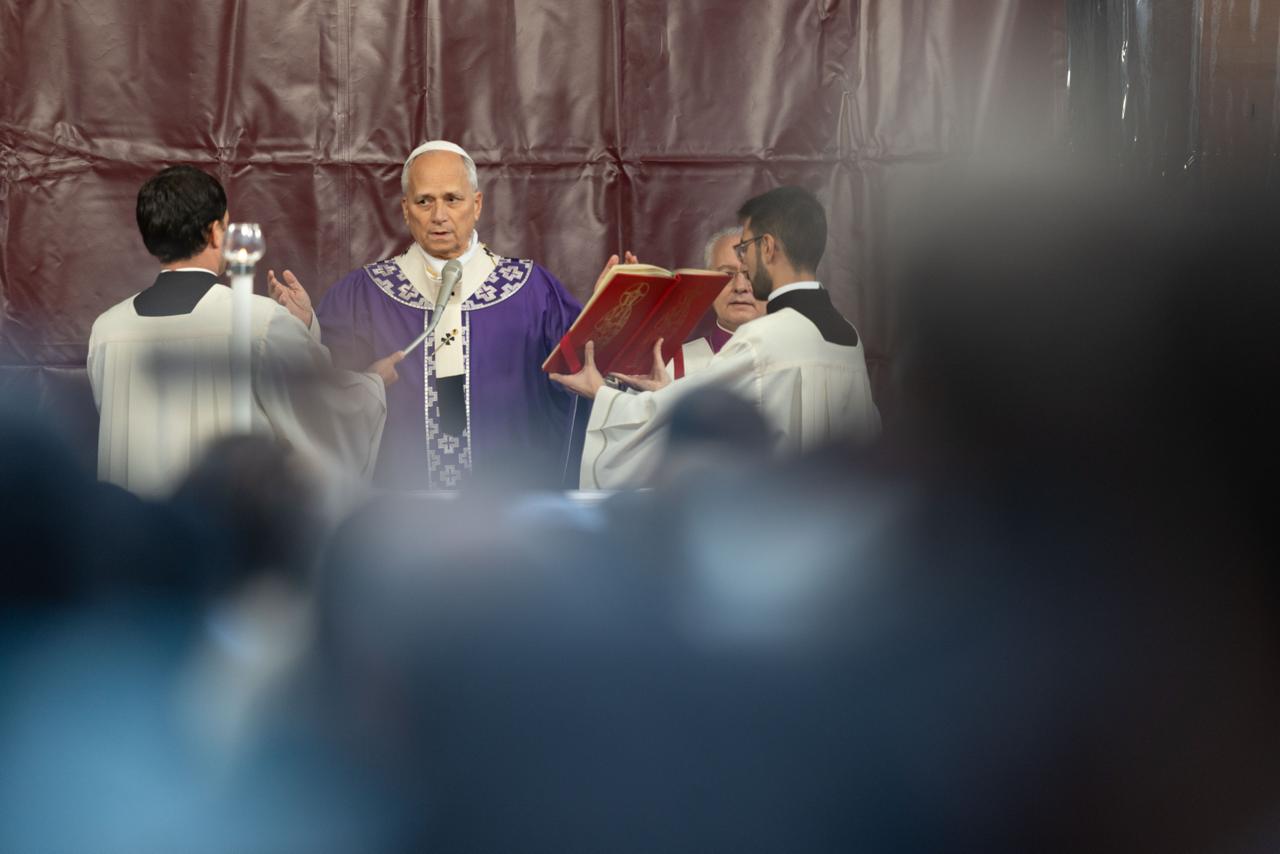
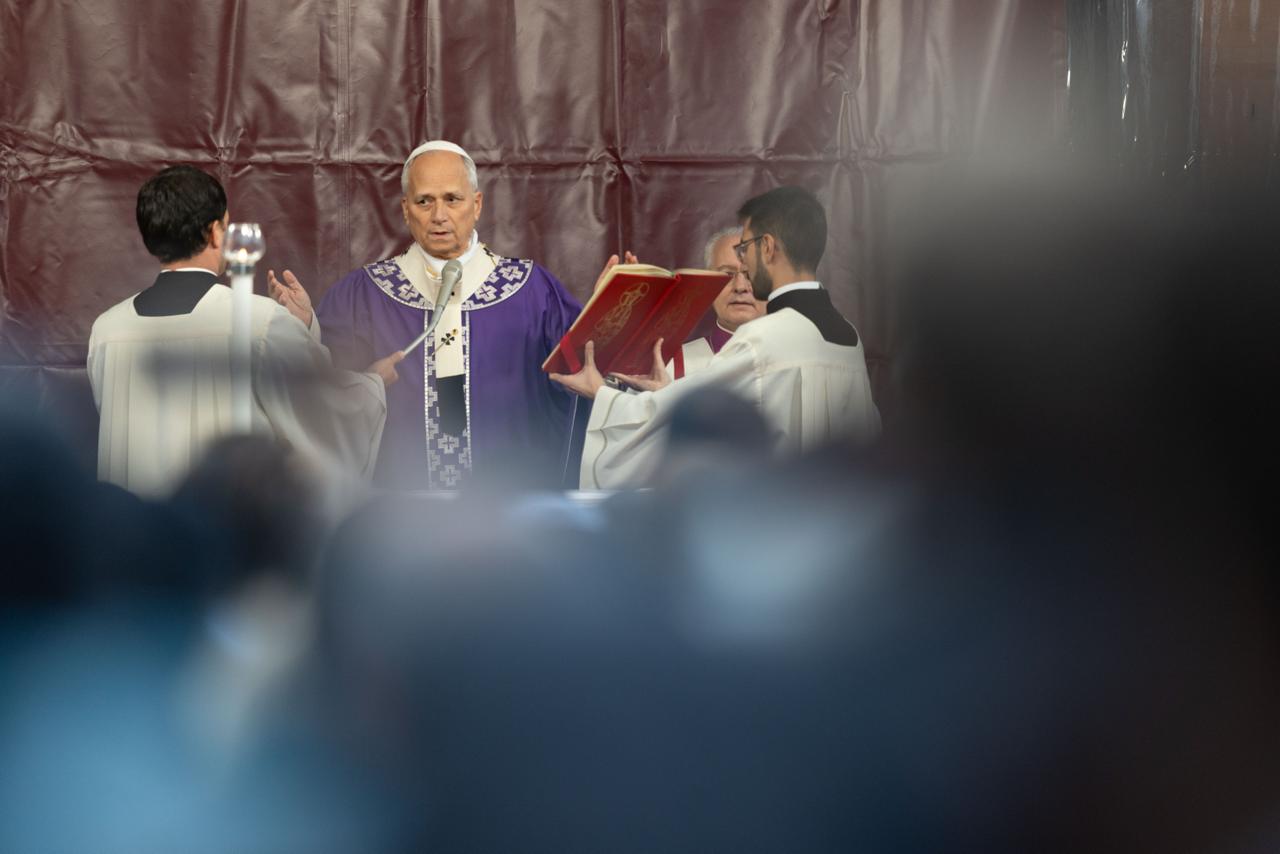
Leo XIV: Faith assures us that ‘our bond with the faithful departed has not been broken’ – #Catholic – Continuing a tradition begun by St. John Paul II in the late 1970s, Pope Leo XIV visited a cemetery outside the Vatican on Nov. 2 — the day the Catholic Church commemorates All Souls’ Day — to celebrate Mass and pray for those who have died.“We have gathered to celebrate the Eucharist in this place of prayer and remembrance, of affection and hope. We offer it in suffrage for the faithful departed, particularly for those who rest here and for those whom each of us carries in our hearts,” the pontiff said during Mass celebrated on the central avenue of Rome’s Verano Cemetery.The altar from which he presided over the celebration was flanked by a row of tombs. Located in the Tiburtino neighborhood, the cemetery, built in the 19th century during the Napoleonic era, is Italy’s second-largest civil cemetery and the largest in Rome.The grounds, which include an area designated for non-Catholics, suffered severe damage during the Allied bombing of Rome in 1943 and were rebuilt in 1949.Upon his arrival, Leo XIV placed a bouquet of white and yellow roses on the marble headstone of a randomly chosen grave belonging to an Italian family and bearing the name Antonia Coccia Nicolini.TweetDuring his homily, the pontiff explained that the commemoration of the faithful departed, celebrated the day after the solemnity of All Saints, guides the prayer of the Church.“We turn to the heavenly Father so that the life of holiness and blessedness already enjoyed by so many of his sons and daughters may envelop the souls of those who sleep the sleep of peace,” said the pope, who wore purple liturgical vestments, a symbol of penance, prayer, and hope in the Resurrection.He also emphasized that faith in Christ is illuminated “by the word that has been proclaimed and that strengthens our trust in God’s hands.”The Beatitudes, the ‘self-portrait of Jesus’About 1,500 people attended the celebration, according to figures provided by the Vatican.Reflecting on the Gospel of the Beatitudes proclaimed during the Mass, Leo XIV said they constitute the “self-portrait of Jesus” and reveal the path to a fully realized life, both on this earth and in eternity.“The risen Lord tells us: Blessed are those who live according to this path, for theirs is the kingdom of heaven,” he said.
 
 An estimated 1,500 people attend Pope Leo XIV’s Mass for the Commemoration of the Faithful Departed at Verano Cemetery in Rome on Nov. 2, 2026. | Credit: Daniel Ibáñez/EWTN News
 
 He also observed that this message takes on particular force in a cemetery, which he described as “a threshold between this world and the next,” where faith enables believers to view death through the hope of the Resurrection.In this context, he stressed that “faith in Christ tells us that our bond with the faithful departed has not been broken but transformed.”‘The absurd violence of war’The Holy Father also offered prayers for the deceased and made a special appeal for those suffering the consequences of armed conflicts.He prayed that “the tears of so many mothers, so many children, and so many elderly people” would move the consciences of those who have the power to end wars.Reflecting on the beatitude “Blessed are those who mourn, for they shall be comforted,” he offered a special remembrance for those who have recently lost a loved one.“At this moment we wish to pray for those who have recently lost a loved one, especially for those from whom a loved one has been taken by the absurd violence of war,” he said.He then renewed his appeal for peace: “May the tears of so many mothers, so many children, and so many elderly people move the consciences of those who have the power to silence the weapons.”Christian hope in the face of deathSpeaking during the 800th anniversary year of the death of St. Francis of Assisi, Leo XIV recalled the praise the saint added to the “Canticle of Creatures” near the end of his life, when he referred to “Sister Bodily Death” and proclaimed blessed those who are found doing God’s will.In his homily, the pontiff underscored Christian hope in eternal life and reaffirmed that God keeps forever those who have departed this world. Citing the Book of Wisdom, he recalled that the souls of the just are secure in the Lord’s hands and that “no torment shall ever touch them.”
 
 Pope Leo XIV follows in the footsteps of his predecessor St. John Paul II by celebrating Mass for All Souls’ Day at Verano Cemetery in Rome on Nov. 2, 2026. | Credit: Daniel Ibáñez/EWTN News
 
 The pope explained that this promise of salvation lies at the heart of the Church’s prayer on All Souls’ Day, when the faithful entrust their loved ones to divine mercy so that they may attain full communion with God.Leo XIV also invoked the words of the Book of Revelation, which proclaims that God will dwell forever with his people, as well as the promise of the Good Shepherd that no one can snatch his sheep from his hand.The pope concluded his homily with a reference to Revelation and God’s definitive promise for humanity: the day when “death shall be no more, neither mourning nor crying nor pain,” because all suffering will have been overcome forever.With this Mass, Leo XIV, as he did last year, continued a tradition promoted by St. John Paul II, who visited the same cemetery on 12 occasions for the Commemoration of All the Faithful Departed. Pope Benedict XVI also celebrated a Mass at the Basilica of St. Lawrence Outside the Walls, located next to the cemetery, though without visiting its graves.Pope Francis, for his part, maintained the custom of celebrating the All Souls’ Day Mass in various cemeteries throughout Rome during his pontificate.In addition to Monday’s celebration, Leo XIV is scheduled to preside on Thursday, Nov. 5, at St. Peter’s Basilica, one day before departing on his apostolic journey to Uruguay, Argentina, and Peru, at a Mass offered for the cardinals and bishops who have died during the past year.This story was first published by EWTN News Español, the Spanish-language sister service of EWTN News. It has been translated and adapted by EWTN News English.

Leo XIV: Faith assures us that ‘our bond with the faithful departed has not been broken’ – #Catholic – Continuing a tradition begun by St. John Paul II in the late 1970s, Pope Leo XIV visited a cemetery outside the Vatican on Nov. 2 — the day the Catholic Church commemorates All Souls’ Day — to celebrate Mass and pray for those who have died.“We have gathered to celebrate the Eucharist in this place of prayer and remembrance, of affection and hope. We offer it in suffrage for the faithful departed, particularly for those who rest here and for those whom each of us carries in our hearts,” the pontiff said during Mass celebrated on the central avenue of Rome’s Verano Cemetery.The altar from which he presided over the celebration was flanked by a row of tombs. Located in the Tiburtino neighborhood, the cemetery, built in the 19th century during the Napoleonic era, is Italy’s second-largest civil cemetery and the largest in Rome.The grounds, which include an area designated for non-Catholics, suffered severe damage during the Allied bombing of Rome in 1943 and were rebuilt in 1949.Upon his arrival, Leo XIV placed a bouquet of white and yellow roses on the marble headstone of a randomly chosen grave belonging to an Italian family and bearing the name Antonia Coccia Nicolini.TweetDuring his homily, the pontiff explained that the commemoration of the faithful departed, celebrated the day after the solemnity of All Saints, guides the prayer of the Church.“We turn to the heavenly Father so that the life of holiness and blessedness already enjoyed by so many of his sons and daughters may envelop the souls of those who sleep the sleep of peace,” said the pope, who wore purple liturgical vestments, a symbol of penance, prayer, and hope in the Resurrection.He also emphasized that faith in Christ is illuminated “by the word that has been proclaimed and that strengthens our trust in God’s hands.”The Beatitudes, the ‘self-portrait of Jesus’About 1,500 people attended the celebration, according to figures provided by the Vatican.Reflecting on the Gospel of the Beatitudes proclaimed during the Mass, Leo XIV said they constitute the “self-portrait of Jesus” and reveal the path to a fully realized life, both on this earth and in eternity.“The risen Lord tells us: Blessed are those who live according to this path, for theirs is the kingdom of heaven,” he said. An estimated 1,500 people attend Pope Leo XIV’s Mass for the Commemoration of the Faithful Departed at Verano Cemetery in Rome on Nov. 2, 2026. | Credit: Daniel Ibáñez/EWTN News He also observed that this message takes on particular force in a cemetery, which he described as “a threshold between this world and the next,” where faith enables believers to view death through the hope of the Resurrection.In this context, he stressed that “faith in Christ tells us that our bond with the faithful departed has not been broken but transformed.”‘The absurd violence of war’The Holy Father also offered prayers for the deceased and made a special appeal for those suffering the consequences of armed conflicts.He prayed that “the tears of so many mothers, so many children, and so many elderly people” would move the consciences of those who have the power to end wars.Reflecting on the beatitude “Blessed are those who mourn, for they shall be comforted,” he offered a special remembrance for those who have recently lost a loved one.“At this moment we wish to pray for those who have recently lost a loved one, especially for those from whom a loved one has been taken by the absurd violence of war,” he said.He then renewed his appeal for peace: “May the tears of so many mothers, so many children, and so many elderly people move the consciences of those who have the power to silence the weapons.”Christian hope in the face of deathSpeaking during the 800th anniversary year of the death of St. Francis of Assisi, Leo XIV recalled the praise the saint added to the “Canticle of Creatures” near the end of his life, when he referred to “Sister Bodily Death” and proclaimed blessed those who are found doing God’s will.In his homily, the pontiff underscored Christian hope in eternal life and reaffirmed that God keeps forever those who have departed this world. Citing the Book of Wisdom, he recalled that the souls of the just are secure in the Lord’s hands and that “no torment shall ever touch them.” Pope Leo XIV follows in the footsteps of his predecessor St. John Paul II by celebrating Mass for All Souls’ Day at Verano Cemetery in Rome on Nov. 2, 2026. | Credit: Daniel Ibáñez/EWTN News The pope explained that this promise of salvation lies at the heart of the Church’s prayer on All Souls’ Day, when the faithful entrust their loved ones to divine mercy so that they may attain full communion with God.Leo XIV also invoked the words of the Book of Revelation, which proclaims that God will dwell forever with his people, as well as the promise of the Good Shepherd that no one can snatch his sheep from his hand.The pope concluded his homily with a reference to Revelation and God’s definitive promise for humanity: the day when “death shall be no more, neither mourning nor crying nor pain,” because all suffering will have been overcome forever.With this Mass, Leo XIV, as he did last year, continued a tradition promoted by St. John Paul II, who visited the same cemetery on 12 occasions for the Commemoration of All the Faithful Departed. Pope Benedict XVI also celebrated a Mass at the Basilica of St. Lawrence Outside the Walls, located next to the cemetery, though without visiting its graves.Pope Francis, for his part, maintained the custom of celebrating the All Souls’ Day Mass in various cemeteries throughout Rome during his pontificate.In addition to Monday’s celebration, Leo XIV is scheduled to preside on Thursday, Nov. 5, at St. Peter’s Basilica, one day before departing on his apostolic journey to Uruguay, Argentina, and Peru, at a Mass offered for the cardinals and bishops who have died during the past year.This story was first published by EWTN News Español, the Spanish-language sister service of EWTN News. It has been translated and adapted by EWTN News English.

Continuing a tradition begun by St. John Paul II in the late 1970s, Pope Leo XIV visited Rome’s Verano Cemetery on Nov. 2.
Read More
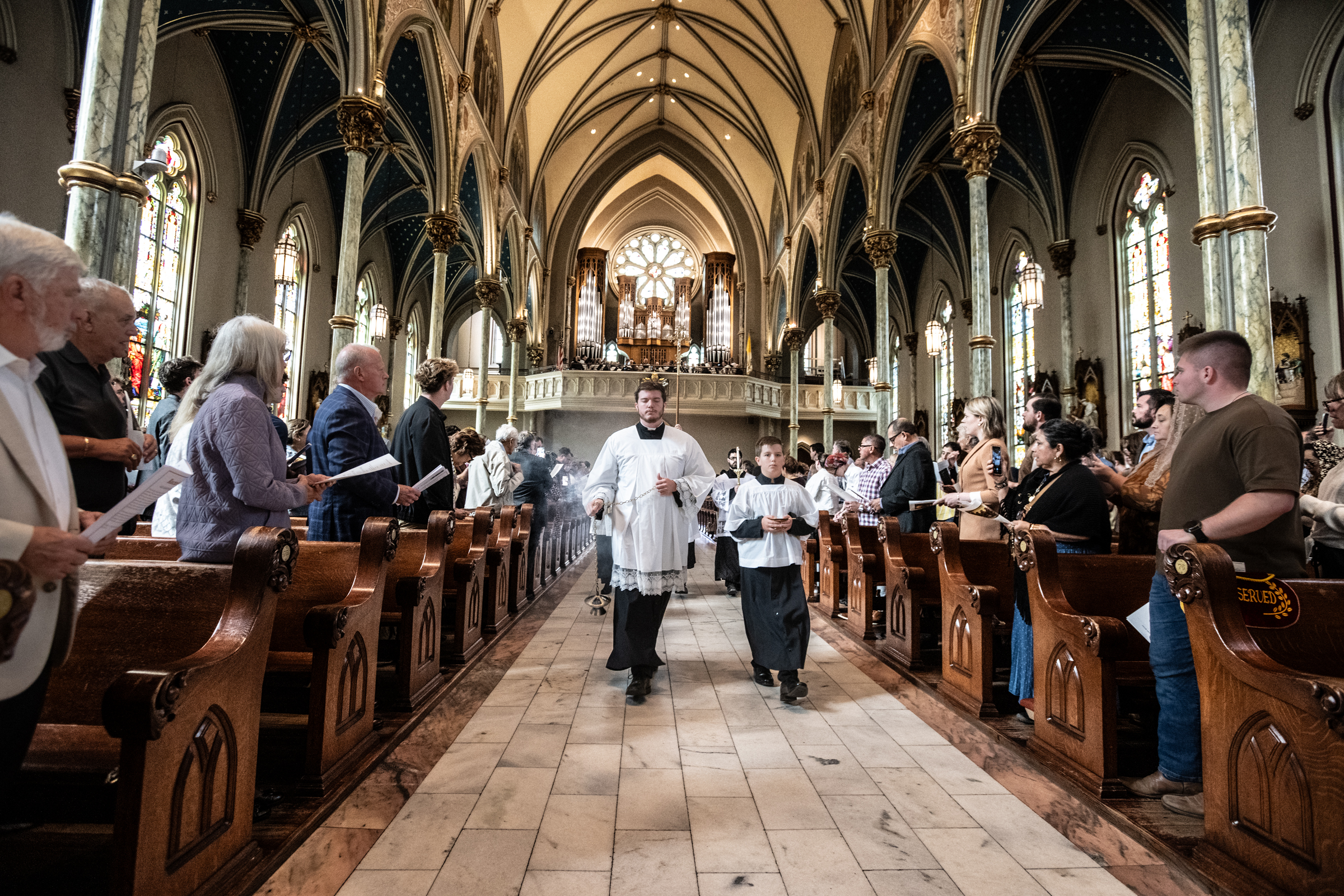
PHOTOS: Savannah gives thanks for newly beatified Georgia Martyrs #Catholic SAVANNAH, Georgia — Light drizzle fell outside the Cathedral Basilica of St. John the Baptist as a standing-room-only congregation gathered Nov. 1 to give thanks for the beatification of the five Georgia Martyrs, Franciscan missionaries killed in 1597.By the conclusion of Mass, blue skies and large white clouds had replaced the rain. Inside the cathedral, a spirit of joy and thanksgiving marked the celebration, held on the solemnity of All Saints, one day after the friars were declared blessed at the Savannah Convention Center.
 
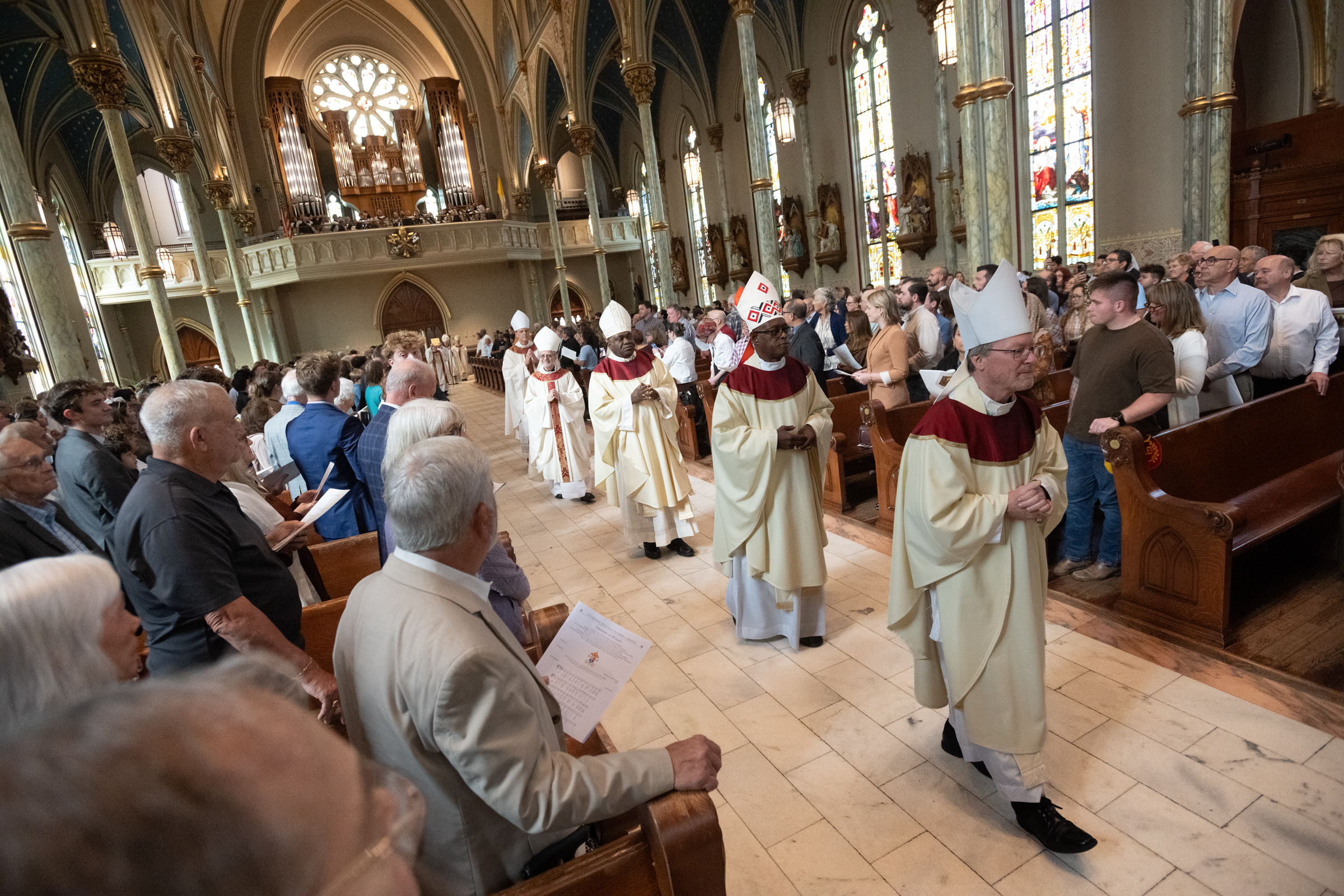
 Bishops process through the cathedral for the Mass of thanksgiving for the beatification of the Georgia Martyrs at the Cathedral Basilica of St. John the Baptist in Savannah, Georgia, Nov. 1, 2026. | Credit: Jeffrey Bruno/Courtesy of Diocese of Savannah
 
 Archbishop Gregory J. Hartmayer of Atlanta presided, and Savannah Bishop Stephen D. Parkes delivered the homily. Cardinal Frank Leo of Toronto, who had presided over Saturday’s beatification as Pope Leo XIV’s representative, was among the concelebrants. Archbishop Gabriele Giordano Caccia, the apostolic nuncio to the United States, also attended.
 
 Bishop Stephen D. Parkes of Savannah delivers the homily beneath the cathedral’s vaulted ceiling during the Mass of thanksgiving for the newly beatified Georgia Martyrs at the Cathedral Basilica of St. John the Baptist in Savannah, Georgia, Nov. 1, 2026. | Credit: Jeffrey Bruno/Courtesy of Diocese of Savannah
 
 Parkes urged those celebrating to consider how they would carry the gift of the martyrs’ witness beyond the weekend’s events.“We have received a gift,” he said.The bishop suggested introducing couples preparing for sacramental marriage to the newly beatified friars. He spoke of engaged couples learning their story, receiving an image of them and praying for their intercession for faithfulness in marriage. He also proposed prayers at weddings for the newly married couple.“There are many other ways we can continue to honor these holy men,” he said.
 
 Seated shoulder to shoulder, young adults listen during the Nov. 1, 2026, Mass of thanksgiving for the newly beatified Georgia Martyrs at the Cathedral Basilica of St. John the Baptist in Savannah, Georgia. They were part of a large young-adult contingent at the celebration. | Credit: Jeffrey Bruno/Courtesy of Diocese of Savannah
 
 The newly beatified friars are Pedro de Corpa, Blas Rodríguez de Cuacos, Miguel de Añón, Antonio de Badajoz, and Francisco de Veráscola. Four were priests; de Badajoz was a lay brother. All came from Spain and served in missions among the Indigenous Guale people in what is now coastal Georgia.According to the Diocese of Savannah’s account, the violence began in 1597 after de Corpa opposed a baptized Guale leader’s decision to take a second wife. The account identifies Juanillo, who was in line for leadership, as the man who killed Pedro. Juanillo then led a war party against other missions. Five friars died during the uprising.
 
 Archbishop Gregory J. Hartmayer of Atlanta elevates the Blessed Sacrament as clergy pray at the altar during the Mass of thanksgiving for the newly beatified Georgia Martyrs at the Cathedral Basilica of St. John the Baptist in Savannah, Georgia, Nov. 1, 2026. | Credit: Jeffrey Bruno/Courtesy of Diocese of Savannah


 Franciscan friars pray during the Mass of thanksgiving for the newly beatified Georgia Martyrs at the Cathedral Basilica of St. John the Baptist in Savannah, Georgia, Nov. 1, 2026. The five martyrs were Franciscan missionaries killed in coastal Georgia in 1597. | Credit: Jeffrey Bruno/Courtesy of Diocese of Savannah
 
 Pope Francis authorized recognition of their martyrdom on Jan. 27, 2025. The decree identified their deaths as having occurred in hatred of the faith, clearing the way for their beatification. The diocesan investigation had opened in 1984 and concluded in 2007.Beatification confers the title “blessed” on a person and permits public veneration within the places or religious communities authorized by the Church. It is distinct from canonization, which extends that recognition to the universal Church. The Georgia Martyrs’ liturgical memorial is Sept. 22.
 
 A young woman prays during the Mass of thanksgiving for the beatification of the Georgia Martyrs at the Cathedral Basilica of St. John the Baptist in Savannah, Georgia, Nov. 1, 2026. Young adults were a prominent presence among those attending the celebration. | Credit: Jeffrey Bruno/Courtesy of Diocese of Savannah
 
 The celebration also received attention in Rome. After the Nov. 1 Angelus in St. Peter’s Square, Pope Leo recalled the friars’ missionary service and their deaths.“Let us invoke the intercession of these martyrs for all missionaries of the Gospel,” he said.
 
 A woman embraces a Franciscan friar as clergy and worshippers gather outside the Cathedral Basilica of St. John the Baptist following the Mass of thanksgiving for the newly beatified Georgia Martyrs in Savannah, Georgia, Nov. 1, 2026. | Credit: Jeffrey Bruno/Courtesy of Diocese of Savannah
 
 In Savannah, Parkes described the response to the beatification in terms of stewardship.“We should always accept it with gratitude, with thanksgiving in our hearts,” he said.“When we receive a gift, we should tend it responsibly,” he continued, “and also return it with increase.”

PHOTOS: Savannah gives thanks for newly beatified Georgia Martyrs #Catholic SAVANNAH, Georgia — Light drizzle fell outside the Cathedral Basilica of St. John the Baptist as a standing-room-only congregation gathered Nov. 1 to give thanks for the beatification of the five Georgia Martyrs, Franciscan missionaries killed in 1597.By the conclusion of Mass, blue skies and large white clouds had replaced the rain. Inside the cathedral, a spirit of joy and thanksgiving marked the celebration, held on the solemnity of All Saints, one day after the friars were declared blessed at the Savannah Convention Center. Bishops process through the cathedral for the Mass of thanksgiving for the beatification of the Georgia Martyrs at the Cathedral Basilica of St. John the Baptist in Savannah, Georgia, Nov. 1, 2026. | Credit: Jeffrey Bruno/Courtesy of Diocese of Savannah Archbishop Gregory J. Hartmayer of Atlanta presided, and Savannah Bishop Stephen D. Parkes delivered the homily. Cardinal Frank Leo of Toronto, who had presided over Saturday’s beatification as Pope Leo XIV’s representative, was among the concelebrants. Archbishop Gabriele Giordano Caccia, the apostolic nuncio to the United States, also attended. Bishop Stephen D. Parkes of Savannah delivers the homily beneath the cathedral’s vaulted ceiling during the Mass of thanksgiving for the newly beatified Georgia Martyrs at the Cathedral Basilica of St. John the Baptist in Savannah, Georgia, Nov. 1, 2026. | Credit: Jeffrey Bruno/Courtesy of Diocese of Savannah Parkes urged those celebrating to consider how they would carry the gift of the martyrs’ witness beyond the weekend’s events.“We have received a gift,” he said.The bishop suggested introducing couples preparing for sacramental marriage to the newly beatified friars. He spoke of engaged couples learning their story, receiving an image of them and praying for their intercession for faithfulness in marriage. He also proposed prayers at weddings for the newly married couple.“There are many other ways we can continue to honor these holy men,” he said. Seated shoulder to shoulder, young adults listen during the Nov. 1, 2026, Mass of thanksgiving for the newly beatified Georgia Martyrs at the Cathedral Basilica of St. John the Baptist in Savannah, Georgia. They were part of a large young-adult contingent at the celebration. | Credit: Jeffrey Bruno/Courtesy of Diocese of Savannah The newly beatified friars are Pedro de Corpa, Blas Rodríguez de Cuacos, Miguel de Añón, Antonio de Badajoz, and Francisco de Veráscola. Four were priests; de Badajoz was a lay brother. All came from Spain and served in missions among the Indigenous Guale people in what is now coastal Georgia.According to the Diocese of Savannah’s account, the violence began in 1597 after de Corpa opposed a baptized Guale leader’s decision to take a second wife. The account identifies Juanillo, who was in line for leadership, as the man who killed Pedro. Juanillo then led a war party against other missions. Five friars died during the uprising. Archbishop Gregory J. Hartmayer of Atlanta elevates the Blessed Sacrament as clergy pray at the altar during the Mass of thanksgiving for the newly beatified Georgia Martyrs at the Cathedral Basilica of St. John the Baptist in Savannah, Georgia, Nov. 1, 2026. | Credit: Jeffrey Bruno/Courtesy of Diocese of Savannah Franciscan friars pray during the Mass of thanksgiving for the newly beatified Georgia Martyrs at the Cathedral Basilica of St. John the Baptist in Savannah, Georgia, Nov. 1, 2026. The five martyrs were Franciscan missionaries killed in coastal Georgia in 1597. | Credit: Jeffrey Bruno/Courtesy of Diocese of Savannah Pope Francis authorized recognition of their martyrdom on Jan. 27, 2025. The decree identified their deaths as having occurred in hatred of the faith, clearing the way for their beatification. The diocesan investigation had opened in 1984 and concluded in 2007.Beatification confers the title “blessed” on a person and permits public veneration within the places or religious communities authorized by the Church. It is distinct from canonization, which extends that recognition to the universal Church. The Georgia Martyrs’ liturgical memorial is Sept. 22. A young woman prays during the Mass of thanksgiving for the beatification of the Georgia Martyrs at the Cathedral Basilica of St. John the Baptist in Savannah, Georgia, Nov. 1, 2026. Young adults were a prominent presence among those attending the celebration. | Credit: Jeffrey Bruno/Courtesy of Diocese of Savannah The celebration also received attention in Rome. After the Nov. 1 Angelus in St. Peter’s Square, Pope Leo recalled the friars’ missionary service and their deaths.“Let us invoke the intercession of these martyrs for all missionaries of the Gospel,” he said. A woman embraces a Franciscan friar as clergy and worshippers gather outside the Cathedral Basilica of St. John the Baptist following the Mass of thanksgiving for the newly beatified Georgia Martyrs in Savannah, Georgia, Nov. 1, 2026. | Credit: Jeffrey Bruno/Courtesy of Diocese of Savannah In Savannah, Parkes described the response to the beatification in terms of stewardship.“We should always accept it with gratitude, with thanksgiving in our hearts,” he said.“When we receive a gift, we should tend it responsibly,” he continued, “and also return it with increase.”

A standing-room-only congregation filled the Cathedral Basilica of St. John the Baptist on All Saints’ Day as Bishop Stephen D. Parkes proposed ways to carry the friars’ witness.
Read More
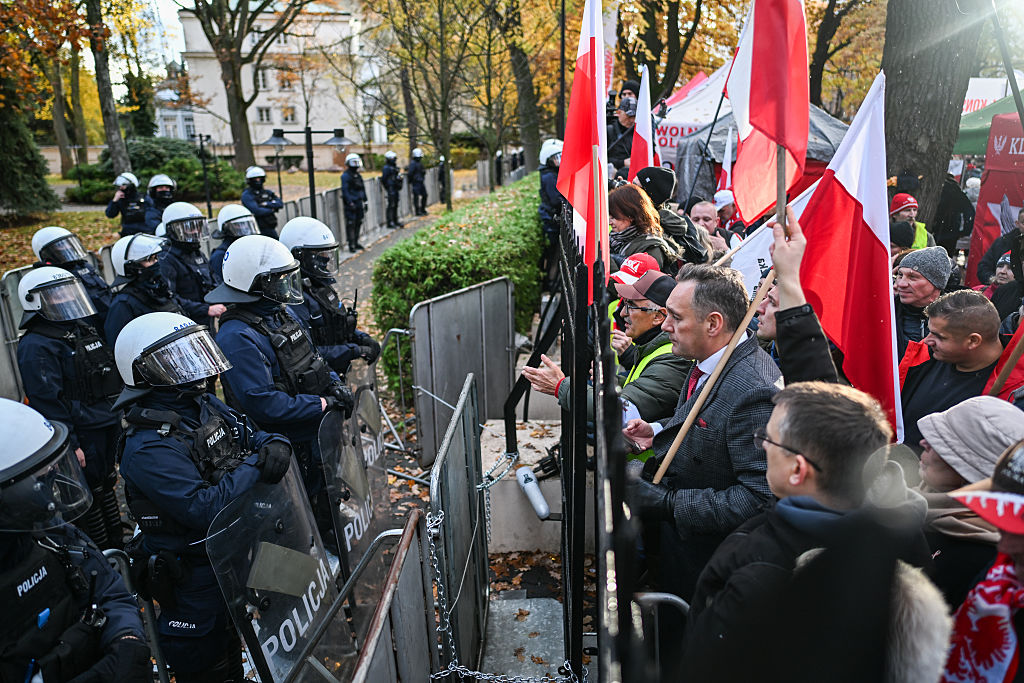
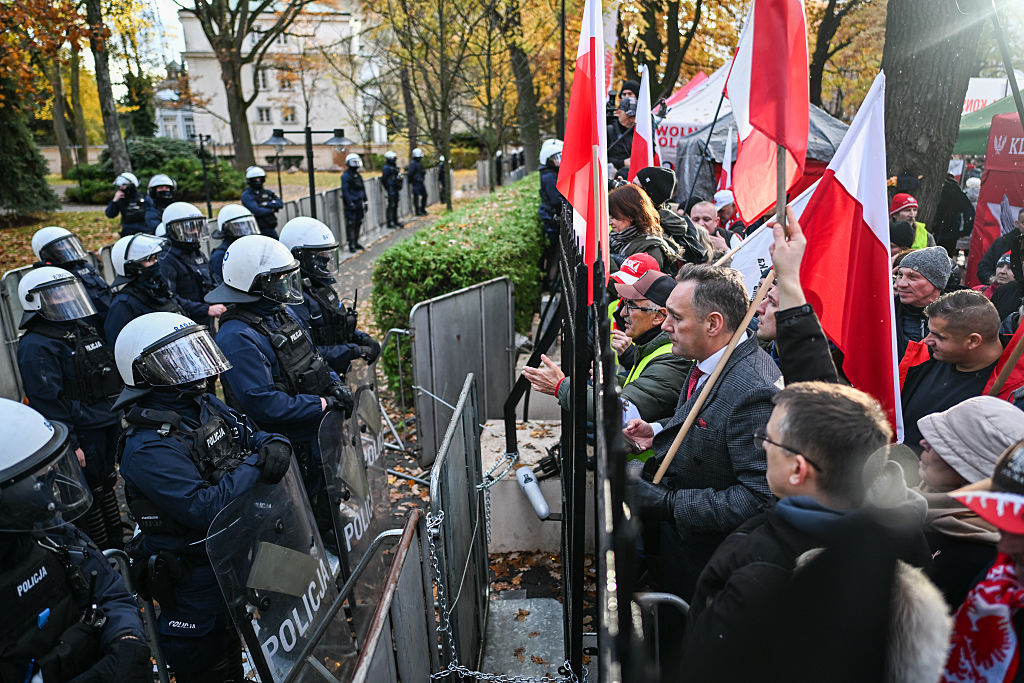
Polish bishops appeal for dialogue as constitutional court standoff deepens #Catholic Polandʼs bishops have appealed for de-escalation and prayer amid a deepening standoff over the countryʼs Constitutional Tribunal, warning that the dispute is driving a “deep crisis of the state.”“It is not the role of the Church to adjudicate the causes of this dispute or the responsibility for the lack of its resolution,” the Presidium of the Polish Bishops' Conference, headed by Archbishop Tadeusz Wojda of Gdańsk, said in an Oct. 31 statement.The Polish prelates called on politicians to calm the conflict and asked for “the initiation of constructive dialogue and the peaceful resolution of all difficulties." The bishops appealed to the faithful to pray “for light and wisdom for the rulers and all those responsible for public life.”Archbishop Wojciech Polak of Gniezno, Polandʼs primate, urged all sides of the political dispute to “seek a common solution” through talks. The heads of Polandʼs religious orders called for dialogue “on the basis of respect for the Constitution of the Republic of Poland and the applicable legal order.”Archbishop Andrzej Przybylski of Katowice and military Bishop Wiesław Lechowicz also urged prayer.A fight over the benchThe tribunal decides whether Polish laws are constitutional. Who gets to sit on it has been contested since 2015.This term the Sejm, the lower house of parliament, elected eight judges. President Karol Nawrocki, who is backed by the opposition Law and Justice party, swore in three. The other five took their oath in parliament instead, and Tribunal President Bogdan Święczkowski barred them from ruling.On Oct. 30 one of the five, Judge Anna Korwin-Piotrowska, struck back. She suspended Święczkowski and his deputy, Bartłomiej Sochański, for one month. The courtʼs official account on X replied that she “is not a judge of the Constitutional Tribunal.” Many legal experts doubt she had the power to issue the order, though some say it can be justified as a case of “higher constitutional necessity.”Nawrocki turned his plane around on the way to Senegal and was inside the building in the early hours of Oct. 31. A statement in his name, read out by Paweł Szefernaker, head of the presidentʼs cabinet, called the nightʼs events “a forcible takeover of a constitutional body.” Hundreds of people gathered outside.Prime Minister Donald Tusk was just as blunt in a televised address: “In certain matters, there can be no compromise.”Others want to start over. Szymon Hołownia, whose Poland 2050 party sits in Tuskʼs coalition, has backed a “constitutional reset” — a move that would replace the entire bench. This idea has long been pushed by the opposition right-wing Confederation and left-wing Together parties.Either way, Tuesday may not settle anything: The daily Rzeczpospolita reported that none of the judges seated before the current parliament will attend the assembly Korwin-Piotrowska has called for Nov. 3. Without them, it would fall short of its quorum of 10.European Union reactionsIn Brussels and Strasbourg, reactions split along political lines: Michael McGrath, the EU justice commissioner, told Politico the tribunal “needs to be able to function in accordance with the Polish constitution and the case law of the Court of Justice of the EU” and that “the Venice Commission has been clear that appointing the new judges lies within the power of the Sejm.”The Venice Commission is the Council of Europeʼs advisory body on constitutional law.However, McGrath stopped short of backing the suspensions, and conservatives in the European Parliament saw it the other way.“The Tusk governmentʼs actions constitute a clear and grave violation of the rule of law,” said Nicola Procaccini, co-chair of the European Conservatives and Reformists group. “We support President Nawrocki in defending Polandʼs constitutional order.”

Polish bishops appeal for dialogue as constitutional court standoff deepens #Catholic Polandʼs bishops have appealed for de-escalation and prayer amid a deepening standoff over the countryʼs Constitutional Tribunal, warning that the dispute is driving a “deep crisis of the state.”“It is not the role of the Church to adjudicate the causes of this dispute or the responsibility for the lack of its resolution,” the Presidium of the Polish Bishops' Conference, headed by Archbishop Tadeusz Wojda of Gdańsk, said in an Oct. 31 statement.The Polish prelates called on politicians to calm the conflict and asked for “the initiation of constructive dialogue and the peaceful resolution of all difficulties." The bishops appealed to the faithful to pray “for light and wisdom for the rulers and all those responsible for public life.”Archbishop Wojciech Polak of Gniezno, Polandʼs primate, urged all sides of the political dispute to “seek a common solution” through talks. The heads of Polandʼs religious orders called for dialogue “on the basis of respect for the Constitution of the Republic of Poland and the applicable legal order.”Archbishop Andrzej Przybylski of Katowice and military Bishop Wiesław Lechowicz also urged prayer.A fight over the benchThe tribunal decides whether Polish laws are constitutional. Who gets to sit on it has been contested since 2015.This term the Sejm, the lower house of parliament, elected eight judges. President Karol Nawrocki, who is backed by the opposition Law and Justice party, swore in three. The other five took their oath in parliament instead, and Tribunal President Bogdan Święczkowski barred them from ruling.On Oct. 30 one of the five, Judge Anna Korwin-Piotrowska, struck back. She suspended Święczkowski and his deputy, Bartłomiej Sochański, for one month. The courtʼs official account on X replied that she “is not a judge of the Constitutional Tribunal.” Many legal experts doubt she had the power to issue the order, though some say it can be justified as a case of “higher constitutional necessity.”Nawrocki turned his plane around on the way to Senegal and was inside the building in the early hours of Oct. 31. A statement in his name, read out by Paweł Szefernaker, head of the presidentʼs cabinet, called the nightʼs events “a forcible takeover of a constitutional body.” Hundreds of people gathered outside.Prime Minister Donald Tusk was just as blunt in a televised address: “In certain matters, there can be no compromise.”Others want to start over. Szymon Hołownia, whose Poland 2050 party sits in Tuskʼs coalition, has backed a “constitutional reset” — a move that would replace the entire bench. This idea has long been pushed by the opposition right-wing Confederation and left-wing Together parties.Either way, Tuesday may not settle anything: The daily Rzeczpospolita reported that none of the judges seated before the current parliament will attend the assembly Korwin-Piotrowska has called for Nov. 3. Without them, it would fall short of its quorum of 10.European Union reactionsIn Brussels and Strasbourg, reactions split along political lines: Michael McGrath, the EU justice commissioner, told Politico the tribunal “needs to be able to function in accordance with the Polish constitution and the case law of the Court of Justice of the EU” and that “the Venice Commission has been clear that appointing the new judges lies within the power of the Sejm.”The Venice Commission is the Council of Europeʼs advisory body on constitutional law.However, McGrath stopped short of backing the suspensions, and conservatives in the European Parliament saw it the other way.“The Tusk governmentʼs actions constitute a clear and grave violation of the rule of law,” said Nicola Procaccini, co-chair of the European Conservatives and Reformists group. “We support President Nawrocki in defending Polandʼs constitutional order.”

Poland’s bishops, the primate, and religious superiors appealed for de-escalation and prayer as a dispute over the Constitutional Tribunal’s leadership deepens.
Read More