Day: November 5, 2026

Gospel and Word of the Day – 6 November 2026 – A reading from the Letter of St. Paul to the Philippians 3:17—4:1 Join with others in being imitators of me, brothers and sisters,  and observe those who thus conduct themselves  according to the model you have in us. For many, as I have often told you  and now tell you even in tears,  conduct themselves as enemies of the cross of Christ. Their end is destruction. Their God is their stomach;  their glory is in their “shame.” Their minds are occupied with earthly things. But our citizenship is in heaven,  and from it we also await a savior, the Lord Jesus Christ. He will change our lowly body to conform with his glorified Body  by the power that enables him also  to bring all things into subjection to himself. Therefore, my brothers and sisters, whom I love and long for, my joy and crown,  in this way stand firm in the Lord, beloved.  From the Gospel according to Luke 16:1-8 Jesus said to his disciples, “A rich man had a steward who was reported to him for squandering his property. He summoned him and said, ‘What is this I hear about you? Prepare a full account of your stewardship, because you can no longer be my steward.’ The steward said to himself, ‘What shall I do, now that my master is taking the position of steward away from me? I am not strong enough to dig and I am ashamed to beg. I know what I shall do so that, when I am removed from the stewardship, they may welcome me into their homes.’ He called in his master’s debtors one by one. To the first he said, ‘How much do you owe my master?’ He replied, ‘One hundred measures of olive oil.’ He said to him, ‘Here is your promissory note. Sit down and quickly write one for fifty.’ Then to another he said, ‘And you, how much do you owe?’ He replied, ‘One hundred measures of wheat.’   He said to him, ‘Here is your promissory note; write one for eighty.’ And the master commended that dishonest steward for acting prudently. For the children of this world are more prudent in dealing with their own generation than the children of light.”In the story we see a steward summoned by the rich man for “an accounting” of his management. Here we are presented with an image that conveys something important: we are not the masters of our lives or of the goods we enjoy; everything has been given to us as a gift by the Lord, who has entrusted this to our care, our freedom, and our responsibility. One day we will be called to give an account of how we have managed ourselves, our possessions and the earth’s resources – before both God and humankind, before society, and especially before those who will come after us. (…) Taking his cue from the story, Jesus exhorts us: “Make friends for yourselves by means of dishonest wealth so that when it is gone, they may welcome you into the eternal homes” (v. 9). Indeed, the steward in the parable, even while managing the dishonest wealth of this world, succeeds in finding a way to make friends, leaving behind the solitude of his own selfishness.  How much more, then, must we, who are disciples living in the light of the Gospel, use the goods of this world and our very lives with a view to the true wealth, which is friendship with the Lord and with our brothers and sisters. (Pope Leo XIV, Angelus, 21 September 2025)

A reading from the Letter of St. Paul to the Philippians
3:17—4:1

Join with others in being imitators of me, brothers and sisters, 
and observe those who thus conduct themselves 
according to the model you have in us.
For many, as I have often told you 
and now tell you even in tears, 
conduct themselves as enemies of the cross of Christ.
Their end is destruction.
Their God is their stomach; 
their glory is in their “shame.”
Their minds are occupied with earthly things.
But our citizenship is in heaven, 
and from it we also await a savior, the Lord Jesus Christ.
He will change our lowly body
to conform with his glorified Body 
by the power that enables him also 
to bring all things into subjection to himself.

Therefore, my brothers and sisters,
whom I love and long for, my joy and crown, 
in this way stand firm in the Lord, beloved.  

From the Gospel according to Luke
16:1-8

Jesus said to his disciples, “A rich man had a steward
who was reported to him for squandering his property.
He summoned him and said,
‘What is this I hear about you?
Prepare a full account of your stewardship,
because you can no longer be my steward.’
The steward said to himself, ‘What shall I do,
now that my master is taking the position of steward away from me?
I am not strong enough to dig and I am ashamed to beg.
I know what I shall do so that,
when I am removed from the stewardship,
they may welcome me into their homes.’
He called in his master’s debtors one by one.
To the first he said, ‘How much do you owe my master?’
He replied, ‘One hundred measures of olive oil.’
He said to him, ‘Here is your promissory note.
Sit down and quickly write one for fifty.’
Then to another he said, ‘And you, how much do you owe?’
He replied, ‘One hundred measures of wheat.’  
He said to him, ‘Here is your promissory note;
write one for eighty.’
And the master commended that dishonest steward for acting prudently.
For the children of this world
are more prudent in dealing with their own generation
than the children of light.”

In the story we see a steward summoned by the rich man for “an accounting” of his management. Here we are presented with an image that conveys something important: we are not the masters of our lives or of the goods we enjoy; everything has been given to us as a gift by the Lord, who has entrusted this to our care, our freedom, and our responsibility. One day we will be called to give an account of how we have managed ourselves, our possessions and the earth’s resources – before both God and humankind, before society, and especially before those who will come after us. (…)

Taking his cue from the story, Jesus exhorts us: “Make friends for yourselves by means of dishonest wealth so that when it is gone, they may welcome you into the eternal homes” (v. 9).

Indeed, the steward in the parable, even while managing the dishonest wealth of this world, succeeds in finding a way to make friends, leaving behind the solitude of his own selfishness.  How much more, then, must we, who are disciples living in the light of the Gospel, use the goods of this world and our very lives with a view to the true wealth, which is friendship with the Lord and with our brothers and sisters. (Pope Leo XIV, Angelus, 21 September 2025)

Read More
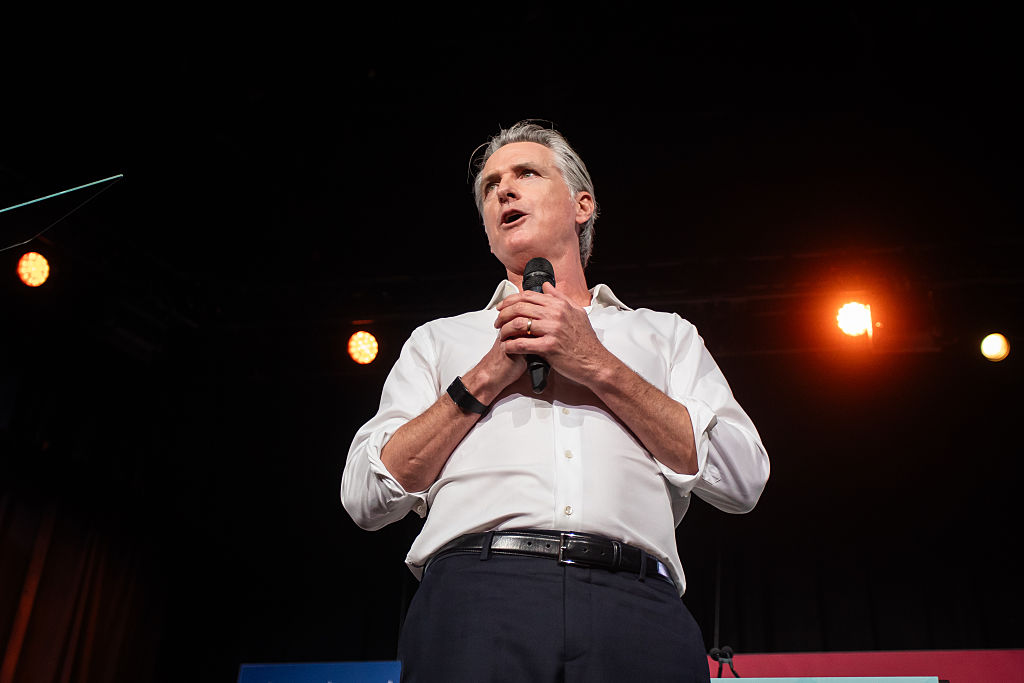
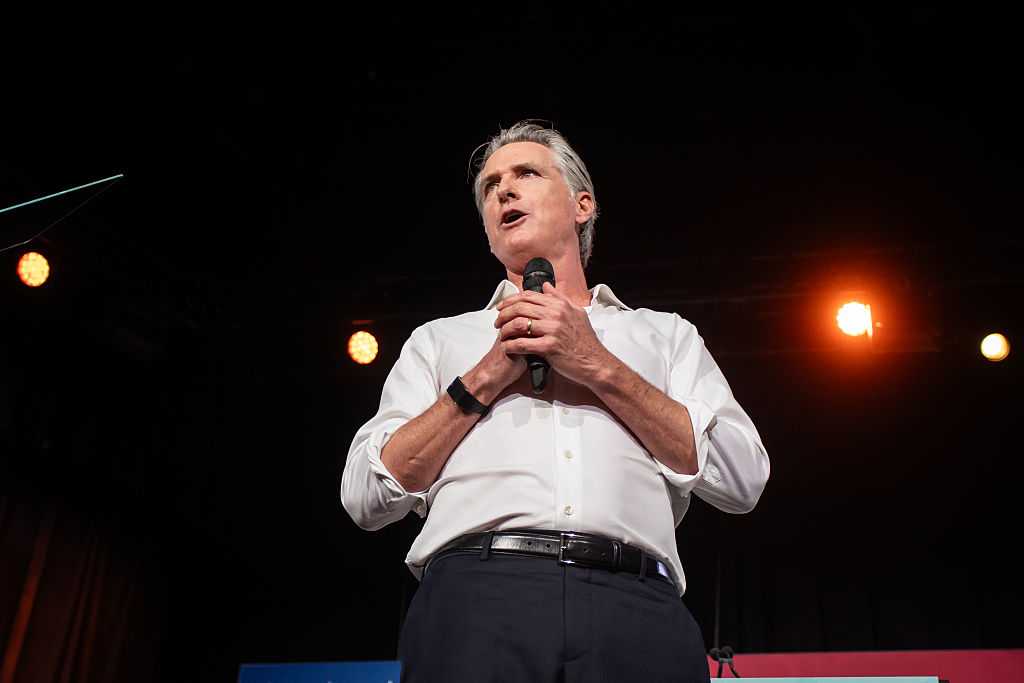
Catholic group praises California for ‘largest commutation in history’ as hundreds spared execution #Catholic The prominent anti-death penalty group Catholic Mobilizing Network praised California Gov. Gavin Newsom on Nov. 5 for his commutation of the death sentences of every prisoner on the state’s death row. In a publicly released letter, Newsom said he had “decided to exercise [his] constitutional clemency authority to commute all California death sentences to life without the possibility of parole.”The Democratic governor, who identifies as Catholic, said in the letter that he had come to “firmly believe that state-sanctioned killing is incompatible with California’s values,” that it “undermines the foundations of our legal system,” and that it “diminishes each of us.” The governor described life in prison without parole as “the most severe punishment I can lawfully impose.” The convicted criminals “will die in prison but not by our hand,” he said. The commutation covered all 548 prisoners condemned to death in the state. Newsom’s executive order in 2019 ensured executions would not occur while he remained governor.Responding to the news on Nov. 5, Krisanne Vaillancourt Murphy, executive director of Catholic Mobilizing Network, called the decision “an incredibly encouraging and historic witness for life and human dignity.” She described the order as “the largest commutation in world history.”The Catholic group regularly advocates death sentence commutations and the national abolition of the death penalty itself. The Catechism of the Catholic Church states bluntly that the death penalty is “inadmissible because it is an attack on the inviolability and dignity of the person.”Vaillancourt Murphy in her statement said the mass clemency “demonstrates how justice can be rooted in mercy and restoration instead of death and retribution.”Newsom “has given each of [the condemned criminals] a tangible sign of hope and a chance for rehabilitation,” she said.The decision “underscores the sacred value” of the lives of the prisoners, she said, though she stressed the need to “bear witness to the incomparable suffering that the families and loved ones of murder victims endure.” “We hear the cry for justice and accountability that grave harm rightly deserves, and we continue to hold them in prayer,” Vaillancourt Murphy said. Newsom in his statement noted that the state Supreme Court will have to weigh in on some of the commutations according to the state constitution, though the governor said he was “confident that this act of categorical clemency” was in line with state law.

Catholic group praises California for ‘largest commutation in history’ as hundreds spared execution #Catholic The prominent anti-death penalty group Catholic Mobilizing Network praised California Gov. Gavin Newsom on Nov. 5 for his commutation of the death sentences of every prisoner on the state’s death row. In a publicly released letter, Newsom said he had “decided to exercise [his] constitutional clemency authority to commute all California death sentences to life without the possibility of parole.”The Democratic governor, who identifies as Catholic, said in the letter that he had come to “firmly believe that state-sanctioned killing is incompatible with California’s values,” that it “undermines the foundations of our legal system,” and that it “diminishes each of us.” The governor described life in prison without parole as “the most severe punishment I can lawfully impose.” The convicted criminals “will die in prison but not by our hand,” he said. The commutation covered all 548 prisoners condemned to death in the state. Newsom’s executive order in 2019 ensured executions would not occur while he remained governor.Responding to the news on Nov. 5, Krisanne Vaillancourt Murphy, executive director of Catholic Mobilizing Network, called the decision “an incredibly encouraging and historic witness for life and human dignity.” She described the order as “the largest commutation in world history.”The Catholic group regularly advocates death sentence commutations and the national abolition of the death penalty itself. The Catechism of the Catholic Church states bluntly that the death penalty is “inadmissible because it is an attack on the inviolability and dignity of the person.”Vaillancourt Murphy in her statement said the mass clemency “demonstrates how justice can be rooted in mercy and restoration instead of death and retribution.”Newsom “has given each of [the condemned criminals] a tangible sign of hope and a chance for rehabilitation,” she said.The decision “underscores the sacred value” of the lives of the prisoners, she said, though she stressed the need to “bear witness to the incomparable suffering that the families and loved ones of murder victims endure.” “We hear the cry for justice and accountability that grave harm rightly deserves, and we continue to hold them in prayer,” Vaillancourt Murphy said. Newsom in his statement noted that the state Supreme Court will have to weigh in on some of the commutations according to the state constitution, though the governor said he was “confident that this act of categorical clemency” was in line with state law.

California Gov. Gavin Newsom commuted the death sentences of nearly 550 prisoners on the state’s death row on Nov. 5.

Read More
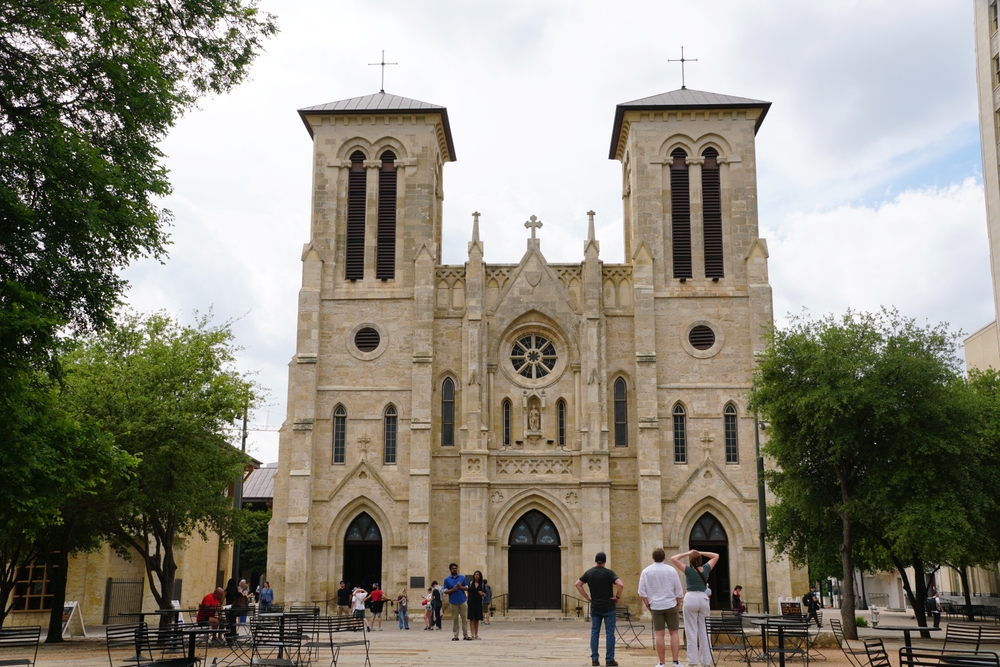
Texas bishops congratulate Democratic winners, reaffirm pro-life and family agenda #Catholic After Democrats won every major statewide office in Tuesday’s midterm elections and gained a majority in the Texas House of Representatives, Texas’ Catholic bishops offered prayers for the winners and continued to emphasize public policy priorities aligned with Catholic social teaching.In a Nov. 5 message, the Texas Catholic Conference of Bishops congratulated the winners, telling them that the bishops are praying “that God grants them wisdom as they take on the responsibilities of public office.”The bishops reiterated their legislative priorities in a previously finalized agenda: “As we look ahead to the 90th Texas Legislative Session, the principles of Catholic social and moral teaching that guide our work remain unchanged,” the bishops wrote. They said they will continue to advocate for policies that “uphold human dignity, strengthen families, care for the vulnerable and creation, and promote the common good.”In the agenda, the bishops stated: “Human life is intrinsically valuable and should be protected by law from conception, which happens at fertilization, to natural death. Moreover, the natural family is the sanctuary of life in which parents teach children how they ought to live.”Specific policy positions the bishops took in their legislative agenda include supporting funding for abortion alternatives and assistance for parents (including kinship, foster, and adoptive families); opposing euthanasia, in vitro fertilization, and surrogacy; and opposing “the advancement of gender ideology, especially in places where young people are affected.” They also promoted safeguards for “the inviolable dignity of the human person through the ethical development of Artificial Intelligence (AI)” and reasonable steps to address gun-related violence.The bishops stated they continue to oppose “efforts to weaken the protection of unborn human life.”Newly elected attorney general says he won’t enforce Texas abortion lawsThese stances come as the incoming Democratic administration is expected to pursue pro-abortion measures. Attorney general-elect and pro-abortion Democrat Nathan Johnson has already said he will not continue outgoing Republican Attorney General Ken Paxton’s lawsuits against out-of-state providers who have illegally mailed abortion pills into Texas, saying he will respect other states’ shield laws but will not enforce Texas’ pro-life laws.John Seago, president of Texas Right to Life, a Christian pro-life advocacy group, called Johnson’s position “absolutely ridiculous.”“His new job as attorney general is to enforce the laws of Texas, regardless of his personal feelings about them,” Seago told EWTN News.“The abortion pill trafficking enables abusive men that are ordering pills from other states and sneaking them into the drinks of Texas mothers,” he said. “Nathan Johnson is taking a position that he will defend an industry that enables this type of assault on Texas’ pregnant women.”Johnson did not respond to a request for comment from EWTN News by the time of publication.‘Remain engaged in civic life’Separately, Archbishop Gustavo García-Siller of San Antonio issued his own postelection statement. He recalled the U.S. bishops’ preelection call for Catholics to place faith before politics and noted that Pope Leo XIV cast a mail-in ballot from the Vatican.The archbishop highlighted issues the Holy Father has emphasized: “protecting human life; protecting religious freedom and human rights; promoting the family; upholding the human dignity of all, including migrants and prisoners; and also promoting political dialogue and building consensus, so that we may find common ground among our diversity.”“Following [Tuesday’s] election results, I strongly encourage all to remain actively engaged in civic life,” García-Siller wrote. “Let us further the Biblical values of the Kingdom. We do not need more division after a particularly bruising campaign season, but rather, we need unity to be fostered in order to move forward in freedom to discuss difficult topics more deeply in light of the Gospel.”He ended his statement with prayers for peace and for all officeholders to receive “wisdom and discernment from the Holy Spirit,” invoking Our Lady of Guadalupe, patroness of the Americas and of the archdiocese, to help “build up a civilization of love.”Republicans retained control of the Texas Senate, a fact noted by some pro-life advocates as a potential check on legislative changes.

Texas bishops congratulate Democratic winners, reaffirm pro-life and family agenda #Catholic After Democrats won every major statewide office in Tuesday’s midterm elections and gained a majority in the Texas House of Representatives, Texas’ Catholic bishops offered prayers for the winners and continued to emphasize public policy priorities aligned with Catholic social teaching.In a Nov. 5 message, the Texas Catholic Conference of Bishops congratulated the winners, telling them that the bishops are praying “that God grants them wisdom as they take on the responsibilities of public office.”The bishops reiterated their legislative priorities in a previously finalized agenda: “As we look ahead to the 90th Texas Legislative Session, the principles of Catholic social and moral teaching that guide our work remain unchanged,” the bishops wrote. They said they will continue to advocate for policies that “uphold human dignity, strengthen families, care for the vulnerable and creation, and promote the common good.”In the agenda, the bishops stated: “Human life is intrinsically valuable and should be protected by law from conception, which happens at fertilization, to natural death. Moreover, the natural family is the sanctuary of life in which parents teach children how they ought to live.”Specific policy positions the bishops took in their legislative agenda include supporting funding for abortion alternatives and assistance for parents (including kinship, foster, and adoptive families); opposing euthanasia, in vitro fertilization, and surrogacy; and opposing “the advancement of gender ideology, especially in places where young people are affected.” They also promoted safeguards for “the inviolable dignity of the human person through the ethical development of Artificial Intelligence (AI)” and reasonable steps to address gun-related violence.The bishops stated they continue to oppose “efforts to weaken the protection of unborn human life.”Newly elected attorney general says he won’t enforce Texas abortion lawsThese stances come as the incoming Democratic administration is expected to pursue pro-abortion measures. Attorney general-elect and pro-abortion Democrat Nathan Johnson has already said he will not continue outgoing Republican Attorney General Ken Paxton’s lawsuits against out-of-state providers who have illegally mailed abortion pills into Texas, saying he will respect other states’ shield laws but will not enforce Texas’ pro-life laws.John Seago, president of Texas Right to Life, a Christian pro-life advocacy group, called Johnson’s position “absolutely ridiculous.”“His new job as attorney general is to enforce the laws of Texas, regardless of his personal feelings about them,” Seago told EWTN News.“The abortion pill trafficking enables abusive men that are ordering pills from other states and sneaking them into the drinks of Texas mothers,” he said. “Nathan Johnson is taking a position that he will defend an industry that enables this type of assault on Texas’ pregnant women.”Johnson did not respond to a request for comment from EWTN News by the time of publication.‘Remain engaged in civic life’Separately, Archbishop Gustavo García-Siller of San Antonio issued his own postelection statement. He recalled the U.S. bishops’ preelection call for Catholics to place faith before politics and noted that Pope Leo XIV cast a mail-in ballot from the Vatican.The archbishop highlighted issues the Holy Father has emphasized: “protecting human life; protecting religious freedom and human rights; promoting the family; upholding the human dignity of all, including migrants and prisoners; and also promoting political dialogue and building consensus, so that we may find common ground among our diversity.”“Following [Tuesday’s] election results, I strongly encourage all to remain actively engaged in civic life,” García-Siller wrote. “Let us further the Biblical values of the Kingdom. We do not need more division after a particularly bruising campaign season, but rather, we need unity to be fostered in order to move forward in freedom to discuss difficult topics more deeply in light of the Gospel.”He ended his statement with prayers for peace and for all officeholders to receive “wisdom and discernment from the Holy Spirit,” invoking Our Lady of Guadalupe, patroness of the Americas and of the archdiocese, to help “build up a civilization of love.”Republicans retained control of the Texas Senate, a fact noted by some pro-life advocates as a potential check on legislative changes.

Texas’ Catholic bishops congratulated Democratic winners, who won every top office statewide, and prayed for their wisdom while reaffirming that Catholic principles remain unchanged.

Read More
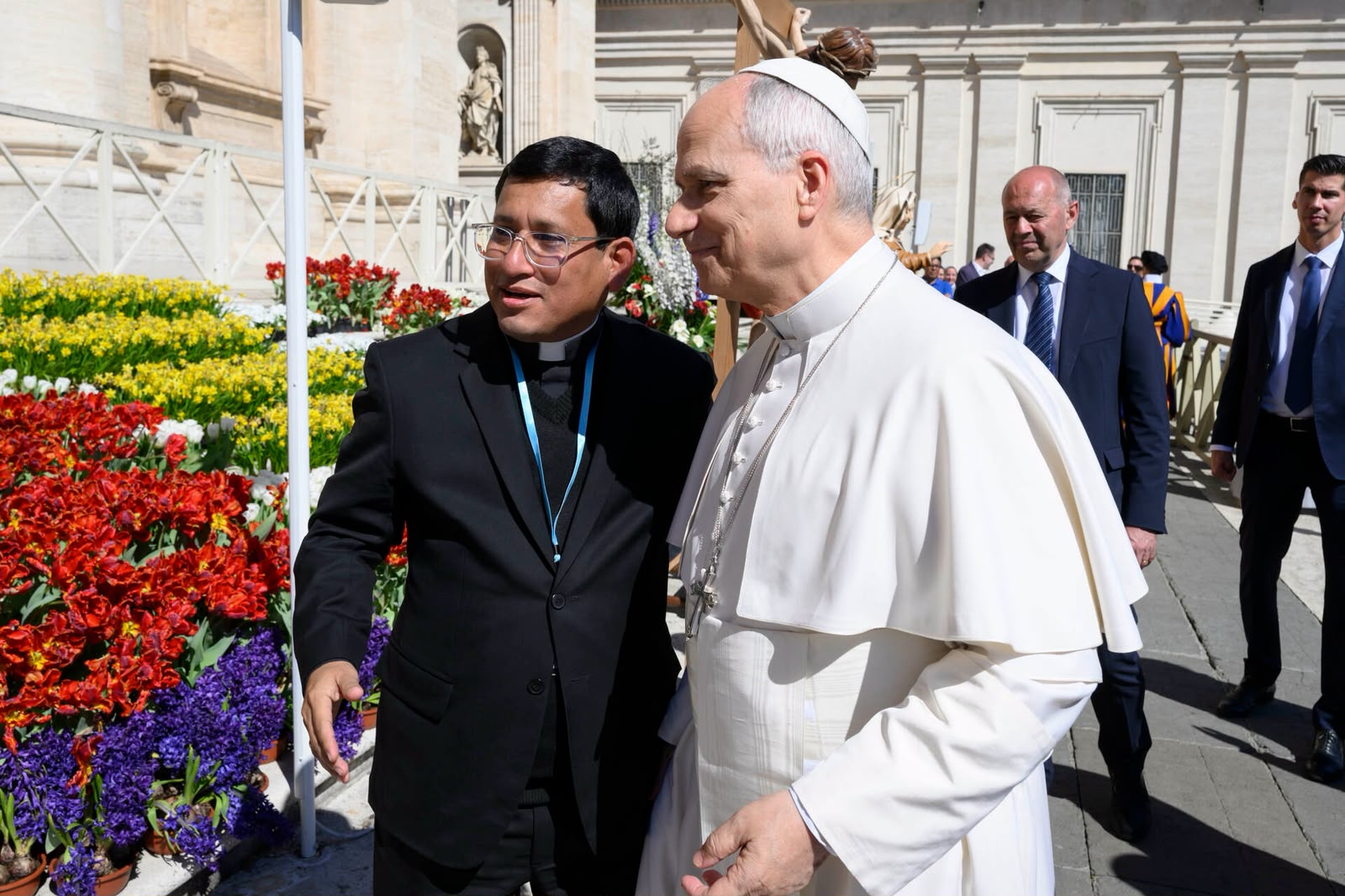
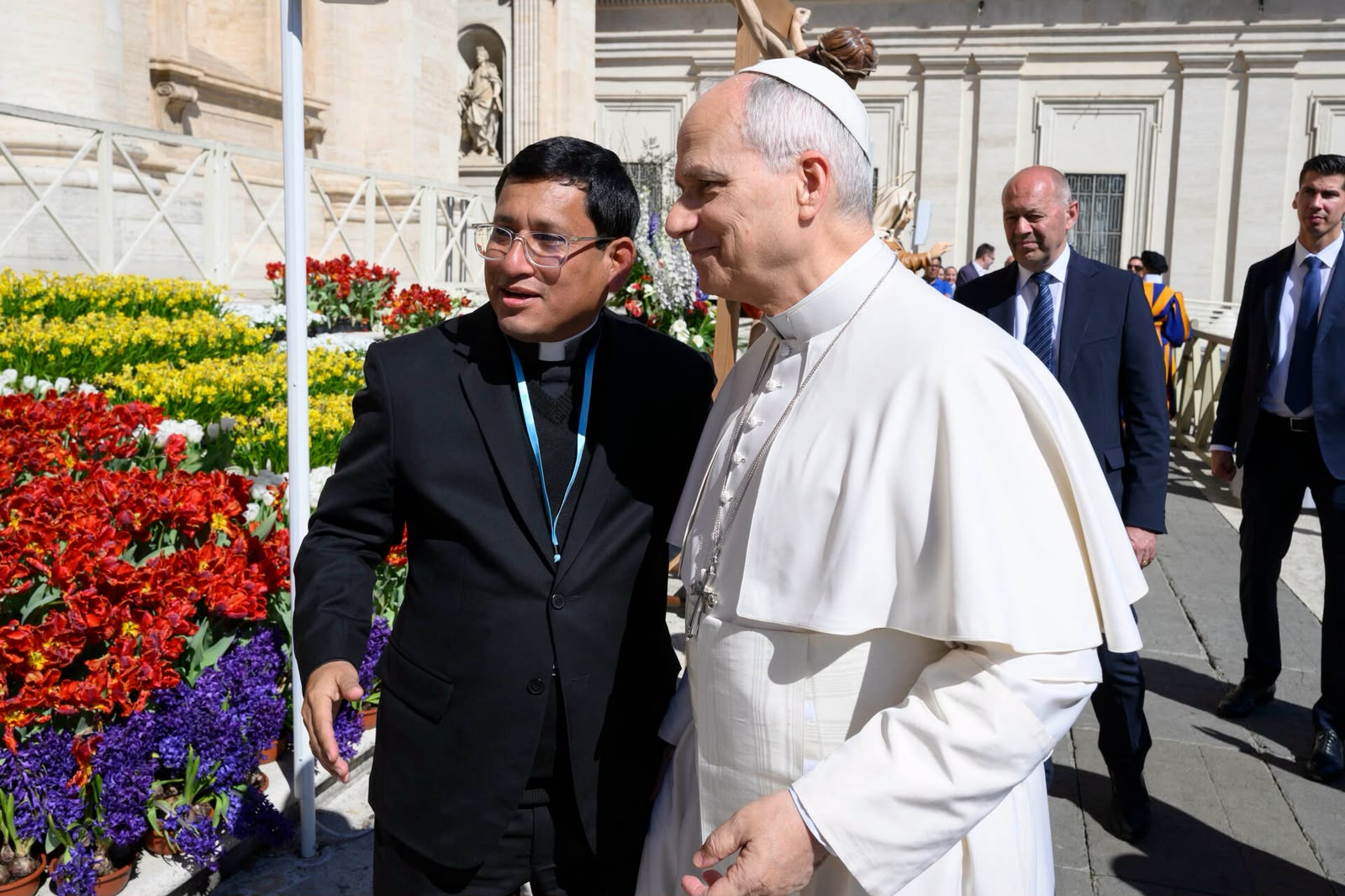
Vaticano: El Papa León, ‘entusiasmado’ y ‘clínicamente apto’ para su ajetreado viaje de regreso a América Latina #Catholic – (OSV News) — El Papa León XIV, quien viajará a Sudamérica poco más de tres semanas después de someterse a una cirugía por cáncer de pulmón, está “personalmente entusiasmado con este viaje” y contará con “la asistencia médica habitual”, confirmaron portavoces del Vaticano durante una rueda de prensa celebrada el 3 de noviembre en la Oficina de Prensa del Vaticano.
El viaje, del 6 al 17 de noviembre, será la primera visita papal a América Latina del pontificado del Papa León. A lo largo de 12 días, celebrará nueve misas públicas, visitará siete catedrales y presidirá dos vigilias de oración en estadios.
Matteo Bruni, director de la Oficina de Prensa de la Santa Sede, dijo que el Papa pronunciará “alrededor de 36 discursos” durante el viaje.
María Montserrat Alvarado, quien asumió su cargo como prefecta del Dicasterio para la Comunicación el 1 de noviembre, dijo a los periodistas que “él les va a dar mucho material improvisado con el que trabajar” –algo que, señaló, es “hermoso”, ya que “él quiere compartir su corazón y nosotros queremos ayudarlo a hacerlo”.

Para suscribirse a nuestro boletín electrónico semanal, haga click aquí.

El Papa, dijo, “revelará su corazón en un lenguaje que le sea propio”, tal como lo hizo en España. “Lo verán de nuevo, pero de una manera totalmente diferente, porque conoce estas calles”.
El Papa León llegó por primera vez a Perú en 1985 y la labor misionera moldeó su visión de la Iglesia universal. Allí fue nombrado obispo y allí experimentó los desafíos y las alegrías de pastorear a su rebaño.
El Papa León está en condiciones de emprender el viaje sin necesidad de equipo especial
En su primera intervención ante los periodistas, durante una conferencia de prensa tras asumir su cargo como la primera mujer laica en ocupar el puesto de prefecta de un dicasterio vaticano, Alvarado dijo que el Papa está “emocionado” ante el viaje más largo de su pontificado hasta la fecha, y que “confirmó que el viaje se realizaría sin cambios”, agregando que él está “agradecido” por las oraciones y la preocupación por su salud.
“Cuando escucha esos mensajes de preocupación, las preguntas sobre los médicos, lo único que percibe es el amor de la gente y la esperanza que tienen en lo que este viaje traerá”, dijo Alvarado.
Durante la rueda de prensa del 3 de noviembre, los periodistas preguntaron repetidamente sobre los retos para la salud que suponen los cambios de altitud y los vuelos en helicóptero a la región de los Andes para el Papa, aproximadamente un mes después de que cirujanos le extirparan parte de un pulmón durante la cirugía del 13 de octubre.
Bruni confirmó que “no se está utilizando ninguna adaptación ni equipo especial” desde el punto de vista médico y que “el Papa fue bastante claro” en su comunicado del 26 de octubre al indicar que “el plan sigue siendo el mismo” y que no se prevén cambios en el itinerario inicial debido a su reciente hospitalización.
La naturaleza de la cirugía, dijo Bruni, es que “no produce una limitación permanente”, y agregó que al Papa Francisco le faltaba parte de un pulmón y que viajaba sin inconvenientes.
“¿Se necesitaron medidas médicas especiales para esos viajes? Tomemos como ejemplo nuestro viaje a Tierra Santa: concentramos los eventos de una semana en solo tres días. Es una condición que permite llevar una vida normal sin necesidad de precauciones especiales”, dijo Bruni.
“Si algo cambia, me aseguraré de avisarles, pero tal como están las cosas –según lo que nos han dicho los médicos– no se requiere ningún tratamiento, y él está clínicamente apto para realizar este viaje”, dijo el director de prensa.
Por su parte, Alvarado mencionó la Misa de los Difuntos del 2 de noviembre en el Cementerio de Campo Verano: “No sé si todos vieron la Misa de ayer. Su resistencia es fantástica”, señaló.
“La forma en que canta es increíble. Y solo se puede cantar si los pulmones son realmente fuertes”, dijo Alvarado, y agregó que el Papa “ya había superado el período de recuperación necesario”.
Sus médicos, dijo ella, “están muy seguros y dispondrá de atención médica adecuada a bordo en caso de que suceda algo. Pero no vemos eso en su pronóstico, por la forma en que se está comportando”.
El viaje a América Latina comienza el 6 de noviembre con un vuelo de más de 14 horas y 6.900 millas desde Roma a Montevideo, Uruguay. El vuelo de regreso desde Lima, Perú, a Roma cubre 6.700 millas. Entre tanto, el Papa viajará a un nuevo destino casi todos los días, incluyendo un vuelo de 2.200 millas de Buenos Aires a Lima y un vuelo en helicóptero militar el 14 de noviembre hacia la localidad andina de Santa Cruz de Succhabamba, en Perú.
A modo de comparación, el Papa León recorrió 11.000 millas en 11 días durante su viaje a Argelia, Camerún, Angola y Guinea Ecuatorial a principios de este año. El viaje a América Latina culmina con un regreso a Chiclayo, Perú, donde se desempeñó como obispo de 2015 a 2023.
El Papa León regresa a casa con un mensaje de paz
Al ser preguntado sobre los objetivos del viaje, Alvarado dijo que hay “dos aspectos realmente importantes de lo que él quiere que sea este viaje”.
En primer lugar, está el regreso a América Latina de un Papa con ciudadanía peruana. “Él lo siente muy profundamente”, señaló, ya que “este es un lugar donde desarrolló su ministerio y lo forjó como pastor”.
Dijo que el continente le enseñó al Papa “su manera de entender el encuentro y las… diversas necesidades de la Iglesia” y “le abrió los ojos de una manera nueva y diferente”.
Al tomar su teléfono, Alvarado leyó el segundo objetivo y lo que, según ella, el Papa le pidió que compartiera con los periodistas: ayudar a “compartir su mensaje de paz y encuentro con el mundo”, algo que, según señaló, “se expresa en América Latina a través de su diversidad de pueblos y culturas”.
Sanación, paz y diálogo: elementos importantes del viaje
Dijo que el Papa espera “que todos puedan ver la importancia del encuentro, para la sanación y para la paz, y por qué el diálogo es tan importante, y que los distintos elementos del viaje realmente contribuyan a hacerlo realidad”.
El Papa León comenzará su viaje en Uruguay, el país más secularizado de América Latina. Allí su recorrido lo llevará ante una pequeña imagen mariana que el proceso de secularización de Uruguay nunca pudo separar por completo de la identidad nacional del país: la Virgen de los Treinta y Tres.
En Argentina, adonde llegará el 8 de noviembre, enfrentará el desafío de visitar la patria del pontífice argentino, el Papa Francisco –quien nunca visitó su patria como Papa– y un país que el arzobispo de Buenos Aires, Jorge Ignacio García Cuerva, describió recientemente como “una Argentina herida, una Argentina dividida”.
En Perú, visitará Lima, Chiclayo, Santa Cruz de Succhabamba y Cusco en los Andes, así como Pucallpa en la Amazonía, sin pasar por Chulucanas ni Trujillo, donde se desempeñó como misionero.
Bruni señaló que, si bien el programa del viaje incluye “algunos elementos de la historia personal del Papa”, también es “una oportunidad para llegar a esos lugares a los que normalmente no se llega”, lo que le brinda al Papa la oportunidad de “seguir los pasos de aquellos misioneros que quisieron llegar a lugares donde Cristo no había sido llevado antes”, expresando así un sentimiento “de gratitud hacia la enorme labor que se realizó en los inicios del cristianismo en América Latina”.
“Se nota este equilibrio entre Prevost y el Papa León XIV” en el itinerario del viaje, señaló Alvarado, refiriéndose al apellido de nacimiento del Papa.
“Él pertenece al mundo. Y por mucho que su corazón esté en ciertos lugares de Perú, también debe cumplir con los deberes pastorales de reunirse con las personas que dirigen estos países y que lo han invitado a visitarlos”, dijo, y agregó que “hay un verdadero equilibrio entre los lugares a los que le encantaría ir… y los deberes que debe cumplir como Santo Padre”.
El primer viaje oficial de Alvarado en la comitiva papal
Al ser preguntada sobre sus propias emociones antes del primer viaje oficial con el Papa, dijo: “Es un honor y un privilegio increíbles formar parte de su comitiva”.
“Es increíblemente emotivo pensar en un viaje que nos va a revelar tanto sobre su corazón”, dijo.
Refiriéndose a una de las preguntas anteriores sobre Uruguay –el país más secularizado del itinerario del viaje apostólico–, Alvarado dijo: “¿Por qué no? Todos necesitan escuchar el mensaje de Jesucristo, y eso es parte de quién es el Papa León”.
Dijo que el pontífice “entiende que no solo va a hablar con los países y sus representantes, sino que va a encontrarse con la gente, a llegar a sus corazones y, con suerte, a inspirarlos a volver a buscar aquellos lugares donde la Iglesia tuvo una gran presencia y ahora es pequeña” y a “reconsiderar”.
“Eso forma parte en gran medida de lo que siento en mi corazón y es la razón por la que acepté este trabajo”.
Paulina Guzik es editora internacional de OSV News. Síguela en X @Guzik_Paulina.

Vaticano: El Papa León, ‘entusiasmado’ y ‘clínicamente apto’ para su ajetreado viaje de regreso a América Latina #Catholic – (OSV News) — El Papa León XIV, quien viajará a Sudamérica poco más de tres semanas después de someterse a una cirugía por cáncer de pulmón, está “personalmente entusiasmado con este viaje” y contará con “la asistencia médica habitual”, confirmaron portavoces del Vaticano durante una rueda de prensa celebrada el 3 de noviembre en la Oficina de Prensa del Vaticano. El viaje, del 6 al 17 de noviembre, será la primera visita papal a América Latina del pontificado del Papa León. A lo largo de 12 días, celebrará nueve misas públicas, visitará siete catedrales y presidirá dos vigilias de oración en estadios. Matteo Bruni, director de la Oficina de Prensa de la Santa Sede, dijo que el Papa pronunciará “alrededor de 36 discursos” durante el viaje. María Montserrat Alvarado, quien asumió su cargo como prefecta del Dicasterio para la Comunicación el 1 de noviembre, dijo a los periodistas que “él les va a dar mucho material improvisado con el que trabajar” –algo que, señaló, es “hermoso”, ya que “él quiere compartir su corazón y nosotros queremos ayudarlo a hacerlo”. Para suscribirse a nuestro boletín electrónico semanal, haga click aquí. El Papa, dijo, “revelará su corazón en un lenguaje que le sea propio”, tal como lo hizo en España. “Lo verán de nuevo, pero de una manera totalmente diferente, porque conoce estas calles”. El Papa León llegó por primera vez a Perú en 1985 y la labor misionera moldeó su visión de la Iglesia universal. Allí fue nombrado obispo y allí experimentó los desafíos y las alegrías de pastorear a su rebaño. El Papa León está en condiciones de emprender el viaje sin necesidad de equipo especial En su primera intervención ante los periodistas, durante una conferencia de prensa tras asumir su cargo como la primera mujer laica en ocupar el puesto de prefecta de un dicasterio vaticano, Alvarado dijo que el Papa está “emocionado” ante el viaje más largo de su pontificado hasta la fecha, y que “confirmó que el viaje se realizaría sin cambios”, agregando que él está “agradecido” por las oraciones y la preocupación por su salud. “Cuando escucha esos mensajes de preocupación, las preguntas sobre los médicos, lo único que percibe es el amor de la gente y la esperanza que tienen en lo que este viaje traerá”, dijo Alvarado. Durante la rueda de prensa del 3 de noviembre, los periodistas preguntaron repetidamente sobre los retos para la salud que suponen los cambios de altitud y los vuelos en helicóptero a la región de los Andes para el Papa, aproximadamente un mes después de que cirujanos le extirparan parte de un pulmón durante la cirugía del 13 de octubre. Bruni confirmó que “no se está utilizando ninguna adaptación ni equipo especial” desde el punto de vista médico y que “el Papa fue bastante claro” en su comunicado del 26 de octubre al indicar que “el plan sigue siendo el mismo” y que no se prevén cambios en el itinerario inicial debido a su reciente hospitalización. La naturaleza de la cirugía, dijo Bruni, es que “no produce una limitación permanente”, y agregó que al Papa Francisco le faltaba parte de un pulmón y que viajaba sin inconvenientes. “¿Se necesitaron medidas médicas especiales para esos viajes? Tomemos como ejemplo nuestro viaje a Tierra Santa: concentramos los eventos de una semana en solo tres días. Es una condición que permite llevar una vida normal sin necesidad de precauciones especiales”, dijo Bruni. “Si algo cambia, me aseguraré de avisarles, pero tal como están las cosas –según lo que nos han dicho los médicos– no se requiere ningún tratamiento, y él está clínicamente apto para realizar este viaje”, dijo el director de prensa. Por su parte, Alvarado mencionó la Misa de los Difuntos del 2 de noviembre en el Cementerio de Campo Verano: “No sé si todos vieron la Misa de ayer. Su resistencia es fantástica”, señaló. “La forma en que canta es increíble. Y solo se puede cantar si los pulmones son realmente fuertes”, dijo Alvarado, y agregó que el Papa “ya había superado el período de recuperación necesario”. Sus médicos, dijo ella, “están muy seguros y dispondrá de atención médica adecuada a bordo en caso de que suceda algo. Pero no vemos eso en su pronóstico, por la forma en que se está comportando”. El viaje a América Latina comienza el 6 de noviembre con un vuelo de más de 14 horas y 6.900 millas desde Roma a Montevideo, Uruguay. El vuelo de regreso desde Lima, Perú, a Roma cubre 6.700 millas. Entre tanto, el Papa viajará a un nuevo destino casi todos los días, incluyendo un vuelo de 2.200 millas de Buenos Aires a Lima y un vuelo en helicóptero militar el 14 de noviembre hacia la localidad andina de Santa Cruz de Succhabamba, en Perú. A modo de comparación, el Papa León recorrió 11.000 millas en 11 días durante su viaje a Argelia, Camerún, Angola y Guinea Ecuatorial a principios de este año. El viaje a América Latina culmina con un regreso a Chiclayo, Perú, donde se desempeñó como obispo de 2015 a 2023. El Papa León regresa a casa con un mensaje de paz Al ser preguntado sobre los objetivos del viaje, Alvarado dijo que hay “dos aspectos realmente importantes de lo que él quiere que sea este viaje”. En primer lugar, está el regreso a América Latina de un Papa con ciudadanía peruana. “Él lo siente muy profundamente”, señaló, ya que “este es un lugar donde desarrolló su ministerio y lo forjó como pastor”. Dijo que el continente le enseñó al Papa “su manera de entender el encuentro y las… diversas necesidades de la Iglesia” y “le abrió los ojos de una manera nueva y diferente”. Al tomar su teléfono, Alvarado leyó el segundo objetivo y lo que, según ella, el Papa le pidió que compartiera con los periodistas: ayudar a “compartir su mensaje de paz y encuentro con el mundo”, algo que, según señaló, “se expresa en América Latina a través de su diversidad de pueblos y culturas”. Sanación, paz y diálogo: elementos importantes del viaje Dijo que el Papa espera “que todos puedan ver la importancia del encuentro, para la sanación y para la paz, y por qué el diálogo es tan importante, y que los distintos elementos del viaje realmente contribuyan a hacerlo realidad”. El Papa León comenzará su viaje en Uruguay, el país más secularizado de América Latina. Allí su recorrido lo llevará ante una pequeña imagen mariana que el proceso de secularización de Uruguay nunca pudo separar por completo de la identidad nacional del país: la Virgen de los Treinta y Tres. En Argentina, adonde llegará el 8 de noviembre, enfrentará el desafío de visitar la patria del pontífice argentino, el Papa Francisco –quien nunca visitó su patria como Papa– y un país que el arzobispo de Buenos Aires, Jorge Ignacio García Cuerva, describió recientemente como “una Argentina herida, una Argentina dividida”. En Perú, visitará Lima, Chiclayo, Santa Cruz de Succhabamba y Cusco en los Andes, así como Pucallpa en la Amazonía, sin pasar por Chulucanas ni Trujillo, donde se desempeñó como misionero. Bruni señaló que, si bien el programa del viaje incluye “algunos elementos de la historia personal del Papa”, también es “una oportunidad para llegar a esos lugares a los que normalmente no se llega”, lo que le brinda al Papa la oportunidad de “seguir los pasos de aquellos misioneros que quisieron llegar a lugares donde Cristo no había sido llevado antes”, expresando así un sentimiento “de gratitud hacia la enorme labor que se realizó en los inicios del cristianismo en América Latina”. “Se nota este equilibrio entre Prevost y el Papa León XIV” en el itinerario del viaje, señaló Alvarado, refiriéndose al apellido de nacimiento del Papa. “Él pertenece al mundo. Y por mucho que su corazón esté en ciertos lugares de Perú, también debe cumplir con los deberes pastorales de reunirse con las personas que dirigen estos países y que lo han invitado a visitarlos”, dijo, y agregó que “hay un verdadero equilibrio entre los lugares a los que le encantaría ir… y los deberes que debe cumplir como Santo Padre”. El primer viaje oficial de Alvarado en la comitiva papal Al ser preguntada sobre sus propias emociones antes del primer viaje oficial con el Papa, dijo: “Es un honor y un privilegio increíbles formar parte de su comitiva”. “Es increíblemente emotivo pensar en un viaje que nos va a revelar tanto sobre su corazón”, dijo. Refiriéndose a una de las preguntas anteriores sobre Uruguay –el país más secularizado del itinerario del viaje apostólico–, Alvarado dijo: “¿Por qué no? Todos necesitan escuchar el mensaje de Jesucristo, y eso es parte de quién es el Papa León”. Dijo que el pontífice “entiende que no solo va a hablar con los países y sus representantes, sino que va a encontrarse con la gente, a llegar a sus corazones y, con suerte, a inspirarlos a volver a buscar aquellos lugares donde la Iglesia tuvo una gran presencia y ahora es pequeña” y a “reconsiderar”. “Eso forma parte en gran medida de lo que siento en mi corazón y es la razón por la que acepté este trabajo”. Paulina Guzik es editora internacional de OSV News. Síguela en X @Guzik_Paulina.

Vaticano: El Papa León, ‘entusiasmado’ y ‘clínicamente apto’ para su ajetreado viaje de regreso a América Latina #Catholic –

(OSV News) — El Papa León XIV, quien viajará a Sudamérica poco más de tres semanas después de someterse a una cirugía por cáncer de pulmón, está “personalmente entusiasmado con este viaje” y contará con “la asistencia médica habitual”, confirmaron portavoces del Vaticano durante una rueda de prensa celebrada el 3 de noviembre en la Oficina de Prensa del Vaticano.

El viaje, del 6 al 17 de noviembre, será la primera visita papal a América Latina del pontificado del Papa León. A lo largo de 12 días, celebrará nueve misas públicas, visitará siete catedrales y presidirá dos vigilias de oración en estadios.

Matteo Bruni, director de la Oficina de Prensa de la Santa Sede, dijo que el Papa pronunciará “alrededor de 36 discursos” durante el viaje.

María Montserrat Alvarado, quien asumió su cargo como prefecta del Dicasterio para la Comunicación el 1 de noviembre, dijo a los periodistas que “él les va a dar mucho material improvisado con el que trabajar” –algo que, señaló, es “hermoso”, ya que “él quiere compartir su corazón y nosotros queremos ayudarlo a hacerlo”.


Para suscribirse a nuestro boletín electrónico semanal, haga click aquí.

El Papa, dijo, “revelará su corazón en un lenguaje que le sea propio”, tal como lo hizo en España. “Lo verán de nuevo, pero de una manera totalmente diferente, porque conoce estas calles”.

El Papa León llegó por primera vez a Perú en 1985 y la labor misionera moldeó su visión de la Iglesia universal. Allí fue nombrado obispo y allí experimentó los desafíos y las alegrías de pastorear a su rebaño.

El Papa León está en condiciones de emprender el viaje sin necesidad de equipo especial

En su primera intervención ante los periodistas, durante una conferencia de prensa tras asumir su cargo como la primera mujer laica en ocupar el puesto de prefecta de un dicasterio vaticano, Alvarado dijo que el Papa está “emocionado” ante el viaje más largo de su pontificado hasta la fecha, y que “confirmó que el viaje se realizaría sin cambios”, agregando que él está “agradecido” por las oraciones y la preocupación por su salud.

“Cuando escucha esos mensajes de preocupación, las preguntas sobre los médicos, lo único que percibe es el amor de la gente y la esperanza que tienen en lo que este viaje traerá”, dijo Alvarado.

Durante la rueda de prensa del 3 de noviembre, los periodistas preguntaron repetidamente sobre los retos para la salud que suponen los cambios de altitud y los vuelos en helicóptero a la región de los Andes para el Papa, aproximadamente un mes después de que cirujanos le extirparan parte de un pulmón durante la cirugía del 13 de octubre.

Bruni confirmó que “no se está utilizando ninguna adaptación ni equipo especial” desde el punto de vista médico y que “el Papa fue bastante claro” en su comunicado del 26 de octubre al indicar que “el plan sigue siendo el mismo” y que no se prevén cambios en el itinerario inicial debido a su reciente hospitalización.

La naturaleza de la cirugía, dijo Bruni, es que “no produce una limitación permanente”, y agregó que al Papa Francisco le faltaba parte de un pulmón y que viajaba sin inconvenientes.

“¿Se necesitaron medidas médicas especiales para esos viajes? Tomemos como ejemplo nuestro viaje a Tierra Santa: concentramos los eventos de una semana en solo tres días. Es una condición que permite llevar una vida normal sin necesidad de precauciones especiales”, dijo Bruni.

“Si algo cambia, me aseguraré de avisarles, pero tal como están las cosas –según lo que nos han dicho los médicos– no se requiere ningún tratamiento, y él está clínicamente apto para realizar este viaje”, dijo el director de prensa.

Por su parte, Alvarado mencionó la Misa de los Difuntos del 2 de noviembre en el Cementerio de Campo Verano: “No sé si todos vieron la Misa de ayer. Su resistencia es fantástica”, señaló.

“La forma en que canta es increíble. Y solo se puede cantar si los pulmones son realmente fuertes”, dijo Alvarado, y agregó que el Papa “ya había superado el período de recuperación necesario”.

Sus médicos, dijo ella, “están muy seguros y dispondrá de atención médica adecuada a bordo en caso de que suceda algo. Pero no vemos eso en su pronóstico, por la forma en que se está comportando”.

El viaje a América Latina comienza el 6 de noviembre con un vuelo de más de 14 horas y 6.900 millas desde Roma a Montevideo, Uruguay. El vuelo de regreso desde Lima, Perú, a Roma cubre 6.700 millas. Entre tanto, el Papa viajará a un nuevo destino casi todos los días, incluyendo un vuelo de 2.200 millas de Buenos Aires a Lima y un vuelo en helicóptero militar el 14 de noviembre hacia la localidad andina de Santa Cruz de Succhabamba, en Perú.

A modo de comparación, el Papa León recorrió 11.000 millas en 11 días durante su viaje a Argelia, Camerún, Angola y Guinea Ecuatorial a principios de este año. El viaje a América Latina culmina con un regreso a Chiclayo, Perú, donde se desempeñó como obispo de 2015 a 2023.

El Papa León regresa a casa con un mensaje de paz

Al ser preguntado sobre los objetivos del viaje, Alvarado dijo que hay “dos aspectos realmente importantes de lo que él quiere que sea este viaje”.

En primer lugar, está el regreso a América Latina de un Papa con ciudadanía peruana. “Él lo siente muy profundamente”, señaló, ya que “este es un lugar donde desarrolló su ministerio y lo forjó como pastor”.

Dijo que el continente le enseñó al Papa “su manera de entender el encuentro y las… diversas necesidades de la Iglesia” y “le abrió los ojos de una manera nueva y diferente”.

Al tomar su teléfono, Alvarado leyó el segundo objetivo y lo que, según ella, el Papa le pidió que compartiera con los periodistas: ayudar a “compartir su mensaje de paz y encuentro con el mundo”, algo que, según señaló, “se expresa en América Latina a través de su diversidad de pueblos y culturas”.

Sanación, paz y diálogo: elementos importantes del viaje

Dijo que el Papa espera “que todos puedan ver la importancia del encuentro, para la sanación y para la paz, y por qué el diálogo es tan importante, y que los distintos elementos del viaje realmente contribuyan a hacerlo realidad”.

El Papa León comenzará su viaje en Uruguay, el país más secularizado de América Latina. Allí su recorrido lo llevará ante una pequeña imagen mariana que el proceso de secularización de Uruguay nunca pudo separar por completo de la identidad nacional del país: la Virgen de los Treinta y Tres.

En Argentina, adonde llegará el 8 de noviembre, enfrentará el desafío de visitar la patria del pontífice argentino, el Papa Francisco –quien nunca visitó su patria como Papa– y un país que el arzobispo de Buenos Aires, Jorge Ignacio García Cuerva, describió recientemente como “una Argentina herida, una Argentina dividida”.

En Perú, visitará Lima, Chiclayo, Santa Cruz de Succhabamba y Cusco en los Andes, así como Pucallpa en la Amazonía, sin pasar por Chulucanas ni Trujillo, donde se desempeñó como misionero.

Bruni señaló que, si bien el programa del viaje incluye “algunos elementos de la historia personal del Papa”, también es “una oportunidad para llegar a esos lugares a los que normalmente no se llega”, lo que le brinda al Papa la oportunidad de “seguir los pasos de aquellos misioneros que quisieron llegar a lugares donde Cristo no había sido llevado antes”, expresando así un sentimiento “de gratitud hacia la enorme labor que se realizó en los inicios del cristianismo en América Latina”.

“Se nota este equilibrio entre Prevost y el Papa León XIV” en el itinerario del viaje, señaló Alvarado, refiriéndose al apellido de nacimiento del Papa.

“Él pertenece al mundo. Y por mucho que su corazón esté en ciertos lugares de Perú, también debe cumplir con los deberes pastorales de reunirse con las personas que dirigen estos países y que lo han invitado a visitarlos”, dijo, y agregó que “hay un verdadero equilibrio entre los lugares a los que le encantaría ir… y los deberes que debe cumplir como Santo Padre”.

El primer viaje oficial de Alvarado en la comitiva papal

Al ser preguntada sobre sus propias emociones antes del primer viaje oficial con el Papa, dijo: “Es un honor y un privilegio increíbles formar parte de su comitiva”.

“Es increíblemente emotivo pensar en un viaje que nos va a revelar tanto sobre su corazón”, dijo.

Refiriéndose a una de las preguntas anteriores sobre Uruguay –el país más secularizado del itinerario del viaje apostólico–, Alvarado dijo: “¿Por qué no? Todos necesitan escuchar el mensaje de Jesucristo, y eso es parte de quién es el Papa León”.

Dijo que el pontífice “entiende que no solo va a hablar con los países y sus representantes, sino que va a encontrarse con la gente, a llegar a sus corazones y, con suerte, a inspirarlos a volver a buscar aquellos lugares donde la Iglesia tuvo una gran presencia y ahora es pequeña” y a “reconsiderar”.

“Eso forma parte en gran medida de lo que siento en mi corazón y es la razón por la que acepté este trabajo”.

Paulina Guzik es editora internacional de OSV News. Síguela en X @Guzik_Paulina.

– (OSV News) — El Papa León XIV, quien viajará a Sudamérica poco más de tres semanas después de someterse a una cirugía por cáncer de pulmón, está “personalmente entusiasmado con este viaje” y contará con “la asistencia médica habitual”, confirmaron portavoces del Vaticano durante una rueda de prensa celebrada el 3 de noviembre en la Oficina de Prensa del Vaticano. El viaje, del 6 al 17 de noviembre, será la primera visita papal a América Latina del pontificado del Papa León. A lo largo de 12 días, celebrará nueve misas públicas, visitará siete catedrales y presidirá dos vigilias de oración

Read More
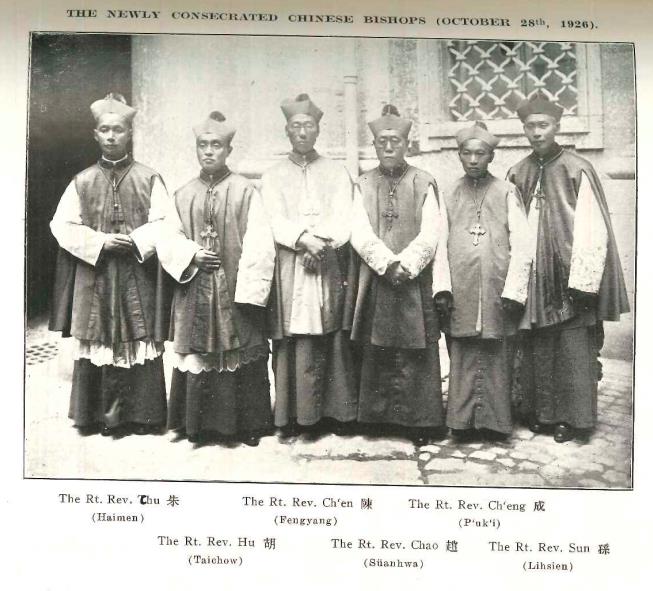
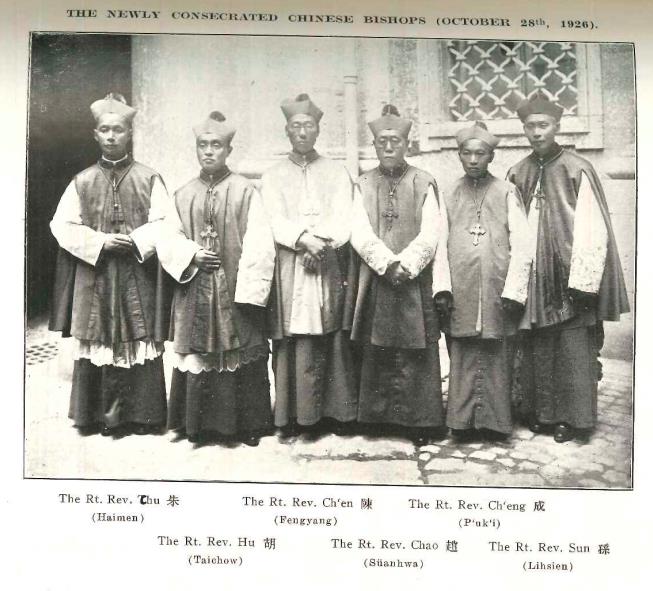
Pope Leo XIV praises Chinese Catholics for unity 100 years after consecration of their first bishops – #Catholic – A century after the consecration of the first Chinese bishops, Pope Leo XIV praised the Church in China for remaining in communion with Rome.On Nov. 5, the Vatican published a video message from the pontiff during a conference titled “The Universal Face of the Church in China,” held at the Pontifical Urban University in Rome. The meeting not only marked the 1926 consecration of China’s first bishops but also reflected on the state of the Chinese church today, particularly regarding the ongoing Vatican-China deal.Among those present were Vatican Secretary of State Cardinal Pietro Parolin; Cardinal Luis Antonio Tagle, dean of the College of Cardinals; Cardinal Stephen Chow Sau-yan, SJ, bishop of Hong Kong; and Ignazio Ding Zuyao, bishop of Haimen.Communion with Peter, not colonialismIn his message, Leo noted Chinese Catholics’ long history of fidelity to the papacy, quoting Pope Benedict XVI, who said that they have always had “legitimate pastors who have preserved intact apostolic succession.”“No shepherd in the Church can claim the mission as his own,” Leo said. “Rather, he receives and exercises it in communion with the successor of Peter and with all the other successors of the apostles, the bishops.”
 
 Pope Leo XIV passes in front of St. Peter’s Basilica in the popemobile during his weekly ride through the crowds in St. Peter’s Square for the general audience on Oct. 28, 2026. | Credit: Vatican Media
 
 The pope also noted the significance of six Chinese priests traveling from Shanghai to Rome in 1926 to receive consecration from Pope Pius XI.“They crossed the world to bear witness to the communion that springs from the faith of the apostles,” Leo said.Quoting Pope Benedict XV, Leo affirmed that the Church’s missionary work “cannot be confused with processes of colonization” but is “born of mission” to “bear witness to Christ in charity.”China-Holy See relations: A relationship marked by suspicion?The Holy See and China have not maintained official diplomatic relations since 1951. Their provisional, undisclosed 2018 agreement on the selection of bishops has been challenged, with concerns that the Chinese Communist Party (CCP) is suppressing the Church.Parolin, speaking on the sidelines of the conference, acknowledged that the deal still has its imperfections.
 
 Vatican Secretary of State Cardinal Pietro Parolin speaks during the conference “The Universal Face of the Church in China” at the Pontifical Urban University in Rome on Nov. 5, 2026. | Credit: Ishmael Adibuah/EWTN News
 
 “All agreements are imperfect, including the one on China,” Parolin said to reporters. “However, the path is open. So we move forward trying to perfect what is imperfect.”Chow noted the suspicion with which Catholics are sometimes viewed in China, out of fear that their religion could be used as a tool of foreign influence.“We wonder how come the Church, our Church, in China for so many years is still seen as a foreign Church,” he said. “I think that in China, a major concern is that, for example, religion will not be used as a vehicle for foreign intervention.”
 
 The conference “The Universal Face of the Church in China” took place at the Pontifical Urban University in Rome on Nov. 5, 2026. | Credit: Ishmael Adibuah/EWTN News
 
 Others, however, expressed support for the so-called “Sinicization” of the Church, which is a state-led campaign to subordinate religious institutions to its Chinese Communist Party agenda.“The ‘Sinicization of Catholicism’ is not a departure from Catholic tradition but an expression of authentic catholicity,” Joseph Li Shan, bishop of Beijing, said.Zuyao, made a bishop in October under the Vatican-China deal, added that Sinicization is “not a departure from communion with the universal faith” but rather “a natural expression of inner faith and a faithful implementation of Christ’s command ‘Render unto Caesar what is Caesar’s and unto God what is God’s.’”

Pope Leo XIV praises Chinese Catholics for unity 100 years after consecration of their first bishops – #Catholic – A century after the consecration of the first Chinese bishops, Pope Leo XIV praised the Church in China for remaining in communion with Rome.On Nov. 5, the Vatican published a video message from the pontiff during a conference titled “The Universal Face of the Church in China,” held at the Pontifical Urban University in Rome. The meeting not only marked the 1926 consecration of China’s first bishops but also reflected on the state of the Chinese church today, particularly regarding the ongoing Vatican-China deal.Among those present were Vatican Secretary of State Cardinal Pietro Parolin; Cardinal Luis Antonio Tagle, dean of the College of Cardinals; Cardinal Stephen Chow Sau-yan, SJ, bishop of Hong Kong; and Ignazio Ding Zuyao, bishop of Haimen.Communion with Peter, not colonialismIn his message, Leo noted Chinese Catholics’ long history of fidelity to the papacy, quoting Pope Benedict XVI, who said that they have always had “legitimate pastors who have preserved intact apostolic succession.”“No shepherd in the Church can claim the mission as his own,” Leo said. “Rather, he receives and exercises it in communion with the successor of Peter and with all the other successors of the apostles, the bishops.” Pope Leo XIV passes in front of St. Peter’s Basilica in the popemobile during his weekly ride through the crowds in St. Peter’s Square for the general audience on Oct. 28, 2026. | Credit: Vatican Media The pope also noted the significance of six Chinese priests traveling from Shanghai to Rome in 1926 to receive consecration from Pope Pius XI.“They crossed the world to bear witness to the communion that springs from the faith of the apostles,” Leo said.Quoting Pope Benedict XV, Leo affirmed that the Church’s missionary work “cannot be confused with processes of colonization” but is “born of mission” to “bear witness to Christ in charity.”China-Holy See relations: A relationship marked by suspicion?The Holy See and China have not maintained official diplomatic relations since 1951. Their provisional, undisclosed 2018 agreement on the selection of bishops has been challenged, with concerns that the Chinese Communist Party (CCP) is suppressing the Church.Parolin, speaking on the sidelines of the conference, acknowledged that the deal still has its imperfections. Vatican Secretary of State Cardinal Pietro Parolin speaks during the conference “The Universal Face of the Church in China” at the Pontifical Urban University in Rome on Nov. 5, 2026. | Credit: Ishmael Adibuah/EWTN News “All agreements are imperfect, including the one on China,” Parolin said to reporters. “However, the path is open. So we move forward trying to perfect what is imperfect.”Chow noted the suspicion with which Catholics are sometimes viewed in China, out of fear that their religion could be used as a tool of foreign influence.“We wonder how come the Church, our Church, in China for so many years is still seen as a foreign Church,” he said. “I think that in China, a major concern is that, for example, religion will not be used as a vehicle for foreign intervention.” The conference “The Universal Face of the Church in China” took place at the Pontifical Urban University in Rome on Nov. 5, 2026. | Credit: Ishmael Adibuah/EWTN News Others, however, expressed support for the so-called “Sinicization” of the Church, which is a state-led campaign to subordinate religious institutions to its Chinese Communist Party agenda.“The ‘Sinicization of Catholicism’ is not a departure from Catholic tradition but an expression of authentic catholicity,” Joseph Li Shan, bishop of Beijing, said.Zuyao, made a bishop in October under the Vatican-China deal, added that Sinicization is “not a departure from communion with the universal faith” but rather “a natural expression of inner faith and a faithful implementation of Christ’s command ‘Render unto Caesar what is Caesar’s and unto God what is God’s.’”

The pope sent a message to a conference in Rome marking the anniversary, where attendees discussed the Vatican’s complex relations with China.

Read More
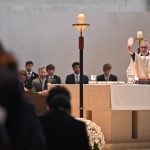
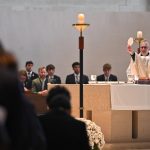
Bishop Sweeney challenges Delbarton students to become inspiring leaders #Catholic – On Oct. 3, Bishop Kevin J. Sweeney visited Delbarton School in Morristown, N.J., where the school community gathered for its annual Bishop’s Mass.
Bishop Sweeney celebrated the Mass, which was concelebrated by Benedictine Father Michael Tidd, Delbarton’s headmaster. Several students participated in the Mass, including as extraordinary ministers of the Eucharist, lectors, and liturgical musicians. The bishop’s visit also included meeting with a group of students.
Bishop Sweeney spoke with students about leading by example and how our actions can speak louder than words and inspire those around them.
Delbarton is a Benedictine Catholic college preparatory school that educates young men in grades 7 to 12 in mind, body, and spirit.
BEACON PHOTOS | JOE GIGLI
 [See image gallery at beaconnj.org] 

Click here to subscribe to our weekly newsletter.

Bishop Sweeney challenges Delbarton students to become inspiring leaders #Catholic –

On Oct. 3, Bishop Kevin J. Sweeney visited Delbarton School in Morristown, N.J., where the school community gathered for its annual Bishop’s Mass.

Bishop Sweeney celebrated the Mass, which was concelebrated by Benedictine Father Michael Tidd, Delbarton’s headmaster. Several students participated in the Mass, including as extraordinary ministers of the Eucharist, lectors, and liturgical musicians. The bishop’s visit also included meeting with a group of students.

Bishop Sweeney spoke with students about leading by example and how our actions can speak louder than words and inspire those around them.

Delbarton is a Benedictine Catholic college preparatory school that educates young men in grades 7 to 12 in mind, body, and spirit.

BEACON PHOTOS | JOE GIGLI

Click here to subscribe to our weekly newsletter.

– On Oct. 3, Bishop Kevin J. Sweeney visited Delbarton School in Morristown, N.J., where the school community gathered for its annual Bishop’s Mass. Bishop Sweeney celebrated the Mass, which was concelebrated by Benedictine Father Michael Tidd, Delbarton’s headmaster. Several students participated in the Mass, including as extraordinary ministers of the Eucharist, lectors, and liturgical musicians. The bishop’s visit also included meeting with a group of students. Bishop Sweeney spoke with students about leading by example and how our actions can speak louder than words and inspire those around them. Delbarton is a Benedictine Catholic college preparatory school that educates young

Read More
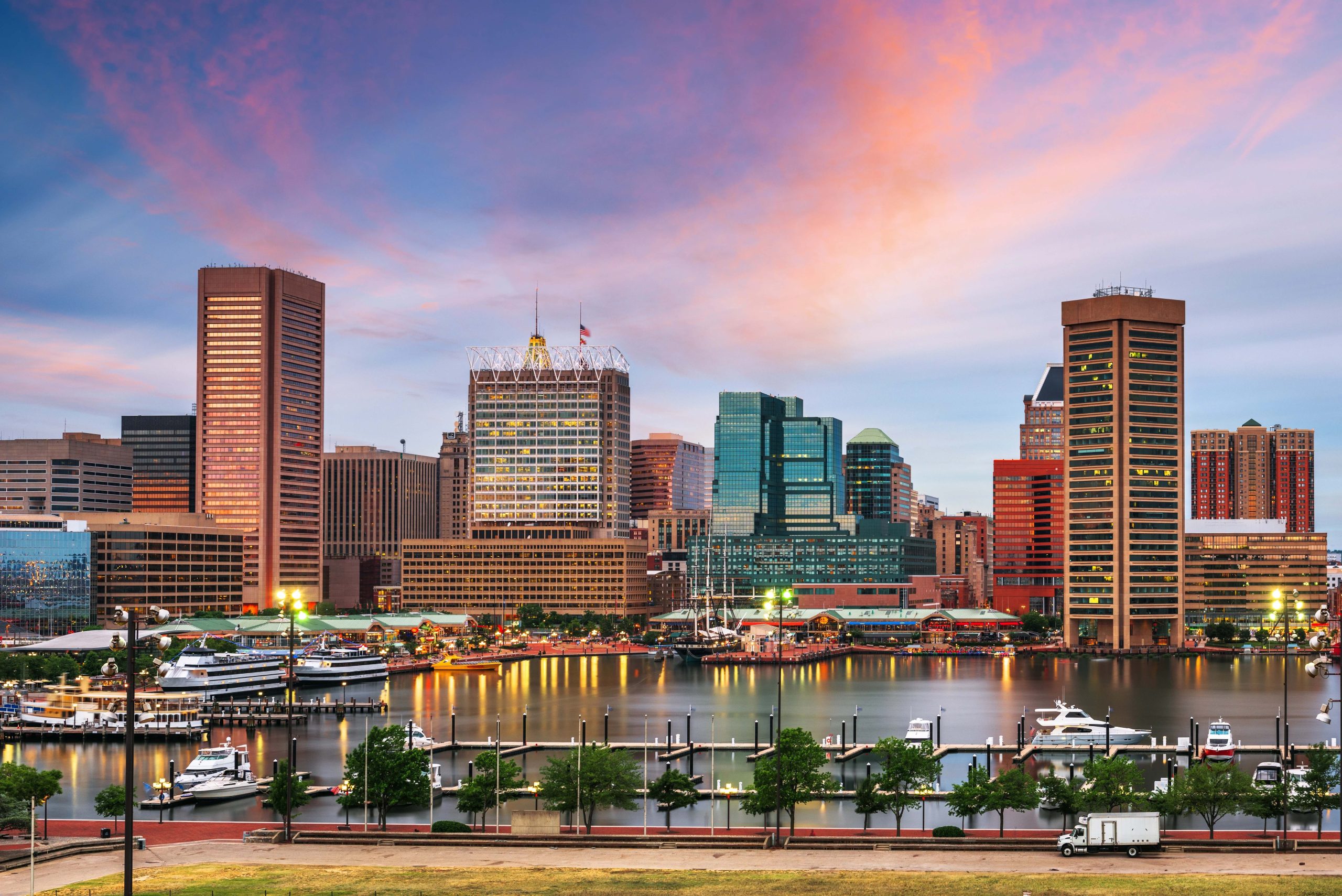
Catholic priest pleads guilty to 1970s sexual assault of Baltimore boy – #Catholic – A Catholic priest has admitted to sexually abusing a boy in Baltimore in the mid-1970s, authorities said this week. Maryland Attorney General Anthony Brown said Father Laurence LaPointe, 81, admitted to the abuse after an investigation led by the attorney general’s office. The prosecutor’s office said in a release that LaPointe pleaded guilty on Nov. 4 to a fourth-degree sex offense and common-law assault.Baltimore City Circuit Court Judge Charles Dorsey III sentenced the priest to three years in prison, which the judge immediately suspended; LaPointe was also sentenced to five years of supervised probation.Among the terms of his probation is the stipulation that LaPointe “have no direct contact with minors under the age of 18” and that he “not volunteer or work in any educational setting involving individuals under the age of 18.”LaPointe’s victim offered a victim impact statement during the court proceedings, according to the attorney general’s office; the victim said that with the guilty plea, the “heavy burden” of the priest’s abuse “passes from me to [LaPointe].”“I hope he will find the courage to acknowledge any other misconduct, voluntarily and fully, without requiring other victims to endure years of investigation, the prospect of a trial, and the emotional burden of having to prove what happened to them,” the victim said. “Those who were sexually assaulted as children continue to carry the burden of that trauma long after they reach adulthood,” Brown said in the press release. “No matter how much time passes, we will help lift that weight off survivors’ shoulders and hold accountable anyone who abuses a position of trust to inflict such devastating harm on our children.”LaPointe is currently a priest in the Diocese of Norwich, Connecticut. The diocese did not immediately respond to a request for comment on his status there. The Norwich Diocese had announced that LaPointe had been placed on ministry leave in March when the allegations surfaced. He had been serving as pastor of Corpus Christi Parish at the time.

Catholic priest pleads guilty to 1970s sexual assault of Baltimore boy – #Catholic – A Catholic priest has admitted to sexually abusing a boy in Baltimore in the mid-1970s, authorities said this week. Maryland Attorney General Anthony Brown said Father Laurence LaPointe, 81, admitted to the abuse after an investigation led by the attorney general’s office. The prosecutor’s office said in a release that LaPointe pleaded guilty on Nov. 4 to a fourth-degree sex offense and common-law assault.Baltimore City Circuit Court Judge Charles Dorsey III sentenced the priest to three years in prison, which the judge immediately suspended; LaPointe was also sentenced to five years of supervised probation.Among the terms of his probation is the stipulation that LaPointe “have no direct contact with minors under the age of 18” and that he “not volunteer or work in any educational setting involving individuals under the age of 18.”LaPointe’s victim offered a victim impact statement during the court proceedings, according to the attorney general’s office; the victim said that with the guilty plea, the “heavy burden” of the priest’s abuse “passes from me to [LaPointe].”“I hope he will find the courage to acknowledge any other misconduct, voluntarily and fully, without requiring other victims to endure years of investigation, the prospect of a trial, and the emotional burden of having to prove what happened to them,” the victim said. “Those who were sexually assaulted as children continue to carry the burden of that trauma long after they reach adulthood,” Brown said in the press release. “No matter how much time passes, we will help lift that weight off survivors’ shoulders and hold accountable anyone who abuses a position of trust to inflict such devastating harm on our children.”LaPointe is currently a priest in the Diocese of Norwich, Connecticut. The diocese did not immediately respond to a request for comment on his status there. The Norwich Diocese had announced that LaPointe had been placed on ministry leave in March when the allegations surfaced. He had been serving as pastor of Corpus Christi Parish at the time.

The Maryland attorney general’s office said Father Laurence LaPointe admitted to abusing a boy at Gilman School.

Read More
Chiclayo priest eagerly awaits his friend, Pope Leo XIV, in Peru – #Catholic – The last time Father Hugo Gabriel Sánchez met Robert Prevost in Chiclayo, Peru, the future pope had just been created a cardinal. In just a few days, that friend, who wishes Sánchez a happy birthday every year and with whom he shared “hearty laughter” when he was Sánchez’s bishop, will return to Peru as pontiff.A historic visitPope Leo will be in Peru from Nov. 11–16, a historic visit that Sánchez described as “a gift from God.” For him, Prevost’s election has meant “a change in the color of his cassock: He remains the same close friend as always, attentive to us and concerned for our well-being.”Serenity, trust in providence, clarity, and firmness are, in the priest’s view, some of the traits that best define Leo XIV.Speaking with EWTN News Español, the Spanish-language sister service of EWTN News, he also recalled that “Bishop Roberto reflected very well the image of Christ the good shepherd: a shepherd who was always close to his people, whose doors were always open and, above all, whose heart was ready and whose time was available to listen to you patiently and calmly. He knew how to offer wise answers that did not remain merely words but were translated into concrete actions.”‘The roots of his ministry are here’Although the two have met on more than one occasion in the Vatican since Leo was elected successor of St. Peter, the young priest acknowledged that this occasion will be different.“This visit is very important because it was here that he was able to fully develop his vocation and found a way of exercising his ministry first as a priest and then as a bishop. He grew deeply attached to Chiclayo, and having him here again after eight years will be very important for him and for us. The roots of his ministry are here,” Sánchez emphasized.Recalling the pope’s missionary journey, the priest highlighted the enthusiasm with which “Bishop Roberto” approached major projects and pastoral challenges.“One of the things that excited him most was launching major initiatives for evangelization, proclaiming the Gospel, and passing on the faith, while never neglecting social assistance,” he said.A source of encouragementSánchez said he has no doubt that Leo XIV is preparing for this trip “with much prayer,” just as the Church in Peru is doing. He is also convinced that this encounter will be a source of encouragement for the Holy Father, especially “after recovering from his operation.”The priest revealed that the Holy Father expressed a desire to visit the most remote communities. However, difficulties in access, especially because of weather conditions, ultimately prevented their inclusion in the official itinerary.Even so, he explained, “the pope wanted these people to be the guests of honor at the gathering that will take place in Zaña, in the Chiclayo district.” There, the pontiff will preside over the closing of the jubilee year marking the 300th anniversary of the canonization of St. Turibius of Mogrovejo.Expectations in the country that holds a special place in Leo XIV’s heart are immense. The Chiclayo priest noted that despite the pope’s simple, humble, and reserved character, “he is someone who, when he stands before a large crowd, seems to come alive even more, with greater joy, enthusiasm, and excitement. You could say that his heart grows larger, and for that reason he will enjoy it very much.”Sánchez, a member of the organizing committee for the papal trip, said that despite the diocese’s lack of experience and the enormous challenge of preparing a visit of this magnitude, special effort has been made to attend to every detail of the events and warmly welcome all pilgrims.Asked what Peru would like Leo XIV to find upon his arrival, the priest’s answer was clear: “It is reflected in his own Petrine motto, ‘In Illo uno unum’ — a united Church that knows how to walk together in fraternity.”This story was first published by EWTN News Español, the Spanish-language sister service of EWTN News. It has been translated and adapted by EWTN News English.

Chiclayo priest eagerly awaits his friend, Pope Leo XIV, in Peru – #Catholic – The last time Father Hugo Gabriel Sánchez met Robert Prevost in Chiclayo, Peru, the future pope had just been created a cardinal. In just a few days, that friend, who wishes Sánchez a happy birthday every year and with whom he shared “hearty laughter” when he was Sánchez’s bishop, will return to Peru as pontiff.A historic visitPope Leo will be in Peru from Nov. 11–16, a historic visit that Sánchez described as “a gift from God.” For him, Prevost’s election has meant “a change in the color of his cassock: He remains the same close friend as always, attentive to us and concerned for our well-being.”Serenity, trust in providence, clarity, and firmness are, in the priest’s view, some of the traits that best define Leo XIV.Speaking with EWTN News Español, the Spanish-language sister service of EWTN News, he also recalled that “Bishop Roberto reflected very well the image of Christ the good shepherd: a shepherd who was always close to his people, whose doors were always open and, above all, whose heart was ready and whose time was available to listen to you patiently and calmly. He knew how to offer wise answers that did not remain merely words but were translated into concrete actions.”‘The roots of his ministry are here’Although the two have met on more than one occasion in the Vatican since Leo was elected successor of St. Peter, the young priest acknowledged that this occasion will be different.“This visit is very important because it was here that he was able to fully develop his vocation and found a way of exercising his ministry first as a priest and then as a bishop. He grew deeply attached to Chiclayo, and having him here again after eight years will be very important for him and for us. The roots of his ministry are here,” Sánchez emphasized.Recalling the pope’s missionary journey, the priest highlighted the enthusiasm with which “Bishop Roberto” approached major projects and pastoral challenges.“One of the things that excited him most was launching major initiatives for evangelization, proclaiming the Gospel, and passing on the faith, while never neglecting social assistance,” he said.A source of encouragementSánchez said he has no doubt that Leo XIV is preparing for this trip “with much prayer,” just as the Church in Peru is doing. He is also convinced that this encounter will be a source of encouragement for the Holy Father, especially “after recovering from his operation.”The priest revealed that the Holy Father expressed a desire to visit the most remote communities. However, difficulties in access, especially because of weather conditions, ultimately prevented their inclusion in the official itinerary.Even so, he explained, “the pope wanted these people to be the guests of honor at the gathering that will take place in Zaña, in the Chiclayo district.” There, the pontiff will preside over the closing of the jubilee year marking the 300th anniversary of the canonization of St. Turibius of Mogrovejo.Expectations in the country that holds a special place in Leo XIV’s heart are immense. The Chiclayo priest noted that despite the pope’s simple, humble, and reserved character, “he is someone who, when he stands before a large crowd, seems to come alive even more, with greater joy, enthusiasm, and excitement. You could say that his heart grows larger, and for that reason he will enjoy it very much.”Sánchez, a member of the organizing committee for the papal trip, said that despite the diocese’s lack of experience and the enormous challenge of preparing a visit of this magnitude, special effort has been made to attend to every detail of the events and warmly welcome all pilgrims.Asked what Peru would like Leo XIV to find upon his arrival, the priest’s answer was clear: “It is reflected in his own Petrine motto, ‘In Illo uno unum’ — a united Church that knows how to walk together in fraternity.”This story was first published by EWTN News Español, the Spanish-language sister service of EWTN News. It has been translated and adapted by EWTN News English.

For Father Hugo Gabriel Sánchez, Pope Leo “remains the same close friend as always, attentive to us and concerned for our well-being.”

Read More