Day: November 6, 2026

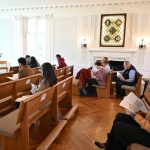
Madison workshop urges Vocation Ministries to promote family life #Catholic – Members of Vocation Ministries in parishes of the Paterson Diocese, N.J., gathered on Oct. 24 for a workshop to support their efforts to build a local “culture of vocations” that encourages priesthood, religious life, and marriage, held that morning at St. Paul Inside the Walls in Madison, N.J. During the event, participants were encouraged to promote family life as the foundation of vocations in all their forms.
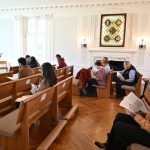
Twenty people attended the workshop — from parishioners currently involved in a Vocation Ministry to those who want to learn more or start a group. The diocesan Vocations Office and diocesan Family Life Office collaborated on the event. Religious sisters also attended the workshop.
In her presentation, Eni Honsberger, director of the Office of Family Life, shared statistics showing that, over the past more than 50 years in the United States, church marriages have declined by more than 60 percent.
Despite the decline in church weddings—and in priestly and religious vocations, Catholics should still promote vocations to the priesthood, religious life, and marriage as an answer to a call to serve others. In marriage, a husband and wife give themselves to each other for life. In the priesthood, a priest gives himself to the Church. In religious life, sisters and brothers give their lives to Christ alone, Honsberger said.

Click here to subscribe to our weekly newsletter.

Catholic parents also need to model strong relationships with their spouses and children who are watching them. Parents need to demonstrate kindness even on days when they are tired and frustrated, ask for forgiveness when they are wrong, and express joy, Honsberger said.
“A solid family isn’t a perfect family. It’s one where promises are kept, and wounds are repaired. The next priest of this diocese is probably sitting at a kitchen table tonight, watching his parents decide whether to keep their promises,” Honsberger said.
Honsberger suggested that parishes promote family life by placing long-married couples beside a priest or sister at each vocations event, hold a blessing for couples celebrating significant anniversaries at Sunday Mass with the youth group present, and plan a joint event with the parish’s Family Life Team.
At the beginning of the workshop, Father Charles Lana Jr., diocesan vocations director, welcomed the participants and provided Vocations Office updates — the number of seminarians, overall statistics on the priesthood and vocations events.
The Vocations Office seeks to equip parish Vocation Ministries to create a culture of vocations by building community, providing resources to uplift all vocations, and involving priests, deacons, sisters, and especially parishioners.
“Promoting vocations is one of the most important things parishes can do. Vocation Ministries are a practical way for parish to accomplish this.” Father Lana said.
BEACON PHOTOS | JOE GIGLI
 [See image gallery at beaconnj.org]  

Madison workshop urges Vocation Ministries to promote family life #Catholic – Members of Vocation Ministries in parishes of the Paterson Diocese, N.J., gathered on Oct. 24 for a workshop to support their efforts to build a local “culture of vocations” that encourages priesthood, religious life, and marriage, held that morning at St. Paul Inside the Walls in Madison, N.J. During the event, participants were encouraged to promote family life as the foundation of vocations in all their forms. Twenty people attended the workshop — from parishioners currently involved in a Vocation Ministry to those who want to learn more or start a group. The diocesan Vocations Office and diocesan Family Life Office collaborated on the event. Religious sisters also attended the workshop. In her presentation, Eni Honsberger, director of the Office of Family Life, shared statistics showing that, over the past more than 50 years in the United States, church marriages have declined by more than 60 percent. Despite the decline in church weddings—and in priestly and religious vocations, Catholics should still promote vocations to the priesthood, religious life, and marriage as an answer to a call to serve others. In marriage, a husband and wife give themselves to each other for life. In the priesthood, a priest gives himself to the Church. In religious life, sisters and brothers give their lives to Christ alone, Honsberger said. Click here to subscribe to our weekly newsletter. Catholic parents also need to model strong relationships with their spouses and children who are watching them. Parents need to demonstrate kindness even on days when they are tired and frustrated, ask for forgiveness when they are wrong, and express joy, Honsberger said. “A solid family isn’t a perfect family. It’s one where promises are kept, and wounds are repaired. The next priest of this diocese is probably sitting at a kitchen table tonight, watching his parents decide whether to keep their promises,” Honsberger said. Honsberger suggested that parishes promote family life by placing long-married couples beside a priest or sister at each vocations event, hold a blessing for couples celebrating significant anniversaries at Sunday Mass with the youth group present, and plan a joint event with the parish’s Family Life Team. At the beginning of the workshop, Father Charles Lana Jr., diocesan vocations director, welcomed the participants and provided Vocations Office updates — the number of seminarians, overall statistics on the priesthood and vocations events. The Vocations Office seeks to equip parish Vocation Ministries to create a culture of vocations by building community, providing resources to uplift all vocations, and involving priests, deacons, sisters, and especially parishioners. “Promoting vocations is one of the most important things parishes can do. Vocation Ministries are a practical way for parish to accomplish this.” Father Lana said. BEACON PHOTOS | JOE GIGLI [See image gallery at beaconnj.org]  

Madison workshop urges Vocation Ministries to promote family life #Catholic –

Members of Vocation Ministries in parishes of the Paterson Diocese, N.J., gathered on Oct. 24 for a workshop to support their efforts to build a local “culture of vocations” that encourages priesthood, religious life, and marriage, held that morning at St. Paul Inside the Walls in Madison, N.J. During the event, participants were encouraged to promote family life as the foundation of vocations in all their forms.

Twenty people attended the workshop — from parishioners currently involved in a Vocation Ministry to those who want to learn more or start a group. The diocesan Vocations Office and diocesan Family Life Office collaborated on the event. Religious sisters also attended the workshop.

In her presentation, Eni Honsberger, director of the Office of Family Life, shared statistics showing that, over the past more than 50 years in the United States, church marriages have declined by more than 60 percent.

Despite the decline in church weddings—and in priestly and religious vocations, Catholics should still promote vocations to the priesthood, religious life, and marriage as an answer to a call to serve others. In marriage, a husband and wife give themselves to each other for life. In the priesthood, a priest gives himself to the Church. In religious life, sisters and brothers give their lives to Christ alone, Honsberger said.


Click here to subscribe to our weekly newsletter.

Catholic parents also need to model strong relationships with their spouses and children who are watching them. Parents need to demonstrate kindness even on days when they are tired and frustrated, ask for forgiveness when they are wrong, and express joy, Honsberger said.

“A solid family isn’t a perfect family. It’s one where promises are kept, and wounds are repaired. The next priest of this diocese is probably sitting at a kitchen table tonight, watching his parents decide whether to keep their promises,” Honsberger said.

Honsberger suggested that parishes promote family life by placing long-married couples beside a priest or sister at each vocations event, hold a blessing for couples celebrating significant anniversaries at Sunday Mass with the youth group present, and plan a joint event with the parish’s Family Life Team.

At the beginning of the workshop, Father Charles Lana Jr., diocesan vocations director, welcomed the participants and provided Vocations Office updates — the number of seminarians, overall statistics on the priesthood and vocations events.

The Vocations Office seeks to equip parish Vocation Ministries to create a culture of vocations by building community, providing resources to uplift all vocations, and involving priests, deacons, sisters, and especially parishioners.

“Promoting vocations is one of the most important things parishes can do. Vocation Ministries are a practical way for parish to accomplish this.” Father Lana said.

BEACON PHOTOS | JOE GIGLI

– Members of Vocation Ministries in parishes of the Paterson Diocese, N.J., gathered on Oct. 24 for a workshop to support their efforts to build a local “culture of vocations” that encourages priesthood, religious life, and marriage, held that morning at St. Paul Inside the Walls in Madison, N.J. During the event, participants were encouraged to promote family life as the foundation of vocations in all their forms. Twenty people attended the workshop — from parishioners currently involved in a Vocation Ministry to those who want to learn more or start a group. The diocesan Vocations Office and diocesan Family Life
Read More
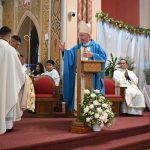
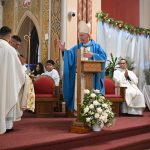
Faithful gather in Passaic to mark Fatima’s final apparition #Catholic – Bishop Kevin J. Sweeney joined Our Lady of Fatima and St. Nicholas Parish in Passaic, N.J., on the evening of Oct. 13 to celebrate a Mass for Our Lady of Fatima, commemorating the anniversary of her final apparition to the three shepherd children in Fatima, Portugal, on Oct. 13, 1917.
The event commenced with a procession through the streets surrounding the parish. Then, Bishop Sweeney celebrated a 7 p.m. Mass. Father Rolands Uribe, the parish’s pastor, and Father Luis Carlos Moreno, who is providing pastoral assistance to the parish, concelebrated the liturgy with the bishop. The event also included a reception.
BEACON PHOTOS | JOE GIGLI
 [See image gallery at beaconnj.org] 

Click here to subscribe to our weekly newsletter.

Faithful gather in Passaic to mark Fatima’s final apparition #Catholic –

Bishop Kevin J. Sweeney joined Our Lady of Fatima and St. Nicholas Parish in Passaic, N.J., on the evening of Oct. 13 to celebrate a Mass for Our Lady of Fatima, commemorating the anniversary of her final apparition to the three shepherd children in Fatima, Portugal, on Oct. 13, 1917.

The event commenced with a procession through the streets surrounding the parish. Then, Bishop Sweeney celebrated a 7 p.m. Mass. Father Rolands Uribe, the parish’s pastor, and Father Luis Carlos Moreno, who is providing pastoral assistance to the parish, concelebrated the liturgy with the bishop. The event also included a reception.

BEACON PHOTOS | JOE GIGLI

Click here to subscribe to our weekly newsletter.

– Bishop Kevin J. Sweeney joined Our Lady of Fatima and St. Nicholas Parish in Passaic, N.J., on the evening of Oct. 13 to celebrate a Mass for Our Lady of Fatima, commemorating the anniversary of her final apparition to the three shepherd children in Fatima, Portugal, on Oct. 13, 1917. The event commenced with a procession through the streets surrounding the parish. Then, Bishop Sweeney celebrated a 7 p.m. Mass. Father Rolands Uribe, the parish’s pastor, and Father Luis Carlos Moreno, who is providing pastoral assistance to the parish, concelebrated the liturgy with the bishop. The event also included a

Read More
Priest refuses to remove his clerical attire after being told he must to renew passport in Mexico #Catholic Father Alberto Medel reported that staff at Mexico’s Secretariat of Foreign Affairs (SRE, by its Spanish acronym) demanded he remove his clerical attire for the photo to renew his passport, a requirement he described as discriminatory and a violation of his right to religious freedom.The incident took place on Nov. 4 at the passport office in the Coyoacán borough of Mexico City, according to an account the priest shared on X.In response to the complaint, Roberto Velasco Álvarez, who heads the SRE, said on X that he had given instructions “for the photograph to be retaken with him wearing his ecclesiastical attire, and for the passport to be issued.”What happened?According to Medel, the coordinator of the theological committee for the college of exorcists of the Primatial Archdiocese of Mexico, an SRE employee told him that he “could not have the photograph taken while wearing his ecclesiastical attire.”The priest refused to remove his attire, arguing that he had the right to dress according “to my state of life, provided that my face remained perfectly visible.”The employee consulted with a supervisor, and Medel was allowed to be photographed in his clerical attire.However, while waiting for his new passport, the priest was told by another person, who “did not identify herself by name or position and displayed a hostile attitude from the start,” that the SRE would not process a passport application with a photograph showing him in clerical attire.When Medel requested that she show him the law that prohibited his attire, the official “showed him a page from the secretariat’s internal regulations, which state that photographs containing religious symbols are not permitted.”Medel said a police officer standing behind the official seemed to indicate “a clear attitude of intimidation.”“We Catholic priests are second-class citizens whose freedoms and rights are restricted because of our choice of faith,” he stated, alleging that what occurred violated the rights stipulated in the Mexican Constitution concerning nondiscrimination and religious freedom.“Today, I was subjected to discrimination; my human rights were violated, and I was humiliated through clear expressions of anticlericalism and Christianophobia,” he said.Passport regulations and the Supreme Court precedentArticle 14 of Mexico’s “Regulations for Passports and Identity and Travel Documents” stipulates that for the passport application process, “the photograph must be taken facing forward, in color, with a white background; the head must be uncovered, and there must be no garments or objects that partially or completely cover the face, including eyeglasses.”The article does not establish a general prohibition against the use of religious attire or symbols in photographs for a Mexican passport.On Dec. 11, 2025, the Supreme Court of Justice of the Nation resolved a dispute concerning Muslim women who had been required to remove their hijabs in order to obtain a passport.In that case, the court determined that the women could wear the hijabs; regulations must be interpreted in a manner consistent with freedom of religion, ideology, and conscience; and individuals may wear “religious garments, attire, or symbols” that do not hinder their identification.Furthermore, the court cautioned against “the absolute sacrifice of religious freedom.”‘I am not the only person who has suffered this’In a statement to EWTN News Español, the Spanish-language sister service of EWTN News, Medel confirmed that following Velasco’s statement, he received an email and a phone call from SRE staff in order to facilitate the renewal of his passport.However, he has been unable to return to the government office due to his pastoral commitments including the celebration of the 500th anniversary of his parish, Santa María de la Visitación, in the Indigenous town of Santa María Tepepan. This event is scheduled for this Saturday, Nov. 7, and will be attended by the apostolic nuncio to Mexico, Archbishop Joseph Spiteri. Medel said he plans to travel to Rome on Monday, Nov. 9, which is why he needed his passport.He said he hopes to be able to complete the process but also believes it is necessary for the SRE to take measures to prevent other religious from facing similar situations.“I don’t need an apology,” he said, expressing his hope that this case will lead to “firmer steps” being taken to ensure that nothing like this happens again.He said other priests and religious sisters told him they have had similar experiences. Medel clarified that clerical attire “is not a uniform; it is my way of life.” He noted that because he dresses as a priest, he’s been insulted but has also experienced “a great deal of good: People I encounter ask for a blessing, and I have heard confessions in airports, on airplanes, on buses, and out on the street.”He said he is requesting from the authorities, “in writing, a commitment and an instruction to all offices of the Ministry of Foreign Affairs, that ensures this does not happen again to any priest or religious.”After EWTN News Español contacted the General Directorate for Social Communication of the Secretariat of Foreign Affairs, the office forwarded Velasco’s public statement.This story was first published by EWTN News Español, the Spanish-language sister service of EWTN News. It has been translated and adapted by EWTN News English.

Priest refuses to remove his clerical attire after being told he must to renew passport in Mexico #Catholic Father Alberto Medel reported that staff at Mexico’s Secretariat of Foreign Affairs (SRE, by its Spanish acronym) demanded he remove his clerical attire for the photo to renew his passport, a requirement he described as discriminatory and a violation of his right to religious freedom.The incident took place on Nov. 4 at the passport office in the Coyoacán borough of Mexico City, according to an account the priest shared on X.In response to the complaint, Roberto Velasco Álvarez, who heads the SRE, said on X that he had given instructions “for the photograph to be retaken with him wearing his ecclesiastical attire, and for the passport to be issued.”What happened?According to Medel, the coordinator of the theological committee for the college of exorcists of the Primatial Archdiocese of Mexico, an SRE employee told him that he “could not have the photograph taken while wearing his ecclesiastical attire.”The priest refused to remove his attire, arguing that he had the right to dress according “to my state of life, provided that my face remained perfectly visible.”The employee consulted with a supervisor, and Medel was allowed to be photographed in his clerical attire.However, while waiting for his new passport, the priest was told by another person, who “did not identify herself by name or position and displayed a hostile attitude from the start,” that the SRE would not process a passport application with a photograph showing him in clerical attire.When Medel requested that she show him the law that prohibited his attire, the official “showed him a page from the secretariat’s internal regulations, which state that photographs containing religious symbols are not permitted.”Medel said a police officer standing behind the official seemed to indicate “a clear attitude of intimidation.”“We Catholic priests are second-class citizens whose freedoms and rights are restricted because of our choice of faith,” he stated, alleging that what occurred violated the rights stipulated in the Mexican Constitution concerning nondiscrimination and religious freedom.“Today, I was subjected to discrimination; my human rights were violated, and I was humiliated through clear expressions of anticlericalism and Christianophobia,” he said.Passport regulations and the Supreme Court precedentArticle 14 of Mexico’s “Regulations for Passports and Identity and Travel Documents” stipulates that for the passport application process, “the photograph must be taken facing forward, in color, with a white background; the head must be uncovered, and there must be no garments or objects that partially or completely cover the face, including eyeglasses.”The article does not establish a general prohibition against the use of religious attire or symbols in photographs for a Mexican passport.On Dec. 11, 2025, the Supreme Court of Justice of the Nation resolved a dispute concerning Muslim women who had been required to remove their hijabs in order to obtain a passport.In that case, the court determined that the women could wear the hijabs; regulations must be interpreted in a manner consistent with freedom of religion, ideology, and conscience; and individuals may wear “religious garments, attire, or symbols” that do not hinder their identification.Furthermore, the court cautioned against “the absolute sacrifice of religious freedom.”‘I am not the only person who has suffered this’In a statement to EWTN News Español, the Spanish-language sister service of EWTN News, Medel confirmed that following Velasco’s statement, he received an email and a phone call from SRE staff in order to facilitate the renewal of his passport.However, he has been unable to return to the government office due to his pastoral commitments including the celebration of the 500th anniversary of his parish, Santa María de la Visitación, in the Indigenous town of Santa María Tepepan. This event is scheduled for this Saturday, Nov. 7, and will be attended by the apostolic nuncio to Mexico, Archbishop Joseph Spiteri. Medel said he plans to travel to Rome on Monday, Nov. 9, which is why he needed his passport.He said he hopes to be able to complete the process but also believes it is necessary for the SRE to take measures to prevent other religious from facing similar situations.“I don’t need an apology,” he said, expressing his hope that this case will lead to “firmer steps” being taken to ensure that nothing like this happens again.He said other priests and religious sisters told him they have had similar experiences. Medel clarified that clerical attire “is not a uniform; it is my way of life.” He noted that because he dresses as a priest, he’s been insulted but has also experienced “a great deal of good: People I encounter ask for a blessing, and I have heard confessions in airports, on airplanes, on buses, and out on the street.”He said he is requesting from the authorities, “in writing, a commitment and an instruction to all offices of the Ministry of Foreign Affairs, that ensures this does not happen again to any priest or religious.”After EWTN News Español contacted the General Directorate for Social Communication of the Secretariat of Foreign Affairs, the office forwarded Velasco’s public statement.This story was first published by EWTN News Español, the Spanish-language sister service of EWTN News. It has been translated and adapted by EWTN News English.

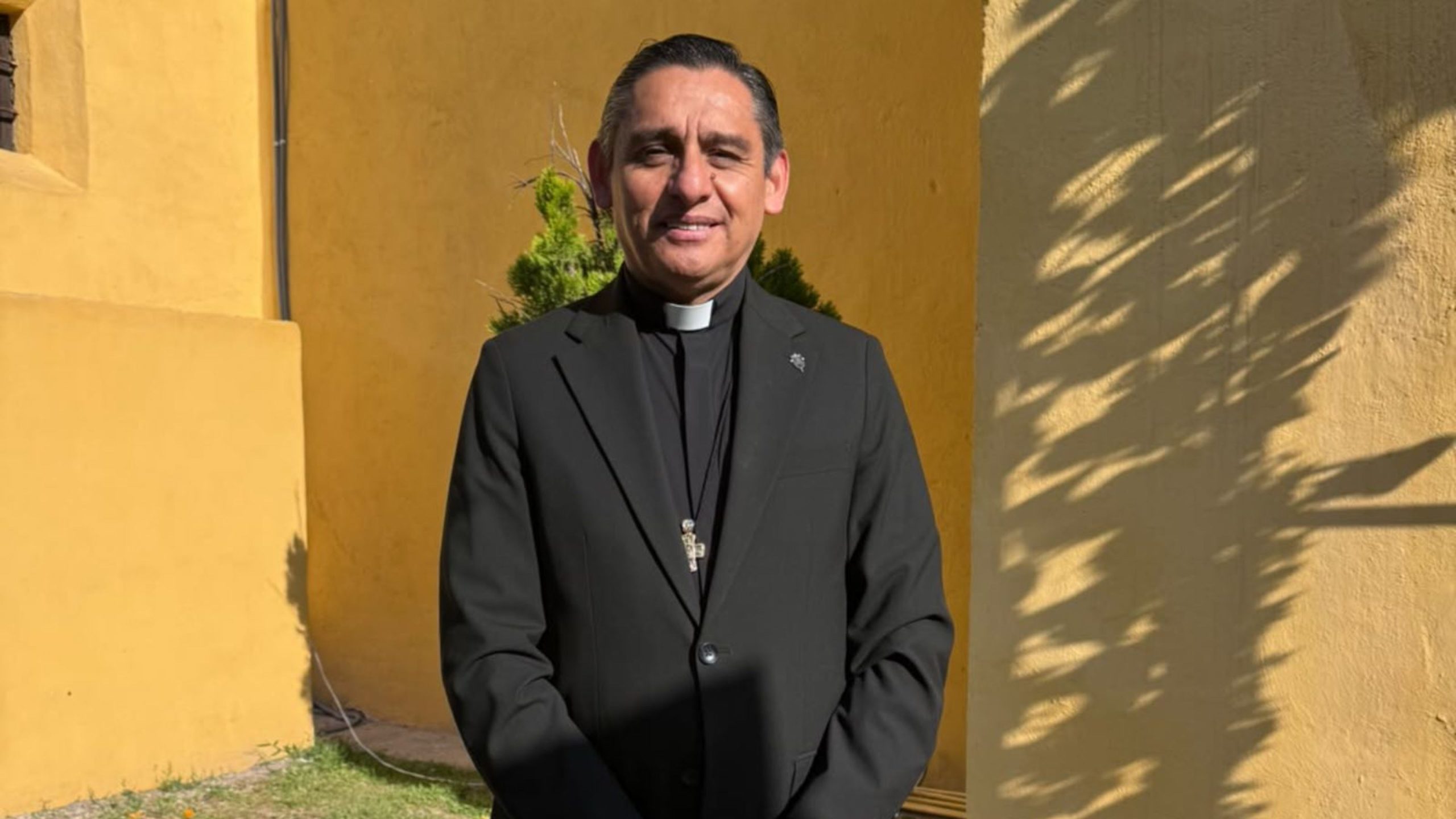
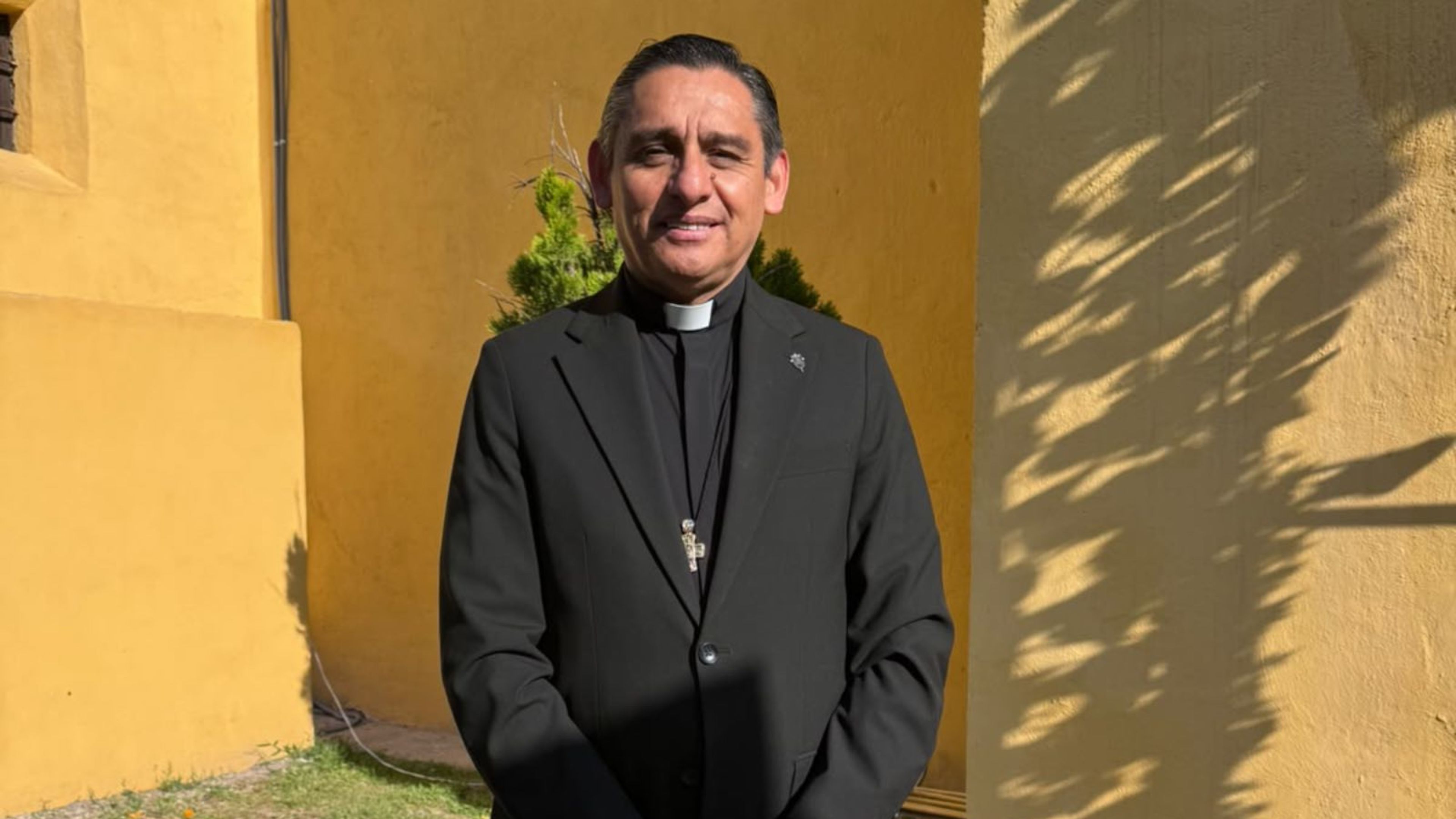
Father Alberto Medel reported that he was told to remove his clerical attire in order to renew his passport in Mexico despite the existence of judicial rulings that protect religious clothing.

Read More
Nationwide tax-funded abortion is top priority for Democrats in next session #Catholic The Democratic Party will head into the 2027 legislative session with majorities in the House of Representatives and the Senate following a landslide victory in the midterm elections, and one of its focuses will be to advance pro-abortion legislation.Earlier this year, House Democratic Leader Hakeem Jeffries promised healthcare would be one of the top Democratic priorities for 2027 and created a Cost-of-Living Healthcare Working Group to develop a legislative plan, led by Rep. Alexandria Ocasio-Cortez, D-New York, and Rep. Terri Sewell, D-Alabama.Based on a memo developed by the working group and obtained by Politico in late September, Democratic plans to codify the now-defunct Roe v. Wade Supreme Court decision, which made abortion legal nationwide, and plans for tax-funded elective abortions, “should be considered for advancement in the first 100 hours” of the legislative session.“Reestablish a federal right to abortion care and end restrictions that prevent people covered through federal health programs from receiving abortion coverage,” read the memo, which is dated Sept. 1 and was published by Politico on Sept. 25.EWTN News reached out to Ocasio-Cortez’s office and Sewell’s office to ask whether this is still the plan but did not receive a response by the time of publication.The White House provided a statement to EWTN News when asked about Democrats’ plans to prioritize abortion legislation but did not specifically say whether President Donald Trump would veto any pro-abortion bills.“The Trump Administration is committed to Gold Standard Science, as outlined in detail by President Trump’s Executive Order, ‘Restoring Gold Standard Science,’” White House spokeswoman Allison Schuster said in the statement. “The mifepristone safety review by the FDA is just one example of President Trumpʼs total commitment to ensuring the health and safety of all Americans.”2 bills for immediate considerationOne bill the working group suggests Democrats consider to advance in the first 100 hours is the Women’s Health Protection Act, which was first introduced in 2013 to codify Roe. This bill would declare abortion “a human right” and prevent state governments from restricting abortion before fetal viability, which is typically in the 23rd or 24th week of pregnancy.According to the 2025 version of the bill, viability is when the unborn child can survive outside of the womb. Whether the unborn child is viable would be determined by “the treating health care provider,” who is typically the abortionist.Although some post-viability abortion restrictions would be allowed, all state laws would need to allow abortion through the ninth month of pregnancy if “the treating health care provider,” who is typically the abortionist, deems it necessary to protect “the life or health of the patient.” The text is unclear as to what qualifies as a threat to the patient’s health.If this bill were to become law, it would immediately invalidate state-level pro-life laws across the country.“It would sweep aside state protections for unborn children,” Laura Echevarria, communications director National Right to Life, told EWTN News.She said the bill would “take away the ability for [people’s] elected representatives … [to] protect babies before viability.” And after viability, she said abortions would be allowed “if the abortionist determines the abortion is necessary.”Echevarria said the text used in the bill offers a “very broad definition” for the health exemption and warned that it could include not just physical health complications but also mental health complications, as determined by the abortionist.The second bill the working group suggests Democrats consider within the first 100 hours is the Equal Access to Abortion Coverage in Health Insurance (EACH) Act, which would add abortion coverage to tax-funded health insurance plans for government workers and people enrolled in Medicare, Medicaid, and the Childrenʼs Health Insurance Program (CHIP).Essentially, the bill would eliminate the Hyde Amendment, which has been included in spending bills since 1976 to prohibit federal funds for elective abortions. Although the ban on tax-funded abortion originally had bipartisan support, Democrats have sought to eliminate the ban in recent years.Echevarria said the EACH Act would “require abortion coverage across specific government health programs,” with the goal being to eliminate Hyde. She said: “The federal government would ensure that abortion would be covered, so it’s very broad and very sweeping.”She said the Democrats’ plan to prioritize these bills is “disappointing” but “not surprising.” She said that although the Democratic Party used to welcome pro-life voices, “now it’s the party that encourages women to ‘shout their abortion.’”“It used to be we had more pro-life Democrats in the House years ago, [but] the Democratic Party has not welcomed pro-lifers in years,” Echevarria said. “So they are not welcoming that viewpoint.”Kelsey Pritchard, the communications director for Susan B. Anthony Pro-Life America, said in a statement to EWTN News that this agenda shows “pro-abortion Democrat extremism will be on full display next Congress.”In addition to the two bills included in the memo, Pritchard said: “We also anticipate efforts to revive the expansion of Obamacare subsidies that further taxpayer funded abortion coverage, another avenue for more babies to die at the hands of the federal government.”The incoming members of Congress will be sworn in at noon on Jan. 3, 2027. Although not all of the results are finalized, Democrats will have at least 253 seats in the House and at least 54 seats in the Senate.

Nationwide tax-funded abortion is top priority for Democrats in next session #Catholic The Democratic Party will head into the 2027 legislative session with majorities in the House of Representatives and the Senate following a landslide victory in the midterm elections, and one of its focuses will be to advance pro-abortion legislation.Earlier this year, House Democratic Leader Hakeem Jeffries promised healthcare would be one of the top Democratic priorities for 2027 and created a Cost-of-Living Healthcare Working Group to develop a legislative plan, led by Rep. Alexandria Ocasio-Cortez, D-New York, and Rep. Terri Sewell, D-Alabama.Based on a memo developed by the working group and obtained by Politico in late September, Democratic plans to codify the now-defunct Roe v. Wade Supreme Court decision, which made abortion legal nationwide, and plans for tax-funded elective abortions, “should be considered for advancement in the first 100 hours” of the legislative session.“Reestablish a federal right to abortion care and end restrictions that prevent people covered through federal health programs from receiving abortion coverage,” read the memo, which is dated Sept. 1 and was published by Politico on Sept. 25.EWTN News reached out to Ocasio-Cortez’s office and Sewell’s office to ask whether this is still the plan but did not receive a response by the time of publication.The White House provided a statement to EWTN News when asked about Democrats’ plans to prioritize abortion legislation but did not specifically say whether President Donald Trump would veto any pro-abortion bills.“The Trump Administration is committed to Gold Standard Science, as outlined in detail by President Trump’s Executive Order, ‘Restoring Gold Standard Science,’” White House spokeswoman Allison Schuster said in the statement. “The mifepristone safety review by the FDA is just one example of President Trumpʼs total commitment to ensuring the health and safety of all Americans.”2 bills for immediate considerationOne bill the working group suggests Democrats consider to advance in the first 100 hours is the Women’s Health Protection Act, which was first introduced in 2013 to codify Roe. This bill would declare abortion “a human right” and prevent state governments from restricting abortion before fetal viability, which is typically in the 23rd or 24th week of pregnancy.According to the 2025 version of the bill, viability is when the unborn child can survive outside of the womb. Whether the unborn child is viable would be determined by “the treating health care provider,” who is typically the abortionist.Although some post-viability abortion restrictions would be allowed, all state laws would need to allow abortion through the ninth month of pregnancy if “the treating health care provider,” who is typically the abortionist, deems it necessary to protect “the life or health of the patient.” The text is unclear as to what qualifies as a threat to the patient’s health.If this bill were to become law, it would immediately invalidate state-level pro-life laws across the country.“It would sweep aside state protections for unborn children,” Laura Echevarria, communications director National Right to Life, told EWTN News.She said the bill would “take away the ability for [people’s] elected representatives … [to] protect babies before viability.” And after viability, she said abortions would be allowed “if the abortionist determines the abortion is necessary.”Echevarria said the text used in the bill offers a “very broad definition” for the health exemption and warned that it could include not just physical health complications but also mental health complications, as determined by the abortionist.The second bill the working group suggests Democrats consider within the first 100 hours is the Equal Access to Abortion Coverage in Health Insurance (EACH) Act, which would add abortion coverage to tax-funded health insurance plans for government workers and people enrolled in Medicare, Medicaid, and the Childrenʼs Health Insurance Program (CHIP).Essentially, the bill would eliminate the Hyde Amendment, which has been included in spending bills since 1976 to prohibit federal funds for elective abortions. Although the ban on tax-funded abortion originally had bipartisan support, Democrats have sought to eliminate the ban in recent years.Echevarria said the EACH Act would “require abortion coverage across specific government health programs,” with the goal being to eliminate Hyde. She said: “The federal government would ensure that abortion would be covered, so it’s very broad and very sweeping.”She said the Democrats’ plan to prioritize these bills is “disappointing” but “not surprising.” She said that although the Democratic Party used to welcome pro-life voices, “now it’s the party that encourages women to ‘shout their abortion.’”“It used to be we had more pro-life Democrats in the House years ago, [but] the Democratic Party has not welcomed pro-lifers in years,” Echevarria said. “So they are not welcoming that viewpoint.”Kelsey Pritchard, the communications director for Susan B. Anthony Pro-Life America, said in a statement to EWTN News that this agenda shows “pro-abortion Democrat extremism will be on full display next Congress.”In addition to the two bills included in the memo, Pritchard said: “We also anticipate efforts to revive the expansion of Obamacare subsidies that further taxpayer funded abortion coverage, another avenue for more babies to die at the hands of the federal government.”The incoming members of Congress will be sworn in at noon on Jan. 3, 2027. Although not all of the results are finalized, Democrats will have at least 253 seats in the House and at least 54 seats in the Senate.

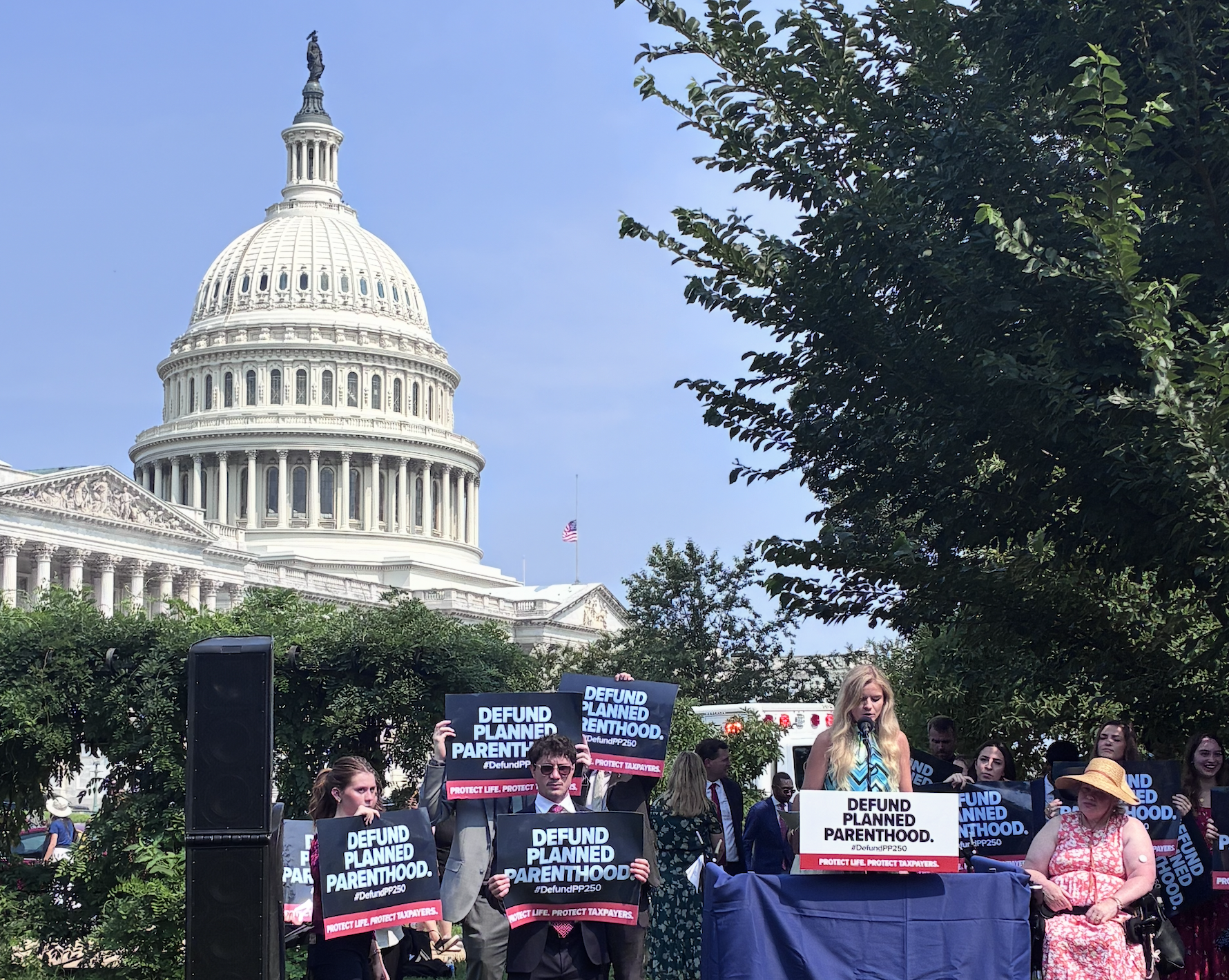
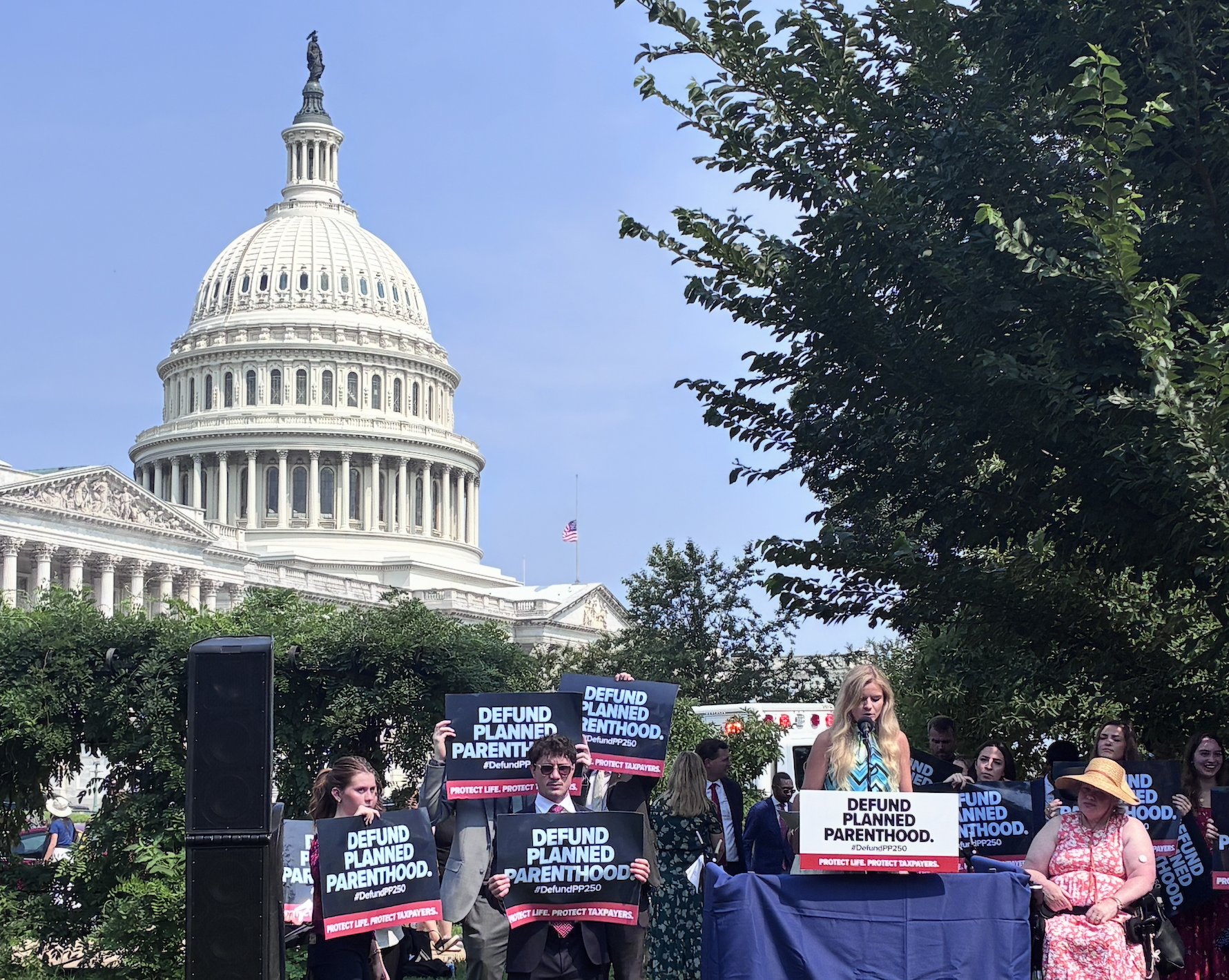
Democrats are considering two abortion-related bills for the first 100 hours of the 2027 legislative session: one to legalize abortion nationwide and one to allow federal tax funds for abortion.

Read More

Gospel and Word of the Day – 7 November 2026 – A reading from the Letter of St. Paul to the Philippians 4:10-19 Brothers and sisters: I rejoice greatly in the Lord that now at last you revived your concern for me. You were, of course, concerned about me but lacked an opportunity. Not that I say this because of need, for I have learned, in whatever situation I find myself, to be self-sufficient. I know indeed how to live in humble circumstances; I know also how to live with abundance. In every circumstance and in all things I have learned the secret of being well fed and of going hungry, of living in abundance and of being in need. I have the strength for everything through him who empowers me. Still, it was kind of you to share in my distress. You Philippians indeed know that at the beginning of the Gospel, when I left Macedonia, not a single church shared with me in an account of giving and receiving, except you alone. For even when I was at Thessalonica you sent me something for my needs, not only once but more than once. It is not that I am eager for the gift; rather, I am eager for the profit that accrues to your account. I have received full payment and I abound. I am very well supplied because of what I received from you through Epaphroditus, “a fragrant aroma,” an acceptable sacrifice, pleasing to God. My God will fully supply whatever you need, in accord with his glorious riches in Christ Jesus.From the Gospel according to Luke 16:9-15 Jesus said to his disciples: “I tell you, make friends for yourselves with dishonest wealth, so that when it fails, you will be welcomed into eternal dwellings. The person who is trustworthy in very small matters is also trustworthy in great ones; and the person who is dishonest in very small matters is also dishonest in great ones. If, therefore, you are not trustworthy with dishonest wealth, who will trust you with true wealth? If you are not trustworthy with what belongs to another, who will give you what is yours? No servant can serve two masters. He will either hate one and love the other, or be devoted to one and despise the other. You cannot serve God and mammon.” The Pharisees, who loved money, heard all these things and sneered at him. And he said to them, “You justify yourselves in the sight of others, but God knows your hearts; for what is of human esteem is an abomination in the sight of God.”Jesus presents a clear alternative between God and wealth, asking us to take a clear and consistent position. “No slave can serve two masters”, therefore “You cannot serve God and wealth” (cf. Lk 16:13).(…)We must decide on a real way of life. It is a matter of choosing where to place our heart. (…) The thirst for wealth risks taking God’s place in our heart, when we believe that it is wealth that will save our lives. (…) The temptation is this: to think that without God we could still live well, while without wealth we would be sad and afflicted by a thousand needs. When faced with the test of need, we feel threatened, but instead of asking for help with trust and sharing with fraternity, we are led to calculate, to accumulate, becoming suspicious and distrustful of others. (…) On the contrary, God assigns the goods of creation to all. (…) Indeed, the Word of the Lord does not pit people against each other in rival classes, but urges everyone to an inner revolution, a conversation that starts from the heart. Then our hands will open: to give, not to grab. (…) Those who serve God become free from wealth, but those who serve wealth remain its slave! Those who seek justice transform wealth into the common good; those who seek dominion transform the common good into the prey of their own greed. (Pope Leo XIV, Homily, 21 September 2025)  

A reading from the Letter of St. Paul to the Philippians
4:10-19

Brothers and sisters:
I rejoice greatly in the Lord
that now at last you revived your concern for me.
You were, of course, concerned about me but lacked an opportunity.
Not that I say this because of need,
for I have learned, in whatever situation I find myself,
to be self-sufficient.
I know indeed how to live in humble circumstances;
I know also how to live with abundance.
In every circumstance and in all things
I have learned the secret of being well fed and of going hungry,
of living in abundance and of being in need.
I have the strength for everything through him who empowers me.
Still, it was kind of you to share in my distress.

You Philippians indeed know that at the beginning of the Gospel,
when I left Macedonia,
not a single church shared with me
in an account of giving and receiving, except you alone.
For even when I was at Thessalonica
you sent me something for my needs,
not only once but more than once.
It is not that I am eager for the gift;
rather, I am eager for the profit that accrues to your account.
I have received full payment and I abound.
I am very well supplied because of what I received from you
through Epaphroditus,
“a fragrant aroma,” an acceptable sacrifice, pleasing to God.
My God will fully supply whatever you need,
in accord with his glorious riches in Christ Jesus.

From the Gospel according to Luke
16:9-15

Jesus said to his disciples:
“I tell you, make friends for yourselves with dishonest wealth,
so that when it fails, you will be welcomed into eternal dwellings.
The person who is trustworthy in very small matters
is also trustworthy in great ones;
and the person who is dishonest in very small matters
is also dishonest in great ones.
If, therefore, you are not trustworthy with dishonest wealth,
who will trust you with true wealth?
If you are not trustworthy with what belongs to another,
who will give you what is yours?
No servant can serve two masters.
He will either hate one and love the other,
or be devoted to one and despise the other.
You cannot serve God and mammon.”

The Pharisees, who loved money,
heard all these things and sneered at him.
And he said to them,
“You justify yourselves in the sight of others,
but God knows your hearts;
for what is of human esteem is an abomination in the sight of God.”

Jesus presents a clear alternative between God and wealth, asking us to take a clear and consistent position. “No slave can serve two masters”, therefore “You cannot serve God and wealth” (cf. Lk 16:13).(…)We must decide on a real way of life. It is a matter of choosing where to place our heart. (…) The thirst for wealth risks taking God’s place in our heart, when we believe that it is wealth that will save our lives. (…) The temptation is this: to think that without God we could still live well, while without wealth we would be sad and afflicted by a thousand needs. When faced with the test of need, we feel threatened, but instead of asking for help with trust and sharing with fraternity, we are led to calculate, to accumulate, becoming suspicious and distrustful of others. (…) On the contrary, God assigns the goods of creation to all. (…) Indeed, the Word of the Lord does not pit people against each other in rival classes, but urges everyone to an inner revolution, a conversation that starts from the heart. Then our hands will open: to give, not to grab. (…) Those who serve God become free from wealth, but those who serve wealth remain its slave! Those who seek justice transform wealth into the common good; those who seek dominion transform the common good into the prey of their own greed. (Pope Leo XIV, Homily, 21 September 2025)


Read More
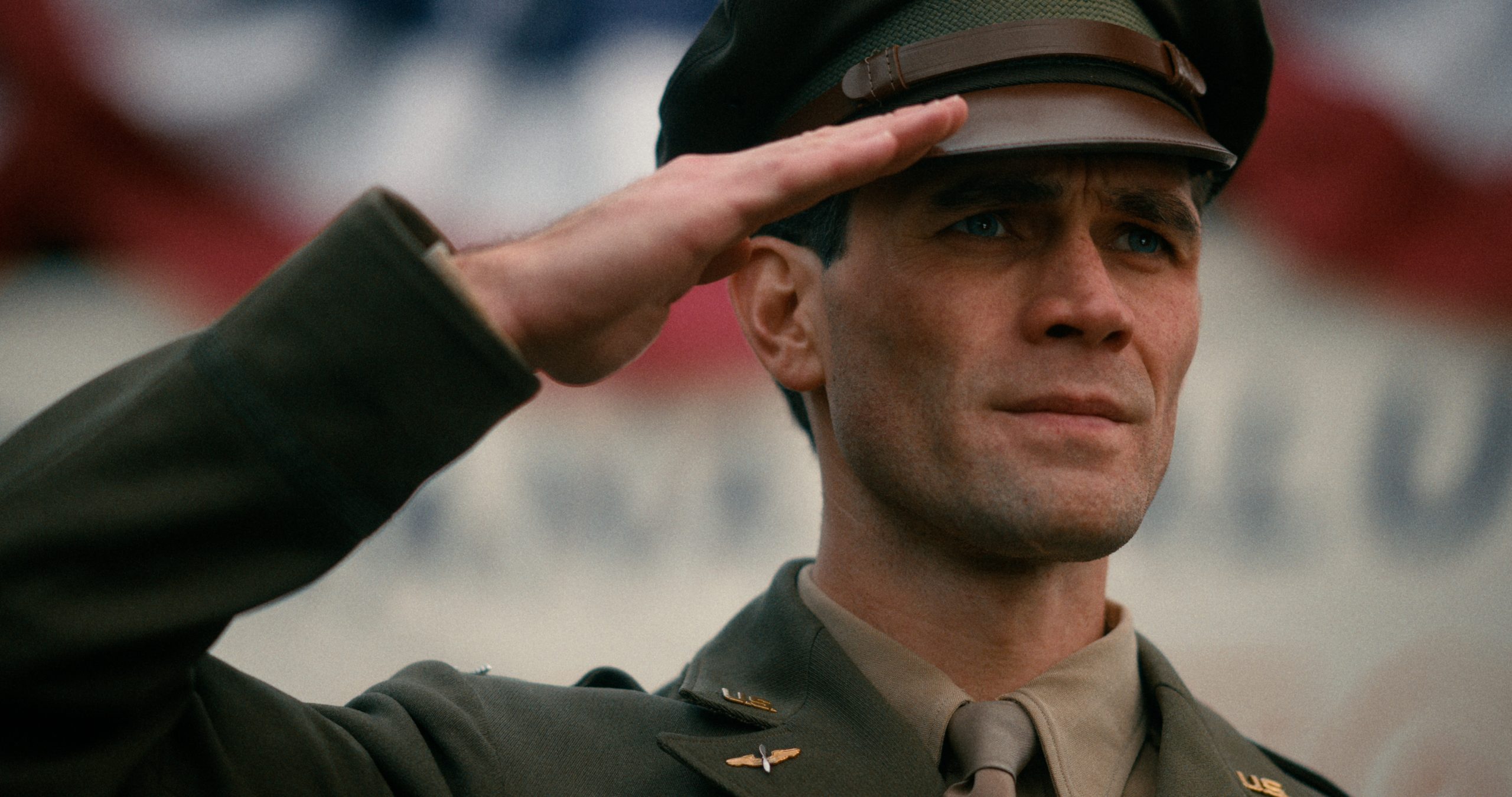
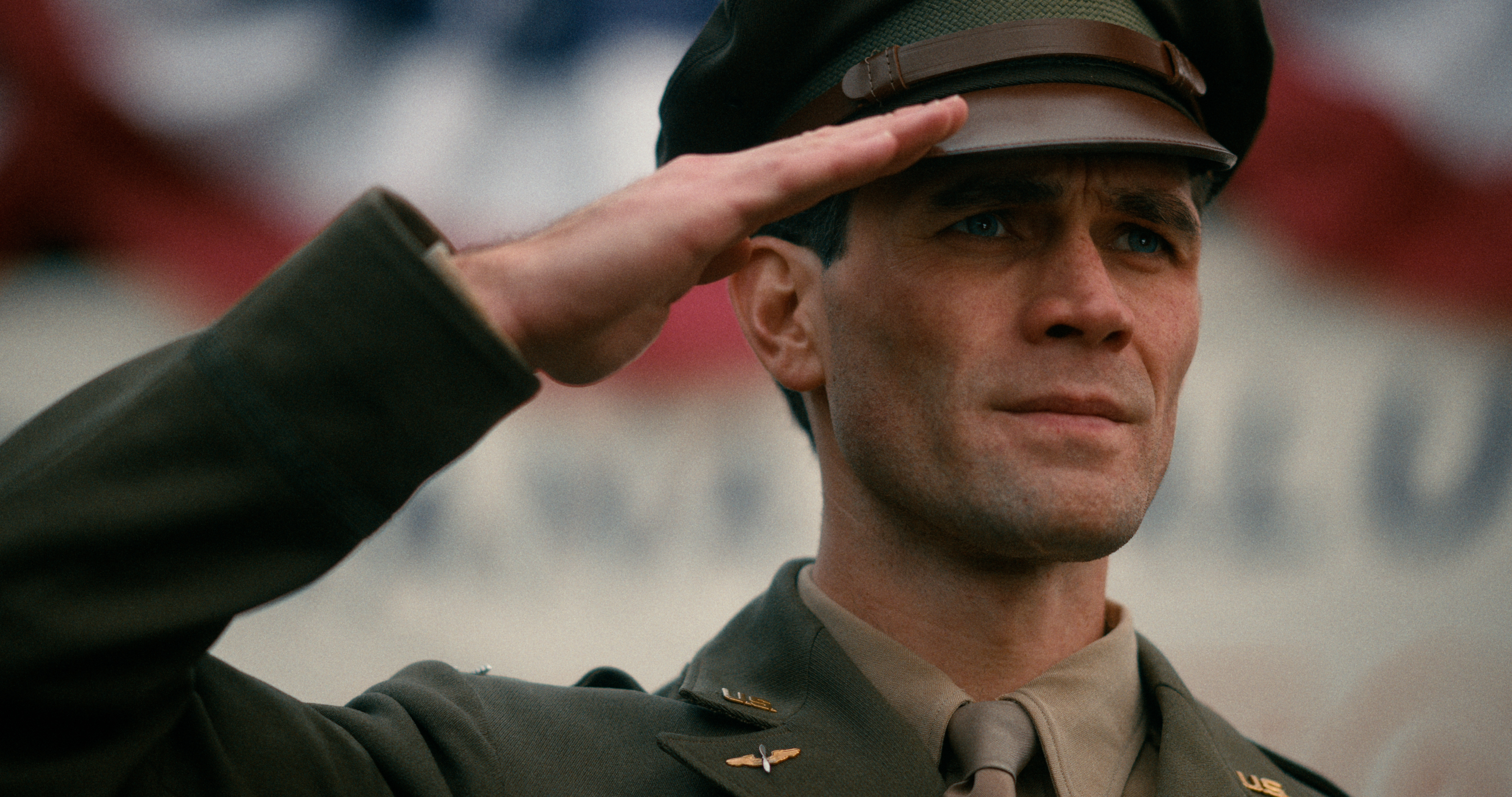
New film ‘Jimmy’ explores the untold story of Jimmy Stewart’s WWII service and enduring faith – #Catholic – A piece of American history came to life at the Nov. 4 red carpet premiere of a new film called “Jimmy.” With music from the 1940s playing in the background, a military color guard paying tribute to legendary actor Jimmy Stewart, and a B-24 Liberator flying overhead, the evening in Dallas celebrated a side of Stewart that many don’t know: his service as a World War II bomber pilot.James “Jimmy” Stewart was a beloved American actor best known for his portrayal of George Bailey in the Christmas classic “It’s a Wonderful Life.” But at the height of his Hollywood career, Stewart put acting on hold to serve his country during World War II. The new film explores this transformative chapter of his life and how his wartime experiences would later influence his iconic portrayal of the family man from Bedford Falls.Stewart served in the military from 1941 to 1945, eventually deploying to England in 1943 as a heavy bomber pilot with the United States Army Air Forces. Assigned to the Eighth Air Force, he rose to become a squadron and group commander and flew the B-24 Liberator on 20 combat missions over occupied Europe, including raids on targets such as Berlin. He would later serve as a strategic bomber officer and attain the rank of brigadier general in the U.S. Air Force Reserve.It was Stewart’s service to his country that inspired director Aaron Burns to create the new film.
 
 A military color guard pays tribute to actor and war veteran Jimmy Stewart at the red carpet premiere of the new film “Jimmy” in Fort Worth, Texas, on Nov. 4, 2026. | Credit: Francesca Fenton/EWTN News
 
 In an interview with EWTN News at the premiere of “Jimmy,” Burns shared that he grew up watching Stewart’s movies but he had “no idea that the life he lived was every bit as interesting — maybe even more so — than the films he made.”“I read an article that Jimmy wrote about this period of his life and how ‘It’s a Wonderful Life’ was the first movie he made when he came back from serving in World War II,” he added. “And I had no idea that Jimmy was in a war and so it uncovered, for me, a whole new chapter to explore.”For Kelly Stewart-Harcourt — one of Stewart’s daughters — her initial reaction upon hearing someone wanted to make a biopic on her father was that it would be “boring because he had a scandal-free life.”“But then, when it was focused on this particular chapter of his life, then I started thinking more about it,” she said. “My biggest concern was, ‘Would dad approve?’ And I think, it doesn’t glorify war, it tells a really true story, and I think he would approve.”Stewart-Harcourt also recalled the role her father’s faith played in his life professionally as an actor, during his service, and as a father and husband.“Faith was very important to dad. He didn’t wear it on his sleeve. He was very quietly religious but he went to church every single Sunday … A few times, I would burst into the bedroom to tell him something, and it would be before he was going to bed, and he would be kneeling at the bed like a little boy saying his prayers.”She added that he often told her that his faith is what “gave him great strength and comfort.”
 
 Jimmy Stewart’s daughter, Kelly Stewart-Harcourt, and KJ Apa on the set of “Jimmy.” | Credit: Photo courtesy of Burns & Co.
 
 KJ Apa, the actor who portrays Stewart in the film, shared that taking on this role impacted the way in which he thinks about what it truly means to live a meaningful life.He admitted that in his early 20s he got “caught up for the wrong reasons” in the entertainment industry. Now, as a father and in a committed relationship, it “puts things in perspective.”“At the end of the day, what it comes down to is what kind of person you are behind closed doors. That’s who you really are. I can say with certainty that Jimmy was that same guy behind closed doors and hopefully it inspires other people to practice what you preach, in a way,” he said.Apa added: “Because in a time where people like to capitalize on fame, and one opportunity, and they’re very quick to kind of forget about everything else in order to gain this thing that’s going to make them huge — this story kind of shows the opposite of what that looks like, to throw that away and be like I’m doing this because itʼs the right thing to do. It’s pretty cool. It’s the ultimate to me. It’s the ultimate story.”Karolyn Grimes, the actress who played ZuZu Bailey in “It’s a Wonderful Life,” recalled her time working alongside Stewart and called him “an angel on earth” and that the beloved American Christmas classic “was a gift to people.”She said she hopes viewers will “realize that there is kindness in this world and there is goodness. Sometimes you have to look for it, but it’s there.”“Jimmy was the epitome of kindness and he set such a wonderful example that I hope they could take that away from him and maybe make some changes in their lives to be more of a good Samaritan and to give of themselves more,” Grimes added.
 
 Karolyn Grimes, the actress who portrayed ZuZu Bailey in “It’s a Wonderful Life,” on the red carpet at the premiere of “Jimmy” in Fort Worth, Texas, on Nov. 4, 2026. | Credit: Francesca Fenton/EWTN News Screenshot
 
 Hien Papaian, the founder of the production studio behind the film, Papaian Studios, shared similar sentiments. She told EWTN News that she hopes viewers will see “the kindness and the love that exudes from every part of this movie. Again we can disagree, we can have differences, but we can love each other through that and still unite in kindness.”As for Stewart-Harcourt, she said she hopes viewers will come to see “how very honorable” her father was.“Jimmy” can be watched in theaters nationwide now. Veterans, active-duty military, first responders, and their families can receive free tickets to see the film. Instagram post

New film ‘Jimmy’ explores the untold story of Jimmy Stewart’s WWII service and enduring faith – #Catholic – A piece of American history came to life at the Nov. 4 red carpet premiere of a new film called “Jimmy.” With music from the 1940s playing in the background, a military color guard paying tribute to legendary actor Jimmy Stewart, and a B-24 Liberator flying overhead, the evening in Dallas celebrated a side of Stewart that many don’t know: his service as a World War II bomber pilot.James “Jimmy” Stewart was a beloved American actor best known for his portrayal of George Bailey in the Christmas classic “It’s a Wonderful Life.” But at the height of his Hollywood career, Stewart put acting on hold to serve his country during World War II. The new film explores this transformative chapter of his life and how his wartime experiences would later influence his iconic portrayal of the family man from Bedford Falls.Stewart served in the military from 1941 to 1945, eventually deploying to England in 1943 as a heavy bomber pilot with the United States Army Air Forces. Assigned to the Eighth Air Force, he rose to become a squadron and group commander and flew the B-24 Liberator on 20 combat missions over occupied Europe, including raids on targets such as Berlin. He would later serve as a strategic bomber officer and attain the rank of brigadier general in the U.S. Air Force Reserve.It was Stewart’s service to his country that inspired director Aaron Burns to create the new film. A military color guard pays tribute to actor and war veteran Jimmy Stewart at the red carpet premiere of the new film “Jimmy” in Fort Worth, Texas, on Nov. 4, 2026. | Credit: Francesca Fenton/EWTN News In an interview with EWTN News at the premiere of “Jimmy,” Burns shared that he grew up watching Stewart’s movies but he had “no idea that the life he lived was every bit as interesting — maybe even more so — than the films he made.”“I read an article that Jimmy wrote about this period of his life and how ‘It’s a Wonderful Life’ was the first movie he made when he came back from serving in World War II,” he added. “And I had no idea that Jimmy was in a war and so it uncovered, for me, a whole new chapter to explore.”For Kelly Stewart-Harcourt — one of Stewart’s daughters — her initial reaction upon hearing someone wanted to make a biopic on her father was that it would be “boring because he had a scandal-free life.”“But then, when it was focused on this particular chapter of his life, then I started thinking more about it,” she said. “My biggest concern was, ‘Would dad approve?’ And I think, it doesn’t glorify war, it tells a really true story, and I think he would approve.”Stewart-Harcourt also recalled the role her father’s faith played in his life professionally as an actor, during his service, and as a father and husband.“Faith was very important to dad. He didn’t wear it on his sleeve. He was very quietly religious but he went to church every single Sunday … A few times, I would burst into the bedroom to tell him something, and it would be before he was going to bed, and he would be kneeling at the bed like a little boy saying his prayers.”She added that he often told her that his faith is what “gave him great strength and comfort.” Jimmy Stewart’s daughter, Kelly Stewart-Harcourt, and KJ Apa on the set of “Jimmy.” | Credit: Photo courtesy of Burns & Co. KJ Apa, the actor who portrays Stewart in the film, shared that taking on this role impacted the way in which he thinks about what it truly means to live a meaningful life.He admitted that in his early 20s he got “caught up for the wrong reasons” in the entertainment industry. Now, as a father and in a committed relationship, it “puts things in perspective.”“At the end of the day, what it comes down to is what kind of person you are behind closed doors. That’s who you really are. I can say with certainty that Jimmy was that same guy behind closed doors and hopefully it inspires other people to practice what you preach, in a way,” he said.Apa added: “Because in a time where people like to capitalize on fame, and one opportunity, and they’re very quick to kind of forget about everything else in order to gain this thing that’s going to make them huge — this story kind of shows the opposite of what that looks like, to throw that away and be like I’m doing this because itʼs the right thing to do. It’s pretty cool. It’s the ultimate to me. It’s the ultimate story.”Karolyn Grimes, the actress who played ZuZu Bailey in “It’s a Wonderful Life,” recalled her time working alongside Stewart and called him “an angel on earth” and that the beloved American Christmas classic “was a gift to people.”She said she hopes viewers will “realize that there is kindness in this world and there is goodness. Sometimes you have to look for it, but it’s there.”“Jimmy was the epitome of kindness and he set such a wonderful example that I hope they could take that away from him and maybe make some changes in their lives to be more of a good Samaritan and to give of themselves more,” Grimes added. Karolyn Grimes, the actress who portrayed ZuZu Bailey in “It’s a Wonderful Life,” on the red carpet at the premiere of “Jimmy” in Fort Worth, Texas, on Nov. 4, 2026. | Credit: Francesca Fenton/EWTN News Screenshot Hien Papaian, the founder of the production studio behind the film, Papaian Studios, shared similar sentiments. She told EWTN News that she hopes viewers will see “the kindness and the love that exudes from every part of this movie. Again we can disagree, we can have differences, but we can love each other through that and still unite in kindness.”As for Stewart-Harcourt, she said she hopes viewers will come to see “how very honorable” her father was.“Jimmy” can be watched in theaters nationwide now. Veterans, active-duty military, first responders, and their families can receive free tickets to see the film. Instagram post

The movie explores the lesser-known story of Jimmy Stewart’s military service and the faith, humility, and kindness that shaped his life.

Read More
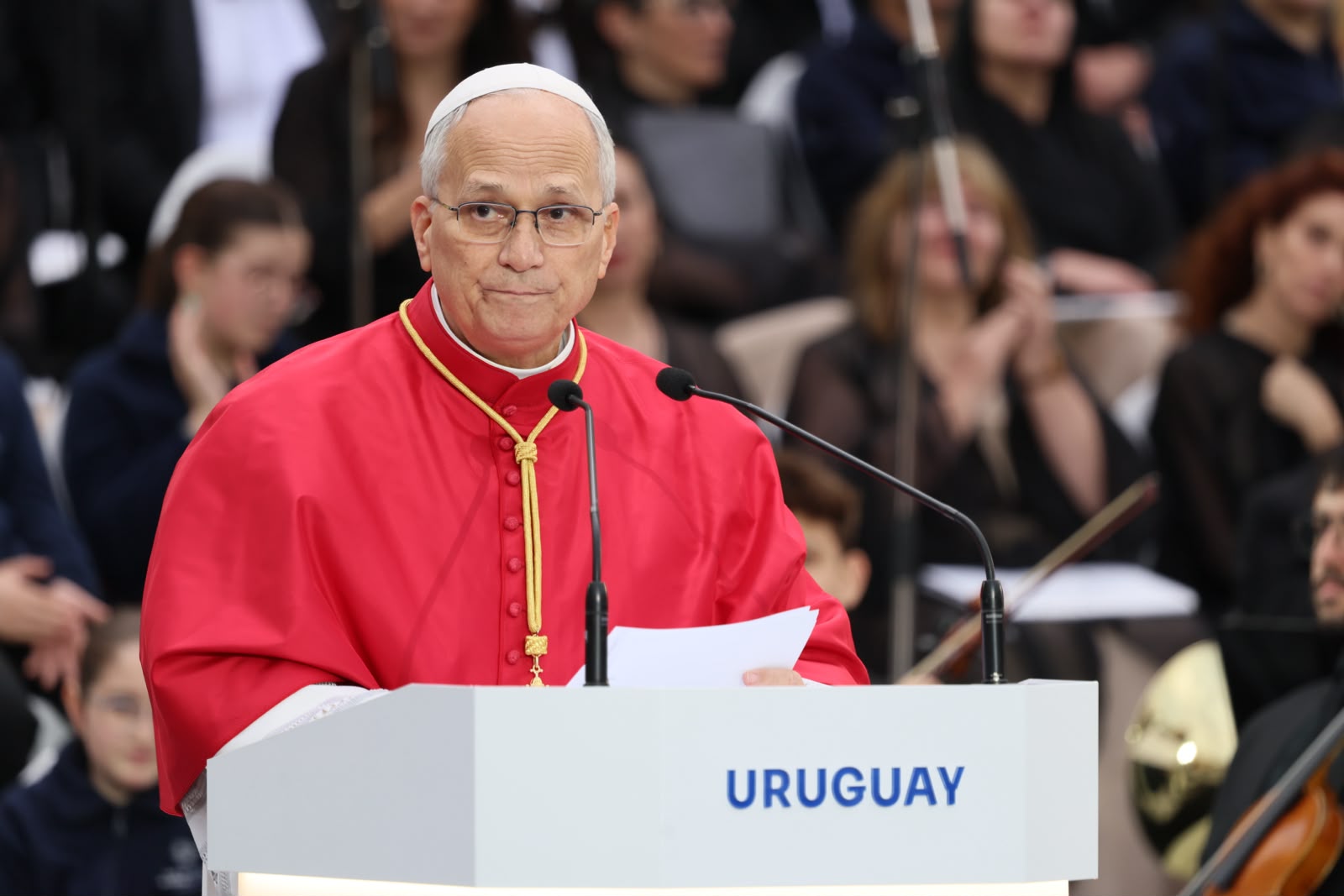
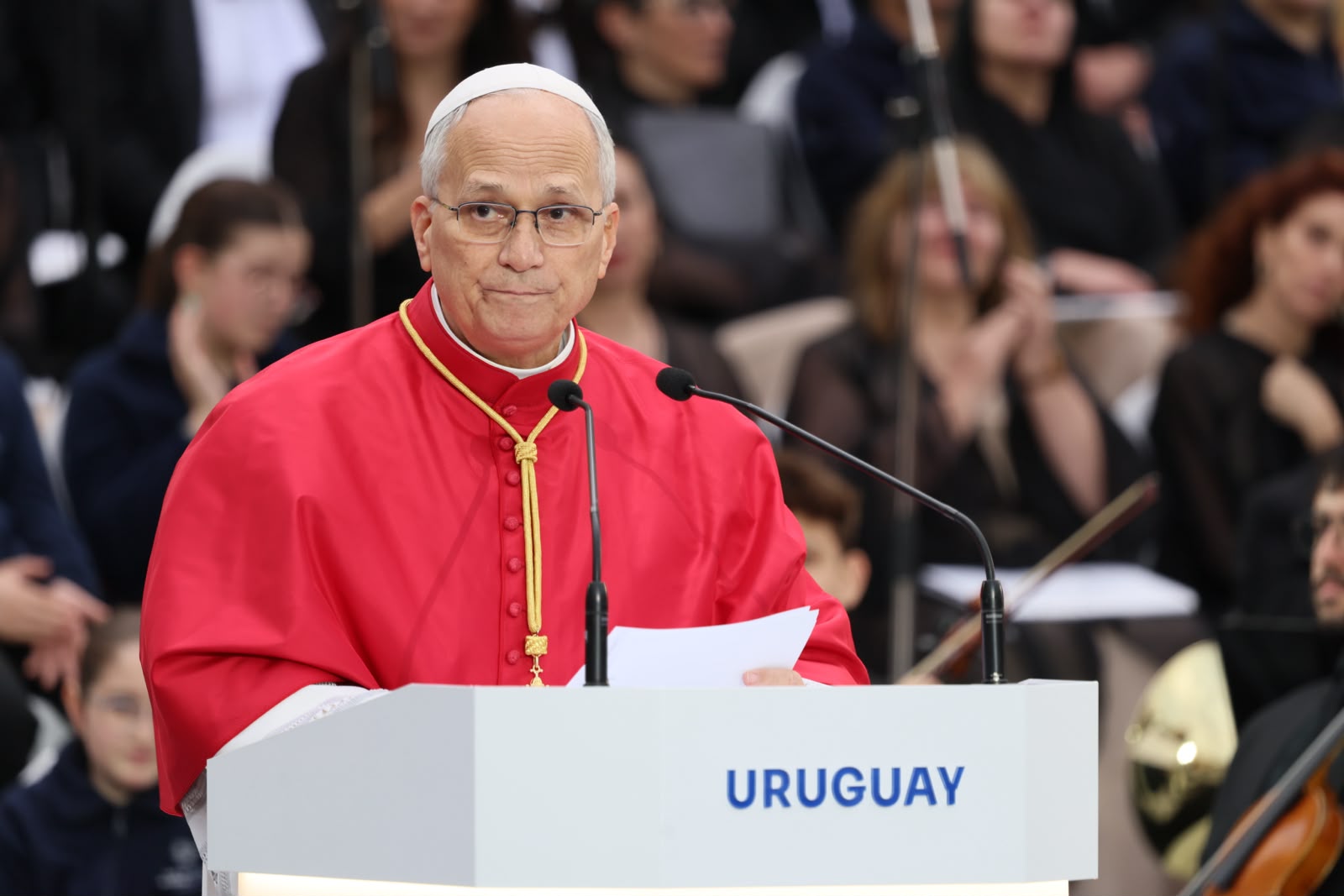
Pope Leo in Uruguay: Protect life at all stages, provide universal healthcare – #Catholic – MONTEVIDEO, Uruguay — Pope Leo XIV on Friday opened his first visit to South America as pope with a call to protect life from its beginning in the womb until its natural end and to guarantee healthcare for all members of society.The pope addressed Uruguay’s President Yamandú Orsi and other dignitaries in the country’s capital on the first day of an 11-day tour of the continent that will also take him to Argentina and Peru.“The unborn already belong to the human family and to the future of their people. Their absolute dependence on their mother does not diminish the dignity to which they are entitled or the protection they deserve,” Leo said.Though he did not directly mention euthanasia, which Uruguay legalized last year, the pope stressed the need to preserve life even in the midst of suffering.“Given the painful reality of suicide, it is clear that adequate healthcare, family ties, and the closeness of the community are inseparable. None should ever feel like a stranger among their own or think that their absence matters less than their presence,” Leo said. “It is everyone’s responsibility to ensure that each person can live with dignity, receive the care they need, and be accompanied until the natural end of his or her life.”Euthanasia, the intentional ending of a human life in order to relieve suffering, is forbidden by Catholic teaching.The pope referred to his recent surgery for lung cancer, less than a month before his trip to South America, in his call for universal healthcare.“Recently I experienced firsthand the limitations imposed by illness and I received care for which I am deeply grateful. That experience makes me think of the many men and women who lack the means to obtain a timely diagnosis or receive the treatments they need. Ensuring that healthcare is accessible to everyone, regardless of their resources, is a duty that confronts every society,” Leo said.Uruguay is exceptional among Latin American countries for the extent of its state-provided social services. It is also one of the most secular countries in the region, where more than half the population does not identify with organized religion and the official state calendar refers to Holy Week as Tourism Week.Echoing remarks he made in September in France, whose model of secularism has historically influenced Uruguay, Leo called for religious believers and institutions to take part in public life.“The secular character of the state involves an obligation to ensure that there is room for believers and nonbelievers to live together in freedom and respect. This neutrality does not require that the religious dimension be confined to the private sphere,” the pope said. “Individuals and religious communities can contribute to the common good while respecting the autonomy of civil institutions.”
 
 Pope Leo XIV participates in vespers at the Cathedral Basilica of the Immaculate Conception and Sts. Philip and James in Montevideo, Uruguay, Nov. 6, 2026. | Credit: Daniel Ibáñez/EWTN News
 
 Leo also took up the theme of Uruguay’s secularism in his second and final speech of the day, a homily at a vespers service in the city’s cathedral with bishops, clergy, religious, and seminarians. The pope said the example of a Christian minority was especially important in evangelizing the society around them.“One of the secrets of evangelization is to resemble the One whom we proclaim. In this land, where many of our contemporaries barely know Jesus Christ and so many young people have grown up far from the life of the Church, that witness has a special power. May the way we look at others, the way we listen, or the way we reach out to those who suffer prompt them to ask about the origins of that love. When we speak to them of Jesus, may they discover the very Lord whose goodness they have begun to experience, despite our own poverty,” the pope said.This story was updated at 6:42 p.m. ET on Nov. 6, 2026, with his speech at vespers.

Pope Leo in Uruguay: Protect life at all stages, provide universal healthcare – #Catholic – MONTEVIDEO, Uruguay — Pope Leo XIV on Friday opened his first visit to South America as pope with a call to protect life from its beginning in the womb until its natural end and to guarantee healthcare for all members of society.The pope addressed Uruguay’s President Yamandú Orsi and other dignitaries in the country’s capital on the first day of an 11-day tour of the continent that will also take him to Argentina and Peru.“The unborn already belong to the human family and to the future of their people. Their absolute dependence on their mother does not diminish the dignity to which they are entitled or the protection they deserve,” Leo said.Though he did not directly mention euthanasia, which Uruguay legalized last year, the pope stressed the need to preserve life even in the midst of suffering.“Given the painful reality of suicide, it is clear that adequate healthcare, family ties, and the closeness of the community are inseparable. None should ever feel like a stranger among their own or think that their absence matters less than their presence,” Leo said. “It is everyone’s responsibility to ensure that each person can live with dignity, receive the care they need, and be accompanied until the natural end of his or her life.”Euthanasia, the intentional ending of a human life in order to relieve suffering, is forbidden by Catholic teaching.The pope referred to his recent surgery for lung cancer, less than a month before his trip to South America, in his call for universal healthcare.“Recently I experienced firsthand the limitations imposed by illness and I received care for which I am deeply grateful. That experience makes me think of the many men and women who lack the means to obtain a timely diagnosis or receive the treatments they need. Ensuring that healthcare is accessible to everyone, regardless of their resources, is a duty that confronts every society,” Leo said.Uruguay is exceptional among Latin American countries for the extent of its state-provided social services. It is also one of the most secular countries in the region, where more than half the population does not identify with organized religion and the official state calendar refers to Holy Week as Tourism Week.Echoing remarks he made in September in France, whose model of secularism has historically influenced Uruguay, Leo called for religious believers and institutions to take part in public life.“The secular character of the state involves an obligation to ensure that there is room for believers and nonbelievers to live together in freedom and respect. This neutrality does not require that the religious dimension be confined to the private sphere,” the pope said. “Individuals and religious communities can contribute to the common good while respecting the autonomy of civil institutions.” Pope Leo XIV participates in vespers at the Cathedral Basilica of the Immaculate Conception and Sts. Philip and James in Montevideo, Uruguay, Nov. 6, 2026. | Credit: Daniel Ibáñez/EWTN News Leo also took up the theme of Uruguay’s secularism in his second and final speech of the day, a homily at a vespers service in the city’s cathedral with bishops, clergy, religious, and seminarians. The pope said the example of a Christian minority was especially important in evangelizing the society around them.“One of the secrets of evangelization is to resemble the One whom we proclaim. In this land, where many of our contemporaries barely know Jesus Christ and so many young people have grown up far from the life of the Church, that witness has a special power. May the way we look at others, the way we listen, or the way we reach out to those who suffer prompt them to ask about the origins of that love. When we speak to them of Jesus, may they discover the very Lord whose goodness they have begun to experience, despite our own poverty,” the pope said.This story was updated at 6:42 p.m. ET on Nov. 6, 2026, with his speech at vespers.

The pontiff’s speech referred to his own recent cancer surgery.

Read More
Exit polling shows Catholics almost evenly split between Democrats, Republicans in 2026 midterms – #Catholic – Catholics voted about equally for Democrats and Republicans in the 2026 midterms, exit polls show, with Catholic voters shifting their alignment from 2024 to help propel Democratic politicians to their historic victories on Nov. 3. Exit polling data released by NBC News shows the Catholic vote almost equally split between Democratic and Republican politicians this year, with the network reporting 50% of Catholic voters choosing Democrats and 49% choosing Republicans. The even split marks a notable departure from the 2024 presidential election, which saw just 39% of Catholic voters casting ballots for Democrat Kamala Harris and 59% of them voting for Republican Donald Trump, according to NBC data from that year.Andrew Chestnut, the Bishop Walter F. Sullivan chair in Catholic studies at Virginia Commonwealth University, told EWTN News that the results represent a “notable shift” from 2024, though “it remains to be seen whether this represents a lasting political realignment.”He noted that a closer read of polling data reveals a more nuanced view of the Catholic voting bloc. “The preliminary exit polls underscore the considerable diversity of American Catholicism, with 56% of white Catholics voting Republican compared with 65% of Hispanic Catholics who favored Democrats,” he said. “Equally noteworthy is the generational divide, with 65% of Catholics under 29 voting Democratic,” he said, though he pointed out that “younger voters' preferences do not necessarily predict their political allegiances later in life.”The stronger Latino Catholic vote for Democrats likely reflects a response to Trump’s hard-line immigration policies, Chestnut said. The president’s public criticism of Pope Leo XIV earlier in the year “could also have influenced some voters,” he noted, though “the extent of either effect is difficult to establish.” Though the Catholic vote in the midterms broke markedly from 2024, the 2026 numbers are similar to other recent elections in which NBC obtained exit polling data. Exit polling in 2016 showed 46% of Catholics voting for Hillary Clinton that year and 50% voting for Trump, while in 2020 Catholics voted for Democrat Joe Biden over Trump by a 52% to 47% margin. Though Catholics were evenly divided between both major parties in 2026, other religions broke heavily for Democrats, according to the exit poll data. Muslim voters reported voting Democratic 86% of the time, according to the network’s data, while 68% of Jewish voters cast Democratic ballots. Those who identified their religious affiliation as “none,” meanwhile, were 78% in favor of Democrats, with just 20% voting Republican. Chestnut said high Democratic support from “nones” reflects the “growing electoral significance of religiously unaffiliated Americans,” while high Muslim support “point[s] to the diversity of the partyʼs religious coalition.”Regarding the Catholic vote, meanwhile, “ultimately, the results reinforce the importance of Catholics as a potentially pivotal constituency whose voting patterns reflect differences in ethnicity, generation, and political outlook, rather than any unified Catholic political identity,” he said.

Exit polling shows Catholics almost evenly split between Democrats, Republicans in 2026 midterms – #Catholic – Catholics voted about equally for Democrats and Republicans in the 2026 midterms, exit polls show, with Catholic voters shifting their alignment from 2024 to help propel Democratic politicians to their historic victories on Nov. 3. Exit polling data released by NBC News shows the Catholic vote almost equally split between Democratic and Republican politicians this year, with the network reporting 50% of Catholic voters choosing Democrats and 49% choosing Republicans. The even split marks a notable departure from the 2024 presidential election, which saw just 39% of Catholic voters casting ballots for Democrat Kamala Harris and 59% of them voting for Republican Donald Trump, according to NBC data from that year.Andrew Chestnut, the Bishop Walter F. Sullivan chair in Catholic studies at Virginia Commonwealth University, told EWTN News that the results represent a “notable shift” from 2024, though “it remains to be seen whether this represents a lasting political realignment.”He noted that a closer read of polling data reveals a more nuanced view of the Catholic voting bloc. “The preliminary exit polls underscore the considerable diversity of American Catholicism, with 56% of white Catholics voting Republican compared with 65% of Hispanic Catholics who favored Democrats,” he said. “Equally noteworthy is the generational divide, with 65% of Catholics under 29 voting Democratic,” he said, though he pointed out that “younger voters' preferences do not necessarily predict their political allegiances later in life.”The stronger Latino Catholic vote for Democrats likely reflects a response to Trump’s hard-line immigration policies, Chestnut said. The president’s public criticism of Pope Leo XIV earlier in the year “could also have influenced some voters,” he noted, though “the extent of either effect is difficult to establish.” Though the Catholic vote in the midterms broke markedly from 2024, the 2026 numbers are similar to other recent elections in which NBC obtained exit polling data. Exit polling in 2016 showed 46% of Catholics voting for Hillary Clinton that year and 50% voting for Trump, while in 2020 Catholics voted for Democrat Joe Biden over Trump by a 52% to 47% margin. Though Catholics were evenly divided between both major parties in 2026, other religions broke heavily for Democrats, according to the exit poll data. Muslim voters reported voting Democratic 86% of the time, according to the network’s data, while 68% of Jewish voters cast Democratic ballots. Those who identified their religious affiliation as “none,” meanwhile, were 78% in favor of Democrats, with just 20% voting Republican. Chestnut said high Democratic support from “nones” reflects the “growing electoral significance of religiously unaffiliated Americans,” while high Muslim support “point[s] to the diversity of the partyʼs religious coalition.”Regarding the Catholic vote, meanwhile, “ultimately, the results reinforce the importance of Catholics as a potentially pivotal constituency whose voting patterns reflect differences in ethnicity, generation, and political outlook, rather than any unified Catholic political identity,” he said.

Muslim and Jewish voters, along with the nonreligious, voted overwhelmingly for Democrats, according to polls.

Read More

The earliest test of Albert Einstein’s general theory of relativity took place just four years after he published it. During the May 29, 1919, total solar eclipse, British astronomer Sir Arthur Eddington and colleagues studied the theory by measuring how the Sun distorts light from background stars. According to general relativity, any object with massContinue reading “Nov. 6, 1919: Einstein is right”

The post Nov. 6, 1919: Einstein is right appeared first on Astronomy Magazine.

Read More

Friday, November 6The waning Moon leaves us with perfect skies for deep-sky observing. Let’s kick off the week with a bright planetary nebula in Aquarius: NGC 7293, commonly known as the Helix Nebula.  Despite its impressive magnitude of 7.3, the Helix presents a challenge: It is a broad 13’ across, which spreads its light overContinue reading “The Sky This Week from November 6 to 13: Venus in the spotlight”

The post The Sky This Week from November 6 to 13: Venus in the spotlight appeared first on Astronomy Magazine.

Read More