Day: November 15, 2026

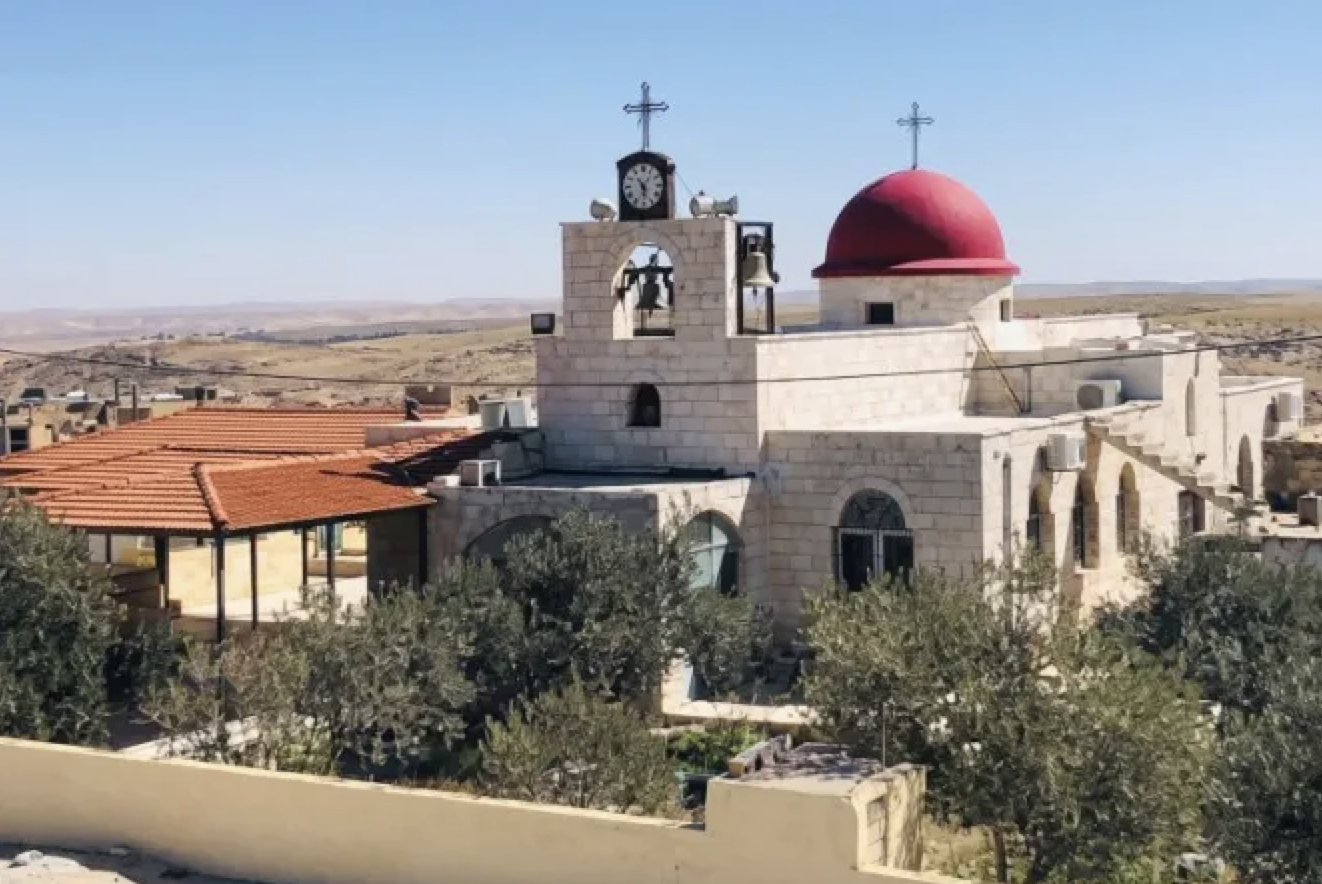
Three sentenced to death for Jordanian church attack; Churches cancel Christmas celebrations – #Catholic – Jordan’s State Security Court sentenced three men to death for carrying out an armed attack last month on mourners at St. George Greek Orthodox Church in the town of Hammoud, in southern Jordan’s Karak Governorate. The attack took place Oct. 23 and left nine people dead and dozens injured. According to the court’s Nov. 15 ruling, the three men were convicted of carrying out terrorist acts, using weapons and ammunition, conspiring to carry out armed acts, and promoting the ideas of a terrorist group. One of them was also accused of providing money to fund those activities. The death sentences are subject to review by Jordan’s Court of Cassation, the nation’s highest court, and are not yet final.As for the fourth and fifth defendants, attorney Amer al-Halsa, who represents the victims’ families, said the court sentenced each of them to six years in prison. The court reclassified one of the charges against them as illegal possession of a firearm. Christmas services will take place but celebrations canceledIn a related development, the Council of Church Leaders in Jordan announced that all celebrations marking Christmas this year would be canceled in solidarity with the families of the 10 people identified in the statement as martyrs. They include the nine people killed in the church attack and a security officer killed in a separate stabbing outside the Sri Lankan Embassy in Amman on Nov. 5.The council said regular prayers, religious services, and pastoral duties would continue, however. It called on churches to observe the holiday simply and solemnly, giving priority to prayer, works of mercy, and social solidarity. “We call upon the members of our churches and institutions to ensure that the pastoral activities associated with this feast are characterized by simplicity and dignity, while preserving the spirituality of the glorious Nativity and its human dimensions, and giving priority to prayers and spiritual activities and the accompanying acts of mercy and social solidarity,” the bishops wrote.The council also called for Christmas trees to serve as symbols of hope, unity, and peace, and for candles to be lit in memory of those killed, with a memorial space dedicated to them. These gestures, it said, should reflect the values of justice and peace and the message of Christmas.This story was first published by ACI MENA, the Arabic-language sister service of EWTN News. It has been translated and adapted by EWTN News English.

Three sentenced to death for Jordanian church attack; Churches cancel Christmas celebrations – #Catholic – Jordan’s State Security Court sentenced three men to death for carrying out an armed attack last month on mourners at St. George Greek Orthodox Church in the town of Hammoud, in southern Jordan’s Karak Governorate. The attack took place Oct. 23 and left nine people dead and dozens injured. According to the court’s Nov. 15 ruling, the three men were convicted of carrying out terrorist acts, using weapons and ammunition, conspiring to carry out armed acts, and promoting the ideas of a terrorist group. One of them was also accused of providing money to fund those activities. The death sentences are subject to review by Jordan’s Court of Cassation, the nation’s highest court, and are not yet final.As for the fourth and fifth defendants, attorney Amer al-Halsa, who represents the victims’ families, said the court sentenced each of them to six years in prison. The court reclassified one of the charges against them as illegal possession of a firearm. Christmas services will take place but celebrations canceledIn a related development, the Council of Church Leaders in Jordan announced that all celebrations marking Christmas this year would be canceled in solidarity with the families of the 10 people identified in the statement as martyrs. They include the nine people killed in the church attack and a security officer killed in a separate stabbing outside the Sri Lankan Embassy in Amman on Nov. 5.The council said regular prayers, religious services, and pastoral duties would continue, however. It called on churches to observe the holiday simply and solemnly, giving priority to prayer, works of mercy, and social solidarity. “We call upon the members of our churches and institutions to ensure that the pastoral activities associated with this feast are characterized by simplicity and dignity, while preserving the spirituality of the glorious Nativity and its human dimensions, and giving priority to prayers and spiritual activities and the accompanying acts of mercy and social solidarity,” the bishops wrote.The council also called for Christmas trees to serve as symbols of hope, unity, and peace, and for candles to be lit in memory of those killed, with a memorial space dedicated to them. These gestures, it said, should reflect the values of justice and peace and the message of Christmas.This story was first published by ACI MENA, the Arabic-language sister service of EWTN News. It has been translated and adapted by EWTN News English.

Jordan’s bishops asked for Christmas to be observed “with simplicity and dignity, while preserving the spirituality of the glorious Nativity and its human dimensions,” in support of victims’ families.

Read More
Faith and friendship unite youth at Morris Township gathering #Catholic – Youth from parishes across the Paterson Diocese gathered at St. Elizabeth University in Morris Township’s Convent Station neighborhood, N.J., on Nov. 8 to celebrate their Catholic faith and fellowship at Diocesan Youth Day. Guided by the theme “Made for More,” the multifaceted event featured prayer, talks, music, games, other activities, lunch, and Mass with Bishop Kevin J. Sweeney.
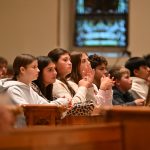
Braden Johnson, a Catholic speaker from Kansas who travels the world sharing messages focused on awakening hearts to Christ, served as master of ceremonies and keynote speaker for the Diocesan Youth Day. The Scally Brothers, a high-energy Christian pop duo from Toledo, Ohio, provided worship music and performed a faith-centered concert.

Click here to subscribe to our weekly newsletter.

In Holy Family Chapel, Bishop Sweeney celebrated Mass, which several priests concelebrated and young people assisted. Many priests and youth ministers accompanied youth from their parishes.
After the event, St. Jude Parish’s youth ministry in the Budd Lake neighborhood of Mount Olive Township, N.J., posted on social media, “Our teens gathered with youth from across the diocese for a day of growing in faith, building friendships, and celebrating our Catholic community.”
“We are grateful for the opportunity to share this experience with such an enthusiastic group of youth. May the friendships, inspiration, and faith we shared continue to grow long after this day. Keep the faith, stay connected and let your light shine,” St. Jude’s youth ministry posted.
The diocesan Office of Youth Ministry and St. Elizabeth University coordinated Diocesan Youth Day.
BEACON PHOTOS | JOE GIGLI
 [See image gallery at beaconnj.org]  

Faith and friendship unite youth at Morris Township gathering #Catholic – Youth from parishes across the Paterson Diocese gathered at St. Elizabeth University in Morris Township’s Convent Station neighborhood, N.J., on Nov. 8 to celebrate their Catholic faith and fellowship at Diocesan Youth Day. Guided by the theme “Made for More,” the multifaceted event featured prayer, talks, music, games, other activities, lunch, and Mass with Bishop Kevin J. Sweeney. Braden Johnson, a Catholic speaker from Kansas who travels the world sharing messages focused on awakening hearts to Christ, served as master of ceremonies and keynote speaker for the Diocesan Youth Day. The Scally Brothers, a high-energy Christian pop duo from Toledo, Ohio, provided worship music and performed a faith-centered concert. Click here to subscribe to our weekly newsletter. In Holy Family Chapel, Bishop Sweeney celebrated Mass, which several priests concelebrated and young people assisted. Many priests and youth ministers accompanied youth from their parishes. After the event, St. Jude Parish’s youth ministry in the Budd Lake neighborhood of Mount Olive Township, N.J., posted on social media, “Our teens gathered with youth from across the diocese for a day of growing in faith, building friendships, and celebrating our Catholic community.” “We are grateful for the opportunity to share this experience with such an enthusiastic group of youth. May the friendships, inspiration, and faith we shared continue to grow long after this day. Keep the faith, stay connected and let your light shine,” St. Jude’s youth ministry posted. The diocesan Office of Youth Ministry and St. Elizabeth University coordinated Diocesan Youth Day. BEACON PHOTOS | JOE GIGLI [See image gallery at beaconnj.org]  

Faith and friendship unite youth at Morris Township gathering #Catholic –

Youth from parishes across the Paterson Diocese gathered at St. Elizabeth University in Morris Township’s Convent Station neighborhood, N.J., on Nov. 8 to celebrate their Catholic faith and fellowship at Diocesan Youth Day. Guided by the theme “Made for More,” the multifaceted event featured prayer, talks, music, games, other activities, lunch, and Mass with Bishop Kevin J. Sweeney.

Braden Johnson, a Catholic speaker from Kansas who travels the world sharing messages focused on awakening hearts to Christ, served as master of ceremonies and keynote speaker for the Diocesan Youth Day. The Scally Brothers, a high-energy Christian pop duo from Toledo, Ohio, provided worship music and performed a faith-centered concert.


Click here to subscribe to our weekly newsletter.

In Holy Family Chapel, Bishop Sweeney celebrated Mass, which several priests concelebrated and young people assisted. Many priests and youth ministers accompanied youth from their parishes.

After the event, St. Jude Parish’s youth ministry in the Budd Lake neighborhood of Mount Olive Township, N.J., posted on social media, “Our teens gathered with youth from across the diocese for a day of growing in faith, building friendships, and celebrating our Catholic community.”

“We are grateful for the opportunity to share this experience with such an enthusiastic group of youth. May the friendships, inspiration, and faith we shared continue to grow long after this day. Keep the faith, stay connected and let your light shine,” St. Jude’s youth ministry posted.

The diocesan Office of Youth Ministry and St. Elizabeth University coordinated Diocesan Youth Day.

BEACON PHOTOS | JOE GIGLI

– Youth from parishes across the Paterson Diocese gathered at St. Elizabeth University in Morris Township’s Convent Station neighborhood, N.J., on Nov. 8 to celebrate their Catholic faith and fellowship at Diocesan Youth Day. Guided by the theme “Made for More,” the multifaceted event featured prayer, talks, music, games, other activities, lunch, and Mass with Bishop Kevin J. Sweeney. Braden Johnson, a Catholic speaker from Kansas who travels the world sharing messages focused on awakening hearts to Christ, served as master of ceremonies and keynote speaker for the Diocesan Youth Day. The Scally Brothers, a high-energy Christian pop duo from Toledo,

Read More
In 1976, the Soviet Union began development of the Buran orbiter. Concerned that the American space shuttle program might be used for military purposes, the Soviets responded with Buran and its Energia booster rocket, which were capable of carrying antisatellite and antimissile weapons and targeting locations on Earth’s surface. Though the nonmilitary objectives for BuranContinue reading “Nov. 15, 1988: The Buran orbiter launches”

The post Nov. 15, 1988: The Buran orbiter launches appeared first on Astronomy Magazine.

Read More
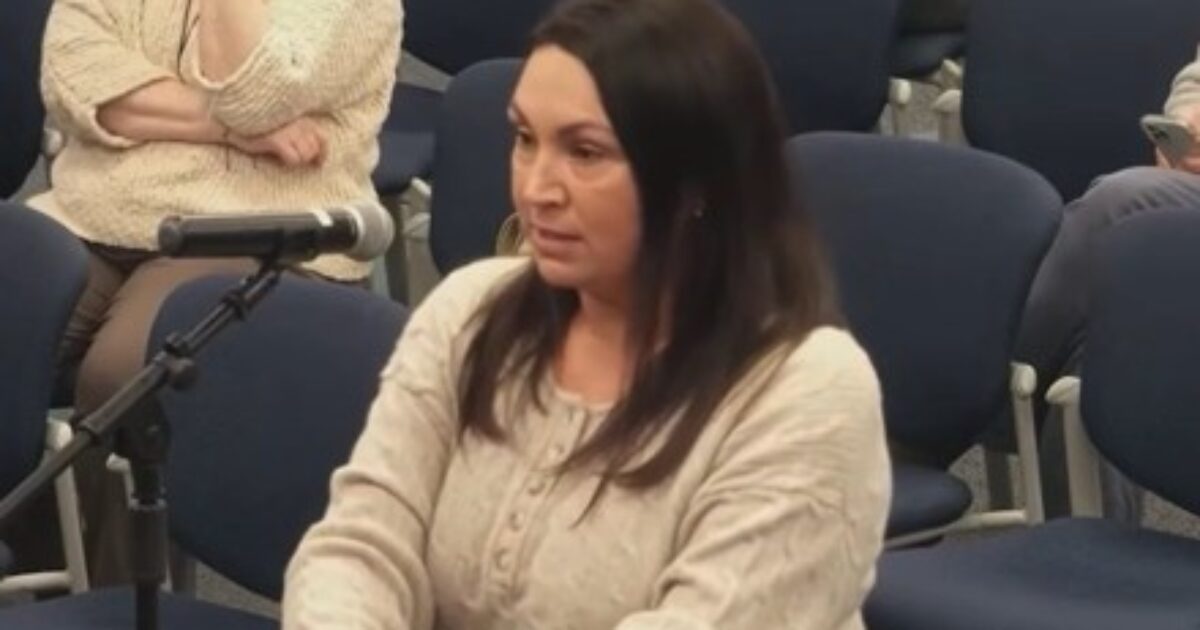
Canadian Catholics retain identity more than U.S. Catholics, but decline in practice is similar – #Catholic – WINNIPEG, Manitoba, Canada — If someone is raised Catholic in the United States, there is a 75% chance that as an adult that person is no longer Catholic — or he or she is still a Catholic but hardly ever attends Mass.Ryan Burge, an American political scientist who specializes in research about religion in American life, published these findings and others on his website titled Graphs About Religion.Using information from the U.S. General Social Survey and the Pew Religious Landscape Survey, Burge found that in 2024 nearly three-quarters of Americans raised Catholic were either no longer Catholic, or they identified as Catholic but never or seldom attended Mass.How does that compare with Canada Catholics in Canada retain more of their identity than Americans, but how they practice their faith is similar to what is happening in the U.S., said Sarah Wilkins-Laflamme, who teaches sociology and studies religion in Canada at the University of Waterloo in Ontario.“Catholic identity is important and is retained by many in Canada, but the practice for many started disappearing in the 1990s,” she said. “This is definitely true in Quebec, but also, to a lesser extent, in the rest of Canada.”Wilkins-Laflamme said her research shows retention rates for Catholics are higher in Canada, but mostly as a cultural expression.These are people who “value the identity of being Catholic, they see that as strongly tied to their family heritage, maybe their regional and national identity, like in Quebec,” she said.“But for the most part, they have no practical ties with the Church. They don’t like the Church that much. And they don’t really agree with any of its policies.”These Catholics might go to church services on special occasions or holidays, like Christmas or Easter. For the most part they are “very detached from the institution, but even that is now disappearing,” she said.Only 10% of Catholics in Quebec say they practice their religion “with any regularity, let alone weekly,” Wilkins-Laflamme added, noting that in the rest of Canada “it’s not much more than that.”Overall, Canadian Catholics have a good retention of their Catholic identity, but not of practice, she stated.“It’s kind of, yes, there’s some religion, maybe like some vague beliefs in God. But it’s essentially a cultural identity, a tie to your family heritage. And even that is going down in Canada, although not by the same numbers as in the U.S.,” she said.One source of the decline, Wilkins-Laflamme said, is that Catholic parents are not raising their children in the faith.“Parents might say they’re Catholic, but if they don’t bother raising their kids Catholic, the children will remember their childhood as nonreligious,” she said. “They’ll just look like cradle nonreligious, raised nonreligious.”Where the Catholic Church might have gained from immigration in the past, the federal government now is limiting the number of newcomers, she observed. “So they might not be getting as much from that source in the future, and their birth rates are quite low. They’re aging,” she said.Joel Thiessen studies religion as a sociologist at Ambrose University in Calgary, Alberta, and is director of the Flourishing Congregations Institute. He agreed with Wilkins-Laflamme.“I think Catholic parents in Canada are not terribly Catholic themselves,” he said. “So that’s part of the reason for the challenges of retention.”Catholic schools and parishes could play a role in helping with religious transmission, but “there isn’t a lot of integration happening between those different institutional spaces, despite their best attempts,” he said. “And I think that weakens things.”One of the challenges is a lack of youth workers in parishes, compared with Protestant churches, where many churches hire youth pastors to work with teens, which aids with higher retention among some Protestant churches.“I think that in part helps to account for why Catholics are hemorrhaging more than Protestants,” Thiessen said.Since personal ties to someone like a youth worker make a big difference for retention, that is a crucial piece, Thiessen said. “The current infrastructure doesn’t support it,” he said.This story was first published by Canadian Catholic News and has been reprinted here, with adaptations, with permission.

Canadian Catholics retain identity more than U.S. Catholics, but decline in practice is similar – #Catholic – WINNIPEG, Manitoba, Canada — If someone is raised Catholic in the United States, there is a 75% chance that as an adult that person is no longer Catholic — or he or she is still a Catholic but hardly ever attends Mass.Ryan Burge, an American political scientist who specializes in research about religion in American life, published these findings and others on his website titled Graphs About Religion.Using information from the U.S. General Social Survey and the Pew Religious Landscape Survey, Burge found that in 2024 nearly three-quarters of Americans raised Catholic were either no longer Catholic, or they identified as Catholic but never or seldom attended Mass.How does that compare with Canada Catholics in Canada retain more of their identity than Americans, but how they practice their faith is similar to what is happening in the U.S., said Sarah Wilkins-Laflamme, who teaches sociology and studies religion in Canada at the University of Waterloo in Ontario.“Catholic identity is important and is retained by many in Canada, but the practice for many started disappearing in the 1990s,” she said. “This is definitely true in Quebec, but also, to a lesser extent, in the rest of Canada.”Wilkins-Laflamme said her research shows retention rates for Catholics are higher in Canada, but mostly as a cultural expression.These are people who “value the identity of being Catholic, they see that as strongly tied to their family heritage, maybe their regional and national identity, like in Quebec,” she said.“But for the most part, they have no practical ties with the Church. They don’t like the Church that much. And they don’t really agree with any of its policies.”These Catholics might go to church services on special occasions or holidays, like Christmas or Easter. For the most part they are “very detached from the institution, but even that is now disappearing,” she said.Only 10% of Catholics in Quebec say they practice their religion “with any regularity, let alone weekly,” Wilkins-Laflamme added, noting that in the rest of Canada “it’s not much more than that.”Overall, Canadian Catholics have a good retention of their Catholic identity, but not of practice, she stated.“It’s kind of, yes, there’s some religion, maybe like some vague beliefs in God. But it’s essentially a cultural identity, a tie to your family heritage. And even that is going down in Canada, although not by the same numbers as in the U.S.,” she said.One source of the decline, Wilkins-Laflamme said, is that Catholic parents are not raising their children in the faith.“Parents might say they’re Catholic, but if they don’t bother raising their kids Catholic, the children will remember their childhood as nonreligious,” she said. “They’ll just look like cradle nonreligious, raised nonreligious.”Where the Catholic Church might have gained from immigration in the past, the federal government now is limiting the number of newcomers, she observed. “So they might not be getting as much from that source in the future, and their birth rates are quite low. They’re aging,” she said.Joel Thiessen studies religion as a sociologist at Ambrose University in Calgary, Alberta, and is director of the Flourishing Congregations Institute. He agreed with Wilkins-Laflamme.“I think Catholic parents in Canada are not terribly Catholic themselves,” he said. “So that’s part of the reason for the challenges of retention.”Catholic schools and parishes could play a role in helping with religious transmission, but “there isn’t a lot of integration happening between those different institutional spaces, despite their best attempts,” he said. “And I think that weakens things.”One of the challenges is a lack of youth workers in parishes, compared with Protestant churches, where many churches hire youth pastors to work with teens, which aids with higher retention among some Protestant churches.“I think that in part helps to account for why Catholics are hemorrhaging more than Protestants,” Thiessen said.Since personal ties to someone like a youth worker make a big difference for retention, that is a crucial piece, Thiessen said. “The current infrastructure doesn’t support it,” he said.This story was first published by Canadian Catholic News and has been reprinted here, with adaptations, with permission.

One researcher says when it comes to Catholic identity, retention rates for Catholics are higher in Canada, but mostly as a cultural expression.

Read More
Number of Catholics in Ibero-America fell by 25% over the last 30 years, study indicates – #Catholic – According to a study by Latinobarómetro, the percentage of Ibero-Americans who identify as Catholic has fallen from 80% in 1995 to 55% today, a decline of 25 percentage points over 30 years.Spain and Portugal comprise the Iberian Peninsula; Ibero-America encompasses those nations who trace their ancestry to either of the two. The report, based on interviews with more than 2,200 people from 17 countries in Central and South America including Brazil, further notes that Panama has seen the sharpest drop in the percentage of Catholics — from 89% to 46%, a difference of 43 percentage points. Following Panama are Honduras, Brazil, Argentina, and El Salvador, where the number of Catholics has decreased by approximately one-third.This decline has been least noticeable in Mexico, having fallen by only 8 percentage points, from 77% to 69%. It is followed by Paraguay, Guatemala, Bolivia, and the Dominican Republic, all of which have seen a decline of less than 20 percentage points.Most Catholic country is ParaguayThe Ibero-American country with the highest percentage of Catholics is Paraguay, where eight out of every 10 people identify as members of the Catholic Church (82%), followed by Mexico and Ecuador, where nearly seven out of every 10 people consider themselves Catholic.The countries with the least percentage of Catholics are Uruguay, El Salvador, and Honduras, where just over a third of the inhabitants identify as Catholic.Of the 17 countries analyzed, nine have a Catholic majority, while Chile, Brazil, Panama, the Dominican Republic, Guatemala, Honduras, El Salvador, and Uruguay fall below the 50% mark.Evangelicals and atheistsThe countries with the highest proportion of evangelicals are Honduras (44%), Guatemala (43%), and El Salvador (42%), while in Colombia, Venezuela, Uruguay, Paraguay, Peru, and Ecuador, less than 10% identify as belonging to a Protestant Christian denomination.Regarding atheists and agnostics, Uruguay stands out, having the largest group in percentage terms, equivalent to half its population (49%), followed by Chile (27%), Argentina (23%), Brazil (21%), and the Dominican Republic (20%). The nations where these groups have the smallest presence are Peru, Bolivia, and Paraguay.Overall, the regional average of atheists and agnostics has quadrupled from 4% in 1995 to 16% in 2026.This study reinforces the findings of another Pew Research report published in January covering Argentina, Brazil, Chile, Colombia, Mexico, and Peru, which noted that Catholics remain the largest group, despite the growth of other denominations.This story was first published by EWTN News Español, the Spanish-language sister service of EWTN News. It has been translated and adapted by EWTN News English.

Number of Catholics in Ibero-America fell by 25% over the last 30 years, study indicates – #Catholic – According to a study by Latinobarómetro, the percentage of Ibero-Americans who identify as Catholic has fallen from 80% in 1995 to 55% today, a decline of 25 percentage points over 30 years.Spain and Portugal comprise the Iberian Peninsula; Ibero-America encompasses those nations who trace their ancestry to either of the two. The report, based on interviews with more than 2,200 people from 17 countries in Central and South America including Brazil, further notes that Panama has seen the sharpest drop in the percentage of Catholics — from 89% to 46%, a difference of 43 percentage points. Following Panama are Honduras, Brazil, Argentina, and El Salvador, where the number of Catholics has decreased by approximately one-third.This decline has been least noticeable in Mexico, having fallen by only 8 percentage points, from 77% to 69%. It is followed by Paraguay, Guatemala, Bolivia, and the Dominican Republic, all of which have seen a decline of less than 20 percentage points.Most Catholic country is ParaguayThe Ibero-American country with the highest percentage of Catholics is Paraguay, where eight out of every 10 people identify as members of the Catholic Church (82%), followed by Mexico and Ecuador, where nearly seven out of every 10 people consider themselves Catholic.The countries with the least percentage of Catholics are Uruguay, El Salvador, and Honduras, where just over a third of the inhabitants identify as Catholic.Of the 17 countries analyzed, nine have a Catholic majority, while Chile, Brazil, Panama, the Dominican Republic, Guatemala, Honduras, El Salvador, and Uruguay fall below the 50% mark.Evangelicals and atheistsThe countries with the highest proportion of evangelicals are Honduras (44%), Guatemala (43%), and El Salvador (42%), while in Colombia, Venezuela, Uruguay, Paraguay, Peru, and Ecuador, less than 10% identify as belonging to a Protestant Christian denomination.Regarding atheists and agnostics, Uruguay stands out, having the largest group in percentage terms, equivalent to half its population (49%), followed by Chile (27%), Argentina (23%), Brazil (21%), and the Dominican Republic (20%). The nations where these groups have the smallest presence are Peru, Bolivia, and Paraguay.Overall, the regional average of atheists and agnostics has quadrupled from 4% in 1995 to 16% in 2026.This study reinforces the findings of another Pew Research report published in January covering Argentina, Brazil, Chile, Colombia, Mexico, and Peru, which noted that Catholics remain the largest group, despite the growth of other denominations.This story was first published by EWTN News Español, the Spanish-language sister service of EWTN News. It has been translated and adapted by EWTN News English.

The percentage of Ibero-Americans who identify as Catholic has dropped from 80% in 1995 to 55% today.

Read More
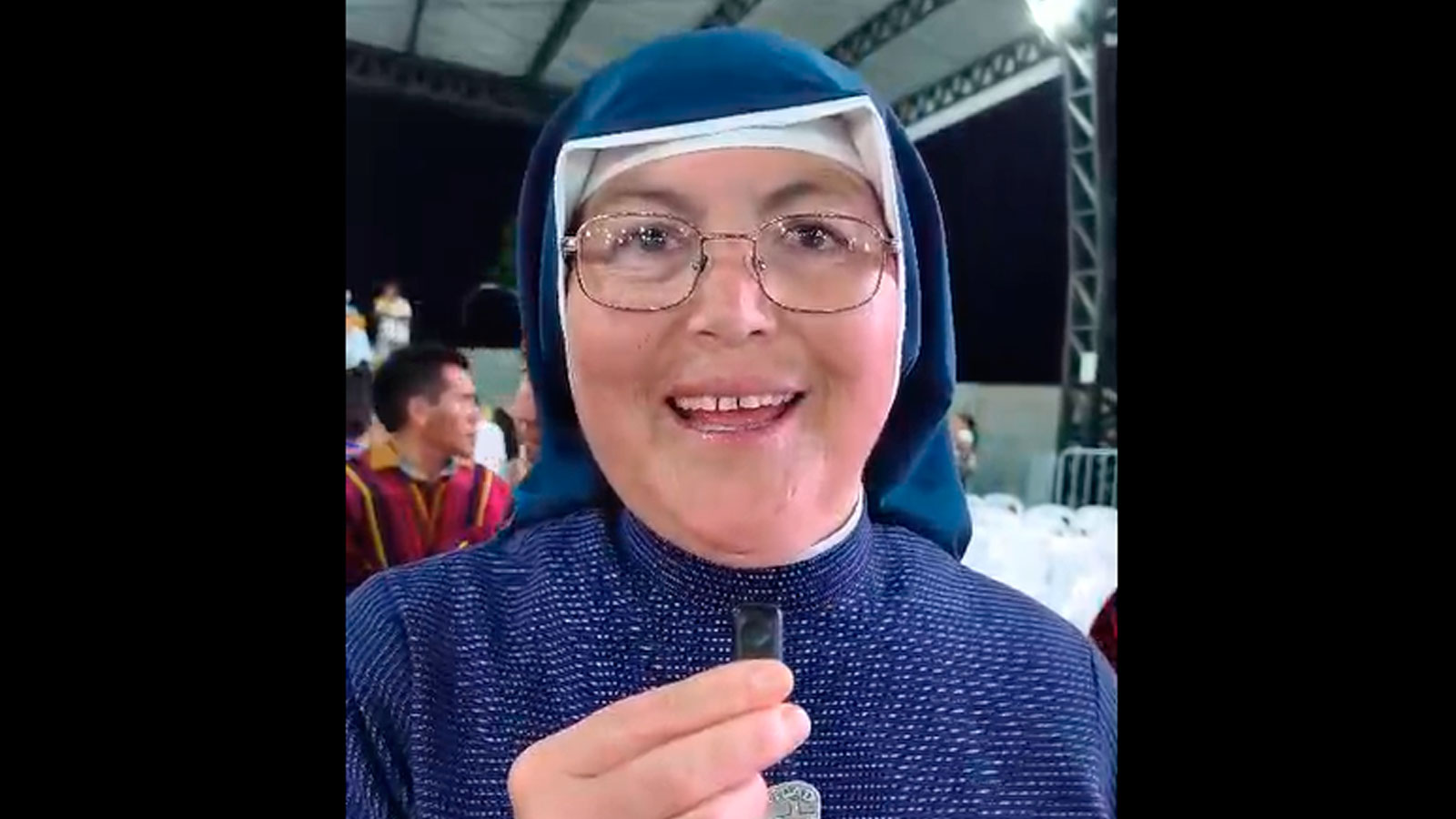
‘An immense emotion’: Andean missionary nun meets her former bishop, now Pope Leo XIV #Catholic “It has been an immense emotion” to see Pope Leo XIV again, said Mother María Priscila, a member of the Missionaries of Jesus, Word and Victim who serves in Cañaris, a Quechua-speaking town in the Andes in the Diocese of Chiclayo.Her congregation works in the most remote and isolated places in Peru and elsewhere in Latin America. Besides being superior of her community, she is in charge of St. John the Baptist Parish in Cañaris because of a shortage of priests.
 
 Mother María Priscila of the Missionaries of Jesus, Word and Victim at the prayer meeting with Pope Leo XIV in Zaña, Peru, Nov. 14, 2026. | Credit: Abel Camasca/EWTN News
 
 She spoke to EWTN News after the pope’s prayer meeting on Nov. 14 at the shrine of St. Turibius of Mogrovejo in Zaña, which closed the jubilee year for the 300th anniversary of the saint’s canonization.“I felt a great deal of emotion, because I was fortunate enough to work in Incahuasi, and that is where we had his first visit [in 2014], when he was appointed apostolic administrator. We welcomed him with great emotion and great joy,” she said.Incahuasi, another Andean town, was a place the pope had wanted to visit, but it was dropped from the itinerary because it did not meet minimum technical requirements.“Seeing him now as Holy Father has been an immense emotion, because he is very well known to me: We have shared time on several occasions, on his pastoral tours, on missions with the communities,” she said.
 
 Pope Leo XIV embraces a group of children in Zaña, Peru, Nov. 14, 2026. | Credit: Vatican Media
 
 Asked what the pope told her after she gave her testimony at the meeting, she said he asked where she was working now. “He congratulated me and told me to keep going, working in those communities, which need it so much.”In her testimony, the sister recalled how often Robert Prevost had come to the diocese’s high Andean region despite the rugged terrain, speaking about Christ “to so many boys and girls, as Jesus did with his disciples,” and sharing “such human moments, with such simplicity and humanity.”“Those gestures have filled our hearts with the joy of living in a Church that is close to people, that cares about the evangelization of everyone,” she said.Abel Camasca contributed to this report from Zaña, Peru.This story was first published by EWTN News Español. It has been translated and adapted by EWTN News English.

‘An immense emotion’: Andean missionary nun meets her former bishop, now Pope Leo XIV #Catholic “It has been an immense emotion” to see Pope Leo XIV again, said Mother María Priscila, a member of the Missionaries of Jesus, Word and Victim who serves in Cañaris, a Quechua-speaking town in the Andes in the Diocese of Chiclayo.Her congregation works in the most remote and isolated places in Peru and elsewhere in Latin America. Besides being superior of her community, she is in charge of St. John the Baptist Parish in Cañaris because of a shortage of priests. Mother María Priscila of the Missionaries of Jesus, Word and Victim at the prayer meeting with Pope Leo XIV in Zaña, Peru, Nov. 14, 2026. | Credit: Abel Camasca/EWTN News She spoke to EWTN News after the pope’s prayer meeting on Nov. 14 at the shrine of St. Turibius of Mogrovejo in Zaña, which closed the jubilee year for the 300th anniversary of the saint’s canonization.“I felt a great deal of emotion, because I was fortunate enough to work in Incahuasi, and that is where we had his first visit [in 2014], when he was appointed apostolic administrator. We welcomed him with great emotion and great joy,” she said.Incahuasi, another Andean town, was a place the pope had wanted to visit, but it was dropped from the itinerary because it did not meet minimum technical requirements.“Seeing him now as Holy Father has been an immense emotion, because he is very well known to me: We have shared time on several occasions, on his pastoral tours, on missions with the communities,” she said. Pope Leo XIV embraces a group of children in Zaña, Peru, Nov. 14, 2026. | Credit: Vatican Media Asked what the pope told her after she gave her testimony at the meeting, she said he asked where she was working now. “He congratulated me and told me to keep going, working in those communities, which need it so much.”In her testimony, the sister recalled how often Robert Prevost had come to the diocese’s high Andean region despite the rugged terrain, speaking about Christ “to so many boys and girls, as Jesus did with his disciples,” and sharing “such human moments, with such simplicity and humanity.”“Those gestures have filled our hearts with the joy of living in a Church that is close to people, that cares about the evangelization of everyone,” she said.Abel Camasca contributed to this report from Zaña, Peru.This story was first published by EWTN News Español. It has been translated and adapted by EWTN News English.

A sister serving a remote Quechua-speaking parish in the Diocese of Chiclayo recalls the bishop who came to the Andes and what he told her after her testimony.

Read More