As the world prepares for the spectacle of the 2026 FIFA World Cup — the first World Cup jointly hosted by the United States, Canada, and Mexico — billions of fans will once again gather around a game that transcends language, politics, and borders. Yet few realize that the tournament’s origins are intertwined with the Catholic faith.
The FIFA World Cup is one of the most-watched sporting events with roughly 5 billion people tuning in to the tournament that brings together soccer’s best athletes from around the world.
This year’s men’s tournament will take place from June 11 to July 19 and will be held in all three host countries. The last time the U.S. hosted a World Cup was in 1994, while Mexico has hosted the event in 1970 and 1986, and this will mark the first time Canada will host the prestigious soccer tournament. The 2026 FIFA World Cup is the 23rd edition of the quadrennial international menʼs soccer tournament.
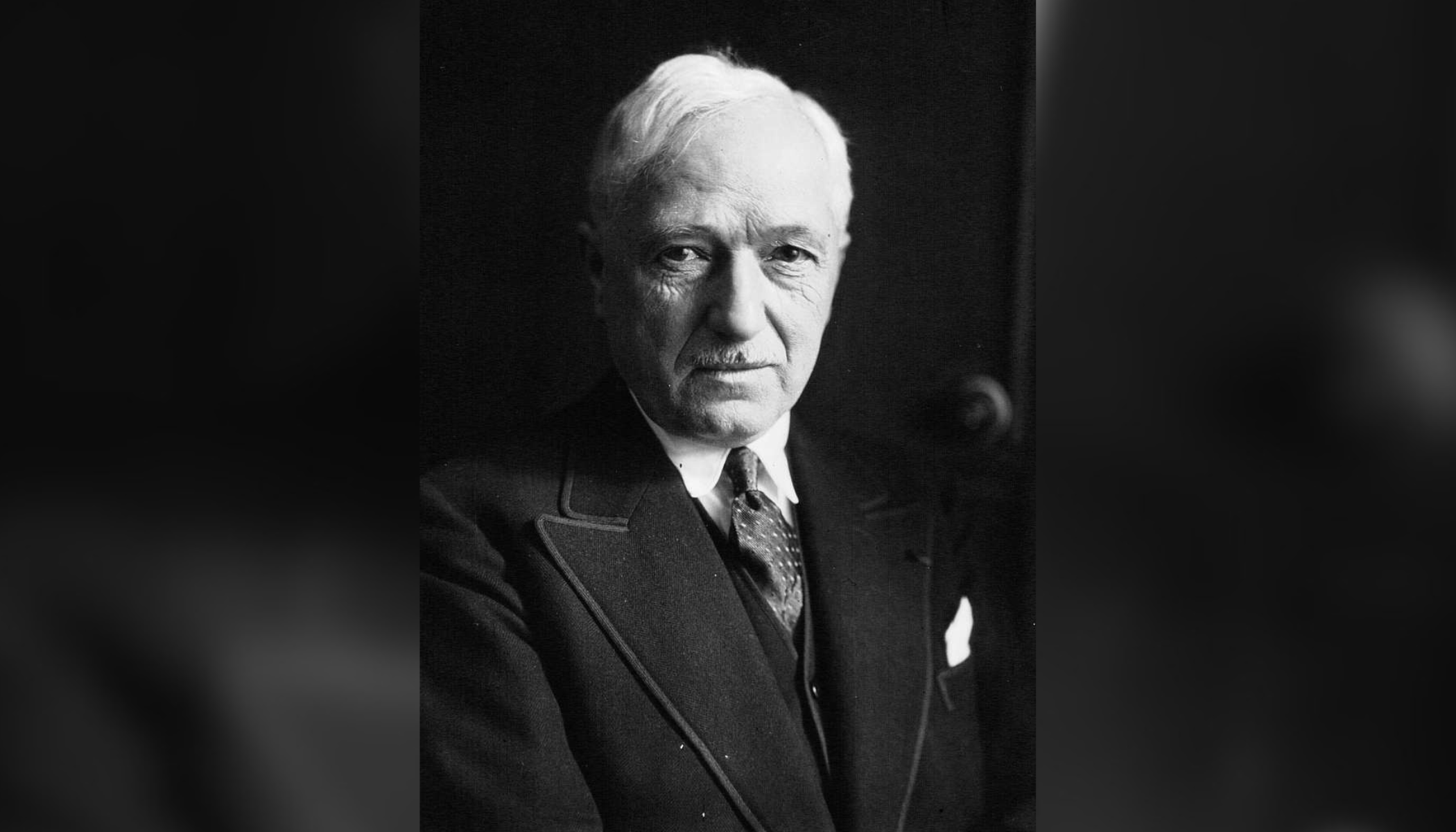
Long before the World Cup became the globe’s most-watched sporting event, its founder, Jules Rimet, was shaped by a vision deeply influenced by his faith and a belief in the dignity and unity of humanity.
Rimet was born on Oct. 14, 1873, in the village of Theuley in France to a devout Catholic family. He was known to have a heart for the poor and was inspired by Catholic social teaching.
In 1891, Pope Leo XIII issued the encyclical Rerum Novarum, which addressed the harsh conditions, poverty, and labor exploitation brought on by the Industrial Revolution. This encyclical inspired Rimet to help create an organization that provided social and medical aid to the poor. He was 17 years old.
The Catholic Frenchman also had a love for sports and believed it could unite people from all different races and social classes. At 24 years old he started a sports club called Red Star, which was open to anyone regardless of social class. He also included soccer in the club despite the sport being looked down upon as being only for Englishmen and the lower class.
In 1904, Rimet helped establish the Fédération Internationale de Football Association — International Federation of Association Football, or FIFA. After serving in World War I, he returned to FIFA and became its president in 1921.
Nine years later, the first World Cup was held in Uruguay. He viewed the World Cup as an opportunity to bring nations who may be at war together, promote universal fraternity and solidarity among all people, and prevent future global conflicts. He also worked hard to professionalize soccer so that working-class athletes could earn a living doing what they loved.
Rimet served as the president of FIFA for 33 years. From 1930 to 1970, the championship trophy was named the Jules Rimet Trophy.
He died in 1956 and was nominated for the Nobel Peace prize due to his part in creating the World Cup tournament.
In the book “A History of Football in 100 Objects,” Rimet’s grandson, Yves, remembered his grandfather as a “humanist and idealist who believed that sport could unite the world. Unlike many others in his time, he realized that, to be truly democratic, to truly engage the masses, international sport must be professional.”
Meet Jules Rimet: The devout Catholic who helped create the FIFA World Cup – #Catholic –
As the world prepares for the spectacle of the 2026 FIFA World Cup — the first World Cup jointly hosted by the United States, Canada, and Mexico — billions of fans will once again gather around a game that transcends language, politics, and borders. Yet few realize that the tournament’s origins are intertwined with the Catholic faith.
The FIFA World Cup is one of the most-watched sporting events with roughly 5 billion people tuning in to the tournament that brings together soccer’s best athletes from around the world.
This year’s men’s tournament will take place from June 11 to July 19 and will be held in all three host countries. The last time the U.S. hosted a World Cup was in 1994, while Mexico has hosted the event in 1970 and 1986, and this will mark the first time Canada will host the prestigious soccer tournament. The 2026 FIFA World Cup is the 23rd edition of the quadrennial international menʼs soccer tournament.
Long before the World Cup became the globe’s most-watched sporting event, its founder, Jules Rimet, was shaped by a vision deeply influenced by his faith and a belief in the dignity and unity of humanity.
Rimet was born on Oct. 14, 1873, in the village of Theuley in France to a devout Catholic family. He was known to have a heart for the poor and was inspired by Catholic social teaching.
In 1891, Pope Leo XIII issued the encyclical Rerum Novarum, which addressed the harsh conditions, poverty, and labor exploitation brought on by the Industrial Revolution. This encyclical inspired Rimet to help create an organization that provided social and medical aid to the poor. He was 17 years old.
The Catholic Frenchman also had a love for sports and believed it could unite people from all different races and social classes. At 24 years old he started a sports club called Red Star, which was open to anyone regardless of social class. He also included soccer in the club despite the sport being looked down upon as being only for Englishmen and the lower class.
In 1904, Rimet helped establish the Fédération Internationale de Football Association — International Federation of Association Football, or FIFA. After serving in World War I, he returned to FIFA and became its president in 1921.
Nine years later, the first World Cup was held in Uruguay. He viewed the World Cup as an opportunity to bring nations who may be at war together, promote universal fraternity and solidarity among all people, and prevent future global conflicts. He also worked hard to professionalize soccer so that working-class athletes could earn a living doing what they loved.
Rimet served as the president of FIFA for 33 years. From 1930 to 1970, the championship trophy was named the Jules Rimet Trophy.
He died in 1956 and was nominated for the Nobel Peace prize due to his part in creating the World Cup tournament.
In the book “A History of Football in 100 Objects,” Rimet’s grandson, Yves, remembered his grandfather as a “humanist and idealist who believed that sport could unite the world. Unlike many others in his time, he realized that, to be truly democratic, to truly engage the masses, international sport must be professional.”
Catholic Frenchman Jules Rimet served as the president of FIFA for 33 years.