Alberto

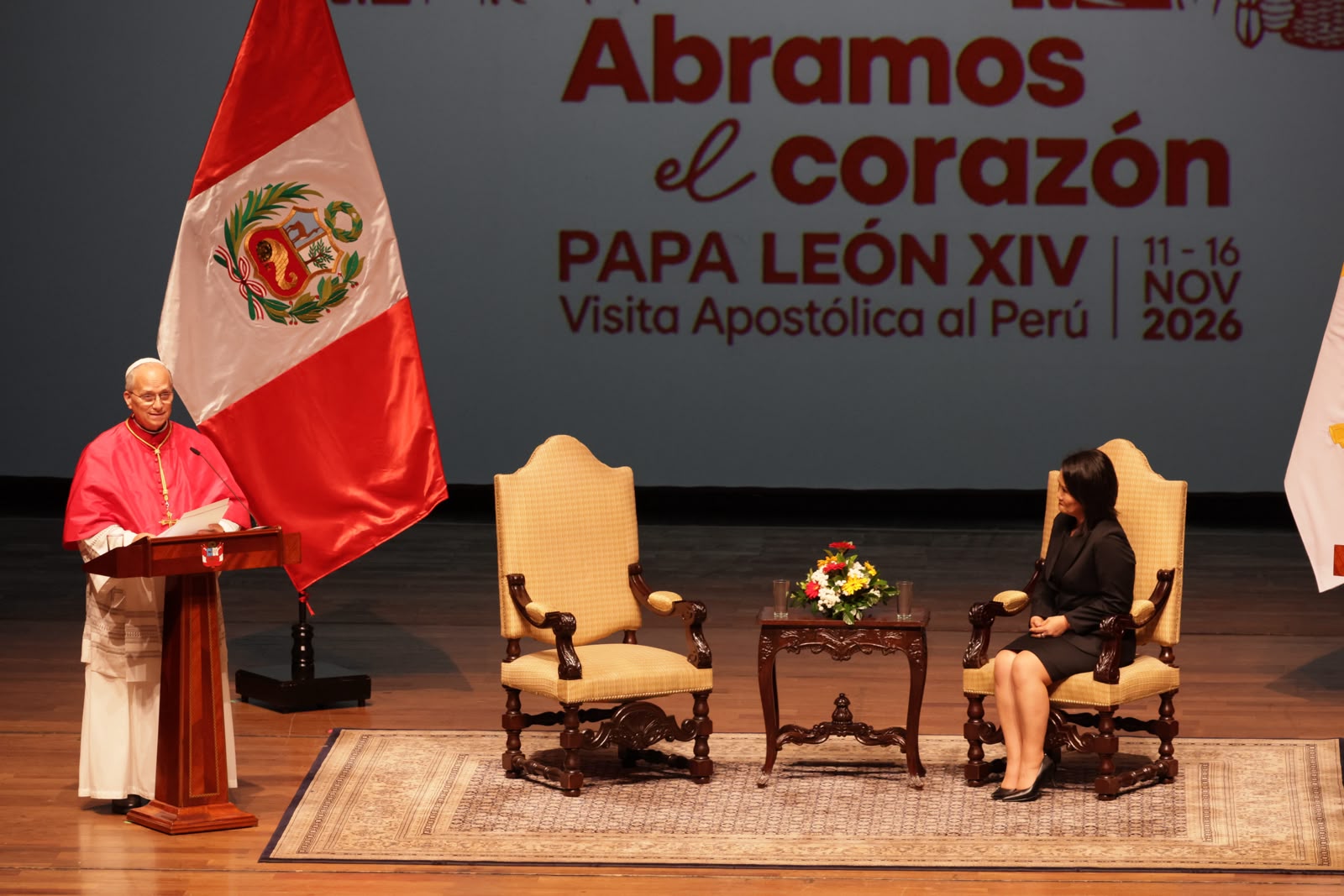
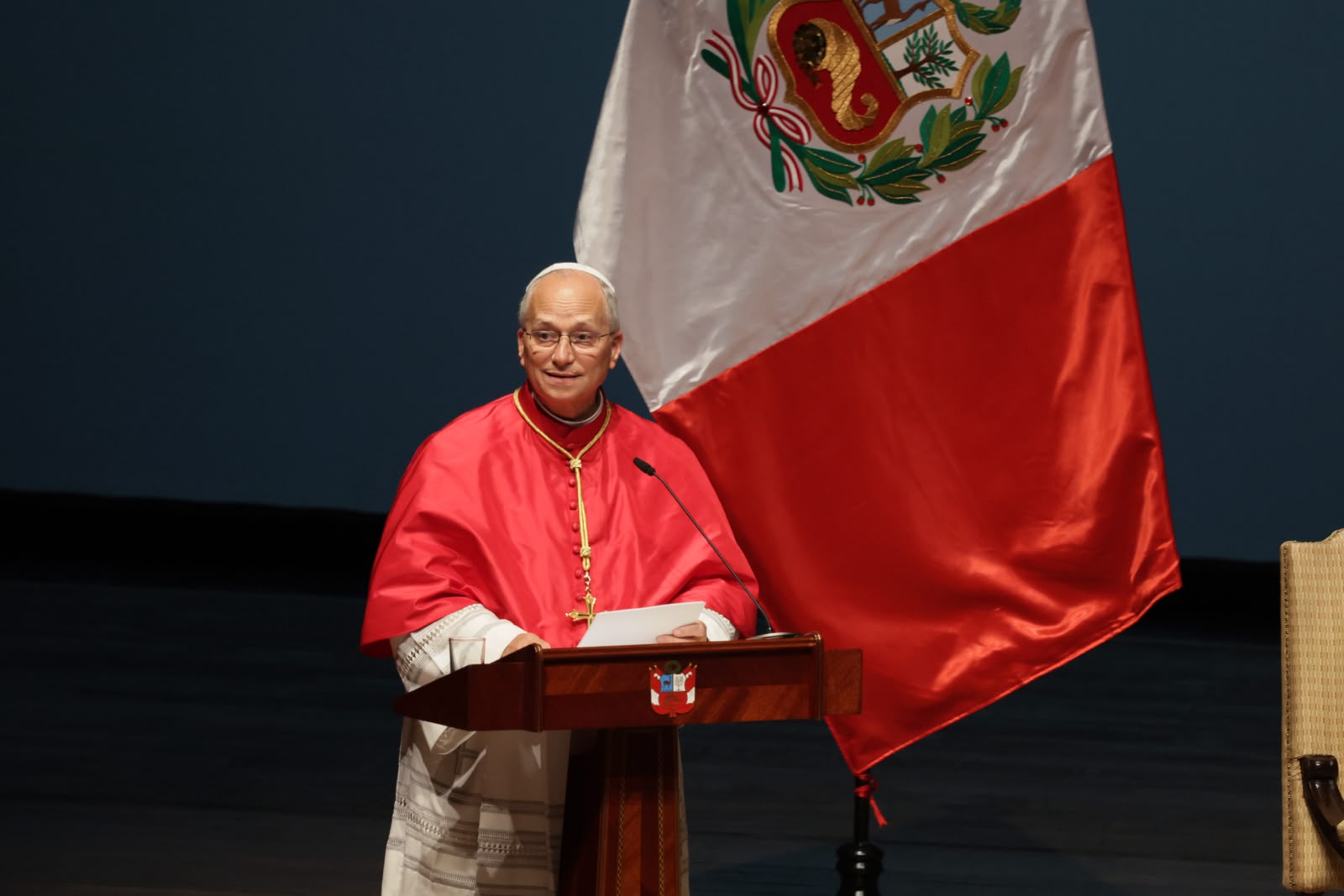
Pope Leo XIV returns to Peru: ‘Much of my own story belongs to you’ #Catholic LIMA, Peru — Pope Leo XIV arrived in Peru on Wednesday, Nov. 11, in a spectacular homecoming that drew an estimated three million people to the streets to greet him.Leo, a U.S. citizen but also a naturalized citizen of the country where he served as a missionary and bishop for about 20 years before becoming pope, met privately with President Keiko Fujimori, then addressed her and other dignitaries about Peru’s current state and prospects.“For decades, I shared in the lives of its people, listened to their concerns, and learned from their faith,” the pope said, drawing laughter when he noted that he also ate ceviche, a traditional Peruvian dish based on raw fish. “Today I understand how much of this land remains with me and how much of my own story also belongs to you.”Invoking his deep personal experience — “I recall seemingly simple conversations in which the difficulties of a family or the hopes of an entire community came to light” — Leo called on Fujimori and other public officeholders to listen to their citizens.The pope referred gently to the national reconciliation process still underway in Peru after decades of left-wing terrorism, followed by years of a counterterrorism campaign led by President Alberto Fujimori, which was denounced for violations of human rights. The future Pope Leo, then Father Robert Prevost, criticized both the left-wing insurgents and the government at the time. He also called on the elder Fujimori to ask forgiveness.
 
 Pope Leo XIV delivers his address to the authorities at the Gran Teatro Nacional in Lima on Nov. 11, 2026. | Credit: Daniel Ibáñez/EWTN News
 
 In his speech on Wednesday the pope addressed the related problem of polarization, encouraging everyone “to cultivate honesty, integrity, and a willingness to engage with others — qualities that sustain trust among people and give strength to the life of institutions.”He also addressed the issue of violent crime, an urgent concern not just in Peru but across Latin America.“For families, peace has a very concrete meaning: going out to work without fear, caring for one’s children, and returning home with peace of mind. These are simple aspirations, but no one should be deprived of them. The Church is aware of the suffering caused by violence and wishes to remain close to those who endure it, encouraging the efforts of all who work to protect the life, dignity, and rights of people through law and justice,” the pope said.At a time when many Latin American governments have moved to the right and hence to favor less social spending, Leo took a contrary position:“When a person falls ill or needs ongoing care, the lives of those around them also change. Anyone who has cared for a loved one knows how much timely medical care, a friendly presence and a word of comfort mean. I think of the elderly, people with disabilities, and those suffering from loneliness or mental health challenges. Many families quietly shoulder this burden, often with great sacrifice. I encourage the authorities to support this dedication by providing them with accessible health services and strengthening preventive medicine.”After the speech, Leo went to the apostolic nunciature in Lima, where a large crowd was waiting for him. On Thursday he is scheduled to meet Peru’s bishops, visit Lima’s cathedral and lead an evening vigil with young people.

Pope Leo XIV returns to Peru: ‘Much of my own story belongs to you’ #Catholic LIMA, Peru — Pope Leo XIV arrived in Peru on Wednesday, Nov. 11, in a spectacular homecoming that drew an estimated three million people to the streets to greet him.Leo, a U.S. citizen but also a naturalized citizen of the country where he served as a missionary and bishop for about 20 years before becoming pope, met privately with President Keiko Fujimori, then addressed her and other dignitaries about Peru’s current state and prospects.“For decades, I shared in the lives of its people, listened to their concerns, and learned from their faith,” the pope said, drawing laughter when he noted that he also ate ceviche, a traditional Peruvian dish based on raw fish. “Today I understand how much of this land remains with me and how much of my own story also belongs to you.”Invoking his deep personal experience — “I recall seemingly simple conversations in which the difficulties of a family or the hopes of an entire community came to light” — Leo called on Fujimori and other public officeholders to listen to their citizens.The pope referred gently to the national reconciliation process still underway in Peru after decades of left-wing terrorism, followed by years of a counterterrorism campaign led by President Alberto Fujimori, which was denounced for violations of human rights. The future Pope Leo, then Father Robert Prevost, criticized both the left-wing insurgents and the government at the time. He also called on the elder Fujimori to ask forgiveness. Pope Leo XIV delivers his address to the authorities at the Gran Teatro Nacional in Lima on Nov. 11, 2026. | Credit: Daniel Ibáñez/EWTN News In his speech on Wednesday the pope addressed the related problem of polarization, encouraging everyone “to cultivate honesty, integrity, and a willingness to engage with others — qualities that sustain trust among people and give strength to the life of institutions.”He also addressed the issue of violent crime, an urgent concern not just in Peru but across Latin America.“For families, peace has a very concrete meaning: going out to work without fear, caring for one’s children, and returning home with peace of mind. These are simple aspirations, but no one should be deprived of them. The Church is aware of the suffering caused by violence and wishes to remain close to those who endure it, encouraging the efforts of all who work to protect the life, dignity, and rights of people through law and justice,” the pope said.At a time when many Latin American governments have moved to the right and hence to favor less social spending, Leo took a contrary position:“When a person falls ill or needs ongoing care, the lives of those around them also change. Anyone who has cared for a loved one knows how much timely medical care, a friendly presence and a word of comfort mean. I think of the elderly, people with disabilities, and those suffering from loneliness or mental health challenges. Many families quietly shoulder this burden, often with great sacrifice. I encourage the authorities to support this dedication by providing them with accessible health services and strengthening preventive medicine.”After the speech, Leo went to the apostolic nunciature in Lima, where a large crowd was waiting for him. On Thursday he is scheduled to meet Peru’s bishops, visit Lima’s cathedral and lead an evening vigil with young people.

On his first night back in Peru, his adopted homeland, Pope Leo XIV told the country’s leaders that his return has “a very special meaning” and urged them to open paths for young people.
Read More
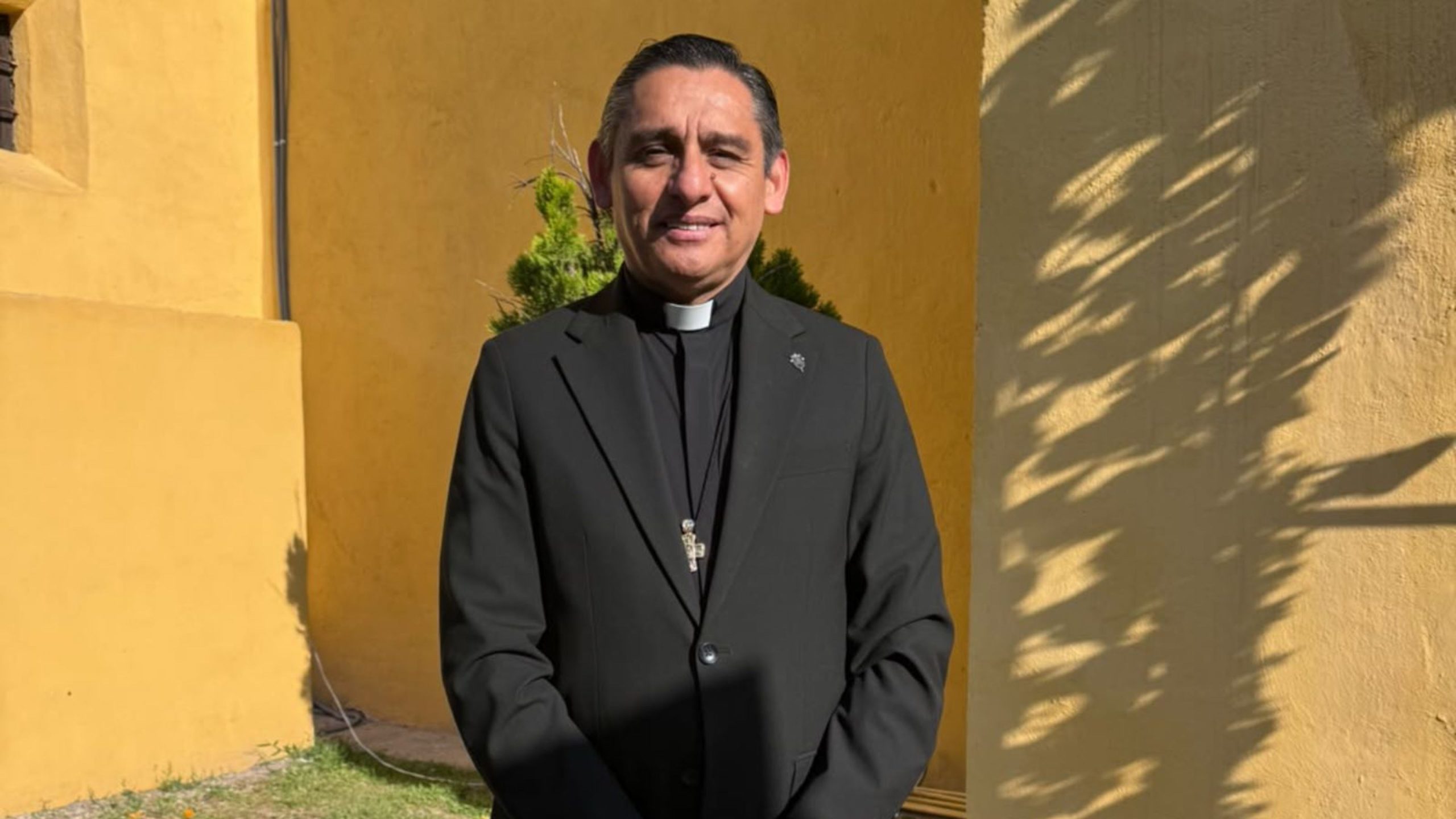
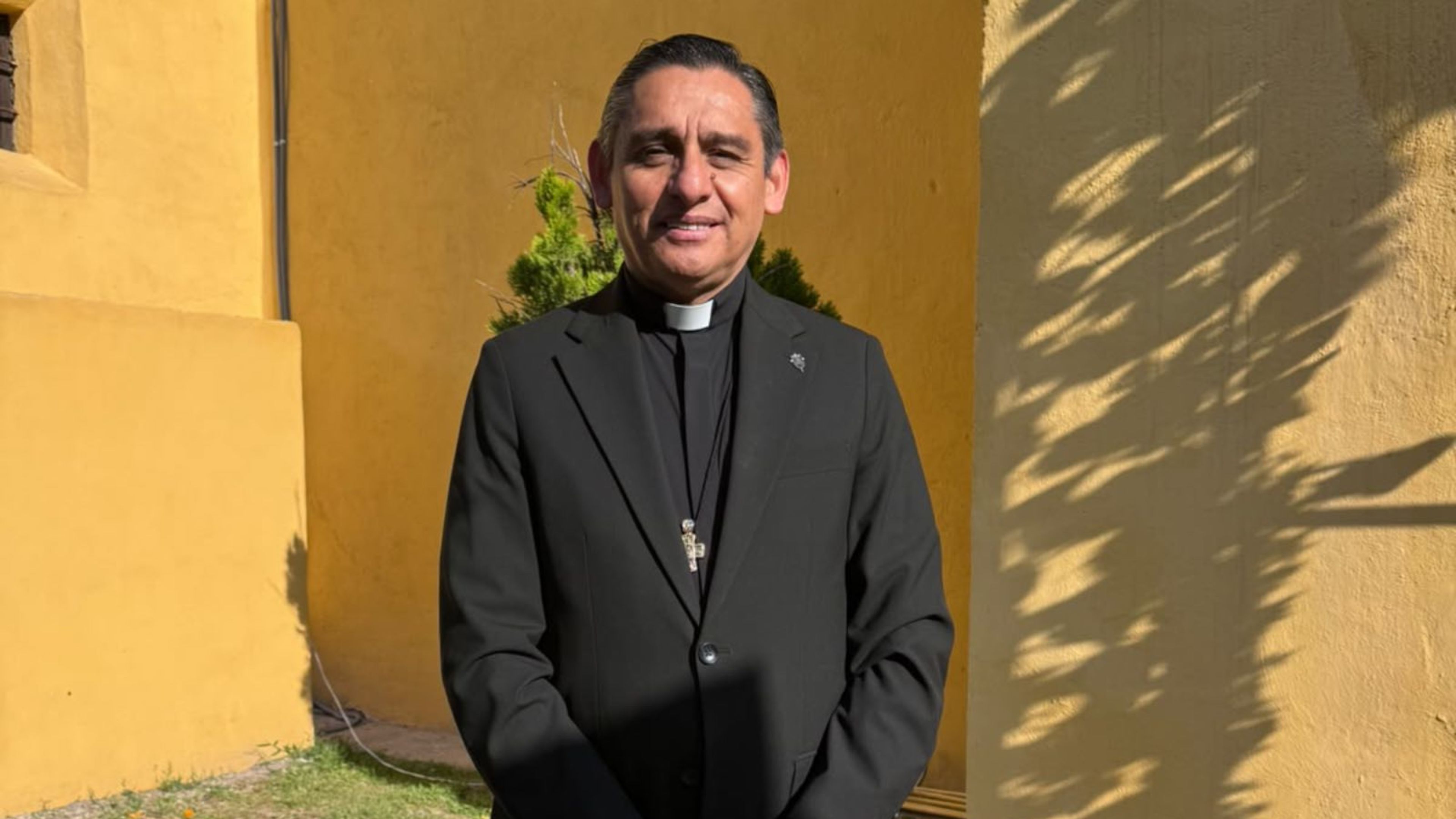
Priest refuses to remove his clerical attire after being told he must to renew passport in Mexico #Catholic Father Alberto Medel reported that staff at Mexico’s Secretariat of Foreign Affairs (SRE, by its Spanish acronym) demanded he remove his clerical attire for the photo to renew his passport, a requirement he described as discriminatory and a violation of his right to religious freedom.The incident took place on Nov. 4 at the passport office in the Coyoacán borough of Mexico City, according to an account the priest shared on X.In response to the complaint, Roberto Velasco Álvarez, who heads the SRE, said on X that he had given instructions “for the photograph to be retaken with him wearing his ecclesiastical attire, and for the passport to be issued.”What happened?According to Medel, the coordinator of the theological committee for the college of exorcists of the Primatial Archdiocese of Mexico, an SRE employee told him that he “could not have the photograph taken while wearing his ecclesiastical attire.”The priest refused to remove his attire, arguing that he had the right to dress according “to my state of life, provided that my face remained perfectly visible.”The employee consulted with a supervisor, and Medel was allowed to be photographed in his clerical attire.However, while waiting for his new passport, the priest was told by another person, who “did not identify herself by name or position and displayed a hostile attitude from the start,” that the SRE would not process a passport application with a photograph showing him in clerical attire.When Medel requested that she show him the law that prohibited his attire, the official “showed him a page from the secretariat’s internal regulations, which state that photographs containing religious symbols are not permitted.”Medel said a police officer standing behind the official seemed to indicate “a clear attitude of intimidation.”“We Catholic priests are second-class citizens whose freedoms and rights are restricted because of our choice of faith,” he stated, alleging that what occurred violated the rights stipulated in the Mexican Constitution concerning nondiscrimination and religious freedom.“Today, I was subjected to discrimination; my human rights were violated, and I was humiliated through clear expressions of anticlericalism and Christianophobia,” he said.Passport regulations and the Supreme Court precedentArticle 14 of Mexico’s “Regulations for Passports and Identity and Travel Documents” stipulates that for the passport application process, “the photograph must be taken facing forward, in color, with a white background; the head must be uncovered, and there must be no garments or objects that partially or completely cover the face, including eyeglasses.”The article does not establish a general prohibition against the use of religious attire or symbols in photographs for a Mexican passport.On Dec. 11, 2025, the Supreme Court of Justice of the Nation resolved a dispute concerning Muslim women who had been required to remove their hijabs in order to obtain a passport.In that case, the court determined that the women could wear the hijabs; regulations must be interpreted in a manner consistent with freedom of religion, ideology, and conscience; and individuals may wear “religious garments, attire, or symbols” that do not hinder their identification.Furthermore, the court cautioned against “the absolute sacrifice of religious freedom.”‘I am not the only person who has suffered this’In a statement to EWTN News Español, the Spanish-language sister service of EWTN News, Medel confirmed that following Velasco’s statement, he received an email and a phone call from SRE staff in order to facilitate the renewal of his passport.However, he has been unable to return to the government office due to his pastoral commitments including the celebration of the 500th anniversary of his parish, Santa María de la Visitación, in the Indigenous town of Santa María Tepepan. This event is scheduled for this Saturday, Nov. 7, and will be attended by the apostolic nuncio to Mexico, Archbishop Joseph Spiteri. Medel said he plans to travel to Rome on Monday, Nov. 9, which is why he needed his passport.He said he hopes to be able to complete the process but also believes it is necessary for the SRE to take measures to prevent other religious from facing similar situations.“I don’t need an apology,” he said, expressing his hope that this case will lead to “firmer steps” being taken to ensure that nothing like this happens again.He said other priests and religious sisters told him they have had similar experiences. Medel clarified that clerical attire “is not a uniform; it is my way of life.” He noted that because he dresses as a priest, he’s been insulted but has also experienced “a great deal of good: People I encounter ask for a blessing, and I have heard confessions in airports, on airplanes, on buses, and out on the street.”He said he is requesting from the authorities, “in writing, a commitment and an instruction to all offices of the Ministry of Foreign Affairs, that ensures this does not happen again to any priest or religious.”After EWTN News Español contacted the General Directorate for Social Communication of the Secretariat of Foreign Affairs, the office forwarded Velasco’s public statement.This story was first published by EWTN News Español, the Spanish-language sister service of EWTN News. It has been translated and adapted by EWTN News English.

Priest refuses to remove his clerical attire after being told he must to renew passport in Mexico #Catholic Father Alberto Medel reported that staff at Mexico’s Secretariat of Foreign Affairs (SRE, by its Spanish acronym) demanded he remove his clerical attire for the photo to renew his passport, a requirement he described as discriminatory and a violation of his right to religious freedom.The incident took place on Nov. 4 at the passport office in the Coyoacán borough of Mexico City, according to an account the priest shared on X.In response to the complaint, Roberto Velasco Álvarez, who heads the SRE, said on X that he had given instructions “for the photograph to be retaken with him wearing his ecclesiastical attire, and for the passport to be issued.”What happened?According to Medel, the coordinator of the theological committee for the college of exorcists of the Primatial Archdiocese of Mexico, an SRE employee told him that he “could not have the photograph taken while wearing his ecclesiastical attire.”The priest refused to remove his attire, arguing that he had the right to dress according “to my state of life, provided that my face remained perfectly visible.”The employee consulted with a supervisor, and Medel was allowed to be photographed in his clerical attire.However, while waiting for his new passport, the priest was told by another person, who “did not identify herself by name or position and displayed a hostile attitude from the start,” that the SRE would not process a passport application with a photograph showing him in clerical attire.When Medel requested that she show him the law that prohibited his attire, the official “showed him a page from the secretariat’s internal regulations, which state that photographs containing religious symbols are not permitted.”Medel said a police officer standing behind the official seemed to indicate “a clear attitude of intimidation.”“We Catholic priests are second-class citizens whose freedoms and rights are restricted because of our choice of faith,” he stated, alleging that what occurred violated the rights stipulated in the Mexican Constitution concerning nondiscrimination and religious freedom.“Today, I was subjected to discrimination; my human rights were violated, and I was humiliated through clear expressions of anticlericalism and Christianophobia,” he said.Passport regulations and the Supreme Court precedentArticle 14 of Mexico’s “Regulations for Passports and Identity and Travel Documents” stipulates that for the passport application process, “the photograph must be taken facing forward, in color, with a white background; the head must be uncovered, and there must be no garments or objects that partially or completely cover the face, including eyeglasses.”The article does not establish a general prohibition against the use of religious attire or symbols in photographs for a Mexican passport.On Dec. 11, 2025, the Supreme Court of Justice of the Nation resolved a dispute concerning Muslim women who had been required to remove their hijabs in order to obtain a passport.In that case, the court determined that the women could wear the hijabs; regulations must be interpreted in a manner consistent with freedom of religion, ideology, and conscience; and individuals may wear “religious garments, attire, or symbols” that do not hinder their identification.Furthermore, the court cautioned against “the absolute sacrifice of religious freedom.”‘I am not the only person who has suffered this’In a statement to EWTN News Español, the Spanish-language sister service of EWTN News, Medel confirmed that following Velasco’s statement, he received an email and a phone call from SRE staff in order to facilitate the renewal of his passport.However, he has been unable to return to the government office due to his pastoral commitments including the celebration of the 500th anniversary of his parish, Santa María de la Visitación, in the Indigenous town of Santa María Tepepan. This event is scheduled for this Saturday, Nov. 7, and will be attended by the apostolic nuncio to Mexico, Archbishop Joseph Spiteri. Medel said he plans to travel to Rome on Monday, Nov. 9, which is why he needed his passport.He said he hopes to be able to complete the process but also believes it is necessary for the SRE to take measures to prevent other religious from facing similar situations.“I don’t need an apology,” he said, expressing his hope that this case will lead to “firmer steps” being taken to ensure that nothing like this happens again.He said other priests and religious sisters told him they have had similar experiences. Medel clarified that clerical attire “is not a uniform; it is my way of life.” He noted that because he dresses as a priest, he’s been insulted but has also experienced “a great deal of good: People I encounter ask for a blessing, and I have heard confessions in airports, on airplanes, on buses, and out on the street.”He said he is requesting from the authorities, “in writing, a commitment and an instruction to all offices of the Ministry of Foreign Affairs, that ensures this does not happen again to any priest or religious.”After EWTN News Español contacted the General Directorate for Social Communication of the Secretariat of Foreign Affairs, the office forwarded Velasco’s public statement.This story was first published by EWTN News Español, the Spanish-language sister service of EWTN News. It has been translated and adapted by EWTN News English.

Father Alberto Medel reported that he was told to remove his clerical attire in order to renew his passport in Mexico despite the existence of judicial rulings that protect religious clothing.
Read More
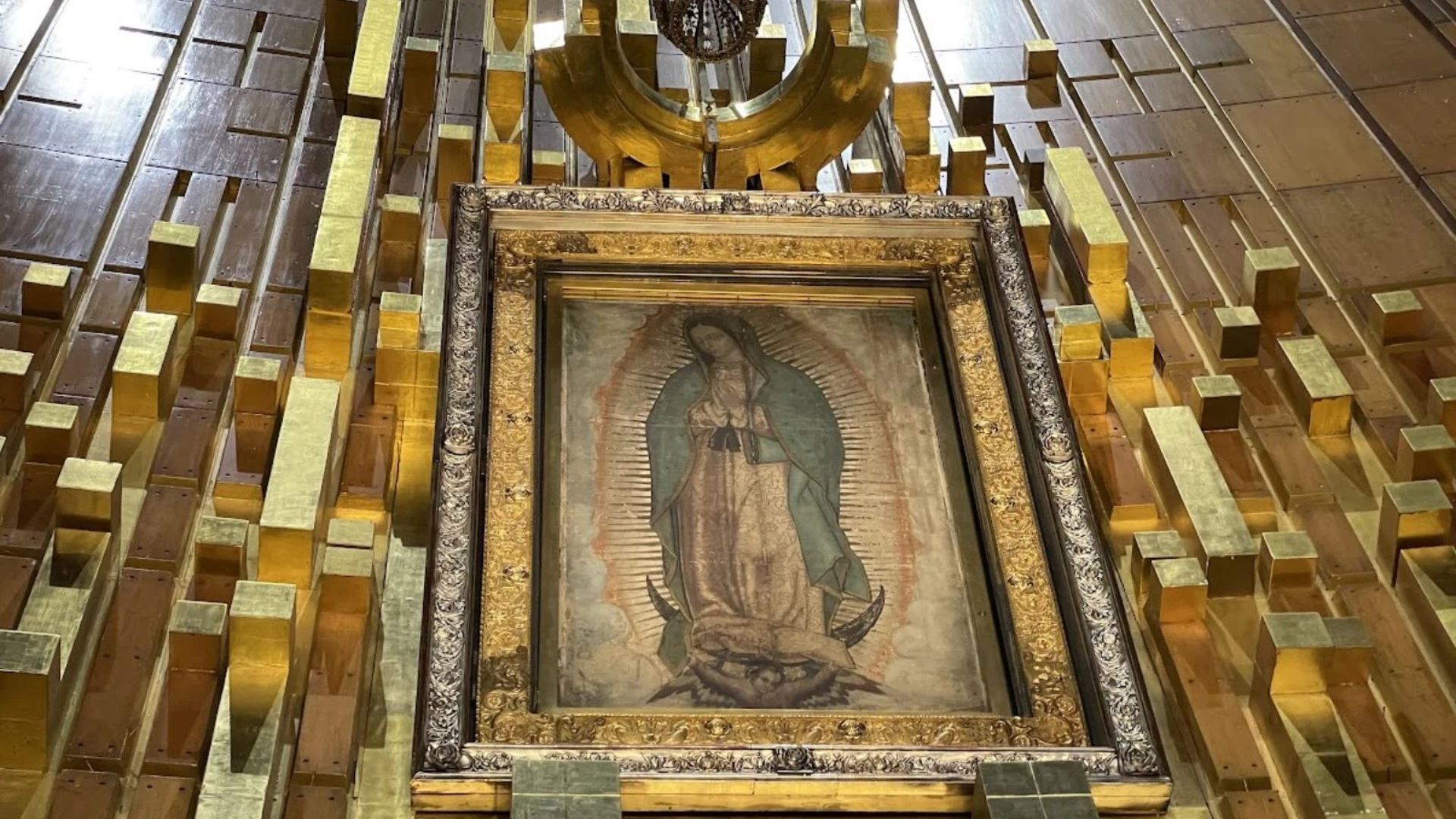
Virgin of Guadalupe takes center stage at U.S. Hispanic ministry meeting #Catholic The role of Our Lady of Guadalupe took center stage at the 2026 annual conference of the National Catholic Association of Diocesan Directors for Hispanic Ministry, which took place Oct. 20–23 in Anaheim, California.The conference brought together dozens of diocesan directors and leaders of Hispanic and Latino ministry from various parts of the United States. Conference speakers included Bishop Óscar Cantú of San José, California; Bishop Mario Alberto Avilés, CO, of Corpus Christi, Texas; and Bishop Eusebio Elizondo, MSpS, auxiliary bishop of Seattle.Monsignor Eduardo Chávez of the Archdiocese of Mexico City, considered the foremost expert on the apparitions of Our Lady of Guadalupe, spoke to the gathering on “The Truth of Guadalupe,” which is also the title of his book on the subject.“It has been a moment of such joy and spirituality, of such devotion and emotion, to go on discovering who Holy Mary of Guadalupe and her humble messenger, St. Juan Diego, are during this encounter,” Chávez told EWTN News Español, the Spanish-language sister service of EWTN News.“The Virgin of Guadalupe, through St. Juan Diego, helps us open our hearts to the presence of Christ the King, the love of God, which our people need so much,” emphasized Chávez, who also served as the postulator for the canonization cause of St. Juan Diego, the visionary of Our Lady of Guadalupe. The meeting with the leaders of U.S. Hispanic pastoral ministry, he noted, “has been the best way to prepare ourselves for the 500th anniversary of the apparitions of Holy Mary of Guadalupe, which help us prepare for the Jubilee of the Redemption in 2033.”“There are not enough words to thank God and His Most Holy Mother, our Mother, Holy Mary of Guadalupe,” he said.Our Lady of Guadalupe appeared to the Indigenous man St. Juan Diego at the foot of Tepeyac Hill, north of Mexico City, Dec. 9–12, 1531. There she asked him to intercede with the then-bishop of Mexico, Friar Juan de Zumárraga, so that a “sacred little house” might be built in her honor.As proof of the authenticity of the apparitions, the Virgin asked Juan Diego to gather some roses that had bloomed on Tepeyac and place them in his tilma (a type of cloak or cape). When he unfolded the cloth before the bishop, the image of the Virgin of Guadalupe was found to be miraculously imprinted upon it.To this day, nearly 500 years later, the tilma of St. Juan Diego is preserved in the Guadalupe Basilica at the foot of Tepeyac.Our Lady of Guadalupe ‘leads us to Jesus’Chávez emphasized that the Virgin “leads us to Jesus” and that, as one examines the event of Guadalupe, “there are no longer any walls or divisions — not only physical ones, but also those related to language, culture, or traditions — because she makes us brothers and sisters to one another, something that all our peoples need so much.”Our Lady of Guadalupe, he recalled, “is the mother of humanity. She said as much to Juan Diego: ‘I am your mother, the mother of all those who dwell in this land, and of all the various ancestries and nations; the mother of those who love me, who seek me, who cry out to me, and who place their trust in me.’”Chávez was recently appointed by Cardinal Carlos Aguiar Retes as the representative of the Primatial Archdiocese of Mexico for the preparation and celebrations of the fifth centenary of the apparitions of the Virgin of Guadalupe.This story was first published by EWTN News Español, the Spanish-language sister service of EWTN News. It has been translated and adapted by EWTN News English.

Virgin of Guadalupe takes center stage at U.S. Hispanic ministry meeting #Catholic The role of Our Lady of Guadalupe took center stage at the 2026 annual conference of the National Catholic Association of Diocesan Directors for Hispanic Ministry, which took place Oct. 20–23 in Anaheim, California.The conference brought together dozens of diocesan directors and leaders of Hispanic and Latino ministry from various parts of the United States. Conference speakers included Bishop Óscar Cantú of San José, California; Bishop Mario Alberto Avilés, CO, of Corpus Christi, Texas; and Bishop Eusebio Elizondo, MSpS, auxiliary bishop of Seattle.Monsignor Eduardo Chávez of the Archdiocese of Mexico City, considered the foremost expert on the apparitions of Our Lady of Guadalupe, spoke to the gathering on “The Truth of Guadalupe,” which is also the title of his book on the subject.“It has been a moment of such joy and spirituality, of such devotion and emotion, to go on discovering who Holy Mary of Guadalupe and her humble messenger, St. Juan Diego, are during this encounter,” Chávez told EWTN News Español, the Spanish-language sister service of EWTN News.“The Virgin of Guadalupe, through St. Juan Diego, helps us open our hearts to the presence of Christ the King, the love of God, which our people need so much,” emphasized Chávez, who also served as the postulator for the canonization cause of St. Juan Diego, the visionary of Our Lady of Guadalupe. The meeting with the leaders of U.S. Hispanic pastoral ministry, he noted, “has been the best way to prepare ourselves for the 500th anniversary of the apparitions of Holy Mary of Guadalupe, which help us prepare for the Jubilee of the Redemption in 2033.”“There are not enough words to thank God and His Most Holy Mother, our Mother, Holy Mary of Guadalupe,” he said.Our Lady of Guadalupe appeared to the Indigenous man St. Juan Diego at the foot of Tepeyac Hill, north of Mexico City, Dec. 9–12, 1531. There she asked him to intercede with the then-bishop of Mexico, Friar Juan de Zumárraga, so that a “sacred little house” might be built in her honor.As proof of the authenticity of the apparitions, the Virgin asked Juan Diego to gather some roses that had bloomed on Tepeyac and place them in his tilma (a type of cloak or cape). When he unfolded the cloth before the bishop, the image of the Virgin of Guadalupe was found to be miraculously imprinted upon it.To this day, nearly 500 years later, the tilma of St. Juan Diego is preserved in the Guadalupe Basilica at the foot of Tepeyac.Our Lady of Guadalupe ‘leads us to Jesus’Chávez emphasized that the Virgin “leads us to Jesus” and that, as one examines the event of Guadalupe, “there are no longer any walls or divisions — not only physical ones, but also those related to language, culture, or traditions — because she makes us brothers and sisters to one another, something that all our peoples need so much.”Our Lady of Guadalupe, he recalled, “is the mother of humanity. She said as much to Juan Diego: ‘I am your mother, the mother of all those who dwell in this land, and of all the various ancestries and nations; the mother of those who love me, who seek me, who cry out to me, and who place their trust in me.’”Chávez was recently appointed by Cardinal Carlos Aguiar Retes as the representative of the Primatial Archdiocese of Mexico for the preparation and celebrations of the fifth centenary of the apparitions of the Virgin of Guadalupe.This story was first published by EWTN News Español, the Spanish-language sister service of EWTN News. It has been translated and adapted by EWTN News English.

A conference brought together dozens of diocesan directors and leaders of Hispanic and Latino ministry from various parts of the United States.
Read More