All Saints

PHOTOS: Savannah gives thanks for newly beatified Georgia Martyrs #Catholic SAVANNAH, Georgia — Light drizzle fell outside the Cathedral Basilica of St. John the Baptist as a standing-room-only congregation gathered Nov. 1 to give thanks for the beatification of the five Georgia Martyrs, Franciscan missionaries killed in 1597.By the conclusion of Mass, blue skies and large white clouds had replaced the rain. Inside the cathedral, a spirit of joy and thanksgiving marked the celebration, held on the solemnity of All Saints, one day after the friars were declared blessed at the Savannah Convention Center.
 
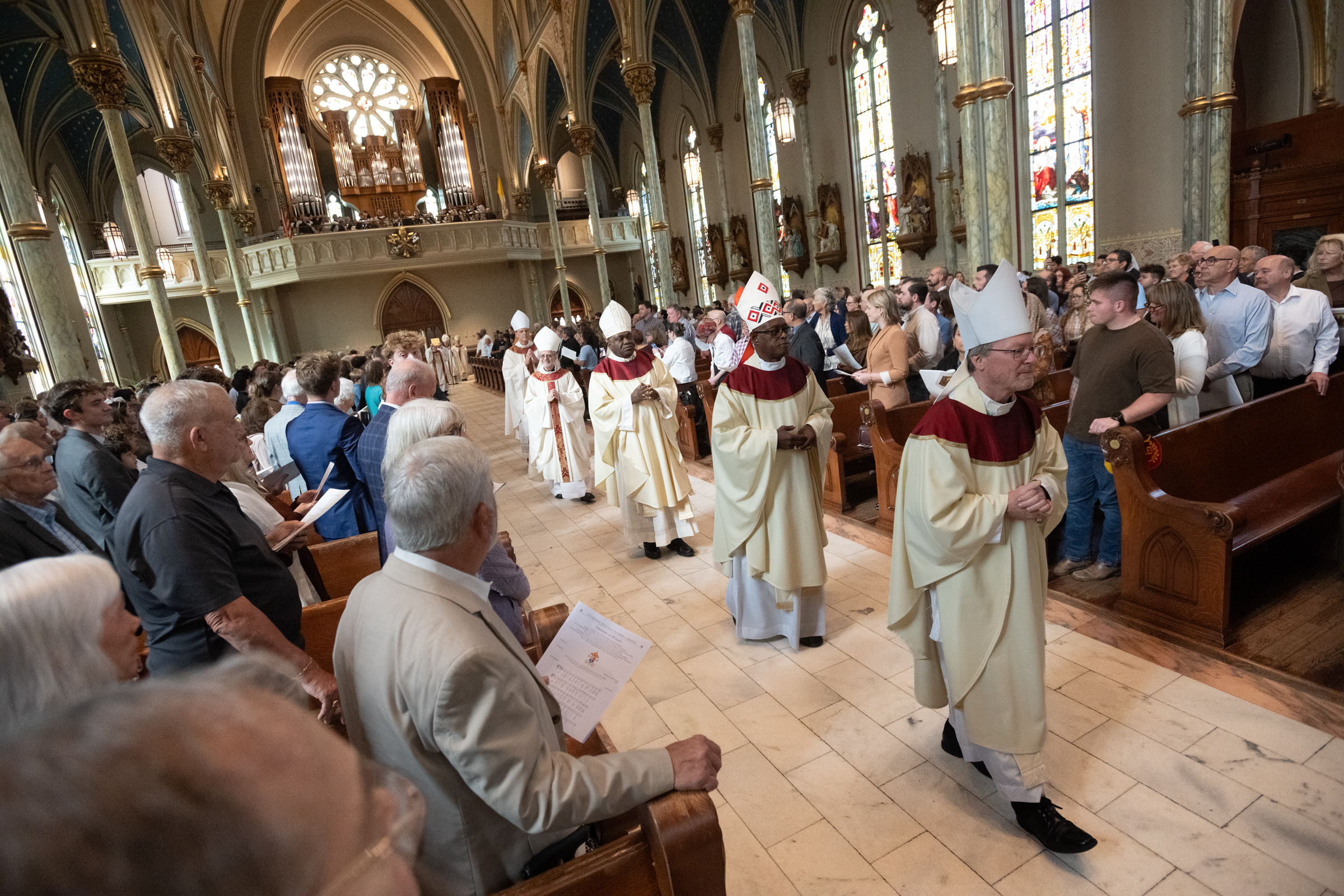
 Bishops process through the cathedral for the Mass of thanksgiving for the beatification of the Georgia Martyrs at the Cathedral Basilica of St. John the Baptist in Savannah, Georgia, Nov. 1, 2026. | Credit: Jeffrey Bruno/Courtesy of Diocese of Savannah
 
 Archbishop Gregory J. Hartmayer of Atlanta presided, and Savannah Bishop Stephen D. Parkes delivered the homily. Cardinal Frank Leo of Toronto, who had presided over Saturday’s beatification as Pope Leo XIV’s representative, was among the concelebrants. Archbishop Gabriele Giordano Caccia, the apostolic nuncio to the United States, also attended.
 
 Bishop Stephen D. Parkes of Savannah delivers the homily beneath the cathedral’s vaulted ceiling during the Mass of thanksgiving for the newly beatified Georgia Martyrs at the Cathedral Basilica of St. John the Baptist in Savannah, Georgia, Nov. 1, 2026. | Credit: Jeffrey Bruno/Courtesy of Diocese of Savannah
 
 Parkes urged those celebrating to consider how they would carry the gift of the martyrs’ witness beyond the weekend’s events.“We have received a gift,” he said.The bishop suggested introducing couples preparing for sacramental marriage to the newly beatified friars. He spoke of engaged couples learning their story, receiving an image of them and praying for their intercession for faithfulness in marriage. He also proposed prayers at weddings for the newly married couple.“There are many other ways we can continue to honor these holy men,” he said.
 
 Seated shoulder to shoulder, young adults listen during the Nov. 1, 2026, Mass of thanksgiving for the newly beatified Georgia Martyrs at the Cathedral Basilica of St. John the Baptist in Savannah, Georgia. They were part of a large young-adult contingent at the celebration. | Credit: Jeffrey Bruno/Courtesy of Diocese of Savannah
 
 The newly beatified friars are Pedro de Corpa, Blas Rodríguez de Cuacos, Miguel de Añón, Antonio de Badajoz, and Francisco de Veráscola. Four were priests; de Badajoz was a lay brother. All came from Spain and served in missions among the Indigenous Guale people in what is now coastal Georgia.According to the Diocese of Savannah’s account, the violence began in 1597 after de Corpa opposed a baptized Guale leader’s decision to take a second wife. The account identifies Juanillo, who was in line for leadership, as the man who killed Pedro. Juanillo then led a war party against other missions. Five friars died during the uprising.
 
 Archbishop Gregory J. Hartmayer of Atlanta elevates the Blessed Sacrament as clergy pray at the altar during the Mass of thanksgiving for the newly beatified Georgia Martyrs at the Cathedral Basilica of St. John the Baptist in Savannah, Georgia, Nov. 1, 2026. | Credit: Jeffrey Bruno/Courtesy of Diocese of Savannah


 Franciscan friars pray during the Mass of thanksgiving for the newly beatified Georgia Martyrs at the Cathedral Basilica of St. John the Baptist in Savannah, Georgia, Nov. 1, 2026. The five martyrs were Franciscan missionaries killed in coastal Georgia in 1597. | Credit: Jeffrey Bruno/Courtesy of Diocese of Savannah
 
 Pope Francis authorized recognition of their martyrdom on Jan. 27, 2025. The decree identified their deaths as having occurred in hatred of the faith, clearing the way for their beatification. The diocesan investigation had opened in 1984 and concluded in 2007.Beatification confers the title “blessed” on a person and permits public veneration within the places or religious communities authorized by the Church. It is distinct from canonization, which extends that recognition to the universal Church. The Georgia Martyrs’ liturgical memorial is Sept. 22.
 
 A young woman prays during the Mass of thanksgiving for the beatification of the Georgia Martyrs at the Cathedral Basilica of St. John the Baptist in Savannah, Georgia, Nov. 1, 2026. Young adults were a prominent presence among those attending the celebration. | Credit: Jeffrey Bruno/Courtesy of Diocese of Savannah
 
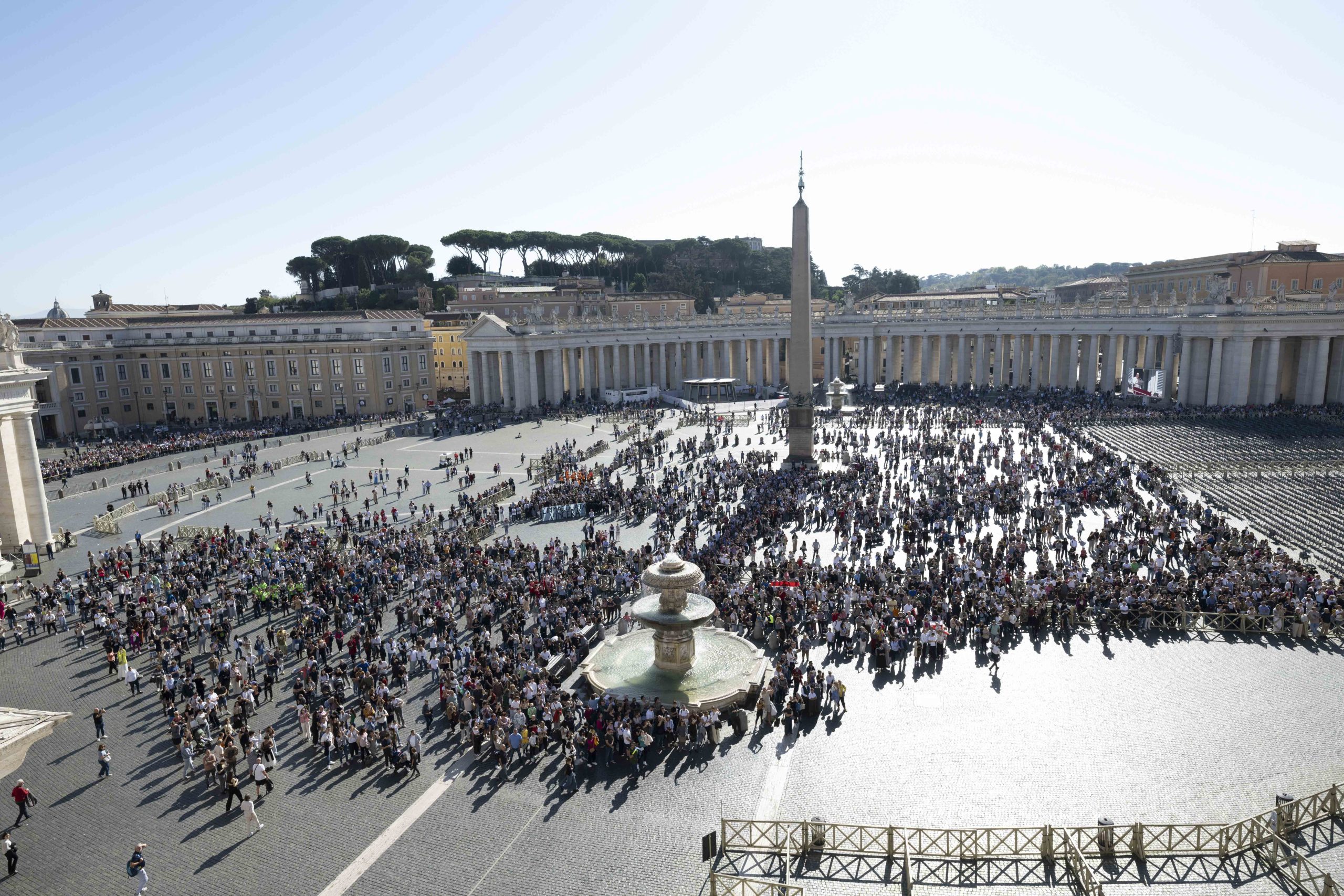
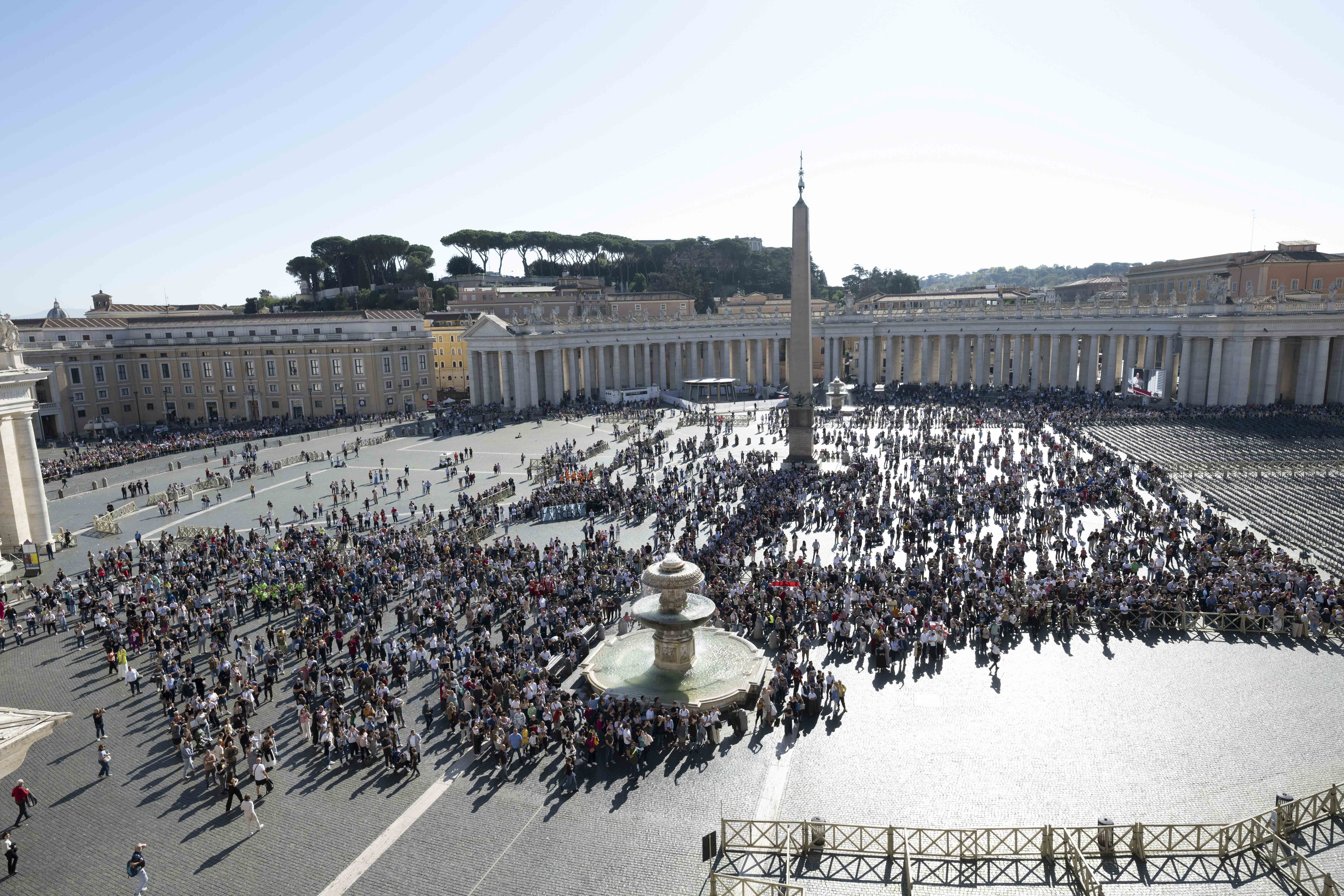
 The celebration also received attention in Rome. After the Nov. 1 Angelus in St. Peter’s Square, Pope Leo recalled the friars’ missionary service and their deaths.“Let us invoke the intercession of these martyrs for all missionaries of the Gospel,” he said.
 
 A woman embraces a Franciscan friar as clergy and worshippers gather outside the Cathedral Basilica of St. John the Baptist following the Mass of thanksgiving for the newly beatified Georgia Martyrs in Savannah, Georgia, Nov. 1, 2026. | Credit: Jeffrey Bruno/Courtesy of Diocese of Savannah
 
 In Savannah, Parkes described the response to the beatification in terms of stewardship.“We should always accept it with gratitude, with thanksgiving in our hearts,” he said.“When we receive a gift, we should tend it responsibly,” he continued, “and also return it with increase.”

PHOTOS: Savannah gives thanks for newly beatified Georgia Martyrs #Catholic SAVANNAH, Georgia — Light drizzle fell outside the Cathedral Basilica of St. John the Baptist as a standing-room-only congregation gathered Nov. 1 to give thanks for the beatification of the five Georgia Martyrs, Franciscan missionaries killed in 1597.By the conclusion of Mass, blue skies and large white clouds had replaced the rain. Inside the cathedral, a spirit of joy and thanksgiving marked the celebration, held on the solemnity of All Saints, one day after the friars were declared blessed at the Savannah Convention Center. Bishops process through the cathedral for the Mass of thanksgiving for the beatification of the Georgia Martyrs at the Cathedral Basilica of St. John the Baptist in Savannah, Georgia, Nov. 1, 2026. | Credit: Jeffrey Bruno/Courtesy of Diocese of Savannah Archbishop Gregory J. Hartmayer of Atlanta presided, and Savannah Bishop Stephen D. Parkes delivered the homily. Cardinal Frank Leo of Toronto, who had presided over Saturday’s beatification as Pope Leo XIV’s representative, was among the concelebrants. Archbishop Gabriele Giordano Caccia, the apostolic nuncio to the United States, also attended. Bishop Stephen D. Parkes of Savannah delivers the homily beneath the cathedral’s vaulted ceiling during the Mass of thanksgiving for the newly beatified Georgia Martyrs at the Cathedral Basilica of St. John the Baptist in Savannah, Georgia, Nov. 1, 2026. | Credit: Jeffrey Bruno/Courtesy of Diocese of Savannah Parkes urged those celebrating to consider how they would carry the gift of the martyrs’ witness beyond the weekend’s events.“We have received a gift,” he said.The bishop suggested introducing couples preparing for sacramental marriage to the newly beatified friars. He spoke of engaged couples learning their story, receiving an image of them and praying for their intercession for faithfulness in marriage. He also proposed prayers at weddings for the newly married couple.“There are many other ways we can continue to honor these holy men,” he said. Seated shoulder to shoulder, young adults listen during the Nov. 1, 2026, Mass of thanksgiving for the newly beatified Georgia Martyrs at the Cathedral Basilica of St. John the Baptist in Savannah, Georgia. They were part of a large young-adult contingent at the celebration. | Credit: Jeffrey Bruno/Courtesy of Diocese of Savannah The newly beatified friars are Pedro de Corpa, Blas Rodríguez de Cuacos, Miguel de Añón, Antonio de Badajoz, and Francisco de Veráscola. Four were priests; de Badajoz was a lay brother. All came from Spain and served in missions among the Indigenous Guale people in what is now coastal Georgia.According to the Diocese of Savannah’s account, the violence began in 1597 after de Corpa opposed a baptized Guale leader’s decision to take a second wife. The account identifies Juanillo, who was in line for leadership, as the man who killed Pedro. Juanillo then led a war party against other missions. Five friars died during the uprising. Archbishop Gregory J. Hartmayer of Atlanta elevates the Blessed Sacrament as clergy pray at the altar during the Mass of thanksgiving for the newly beatified Georgia Martyrs at the Cathedral Basilica of St. John the Baptist in Savannah, Georgia, Nov. 1, 2026. | Credit: Jeffrey Bruno/Courtesy of Diocese of Savannah Franciscan friars pray during the Mass of thanksgiving for the newly beatified Georgia Martyrs at the Cathedral Basilica of St. John the Baptist in Savannah, Georgia, Nov. 1, 2026. The five martyrs were Franciscan missionaries killed in coastal Georgia in 1597. | Credit: Jeffrey Bruno/Courtesy of Diocese of Savannah Pope Francis authorized recognition of their martyrdom on Jan. 27, 2025. The decree identified their deaths as having occurred in hatred of the faith, clearing the way for their beatification. The diocesan investigation had opened in 1984 and concluded in 2007.Beatification confers the title “blessed” on a person and permits public veneration within the places or religious communities authorized by the Church. It is distinct from canonization, which extends that recognition to the universal Church. The Georgia Martyrs’ liturgical memorial is Sept. 22. A young woman prays during the Mass of thanksgiving for the beatification of the Georgia Martyrs at the Cathedral Basilica of St. John the Baptist in Savannah, Georgia, Nov. 1, 2026. Young adults were a prominent presence among those attending the celebration. | Credit: Jeffrey Bruno/Courtesy of Diocese of Savannah The celebration also received attention in Rome. After the Nov. 1 Angelus in St. Peter’s Square, Pope Leo recalled the friars’ missionary service and their deaths.“Let us invoke the intercession of these martyrs for all missionaries of the Gospel,” he said. A woman embraces a Franciscan friar as clergy and worshippers gather outside the Cathedral Basilica of St. John the Baptist following the Mass of thanksgiving for the newly beatified Georgia Martyrs in Savannah, Georgia, Nov. 1, 2026. | Credit: Jeffrey Bruno/Courtesy of Diocese of Savannah In Savannah, Parkes described the response to the beatification in terms of stewardship.“We should always accept it with gratitude, with thanksgiving in our hearts,” he said.“When we receive a gift, we should tend it responsibly,” he continued, “and also return it with increase.”

A standing-room-only congregation filled the Cathedral Basilica of St. John the Baptist on All Saints’ Day as Bishop Stephen D. Parkes proposed ways to carry the friars’ witness.
Read More
Here’s how Catholics can get 8 plenary indulgences during the first week of November #Catholic Many Catholics may be unaware that they can obtain not one but eight plenary indulgences for departed souls in the first week of November.For centuries, the Catholic Church widely observed All Saints’ Day (Nov. 1) as an octave, extending the holy celebration to eight days.The observance was established by Pope Sixtus IV in the 15th century and demoted in the liturgical calendar around the middle of the 20th century, although some Catholics still mark the eight-day observance.Notably, the Church itself still indirectly acknowledges the ancient eight-day octave in its granting of plenary indulgences for the first week of November.What is a plenary indulgence?A plenary indulgence is a grace granted by the Catholic Church through the merits of Jesus Christ to remove the temporal punishment due to sin.It is not a forgiveness of sin but the remission of punishment for sins already forgiven. It may apply either to oneself or to souls already in purgatory.In order to obtain a plenary indulgence the faithful must — in addition to being in the state of grace — both have the interior disposition of complete detachment from sin (even venial sin), have sacramentally confessed their sins and received the Eucharist (either within or outside of Mass), and must pray for the intentions of the Holy Father.What about the All Saints’ octave?The Vatican’s Apostolic Penitentiary, in its “Enchiridion Indulgentiarum” (“Handbook of Indulgences”), states that the faithful can obtain a plenary indulgence for the faithful departed “every day, from the 1st to the 8th of November,” if, in addition to fulfilling the normal terms of a plenary indulgence, one “devoutly visit[s] a cemetery and at least mentally pray[s] for the dead.”The conditions for a plenary indulgence can be fulfilled a few days before or after performing the works to gain the indulgence, but it is appropriate that Communion and the prayer take place on the same day that the work is completed.The All Saints’ octave was notably extended throughout the entire month of November in both 2020 and 2021 amid concerns about avoiding large gatherings of people in churches or cemeteries due to the COVID-19 pandemic.This article was updated on Oct. 31, 2026.

Here’s how Catholics can get 8 plenary indulgences during the first week of November #Catholic Many Catholics may be unaware that they can obtain not one but eight plenary indulgences for departed souls in the first week of November.For centuries, the Catholic Church widely observed All Saints’ Day (Nov. 1) as an octave, extending the holy celebration to eight days.The observance was established by Pope Sixtus IV in the 15th century and demoted in the liturgical calendar around the middle of the 20th century, although some Catholics still mark the eight-day observance.Notably, the Church itself still indirectly acknowledges the ancient eight-day octave in its granting of plenary indulgences for the first week of November.What is a plenary indulgence?A plenary indulgence is a grace granted by the Catholic Church through the merits of Jesus Christ to remove the temporal punishment due to sin.It is not a forgiveness of sin but the remission of punishment for sins already forgiven. It may apply either to oneself or to souls already in purgatory.In order to obtain a plenary indulgence the faithful must — in addition to being in the state of grace — both have the interior disposition of complete detachment from sin (even venial sin), have sacramentally confessed their sins and received the Eucharist (either within or outside of Mass), and must pray for the intentions of the Holy Father.What about the All Saints’ octave?The Vatican’s Apostolic Penitentiary, in its “Enchiridion Indulgentiarum” (“Handbook of Indulgences”), states that the faithful can obtain a plenary indulgence for the faithful departed “every day, from the 1st to the 8th of November,” if, in addition to fulfilling the normal terms of a plenary indulgence, one “devoutly visit[s] a cemetery and at least mentally pray[s] for the dead.”The conditions for a plenary indulgence can be fulfilled a few days before or after performing the works to gain the indulgence, but it is appropriate that Communion and the prayer take place on the same day that the work is completed.The All Saints’ octave was notably extended throughout the entire month of November in both 2020 and 2021 amid concerns about avoiding large gatherings of people in churches or cemeteries due to the COVID-19 pandemic.This article was updated on Oct. 31, 2026.

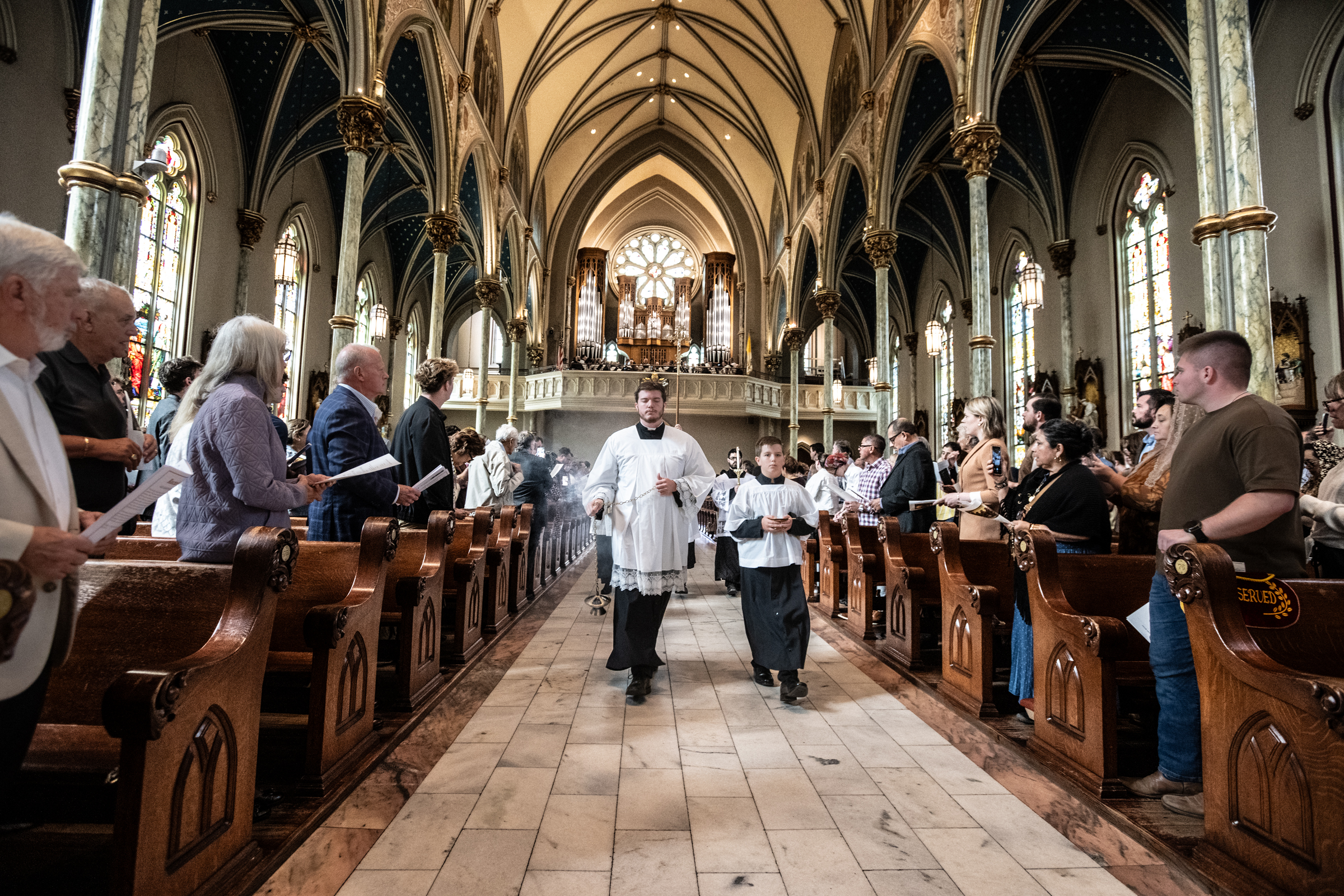
For centuries, the Catholic Church widely observed All Saints’ Day (Nov. 1) as an octave, extending the holy celebration to eight days.
Read More
Picture of the day


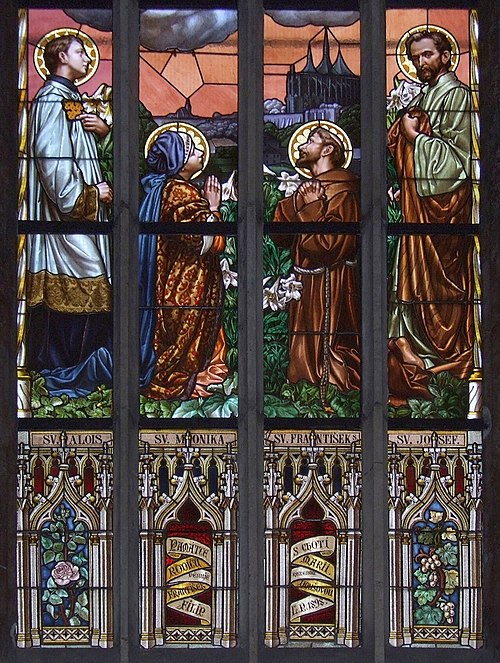
Detail of a stained glass window in St. Barbara’s Church (Kutná Hora, Czech Republic). The window depicts St. Aloysius, St. Monica, St. Francis of Assisi, and St. Joseph in prayer. Today is All Saints’ Day.
 #ImageOfTheDay
Picture of the day
Detail of a stained glass window in St. Barbara’s Church (Kutná Hora, Czech Republic). The window depicts St. Aloysius, St. Monica, St. Francis of Assisi, and St. Joseph in prayer. Today is All Saints’ Day.
Read More