

anger

Coptic youths freed after video sparks accusations of insulting Islam #Catholic After less than three weeks in detention, six Coptic young men — one a minor — were released, bringing to a close a case that had raised fears of sectarian tensions in the countryside of Egypt’s Minya province. The case followed the young men’s posting of a video in which they reenacted a scene from an Egyptian film.In an interview with ACI MENA, the Arabic-language sister service of EWTN News, Nader Shukry, a citizenship researcher and writer specializing in Coptic affairs, described the case and its broader implications. He highlighted challenges around understanding Egyptian law and using social media.Shukry said the young men, who live in Ezbet Tanious in the village of Taha al-Amda, in the Samalut district of Minya, reenacted a scene from the 2018 film “Khalawis.” The scene does not mock religion, he said; it depicts prisoners known for bullying and violence trying to pray without knowing how.Dozens of Egyptian Muslims also reenacted and posted the scene without provoking similar reactions, Shukry said. But when the Coptic young men posted it, one village resident objected and accused them of insulting Islam.The young men deleted the video shortly after posting it because they did not realize some viewers might find it offensive, Shukry said. But incitement continued, prompting security forces to detain them in an effort to contain anger and prevent possible attacks on Christians and their property. He said extremist currents in Minya seek to inflame religious sentiment and create disorder.Shukry said the young men were not held for long once it became clear they had not intended to insult religion. A de-escalation meeting was also held in the village, with the church taking part. He distinguished this meeting from customary reconciliation sessions, saying it aimed to counter incitement on social media and ease tensions among residents.Shukry stressed the danger of attributing an individual’s actions, whether the person is guilty or innocent, to an entire religious community. A citizen should be held accountable for what that person did, he said; Christians as a whole, or an entire village, should not bear responsibility for one person’s actions.He also pointed to pages that publish content insulting Christians without facing legal consequences comparable to those a Christian might face for discussing Islam. The case involving the six young men remains open until the prosecutor general issues a decision to close it, Shukry said, although it has largely concluded in practice. He cited the short length of their detention compared with other cases involving alleged contempt of religion.Shukry urged young people to exercise caution when dealing with religious matters and to avoid discussions that others might exploit or present as insults to religion. He distinguished such discussions from interreligious dialogue conducted by specialists.Egyptian society faces a challenge of awareness, he said, noting that many Christians have previously become involved in cases involving alleged contempt of religion because they were unfamiliar with Egyptian law and how to use social media.This story was first published by ACI MENA, the Arabic-language sister service of EWTN News. It has been translated and adapted by EWTN News English.

Coptic youths freed after video sparks accusations of insulting Islam #Catholic After less than three weeks in detention, six Coptic young men — one a minor — were released, bringing to a close a case that had raised fears of sectarian tensions in the countryside of Egypt’s Minya province. The case followed the young men’s posting of a video in which they reenacted a scene from an Egyptian film.In an interview with ACI MENA, the Arabic-language sister service of EWTN News, Nader Shukry, a citizenship researcher and writer specializing in Coptic affairs, described the case and its broader implications. He highlighted challenges around understanding Egyptian law and using social media.Shukry said the young men, who live in Ezbet Tanious in the village of Taha al-Amda, in the Samalut district of Minya, reenacted a scene from the 2018 film “Khalawis.” The scene does not mock religion, he said; it depicts prisoners known for bullying and violence trying to pray without knowing how.Dozens of Egyptian Muslims also reenacted and posted the scene without provoking similar reactions, Shukry said. But when the Coptic young men posted it, one village resident objected and accused them of insulting Islam.The young men deleted the video shortly after posting it because they did not realize some viewers might find it offensive, Shukry said. But incitement continued, prompting security forces to detain them in an effort to contain anger and prevent possible attacks on Christians and their property. He said extremist currents in Minya seek to inflame religious sentiment and create disorder.Shukry said the young men were not held for long once it became clear they had not intended to insult religion. A de-escalation meeting was also held in the village, with the church taking part. He distinguished this meeting from customary reconciliation sessions, saying it aimed to counter incitement on social media and ease tensions among residents.Shukry stressed the danger of attributing an individual’s actions, whether the person is guilty or innocent, to an entire religious community. A citizen should be held accountable for what that person did, he said; Christians as a whole, or an entire village, should not bear responsibility for one person’s actions.He also pointed to pages that publish content insulting Christians without facing legal consequences comparable to those a Christian might face for discussing Islam. The case involving the six young men remains open until the prosecutor general issues a decision to close it, Shukry said, although it has largely concluded in practice. He cited the short length of their detention compared with other cases involving alleged contempt of religion.Shukry urged young people to exercise caution when dealing with religious matters and to avoid discussions that others might exploit or present as insults to religion. He distinguished such discussions from interreligious dialogue conducted by specialists.Egyptian society faces a challenge of awareness, he said, noting that many Christians have previously become involved in cases involving alleged contempt of religion because they were unfamiliar with Egyptian law and how to use social media.This story was first published by ACI MENA, the Arabic-language sister service of EWTN News. It has been translated and adapted by EWTN News English.

Coptic researcher urges caution as religious contempt cases persist in Egypt.

Read More
How to face tragedy and still affirm God is your friend? The answer of a Venezuelan mother #Catholic On June 24, 2026, María Elena Rocha was in Caracas. That Wednesday, a public holiday in Venezuela, she decided to set out on a pilgrimage with two friends to visit sites associated with Venezuela’s first saints: St. Carmen Rendiles and St. José Gregorio Hernández.Her devotion made the circuitous, hour-long  journey from her home in La Guaira to the capital city feel shorter. María Elena lived in La Guaira’s Caribbean Golf I building with her family: her husband, Wilson, and their sons, 25-year-old Ricardo and 22-year-old Enrique, all three of whom chose to stay home that day.In Caracas, the day unfolded normally. María Elena and her friends visited the Colegio Belén, where the remains of Mother Carmen rest. Afterward, they went to the José Gregorio Hernández House Museum and concluded their pilgrimage with a Mass at Our Lady of La Candelaria Parish, where the remains of the “doctor of the poor” also rest.Earthquakes and uncertaintyAt 6:04 p.m., María Elena and her friends were in line to buy ice cream. Dark gray clouds over Caracas signaled an approaching storm, but the roar would not come from the sky but from the earth. At that moment, the ground shook with extreme violence, and panic reigned. The three of them managed to get out of the shopping mall where they had been.Soon, the power grid failed and both the internet and telephone lines went down. Two hours later, the group was finally able to retrieve their car from where it was parked and began the journey back home, a trip that, this time, seemed to last forever.
 
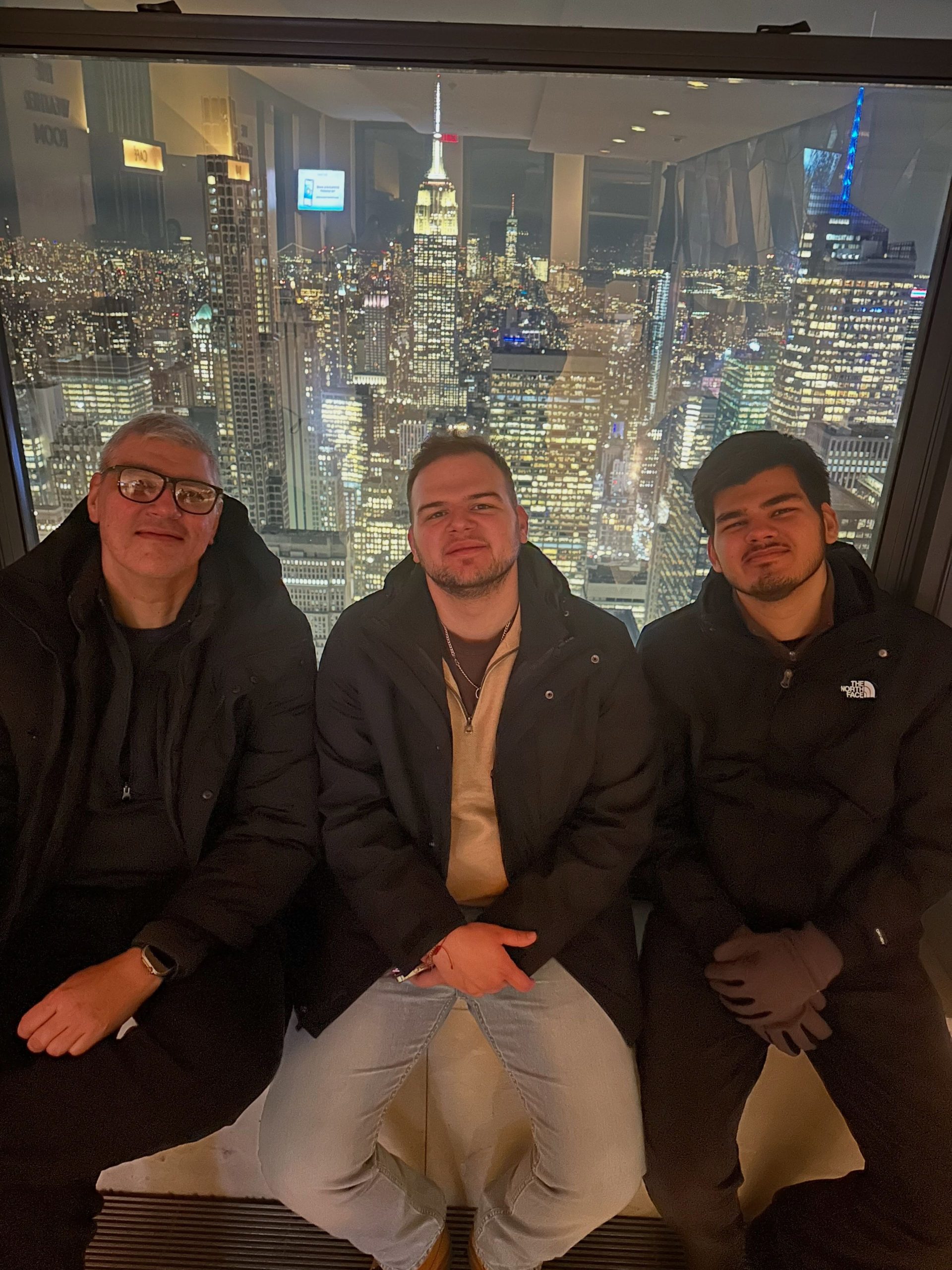
 Wilson, Ricardo, and Enrique on vacation | Credit: Courtesy of María Elena Rocha
 
 María Elena told EWTN News Español, the Spanish-language sister service of EWTN News, that what she encountered in La Guaira looked like something out of a horror movie. Late into the night, only fires broke the darkness. Entire buildings had collapsed. People were searching desperately through the rubble, while others were stealing and looting. There were shrieks, wailing, and weeping.The journey home was difficult, not only because of the damaged state of the road, but also because of the shock evoked by the scene. Every meter covered, every sight of pain and destruction, dealt a blow to the hope María Elena still clung to: the hope of reuniting with her loved ones. She could only reach her home on foot.María Elena faces unimaginable painIt was nearly midnight when María Elena saw that where the Caribbean Golf I building had once stood there was now only a massive pile of rubble. The 49-year-old woman said that paradoxically she felt a great sense of inner peace despite the tragedy. Amidst the confusion, she was told that one of her children was alive but trapped in the rubble. With great effort, María Elena made her way to the spot.It was Enrique, her youngest son. He was severely injured but was able to communicate with his mother. The first few hours following the earthquakes were chaotic in La Guaira; rescue efforts had to be carried out by hand because the necessary equipment for a swift response was not available. It was a very long night during which Enrique asked María Elena not to abandon him. “Don’t worry, son, I will never leave you alone,” she told him.
 
 María Elena with Enrique | Credit: Courtesy of María Elena Rocha
 
 And so, morning came, followed by the afternoon. Trapped and in pain, Enrique could hold on no longer. María Elena, always close by, said she heard his final breath: “He waited for me to take his last breath.” Enrique died right there, alongside his father and his older brother. It was days later that rescuers managed to recover their bodies, which María Elena was then able to give a Christian burial.“My faith grew stronger,” María Elena said. Her journey, however, has not been easy. It has been filled with pain, reproaches, and at times even anger toward God. María Elena was left on her own, and many times she sought answers.“I fought with God. I was filled with rage. ‘Why did you leave me here? Am I so bad that I have to stay here?’ Yet, I surrendered all my suffering to God for the sanctification of their souls,” she shared.Her greatest refuge has always been faith. Now she regularly attends a prayer group at a parish in Caracas, which she says has been very beneficial. She seeks indulgences for her husband and children and says she always tries to be cheerful and “let others see God in me.”“Despite the great loss I’ve experienced, I’ve held onto my sense of humor. That‘s one of the things I asked of God when my son Enrique passed away. I accepted his death with deep pain and entrusted him to God, but I prayed that he wouldn’t take away my joy because I had always been the source of joy in our home. That’s what my children and my husband used to say,” she remarked.“I want my husband and my children to feel proud of their wife and mother. I know that if I am happy, they will be happy, too. Happiness is a decision, and I decided to entrust my happiness to God because he wants all of us to be happy,” she added.Oct. 24 marks four months since that terrible day. More than 6,000 Venezuelans lost their lives in a matter of seconds; thousands were left injured, and many others remain missing. “Despite everything, I thank God for the fact that I was able to speak with my youngest son at that moment. I am grateful to God for life,” María Elena says, though she adds with that sense of humor she hasn’t lost: “Although I do ask him to take me soon.”“I ask that I might fulfill my mission quickly so that I can go to Heaven, because that’s what I long for most these days. Even before, I had no fear of death, because that is our destiny: to die in order to live and I want to live with God,” she said.María Elena says she doesn’t yet know what will become of her life, but affirms that she has “surrendered herself” to whatever Providence may decide.A message on the value of sufferingThe Church teaches us that God does not desire suffering for its own sake, nor is he its direct cause. The explanation of how God can permit evil without being its author is profound, yet it does not fully resolve the pain of any given loss. Through faith, we believe that God can bring good even out of evil; however, this does not make the death of innocent people a good thing, nor does it justify tragedies.Such suffering can take on meaning when experienced in union with Christ. As has been evidenced in the case in Venezuela following the earthquakes, pain can awaken solidarity and mutual responsibility; it can even prompt a society to reflect on how it might improve. This is María Elena’s conviction.“We have been suffering for years. Just try it, you’ll see: when you entrust that suffering to Christ, all the little things we go through, those moments of anger and indignation, offering them to Jesus for the sake of someone else, you will see how the blessings follow,” she said.
 
 María Elena after recovering intact from the rubble a statue of Our Lady of Fatima which belonged to the Luso-Venezuelan Center of Vargas | Credit: Courtesy of María Elena Rocha
 
 “And another thing: thank God for everything. It’s incredible, when you thank God for both the bad things and the good, blessings will follow. I’m not saying that problems won’t continue to arise; I still have plenty of things to deal with myself, but when we are with God, our burdens are lighter,” María Elena reflected.“I am not alone, because I have God; I have the Most Holy Virgin Mary, who has always been with me and I have felt her presence. And who better than she who knows what this pain is like?” she said.This story was first published by EWTN News Español, the Spanish-language sister service of EWTN News. It has been translated and adapted by EWTN News English.

How to face tragedy and still affirm God is your friend? The answer of a Venezuelan mother #Catholic On June 24, 2026, María Elena Rocha was in Caracas. That Wednesday, a public holiday in Venezuela, she decided to set out on a pilgrimage with two friends to visit sites associated with Venezuela’s first saints: St. Carmen Rendiles and St. José Gregorio Hernández.Her devotion made the circuitous, hour-long  journey from her home in La Guaira to the capital city feel shorter. María Elena lived in La Guaira’s Caribbean Golf I building with her family: her husband, Wilson, and their sons, 25-year-old Ricardo and 22-year-old Enrique, all three of whom chose to stay home that day.In Caracas, the day unfolded normally. María Elena and her friends visited the Colegio Belén, where the remains of Mother Carmen rest. Afterward, they went to the José Gregorio Hernández House Museum and concluded their pilgrimage with a Mass at Our Lady of La Candelaria Parish, where the remains of the “doctor of the poor” also rest.Earthquakes and uncertaintyAt 6:04 p.m., María Elena and her friends were in line to buy ice cream. Dark gray clouds over Caracas signaled an approaching storm, but the roar would not come from the sky but from the earth. At that moment, the ground shook with extreme violence, and panic reigned. The three of them managed to get out of the shopping mall where they had been.Soon, the power grid failed and both the internet and telephone lines went down. Two hours later, the group was finally able to retrieve their car from where it was parked and began the journey back home, a trip that, this time, seemed to last forever. Wilson, Ricardo, and Enrique on vacation | Credit: Courtesy of María Elena Rocha María Elena told EWTN News Español, the Spanish-language sister service of EWTN News, that what she encountered in La Guaira looked like something out of a horror movie. Late into the night, only fires broke the darkness. Entire buildings had collapsed. People were searching desperately through the rubble, while others were stealing and looting. There were shrieks, wailing, and weeping.The journey home was difficult, not only because of the damaged state of the road, but also because of the shock evoked by the scene. Every meter covered, every sight of pain and destruction, dealt a blow to the hope María Elena still clung to: the hope of reuniting with her loved ones. She could only reach her home on foot.María Elena faces unimaginable painIt was nearly midnight when María Elena saw that where the Caribbean Golf I building had once stood there was now only a massive pile of rubble. The 49-year-old woman said that paradoxically she felt a great sense of inner peace despite the tragedy. Amidst the confusion, she was told that one of her children was alive but trapped in the rubble. With great effort, María Elena made her way to the spot.It was Enrique, her youngest son. He was severely injured but was able to communicate with his mother. The first few hours following the earthquakes were chaotic in La Guaira; rescue efforts had to be carried out by hand because the necessary equipment for a swift response was not available. It was a very long night during which Enrique asked María Elena not to abandon him. “Don’t worry, son, I will never leave you alone,” she told him. María Elena with Enrique | Credit: Courtesy of María Elena Rocha And so, morning came, followed by the afternoon. Trapped and in pain, Enrique could hold on no longer. María Elena, always close by, said she heard his final breath: “He waited for me to take his last breath.” Enrique died right there, alongside his father and his older brother. It was days later that rescuers managed to recover their bodies, which María Elena was then able to give a Christian burial.“My faith grew stronger,” María Elena said. Her journey, however, has not been easy. It has been filled with pain, reproaches, and at times even anger toward God. María Elena was left on her own, and many times she sought answers.“I fought with God. I was filled with rage. ‘Why did you leave me here? Am I so bad that I have to stay here?’ Yet, I surrendered all my suffering to God for the sanctification of their souls,” she shared.Her greatest refuge has always been faith. Now she regularly attends a prayer group at a parish in Caracas, which she says has been very beneficial. She seeks indulgences for her husband and children and says she always tries to be cheerful and “let others see God in me.”“Despite the great loss I’ve experienced, I’ve held onto my sense of humor. That‘s one of the things I asked of God when my son Enrique passed away. I accepted his death with deep pain and entrusted him to God, but I prayed that he wouldn’t take away my joy because I had always been the source of joy in our home. That’s what my children and my husband used to say,” she remarked.“I want my husband and my children to feel proud of their wife and mother. I know that if I am happy, they will be happy, too. Happiness is a decision, and I decided to entrust my happiness to God because he wants all of us to be happy,” she added.Oct. 24 marks four months since that terrible day. More than 6,000 Venezuelans lost their lives in a matter of seconds; thousands were left injured, and many others remain missing. “Despite everything, I thank God for the fact that I was able to speak with my youngest son at that moment. I am grateful to God for life,” María Elena says, though she adds with that sense of humor she hasn’t lost: “Although I do ask him to take me soon.”“I ask that I might fulfill my mission quickly so that I can go to Heaven, because that’s what I long for most these days. Even before, I had no fear of death, because that is our destiny: to die in order to live and I want to live with God,” she said.María Elena says she doesn’t yet know what will become of her life, but affirms that she has “surrendered herself” to whatever Providence may decide.A message on the value of sufferingThe Church teaches us that God does not desire suffering for its own sake, nor is he its direct cause. The explanation of how God can permit evil without being its author is profound, yet it does not fully resolve the pain of any given loss. Through faith, we believe that God can bring good even out of evil; however, this does not make the death of innocent people a good thing, nor does it justify tragedies.Such suffering can take on meaning when experienced in union with Christ. As has been evidenced in the case in Venezuela following the earthquakes, pain can awaken solidarity and mutual responsibility; it can even prompt a society to reflect on how it might improve. This is María Elena’s conviction.“We have been suffering for years. Just try it, you’ll see: when you entrust that suffering to Christ, all the little things we go through, those moments of anger and indignation, offering them to Jesus for the sake of someone else, you will see how the blessings follow,” she said. María Elena after recovering intact from the rubble a statue of Our Lady of Fatima which belonged to the Luso-Venezuelan Center of Vargas | Credit: Courtesy of María Elena Rocha “And another thing: thank God for everything. It’s incredible, when you thank God for both the bad things and the good, blessings will follow. I’m not saying that problems won’t continue to arise; I still have plenty of things to deal with myself, but when we are with God, our burdens are lighter,” María Elena reflected.“I am not alone, because I have God; I have the Most Holy Virgin Mary, who has always been with me and I have felt her presence. And who better than she who knows what this pain is like?” she said.This story was first published by EWTN News Español, the Spanish-language sister service of EWTN News. It has been translated and adapted by EWTN News English.

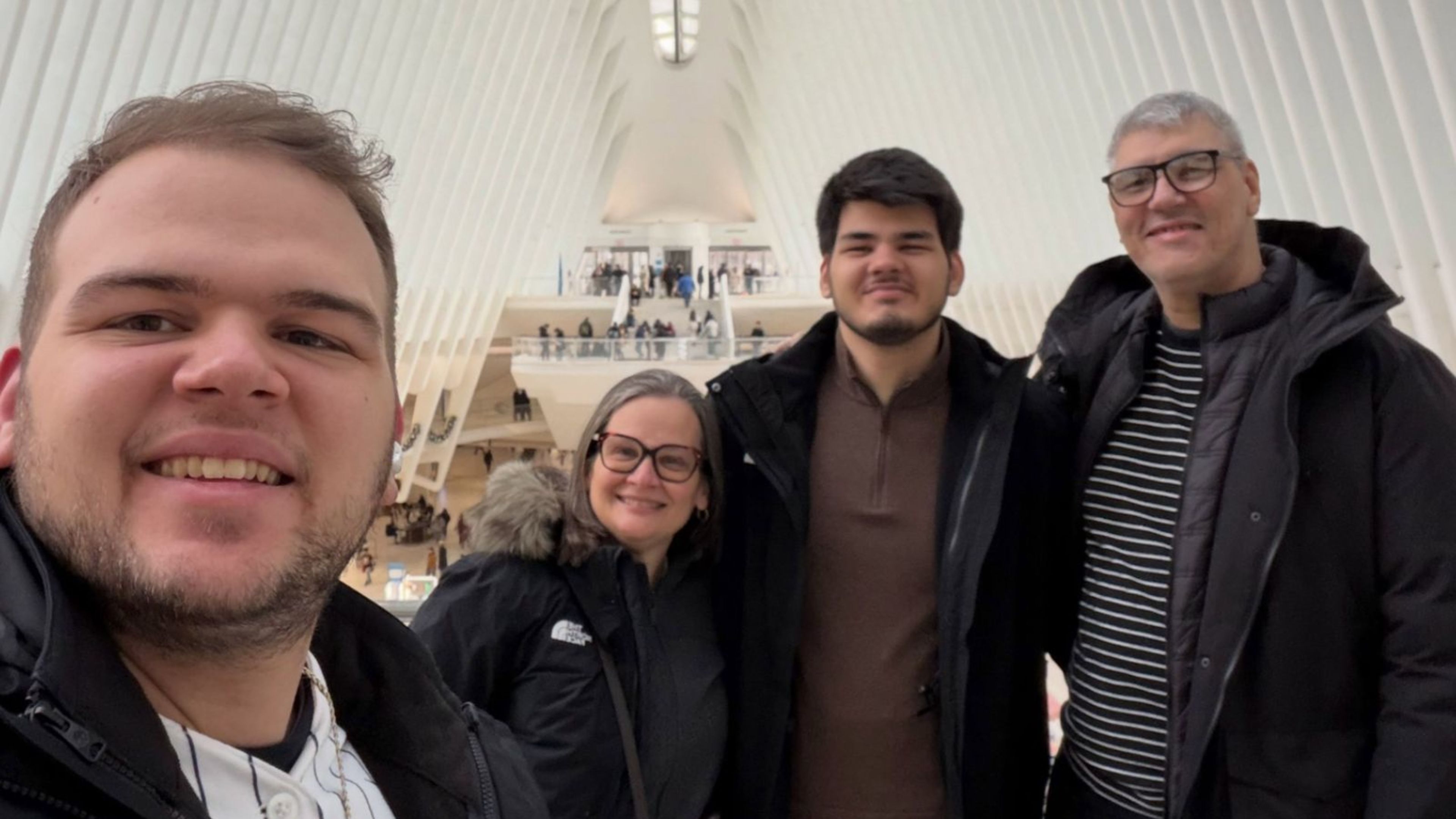
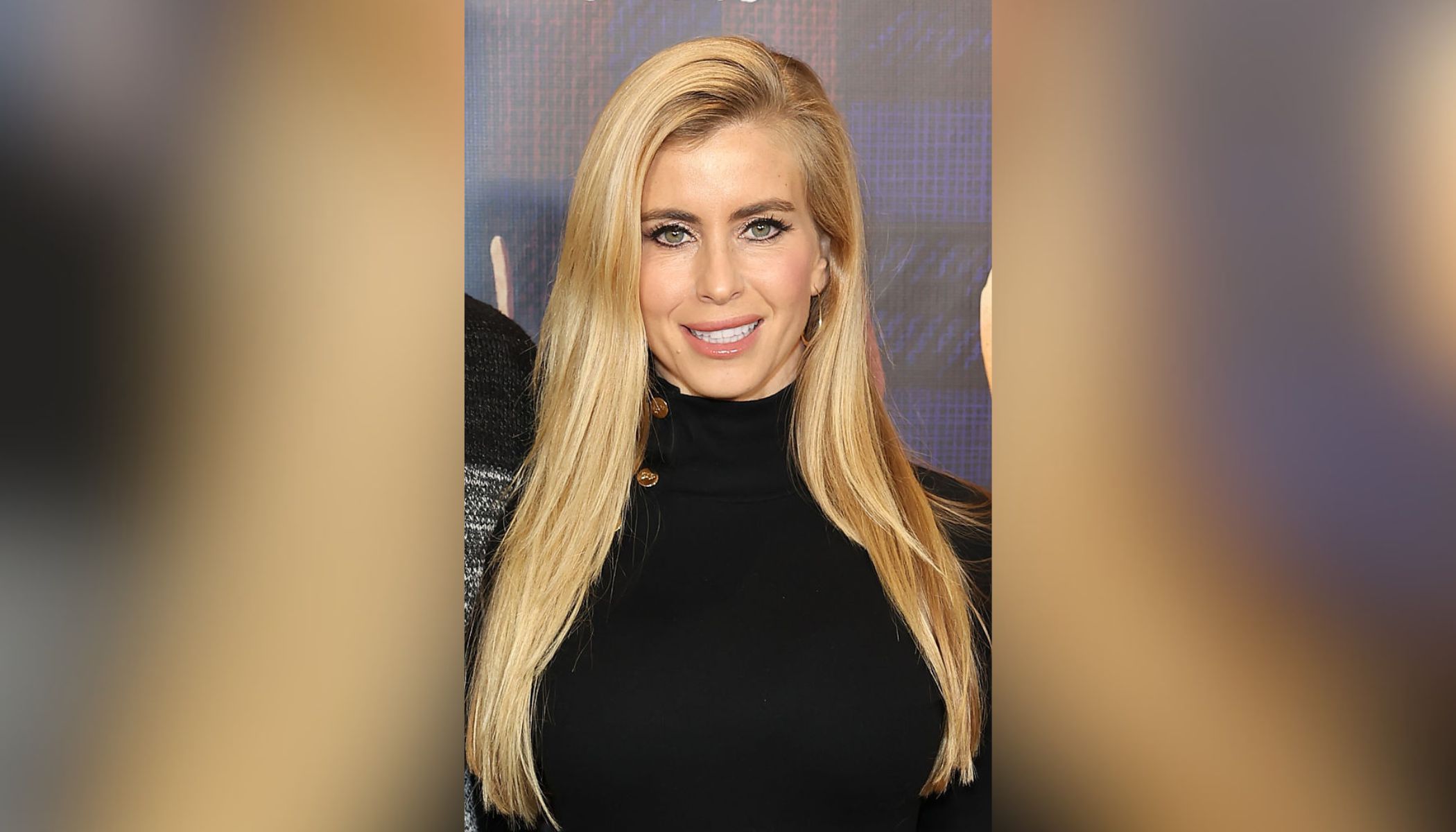
Maria Elena Rocha recounts how despite the tragedy of losing her husband and two sons in last summer’s earthquake in Venezuela, her faith and trust in God still sustains her.
Read More
New White House press secretary describes ‘miracle’ when her mother chose adoption over abortion #Catholic Newly appointed White House press secretary and pro-life advocate Katie Zacharia, whose appointment President Donald Trump announced Oct. 9, has shared that her biological mother chose life over abortion in the final moments before a scheduled procedure, calling it a “miracle.”Last year Zacharia, now herself a mother of four and an attorney, described in an interview with “We The People with Gates Garcia” how the precise circumstances of her birth became the foundation of her pro-life convictions.She told Garcia that she was “approximately 20, 30 minutes away from being aborted” when her mother, Ruth, changed her mind.Ruth, whom Zacharia described as having a “tough background of sexual abuse,” was about to head to her abortion appointment when the biological father called, pushing the abortion. Ruth was about to walk out the door to head to the clinic when the phone rang again. Ruth walked back to the phone to answer it, and the Christian counselor who’d called urged her to “consider an open adoption rather than an abortion, so you have an opportunity to know who this child could be and give this child an opportunity to live.”The counselor told her she did not understand “how painful” abortion would be for her, because along with “the loss of [her] baby,” there would be “ensuing psychological, physical … trauma.”Zacharia said her mother decided not to go through with the abortion “to the anger and dismay of her family,” which allowed Zacharia to be adopted as a newborn. She later met her biological mother at age 18, who told her the story. She said that “seconds of a phone call … saved my life,” calling her story “a miracle” that explains why the issue is “so near and dear” to her.Zacharia, who while in law school at Pepperdine University served as president of the university’s Christian Legal Society chapter, has also served on the board of advisers for the White Rose Resistance, a group founded by Seth Gruber that advocates for legal protection for the unborn.Zacharia has been a frequent commentator on Fox News, Newsmax, and other outlets. She also previously worked as general counsel for Fix California, a conservative nonprofit.In February, she became deputy assistant secretary for public affairs at the Department of Homeland Security under then-Secretary Kristi Noem. She resigned after roughly a month, citing the strain on her family of commuting between California, her home, and Washington, D.C. In June, she joined Trump Media & Technology Group/Truth Social as a senior communications adviser.Zacharia succeeds Karoline Leavitt, who in an interview with Sean Hannity last month explained that she left the position to spend more time with her growing family. Trump said Zacharia would begin her new role on Oct. 12 and hold an introductory news conference on Wednesday, Oct. 14, at 9:30 a.m. ET in the White House press briefing room.

New White House press secretary describes ‘miracle’ when her mother chose adoption over abortion #Catholic Newly appointed White House press secretary and pro-life advocate Katie Zacharia, whose appointment President Donald Trump announced Oct. 9, has shared that her biological mother chose life over abortion in the final moments before a scheduled procedure, calling it a “miracle.”Last year Zacharia, now herself a mother of four and an attorney, described in an interview with “We The People with Gates Garcia” how the precise circumstances of her birth became the foundation of her pro-life convictions.She told Garcia that she was “approximately 20, 30 minutes away from being aborted” when her mother, Ruth, changed her mind.Ruth, whom Zacharia described as having a “tough background of sexual abuse,” was about to head to her abortion appointment when the biological father called, pushing the abortion. Ruth was about to walk out the door to head to the clinic when the phone rang again. Ruth walked back to the phone to answer it, and the Christian counselor who’d called urged her to “consider an open adoption rather than an abortion, so you have an opportunity to know who this child could be and give this child an opportunity to live.”The counselor told her she did not understand “how painful” abortion would be for her, because along with “the loss of [her] baby,” there would be “ensuing psychological, physical … trauma.”Zacharia said her mother decided not to go through with the abortion “to the anger and dismay of her family,” which allowed Zacharia to be adopted as a newborn. She later met her biological mother at age 18, who told her the story. She said that “seconds of a phone call … saved my life,” calling her story “a miracle” that explains why the issue is “so near and dear” to her.Zacharia, who while in law school at Pepperdine University served as president of the university’s Christian Legal Society chapter, has also served on the board of advisers for the White Rose Resistance, a group founded by Seth Gruber that advocates for legal protection for the unborn.Zacharia has been a frequent commentator on Fox News, Newsmax, and other outlets. She also previously worked as general counsel for Fix California, a conservative nonprofit.In February, she became deputy assistant secretary for public affairs at the Department of Homeland Security under then-Secretary Kristi Noem. She resigned after roughly a month, citing the strain on her family of commuting between California, her home, and Washington, D.C. In June, she joined Trump Media & Technology Group/Truth Social as a senior communications adviser.Zacharia succeeds Karoline Leavitt, who in an interview with Sean Hannity last month explained that she left the position to spend more time with her growing family. Trump said Zacharia would begin her new role on Oct. 12 and hold an introductory news conference on Wednesday, Oct. 14, at 9:30 a.m. ET in the White House press briefing room.

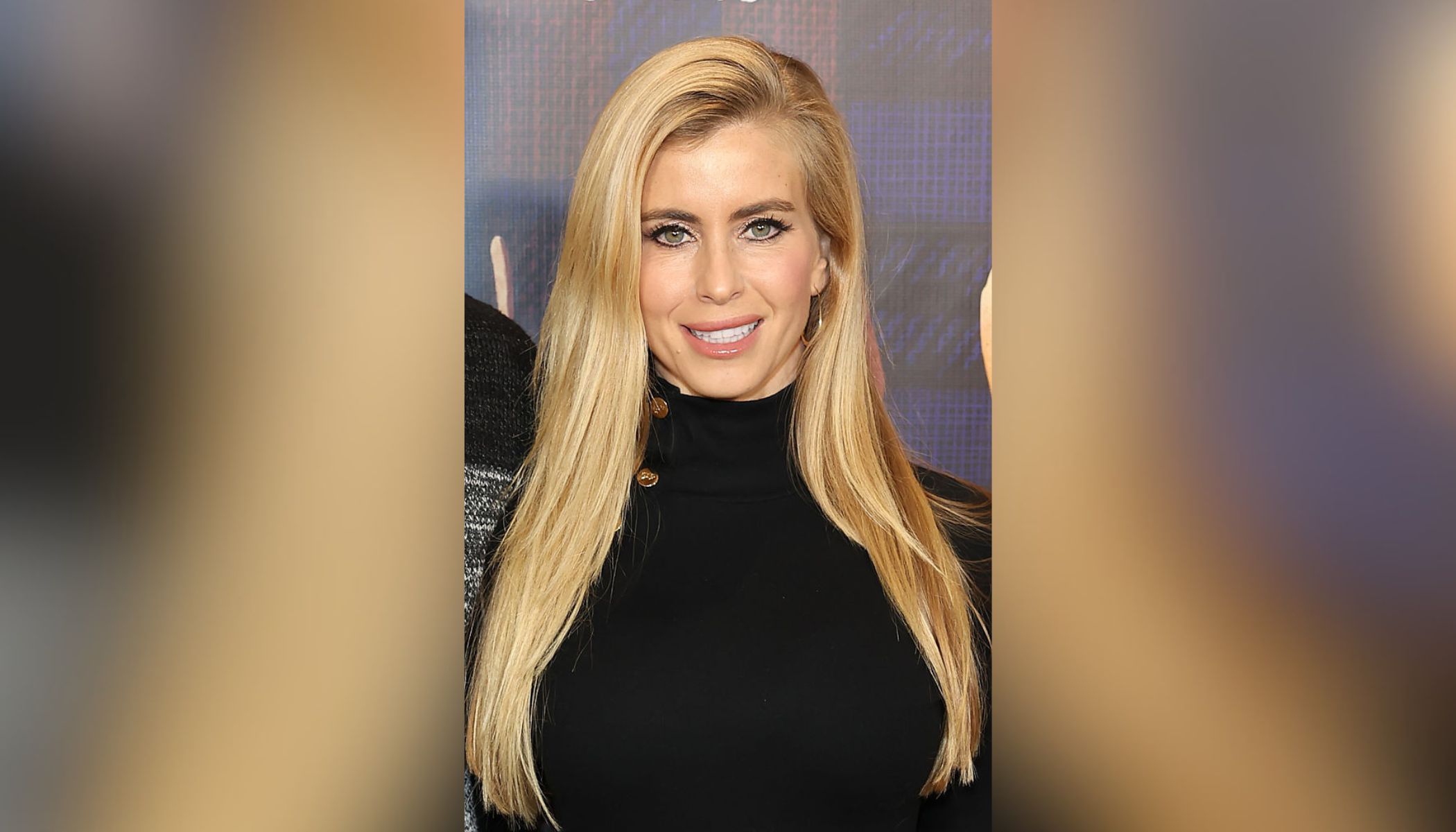
She said that she was “approximately 20, 30 minutes away from being aborted” when her mother changed her mind.
Read More